Andrew Bailey Net Worth: What Public Records Show
Andrew Bailey Net Worth remains undisclosed, but official records show his Bank of England pay and pension-related cash supplement.
Author:James RowleyMay 03, 2026
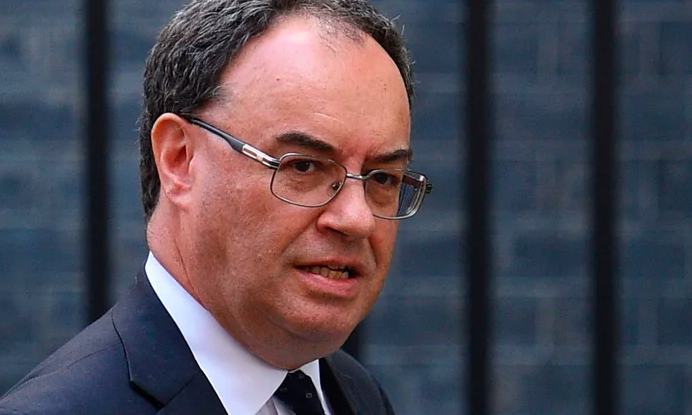
As of 2026, Andrew Bailey’s net worth has not been publicly disclosed, and no officially verified figure is available. He receives an annual salary of £495,000 as Governor of the Bank of England, and the Bank contributes roughly £99,000 per year toward his defined-benefit pension. These official compensation components represent the only publicly documented sources of his income.
Bank Of England Salary Behind Andrew Bailey’s Pay
Andrew Bailey became Governor in March 2020, when the Bank’s Remuneration Committee set his base pay at £495,000 per year. That figure has remained unchanged throughout his term, with Bailey refusing all pay rises offered since 2020. In 2024, a 3.0% increase was applied to senior Bank staff, but Bailey declined it. Had he accepted the pay rises offered since 2020, his salary would now be about £533,100.
His Bank salary package consists of the fixed £495k base pay plus modest taxable benefits. The Bank’s annual reports confirm that his pay remained unchanged year to year at £495,000, making the fixed salary the main component of his income from the Bank of England.
| Key Fact | Verified Details |
| Andrew Bailey Net Worth | Not publicly disclosed. |
| Date of Birth | Born 30 March 1959. |
| Birthplace | Leicester, England. |
| Education | BA, PhD – Cambridge. |
| Bank Career Start | Joined Bank of England (1985). |
| Crisis Role | Headed Special Resolution Unit (2009). |
| FCA Position | CEO of FCA (2016–2020). |
| Governor Role | BoE Governor since March 2020. |
| Term Length | Eight-year appointment. |
| COVID Policy | Cut rate to 0.10% (2020). |
| Peak Rate | 5.25% (2023). |
| Current Rate | 3.75% (early 2026). |
| QE Policy | Oversaw quantitative tightening. |
| FSB Role | Nominated FSB Chair (2025). |
| Income Source | Public salary as BoE Governor. |

Governor Pay Disclosures That Support Bailey’s Profile
Bailey’s remuneration is reported through official disclosures and annual accounts. In a Freedom of Information response, the Bank explicitly confirmed his salary and benefits, noting, “Mr Bailey’s pay as Governor has not changed since his appointment.” The Bank’s annual accounts also detail his total compensation.
The 2024/25 accounts show his total Bank pay, including base salary, benefits and pension supplement, at £598,074. That is consistent with earlier figures; for 2022/23, the accounts list total remuneration of around £597,952. These published reports and official summaries show the consistency of Bailey’s pay profile. His base salary of £495k, plus a roughly £99k cash supplement in lieu of pension, is confirmed by these disclosures.
FCA Chief Executive Pay Before Bailey’s Bank Role
Before joining the Bank of England, Bailey served as Chief Executive of the Financial Conduct Authority (FCA) from 2016 to 2020. The FCA’s annual accounts itemize his pay during that period. The 2017/18 FCA report shows his base salary at £440,000 annually, unchanged from the prior year, plus a £75,000 performance bonus for 2018.
His total FCA package that year, including salary, bonus, benefits and pension supplement, came to about £589,000. These figures come from audited FCA disclosures of senior staff pay, confirming Bailey’s earnings as FCA CEO. Before becoming Governor of the Bank, Bailey was already paid at a level consistent with a major financial regulator and his responsibilities at the FCA.
Public Sector Pension Value Linked To Bailey’s Career
At both the FCA and the Bank, Bailey opted out of public pension schemes and instead received additional cash payments. Bank documents state that he is “out of the pension altogether, receiving a salary supplement in lieu of pension.” In practice, he received an annual payment of around £99,000 instead of Bank pension contributions.
The FCA accounts similarly note that Bailey took a non-pensionable supplement rather than accruing defined-benefit pension benefits. Because he did not participate in the Bank’s or FCA’s pension plans, these cash allowances formed part of his career earnings. Over several years, the supplement represented a significant component of his remuneration from public service roles.
Official Remuneration Reports Behind Bailey’s Pay
Bailey’s compensation has been set through formal remuneration processes at the Bank of England and the FCA. At the Bank of England, senior pay structures are determined by a Court-appointed Remuneration Committee. Its reports detailed Bailey’s salary arrangements and recorded that he declined annual increases awarded to other senior executives.
Those disclosures show how his unchanged salary and supplementary payments were calculated. At the FCA, audited reports confirmed his £440,000 salary and performance-related bonus arrangements under a similar framework. Together, the remuneration reports and public disclosures provide the verified basis for Bailey’s compensation throughout his regulatory career.
Central Banking Career Behind Bailey’s Wealth Profile
Andrew Bailey built his career through senior leadership roles within the UK financial system. Between 2013 and 2016, he served as Deputy Governor for Prudential Regulation and Chief Executive of the Prudential Regulation Authority at the Bank of England. During that period, he oversaw prudential supervision of banks, investment firms, and insurance companies.
In 2016, Bailey became Chief Executive of the Financial Conduct Authority, leading conduct regulation across the UK financial services industry until 2020. His responsibilities included consumer protection, market integrity, and supervision of regulated financial firms.
On 16 March 2020, Bailey became Governor of the Bank of England, taking responsibility for UK monetary policy, financial stability, and oversight of the central bank’s operations. As Governor, he also chairs the Monetary Policy Committee, Financial Policy Committee, and Prudential Regulation Committee.
Earlier in his Bank of England career, Bailey served as Chief Cashier and Executive Director for Banking Services between 2004 and 2011. In that role, he oversaw currency issuance operations and banking services functions. He also held senior positions including Head of the Bank’s Special Resolution Unit and Governor’s Private Secretary. These long-standing regulatory and central banking roles formed the basis of his senior public-sector compensation profile.
Annual Reports That Support Bailey’s Financial Record
Bank of England and FCA annual reports consistently documented Bailey’s remuneration throughout his executive career. The Bank’s annual accounts listed his base salary, taxable benefits, pension allowance replacement payments, and total remuneration figures.
FCA reports detailed his salary, deferred bonuses, pension supplements, and executive compensation arrangements within audited remuneration tables. These annual filings provide a consistent public financial record of Bailey’s compensation across his leadership roles in UK financial regulation and central banking.
Public Office Rules Around Bailey’s Private Income
Under the Bank of England Act 1998, Governors and Deputy Governors are required to provide remunerated services only to the Bank unless specific approval is granted by the Court of Directors. Bailey’s publicly disclosed income is tied to his official responsibilities within the Bank of England and previously within the FCA. The governance framework around the Governor’s office is designed to prevent conflicts of interest and maintain independence in monetary and financial regulation.
FAQs
What Is Andrew Bailey’s Term As Bank Of England Governor?
Andrew Bailey’s current term as Governor runs from 16 March 2020 to 15 March 2028.
What Did Andrew Bailey Study Before His Central Banking Career?
Andrew Bailey studied at Queens’ College Cambridge, earning a BA in History and a PhD in Economic History.
When Did Andrew Bailey First Join The Bank Of England?
Andrew Bailey joined the Bank of England in 1985. Before that, he worked as a research officer at the LondonSchool of Economics from 1984 to 1985.
Has Andrew Bailey Held Any International Financial Role?
Andrew Bailey was appointed chair of the Financial Stability Board for a three-year term beginning in July 2025.
Why Is Andrew Bailey Considered A Career Regulator?
Andrew Bailey is considered a career regulator because he spent decades in senior financial regulation and central banking roles before becoming Governor. His career includes Bank of England service, FCA leadership, and global financial stability work.

James Rowley
Author
James Rowley is a London-based writer and researcher covering London life, cultural geography, London travel, live London webcam pages and selected public figures across entertainment, sport, business and public life.
For over 15 years, he has focused on verified sources, first-hand local context and clear explanations that help readers understand both places and people more deeply. His work combines street-level London knowledge with careful research into career credits, media work, business interests and, where relevant, transparently explained net worth estimates.
He writes and reviews articles published on LondonWebcam.
Latest Articles
Popular Articles