Chris Philp: Career, Salary And Wealth Explained
Chris Philp Net Worth in 2026 examined, including MP salary, business ventures, ministerial pay and publicly known financial details.
Author:James RowleyOct 01, 202544.7K Shares630.7K Views
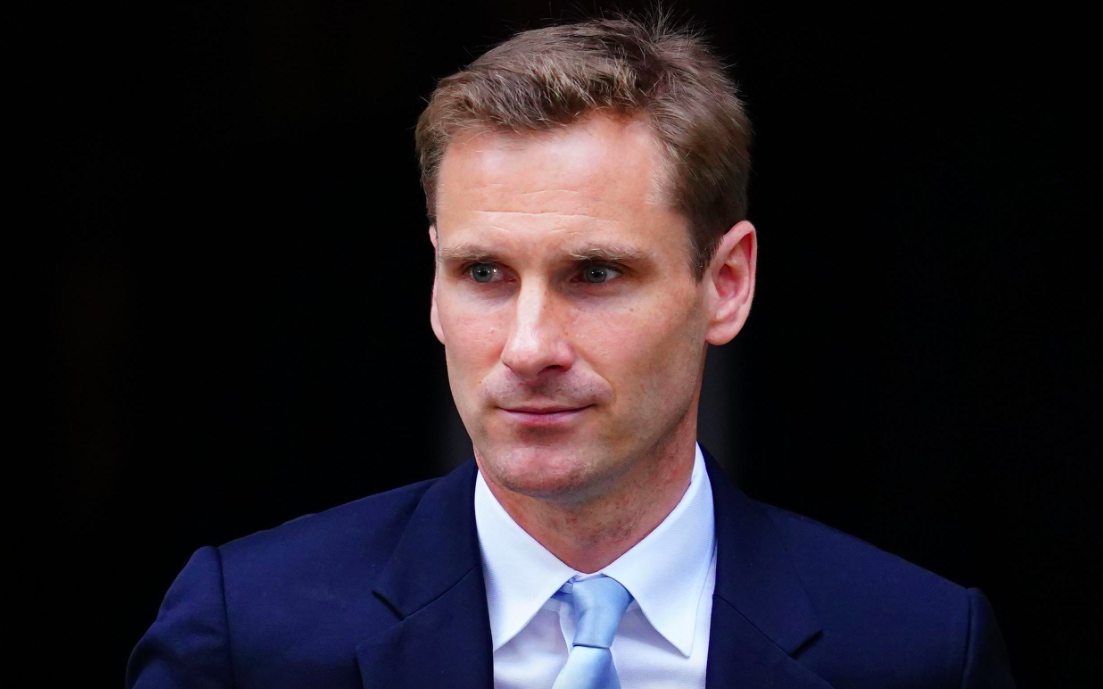
Christopher Ian Brian Mynott Philp was born in 1976 in West Wickham, London. His father was an archaeologist and his mother a schoolteacher. Philp grew up in the West Wickham area (then in Kent) and has recalled childhood experiences such as attending pantomime performances at Croydon’s Fairfield Halls and riding the local 119 bus as a youth.
He sat the entrance exam for the private Trinity School in Croydon but did not receive a fee scholarship; instead, he attended St Olave’s and St Saviour’s Grammar School in nearby Orpington. He later read physics at University College, Oxford, graduating with first-class honours, and went on to complete a master’s degree in theoretical quantum mechanics.
| Estimated Net Worth (2026) | Not publicly disclosed |
| Primary Wealth Sources | Business ventures and property finance firms. |
| Current Salary (2025) | Around £94k as an MP |
| Shareholdings | Stakes in Pluto Partners and related firms. |
| Political Role (2025) | Shadow Home Secretary; MP since 2015 |
| Key Business Achievement | Co-founded Blueheath, later merged into Booker |
| Education | Physics degree and master’s from Oxford |
| MP Salary (April 2025) | £93,904 per year |
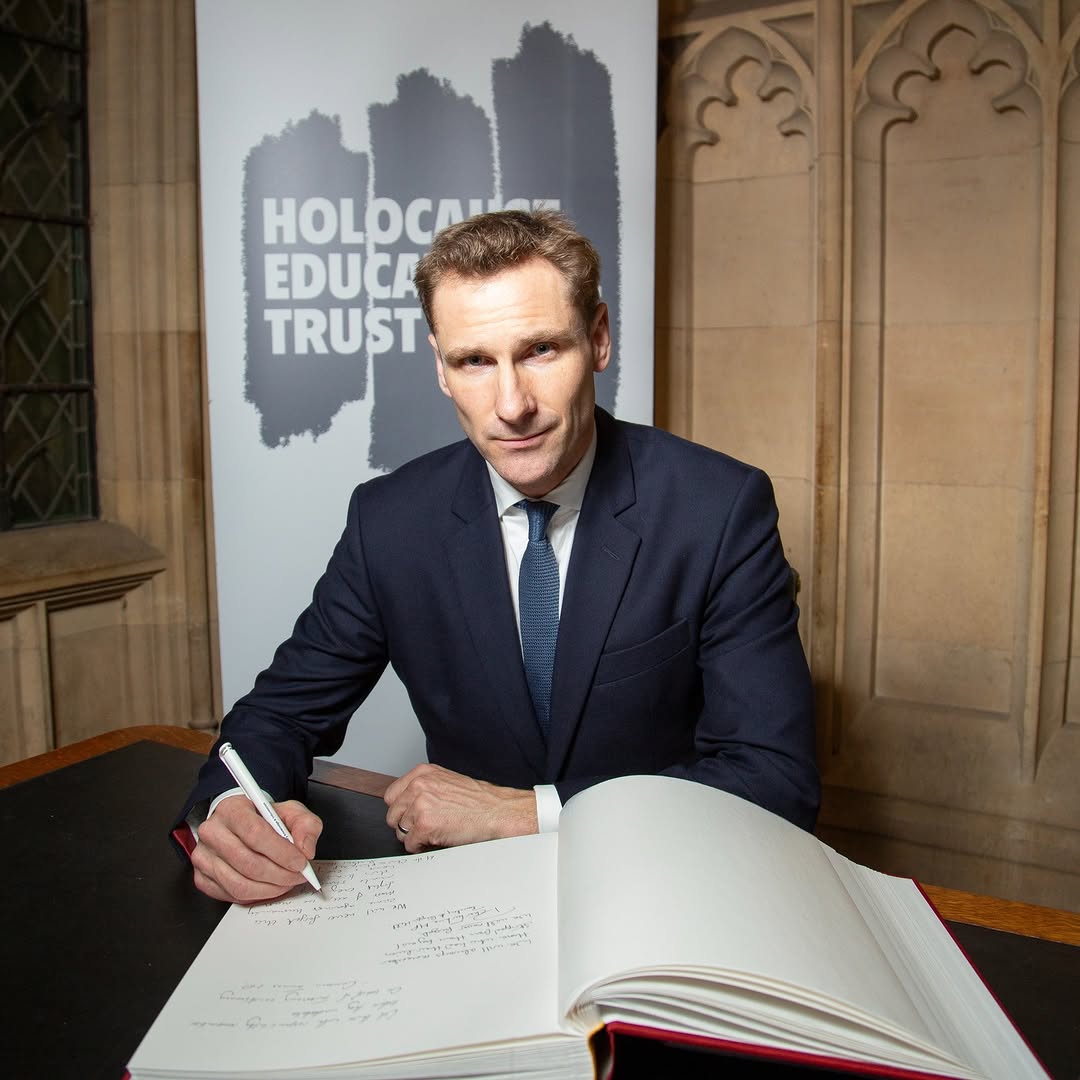
Chris Philp Career
Chris Philp is a British Conservative politician and former entrepreneur who has been the Member of Parliament for Croydon South since 2015. Over a decade in Parliament, he has held a succession of government positions under Conservative administrations, culminating in senior Cabinet roles in 2022.
In opposition after the 2024 general election, he served briefly as Shadow Leader of the House of Commons and, in November 2024, was appointed Shadow Home Secretary by new party leader Kemi Badenoch. Throughout his career, Philp has focused on business-friendly economic policies, robust law-and-order initiatives and strict immigration controls, earning a reputation as a hardline home affairs spokesperson.
Early Career & Business Background
After graduating in physics from University College, Oxford, Philp entered the business world and became a noted tech and logistics entrepreneur. He co-founded Blueheath Holdings, a grocery distribution firm, which he helped grow from startup to about £70 million in annual turnover within four years.
Blueheath floated on the AIM market and merged into Booker Group in a deal valuing the combined business around £375 million. Philp later launched Clearstone Training & Recruitment, an HGV driver training company, and co-founded Pluto Finance (UK) LLP, a property development lending firm.
He also set up the charity Next Big Thing, which gave mentoring and support to inner-city teenagers developing business plans; the project was ultimately handed over to The Mercers’ Company to continue under his endorsement. His entrepreneurial success brought national recognition: he was named London’s Emerging Entrepreneur of the Year in 2003 (Ernst & Young/Times) and won the CBI’s Entrepreneur of the Future award in 2005.
This business background became a foundation for his later political image as a policymaker sympathetic to startups and innovation.
Entry Into Politics & Election As MP (2015)
Philp first entered the national political stage by contesting the Hampstead and Kilburn seat in the 2010 general election as a Conservative candidate. In that contest he narrowly missed victory, losing by just 42 votes to the Labour incumbent.
Five years later, he won election as MP for Croydon South at the 2015 general election. He held that safe Conservative seat with a large majority (over 17,000 votes) and has been re-elected in subsequent polls (2017, 2019, and under the revised Croydon South boundaries in 2024).
In Parliament, Philp has been active on constituency matters but has primarily engaged in national policy debates. His rise was rapid: soon after becoming an MP he was appointed Parliamentary Private Secretary to the Chancellor of the Exchequer, and he quickly entered the ministerial ranks in government.
Parliamentary Roles & Government Appointments
Once in government, Philp held a series of ministerial roles across several departments. Under the prime ministers of 2019–2024 (Johnson, Truss, and Sunak), he served as a junior minister in justice, local government and Home Office portfolios.
From September to December 2019 he was Parliamentary Under-Secretary of State at the Ministry of Justice; immediately after the December 2019 reshuffle he took on the role of Parliamentary Under-Secretary of State for Housing and Planning with responsibility as Minister for London (December 2019–February 2020). In February 2020 he moved back into the Home Office as Parliamentary Under-Secretary (a junior minister), serving until September 2021.
He then joined the Department for Digital, Culture, Media and Sport as Parliamentary Under-Secretary (Tech and Digital) from September 2021 until July 2022.
In September 2022 Philp was promoted into the Cabinet. During Liz Truss’s brief premiership he was appointed Chief Secretary to the Treasury (6–14 September 2022).
When Truss resigned, the incoming Prime Minister Boris Johnson appointed Philp as Paymaster General and Minister for the Cabinet Office (14–25 October 2022). After the 2022 reshuffle, under Johnson’s continued leadership, Philp became Minister of State at the Home Office with the crime, policing and fire brief (26 October 2022–5 July 2024).
In these senior roles he oversaw areas ranging from the public purse (as Chief Secretary) and Cabinet operations to policing policy and national security at the Home Office. When the Conservative government fell in July 2024, Philp left ministerial office as the party moved into opposition.
Key Policy Positions & Legislative Contributions
Throughout his parliamentary career, Philp has consistently advocated for conservative policies on economics, law enforcement and immigration. From his time as a junior minister to his current shadow role, he has emphasized technology-driven economic growth and robust border control.
As Digital Economy Minister (2021–22), he championed the UK tech sector, praising Britain’s 120 “unicorn” start-ups and promoting a pro-innovation regulatory approach to boost investment. In Westminster debates and publications he has pushed for lower business taxes and deregulation to spur entrepreneurship, reflecting his own business background.
On crime and justice, Philp has supported tougher measures. He has called for strict sentencing for offenders and more resources for neighbourhood policing.
For example, during scrutiny of the Crime and Policing Bill (2024–26) he pointed out omissions such as the lack of new provisions on nuisance begging, describing this gap as “conspicuously missing”. He also backed amendments to extend sexual offences law (such as updating incest provisions) to cover first-cousin relationships.
As a member of select committees he has raised issues like online safety and civil liberties; for instance, he questioned the need for extra safeguards on freedom of expression in tech legislation.
Immigration and border security have been signature issues for Philp. He has advocated an uncompromising stance on illegal migration.
In official speeches and interviews he framed asylum and border policy as a security necessity, famously stating that “the ability to control our country’s borders is non-negotiable”. He called on the government to reinstate strict measures such as the Rwanda deportation scheme and to ban asylum claims by those arriving illegally.
In a 2025 speech he laid out a “Borders Plan” which, enabled by exiting the European Convention on Human Rights, would see all small-boat arrivals deported within a week. Philp has also promoted creative economic solutions to immigration: for example, he suggested expanding automation in industries like agriculture, arguing that “businesses should be using more robots instead of hiring low-paid migrants”.
These positions underline his legislative focus on tightening immigration laws, boosting law enforcement powers, and encouraging high-skilled economic growth.
Shadow Home Secretary Role & Political Leadership (2024–Present)
After the Conservatives moved into opposition in mid-2024, Philp was quickly elevated within the shadow cabinet. He was appointed Shadow Leader of the House of Commons in July 2024 and, following Kemi Badenoch’s victory in the leadership contest, became Shadow Home Secretary on 5 November 2024.
In this capacity he is the opposition’s chief spokesperson on home affairs, responsible for critiquing government policy on policing, crime and immigration. He has aligned closely with Badenoch’s stated priorities, advocating a “zero tolerance” approach to criminal activity and illegal crossings.
For instance, he publicly vowed that any foreign national involved in racial or terrorist violence would be deported immediately if he were Home Secretary.
At the October 2025 Conservative Party conference, Philp delivered a keynote speech outlining the party’s plans on migration and security. He announced a pledge to end Channel small-boat crossings and to effectively close off asylum claims for people arriving unlawfully, proposing rapid removal (to origin or third countries) within days.
He reaffirmed support for the party’s commitment to leave the ECHR, stating, “We have concluded it is right for our country to leave the ECHR” in order to regain full sovereignty over immigration law. Through speeches and interviews, he has emphasized rebuilding public trust in Conservative law-and-order credentials.
These high-profile roles have made Philp one of the party’s lead strategists on policing and migration as the Conservatives prepare to challenge the current government.
Current Political Influence & Public Profile
As one of the senior opposition figures, Philp has become a prominent media presence and influencer on Conservative policy. He frequently appears on TV and radio to critique the Labour government’s handling of crime and immigration; for example, during the summer of 2025 he was quoted warning that “Labour has lost control of our borders” amid record asylum claims.
Philp has also written opinion pieces and spoken at public events to articulate his party’s stance. His direct, no-nonsense style – such as describing a militant protest group as engaging in “organised political violence [that] cannot be tolerated” – reinforces his image as a hardline voice on national security.
Within the Conservative Party, Philp is viewed as a leading lieutenant to Badenoch, drawing on his business and ministerial experience to bolster the party’s frontbench. He has helped shape the party’s “borders and security” agenda and is considered a rising figure for future cabinet consideration if the Conservatives return to power.
He remains active on parliamentary business, contributing to debates and committees on issues like crime prevention and civil liberties, and maintains a close engagement with his Croydon South constituents. In the public eye, Philp’s combination of ministerial credentials, entrepreneurial background and outspoken policy positions make him one of the most influential Conservative MPs between 2024 and 2026.
Chris Philp Net Worth
As of 2026, his net worth is not publicly disclosed, and no figure has been officially verified by major financial authorities. Philp earns income through his official roles and private ventures. He receives an annual base salary as a Member of Parliament (currently £93,904 per yearfrom April 2025) along with standard parliamentary allowances covering office and travel expenses.
During his time as a government minister he also drew additional ministerial pay on top of his MP salary. He has founded and held ownership stakes in private finance and property companies (for example, co-founding the property finance firm Pluto Finance), but any revenue or dividends from those business interests are not publicly documented. No other personal income streams (such as book royalties or speaking fees) have been officially reported.
FAQs
Who Is Chris Philp?
Chris Philp is a British Conservative politician who has served as Member of Parliament for Croydon South since 2015. He has held several ministerial roles and currently serves as Shadow Home Secretary.
When Was Chris Philp Born?
Chris Philp was born in 1976 in West Wickham, London. He grew up in the local area, which was then part of Kent.
What Is Chris Philp’s Educational Background?
He studied physics at University College, Oxford, graduating with first-class honours. He later completed a master’s degree in theoretical quantum mechanics.
What Businesses Has Chris Philp Been Involved In?
Before entering politics, Philp co-founded Blueheath Holdings, a grocery distribution company that later merged with Booker Group. He also co-founded Pluto Finance and launched other ventures in training and recruitment.
When Did Chris Philp Become An MP?
He was elected as MP for Croydon South in the 2015 general election. He has been re-elected in subsequent elections.

James Rowley
Author
James Rowley is a London-based writer and researcher covering London life, cultural geography, London travel, live London webcam pages and selected public figures across entertainment, sport, business and public life.
For over 15 years, he has focused on verified sources, first-hand local context and clear explanations that help readers understand both places and people more deeply. His work combines street-level London knowledge with careful research into career credits, media work, business interests and, where relevant, transparently explained net worth estimates.
He writes and reviews articles published on LondonWebcam.
Latest Articles
Popular Articles