David Batty Net Worth 2026: Football Wealth Facts
David Batty Net Worth in 2026 is private, but his 17-year playing career, major transfers, and pension history show his financial base.
Author:James RowleyMay 08, 20262.6K Shares176.3K Views
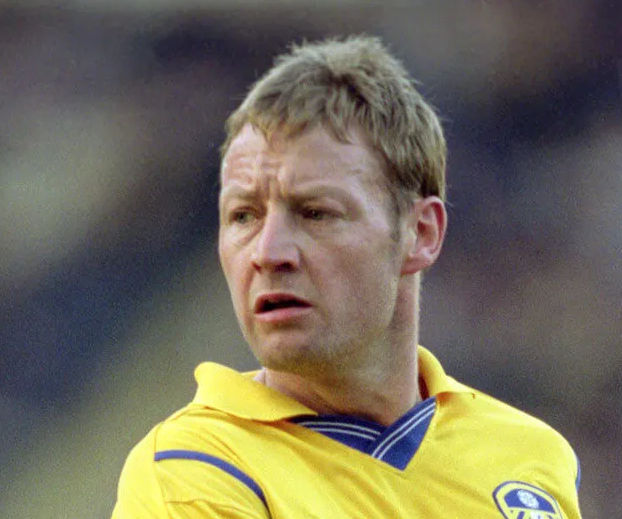
As of 2026, David Batty’s net worth is not publicly disclosed, and no figure has been officially verified by major financial authorities. He earned his income through his professional football career at Leeds United, Blackburn Rovers, and Newcastle United, but specific contract salaries were never made public.
Since retiring in 2004, he has largely kept a low profile, and there are no public records of any additional business ventures or media roles contributing to his income.
League Salary Earnings From David Batty’s 17-Year Football Career
Top-division football salaries in England rose sharply during Batty’s playing career. In the mid-1980s, the average First Division salary was around £25,000 per year. By the late 1990s and 2000s, Premier League wages had reached seven figures. Batty played from 1987 to 2004, covering that boom period.
His personal wage agreements have not been made public, but his transfers to title-contending clubs Blackburn and Newcastle indicate that he was among the higher earners of his era. By the mid-1990s, television revenue deals were driving pay rises of roughly 25–30% per season, so Batty’s contract income at Newcastle and Leeds would likely have reflected those rising rates. Exact figures have not been disclosed, but his 17-year career likely produced total earnings in the multi-million-pound range, consistent with the large transfer fees paid for him.
| Fact | Details |
| Full Name | David Alan Batty |
| Date of Birth | 2 December 1968 |
| Birthplace | Leeds, West Yorkshire, England |
| Position | Defensive midfielder |
| Youth Club | Leeds United academy |
| Leeds Debut | First team debut in 1987 (age 18) |
| Leeds Titles | Second Division (1989–90); First Division (1991–92) |
| Blackburn Move | Joined in 1993 (£2.75m); part of 1994–95 title squad |
| Newcastle Spell | Played 1996–1998; FA Cup Final 1998 |
| England Caps | 42 appearances (1991–1999) |
| Major Tournaments | Euro 1992; 1998 World Cup |
| League Appearances | 438 league games; 8 goals |
| Individual Honors | PFA Team of the Year (3 times); club Player of the Year awards |
| Retirement | Retired in 2004 after Leeds spell |
| David Batty Net Worth | Not publicly confirmed; no verified estimate available |
Leeds United, Blackburn Rovers And Newcastle United Contracts
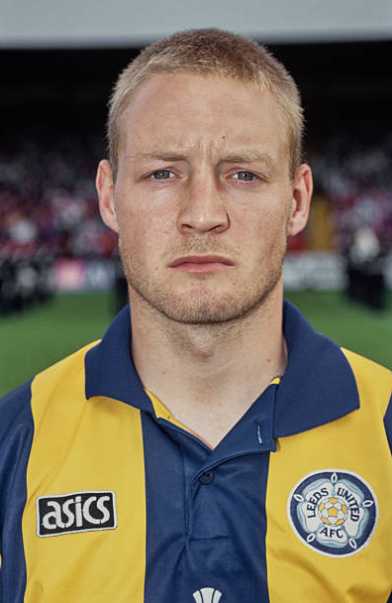
Batty’s club contracts traced his rise from homegrown Leeds talent to established Premier League midfielder. Leeds United (1987–1993, 1998–2004): A product of Leeds’ youth system, Batty signed professional terms in the late 1980s and made his debut in 1987 at age 18.
He became a first-team regular, helping Leeds win promotion in 1989–90 and the old First Division title in 1991–92. In October 1993, Leeds sold him to Blackburn Rovers for £2.75m and used the funds to strengthen the squad.
Batty returned to Leeds on 8 December 1998 for about £4.4m under manager David O’Leary, signing a long-term contract to add experience to a young team. He made 90 league appearances during his second spell, but an Achilles injury in January 2004 ended his season. Leeds released him in May 2004, ending his final contract.
Blackburn Rovers (1993–1996): Batty agreed a contract with Blackburn Rovers in October 1993 under manager Kenny Dalglish. Blackburn’s £2.75m transfer fee reflected his status as a rising midfield talent. He played as a defensive midfielder and made more than 50 league appearances for the club.
Blackburn won the Premier League in 1994–95, and Batty was part of that campaign, though a broken foot limited his involvement and he did not collect a medal. He remained under contract until early 1996, when he requested a move for a new challenge.
Newcastle United (1996–1998): Batty joined Newcastle United in March 1996 for £3.75m. He signed a multi-year deal to become a central figure in Kevin Keegan’s midfield. Across roughly two and a half seasons at Newcastle, he made 83 league appearances and helped the team finish as Premier League runners-up in 1995–96 and 1996–97.
His Newcastle contract ended by mid-1998 after a managerial change, when the club agreed to sell him back to Leeds for about £4.4m. That transfer ended his Newcastle agreement and began a new contract for his return to Leeds United.
England National Team Appearances And International Career Value
Batty was a regular England international throughout the 1990s. He made his senior debut for England in May 1991, in a 3–0 win over the Soviet Union, at age 22. Over eight years, he earned 42 caps for the national team and played in midfield at major tournaments including UEFA Euro 1992 and the 1998 FIFA World Cup.
He never scored for England, finishing with 42 caps and 0 goals, but his solid defensive play helped secure the midfield and earned him selection under managers such as Graham Taylor and Glenn Hoddle. Batty’s England career brought prestige and nominal match fees from the Football Association, but those international bonuses were modest compared with his club wages and have not been publicly disclosed. His international career value rests on the level of competition and experience documented by his cap tally, rather than any direct financial figures, which remain private.
Transfer Moves That Shaped Batty’s Professional Earnings
Batty’s high-profile transfers significantly affected both his clubs’ finances and his own earning power. His 1993 move from Leeds to Blackburn for £2.75m brought substantial funds into Leeds. When Newcastle signed him in March 1996 for £3.75m, he joined a squad undergoing a major overhaul. Newcastle’s investment in Batty was part of the season’s largest spending spree, showing how highly clubs valued key midfielders.
In late 1998, Leeds negotiated to re-sign Batty. They initially planned to pay £4.5m, while Newcastle had earlier valued him at about £6m. Leeds eventually agreed a £4.4m fee. Multi-million-pound transfers of this kind typically include signing-on bonuses and improved salaries.
Batty also declined about £800,000 in loyalty bonuses when he formally requested a transfer, giving up that money to force the move. Each transfer increased his market value and likely brought a raise or bonus for Batty personally, reinforcing the role these moves played in his lifetime earnings.
Football Pension Value From Batty’s Long Playing Career
As a long-serving professional, Batty would have built retirement benefits through the Professional Footballers’ Association pension scheme. The PFA’s defined-contribution pension provides benefits to registered players during and after their careers. Batty’s exact contributions from his playing years are not public, but current rates provide context: as of 2025, the scheme contributes £7,200 per year on a player’s behalf, while earlier decades carried lower payments.
Batty’s career ran from the mid-1980s through 2004, giving him many years under contract and meaning he would likely have qualified for full vesting in the scheme. Players who joined before 2006 first built benefits in an older plan, FLPRIS, which has since been merged into the PFA scheme. The PFA’s investments and annual reviews help the pension fund grow over time, but Batty’s individual pension pot and final entitlement remain private. The public record covers the scheme and its contribution rates, not any player’s personal balance.
Post-Retirement Privacy Around David Batty’s Finances
After hanging up his boots, Batty deliberately stepped away from the public spotlight. Teammates and journalists have said he “shunned life in the limelight” and has rarely given interviews or appeared at club events. Former colleague Les Ferdinand described the “reality” as Batty “simply enjoying a low-key retirement with his family in Yorkshire.”
Since retiring, Batty has avoided media discussions about money or his career. There is no public record of business ventures or high-profile endorsements involving him, and any smaller roles have not carried disclosed salaries. His post-playing income and investments remain private, in keeping with his low-profile lifestyle.
Public Football Records Behind David Batty’s Career Value
Batty’s official playing records and honors provide the firmest measure of his career value. League statistics show that he made 438 total league appearances and scored 8 goals during his career. Those figures include more than 300 games across two spells at Leeds United, along with 54 games and 1 goal for Blackburn Rovers and 83 games and 3 goals for Newcastle United.
He helped Leeds United win the Second Division title in 1989–90 and the First Division championship in 1991–92. After moving to Blackburn, he was part of the squad that won the Premier League in 1994–95, although he did not receive a medal because of injury. With Newcastle, Batty contributed to back-to-back second-place finishes in 1995–96 and 1996–97. He also earned Newcastle United’s Player of the Year award for the 1997–98 season.
Internationally, Batty won 42 England caps and played in Euro 1992 and the 1998 FIFA World Cup. These publicly verifiable appearances, championships and awards form the factual basis of Batty’s career legacy and provide the basis for assessing his professional value.
FAQs
What Position Did David Batty Play?
David Batty played as a midfielder, best known for his defensive role and work rate in central midfield. Sporting Heroes lists his position as midfielder.
When And Where Was David Batty Born?
David Batty was born on 2 December 1968 in Leeds, England. His birthplace is widely listed in football records.
When Did David Batty Make His England Debut?
Batty made his England debut on 21 May 1991 in a 3–0 win against the USSR. He was 22 years old at the time.
What Was David Batty’s Final England Appearance?
His final England appearance came on 8 September 1999 in a 0–0 draw against Poland. He finished his international career with 42 caps and no goals.
When Did David Batty’s Leeds Career Effectively End?
By February 2004, Leeds caretaker manager Eddie Gray had said Batty would not play again that season, with his contract due to expire in June. The Guardian reported that this made it unlikely he would play for Leeds again.

James Rowley
Author
James Rowley is a London-based writer and researcher covering London life, cultural geography, London travel, live London webcam pages and selected public figures across entertainment, sport, business and public life.
For over 15 years, he has focused on verified sources, first-hand local context and clear explanations that help readers understand both places and people more deeply. His work combines street-level London knowledge with careful research into career credits, media work, business interests and, where relevant, transparently explained net worth estimates.
He writes and reviews articles published on LondonWebcam.
Latest Articles
Popular Articles