Dennis Skinner Net Worth 2026 And His MP Income
Dennis Skinner Net Worth details focus on his MP salary, pension rights, low expenses, and lack of verified outside earnings.
Author:James RowleyMay 08, 202614.8K Shares296.2K Views
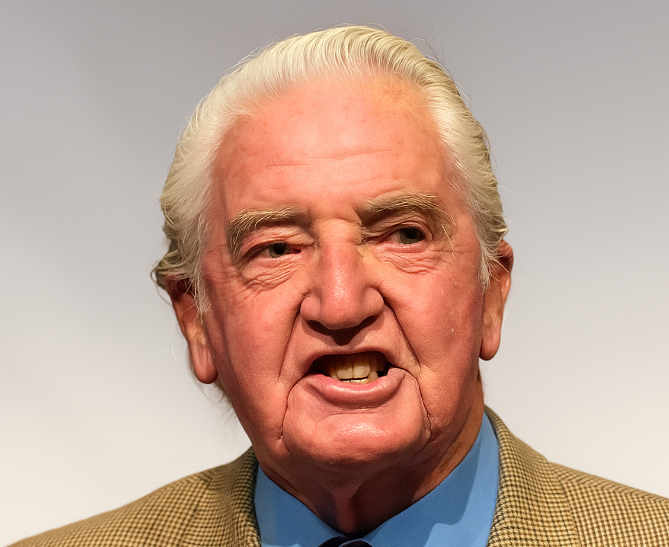
Dennis Skinner’s net worth remains private in 2026, with no officially verified figure available. His known income sources come from public-sector service: he was paid the standard salary of a Member of Parliament during his tenure, and he now draws a pension under the UK MPs’ official pension scheme, in addition to the regular UK state retirement pension. No other significant income or verified earnings, such as royalties or consultancy fees, have been publicly documented or disclosed.
| Fact | Details |
| Full Name | Dennis Edward Skinner |
| Date of Birth | 11 February 1932 |
| Birthplace | Clay Cross, Derbyshire, England |
| Family Background | Son of a coal miner and cleaner; third of nine children |
| Education | Tupton Hall Grammar School (scholarship at age 10) |
| Early Career | Coal miner at Parkhouse and Glapwell collieries |
| Trade Union Role | President, Derbyshire NUM branch |
| Elected to Parliament | MP for Bolsover (1970–2019) |
| Years in Commons | 49 consecutive years of service |
| Party Roles | Labour Party Chair (1988–1989); NEC member for ~30 years |
| Political Position | Democratic socialist; founding Socialist Campaign Group member |
| Notable Stances | Opposed Iraq War; pro-choice; supported gay rights; Eurosceptic |
| Reputation | Known as the “Beast of Bolsover” for outspoken style |
| Parliamentary Record | High attendance; frequent backbench rebellions |
| Dennis Skinner Net Worth | Not publicly confirmed; no verified financial estimate available as of 2026 |
Parliamentary Salary Records Behind Skinner’s Wealth
Dennis Skinner’s income as an MP followed Parliament’s pay scale. When he entered Parliament, the annual MP salary was only a few thousand pounds, rising through periodic reviews to roughly £79,000 by 2019. Across his 49-year career, the rate moved from about £4,500 by 1971 to more than £75,000 in the 2010s.
Skinner was known for rejecting pay rises. In 2014, he said he would refuse a proposed increase to show solidarity with working people. During the 1984 miners’ strike, he sometimes donated the difference between MPs’ salaries and miners’ wages. His official pay records remained straightforward throughout his tenure: he received the standard MP salary, with no unusual payments beyond typical allowances. Pay and allowance rules were set by parliamentary authorities and, in later years, by the Independent Parliamentary Standards Authority.
Bolsover MP Tenure And Public Pay Over 49 Years
Dennis Skinner served as Member of Parliament for Bolsover from 1970 until he left Parliament in 2019, giving him one of Parliament’s longest continuous service records at almost 49 years. During that time, his pay followed the official scale, starting as a low multi-thousand-pound salary and ending near £80,000 a year.
Even late in his career, Skinner did not earn extra income from ministerial posts, as he remained a backbencher. His parliamentary income was therefore essentially the base MP salary. He also avoided hospitality, lodgings, and the maximum allowances; in 2009, he noted that he paid privately for his Londonflat and lived on about £27 a day in London expenses, far below many colleagues. Skinner’s parliamentary earnings came from his regular MP wage over 49 years, without bonus roles or major supplemental pay.
Coal Mining Wages Before Skinner Entered Politics
Before entering Parliament, Skinner worked as a coal miner for more than twenty years. From the late 1940s through the 1960s, miners’ pay was modest by modern standards, amounting to only a few tens of pounds per week. Official data from 1960 show average manual workers, including miners, earning roughly £14 per week.
Skinner’s own earnings as a pit worker would have been in this low range, reflecting his working-class roots. That background contrasted sharply with even the relatively small MP salary of later years. His career marked a move from low miner wages into the political class, but he consistently emphasized his connection to labour by accepting only standard pay.
MP Pension Entitlements Linked To Skinner’s Service
With 49 years in Parliament, Skinner qualified for a substantial pension under the UK MPs’ Pension Scheme. The scheme is a defined-benefit plan funded by MPs and the state. Under the old final-salary rules, which remained in effect until 2015, MPs could accrue pension benefits based on salary and years of service, subject to scheme rules and limits.
After 2015, the scheme moved to an average-salary basis, but transitional arrangements protected existing benefits. His decades of service therefore entitled him to an MP’s pension, although exact figures depend on the scheme rules, contribution history, and final elected terms of contribution.
Commons Expenses Claims And Skinner’s Finances
Dennis Skinner’s official expenses claims were among the lowest in Parliament. Public expenses disclosures list only nominal claims for London accommodation and office costs. During 2009-2010, he was listed as claiming about £1,480 in total, one of the smallest figures among MPs.
He personally paid the full cost of buying and owning his London flat and claimed only limited repayments, including a few thousand pounds for medically recommended home adaptations after heart surgery. He famously said he “bought [his] flat [him]self and never charged a penny” to taxpayers, adding that he managed on “£27 a day” in London. His Commons expenses accounts show minimal claims and no profit from the allowances system.
Book Royalties From Dennis Skinner’s Political Memoir
Dennis Skinner published his memoir, Sailing Close to the Wind, in 2014, recounting his life in and out of Parliament. Any income from book sales would have been subject to standard tax rules. His official declarations, however, show no reported royalties or additional earnings from the publication.
In the Register of Members’ Interests around the book’s release, he listed nothing beyond his salary. The absence of significant declared royalty income suggests the proceeds may have been modest or donated. There is no evidence that large book-related earnings contributed to his wealth. Any such payments would have been governed by normal publishing contracts and are not publicly itemized.
Register Of Interests Behind Skinner’s Paid Work
Skinner’s parliamentary register of interests is notably sparse. For many years, it was marked “nil,” indicating no outside employment or declared income beyond his MP salary. In later filings, he declared only one item: the employment of his partner, Lois Blasenheim, as his Executive Secretary, paid from parliamentary allowances.
No other consultancy, directorship, or paid post is listed. His final register entry in 2019 lists only the employment of his partner. Skinner reported no earnings from other jobs or external roles through the Commons register. His register entries contain no extra pay from boards, advisory posts, or commercial work.
FAQs
Is Dennis Skinner Still An MP?
No. Dennis Skinner is no longer a Member of Parliament; UK Parliament records list him as the former Labour MP for Bolsover who left the Commons on 6 November 2019.
Which Constituency Did Dennis Skinner Represent?
Dennis Skinner represented Bolsover in the House of Commons. His parliamentary service ran from 18 June 1970 to 6 November 2019.
Why Is Dennis Skinner Called The “Beast Of Bolsover”?
Dennis Skinner became widely known as the “Beast of Bolsover” because of his combative, outspoken style in Parliament. The nickname is closely associated with his long political career and public image.
Did Dennis Skinner Hold Senior Labour Party Roles?
Yes. UK Parliament records show that he served on Labour’s National Executive Committee and was Labour Party Chair from 1988 to 1989.
Did Dennis Skinner Publish A Memoir?
Yes. Dennis Skinner published Sailing Close to the Wind: Reminiscences, a memoir about his political life and experiences.

James Rowley
Author
James Rowley is a London-based writer and researcher covering London life, cultural geography, London travel, live London webcam pages and selected public figures across entertainment, sport, business and public life.
For over 15 years, he has focused on verified sources, first-hand local context and clear explanations that help readers understand both places and people more deeply. His work combines street-level London knowledge with careful research into career credits, media work, business interests and, where relevant, transparently explained net worth estimates.
He writes and reviews articles published on LondonWebcam.
Latest Articles
Popular Articles