Everyday Mishaps In London Streets And Bike Lanes
London is a city built for movement. Millions of people walk, cycle, commute, and explore its streets every single day.
Author:James RowleyDec 19, 202517.6K Shares242.2K Views
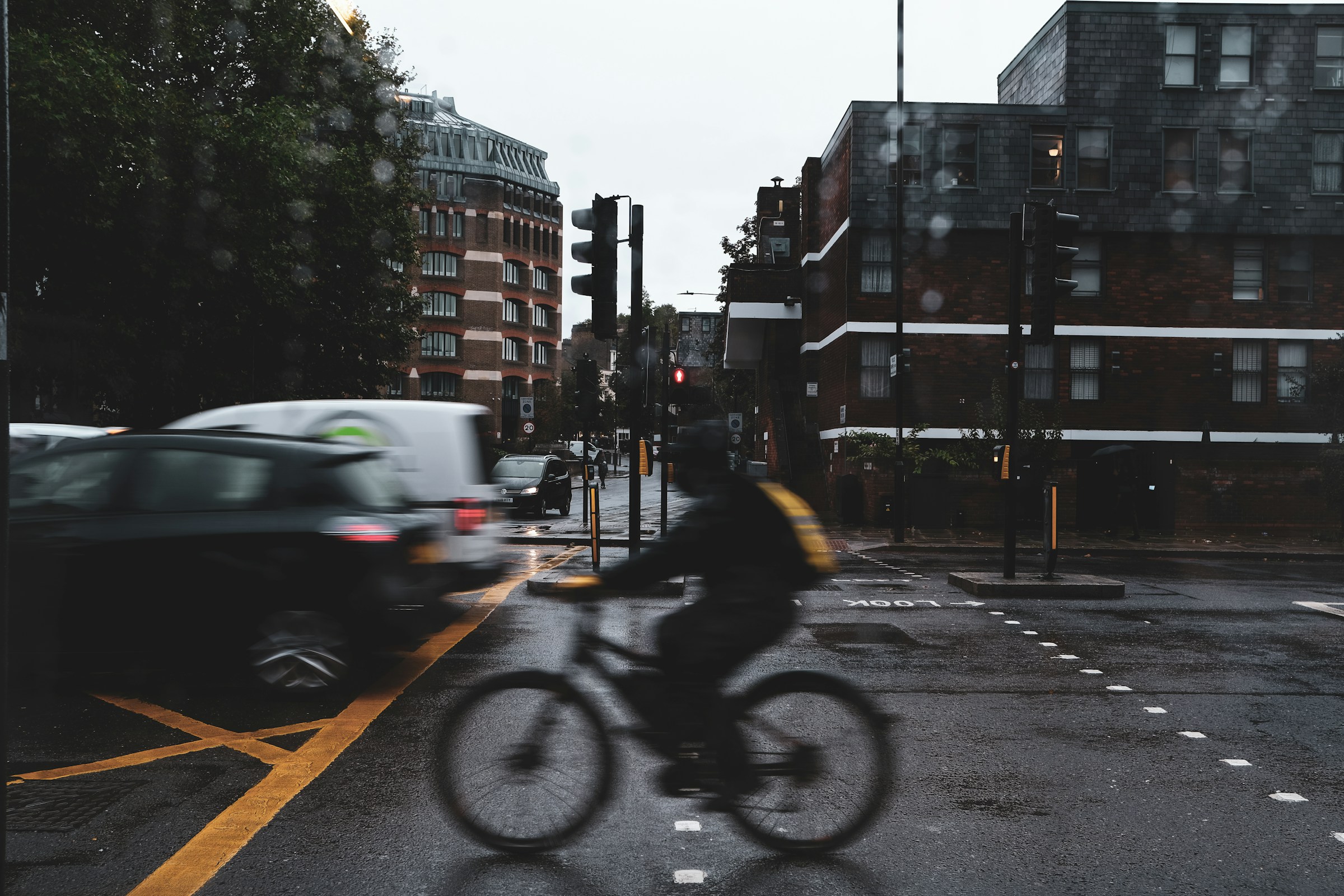
London is a city built for movement. Millions of people walk, cycle, commute, and explore its streets every single day. From historic pavements to modern cycle lanes, the city keeps moving—rain or shine. But with that constant motion comes a surprising number of everyday mishaps that most Londoners barely think twice about until they happen to them.
Slippery pavements, sudden roadworks, crowded crossings, and unexpected cycling hazards are all part of daily life here. While many incidents are minor, others can lead to injuries that disrupt work, routines, and wellbeing. Understanding where these risks come from and how people typically deal with them helps paint a clearer picture of urban life in London.
Slippery Streets and Unforgiving Pavements
London’s weather has a habit of turning ordinary streets into accident hotspots. A light drizzle on polished stone slabs, fallen leaves in autumn, or icy patches in winter can quickly turn a routine walk into a painful fall.
Busy areas like station entrances, shopping streets, and older pedestrian zones are especially prone to slips. Worn paving stones and uneven surfaces only increase the risk. Most people brush these incidents off as bad luck, but poorly maintained walkways are often a contributing factor.
For visitors, unfamiliar surfaces make things worse. For residents, familiarity can breed complacency.
Cycling in a City That Never Slows Down
Cycling has become a major part of London transport, but it’s not without its challenges. Narrow lanes, delivery vehicles stopping unexpectedly, and pedestrians stepping into cycle paths all contribute to sudden, sometimes unavoidable, incidents.
Even experienced cyclists face daily surprises:
- Car doors opening without warning
- Pedestrians crossing cycle lanes while looking at phones
- Temporary road layouts around construction zones
- Wet paint or metal drain covers on the road
These situations don’t always result in serious injuries, but when they do, they can be life-altering.
Crowded Commutes and Public Transport Mishaps
London’s public transport systemis efficient, but it’s also extremely busy. Rush hour platforms, staircases, and escalators see millions of journeys each week. Small missteps such as someone stopping suddenly or a bag catching on a railing can cause chain reactions.
Falls on escalators, trips while boarding buses, or sudden stops on trains are common enough that most commuters have a story. Usually it’s a bruise or a shaken nerve. Sometimes it’s more serious.
According to Transport for London, slips, trips, and falls are among the most common causes of passenger injuries across the transport network.
Weather That Changes Everything
London weather is famously unpredictable. A dry morning can turn into a wet afternoon, changing conditions across pavements, roads, and cycle routes.
Rain makes surfaces slick. Fog reduces visibility. Snow, even in small amounts, disrupts normal movement. The city adapts quickly, but not always fast enough to prevent accidents.
People rushing to meetings or trains are less likely to slow down when conditions change—one of the most common reasons mishaps occur.
The Psychological Side of Everyday Accidents
What’s often overlooked is the mental impact of minor accidents. A fall or collision, even without serious injury, can leave people more cautious or anxious about moving through the city.
Cyclists may avoid routes they once used daily. Pedestrians may become hesitant on stairs or crossings. This subtle loss of confidence affects quality of life more than many realise.
For those who do sustain injuries, the stress doesn’t end with physical recovery. Time off work, disrupted routines, and financial concerns quickly follow.
When Everyday Mishaps Become Legal Matters
Most people don’t expect a simple slip or cycling incident to lead to legal questions. But when injuries are involved, especially those affecting work or long-term health, understanding rights and responsibilities becomes important.
This is where guidance from experienced personal injury solicitors Londonresidents trust can help clarify what steps to take, particularly when an accident may have been caused by unsafe conditions or negligence.
Seeking information doesn’t mean blaming someone—it often means understanding options and protecting future wellbeing.
Common Places Accidents Happen
London’s size means risks vary depending on location, but patterns do emerge.
Many everyday mishaps occur:
- Near transport hubs during peak hours
- On poorly maintained pavements
- In areas with heavy construction
- Along busy cycling corridors
- Outside shops or offices during wet weather
Recognising these patterns helps both individuals and authorities reduce risks over time.
Small Changes That Reduce Risk
While not all accidents are preventable, small habits can make a difference. Slowing down in wet weather, staying alert around cycle lanes, and wearing appropriate footwear all help reduce risk.
For cyclists, visibility and route awareness matter. For pedestrians, patience in crowded areas often prevents falls and collisions.
Urban living demands constant micro-adjustments and awareness is the first line of defence.
Final Thoughts
Everyday mishaps are part of London life. The city’s energy, density, and constant movement create both opportunity and risk. Most incidents are minor, quickly forgotten amid the rush of daily routines.
But when accidents do happen, understanding the environment and knowing where to find reliable information helps people recover with confidence. London may never slow down, but moving through it safely starts with awareness, preparation, and knowing you’re not alone when the unexpected occurs.
Jump to
Slippery Streets and Unforgiving Pavements
Cycling in a City That Never Slows Down
Crowded Commutes and Public Transport Mishaps
Weather That Changes Everything
The Psychological Side of Everyday Accidents
When Everyday Mishaps Become Legal Matters
Common Places Accidents Happen
Small Changes That Reduce Risk
Final Thoughts

James Rowley
Author
James Rowley is a London-based writer and researcher covering London life, cultural geography, and selected public figures across entertainment, sport, business, and public life.
For over 15 years, he has focused on verified sources, first-hand local context, and clear explanations that help readers understand both places and people more deeply. His work combines street-level London knowledge with careful research into career credits, media work, business interests, and, where relevant, transparently explained net worth estimates.
He writes every article published on London Webcam.
Latest Articles
Popular Articles