From Westminster Bridge To Piccadilly Circus: How To Experience London Remotely And Meet Fellow Travellers Online
London is one of those cities that stays with you. You think about it on ordinary Tuesdays — the particular smell of the Tube, the way black cabs accelerate with surprising aggression, the shock of stumbling into a quiet Georgian square after the noise of a main road.
Author:James RowleyMay 15, 2026
London is one of those cities that stays with you. You think about it on ordinary Tuesdays — the particular smell of the Tube, the way black cabs accelerate with surprising aggression, the shock of stumbling into a quiet Georgian square after the noise of a main road.
If you have been, you want to go back. If you have not, you feel like you already should have. Either way, the pull is real, and the distance is frustrating.
So what do you do when you cannot get there?
Start At The River
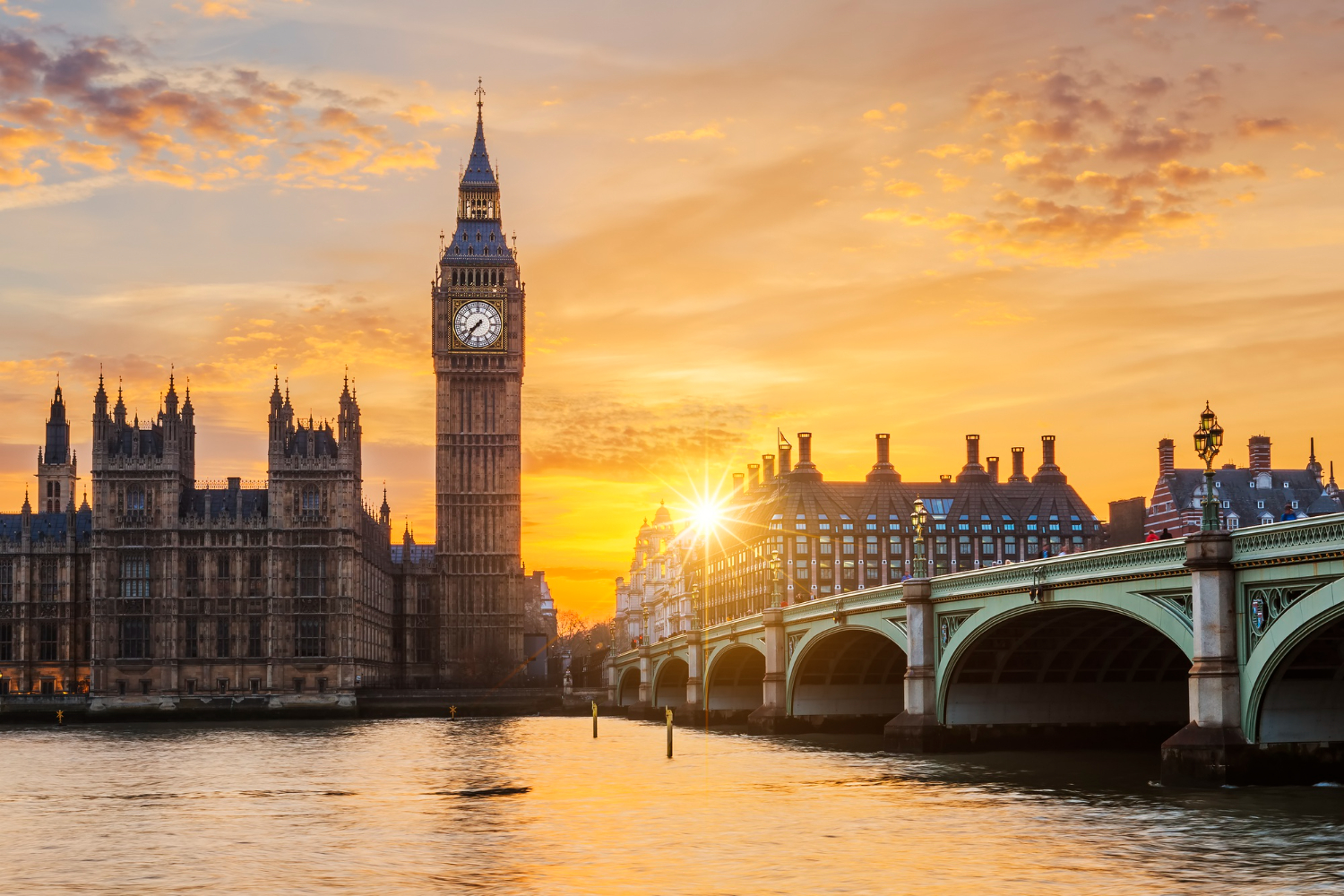
Westminster Bridge is a reasonable place to begin — both as a physical landmark and as a way into London from your screen. Several live cameras stream the Thames crossing around the clock, and there is something oddly satisfying about watching it in real time: the morning light coming up behind the Houses of Parliament, a tourist stopping mid-bridge for a photo, the river doing its usual grey, indifferent thing beneath it all. It is not the same as being there. But it is not nothing, either.
From there, the digital options open up considerably. The National Gallery, the British Museum, the V&A — all have invested seriously in online access, and the quality is genuinely impressive. Google Arts & Culture lets you zoom into brushwork you would never get close enough to see in a crowded gallery.
The Sir John Soane's Museum, tucked away in Lincoln's Inn Fields and one of London's most gloriously odd interiors, has a 3D walkthrough that captures the claustrophobic, cabinet-of-curiosities feeling better than most virtual tours manage.
Walking Without Walking
A lot of what makes London good is not the landmarks at all. It is the texture of it — the way Covent Garden shifts between morning market and afternoon tourist circus, the backstreets around Bermondsey, the sudden appearance of a Victorian pub wedged between two glass office blocks.
That texture is surprisingly well-documented on YouTube, where a whole genre of long, unedited walking videos exists purely for people who want to feel like they are moving through a city without actually going anywhere. No commentary, no music — just the sounds of footsteps on wet pavement and pigeons arguing near a bus stop.
Borough Market has its own online presence now, with recipes and occasional virtual events from traders. It is a decent rabbit hole if you are the kind of person who finds London's food scene — its Bangladeshi restaurants on Brick Lane, its Brixton market, its absurdly good Ethiopian spots scattered across south London — more compelling than the obvious tourist checklist.
Why Piccadilly Circus Is Worth Thinking About In Advance
Piccadilly Circus confuses people when they first see it in person. It is smaller than expected, busier than you are ready for, and somehow both iconic and vaguely anticlimactic all at once. But it is also the kind of place where the city's energy becomes impossible to ignore — the lights, the convergence of roads, the sense that everyone from everywhere has passed through here at some point.
Researching it beforehand — through street photography, city history, travel diaries — does not spoil the experience. It sharpens it. You arrive with context, which means you notice more. The same applies to basically every corner of London: the more you bring with you, the more the city gives back.
Other People Are The Shortcut
No amount of reading quite replaces talking to someone who was actually there recently. Someone who visited London three weeks ago knows things no guidebook does — that the lift at Angel station is broken again, that there is a brilliant new ramen place near Old Street, that the queue at the Churchill War Rooms is manageable if you arrive right when it opens. That practical, current, lived knowledge is the most useful travel research there is, and the only way to get it is from other people.
The good news is that the community around London travel is enormous and not remotely stingy with information. Reddit forums, expat Facebook groups, travel Discord servers — people who love London tend to want to talk about it.
For something more immediate, platforms built around spontaneous conversation can connect you with fellow travellers or actual Londoners in real time. If you want to explore CallMeChat features, that kind of unscripted exchange is exactly what they are built for — not curated content, but genuine back-and-forth with people who might just change how you think about your trip.
The City Will Still Be There
Remote exploration of London is at its best when it is building toward something — when every virtual walk and online conversation is quietly feeding an intention to actually go. The city rewards that kind of slow accumulation.
By the time you arrive and walk across Westminster Bridge yourself, wind off the Thames, buses grinding past, the city spreads out in every direction — you will find it familiar in the best possible way. Not smaller than you imagined. Bigger, and more like home.

James Rowley
Author
James Rowley is a London-based writer and researcher covering London life, cultural geography, London travel, live London webcam pages and selected public figures across entertainment, sport, business and public life.
For over 15 years, he has focused on verified sources, first-hand local context and clear explanations that help readers understand both places and people more deeply. His work combines street-level London knowledge with careful research into career credits, media work, business interests and, where relevant, transparently explained net worth estimates.
He writes and reviews articles published on LondonWebcam.
Latest Articles
Popular Articles