How London Businesses Are Using Video To Build Trust And Stand Out
Author:James RowleySep 14, 20265 Shares242 Views
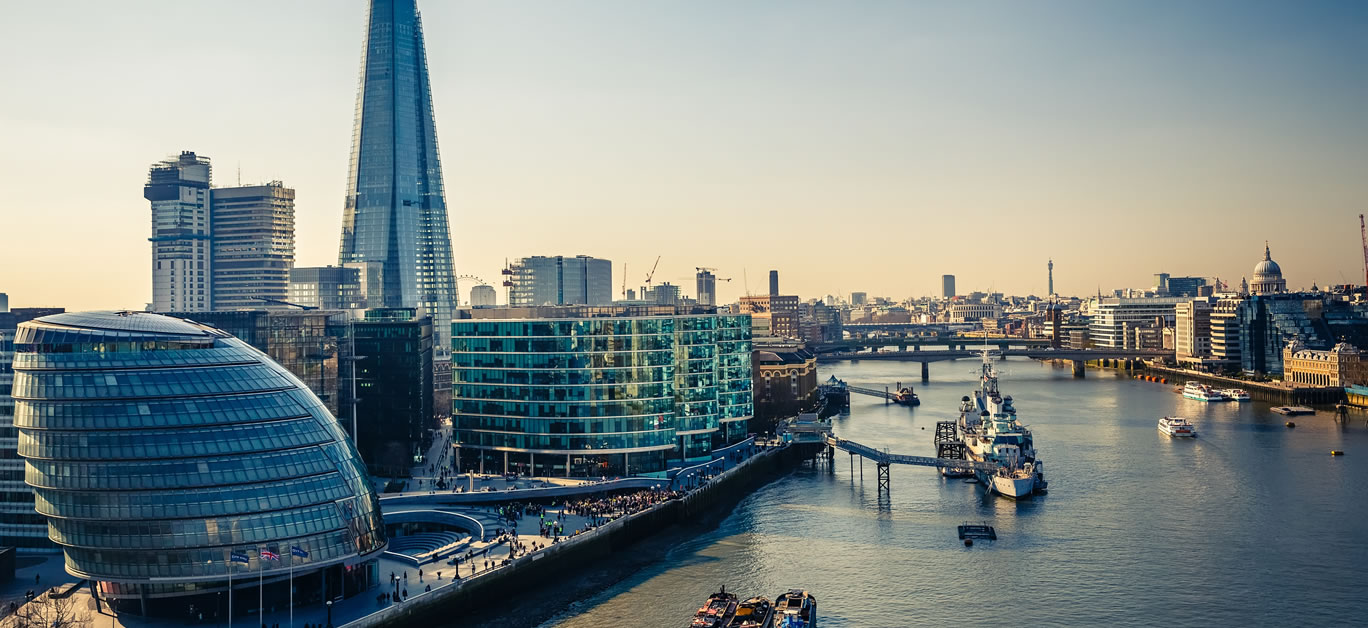
Walk through almost any part of London on a weekday morning and you'll spot a small production crew somewhere. A director checking a shot against the light coming through a warehouse window in Shoreditch. A presenter running lines outside a glass-fronted office near London Bridge.
A camera operator crouched on a canal towpath in Hackney, waiting for a barge to drift into frame. None of this is unusual anymore. Video has become one of the main ways London businesses talk about themselves, and the way they're doing it has changed.
A decade ago, corporate video mostly meant a single format: a glossy company overview, shot on a soundstage or in a boardroom, narrated by a voice that sounded like it belonged to nobody in particular. That style hasn't disappeared entirely, but it's no longer where the interesting work happens.
What's replaced it is something closer to documentary filmmaking. Real employees talking in their own words. Founders explaining what actually keeps them up at night. Customers describing a problem before they describe the solution. The polish is still there, but it sits underneath the story rather than instead of it.
Why Authenticity Has Taken Over
The shift makes sense when you think about who's watching. Audiences, whether they're prospective clients, job candidates or existing customers scrolling LinkedIn, have spent years being marketed at.
They can tell the difference between a script written by a communications team and a person speaking naturally about their own experience. Video that leans into small imperfections, a pause before someone finds the right word, an office that looks lived-in rather than staged, tends to land better than anything overly rehearsed.
This doesn't mean production quality no longer matters. If anything, the opposite is true. When the content itself is more honest and less scripted, the craft behind it has to work harder to hold attention.
Good lighting, clean audio and thoughtful editing are what allow a genuine moment to actually come across as genuine, rather than looking like a phone video shot in a hurry. Businesses are learning that authenticity and quality aren't in competition. They need each other.
Where The Work Actually Shows Up
Most businesses now think about video as a library rather than a single asset. That library tends to be built from a handful of recurring formats, each doing a different job.
Corporate And Brand Films
The corporate or brand film is still the anchor piece for most businesses, the two-to-three-minute video that sits on a homepage and gives a new visitor a sense of who a company is. What's changed is the tone.
A logistics firm in the past might have opened with drone shots of a warehouse and a voiceover reeling off statistics. Now it's more likely to open on a warehouse floor manager describing what a good day at work actually looks like, with the wider shots used to support that story rather than replace it.
Customer Testimonials And Case Studies
Testimonial and case study videos have become particularly valuable in B2B sectors, where a buying decision might take months and involve several people signing off. A client talking through a real problem and how it was solved carries more weight than almost any written case study, because tone of voice and hesitation are hard to fake.
A short clip of an operations director saying a rollout was "genuinely stressful for the first two weeks" before explaining how it settled down tends to build more trust than a polished quote pulled from an email.
Recruitment And Employer-branding Videos
Recruitment films serve a similar purpose from the other direction, giving candidates a feel for a workplace before they've set foot in it. A financial services firm might film current staff describing what a typical Tuesday looks like rather than reciting a list of benefits, because that's the detail candidates actually want before an interview.
Founder, Employee And Client Interviews
Interviews sit underneath most of the above, often filmed as raw material that gets cut into several different pieces later. A founder explaining why they started the business, an employee describing a project they're proud of, a client talking through a decision they made, these interviews put faces and voices to a company that might otherwise be represented only by a logo and a set of stock photos.
Event Filming
Conferences, product launches and internal town halls generate footage that gets reused for months afterwards. A well-edited highlights reel from a single evening event can end up as recruitment material, social content and the opening of a case study all at once, which is one reason event filming budgets have grown even as the events themselves haven't changed much in format.
Behind-the-scenes Content
Behind-the-scenes footage, whether it's a product being built, a kitchen prepping for service, or a team working through a difficult project, gives audiences a sense of texture that finished marketing material rarely does. It's also some of the cheapest content to produce, since it doesn't need scripting, just a camera present at the right moment.
Short-form Social Video
Short-form social video is arguably the format that's grown fastest. Thirty to ninety seconds, shot for LinkedIn, Instagram or TikTok, often cut down from footage originally captured for something longer.
A single day of filming can now realistically produce a hero brand film, several testimonial cuts, half a dozen social clips and a set of stills, which is why businesses are investing more in fewer, better-planned shoots rather than a string of smaller ad hoc ones.
London Locations And Workplaces As Part Of A Company's Visual Identity
Location has become one of the more deliberate choices in all of the above. Few cities offer this range of visual identity within a single postcode radius. A fintech company can film in a converted warehouse with exposed brick and industrial windows.
A law firm can use a Georgian townhouse in the city to suggest continuity and heritage. A creative agency might choose a rooftop terrace with the Shard or the Gherkin sitting just out of focus in the background, close enough to signal "London" without being the point of the shot.
This matters because location does real communicative work. A recruitment video filmed in a converted railway arch tells a different story about a company's culture than one filmed in a conventional open-plan office, even if the two businesses do almost identical work. Neighbourhoods carry their own associations too.
Shoreditch suggests something scrappy and design-led. Canary Wharf suggests scale and financial weight. Clerkenwell suggests craft and independence. Businesses that understand this are increasingly choosing locations, and building sets or filming plans around them, as deliberately as they choose their branding colours.
What Good Production Actually Involves
None of this happens by accident. Getting a founder to speak naturally on camera, choosing a location that says the right thing without overwhelming the message, and cutting hours of footage down into something that holds attention for ninety seconds all take experience.
Businesses planning video production in Londonoften work with experienced production companies that can handle corporate films, testimonials and social content as part of the same production. Pulse Studio is one example, working across these formats for organisations in London and across the UK.
What tends to separate a strong outcome from a flat one isn’t the size of the crew or the budget, but whether the people behind the camera understand storytelling as well as they understand equipment.
The Bigger Shift
What's happening in London reflects a broader change in how businesses think about communication generally. Written content, photography and video are converging into a single visual identity rather than being treated as separate deliverables handled by separate teams. A company's office, its people and its city have all become part of that identity, not just the products or services it sells.
The businesses getting the most out of video right now aren't necessarily the ones with the biggest budgets. They're the ones willing to let a camera capture something a little less controlled: a genuine conversation, an unremarkable Tuesday in the office, a founder answering a question they weren't expecting.
London gives them an unusually rich set of backdrops to do that in. What they choose to put in front of the camera is increasingly the more interesting part of the story.

James Rowley
Author
James Rowley is a London-based writer and researcher covering London life, cultural geography, London travel, live London webcam pages and selected public figures across entertainment, sport, business and public life.
For over 15 years, he has focused on verified sources, first-hand local context and clear explanations that help readers understand both places and people more deeply. His work combines street-level London knowledge with careful research into career credits, media work, business interests and, where relevant, transparently explained net worth estimates.
He writes and reviews articles published on LondonWebcam.
Latest Articles
Popular Articles