How London Casinos Shaped The City’s Nightlife
With the Betting and Gaming Act of 1961, London found itself redrawing its nightlife boundaries. That legislation made wagering official business. By the mid-1960s, London had become home to more casinos than anywhere else in the UK.
Author:James RowleyDec 10, 202519.8K Shares271.2K Views
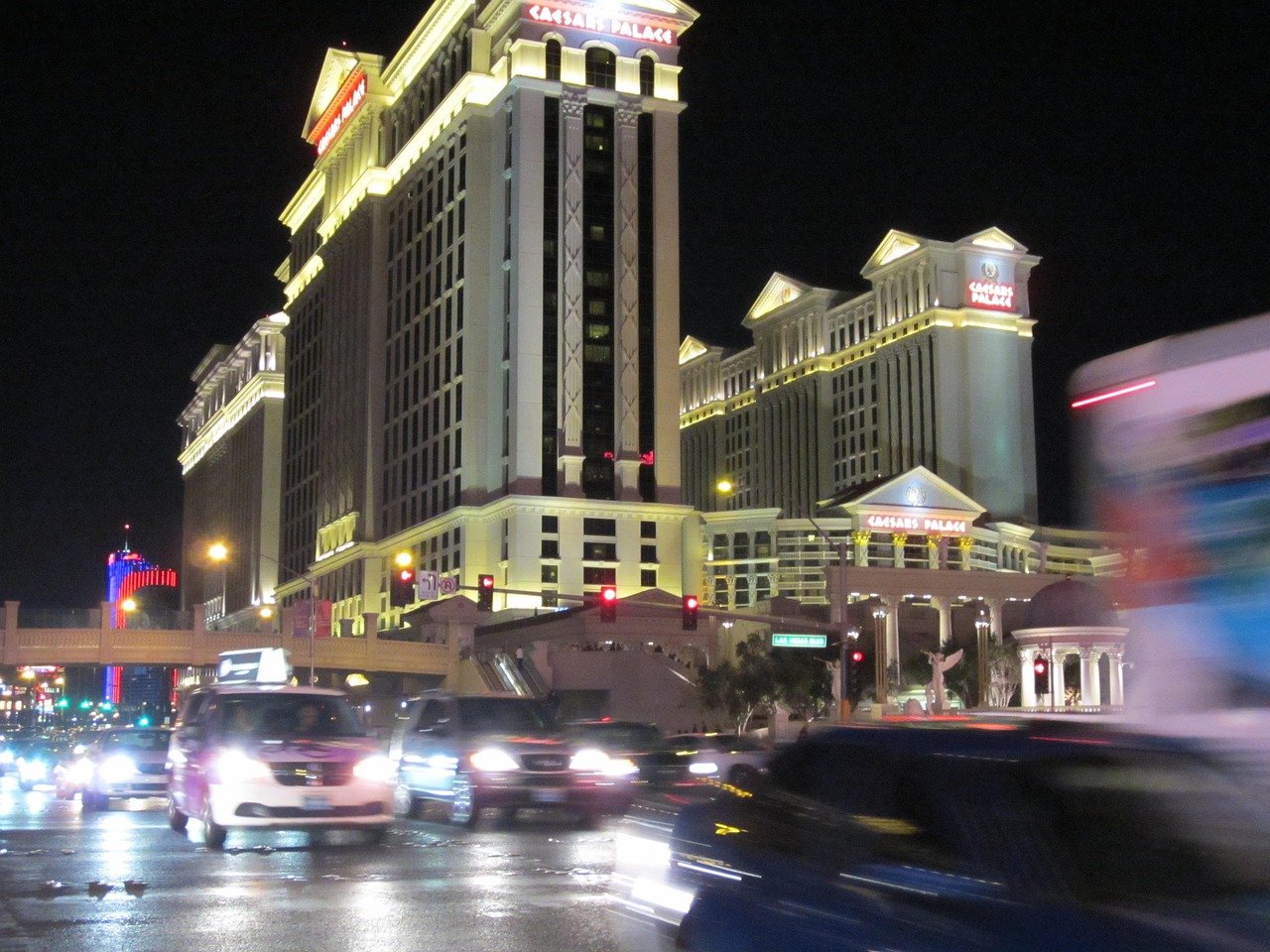
London’s nightlife is often described by its lights, theatres, and legendary music halls. But there’s another vital thread weaving through the city’s history: casinos. These gaming rooms have nudged London into the round-the-clock city it’s known as now, steadily shifting from stuffy aristocratic clubs to open, lively spaces for anyone chasing a late night out.
That draw hasn’t let up. In 2023, the city welcomed over 20 million overnight visitors, and plenty had casinoplans in mind. As traditional clubs fade into the background and nightlife hubs get louder and brighter, casinos still shape the pulse and personality of London after dark.
From Elite Clubs To Mainstream Nightlife
In the beginning, casinos were walled gardens in neighborhoods like Mayfair and St. James’s, haunts for the upper crust. Invitations didn’t go out far or wide, and entry fees set a high bar. These gentlemen’s clubs in the late 18th century blurred lines between gambling and late conversations over brandy, setting a tone for London’s nighttime get-togethers with an air of secrecy and privilege. Over time, however, cracks appeared. By the late 1800s, exclusivity was giving way.
Membership lists grew, and costs shrank. What started as a playground for elites slowly shifted until London’s growing mix of city-dwellers had casino nights of their own. Step by step, these spaces stopped being just diversions for the few. They laid the groundwork for the casino to anchor London’s evening culture, a mainstay rather than a status symbol.
Legalisation Reshapes The City
With the Betting and Gaming Act of 1961, London found itself redrawing its nightlife boundaries. That legislation made wagering official business. By the mid-1960s, London had become home to more casinos than anywhere else in the UK; over a thousand dotted the landscape nationwide. This transformation arrived as “Swinging London” was reshaping culture, and new types of nightlife followed.
Venues grew bolder, blending roulette tables with glossy dance floors and live jazz. In the context of today’s competition with online operators, physical venues emphasised atmosphere and exclusivity. City authorities, taking stock, saw a boom: more after-dark choices, more jobs, more people pouring in. Suddenly, casinos weren’t just secluded rooms, they became key engines in London’s evolving night-time identity.
24-hour Entertainment And Economic Impact
These days, most London casinos barely sleep. Compared to pubs or theatres, gaming rooms spill light deep into the small hours. The city’s late-night economy leans on them not just for gaming, but for the steady flow of visitors they attract. For instance, nearby restaurants and bars consistently report up to a 15% spike in revenue on nights when big casino events occur. When everything went dark during the 2020 lockdown, foot traffic in Leicester Square nose-dived by over 30%.
The connection’s hard to miss: casinos are anchors for nighttime energy. Operators frame themselves as key components, keeping people out, jobs stable, and tourism humming once the sun goes down. What started with aristocratic games has grown into a 24-hour ecosystem, holding together the fragile dance of London’s nightlife economy.
Multi-use Venues Redefine Expectations
The city’s topcasinos have changed their pitch; they’re now “entertainment complexes,” pulling in crowds for a lot more than blackjack. Reports from last year suggest nearly 40% of casino guests are drawn by food, live music, or simply a night out, not just the games. Popular venues now bundle bar menus, concerts, and club nights alongside gaming floors.
This shift keeps older performance spots alive well after midnight, letting the West End hang on to its unique flavor. You see luxury and heritage at high-end clubs, while much larger venues teem with tourists and crowds simply looking for a fun night. The outcome? London’s nightlife is more layered and varied than ever, its energy driven by casinos willing to reshape themselves.
Responsible Gambling And Modern Nightlife
London’s casino venues have to follow tough rules, with city regulators checking up on age, membership, and responsible play. Staff go through careful training and advertising stays tightly controlled. The risks around late-night gaming don’t go ignored, national studies regularly measure its social impacts.
Most of the time, Londoners see the casino as just another ingredient in a wider night out. Experts advise that anyone choosing to participate should set clear time and spending limits. So, as the industry invests in safer gaming, the city keeps trying to balance vibrant nightlife with public trust and well-being.

James Rowley
Author
James Rowley is a London-based writer and researcher covering London life, cultural geography, and selected public figures across entertainment, sport, business, and public life.
For over 15 years, he has focused on verified sources, first-hand local context, and clear explanations that help readers understand both places and people more deeply. His work combines street-level London knowledge with careful research into career credits, media work, business interests, and, where relevant, transparently explained net worth estimates.
He writes every article published on London Webcam.
Latest Articles
Popular Articles