How To Choose The Right Traditional Reverse Osmosis Filter | Key Considerations
Clean drinking water starts with choosing a system built for your home’s real needs, not just its specs. A traditional reverse osmosis filter offers reliable purification, but knowing what to look for can make all the difference in long-term performance and cost.
Jun 16, 2026

A traditional reverse osmosis filteris a popular under-sink solution for cleaner drinking water. It combines multi-stage water filtration with stored purified water, making it suitable for homes that need stable daily performance, better taste, and a reliable point-of-use water purification system.
What A Traditional Reverse Osmosis Filter Is
A traditional reverse osmosis filter is an under-sink RO system with pre-filter stages, an RO membrane, post-filter polishing, and a storage tank. Water moves through the pre-treatment stages before reaching the membrane, where dissolved contaminants are reduced, and purified water is produced. The storage tank then keeps treated water ready for everyday use.
How To Choose The Right Traditional Reverse Osmosis Filter
The right reverse osmosis system depends on water conditions, daily demand, available space, and expected running costs. A good choice should fit the application, not only the product specification sheet. Comparing systems in a practical way makes it easier to select a home water filter that delivers reliable performance over time.
Check Your Water Quality Before Choosing A System
Water quality should be checked before selecting a system. Feedwater composition affects membrane performance, cartridge life, and the overall efficiency of water purification. Higher levels of dissolved solids or more challenging conditions may require stronger pre-treatment and a more carefully balanced system. Starting with water quality reduces guesswork and supports a better buying decision.
Compare Filtration Stages, Membrane, And Tank Capacity
Not all systems are built the same. Filter stages determine how well sediment, chlorine-related compounds, and taste issues are managed before and after the membrane. The RO membrane remains the key treatment component because it has the strongest impact on final water quality. Tank capacity also matters because it affects how much purified water is ready for use when needed and how comfortably the system supports daily consumption.
Evaluate Maintenance, Cartridge Replacement, And Running Cost
Maintenance should be part of the buying decision from the start. Cartridge replacement intervals, membrane service life, and maintenance cost all shape the real value of the system over time. A lower purchase price may become less attractive if replacement parts are frequent or expensive. Long-term efficiency depends on predictable servicing and easy access to replacement components.
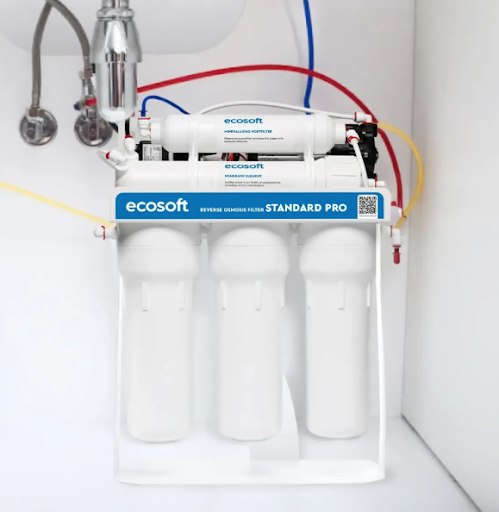
Look At Certification, Installation, And Long-term Reliability
Certification helps confirm that a certified filter has been tested against defined standards. Installation requirements also matter, especially where under-sink space and connection layout are limited. Long-term reliability depends on the overall design of the water purification system, not only on one component. A well-matched system should combine practical installation with dependable long-term operation.
Conclusions
Choosing the right traditional reverse osmosis filter means assessing water quality, filter stages, RO membrane, storage tank, maintenance, certification, and reliability together. The best option is usually the system that matches household conditions and daily demand most closely. A carefully selected under-sink RO system is more likely to provide stable drinking water quality and stronger long-term value.
Latest Articles
Popular Articles