How To Prepare For A Trip To London During Peak Season
London's busiest periods bring better weather, longer days, and a packed events calendar, but they also mean higher prices, crowded attractions, and fully booked restaurants.
Author:James RowleyJun 11, 202610.4K Shares205.7K Views
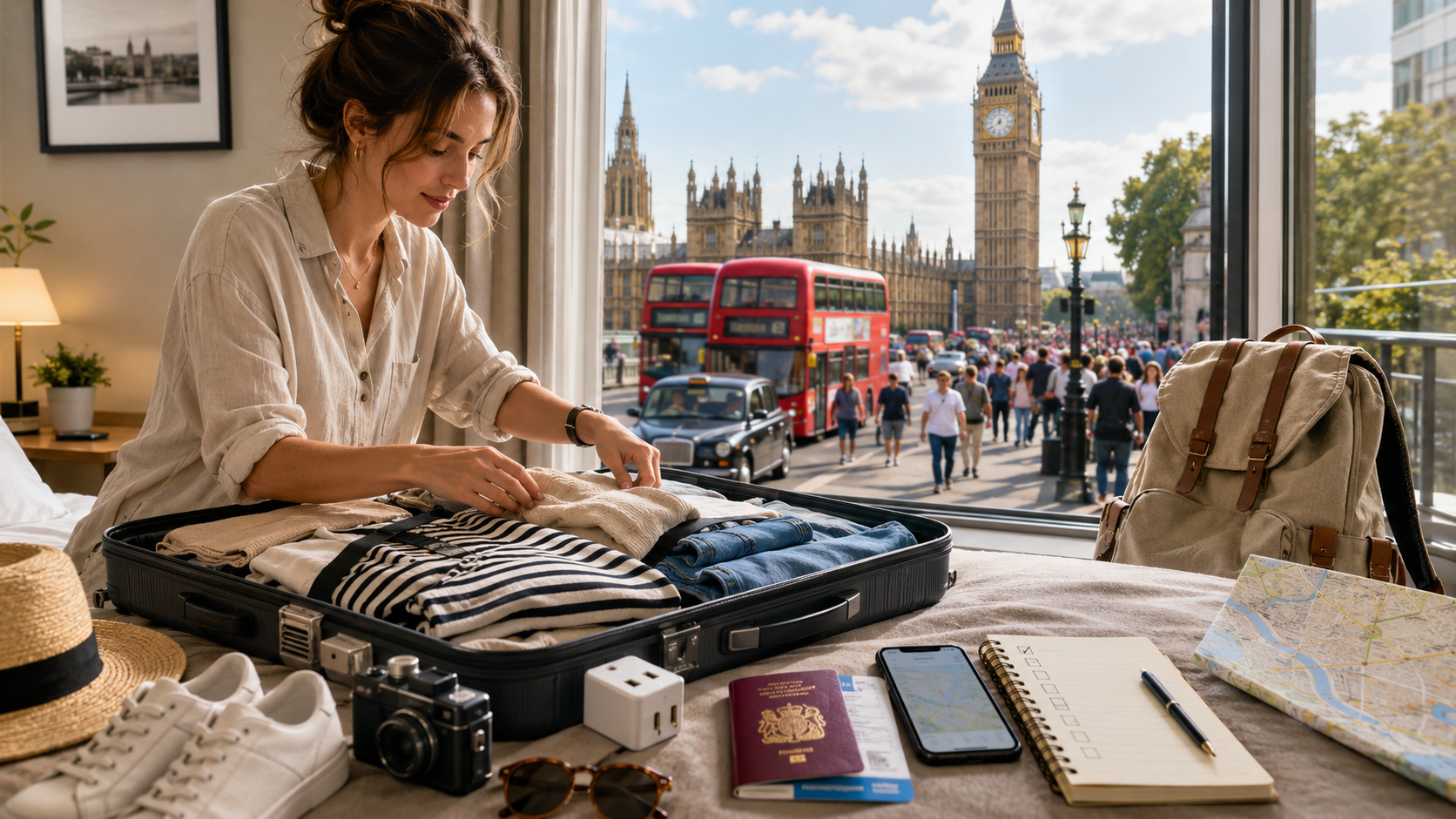
London's busiest periods bring better weather, longer days, and a packed events calendar, but they also mean higher prices, crowded attractions, and fully booked restaurants. Summer (June to August) draws the most visitors, followed by the Christmas and New Year period, Easter, and school half-terms. Planning around these busy stretches will help you avoid the worst of the queues and get more from your visit.
Book the Essentials Early
Sort out flights, accommodation, airport transfers, and must-see attractions as early as possible. Popular experiences like the Tower of London, the London Eye, Warner Bros. Studio Tour, and West End shows sell out weeks in advance during peak months, so timed-entry tickets and pre-booked slots make a real difference.
You should also prepare the tools you'll need during busy travel days. Maps, booking confirmations, transport apps, and attraction tickets should be easy to access when queues are long or plans change. Setting up a travel eSIM from Holafly for your next tripbefore departure will help you manage these details without relying on airport Wi-Fi or hotel connections.
Once you've confirmed the main bookings, save everything in one folder on your phone with screenshots of QR codes, confirmation numbers, and addresses.
Choose Where to Stay
Accommodation in Zone 1 puts you close to central attractions but comes at a premium during peak season. Areas in Zones 2 and 3, such as Shoreditch, Camden, Islington, Greenwich, and Brixton, often offer better value while keeping you within easy reach of the centre by Tube or Overground.
Check the distance to the nearest station and how long it takes to reach the areas you plan to visit. Read recent reviews from travellers who visited during the same season, since service quality can vary during busy months. Flexible cancellation policies are also worth prioritising in case your flights change or prices drop.
Plan Around the Crowds
London's most popular sites draw large numbers during peak season, so timing matters. Arrive early at places like the British Museum, the Natural History Museum, the South Bank, and Camden Market. Morning visits usually mean shorter queues and a calmer experience.
Book timed-entry tickets wherever available. Many museums and galleries are free to enter but require advance registration for special exhibitions. Do not stack several headline attractions into one day. One major visit paired with a walk through Hyde Park, St James's Park, or along the Thames tends to work better and leaves room for delays.
Getting Around London
The Tube is the fastest way to cover long distances across central London, but peak fares apply between 6:30 and 9:30 in the morning on weekdays. Travelling outside these hours will save you money and help you avoid the worst of the rush. Use an Oyster card or contactless payment, both of which benefit from daily fare capsthat stop you from overspending.
Buses run 24 hours and cost £1.75 per ride, with unlimited transfers within an hour. Thames Clippers are a good alternative for reaching spots along the river, like Greenwich and Westminster, without dealing with Tube congestion.
For areas not well served by the Underground, the London Overground and DLR fill in the gaps, connecting neighbourhoods like Shoreditch, Hampstead, Canary Wharf, and Richmond. Download the TfL Go app before you arrive for live service updates, route planning, and delay alerts.
Pack for London Weather
London's summer weather is unpredictable. Warm days can quickly give way to rain, so layers and a light waterproof jacket are essential even in July.
Comfortable walking shoes are crucial since the queues will be long and the stations busy. London's parks are worth visiting during warmer months but can be muddy underfoot after rain, so choose your footwear accordingly.
Carry a small day bag with water, a portable charger, sunscreen, and any tickets you need. If you are travelling with children, add simple entertainment, spare clothes, and extra food. For winter visits, add a warm coat, scarf, and gloves, since many Christmas markets and events run outdoors.
Make Restaurant Plans
Restaurants in Soho, Covent Garden, and around Borough Market fill up quickly during peak season, especially on Friday and Saturday evenings. If there are places you want to try, booking in advance is worth the effort. Keep a list of backup options near your accommodation and planned activities, and plan meals around the day's route so you aren't searching a crowded area at the busiest time.
Protect Your Budget
London is expensive during peak season, but free museums and galleries, including the Tate Modern, National Gallery, V&A, and Science Museum, help balance the cost. Daily fare caps on Oyster and contactless limit spending on transport, and eating slightly outside the main tourist zones often brings better value.
Set a realistic daily budget and factor in extras like luggage storage, attraction add-ons, and West End ticket fees. Leave room for spontaneous choices, weather changes, and rest days so nothing catches you off guard.
Stay Flexible With Expectations
Peak-season London means queues, full restaurants, higher prices, and busy platforms. Expecting this from the start makes the trip easier to enjoy. A well-structured plan will give you better options, but you should also allow for some flexibility. London rewards visitors who prepare well and build in room to rest.

James Rowley
Author
James Rowley is a London-based writer and researcher covering London life, cultural geography, London travel, live London webcam pages and selected public figures across entertainment, sport, business and public life.
For over 15 years, he has focused on verified sources, first-hand local context and clear explanations that help readers understand both places and people more deeply. His work combines street-level London knowledge with careful research into career credits, media work, business interests and, where relevant, transparently explained net worth estimates.
He writes and reviews articles published on LondonWebcam.
Latest Articles
Popular Articles