How To Pronounce Holborn - UK Sound And Local Form
How to pronounce Holborn in London with a clear plain-English answer, the local “Ho-bun” form, and the common mistake most visitors make.
Author:James RowleyApr 15, 2026
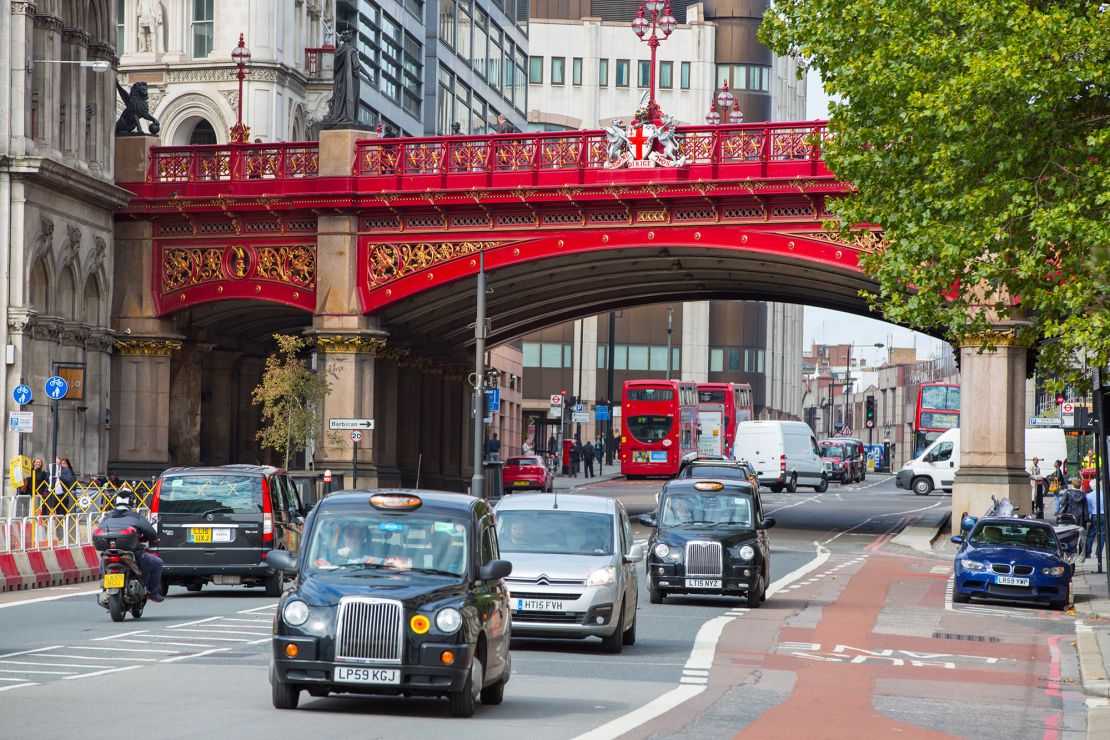
How To Pronounce Holborn In London The Right Way
Holborn is usually pronounced “HOH-bən” in London, and you may also hear the more reduced local form “Ho-bun.”
Use “HOH-bən” if you want the safest answer. Listen for “Ho-bun” if you want to recognise how the name often sounds in fast local speech.
Cambridgegives the UK pronunciation as /ˈhəʊ.bən/, Oxfordlists /ˈhəʊbən/and /ˈhəʊlbərn/, and local Londonusage often sounds closer to “Ho-bun.”
Key Takeaways
- Holbornis usually pronounced “HOH-bən.”
- In everyday London speech, you may hear a more reduced “Ho-bun.”
- The written Lis often not heard in the traditional local pronunciation.
- Avoid saying “Hole-born.”
- Holborn is both a central London areaand a Tube station.
The quickest way to remember it is to separate the safest pronunciation from the local form you may hear:
| Situation | Pronunciation |
| Best answer for most readers | HOH-bən |
| What you may hear from locals | Ho-bun |
Use “HOH-bən” to say it. Listen for “Ho-bun” to recognise it.
The Short Answer: Say “HOH-bən”
You do not need a phonetics lesson to get this right. This section gives you the clean, safe pronunciation to use straight away, then shows where the local variation comes in.
The Dictionary-standard UK Pronunciation
The safest pronunciation for most readers is “HOH-bən.”
The Traditional Local London Pronunciation
In everyday London speech, the name is often reduced further, closer to “Ho-bun.”
Why “Hole-born” Sounds Wrong
The spelling invites you to pronounce every visible part of the word, but local usage does not. That is why “Hole-born”sounds careful in the wrong way: it follows the letters too closely instead of following the established spoken form.
If you ask for directions near the station, you are more likely to hear something close to “Ho-bun” than a fully pronounced “Hol-born.” That is useful to recognise even if you choose the slightly clearer “HOH-bən” yourself.
Is The L Silent In Holborn?
For the traditional London pronunciation, the L is usually not heard.
The Traditional Pronunciation Pattern
In the traditional London pronunciation, the Lis effectively silent. Cambridge’s UK audio and IPA omit an audible L, and the local explanation from Holborn Voice points in the same direction.
Why Some Speakers Now Say “Hol-burn”
Oxford lists a second pronunciation, /ˈhəʊlbərn/, which is more spelling-led. That tells you some speakers do pronounce the L, especially outside the strongest local pattern.
Which Version A Visitor Should Use
For most visitors, “HOH-bən” is the best choice. It sounds natural and stays close to what you may hear in London.
Say it with confidence:
- Stress the first syllable: HOH.
- Keep the second syllable weak: bən.
- Do not force the L unless you deliberately want the spelling-led version.
Once you stop worrying about the L, the name becomes much easier to hear and copy.
Holborn Pronunciation In IPA And Plain English
Some readers want the fast answer; others want to know exactly how the sound is built. This section translates the dictionary form into plain English.
UK IPA
Cambridge gives the UK pronunciation as /ˈhəʊ.bən/. Oxford gives /ˈhəʊbən/and also records /ˈhəʊlbərn/.
Sounds-like Spelling For Non-linguists
A good plain-English guide is “HOH-bən.”If you want the more local flavour, “Ho-bun”gets you close enough for everyday use.
Where The Stress Goes
The stress falls on the first syllable, so “HOH” is firm and the ending fades quickly.
Why The Second Syllable Weakens
English place names often reduce unstressed syllables, and Holborn behaves that way in ordinary speech. You do not need to make “born”sound full and strong; a light “bən”is closer to the accepted UK form.
Cambridge also records a more spelling-led US pronunciation, but for the London place name, the UK/London form is the better choice.
Why Holborn Is Pronounced Differently From Its Spelling
You do not need the full linguistic backstory to say the name correctly, but a little context makes the pattern easier to remember. The short version is that older British place names often keep historic spellings while everyday speech becomes shorter and smoother.
Older British Place-name Patterns
Holborn is one of several older British place names whose spelling is fuller than the way people usually say them.
Holbourne / Oldbourne And The River Fleet
The name is linked to older forms such as Holbourne or Oldbourne, which helps explain why the spelling preserves sounds that modern speech no longer does.
Why London Names Often Compress In Speech
Like several older London place names, Holborn is usually said more economically than it is spelled.
The useful lesson is simple: trust the spoken tradition more than the spelling.
What Holborn Refers To In London
A little place context helps the name feel more familiar and easier to remember.
Holborn The Area
Oxford defines Holborn as an area of central London, between Westminster and the City, with important buildings including Lincoln’s Innand Gray’s Inn.
Holborn The Tube Station
Transport for London lists Holborn Underground Stationin Zone 1on the Centraland Piccadillylines.
Why This Context Matters When Asking For Directions
Because Holborn is both a district and a station, you are likely to hear it spoken out loud, which makes the local form easier to catch.
Common Mistakes People Make With Holborn
This is the correction section most readers need. If you avoid these three habits, you will already sound much more natural.
“Hole-born”
This is the classic mistake. It is understandable from the spelling, but it does not match the standard UK pronunciation or the common local one.
Over-pronouncing The L
A fully audible Lcan sound stiff if your goal is a natural London-style pronunciation. Oxford shows that an L-pronouncing version exists, but it is not the best default for most readers.
Saying The Second Syllable Too Strongly
The ending should not sound like the full word “born.”Keep it light and reduced: bənis much closer to the way the word is usually handled in UK pronunciation.
Similar London Names That Trick Visitors
Holborn fits a wider London pattern in which spelling and local speech do not always match neatly.
Marylebone
Marylebone is another London name whose local pronunciation is less literal than its spelling suggests - if you want the full breakdown, see our guide on how to pronounce Marylebone.
Gloucester And Leicester As Pattern Examples
Names such as Gloucester and Leicester teach the same lesson: do not assume spelling equals speech in older British place names.
What These Names Teach You About London Pronunciation
The lesson is simple: with London place names, listening usually helps more than guessing from the spelling.
Where To Hear The Correct Pronunciation
Reading a pronunciation once is helpful; hearing it a few times is what makes it stick. These are the most useful places to check when you want confirmation.
Cambridge
Cambridgeis the strongest quick reference for the standard UK form /ˈhəʊ.bən/and its sound-by-sound breakdown.
Oxford
Oxfordis valuable because it records both /ˈhəʊbən/and /ˈhəʊlbərn/, which helps explain why some people hear or use a more spelling-led version.
YouGlish And Forvo
These are most useful once you already know the target sound and want to hear real speakers say it.
Why It Helps To Compare Dictionary And Real-speech Examples
Dictionaries give you the reference pronunciation, while real-speech examples help you hear how that sound softens in everyday use.
FAQ About How To Pronounce Holborn
How Do You Pronounce Holborn?
Holborn is usually pronounced “HOH-bən.” In everyday London speech, you may also hear a more reduced “Ho-bun.”
Is The L In Holborn Silent?
In the traditional London pronunciation, yes, the L is usually not heard. Oxford also records a more spelling-led version with the L.
Do Locals Say Ho-bun?
Often, yes. Holborn Voice says “Ho-bun”is probably the commonest form among locals.
Is “Hole-born” Correct?
No. It is the common outsider mispronunciation because it follows the spelling too literally.
What Is The UK IPA?
Cambridge gives the UK pronunciation as /ˈhəʊ.bən/.
Is Holborn A Station Or An Area?
Both. Oxford identifies Holborn as an area of central London, and TfL lists Holborn Underground Station in Zone 1.
Why Does It Sound Odd?
It sounds odd because the spelling preserves older layers of the name while modern speech has become shorter and smoother. That mismatch is common in older British place names.
What Is The Safest Pronunciation For Visitors?
Use “HOH-bən.” It is the clearest choice and the safest default for the London place name.
Final Words
You do not need to overthink this name. Say “HOH-bən” if you want the safest, clearest answer, and expect to hear “Ho-bun” in faster local speech.
The mistake to avoid is “Hole-born.” Once you stop following the spelling too literally, the name becomes much easier to say and recognise.
Jump to
How To Pronounce Holborn In London The Right Way
The Short Answer: Say “HOH-bən”
Is The L Silent In Holborn?
Holborn Pronunciation In IPA And Plain English
Why Holborn Is Pronounced Differently From Its Spelling
What Holborn Refers To In London
Common Mistakes People Make With Holborn
Similar London Names That Trick Visitors
Where To Hear The Correct Pronunciation
FAQ About How To Pronounce Holborn
Final Words

James Rowley
Author
James Rowley is a London-based writer and researcher covering London life, cultural geography, London travel, live London webcam pages and selected public figures across entertainment, sport, business and public life.
For over 15 years, he has focused on verified sources, first-hand local context and clear explanations that help readers understand both places and people more deeply. His work combines street-level London knowledge with careful research into career credits, media work, business interests and, where relevant, transparently explained net worth estimates.
He writes and reviews articles published on LondonWebcam.
Latest Articles
Popular Articles