What Was Jack Hargreaves' Net Worth At The Time Of His Death?
Jack Hargreaves' net worth was not publicly disclosed. Explore his television, writing and countryside education career without an unsupported estimate.
Author:James RowleyOct 09, 2026
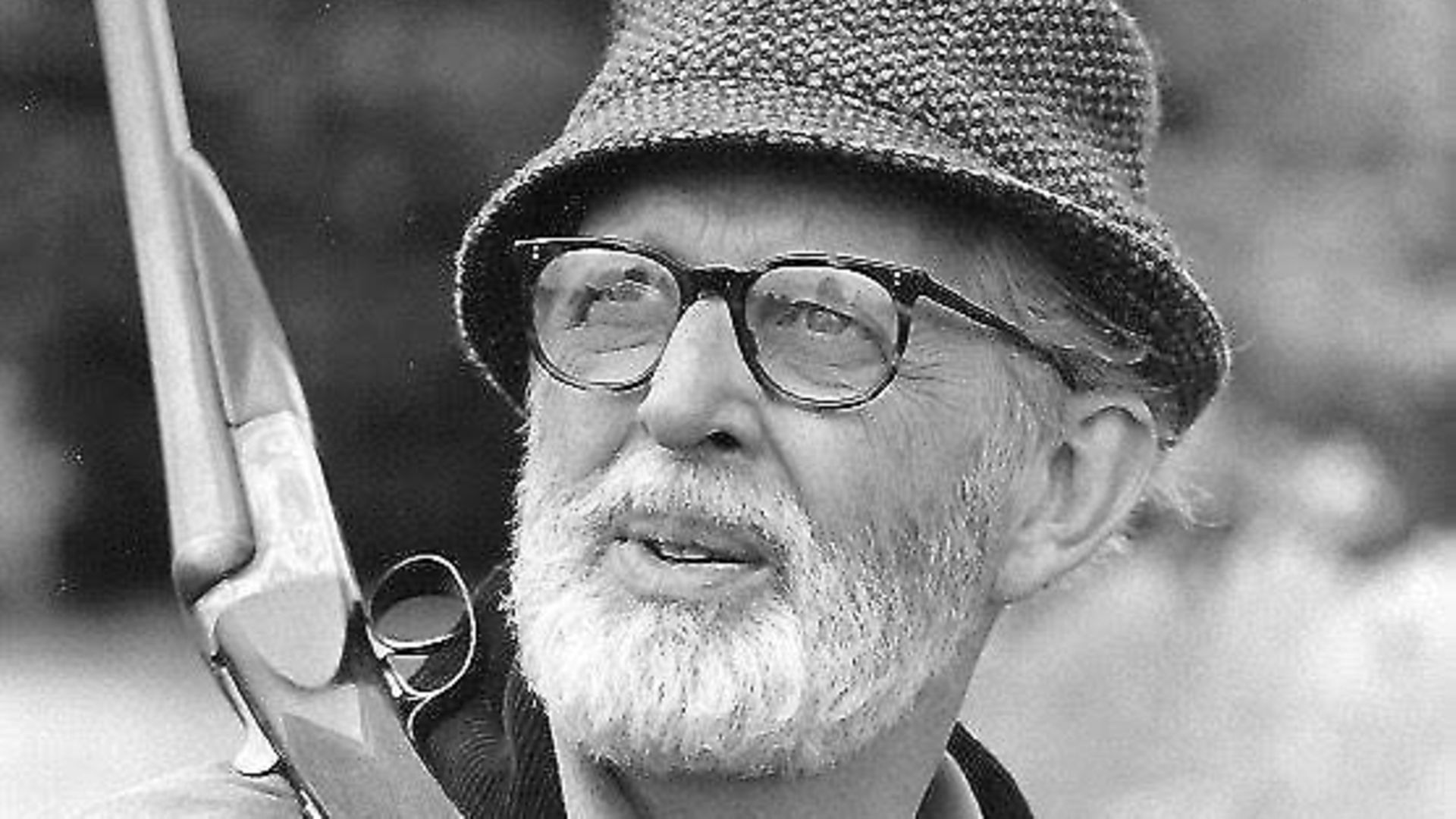
What Was Jack Hargreaves' Net Worth?
Jack Hargreaves' net worth at the time of his death in 1994 was not publicly disclosed, and no reliable verified figure is available. He earned income from television presenting, his executive role at Southern Television, writing and radio production, and his work for the National Farmers' Union.
These roles show how he earned money, but they do not establish the value of his assets, debts or estate. Any precise net-worth figure would therefore be speculative.
| Estimated Net Worth | Not publicly disclosed |
| Full Name | Jack Hargreaves OBE |
| Profession | Television Presenter, Writer, Broadcaster |
| Birth – Death | 1911 – 1994 |
| Country | United Kingdom |
| Notable Shows | Out of Town, How!, Country Boy, Old Country |
| Awards & Recognition | RTS Silver Medal, OBE |
Jack Hargreaves Career
Jack Hargreaves (1911–1994) was a pioneering English television presenter, writer, and broadcasting executive who became synonymous with countryside programming.
Trained initially as a journalist, he later joined the new ITV regional company Southern Television in 1959, eventually rising to become its deputy programme controller.
Over more than two decades he fronted and created landmark series about rural life, most notably Out of Town(1960–1981), and co-conceived the popular children’s science show How?(1966–1979).
Hargreaves combined on-screen warmth with factual rigour, presenting programmes about farming, fishing and traditional crafts with a realistic, unsentimental eye.
Early Television Career And Entry Into Broadcasting
Hargreaves began his career in print media and rural affairs before moving into television. In the early 1950s he served as editor of Lilliputmagazine and then as managing editor of the photo-journalism weekly Picture Post.
By the late 1950s he was working as Information Officer for the National Farmers’ Union (NFU), where he helped launch the magazine British Farmerand communicated agricultural issues to the public.
An informal meeting with a television executive to discuss a farming programme led to Hargreaves’s first television commission. In 1959 he joined the newly formed Southern Television (ITV) and presented a six-part black-and-white series called Gone Fishing, focusing on fly-fishing in southern England.
This series proved successful and set the stage for his long television career. Within a few years Hargreaves had moved into management at Southern: in 1964 he was appointed deputy programme controller and held that role through 1976, giving him influence over the station’s schedule and content even while he continued as a presenter.
Out Of Town And His Rise As A Countryside Presenter
In 1960 Southern Television launched Out of Town, the weekly countryside magazine series that would make Jack Hargreaves a household name in Britain.
The format was simple and engaging: Hargreaves and a cameraman would travel to farms, fairs and village workshops around southern England, filming crafts and rural traditions on location. Each half-hour episode was structured as on-location reports introduced by Hargreaves in a studio made to look like a garden potting shed.
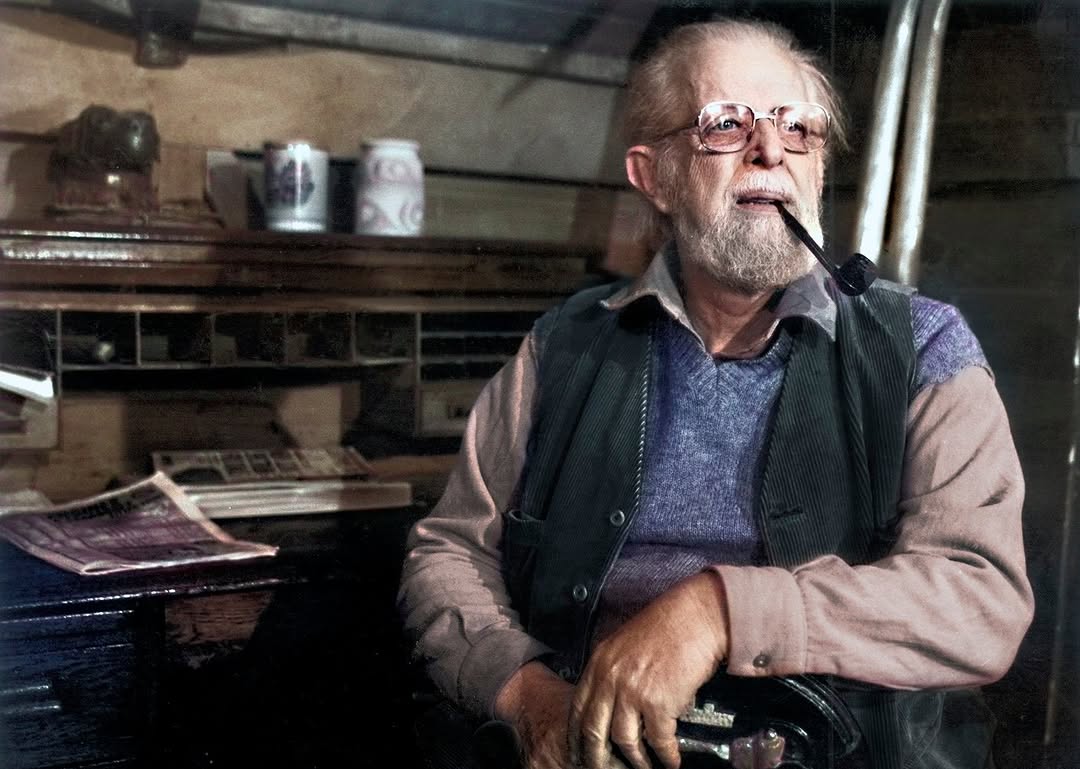
For example, one segment might show him examining a cider press or repairing a thatched roof. After filming, he would sit at his shed-style desk, pipe in hand, and narrate the footage with an easy, anecdotal tone.
Out of Townaired on Friday evenings and, due to its popularity, was picked up by many ITV regions nationwide. The show ran continuously for over twenty years, ending only when Southern Television lost its broadcast franchise in 1981.
During its run, Out of Towngained a devoted audience by vividly showcasing traditional country life; in the Southern region it often out-rated soap operas, making Hargreaves a familiar face to rural viewers and city dwellers alike.
Jack Hargreaves’s Approach To Rural Life And Storytelling
Hargreaves presented rural Britain in a refreshingly direct and authentic manner. He rejected staged theatrics and scripts, insisting on an informal, conversational style.
Colleagues noted that he almost never used teleprompters or written notes; long-time co-host Fred Dinenage later recalled that Hargreaves “needed no script, no notes, no autocue” when broadcasting.
On camera Hargreaves spoke slowly and deliberately, often looking off to the side as if addressing a small group of people – a technique he believed made viewers feel personally engaged.
He typically wore country attire (tweed jacket, flat cap) and smoked a pipe on air, reinforcing the laid-back atmosphere of his programs. While his tone was gentle and sometimes nostalgic, he avoided romanticising rural life.
Instead, Hargreaves aimed to present countryside customs with humor and realism, highlighting both their charm and their challenges. In narrative segments he might say something like “the countryside would fall apart without baler twine,” mixing practical insight with wry commentary.
His attitude was clear in interviews: he once mused that television should feel like talking to “three people 14 feet away” rather than millions. This philosophy kept his storytelling intimate and down-to-earth, helping urban audiences appreciate country traditions on their own terms.
Awards, Recognition, And Professional Reputation
In 1972, Hargreaves was appointed an Officer of the Order of the British Empire (OBE). His relaxed, authoritative presentation and long association with countryside broadcasting shaped his professional reputation.
Later Releases And Continued Interest In His Work
Decades after his programmes first aired, Hargreaves's work continued to attract interest. Restored episodes of Out of Townwere released on DVD, including boxed sets and later compilations. In 2022, his family's archives were being digitised for a series called Further Out of Town.
The Countryside Education Trust developed from the Out of Town Centre and carried forward Hargreaves's aim of introducing children to farm life. These later releases and archive projects reflect the continuing interest in his rural broadcasting.
FAQs
How Much Was Jack Hargreaves Worth When He Died?
Jack Hargreaves' net worth was not publicly disclosed, and no reliable verified figure is available. His professional roles indicate several income sources, but they do not establish the value of his estate in 1994.
Who Was Jack Hargreaves?
Jack Hargreaves (1911–1994) was an English television presenter, writer, and broadcasting executive best known for countryside programming. He became widely recognised for hosting the long-running ITV series Out of Town, which explored rural life and traditional crafts. His work helped bring British countryside culture to a national television audience.
When And Where Was Jack Hargreaves Born?
Jack Hargreaves was born on 31 December 1911in suburban London, England. Although his family had roots in Yorkshire, he grew up in the London area.
What Was Jack Hargreaves Famous For?
Jack Hargreaves was best known for presenting the television series Out of Town, which aired from 1960 to 1981. The programme featured stories about farming, fishing and traditional rural crafts in southern England.
What Television Shows Did Jack Hargreaves Present?
Hargreaves hosted several television programs including Out of Town, How?, Country Boy, and Old Country. These shows focused on countryside life, practical knowledge, and educational topics for both adults and children.
Did Jack Hargreaves Work In Television Management?
Yes. Jack Hargreaves worked at Southern Television, where he became Deputy Programme Controller in 1964. In this role he helped shape programming while continuing to appear on screen as a presenter.

James Rowley
Author
James Rowley is a London-based writer and researcher covering London life, cultural geography, London travel, live London webcam pages and selected public figures across entertainment, sport, business and public life.
For over 15 years, he has focused on verified sources, first-hand local context and clear explanations that help readers understand both places and people more deeply. His work combines street-level London knowledge with careful research into career credits, media work, business interests and, where relevant, transparently explained net worth estimates.
He writes and reviews articles published on LondonWebcam.
Latest Articles
Popular Articles