Kenny Dalglish Net Worth: Earnings And Legacy In 2026
Kenny Dalglish Net Worth and how he earns today, including Liverpool board involvement, ambassador roles, and income from his historic career.
Author:James RowleyNov 03, 2025100 Shares99.6K Views
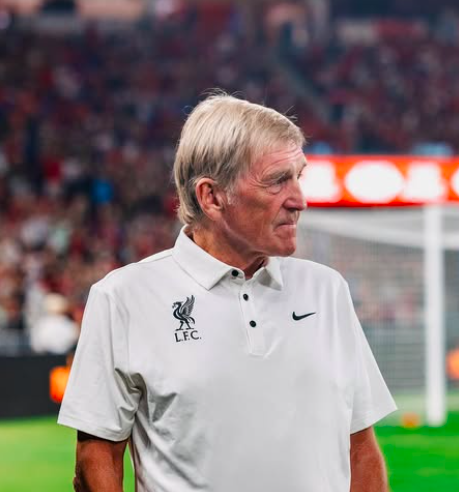
Kenny Dalglish was born on 4 March 1951 in the Dalmarnock area of Glasgow. His father worked as an engineer and the family later moved to Milton in the north of the city when he was a child. He attended Miltonbank Primary School and then High Possil Senior Secondary School where he took part in school football competitions and played for Glasgow Schoolboys.
When he was about 14, the family moved to a location in Ibrox that gave a view over the home ground of Rangers. He began his footballing activities at school level and had trials with clubs like West Ham United and Liverpool in 1966, though those initial trials did not lead to a contract.
| Fact | Details |
| Full Name | Sir Kenneth Mathieson Dalglish |
| Date of Birth | 4 March 1951 |
| Birthplace | Dalmarnock, Glasgow, Scotland |
| Nationality | Scottish |
| Profession | Former footballer and manager |
| Nickname | “King Kenny” |
| Major Clubs | Celtic and Liverpool |
| Scotland Appearances | 102 caps, 30 goals |
| Major Achievement | Multiple league and European titles |
| Kenny Dalglish Net Worth | As of 2026, Kenny Dalglish Net Worth has not been publicly disclosed |
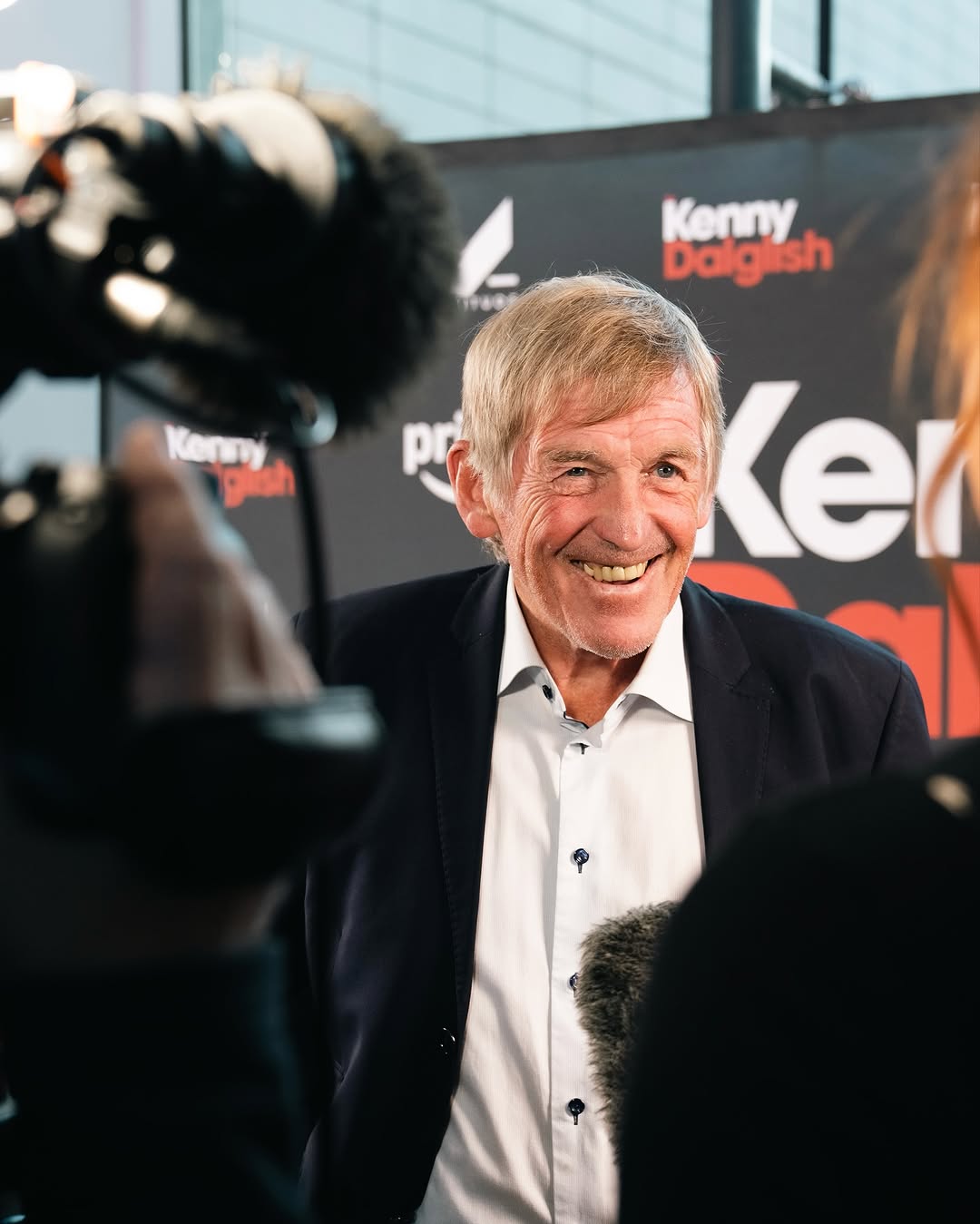
Kenny Dalglish Career
Sir Kenny Dalglish (born 1951) is a Scottish football legend whose storied career spanned playing and management roles at the highest levels.
A prolific forward, he became a standout star for both Celtic (in Scotland) and Liverpool (in England), later transitioning into a successful manager and executive. Dalglish is widely regarded as one of the game’s all-time greats.
Over more than two decades on the pitch and in the dugout, he amassed an exceptional trophy haul and set several records. As of 2026 Dalglish remains active as an ambassador and advisor in football circles. He holds a seat on Liverpool’s board and is frequently invited to comment on Scottish football matters.
His status is reflected by honors such as a knighthood (2018) and the renaming of Liverpool’s Centenary Stand to the “Kenny Dalglish Stand” (2017) in tribute to his impact.
Early Football Career & Rise At Celtic
Dalglish joined Celtic as a teenager and made his first-team debut in 1969. Over the next decade he rose to prominence under manager Jock Stein, breaking into the side as a quick and skillful forward.
Dalglish was a key member of Celtic’s famous “Quality Street Gang” of young talent and soon became a regular starter. During his ten-year spell at Celtic (1967–1977), he won four Scottish league championships and four Scottish Cups, as well as a Scottish League Cup.
He often served as team captain, and in the 1976–77 season he led the club to a league-and-cup double, scoring in the Scottish Cup final to help secure the title. By the time he left Celtic in 1977, Dalglish had scored 167 goals in 320 appearances for the Hoops, having achieved virtually every major honor available in Scottish football.
The following summer Celtic sold Dalglish to Liverpool for a British-record fee (around £440,000), a transfer that shocked Celtic fans but marked the end of a glittering chapter in his early career.
Liverpool Playing Career & First Division Success
Dalglish arrived at Liverpool in August 1977 and immediately established himself as a star. He scored on his league debut and quickly became the team’s leading striker.
In his first season (1977–78) he netted 31 goals in all competitions, finishing as Liverpool’s top scorer and scoring the only goal in the 1978 European Cup final. Over the next eight years as a Liverpool player, Dalglish was integral to one of the most dominant eras in the club’s history.
He helped Liverpool win six English First Division titles (1978–79, 1979–80, 1981–82, 1982–83, 1983–84 and 1985–86), as well as two FA Cups and four League Cups in that period. Dalglish also lifted three European Cups with Liverpool (1978, 1981, 1984) and added numerous Charity Shield victories to his trophy cabinet.
He scored 172 goals in 515 games for Liverpool during his playing career and earned back-to-back English Footballer of the Year awards (1979 and 1983). His vision, teamwork and knack for crucial goals made him a fan favorite.
By the mid-1980s Dalglish was widely regarded as Liverpool’s finest-ever player, a recognition reflected in the honors and memories he left at Anfield.
Transition To Player-Manager & Leadership At Liverpool
In 1985, after the resignation of manager Joe Fagan, Dalglish was appointed Liverpool’s player-manager, becoming one of the few to combine coaching duties with playing.
In his very first season in charge (1985–86), he achieved a historic double: Liverpool won the First Division title and the FA Cup under his leadership. Dalglish even scored the goal that clinched the league title in 1986.
He gradually reduced his own playing time to focus on management but remained a presence in the squad. Under his management Liverpool continued to succeed: Dalglish’s teams captured two more league championships (1987–88 and 1989–90), and they won another FA Cup in 1989.
Throughout this period his leadership on and off the field kept Liverpool at the top of English football. In total, Dalglish won three league titles as Liverpool manager. His sudden resignation in February 1991 (at age 39) was a shock to the club, marking the end of one of Liverpool’s most successful eras both on the pitch and in the dugout.
Managerial Career: Blackburn Rovers, Newcastle & Celtic Influence
After a brief break from coaching, Dalglish returned to management in October 1991 as the new manager of Blackburn Rovers. He succeeded in rebuilding the team and earned them promotion back to the Premier League.
In the 1994–95 season Dalglish masterminded one of football’s great underdog stories: Blackburn, backed by owner Jack Walker, won the Premier League title by a single point over Manchester United. This success made Dalglish only the third manager to win top-division titles with two different clubs.
Following his triumph at Blackburn, Dalglish stepped down in late 1995 and later took on the manager’s job at Newcastle United in early 1997. Although his time at Newcastle was short (1997–98), he led the team to the 1998 League Cup final and orchestrated a memorable 3–2 Champions League victory over Barcelona.
In 1999 Dalglish returned to his boyhood club Celtic in a senior off-field role. He was appointed Director of Football and soon took over first-team duties when head coach John Barnes was dismissed.
In this caretaker role Dalglish guided Celtic to victory in the Scottish League Cup in early 2000. Following Celtic’s appointment of Martin O’Neill as manager that summer, Dalglish left the club.
Thus, Dalglish’s managerial career included not only his success at Blackburn and his stint at Newcastle, but also a direct influence on Celtic, adding a trophy as director/manager. After 2000 he stepped away from club management.
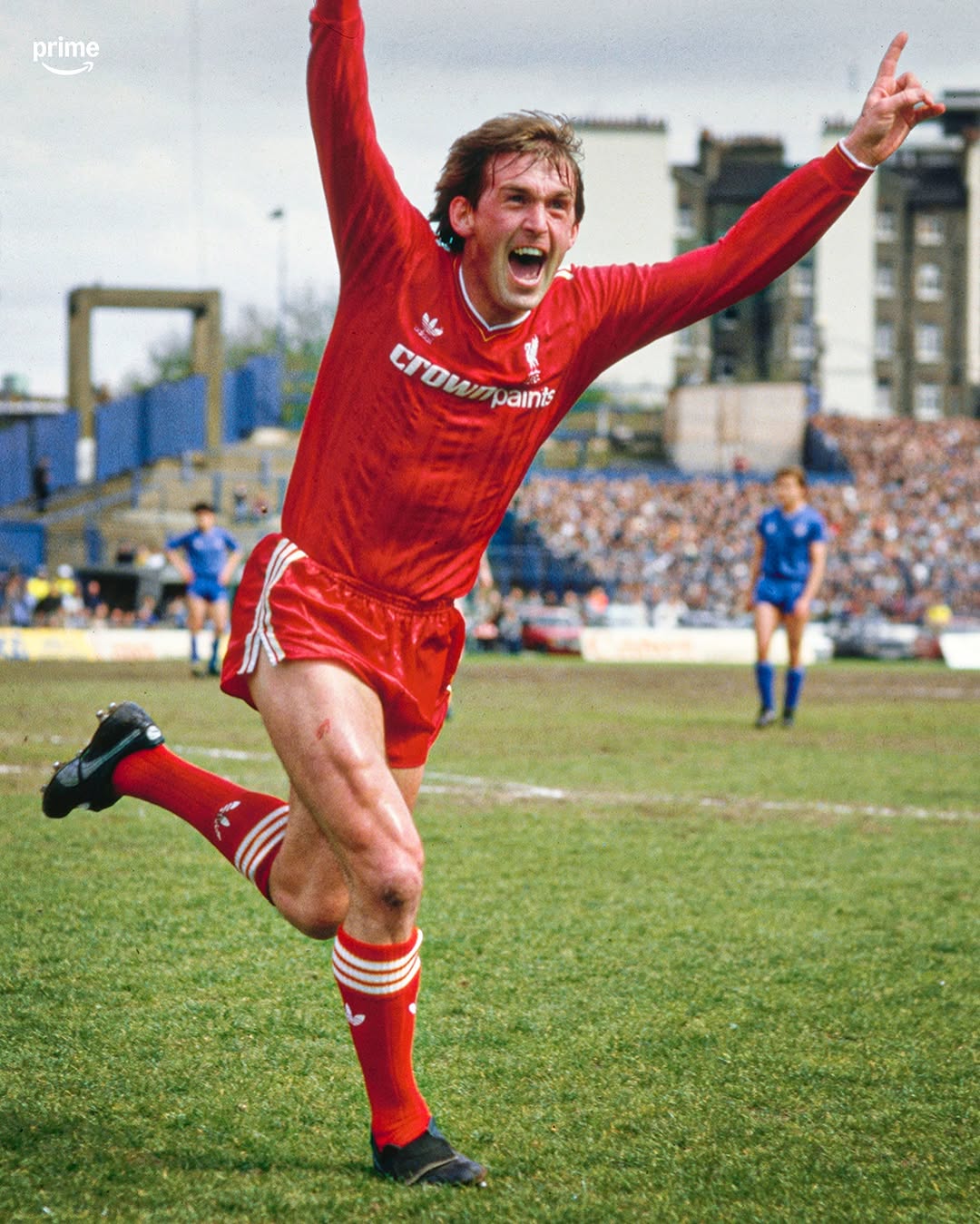
Football Honors, Records & “King Kenny” Legacy
Dalglish’s career is one of the most decorated in British football. As a player at Celtic he won four Scottish league titles, four Scottish Cups and one Scottish League Cup.
His Liverpool honors include nine English league championships (six as a player, three as manager), three European Cup titles, three FA Cups, four League Cups and multiple Charity Shields.
Notably, he led Blackburn Rovers to their first top-flight championship (1995) and added a Scottish League Cup as Celtic manager in 2000. Internationally, Dalglish earned 102 caps for Scotland, scoring 30 goals – a Scottish record he shares.
His achievements and regal playing style earned him the affectionate nickname “King Kenny,” a testament to his status among the game’s greats. In recognition of his services to football and charity work, Dalglish was knighted in 2018.
His legacy is permanently etched into Liverpool’s history: in 2017 the club renamed the Anfield Centenary Stand the “Kenny Dalglish Stand” in honor of his immense contributions on and off the pitch. Dalglish has also been inducted into football halls of fame and remains celebrated as one of the sport’s most influential figures.
Current Role & Ongoing Influence In Football
Sir Kenny Dalglish does not hold a day-to-day coaching position, but he remains very much involved in football.
In 2013 he returned to Liverpool as a non-executive director on the club’s board, advising on strategic matters. He also continues to serve as a Liverpool ambassador, working in youth development and representing the club at official functions.
Dalglish is frequently invited to speak on the modern game, lending his expertise to media and club events. In early 2026 he publicly applauded Celtic’s board for astute managerial decisions and noted the rise of Heart of Midlothian as a title challenger, reflecting his ongoing engagement with Scottish football.
While he has largely stepped back from hands-on roles, Dalglish remains a respected elder statesman whose opinions carry weight. His long-term influence is seen in the success of those he mentored and in the enduring admiration of fans: decades into retirement, “King Kenny” is still synonymous with excellence and leadership in the sport.
Kenny Dalglish Net Worth
As of 2026, his net worth has not been publicly disclosed, and no figure has been officially verified by major financial authorities. Dalglish serves as a non-executive director of Liverpool Football Club and as an ambassador for Spain’s La Manga Club resort. In 2023, he also joined the sports management firm TaP23 as an ambassador. However, the specific earnings from these roles, as well as from any endorsements or public appearances, have not been publicly disclosed.
FAQs
1. Who Is Kenny Dalglish?
Kenny Dalglish is a Scottish former professional footballer and manager widely regarded as one of the greatest figures in British football. He achieved major success with Celtic and Liverpool and later managed several clubs in England and Scotland.
2. How Many Clubs Did Kenny Dalglish Play For?
Kenny Dalglish played for two senior clubs during his professional career: Celtic and Liverpool. He spent about a decade at each club and won multiple domestic and European trophies.
3. What Is Kenny Dalglish Best Known For At Liverpool?
Dalglish is known for his success both as a player and as a manager at Liverpool. He won multiple league titles and European Cups as a player and later led the club to additional league and FA Cup victories as player-manager.
4. How Many International Caps Did Kenny Dalglish Earn For Scotland?
Kenny Dalglish earned 102 international caps for Scotland. He scored 30 goals for the national team, a record he shares as one of Scotland’s all-time leading scorers.
5. Did Kenny Dalglish Win The Premier League As A Manager?
Yes, Kenny Dalglish won the Premier League with Blackburn Rovers in the 1994–95 season. The title was a historic achievement for the club and one of the most notable successes of his managerial career.

James Rowley
Author
James Rowley is a London-based writer and researcher covering London life, cultural geography, London travel, live London webcam pages and selected public figures across entertainment, sport, business and public life.
For over 15 years, he has focused on verified sources, first-hand local context and clear explanations that help readers understand both places and people more deeply. His work combines street-level London knowledge with careful research into career credits, media work, business interests and, where relevant, transparently explained net worth estimates.
He writes and reviews articles published on LondonWebcam.
Latest Articles
Popular Articles