Lee Hyori Net Worth 2026: From Fin.K.L To Business Success
Lee Hyori Net Worth reflects decades of music, TV, and endorsements. See her 2026 earnings sources, business ventures, and real estate activity.
Author:James RowleyNov 01, 2025104 Shares52.1K Views

Lee Hyo-ri was born on May 10, 1979in what was then Cheongwon County, North Chungcheong Province, South Korea (now part of Cheongju). She was the youngest of four children in her family (one brother and two sisters older than her). Around 1980, when Lee was about one year old, her family moved from Chungcheong to Seoul’s Dongjak District.
In Seoul, Lee grew up in a very modest household. Her parents ran a small barbershop of only about 8 pyeong (≈28 m²), and the whole family of six (including Lee, her three siblings, and their parents) lived together in a one-room apartment attached to the shop.
The family was so poor that everyday comforts were scarce – she has recalled not even attending kindergarten or having toys because her parents had very little money for extras. Lee’s father was strict and worked long hours at the barbershop to support the family, and her childhood home in Sadang-dong (Dongjak District) was tightly cramped.
Lee’s schooling took place in Dongjak District. She later noted that her family’s financial struggles continued even as she went to school: they could not afford basic items that many children take for granted. Lee has said they could not buy things like crayons, a school uniform, or a recorder for music class.
At times she even survived on leftover milk that classmates didn’t drink. Despite these hardships, Lee went through the normal school years in Seoul, attending elementary and middle school in the Dongjak area (she was in middle school around 1992) before eventually being scouted by an entertainment agency.
| Fact | Verified Information |
| Full Name | Lee Hyori |
| Date of Birth | May 10, 1979 |
| Age (2026) | 47 years old |
| Birthplace | Cheongwon County, North Chungcheong Province, South Korea (now part of Cheongju) |
| Nationality | South Korean |
| Profession | Singer, Television Personality, Entertainer, Businesswoman |
| Famous For | Leader of the first-generation K-pop girl group Fin.K.L and a successful solo career |
| Debut Year | 1998 (as a member of Fin.K.L) |
| Breakthrough Solo Song | “10 Minutes” from the album Stylish…E (2003) |
| Popular Nickname | “Queen of K-pop” due to her cultural influence |
| Television Career | Major variety star known for shows like Family Outing and Hyori’s Homestay |
| Major Achievement | Won Daesang (Grand Prize) in both music and entertainment fields |
| Business Ventures | Owner of Ananda Yoga, a yoga studio in Seoul |
| Main Income Sources | Music royalties, TV appearances, advertising endorsements, real estate investments |
| Lee Hyori Net Worth | Exact figure not publicly disclosed; |

Lee Hyori Career
Lee Hyori is a South Korean singer and entertainer whose career has spanned over two decades. She debuted in 1998 as a member and leader of the first-generation K-pop girl group Fin.K.L, before achieving massive success as a solo artist from 2003 onward.
Over the years she has become a household name in Korea – a chart-topping singer, popular television personality, and cultural trendsetter. Industry analysts describe Lee as “one of the most famous stars in Korea” of her generation, noting that she has balanced roles as a pop singer, TV show host and fashion icon throughout her career.
She is widely credited with expanding the scope of K-pop entertainers, earning her many titles (often called the “Queen of K-pop”) and an enduring legacy in Korean popular culture.
Fin.K.L Era And The Beginning Of Lee Hyori’s Music Career
Lee Hyori rose to fame with Fin.K.L, a four-member girl group formed by DSP Media in 1998. She was the last member added to the lineup and was designated the group’s leader.
Fin.K.L’s debut album Blue Rain(1998) featured R&B-influenced ballads; its title track quickly topped music charts, and follow-up singles like “To My Boyfriend,” “Forever Love,” and “Now” all became major hits.
The group became one of the most popular Korean girl groups of the late 1990s, earning numerous industry awards. For example, between 1998 and 2002 Fin.K.L collected multiple year-end honors including the Golden Disc Awards’ New Artist prize in 1998 and grand-prize awards at the 1999 Seoul Music Awards and SBS Gayo Daejeon.
Fin.K.L also made history as the first female K-pop group to hold a solo concert and the first to perform in North Korea. After releasing several albums (and one special mini-album in 2005), the group went on indefinite hiatus in the early 2000s, with each member pursuing solo activities.
Solo Career Breakthrough And The “Hyori Syndrome”
In August 2003 Lee Hyori launched her solo career with the album Stylish…E, led by the bold single “10 Minutes.” The song’s catchy R&B style, provocative lyrics and memorable choreography made it an instant hit.
“10 Minutes” and its album swept year-end music awards, establishing Lee at the top of the charts and in the national spotlight. Korean media dubbed the media frenzy around her debut the “Hyori Syndrome,” reflecting how her song and image dominated popular culture at the time.
By the end of 2003 Lee had earned top honors for “10 Minutes” – winning grand-prize Daesangs at major awards ceremonies (including the KBS and SBS music awards) for her performance that year. This explosive debut cemented her status as a leading solo artist in K-pop.
Lee Hyori’s Most Successful Albums And Songs
Lee Hyori has since released six studio albums, many of which produced multiple hit singles. Her debut album Stylish…E(2003) remains one of her best-selling records.
Subsequent albums explored various pop and dance styles; for example, the 2006 album Dark Angelcontained upbeat tracks, and the 2008 album It’s Hyorishspawned the dance hit “U-Go Girl,” which became one of her signature songs.
In 2013 Lee returned with her fifth album Monochrome, fronted by the single “Miss Korea,” which immediately topped digital charts upon release. Other notable hits over her career include “Hey Girl” (2005), “Bad Girls” (2013) and “Seoul” (2017).
Across these releases, Lee repeatedly delivered chart-topping singles: for example, the songs “10 Minutes” and “U-Go Girl” were both massive hits, and “Miss Korea” achieved an “all-kill” by sweeping Korea’s realtime charts. In short, Lee’s albums and singles have consistently performed well commercially, and she has a string of popular songs that helped define early 2000s K-pop.
Television Career And Variety Show Success
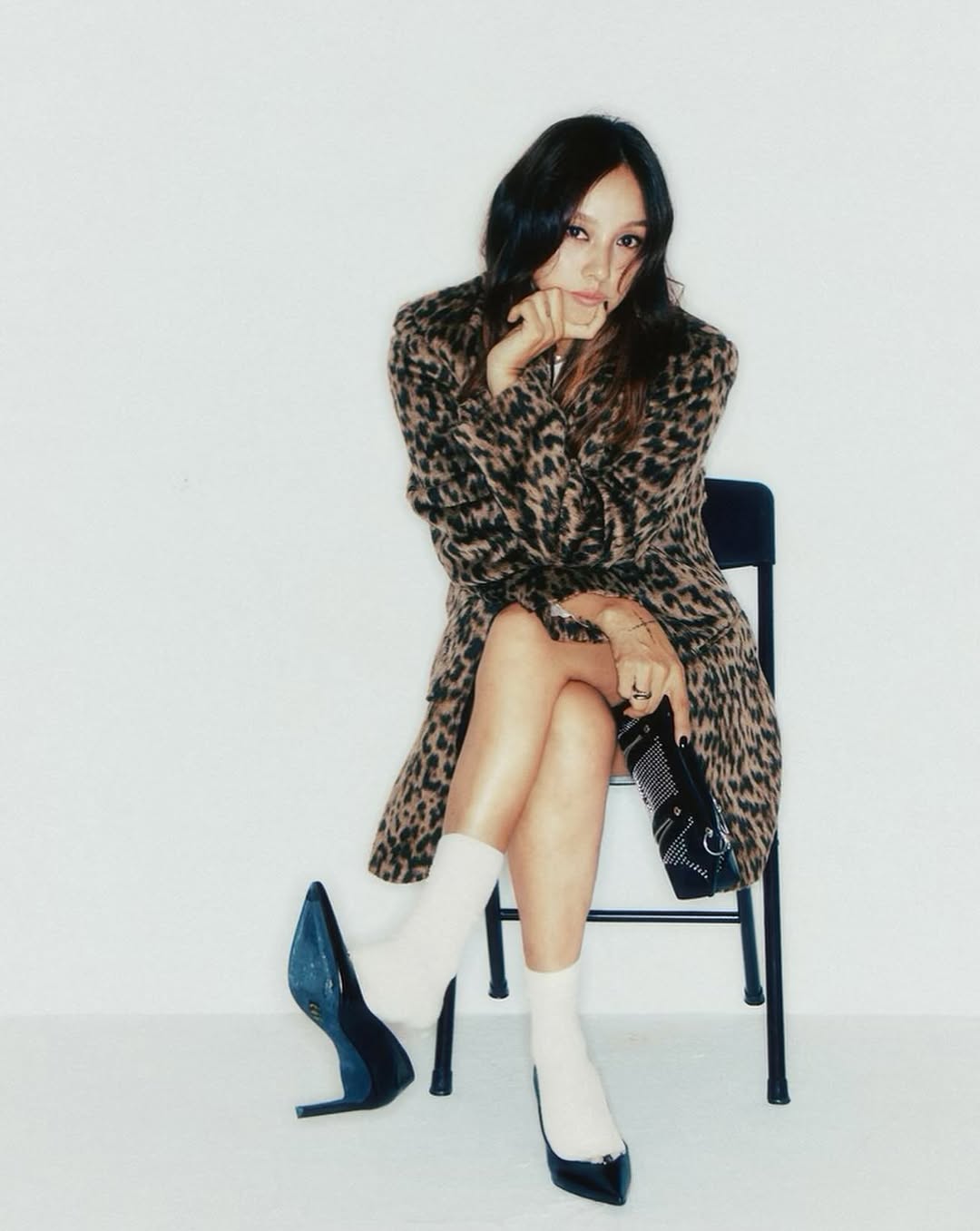
Lee Hyori became equally prominent on Korean television. In 2008 she joined the cast of the SBS variety hit Family Outing(part of the Good Sunday lineup), and she quickly won over viewers with her down-to-earth personality and humor.
Her participation on Family Outingnot only broadened her appeal beyond music, but also earned her a career milestone: in 2009 she received the Grand Prize (Daesang) at the SBS Entertainment Awards thanks to her work on the show.
The South Korean media noted that her role on Family Outinggave her “credibility as a variety star” in addition to her singing career. Lee has also appeared on many other TV programs; for instance, she was a frequent guest and sometime host on KBS’s long-running talk/variety series Happy Together.
In 2017 she and her husband Lee Sang-soon launched a popular travel-reality program called Hyori’s Homestayon JTBC, which drew strong ratings. Its second season opener (2018) set a record for the highest premiere audience share of any JTBC variety show (8.02% nationwide). In recent years Lee has occasionally guested on new variety projects (for example joining Yoo Jae-suk’s Hangout with Yooproject group SSAK3 in 2020 and the supergroup Refund Sisterslater that year), underscoring her continuing presence on Korean TV.
Awards, Achievements, And Major Career Milestones
Throughout her career, Lee Hyori has amassed numerous awards and honors. With Fin.K.L she helped the group set records as an early K-pop phenomenon.
As a solo act, Lee herself has won the highest honors in both music and entertainment. In 2003 she earned the Grand Prize (Daesang) at the year-end music awards (both KBS and SBS) for “10 Minutes” – an achievement matched by very few other artists.
Uniquely, she later won the Grand Prize at the 2009 SBS Entertainment Awards for her work on Family Outing, making her one of only two people in K-pop history to claim daesangs in both music and entertainment fields. Lee has also collected multiple trophies at popular music awards (Golden Disc, Mnet Asian Music Awards, Seoul Music Awards, etc.) and repeated music show wins for her singles.
Beyond awards, Lee set records in other ways: for many years she was among Korea’s top endorsement stars, commanding lucrative commercial contracts. In fact, when Lee announced her return to advertising in 2023 (after an 11-year hiatus), she immediately became Korea’s highest-paid TV model – reportedly earning about 4.2 billion won in five months from commercials. This reflects her enduring “celebrity value” at even mid-career.
Lee Hyori’s Influence On K-pop And Korean Pop Culture
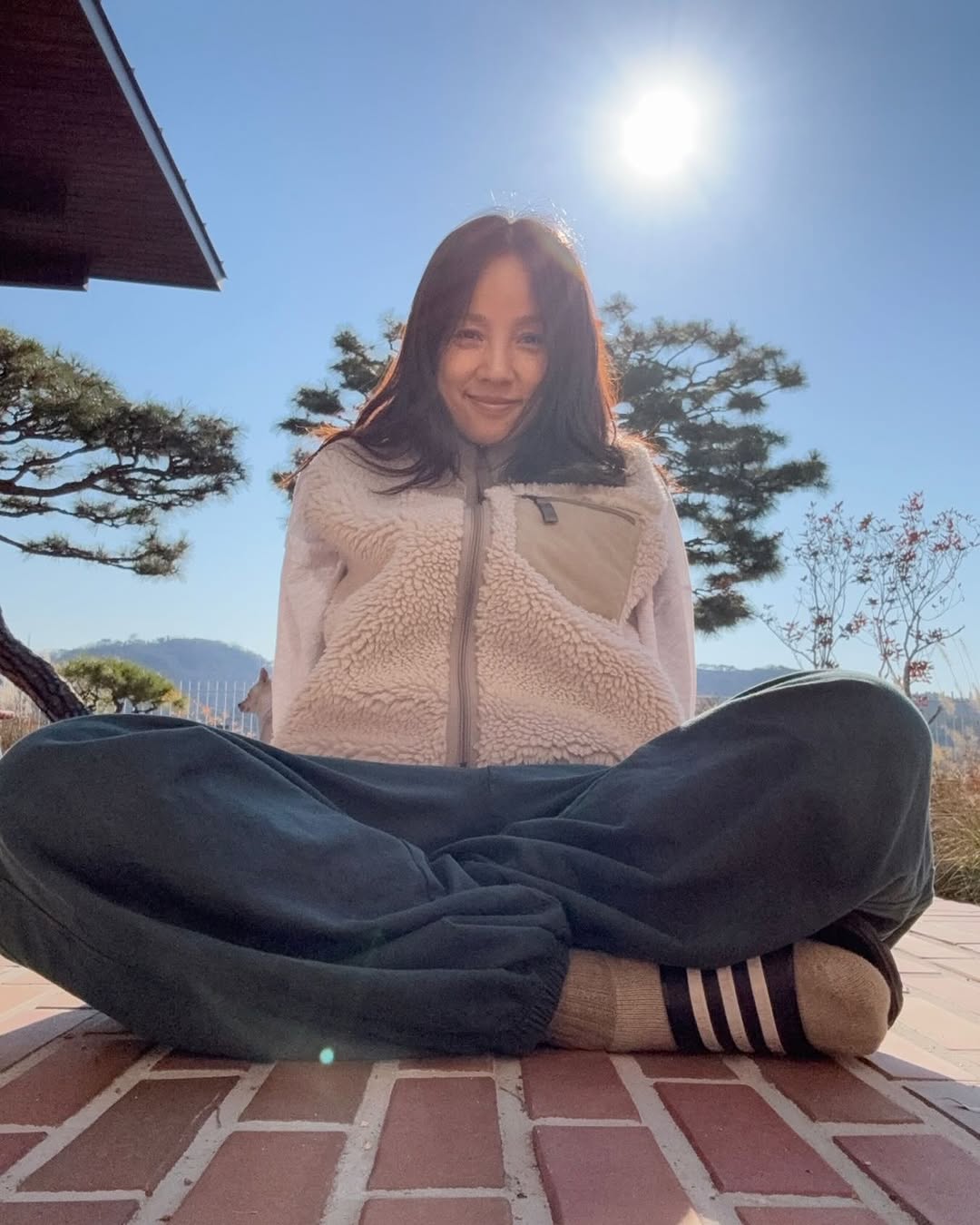
Lee Hyori’s impact extends beyond sales and ratings to broader cultural trends. She helped redefine the image of female idols in the 2000s, pioneering a more confident, fashion-forward style and performance persona.
Korean media have described her as “one of Korea’s most influential pop divas.” Academics note that at her peak she was a nationwide icon of beauty and style – a “Beyoncé-like diva” whose looks and charisma set trends.
The so-called “Hyori Syndrome” of 2003 highlighted how she could sway music, fashion and advertising all at once. Industry observers point out that throughout the 2000s Lee was one of the most sought-after figures for commercials and TV shows, underscoring how broadly she captured public attention.
Younger K-pop stars have often cited Lee as an inspiration, and her songs and styles have been emulated in K-pop’s visual language. In these ways, Lee Hyori helped shape the trajectory of Korean pop culture in the 21st century.
Current Projects, Media Presence, And Public Activities
In recent years Lee Hyori has maintained a selective but visible presence in entertainment. She has contributed to music projects and drama soundtracks, and continued to appear on variety shows when her schedule permits.
Notably, in late 2020 she took part in the television project group Refund Sisters(with Hwasa, Jessi and Uhm Jung-hwa) and released the single “Don’t Touch Me” to major chart success.
In 2023 Lee announced her return to commercial endorsements – a move that immediately paid off. Industry reports indicate that she earned roughly 4.2 billion won from ad deals in the first five months of her comeback to advertising, demonstrating that her star power remains strong.
Outside of entertainment, Lee also oversees her own music agency and occasionally takes on mentoring or production roles for new artists (for example signing soloist Heize in recent years).
As of 2025, she continues to be mentioned frequently in Korean media for her past contributions to music and television. Overall, Lee Hyori’s recent activities show that even after 25+ years in show business she remains an influential figure: she still releases music periodically, stars in high-profile variety projects, and retains substantial brand appeal, while her legacy is celebrated in retrospectives of the K-pop industry.
Lee Hyori Net Worth
As of 2026, her net worth has not been publicly disclosed, and no figure has been officially verified by major financial authorities. She earns income through endorsement and advertising contracts, having appeared in campaigns for the online retailer Lotte On and the grocery delivery service Kurly.
She also generates revenue from business ventures, including her Seoul yoga studio, Ananda Yoga, which opened in 2025. In addition, she invests in real estate having sold her Jeju homestay and acquired a five-story commercial building in Seoul and continues to earn money from music releases and television appearances, though specific earnings from these sources have not been publicly disclosed.
FAQs
1. Who Is Lee Hyori?
Lee Hyori is a South Korean singer, television personality, and entertainer. She first gained fame in 1998 as the leader of the K-pop girl group Fin.K.L before becoming one of the most successful solo artists in Korean pop music.
2. Why Is Lee Hyori Considered Influential In K-pop?
Lee Hyori helped redefine the image of female K-pop idols in the early 2000s with her confident stage presence and fashion influence. Her success as both a singer and television personality expanded the role of entertainers in Korean pop culture.
3. What Was Lee Hyori’s Breakthrough Solo Song?
Her breakthrough solo hit was “10 Minutes”, released in 2003 from the album Stylish…E. The song topped Korean music charts and created what media called the “Hyori Syndrome,” reflecting her huge popularity at the time.
4. What Group Was Lee Hyori Part Of Before Her Solo Career?
Before going solo, Lee Hyori was the leader of Fin.K.L, a first-generation K-pop girl group formed by DSP Media in 1998. The group became one of the most popular female acts in Korea during the late 1990s.
5. Has Lee Hyori Won Major Awards In Her Career?
Yes, Lee Hyori has received multiple major awards across music and entertainment. She won Daesang (Grand Prize)awards for her music career and later received another Daesang at the SBS Entertainment Awardsfor her work on variety television.
6. What Television Shows Made Lee Hyori Popular?
Lee Hyori became widely known on Korean television through variety programs such as Family Outingand Hyori’s Homestay. These shows highlighted her personality and helped expand her popularity beyond music.

James Rowley
Author
James Rowley is a London-based writer and urban explorer specialising in the city’s cultural geography. For over 15 years, he has documented the living history of London's neighbourhoods through immersive, first-hand reporting and original photography. His work foregrounds verified sources and street-level detail, helping readers look past tourist clichés to truly understand the character of a place.
His features and analysis have appeared in established travel and heritage publications. A passionate advocate for responsible, research-led tourism, James is an active member of several professional travel-writing associations.
His guiding principle is simple: offer clear, current, verifiable advice that helps readers see the capital with informed eyes.
Latest Articles
Popular Articles