London Through The Seasons: What To See And Do Year-Round
Explore London through the seasons, from spring blossom and summer festivals to autumn colour, winter lights and the best seasonal places to visit.
Author:James RowleyJul 15, 20269.1K Shares254.4K Views
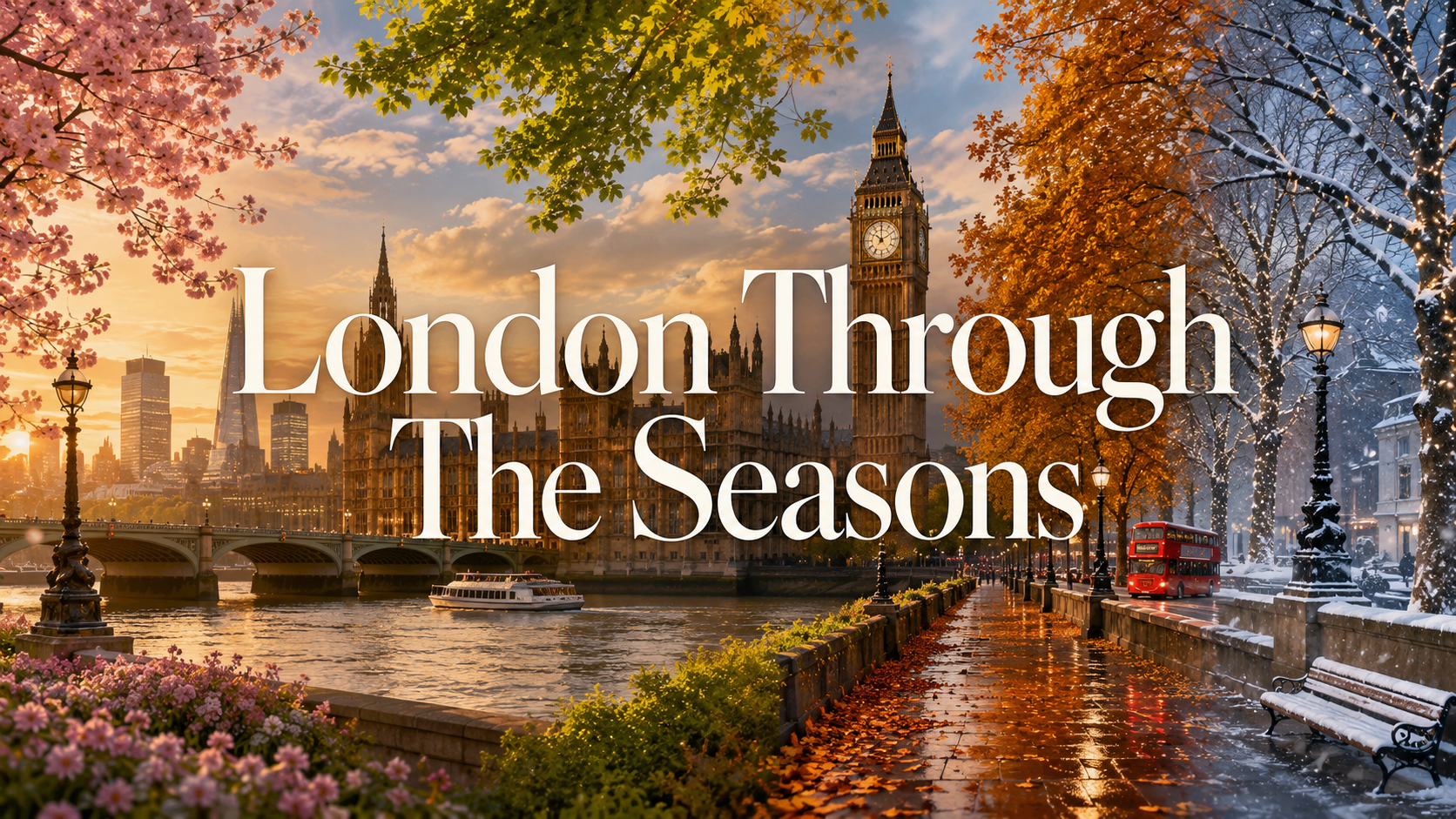
What Is London Like In Each Season?
London does not really have a wrong time to visit. It simply changes character with the season.
Winter brings Christmas lights, theatre and museum days. Spring is about blossom, gardens and longer walks. Summer pushes more of London outdoors, with festivals, parks and late evenings, while autumn brings colour, riverside walks and cosy pubs.
The practical trade-offs still matter. Some periods are busier, winter days are shorter, and school holidays can change the feel of the city. This guide focuses on what London is actually like in each season and the experiences that suit it best.
For a closer comparison of crowds, prices and when to travel, see the best time to visit London guide. For temperatures by month and what to pack, use the London weather guide.
London Through The Seasons At A Glance
| Season | What It Feels Best For |
| Winter | Festive lights, theatre, museums and indoor culture |
| Spring | Blossom, gardens, park walks and longer sightseeing days |
| Summer | Long evenings, outdoor events, festivals and riverside plans |
| Autumn | Park colour, photography, pub culture and a gradual shift back indoors |
London Month By Month: Seasonal Highlights
| Month | Seasonal Highlights And Watch Outs |
| January | Lower prices, museums, theatre and quieter streets. Days are short and weather is cold. |
| February | Good for budget trips and indoor culture. February half-term can make family attractions busier. |
| March | Early shoulder season with improving daylight. Still cool, especially early in the month. |
| April | Blossom, parks and lighter evenings. Easter can raise prices and crowds. |
| May | Gardens, longer days, spring events and outdoor sightseeing |
| June | Long days, outdoor plans, festivals and strong weather odds. Crowds begin rising. |
| July | Warmest month on average, with Wimbledon and peak summer energy. Expensive and busy. |
| August | Festivals, school holidays and outdoor events. Expect high demand and crowded attractions. |
| September | Mild early autumn, river walks, outdoor plans and Totally Thames |
| October | Autumn colour, cosy pubs and cultural events. Half-term and rain can affect plans. |
| November | Quieter and often better value. Darker, wetter and best with indoor backup plans. |
| December | Christmas lights, markets, theatre and festive events. Beautiful but busy and expensive. |
Winter In London: December To February
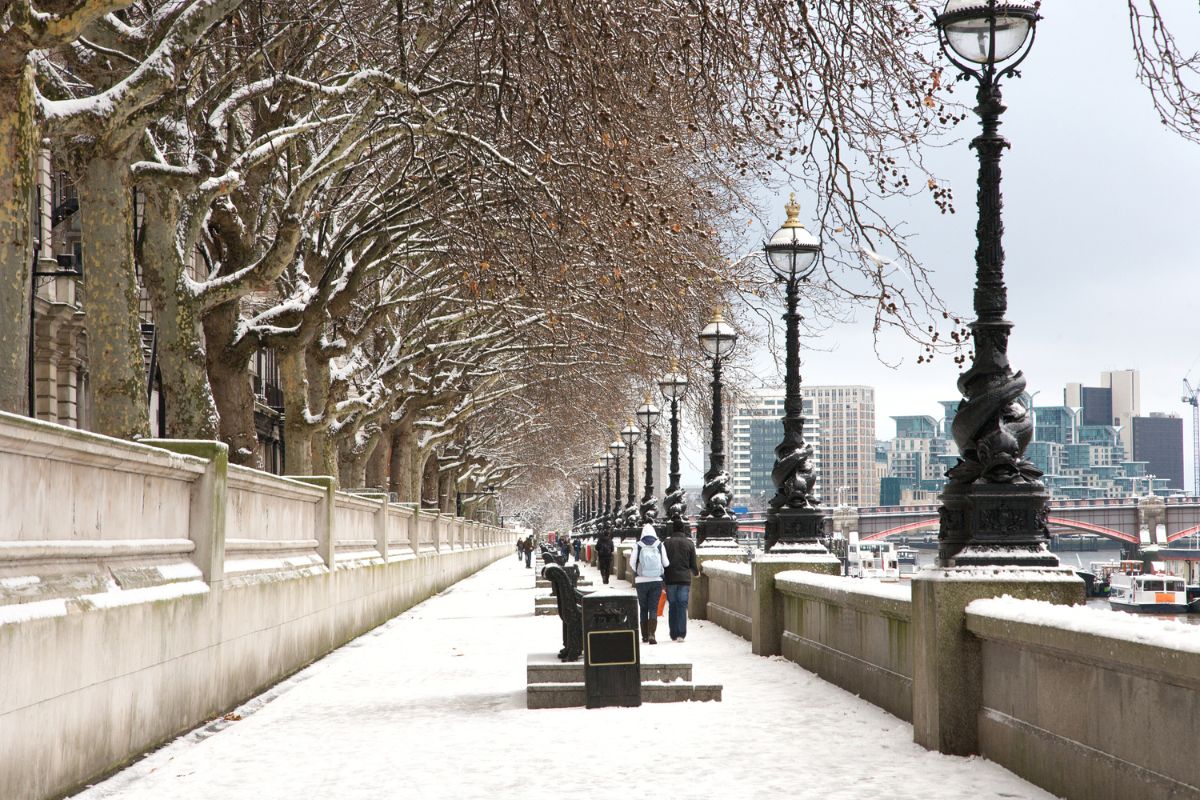
Winter starts festive and ends quietly. December brings Christmas lights, markets, skating, shop windows, and New Year celebrations.
January and February are calmer, usually better value, and well-suited to slower indoor days, especially if you plan around the top museums in London.
December is London’s most festive month. Hyde Park Winter Wonderlandusually runs from November into early January, and central areas such as Oxford Street, Covent Garden, Southbank, and Hyde Parkfeel especially busy.
If Oxford Street is part of your winter plans, the Oxford Street - Selfridges webcamgives you a quick look at the current street scene before you head into the West End.
The trade-off is simple: December is not a hidden bargain. Hotel prices can rise, restaurants book out, and central shopping areas can feel packed.
January and February are different. They are generally quieter, especially after the New Year period, and they work well for museums, galleries, theatre, shopping, and relaxed city breaks.
Signature winter events include:
- Hyde Park Winter Wonderland
- Christmas markets and lights
- London’s New Year’s Eve fireworks
- January sales
- Seasonal ice skating
Best places in winter include:
- Southbank for Christmas stalls and riverside lights
- Somerset House for its winter ice rink
- Tate Modern, the National Gallery, and the British Museum for indoor days
- West End theatreswhen the weather turns grey
January and February can work well for lower-cost city breaks, while winter overall is strongest for theatre, museums, festive atmosphere and indoor culture. It is less suitable if you want long daylight or warm evenings.
The biggest downside is daylight. In December, the London sunset is around 4 pm, and the shortest days have under eight hours of daylight.
A London winter itineraryworks best when you plan one outdoor highlight early, then keep evenings for lights, food, theatre or galleries.
Spring In London: March To May
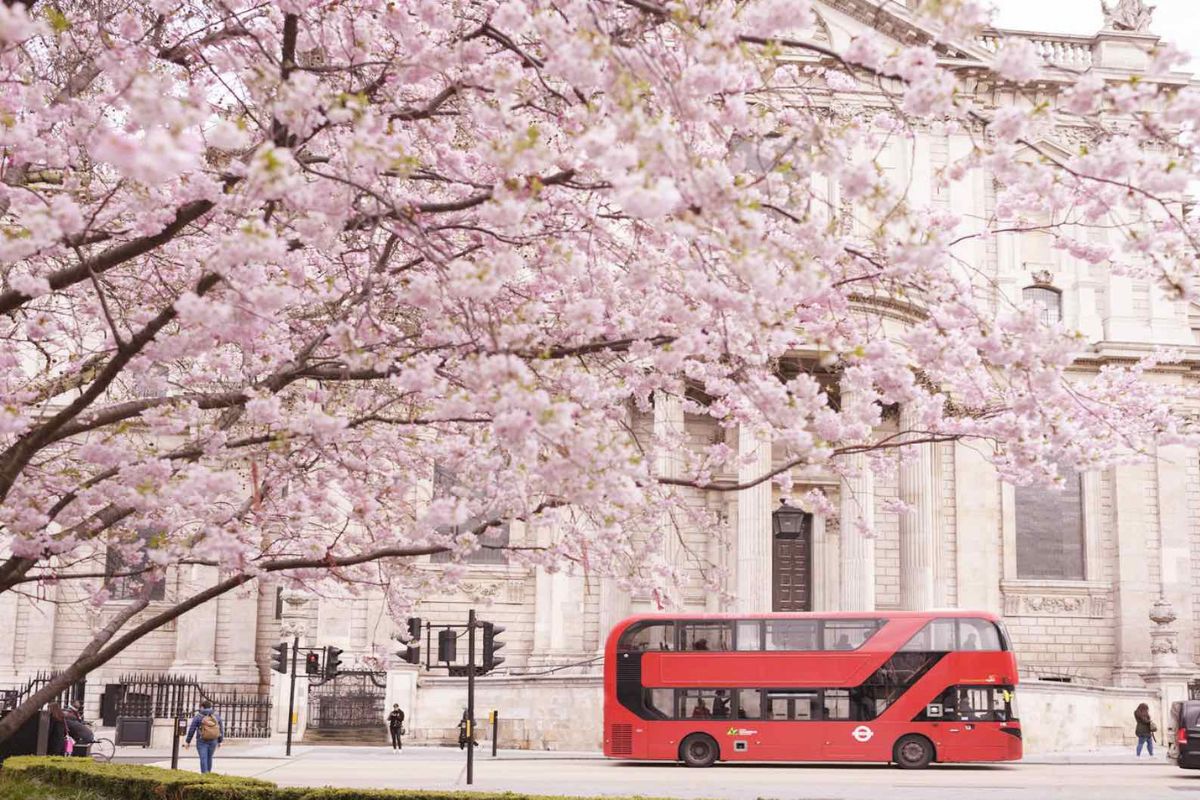
Spring is London waking up again. Parks brighten, blossoms appear, daylight stretches out, and the city feels easier to explore on foot.
March can still feel cool, especially early in the month, but the longer daylight starts to make walking and park days easier.
April and May are the strongest spring months for blossom, gardens and outdoor sightseeing.
Met Office Heathrow 1991-2020 averages, used here as a London-area climate reference, show average maximum temperatures rising from about 12 °C in March to about 18 °C in May.
Signature spring events include:
- RHS Chelsea Flower Showin May
- Easter events and school holiday activities
- St George’s Day celebrations
- Spring blossom displays
For spring colour, Kew Gardensis one of the strongest choices, especially for blossom, glasshouses, and a slower garden-led day.
St James’s Park, Greenwich Park, and Regent’s Park are also strong choices if you want classic London scenery without building the whole day around one ticketed attraction.
Spring is especially good for photography, parks, garden visits and long walking days. The trade-off is unreliable warmth: early March can still feel wintry even as daylight improves.
Easter can make family attractions busier, so check the dates if you are visiting during the school holiday. Late April and May are especially strong for a London spring itinerarybuilt around blossom, gardens and longer walking days.
Summer In London: June To August
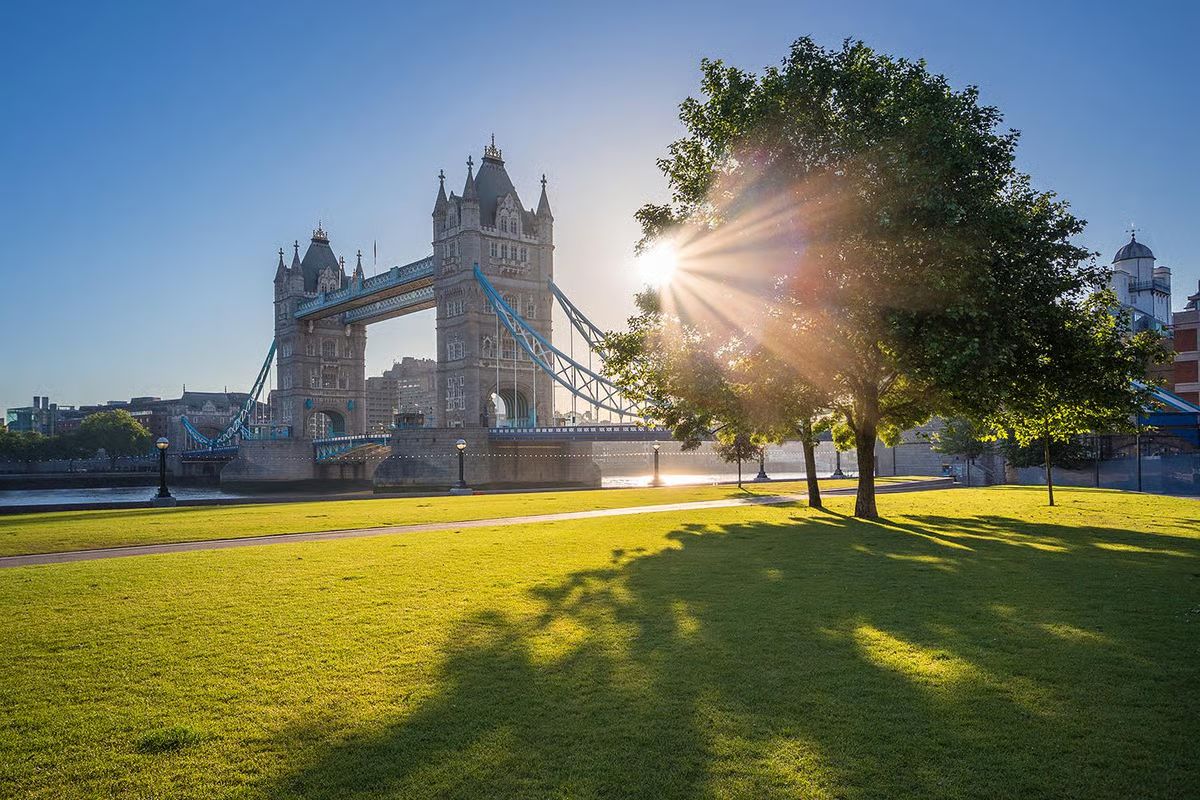
Summer is London at its most outdoors-focused, with long days, full parks, rooftop bars, festivals and riverside evenings.
It gives the best odds of warmer weather. Met Office Heathrow 1991-2020 averages place July as the warmest month by average maximum temperature, at about 24 °C. June and August are also strong for outdoor plans, though London weather can still change quickly.
Signature summer events include:
- Wimbledon
- Pride in London
- Notting Hill Carnival
- Open-air theatre, cinema, and concerts
- Thames riverside events and rooftop season
Wimbledon usually runs from late June into July. Pride in London is another major summer date, and Notting Hill Carnival usually takes place over the August bank holiday weekend. Check official event dates before booking because annual schedules can change.
Best places in summer include:
- Hyde Parkand Kensington Gardens
- Rooftop bars and terraces
- Thames riverside walks
- Regent’s Park Open Air Theatre
- Greenwich, Richmond, and Hampstead Heath for bigger green spaces
Summer is strongest for outdoor events, parks, riverside evenings and festivals. The trade-off is that popular attractions and central areas can feel much busier during the busiest weeks.
If you are travelling in summer, check the London attractions worth booking aheadbefore fixing your itinerary, especially when you have one or two places you definitely do not want to miss.
Late August needs local planning rather than a citywide rule. Notting Hill and nearby parts of west London become exceptionally busy during Carnival weekend, so check the official Notting Hill Carnival datesbefore planning travel in that area.
Autumn In London: September To November
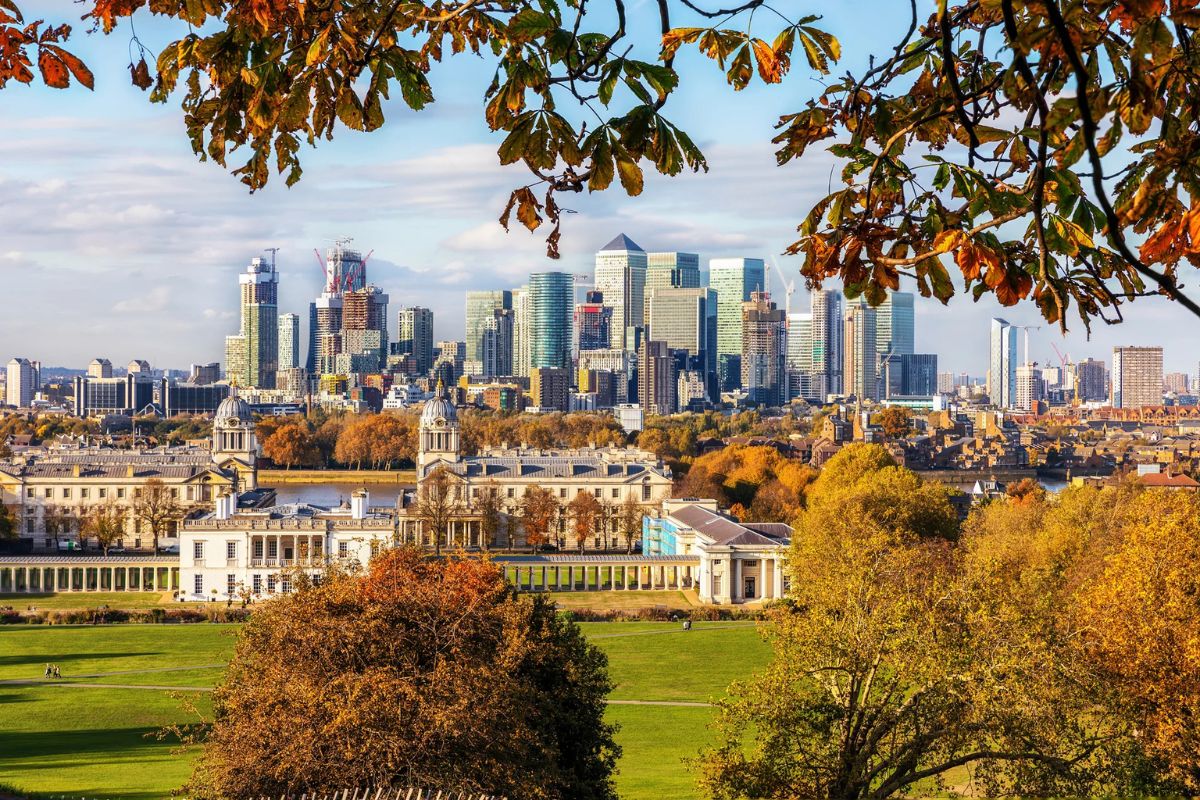
Autumn is London softening after summer. September can still feel mild, October brings colour and pub weather, and November becomes quieter, darker, and better for lower-cost indoor trips.
September often keeps some of summer’s outdoor feel, while October brings stronger autumn colour and November shifts towards museums, galleries, theatre and early festive lights.
Signature autumn events include:
- Totally Thamesin September
- Halloween events in October
- Bonfire Night around 5 November
- Early Christmas lights from November
Best places in autumn include:
- Hampstead Heath for skyline views and colour
- Richmond Parkfor a wide open space
- Regent’s Canal for slow walks
- Greenwich Park for views over the city
Richmond Parkis especially strong in autumn, but keep a distance from the deer. The Royal Parks advises visitors to stay at least 50 metres away from deer, especially during the rutting season from September into November.
Autumn is especially good for foliage photography, park walks and cosy pub culture. September is the easiest part of the season for mixing outdoor plans with autumn atmosphere, while late October and November call for more indoor flexibility.
Late October can become busier around half-term, while November is darker and more changeable as winter approaches. Heathrow's long-term climate averages also put October and November among the wetter months by rainfall total, so keep one museum, gallery or covered attraction in reserve.
For more seasonal walking options, see the best parks in London for walks, views, flowers and autumn colour.
Which London Season Suits Your Trip?
There is no single best season for every type of visit. The easiest way to choose is to start with the experience you want.
- For a lower-cost city break:January and February can work well for museums, theatre and indoor culture, while December is a very different proposition because of the festive period.
- For parks, blossom and photography:Spring is the strongest fit, especially when gardens and parks become part of the day again.
- For festivals and outdoor plans:Summer gives you long evenings and the widest range of outdoor possibilities, with the trade-off of busier attractions.
- For autumn colour and slower walking days:September and October suit parks, photography, riverside walks and pub evenings especially well.
- For Christmas atmosphere:Late November and December bring lights, markets and seasonal events, but they are not the quietest part of winter.
Check Seasonal Dates Before You Book
Seasonal events and school breaks move from year to year. Before booking around a specific seasonal experience, check:
- UK bank holiday dates
- School term and holiday dates
- Official event dates
- The latest weather forecast
This matters most around Easter, summer school holidays, the August bank holiday, October half-term, Christmas and New Year.
For same-day outdoor plans, check the live London webcamsbefore heading to parks, bridges or riverside areas. For help choosing the most useful view for a particular part of the city, use the London webcams and live streams guide.
Frequently Asked Questions
What Is London Like In Winter?
London in winter is festive in December and calmer in January and February. It suits Christmas lights, theatre, museums, galleries and cosy indoor plans, but daylight is short.
What Is London Like In Spring?
Spring brings longer days, blossom and better conditions for parks and walking. March can still feel cool, while April and May are stronger for gardens and outdoor sightseeing.
What Is London Like In Summer?
Summer is the liveliest outdoor season, with long evenings, festivals, parks, rooftops and major events. The trade-off is heavier crowding around popular sights and major event dates.
What Is London Like In Autumn?
September can still feel mild, October brings stronger colour, and November shifts towards indoor culture and early festive lights. It is a strong season for parks, photography and pub atmosphere.
Which Season Is Best For Parks And Gardens In London?
Spring is strongest for blossom and fresh growth, especially in April and May. Early summer brings longer garden days, while autumn offers a different experience through changing foliage.
Which Season Is Best For Photography In London?
Spring works well for blossom and gardens, summer for long evening light, autumn for park colour and winter for Christmas lights and night photography.
What Is The Cheapest Time To Visit London?
January to March is usually the cheapest period to visit London, with January and February particularly good options for lower-cost trips after the festive season.
What Is The Rainiest Month In London?
Based on Met Office Heathrow 1991-2020 averages, November is slightly rainier than October. Both months are among the wetter times of year, so autumn trips should include flexible indoor plans.
Final Thoughts
London through the seasons is not four versions of the same trip. Winter pulls you towards lights, theatre and museums. Spring brings the parks and gardens back into the day. Summer stretches London into long evenings, festivals and riverside walks, while autumn brings colour, softer light and a slower pace.
There is no need to crown one season the winner. Choose the version of London that suits the trip you want, then plan around the events and places that are at their best at that time of year.
Jump to
What Is London Like In Each Season?
London Through The Seasons At A Glance
London Month By Month: Seasonal Highlights
Winter In London: December To February
Spring In London: March To May
Summer In London: June To August
Autumn In London: September To November
Which London Season Suits Your Trip?
Check Seasonal Dates Before You Book
Frequently Asked Questions
Final Thoughts

James Rowley
Author
James Rowley is a London-based writer and researcher covering London life, cultural geography, London travel, live London webcam pages and selected public figures across entertainment, sport, business and public life.
For over 15 years, he has focused on verified sources, first-hand local context and clear explanations that help readers understand both places and people more deeply. His work combines street-level London knowledge with careful research into career credits, media work, business interests and, where relevant, transparently explained net worth estimates.
He writes and reviews articles published on LondonWebcam.
Latest Articles
Popular Articles