London's Most Beautiful Victorian Buildings: 20 Landmarks To See
Explore London's Most Beautiful Victorian Buildings, from St Pancras to Kew, with key landmarks, areas, routes, walking ideas and practical tips.
Author:James RowleySep 30, 2026
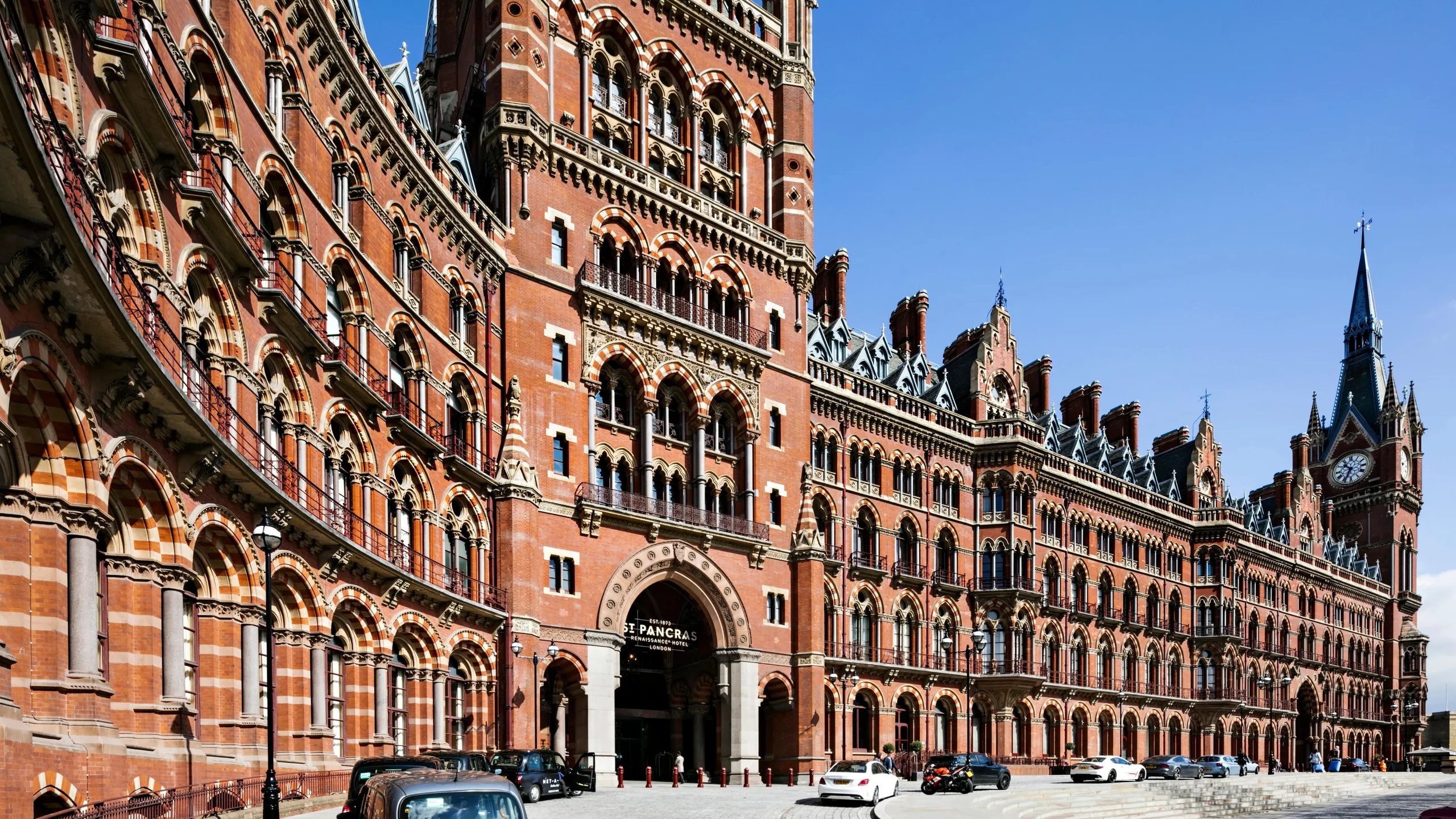
London's Victorian-era Architecture: What To See And Where To Go
London’s most beautiful Victorian buildings are not defined by one architectural style. The Victorian period ran from 1837 to 1901, and London’s buildings from these decades range from Gothic Revival churches and railway stations to Italianate markets, Romanesque-inspired museums and experimental iron-and-glass structures.
That variety is what makes Victorian architecture in London so interesting to explore. St Pancras showcases the Gothic Revival railway age, Tower Bridge combines historic-looking design with advanced engineering, while the Natural History Museum uses terracotta decoration to connect its architecture with the natural world.
If you want to see several examples in one outing, focus on architectural clusters such as South Kensington, Westminster, King's Cross–St Pancras or the City of London. The sections below also group buildings by style, location and visitor experience so you can choose stops that match your interests.
London's Most Beautiful Victorian Buildings: At A Glance
| Place & Area | Why It Matters & Nearest Station |
| St Pancras Station & Midland Grand Hotel - King's Cross | Gothic Revival railway architecture. Nearest: King's Cross St Pancras |
| Natural History Museum - South Kensington | Romanesque/Gothic architecture with extensive terracotta. Nearest: South Kensington |
| Tower Bridge - Tower Hill | Victorian engineering behind a Neo-Gothic exterior. Nearest: Tower Hill / London Bridge |
| Royal Albert Hall - South Kensington | Landmark Victorian concert hall opened in 1871. Nearest: South Kensington |
| Palace of Westminster - Westminster | Major Gothic Revival rebuilding of Parliament. Nearest: Westminster |
| King's Cross Station - King's Cross | Functional Victorian railway architecture. Nearest: King's Cross St Pancras |
| Royal Courts of Justice - Strand | Monumental High Victorian Gothic Revival architecture. Nearest: Temple / Chancery Lane |
| Leadenhall Market - City of London | Ornate Victorian market with iron and glass. Nearest: Bank / Liverpool Street |
| Palm House, Kew Gardens - Kew | Pioneering Victorian iron-and-glass glasshouse. Nearest: Kew Gardens |
| Leighton House - Holland Park | Victorian domestic architecture and Aesthetic movement interiors. Nearest: Holland Park |
| All Saints, Margaret Street - Fitzrovia | Polychromatic High Victorian Gothic church. Nearest: Oxford Circus |
| Crossness Pumping Station - Abbey Wood | Victorian industrial engineering and decorative ironwork. Nearest: Abbey Wood |
| Holborn Viaduct - City of London | Landmark Victorian civil engineering and urban design. Nearest: City Thameslink |
| East Wing, Buckingham Palace - Westminster | Victorian palace extension with a famous central balcony. Nearest: Green Park / Victoria |
| Victorian Pavilion, The Oval - Kennington | Historic Victorian sporting architecture. Nearest: Oval |
| Gibson Hall - City of London | Highly decorative Victorian commercial architecture. Nearest: Liverpool Street / Moorgate |
| Royal Exchange - City of London | Victorian classical commercial architecture. Nearest: Bank |
| Victoria and Albert Museum - South Kensington | Victorian museum architecture developed in phases. Nearest: South Kensington |
| Smithfield Market - City of London | Large-scale Victorian market and engineering. Nearest: Farringdon |
| Brompton Oratory - South Kensington | Monumental Victorian church inspired by Italian Baroque. Nearest: South Kensington |
| London's Victorian Terraced Streets - Various areas | Everyday residential architecture shaped by Victorian expansion. Nearest: Varies |
What Defines Victorian Architecture?
What Makes A Building Victorian In London?
Before choosing the buildings worth seeing, it helps to understand what "Victorian" actually tells you. The period explains whena building belongs to, but not necessarily what it looks like.
The Victorian Period: 1837–1901
Queen Victoria became queen in 1837 and died in 1901, giving the Victorian era its conventional chronological boundaries. London's architecture changed dramatically during those decades as the capital expanded and new transport, industrial and civic demands emerged.
This was a period of rapid urban growth. Railway stations, museums, markets, courts, bridges, churches, sewage infrastructure and large residential districts all required new buildings.
That is why a Victorian building can be a railway terminus, a concert hall, a museum or a pumping station.
Victorian Is A Period, Not One Architectural Style
This is probably the most important point to remember.
Victorian architecture describes an era, not a single design language.Architects borrowed from medieval Europe, Renaissance Italy, classical architecture and other historical traditions while incorporating contemporary construction methods.
London Museum describesVictorian-era architecture as a mixture of old and new, noting the growing use of materials such as iron, plate glass and terracotta alongside revived historical styles.
So calling a building "Victorian" does not automatically tell you whether it is Gothic, Romanesque, Italianate or something more eclectic.
Gothic Revival, Italianate And Romanesque
Three particularly useful labels are:
- Gothic Revival:pointed arches, towers, tracery, steep roofs and medieval-inspired decoration.
- Italianate:classical proportions, arches, stucco or brick façades and details inspired by Italian Renaissance architecture.
- Romanesque Revival:rounded arches, substantial masonry, patterned surfaces and forms inspired by medieval Romanesque buildings.
Victorian architects could also combine these approaches rather freely.
The Palace of Westminster is a particularly good example: Charles Barry created an orderedoverall composition while Augustus Pugin was heavily involved in its Gothic detailing, interiors and furnishings.
Iron, Glass, Brick And Terracotta
Victorian architecture also reflects technological change.
Iron and glass allowed designers to create structures that would have been difficult or impossible using traditional masonry alone. Kew's Palm House, for example, used shipbuilding techniques to create its sweeping glasshouse structure.
Terracotta became another important material. At the Natural History Museum, Alfred Waterhouse used terracottaextensively for architectural decoration, including its extraordinary animal motifs. The museum explains that the material offered practical advantages in London's polluted environment while allowing detailed ornament to be produced efficiently.
How These Victorian Buildings Were Selected
“Beautiful” is subjective, so this list does not rank the buildings from best to worst. The guide focuses on buildings that combine architectural interest with historical or engineering significance and that visitors can meaningfully appreciate in London today. The selection covers different Victorian styles, building types and parts of the city.
London's Most Beautiful Victorian Buildings
The most useful way to explore London's Victorian buildings is to look beyond fame alone. A beautiful façade becomes much more interesting when you understand the style, technology or social purpose behind it.
St Pancras Station And The Midland Grand Hotel
- Style:High Victorian Gothic
- Architect:George Gilbert Scott
- Built:Station 1865–1869; former Midland Grand Hotel 1868–1876
- Location:Euston Road, NW1
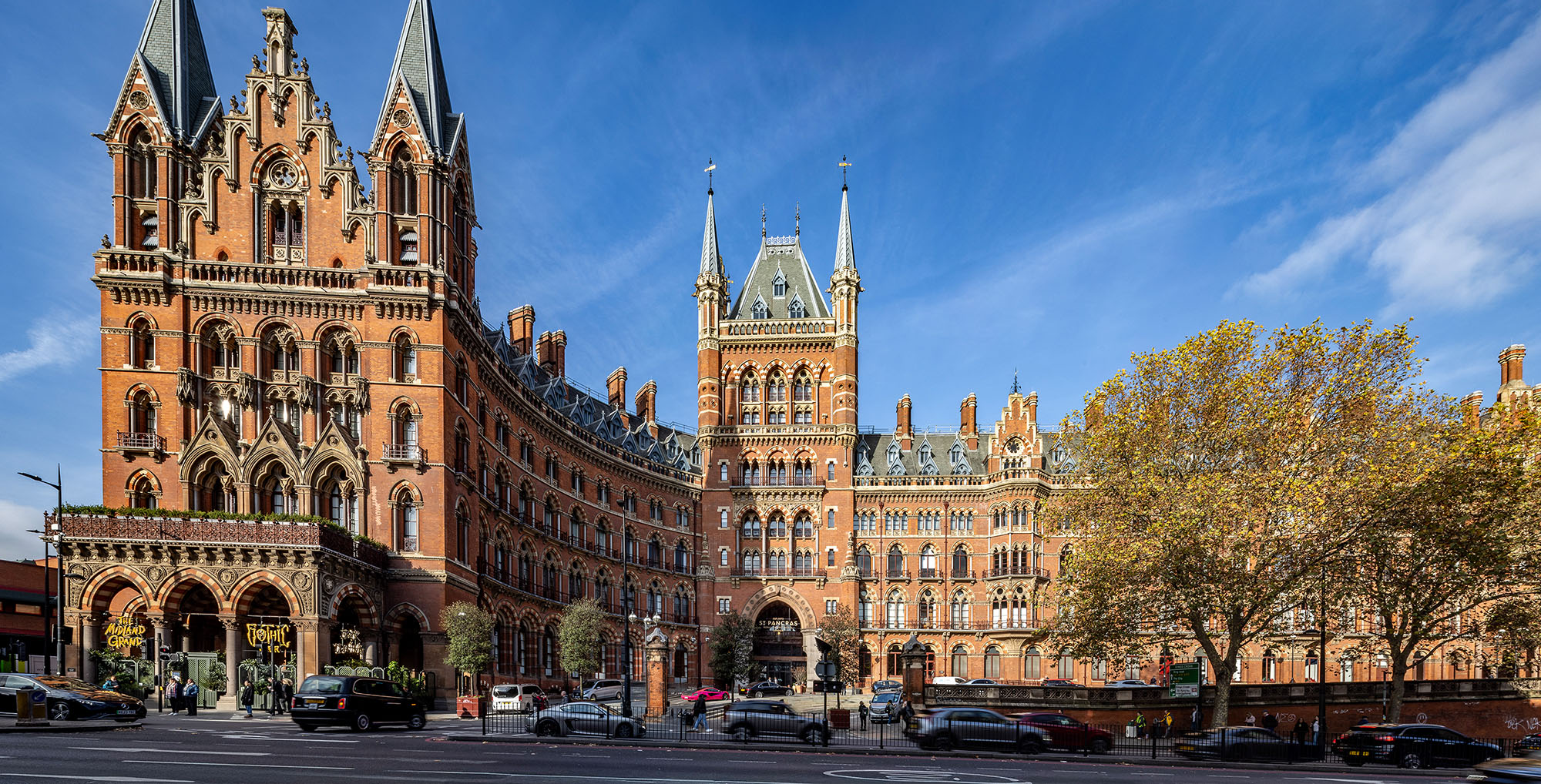
St Pancras is one of London’s defining Victorian railway complexes, combining a Gothic Revival station frontage with a pioneering iron train shed and the former Midland Grand Hotel.
George Gilbert Scott designed the station and hotel, while engineer William Henry Barlow designed the great train shed. Historic England dates the station to 1865–1869and the former hotel to 1868–1876, and lists the complex as a single Grade I entry.
The former Midland Grand Hotel later became the St Pancras Renaissance Hotel. The building was restored and brought back into hotel use in 2011, while the station remains an active transport hub.
Why it stands out:It brings together Gothic Revival architecture, railway engineering and the commercial ambitions of Victorian London.
Look for:the red-brick and stone façade, towers, pointed arches, ornate details and the vast train shed.
Best for:railway architecture, Victorian Gothic, engineering and photography.
Natural History Museum
- Style:Romanesque / Gothic Revival hybrid
- Architect:Alfred Waterhouse
- Built:1873-1881
- Location:Cromwell Road, SW7
Few Victorian buildings express their architectural concept as clearly as the Natural History Museum.
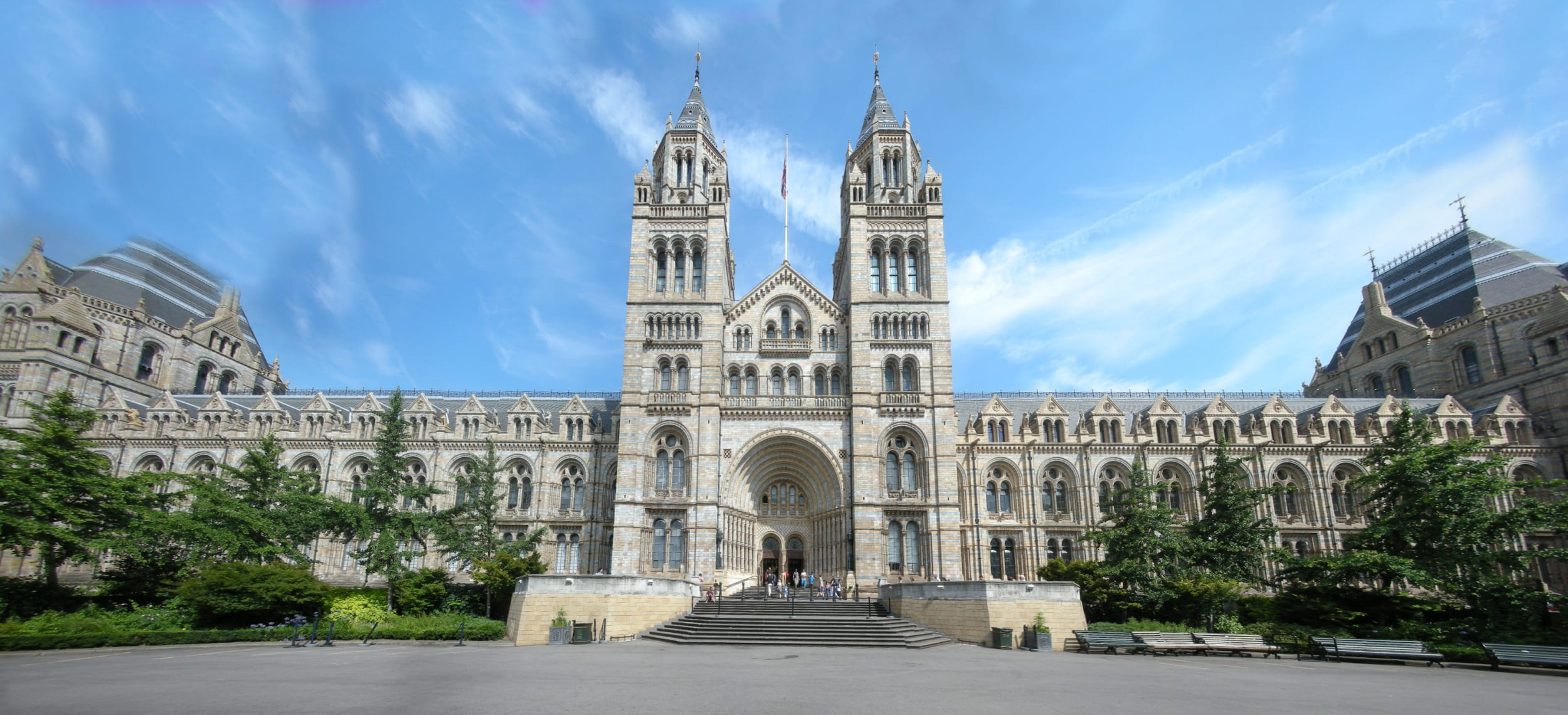
Designed by Alfred Waterhouse, the building combines Gothic Revival with 12th-centuryRomanesque influences. Its decoration brings the natural world into the architecture, with extinct animals represented on the east wing and living species on the west.
Terracotta was central to the design, allowing intricate decoration while offering practical advantages in London’s polluted nineteenth-century environment.
Why it stands out:the architecture and museum subject matter become one unified design.
Look for:terracotta animals, arches, columns, gargoyles and the cathedral-like central hall.
Best for:decorative architecture, photography and Romanesque Revival.
Tower Bridge
- Style:Victorian Gothic
- Architects:Horace Jones and John Wolfe Barry
- Built:1886-1894
- Location:Tower Hamlets / Southwark, SE1
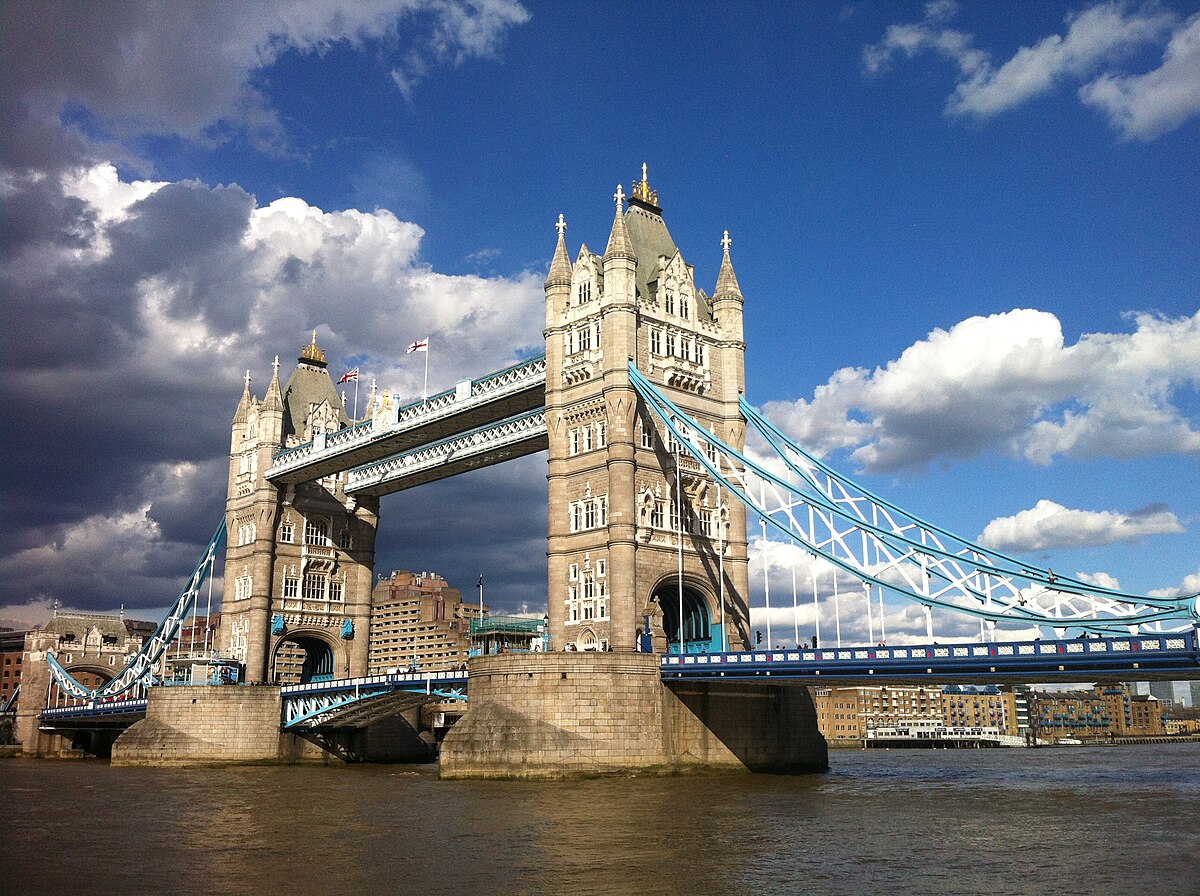
Tower Bridge demonstrates perhaps the clearest Victorian combination of appearance and engineering.
Construction began in 1886and the bridge opened in 1894. Sir Horace Jones worked with engineer Sir John Wolfe Barry on the selected design, while the bridge's bascules were operated using hydraulic machinery.
Its Neo-Gothic appearance was deliberately designed to complement the nearby Tower of London. Beneath the stone cladding and Gothic detailing lies a substantial structural framework, creating a distinctly Victorian blend of historic appearance and modern engineering.
For visitors interested in how Tower Bridge fits into London’s wider river crossings and walking routes, London’s iconic bridgesoffers practical ideas for combining bridges with nearby sights.
Why it stands out:it makes advanced nineteenth-century engineering visually legible without sacrificing the monumental appearance expected of a major London landmark.
Look for:the towers, stone cladding, Gothic details and exposed engineering.
Best for:engineering, photography and panoramic views.
Royal Albert Hall
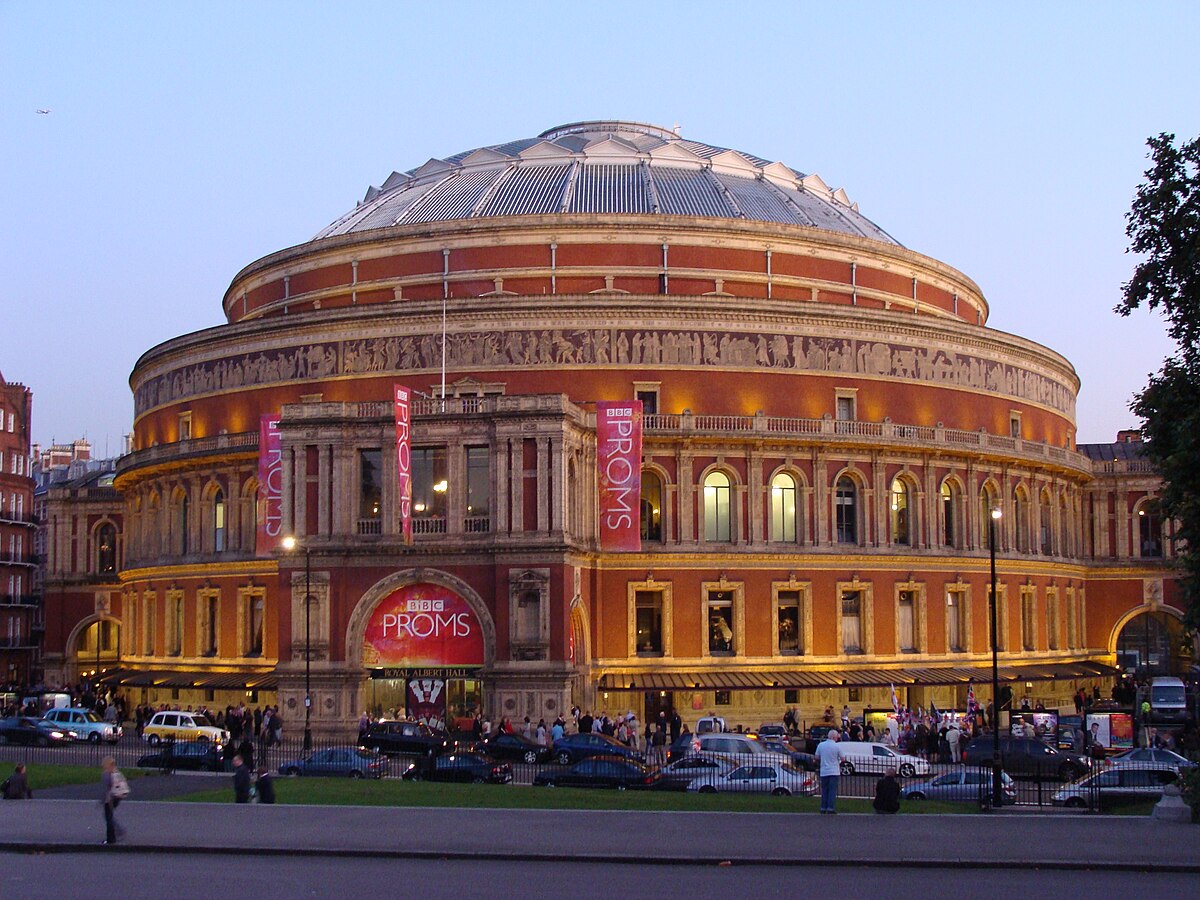
- Style:Italianate
- Architects:Francis Fowke & Henry Scott
- Built:1867-1871
- Location:Kensington Gore, SW7
Royal Albert Hall anchors one of London's most important concentrations of Victorian cultural architecture in South Kensington.
The building officially opened in 1871, and its archive records its foundation ceremony and opening by Queen Victoria.
Its distinctive oval form and richly coloured exterior make it immediately recognisable, but its significance becomes clearer when considered alongside the neighbouring museums and institutions developed around South Kensington during the same broad period.
Why it stands out:it is simultaneously a monumental public building and a functioning performance venue, embodying the Victorian ambition to connect culture, science, education and public life.
Look for:the terracotta exterior, repeated decorative panels and enormous domed roof.
Best for:South Kensington architecture and Victorian cultural history.
Palace Of Westminster
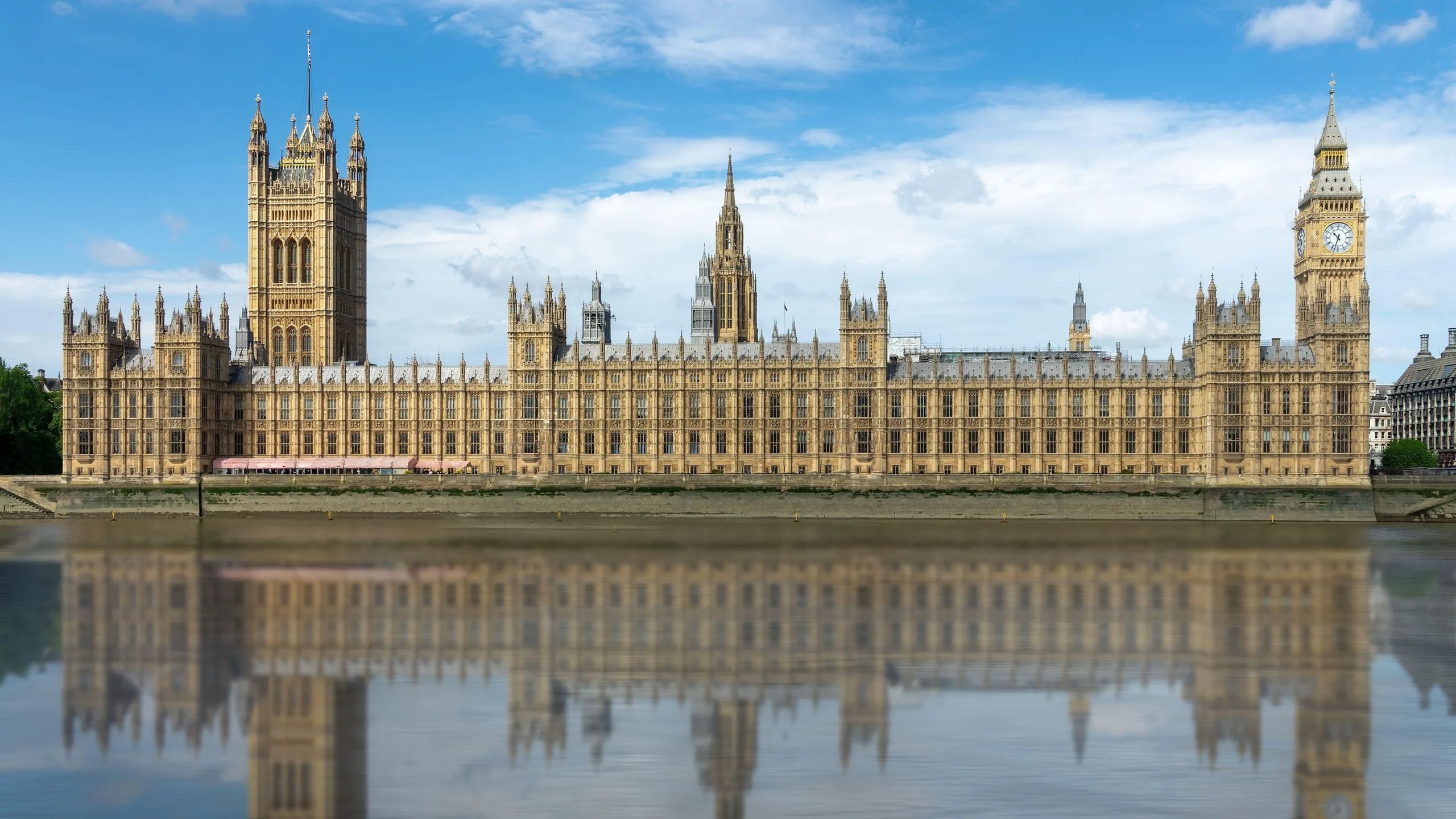
- Style:Gothic Revival
- Architects:Charles Barry and Augustus Pugin
- Built:1840–1870
- Location:Westminster, London SW1A 0AA
The Palace of Westminster is one of the world's most recognisable Gothic Revival buildings, but there is an important historical qualification: the present palace is largely a nineteenth-century rebuilding of an older complex.
After the 1834 fire, Charles Barry designed the new palace, with Augustus Pugin responsible for much of its Gothic detailing and interiors. The new palace opened in stages, with the main building substantially complete by 1870.
The design incorporated surviving medieval elements, including Westminster Hall, into the new Victorian complex.
Why it stands out:it combines Victorian Gothic architecture with genuine medieval fabric.
Look for:the towers, steep roofs, pointed arches and richly detailed façades.
Best for:Gothic Revival, architectural history and riverside photography.
King's Cross Station
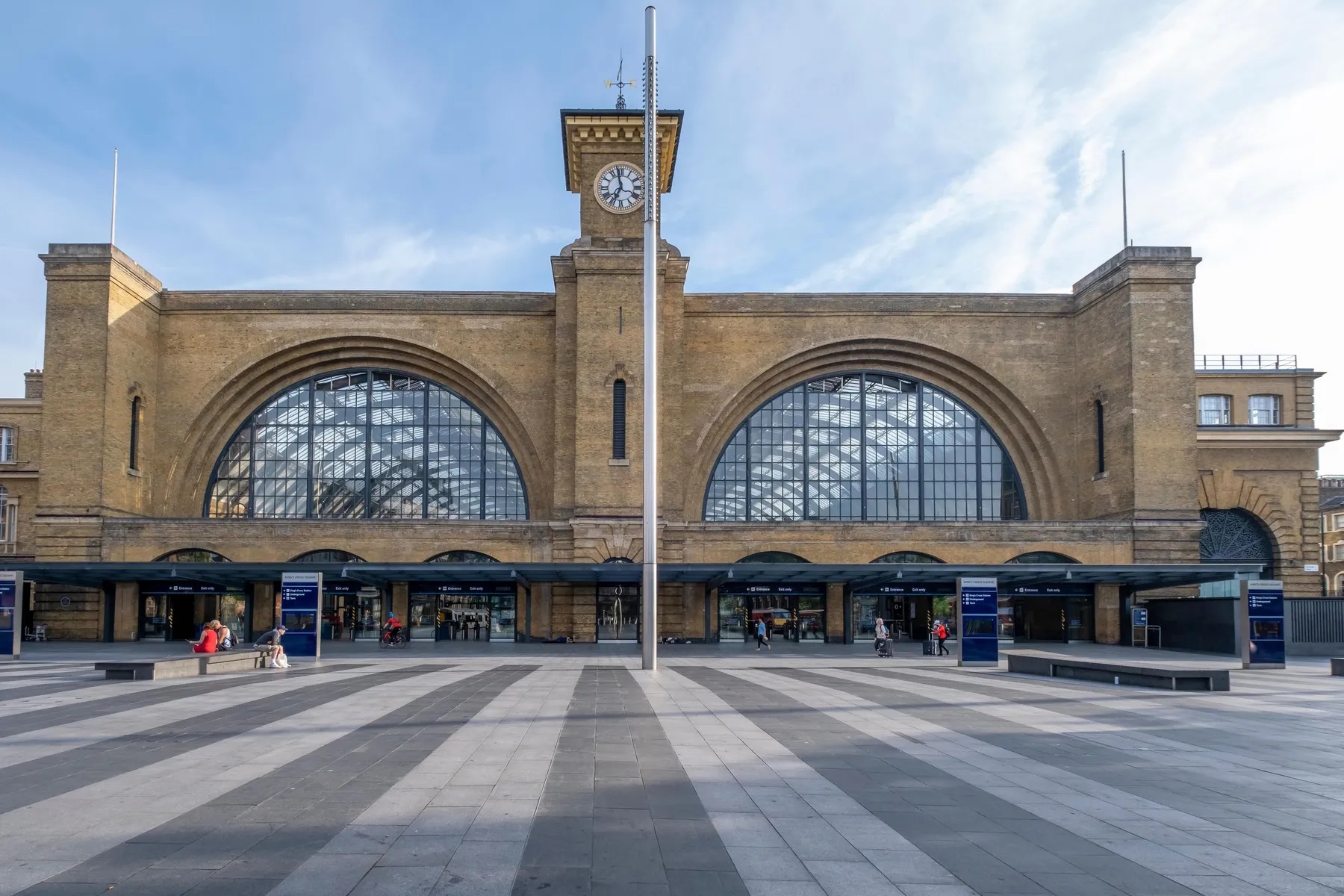
- Style:Victorian railway architecture
- Architect:Lewis Cubitt
- Built:1852
- Location:Euston Road, N1 9AL
King's Cross provides a useful contrast with St Pancras because the two neighbouring railway termini were designed differently.
The station dates from 1852and was designed by Lewis Cubitt. Its restrained façade and enormous train sheds demonstrate another side of Victorian railway architecture: less Gothic drama and more emphasis on clarity, scale and function.
That difference is useful when exploring the area because it prevents "Victorian railway architecture" from becoming synonymous with St Pancras.
Why it stands out:its simplicity highlights a different approach to Victorian railway architecture.
Look for:the large central arch, symmetrical façade and train sheds.
Best for:railway history, Victorian engineering and comparing King's Cross with St Pancras.
Royal Courts Of Justice
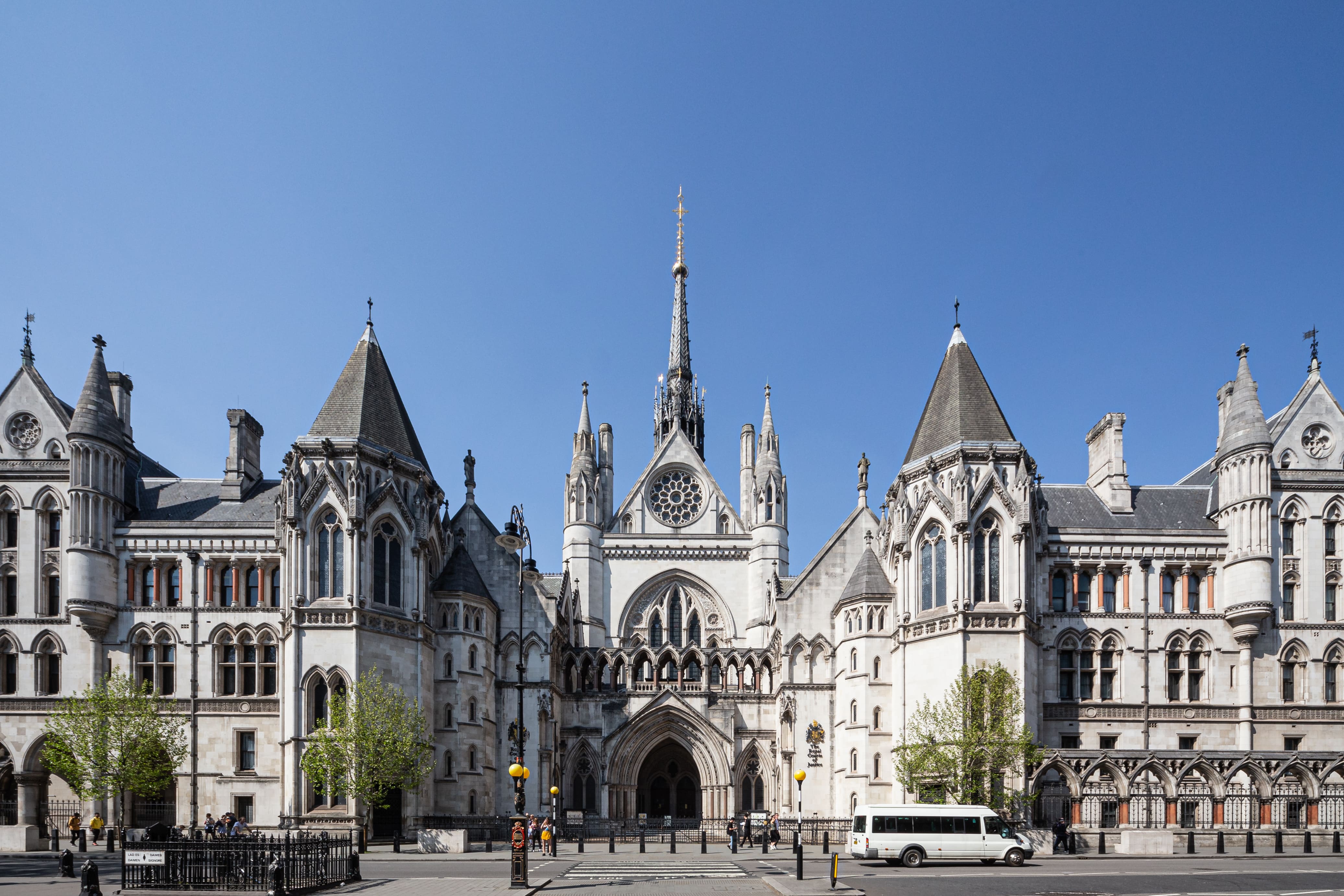
- Style:Gothic Revival
- Architect:George Edmund Street
- Built:1873 to 1882
- Location:The Strand, WC2A 2LL
The Royal Courts of Justice on the Strand is a powerful example of High Victorian Gothic Revival.
Designed by George Edmund Streetand opened in 1882, the building combines English and French Gothic influences with Portland stone, red brick, granite and extensive ironwork.
Its grand exterior is matched by an impressive interior, centred on the Great Hall and a network of courts, corridors and staircases. The building is open to the public on weekdays, with access to public galleries for observing court proceedings.
Why it stands out:rather than using Gothic simply for a decorative façade, Street created a complete civic environment around courts, corridors, staircases and a large central hall.
Look for:towers, pointed arches, intricate stonework and the varied roofline.
Best for:Gothic Revival and civic architecture.
Leadenhall Market
- Style:High Victorian, Iron and Glass
- Architect:Horace Jones
- Built:1881
- Location:Gracechurch Street, EC3
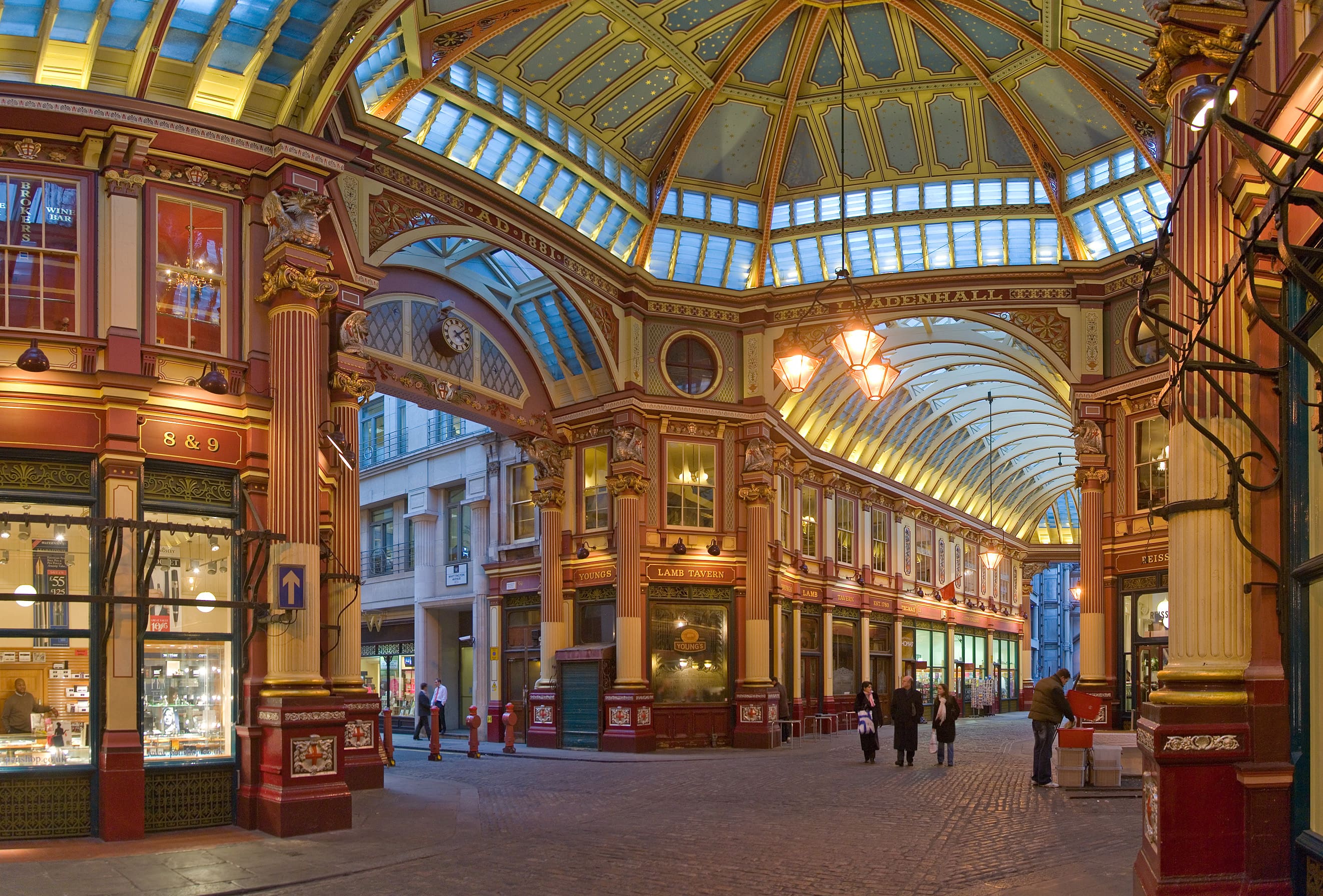
Leadenhall Market is particularly interesting because the market site is much older than its Victorian building.
Sir Horace Jones designed the present ornate structures in 1881 in a Victorian “Free Classical” style, blending classical influences with eclectic decoration.
Its painted ironwork, glass roof and colourful façades transform a practical commercial space into a theatrical setting. The market has also featured in films, including the Harry Potterseries, and remains a popular place for food, photography and exploring the City.
Why it stands out:its decorative architecture transforms a practical market into a striking Victorian space.
Look for:the glass roof, painted ironwork, decorative panels and ornate entrances.
Best for:architectural photography, Victorian design and exploring the historic City of London.
Palm House, Kew Gardens
- Style:Victorian Iron and Glass
- Architects:Decimus Burton and Richard Turner
- Built:1844 to 1848
- Location:Kew, Richmond, TW9
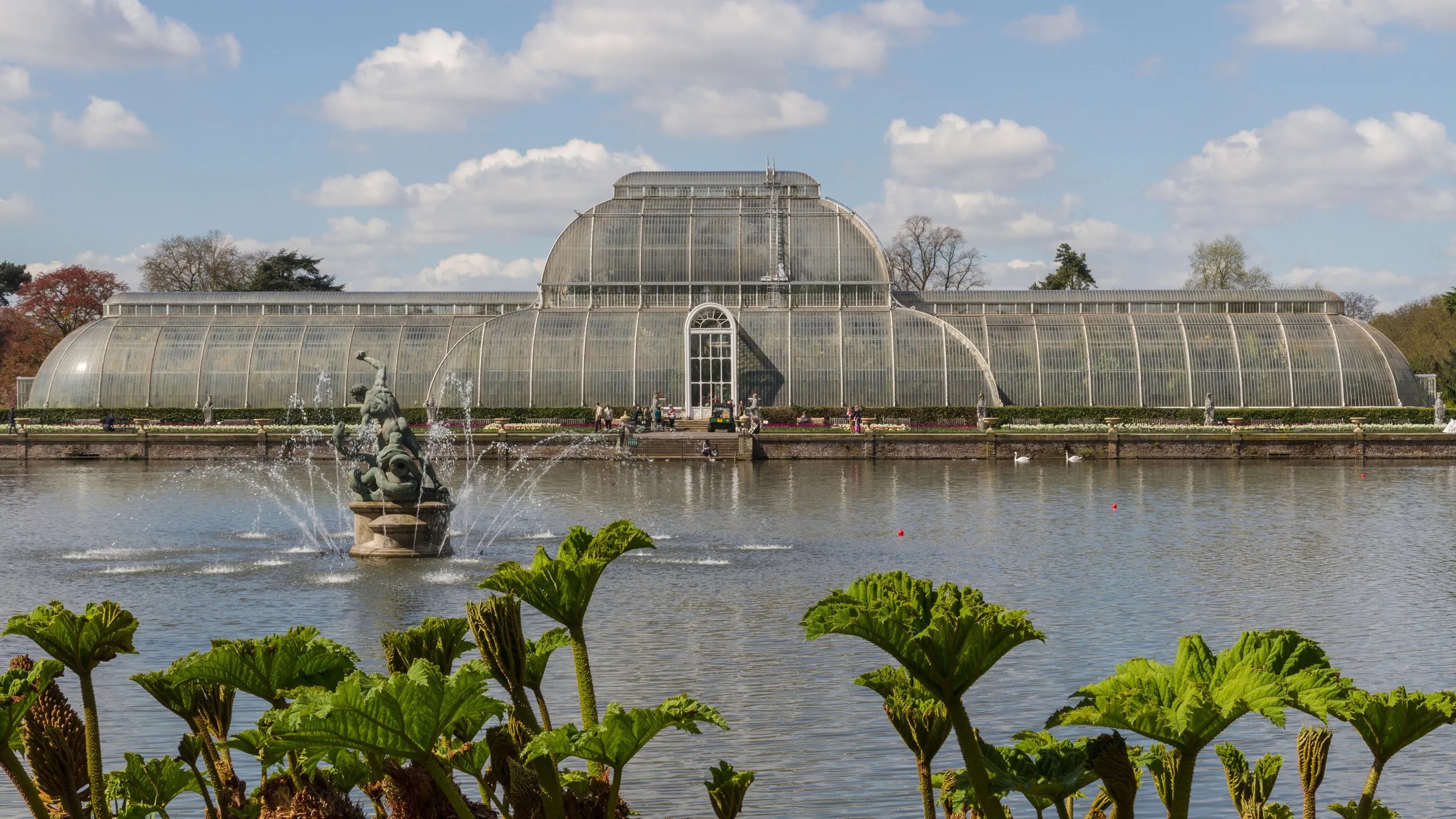
The Palm House at Kew is one of the clearest demonstrations that Victorian beauty could come from engineering rather than heavy masonry.
Construction of Kew’s Palm House began in 1844 and the building was completed in 1848. Kew states that Richard Turner constructed it to Decimus Burton’s designs, using shipbuilding techniques to achieve its ambitious curved structure.
The result resembles the hull of an enormous upturned ship, with iron framing and extensive glazing creating the controlled environment required for tropical plants.
Why it stands out:the structure is elegant precisely because the engineering solution is visible.
Look for:the sweeping iron ribs, curved glass and relationship between the structure and the plants inside.
Best for:iron-and-glass architecture and understanding how Victorian engineering supported scientific and horticultural ambitions.
Leighton House
- Style:Aesthetic Movement, Orientalist
- Architect:George Aitchison
- Built:1865 to 1895, extended in stages
- Location:Holland Park Road, W14
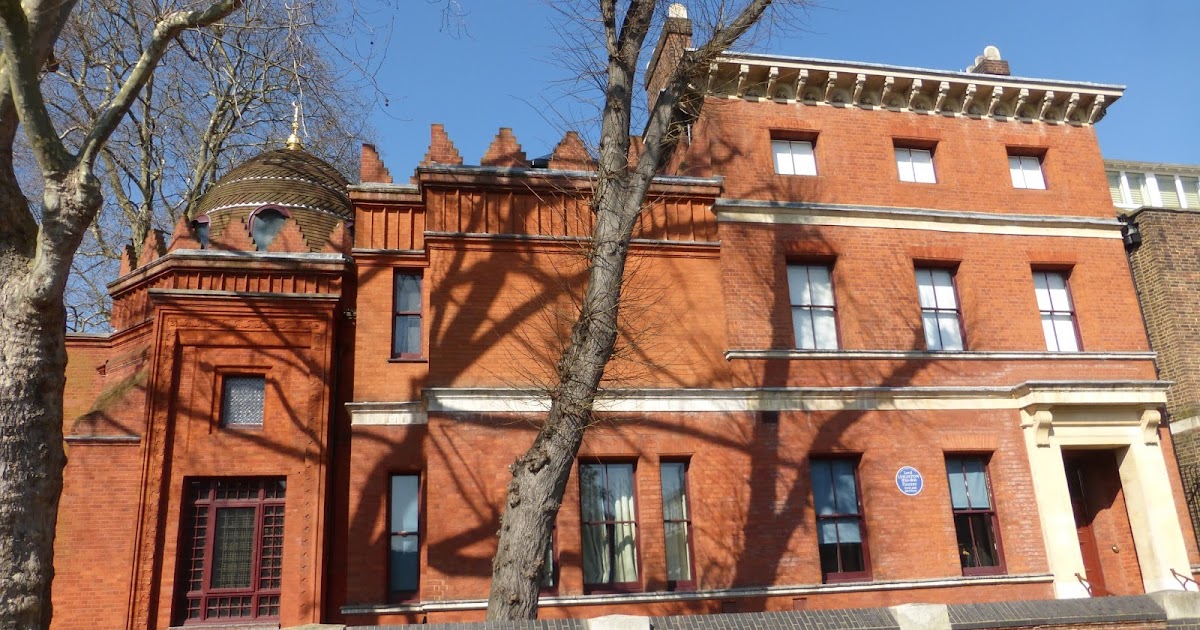
Leighton House offers a different perspective on Victorian architecture because it was the home and studio of artist Frederic, Lord Leighton.
Construction began in 1865, with architect George Aitchison responsible for the design. The exterior has a relatively restrained Italianate appearance, while later additions created increasingly elaborate interiors.
The highlight is the Arab Hall, featuring a domed interior decorated with 13th and 14th-century Islamic tiles from Syria, Turkey and Persia, many retaining their vivid blue and turquoise glazes.
It is about a 10 minute walk from Holland Park tube station and is usually less crowded than larger museums.
Why it stands out:the contrast between its modest exterior and richly decorated interiors.
Look for:the Italianate façade, large studio window and ornate interior spaces.
Best for:Victorian domestic architecture, interiors and the Aesthetic movement.
All Saints, Margaret Street
- Style:High Victorian Gothic / Gothic Revival
- Architect:William Butterfield
- Built:1849–1859
- Location:7 Margaret St, London W1W 8JG
All Saints, Margaret Street is one of the most significant smaller-scale Gothic Revival buildings in central London.
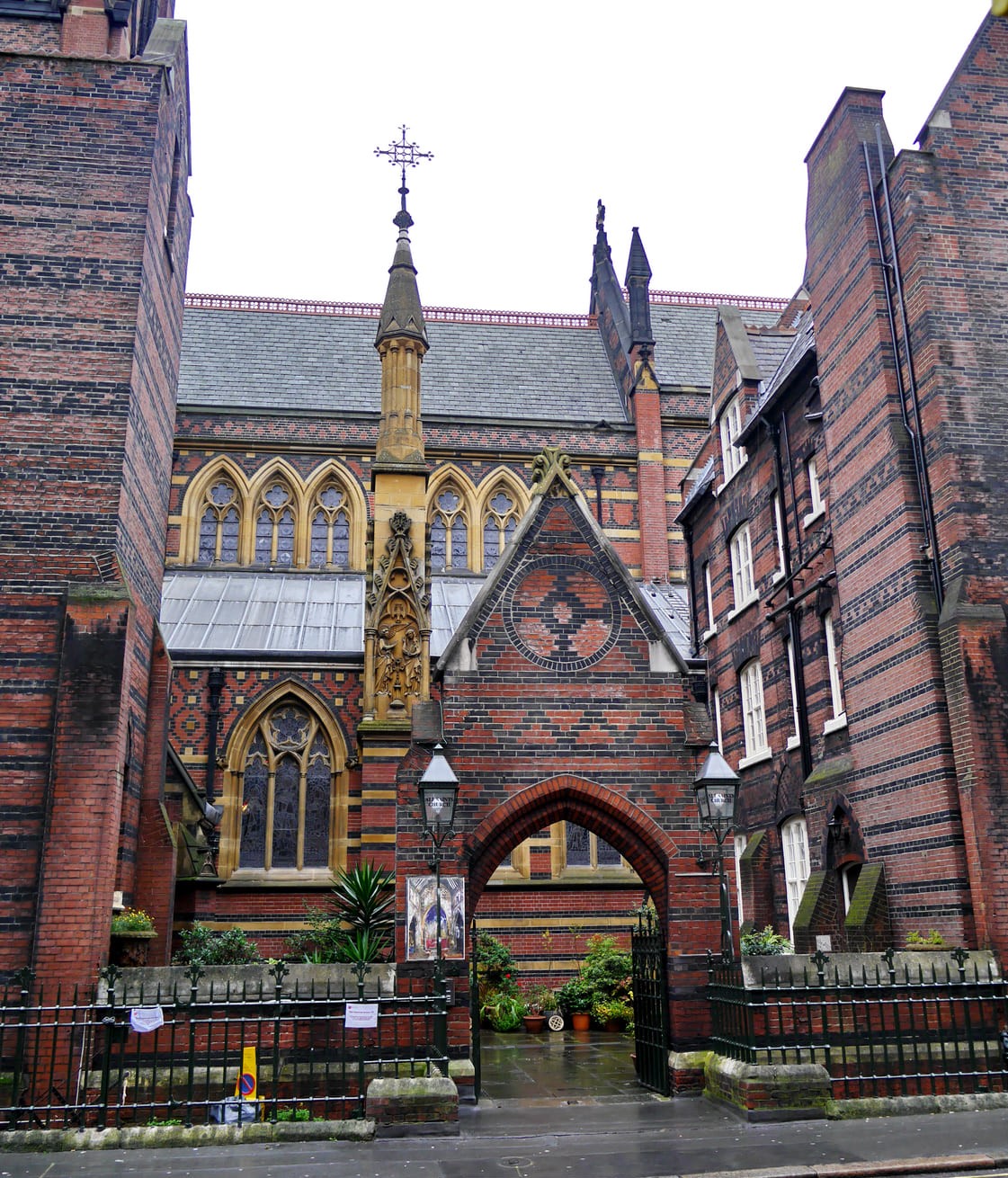
William Butterfield designed the church with an unusually forceful use of colour and pattern. Rather than relying on pale stone alone, the architecture uses contrasting brick and richly decorated surfaces to create a visually intense Gothic interior and exterior.
Why it stands out:it shows how Victorian Gothic could be highly polychromatic and experimental rather than simply imitating medieval stone churches.
Look for:patterned brickwork, vertical Gothic proportions and the contrast between exterior masonry and richly decorated interior.
Best for:visitors who want a less obvious but architecturally important Gothic Revival example.
Crossness Pumping Station
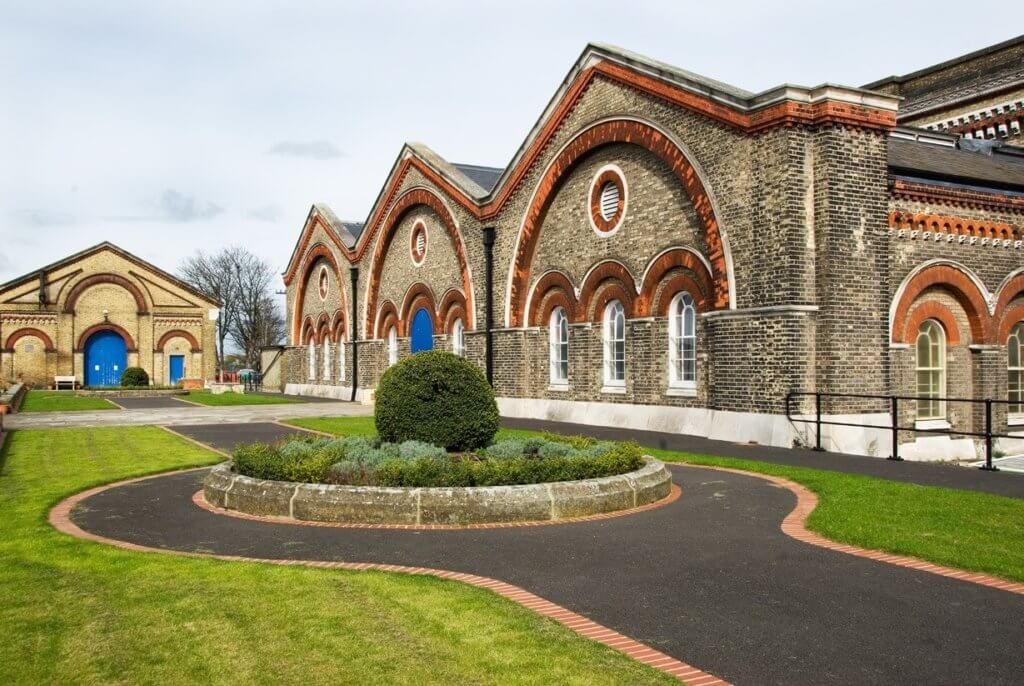
- Style:Victorian Gothic, Industrial Ornamental
- Engineers and Architects:Joseph Bazalgette and Charles Driver
- Built:1865
- Location:Belvedere Road, SE2
Crossness Pumping Station challenges the idea that Victorian architecture was limited to grand public buildings and railway stations.
Built in the 1860s as part of London’s expanding sewage system, the Grade I listed stationcombines practical engineering with unusually elaborate decoration. Its ornamental interiors demonstrate how Victorian designers brought architectural ambition to even essential infrastructure.
Why it stands out:the contrast between its industrial purpose and richly decorated interiors.
Look for:decorative ironwork, patterned surfaces and ornamental details.
Best for:industrial heritage, engineering and discovering a lesser-known Victorian landmark.
Holborn Viaduct
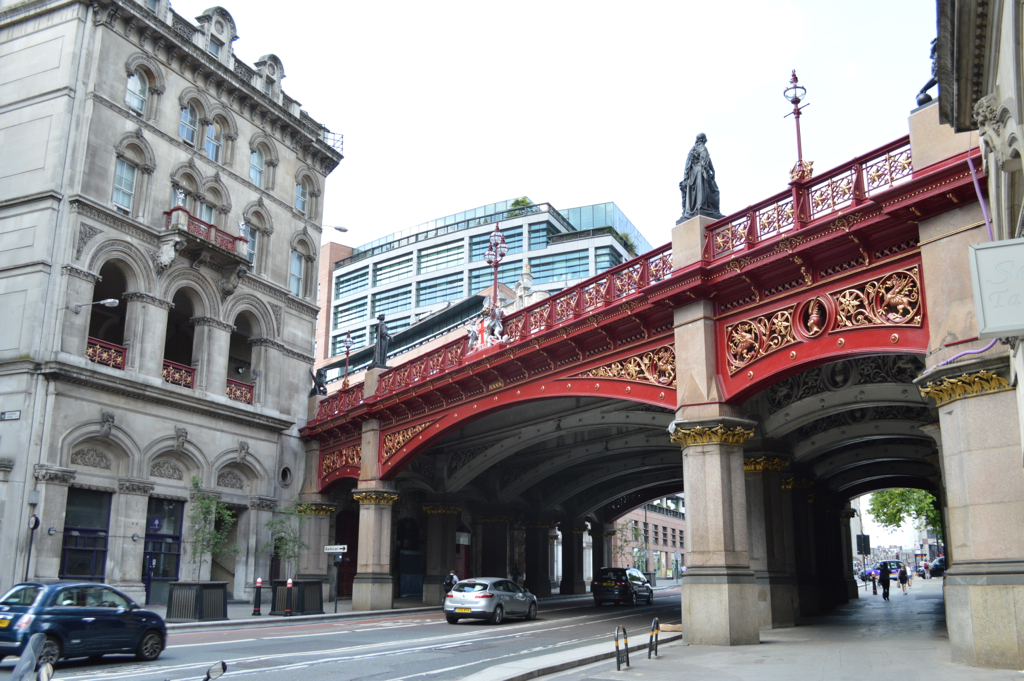
- Style:Victorian civic, Gothic cast iron
- Engineer and Designer:William Haywood
- Built:1863 to 1869
- Location:Holborn, EC1
Holborn Viaduct shows how Victorian London applied architectural thinking to everyday urban infrastructure.
Built between 1863 and 1869, the viaduct was designed by William Haywood to bridge the valley of the River Fleet. Historic England records its cast-iron structure, granite supports and elaborate decoration, including statues, winged lions and City arms.
It was therefore not merely a piece of transport infrastructure.
Why it stands out:the Victorians treated a major piece of urban engineering as an opportunity for civic architecture.
Look for:the ornamental pavilions, statues, winged lions and decorative balustrades.
Best for:understanding how Victorian London integrated engineering, public space and civic identity.
East Wing, Buckingham Palace
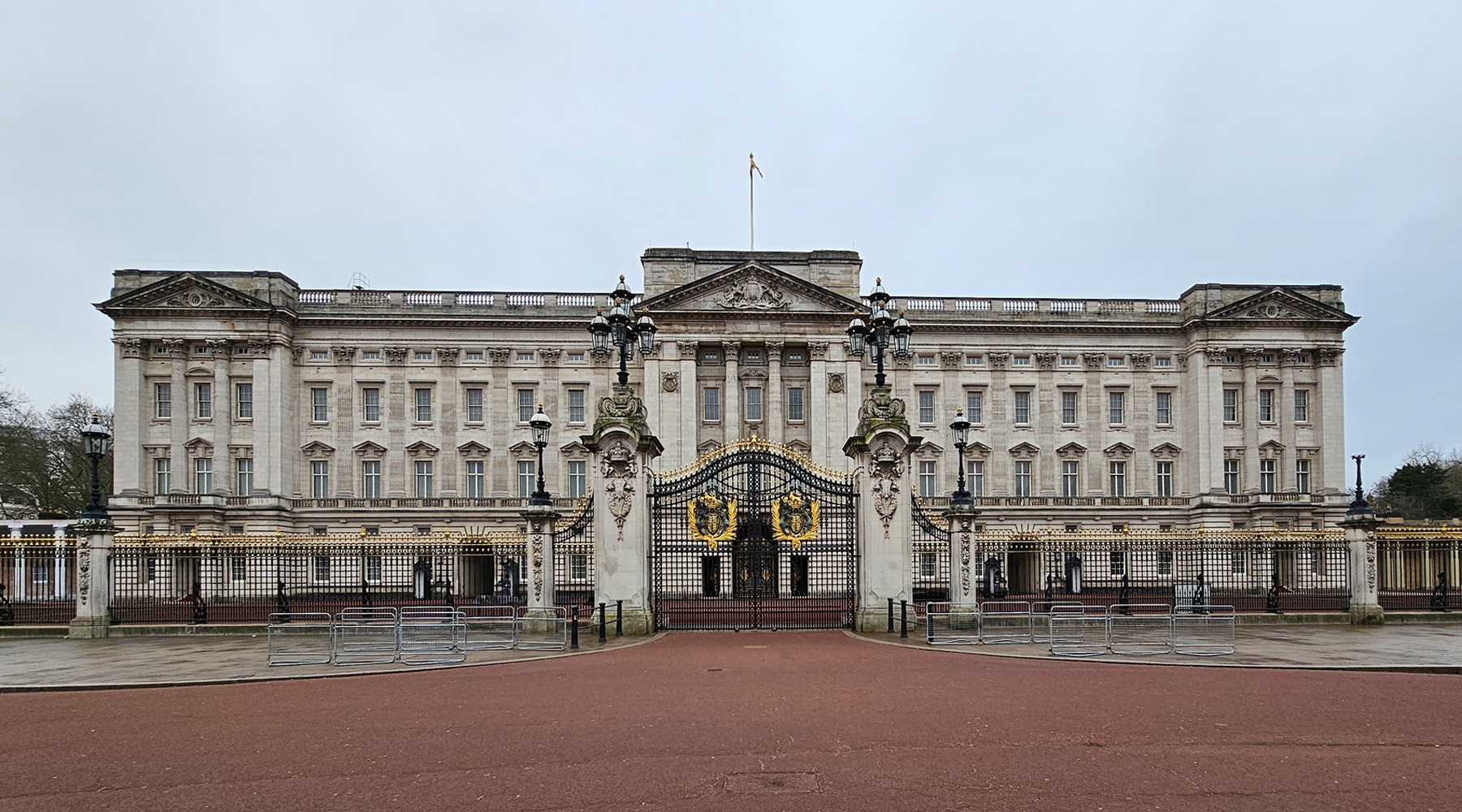
- Style:Victorian architecture influenced by the Royal Pavilion
- Architects:Edward Blore
- Built:1847-1849
- Location:London SW1A 1AA
The East Wing of Buckingham Palace was added between 1847 and 1849, designed by architect Edward Blore, to provide more space for Queen Victoria's growing family. It enclosed the Palace's eastern courtyard and created the famous central balcony facing The Mall.
Its interiors have a strong connection to Brighton's Royal Pavilion, with many Chinese and Japanese-inspired furnishings transferred to the Palace after the Pavilion was sold.
Why it stands out:its grand façade, famous balcony and Royal Pavilion-inspired interiors make it one of London's most recognisable Victorian royal additions.
Look for:the central balcony, the long symmetrical façade and the contrast between the restrained exterior and the richly decorated interiors.
Best for:royal history, Victorian architecture and architectural photography.
Victorian Pavilion, The Oval
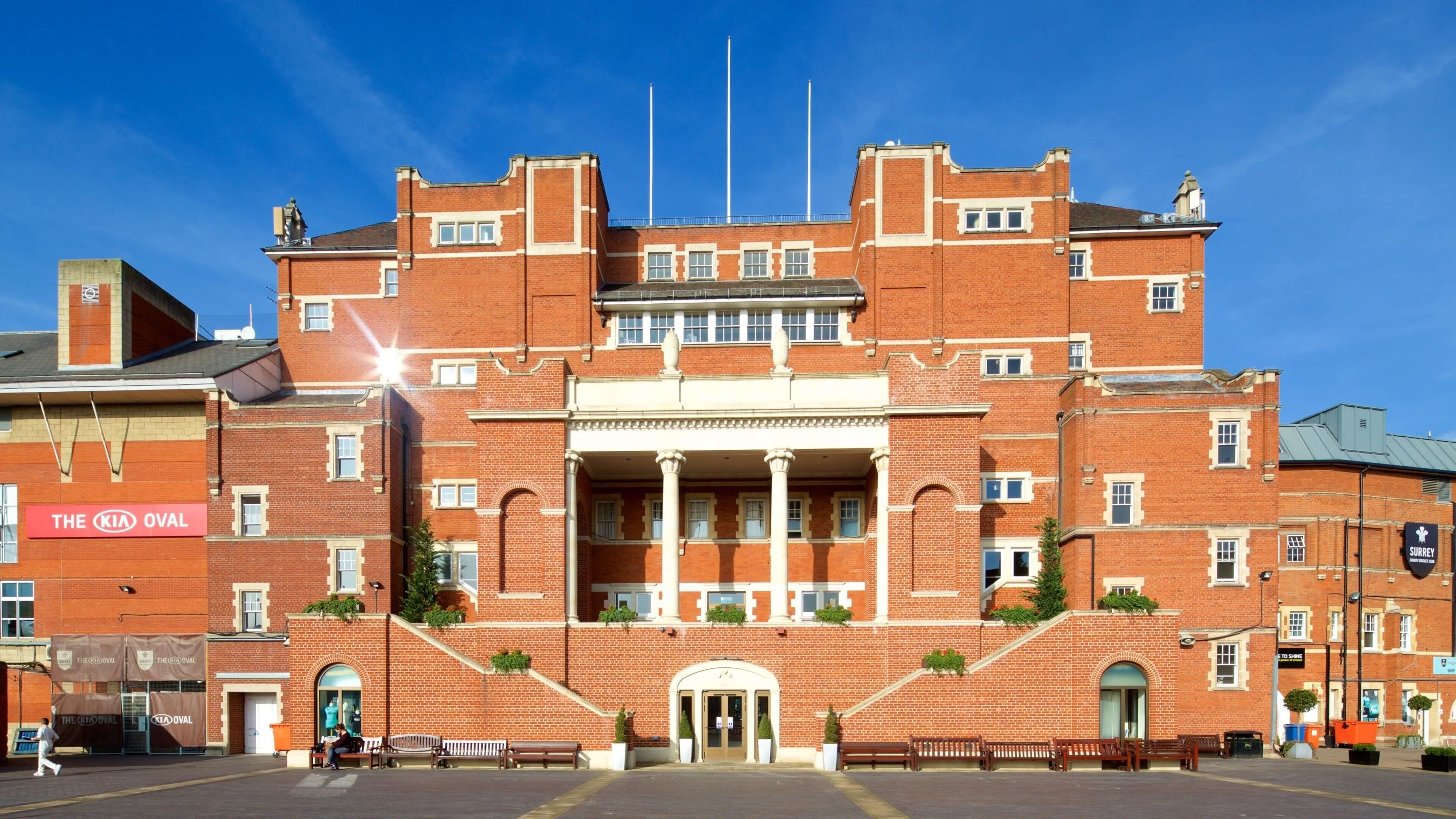
- Style:Victorian sporting architecture
- Architect:Thomas Muirhead
- Built:1897
- Location:Kennington Oval, London SE11 5SS
The Victorian Pavilion at The Oval is an important surviving reminder of the way cricket grounds developed into grand sporting institutions during the late Victorian period.
The Pavilion was built in 1897, when The Oval had already become one of the country's most important cricket grounds. The ground itself had been established in 1845 and hosted the first Test match between England and Australia on English soil in 1880.
The pavilion served as an important social and ceremonial centre for the ground, while its Victorian character remains visible despite later stadium developments.
Why it stands out:it combines Victorian sporting architecture with the history of one of England's most historic cricket grounds.
Look for:the pavilion frontage, its relationship with the pitch and surviving Victorian details.
Best for:cricket history, Victorian architecture and sports photography.
Gibson Hall
- Style:Victorian Classical
- Architect:John Gibson
- Built:1865
- Location:13 Bishopsgate, EC2N
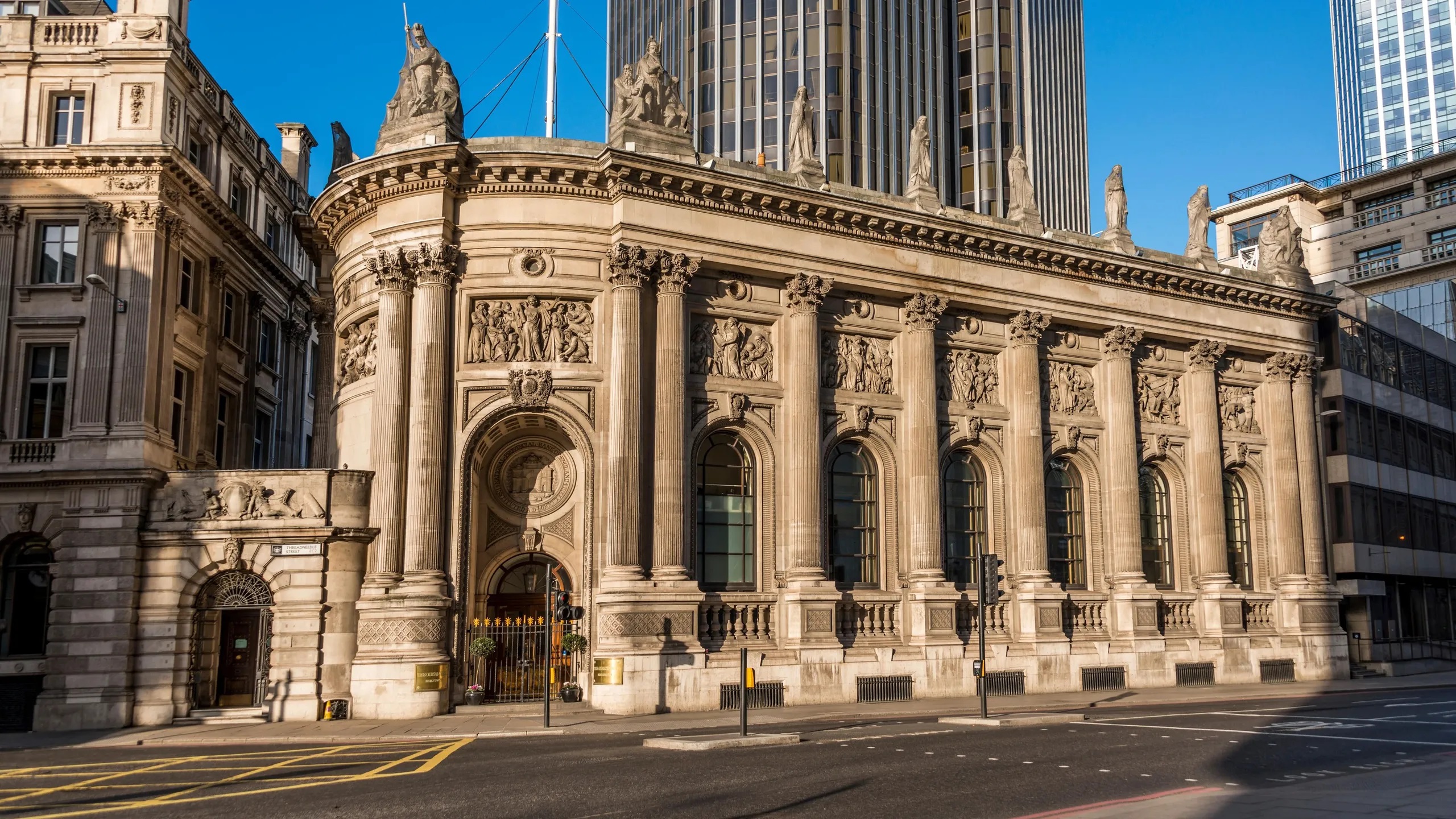
Gibson Hall is one of the City of London's most striking examples of Victorian classical architecture, built not as a palace or public monument but as the headquarters of a major bank.
Designed by John Gibsonand completed in 1865, the building at 13 Bishopsgate was created for the National Provincial Bank. Its Portland stone exterior uses an elaborate classical vocabulary, including engaged Corinthian columns, carved relief panels and standing figures.
Why it stands out:its elaborate classical design reflects the wealth and ambitions of Victorian banking.
Look for:Corinthian columns, carved figures and decorative reliefs.
Best for:Victorian commercial architecture and architectural photography.
Royal Exchange
- Style:Victorian Classical
- Architect:Sir William Tite
- Built:1841–1844
- Location:Cornhill, City of London
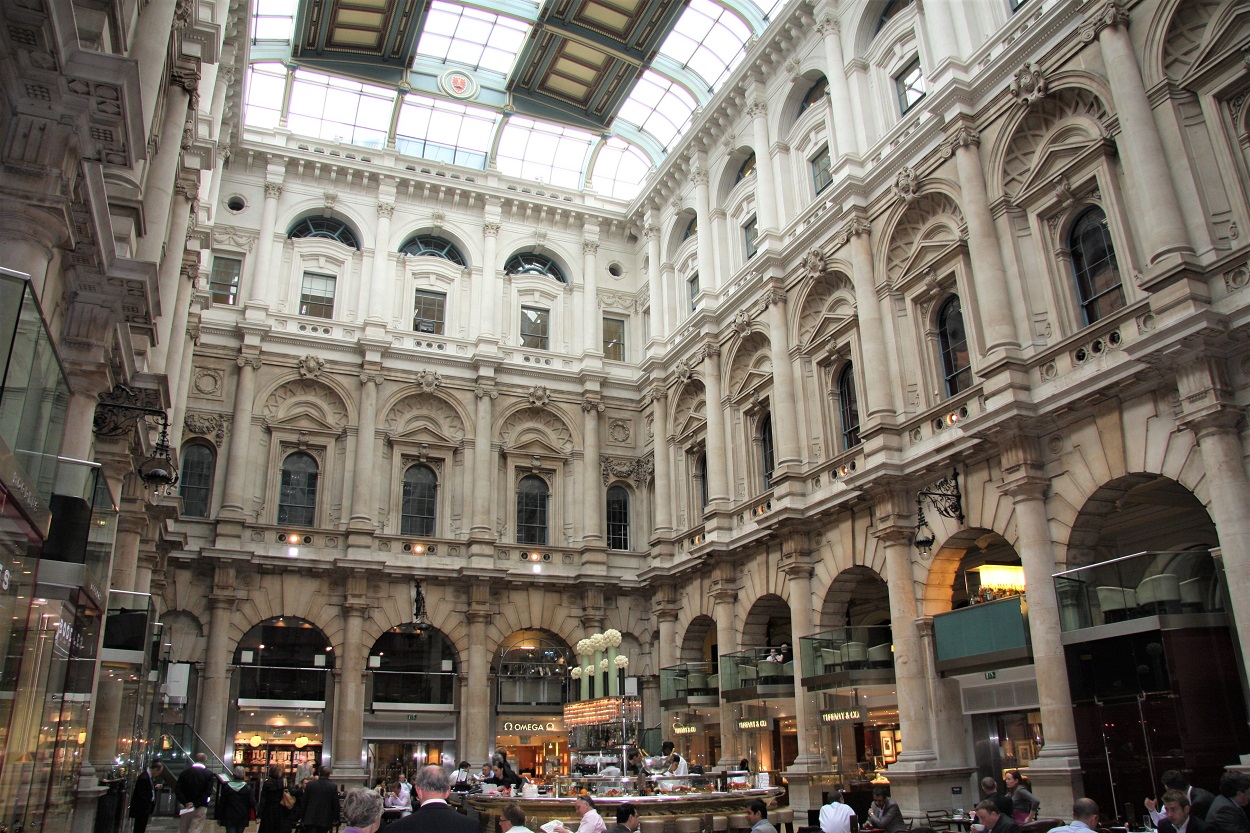
The Royal Exchange is an important example of Victorian classical architecture in the City of London. Designed by Sir William Tite, the present building was constructed between 1841 and 1844 around a central courtyard and uses Portland stone, arcades, columns and sculptural decoration. Historic England lists it at Grade I.
The building also shows how Victorian London could update an older commercial tradition while retaining the symbolic role of the Royal Exchange as a centre of City business.
Why it stands out:Its classical design provides a useful contrast with the Gothic Revival buildings elsewhere in this guide.
Look for:the columned portico, sculptural pediment, arcades and central courtyard.
Best for:Victorian classical architecture, City history and architectural photography.
Hidden Victorian Gems - Beyond The Famous Landmarks
London’s Victorian history is not limited to its most famous landmarks. There are many other buildings from this period that are just as impressive but receive far fewer visitors.
Victoria And Albert Museum
- Style:North Italian Renaissance and Victorian eclectic
- Architects:Francis Fowke, Aston Webb, and others
- Built:1857–1909, in phases
- Location:Cromwell Road, SW7
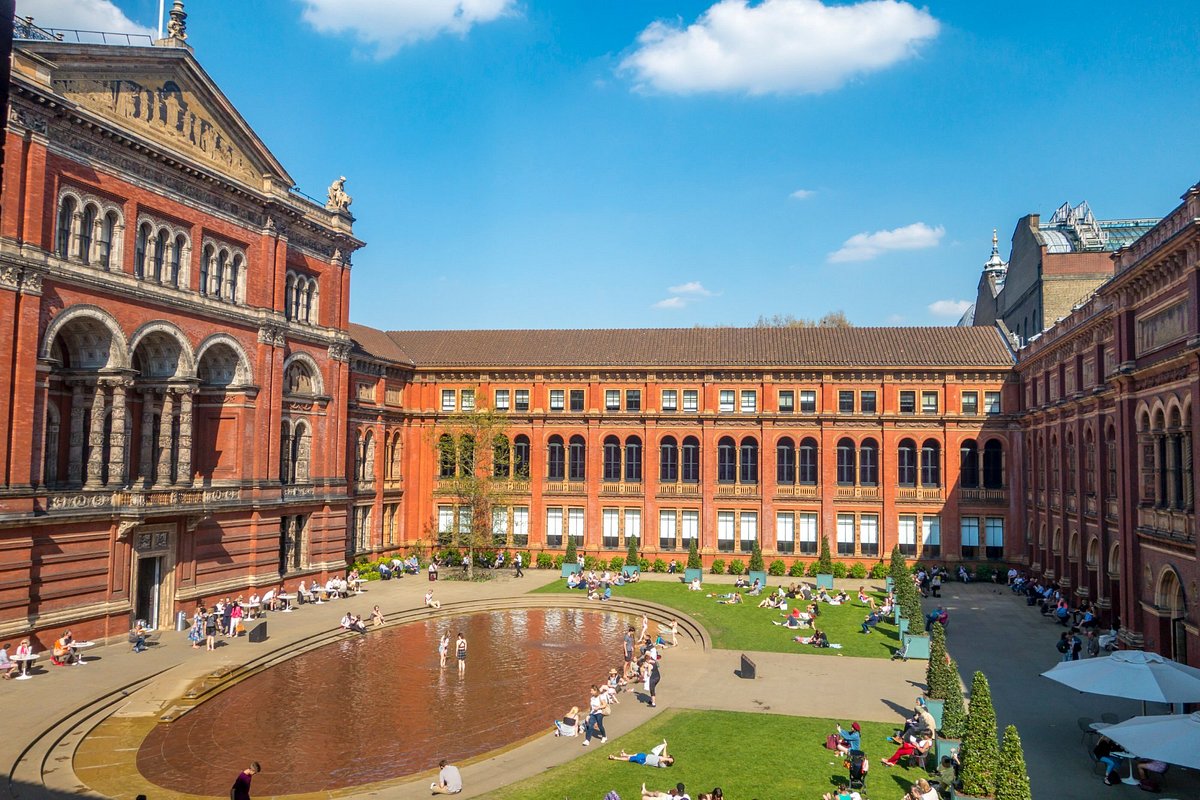
The Victoria and Albert Museum reflects Victorian London’s belief that art, design and manufacturing could help shape modern society.
The Victoria and Albert Museum developed through several building campaigns rather than as a single Victorian construction project. Its early buildings date from the mid-nineteenth century, while later work, including Aston Webb’s major Cromwell Road frontage, continued into the early twentieth century.
This makes the V&A particularly useful for understanding how Victorian museum architecture evolved over several decades.
The famous Cromwell Road frontage was largely added around the turn of the century. Aston Webb’s scheme began in 1899, and the entrance and galleries opened in 1909.
Why it stands out:the building itself reflects the museum's focus on art, design and craftsmanship.
Look for:the elaborate entrance, terracotta, carved stonework and decorative details.
Best for:Victorian design, decorative architecture and museum history.
Smithfield Market
- Style:Victorian Italianate
- Architect:Sir Horace Jones
- Built:1866-1883
- Location:West Smithfield, EC1
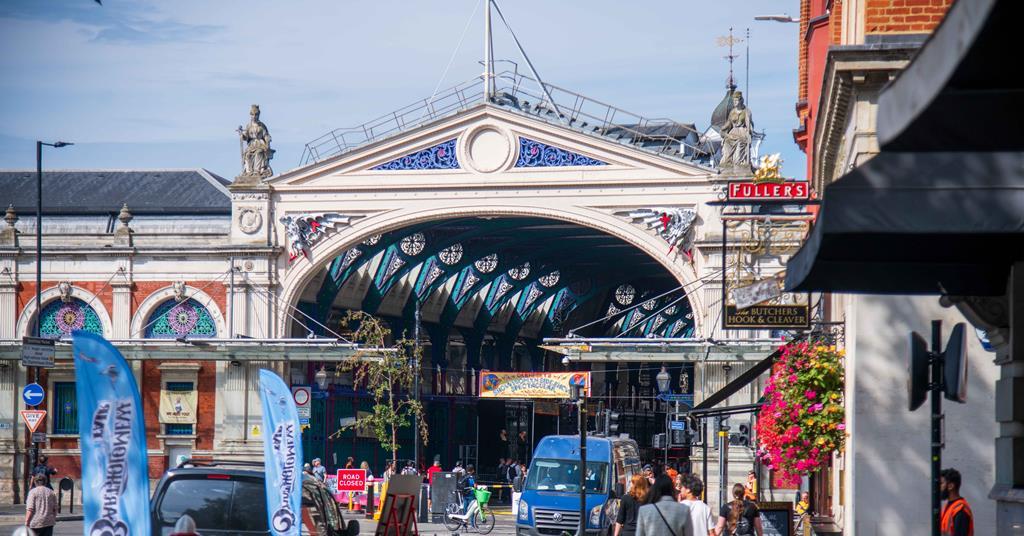
Smithfield Market is a striking example of Victorian London combining monumental architecture with the practical needs of a modernising city.
The main market buildings were constructed from 1866, with the East and West Buildings completed in 1868 to designs by City Architect Sir Horace Jones. Built above new railway lines, the market allowed meat to be delivered directly into the complex.
Stone, cast iron, glass and large open spaces were used to provide light, ventilation and efficient movement of goods. Later additions included the Poultry Market, General Market and Annexe Market.
Why it stands out:it combines architecture, engineering and commerce on a huge scale.
Look for:cast-iron details, market roofs, Grand Avenue and the ornate façades.
Best for:Victorian engineering, market architecture and industrial history.
Brompton Oratory
- Style:Italian Baroque Revival
- Architect:Herbert Gribble
- Built:1880–1884
- Location:Brompton Road, SW7
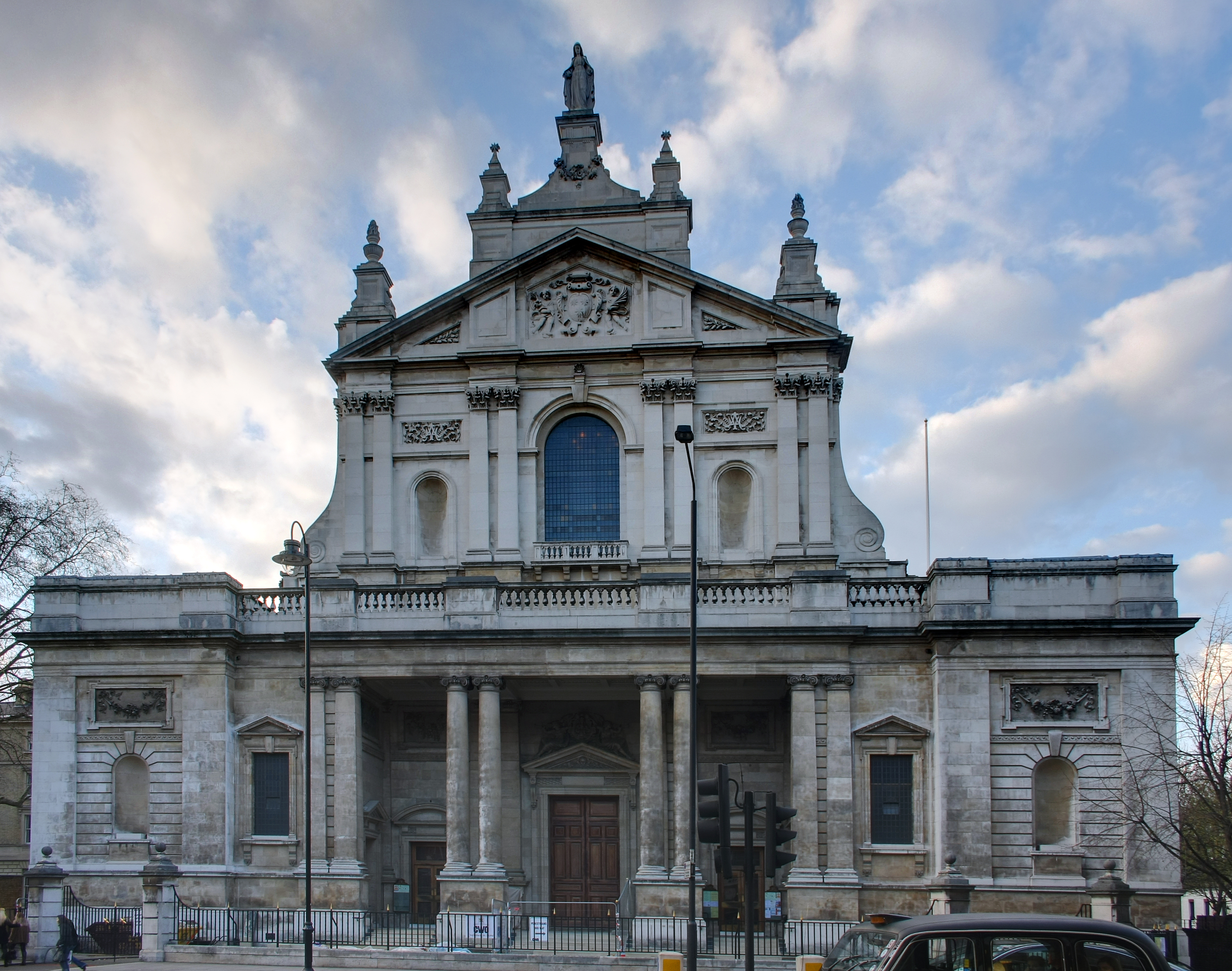
Brompton Oratory is one of London’s most dramatic late-Victorian churches, known for its monumental scale and Italian-inspired neo-Baroque architecture.
Designed by Herbert Gribble, the church was built between 1880 and 1884for the London Oratory, a Catholic community founded in the tradition of St Philip Neri. Unlike the Gothic Revival style common among Victorian churches, Gribble drew on Renaissance and Baroque traditions.
The façade was completed in 1893, while the outer dome was added in 1895–96 to designs by George Sherrin.
Why it stands out:its Italian-inspired design offers a striking alternative to London's many Victorian Gothic churches.
Look for:the grand façade, columns, dome and richly decorated interior.
Best for:religious architecture, Victorian design and architectural photography.
Victorian Terraced Streets: London’s Everyday Architecture
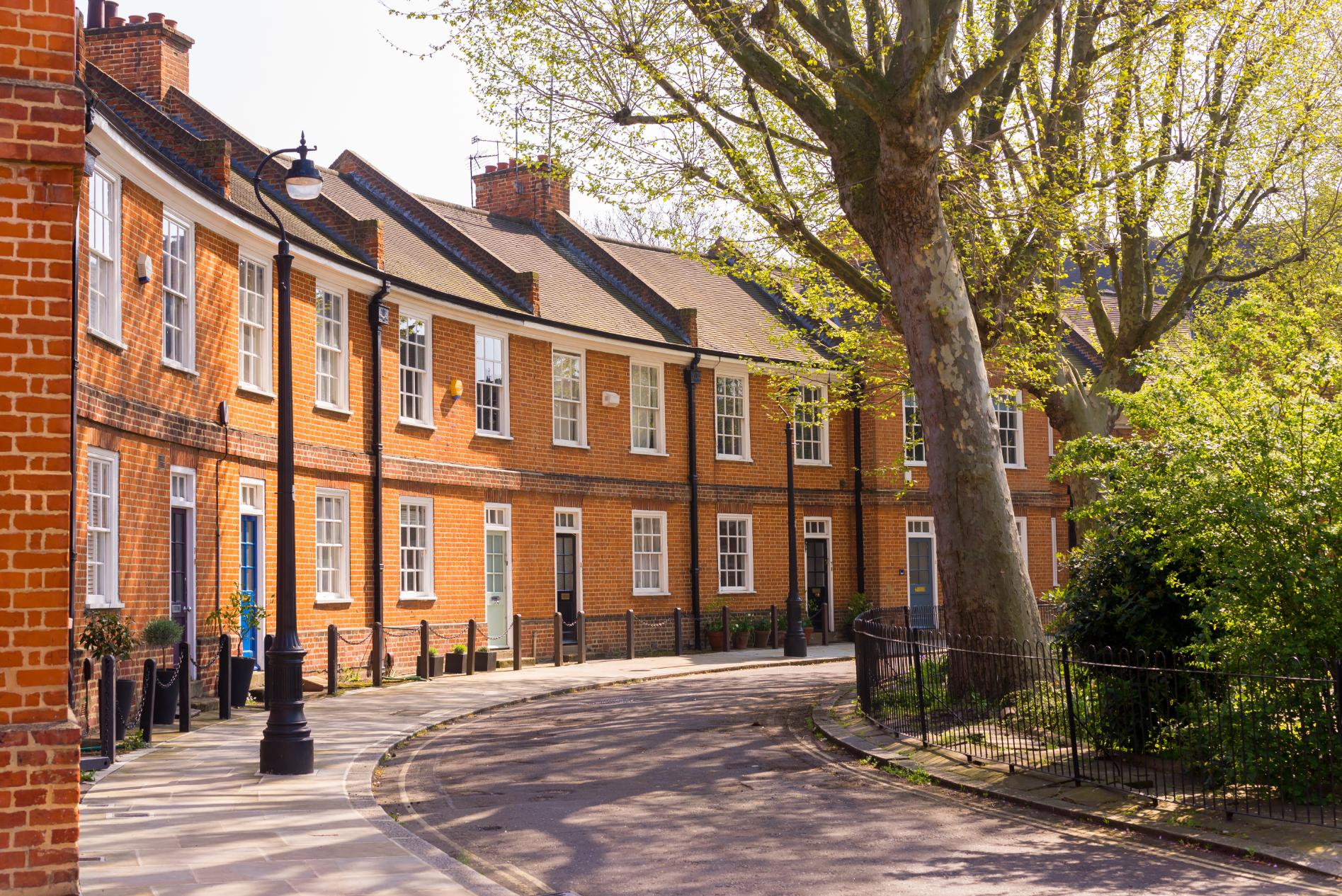
Victorian terraces are not a single building or architectural landmark, but they are essential to understanding how extensively the Victorian period reshaped London.
As the capital expanded during the nineteenth century, large numbers of houses were built in continuous rows around growing residential districts and transport routes. Designs vary considerably, from relatively restrained brick terraces to streets with stucco façades, bay windows, decorative brickwork, porches and iron railings.
For visitors, the value of these streets is less about finding one “masterpiece” and more about seeing how Victorian architecture became part of everyday London.
To see this residential side of Victorian London in context, you can also explore walking tours of historic London neighbourhoods.
Look for:repeated rooflines, bay windows, brickwork, door surrounds, decorative porches and iron railings.
Best for:residential architecture, walking routes and architectural photography.
Which Victorian Buildings Should You Visit?
Choose your stops according to what interests you most:
- Gothic Revival:Palace of Westminster, St Pancras, Royal Courts of Justice and All Saints, Margaret Street.
- Railway architecture:St Pancras and King's Cross.
- Victorian engineering:Tower Bridge, Palm House and Crossness Pumping Station.
- Museums and decorative architecture:Natural History Museum and Victoria and Albert Museum.
- Commercial architecture:Royal Exchange, Leadenhall Market, Smithfield Market and Gibson Hall.
- Churches:Brompton Oratory and All Saints, Margaret Street.
- Sporting architecture:Victorian Pavilion at The Oval.
- Residential architecture:Victorian terraced streets.
- Photography:focus on buildings with distinctive façades, structural details, ironwork and strong silhouettes.
Victorian Architecture By Style
Knowing the styles makes sightseeing much more rewarding. Instead of simply seeing "old buildings", you can begin identifying the architectural choices that distinguish them.
Gothic Revival
Gothic Revival draws on medieval architectural forms.
Typical clues include:
- pointed arches;
- steeply pitched roofs;
- towers and turrets;
- tracery;
- elaborate stone carving;
- vertical emphasis.
The Palace of Westminster and Royal Courts of Justice are major examples, while St Pancras and Tower Bridge demonstrate different interpretations of Gothic-inspired design.
Italianate
Italianate architecture takes inspiration from Italian Renaissance and related classical traditions.
Look for:
- symmetrical compositions;
- round-headed arches;
- strong cornices;
- classical proportions;
- stucco, brick or stone façades;
- decorative window surrounds.
King's Cross provides a useful example of how Italianate ideas influenced Victorian railway architecture, alongside numerous commercial and civic buildings across London.
Romanesque Revival
Romanesque Revival generally feels heavier and more solid than Gothic Revival.
Rounded arches, substantial masonry, patterned surfaces and powerful columns are useful clues.
The Natural History Museum is the outstanding London example in this guide. Waterhouse combined Romanesque forms with Gothic influences and contemporary iron-and-glass technology.
Iron-and-glass Architecture
This is where Victorian engineering becomes especially visible.
The Palm House at Kew is an obvious example, but iron and glass also transformed railway stations, markets and other large public structures.
Instead of asking only "What style is this?", ask "What could this building do because of its structure?"
That question often reveals more about Victorian architecture than a list of decorative features.
Victorian Domestic Architecture
Victorian architecture also shaped ordinary residential streets. Terraced houses, bay windows, brick façades and decorative porches became widespread as London expanded during the nineteenth century.
The takeaway:style labels help you identify buildings, but materials and function explain why Victorian architecture looks the way it does.
If you want to compare Victorian architecture with a later period of London’s architectural development, see this guide to Art Deco buildings in London.
Where To See The Best Victorian Architecture In London
The easiest way to explore Victorian London is to visit buildings in geographical clusters rather than crossing the capital for every individual landmark. If you want to combine these Victorian buildings with other nearby attractions, use this London landmarks guideto plan routes by area and walking time.
Westminster
See:Palace of Westminster, East Wing of Buckingham Palace and Royal Courts of Justice.
This area is particularly useful for comparing different forms of Victorian civic and royal architecture. The Palace of Westminster represents the Gothic Revival, while the Royal Courts of Justice provides another major example of nineteenth-century Gothic design.
South Kensington
See:Natural History Museum, Victoria and Albert Museum, Royal Albert Hall and Brompton Oratory.
This is one of the most useful areas for seeing how Victorian London connected museums, culture, education and architecture. Several major buildings can be combined in one outing.
If you want to extend a South Kensington visit beyond the Victorian buildings themselves, the guide to top museums in Londoncovers the area's major museums, admission and practical planning.
King's Cross And St Pancras
See:St Pancras Station and former Midland Grand Hotel, King's Cross Station and surrounding railway architecture.
The neighbouring stations offer a useful contrast between different approaches to Victorian railway design. St Pancras is highly Gothic and decorative, while King's Cross is more restrained and functional.
City Of London
See:Royal Exchange, Leadenhall Market, Smithfield Market, Gibson Hall and Holborn Viaduct.
This cluster shows Victorian architecture in commercial, civic and engineering contexts. It is particularly useful for visitors interested in how architecture supported the rapidly changing business life of the capital.
Kew
Kew is the best choice if your main interest is Victorian iron-and-glass construction rather than a concentration of central London landmarks.
Southeast London
See:Crossness Pumping Station and The Oval’s Victorian Pavilion.
These locations provide a different perspective on Victorian London, from large-scale infrastructure to sporting architecture.
Victorian Buildings You Can See For Free - And Those Requiring Access
Not every building in this guide functions as a conventional visitor attraction. Some are best appreciated from public streets, while others have museums, tours, religious services or restricted interior access.
Easy To View From Public Areas
Examples include:
- Palace of Westminster from public viewpoints
- St Pancras exterior
- King's Cross Station exterior
- Tower Bridge from surrounding public areas
- Holborn Viaduct
- Leadenhall Market's public areas
Free General Admission
The Natural History Museum and Victoria and Albert Museum offer free general admission. Some exhibitions, events or special experiences may have separate charges.
Ticketed Or Managed Access
Tower Bridge, Kew Gardens and some other attractions require paid or managed admission for interior experiences. Crossness Pumping Station also has limited opening arrangements rather than daily museum access.
Restricted Or Occasional Access
Working courts, churches, private buildings and specialist heritage sites may have limited access. Check the official organisation immediately before visiting, particularly if you want to see an interior rather than simply photograph the exterior.
What To Look For When You Explore Victorian London
Knowing a few architectural features makes Victorian buildings easier to read as you explore.
Pointed Arches And Gothic Detailing
Look for pointed arches, tracery and vertical designs around doors and windows. Victorian Gothic Revival reused these medieval-inspired forms.
Terracotta Animals And Botanical Decoration
At the Natural History Museum, look closely at the façade. Animals, plants and other details are deliberately built into Waterhouse's design.
Coloured Brick
Victorian architects often made brick a major visual feature. St Pancrasis one of London's most dramatic examples.
Iron-and-glass Structures
At Kew's Palm House, notice how the sweeping iron ribs and glass structure combine engineering with architectural design.
Decorative Tiles And Mosaics
Look around Victorian churches, entrances and interiors for colourful tiles and mosaics. These decorative surfaces often carry symbolic or historical meaning.
Towers, Turrets And Elaborate Rooflines
Victorian buildings often used dramatic rooflines to create a strong skyline presence. St Pancras, Westminster and the Royal Courts of Justice are good examples.
Engineering Hidden Behind Decorative Façades
Tower Bridgeshows how Victorian architecture could disguise advanced engineering behind an elaborate Neo-Gothic exterior.
Suggested Victorian Architecture Routes
The best route depends on how much time you have. Choose one neighbourhood cluster rather than trying to cover the whole city in one outing.
2–3 Hours: King’s Cross And St Pancras
- Start:King’s Cross St Pancras
- Route:St Pancras → King’s Cross Station → surrounding Victorian railway architecture.
- Best for:first-time visitors, Gothic Revival and railway history.
Half Day: South Kensington
- Start:South Kensington
- Route:Natural History Museum → Victoria and Albert Museum → Royal Albert Hall → Brompton Oratory.
- Best for:museums, decorative architecture and Victorian cultural institutions.
Half Day: City Of London
- Start:Farringdon or Liverpool Street
- Route:Smithfield Market → Holborn Viaduct → Royal Courts of Justice → Gibson Hall → Leadenhall Market.
- Best for:commercial architecture, infrastructure, ironwork and lesser-known Victorian buildings.
Half Day: Westminster
- Start:Westminster
- Route:Palace of Westminster → Westminster riverside → Buckingham Palace and its Victorian East Wing.
- Best for:Gothic Revival, civic architecture and royal London.
Half Day Or Longer: Kew
- Start:Kew Gardens
- Route:Palm House → other historic glasshouses → wider Kew architectural highlights.
- Best for:Victorian engineering, iron-and-glass architecture and gardens.
For more self-guided ways to explore London by area and walking time, see these London walking routes.
Why London's Victorian Buildings Still Matter
Victorian architecture records a period when London expanded rapidly through new railways, markets, museums, public institutions, infrastructure and housing.
What makes the period particularly distinctive is the combination of historical styles with new technology. Victorian architects could borrow Gothic, Romanesque or classical forms while using materials and engineering techniques that supported much larger or more specialised buildings.
That legacy is still visible throughout London, from major landmarks and railway stations to markets, churches, industrial buildings and residential streets. Seeing these buildings together reveals how extensively the Victorian period shaped the capital.
Frequently Asked Questions
What Are London's Most Beautiful Victorian Buildings?
Standout examples include St Pancras, Tower Bridge, the Natural History Museum, Royal Albert Hall and numerous lesser-known heritage buildings.
What Is Victorian Architecture?
It is architecture produced during Queen Victoria's reign, incorporating several revival styles and new construction technologies.
What Are The Key Features Of Victorian Architecture?
Ornament, revivalist styles, coloured brick, terracotta, elaborate windows, ironwork and innovative structural engineering are common features.
Which Victorian Buildings Are Most Famous In London?
Well-known Victorian landmarks include the Palace of Westminster, St Pancras, Tower Bridge and the Natural History Museum. They represent very different approaches to Victorian architecture, from Gothic Revival and railway design to engineering-led structures and Romanesque-inspired museum architecture.
Where Can You See Victorian Architecture In London?
Strong concentrations can be found around Westminster, South Kensington, King's Cross/St Pancras and the City of London.
Why Did Victorian Architects Use Terracotta?
Terracotta offered detailed decorative possibilities and practical advantages in London's polluted nineteenth-century environment.
What Are Some Hidden Victorian Gems In London?
Crossness Pumping Station, Leighton House, All Saints Margaret Street and selected civic buildings offer less obvious examples.
Where Can I See Victorian Iron-and-glass Architecture?
Kew's Palm House is one of London's clearest examples, while railway structures and markets provide other examples of Victorian iron-and-glass construction.
Why Is Victorian Architecture Important In London?
It transformed the capital's civic, cultural, transport and residential landscape while showcasing new materials, engineering techniques and revivalist design.
What Is The Oldest Victorian Building In London?
There is no single answer unless “oldest” is defined by building type, surviving structure or date of completion. The Royal Exchange, completed in 1844, is the earliest major Victorian architectural example featured in this guide, alongside Kew's Palm House (completed in 1848).
Who Were The Most Important Victorian Architects?
Key figures include Augustus Pugin, Charles Barry, George Gilbert Scott, Alfred Waterhouse, George Edmund Street, and Sir Horace Jones. Engineer Joseph Bazalgette also played a major role in shaping London’s infrastructure.
Which Victorian Buildings Can You Go Inside For Free?
The Natural History Museum and V&A offer free general admission. The Royal Courts of Justice is also open to members of the public, although access to particular courts and areas can vary, so check current visitor information before travelling.
How Long Do You Need To See London's Victorian Architecture?
Allow around 2–3 hoursfor one compact cluster, half a dayfor a more relaxed neighbourhood route, or a full dayif you want to combine two nearby areas. Seeing the wider range of Victorian London properly could take several separate outings.
Which Victorian Buildings Are Best For Photography?
Buildings with strong silhouettes and detailed façades, including Tower Bridge, St Pancras and the Natural History Museum, provide particularly distinctive subjects.
Quick Recap: Seeing Victorian London With Fresh Eyes
The most beautiful Victorian buildings in London are not beautiful for exactly the same reason.
St Pancrasshows the theatrical side of railway architecture. Tower Bridgemakes engineering part of the visual spectacle. The Natural History Museumturns scientific ideas into architectural ornament. The Palm Housedemonstrates how new structural technology could create an entirely different kind of building.
Then there are the quieter examples. Crossness Pumping Station, Leighton House, All Saints Margaret Street and Holborn Viaductshow that Victorian architectural ambition reached into homes, churches and essential infrastructure.
That variety is the real story. Once you stop treating "Victorian" as a single style, London's nineteenth-century buildings become easier to read—and a familiar street, station or bridge can suddenly reveal another layer of the city.
Jump to
London's Victorian-era Architecture: What To See And Where To Go
What Defines Victorian Architecture?
How These Victorian Buildings Were Selected
London's Most Beautiful Victorian Buildings
Hidden Victorian Gems - Beyond The Famous Landmarks
Victorian Terraced Streets: London’s Everyday Architecture
Which Victorian Buildings Should You Visit?
Victorian Architecture By Style
Where To See The Best Victorian Architecture In London
Victorian Buildings You Can See For Free - And Those Requiring Access
What To Look For When You Explore Victorian London
Suggested Victorian Architecture Routes
Why London's Victorian Buildings Still Matter
Frequently Asked Questions
Quick Recap: Seeing Victorian London With Fresh Eyes

James Rowley
Author
James Rowley is a London-based writer and researcher covering London life, cultural geography, London travel, live London webcam pages and selected public figures across entertainment, sport, business and public life.
For over 15 years, he has focused on verified sources, first-hand local context and clear explanations that help readers understand both places and people more deeply. His work combines street-level London knowledge with careful research into career credits, media work, business interests and, where relevant, transparently explained net worth estimates.
He writes and reviews articles published on LondonWebcam.
Latest Articles
Popular Articles