The 15 Most Expensive Boroughs To Rent In London Right Now
Ready to trade your soul for a studio? Check the most expensive boroughs to rent in London right now. See which areas are topping the charts (and why).
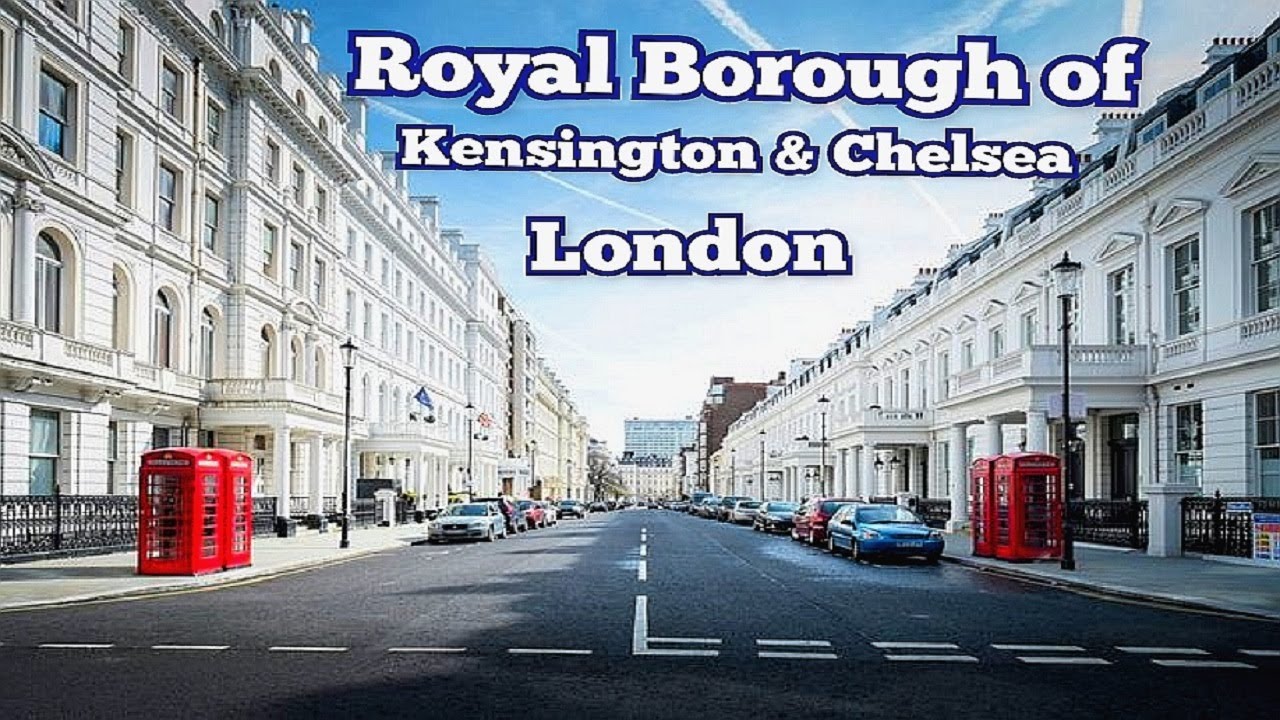
London's most expensive borough to rent in is Kensington and Chelsea, where average monthly rents sit at approximately £3,601 according to figures published by the Office for National Statistics in mid-2025. Westminster follows at around £3,244 per month, with Camden, Hammersmith and Fulham, and Islington rounding out the top five.
Across all London boroughs, renters pay an average of approximately £2,252 per month, which is around 60% higher than the England-wide average of £1,399. London rents increased by approximately 7.3% in the year to mid-2025, outpacing the national average rise of 6.7%.
Kensington and Chelsea holds the title of the most expensive place to rent not just in London, but in the whole of Great Britain.
The gap between the cheapest and most expensive London boroughs is larger than most renters expect, with a spread of over £1,700 per month between the top and the 15th position.
Several boroughs outside the obvious "prime" names, including Haringey and Merton, now rank higher than areas many renters consider aspirational.
Renters in Kensington and Chelsea spent over 74% of their income on rent last year, the highest affordability squeeze of any area in Britain.
This article also shows which cheaper neighboring boroughs offer similar access and amenities, so you can make a practical decision rather than simply ruling everything out.
Renting in London has always required compromise, but the numbers coming out of the latest Office for National Statistics figures make the scale of that compromise harder to ignore. The capital's rents rose by 7.3% in just one year to mid-2025.
Wages have not kept pace. And for anyone relocating to London for the first time, or reassessing their housing budget after a lease renewal, the question of where to live has become one of the most consequential financial decisions they will make.
This ranked guide covers all 15 of the most expensive London boroughs to rent in right now. For each one, you will find the average monthly rent, an honest assessment of what that money actually delivers, and enough context to decide whether a borough is worth its premium or whether a smarter alternative sits just a few streets away.
Before getting into the borough-by-borough breakdown, it helps to understand what the market looks like as a whole.
The average monthly rent across all London boroughs is approximately £2,252, based on ONS figures published in mid-2025.
That figure is around 60% higherthan the England-wide average of £1,399.
London rents increased by approximately 7.3%in the year to mid-2025, above the national average rise of 6.7%.
Every single borough in this top-15 list sits above the London-wide average, meaning even the 15th most expensive borough is not a "cheap" option by any measure.
The ONS publishes an interactive map showing rental costs across every local authority in England, which is the most authoritative public reference for tracking these figures over time.
With that context in place, here are the 15 boroughs where London's rents are highest. Each borough below is ranked by average monthly rent. Alongside the figures, you will find the key reasons costs are elevated and a quick sense of what the money actually provides.
Kensington and Chelsea does not just top the London list. It sits at the very peak of every rental ranking in Great Britain. Renters in the Royal Borough spent more than 74% of their income on housing last year, the highest affordability squeeze recorded anywhere in the country.
The reasons are predictable once you map them out. This is a borough defined by architectural grandeur, including white-stucco townhouses, garden squares, and period conversions that rarely come to market and almost never get cheaper. Transport links are excellent across multiple zones.
The schools, both state and independent, are among the most sought-after in London. And then there is the simple matter of prestige. Living in the same borough as Kensington Palace carries a certain weight, particularly for international renters and corporate relocators whose employers specify a "prime" address.
Belgravia sits just across the boundary in Westminster, but Notting Hill, Chelsea, and South Kensington are the areas within this borough that consistently drive the average upward.
Westminster is the borough that contains two of the most recognized luxury addresses in the world: Belgravia and Mayfair. It also contains Pimlico, Marylebone, and Fitzrovia, neighborhoods with their own strong rental markets that keep the borough average extremely high.
Imagine a senior finance professional relocating from New York who specifies "central London" to their relocation agent. There is a strong chance they end up in Westminster, whether in a Mayfair apartment above a private members' club or a Pimlico flat a short walk from the Thames.
The borough's central position, its extraordinary cultural offer (the National Gallery, St James's Park, Buckingham Palace), and its proximity to the City and Canary Wharf make it a perennial draw for the highest earners.
At £3,244 per month on average, Westminster is not far behind Kensington and Chelsea, and in certain streets, the two boroughs are effectively indistinguishable in terms of cost.
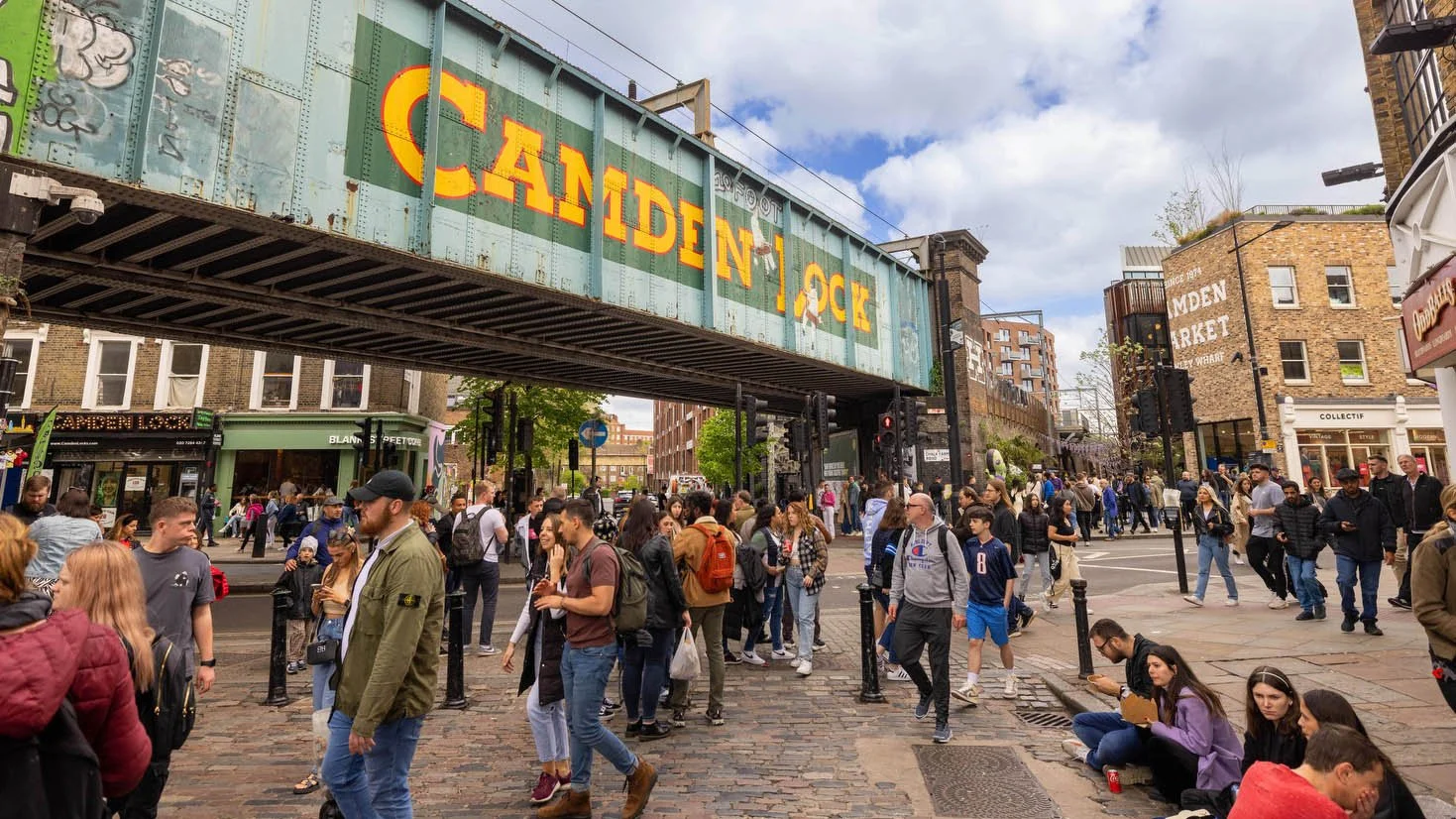
Camden's position at number three might surprise renters who still picture market stalls and music venues when they hear the name. The borough has transformed considerably. Primrose Hill, Hampstead, and Belsize Park sit within Camden, and these are some of the most expensive residential enclaves in the entire capital.
What pushes Camden to third place is a combination of factors that rarely all appear in one borough: excellent transport connections into Zone 1, proximity to Regent's Park and Hampstead Heath, outstanding primary and secondary school options, and a cultural density that attracts both high earners and international tenants who want to be close to the energy of central London without actually sitting in it. The average of £2,877 per month reflects this premium clearly.
Front view of enentimapollo in Hammersmith And Fulham
Average monthly rent: approximately £2,759
Hammersmith and Fulham sits immediately south of Kensington and Chelsea, and the proximity shows in its pricing. The borough benefits from excellent transport on the District, Piccadilly, and Overground lines, and areas like Parsons Green, Brook Green, and Fulham attract professionals who want the aesthetic of the royal borough without paying its headline price.
At £2,759 per month, the "discount" relative to Kensington and Chelsea is real but not dramatic. For a renter with a budget that falls just short of the top two boroughs, Hammersmith and Fulham often becomes the natural landing spot, which itself sustains high demand and keeps prices elevated.
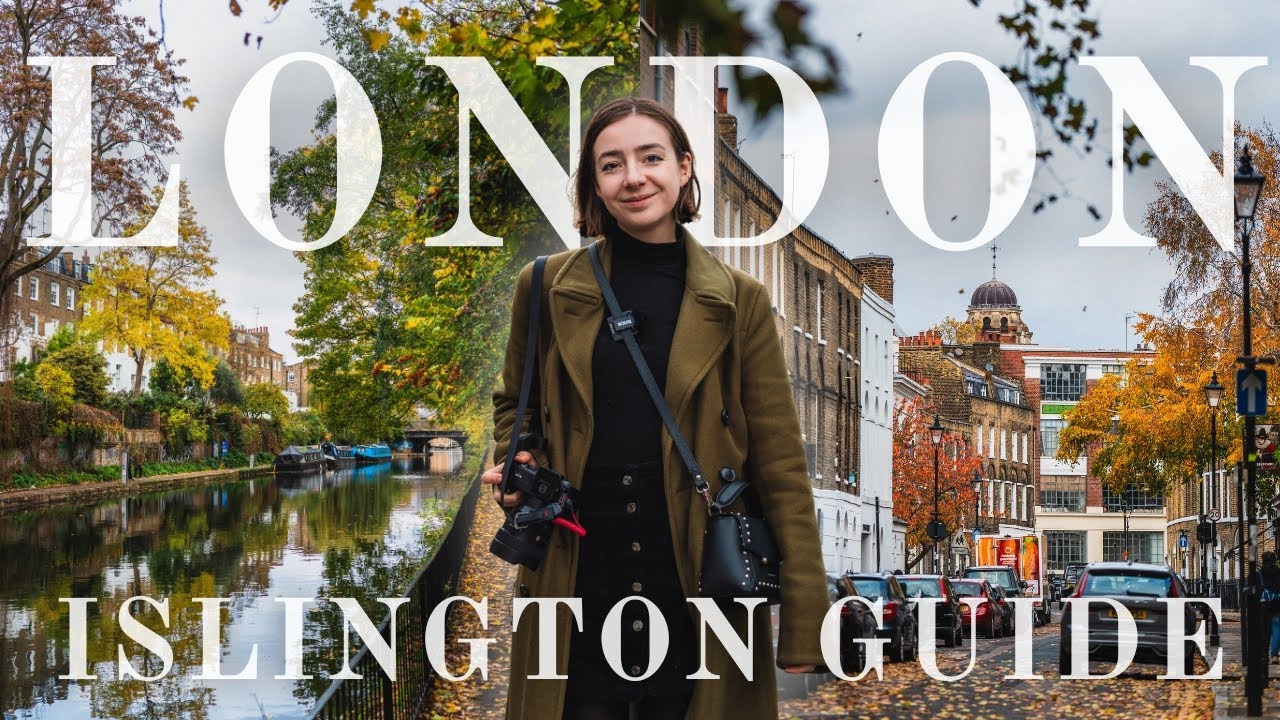
Islington has been one of North London's most coveted addresses for decades. The Georgian terraces around Canonbury and the Victorian streets of Barnsbury command rents that push the borough's average well above £2,500 per month, with the upper end of the market notably higher still.
The borough sits in Zone 2 across most of its area, with fast links to the City and King's Cross. Independent restaurants, farmers' markets, and a density of good state schools make it attractive to families and young professionals alike.
At £2,694 per month on average, Islington costs noticeably less than the top four, but still far exceeds what most renters in England consider a manageable monthly housing payment.
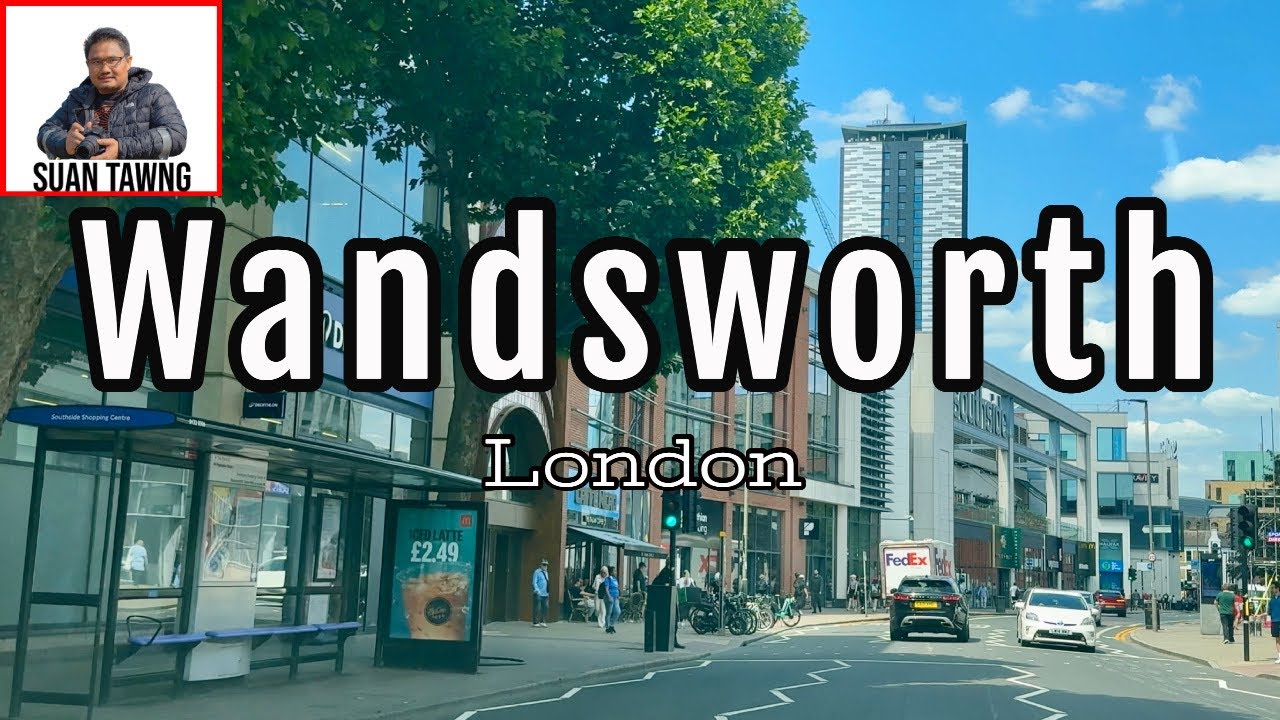
Wandsworth has been rising steadily in London's rental rankingsfor a decade. Battersea, Clapham, and Balham are the areas doing most of the work here. Battersea in particular, with the regeneration of the power station site and the extended Northern line now running through it, has attracted a wave of high-earning tenants that has pushed average rents significantly higher than a decade ago.
Clapham remains one of the most popular rental destinations in London for professionals in their late twenties and thirties, and that sustained demand keeps the borough average above £2,500 per month. It is worth noting that council tax rates in Wandsworth have historically been among the lowest in London, which adds a marginal practical benefit for renters who are watching total monthly costs rather than just headline rent.
Average monthly rent: approximately £2,417(ONS, mid-2025 figures)
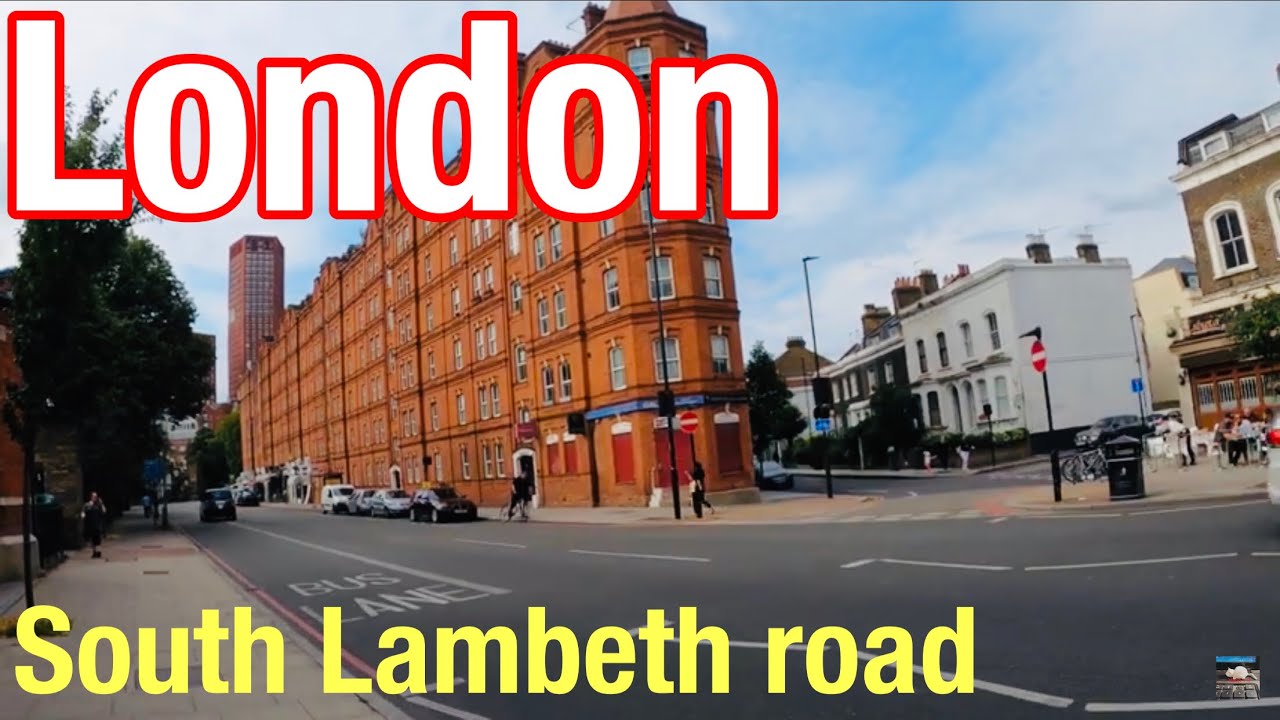
Lambeth covers a wide range of rental micro-markets, from the riverside apartments of Vauxhall and the period streets of Herne Hill to the more mixed-income areas around Brixton and Streatham. That breadth means its average of £2,417 per month encompasses significant variation.
The borough benefits from excellent connectivity via the Victoria line, multiple Overground routes, and proximity to central London. Brixton in particular has seen sustained rental growth driven by its cultural identity and strong transport links, and Nine Elms on the northern edge of the borough has added a wave of new-build stock that consistently commands premium rates.
Exploring Historic Harringay & Hornsey Walking Tour | Warehouse District to Ally Pally
Average monthly rent: approximately £2,250
Haringey's appearance in eighth place often catches renters off guard. The borough spans a wide economic range, from the highly sought-after streets of Crouch End and Muswell Hill to more affordable areas further east.
The persistent demand for those western neighborhoods, combined with relatively limited supply of the Victorian and Edwardian terraces that dominate the market, has pushed the overall borough average above £2,200 per month.
The Northern line runs through Haringey's southern edge, and the Piccadilly line passes through the east, giving many parts of the borough reasonable central London access. For renters priced out of Camden, Haringey is often the next logical step, and that overflow demand keeps its costs firmly in the top ten.
RICHMOND UPON THAMES ⭐️Attractions, Sights, Food and Drink, Things to see and do 😍
Average monthly rent: approximately £2,230
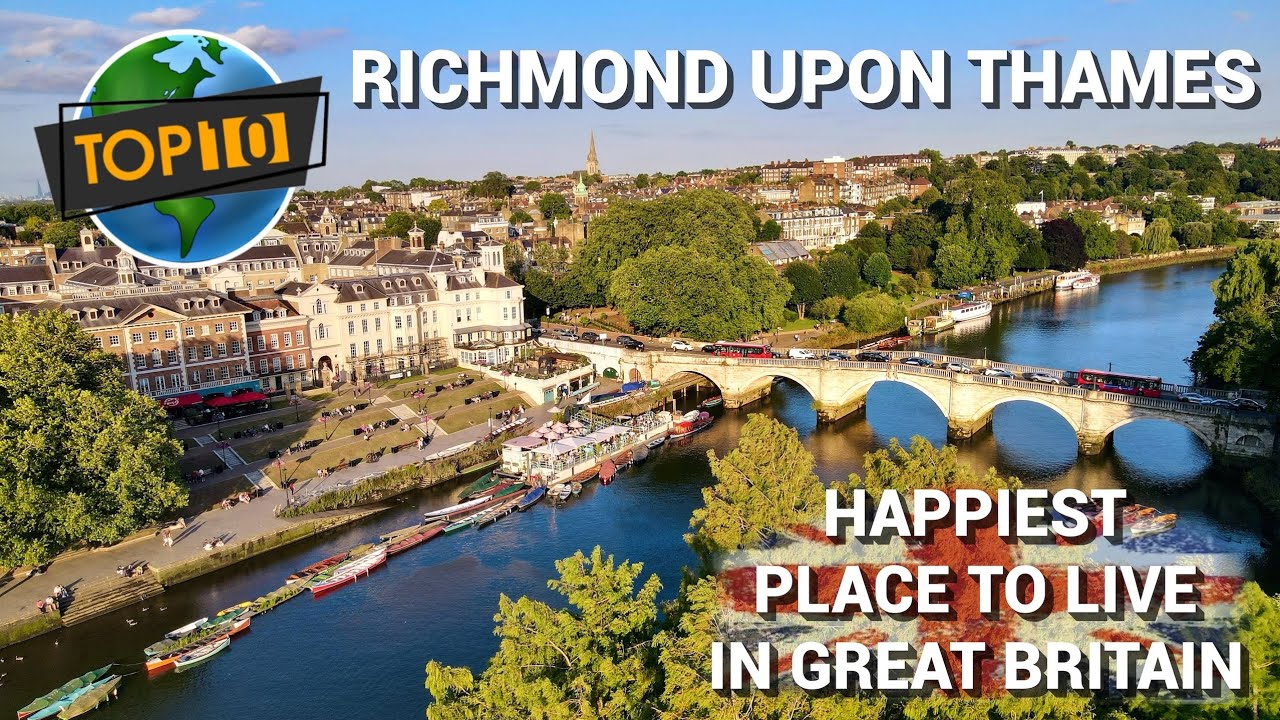
Richmond upon Thames occupies a very particular niche in London's rental market. It offers more green space per square mile than almost any other inner London borough, with Richmond Park, Kew Gardens, and the Thames towpath creating a quality of life that attracts families and professionals who prioritize outdoor access.
The catch, of course, is the price. At around £2,230 per month on average, Richmond is not cheap. It is also further west than many renters need to be, meaning commute times into the City can be considerable. But for the right household, particularly one with children and a premium on space and greenery, Richmond consistently justifies its rental market position.
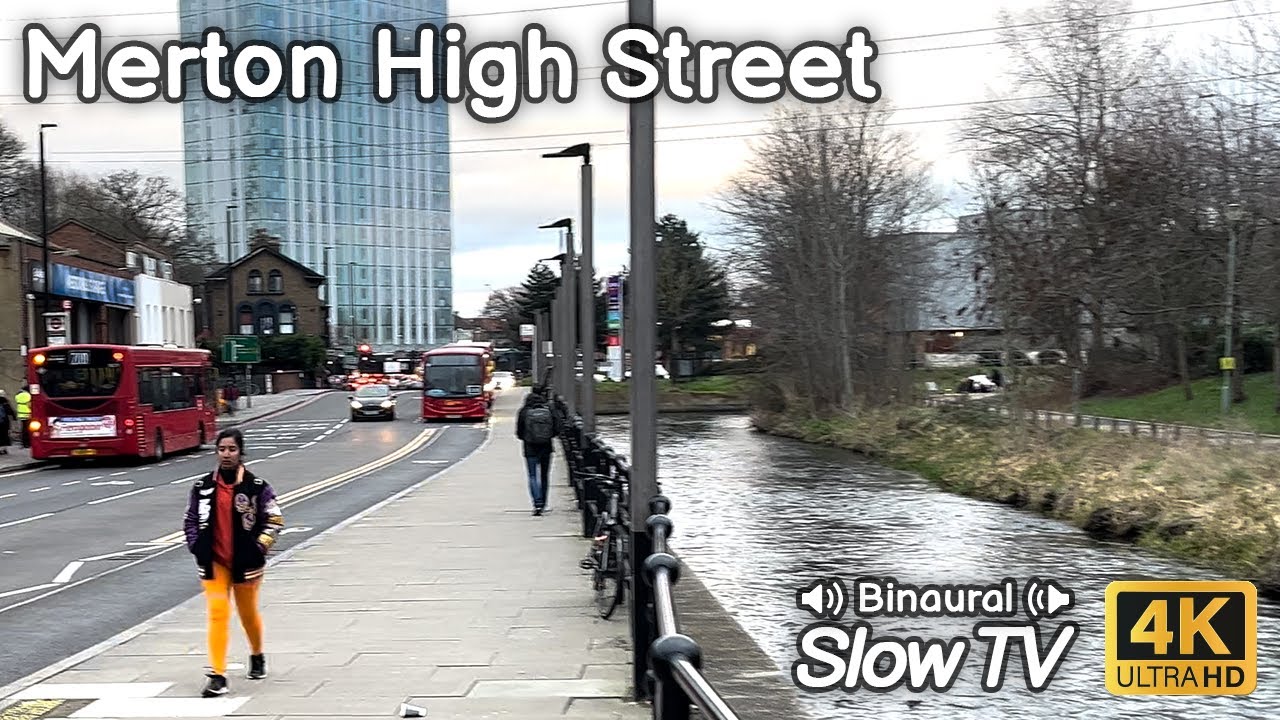
Merton rounds out the officially confirmed top ten with an average of just over £2,000 per month. Wimbledon is the borough's primary rental engine, with its village-like high street, good state schools, and proximity to green space.
The Northern line and National Rail connections give Wimbledon strong transport credentials for south-west London, and the annual tennis tournament provides a very public reminder of the area's global profile.
A monthly average of £2,059 may feel like a relative bargain compared to Kensington and Chelsea, but it is still substantially above the London-wide average and roughly 47% above the England-wide figure.
10 THINGS TO DO IN HACKNEY, LONDON | London Fields | Columbia Road Flower Market | Hackney Cafes
Approximate average monthly rent: around £2,020
Hackney is the borough that best illustrates how "creative" and "affordable" are no longer reliably linked in London's rental market. Shoreditch, Dalston, London Fields, and Stoke Newington have all undergone sustained gentrification over the past fifteen years, and average rents now reflect that entirely.
The borough sits in Zone 2 with multiple Overground connections and easy access to the City. Its independent food scene, parks, and cultural offer attract a particular type of high-earning professional who values lifestyle alongside commute time, and that profile of tenant sustains a market where modest flats now command what were, not long ago, considered exceptional prices.
Southwark benefits from one of the most central positions of any residential borough in London. Borough Market, the Tate Modern, Bermondsey Street, and Peckham all sit within its boundaries. Multiple Tube lines and the Overground give most parts of the borough fast access to the City and West End.
New-build riverside developments along the south bankhave added significant high-value rental stock in recent years, pulling the borough average upward. Peckham's evolution from affordable alternative to a genuinely premium rental destination has also contributed to Southwark's rising position in the rankings.
Tower Hamlets contains Canary Wharf, which is frequently assumed to be among the most expensive rental addresses in London. The reality is more nuanced. The concentration of new-build apartments in the Canary Wharf and Wapping areas does push average rents upward, but the broader borough also contains areas with much lower average costs, which tempers the overall figure.
For renters who work in financial services in the Docklands, Tower Hamlets is often the most practical choice purely on commute grounds. The DLR and Elizabeth line give good connectivity outward, but the rental premium is real, particularly for anything within walking distance of Canary Wharf station.
Barnet is the largest London borough by area and covers an enormous range of rental sub-markets, from the affluent streets of Hampstead Garden Suburb (which administratively sits within Barnet, not Camden) to more modest outer areas near the M25.
The suburban character of much of the borough means renters typically get more space for their money than in the inner boroughs, but the good-school areas and strong Northern line connections push average rents well above the England-wide figure.
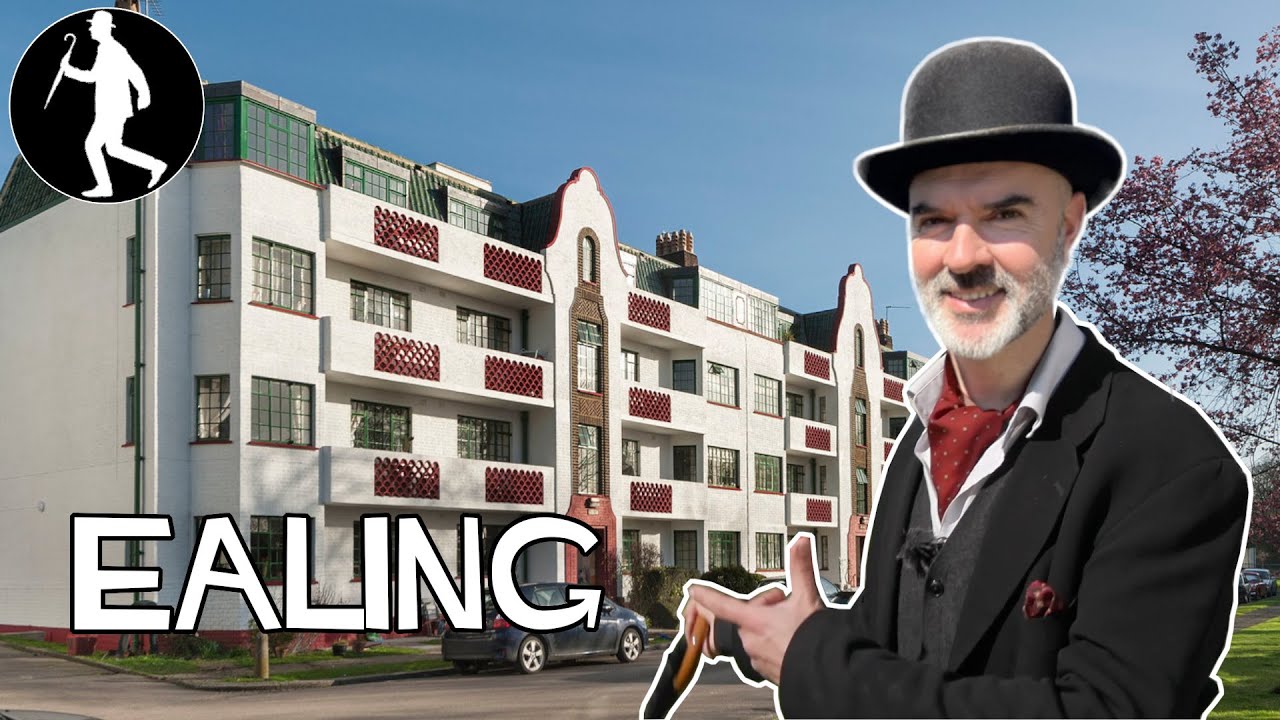
Ealing rounds out the top 15, largely on the strength of the Elizabeth line, which has transformed journey times from the western end of London into the City and beyond. Areas like Ealing Broadway, West Ealing, and Hanwell have all seen meaningful rental increases since Crossrail opened, as commuters who previously dismissed the area have re-evaluated their options.
At around £1,880 per month on average, Ealing represents the most westerly entry in the top 15, and its trajectory strongly suggests it will continue climbing in the rankings as the Elizabeth line's influence on property values continues to feed through into the rental market.
Understanding why certain boroughs sit where they do in the rankings helps renters evaluate whether the premium is relevant to their own situation.
Transport zone and connectivity.Proximity to Zone 1 and fast links to major employment hubs in the City, Canary Wharf, and the West End consistently push rents higher. Every borough in this top 15 has strong transport credentials.
School catchment prestige.In boroughs like Camden, Islington, and Wandsworth, competition to live within the catchment of highly rated state schools creates persistent demand that sustains elevated rents regardless of the economic climate.
Green space and parkland.Richmond upon Thames and Merton illustrate clearly how proximity to parks and open space adds a premium that many renters are willing to pay, particularly families.
Architectural stock and conservation areas.Period properties in conservation areas are a fixed supply. Georgian and Victorian terraces in Islington, Camden, and Kensington cannot be replicated, which means demand for them never truly softens.
International and corporate tenant demand.Kensington and Chelsea, Westminster, and Camden attract significant numbers of internationally mobile tenants and corporate relocators whose housing budgets are often set by employers at rates above market average. This keeps the upper end of these markets elevated in ways that the rest of the city does not experience.
Limited housing supply in the inner ring.The inner boroughs have very little capacity to add significant new housing stock. Planning restrictions, green belt constraints, and conservation designations mean that demand consistently outpaces supply, which is the most basic structural driver of high rents.
One of the most practical things a renter can do with a list like this is use it in reverse: identify the expensive borough that fits their lifestyle, then look for the most accessible cheaper alternative on its borders.
Hammersmith and Fulham sits directly south and offers many of the same transport links and green spaces. The visual character changes on certain streets, but the commute times into central London are comparable. A renter who cannot stretch to Kensington's £3,601 average might find that Hammersmith and Fulham's £2,759 average delivers 90% of what they need for significantly less per month.
If the lifestyle draw is specifically Notting Hill or Portobello Road, Shepherd's Bush in Hammersmith and Fulham sits immediately adjacent and offers many of the same independent market and restaurant options.
Vauxhall and Nine Elms in Lambeth sit directly across the river from Westminster and are connected by the Victoria line. Average rents in Lambeth run approximately £800 per month lower than in Westminster. The area does not have the same historic architecture, but it has modern transport links, riverside access, and proximity to everything Westminster offers across the bridge.
The choice here depends on which part of Camden is driving the preference. For Primrose Hill, consider Kentish Town, which is a short walk north and offers a similar character at a notably lower price point. For Hampstead, the streets of East Finchley and Muswell Hill in Haringey provide a comparable suburban-within-London feel, good schools, and green space, without Camden's headline figures.
Ealing, further west on the Elizabeth line, now has a genuinely fast connection into central London. For renters whose priority is a modern flat with good commute times rather than proximity to a specific neighborhood, Ealing can deliver similar transport convenience at a lower monthly cost, particularly for new-build stock around the station.
The borough averages are useful for comparison, but what does a given monthly budget actually buy in practice? The below reflects typical market conditions based on current letting agency listings across these boroughs.
£3,000 and above per monthtypically buys a one-or two-bedroom flat in Kensington and Chelsea or Westminster, or a larger period flat in Camden or Islington. At this price point, you are generally getting a well-finished property in a prestigious address, but rarely anything with significant outdoor space unless you move to the outer end of this tier.
£2,500 to £3,000 per monthcovers a two-bedroom flat or a smaller house in Hammersmith and Fulham, Wandsworth, or the more expensive parts of Lambeth. At this level, kitchens and bathrooms in purpose-built buildings are typically modern, though period conversions at this price can vary considerably in quality.
£2,000 to £2,500 per monthis where the market opens up slightly. A two-bedroom flat is achievable in Hackney, Southwark, Haringey, or Merton. A renter in this tier should expect good transport links and reasonable amenities, but is unlikely to secure a full house in an inner borough without sharing.
Under £2,000 per monthin a top-15 borough puts a renter at the lower end of Ealing, Barnet, or Tower Hamlets. At this price point, expect a one-bedroom flat or a smaller studio in the borough's more affordable areas, with trade-offs on commute time or property condition compared to higher-priced alternatives.
Yes, but it requires careful budgeting and realistic expectations about where you can live. After paying rent, which in many mid-tier boroughs will consume at least £1,800 to £2,000 of that £3,000, a renter is left with around £1,000 to £1,200 for food, transport, bills, and everything else.
That is manageable for a single person living simply, but it leaves little room for saving or unexpected costs. Most financial advisers suggest housing should not exceed 30% of gross income, which at £3,000 per month total means a monthly rent of around £900. In London, that figure places you well outside the top-15 boroughs and into the outer ring of the city.
The highest concentration of ultra-high-net-worth residents in London is found in Belgravia and Mayfair, both of which fall within the City of Westminster. Certain streets in these areas, including Eaton Square and Chester Square in Belgravia, are among the most expensive residential addresses in the world. Parts of Kensington and Chelsea, particularly around Rutland Gate and The Bolton's, also attract a significant number of extremely wealthy residents, both British and internationally mobile.
Primrose Hill in Camden and Hampstead, also in Camden, have been celebrity residential hotspots for decades. The combination of large period houses, village-like streets, Hampstead Heath on the doorstep, and a strong sense of community within a recognizable cultural identity makes these areas consistently attractive to well-known figures. Notting Hill in Kensington and Chelsea is equally associated with a celebrity resident base, particularly in the streets around Ladbroke Grove and Holland Park Avenue.
Belgravia in Westminster is the answer most consistently given by estate agents, historians, and property analysts. Its white-stucco townhouses, garden squares, and proximity to Buckingham Palace have made it synonymous with wealth and exclusivity for over 150 years. Mayfair runs it close in terms of prestige, particularly for international buyers and renters, while Knightsbridge in Kensington and Chelsea also features regularly in this conversation.
No. Canary Wharf sits within the borough of Tower Hamlets, which ranks 13th in this list with an average rent of approximately £1,960 per month. The Canary Wharf development itself commands above-average rents within that borough, particularly for modern apartments close to the Jubilee and Elizabeth lines, but the borough as a whole is far from the most expensive in London. Renters sometimes conflate the cost of individual high-spec apartments in the development with the borough average, which creates a misleading picture.
Based on the most recent ONS figures, the boroughs consistently recording the lowest average rents in London are Bexley, Sutton, and Croydon in the outer south and south-east. Average monthly rents in these areas sit considerably below the London average, often in the range of £1,200 to £1,500 per month depending on property size, though they come with longer commute times to central London employment hubs.
Based on figures published by the ONS for mid-2025, Londoners spend approximately 60% of their gross income on rent, on average. This is dramatically higher than the England-wide average and makes London one of the least affordable cities for renters in the developed world. In Kensington and Chelsea, that figure rose above 74% last year, meaning the average renter in the Royal Borough spent nearly three-quarters of their gross income simply on housing.
A one-bedroom flat in London typically costs between £1,800 and £2,500 per monthdepending on the borough, based on current letting agency market figures. In the top-tier boroughs of Kensington and Chelsea and Westminster, a one-bedroom flat well below the area average can easily exceed £2,500 per month. In outer boroughs outside the top 15, a one-bedroom flat can be found for closer to £1,200 to £1,600 per month.
Knowing that Kensington and Chelsea sits at £3,601 per month tells you almost nothing useful on its own. Knowing that Hammersmith and Fulham sits at £2,759 with many of the same practical benefits is where the list starts earning its value.
London's rental market rewards renters who understand geography. Every expensive borough has a cheaper neighbor, and in many cases, the difference in daily quality of life between the two is far smaller than the difference in monthly cost. That gap is where smart renters find their opportunities.
The figures in this article reflect ONS published statistics, and current market estimates. Rental prices in London shift regularly, so it is always worth checking the ONS interactive map and current listings on platforms like Rightmove and Zoopla before committing to a search area or a budget.
James Rowley is a London-based writer and researcher covering London life, cultural geography, London travel, live London webcam pages and selected public figures across entertainment, sport, business and public life.
For over 15 years, he has focused on verified sources, first-hand local context and clear explanations that help readers understand both places and people more deeply. His work combines street-level London knowledge with careful research into career credits, media work, business interests and, where relevant, transparently explained net worth estimates.
He writes and reviews articles published on LondonWebcam.