What Was Peter Cushing’s Net Worth When He Died? Known Facts
Peter Cushing Net Worth looks at the verified record behind his finances without relying on unsupported estimates.
Author:James RowleyApr 06, 20262.8K Shares206.7K Views
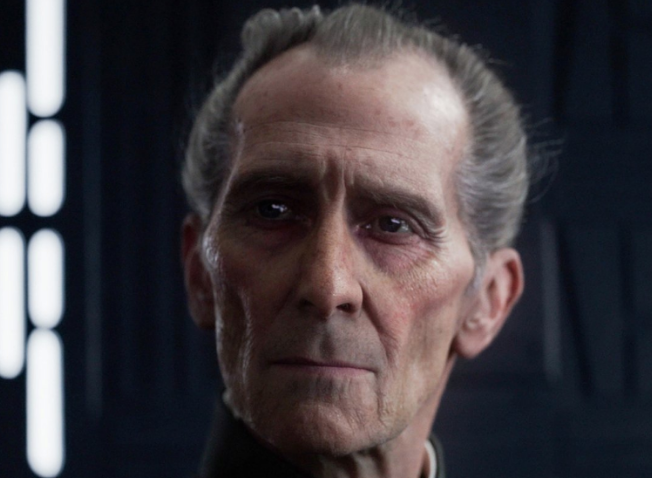
At the time of Peter Cushing’s death, his net worth was not publicly disclosed, and no officially verified figure was available. His income came from his professional acting career, including contractual salaries for film and television roles and standard residual payments. He also earned royalties from reissues and international distribution of his films and series, as well as from the publication of his autobiographical books.
Film Roles That Built Peter Cushing’s Lifetime Earnings
Peter Cushing’s breakthrough came through Hammer Horror productions, where he quickly became a leading star. His first Hammer film, The Curse of Frankenstein (1957), was “an immediate box-office success,” followed by The Revenge of Frankenstein (1958).
Each hit he headlined earned him a salary as the contracted lead actor. His central roles in successful franchises such as Frankenstein and Dracula, including appearances as Frankenstein’s Baron and Van Helsing, brought steady back-to-back work. Every film role paid an agreed performance fee, and his run of high-grossing features contributed substantially to his film earnings.
| Category | Verified Details |
| Full Name | Peter Wilton Cushing |
| Born | 26 May 1913, Kenley, Surrey |
| Died | 11 August 1994 |
| Nationality | British |
| Education | Guildhall School of Music and Drama |
| Profession | Actor (film, television, stage) |
| Film Appearances | 90+ feature films |
| Breakthrough Role | The Curse of Frankenstein (1957) |
| Iconic Character | Baron Frankenstein (6 films) |
| Dracula Series | Played Van Helsing (5 films) |
| Sherlock Holmes | Portrayed Holmes in film and TV |
| Hollywood Work | Appeared in films from 1939 onward |
| Star Wars Role | Grand Moff Tarkin (1977) |
| Honour | OBE (1989) |
| Net Worth | Not publicly disclosed at death |
Television Work Behind Peter Cushing’s Acting Income
Cushing also earned income from major television roles. His performance as Winston Smith in the BBC’s Nineteen Eighty-Four (1954) won him the Best Television Actor award three years in a row. That television success led directors to cast him more frequently on screen.
He later starred in series such as Sherlock Holmes (1968–69) and TV films including Masks of Death (1984). He also made guest appearances on popular programs, including The Avengers and The Morecambe and Wise Show, with each appearance earning an acting fee. These television projects provided steady professional income alongside his film work.
Stage Performances Linked To Peter Cushing’s Career Pay
Before becoming a film star, Cushing worked extensively on stage, adding to his earnings. In the 1940s and early ’50s, he appeared in major Londonproductions. He made his West End debut in the play War and Peace at the Phoenix Theatre, playing two roles.
He later toured with Laurence Olivier’s Old Vic company and acted in classics such as The Rivals and Shakespeare’s Richard III. Each professional theatre engagement paid a standard acting salary. While exact amounts are not public, prominent West End shows would have provided Cushing with regular stage income during that era.
More Than 100 Film Credits Behind Cushing’s Earnings
Across his six-decade career, Cushing built an extensive filmography spanning many genres. Beyond horror, he took roles in thrillers, mysteries, and fantasy films. In Hammer’s The Hound of the Baskervilles (1959), he played Sherlock Holmes, adding detective drama to his screen work.
Every screen credit represented a paid role, and each film appearance added to his total earnings. In the UK film industry of his time, actors received fixed contracts or salaries for each feature, so Cushing’s large body of credits reflects substantial cumulative income from acting fees.
Lead Horror Roles That Shaped Cushing’s Screen Income
Cushing’s largest film paychecks came from leading roles in horror series. He headlined nearly every Hammer monster sequel and similar thriller through the 1960s and ’70s, including Brides of Dracula (1960), Frankenstein Created Woman (1967), Dr. Phibes Rides Again (1972), and Dracula A.D. 1972.
Each production gave him principal star billing, which carried the highest actor salary level within those films. His name became a commercial draw for horror audiences, and repeated appearances as Baron Frankenstein, Dr. Van Helsing, and other recurring characters sustained his long-term earning power in British cinema.
Star Wars Role Linked To Peter Cushing’s Pay History
Cushing’s role as Grand Moff Tarkin in Star Wars (1977) raised his earnings profile internationally. Contemporary reporting indicates that Lucasfilm paid its established British actors significantly more than its younger cast members. ABC News reported that Sir Alec Guinness received £15,000 per week plus profit participation, while veteran performers such as Cushing were paid “substantially more” than the younger leads.
Decades after Cushing’s death, his likeness generated additional verified revenue. During the production of Rogue One: A Star Wars Story (2016), Disney and Lucasfilm secured permission from Cushing’s estate to digitally recreate Grand Moff Tarkin. Court filings later confirmed that the estate received approximately £28,500 after tax for authorizing the use of his image in the film. Separate legal reporting stated that Lucasfilm paid about £28,000 to the executors of the estate for those rights.
Peter Cushing’s Acting Career
Peter Cushing’s professional career spanned more than six decades and included over one hundred films, along with extensive work in television, radio, and theatre. By the early 1950s, he had become a familiar presence on British television and was recognized for his versatility.
During that period, Cushing won multiple acting awards for his television performances, strengthening his reputation within the British entertainment industry. He later gained international recognition through starring roles in genre films and became one of the defining figures of British cinema.
BBC Television Breakthrough In Nineteen Eighty-Four
Cushing’s first major breakthrough came on television. In 1954, he was cast as Winston Smith in the BBC adaptation of George Orwell’s Nineteen Eighty-Four. Produced by Rudolph Cartier from a script by Nigel Kneale, the production became one of the most discussed television dramas of its era.
Cushing’s performance as Winston Smith, particularly in the emotionally intense interrogation scenes, drew widespread public attention and established him as a leading television actor. The broadcast drew a strong audience reaction because of its disturbing themes and dramatic realism.
Reports from the period noted that the BBC received a large volume of complaints from viewers after the transmission. Despite the controversy, the production significantly raised Cushing’s profile in British television drama and showed his ability to carry demanding dramatic material with precision and emotional control.
Throughout the 1950s, Cushing worked extensively across television productions while also taking supporting film roles. His frequent appearances made him one of the most recognizable actors on British screens during the decade. Industry organizations recognized his work with several Best Television Actor honors, further reinforcing his professional reputation.
Hammer Horror Roles As Frankenstein And Van Helsing
Cushing’s long association with Hammer Film Productions became the defining chapter of his film career. He made his major breakthrough in horror cinema with The Curse of Frankenstein in 1957, playing Baron Victor Frankenstein. The film became a major commercial success for Hammer and introduced a more vivid, modern style of British horror filmmaking.
His interpretation of Frankenstein differed from earlier screen portrayals, emphasizing intelligence, discipline, and scientific obsession rather than theatrical madness. Cushing brought restraint and precision to the role, creating a version of the character that became central to Hammer’s identity. He later reprised the role in multiple sequels, making Baron Frankenstein one of the most recognizable characters of his career.
In 1958, Cushing appeared as Doctor Van Helsing in Dracula, opposite Christopher Lee as Count Dracula. His performance presented Van Helsing as calm, determined, and highly analytical. The role required dramatic authority and physical action, and Cushing became known for performing several demanding scenes himself during production.
Cushing and Christopher Lee formed one of the most successful recurring partnerships in British horror cinema. Their repeated appearances together helped establish Hammer Films as a dominant force in the genre during the late 1950s and 1960s. Cushing’s disciplined acting style brought credibility and sophistication to productions built heavily on atmosphere and suspense.
Across his Hammer work, Cushing delivered consistent performances in a wide range of horror roles while maintaining strong critical respect. His work was regularly noted for intelligence, technical precision, and professionalism. Even in highly stylized productions, he approached each character with seriousness and dramatic conviction.
Sherlock Holmes Performances Across Screen Formats
Cushing also earned recognition for portraying Sherlock Holmes in both film and television. In 1959, he starred in Hammer’s adaptation of The Hound of the Baskervilles, directed by Terence Fisher. The production featured Cushing as Holmes alongside André Morell as Doctor Watson and Christopher Lee as Sir Henry Baskerville.
His portrayal emphasized Holmes’s sharp intelligence, composure, and observational skill. Rather than presenting the detective as eccentric, Cushing focused on professionalism and controlled authority. The performance showed his ability to lead a mystery narrative with subtlety and precision while staying faithful to the tone of Arthur Conan Doyle’s stories.
A decade later, Cushing returned to the role in the BBC television series Sir Arthur Conan Doyle’s Sherlock Holmes. The series paired him with Nigel Stock as Doctor Watson and allowed him to explore the character across multiple episodes and investigations. His television portrayal further strengthened his association with the detective and introduced his interpretation of Holmes to a broader audience.
Cushing’s work as Sherlock Holmes highlighted the versatility of his career beyond horror cinema. Across film and television, he showed a strong command of literary adaptation, character-driven drama, and detailed performance. His Holmes performances remain an important part of his professional legacy and continue to be associated with faithful screen interpretations of Conan Doyle’s detective stories.
FAQs
Did Peter Cushing Receive Any Major Professional Honors?
Yes. He won BAFTA’s Television Actor award for 1955 and was appointed OBE in 1989.
Where Did Peter Cushing Train As An Actor?
Peter Cushing attended Purley Secondary School and the Guildhall School of Music and Drama in London.
When Did Peter Cushing Make His Film Debut?
Peter Cushing made his film debut in The Man in the Iron Mask in 1939.
Did Peter Cushing Play Doctor Who?
Yes. He played Dr. Who in the 1965 film Dr. Who and the Daleks.
Did Peter Cushing Publish Books During His Lifetime?
Yes. His published works included Peter Cushing: An Autobiography in 1986 and Past Forgetting: Memoirs of the Hammer Years in 1988.

James Rowley
Author
James Rowley is a London-based writer and researcher covering London life, cultural geography, London travel, live London webcam pages and selected public figures across entertainment, sport, business and public life.
For over 15 years, he has focused on verified sources, first-hand local context and clear explanations that help readers understand both places and people more deeply. His work combines street-level London knowledge with careful research into career credits, media work, business interests and, where relevant, transparently explained net worth estimates.
He writes and reviews articles published on LondonWebcam.
Latest Articles
Popular Articles