What Was Roy Castle’s Net Worth At The Time Of His Death?
Roy Castle Net Worth remains unverified, with his known earnings tied to television, acting, stage work, and music.
Author:James RowleyOct 27, 202518.5K Shares350K Views
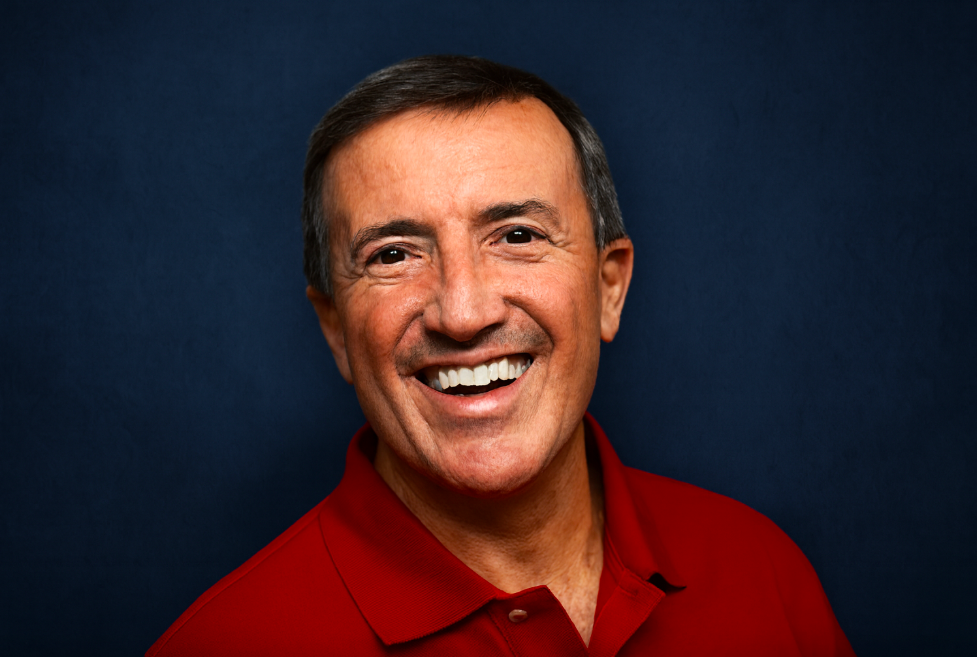
Roy Castle’s net worth was not publicly disclosed at the time of his death, and no figure has been officially verified by major financial authorities. Castle earned income through his entertainment career as a long-running children’s television presenter, actor, and musician.
His acting credits included British films such as Dr. Who and the Daleksand Carry On Up the Khyber, as well as stage productions including the West End farce Big Bad Mouse. He also recorded music, including multiple LP albums and a charting 1960 single. These roles and recordings formed his main income sources, but no specific earnings amounts have been publicly disclosed.
Television Presenting Work In Castle’s Lifetime Income
Television presenting was central to Roy Castle’s lifetime income and public profile. He became best known as a BBC television presenter, fronting programmes such as The Roy Castle Show and Roy Castle Beats Time.
His most enduring role was as the long-running host of the children’s series Record Breakers, which aired from 1972 into the early 1990s and made Castle a household name. His salary and contract terms for these programmes remain undisclosed, and no public documents or credible reports identify verified figures for his BBC television pay.
| Category | Verified Details |
| Full Name | Roy Castle |
| Born | 31 August 1932, Yorkshire |
| Died | 2 September 1994 |
| Nationality | British |
| Profession | Entertainer, musician, presenter |
| Famous For | BBC’s Record Breakers (1972–1993) |
| Instruments | Played 40+ instruments |
| World Records | Set 9 Guinness World Records |
| Notable Film | Dr Who and the Daleks (1965) |
| Dr Who and the Daleks (1965) | Singin’ in the Rain (West End) |
| Award | OBE (1993) |
| Tony Nomination | Pickwick (1965) |
| TV Award | BAFTA (1977, Record Breakers) |
| RAF Service | Learned trumpet in Royal Air Force |
| Net Worth | Not publicly disclosed at death |
Variety Entertainment Work Behind Castle’s Career Pay
Castle began his career in British variety theatre and touring shows. After completing National Service, he turned professional and joined a Northern comedy troupe on a salary of £10 per week. He later worked as a supporting comic to entertainers Jimmy Clitheroe and Jimmy James.
During the 1960s, he refined his act on the provincial circuit, performing in music halls and starring in pantomimes. Castle also appeared in major stage musicals, including Pickwick on Broadway and a LondonPalladium revival of Singin’ in the Rain. Apart from the early £10-per-week rate, his fees and earnings from variety and theatre work are not documented in verifiable public records.
Singing Credits Linked To Roy Castle’s Career Value
Castle recorded several musical works, though only limited chart performance data is publicly verified. His Christmas single “Little White Berry” reached No. 40 on the UK singles chart in December 1960 and remained on the chart for three weeks.
Other recordings and albums released during his entertainment career do not have publicly verified royalty disclosures or certified sales figures. Recording contracts, publishing income, and music royalty payments connected to Castle’s catalogue remain undocumented in reliable financial records.
Roy Castle Career Earnings And Financial Legacy
Roy Castle earned income through a wide-ranging entertainment career, although no public records disclose exact figures for his earnings or net worth. He was best known for hosting the BBC children’s series Record Breakers for more than two decades. Castle began presenting Record Breakers in 1972 and remained the face of the show through the 1970s and 1980s. The Guardian reported that he “worked on the show until just months before his death from lung cancer in 1994.”
As the lead BBC presenter, Castle would have received a regular salary and likely earned performance royalties for recording the show’s theme, “Dedication.” However, the BBC does not publish historical salary data, and no reliable source provides his exact pay rate, contract values, or royalty income. The BBC has never released figures on Castle’s fees, and no Freedom of Information data is available. While Record Breakers was his primary salary source, the specific amounts he earned from the series are not documented in any verifiable public source.
Record Breakers Hosting From 1972 To 1993
Roy Castle hosted the popular BBC programme Record Breakers from its launch in 1972 until the early 1990s. The independent press notes that he “fronted 16 series of The Record Breakers” over the final two decades of his career. During that period, Castle earned income from the BBC as the show’s presenter.
He also recorded and performed the closing-theme song “Dedication” live on air, which would have generated additional royalty payments. In one recorded stunt on the programme, Castle’s tap-dancing feat helped raise £1 million for charity, though that money was donated and was not personal income.
Despite his success on the show, no credible source, including BBC accounts, producers’ archives, or industry reports, discloses his contract terms or salary. Castle earned from Record Breakers, but the actual figures, including annual pay, per-episode fees, or royalties, are not publicly available in any verifiable publication.
Film Roles In Dr. Who And The Daleks And Carry On
Roy Castle also acted in several feature films, adding to his professional earnings. He co-starred with Peter Cushing in the 1965 movie Dr. Who and the Daleks, playing Ian Chesterton, and appeared in the 1968 comedy Carry On Up the Khyber.
These film roles would have come with performance fees typical for British actors of the era. However, no trustworthy source lists Castle’s paychecks for these films. Major industry journals and archives do not report his salary or any share of box-office profits. Without detailed contracts or studio accounts, Castle’s earnings from the Dr. Who and Carry On projects cannot be quantified. As with his television work, no official filings or media reports reveal his compensation. His film work added to his income stream, but the exact values remain undocumented in reliable sources.
Variety Theatre Work On The British Touring Circuit
Roy Castle also toured widely on the British stage, performing in music halls, pantomimes, and variety shows. Early in his career, he played character roles in pantomime productions, including the cat in Dick Whittington in 1964. He later headlined shows, appeared with comedy partners in Big Bad Mouse in London, and reunited with Harry Secombe to tour a stage version of Pickwick in the early 1990s.
These live performances would have generated salaries or appearance fees for each engagement. However, as with his screen work, no publicly accessible records detail those stage payments. British theatre contracts from that period were typically private, and no box-office data, payroll filings, or press disclosures about Castle’s stage income were found.
Available UK Companies House records show that Castle served as a director of a local radio company, Mix 107 FM, late in life, but this was a nominal director role with no publicly known salary data. No verified property or estate filings were found that clarify his wealth position. Castle’s touring and variety work earned him income, but no concrete financial records, such as published accounts or public asset registries, confirm the amounts.
FAQs
Did Roy Castle Break Any World Records Himself?
Yes. Roy Castle broke several records on Record Breakers, including tap dancing and multi-instrument performance feats.
What Made Roy Castle A Credible Figure In British Entertainment?
Roy Castle built a long career across television, stage, film, music, comedy, dancing, and presenting, making him one of Britain’s best-known all-round entertainers.
What Was Roy Castle’s Connection To Guinness World Records?
Record Breakers focused on record attempts linked to the Guinness Book of Records, and Castle became closely associated with the format as its main presenter.
Did Roy Castle Perform The Record Breakers Theme Song?
Yes. Roy Castle performed “Dedication,” the closing theme associated with Record Breakers.
Was Roy Castle Still Active Near The End Of His Life?
Yes. Castle remained associated with Record Breakers until shortly before his death in 1994.

James Rowley
Author
James Rowley is a London-based writer and researcher covering London life, cultural geography, London travel, live London webcam pages and selected public figures across entertainment, sport, business and public life.
For over 15 years, he has focused on verified sources, first-hand local context and clear explanations that help readers understand both places and people more deeply. His work combines street-level London knowledge with careful research into career credits, media work, business interests and, where relevant, transparently explained net worth estimates.
He writes and reviews articles published on LondonWebcam.
Latest Articles
Popular Articles