Sam Allardyce Net Worth: The £10m Estimate, Salaries & Wealth
Sam Allardyce's net worth is estimated at £10 million. See what’s known about his salaries, contract payoffs and property investments.
Author:James RowleySep 05, 202612.9K Shares463.2K Views
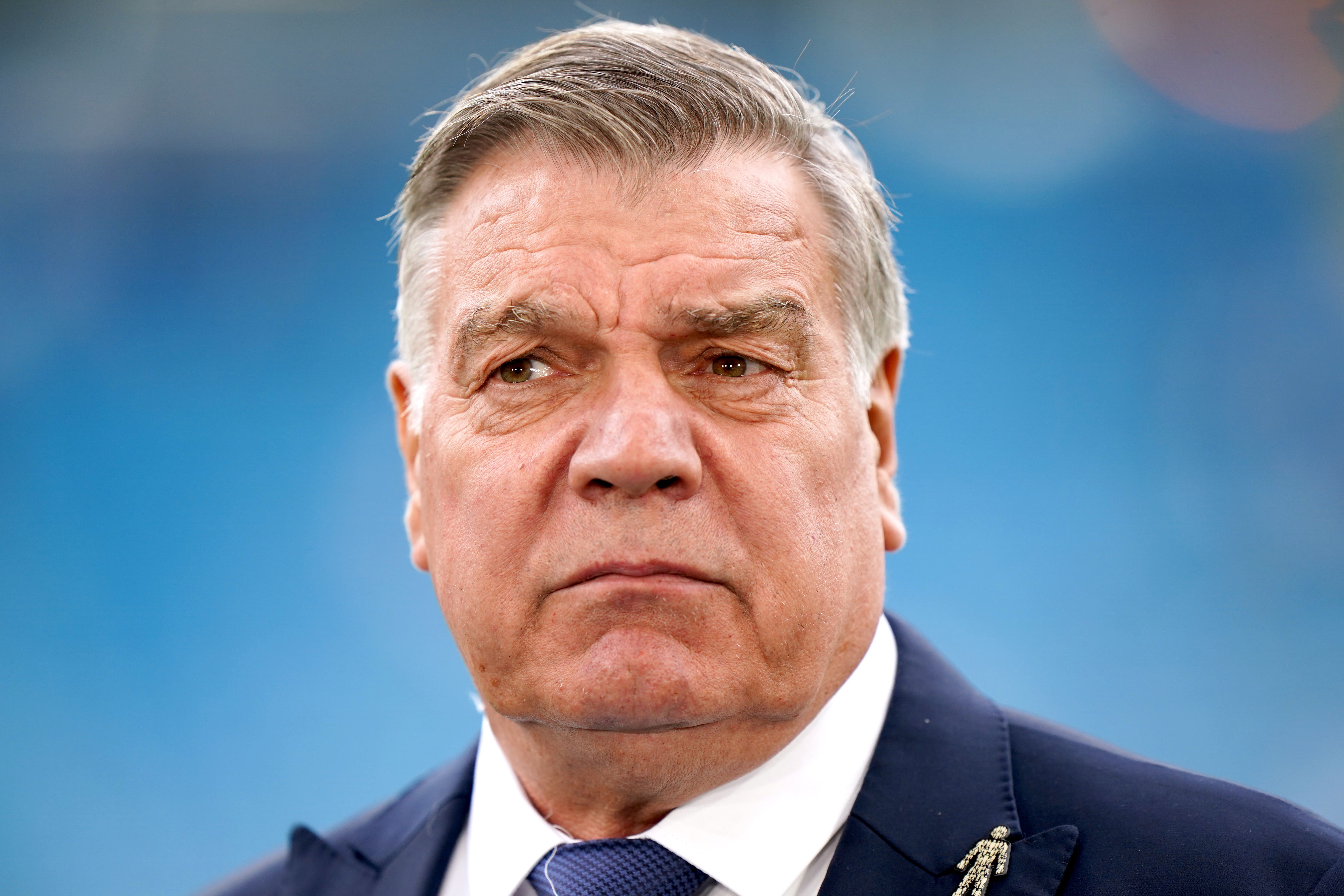
At A Glance: What Public Records Reveal About Sam Allardyce's Wealth
Sam Allardyce's net worth is not publicly verified, but the best-known published estimate is £10 million.
Spear's published the £10 million figure in 2017, and later outlets repeated it, but no recent public financial disclosure confirms his current personal wealth. What is well documented is his earning power: reported managerial salaries, bonuses and payoffs include around £3 million a year at Newcastle, roughly £3 million to £3.5 million a year with England, and about £9 million from six months at Everton.
Beyond his football contracts, he has held active directorships in property and investment companies, though these corporate assets are distinct from his personal fortune.
| Financial detail | Publicly available information |
| Most cited net-worth estimate | £10 million |
| Main source of estimate | Spear's, October 2017 |
| Current personal net worth verified? | No |
| Strongest financial evidence | Managerial salaries, bonuses, payoffs and company records |
| Last managerial job | Leeds United, 2023 |
| Age in 2026 | 71 (turning 72 in October 2026) |
The £10 million number is therefore best treated as a long-standing public estimate, not an official statement of Allardyce's wealth.
How Sam Allardyce Built His Wealth
Allardyce's financial career has been tied closely to football.
He spent around two decades as a professional player before moving into management, where he went on to work for clubs including Bolton Wanderers, Newcastle United, Blackburn Rovers, West Ham United, Sunderland, Crystal Palace, Everton, West Bromwich Albion and Leeds United, as well as the England national team.
The length of that career gave him repeated access to high-value managerial contracts. Promotion bonuses, survival incentives and compensation for early termination also became important parts of his earnings.
His playing career came during an era when football salaries were far below modern Premier League levels. The substantial increase in his earning power came later, when he became an established top-flight manager, eventually commanding multi-million-pound contracts similar to peers like Brendan Rodgers.
Sam Allardyce Salary At Newcastle United
Allardyce joined Newcastle United in 2007 on a three-year contract, with the Guardian reporting an expected salary of about £3 million a year.
He remained at the club for only around eight months, meaning the reported annual figure should not be interpreted as money he necessarily received in full. His departure is also a reminder that the value of a managerial contract and the amount ultimately earned from it are not always the same.
Sam Allardyce Salary At West Ham
When Allardyce became West Ham United manager in 2011, the Guardian reported an annual salaryof about £1.25 million, together with a £1 million promotion bonusif he took the club back into the Premier League.
West Ham did win promotion through the play-offs in his first season, making the bonus an important example of how performance payments could supplement his basic managerial salary.
Sam Allardyce's England Salary And Payoff
The Football Association, guided by a selection panel that included technical director Dan Ashworth, appointed Allardyce as England manager in July 2016 on a two-year contract.
Contemporary reports put Sam Allardyce’s England salary at roughly £3 million to £3.5 million a year, depending on the source. The Guardianlater described his role as paying £3 million a year, while contemporaneous coverage of the original agreement reported £3.5 million a year. The Guardian also reported discussion of a separate £400,000 speaking arrangement, but that figure should not be treated as money Allardyce was proven to have received.
His England tenure lasted only 67 days. He also received a reported seven-figure payoff after leaving the role.
This is significant when considering his career earnings because it shows that a relatively short managerial spell could still produce a substantial contractual payment.
Everton Was One Of Sam Allardyce's Biggest Paydays
Allardyce's six-month period at Everton produced one of the clearest financial figures in the public record.
When Everton ended his 18-month contract in May 2018, the Guardian reported that he was expected to receive a £6 million payoffbecause a year remained on his contract. The newspaper said that the total value of his earnings from the six-month period was around £9 million.
That does not mean his personal wealth increased by £9 million. The figure represents reported compensation and contractual earnings, while his taxes, spending, investments, liabilities and other personal finances are not publicly available in full.
Sam Allardyce's Leeds United Salary
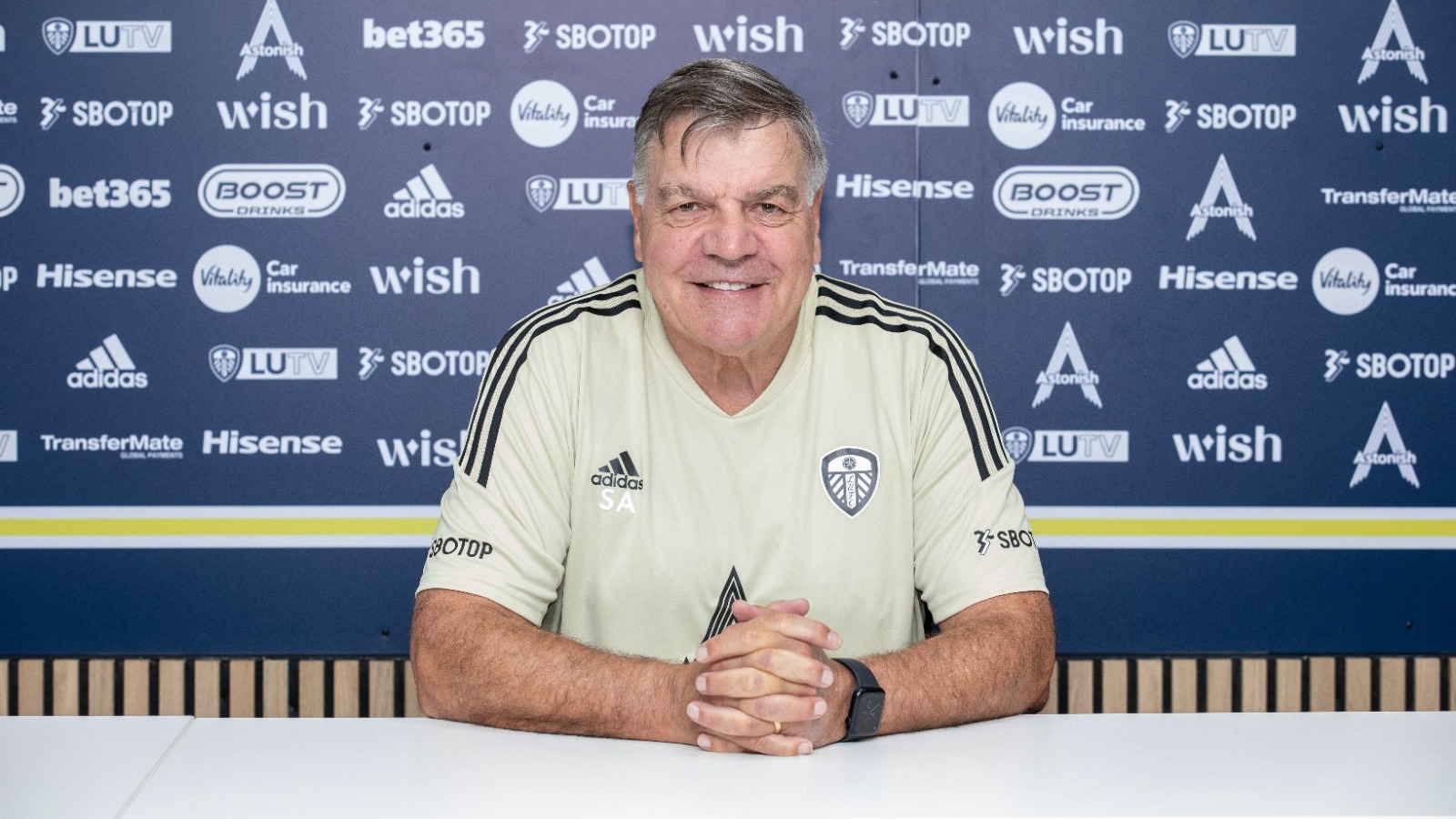
Allardyce returned to Premier League management in May 2023 when Leeds United appointed him for the final four matches of the season.
Reports put his basic payment at £500,000, with another £2.5 million survival bonusavailable if Leeds stayed in the Premier League.
Leeds were relegated, so the additional £2.5 million bonus was not earned.
Reported Managerial Pay By Club
Exact salary figures are not publicly available for every club where Allardyce worked.
His Bolton Wanderers spell, for example, included a ten-year contract signed in 2000 with a compensation clause reportedly limited to one year's pay if he was dismissed, but his exact salary was not publicly established. His contracts at Blackburn Rovers (where he famously gave defender Phil Joneshis senior professional debut), Sunderland, Crystal Palace and West Bromwich Albion also do not have sufficiently reliable public salary figures to support a precise total.
The available evidence is therefore much stronger for a handful of high-profile contracts than for his entire career.
| Club or role | What is publicly documented |
| Bolton Wanderers | Ten-year contract from 2000; exact salary not reliably established |
| Newcastle United | Three-year contract; about £3 million a year reported |
| Blackburn Rovers | Three-year contract; exact salary not reliably established |
| West Ham United | Salary of about £1.25 million plus promotion bonus reported in 2011 |
| Sunderland | Two-year contract; exact salary not reliably established |
| England | Two-year contract; reported between £3M and £3.5M a year; reported seven-figure exit payoff |
| Crystal Palace | Two-and-a-half-year contract; exact salary not reliably established |
| Everton | 18-month contract; about £9 million over six months reported |
| West Bromwich Albion | 18-month contract; exact salary not reliably established |
| Leeds United | £500,000 basic plus potential £2.5 million survival bonus |
Sam Allardyce's Property And Investment Interests
Public company records show that Allardyce has been involved in property and investment businesses.
Sam Allardyce Investments Limitedis an active company incorporated in 2012, with Samuel Allardyce listed as a director. Companies House records show accounts filed through August 2025.
A Companies House-derived financial record for the year to August 2024 showed £4,700,351 in fixed assets and £5,291,996 in creditors falling due within one year, with total reported net assets of £220,659.
This distinction is important because the value of company assets is not the same as the owner's personal wealth.
SMH Investments Limited
Allardyce also serves as a director of SMH Investments Limited, an active company whose stated business activity is buying and selling its own real estate.
Companies House records show that its latest accounts were made up to September 2025.
The existence of the company provides evidence of property investment activity, but it does not reveal the total current value of Allardyce's personal property holdings.
Waverton Property LLP And The £72 Million Figure
Companies House lists Samuel Allardyce as an active member of Waverton Property LLP, where he has been a member since 2012.
Financial records for the LLP have shown net assets of more than £72 million, but that figure belongs to the partnership as a whole. It is not evidence that Allardyce personally owns £72 million.
The LLP has multiple members, so its total balance sheet cannot be treated as a personal wealth statement for one member.
Did Sam Allardyce Invest A Newcastle Payoff In Property?
The Guardian reported in 2015 that Allardyce used his Newcastle payoff to fund a holiday villa on Spain's Costa Blanca. Another Guardian report referred to the Newcastle payment as approximately £4 million.
The reports provide useful evidence of how a major football payment was used, but they do not provide enough information to establish the property's current market value or its contribution to his present net worth.
What Sam Allardyce's Public Finances Actually Show
The strongest evidence concerns his income and business interests rather than his total personal fortune.
| Publicly supported | Not publicly verified |
| Reported managerial salaries | Current personal net worth |
| Promotion and performance bonuses | Complete investment portfolio |
| Contract termination payments | Total personal property value |
| Company directorships | Personal cash holdings |
| Company balance-sheet figures | Pension and retirement assets |
| Property-investment businesses | Total personal liabilities |
This is why the £10 million figure needs to be treated differently from documented salary and company information.
A salary is income. A contract payoff is compensation. A company's fixed assets are corporate assets. None of these figures, by themselves, gives a complete calculation of a person's net worth.
Why The £10 Million Estimate Has Lasted So Long
The £10 million estimate can be traced back to at least 2017, when Spear's published that figure.
Later websites and media profiles have repeated broadly the same number, sometimes years after the original estimate. Repetition does not establish that the figure has been independently recalculated.
The number has also survived despite Allardyce having continued to work after that estimate was published, including his eventual Leeds appointment in 2023 and his continuing business interests.
That makes £10 million a useful reference point, but not a confirmed current valuation.
What Is Sam Allardyce Doing Now?
Allardyce has not taken another club or international managerial position since his four-game spell at Leeds United in 2023.
In 2026, he remains active in football media through No Tippy Tappy Football, the podcast-style video series he co-hosts with presenter Natalie Pike. The show covers current football issues and features interviews and discussions with former players, managers and other football personalities. Recent episodes were released in July 2026, confirming that the programme remains active.
Checkd Media, which produces the series, describes Allardyce as a central figure alongside Pike, with the programme built around football analysis, interviews and behind-the-scenes stories from the game.
Allardyce also continues to make football media and public appearances. However, there is no reliable public figure establishing how much he currently earns from podcasting, punditry, speaking engagements or other media work. These activities therefore provide evidence of ongoing professional work, but not enough information to calculate their contribution to his current net worth.
Sam Allardyce Net Worth: Final Verdict
Sam Allardyce’s exact personal net worth remains private, making the widely quoted £10 million estimate a historical baseline rather than a verified current figure. First published by Spear’s in 2017, the estimate has been repeated by later outlets without a new public financial disclosure confirming his current wealth.
What the public record does establish is his substantial earning power. Decades of football management produced significant salaries, bonuses and contract payoffs, while his involvement in property and investment companies provides additional evidence of commercial activity. These factors help explain why the £10 million estimate has persisted, but they do not provide enough evidence to calculate his current personal net worth with confidence.
Frequently Asked Questions
How Much Is Sam Allardyce Worth?
Sam Allardyce's net worth is widely estimated at around £10 million, based on a figure published by Spear's in 2017. There is no publicly verified current figure.
How Much Did Sam Allardyce Earn At Everton?
The Guardian reported that Allardyce made around £9 million over six months, including a contractual payoff of about £6 millionwhen Everton ended his contract.
How Much Was Sam Allardyce Paid By England?
Contemporary reports placed Sam Allardyce's England salary between £3 million and £3.5 million a year plus incentives, depending on the source. After stepping down from the job after 67 days, he reportedly received a seven-figure severance payoff from the FA.
How Much Did Sam Allardyce Earn At Leeds?
He reportedly received £500,000for his four-match spell at Leeds, with another £2.5 million survival bonusavailable if the club stayed in the Premier League. Leeds were relegated, so the bonus was not triggered.
Does Sam Allardyce Own Property?
Public Companies House records show his involvement in property-related companies, including SMH Investments Limited, whose stated activity is buying and selling its own real estate. The total value of his personal property holdings is not publicly established.
What Companies Is Sam Allardyce Involved With?
Companies House records link him to businesses including Sam Allardyce Investments Limited, SMH Investments Limitedand Waverton Property LLP. These entities should not be confused with his personal net worth because company and partnership assets are not automatically personal assets.
Is Sam Allardyce Still A Football Manager?
His last managerial job was Leeds United in 2023. He has not taken another club or international management position since then.
Why Did Sam Allardyce Leave The England Job?
Allardyce left by mutual agreement after just 67 days following an undercover newspaper sting by The Telegraph. Despite his short tenure and managing only one game, he reportedly received a seven-figure severance payout from the FA.
How Old Is Sam Allardyce?
Sam Allardyce was born on 19 October 1954. He turns 72 in October 2026.
Jump to
At A Glance: What Public Records Reveal About Sam Allardyce's Wealth
How Sam Allardyce Built His Wealth
Sam Allardyce's Property And Investment Interests
What Sam Allardyce's Public Finances Actually Show
Why The £10 Million Estimate Has Lasted So Long
What Is Sam Allardyce Doing Now?
Sam Allardyce Net Worth: Final Verdict
Frequently Asked Questions

James Rowley
Author
James Rowley is a London-based writer and researcher covering London life, cultural geography, London travel, live London webcam pages and selected public figures across entertainment, sport, business and public life.
For over 15 years, he has focused on verified sources, first-hand local context and clear explanations that help readers understand both places and people more deeply. His work combines street-level London knowledge with careful research into career credits, media work, business interests and, where relevant, transparently explained net worth estimates.
He writes and reviews articles published on LondonWebcam.
Latest Articles
Popular Articles