50 Skyscrapers Of London - Ranked List And Where To See Them
Skyscrapers of London overview with 50 ranked towers: key clusters, famous icons, best viewpoints, plus heights, floors and visitor access info.
Author:James RowleyMar 09, 20261.7K Shares119.7K Views
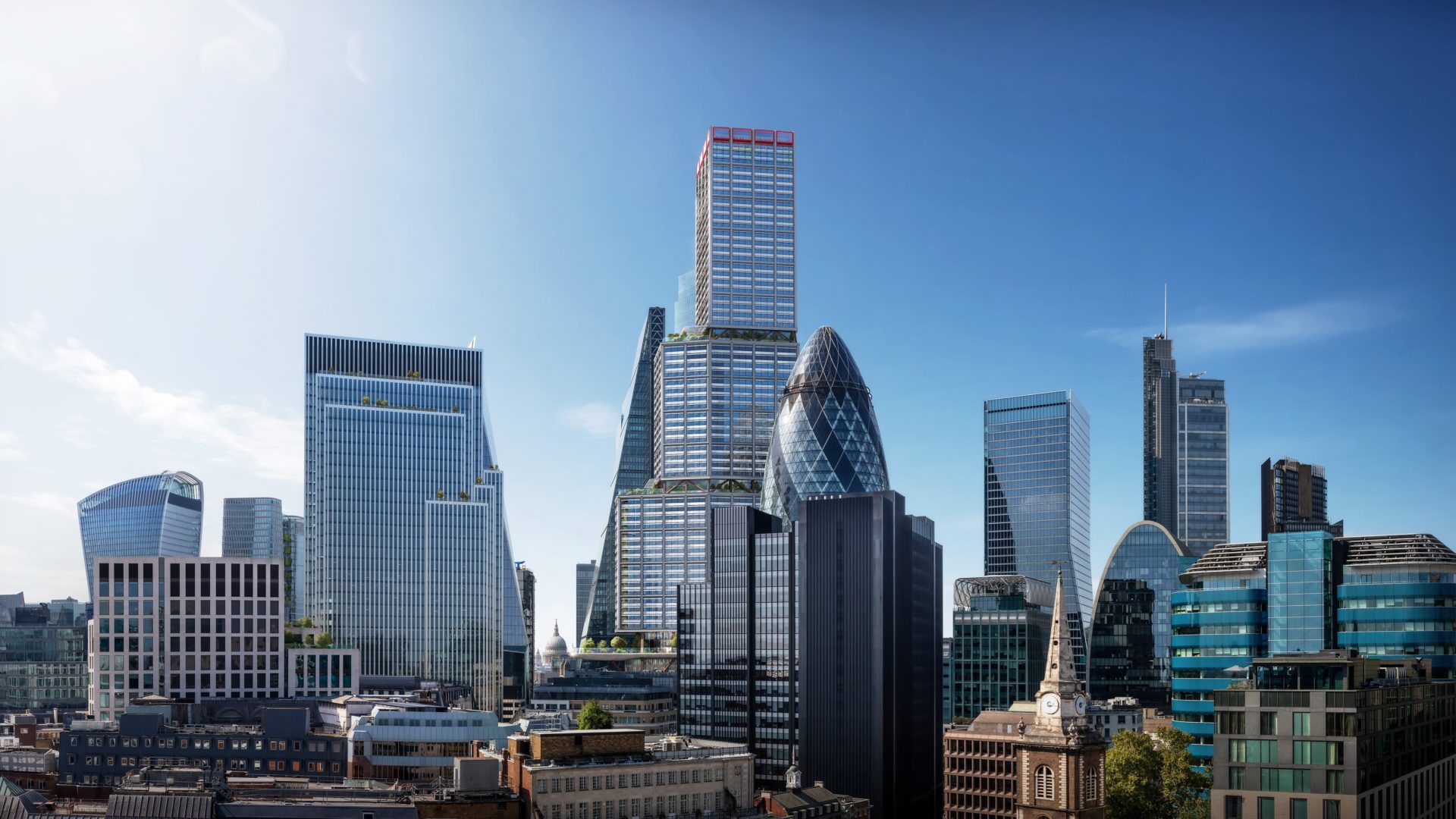
Skyscrapers Of London - Skyline Safari For Icons, Clusters And Views
If you’ve ever looked up in Londonand thought, “Wait, which tower is that?”, you’re not alone. London’s skyline is a puzzle on purpose: historic landmarks are protected, tall buildings are channelled into clusters, and new towers often arrive with names that sound like addresses because they are.
I’m always thinking like a viewer: what you can recognise quickly, what you can actually access, and where to stand when the skyline finally clicks into place.
Key Takeaways (quick Answers You Can Use Immediately)
- London’s tallest building is The Shard, and the biggest skyscraper clusters are the City of London and Canary Wharf.
- Protected views help explain why towers concentrate in specific zones instead of spreading evenly across central London.
- For public views, you’ve got standout options that are free to visit with booking, including Sky Garden, Horizon 22, and The Lookout at 8 Bishopsgate.
- If you want the classic “top of London” experience, The View from The Shard is a paid observatory with very high, wide-angle views.
How This Guide Is Organized (Icons → Clusters → Views → 50-list)
- Icons: the towers you can identify at a glance (plus the nickname cheat sheet).
- Clusters: where skyscrapers actually live in London, and why.
- Views: the most useful public viewpoints, with what’s free vs paid.
- 50 skyscrapers: a numbered reference list, each with practical visit and spotting details.
Takeaway: once you know the clusters, the skyline stops feeling random and starts feeling readable.
London’s Skyline At A Glance: Clusters, Icons, And Why It’s Built This Way
You’ll get two things here: the where(clusters) and the why(planning logic). That combo is what turns a list of towers into a skyline you can actually understand.
The Main Skyscraper Clusters (City, Canary Wharf, South Bank/Nine Elms, Stratford, Elephant And Castle)
London’s tall buildings are not evenly spread. They gather where transport, land use, and planning policy make height viable.
- City of London (the “Square Mile”): the densest concentration of modern office towers.
- Canary Wharf and Isle of Dogs: a purpose-built cluster with a strong “financial district skyline” feel.
- Vauxhall and Nine Elms: newer residential-led height along the river corridor.
- South Bank: tall mixed-use and office buildings near major rail hubs and the Thames bends.
- Elephant and Castle: a growing inner-London residential cluster.
- Stratford: post-Olympics regeneration helped create a distinct, modern high-rise group.
Why London’s Skyscrapers Cluster (protected Views Plus Planning Logic)
London protects sightlines to landmarks, and that protection shapes everything you see.
- The London View Management Framework (LVMF)sets out protected views that help define London’s identity and guide planning decisions.
- In the City, protected views policiesexplicitly cover landmarks like St Paul’s and other skyline features, and provide detailed guidance to developers and the public.
Practical way to think about it: London doesn’t hate tall buildings, it just insists they “behave” in the wider townscape. That’s why you get clusters instead of a wall of height across central London.
Takeaway: if you want to see skyscrapers efficiently, you plan by cluster first and by individual building second.
The Icons You’ll Recognize Instantly (plus The Nicknames Cheat Sheet)
This section helps you recognise what you’re looking at, fast. You’ll get the nickname-to-building translation and a few “spotter cues” to lock it in visually.
Nicknames Decoded (Gherkin, Walkie Talkie, Cheesegrater, Boomerang)
Here’s a compact cheat sheet you can keep in your head:
| Nickname | Official name |
| The Gherkin | 30 St Mary Axe |
| The Walkie Talkie | 20 Fenchurch Street |
| The Cheesegrater | 122 Leadenhall Street |
| The Boomerang | One Blackfriars |
The nickname culture isn’t just banter. It’s a London habit that makes the skyline easier to navigate, especially when building names are literally addresses.
“Spotter’s Cues” (silhouette, Materials, Neighbourhood Context)
A few cues I use when “reading” the skyline from a distance:
- Silhouette first: tapered spire (Shard), bulbous top (Walkie Talkie), wedge profile (Cheesegrater).
- Cluster context: if you see many tall glass towers packed tight, you’re usually looking at the City; if the skyline feels like a concentrated set of tall blocks with water nearby, it’s often Canary Wharf.
- Landmark anchors: St Paul’s dome and the Thames bends are your best “map pins” when matching photos to reality.
Takeaway: once you learn a handful of silhouettes, the skyline turns into a set of familiar faces.
Best Places To See London’s Skyscrapers: Free Viewing Platforms And Classic Panoramas
You’ll get the practical part here: where to go, what’s free, what needs booking, and what view each place is best at delivering.
Free High Viewpoints (what To Expect Plus How To Book)
Sky Garden (free Booking)
Sky Gardenis free to enter, but you book timed tickets through its official system. What it’s best for: sweeping City views with greenery, plus that feeling of being “inside” the skyline rather than outside it.
Horizon 22 (free)
Horizon 22is free to visit and uses timed tickets. Data as of March 2026. What it’s best for: high, modern, clean-line views over the City cluster.
The Lookout (free)
The Lookout at 8 Bishopsgateis an admission-free viewing gallery on the building’s 50th floor, with booking. What it’s best for: a slightly lower but still dramatic perspective, and a close read of the City cluster.
Paid “big Ticket” Views
The View From The Shard
The official viewing gallery at The Shard positions itself as London’s highest view, with panoramic visibility on clear days. What it’s best for: the full-city, high-altitude “London as a map” moment.
Ground-level And Park Panoramas (best Angles For Full Skyline Shots)
If you want the skyline to look like a skyline (layers, silhouettes, river foreground), ground-level viewpoints matter.
- Riverside viewpoints: bridges and embankments give you clean sightlines and scale.
- Parks with elevation: hilltop parks tend to give the best “cluster composition” views, even when you can’t pick out every tower.
Free Vs Paid Views Cheat Sheet (structured Element)
| View option | Best for |
| Sky Garden (free, book) | City skyline with atmosphere and greenery |
| Horizon 22 (free, book) | High, crisp City cluster panorama |
| The Lookout (free, book) | City cluster detail and close-up tower spotting |
| The View from The Shard (paid) | The highest “London as a map” view |
Takeaway: pick your viewpoint based on whether you want a skyline portrait (river or park) or a skyline immersion (high platforms).
50 Skyscrapers Of London Ranked By Height (quick Reference List)
Promise: this is your scannable reference section. You can use it to identify buildings, compare height and floors, and decide what’s actually visitable.
Data note:Height, floor counts, year, location, and purpose below follow the ranked London table of 100 m+ buildings (including completed and topped-out listings) as presented “as of 2026”. For entries with future years or topped-out status, treat completion as volatile.
1. The Shard
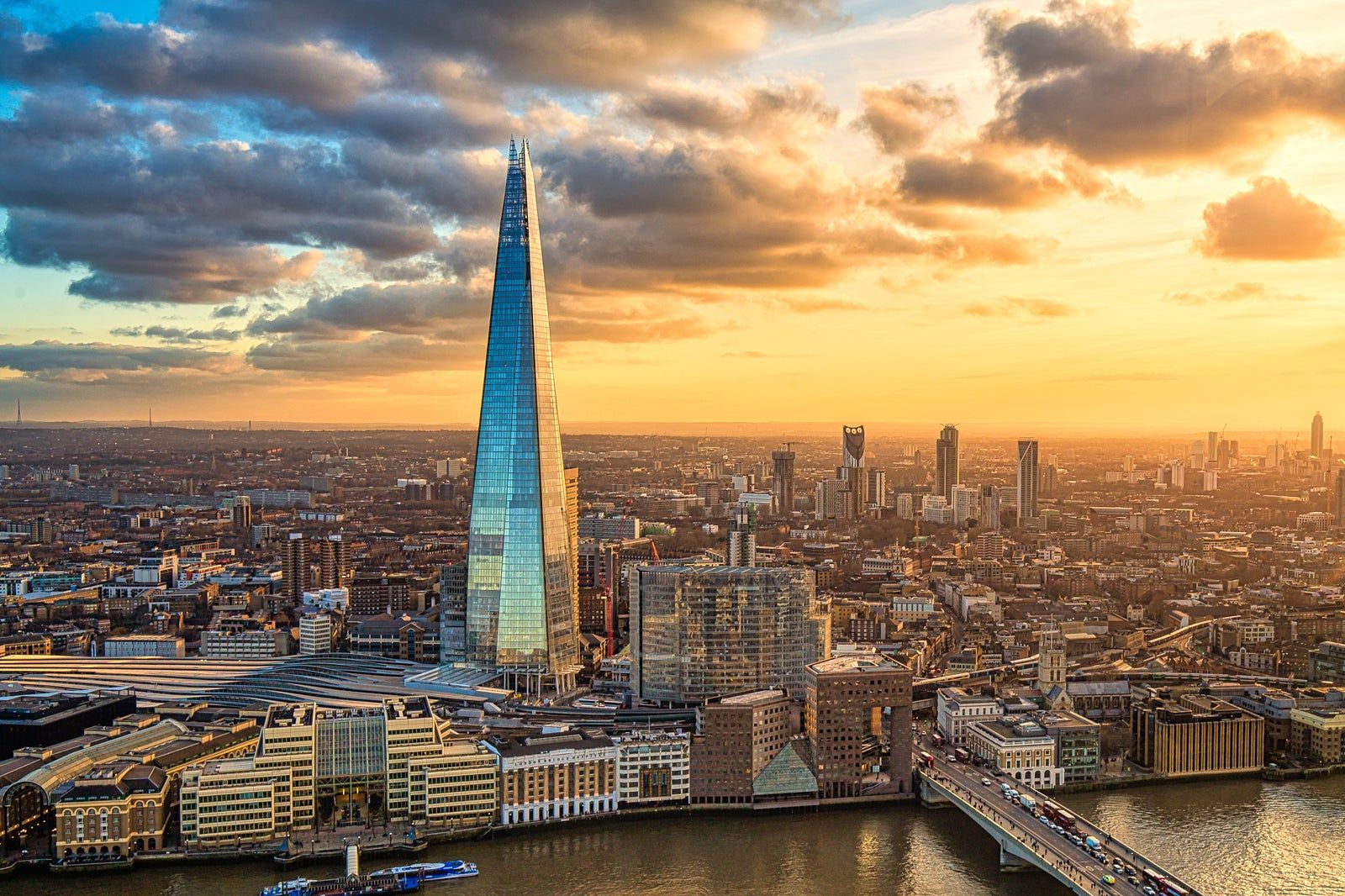
The skyline’s north star, visible from huge distances. A sharp glass peak that reads clearly even on a grey London day. It's a mixed-use design stacks city life vertically, from offices to views. If you learn one silhouette first, make it this one.
- Location:Southwark (London Bridge)
- Height:309.6 m
- Floors:72
- Completed:2013
- Architect:Renzo Piano (Renzo Piano Building Workshop)
- Use:Mixed-use (offices, restaurants and bars, hotel, residential, public viewing)
- Highlights:London’s tallest, sharp glass “shards”, paid top views
- Can the public visit?:Yes, paid viewing gallery
- Best viewpoints:The View from The Shard, Tower Bridge riverside, Sky Garden
- Nearest transport:London Bridge
- Fun fact:Even in silhouette, the jagged crown stays recognisable against flat cloud.
2. 22 Bishopsgate
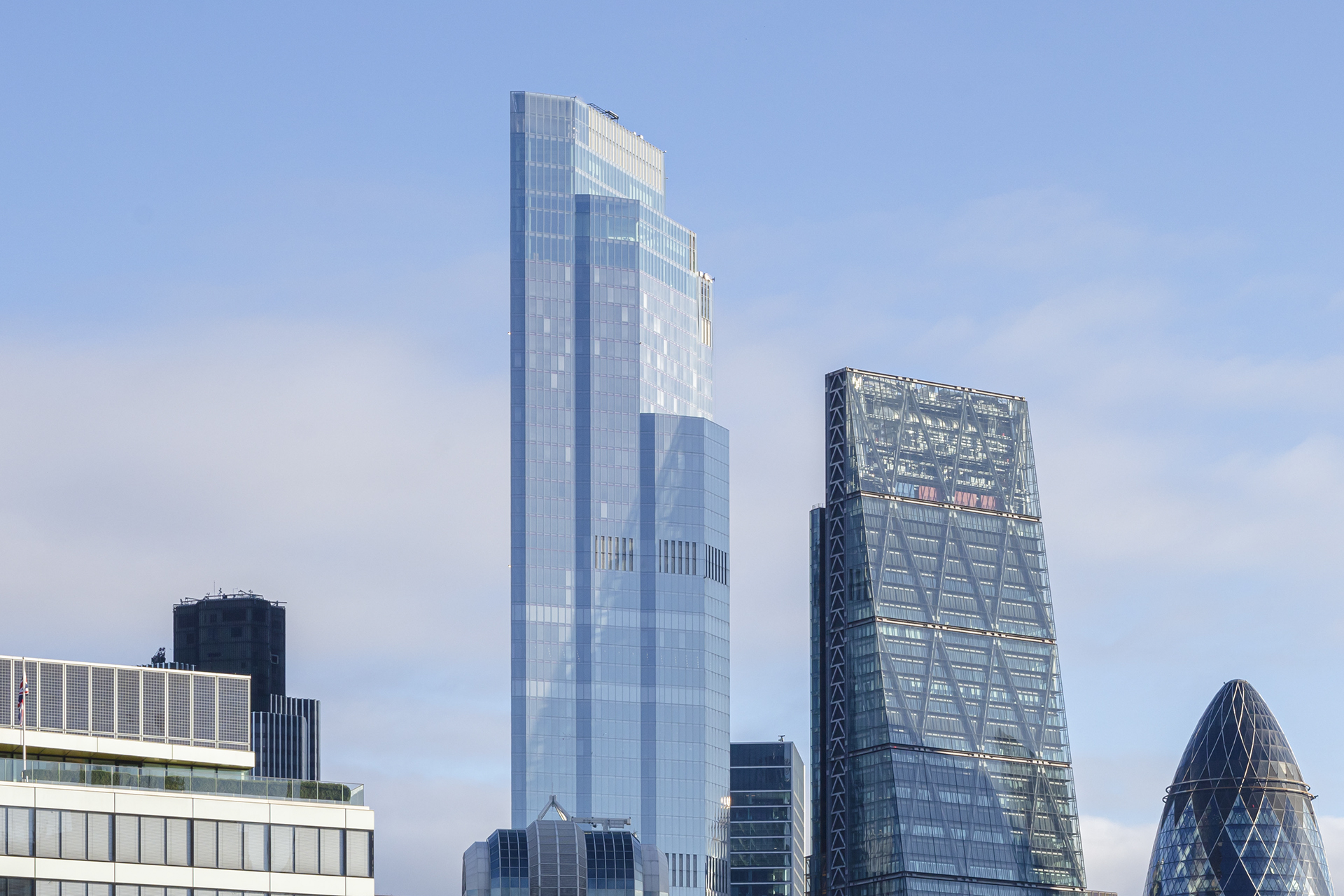
A clean, modern giant that anchors the City cluster. From street level 22 Bishopsgatefeels like a vertical cliff of glass and light. Up high, it turns the City skyline into something you can read like a map. It’s one of the best “orientation towers” for first-time skyline spotting.
- Location:City of London
- Height:278.2 m
- Floors:62
- Completed:2020
- Architect:PLP Architecture (commonly credited)
- Use:Office
- Highlights:Tallest in the City cluster, strong rectangular profile, linked to Horizon 22 viewing
- Can the public visit?:Yes, via Horizon 22 (timed tickets, availability can change)
- Best viewpoints:Horizon 22, The Lookout (8 Bishopsgate), Sky Garden
- Nearest transport:Liverpool Street, Bank, or Aldgate (City stations vary by approach)
- Fun fact:Its flat faces can make the tower look wider or slimmer depending on the light.
3. One Canada Square
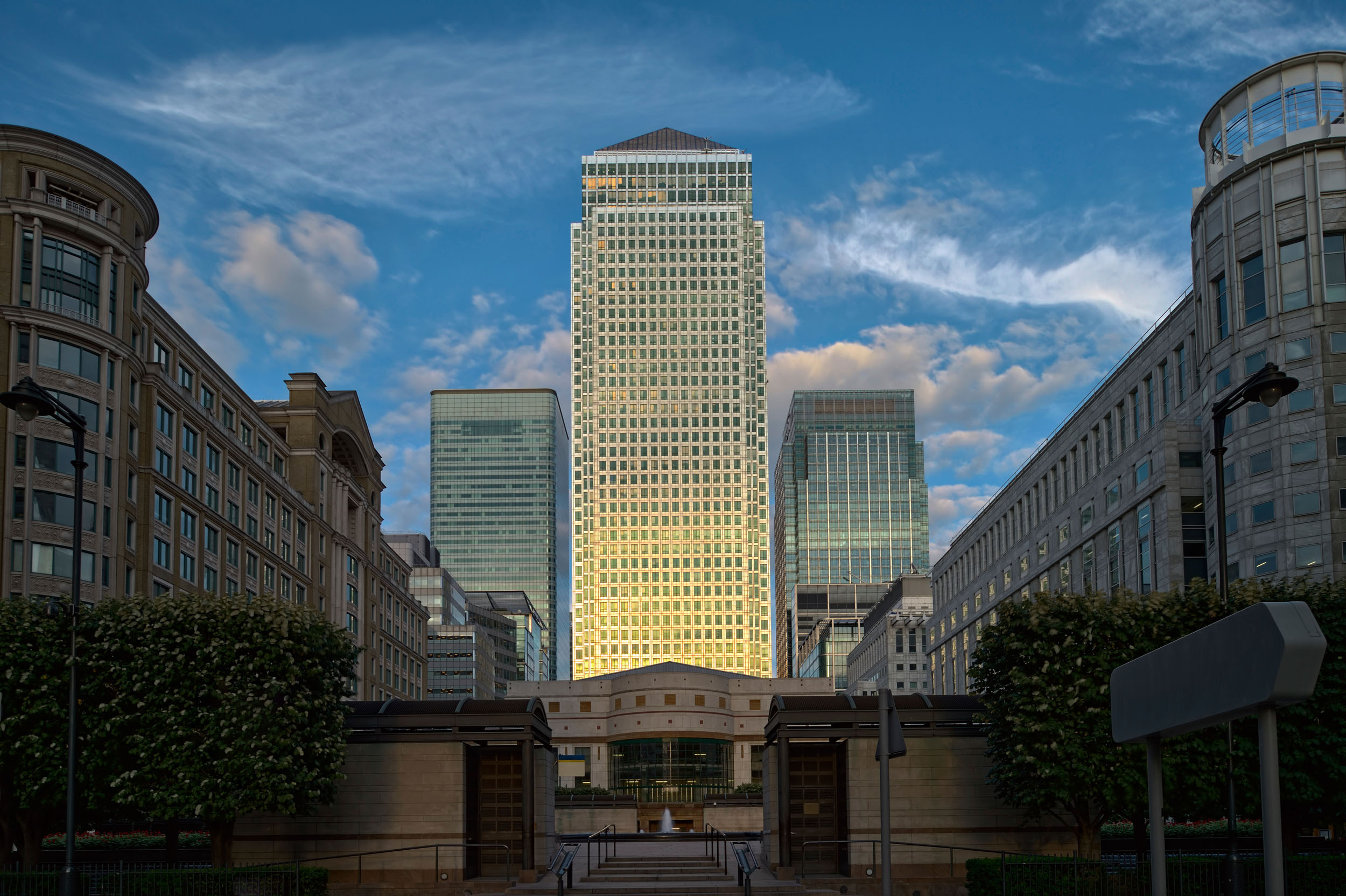
The classic Canary Wharf “pinnacle” tower. One Canada Squaregives Docklands a skyline that feels purpose-built and precise. When you see the pyramid top, you know you’ve found the Wharf. It’s the anchor that newer towers now orbit.
- Location:Canary Wharf (Isle of Dogs)
- Height:236 m
- Floors:50
- Completed:1991
- Architect:César Pelli (commonly credited)
- Use:Office
- Highlights:Iconic pyramid roof, Canary Wharf landmark, long-distance wayfinding tower
- Can the public visit?:No regular public observatory
- Best viewpoints:Canary Wharf estate waterside, Greenwich riverside, long river panoramas
- Nearest transport:Canary Wharf
- Fun fact:The pyramid top is one of the easiest skyline cues to spot from far away.
4. Landmark Pinnacle
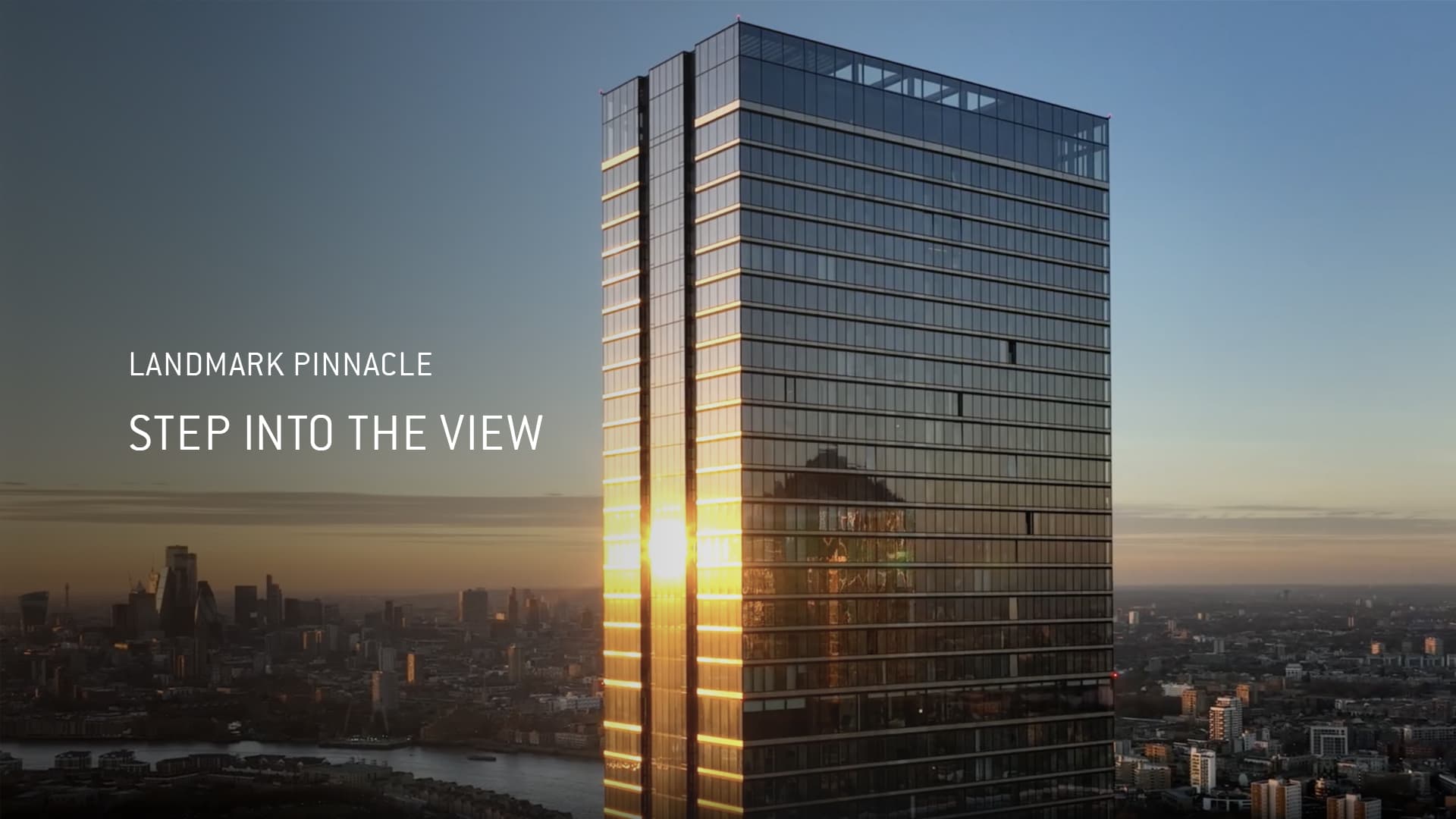
A tall residential needle that sharpens Canary Wharf’s outline. Landmark Pinnacleadds “vertical texture” to the cluster, especially from the river. Balconies and residential rhythms soften the glass-heavy skyline. Best appreciated when you see it among neighbouring towers.
- Location:Canary Wharf (Isle of Dogs)
- Height:233.2 m
- Floors:75 (floor counts can vary by source)
- Completed:2020
- Architect:Squire and Partners
- Use:Residential
- Highlights:One of London’s tallest residential towers, strong slender form, Docklands skyline layer
- Can the public visit?:No public observatory (typical for residential)
- Best viewpoints:South Quay and Canary Wharf waterside, river bends toward Greenwich
- Nearest transport:Canary Wharf or South Quay (DLR)
- Fun fact:Residential towers often look taller at night because the lit floors stack like a grid.
5. Heron Tower (Salesforce Tower)
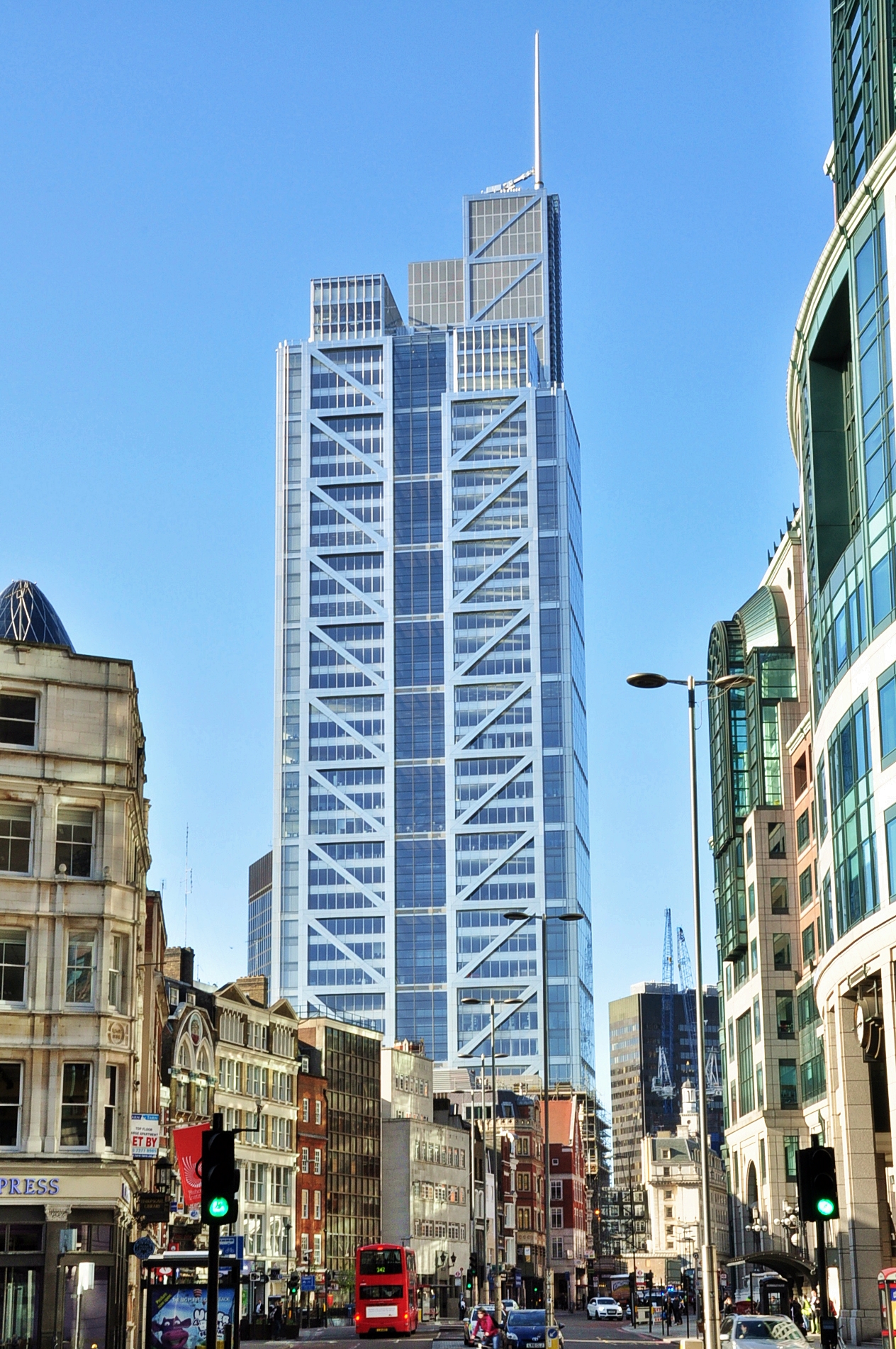
A major City office tower with a confident, upright stance. It sits right where the cluster feels busiest and most vertical. From high viewpoints, it helps “square off” the City skyline. It’s a great reference point when comparing nearby icons.
- Location:City of London
- Height:230 m
- Floors:46
- Completed:2011
- Architect:Kohn Pedersen Fox (KPF)
- Use:Office
- Highlights:Big City presence, clean office massing, key cluster marker
- Can the public visit?:No regular public observatory
- Best viewpoints:Horizon 22, Sky Garden, bridges looking north toward the City
- Nearest transport:Liverpool Street
- Fun fact:From some angles, rooftop elements can change where your eye thinks the “top” is.
6. 122 Leadenhall Street (The Leadenhall Building, “Cheesegrater”)
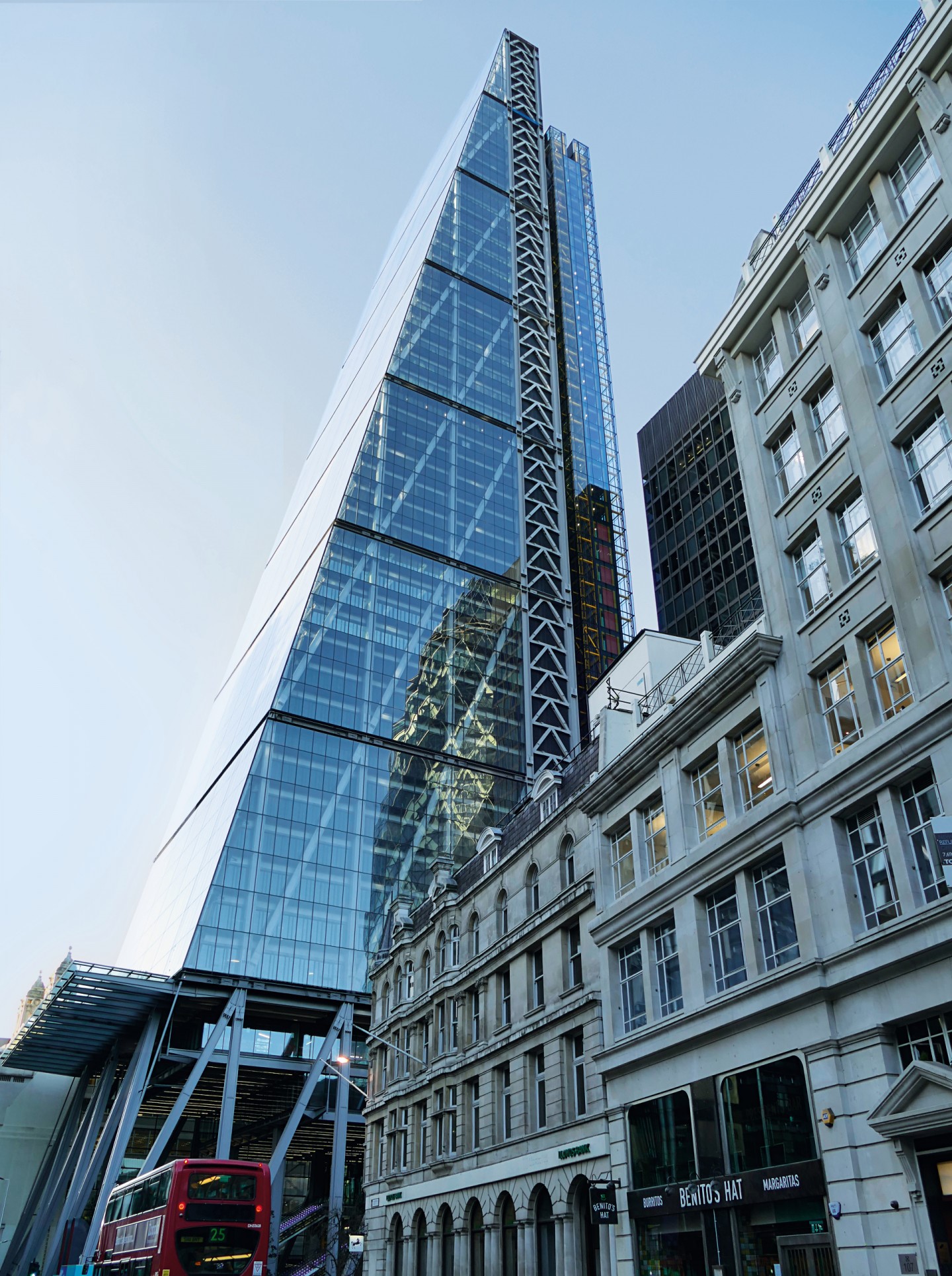
A wedge that looks like it’s leaning into the skyline. 122 Leadenhall Streetis one of London’s best nicknames because it’s instantly accurate. The sloped profile gives the City cluster a sculpted, layered feel. If you’re learning silhouettes, this one sticks fast.
- Location:City of London
- Height:224.5 m
- Floors:52
- Completed:2014
- Architect:Rogers Stirk Harbour + Partners (RSHP)
- Use:Office
- Highlights:Iconic sloped profile, nickname-friendly silhouette, City skyline signature
- Can the public visit?:No regular public observatory
- Best viewpoints:Horizon 22, The Lookout, street-level near Leadenhall Market area
- Nearest transport:Aldgate or Liverpool Street
- Fun fact:The wedge shape can look even sharper when the sun hits one edge and leaves the other in shade.
7. Newfoundland
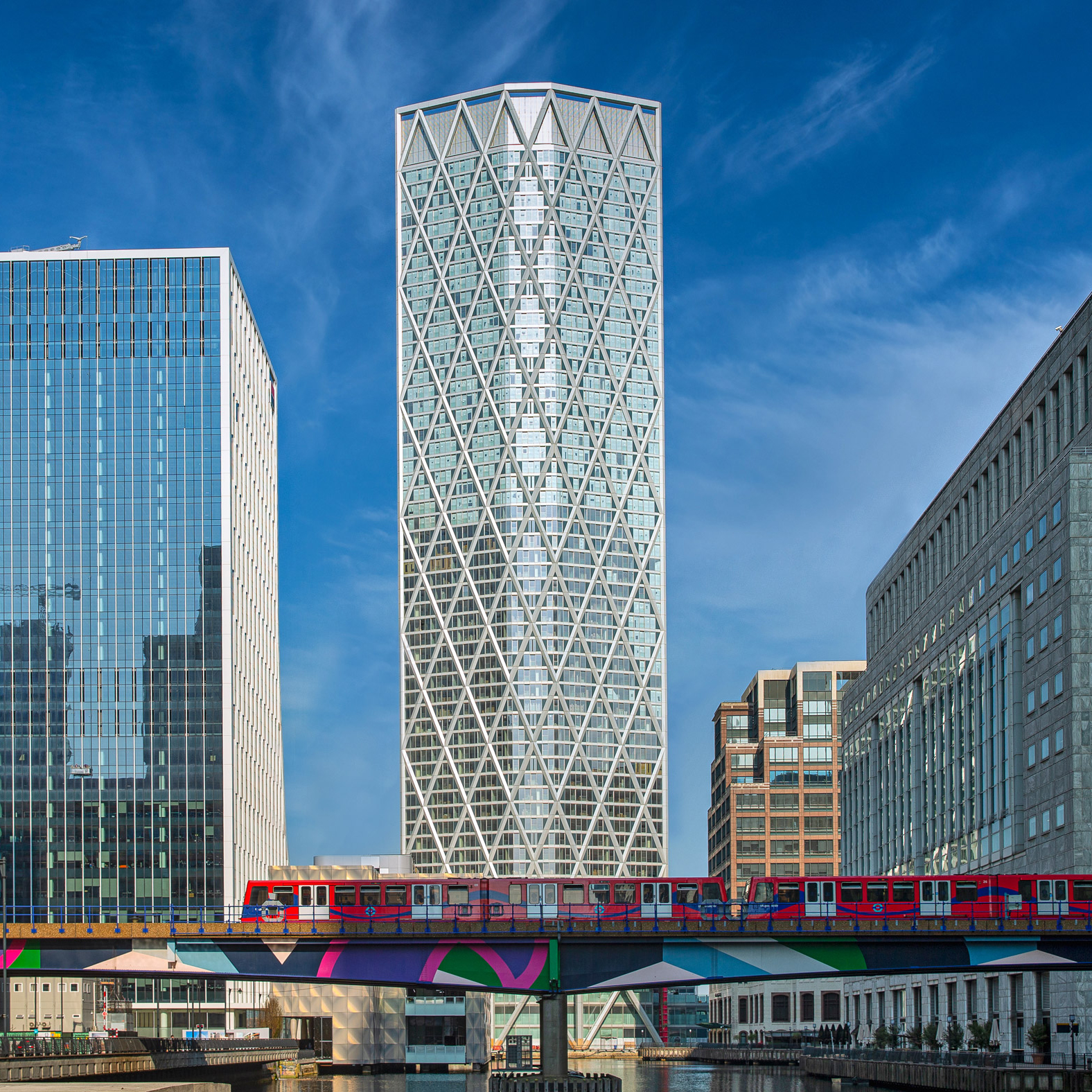
Newfoundlandis a tall residential addition that thickens the Docklands skyline. Its glassy surfaces can blend into the background until the edges catch light. From the water, it helps Canary Wharf feel taller and more layered. It’s a good example of the Wharf’s shift beyond pure offices.
- Location:Canary Wharf (Isle of Dogs)
- Height:219.7 m
- Floors:59
- Completed:2020
- Architect:Horden Cherry Lee; Adamson Associates (International) Ltd. as executive architect
- Use:Residential
- Highlights:Tall residential presence, strong vertical line, adds depth to Canary Wharf cluster
- Can the public visit?:No public observatory
- Best viewpoints:Canary Wharf waterside, Greenwich-side river views, dock-edge reflections
- Nearest transport:Canary Wharf
- Fun fact:Glass towers can appear darker in photos because modern glazing is designed to control heat and glare.
8. Aspen At Consort Place
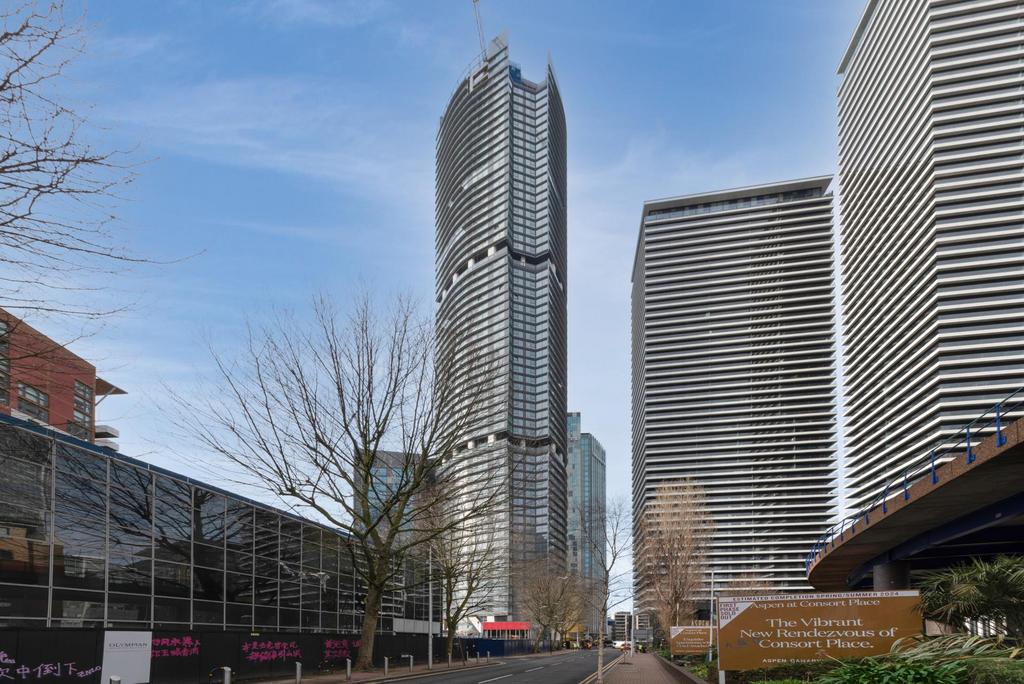
A newer residential tower pushing the cluster’s profile upward. Aspen At Consort Placeadds a fresh “peak” to the skyline from many river approaches. The tower’s impact is most obvious when you view the whole Docklands group. It’s part of the ongoing rebalancing from offices to mixed living.
- Location:Canary Wharf (Isle of Dogs)
- Height:215.8 m
- Floors:67
- Completed:2024
- Architect:Pilbrow & Partners
- Use:Residential
- Highlights:Recent tall residential completion, strengthens South Quay area height, modern facade presence
- Can the public visit?:No public observatory
- Best viewpoints:Canary Wharf waterside, long river panoramas, dock-edge walks
- Nearest transport:Canary Wharf or South Quay (DLR)
- Fun fact:Newer towers often “pop” more at dusk, when interior lighting reveals the floor stack.
9. South Quay Plaza 1 (Valiant Tower)
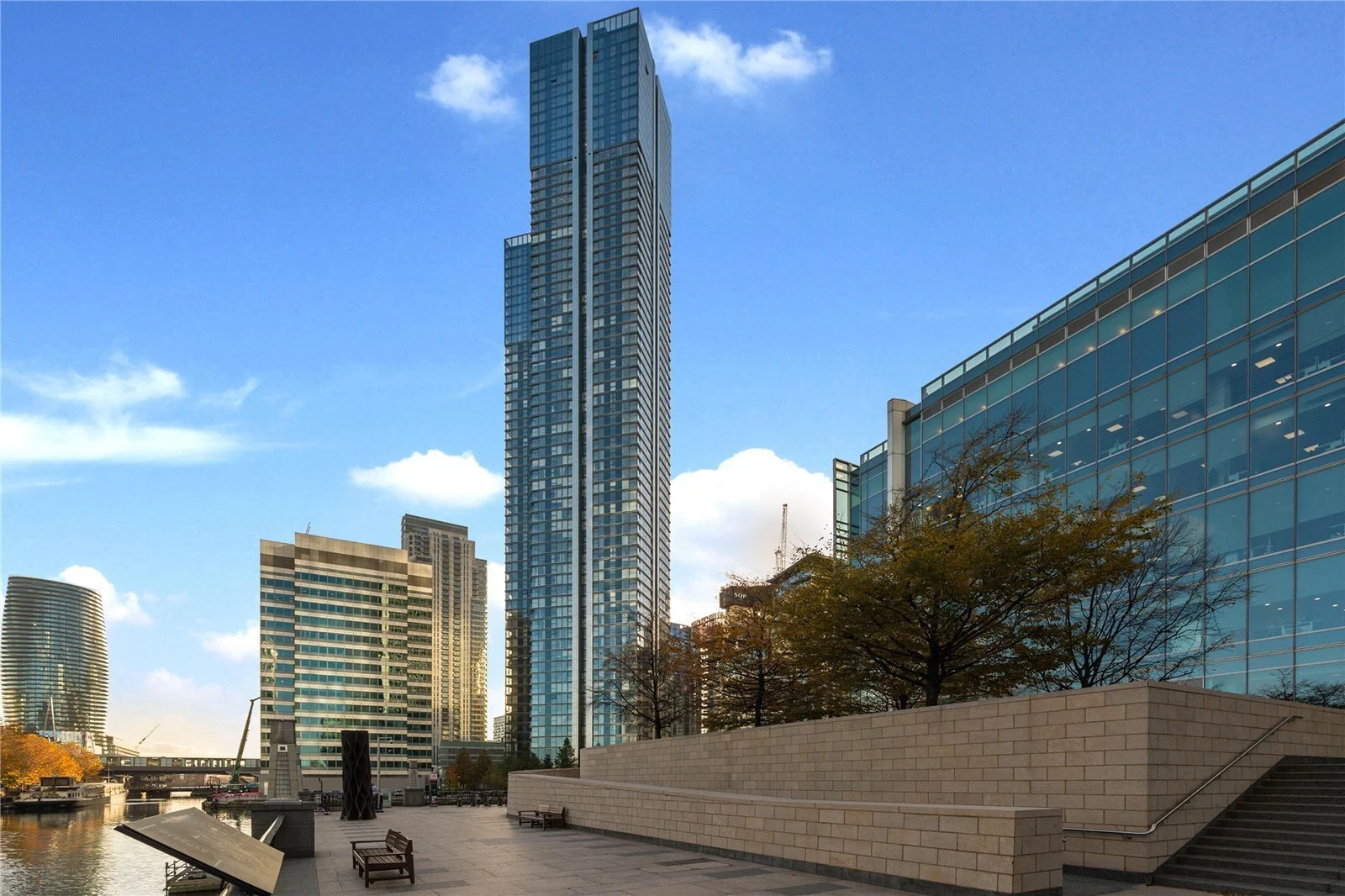
A tall residential tower that shifts attention to the South Quay side. It helps the Canary Wharf skyline feel multi-peaked, not single-crowned. From close range, it’s all about vertical repetition and balcony rhythm. From far away, it’s another tall stroke in the skyline silhouette.
- Location:Canary Wharf (Isle of Dogs)
- Height:214.5 m
- Floors:68
- Completed:2020
- Architect:Foster + Partners
- Use:Residential
- Highlights:South Quay height marker, residential-led skyline growth, strong vertical mass
- Can the public visit?:No public observatory
- Best viewpoints:South Quay docks, Canary Wharf waterside promenades, river bends
- Nearest transport:South Quay (DLR) or Canary Wharf
- Fun fact:Dock water reflections can double the “height feeling” in the right light.
10. One Park Drive
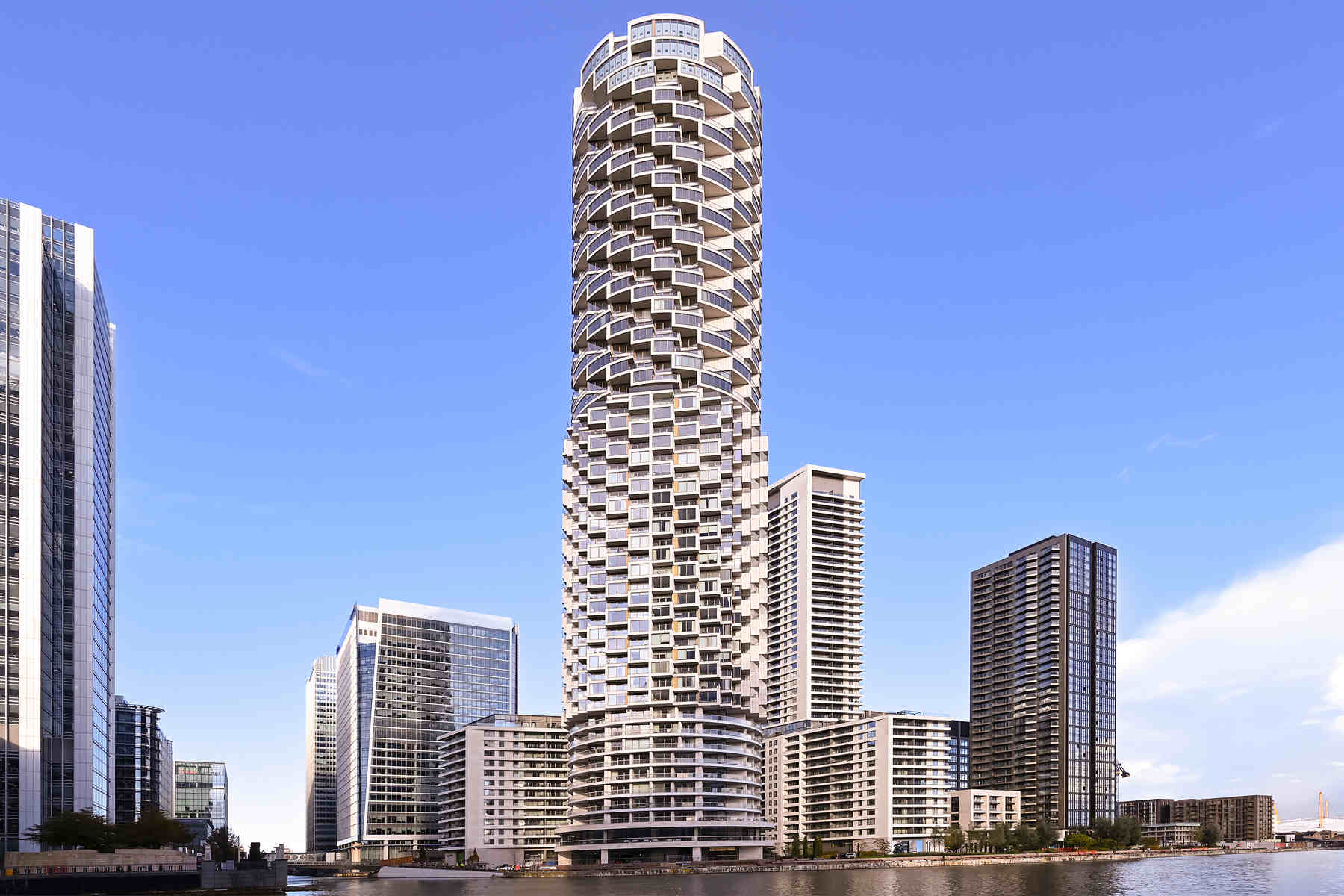
A Wood Wharf residential tower that feels crisp and modern. It extends Canary Wharf’s skyline eastward, beyond the classic core. Best seen close up, where waterside promenades frame the vertical lines. It’s a good example of the Wharf becoming a full neighbourhood, not just a district.
- Location:Canary Wharf (Wood Wharf)
- Height:204.9 m
- Floors:58
- Completed:2021
- Architect:Herzog & de Meuron, Adamson Associates (International) Ltd. (as executive architect)
- Use:Residential
- Highlights:Wood Wharf landmark tower, adds depth to the Docklands skyline, strong riverside presence
- Can the public visit?:No public observatory
- Best viewpoints:Wood Wharf waterside, Canary Wharf estate viewpoints, river panoramas
- Nearest transport:Canary Wharf
- Fun fact:Neighbourhood skylines often feel “new” because public realm space opens up cleaner sightlines.
11. 8 Bishopsgate
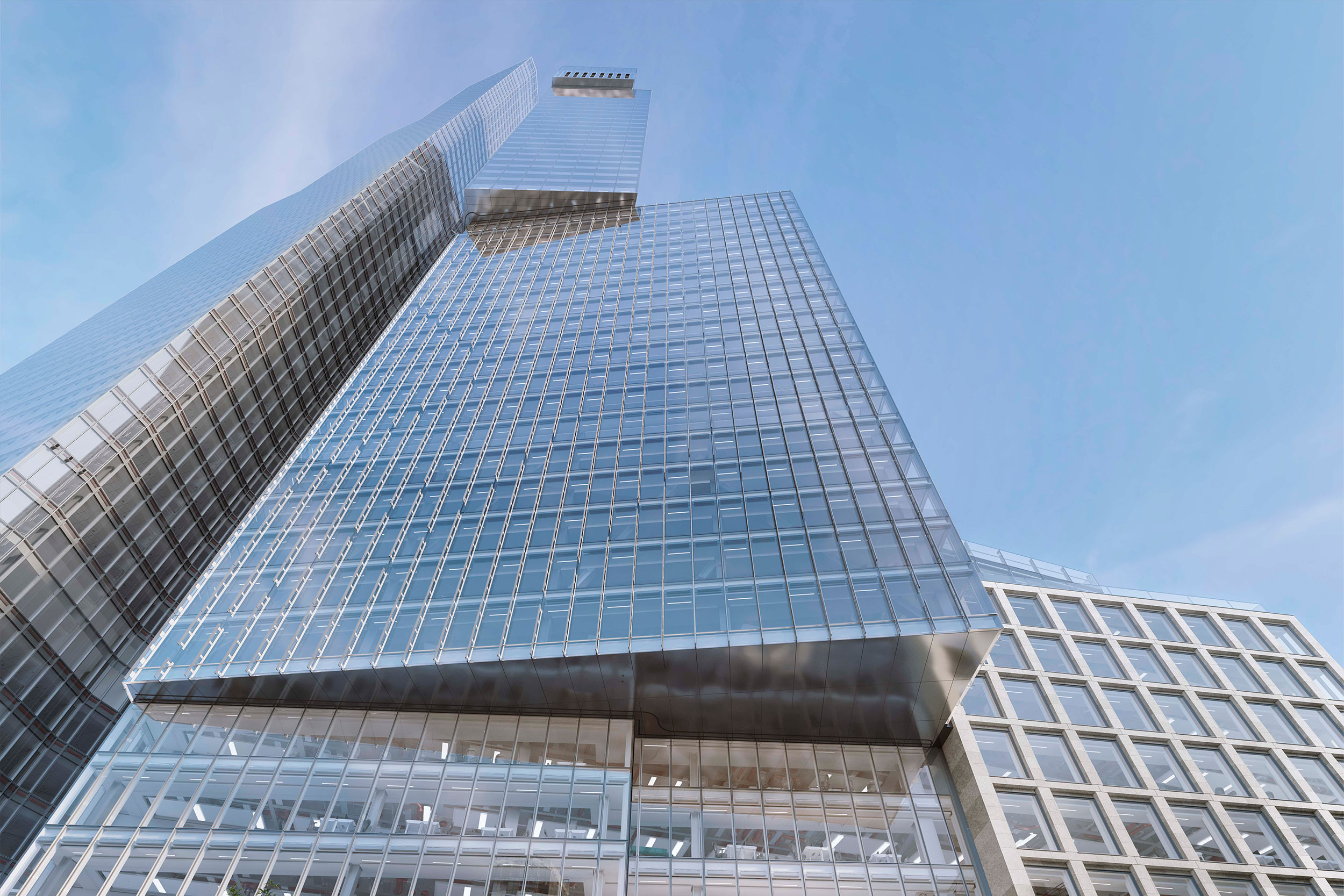
A modern City tower that gives something back to the public. 8 Bishopsgateis one of the rare places where you can step into the skyline for free. From up high, the City cluster becomes legible, like blocks on a model. Even if you skip everything else, this is a practical skyline win.
- Location:City of London
- Height:203.7 m
- Floors:51
- Completed:2023
- Architect:WilkinsonEyre
- Use:Office
- Highlights:The Lookout viewing gallery, strong City cluster position, modern office massing
- Can the public visit?:Yes, The Lookout (admission-free with booking, availability can change)
- Best viewpoints:The Lookout, Horizon 22, Sky Garden
- Nearest transport:Liverpool Street or Bank (City stations vary by approach)
- Fun fact:Being inside the cluster is the fastest way to learn which towers sit next to which.
12. 25 Canada Square (Citigroup Tower)
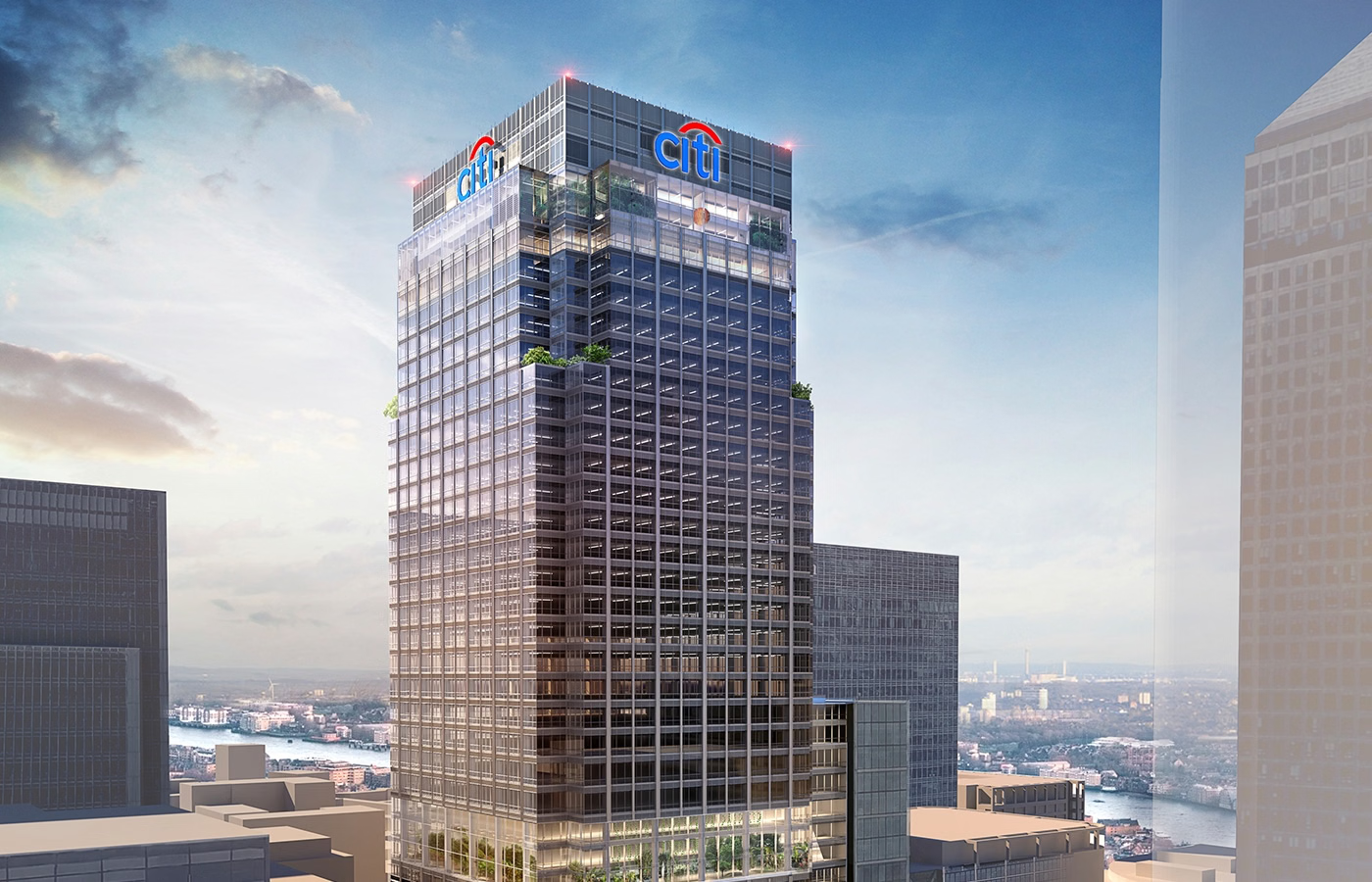
One of the core “blocks” that makes Canary Wharf feel dense. It’s not about a quirky silhouette, it’s about creating a skyline wall. When you see it alongside neighbours, the planned nature of the Wharf is obvious. It’s a supporting tower that helps taller peaks stand out.
- Location:Canary Wharf (Isle of Dogs)
- Height:201 m
- Floors:42
- Completed:2002
- Architect:CGC1: Foster and Partners, CGC2: Pelli Clarke Pelli, with Adamson Associates as executive architect
- Use:Office
- Highlights:Canary Wharf core office tower, adds density, classic Docklands massing
- Can the public visit?:No public observatory
- Best viewpoints:Canary Wharf estate level, waterside promenades, river panoramas
- Nearest transport:Canary Wharf
- Fun fact:Mid-high towers create the “baseline” that makes the tallest ones feel taller.
13. 8 Canada Square (HSBC Tower)
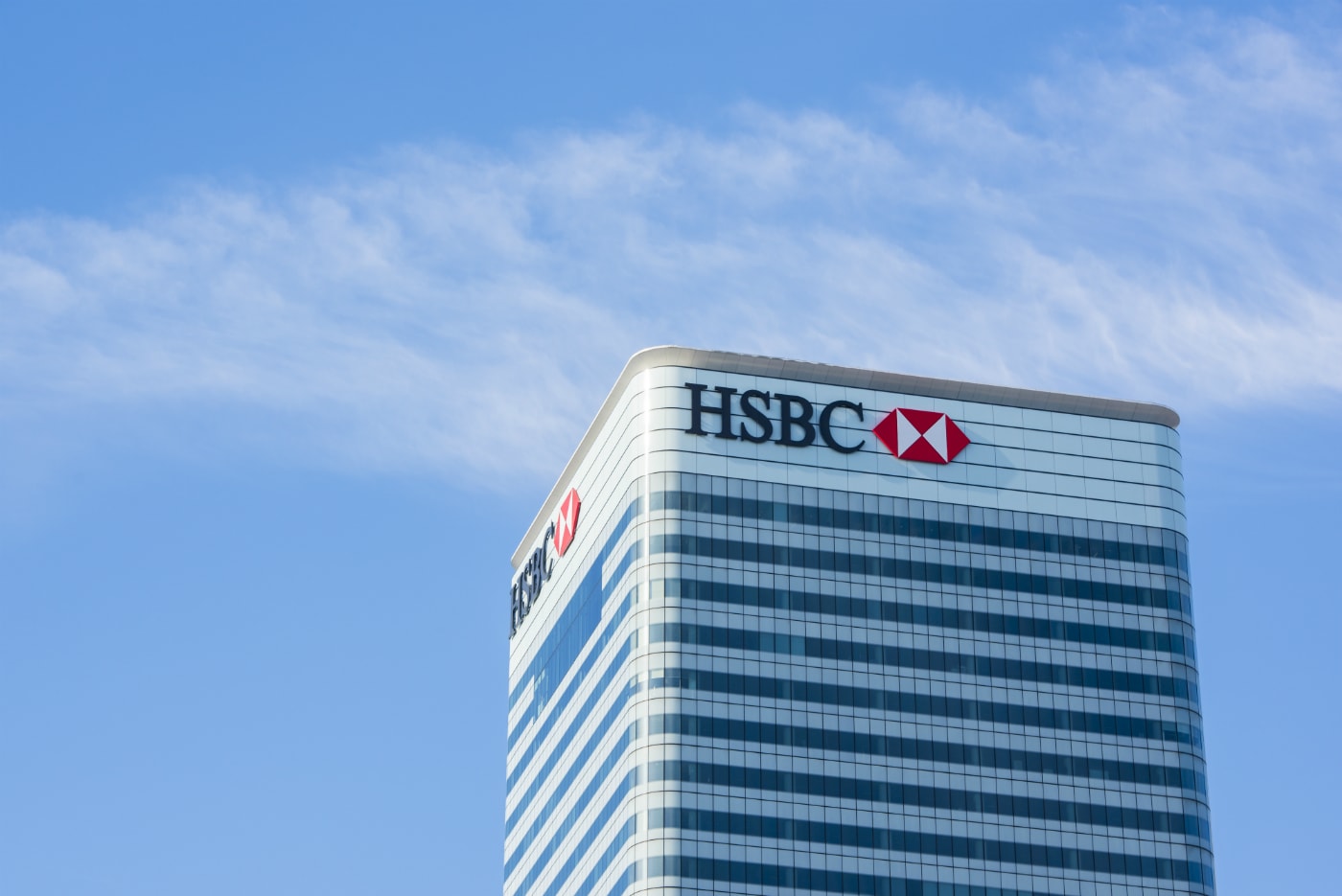
A major Canary Wharf office slab with strong skyline weight. It helps define the cluster’s “corporate canyon” feel at ground level. From across the river, it reads as a clean rectangle in a dense group. It’s a good tower for measuring the scale of newer residential peaks.
- Location:Canary Wharf (Isle of Dogs)
- Height:199.5 m
- Floors:42
- Completed:2002
- Architect:Foster + Partners
- Use:Office
- Highlights:Core Canary Wharf tower, strong rectangular silhouette, dense skyline contributor
- Can the public visit?:No public observatory
- Best viewpoints:Canary Wharf waterside, river views from Greenwich, distant panoramas
- Nearest transport:Canary Wharf
- Fun fact:In skyline photos, simple rectangles often fade until you use them as scale references.
14. One Nine Elms City Tower
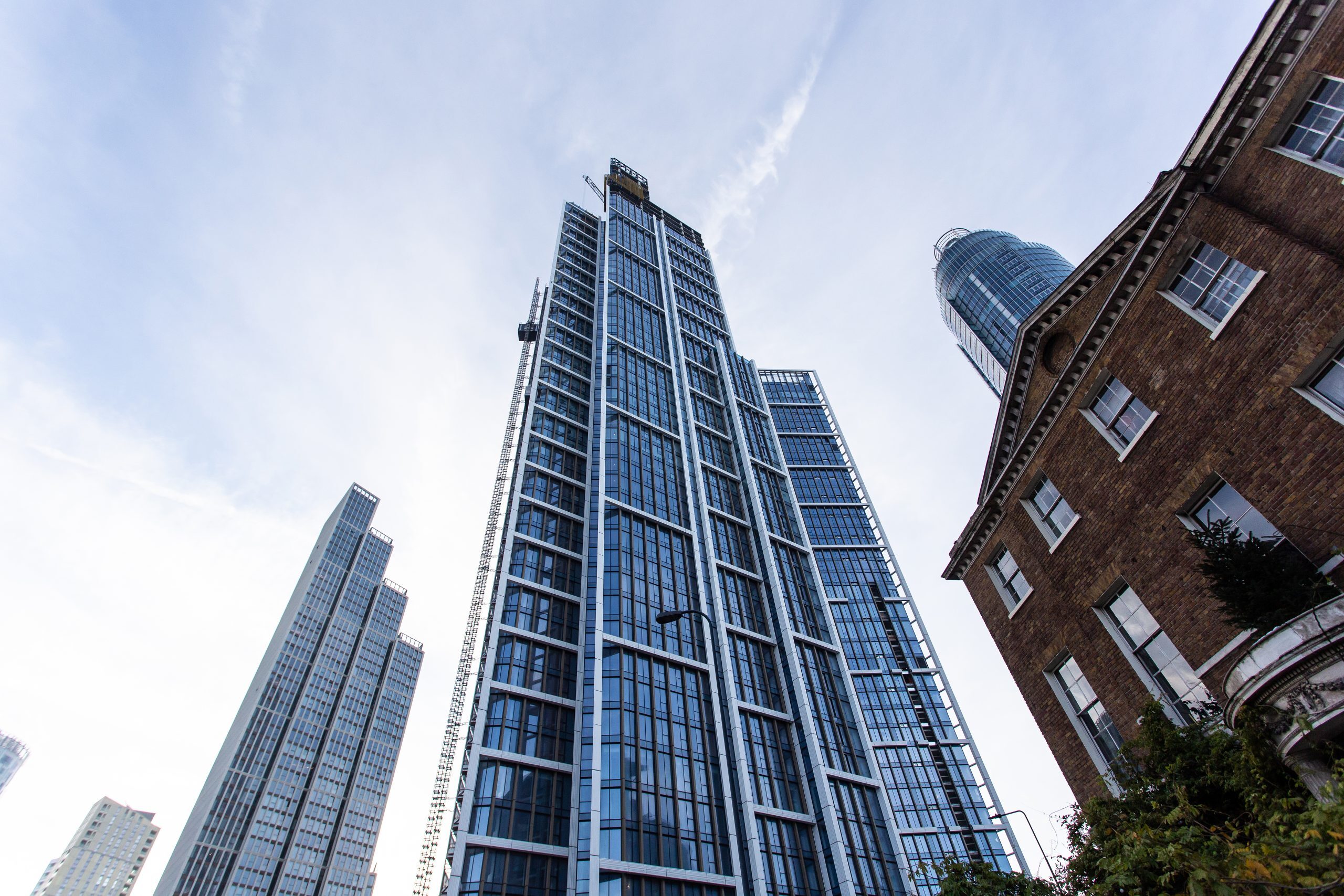
A tall marker for the Nine Elms riverside transformation. From the Thames, it reads as a new “ridge line” of residential height. It’s most impressive when you see multiple Nine Elms towers together. This is the kind of building that changes what you expect London to look like.
- Location:Nine Elms (near Vauxhall)
- Height:199.4 m
- Floors:57
- Completed:2023
- Architect:Kohn Pedersen Fox (KPF)
- Use:Residential
- Highlights:Nine Elms height signal, river-corridor skyline growth, tall residential profile
- Can the public visit?:No public observatory
- Best viewpoints:Thames Path nearby, bridges along the river, distant South Bank panoramas
- Nearest transport:Nine Elms or Vauxhall
- Fun fact:River corridors keep sightlines open, so towers feel taller for longer as you walk.
15. Harcourt Gardens
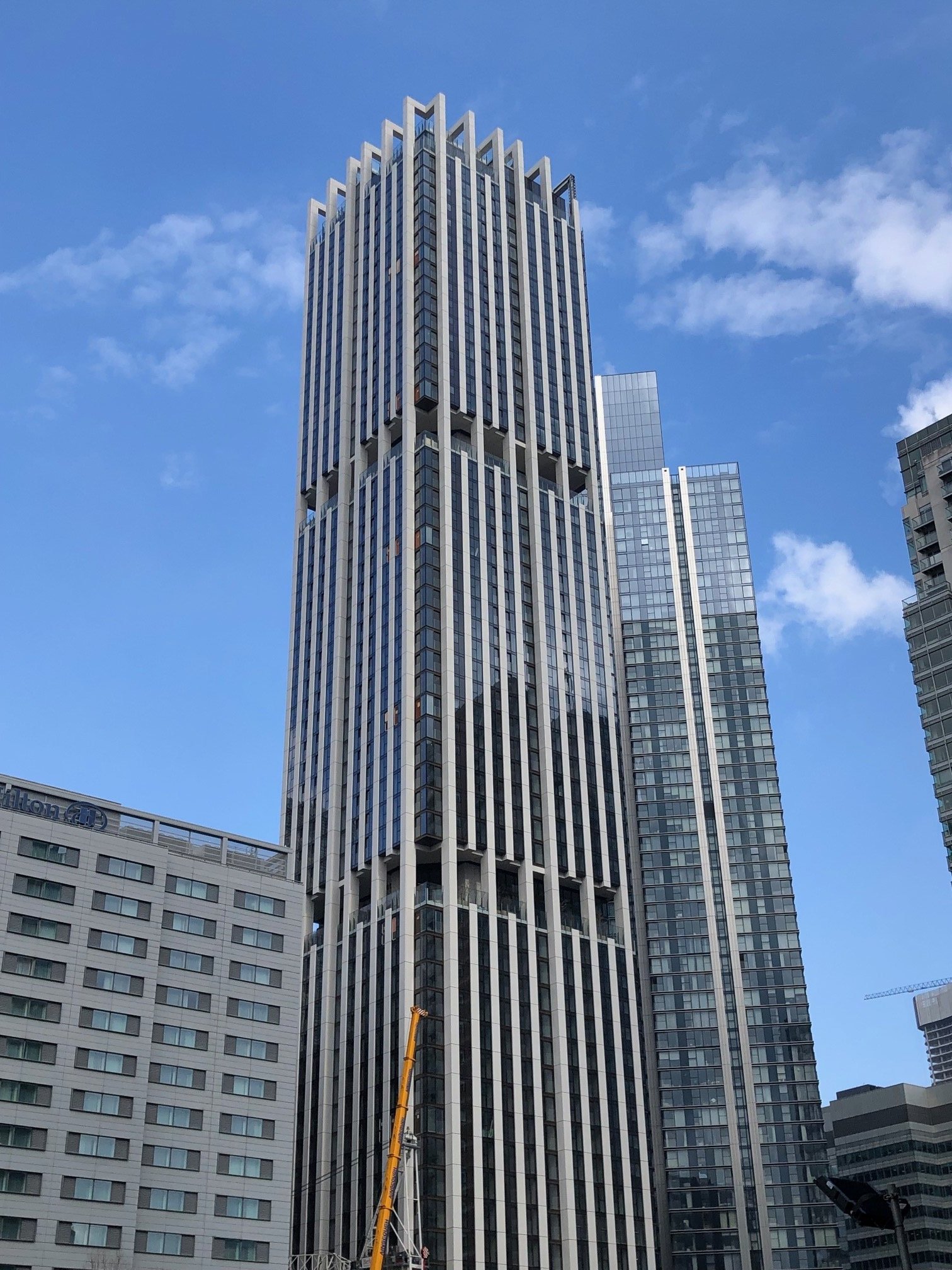
A newer residential vertical that adds another “note” to Docklands. Its balcony patterns soften the all-glass look of nearby office towers. From the right angle, it helps Canary Wharf feel wider and deeper. It’s one of the quieter towers that still changes the overall silhouette.
- Location:Canary Wharf (Isle of Dogs)
- Height:192.4 m
- Floors:56
- Completed:2024
- Architect:Foster + Partners
- Use:Residential
- Highlights:Recent tall residential addition, strengthens the cluster edge, modern facade rhythm
- Can the public visit?:No public observatory
- Best viewpoints:Canary Wharf waterside, long river panoramas, dock-edge walks
- Nearest transport:Canary Wharf or South Quay (DLR)
- Fun fact:Balcony shadows can make residential towers look textured, even from far away.
16. The Scalpel (52 Lime Street)
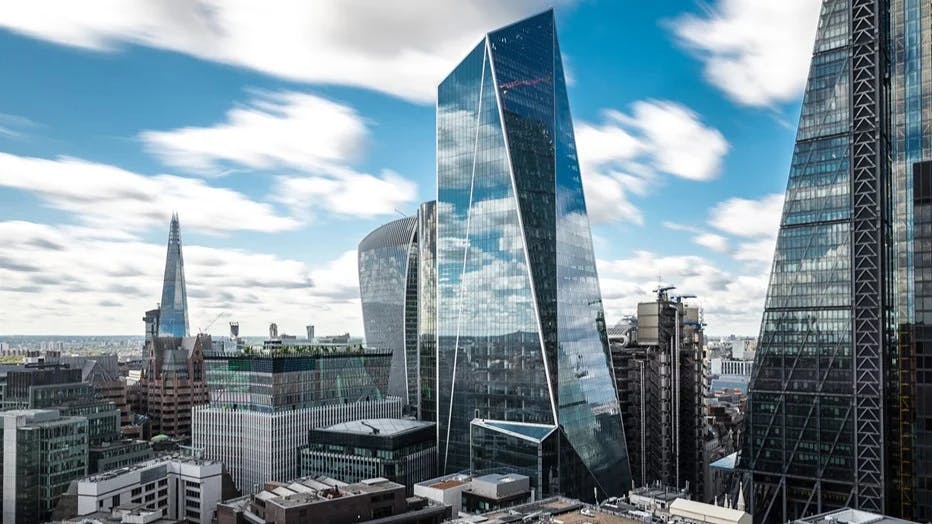
A blade-like tower that lives up to its name. Its sharp profile makes it a favourite for skyline spotters. It adds contrast in a cluster of boxes and wedges. If the City skyline looks “cut” in one corner, it’s often this building.
- Location:City of London
- Height:190.1 m
- Floors:39
- Completed:2018
- Architect:Kohn Pedersen Fox (KPF)
- Use:Office
- Highlights:Sharp silhouette, strong City cluster edge, recognisable profile from distance
- Can the public visit?:No regular public observatory
- Best viewpoints:Horizon 22, The Lookout, nearby street-level angles
- Nearest transport:Aldgate or Liverpool Street
- Fun fact:Towers with angled faces can “flip” their look depending on which side catches light.
17. Wardian (East Tower)
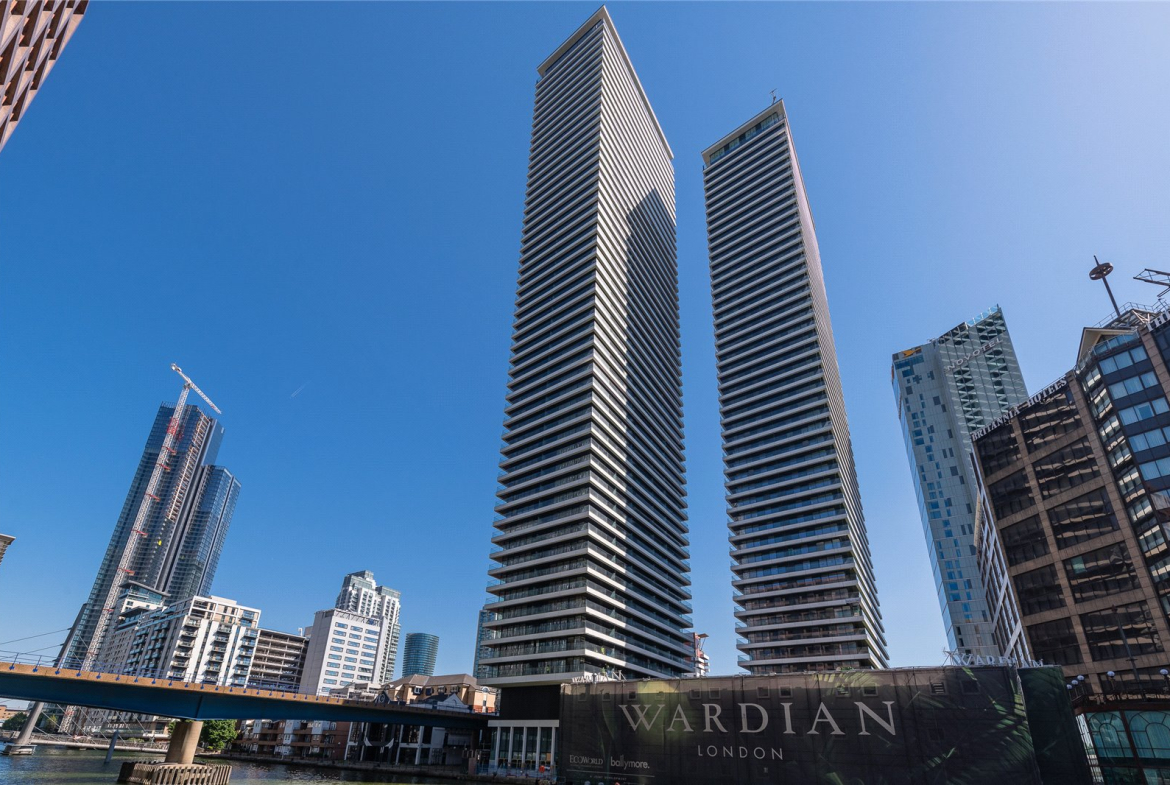
A tall residential tower that helps Docklands feel more vertical. It’s one half of a pair, so it’s great for quick skyline confirmation. From across water, the two-tower composition reads clearly. It’s best spotted when you’re looking for “twins” in the cluster.
- Location:Canary Wharf (Isle of Dogs)
- Height:187.2 m
- Floors:55
- Completed:2020
- Architect:Glenn Howells Architects
- Use:Residential
- Highlights:Twin-tower identity, residential skyline growth, strong Docklands presence
- Can the public visit?:No public observatory
- Best viewpoints:Canary Wharf waterside, dock-edge views, river panoramas
- Nearest transport:Canary Wharf or South Quay (DLR)
- Fun fact:Twin towers are skyline shortcuts, your brain recognises patterns faster than names.
18. One West Point (Tower 1)
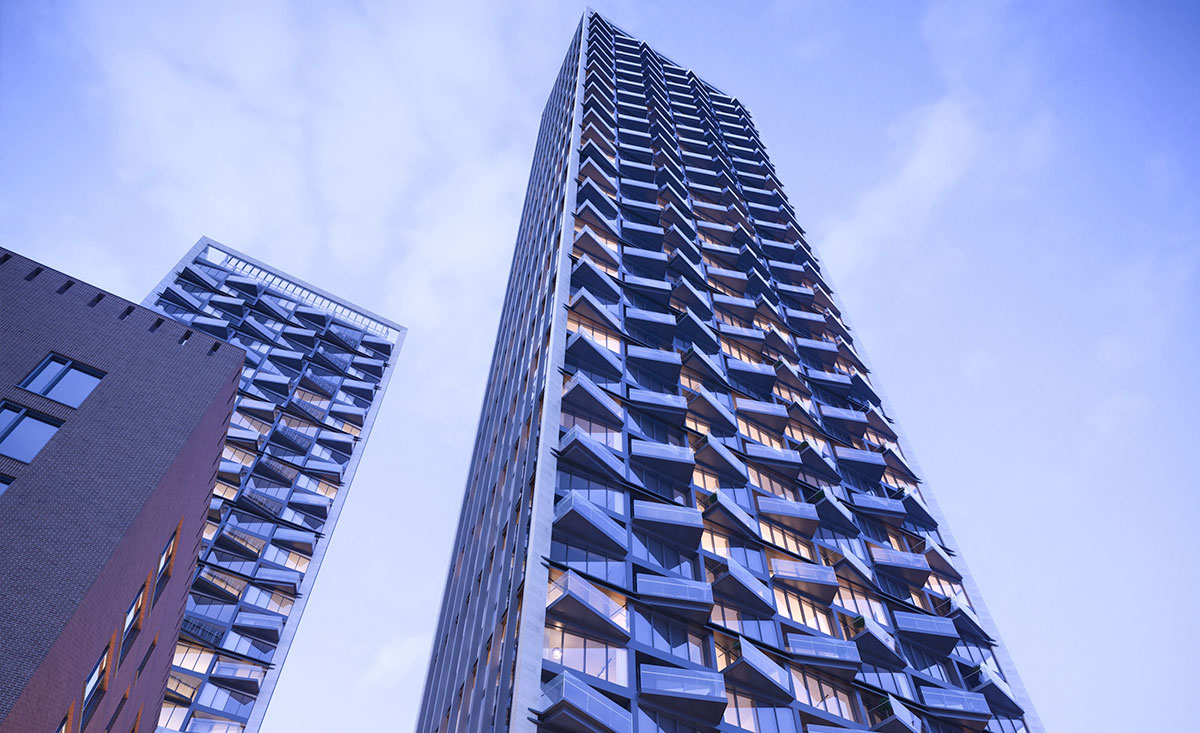
One West Pointis a tall landmark outside the central clusters. It stands out because it has fewer tall neighbours to compete with. From rail approaches, it can feel like a sudden spike on the horizon. It’s proof that London’s vertical story extends well beyond Zone 1.
- Location:North Acton
- Height:184 m
- Floors:52
- Completed:2022
- Architect:BUJ Architects
- Use:Residential
- Highlights:Major west-London height marker, prominent skyline spike, outer-London visibility
- Can the public visit?:No public observatory
- Best viewpoints:Long-distance west-London views, rail approaches, nearby streets with open sky
- Nearest transport:North Acton
- Fun fact:Outer-cluster towers often feel taller because the skyline around them is lower.
19. Tower 42
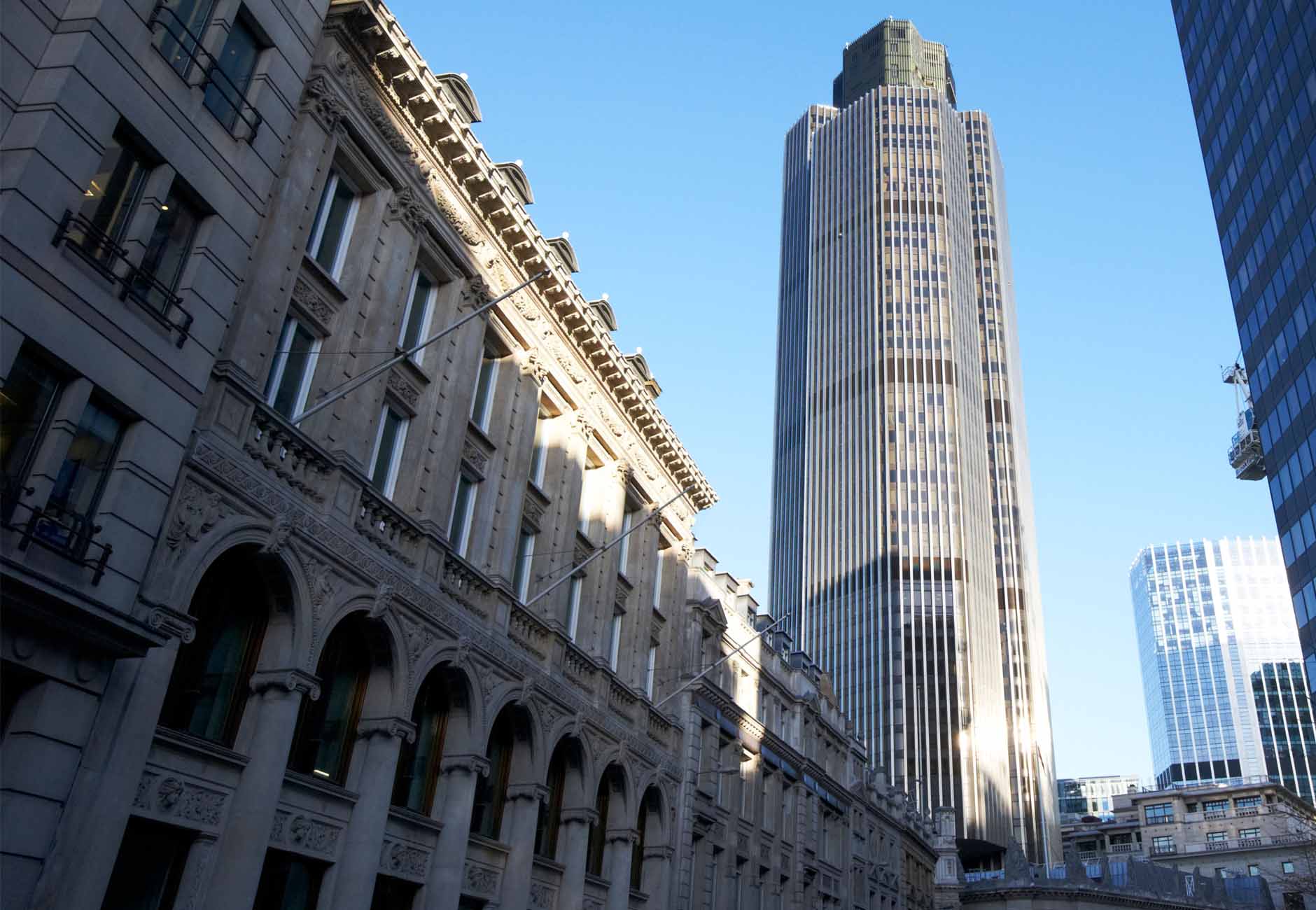
A classic older-generation City skyscraper. Tower 42tells the story of how recently London’s super-tall boom arrived. Among newer glass towers, it reads as more solid and compact. It’s a great “before and after” marker inside the City skyline.
- Location:City of London
- Height:182.9 m
- Floors:43
- Completed:1980
- Architect:R Seifert & Partners
- Use:Office
- Highlights:Historic City high-rise, once a tallest-era landmark, strong rectangular presence
- Can the public visit?:No regular public observatory
- Best viewpoints:Sky Garden, City street-level corridors, bridges looking north
- Nearest transport:Bank or Monument
- Fun fact:Older tall buildings often look “heavier” because they rely less on reflective glazing tricks.
20. Amory Tower
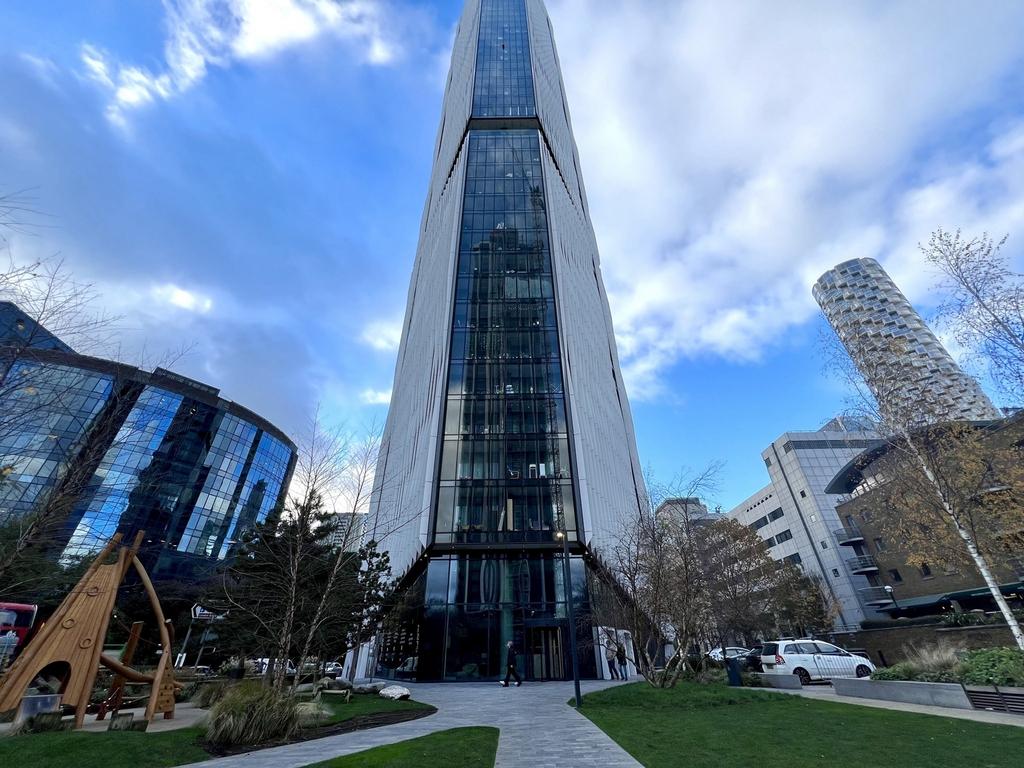
A modern mixed-use vertical adding variety to Docklands. It supports the idea that Canary Wharf is now a full neighbourhood. From waterside paths, it blends into a layered skyline of many peaks. It’s most satisfying when you see it as part of the whole cluster.
- Location:Canary Wharf (Isle of Dogs)
- Height:182 m
- Floors:55
- Completed:2021
- Architect:Make Architects
- Use:Mixed-use
- Highlights:Adds depth to South Quay area, part of residential-led evolution, tall modern massing
- Can the public visit?:No public observatory
- Best viewpoints:South Quay docks, Canary Wharf waterside, river panoramas
- Nearest transport:South Quay (DLR) or Canary Wharf
- Fun fact:Mixed-use towers often show subtle facade changes where internal functions shift.
21. St George Wharf Tower
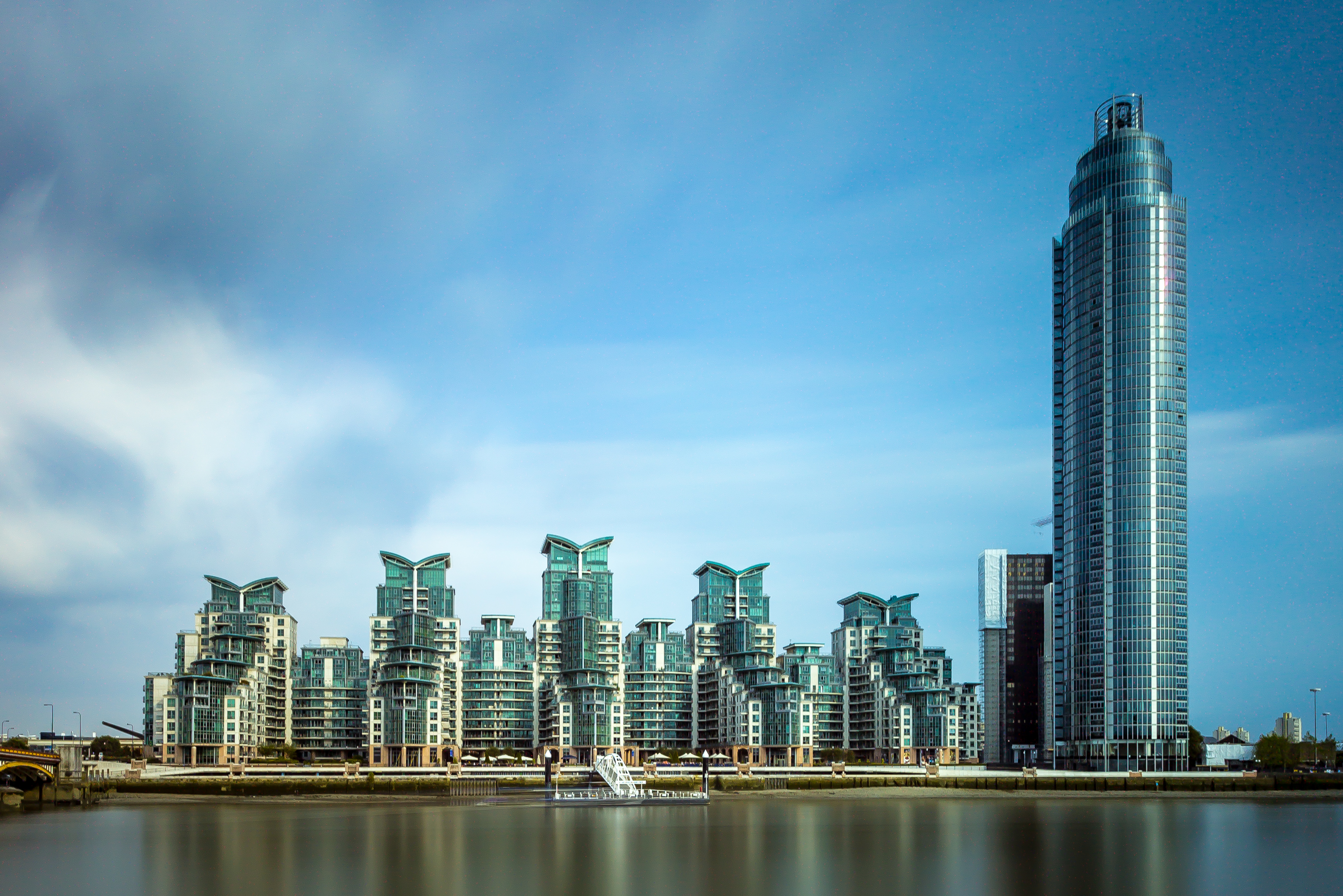
A riverside residential tower with a distinctive presence. It’s one of the earlier height signals around Vauxhall’s river bend. From the Thames Path, it often feels closer and taller than expected. It works best as a “river skyline” tower rather than a distant icon.
- Location:Vauxhall
- Height:180.6 m
- Floors:52
- Completed:2014
- Architect:Broadway Malyan
- Use:Residential
- Highlights:Early Vauxhall height marker, strong riverside visibility, tall residential form
- Can the public visit?:No public observatory
- Best viewpoints:Thames Path near Vauxhall, nearby bridges, river panoramas
- Nearest transport:Vauxhall
- Fun fact:River-adjacent towers often feel taller because the water keeps the sightline open.
22. 30 St Mary Axe (The Gherkin)
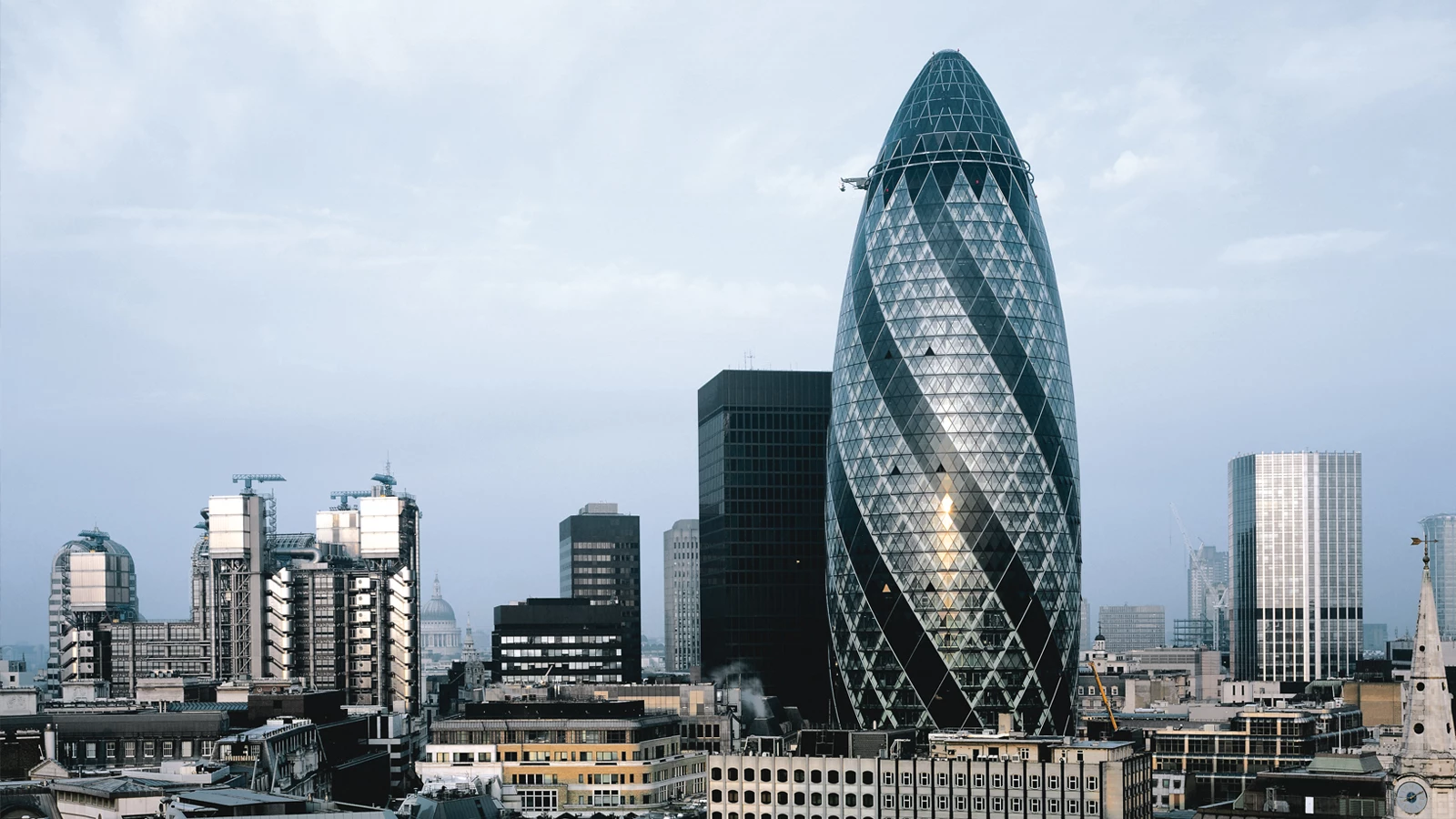
A tower that became a symbol, not just a building. The Gherkinis curve makes it recognisable even when partially hidden behind neighbours. It’s one of the easiest skyline shapes to learn in a single glance. If London has a “friendly” skyscraper, it’s this one.
- Location:City of London
- Height:179.8 m
- Floors:40
- Completed:2004
- Architect:Foster + Partners
- Use:Office
- Highlights:Iconic curved form, famous nickname, major City landmark
- Can the public visit?:No regular public observatory
- Best viewpoints:Horizon 22, Sky Garden, street-level near St Mary Axe
- Nearest transport:Aldgate or Liverpool Street
- Fun fact:Curved silhouettes stay readable in messy skylines, your eye catches the outline first.
23. 40 Charter Street
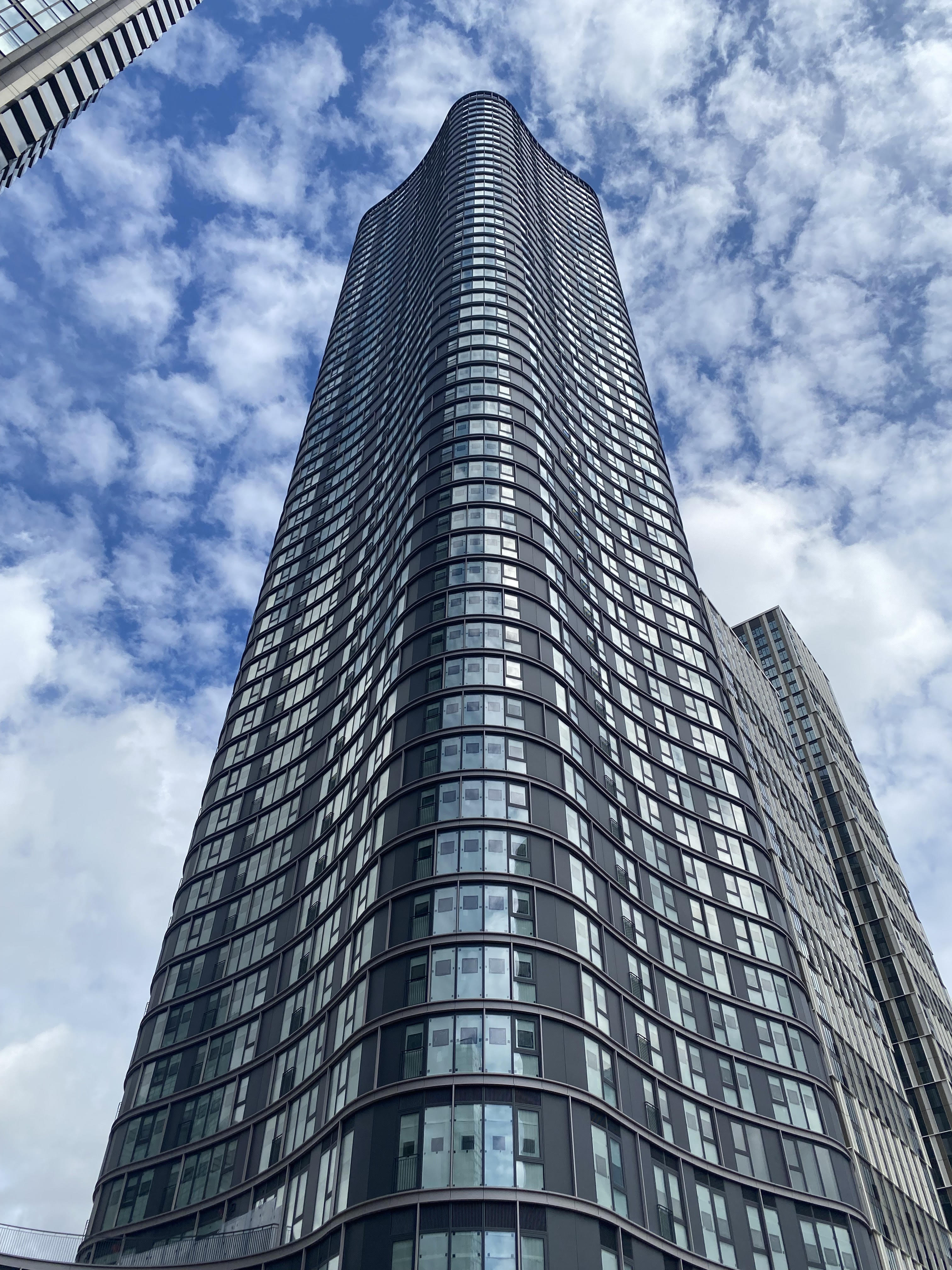
A newer residential tower extending the Docklands skyline. It’s part of the Wood Wharf expansion where the skyline keeps spreading east. Best seen alongside neighbours, where the cluster looks like it’s still growing. Treat completion timing as changeable when projects are still finishing.
- Location:Canary Wharf (Wood Wharf area)
- Height:178.6 m
- Floors:53
- Completed:Listed with a future year in some tall-building tables (timelines can change)
- Architect:Kohn Pedersen Fox Associates
- Use:Residential
- Highlights:Wood Wharf growth, adds height depth, strengthens the outer edge of the Canary Wharf cluster
- Can the public visit?:No public observatory
- Best viewpoints:Wood Wharf waterside, Canary Wharf estate walks, long river panoramas
- Nearest transport:Canary Wharf
- Fun fact:The newest towers are often easiest to identify by which neighbour they sit beside.
24. BT Tower
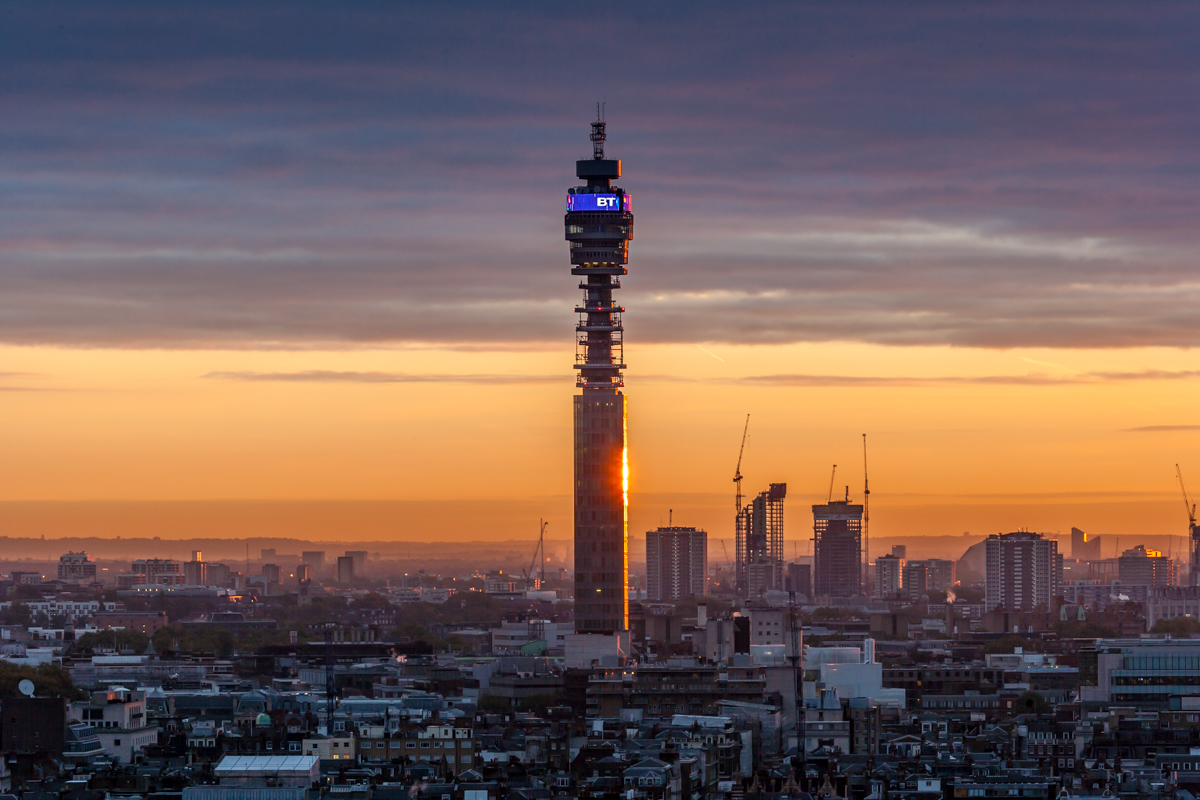
A historic tall structure that predates the modern skyline boom. It’s a different kind of vertical, more communications than office glamour. It helps explain why London’s tall-building story has multiple eras. When you spot it, you’re looking at a piece of 1960s London ambition.
- Location:Fitzrovia
- Height:177.4 m
- Floors:37
- Completed:1965
- Architect:Eric Bedford
- Use:Telecommunications
- Highlights:Historic tall structure, long-distance visibility, iconic cylindrical form
- Can the public visit?:Not generally open as a regular visitor attraction (public access varies over time)
- Best viewpoints:Long-distance central London sightlines, open streets with clear sky
- Nearest transport:Great Portland Street area (varies by approach)
- Fun fact:Tall structures like this show that “London went vertical” long before the current glass era.
25. One Thames City No. 8
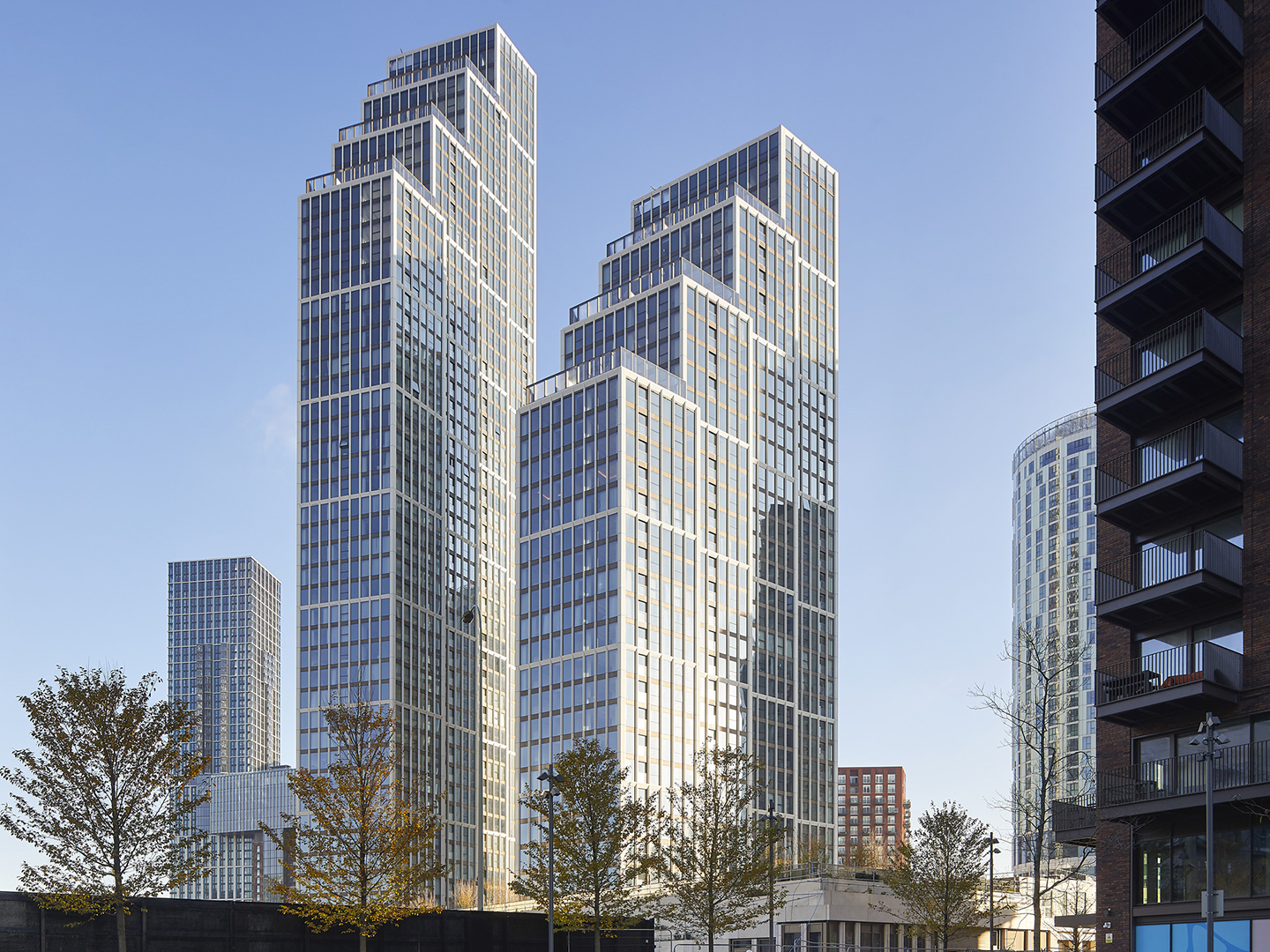
A Nine Elms residential tower shaped by the river corridor. It’s part of the newer line of tall living along the Thames. From bridges, it reads as a clean vertical in a widening cluster. It’s most satisfying to see after you’ve walked the river and felt the scale.
- Location:Nine Elms / Vauxhall
- Height:176 m
- Floors:54
- Completed:2022
- Architect:Skidmore, Owings & Merrill LLP (SOM)
- Use:Residential
- Highlights:Nine Elms skyline growth, strong vertical presence, river-corridor tower
- Can the public visit?:No public observatory
- Best viewpoints:Thames Path, nearby bridges, distant panoramas from the South Bank
- Nearest transport:Nine Elms or Vauxhall
- Fun fact:River bends compress perspective, making clusters look denser than they are.
26. 100 Bishopsgate
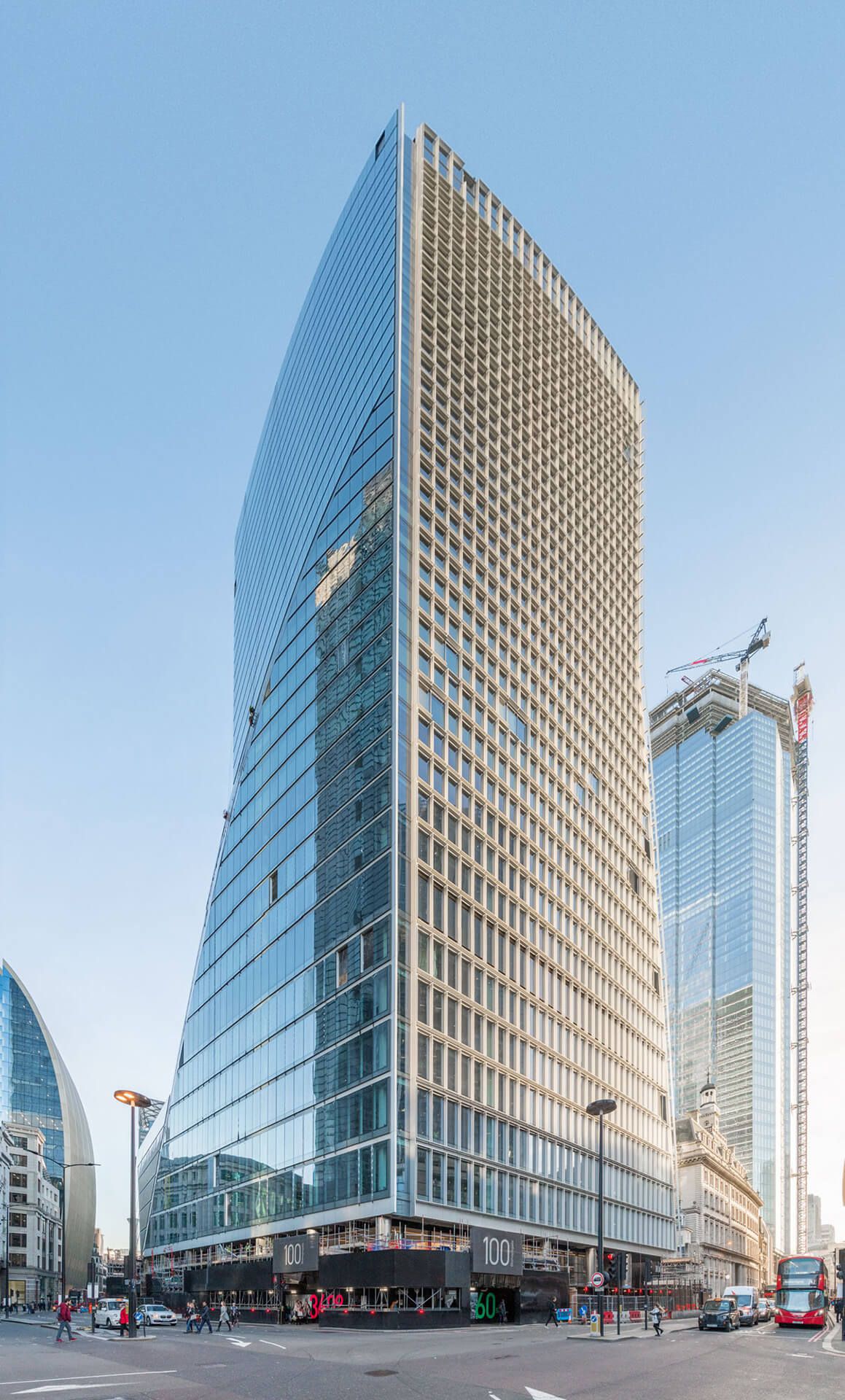
100 Bishopsgateis a strong supporting tower in the City cluster. It’s not trying to be a nickname icon, it’s building density and scale. From high viewpoints it helps create the “wall” that makes the City feel tall. You notice it more once you start recognising tower spacing.
- Location:City of London
- Height:171.6 m
- Floors:40
- Completed:2019
- Architect:Allies & Morrison, Arney Fender Katsalidis
- Use:Office
- Highlights:City cluster reinforcement, clean office profile, adds skyline continuity
- Can the public visit?:No regular public observatory
- Best viewpoints:Horizon 22, Sky Garden
- Nearest transport:Liverpool Street
- Fun fact:Supporting towers make icons look iconic by giving them a taller context.
27. DAMAC Tower Nine Elms
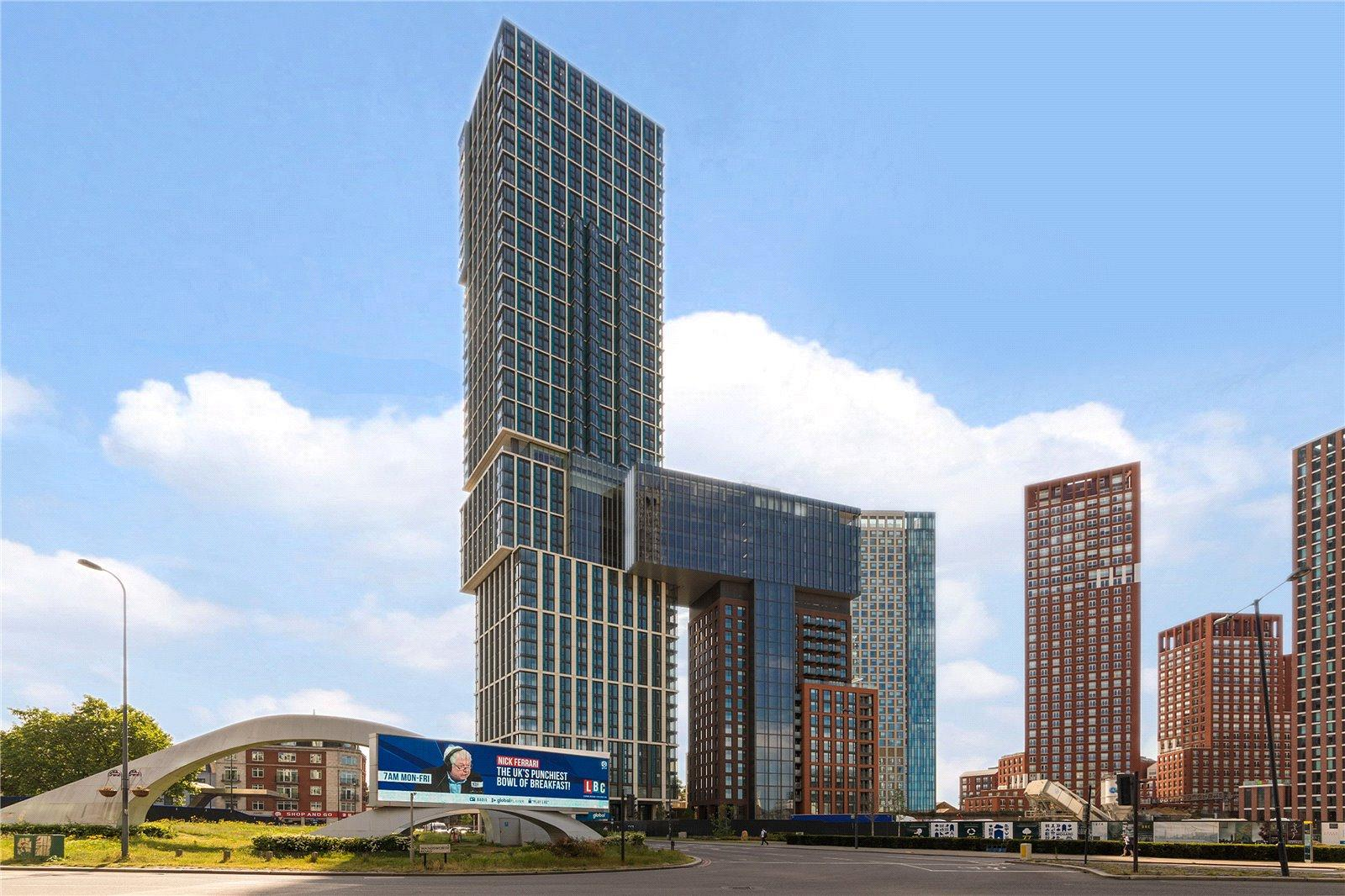
A tall residential tower in the Nine Elms wave. It helps the area read as a genuine cluster rather than scattered towers. From the river, it becomes part of a new skyline line south-west of the centre. It’s a “change marker” for how London’s skyline is spreading.
- Location:Nine Elms / Vauxhall
- Height:169.8 m
- Floors:51
- Completed:2022
- Architect:Kohn Pedersen Fox (KPF)
- Use:Residential
- Highlights:Nine Elms cluster growth, tall residential profile, strong riverside presence
- Can the public visit?:No public observatory
- Best viewpoints:Thames Path nearby, bridge panoramas, distant views from the north bank
- Nearest transport:Nine Elms or Vauxhall
- Fun fact:New residential towers often photograph well at dusk because interior lighting reveals the vertical stack.
28. Wardian (West Tower)
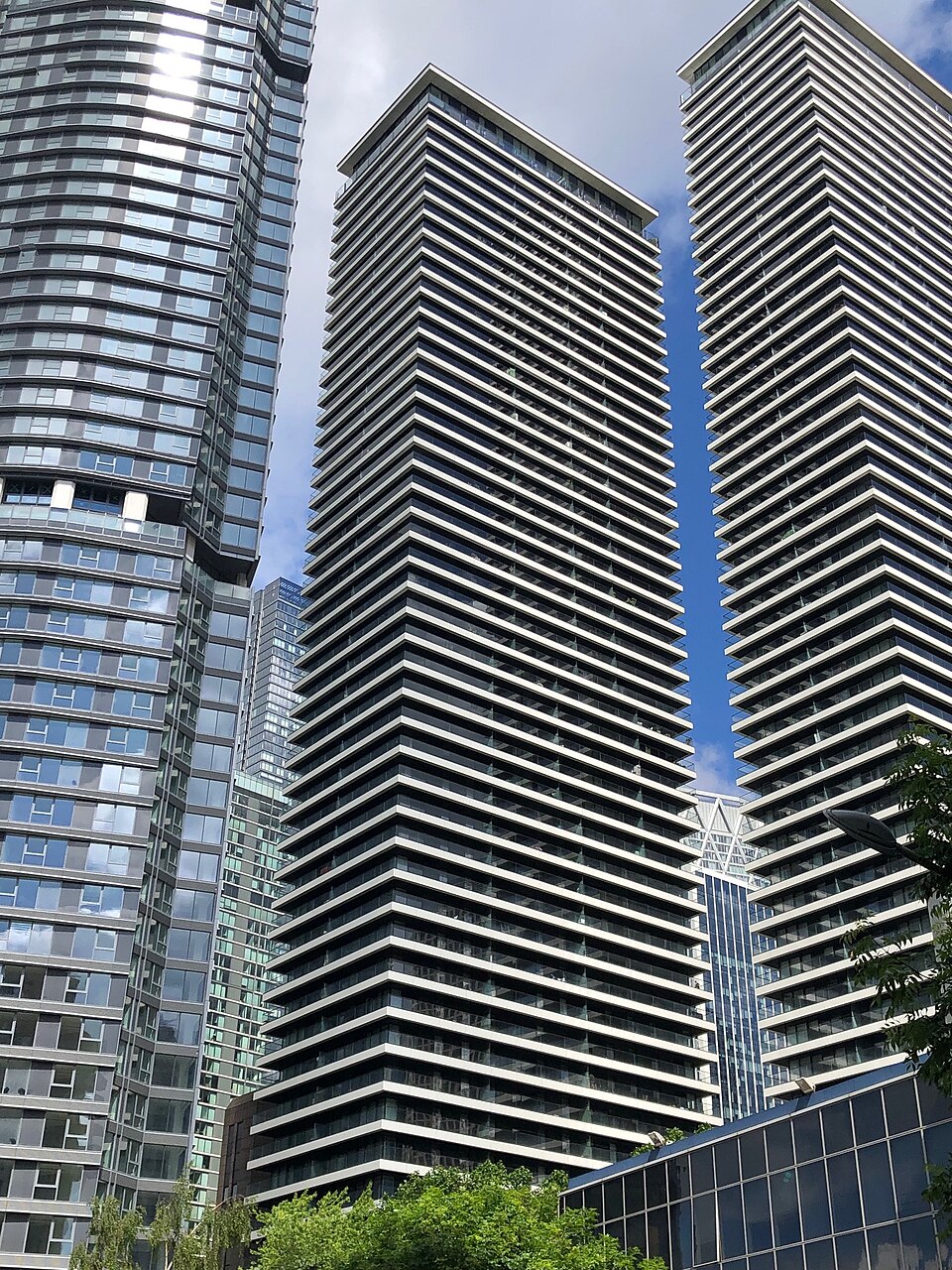
The second half of the Wardian pair. Together, the two towers give you a quick skyline “pattern match.” From the docks, they read like a matched set rising above the water. If you’re learning Docklands, this duo is an easy anchor.
- Location:Canary Wharf (Isle of Dogs)
- Height:168.1 m
- Floors:50
- Completed:2020
- Architect:Glenn Howells Architects
- Use:Residential
- Highlights:Twin-tower skyline identity, strengthens South Quay silhouette, residential-led height
- Can the public visit?:No public observatory
- Best viewpoints:Dock-edge walks, Canary Wharf waterside, river panoramas
- Nearest transport:South Quay (DLR) or Canary Wharf
- Fun fact:Two similar towers are easier to spot than one, your brain loves symmetry.
29. One Blackfriars (The Boomerang)
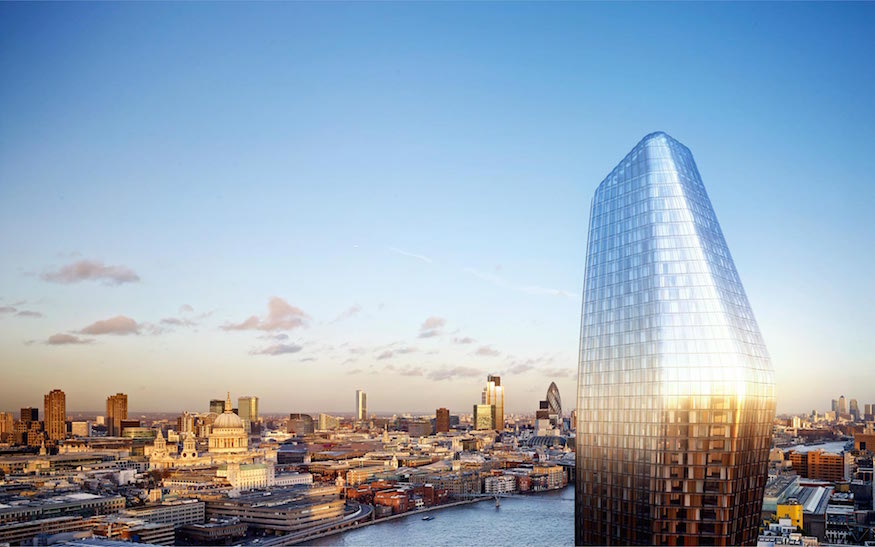
A curving South Bank tower that stands out by refusing to be boxy. From bridges, the profile often looks like it’s leaning into the river view. One Blackfriars is a strong mid-city marker between the City cluster and the West End. If you want a tower with personality, start here.
- Location:South Bank (Blackfriars)
- Height:166.3 m
- Floors:50
- Completed:2019
- Architect:SimpsonHaugh and Partners
- Use:Mixed-use
- Highlights:Curved silhouette, “Boomerang” nickname, strong riverside skyline presence
- Can the public visit?:No standard public observatory
- Best viewpoints:Blackfriars Bridge, South Bank riverside walk, views from the north bank
- Nearest transport:Blackfriars
- Fun fact:Curved towers keep their identity even when the skyline gets crowded.
30. Opus (Bankside Yards)
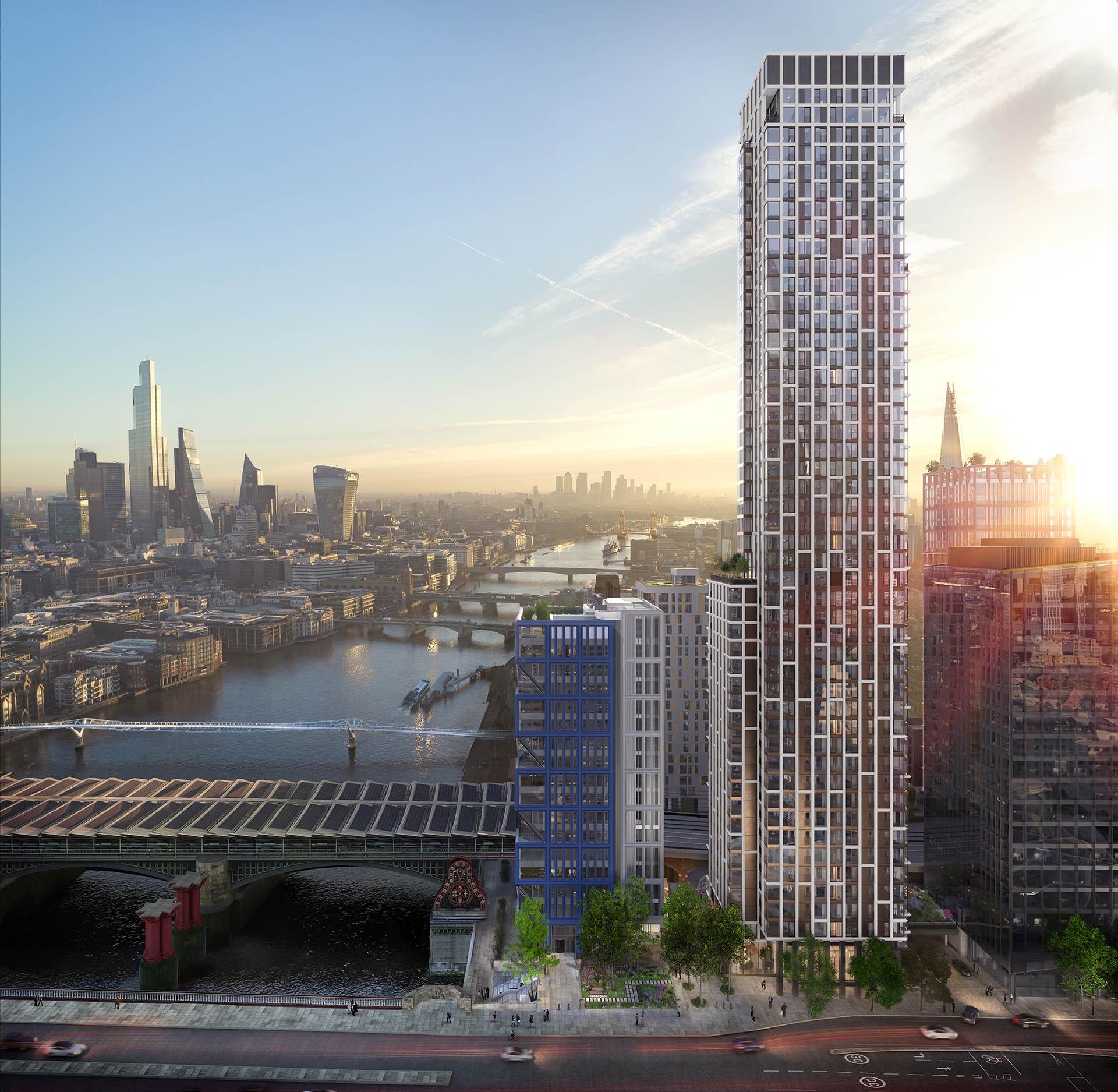
A newer South Bank tower tied to a wider regeneration story. It signals how the riverside keeps adding modern height in clusters. Best understood as part of a group rather than a single icon. Completion timelines for new towers can shift, so treat dates as changeable.
- Location:South Bank(Bankside area)
- Height:166 m
- Floors:50
- Completed:Listed around mid-2020s in tall-building tables (timelines can change)
- Architect:PLP
- Use:Residential
- Highlights:South Bank cluster growth, regeneration-linked height, adds skyline continuity
- Can the public visit?:No public observatory (typical)
- Best viewpoints:South Bank riverside, bridges toward the City, river panoramas
- Nearest transport:Blackfriars area (varies by approach)
- Fun fact:Regeneration skylines often “click” only after several towers complete and streets fill in.
31. 1 Leadenhall Street
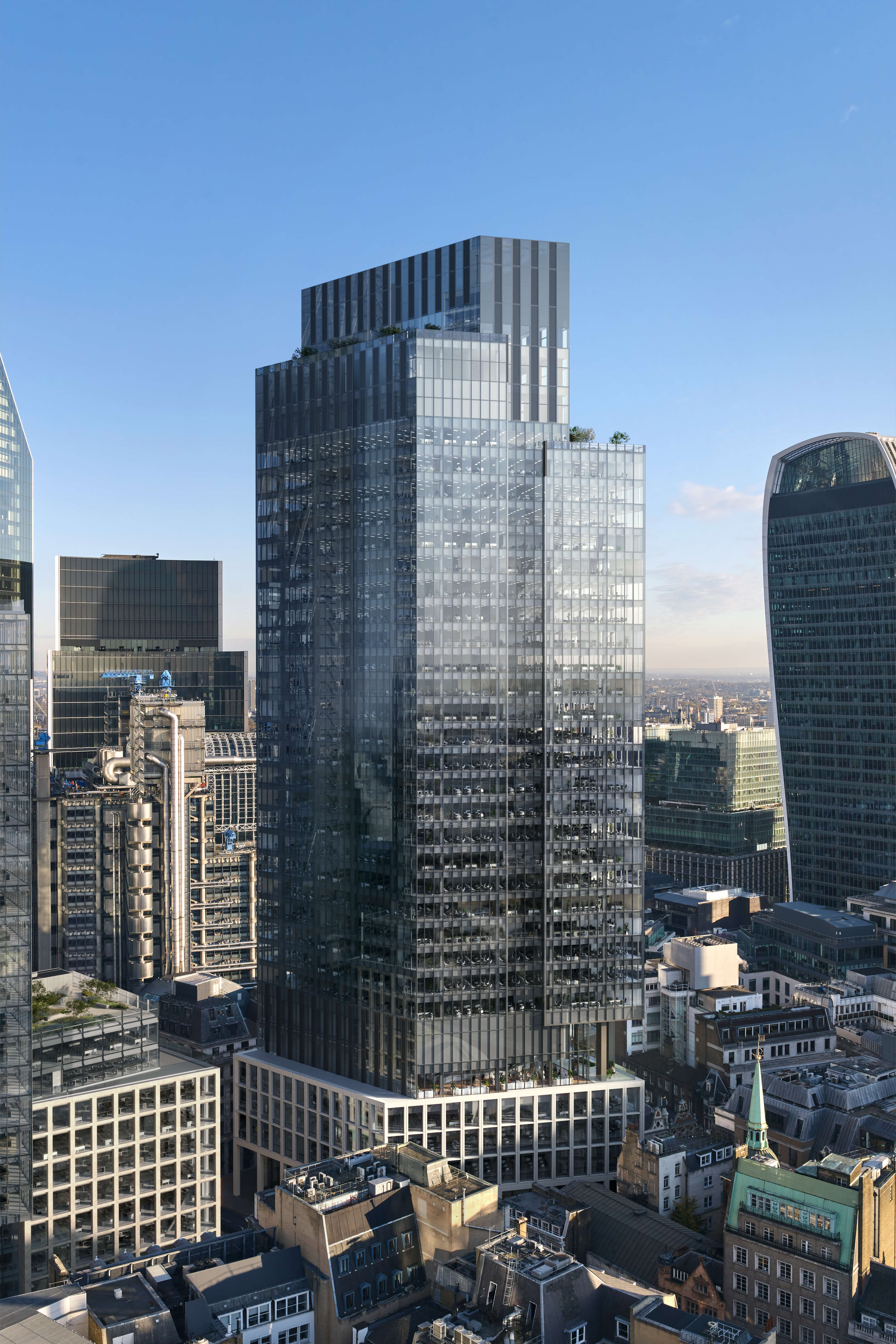
A City office tower that strengthens the cluster’s spine. 1 Leadenhall Streetis part of the quiet work of making the skyline feel continuous. From high viewing platforms, it helps connect multiple icons into one scene. You notice it more once you stop hunting names and start reading shapes.
- Location:City of London
- Height:165.2 m
- Floors:32
- Completed:Listed mid-2020s in tall-building tables (timelines can change)
- Architect:Make Architects, Adamson Associates (International) Limited (as executive architect)
- Use:Office
- Highlights:City cluster continuity, modern office massing, strengthens Leadenhall area skyline
- Can the public visit?:No regular public observatory
- Best viewpoints:Horizon 22, Sky Garden
- Nearest transport:Aldgate or Liverpool Street
- Fun fact:In dense clusters, even “non-icon” towers matter because they shape the skyline edge.
32. Broadgate Tower
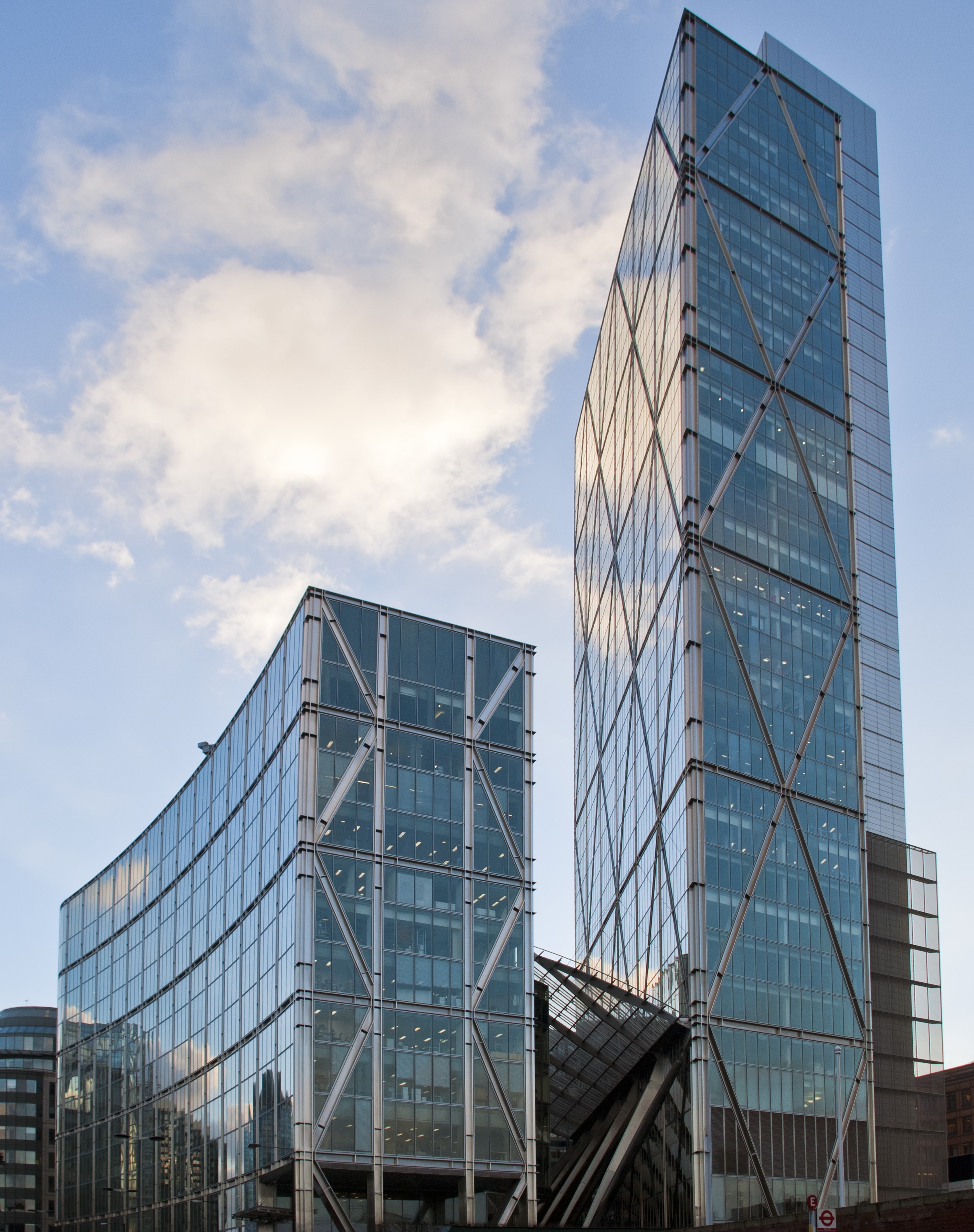
A long-standing City office tower near a major rail hub. Broadgate Toweris one of those buildings you might not name, but you’ll recognise. From street level it’s a vertical boundary to the Broadgate area. It’s a good example of the City’s 2000s height era.
- Location:City of London (Broadgate area)
- Height:161.3 m
- Floors:35
- Completed:2008
- Architect:Skidmore, Owings & Merrill
- Use:Office
- Highlights:City office landmark, rail-hub adjacency, strong rectangular silhouette
- Can the public visit?:No regular public observatory
- Best viewpoints:Sky Garden, higher City viewpoints, nearby street corridors
- Nearest transport:Liverpool Street
- Fun fact:Towers near big stations often feel taller because the surrounding streets open up wider sightlines.
33. Principal Tower
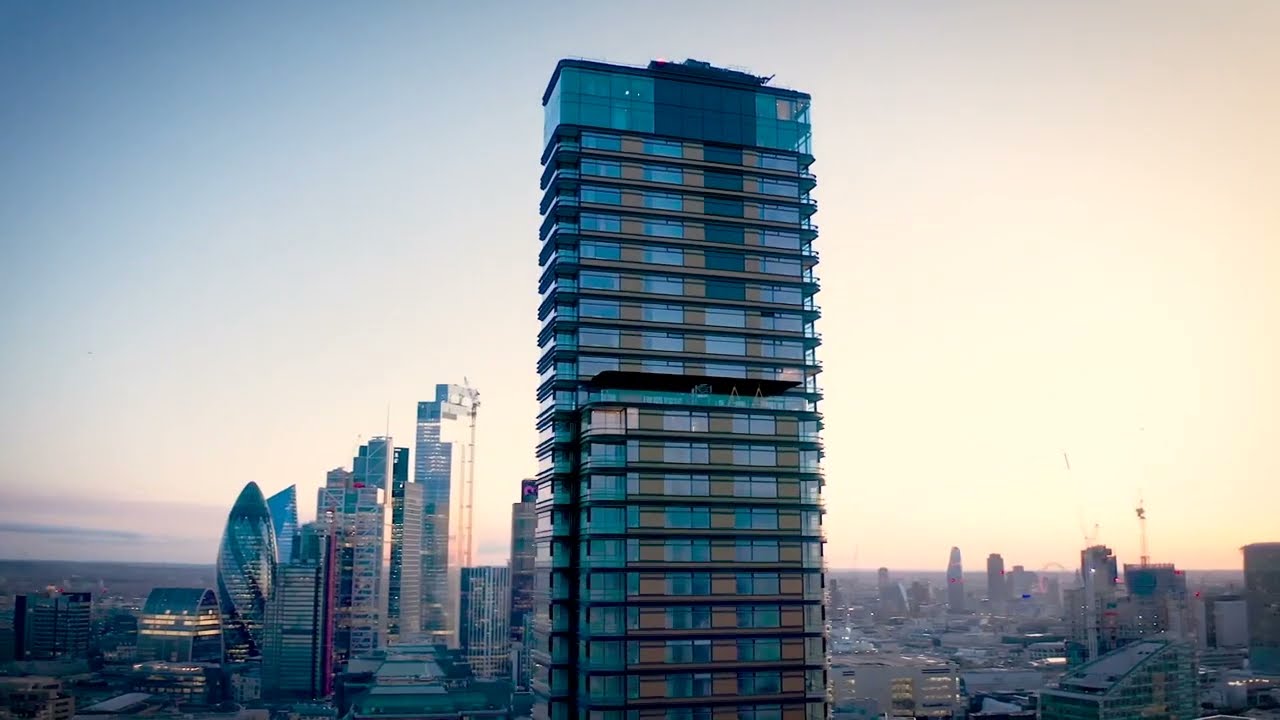
Principal Toweris a tall residential marker on the City’s north-eastern edge. It helps visually bridge the City cluster toward Shoreditch. From distance, it reads as a clean vertical in a spreading skyline. It’s one of the clearest signals that high-rise London is no longer just central.
- Location:Shoreditchfringe
- Height:161.3 m
- Floors:50
- Completed:2019
- Architect:Foster + Partners
- Use:Residential
- Highlights:Shoreditch area height marker, connects skyline seams, tall residential presence
- Can the public visit?:No public observatory
- Best viewpoints:Distant City-edge panoramas, rail approaches, long north-east sightlines
- Nearest transport:Liverpool Street area (walkable from the fringe, varies by approach)
- Fun fact:Towers at cluster edges are often the ones that make the skyline feel like it’s expanding.
34. 50 To 60 Charter Street (Tower 1)
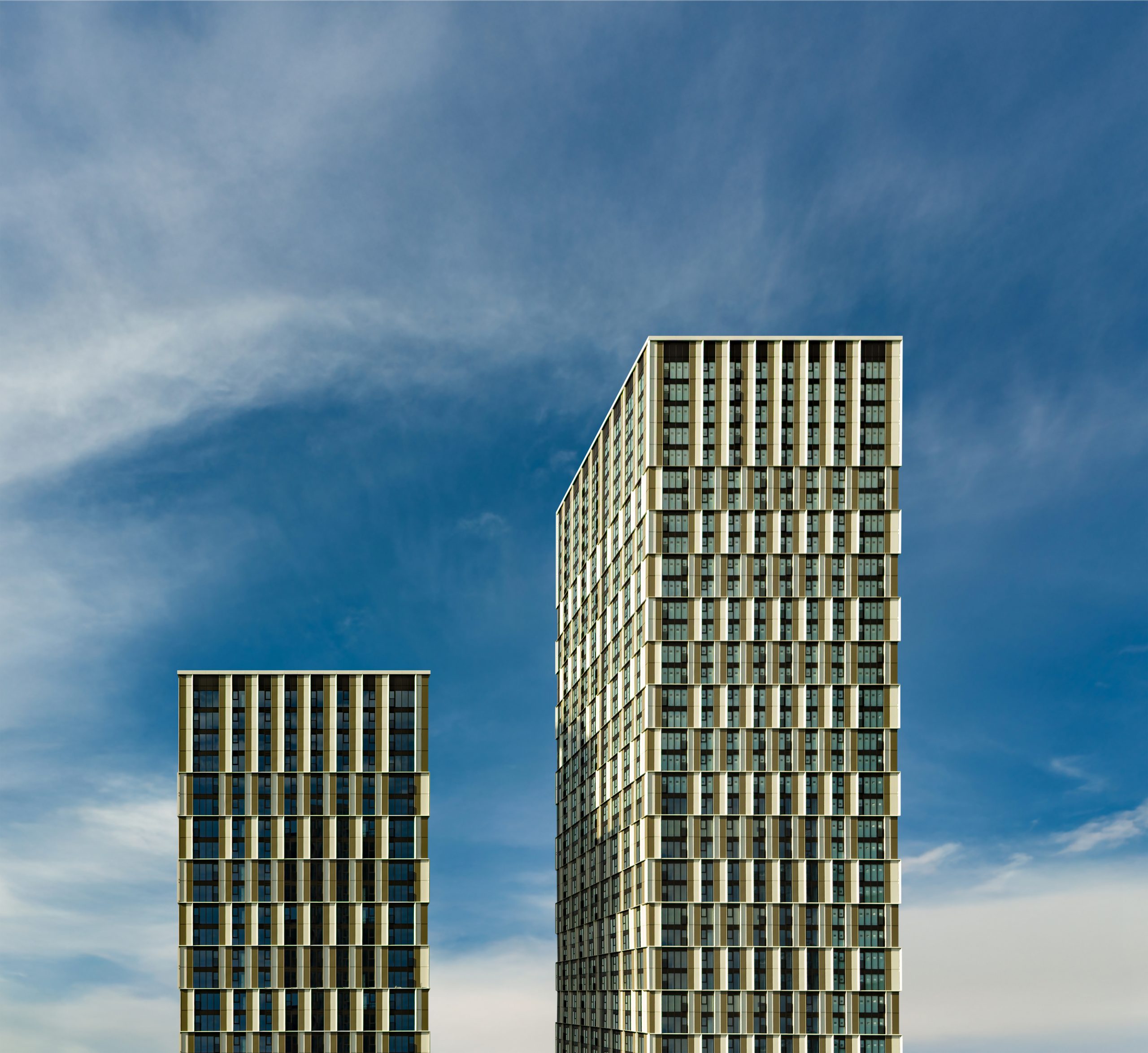
A Wood Wharf residential tower that extends the Canary Wharf story. It adds another mid-high peak that makes the cluster feel broader. Best spotted from waterside promenades where the skyline stacks in layers. It’s part of the shift from a single core to multiple Docklands centres.
- Location:Canary Wharf (Wood Wharf area)
- Height:161 m
- Floors:49
- Completed:2024
- Architect:GRID Architects
- Use:Residential
- Highlights:Wood Wharf expansion, adds depth to skyline, reinforces the eastward spread
- Can the public visit?:No public observatory
- Best viewpoints:Wood Wharf waterside, Canary Wharf estate walks, river panoramas
- Nearest transport:Canary Wharf
- Fun fact:In Docklands, even “mid-high” towers feel tall because so many are clustered close together.
35. 20 Fenchurch Street (The Walkie Talkie)
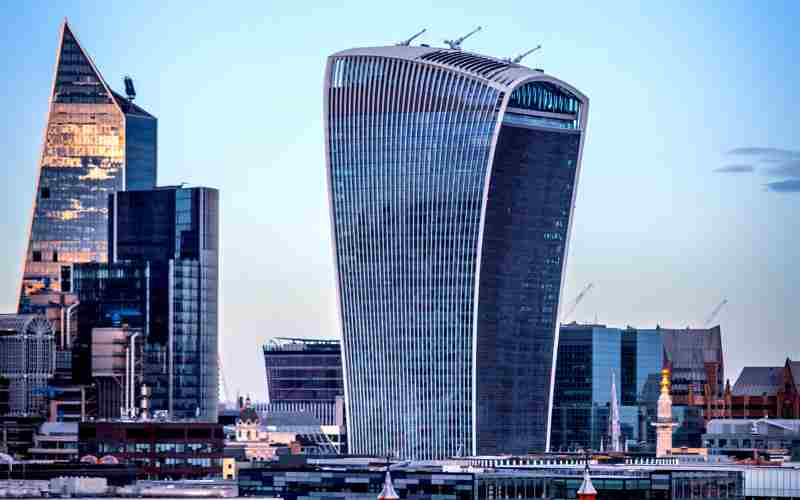
20 Fenchurch Streetis a top-heavy silhouette that looks like it’s widening toward the sky. It’s famous for the nickname and for the public garden at the top. From inside Sky Garden, the City skyline suddenly becomes a living panorama. This one is both a skyline icon and a practical viewpoint.
- Location:City of London
- Height:160.1 m
- Floors:36
- Completed:2014
- Architect:Rafael Viñoly (commonly credited)
- Use:Office with public garden viewing experience
- Highlights:Iconic top-heavy profile, Sky Garden experience, major City landmark
- Can the public visit?:Yes, Sky Garden is free with booking (availability can change)
- Best viewpoints:Sky Garden, river bridges looking north, Horizon 22 for broader context
- Nearest transport:Monument or Bank
- Fun fact:The outline is so distinctive that you can often identify it before you find the City cluster.
36. One Thames Quay
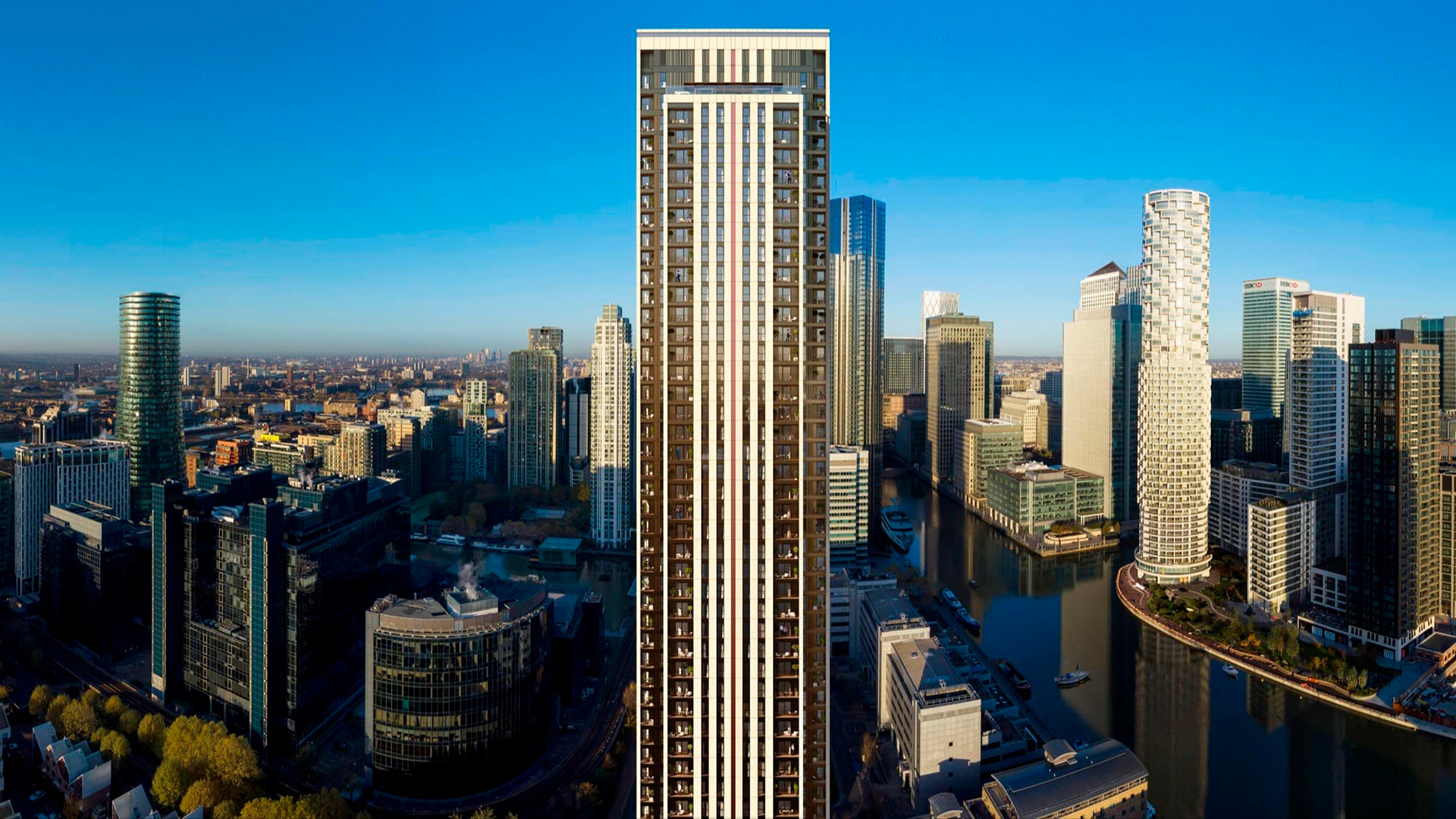
One Thames Quayis a residential tower that helps extend the Docklands skyline line. From the river, it adds another vertical stroke near the Canary Wharf group. It’s most impressive when you include water in the foreground. This is a “context tower” that works best as part of the wider scene.
- Location:Canary Wharf (Isle of Dogs)
- Height:157.6 m
- Floors:49
- Completed:2024
- Architect:Make Architects
- Use:Residential
- Highlights:Recent completion, strengthens skyline edge, adds height near the river corridor
- Can the public visit?:No public observatory
- Best viewpoints:Riverside walks, dock-edge views, long panoramas along the Thames
- Nearest transport:Canary Wharf
- Fun fact:Low-angle waterside views can make towers feel dramatically taller than distant viewpoints.
37. 40 Leadenhall Street
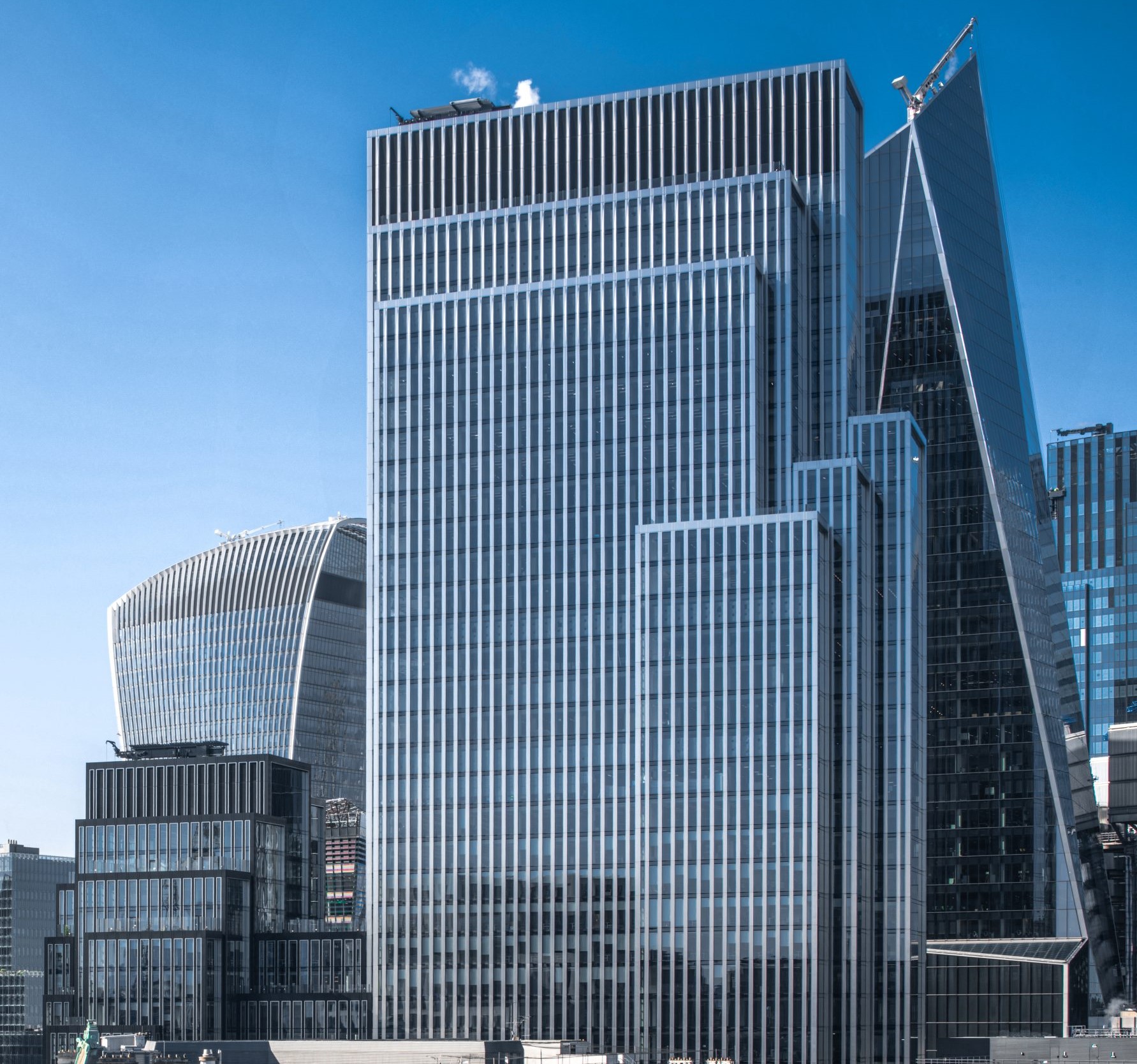
A newer City office tower adding density near familiar icons. It supports the “wall of height” feeling in the eastern City cluster. From high platforms, it helps fill gaps between headline silhouettes. You might not nickname it, but you’ll feel it in the skyline mass.
- Location:City of London
- Height:156.7 m
- Floors:35
- Completed:2024
- Architect:Make Architects
- Use:Office
- Highlights:Reinforces City cluster, modern office profile, strengthens Leadenhall area massing
- Can the public visit?:No regular public observatory
- Best viewpoints:Horizon 22, Sky Garden
- Nearest transport:Aldgate or Liverpool Street
- Fun fact:Some towers become more noticeable only after you’ve visited a viewpoint and learned the cluster layout.
38. One Churchill Place
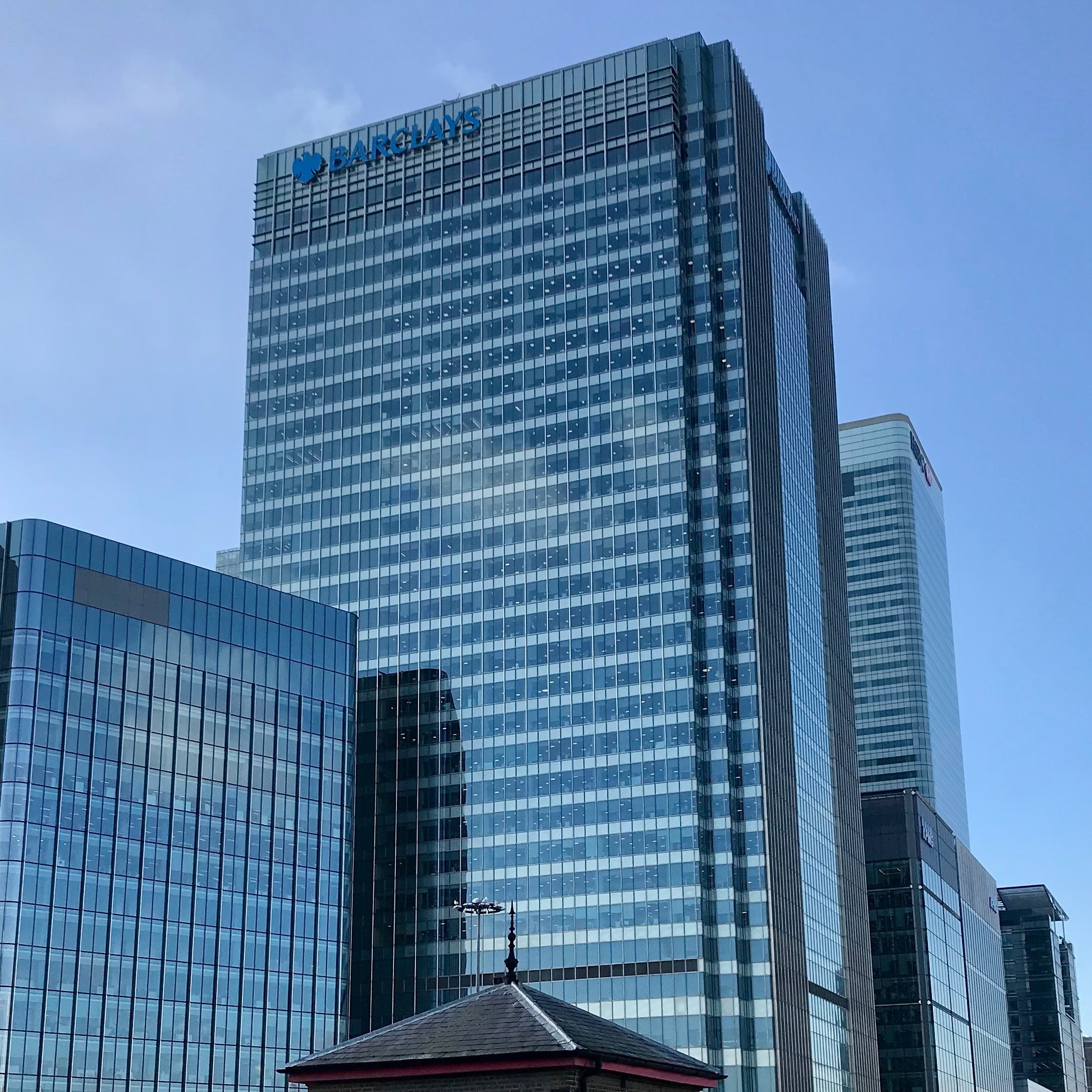
A Canary Wharf office tower that’s part of the core skyline “set.” It helps the Wharf feel like a composed skyline rather than scattered height. From across the river, it’s a clean block among taller peaks. It’s a supporting tower that gives the district its dense character.
- Location:Canary Wharf (Isle of Dogs)
- Height:156.3 m
- Floors:30
- Completed:2004
- Architect:HOK International
- Use:Office
- Highlights:Core Wharf office massing, supports skyline density, strong cluster contributor
- Can the public visit?:No public observatory
- Best viewpoints:Canary Wharf estate level, waterside promenades, river panoramas
- Nearest transport:Canary Wharf
- Fun fact:Canary Wharf’s open public realm makes it easier to photograph towers without street clutter.
39. River Park Tower (One Nine Elms)
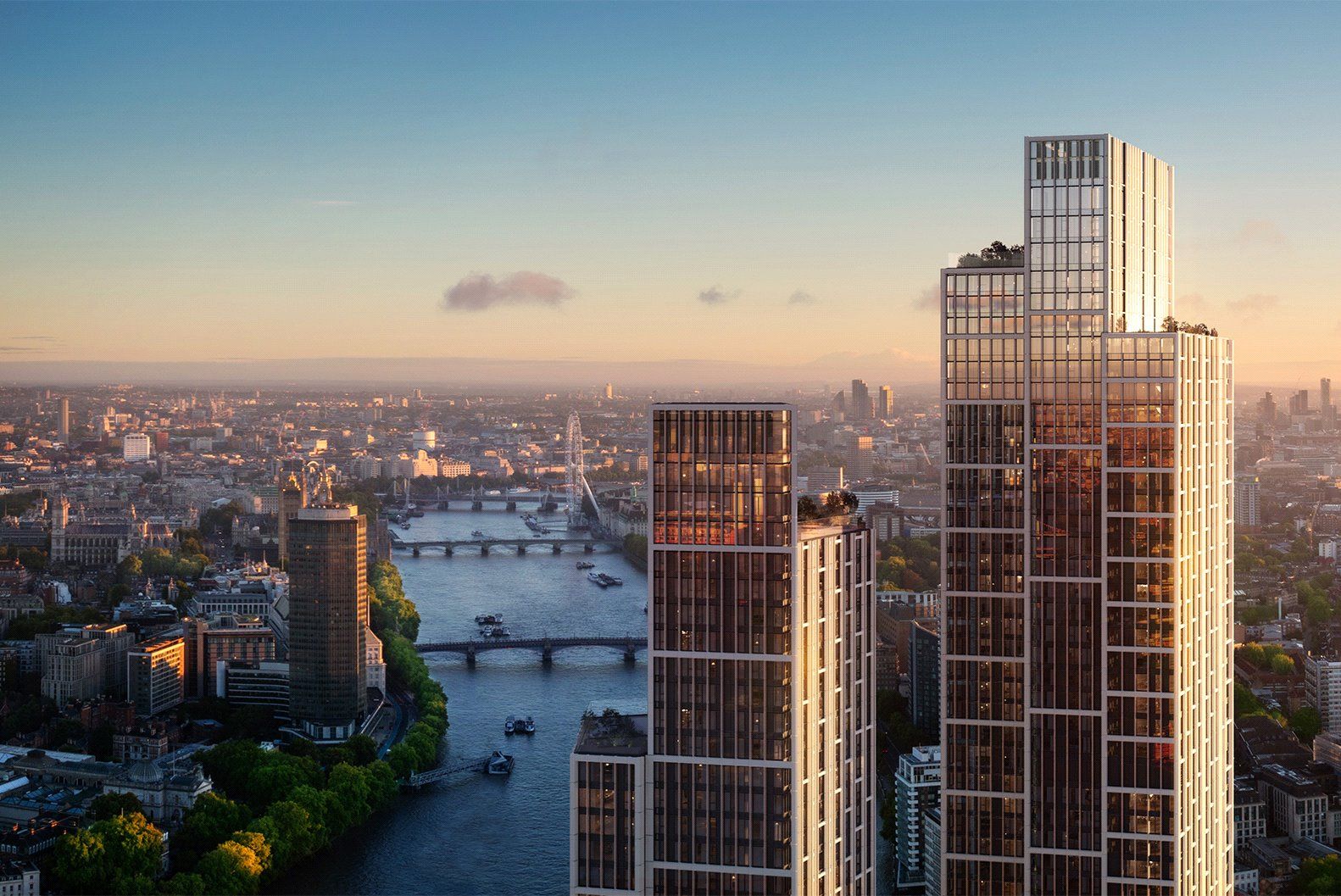
A residential tower that adds depth to the Nine Elms cluster. It works best when you see it with neighbouring towers as a group. From the river, the cluster reads like a new skyline line. It’s a good reminder that London’s growth is now multi-centred.
- Location:Nine Elms / Vauxhall
- Height:155.6 m
- Floors:43
- Completed:2023
- Architect:Kohn Pedersen Fox (KPF)
- Use:Residential
- Highlights:Supports Nine Elms skyline formation, tall residential profile, river corridor presence
- Can the public visit?:No public observatory
- Best viewpoints:Thames Path, bridge panoramas, distant views from the north bank
- Nearest transport:Nine Elms or Vauxhall
- Fun fact:Clusters feel denser from bridges because the viewpoint compresses distances.
40. College Road Tower A (Enclave, Croydon)
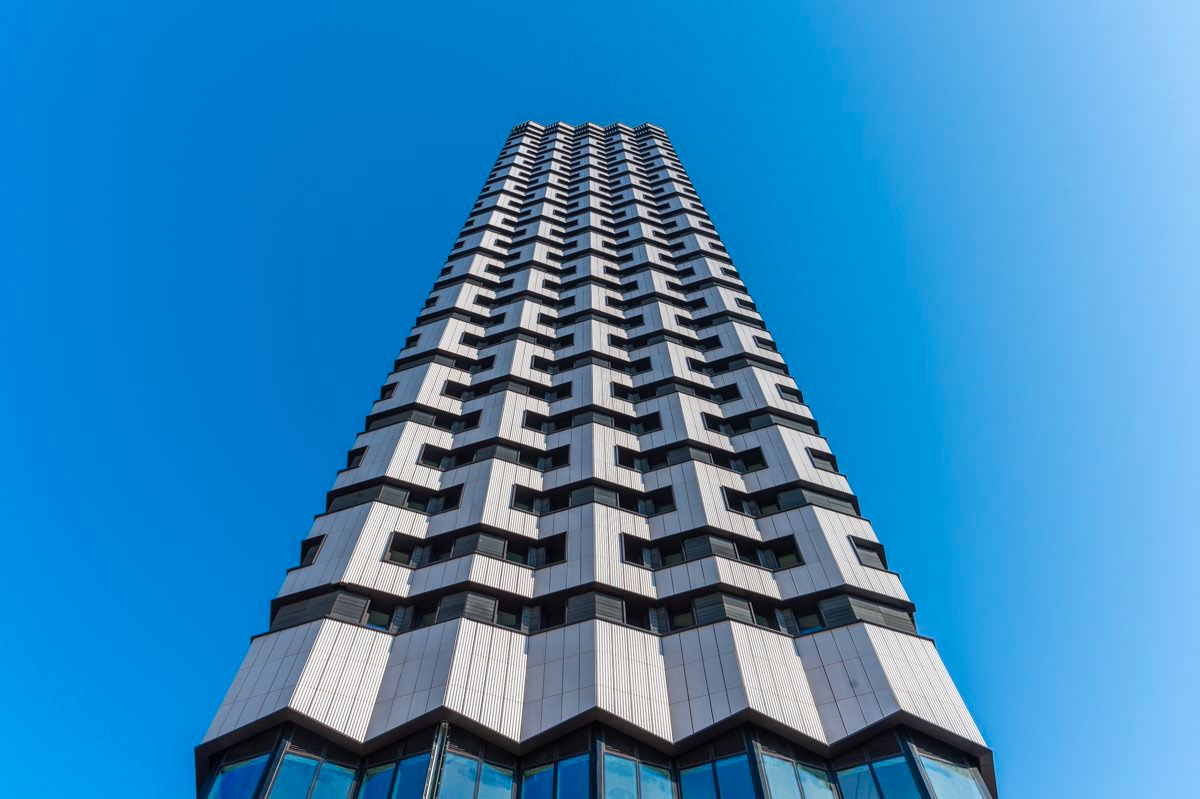
A tall outer-London landmark that changes the Croydon skyline. It stands out precisely because the surrounding skyline is lower. From a distance, it becomes a wayfinding beacon across south London. It’s a reminder that “London skyscrapers” is now a borough-wide story.
- Location:Croydon
- Height:154.4 m
- Floors:50
- Completed:2023
- Architect:HTA Design
- Use:Residential
- Highlights:Major Croydon height marker, outer-London skyline beacon, high floor count
- Can the public visit?:No public observatory
- Best viewpoints:Long-distance south-London sightlines, approaches into Croydon
- Nearest transport:East Croydon area (varies by approach)
- Fun fact:Towers outside central clusters often feel more dramatic because they dominate the local horizon.
41. 25 Bank Street
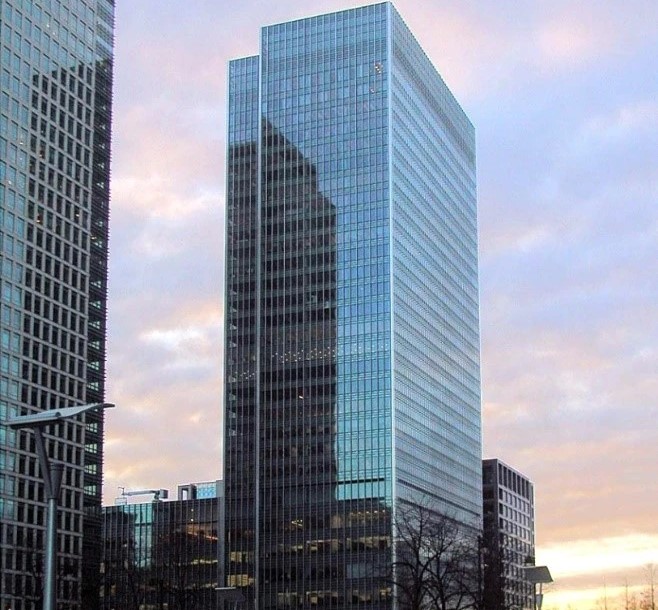
A key part of Canary Wharf’s core office skyline. It’s one of the towers that makes the district feel dense and vertical at street level. From afar, it’s a strong rectangular form within a carefully planned group. It’s a “supporting actor” that strengthens the whole skyline scene.
- Location:Canary Wharf (Isle of Dogs)
- Height:153 m
- Floors:30
- Completed:2003
- Architect:Cesar Pelli & Associates, Adamson Associates Architects (as executive architect)
- Use:Office
- Highlights:Wharf core density, classic office massing, skyline baseline tower
- Can the public visit?:No public observatory
- Best viewpoints:Canary Wharf estate level, waterside promenades, river panoramas
- Nearest transport:Canary Wharf
- Fun fact:Repeating mid-high towers create a “platform” that makes the tallest peaks stand out.
42. 40 Bank Street
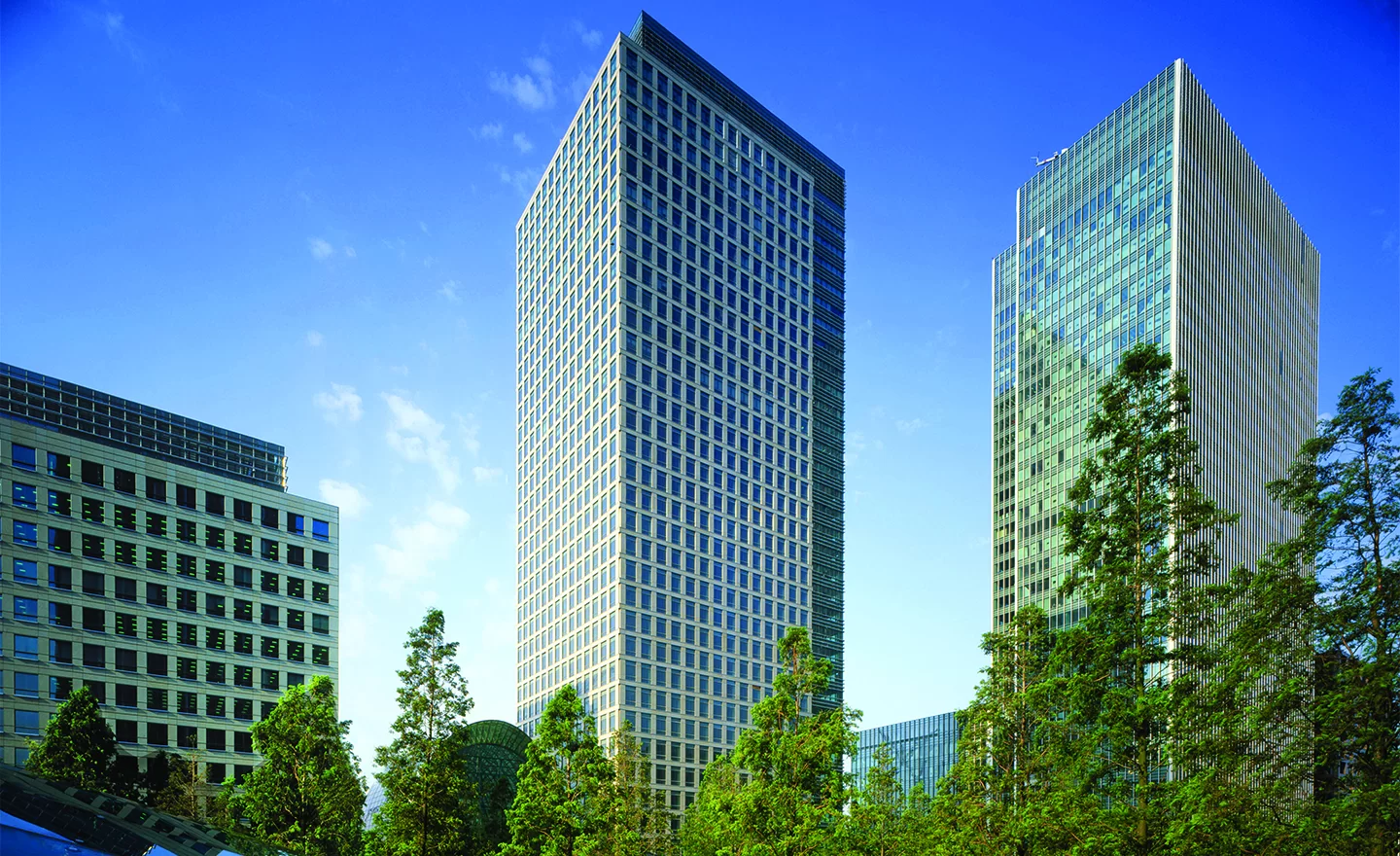
Another Canary Wharf core office tower that reinforces the cluster. It adds weight and continuity, especially in long-distance skyline views. At ground level, it contributes to the canyon-like feeling between towers. This is the type of building that makes a skyline feel like a district.
- Location:Canary Wharf (Isle of Dogs)
- Height:153 m
- Floors:30
- Completed:2003
- Architect:Cesar Pelli & Associates, Adamson Associates Architect (as executive architect)
- Use:Office
- Highlights:Core cluster contributor, supports skyline density, strong rectangular mass
- Can the public visit?:No public observatory
- Best viewpoints:Canary Wharf estate level, dock-edge views, river panoramas
- Nearest transport:Canary Wharf
- Fun fact:In skyline photos, towers like this often disappear until you compare them to a known height marker nearby.
43. 10 Upper Bank Street
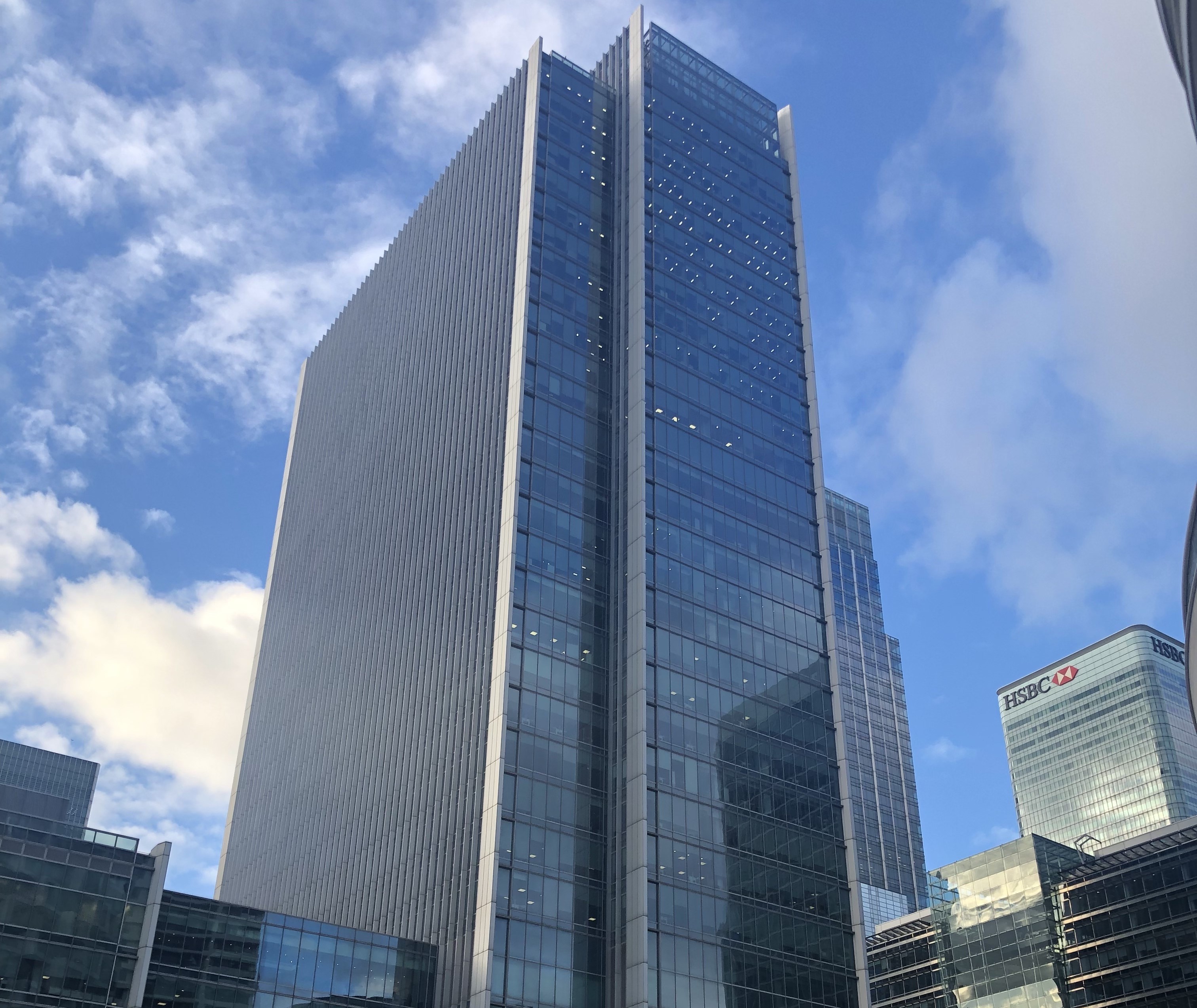
A Canary Wharf office tower that helps shape the cluster’s skyline wall. Its value is in how it supports the group, not in a standout silhouette. From across the river, it becomes part of a neatly stacked skyline composition. It’s another clue that the Wharf was designed as a concentrated centre.
- Location:Canary Wharf (Isle of Dogs)
- Height:150.9 m
- Floors:30
- Completed:2003
- Architect:Cesar Pelli & Associates, Adamson Associates Architect (as executive architect)
- Use:Office
- Highlights:Skyline baseline tower, supports the core cluster, classic Canary Wharf massing
- Can the public visit?:No public observatory
- Best viewpoints:Canary Wharf waterside, river panoramas, distant Greenwich views
- Nearest transport:Canary Wharf
- Fun fact:The Wharf’s skyline reads “clean” because the estate layout often gives clearer lines of sight.
44. South Bank Tower
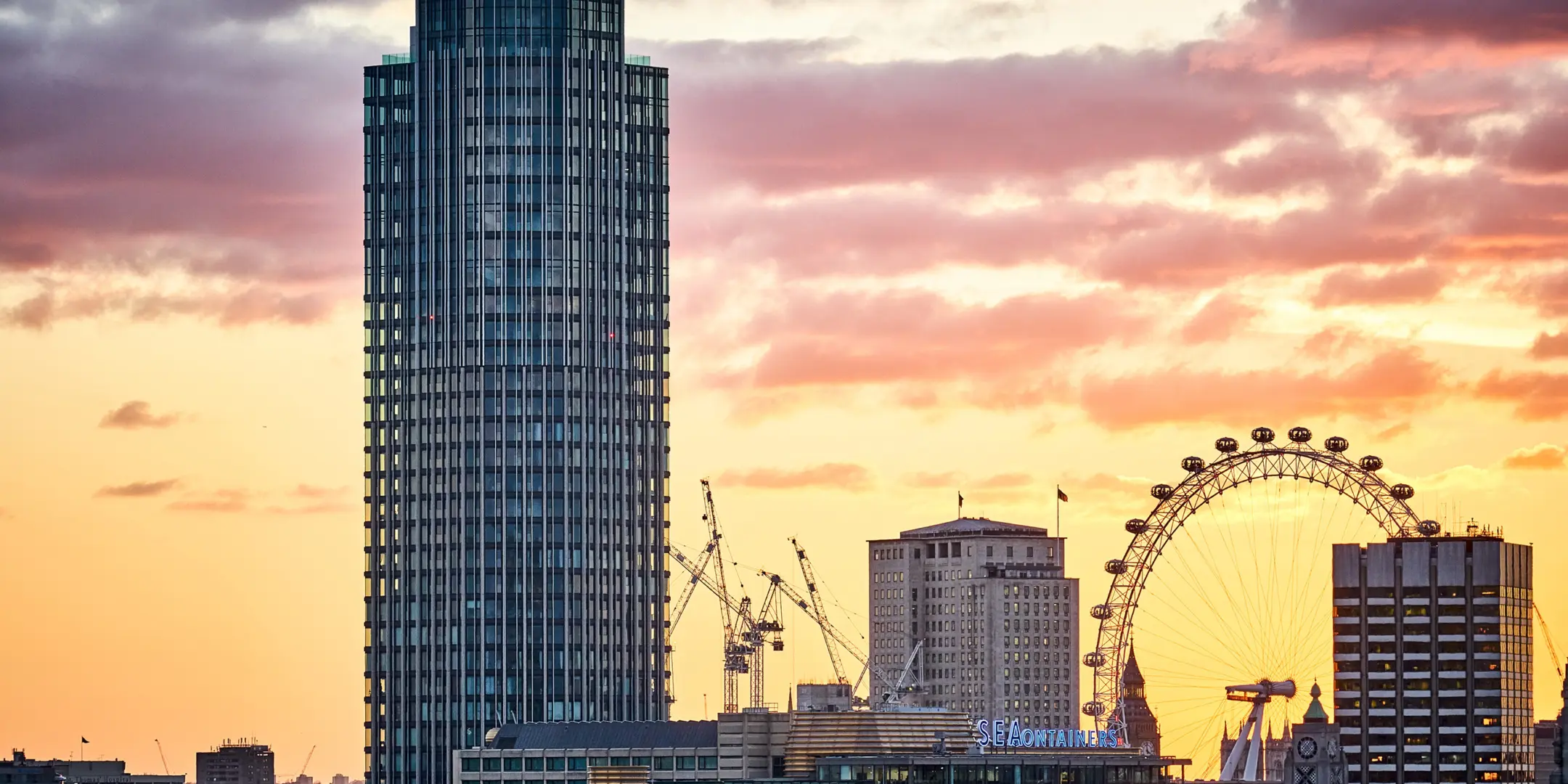
A South Bank towerthat bridges older height eras with modern redevelopment. It shows how a skyline can change through refurbishment, not just new builds. From the river walk, it adds another vertical note between clusters. It’s a good reminder that London’s skyline evolves in layers.
- Location:South Bank
- Height:150.4 m
- Floors:42
- Completed:1978 (later redevelopment noted in many tall-building lists)
- Architect:Kohn Pedersen Fox
- Use:Residential
- Highlights:Long-standing South Bank height marker, redevelopment-era skyline change, river visibility
- Can the public visit?:No regular public observatory
- Best viewpoints:South Bank riverside, bridges toward the City, river panoramas
- Nearest transport:Blackfriars area (varies by approach)
- Fun fact:Renovations can quietly reshape a skyline, even when you don’t notice construction cranes.
45. Carrara Tower (250 City Road Tower 1)
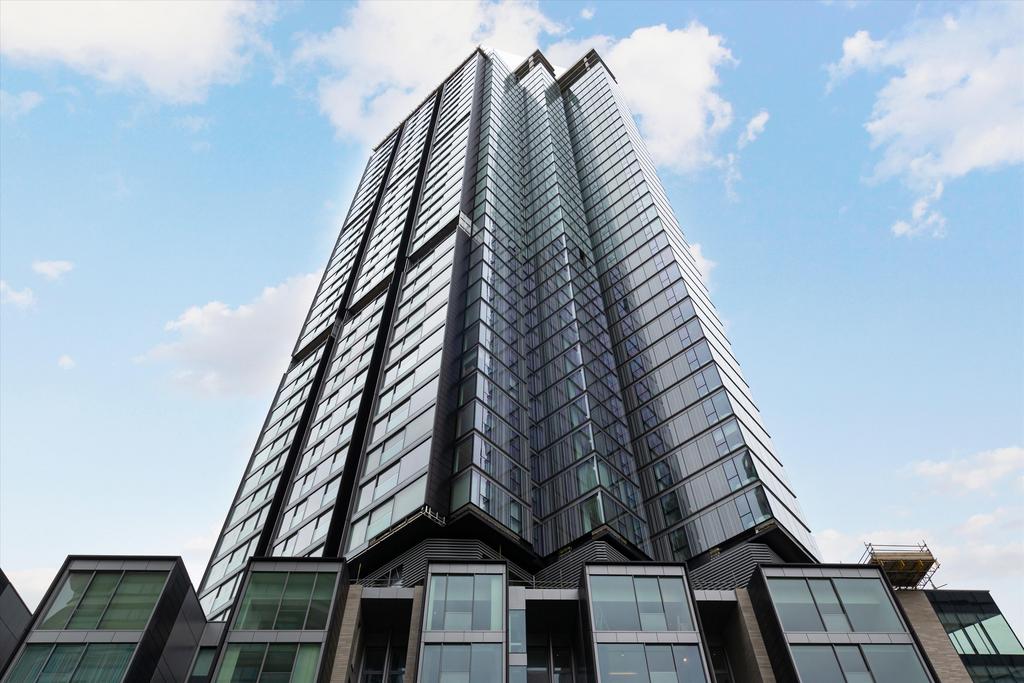
An inner-north residential tower that adds height outside the postcard core. It’s part of the broader spread of high-rise living along key corridors. From distance, it reads as a clean vertical in a changing city fabric. It’s a tower you often notice once you start scanning beyond the river.
- Location:Islington (City Road area)
- Height:149.6 m
- Floors:43
- Completed:2020
- Architect:Foster + Partners
- Use:Residential
- Highlights:Inner-north height marker, corridor-driven growth, tall residential profile
- Can the public visit?:No public observatory
- Best viewpoints:Distant City-edge panoramas, long north-central sightlines
- Nearest transport:Old Street area (varies by approach)
- Fun fact:Corridor towers often feel unexpected, which makes them memorable once spotted.
46. Baltimore Tower (Arena Tower)
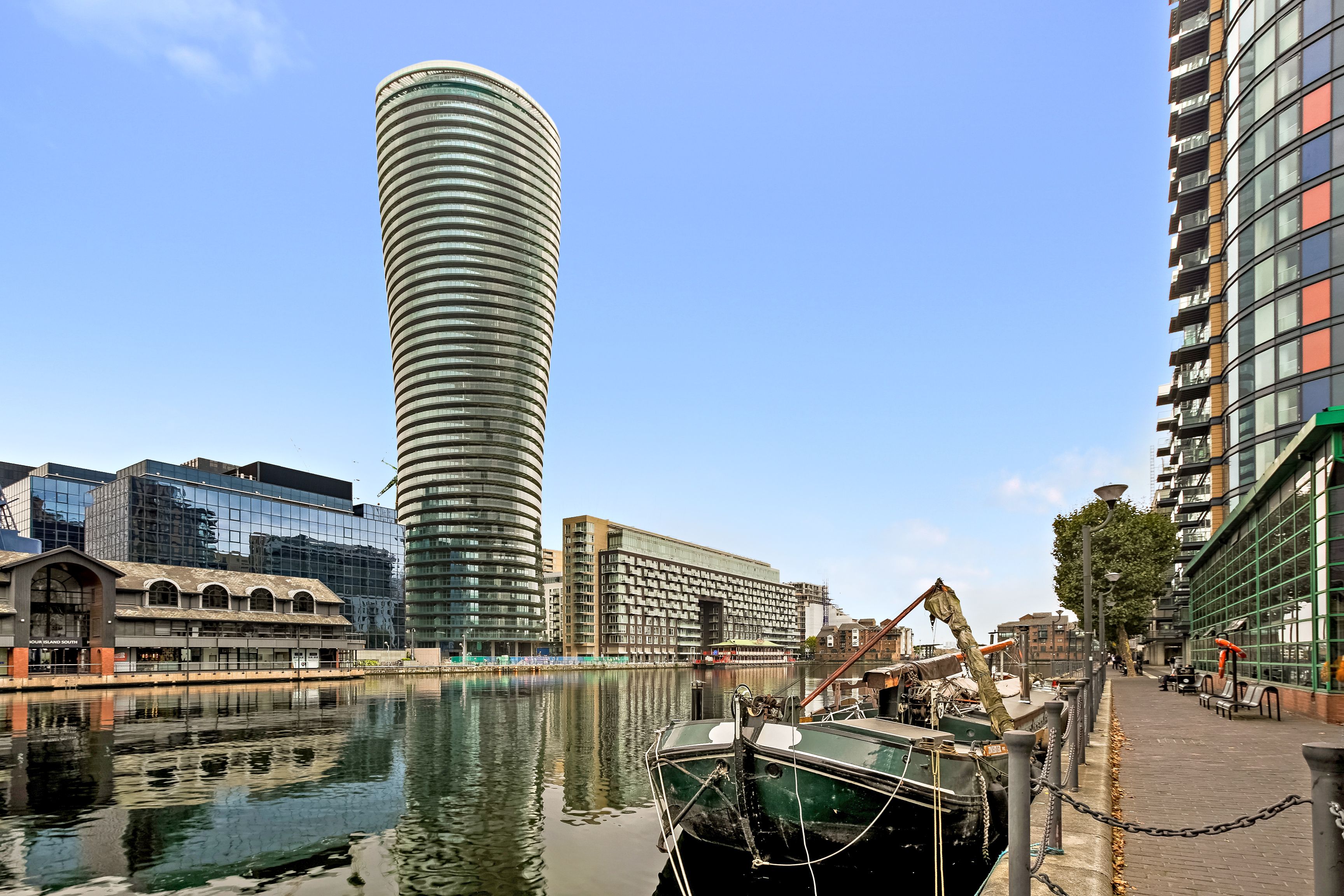
A Docklands residential tower that adds height beyond the core plaza. Balcony patterns give it a “stacked” look from many angles. It’s most striking when you pair it with dock reflections. In the wider skyline, it helps the Wharf feel broader, not just taller.
- Location:Canary Wharf (Isle of Dogs)
- Height:149.1 m
- Floors:45
- Completed:2017
- Architect:Skidmore, Owings & Merrill
- Use:Residential
- Highlights:Residential-led skyline expansion, dockside presence, strong vertical rhythm
- Can the public visit?:No public observatory
- Best viewpoints:Dock-edge walks, Canary Wharf waterside, river panoramas
- Nearest transport:Canary Wharf or South Quay (DLR)
- Fun fact:Balconies create shadow stripes that make towers look more textured in photos.
47. 10 Park Drive (Wood Wharf A3)
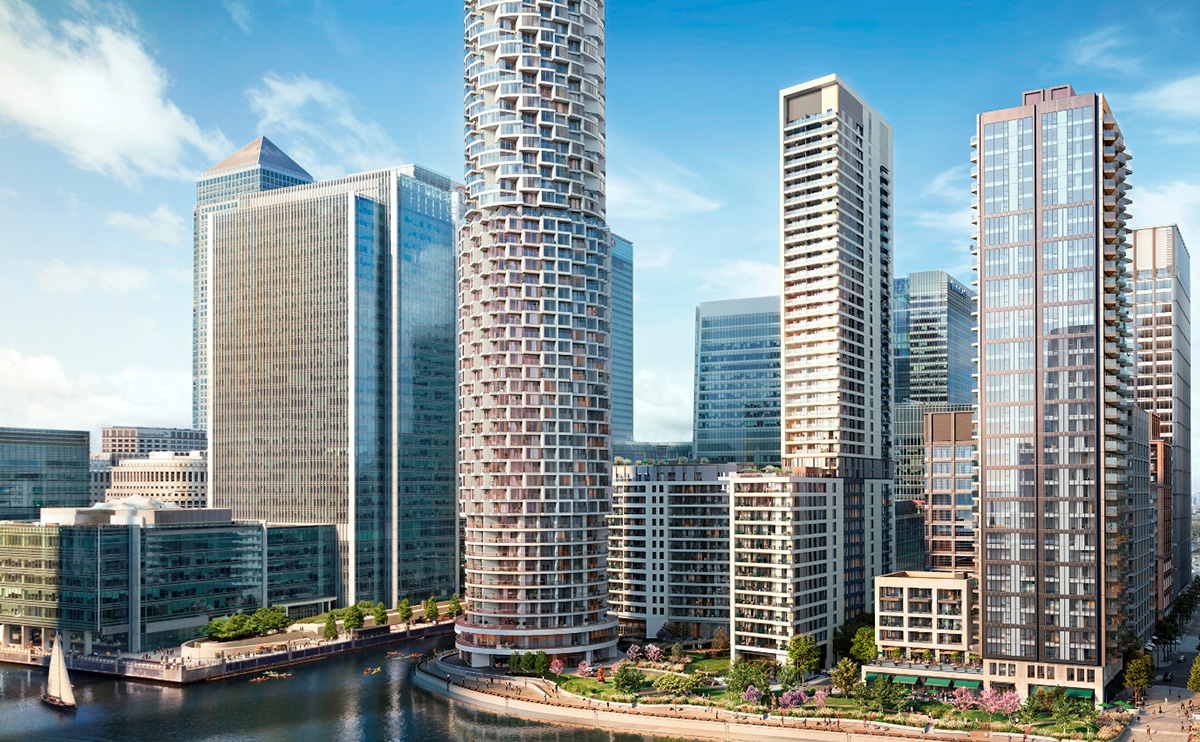
A modern residential tower that helps define Wood Wharf’s skyline. It extends the Canary Wharf story into a more neighbourhood-like cluster. Best seen on foot, where the public realm frames the tower cleanly. It’s a good example of how new districts build their own “local icons.”
- Location:Canary Wharf (Wood Wharf)
- Height:148.9 m
- Floors:43
- Completed:2019
- Architect:Stanton Williams
- Use:Residential
- Highlights:Wood Wharf landmark, neighbourhood skyline growth, modern vertical presence
- Can the public visit?:No public observatory
- Best viewpoints:Wood Wharf waterside, Canary Wharf estate walks, dock-edge angles
- Nearest transport:Canary Wharf
- Fun fact:New neighbourhood towers often feel taller because the streets and plazas are built to show them off.
48. Guy’s Tower
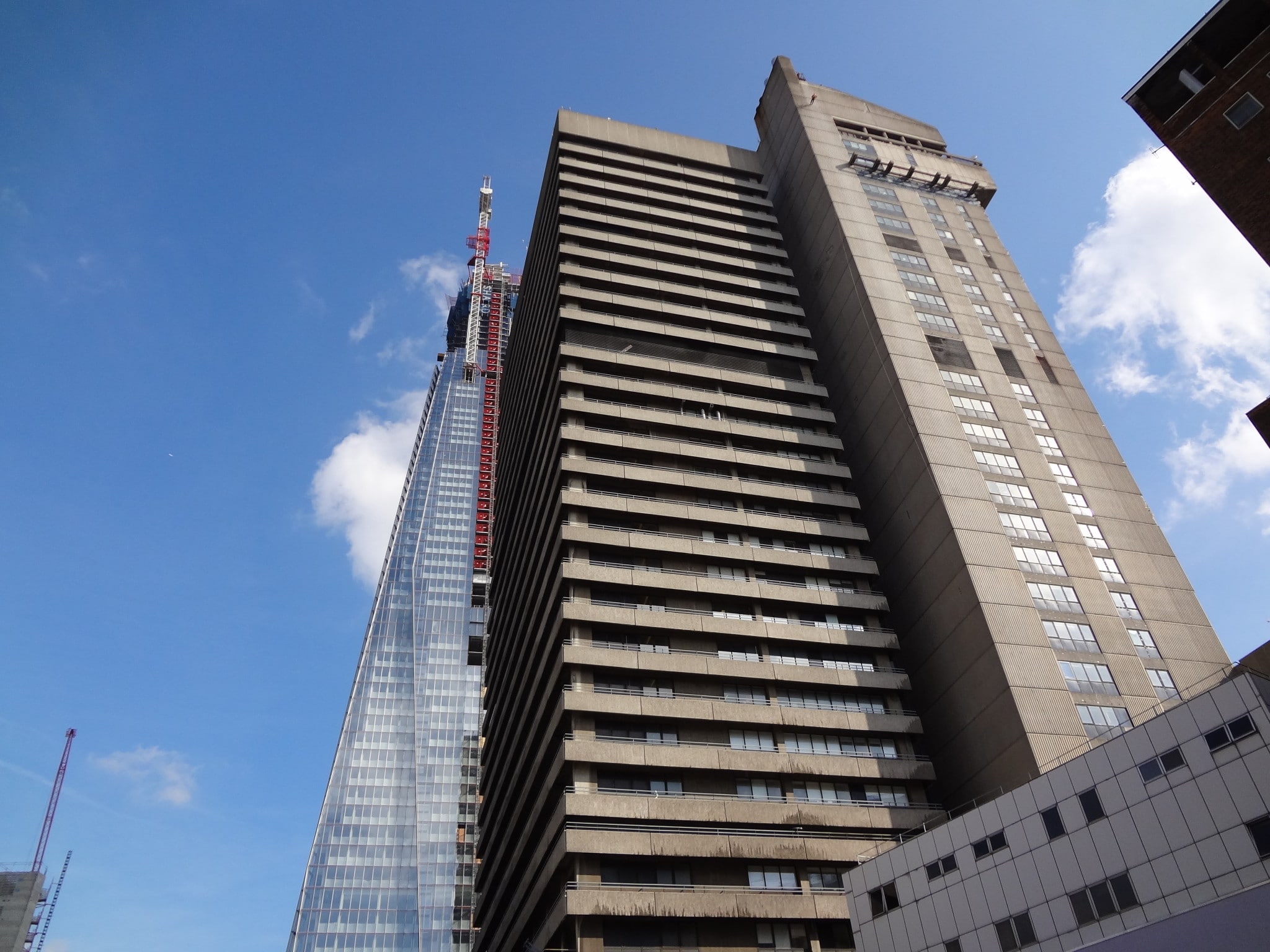
A practical skyscraper with a very London purpose. It’s tall because it needed to be, not because it wanted a nickname. Near London Bridge it sits in a skyline packed with contrasts, old and new. It’s a great scale reference when The Shard is nearby.
- Location:Southwark (Guy’s Hospital, London Bridge area)
- Height:148.7 m
- Floors:34
- Completed:1974
- Architect:Watkins Grey Architects
- Use:Hospital
- Highlights:Major hospital tower, long-standing inner-London height, strong local landmark
- Can the public visit?:Not as a sightseeing observatory (hospital access is functional)
- Best viewpoints:London Bridge area riverside, nearby streets with The Shard in frame
- Nearest transport:London Bridge
- Fun fact:When you see Guy’s Tower next to The Shard, you feel just how extreme The Shard’s height is.
49. Highpoint
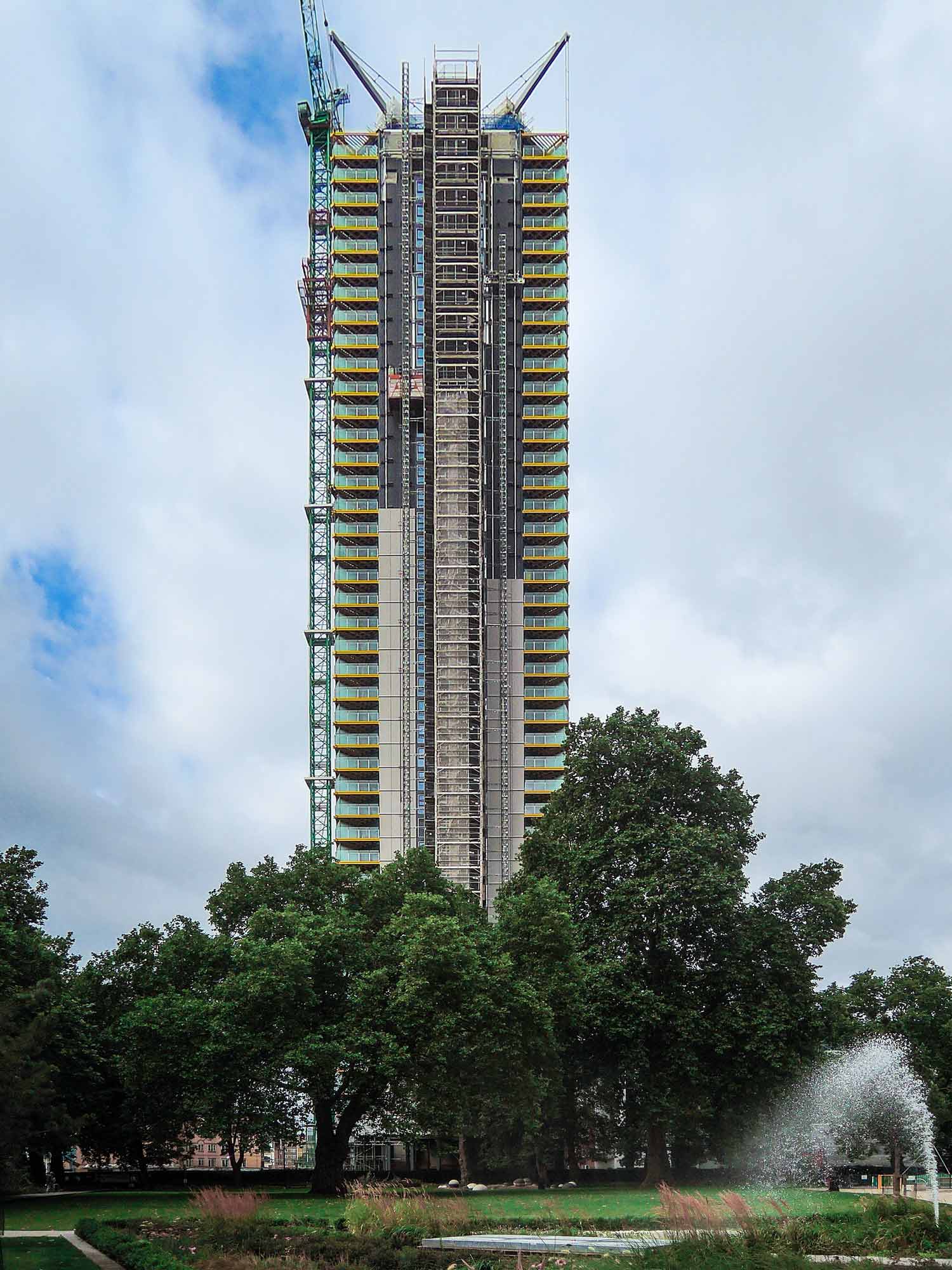
A tall residential marker in Elephant and Castle’s changing skyline. It signals how inner London is building upward in new pockets. From distance, it becomes one of the area’s easiest tall landmarks to recognise. It’s best understood as part of a wider regeneration skyline, not a single icon.
- Location:Elephant and Castle
- Height:148.7 m
- Floors:46
- Completed:2018
- Architect:Rogers Stirk Harbour + Partners
- Use:Residential
- Highlights:Local height marker, inner-London cluster growth, strong vertical presence
- Can the public visit?:No public observatory
- Best viewpoints:Distant South Bank panoramas, bridges and river viewpoints that catch inner-south towers
- Nearest transport:Elephant and Castle
- Fun fact:New clusters feel more dramatic partly because there are fewer “old tall” buildings nearby to dilute the effect.
50. Pan Peninsula (East Tower)
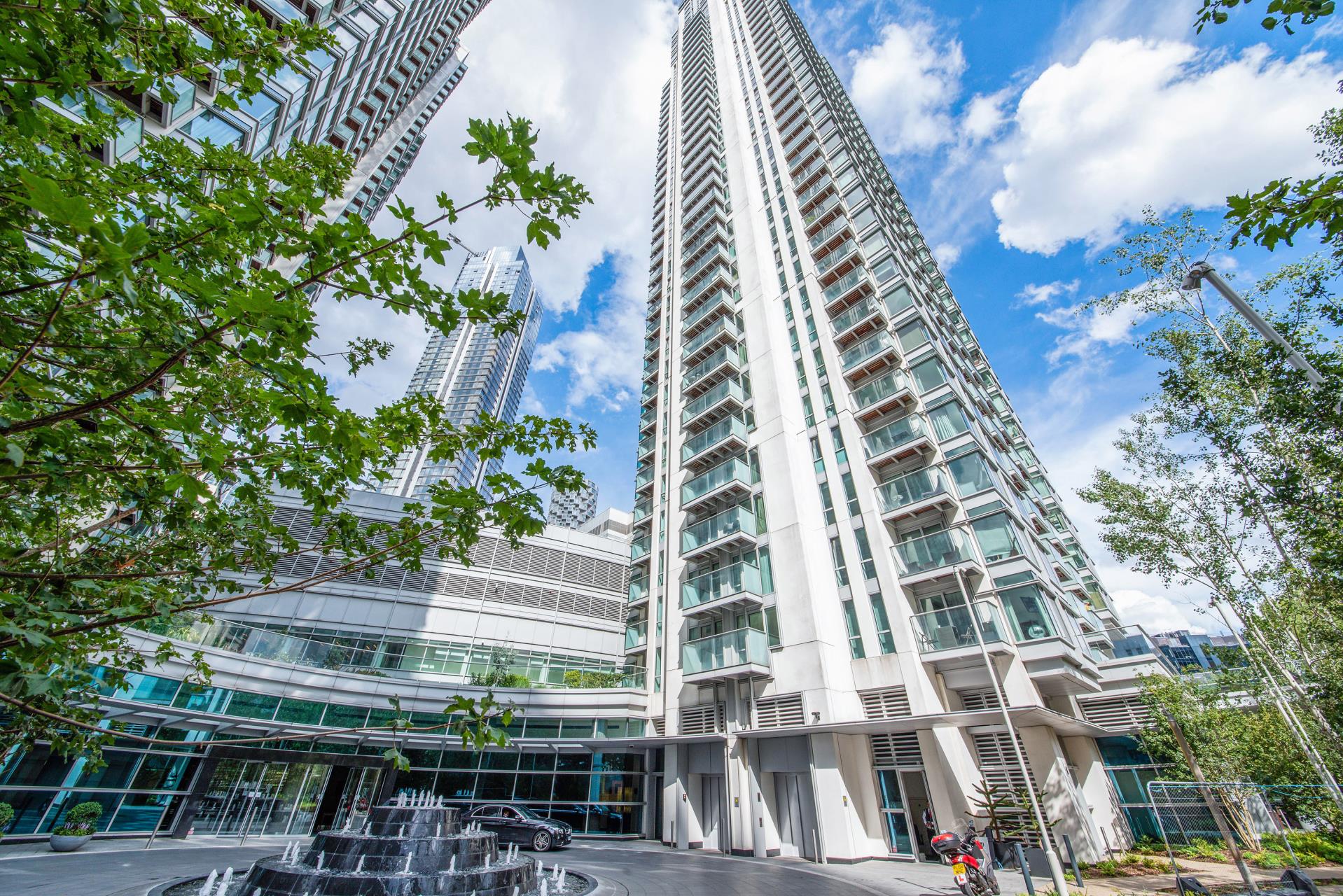
An earlier wave residential skyscraper that still holds its own. Pan Peninsulashows that Docklands residential height has been building for years. From many angles it reads as a straightforward, tall vertical in the skyline set. It’s a useful landmark when you’re orienting yourself around the Isle of Dogs.
- Location:Canary Wharf (Isle of Dogs)
- Height:148 m
- Floors:48
- Completed:2008
- Architect:Skidmore, Owings and Merrill
- Use:Residential
- Highlights:Early Docklands residential height marker, strong skyline presence, tall simple form
- Can the public visit?:No public observatory
- Best viewpoints:Dock-edge walks, Canary Wharf waterside, river panoramas
- Nearest transport:Canary Wharf
- Fun fact:Earlier residential towers often look more segmented because facade and balcony styles have changed over time.
Takeaway: when you can match height-ranked names to clusters, you stop “guessing towers” and start recognising patterns.
Frequently Asked Questions About London’s Skyscrapers
What Are The Famous Skyscrapers Of London?
The Shard, 22 Bishopsgate, the Gherkin, the Walkie Talkie, and One Canada Square are the best-known headline towers across the main clusters.
What Is The Tallest Building In London?
The Shard is London’s tallest building.
Where Are London’s Skyscrapers Located?
Most skyscrapers cluster in the City of London and Canary Wharf, with major groups also around Vauxhall/Nine Elms, Stratford, and Elephant and Castle.
How Many Skyscrapers Does London Have?
It depends on the height cutoff. The commonly used 100 m+ category has a published count that changes as buildings complete and new ones top out. Data as of March 2026.
Why Are There So Many Skyscrapers In The City Of London?
Planning policy protects key views of landmarks while allowing height in defined areas, which concentrates tall buildings into the City cluster instead of spreading them across central London.
What Are The Nicknames For London’s Skyscrapers?
Nicknames often describe the silhouette, like the Gherkin (30 St Mary Axe), the Walkie Talkie (20 Fenchurch Street), and the Cheesegrater (122 Leadenhall).
Can You Visit London Skyscrapers For Free?
Yes. Some high viewpoints are free with booking, including Sky Garden, Horizon 22, and The Lookout at 8 Bishopsgate. Data as of March 2026.
Is Sky Garden Free?
Yes. Entry is free, but you typically need to book timed tickets in advance. Data as of March 2026.
What’s The Highest Free Viewpoint In London?
Horizon 22 is positioned as a top free viewing option, with timed tickets. Data as of March 2026.
What’s The Best Paid Viewpoint?
The View from The Shard is the classic paid option for very high, panoramic views. Data as of March 2026.
Which Area Has More Skyscrapers: City Or Canary Wharf?
The City packs many iconic office towers close together, while Canary Wharf reads like a concentrated planned skyline district with strong clusters of offices and residences.
What’s The Best Place To Photograph The London Skyline?
A riverside viewpoint gives strong silhouettes and scale, and a high viewing platform helps you identify towers. Combining one of each usually works best.
Are New Skyscrapers Still Being Built In London?
Yes. The published ranked list includes buildings that are topped out but not yet completed, and the set changes as projects finish. Data as of March 2026.
Why Can’t London Build Everywhere As Tall As The Shard?
Protected views and skyline policies guide where height is acceptable, which limits super-tall buildings to specific contexts and locations.
Which London Skyscrapers Are Easiest To Spot On A First Visit?
Start with The Shard, then the City cluster icons (Gherkin, Walkie Talkie, Cheesegrater), then One Canada Square in Canary Wharf for a clear three-cluster mental map.
Quick Recap
If you remember only three things, make them these: London’s skyscrapers are clustered, they’re shaped by protected views, and the best skyline day is built around one cluster plus one viewpoint.
When you’re ready, pick your free or paid platform, and treat nicknames as your skyline vocabulary. If you share this with a friend before a London trip, you’ll both spend less time guessing and more time actually seeing.
Jump to
Skyscrapers Of London - Skyline Safari For Icons, Clusters And Views
London’s Skyline At A Glance: Clusters, Icons, And Why It’s Built This Way
The Icons You’ll Recognize Instantly (plus The Nicknames Cheat Sheet)
Best Places To See London’s Skyscrapers: Free Viewing Platforms And Classic Panoramas
50 Skyscrapers Of London Ranked By Height (quick Reference List)
Frequently Asked Questions About London’s Skyscrapers
Quick Recap

James Rowley
Author
James Rowley is a London-based writer and researcher covering London life, cultural geography, London travel, live London webcam pages and selected public figures across entertainment, sport, business and public life.
For over 15 years, he has focused on verified sources, first-hand local context and clear explanations that help readers understand both places and people more deeply. His work combines street-level London knowledge with careful research into career credits, media work, business interests and, where relevant, transparently explained net worth estimates.
He writes and reviews articles published on LondonWebcam.
Latest Articles
Popular Articles