Top 49 Theatres In London & Best West End Shows (2026)
Experience London’s best theatres & West End shows in 2026. Find top venues, current musicals & smart ticket tips in our insider guide.
Author:James RowleyFeb 08, 202649.6K Shares886.7K Views
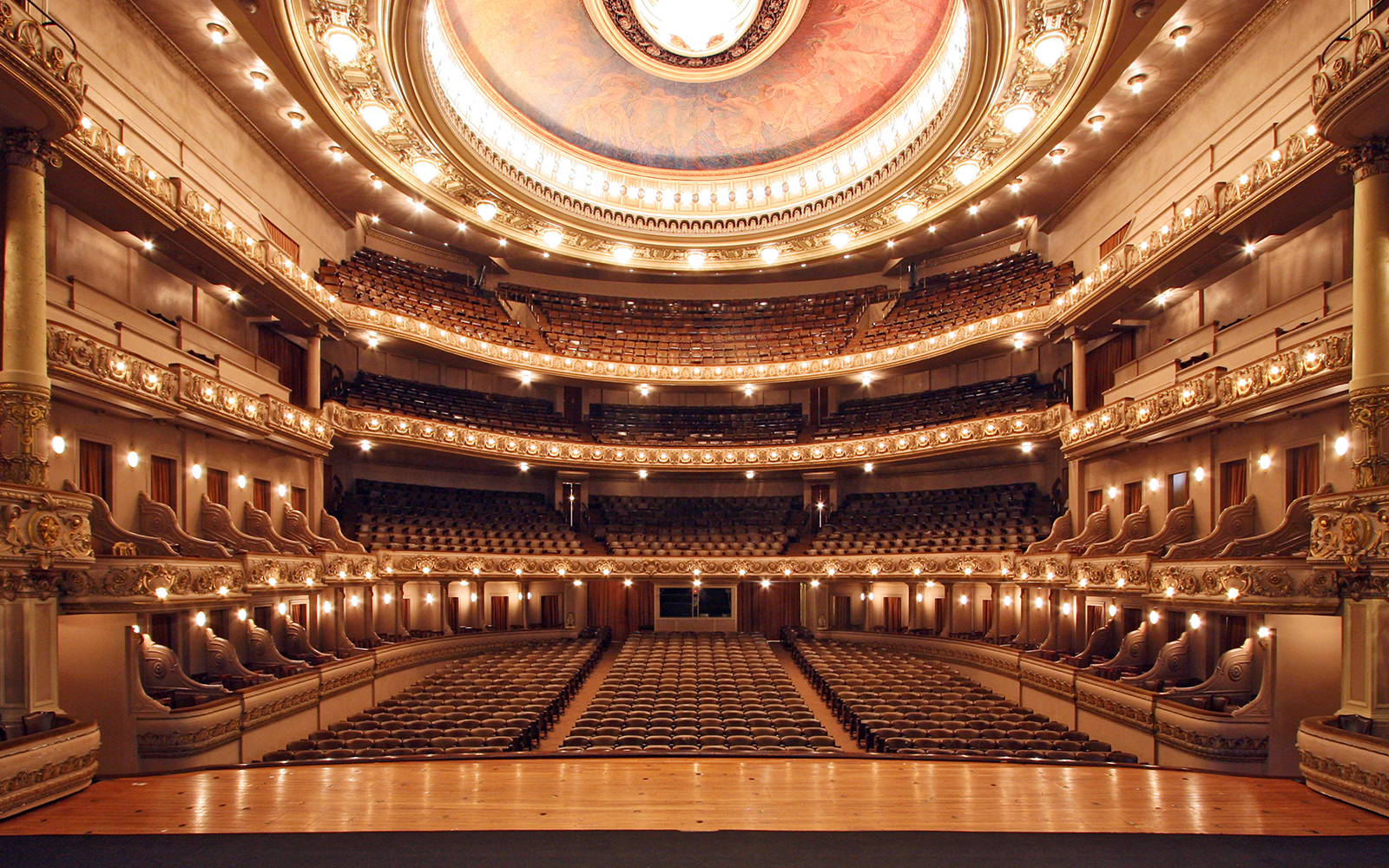
London Theatre Guide: Best Venues & Musicals To See Now
Stepping into a Londontheatre is stepping into a world where history, spectacle, and storytelling collide. The West End Theatre London sceneis the heart of global drama, spectacle, and music. Whether you're a first-time visitor or a seasoned local, finding the perfect show and securing the best theatre shows in Londontickets can feel overwhelming.
This guide provides a curated list of top recommendations, smart booking strategies , and essential visitor information.
Quick Highlights
- Understand the key theatre districts - West End, Off-West End, and fringe
- Discover London’s most iconic venues and what makes each special
- Find out which shows are captivating audiences right now
- Learn how to secure affordable tickets and plan a seamless theatre night
1. Theatres In London: Iconic Stages That Define The City
London’s theatre scene is a living museum of performance - centuries of craftsmanship, architecture, and artistic daring spread across dozens of venues. From the chandeliered halls of the West End to the experimental black boxes of North London, each stage tells a story of its own.
Here are the city’s most celebrated theatres - grouped by legacy and artistic focus.
Historic & Legendary West End Theatres
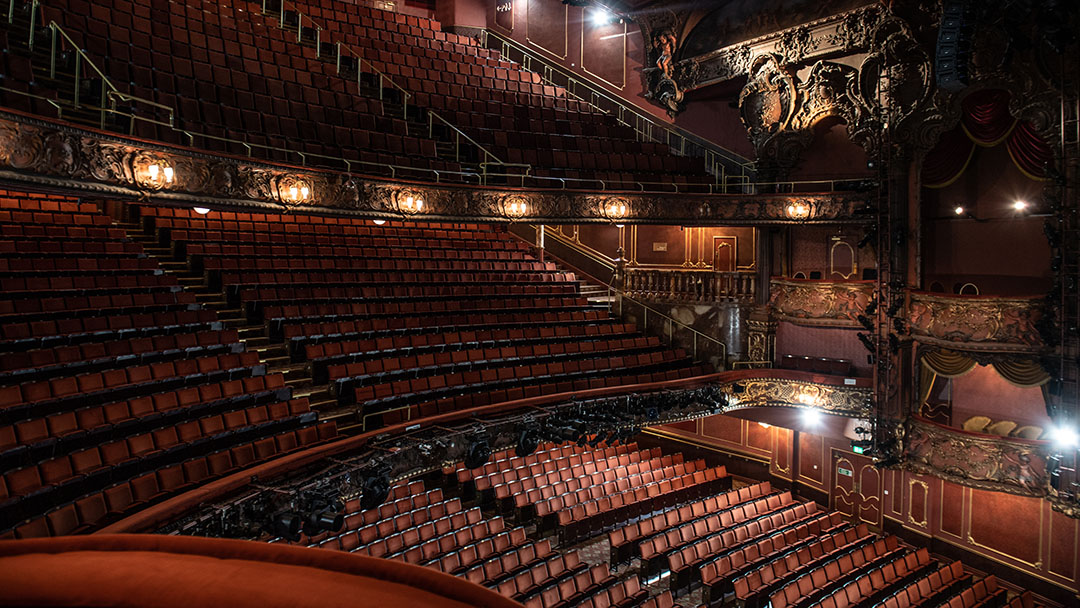
These are the grand stages that have defined London’s cultural identity for generations - opulent, world-famous, and eternally buzzing with audiences.
1. Lyceum Theatre
Opened in 1834, this grand Corinthian-fronted theatre is the long-time home of Disney’s The Lion King. With over 2,100 seats, it’s one of the West End’s largest and most majestic spaces.
2. His Majesty’s Theatre
Originally opened in 1705, it’s now best known as the permanent home of Andrew Lloyd Webber’s The Phantom of the Opera. The Haymarket location exudes Gothic elegance.
3. Theatre Royal Drury Lane
Dating back to 1663, it’s the oldest working theatre in the world. Its lavish 2021 restoration brought new life to this icon, currently hosting Disney’s Frozen.
4. London Palladium
A Grade II* listed venue designed by Frank Matcham (1910), it has hosted stars from Judy Garland to Elton John. With 2,286 seats, it remains the quintessential variety theatre.
5. Aldwych Theatre
Opened in 1905 and listed Grade II in 1971, the Aldwych seats around 1,200 guests. It’s known for stylish revivals and long-running comedies, recently including Tina – The Tina Turner Musical.
6. Cambridge Theatre
Built in 1929–30, this striking corner theatre in Seven Dials features clean Art Deco lines. It’s home to Matilda The Musical, one of the West End’s most acclaimed family shows.
7. Peacock Theatre
Located near Aldwych, this versatile venue often hosts dance, ballet, and student performances from the London School of Economics and Sadler’s Wells.
8. Shaftesbury Theatre
Opened in 1911 with 2,500 seats, it now seats 1,416 after renovation. The last theatre built on Shaftesbury Avenue, it’s famed for musical revivals like & Julietand Motown the Musical.
9. Victoria Palace Theatre
Designed by Frank Matcham in 1911, this Grade II* listed theatre shines in Victoria Street and now stages the global hit Hamilton.
10. Criterion Theatre
Hidden beneath Piccadilly Circus, this Grade II* listed gem (588 seats) is beloved for The 39 Stepsand its elegant underground auditorium.
11. Gillian Lynne Theatre
On Drury Lane since 1973, this modern West End house was renamed in 2018 for choreographer Gillian Lynne. It’s known for The Lehman Trilogyand School of Rock.
12. Duke Of York’s Theatre
Opened in 1892 by actor-manager Frank Wyatt, this 640-seat theatre on St. Martin’s Lane hosts quality plays with intimate charm.
13. Noël Coward Theatre
Originally the New Theatre (1903), it was renamed in 2006 to honour playwright Noël Coward. Located behind Wyndham’s, it features polished drama and modern classics.
14. Harold Pinter Theatre
Built in 1881 by Thomas Verity, this Panton Street venue - formerly the Comedy Theatre - is renowned for bold revivals and politically charged plays.
15. Trafalgar Theatre
A Grade II Art Deco building near Trafalgar Square, reopened in 2021 after restoration. It now stages productions like Jersey Boys.
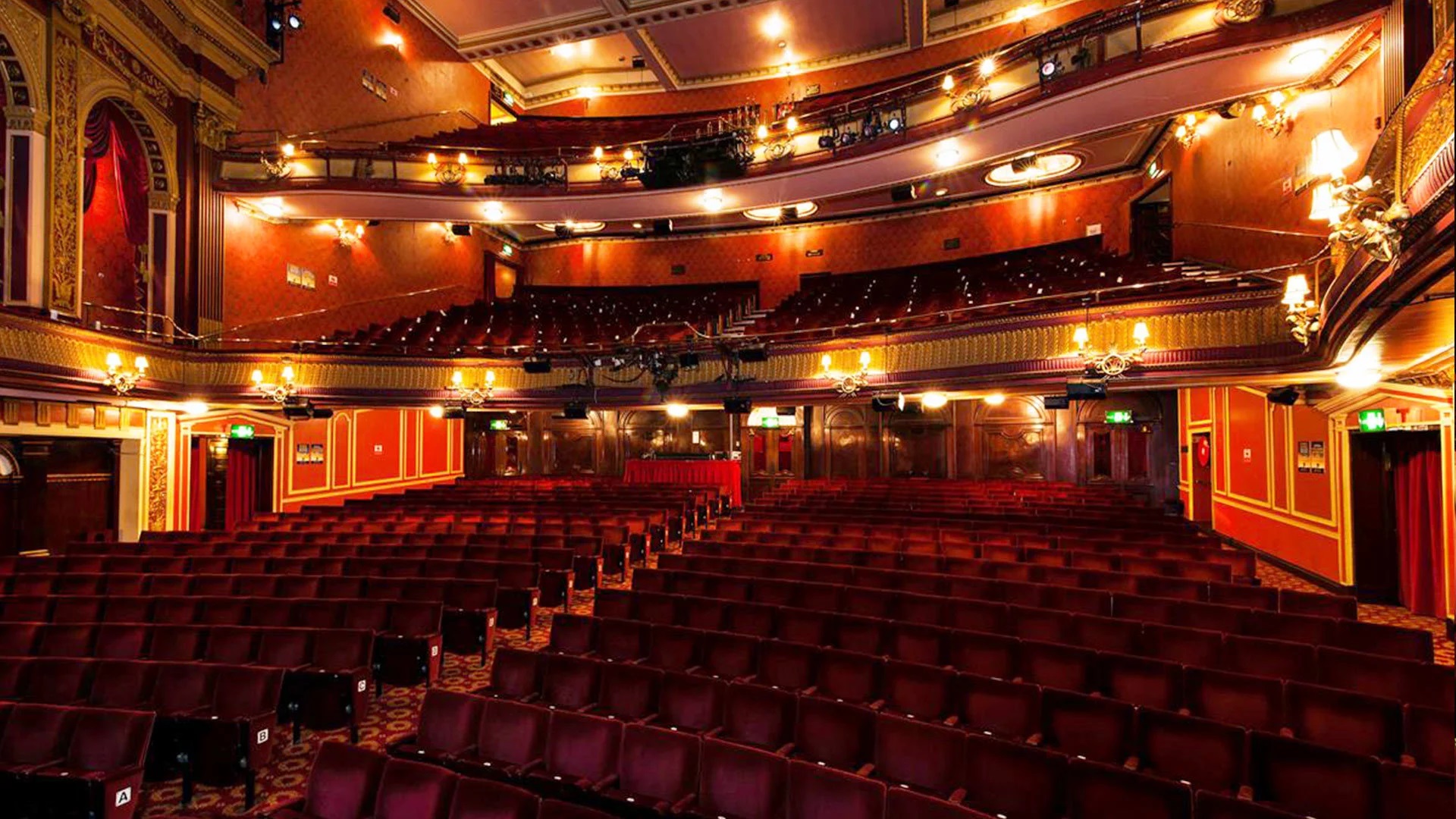
16. Phoenix Theatre
Opened in 1930 on Charing Cross Road, it retains its original Italianate interior. It’s hosted everything from Blood Brothersto Come From Away.
17. Duchess Theatre
One of the West End’s smallest (494 seats), this 1929 venue is best known for The Play That Goes Wrong, running since 2014.
18. Garrick Theatre
Named after 18th-century actor David Garrick, it opened in 1889. Its classical charm and prime Charing Cross Road location make it a favourite for comedies and dramas alike.
19. Kit Kat Club At Playhouse Theatre
Built in 1882 and rebuilt in 1907, the Playhouse (renamed Kit Kat Club) now hosts an immersive Cabaret, reconfiguring the theatre into a sultry 1930s nightclub.
20. Palace Theatre
A red-brick Victorian marvel opened in 1891, it’s currently home to Harry Potter and the Cursed Child. Its Gothic arches are among the most photographed in London.
21. Prince Edward Theatre
Opened in 1930, this Art Deco treasure has staged Mary Poppinsand MJ The Musical, offering plush interiors and excellent sightlines.
22. Apollo Victoria Theatre
A 1930s cinema turned theatre, it’s the emerald-lit home of Wicked, seating over 2,300 fans nightly.
23. Dominion Theatre
With its vast 2,069 seats, this Art Deco colossus hosts large-scale musicals and concerts. We Will Rock Youfamously ran here for 12 years.
24. Sondheim Theatre
Formerly the Queen’s Theatre, renamed in 2019 after Stephen Sondheim. It continues to stage Les Misérables, the West End’s longest-running musical.
25. Prince Of Wales Theatre
Rebuilt in 2004, this sleek, contemporary venue hosts The Book of Mormon, known for its lively energy and superb acoustics.
26. Adelphi Theatre
Dating from 1806, this historic Strand theatre specializes in blockbuster musicals like Back to the Future: The Musical.
27. Vaudeville Theatre
On the Strand since 1870, this 690-seat house balances classic plays and contemporary comedies.
28. Wyndham’s Theatre
Opened in 1899, this ornate house is revered for plays led by major British actors and directors.
29. Lyric Theatre
The oldest surviving Shaftesbury Avenue theatre (1888), now home to Six: The Musical.
30. Novello Theatre
Opened in 1905 and renamed after composer Ivor Novello, it’s famed for hosting Mamma Mia!since 2012.
31. The Mousetrap At St Martin’s Theatre
Built in 1916, this charming Edwardian theatre has hosted Agatha Christie’s The Mousetrapcontinuously since 1974 - the world’s longest-running play.
National And Cultural Landmarks
32. National Theatre
On the South Bank, the National is the cornerstone of British drama. Its three auditoria (Olivier, Lyttelton, Dorfman) foster groundbreaking productions seen worldwide.
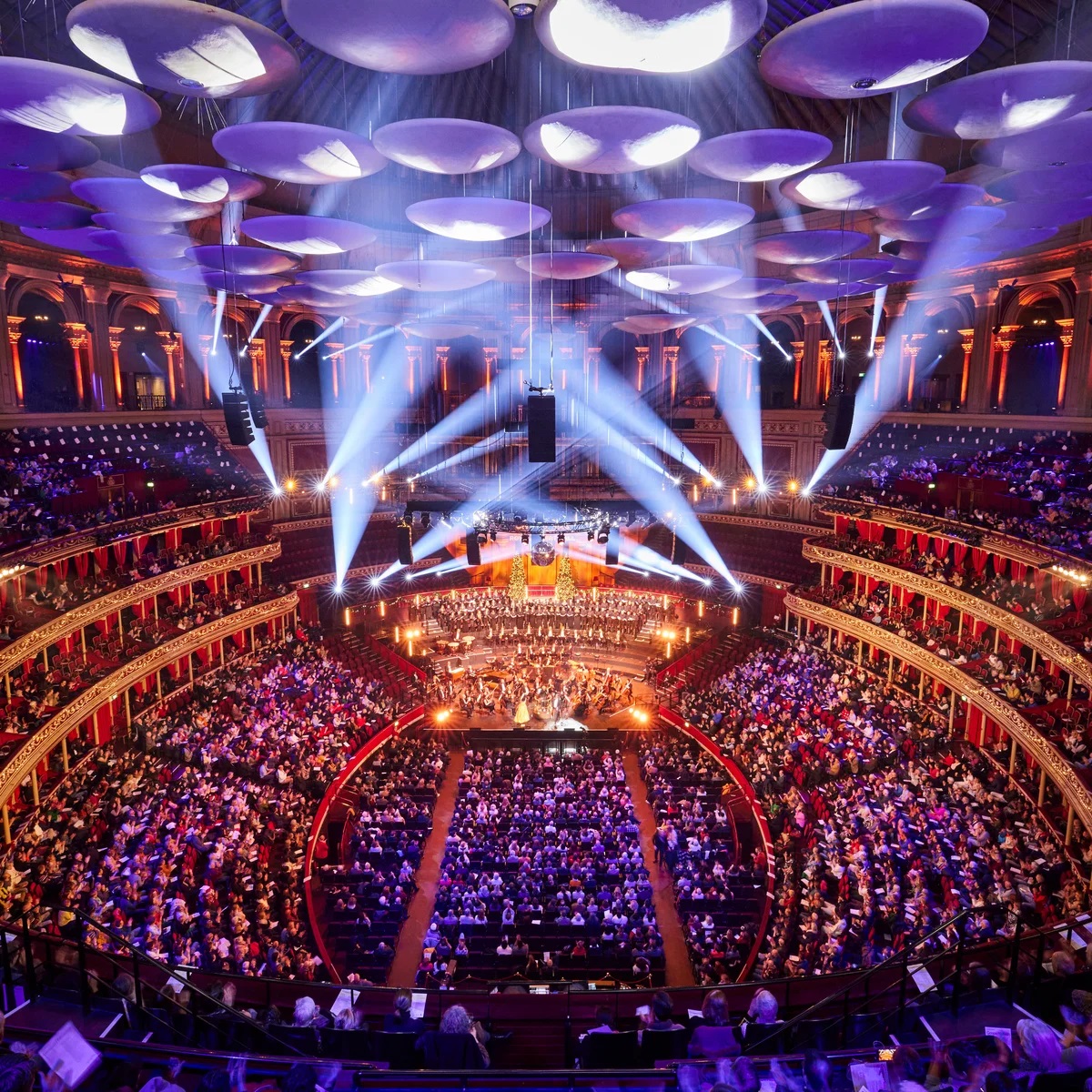
33. Royal Albert Hall
Opened in 1871, this Grade I listed masterpiece hosts concerts, ballets, and theatrical events beneath its legendary domed roof.
34. Royal Opera House
Home to The Royal Ballet and The Royal Opera, this Covent Gardenicon combines neoclassical splendour with modern acoustics.
35. London Coliseum
Built in 1904, this 2,359-seat venue is the largest in London. It’s the base of English National Opera and also hosts musicals and film concerts.
36. Barbican Centre
A Brutalist architectural icon, the Barbican is home to the Royal Shakespeare Company’s London seasons and a vibrant mix of experimental and classical theatre.
37. Sam Wanamaker Playhouse
A candlelit reconstruction of an indoor Jacobean theatre, adjacent to Shakespeare’s Globe. Offers intimate, atmospheric productions by torchlight.
38. Witness For The Prosecution At County Hall
Agatha Christie’s courtroom drama comes alive in this immersive production staged in the real chambers of London’s historic County Hall.
Contemporary & Alternative Venues
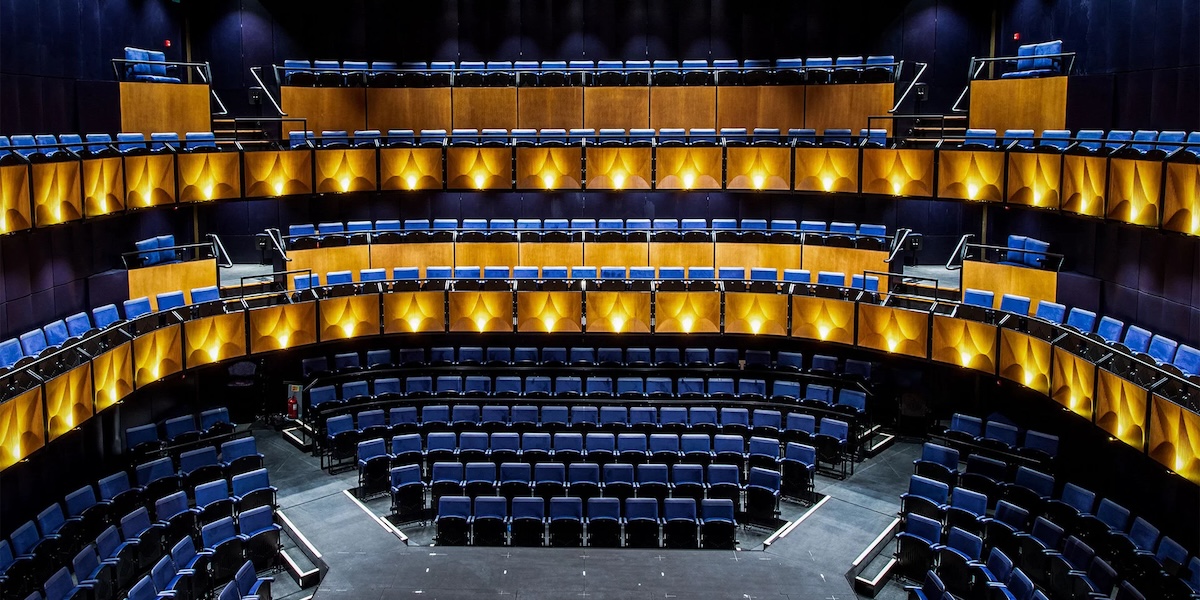
39. Bridge Theatre
Opened in 2017 near Tower Bridge, this flexible modern venue presents innovative stagings and world premieres, including immersive Shakespeare productions.
40. The Old Vic
Founded in 1818, the Old Vichas been a creative crucible for actors from Laurence Olivier to Daniel Radcliffe. Its blend of classics and modern plays keeps it vital.
41. The Other Palace
A modern space founded by Andrew Lloyd Webber to nurture new musicals and emerging talent.
42. @sohoplace
Opened in 2022 as the first new West End theatre in 50 years. Its in-the-round design ensures perfect sightlines for every seat.
43. Park Theatre
A community-driven North London venue known for sharp contemporary drama and socially engaged storytelling.
44. Charing Cross Theatre
An underground gem near Embankment Station, offering cabaret-style intimacy and inventive musical productions.
45. Alexandra Palace Theatre
Originally opened in 1875 and restored in 2018 after decades of closure, this stunning Victorian auditorium now hosts concerts and one-off productions.
46. Troubadour Wembley Park Theatre
A huge, flexible space outside central London known for immersive productions and large-scale family entertainment.
47. Hippodrome
A hybrid venue combining historic theatre architecture with modern cabaret and live entertainment, located in Leicester Square.
48. King’s Head Theatre
London’s longest-running pub theatre, founded in 1970 in Islington, pioneering the Off-West End movement.
49. Arts Theatre
Opened in 1927 near Leicester Square, this intimate 350-seat theatre has long championed experimental and fringe work, including early Pinter and Beckett.
2. London’s Theatre Districts Explained
The West End
Often compared to Broadway, London’s West Endis a glittering constellation of theatres around Covent Garden, Leicester Square, and Piccadilly Circus.
Here, you’ll find long-running crowd-pleasers like Les Misérables, Mamma Mia!, and Wicked.
West End shows are typically large-scale productions with lavish sets, famous casts, and impeccable production values - perfect for first-time visitors seeking that iconic “London theatre” thrill.
Off-West End & Fringe
Smaller venues such as the Almeida, Donmar Warehouse, and Young Vicspecialize in bold, innovative plays. Tickets are often cheaper, and performances more intimate - great for audiences who prefer fresh, thought-provoking theatre over spectacle.
National And Alternative Hubs
Landmark venues like the National Theatre, Globe, and Barbicancombine prestige and experimentation. The National’s three stages (Olivier, Lyttelton, Dorfman) showcase everything from Shakespeare to avant-garde new writing.
Related Reading: 40 Best Live Music Venues In London [<year> Picks]
3. Best Theatre Shows In London (2025 Highlights)
Each year, London’s stages host hundreds of productions - musicals, dramas, comedies, and immersive experiences.
Here are the standout shows captivating audiences right now.
Must-See Musicals
- Hamilton(Victoria Palace Theatre) - Lin-Manuel Miranda’s revolutionary masterpiece blending hip-hop and history.
- The Phantom of the Opera(His Majesty’s Theatre) - The longest-running musical in London, still mesmerizing after decades.
- The Lion King(Lyceum Theatre) - A breathtaking spectacle of music, puppetry, and heart.
- Moulin Rouge! The Musical(Piccadilly Theatre) - Parisian glamour, pop hits, and passion.
- Wicked(Apollo Victoria Theatre) - The untold story of Oz’s witches - family-friendly yet profoundly moving.
- Matilda The Musical (Cambridge Theatre)- The award-winning adaptation of Roald Dahl's story, a West End classic.
- Back to the Future The Musical (Adelphi Theatre) - The high-energy, Olivier-winning stage adaptation of the iconic film.

Hamilton - Victoria Palace Theatre
Best Plays In London Right Now
- The Motive and the Cue(National Theatre) - A witty exploration of art and ego.
- Patriots(Noël Coward Theatre) - Politics and power collide in this gripping drama.
- Dear England(Prince Edward Theatre) - Football, identity, and nationhood examined with humour and heart.
- The 39 Steps(Criterion Theatre) - A comic take on Hitchcock’s spy thriller, perfect for tourists.
- The Lady from the Sea (Bridge Theatre)- A new, critically acclaimed adaptation of the Ibsen play, starring Alicia Vikander and Andrew Lincoln. Lincoln is also internationally known for The Walking Dead, a franchise that has continued expanding long after the original series, with The Walking Dead now getting its own free TV channel in the UK.
Best Theatre Shows For Adults
For mature audiences seeking intensity, nuance, or edge:
- Cabaret(Kit Kat Club at Playhouse Theatre) - Immersive, decadent, unforgettable.
- The Lehman Trilogy(Gillian Lynne Theatre) - A generational epic of ambition and collapse.
- A Mirror(Trafalgar Theatre) - A sharp political allegory cloaked as forbidden romance.
- The Book of Mormon (Prince of Wales Theatre)- The famously hilarious, irreverent musical from the creators of South Park.
4. How To Find And Book London Theatre Tickets
Booking Tips
- Use official box officesor STAR-accredited platforms to avoid counterfeit tickets.
- Choose weekdayor matineeperformances for better prices.
- Consider “restricted view” seats - often cheaper with minimal visual compromise.
Discounts & 2-for-1 Deals
- Annual campaigns like Get Into London Theatreor Kids Weekoffer 2-for-1 theatre tickets.
- TKTS Leicester Squaresells discounted same-day tickets.
- Many shows now have digital lotteriesor rush ticket appswith seats under £30.
Memberships & Concessions
Frequent theatre-goers can save through:
- Venue memberships (priority booking + savings)
- National Theatre Entry Pass (for under-26s)
- Student and senior concessions
5. Pre-Show Planning & Etiquette
Getting There
Most major theatres are a short walk from Tube stops like Leicester Square, Piccadilly Circus, Covent Garden, or Charing Cross. Arrive 30–60 minutes early to relax, collect tickets, and soak in the atmosphere.
Dress Code
There’s no strict rule - smart-casualfits almost any venue. The key is comfort and courtesy.
Theatre Etiquette
- Phones off, photos forbidden.
- Late arrivals may have to wait for an interval.
- Applaud freely - London audiences love enthusiasm.
Accessibility
Most theatres offer:
- Wheelchair-accessible seating
- Audio description or captioning
- Relaxed or sensory-friendly performances
- Companion tickets
For details, check Access London Theatreor each venue’s accessibility page.
6. Emerging Trends In London Theatre
- Creative Resurgence:London theatre attendance has surged beyond pre-pandemic levels, driven by tax incentives and renewed tourism.
- Dynamic Pricing Evolution:More shows now adjust prices live to match demand, offering both budget and premium options.
- Innovation & Inclusion:Expect more diverse casts, AI-enhanced design, and immersive tech - without losing the intimacy that defines live theatre.
Also Check Out: 30 Top Comedy Clubs In London | <year> Update
FAQs About Theater In London
What Are The Best Theatre Shows In London Right Now?
It depends on your taste, but standout shows currently include The Curious Case of Benjamin Button, Hadestown, Evita, Stranger Things: The First Shadow, My Neighbour Totoro, and long-running favorites like Les Misérables, Phantom, The Lion King, and Wicked.
What Is The Name Of The Famous London Theatre?
If pressed for one, The Royal Opera Houseand Shakespeare’s Globeoften come up. But London has many “famous” theatres - from the London Palladium, Coliseum, Old Vic, National Theatre, and more.
Which Is The Most Beautiful Theatre In London?
Beauty is subjective - but theatres like the Royal Opera House, London Coliseum, the ornate Palladium, and Shakespeare’s Globe (for its historic charm) are often cited as among the most beautiful.
What Plays In London Are Good For Tourists?
Broadway-style musicals appeal widely (e.g. The Lion King, Phantom of the Opera). For a more “London flavour,” consider Shakespeare at the Globe or new British plays in Off-West End theatres.
What Is The Biggest Theatre In London?
By seating capacity, the London Coliseum(2,359 seats) is often named the largest theatre in London’s West End.
How Far In Advance Should I Book Tickets?
For blockbuster shows and peak dates, book months in advance. Some Fringe or experimental theatre shows might be announced only weeks ahead. If your schedule is flexible, keep an eye on last-minute deals.
Are There Discounts Or “2-for-1” Offers For Theatre In London?
Yes - though limited. You may find them during theatre festivals, via membership perks, loyalty programs, or special promotional nights. Also check rush tickets, lotteries, or midweek/matinee deals.
Conclusion
To experience theatre in Londonis to witness the city at its most alive - a blend of craft, history, and imagination. From the glamour of the West End to the raw brilliance of fringe stages, every performance is part of an ever-evolving cultural dialogue.
So next time the lights dim and the orchestra swells, know that you’re not just watching a show - you’re stepping into centuries of storytelling.
If this guide helped you plan your night out, share it with a friend or bookmark it before your next trip. The curtain’s waiting.
Jump to
London Theatre Guide: Best Venues & Musicals To See Now
Quick Highlights
1. Theatres In London: Iconic Stages That Define The City
2. London’s Theatre Districts Explained
3. Best Theatre Shows In London (2025 Highlights)
4. How To Find And Book London Theatre Tickets
5. Pre-Show Planning & Etiquette
6. Emerging Trends In London Theatre
FAQs About Theater In London
Conclusion

James Rowley
Author
James Rowley is a London-based writer and researcher covering London life, cultural geography, London travel, live London webcam pages and selected public figures across entertainment, sport, business and public life.
For over 15 years, he has focused on verified sources, first-hand local context and clear explanations that help readers understand both places and people more deeply. His work combines street-level London knowledge with careful research into career credits, media work, business interests and, where relevant, transparently explained net worth estimates.
He writes and reviews articles published on LondonWebcam.
Latest Articles
Popular Articles