Where In London Has The Best 5G?
London has rapidly become one of the most advanced cities in Europe for 5G connectivity. As demand for faster data speeds grows across gaming, streaming and mobile working, the capital has invested heavily in next-generation mobile infrastructure.
Jan 31, 2026
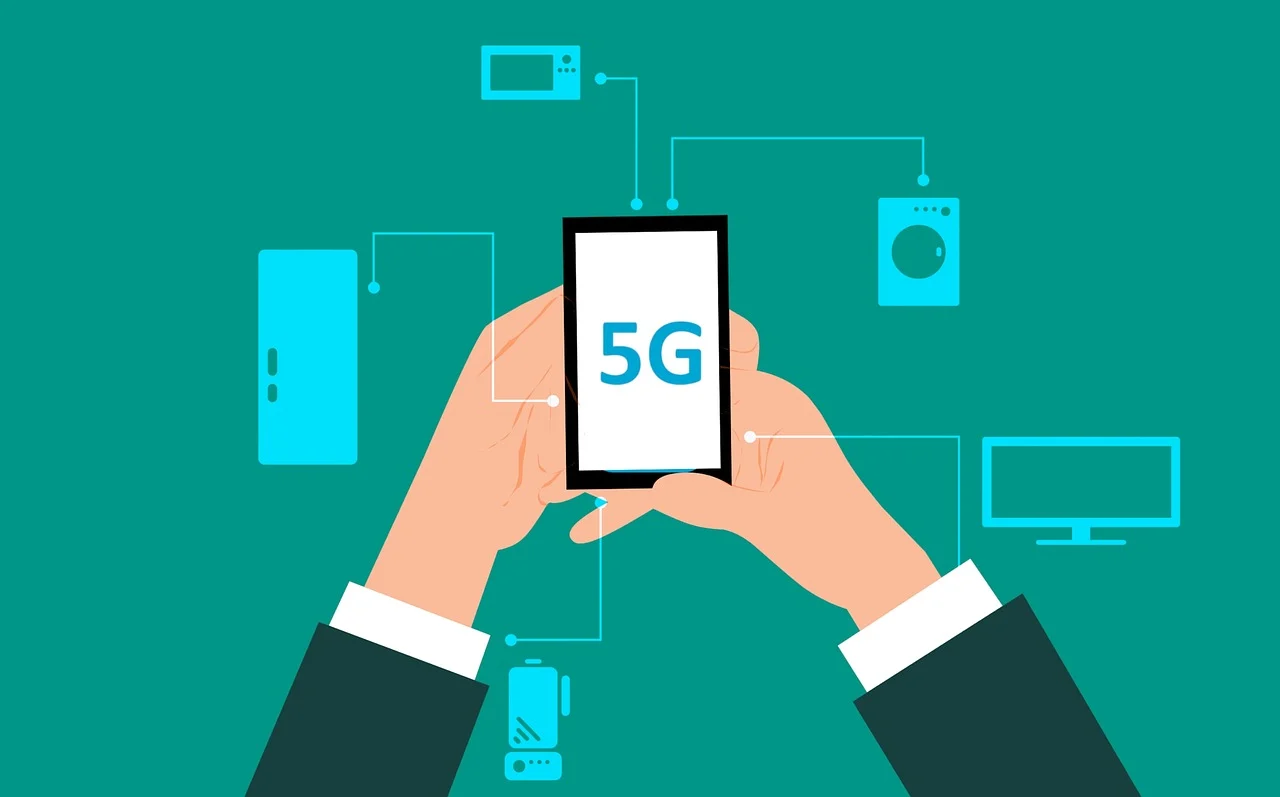
London has rapidly become one of the most advanced cities in Europe for 5G connectivity. As demand for faster data speeds grows across gaming, streaming and mobile working, the capital has invested heavily in next-generation mobile infrastructure.
In 2026, 5G coverage across London is not only widespread but increasingly reliable, offering impressive speeds and low latency for millions of users.
For smartphone users, online gamers and people who enjoy digital entertainment such as streaming or even accessing a casinoplatform on the go, strong 5G coverage can make a noticeable difference.
The question being asked here is: where in London does 5G truly perform at its best? Let’s dive in to find out.
Central London: The Strongest And Fastest Coverage
Central London continues to lead the way when it comes to 5G performance. Areas such as Westminster, Soho, Covent Garden and the City of London benefit from some of the densest network infrastructure in the country.
All major UK networks have heavily invested in these locations due to high population, business demand and tourism.
Users in these areas typically experience ultra-fast download speeds, low latency and consistent connections, even during peak hours, which makes central London ideal for high-demand activities such as:
- Video streaming
- Cloud gaming, video calls
- Real-time mobile applications
Office workers and remote professionals also benefit from reliable 5G connections that rival fixed broadband in many locations.
Transport hubs such as King’s Cross, Liverpool Street and Paddington have also seen significant upgrades, ensuring seamless connectivity for commuters and travellers on the move.
East London And The Tech Corridor
East London has become a major hub for technology and innovation, and its 5G coverage reflects this growth. Areas such as Shoreditch, Stratford and Canary Wharf are among the best connected in the capital.
With a high concentration of tech companies, startups and creative industries, network providers have prioritised these locations for advanced 5G rollout.
In Canary Wharf, in particular, users can experience some of the fastest average 5G speeds in the UK. The area’s modern infrastructure makes it ideal for testing next-generation mobile services, including augmented reality applications and cloud-based gaming.
East London’s strong 5G performance also benefits residents and visitors who rely on mobile connectivity for work, entertainment and communication throughout the day.
West And South London’s Expanding Coverage
While central and eastern areas currently lead in performance, West and South London have made significant progress over the past two years. Neighbourhoods such as Hammersmith, Wimbledon and Clapham now enjoy far more consistent 5G coverage than in the early rollout phase.
Transport routes, shopping centres and residential zones have all seen upgrades, improving speeds and reliability, which has been particularly noticeable for mobile gamers and live streamerswho require stable connections across different parts of the city.
Although some suburban areas still rely on a mix of 4G and 5G, network expansion continues at a steady pace, with providers aiming to achieve near-total coverage across Greater London by the end of the decade.
What This Means For Users In 2026
5G is no longer a novelty but an everyday utility for most Londoners. Faster speeds support richer mobile experiences, from high-definition streaming and online gaming to smart city services and real-time navigation. The technology also enables smoother remote working and improved connectivity for smart devices.
As networks continue to mature, users can expect more consistent performance across the capital, fewer dead zones and greater support for data-heavy applications. London’s position as a global tech hub means it will likely remain at the forefront of 5G development in the UK.
Final Thoughts
London now stands as one of the best-connected cities in Europe, with 5G coverage expanding rapidly across its boroughs. While central and eastern areas currently offer the strongest performance, improvements across the entire city are closing the gap.
For anyone relying on fast, reliable mobile internet, whether for work, entertainment or everyday use, London’s 5G network in 2026 offers speed, stability and a glimpse into the future of connectivity.
Latest Articles
Popular Articles