AI And Live Streaming: Current Uses And AI LIVE London 2026
Explore how AI is changing live streaming through captions, translation, camera automation and production tools, plus what AI LIVE London 2026 will cover.
Author:James RowleyOct 09, 20264.8K Shares95.1K Views
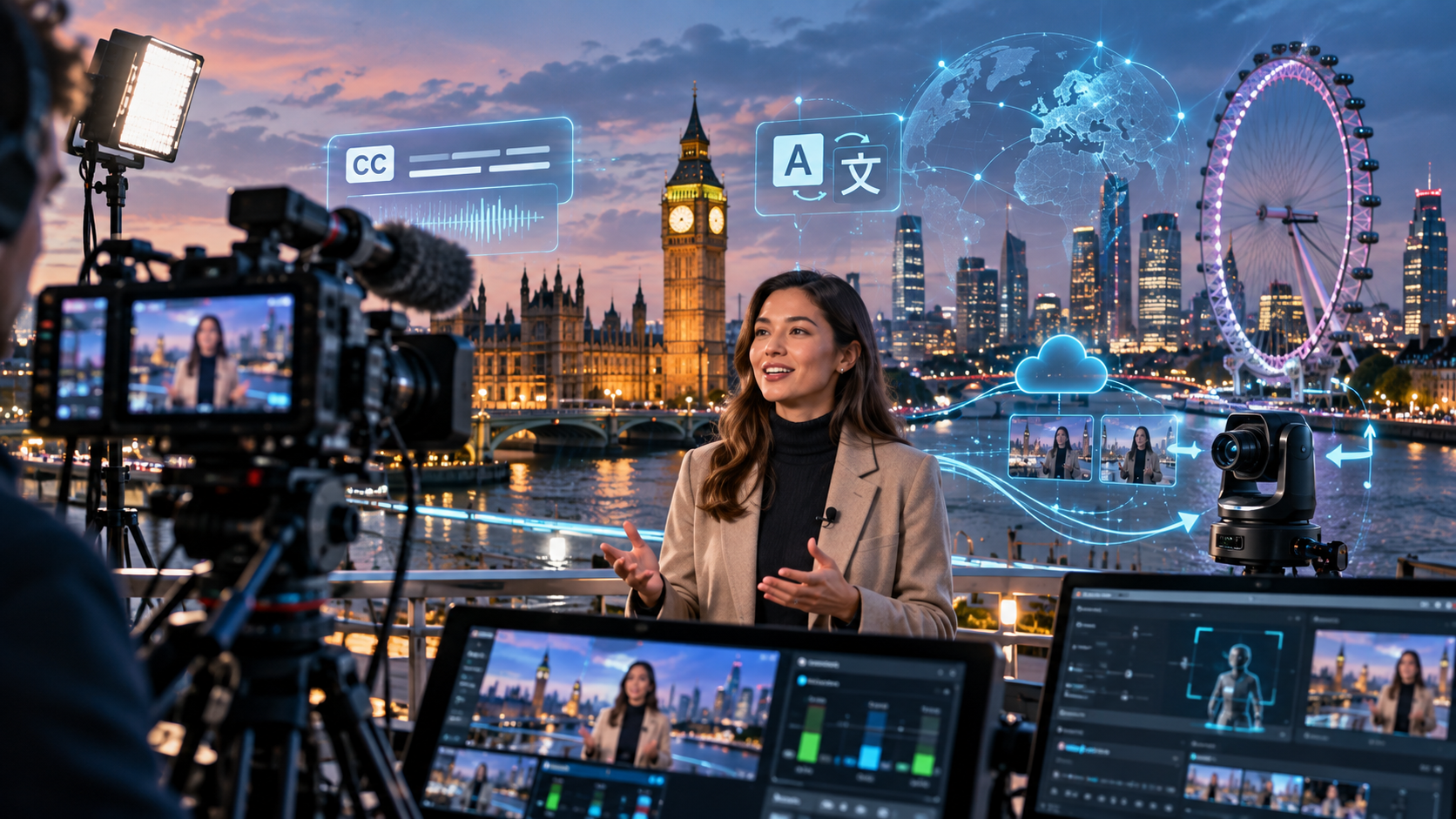
AI and live streaming are already coming together through automatic captions, translation, camera automation and other production tools. In London, that shift is arriving alongside a wider push to adopt AI and AI LIVE: The London Summit 2026, which takes place at Olympia London on 20–21 October.
London is also widening access to AI through Sadiq Khan's £12m AI support programme for small businesses. The three-year programme is designed to give SMEs practical support including readiness assessments, mentoring, workshops and tailored guidance on adopting AI.
For live-streaming businesses, the useful question is not whether AI will replace an entire broadcast workflow. It is which tasks can already be automated or assisted, where human oversight still matters and what London’s growing AI ecosystem could mean for live video.
How AI Is Already Changing Live Streaming
AI is already being used in specific parts of the live-streaming workflow rather than replacing the whole production chain. Current uses include automated camera operation, live captions and transcription, translation in some live or near-live settings, moderation assistance and tools that create highlights or clips from broadcasts.
Automated camera operation is one of the clearest production examples. Computer-vision systems can track a subject and control framing or camera movement, while more advanced setups can combine tracking with automated switching and graphics. These systems are most reliable in structured environments where production rules are defined in advance and people can intervene when needed.
Automatic captions are more widely established. YouTube, for example, supports automatic captions on eligible live streamsusing speech-recognition technology. Its current live-caption feature is English-only, works on normal-latency streams where professional captions are unavailable and is still being rolled out to eligible channels. YouTube also warns that poor audio, overlapping speakers and unsupported languages can affect results.
AI translation is developing quickly, but recorded-video tools should not be confused with live-streaming features. Meta's AI-powered translation for video content, for example, translates Facebook Reels while preserving the sound and tone of a creator's voice, with optional lip syncing.
For genuinely live workflows, Google Cloud's Live Stream APIsupports AI-generated captions and translated captions for HLS and DASH streams. Language availability, latency and accuracy still depend on the platform and production setup, so human review remains important where mistakes could mislead viewers.
For live-streaming businesses, practical AI uses in 2026 include:
- Automatic captions and transcription to make broadcasts easier to follow.
- Camera tracking and production assistance for structured live events.
- Live translation and translated captions where the platform and latency requirements support them.
- Moderation assistance to flag or filter problematic live-chat interactions.
- Highlight generation and post-stream clipping to repurpose live content.
AI is most useful when it assists repetitive or high-volume tasks. Human oversight still matters for captions, translations, moderation decisions and editorial choices, especially when accuracy or context is important.
How Live Streaming Is Used Across Entertainment And Commerce
Live streaming now spans entertainment, social platforms, city webcams, shopping and interactive games. For broader context on that shift, see how live streaming reinvented entertainment, from city webcams and social platforms to other real-time digital experiences.
Dedicated live-streaming platforms and social networks allow creators and businesses to broadcast to audiences as events happen. Closer to home, London webcams and live streamsshow how real-time video is used for city views, transport, traffic and trip planning.
Businesses also use live video to make online experiences more interactive. The top online casino platforms, for example, include live-dealer games and game-show formats in which cameras stream the action while players participate remotely in real time.
Live shopping is another established format. Whatnot, a platform built around live selling and auctions, reached a $20 billion valuationafter raising $545 million in a Series G round in August 2026, illustrating the investment and scale behind live commerce.
AI LIVE London 2026: Dates, Venue And Who It Is For
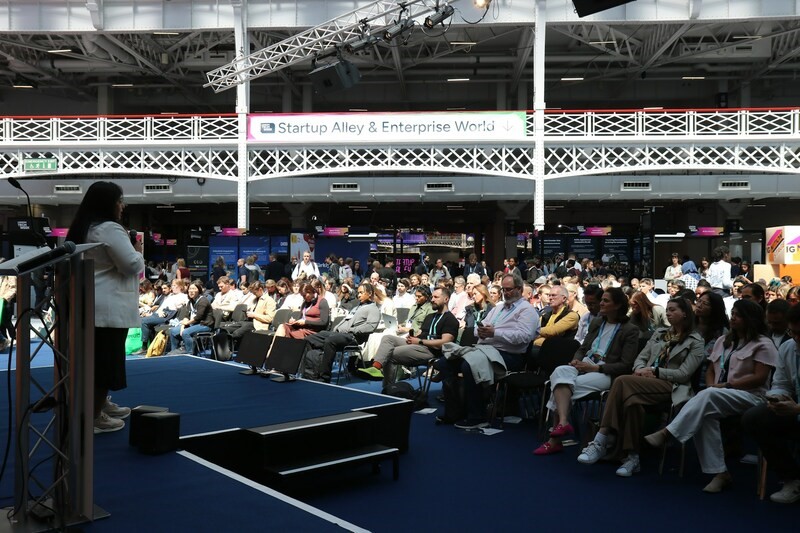
AI LIVE: The London Summit makes its London debut at the ICC at Olympia on 20–21 October 2026. The two-day conference and expo is aimed at C-suite executives, AI strategists and innovators, with the organiser expecting more than 2,000 attendees.
The programme lists more than 50 speakers, 10 content themes and four executive workshops. It covers generative AI, automation, governance, digital identity and enterprise transformation, giving attendees a broad view of how organisations are moving from experimentation towards practical AI use.
What Will AI LIVE London Cover?
Current sessions span generative AI, automation, AI governance, digital identity and enterprise transformation. The speaker line-up includes senior figures from organisations such as Adobe, Ericsson, Capgemini and Lloyds Banking Group. For people working in live video, the relevant connection is broader than a single dedicated streaming session: the programme shows how automation, governance and content workflows are being adopted across industries.
The Immersive AI Experience will include live demonstrations, interactive showcases and hands-on environments. Tickets are currently listed from £295by Olympia London.
AI LIVE is not the only major AI event on London’s calendar. The Financial Times Future of AI Summitis scheduled for 4–5 November 2026 at Convene 22 Bishopsgate, while The AI Summit Londonis due to return to Tobacco Dock on 9–10 June 2027.
Frequently Asked Questions About AI And Live Streaming
How Is AI Used In Live Streaming?
AI can assist with specific parts of a live-streaming workflow, including automatic captions, camera tracking, moderation, highlight generation and some translation tasks. In most cases, it supports individual production or accessibility tasks rather than replacing the complete live-production workflow.
Can AI Translate Live Streams In Real Time?
Yes, but the method depends on the platform and production workflow. Some systems can generate translated captions during a live stream, while language support, latency and accuracy vary by platform and production workflow. Recorded-video translation features should not automatically be assumed to work in the same way during a live broadcast.
Will AI Replace Human Live-streaming Production?
Not end to end. AI can already assist with tasks such as camera tracking, captions, translation, moderation and highlight creation, but human oversight remains important for editorial decisions, quality control and unexpected situations during a live broadcast.
Is AI LIVE London 2026 A Live-streaming Conference?
No. AI LIVE London is a broader enterprise AI conference covering subjects including generative AI, automation, governance, digital identity and enterprise transformation. It is relevant to live-streaming businesses because many of those technologies can affect video production, moderation and content workflows.
What AI Means For Live Streaming In London
For London’s live-streaming sector, the immediate impact is practical rather than revolutionary. AI can already assist with captions, camera automation, translation, moderation and production workflows, but it still needs human oversight where accuracy or editorial judgement matters.
AI LIVE London will not answer every question about live video, but it offers a useful view of the broader automation and governance tools that may shape how businesses produce and manage real-time content.

James Rowley
Author
James Rowley is a London-based writer and researcher covering London life, cultural geography, London travel, live London webcam pages and selected public figures across entertainment, sport, business and public life.
For over 15 years, he has focused on verified sources, first-hand local context and clear explanations that help readers understand both places and people more deeply. His work combines street-level London knowledge with careful research into career credits, media work, business interests and, where relevant, transparently explained net worth estimates.
He writes and reviews articles published on LondonWebcam.
Latest Articles
Popular Articles