Best Time To Visit London (2026) | When To Go, When To Avoid
The best time to visit London for you? Compare all four seasons & Micro-Seasons. Get insider tips on budget travel, major events, and top sites.
Author:James RowleyJul 04, 202643.6K Shares692.5K Views
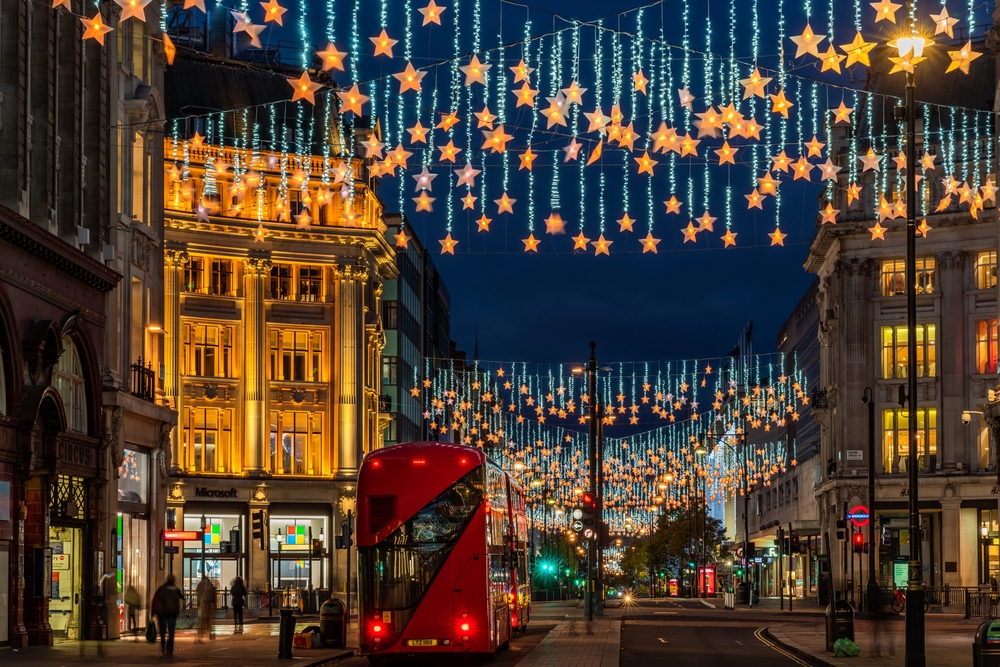
Best Times To Visit London: Seasons, Crowds, And Costs
Londonis a city that never truly sleeps, and unlike destinations that shutter for the off-season, the British capital remains dynamic year-round. As travel experts consistently note, "London is truly a year-round destination."
However, the answer to the question, "When is the best time to visit London?" is entirely contingent upon your personal travel goals. Do you seek the renowned, sun-filled London summer, or are you looking for the cozy pub atmosphere and lower prices of a moodier, autumnal trip?
After years of synthesizing travel data, I've found that the common Peak/Shoulder/Low season breakdown is simply too general. To truly elevate your London experience, you need to understand the Micro-Seasons and the unique magic, or madness, each one holds.
Key Takeaways: When To Book Your Trip
- For the Absolute Best Value:Target January or February. This is unequivocally the cheapest time of year to go to London for flights and hotels, often allowing you to enjoy the festive atmosphere at a much better value.
- For Ideal Weather and Sightseeing:Choose Late May or September. These months offer the best balance of pleasant temperatures, long daylight hours, and manageable crowds.
- For the Long-Haul Traveler (e.g., from India or North America):September is ideal, as it neatly aligns the end of the busy European summer with slightly lower prices and still-great weather for multi-city trips to places like Paris and Scotland.
- For Avoiding Rain:Statistically, March and April have the lowest number of average rainy days.
When Is The Best Time To Visit London? (By Season)
London's mild climate means it can be visited at any time of year, but your visit will be different depending on the time of year.
1. Spring In London (March To May)
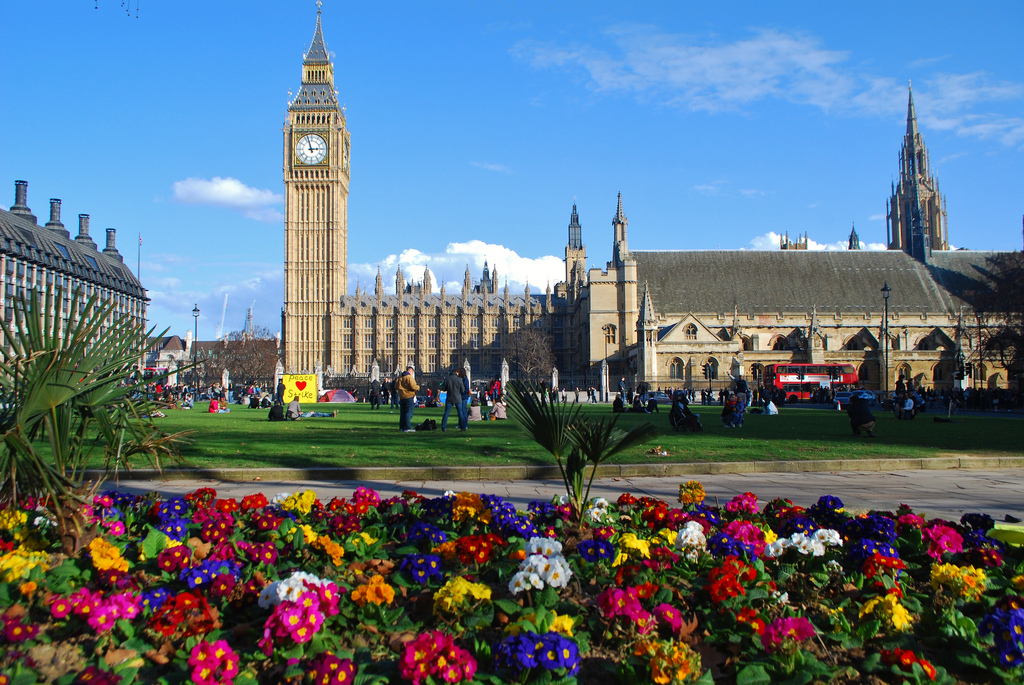
Spring is a time of renewal, when London truly comes alive.
- Atmosphere:Mild, invigorating, and pleasant. The city awakens with flowers and blossoms, making it an ideal time for outdoor activities and visiting parks like Kew Gardens.
- Weather:The weather can be mild but wet, with temperatures averaging 11°C to 15°C (52°F to 59°F). March and April are statistically the months with the lowest number of rainy days.
- The Vibe:Energetic and pleasant. Perfect for long walks through the Royal Parksand enjoying the beauty of blooming gardens.
- Trade-Off:Accommodation and flight prices are elevated but offer better value than mid-summer. Unpredictable rain showers are common in the Spring.
2. Summer In London (June To August)
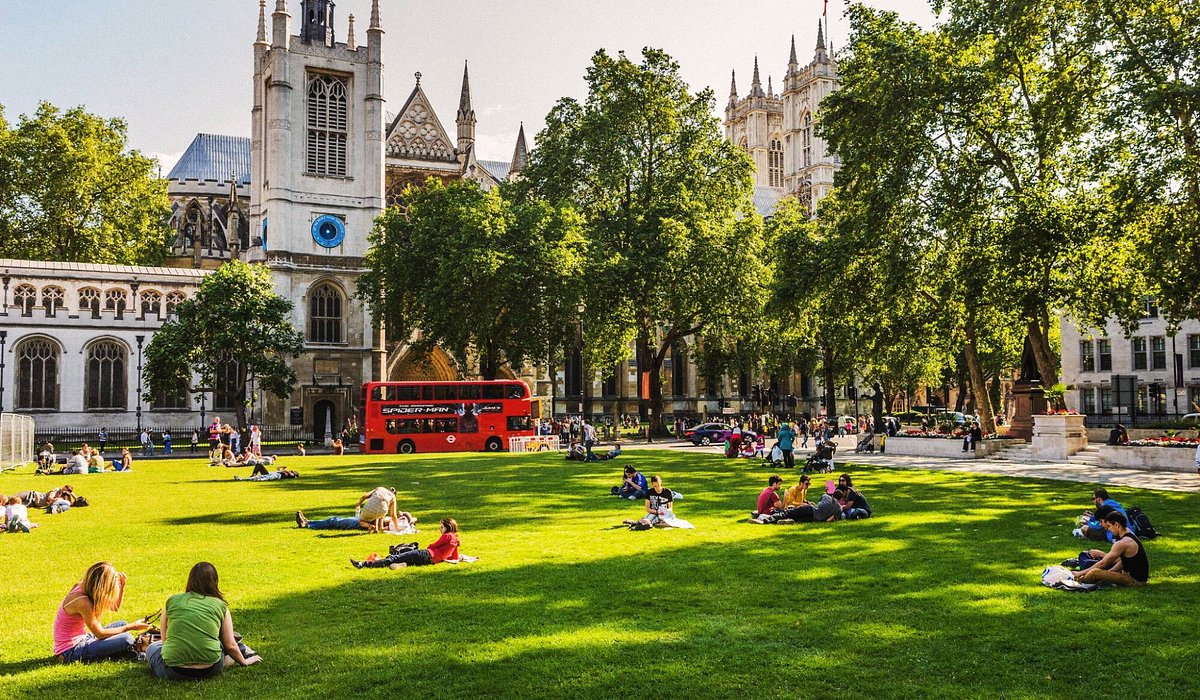
Peak season, or high season, typically takes place between June and September. This is when the city truly comes to life with a celebratory, buzzing atmosphere.
- Atmosphere: The city is bustling with life, making way for open-air cinemas, festivals, and plenty of activity in the green spaces.
- Weather:The warmest time of year. July is statistically the warmest month in London, with average highs of 24°C (75.2°F).
- Why it's Superior:July is statistically the warmest and sunniest month in London, offering up to 16.5 hours of daylight. Access to world-class events like Wimbledon and the Notting Hill Carnivalis unmatched.
- The Vibe: Tourist-heavy and very lively. If you are seeking the renowned yet rare London summer, this is your chance.
- Trade-Off:This is the most expensive time for hotels and flights. Public transportation can be packed, and the best attractions will have significant queues. Allow plenty of time to plan and book all attractions in advance to skip the queues. Remember to pack a portable electric fan as the Tube can get very hot.
3. Autumn In London (September To November)
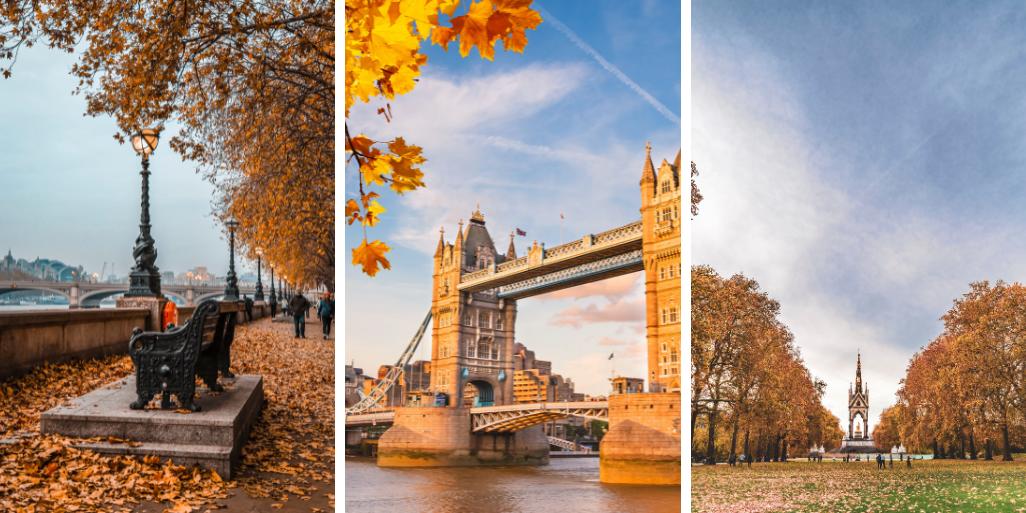
Autumn offers a beautiful transition as the summer crowds depart and the air becomes crisp.
- Atmosphere:A mix of the summer's warmth in September, transitioning into cooler, moody weather by November. The city's parks transform into picturesque golden and red landscapes.
- Weather:Temperatures average 11°C to 15°C (52°F to 59°F). October and November are statistically the wettest months by volumeof rainfall.
- Events:London Fashion Week (September), the Totally Thames festival, and the start of Christmas lights and decorations from mid-November onwards.
4. Winter In London (December To February)
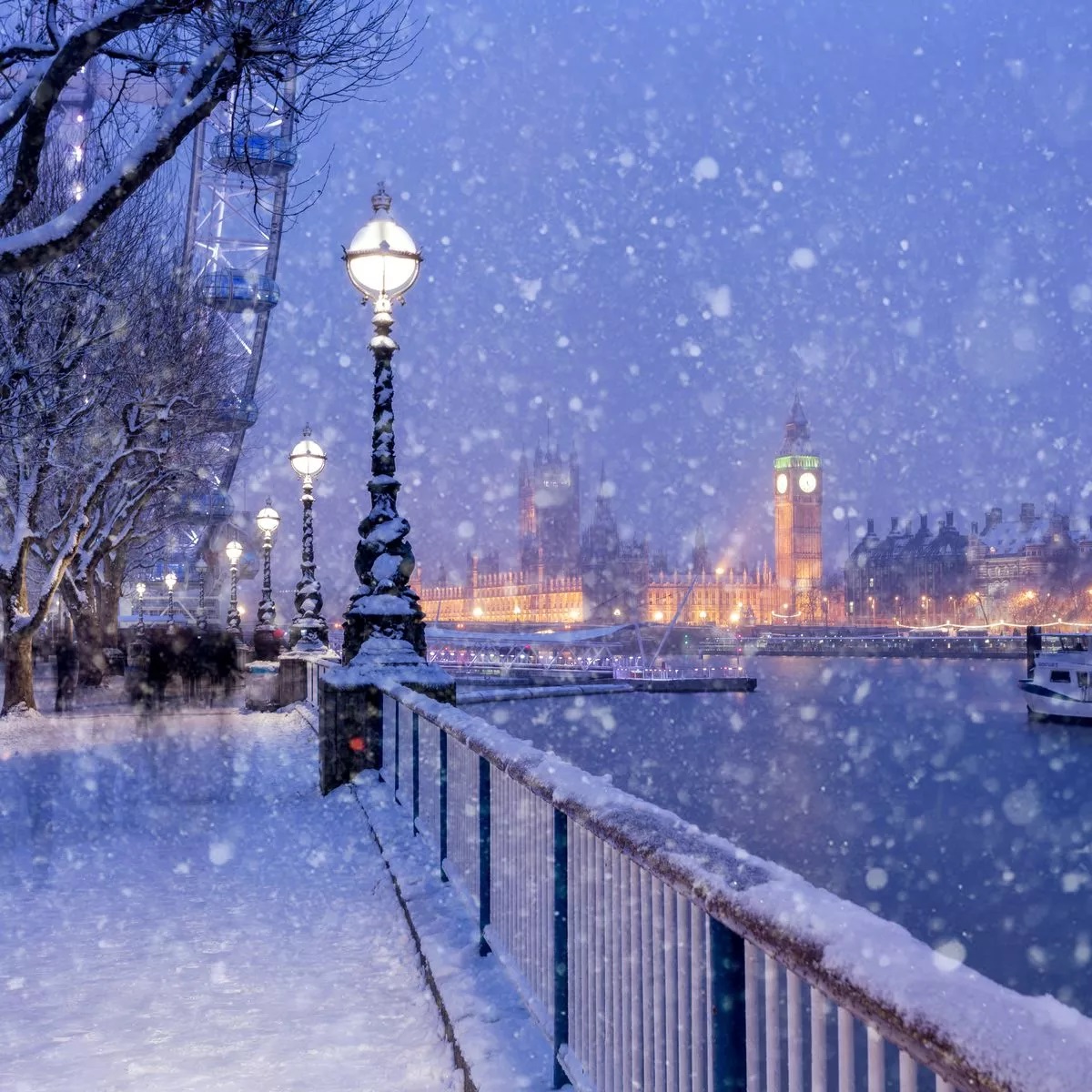
Winter is defined by cold temperatures and holiday magic, followed by quiet, deep budget months.
- Atmosphere:Enchanting and festive in December, then quiet and cozy from January.
- Weather:The coldest time of year, with average temperatures between 2°C and 8°C (36°F to 46°F). January is the coldest and has the most days of rainfall.
- Events:Christmas markets, Hyde Park Winter Wonderland, New Year's Eve fireworks, and the major January sales.
Understanding London's Peak And Off-Seasons
Answering the following questions is vital for timing your travel budget and experiences:
What Months Are Peak Season In London?
Peak season, or high season, typically takes place between June and September. Prompted by the warmest weather, numerous outdoor events, and school holidays worldwide, these months see the highest number of tourists and the most significant price spikes for hotels and flights.
When Is Off-season In London?
For those looking for a quieter trip, London has two distinct off-season periods:
- Winter Off-Season:January to mid-April (excluding the February half-term).
- Autumn Off-Season: The period between mid-September and November (excluding the October half-term).
These periods offer less footfall around key tourist areas and monuments, offering a more peaceful experience.
What Month Has The Most Daylight Hours In London?
June has the most daylight hours in London each year. Daylight can be present for up to 16.5 hours per day, meaning the sky stays bright until fairly late in the evening-perfect for maximizing sightseeing.
When Is The Cheapest Time To Visit London?
Usually, the period between January and March is the cheapest time to visit London.
Prices for both hotels and flights during this time fall significantly compared to the summer or holiday season, making it the ideal time for any travellers on a budget. January and February are generally the quietest months, apart from the short half-term break.
Pro Tip: Get Away From Tourist Hot Spots
To save money and enjoy a more authentic experience, get away from the high prices near tourist monuments and stay in local neighborhood areas.
London Weather Fact-Check
| Month/Avg. High Temp (°C) | Rainfall Nuance & Notes |
| January (8°C) | The coldest month in London, and has the most days of rainfall (11.53 days average). |
| March/April (12°C-15°C) | Statistically have the lowest total number of rainy days-ideal if you want to avoid rain. |
| October/November (15°C-11°C) | Wettest months by volume of rainfall, but the rain is often a light drizzle. |
| July (23°C) | The warmest and sunniest month (most hours of sunshine). |
Multi-Destination Travel: London, Paris, And Scotland
If your journey is part of a grander European tour-say, visiting London and Paris or heading north to Scotland-timing becomes even more critical for a seamless experience.
- Best Time to Visit London and Paris:Late May/Early June and September are the champions. This aligns Paris at its beautiful, warm best with London in its "Goldilocks Zone."
- Best Time to Visit London and Scotland:September is the top choice. The weather in Scotland is still relatively mild, the worst of the summer midges are gone, and London is enjoying a beautiful early autumn.
FAQs About Best Times To Visit London
What Is The Best Month To Go To London?
September is widely considered the best overall month. It provides a near-perfect trifecta: pleasant weather, a reduction in the massive summer tourist crowds, and slightly better accommodation value than July or August.
How Many Days Do You Need To Enjoy London?
For a first-time visitor, a minimum of four full days is suggested to cover the essential experiences. If London is your only stop, a full week allows you to delve deeper, explore local neighborhoods, and even take a day trip outside the city.
What Are The Essential, Must-see Sites I Should Visit In London?
Beyond the standard landmarks like Buckingham Palaceand the Tower of London, enhance your trip with insider recommendations:
- For History Buffs: The Churchill War Rooms offer a fascinating, immersive look at the UK's wartime past.
- For Art Lovers: Visit The Wallace Collection-a beautifully preserved Georgian Townhouse with masters' works and obscure collections.
- For Shoppers: Skip the biggest crowds at Harrods and visit Liberty London, a quintessentially British department store.
How Can I Save Money While Visiting London?
The best way to save money and get a more relaxed, authentic experience is to get away from the tourist hot spots with high prices and stay in local neighborhood areas. Commute like a Londoner does, and you’ll find better value on accommodation and dining.
Which Month Is Very Cold In London?
January is the coldest month, with average high temperatures hovering around 8°C (46°F)and cold nights that drop near freezing.
How Can I Experience London Without The Crowds?
To experience London without the crowds, visit during the shoulder seasons of spring and autumn. Additionally, explore popular attractions early in the day or during the week when fewer tourists are around.
How Should I Pack For A Trip To London?
Packing for London requires layers due to the city’s variable weather. Even in summer, bring a light jacket or sweater for cooler evenings. In winter, a warm coat, hat, gloves, and scarf are essential.
Conclusion
Choosing the best time to visit Londonrequires looking past the basic seasons and focusing on your goals: whether it’s the high energy and outdoor activities that warm summer brings, the Christmas magic and celebration of winter, or the peaceful, atmospheric golden hues of autumn.
The city's mild climate ensures you can visit anytime, but understanding these Micro-Seasons is the critical factor in maximizing your enjoyment and minimizing your costs.
Also Check Out: How To Explore London In 3 Days | Complete 72-Hour Itinerary
Jump to
Best Times To Visit London: Seasons, Crowds, And Costs
Key Takeaways: When To Book Your Trip
When Is The Best Time To Visit London? (By Season)
Understanding London's Peak And Off-Seasons
When Is The Cheapest Time To Visit London?
London Weather Fact-Check
Multi-Destination Travel: London, Paris, And Scotland
FAQs About Best Times To Visit London
Conclusion

James Rowley
Author
James Rowley is a London-based writer and researcher covering London life, cultural geography, London travel, live London webcam pages and selected public figures across entertainment, sport, business and public life.
For over 15 years, he has focused on verified sources, first-hand local context and clear explanations that help readers understand both places and people more deeply. His work combines street-level London knowledge with careful research into career credits, media work, business interests and, where relevant, transparently explained net worth estimates.
He writes and reviews articles published on LondonWebcam.
Latest Articles
Popular Articles