Best Areas To Stay In London: 30 Neighbourhoods For Every Trip
Best areas to stay in London, matched to Tube lines and vibe. Compare 30 neighbourhood bases for first-timers, families, nightlife, foodies, and value stays.
Author:James RowleyJul 03, 2026226 Shares75.4K Views
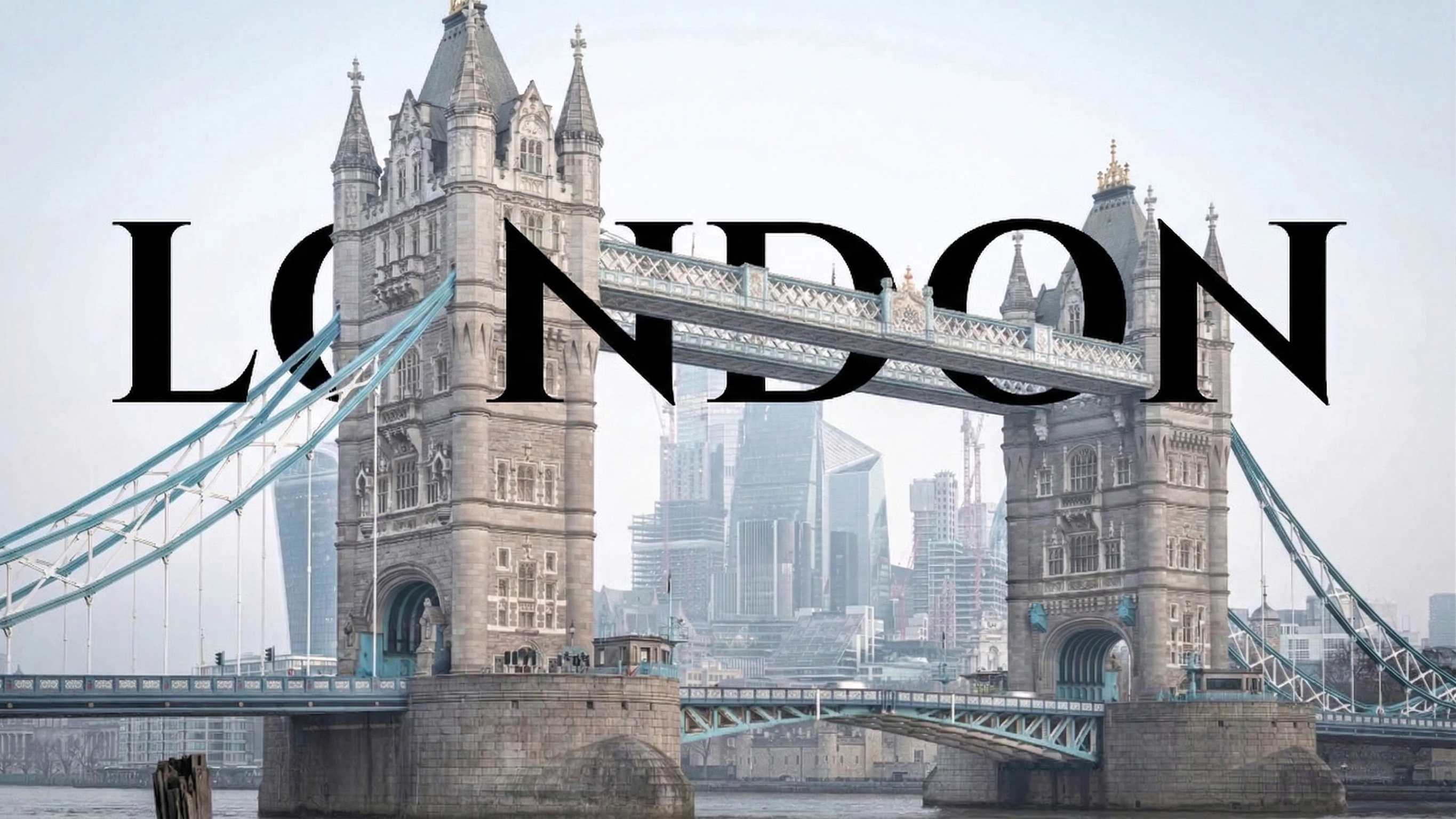
The 30 Best Areas To Stay In London: A Local’s Guide
The most common mistake visitors make when booking accommodation in the capital is treating the city like a single, walkable grid. Londonis a sprawling collection of distinct villages connected by a vast subterranean network.
To unlock the city, you must adopt the Zone 1 Transit Rule: prioritising proximity to high-speed Tube lines, like the Victoria or Elizabeth lines, over a generic central postcode.
A hotel that looks slightly further out on a map but sits directly above a major interchange will save you hours of exhausting transit time compared to a deeply embedded boutique hotel miles from a station.
This framework bypasses the usual tourist traps to focus on the logistical reality of navigating the city. By matching your travel style to the right transit hub and neighbourhood character, you can ensure your base enhances your itinerary rather than hindering it.
Expert's Take: The Elizabeth Line Hack
If you are flying into Heathrow, securing a hotel in areas like Paddington, Soho via Tottenham Court Road, or Farringdon means you can travel from the arrivals hall to your room in under 40 minutes without changing trains.
When choosing your base, always check its proximity to this specific purple line on the Tube map; it is the ultimate shortcut across the city.
| Traveller Profile | Optimal Neighbourhood Base |
| First-Time Visitors | Covent Garden, Westminster |
| Families with Children | South Kensington, Marylebone |
| Nightlife & Young Adults | Shoreditch, Camden Town |
| Transit-Heavy Short Stays | King's Cross, Paddington |
| Luxury & Couples | Mayfair, Chelsea |
| Local Vibe & Foodies | Borough, Islington |
Pick Your Base In 3 Decisions: Station, Vibe, And Late Nights
You’ll get the most value from this section if you want a fast, defensible choice, not a list you keep scrolling. The goal is to pick an area that matches your priorities and makes daily movement effortless.
Decision 1: Choose your anchor sights first. A first-timer doing museums, the West End, and a day trip will move differently from someone mostly eating, shopping, and doing nightlife.
Decision 2: Choose the station before the neighbourhood name. Two hotels in the same area can feel worlds apart if one is a 3-minute walk to a major station and the other requires a long bus hop.
Decision 3: Decide what home at night looks like. If you plan to be out late, check Night Tube coverage and plan your return route around it.
A practical example: a couple seeing theatre three nights and doing galleries by day will feel happiest where the last 20 minutes home are simple-ideally one line, one short walk, minimal guesswork.
Takeaway: Choose your base for the journeys you’ll repeat daily, not the one-off sightseeing day.
The Best Areas To Stay In London For First-Time Visitors
For your inaugural visit, minimising friction is essential. The following areas place you within immediate walking distance of the city's most recognisable landmarks and heavily connected Tube stations, ensuring you never feel lost or isolated.
Covent Garden
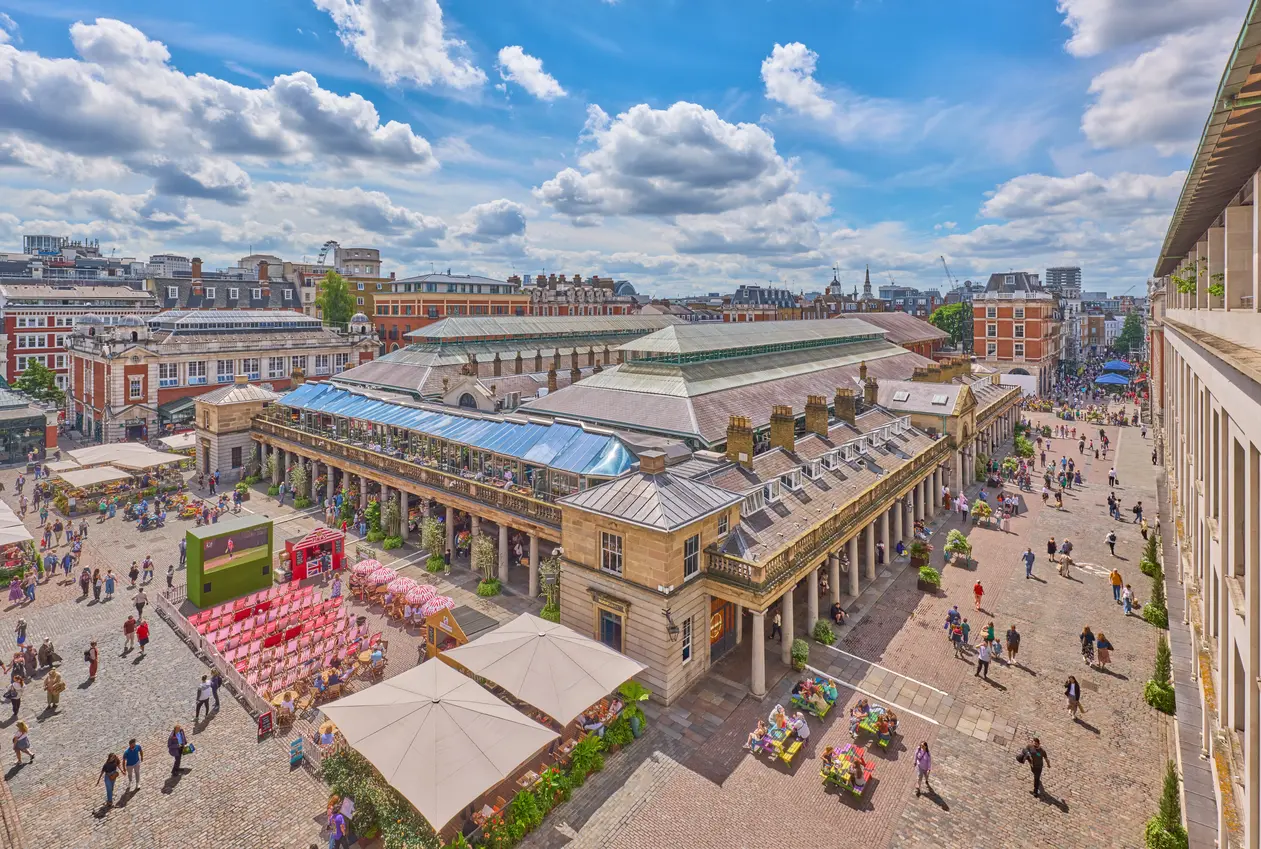
Imagine stepping out of your accommodation directly into the morning bustle of Neal's Yard or the historic Piazza. Covent Gardenis the undisputed champion for first-timers because it balances immense charm with perfect central positioning.
You are surrounded by West End theatres, world-class dining, and stunning architecture. The primary drawback is the premium price tag and the sheer density of afternoon crowds, but the logistical convenience is unmatched.
- Vibe: Bustling, historic, and highly theatrical.
- Nearest Transit: Covent Garden Piccadilly Line, Leicester Square.
- Best For: Unbeatable walkability to Soho, the Thames, and major theatres.
Westminster
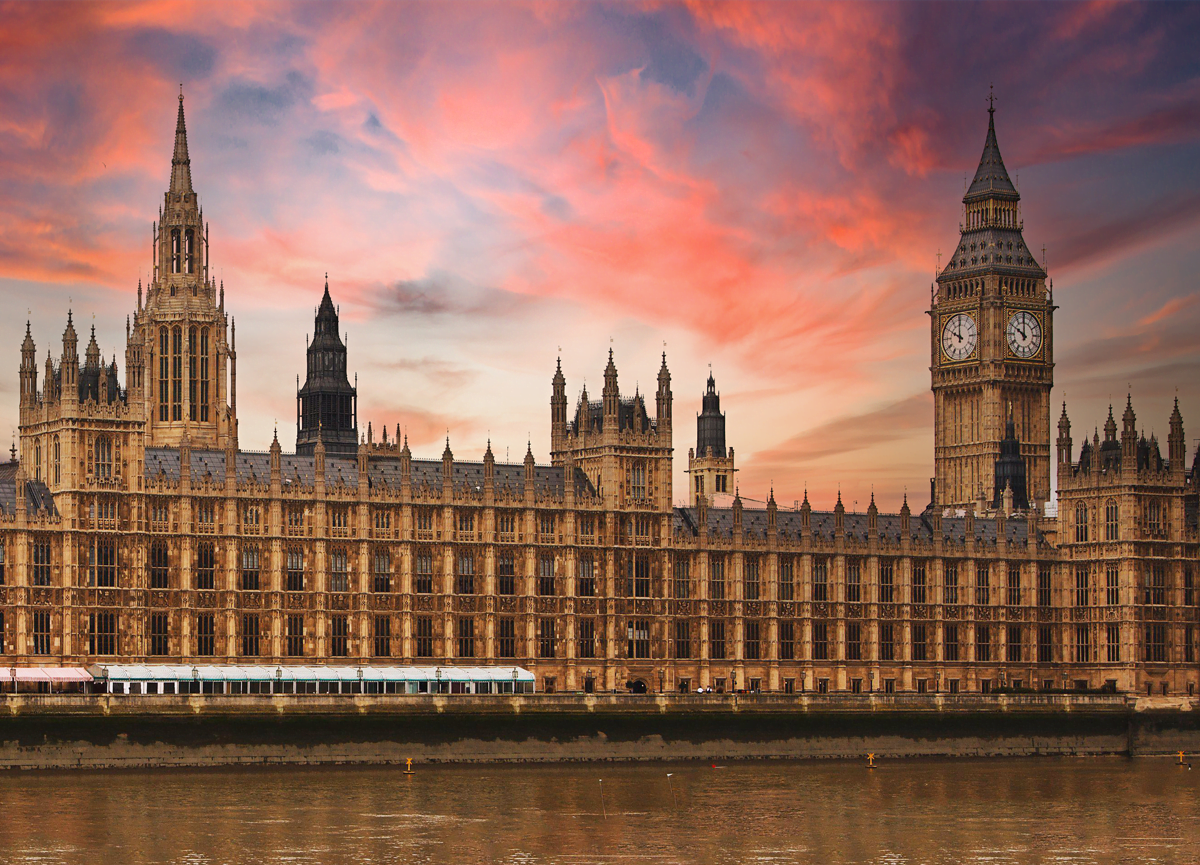
Staying in Westminster means sleeping in the political and historical engine room of the United Kingdom. Stepping onto the pavement brings immediate views of Big Ben, Westminster Abbey, and the River Thames.
It is surprisingly quiet at night once the civil servants and tourists depart, offering a peaceful evening atmosphere. However, dining options are limited compared to the West End, heavily favouring traditional pubs over innovative eateries.
- Vibe: Monumental, grand, and surprisingly quiet after dark.
- Nearest Transit: Westminster Jubilee, District, Circle Lines.
- Best For: Early morning access to iconic landmarks before the crowds arrive.
Soho
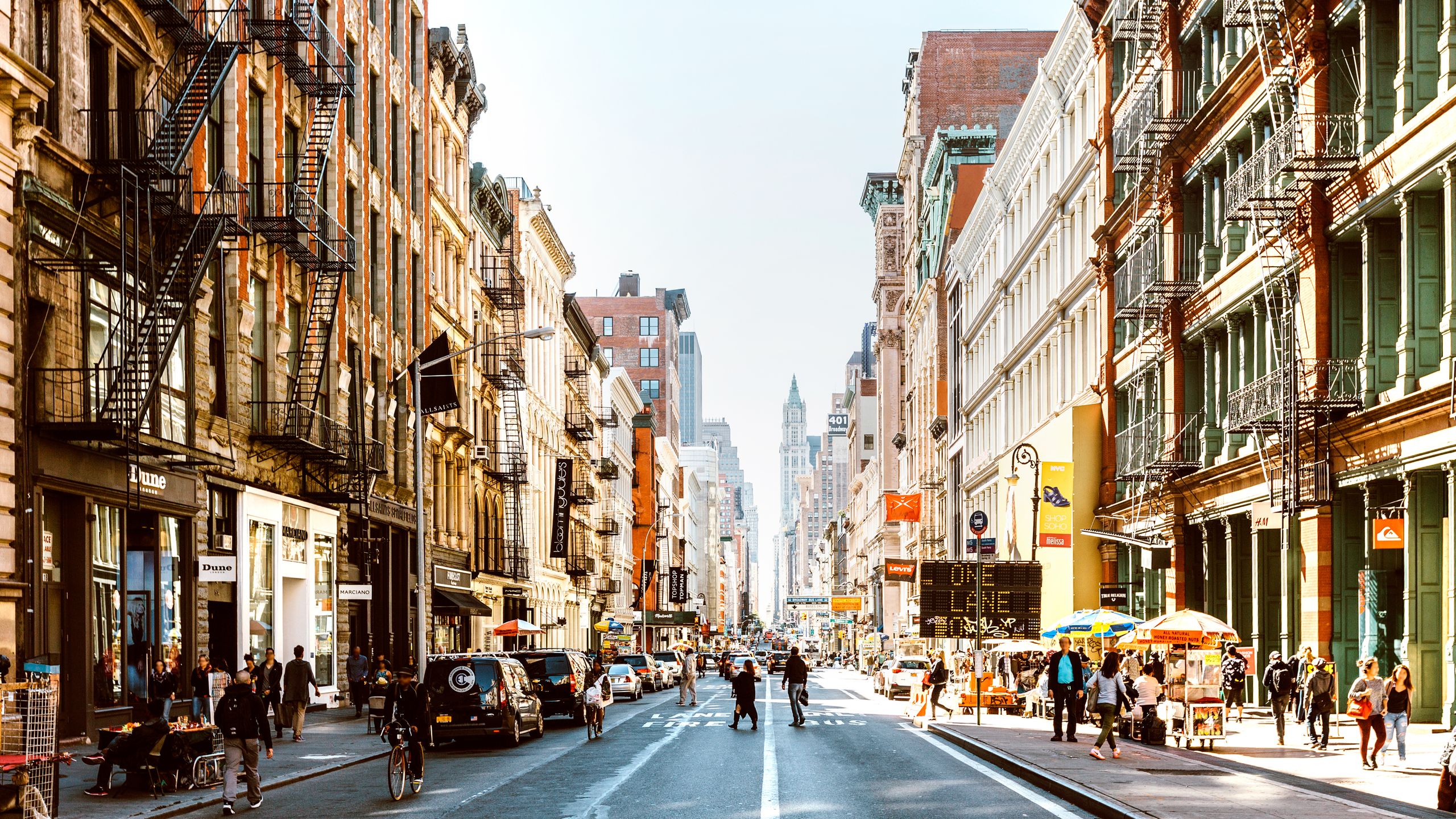
Soho is the beating, neon-lit heart of London's entertainment district. It is a labyrinth of narrow streets packed with independent boutiques, legendary music venues, and an incredibly dense concentration of exceptional restaurants.
The energy is infectious and runs late into the night. Visitors seeking a quiet retreat should look elsewhere, as the ambient street noise is a constant companion.
- Vibe: Electric, eclectic, and sleepless.
- Nearest Transit: Tottenham Court Road, Elizabeth, Central, Northern Lines.
- Best For: Travelers wanting to be in the absolute centre of the city's nightlife and dining scene.
South Bank
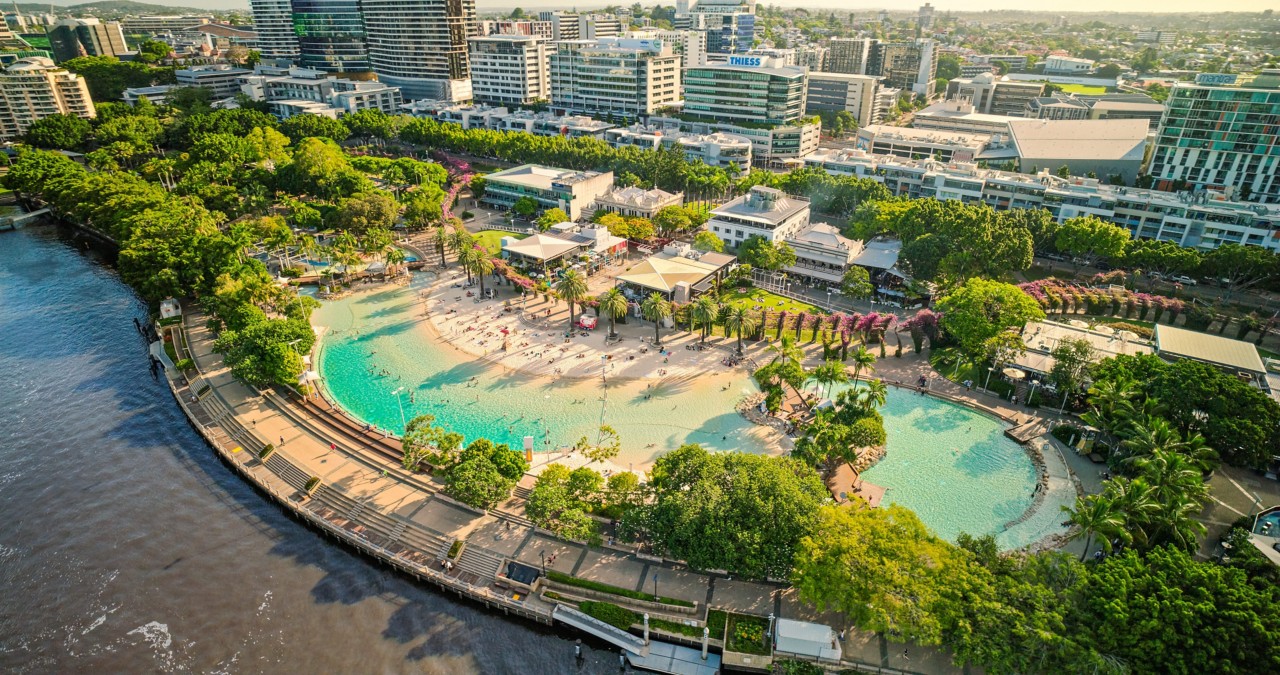
The South Bankoffers a brilliant compromise for first-timers who want iconic views without the claustrophobia of the West End. Stretching along the Thames, this pedestrianised cultural ribbon is home to the National Theatre and the Tate Modern.
The riverside walks provide immediate, traffic-free routes to major sights. It lacks the dense residential feel of other neighbourhoods, feeling more like a dedicated arts district.
- Vibe: Cultural, breezy, and pedestrian-friendly.
- Nearest Transit: Waterloo Jubilee, Northern, Bakerloo Lines.
- Best For: Sweeping river views and easy access to world-class art institutions.
The City Of London
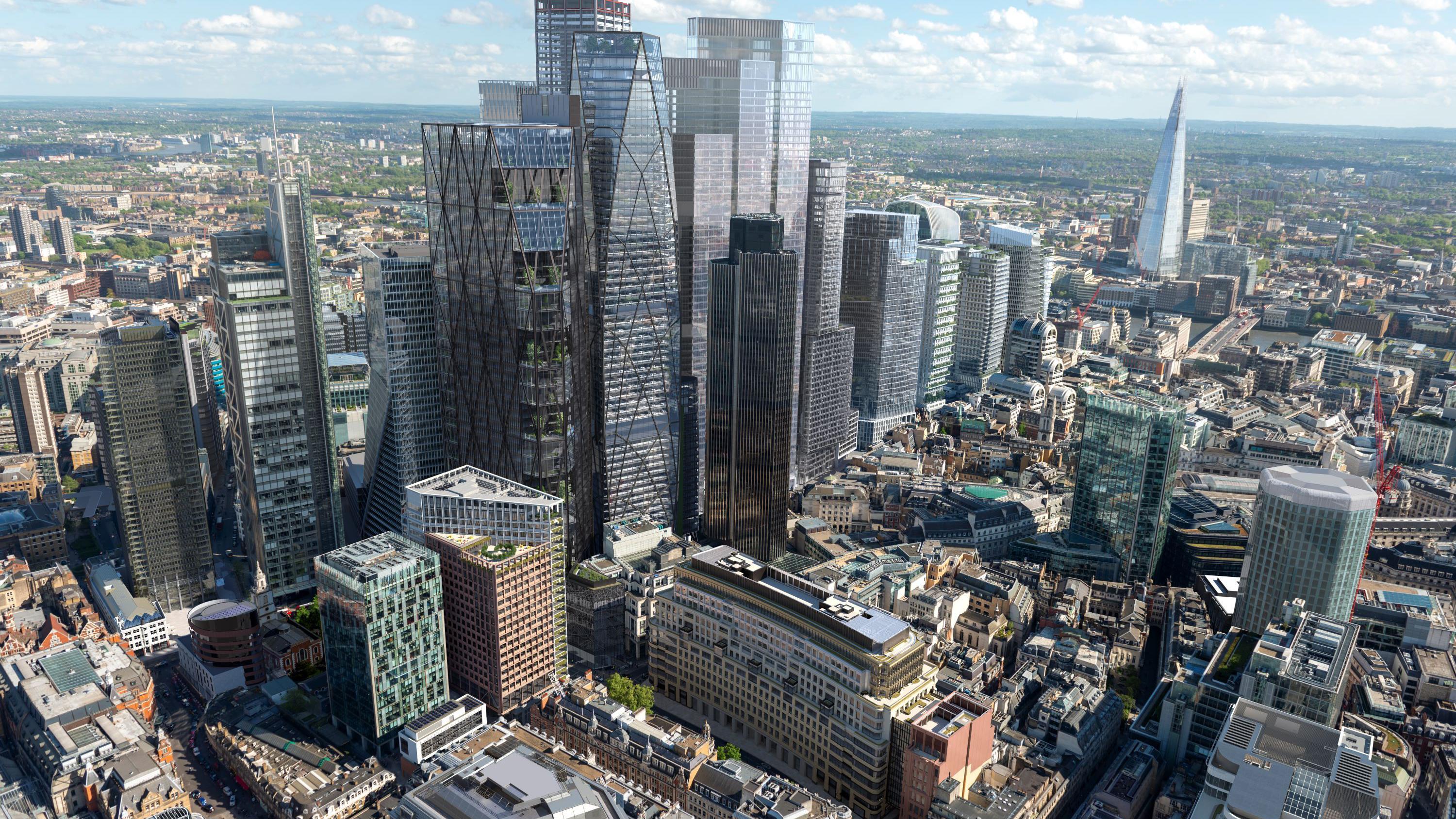
Historically known as the Square Mile, London's financial district is an intriguing blend of Roman ruins and futuristic skyscrapers.
On weekdays, it buzzes with corporate energy; on weekends, it empties, offering a uniquely tranquil atmosphere and steeply discounted luxury hotel rates.
The drawback is that many local cafes and pubs close on Saturdays and Sundays, requiring a short Tube ride for weekend entertainment.
- Vibe: Corporate, historic, and architecturally striking.
- Nearest Transit: Bank, St Paul's, Monument.
- Best For: Securing weekend deals in high-end business hotels with excellent transit links.
Securing a base in one of these central hubs guarantees a seamless introduction to the capital, allowing you to focus on the experience rather than the commute.
The Best Areas To Stay In London For Families
When travelling with children, safety, green spaces, and proximity to major museums take precedence over nightlife. These neighbourhoods offer quieter streets, excellent park access, and a refined residential atmosphere.
South Kensington
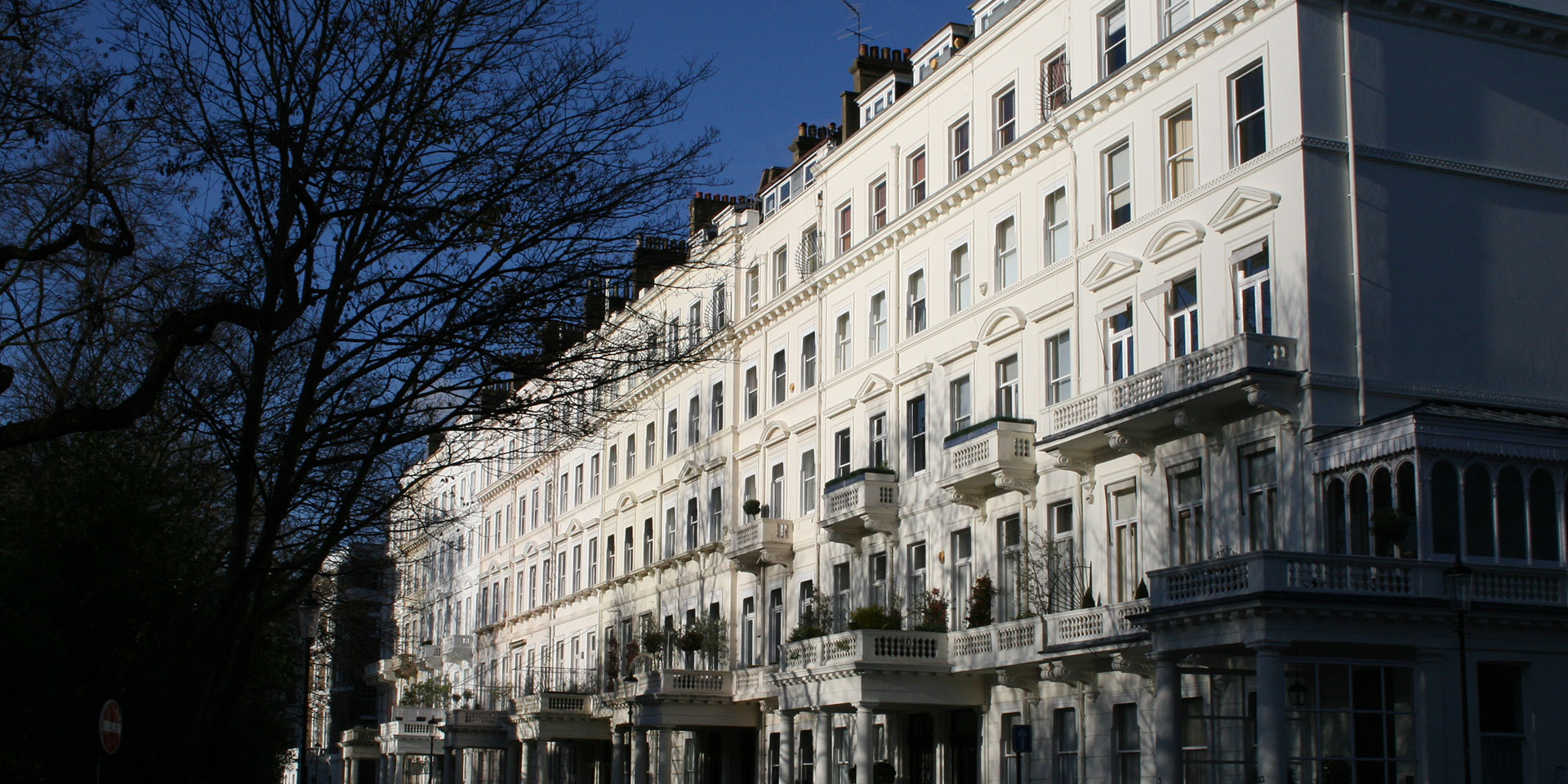
South Kensington is widely considered the ultimate family base. The neighbourhood is defined by its pristine Victorian architecture and direct walking access to the Natural History Museum, the Science Museum, and the V&A.
Hyde Park is just a short stroll away for burning off afternoon energy. The area is highly affluent and perfectly safe, though budget dining options are somewhat scarce.
- Vibe: Refined, educational, and undeniably upscale.
- Nearest Transit: South Kensington Piccadilly, District, Circle Lines.
- Best For: Immersive museum days and easy access to massive green spaces.
Marylebone
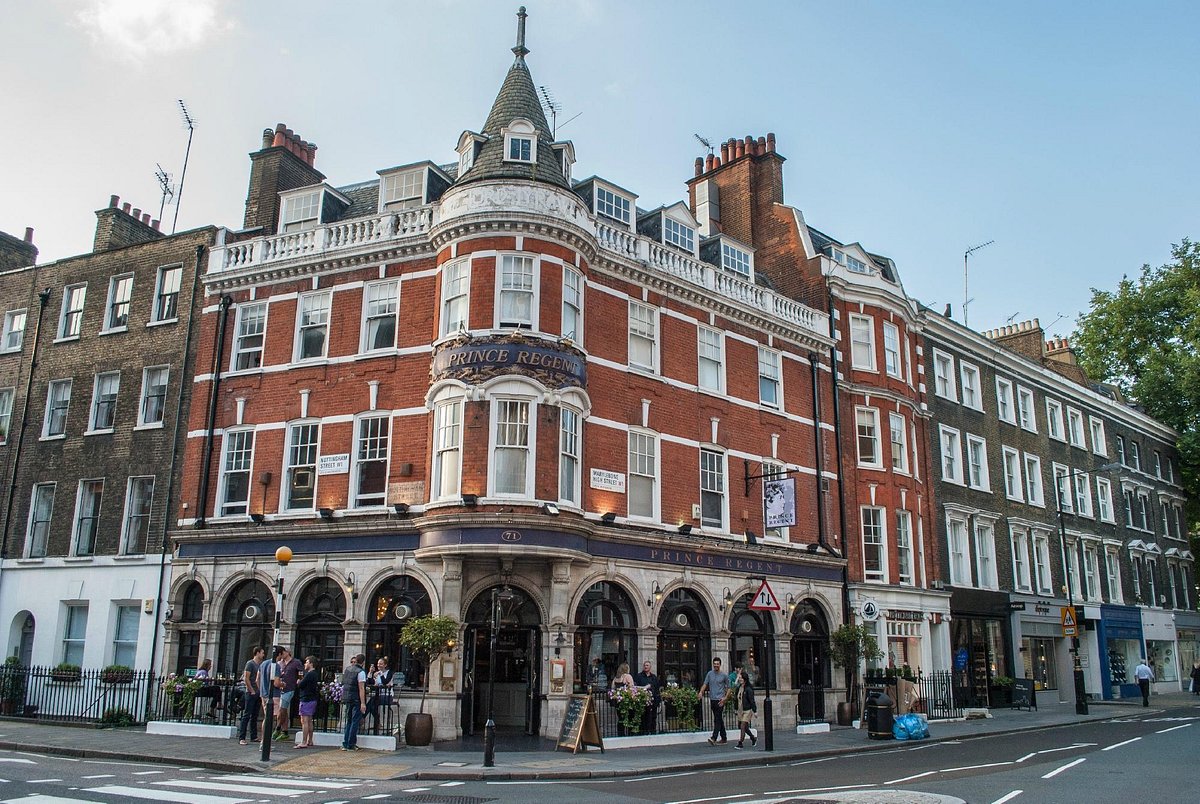
Marylebone feels like a wealthy, self-contained village that just happens to be minutes from Oxford Street. The high street is lined with independent bookshops, artisan bakeries, and quiet cafes. It is incredibly safe and offers a slower pace of life while remaining firmly in Zone 1.
Regent's Park is situated at its northern edge, providing the perfect playground for children.
- Vibe: Village-like, elegant, and peaceful.
- Nearest Transit: Marylebone Bakerloo Line, Baker Street.
- Best For: A quiet, residential feel within walking distance of central shopping.
Greenwich
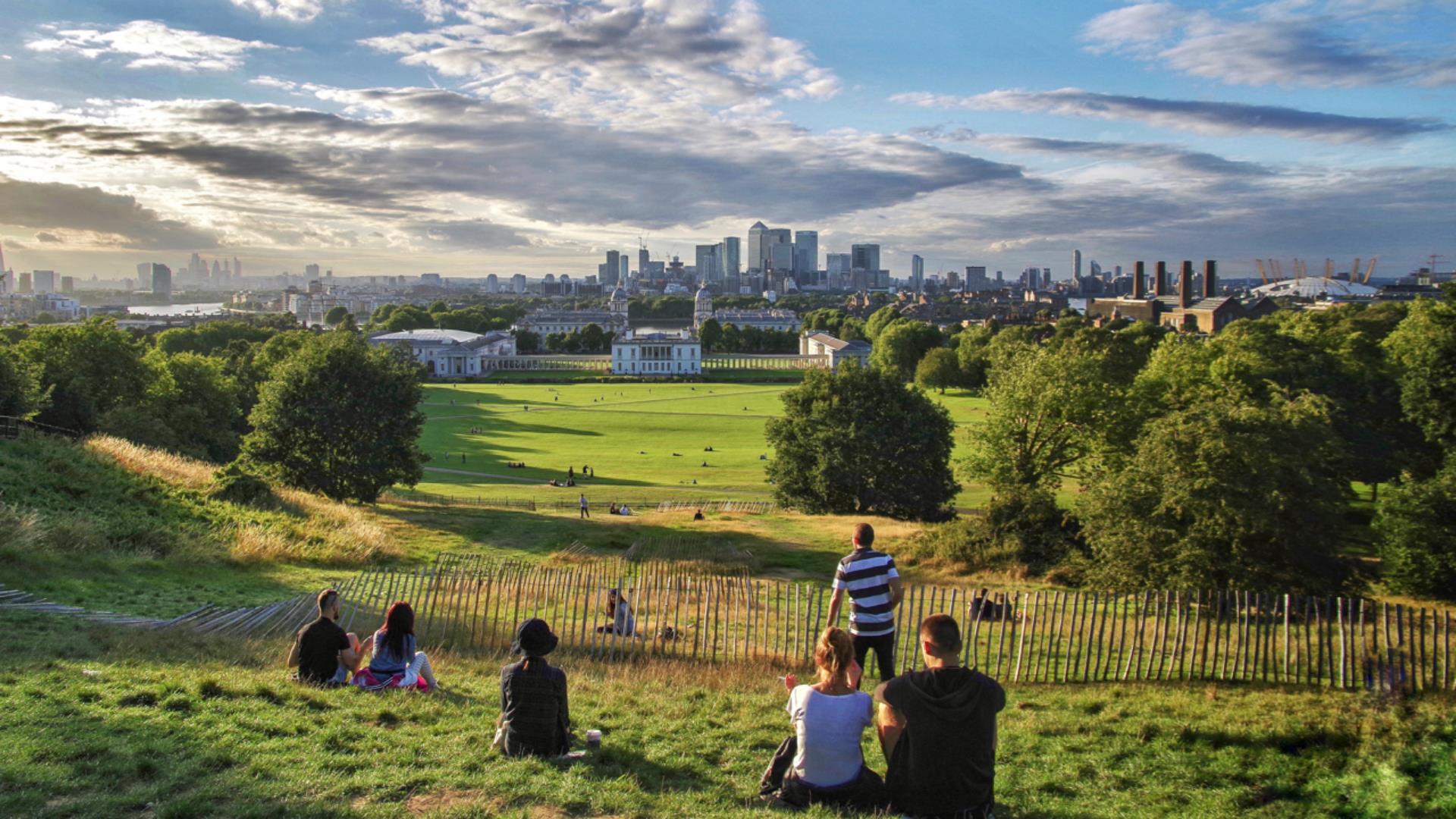
If you are willing to stay slightly further out to gain space and a maritime atmosphere, Greenwich is spectacular. Located in southeast London, it features a massive royal park, the Cutty Sark, and the Royal Observatory.
It feels entirely removed from the central London rush, offering a relaxed, village atmosphere perfect for families. The commute to the West End takes about 30 minutes via the DLR or river boat.
- Vibe: Maritime, spacious, and historically rich.
- Nearest Transit: Cutty Sark DLR, Greenwich.
- Best For: Families seeking open space and a slower, more relaxed daily pace.
Bloomsbury
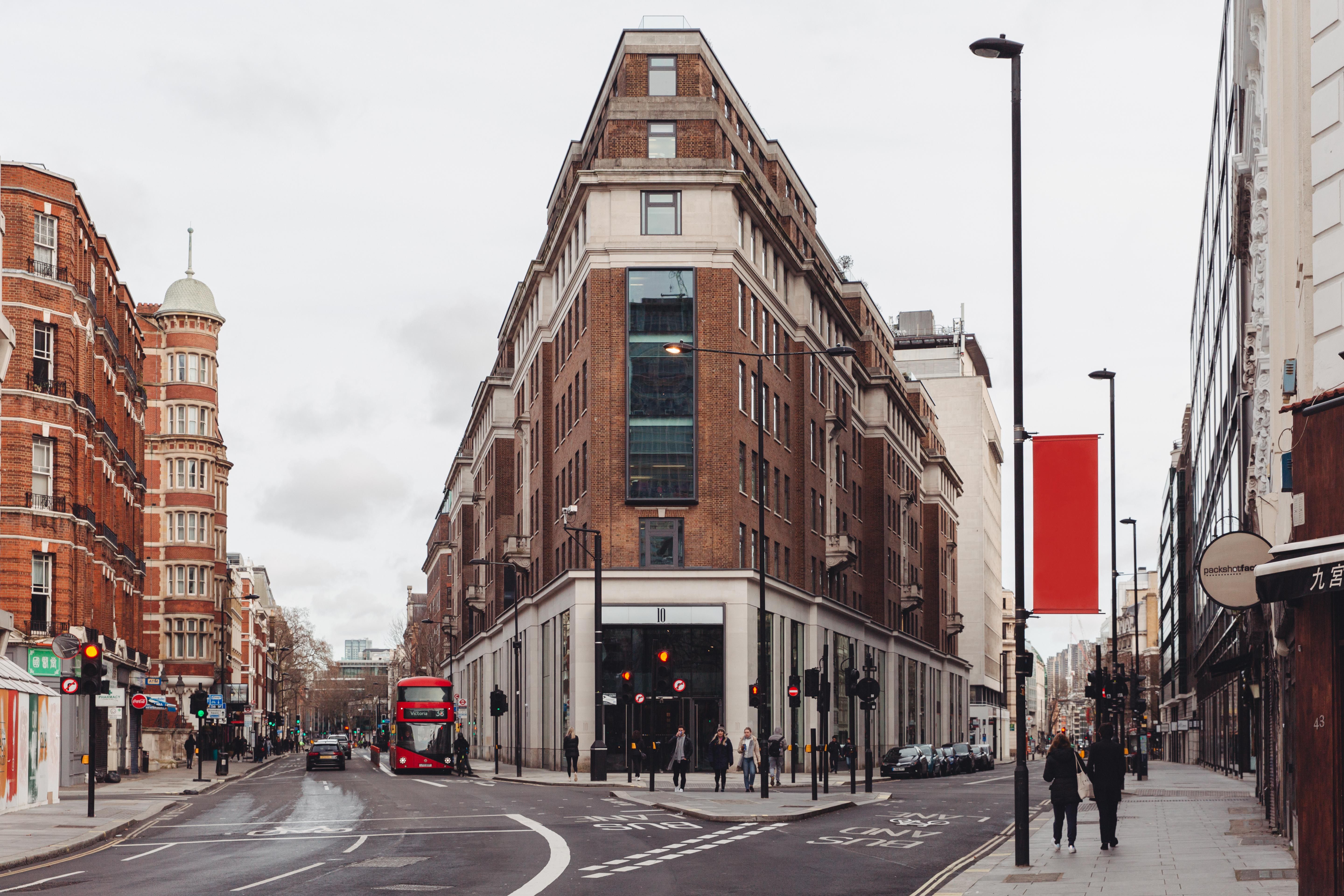
Bloomsbury is the intellectual heart of London, famous for its garden squares and literary history. Home to the British Museum, it offers a central location that is noticeably quieter than neighbouring Covent Garden.
The wide pavements and leafy squares provide a calm environment for navigating with strollers. It is highly convenient, though it lacks the vibrant evening dining scenes found further south.
- Vibe: Academic, leafy, and architecturally uniform.
- Nearest Transit: Russell Square Piccadilly Line, Holborn.
- Best For: Central positioning with a quiet, studious atmosphere and lovely garden squares.
Richmond

For families prioritising nature over urban density, Richmond is an exceptional, albeit distant, choice. Located in the southwest, this affluent riverside town offers the massive Richmond Park, where wild deer roam freely.
The Thames-side walks are beautiful and packed with family-friendly pubs. You will rely heavily on the District Line or National Rail to reach central London, making it better for longer, relaxed trips.
- Vibe: Suburban, green, and highly affluent.
- Nearest Transit: Richmond District Line, Overground, National Rail.
- Best For: Nature access, riverside walks, and a completely suburban retreat.
Choosing a family-friendly borough ensures your evenings are quiet and your mornings are situated near the spaces that matter most when travelling with a group.
The Best Areas To Stay In London For Nightlife And Young Adults
For visitors who view the city as a canvas for evening exploration, proximity to independent venues, street art, and late-night transport is critical. These areas pulse with creative energy.
Shoreditch
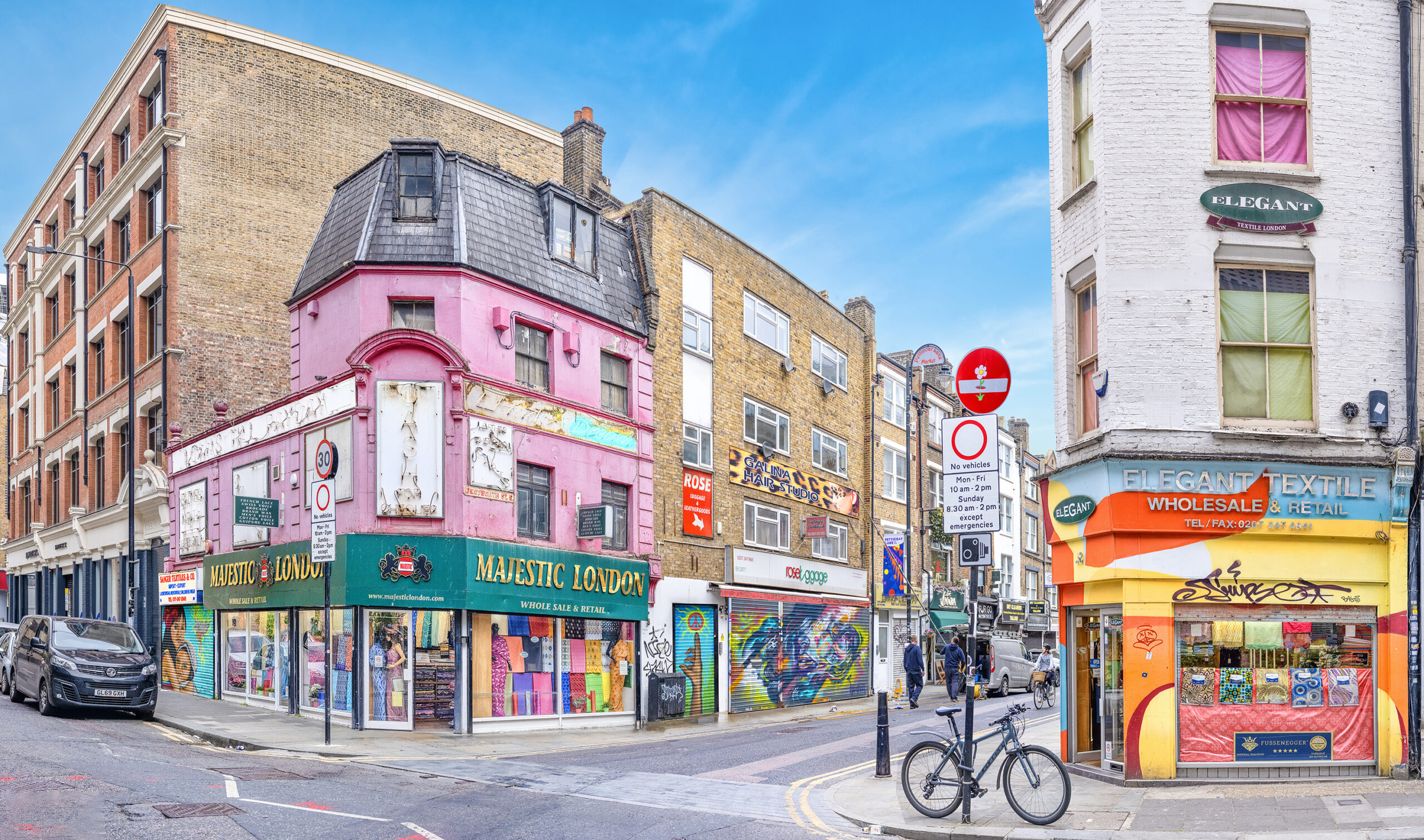
Shoreditchremains the epicentre of London's alternative and creative scene. The walls are covered in world-class street art, and the warehouses have been converted into trendy boutique hotels, vintage markets, and underground clubs.
It is the perfect base for those who prioritise artisan coffee by day and cocktail bars by night. However, it can feel overwhelmingly busy on weekends and lacks immediate proximity to traditional royal landmarks.
- Vibe: Gritty-chic, creative, and highly energetic.
- Nearest Transit: Shoreditch High Street Overground, Old Street.
- Best For: Cutting-edge dining, vintage shopping, and vibrant nightlife.
Camden Town
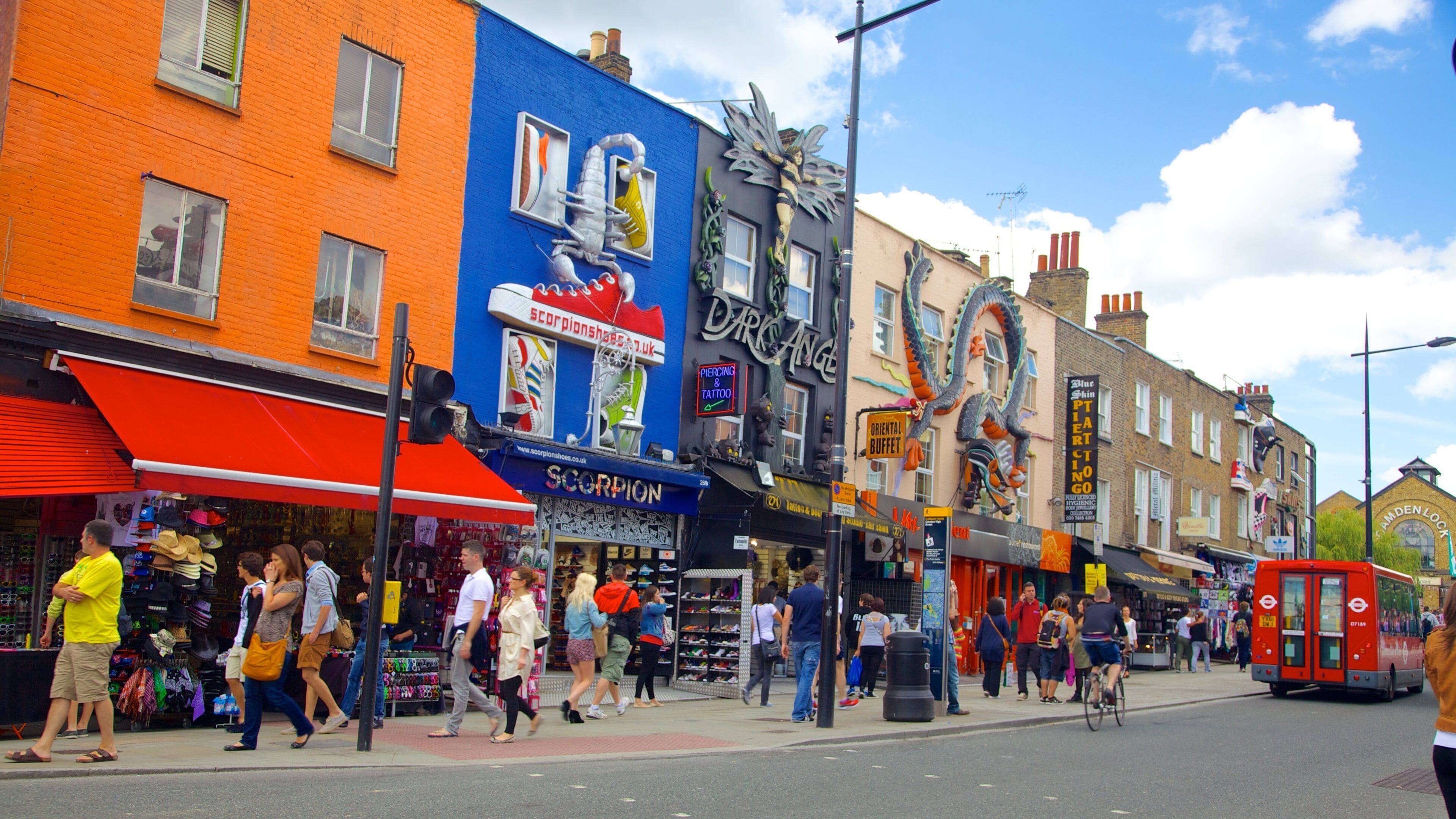
Camden is famous for its massive markets, alternative fashion, and deep-rooted music history. Staying here means being steps away from iconic live music venues like the Roundhouse.
The Regent’s Canal runs right through it, offering a beautiful walking route to nearby King's Cross. It leans heavily into its punk and rock heritage, which means the high street can feel slightly chaotic during peak tourist hours.
- Vibe: Alternative, musical, and perpetually busy.
- Nearest Transit: Camden Town Northern Line.
- Best For: Live music enthusiasts and market explorers.
Brixton
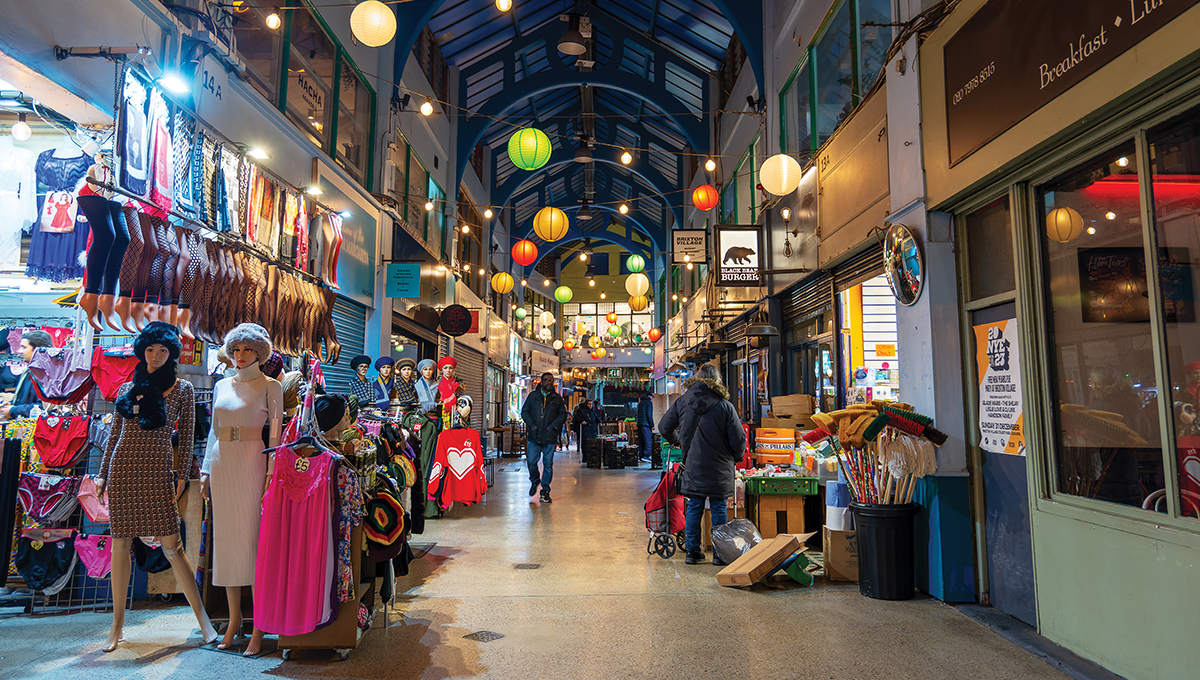
Located in South London, Brixton offers an incredibly authentic, community-driven atmosphere with deep Caribbean roots.
Brixton Village is a maze of incredible, well-priced independent food stalls and restaurants. The live music scene here is exceptional, anchored by the O2 Academy.
It is further from the traditional centre, but the Victoria Line connects you to Oxford Circus in under 15 minutes.
- Vibe: Multicultural, lively, and musically historic.
- Nearest Transit: Brixton Victoria Line.
- Best For: Foodies, music lovers, and a genuinely local South London experience.
Hackney Wick
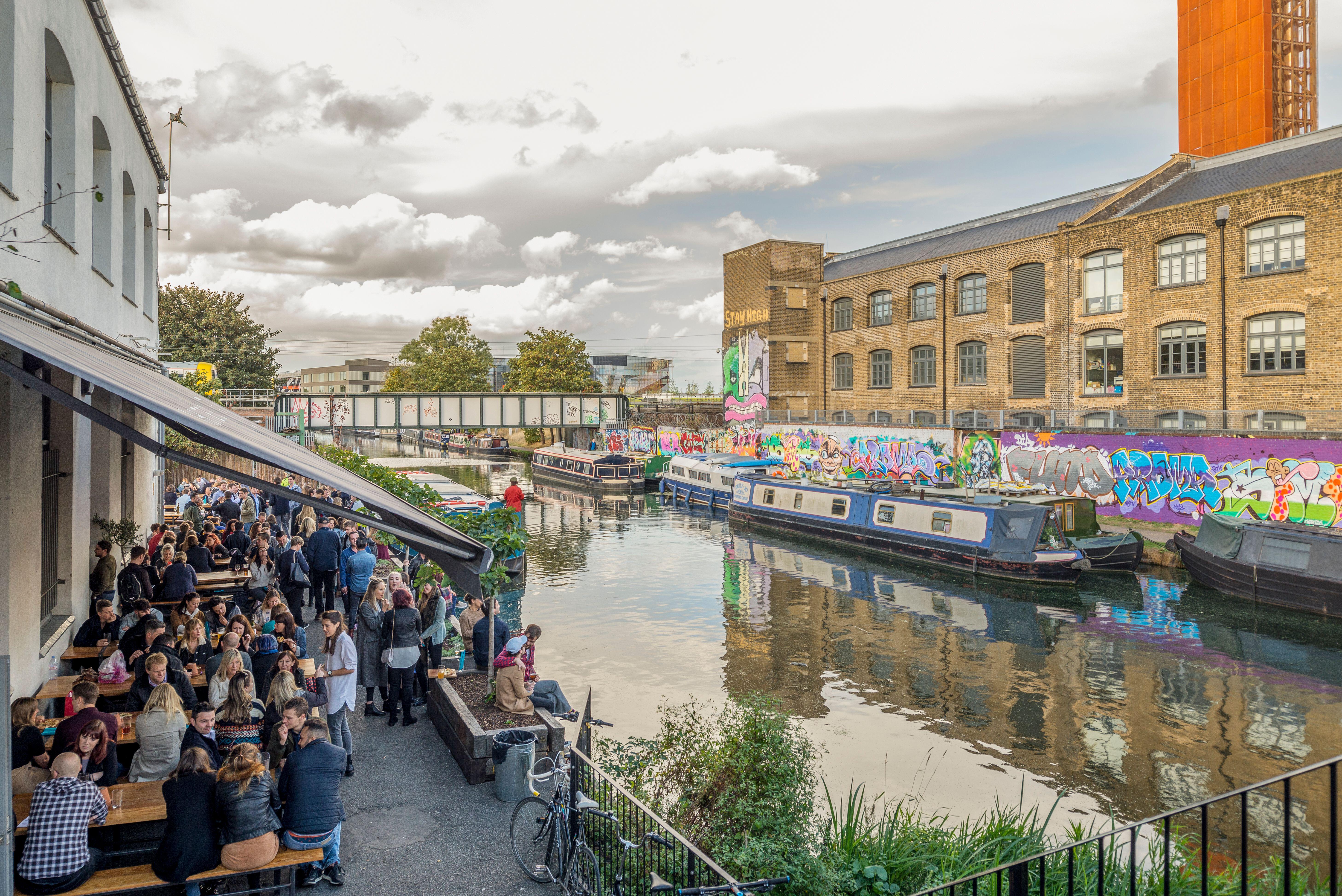
For those who feel Shoreditch has become too commercialised, Hackney Wick is the current frontier of East London’s creative scene.
Nestled against the Olympic Park and crisscrossed by canals, it is filled with converted industrial spaces hosting breweries, art studios, and rave venues.
It is distinctly raw and industrial. You will be entirely reliant on the Overground to navigate to the rest of the city.
- Vibe: Industrial, artistic, and deeply local.
- Nearest Transit: Hackney Wick Overground.
- Best For: Canal-side warehouse parties and craft breweries.
Dalston
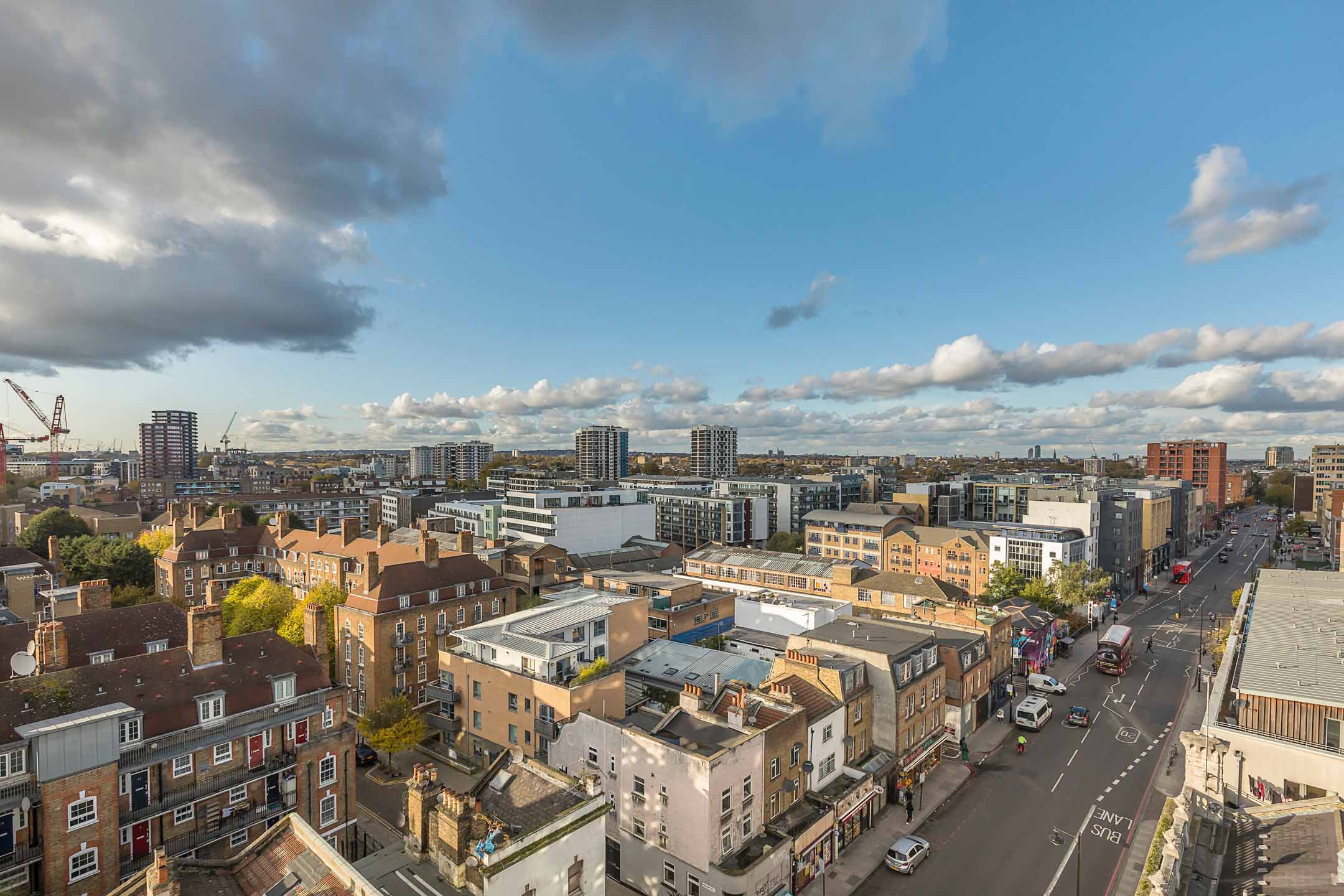
Dalston is the gritty, unfiltered heart of East London's late-night culture. It boasts an incredibly high density of basement clubs, dive bars, and late-night Turkish restaurants along Kingsland High Street.
It is not traditionally beautiful, and it lacks standard tourist infrastructure, but it is entirely authentic. Like Hackney Wick, you are dependent on the Overground and bus routes rather than the Tube.
- Vibe: Unpolished, vibrant, and nightlife-heavy.
- Nearest Transit: Dalston Kingsland, Dalston Junction Overground.
- Best For: Underground clubbing and a completely non-touristy East End stay.
Basing yourself in these creative hubs places you exactly where London's modern culture is currently being shaped, far from the predictable museum routes.
The Best Areas To Stay In London For Transit And Short Stays
If you have less than 72 hours in the city, or plan on taking multiple-day trips to places like Oxford or Edinburgh, minimising friction between your hotel and a major train station is the ultimate hack.
King's Cross & St Pancras
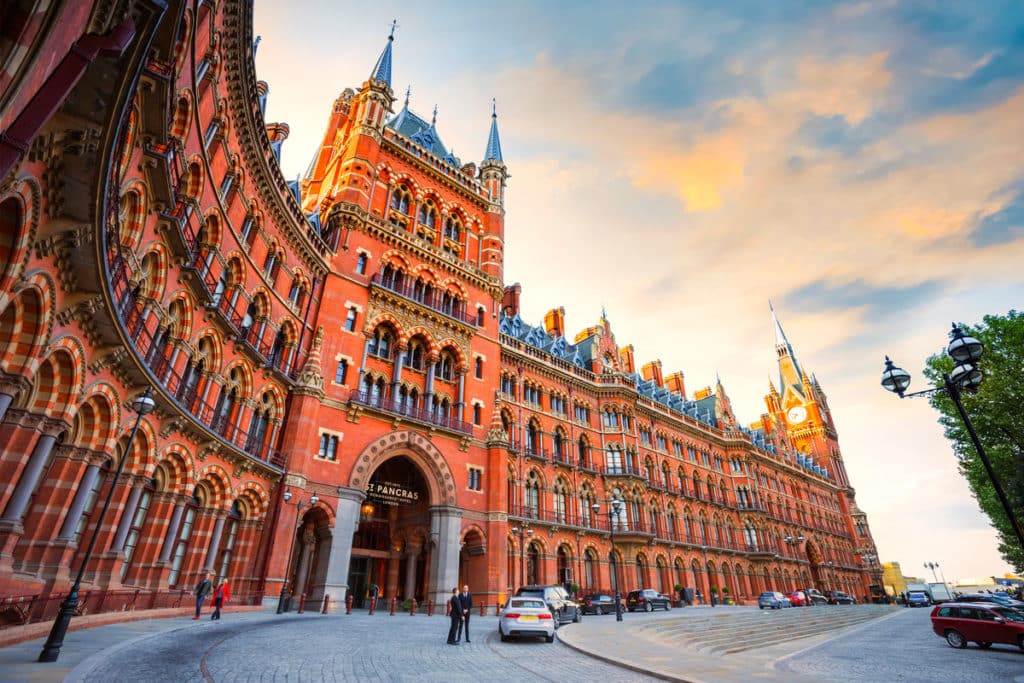
Once a gritty industrial area, King's Cross has been transformed into one of London's most successful urban regeneration projects.
Staying here offers the best transit connectivity in the entire country, with six Tube lines, domestic trains, and the Eurostar all intersecting.
The newly developed Coal Drops Yard provides fantastic dining right on your doorstep. The immediate station area can feel transient, but the convenience is absolute.
- Vibe: Ultra-connected, modern, and bustling.
- Nearest Transit: King's Cross St Pancras.
- Best For: Catching early Eurostar trains or taking day trips to northern England.
Paddington

Paddington is the logistical king of West London. It is the terminus for the Heathrow Express, meaning you can drop your bags 15 minutes after leaving the airport.
The neighbourhood is characterised by classic white stucco townhouses and peaceful garden squares. It is highly residential and slightly sleepy in the evenings, but you can walk to Hyde Park in minutes.
- Vibe: Classic, quiet, and highly efficient.
- Nearest Transit: Paddington Elizabeth, Bakerloo, District, Circle Lines.
- Best For: Immediate airport access and easy transit to the West End.
Victoria
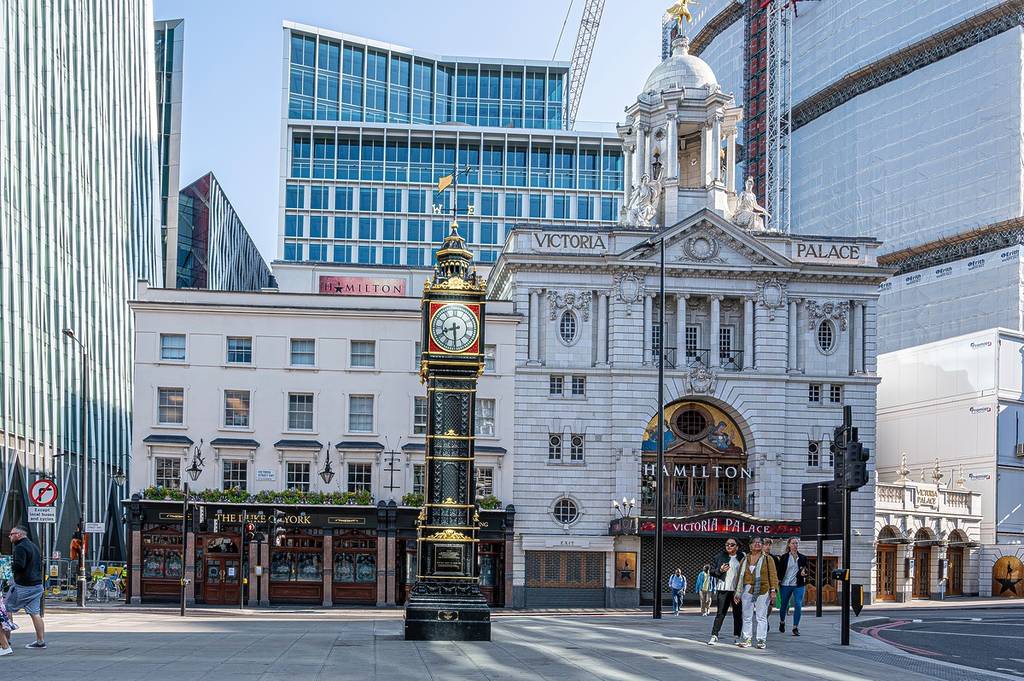
Victoria is the gateway to southern England. Staying here means you have direct access to Gatwick Airport via the Gatwick Express, as well as coach services across the UK. It is incredibly central, located just south of Buckingham Palace.
The area immediately surrounding the station is heavily commercial and packed with chain restaurants, though refined pockets exist just streets away in Belgravia.
- Vibe: Commercial, busy, and highly functional.
- Nearest Transit: Victoria, District, Circle Lines.
- Best For: Gatwick arrivals and walking to Buckingham Palace.
Euston
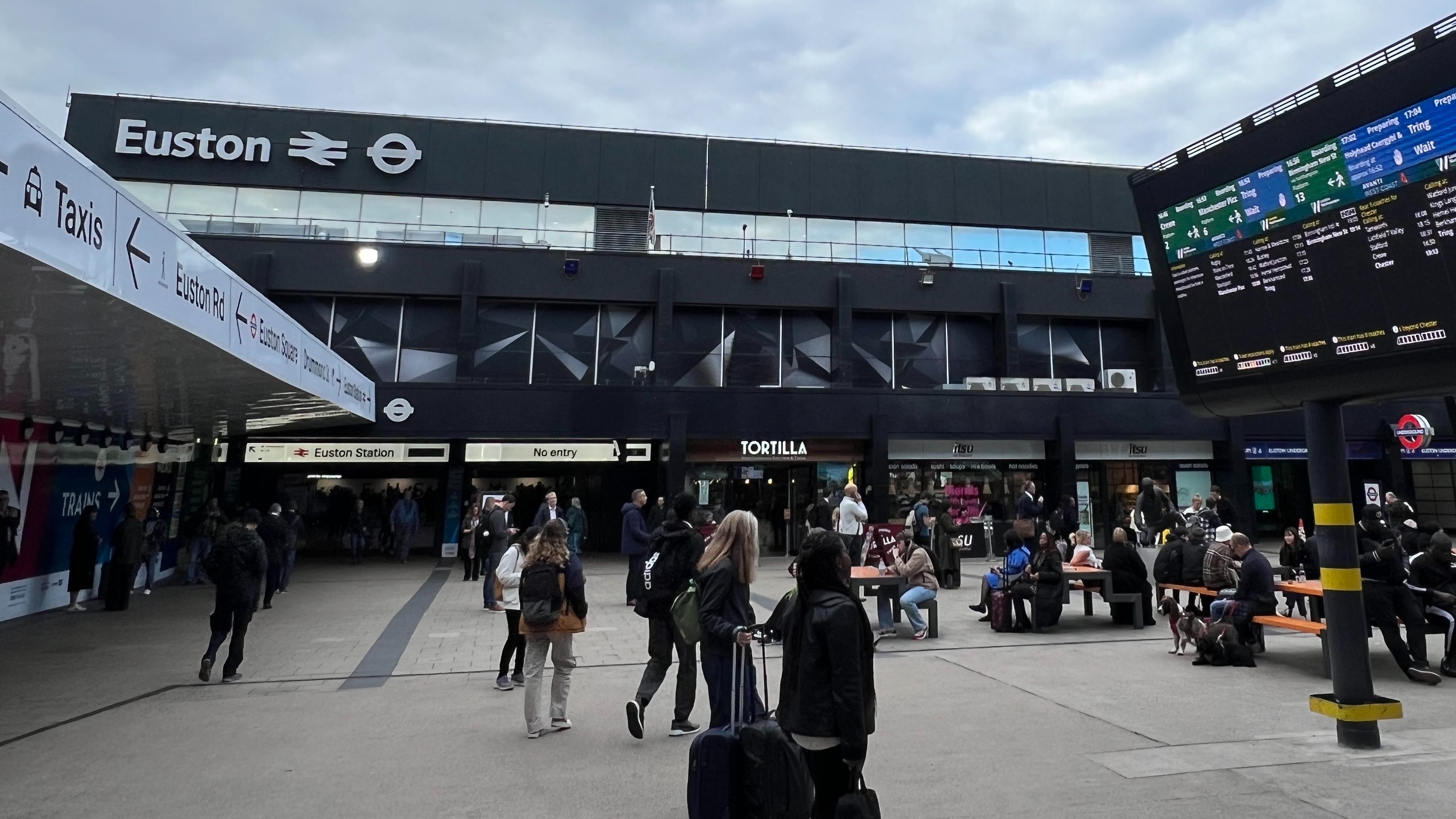
Often overshadowed by its neighbour King's Cross, Euston serves as the primary gateway to the Midlands and the North of England.
The immediate vicinity is functional rather than beautiful, dominated by modern office blocks and the station architecture. However, it places you on the incredibly fast Victoria Line and within walking distance of the leafy squares of Bloomsbury.
- Vibe: Utilitarian, fast-paced, and central.
- Nearest Transit: Euston Victoria, Northern Lines.
- Best For: Rapid transit to the West End and day trips to cities like Manchester or Liverpool.
Stratford
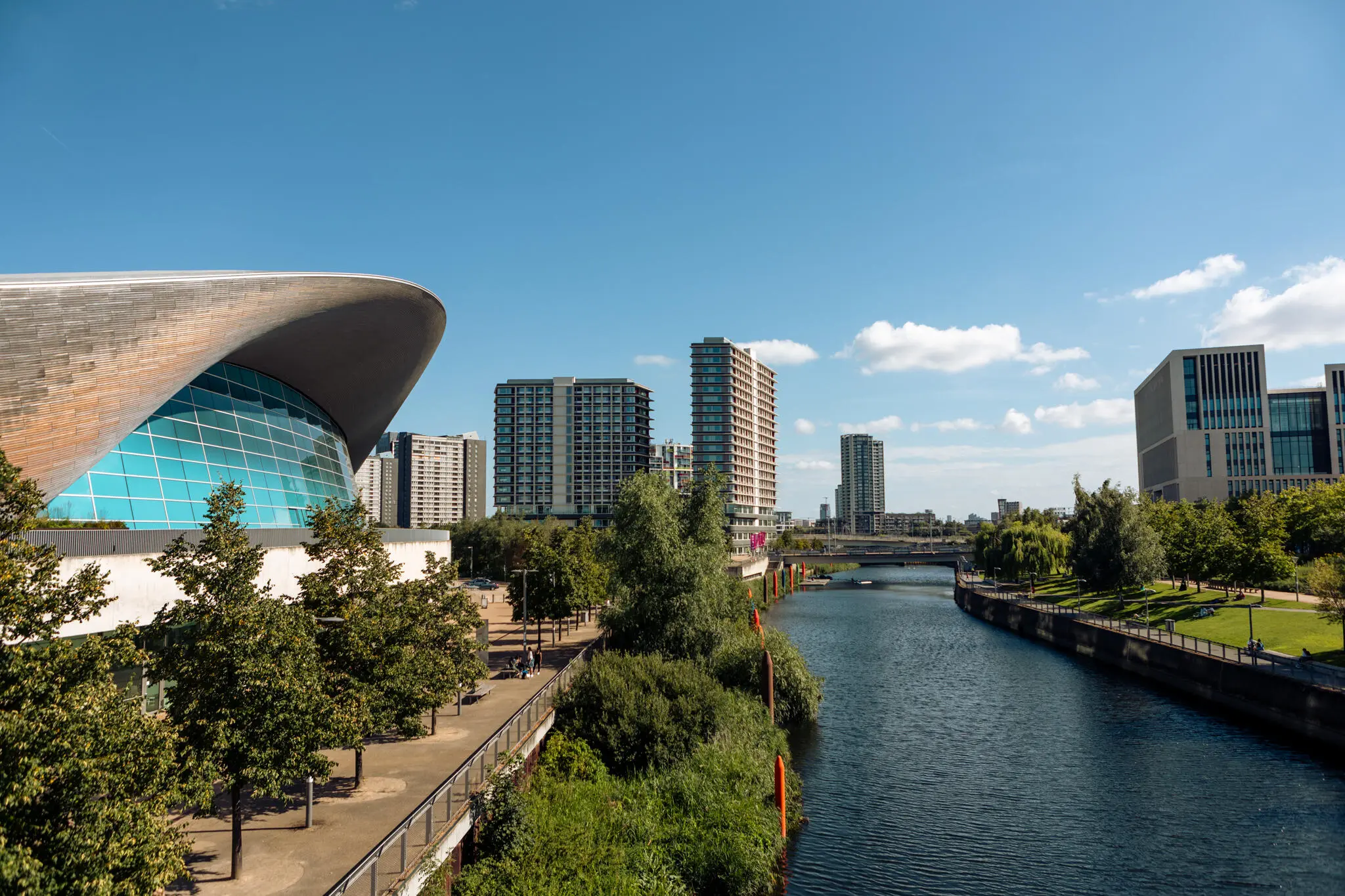
Located in East London, Stratford was the hub of the 2012 Olympics and has since become a major commercial and transit powerhouse.
It houses one of Europe's largest shopping centres and sits on the ultra-fast Elizabeth Line, meaning you can reach Zone 1 in roughly 12 minutes. The aesthetic is heavily modernised and lacks historic charm, but the budget-friendly hotel options are excellent.
- Vibe: Modern, retail-heavy, and expansive.
- Nearest Transit: Stratford Elizabeth, Jubilee, Central Lines, DLR.
- Best For: Budget-conscious travellers who want high-speed access to the centre.
Selecting a transit-first neighbourhood maximises your actual vacation time, turning exhausting commutes into swift, effortless journeys.
The Best Areas To Stay In London For Luxury And Couples
When budget is less of a constraint, and the goal is romance, fine dining, and impeccable service, London’s most affluent residential districts provide an unforgettable backdrop of exclusivity.
Mayfair
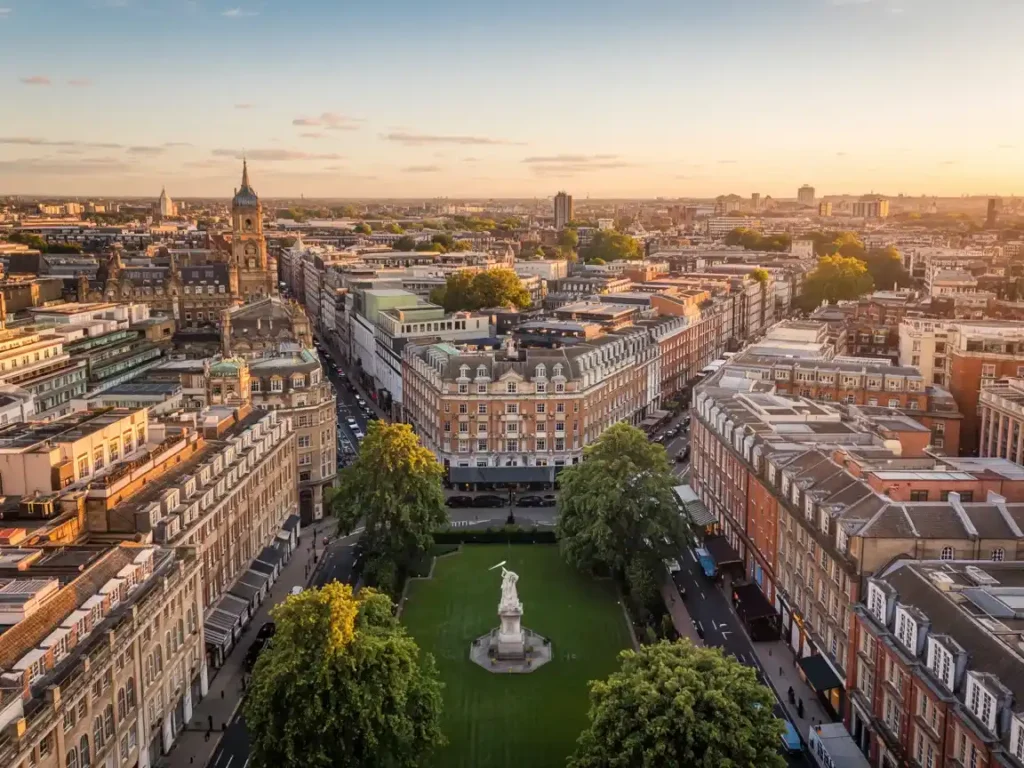
Mayfair is the pinnacle of London luxury. Bordered by Hyde Park and Piccadilly, it is home to the city’s most famous five-star hotels, exclusive members' clubs, and Michelin-starred restaurants.
Couples planning a special-occasion stay in Mayfair will also be well placed for some of London’s best luxury shopping. If fine jewelry is part of the trip, this guide to jewelry storesis a useful primer on what to look for before buying, from customization options to gemstone quality and certification.
The streets are lined with luxury boutiques and pristine Georgian architecture. The cost of dining and drinking here is astronomically high, but the immaculate environment and central location justify the premium.
- Vibe: Exclusive, manicured, and exceptionally wealthy.
- Nearest Transit: Green Park, Bond Street.
- Best For: Uncompromised luxury, high-end shopping, and fine dining.
Chelsea
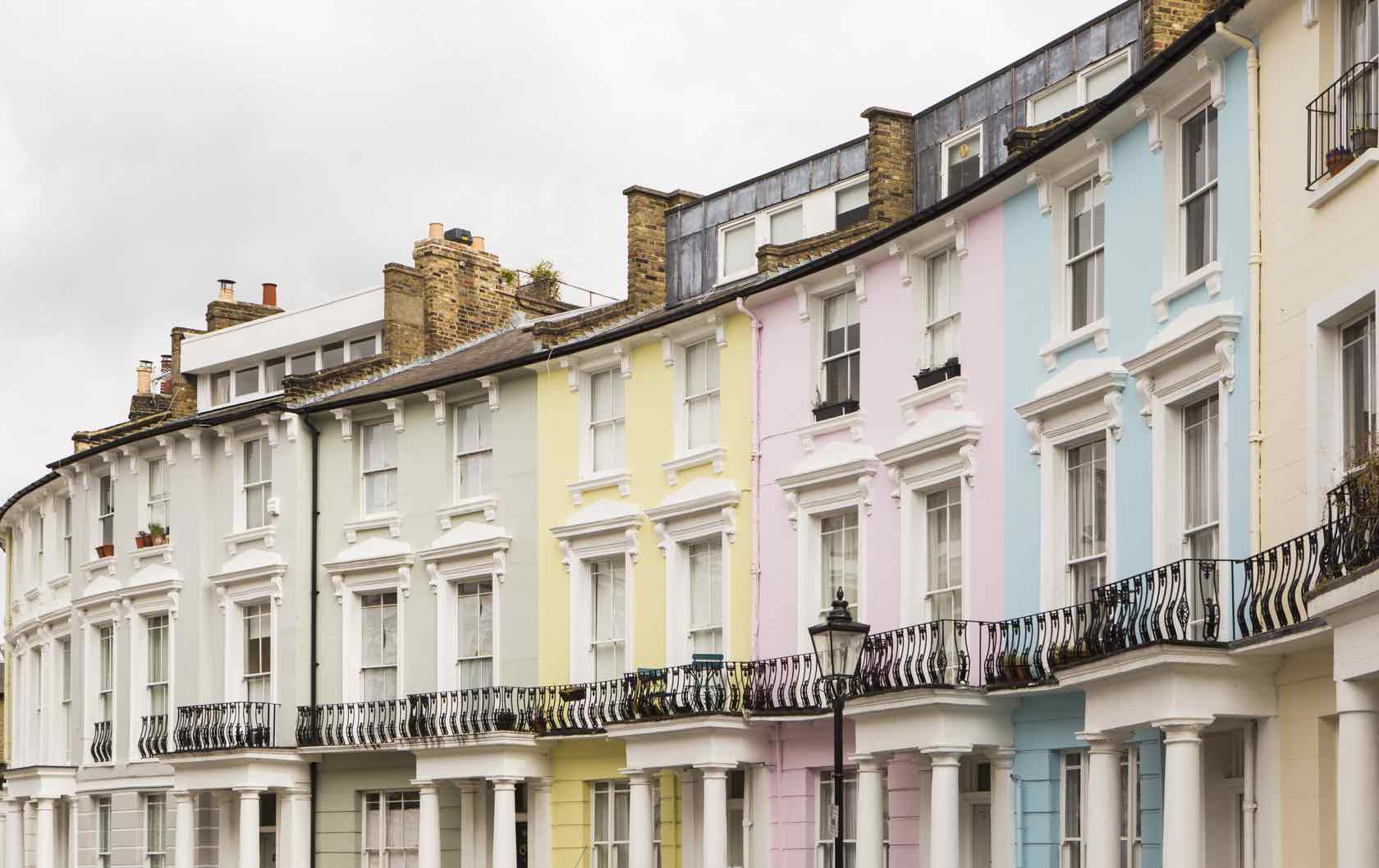
Chelsea offers a slightly more relaxed, residential brand of luxury compared to the corporate wealth of Mayfair.
Centred around the King's Road, it is famous for its high-end fashion boutiques, colourful mews houses, and proximity to the River Thames.
It is highly romantic and relatively quiet, though its location in southwest London means it is less connected by the Tube network, relying heavily on buses.
- Vibe: Fashionable, romantic, and beautifully residential.
- Nearest Transit: Sloane Square District, Circle Line.
- Best For: Boutique shopping, quiet riverside walks, and a village atmosphere.
Notting Hill
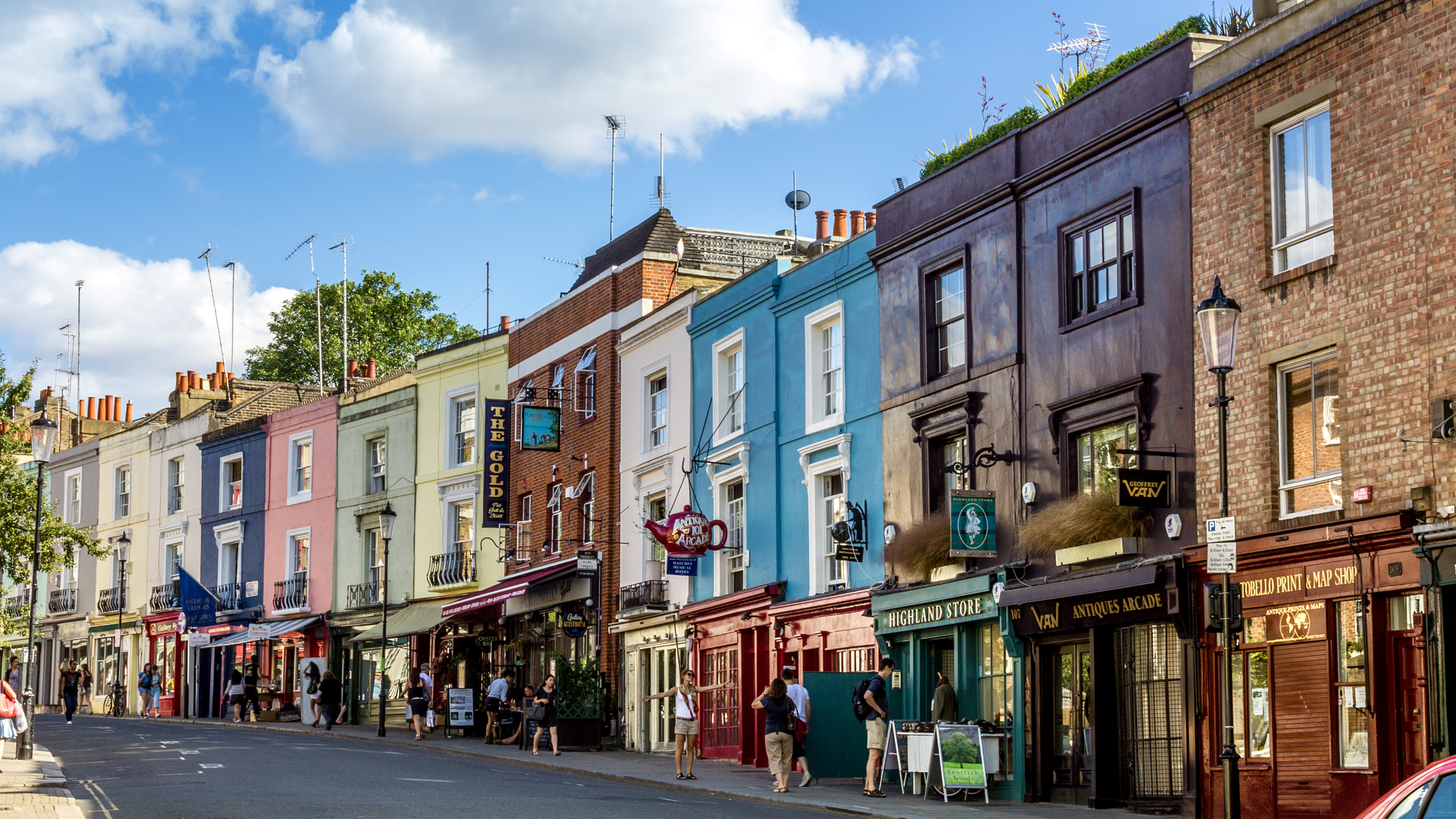
Immortalised in cinema, Notting Hillis characterised by its pastel-coloured houses, private garden squares, and the famous Portobello Road Market. It offers a bohemian-chic luxury that appeals to couples wanting a highly photogenic stay.
Weekends can be intensely crowded around the market, but the surrounding residential streets remain peaceful and incredibly romantic.
- Vibe: Cinematic, pastel, and bohemian-chic.
- Nearest Transit: Notting Hill Gate Central, District, Circle Lines.
- Best For: Iconic photo opportunities, antique hunting, and charming cafes.
Belgravia
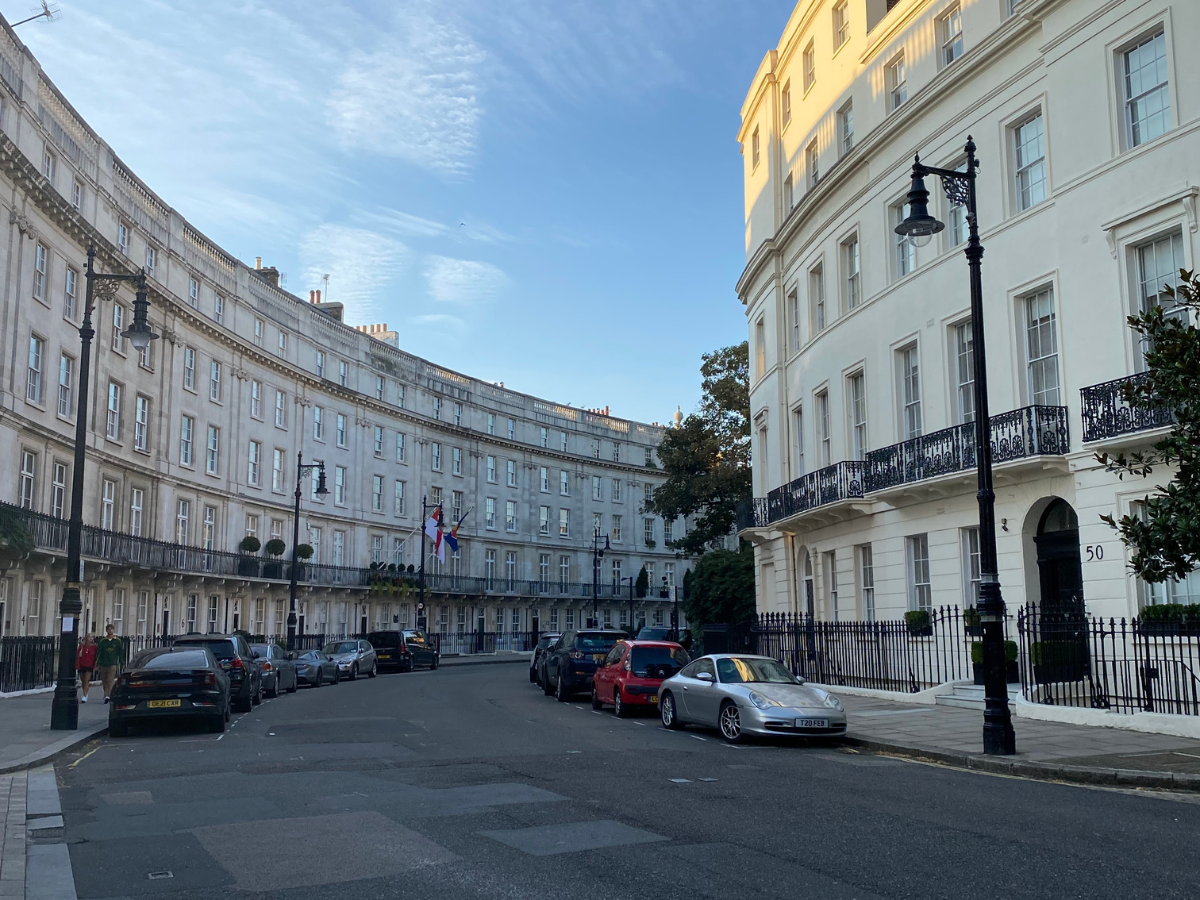
Tucked between Victoria and Knightsbridge, Belgravia is arguably the quietest and most exclusive neighbourhood in central London.
Characterised by sweeping white stucco terraces and diplomatic embassies, it is entirely free from tourist crowds. The area features superb independent boutiques and highly discreet luxury hotels. You trade vibrant street life for absolute peace and security.
- Vibe: Aristocratic, silent, and highly secure.
- Nearest Transit: Knightsbridge, Hyde Park Corner.
- Best For:A deeply private, highly secure luxury experience away from all noise.
Fitzrovia
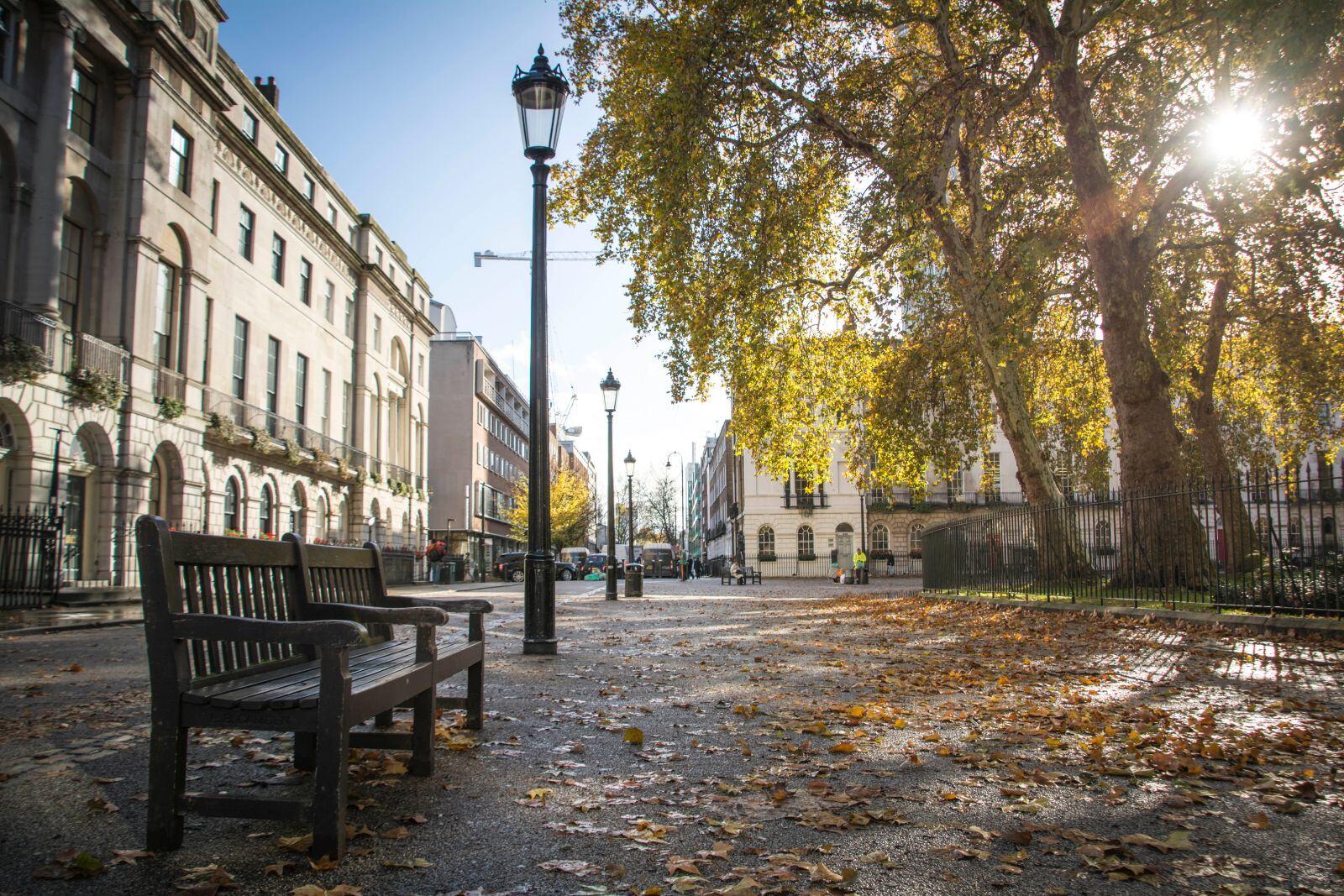
Fitzrovia offers understated, modern luxury just north of Oxford Street. It is known for its excellent culinary scene, housing a dense cluster of high-end, innovative restaurants and sleek boutique hotels.
It feels more grounded and contemporary than Mayfair, appealing to couples who want exceptional dining without the traditional pomp. It is incredibly central yet retains a strong residential feel.
- Vibe: Culinary-focused, sleek, and centrally discreet.
- Nearest Transit: Goodge Street, Tottenham Court Road.
- Best For: Gastronomic-focused couples who want to be near Soho without the noise.
These districts trade the chaotic energy of the tourist trail for serene, beautifully maintained environments perfect for special occasions.
The Best Areas To Stay In London For Local Vibe And Foodies
To experience London as Londoners do, focused heavily on weekend markets, exceptional coffee, and independent restaurants, you must look slightly south or east of the traditional centre.
Borough: Southwark
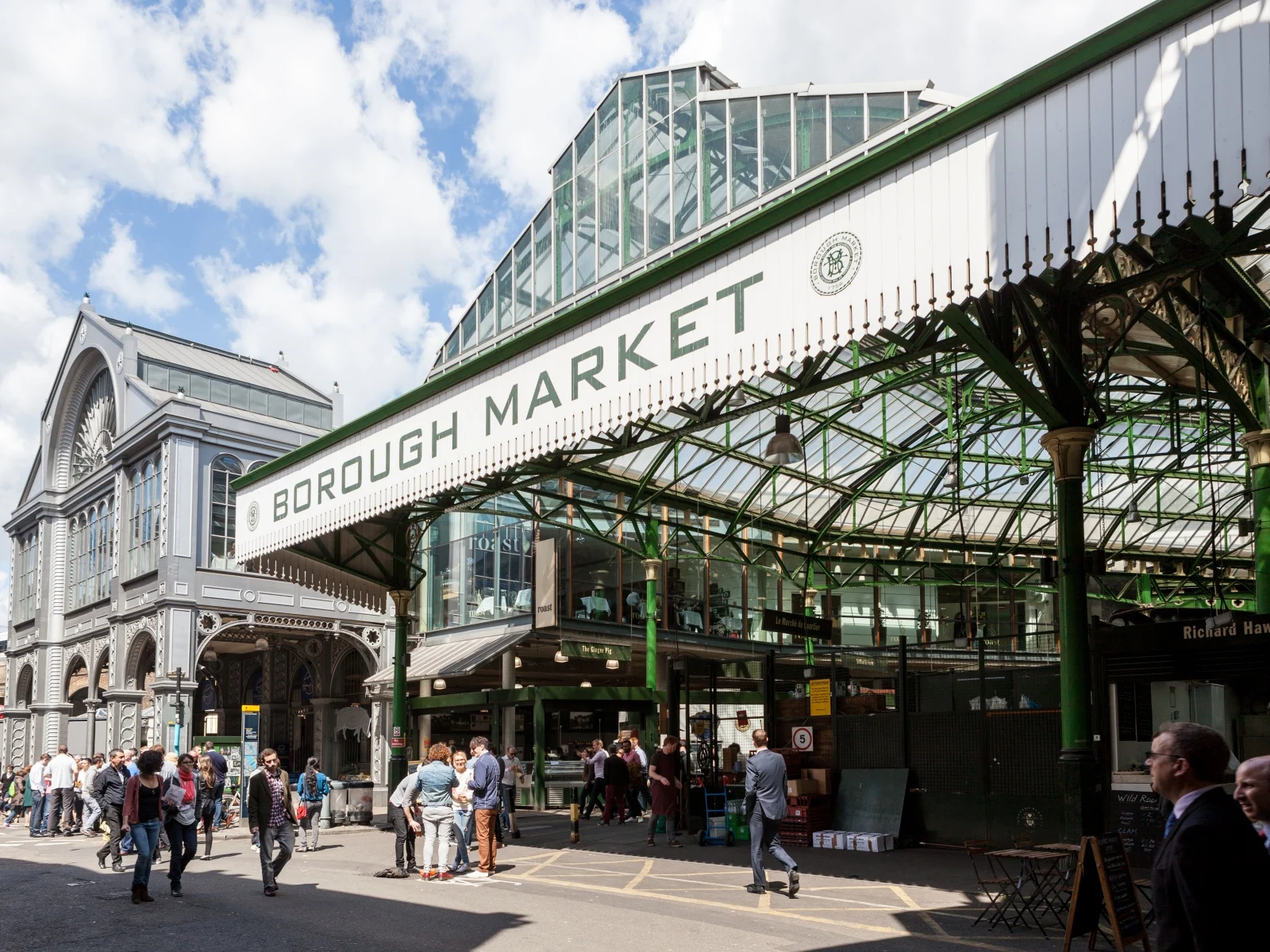
Staying in Borough places you next to London's most famous food market. The area is a sensory overload of artisanal cheese, fresh oysters, and craft beer, nestled under historic railway arches. The proximity to London Bridge means transit connectivity is flawless.
The immediate market area is incredibly busy during the day, but the surrounding streets offer fantastic, locally-loved pubs.
- Vibe: Culinary, historic, and highly atmospheric.
- Nearest Transit: London Bridge Jubilee, Northern Lines.
- Best For: Market grazing, historic pubs, and riverside walks.
Islington: Angel
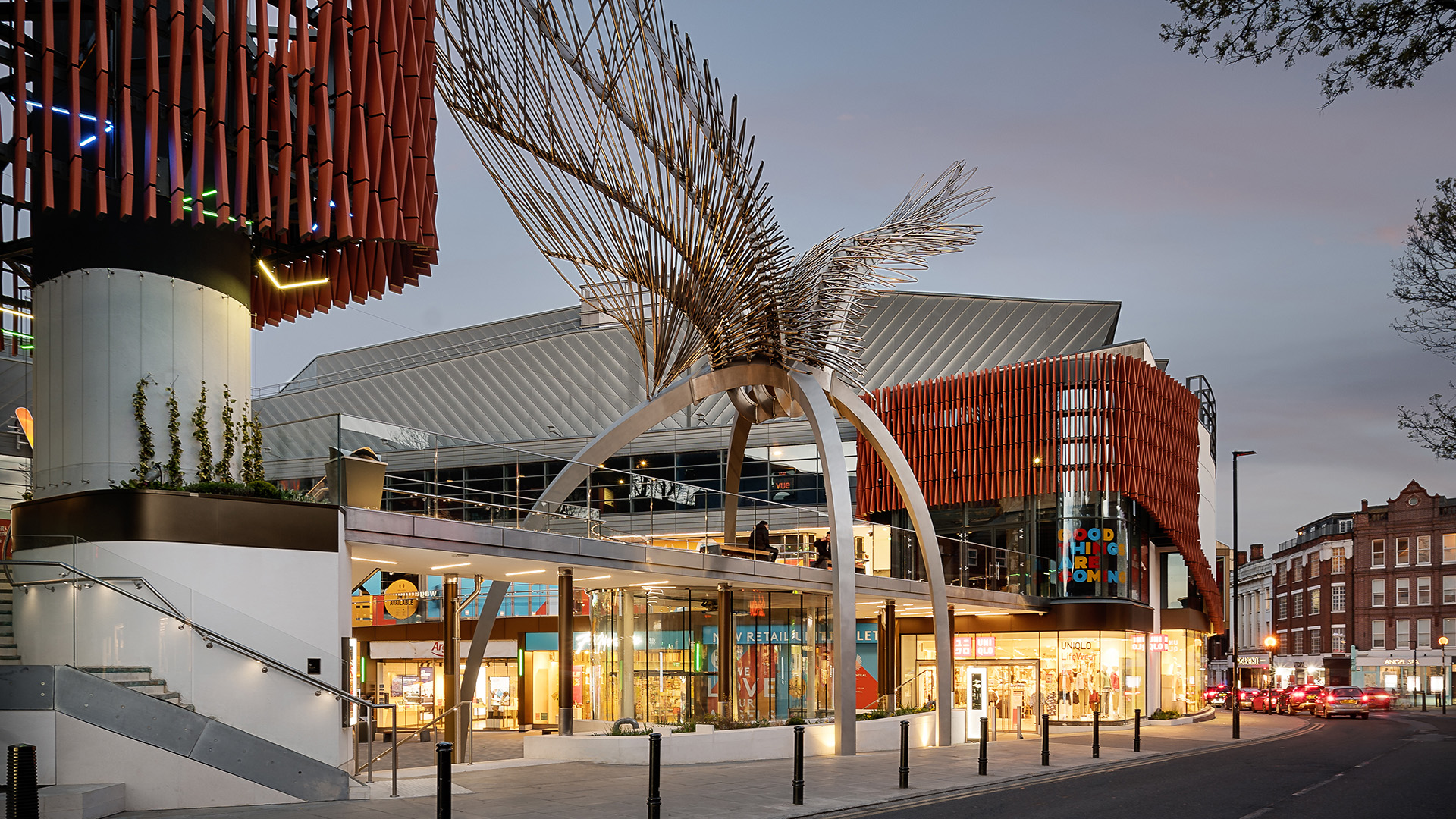
Islington strikes the perfect balance between residential calm and a thriving social scene. Upper Street is famously packed with an incredible density of independent restaurants, modern bakeries, and neighbourhood theatres.
It is thoroughly gentrified and highly favoured by young professionals. It sits just outside the heavy tourist zones but is connected to the centre in minutes via the Northern Line.
- Vibe: Professional, gastronomic, and culturally active.
- Nearest Transit: Angel Northern Line.
- Best For: Exploring a pristine local high street filled with excellent dining.
Clerkenwell
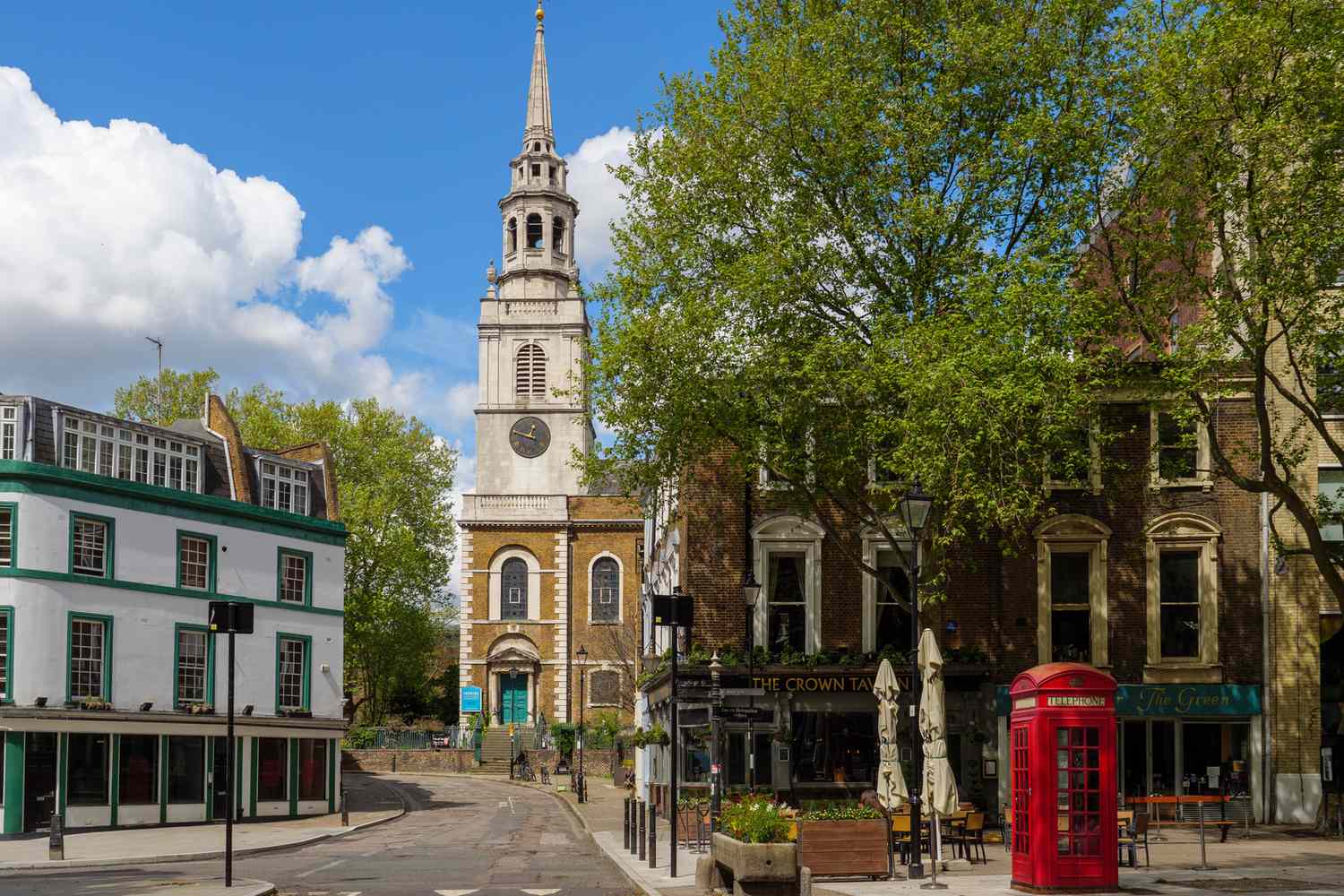
Historically known for clockmaking, Clerkenwell is now a design and culinary hotspot. It hosts a high concentration of Michelin-starred restaurants and trendy gastropubs, heavily frequented by the architects and designers who work in the area's converted warehouses.
It has a distinctly sophisticated, adult feel and is incredibly close to the City and the Elizabeth Line at Farringdon.
- Vibe: Design-conscious, culinary, and historic.
- Nearest Transit: Farringdon Elizabeth, Circle, Hammersmith & City Lines.
- Best For: Sophisticated dining and incredibly fast transit connections.
Bermondsey
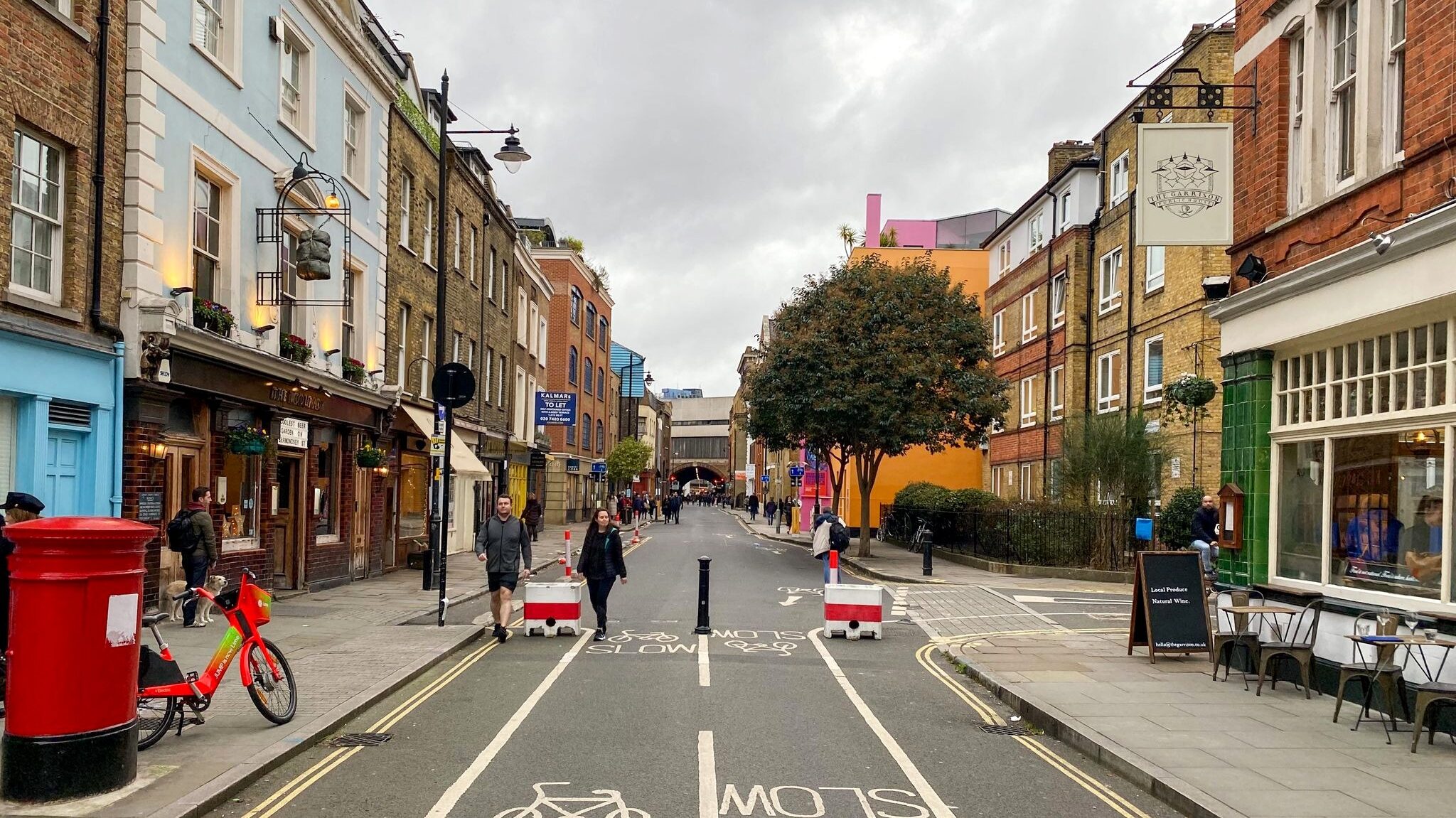
Located just east of London Bridge, Bermondsey has transformed from an industrial district into a foodie paradise.
Maltby Street Market offers a more intimate, local alternative to Borough Market, and the Bermondsey Beer Mile features excellent microbreweries housed in railway arches. It retains a slightly raw, industrial edge but is entirely safe and packed with local character.
- Vibe: Industrial-chic, community-focused, and artisanal.
- Nearest Transit: Bermondsey Jubilee Line.
- Best For: Craft beer enthusiasts and weekend market explorers.
Peckham
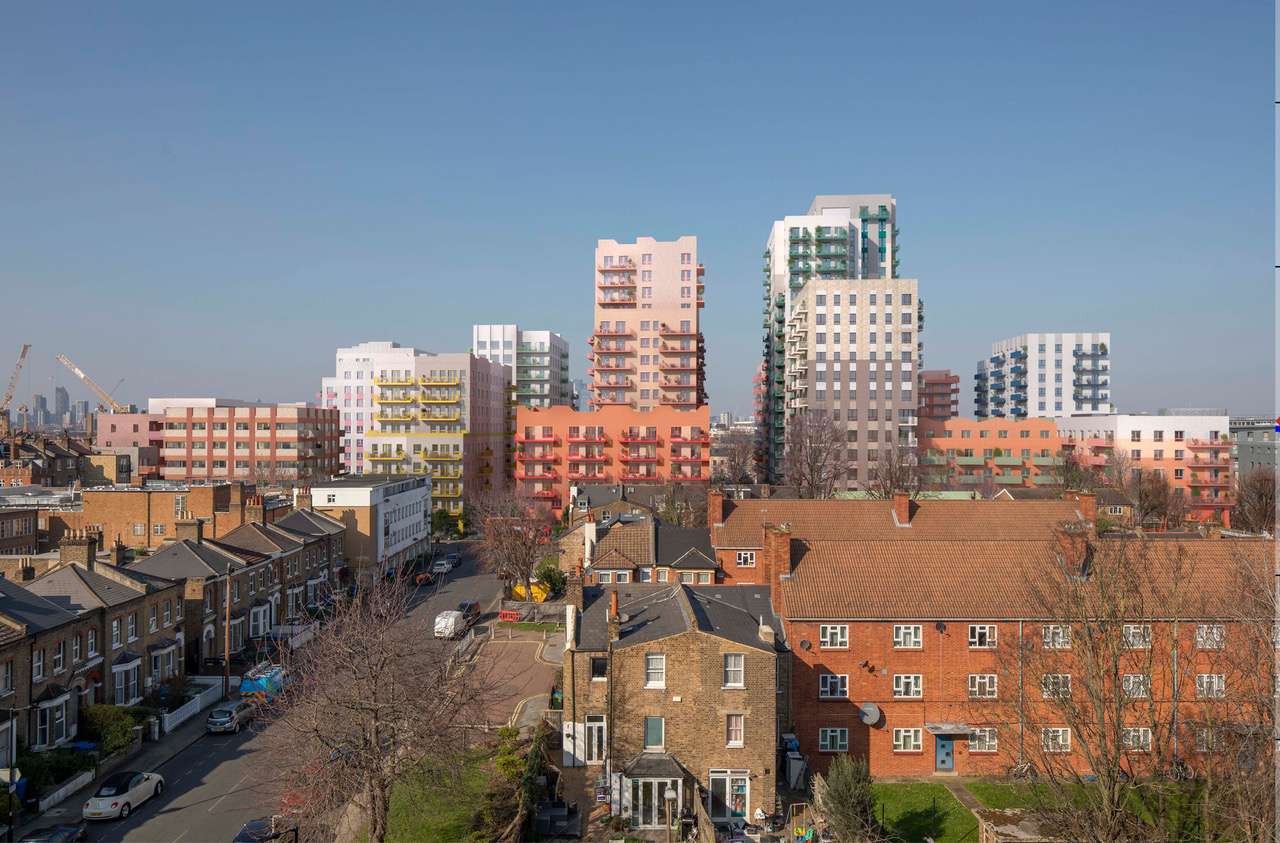
Peckham is currently one of South London's most exciting culinary and cultural neighbourhoods. It is fiercely independent, featuring acclaimed small-plates restaurants, rooftop bars, and independent cinemas.
It is completely removed from the standard tourist circuit, offering an authentic slice of modern, multicultural London. Transit relies on the Overground and National Rail, meaning longer travel times to the West End.
- Vibe: Unpretentious, creative, and highly dynamic.
- Nearest Transit: Peckham Rye Overground, National Rail.
- Best For: Deeply authentic dining and a completely local South London atmosphere.
Choosing a community-focused area allows you to escape the crowds and experience the city's globally renowned culinary scene at the ground level.
The London Hotel Matrix: Best Accommodation By Neighbourhood
Finding the right area is only half the battle; securing a hotel that embodies the neighbourhood’s character without overcharging is the final step. To save you from endless scrolling, the table below maps out the most reliable accommodations across all 30 of our featured areas.
Each entry provides a curated shortlist ranging from luxury £££ to stylish mid-range ££ and reliable budget value £, ensuring you can instantly match your chosen transit hub with the right room.
| Neighbourhood | Local Expert's Top Hotel Picks Luxury £££, Mid-Range ££, Budget £ |
| Covent Garden | The Savoy £££, The Henrietta Hotel ££, Seven Dials Hotel £ |
| Westminster | Corinthia London £££, St. Ermin's Hotel ££, The Sanctuary House £ |
| Soho | The Soho Hotel £££, Hazlitt's ££, The Z Hotel Soho £ |
| South Bank | Sea Containers London £££, The Dixon, Tower Bridge ££, Premier Inn County Hall £ |
| The City of London | The Ned £££, Vintry & Mercer ££, Motel One London-Tower Hill £ |
| South Kensington | The Pelham £££, The Ampersand Hotel ££, The Queens Gate Hotel £ |
| Marylebone | The Marylebone Hotel £££, The Zetter Townhouse ££, The Z Hotel Gloucester Place £ |
| Greenwich | InterContinental London - The O2 £££, Novotel Greenwich ££, Premier Inn Greenwich £ |
| Bloomsbury | The Bloomsbury Hotel £££, The Montague on the Gardens ££, Generator London £ |
| Richmond | The Petersham £££, Richmond Hill Hotel ££, Travelodge Richmond Central £ |
| Shoreditch | One Hundred Shoreditch £££, The Hoxton, Shoreditch ££, Point A London Shoreditch £ |
| Camden Town | The Standard £££, York & Albany ££, Holiday Inn London - Camden Lock £ |
| Brixton | Upscale Local Rentals £££, The Tommyfield Hotel ££, Premier Inn London Brixton £ |
| Hackney Wick | The Stratford Hotel £££, The Lockner Apartments ££, Kip Hotel £ |
| Dalston | Upscale Local Rentals £££, Kingsland Locke ££, Premier Inn London Hackney £ |
| King's Cross & St Pancras | St. Pancras Renaissance £££, The Great Northern Hotel ££, Point A London King's Cross £ |
| Paddington | Royal Lancaster London £££, The Pilgrm ££, Point A London Paddington £ |
| Victoria | The Goring £££, The Rubens at the Palace ££, The Z Hotel Victoria £ |
| Euston | Pullman London St Pancras £££, The Wesley Euston ££, Premier Inn London Euston £ |
| Stratford | The Stratford Hotel £££, Moxy London Stratford ££, Premier Inn London Stratford £ |
| Mayfair | Claridge's £££, The Beaumont ££, The Chesterfield Mayfair £ |
| Chelsea | 11 Cadogan Gardens £££, San Domenico House ££, Sydney House Chelsea £ |
| Notting Hill | The Portobello Hotel £££, The Laslett ££, Blue Bells Hotel £ |
| Belgravia | The Lanesborough £££, The Hari ££, B+B Belgravia £ |
| Fitzrovia | The London EDITION £££, The Mandrake ££, The Z Hotel Tottenham Court Road £ |
| Borough Southwark | Shangri-La The Shard £££, The LaLiT London ££, Premier Inn Southwark Borough £ |
| Islington Angel | Hilton London Angel Islington £££, Citadines Islington ££, Premier Inn Angel Islington £ |
| Clerkenwell | The Rookery £££, The Zetter Hotel ££, YOTEL London City £ |
| Bermondsey | Bermondsey Square Hotel £££, The Dixon ££, Residence Inn by Marriott £ |
| Peckham | Upscale Local Rentals £££, The Victoria Inn ££, Best Western London Peckham Hotel £ |
Once you have identified your ideal neighbourhood using the Zone 1 Transit Rule, cross-reference it with this matrix to secure a room that maximises both your budget and your daily itinerary.
Where Not To Stay In London: Situations To Avoid
While central London is remarkably well-policed and generally very safe for visitors, certain outer boroughs lack the consistent foot traffic and tourist infrastructure required for a relaxed evening return.
Navigating these deeply residential or highly commercial transit hubs after dark can feel intimidating for newcomers, combining logistical headaches with an unwelcoming street-level atmosphere.
Croydon
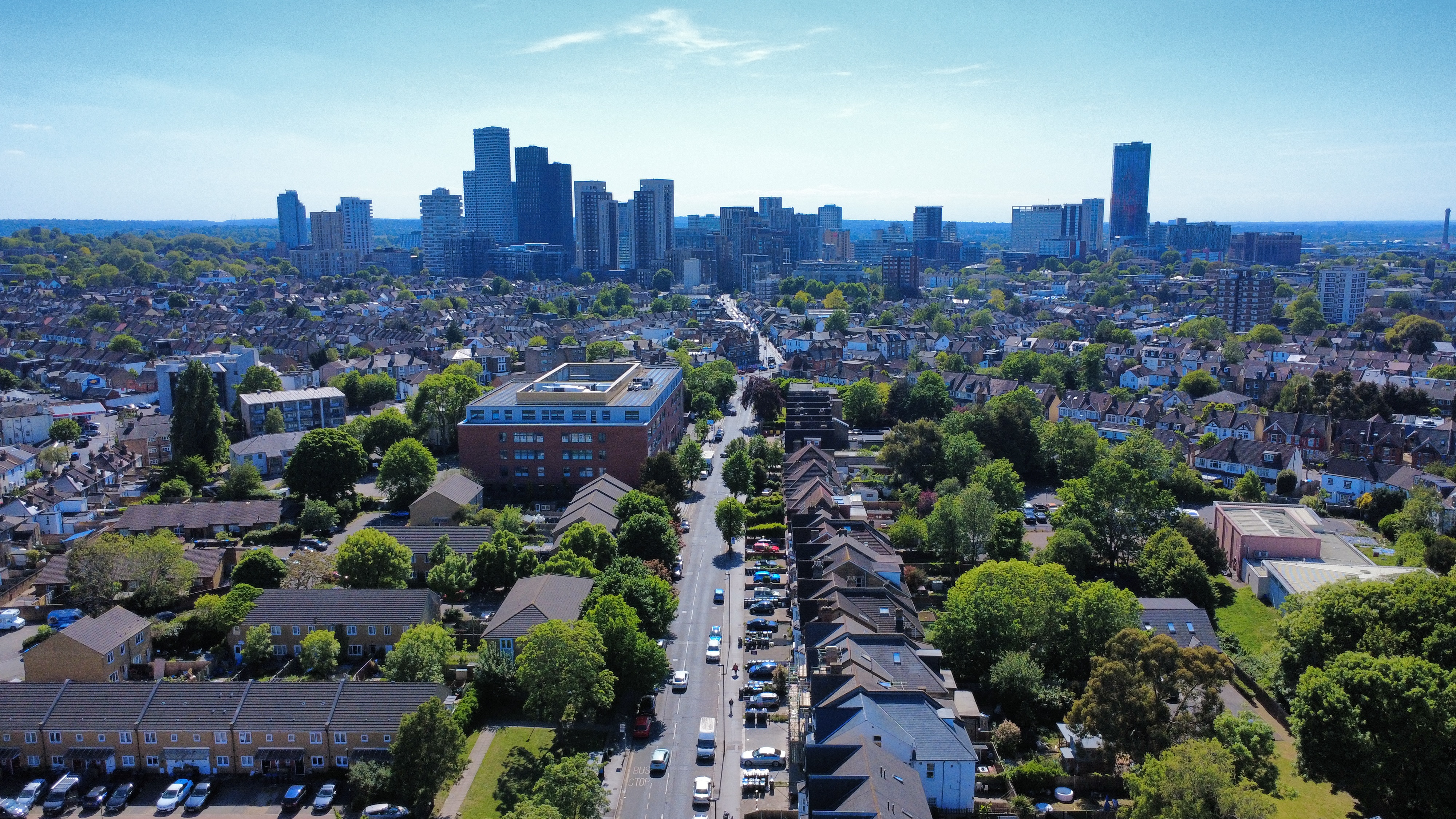
Croydon is a major commercial satellite town situated far into South London, meaning long and exhausting transit times to central attractions.
While the daytime high street is bustling with shoppers, the areas immediately surrounding the major train stations often feel desolate and edgy late at night.
- Primary Drawback: Higher rates of opportunistic street crime and anti-social behaviour near major transit junctions after dark.
- Transit Reality: Relying entirely on National Rail or the Overground makes late-night returns from the West End incredibly stressful.
Tottenham
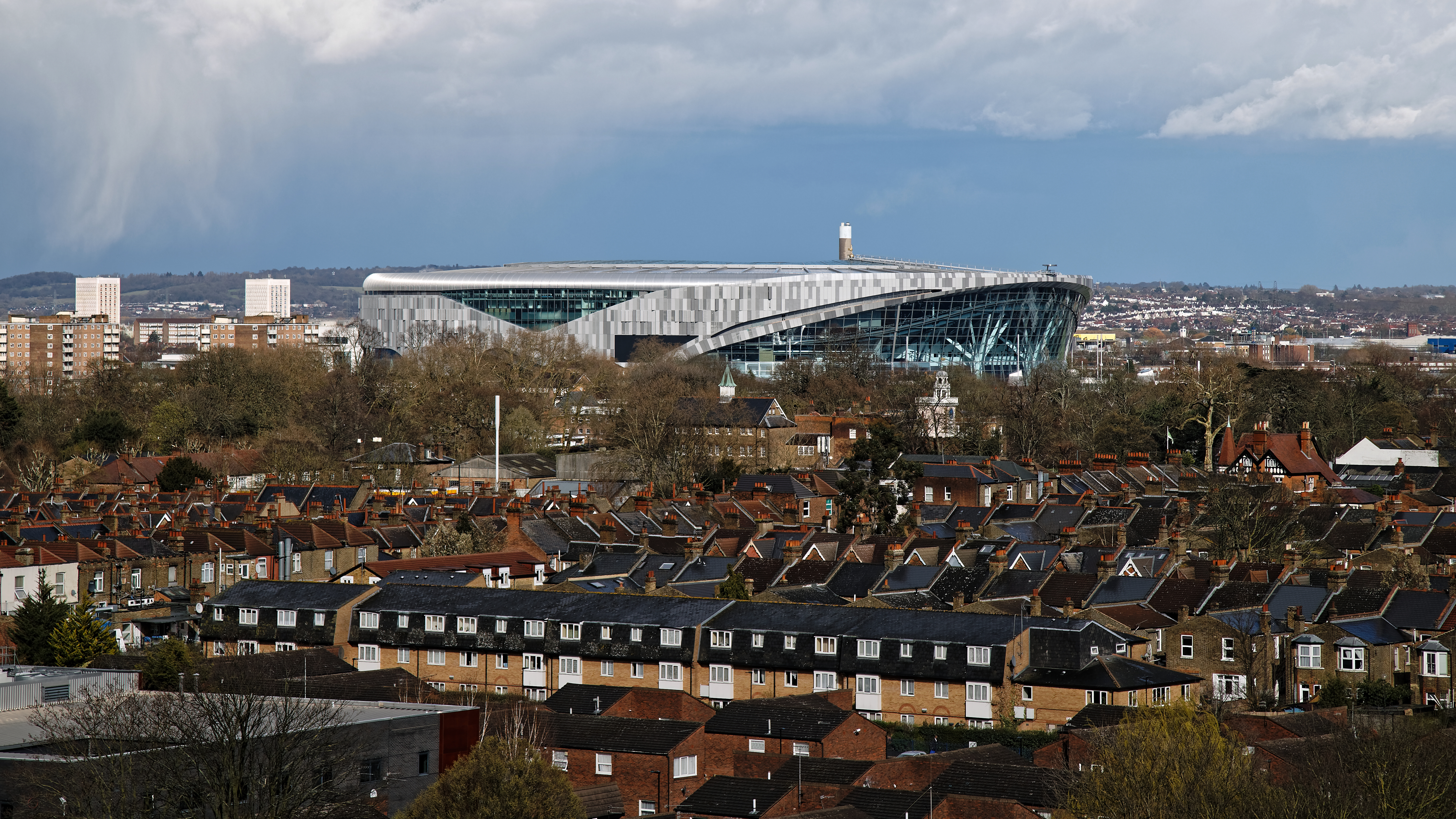
Famous primarily for its massive Premier League football stadium, Tottenham offers virtually nothing else in terms of tourist amenities or central convenience.
Outside of the heavy policing on match days, the expansive residential streets lack the ambient lighting and constant pedestrian flow that provide a baseline sense of security.
- Primary Drawback: An intimidating atmosphere and limited safe-feeling pedestrian routes once the local pubs close.
- Transit Reality: Geographically isolated, heavily reliant on local buses and the congested northern terminus of the Victoria line.
Edmonton
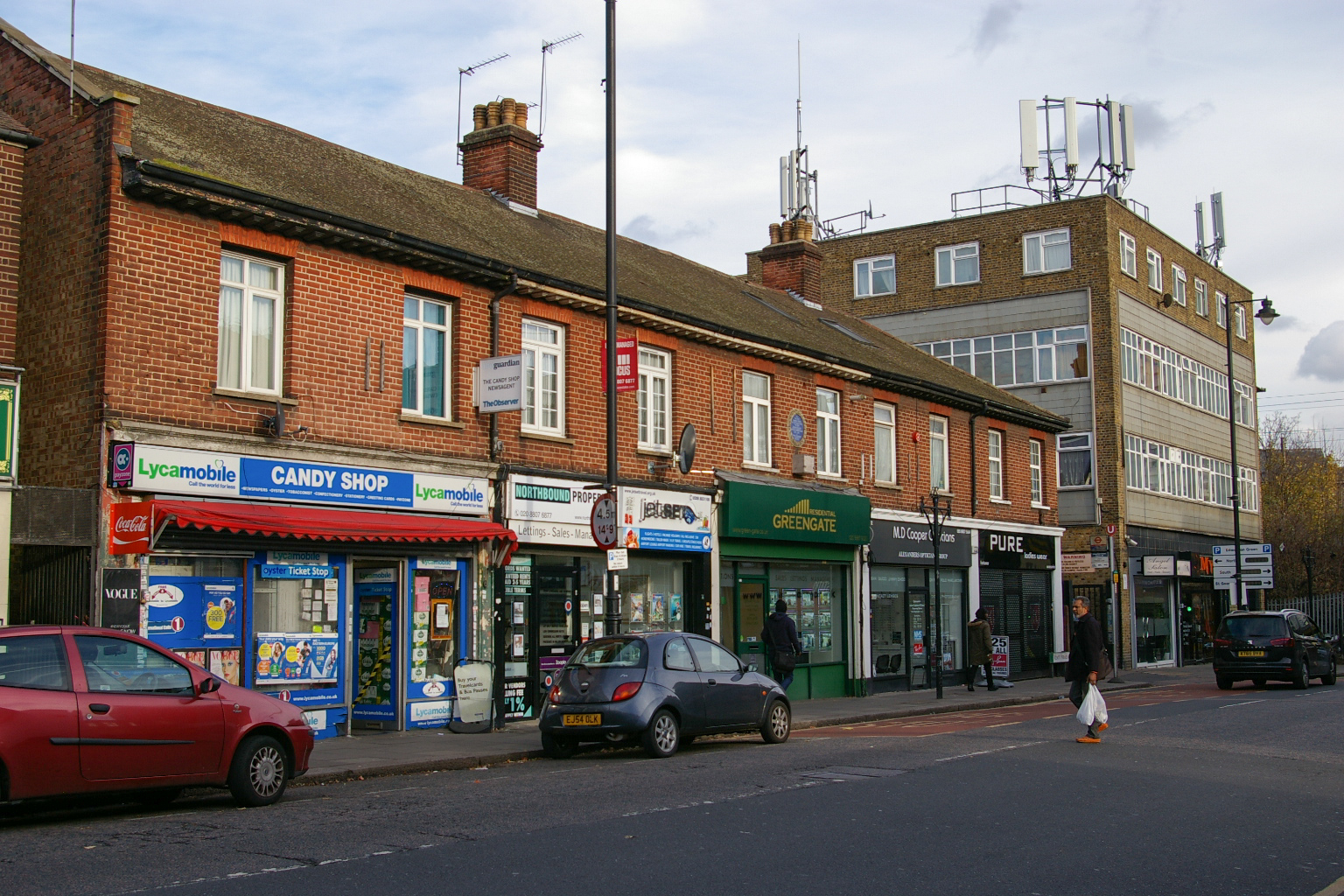
Located in deep North London, Edmonton is a purely residential and industrial district completely removed from the city's cultural centre.
The sheer lack of hospitality venues means the pavements empty very quickly after working hours, creating an isolated and poorly lit environment for late-returning visitors.
- Primary Drawback: Statistically higher rates of localised neighbourhood crime compared to any central Zone 1 or Zone 2 tourist hub.
- Transit Reality: You will waste valuable itinerary hours navigating multiple bus routes and Overground trains simply to reach the Tube network.
Ilford
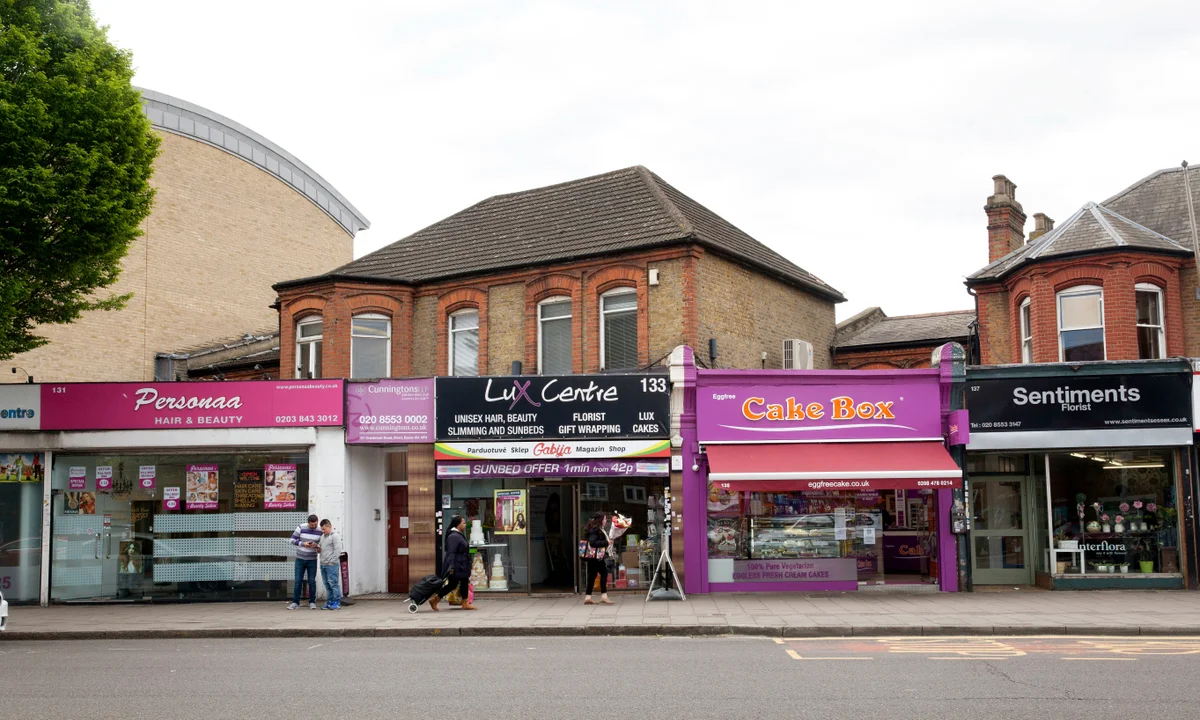
Despite the recent, much-needed arrival of the Elizabeth Line, Ilford remains a deep East London commuter stronghold rather than a viable tourist destination.
The main commercial thoroughfare can become rowdy and intimidating on weekends, completely lacking the polished, visible security presence found in central hubs like Covent Garden.
- Primary Drawback: Unwelcoming late-night high street dynamics and a distinctly non-tourist-friendly environment.
- Transit Reality: You will spend a significant portion of your daily travel budget simply commuting in and out of the city centre.
Lewisham Central Station Area
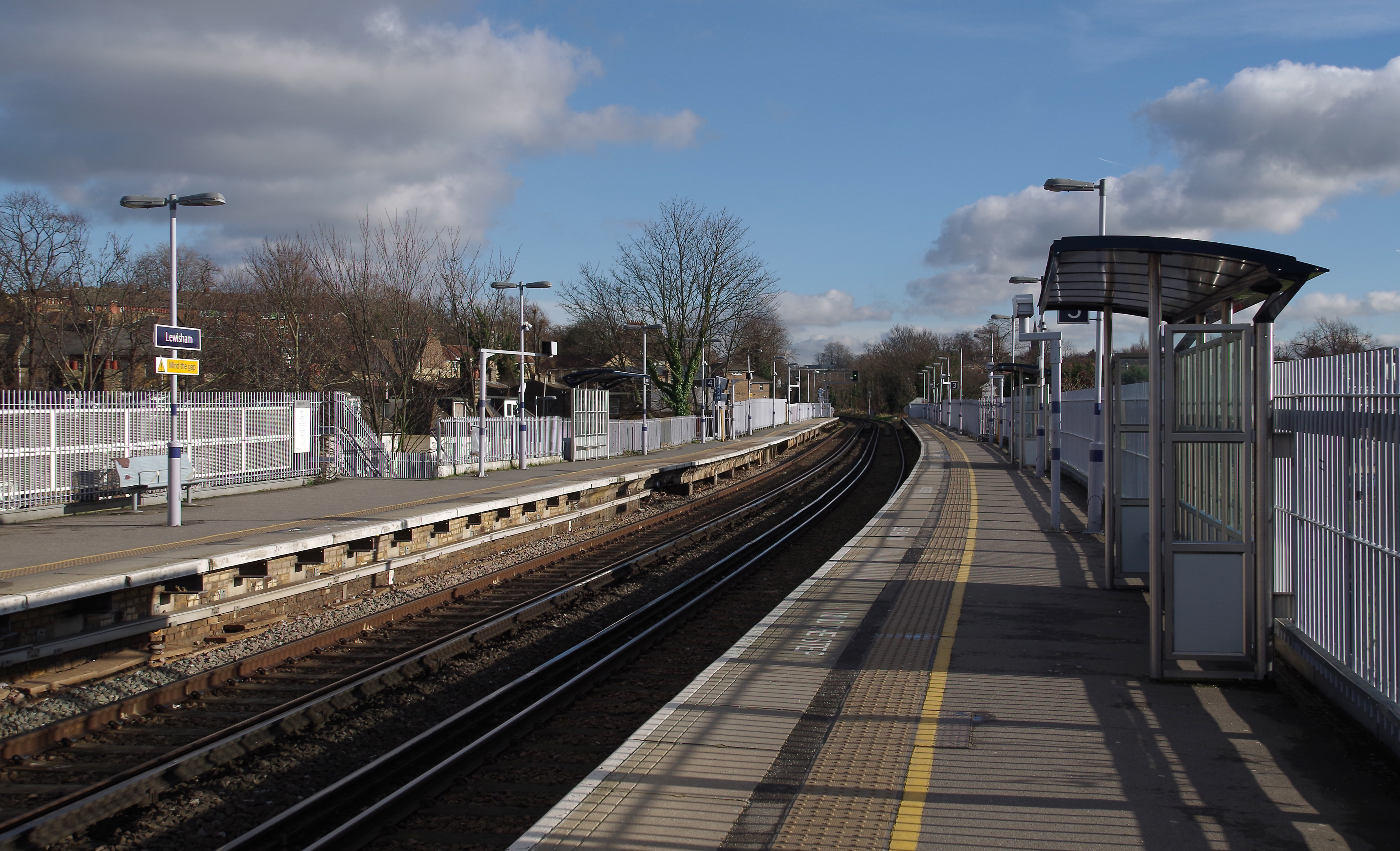
While much of the wider Lewisham borough features leafy, family-friendly pockets, the immediate vicinity of the central station and shopping precinct is intensely chaotic.
The heavy multi-lane traffic intersections and poorly lit pedestrian underpasses make evening navigation an anxious experience for anyone unfamiliar with the local layout.
- Primary Drawback: Aggressive, heavily congested urban planning and an intimidating station environment after dark.
- Transit Reality: While the DLR connection is theoretically useful, the station approach itself serves as a harsh, stressful welcome for tired travellers.
Avoiding these deep outer zones ensures your evenings end with a relaxing, confident stroll back to your accommodation rather than an anxious commute.
Frequently Asked Questions
What Area In London Is Best To Stay In?
The best area is the one that aligns with your priorities and is close to a station, keeping your daily routes simple. For most first-timers, that means a central base with strong connections.
What Area Of London Is Best For First-timers?
A Zone 1–leaning base near major Tube connections is usually the easiest start, because it reduces transfers and lets you pivot plans without losing time.
What Are The Safest Areas Of London To Stay In?
London is generally safe, but the safest place depends on context and your comfort. Use official sources to compare local data and prioritise well-lit streets near busy stations.
Where Should I Avoid Staying In London?
Avoid choosing a base purely because it’s cheap if it adds long, complicated commutes or weak late-night options. Convenience tends to matter more than small nightly savings.
What Is The Safest And Cheapest Area In London?
There isn’t one universal answer, but many travellers find good value in well-connected areas outside the very centre. Verify local context with official recorded-crime sources before booking.
Is It Better To Stay In Zone 1 Or Zone 2?
Zone 1 is the most straightforward for sightseeing and flexibility, while Zone 2 can be a better value if you’re near a fast, direct line into central London.
Is It Better To Stay North Or South Of The River?
Both can be excellent. The deciding factor is how often you’ll cross the Thames and whether your main destinations align with your transport options.
Which Areas Are Best For Nightlife?
Nightlife trips work best in areas with dense venues and an easy late-night route home. Check Night Tube coverage for your likely return line.
Which Areas Are Best For Families?
Families often prefer calmer neighbourhoods near parks and museums, plus routes that reduce transfers. If accessibility matters, plan around step-free stations.
Where Should I Stay For Museums?
Staying near the major museum cluster can save time, but a base on a direct Tube line works almost as well. Choose whichever keeps repeated journeys simplest.
How Do I Choose A London Neighbourhood Quickly?
Pick your top three anchor sights, evenings, and arrival/departure, find the simplest transport lines between them, then choose an area close to a station on those lines.
How Far Is Too Far In London?
If you’re consistently spending close to an hour each way, you’ll feel the drag over several days. Many travellers prefer bases that keep most daily trips simpler and shorter.
Do I Need A Car In London?
A car typically slows you down and adds complexity. Public transport and walking cover most visitor needs, and TfL provides visitor-focused guidance for planning routes.
What’s The Night Tube And Why Does It Matter?
Night Tube is an overnight service on selected lines on Friday and Saturday nights, which makes late returns far easier in nightlife-heavy trips.
How Can I Check If An Area Is Right For Me?
Confirm your nearest station and routes, check late-night options if needed, and use official crime-data tools for a non-alarmist context check. Police.uk explains how it protects privacy on its maps.
Conclusion
Selecting the right neighbourhood is the single most important decision you will make when planning your trip to the capital.
A poorly chosen location can result in hours lost underground, while a well-selected base acts as a multiplier for your itinerary.
Prioritise your proximity to major Tube lines like the Victoria and Elizabeth lines, assess your travel style, and choose a district that suits your evening preferences.
Whether you require the sensory thrill of Soho, the manicured silence of South Kensington, or the culinary excitement of Borough, the perfect London base exists to anchor your journey.
Related Reading:20 Best Places To Stay In London
Jump to
The 30 Best Areas To Stay In London: A Local’s Guide
Pick Your Base In 3 Decisions: Station, Vibe, And Late Nights
The Best Areas To Stay In London For First-Time Visitors
The Best Areas To Stay In London For Families
The Best Areas To Stay In London For Nightlife And Young Adults
The Best Areas To Stay In London For Transit And Short Stays
The Best Areas To Stay In London For Luxury And Couples
The Best Areas To Stay In London For Local Vibe And Foodies
The London Hotel Matrix: Best Accommodation By Neighbourhood
Where Not To Stay In London: Situations To Avoid
Frequently Asked Questions
Conclusion

James Rowley
Author
James Rowley is a London-based writer and researcher covering London life, cultural geography, London travel, live London webcam pages and selected public figures across entertainment, sport, business and public life.
For over 15 years, he has focused on verified sources, first-hand local context and clear explanations that help readers understand both places and people more deeply. His work combines street-level London knowledge with careful research into career credits, media work, business interests and, where relevant, transparently explained net worth estimates.
He writes and reviews articles published on LondonWebcam.
Latest Articles
Popular Articles