Covent Garden - Things To Do, Market Tips And Nearby Stops
Plan Covent Garden with what to see first, market tips, Tube advice, food areas, theatre ideas, Christmas notes and nearby walks.
Author:James RowleyOct 23, 2026
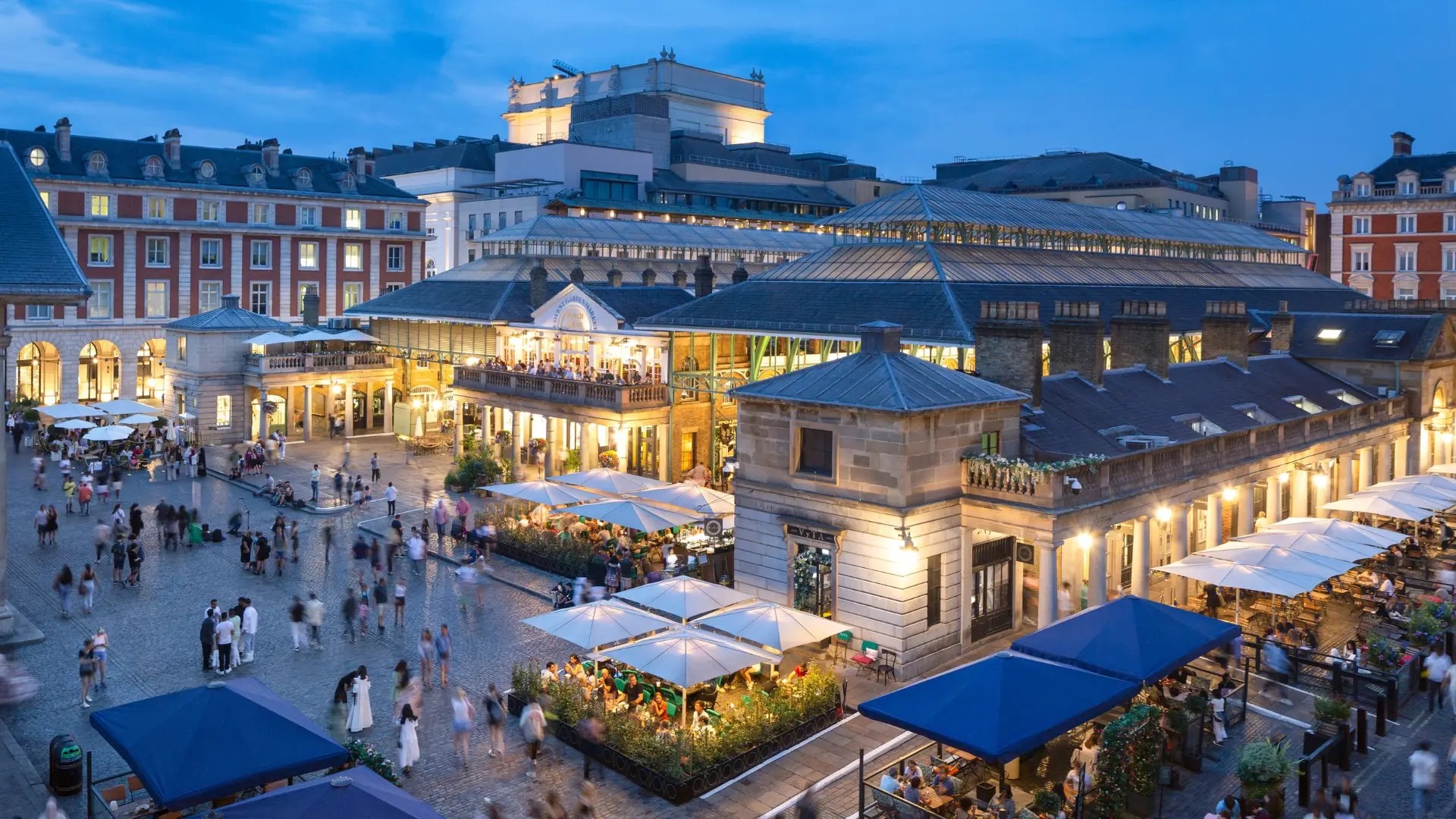
Covent Garden: What To See First And How To Plan Your Visit
Covent Gardenis one of the easiest Londonareas to enjoy without a strict itinerary, but it works best when you understand how the area fits together. The Market Building, Piazza, street performers, theatres, restaurants, shops and side streets all sit close together, but they do not all follow the same opening times or visitor flow.
Treat Covent Garden as a walkable West End neighbourhood, not just a single market. Start with the Market Building and Piazza, then build the rest of your visit around food, shopping, theatre, family time, Christmas lights or nearby streets.
Source note:Opening times, station details, venue information and seasonal dates were checked against official Covent Garden, TfL, Jubilee Market, London Transport Museum and Royal Ballet and Opera pages in June 2026. Check the latest official pages before travelling because events, shows and opening times can change.
Quick Answer: Is Covent Garden Worth Visiting?
Covent Gardenis worth visiting if you want a lively, central London area where you can combine market browsing, street performers, food, shopping, theatre and short walks to nearby West End streets.
Key things to know:
- Covent Garden is known for its Piazza, Market Building, Apple Market, East Colonnade Market, street performers, theatres and restaurants.
- The Piazza and Market Building are public spaces and free to walk around. Shops, food, museum tickets and shows cost extra.
- Covent Garden Underground Station is in Zone 1and is served by the Piccadilly line.
- Visit London says the Apple Market is open daily from 10am to 6pm and the East Colonnade Market from 10.30am to 7pm, but individual shops and restaurants vary. Data as of June 2026; check latest official times.
- A good first-time route is:Market Building → Piazza performers → Neal’s Yard → Seven Dials → theatre or dinner.
Best For
Covent Garden works best for first-time visitors, families, couples, shoppers, theatre-goers and anyone who wants a compact London stop with plenty happening nearby.
It is especially useful when you do not want to plan every minute. You can arrive, wander the Piazza, watch a performer, browse the market and then decide whether to eat, shop, visit a museum or walk towards Soho, Leicester Square or Trafalgar Square.
Maybe Skip If
You may want to skip or shorten Covent Garden if you dislike crowds, want a quiet local neighbourhood, or only care about famous London landmarkssuch as Buckingham Palace, the Tower of Londonor Westminster Abbey.
The area is at its best when you enjoy atmosphere. If crowds frustrate you, go early on a weekday or use it as a short route stop instead of a full afternoon plan.
The simplest verdict is this: Covent Garden is not the quietest London stop, but it is one of the easiest places to enjoy without a complicated itinerary.
Covent Garden Quick Facts
Use this section as your fast planning check before you choose how long to spend. Covent Garden is easy to visit, but the details matter because market areas, shops, theatres and restaurants follow different schedules.
| Fact | Detail |
| Area | Central London / West End |
| Best known for | Market, Piazza, performers, theatre, shops, food |
| Nearest Tube | Covent Garden Underground Station |
| Tube line | Piccadilly line |
| Tube zone | Zone 1 |
| Good visit length | 1–3 hours for most visitors |
| Entry cost | Free to walk around the Piazza and Market Building |
| Best nearby add-ons | Neal’s Yard, Seven Dials, Soho, Trafalgar Square |
Covent Garden sits in London’s West End, with St Martin’s Lane to the west, the Strand to the south, Aldwych to the east, and Seven Dials and The Yards to the north. The main visitor area is centred around the historic Covent Garden Market and the traffic-free Piazza.
Around the Piazza, you will find fashion and beauty shops, restaurants, bars and streets that connect towards the Opera Quarter, The Yards, Seven Dials and nearby entertainment districts. It is also within easy walking distance of Soho, Leicester Square, Trafalgar Square, Somerset House and the river Thames.
Data as of June 2026: TfL lists Covent Garden station at Long Acre, WC2E 9JT, with lifts and Piccadilly line services.
The main thing to remember is that “Covent Garden” can mean the wider neighbourhood, the Piazza, the Market Building, or specific market areas, so always check what a source is referring to.
Best Covent Garden Plan By Visitor Type
Use this quick table if you know the kind of visit you want but do not want to over-plan every stop.
| Visitor type | Best plan |
| First-time visitor | Market Building, Piazza performers, Apple Market, Neal’s Yard, Seven Dials |
| Family / rainy day | Market Building plus London Transport Museum |
| Theatre visitor | Late-afternoon Piazza walk, early dinner, then show |
| Food-focused visitor | Henrietta Street, King Street, Seven Dials or Seven Dials Market |
| Photo-focused visitor | Piazza, Apple Market, Neal’s Yard, Seven Dials |
| Christmas visitor | Piazza, Market Building and nearby lights after dark |
A good Covent Garden visit does not need a long checklist. Pick one main purpose, then keep the rest flexible.
What Is Covent Garden Famous For?
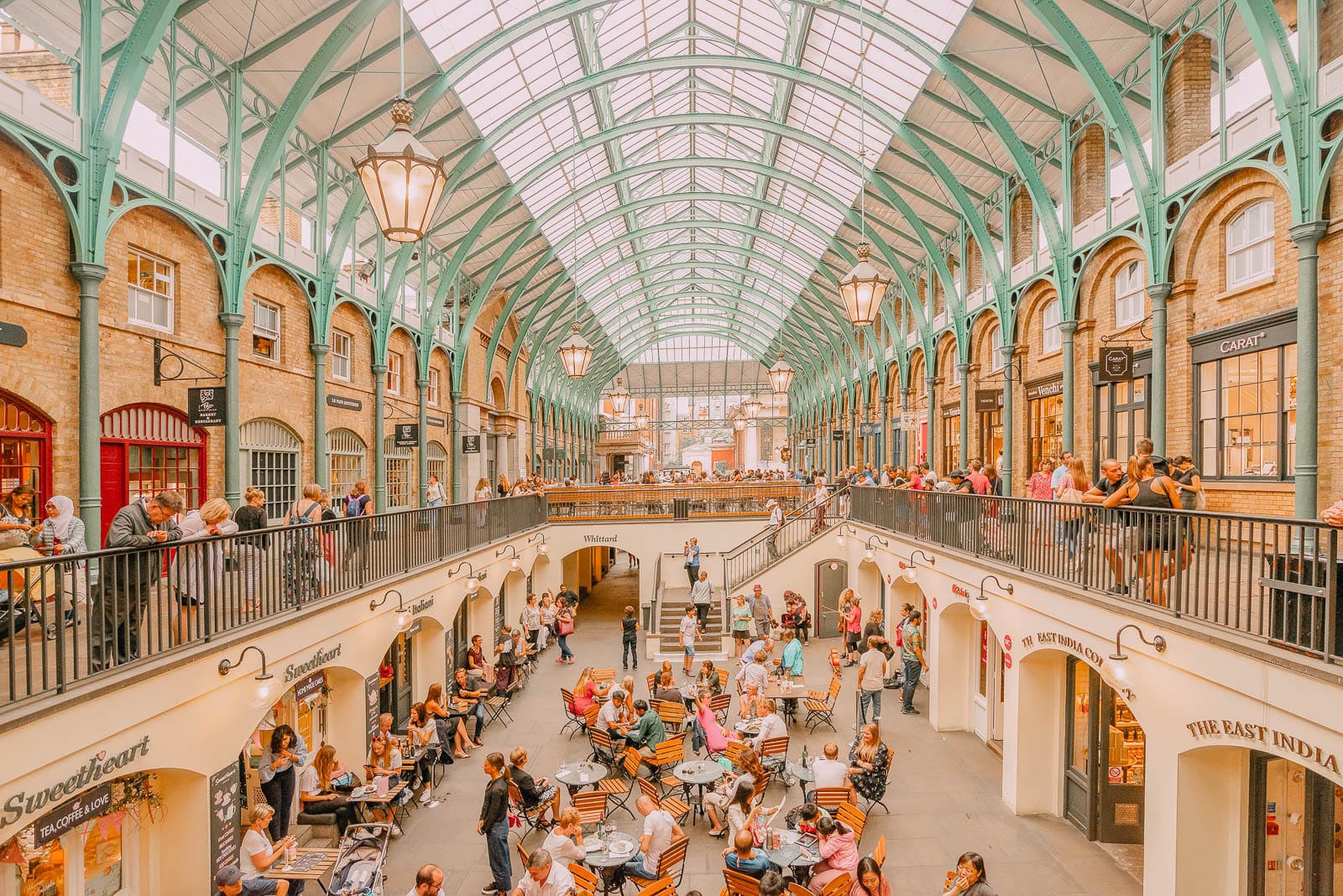
Covent Garden is famous because it packs several London experiences into a small, walkable area.
The Historic Market And Piazza
Covent Garden was once associated with London’s main fruit, flower and vegetable market. Oxford Learner’s Dictionaries describes it as a central London area that used to be London’s main market for flowers, fruit and vegetables before the market moved in 1974.
Today, the Market Building and Piazza are more about shopping, food, performers and atmosphere. The old market identity still matters, but visitors should not expect a wholesale produce market in the middle of the Piazza.
Street Performers And Free Atmosphere
Street performers are one of the main reasons Covent Garden feels different from a normal shopping street. The official Covent Garden site says street entertainment in the area dates back to the 1660s, including a 1662 Samuel Pepys diary reference to a Punch performance on the Piazza.
The practical point is simple: you can often get a memorable London moment without buying a ticket. If you stay for a full performance, tipping is common and fair.
Theatre, Opera And The West End
Covent Garden sits inside London’s theatreland. The area is closely linked with the Royal Opera House, now under Royal Ballet and Opera, and surrounded by West End theatres. The official Covent Garden theatre page says the area has more than 20 theatres and is home to The Royal Opera and The Royal Ballet.
This makes Covent Garden especially useful in the late afternoon or evening. You can eat before a show, walk through the Piazza after dark, or use the area as a base for nearby West End performances.
Food, Shopping And Hidden Courtyards
Covent Garden is also known for fashion, beauty, restaurants, cafés, market stalls and photogenic side streets. The shopping mix includes luxury names, beauty brands, independent-feeling corners, market stalls and well-known stores such as the Apple Store Covent Garden.
The best visit usually mixes the obvious and the smaller stops: Piazza first, then Neal’s Yard, Seven Dials, Floral Street, Neal Street, Shorts Gardens or Long Acre depending on your route.
Covent Garden’s appeal is not one single attraction; it is the way the market, performance, food, shopping and theatre pieces fit together.
Best Things To Do In Covent Garden
Start with the central area, then add nearby streets only if you have time.
Start At The Market Building And Piazza
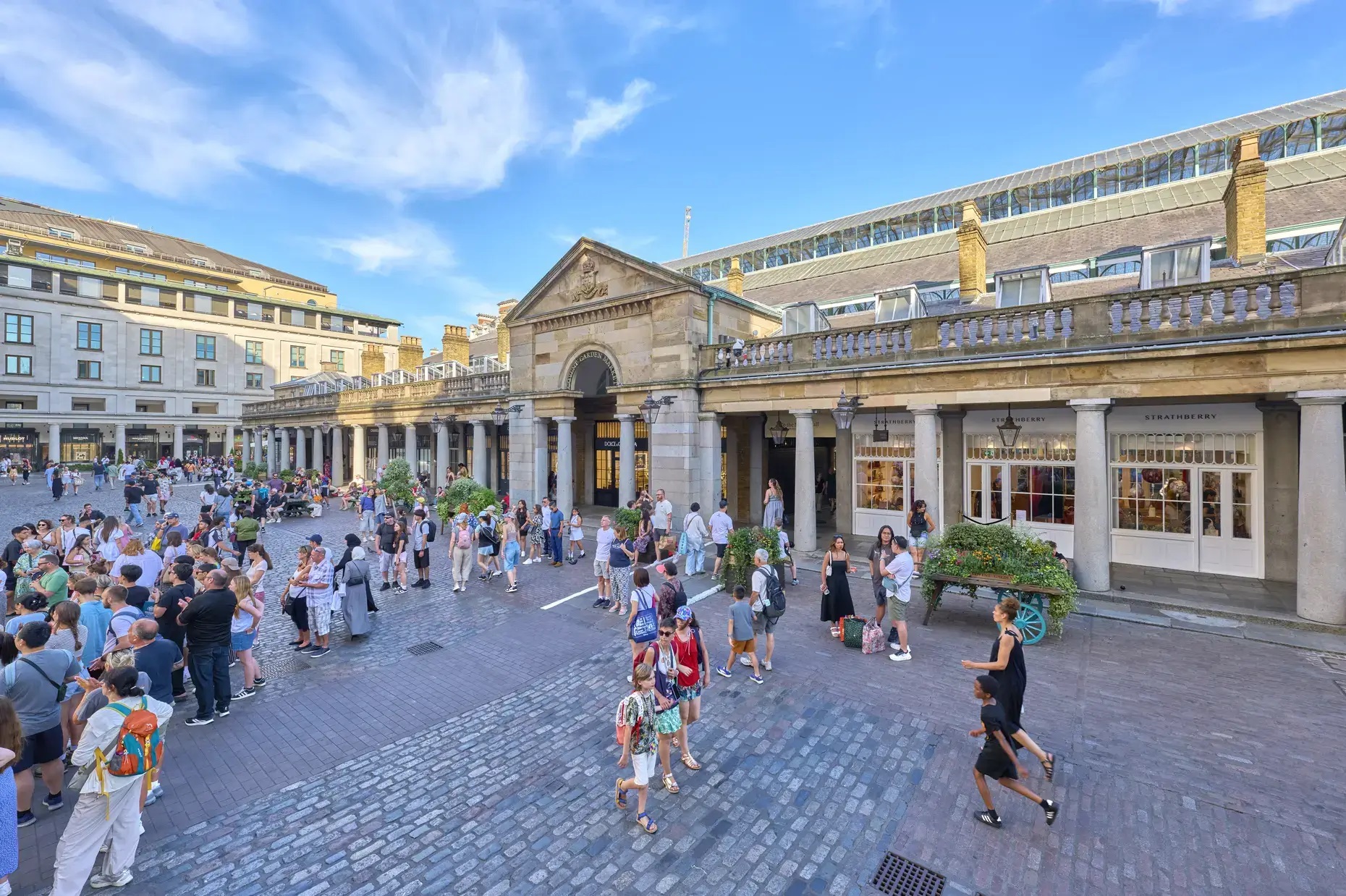
Begin at the Market Building and Piazza because this is the visual centre of Covent Garden. It gives you the classic cobbled-square atmosphere, market halls, performers and the easiest sense of direction.
A common mistake I see in London planning is treating Covent Garden as a single “market stop” and rushing through it in ten minutes. Give yourself enough time to pause, because the atmosphere is part of the reason to go.
Watch The Street Performers
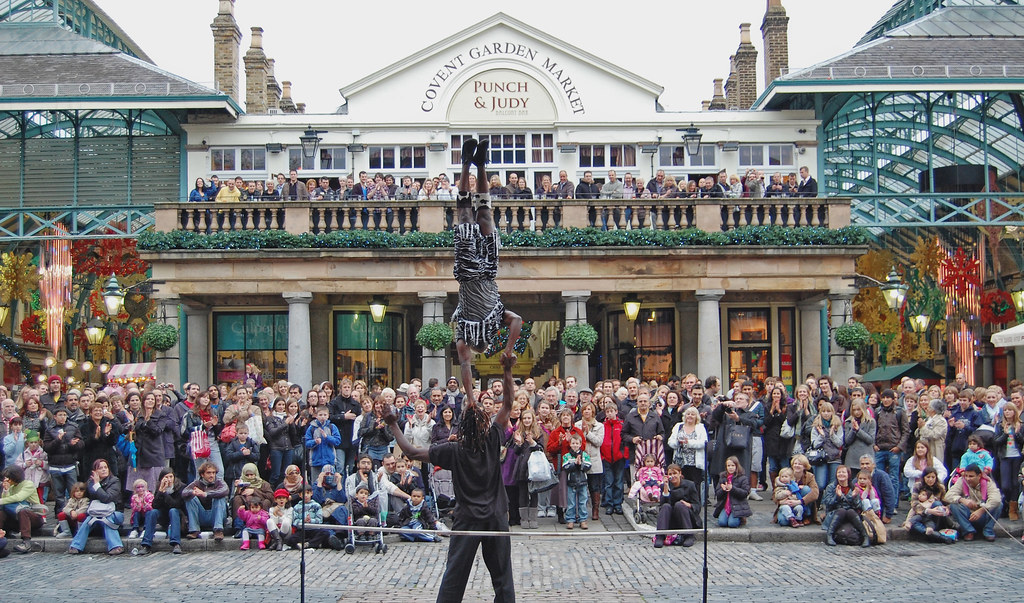
The performers are one of the best free things to do in Covent Garden. Acts vary, but you may see magicians, musicians, acrobats, singers, comedians or classical performers around the Piazza and Market Building.
The official street performers page describes live performances in the South Wells of the Market Building and on the Piazza, including classical and variety acts.
If you watch from start to finish, keep some change or a small tip ready.
Browse Apple Market And The Market Halls

The Apple Market is the classic market area inside the Market Building. The official Covent Garden market page says Tuesday to Sunday focuses on handmade jewellery, prints, watercolours and crafts, while Monday is for antiques and collectables.
This is best for browsing rather than bargain hunting. Think gifts, crafts, small items and a pleasant indoor-outdoor wander.
Check Jubilee Market
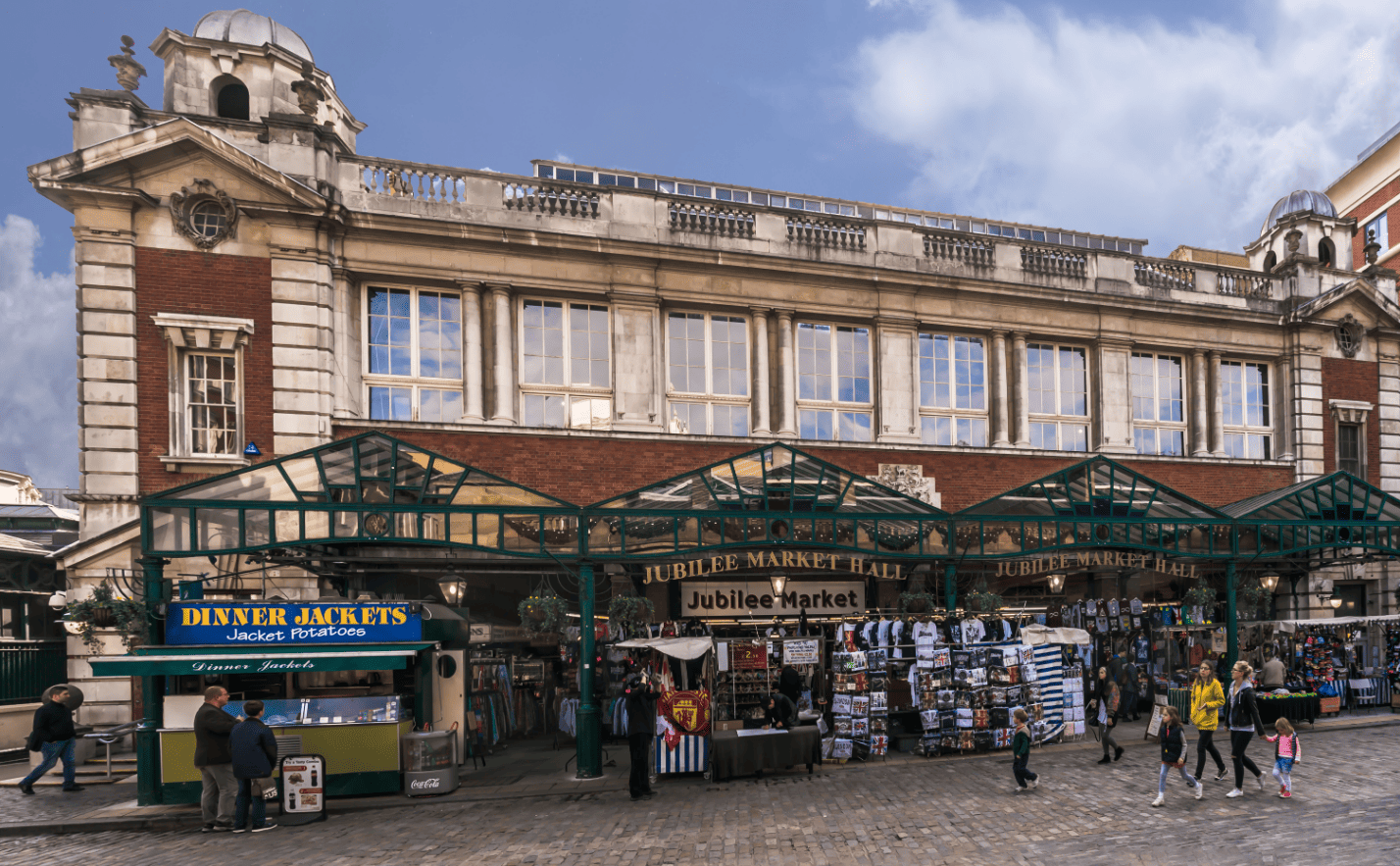
Jubilee Market sits on the south side of the Piazza and has different themes by day. The official Jubilee Market site listsantiques and collectables on Monday, a general market Tuesday to Friday, and arts and crafts on Saturday and Sunday.
This is the market area to check if you want a more traditional stall feel.
Visit London Transport Museum
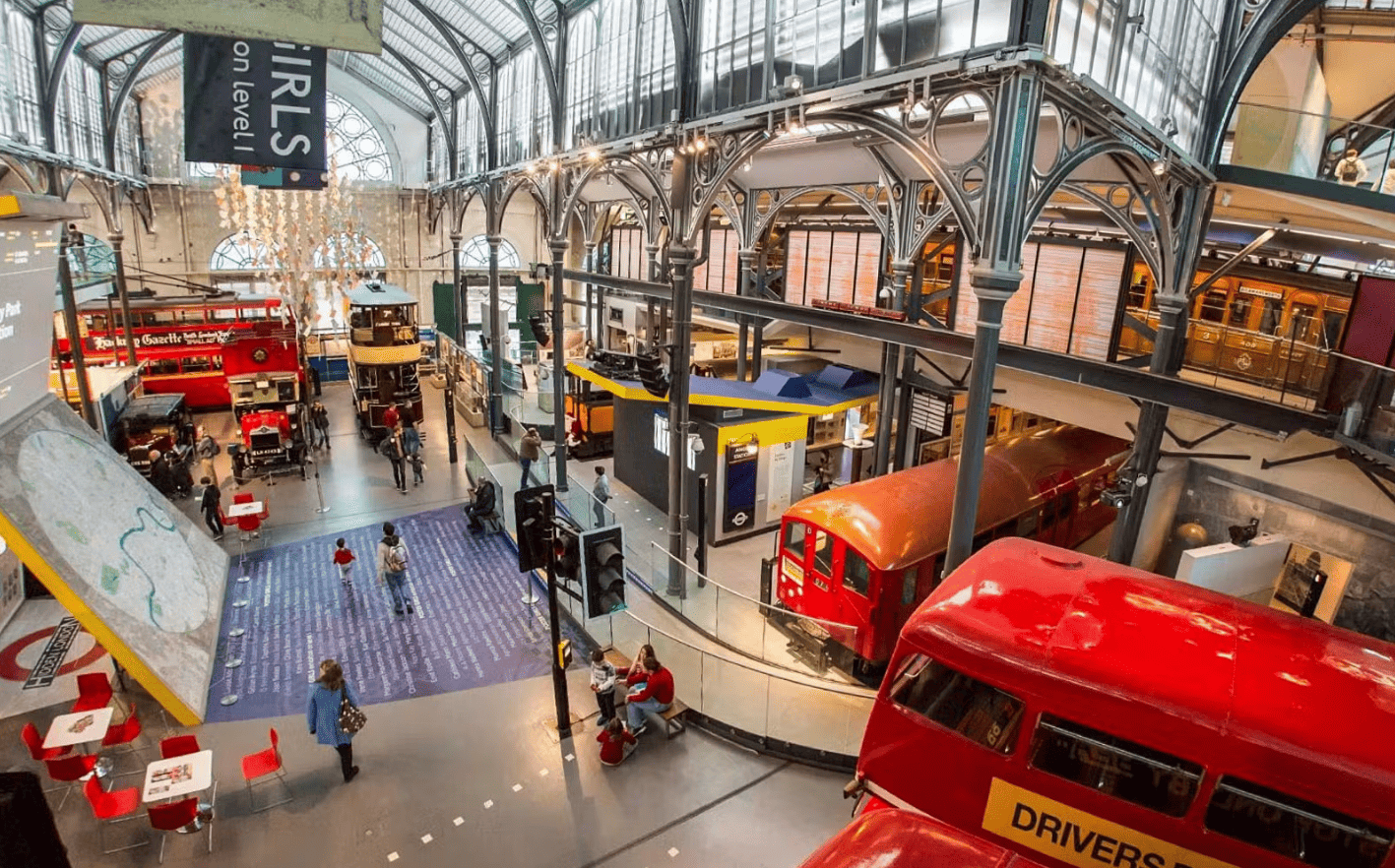
London Transport Museum is one of the most useful family-friendly and rainy-day options near the Piazza in Covent Garden. The museum says its galleries and shop are usually open daily from 10am to 6pm, with last entry listed in the late afternoon. Check latest official times.
It works well because it is close to the Piazza and gives children, transport fans and history-minded visitors something more structured than shopping.
Look Inside The Royal Opera House
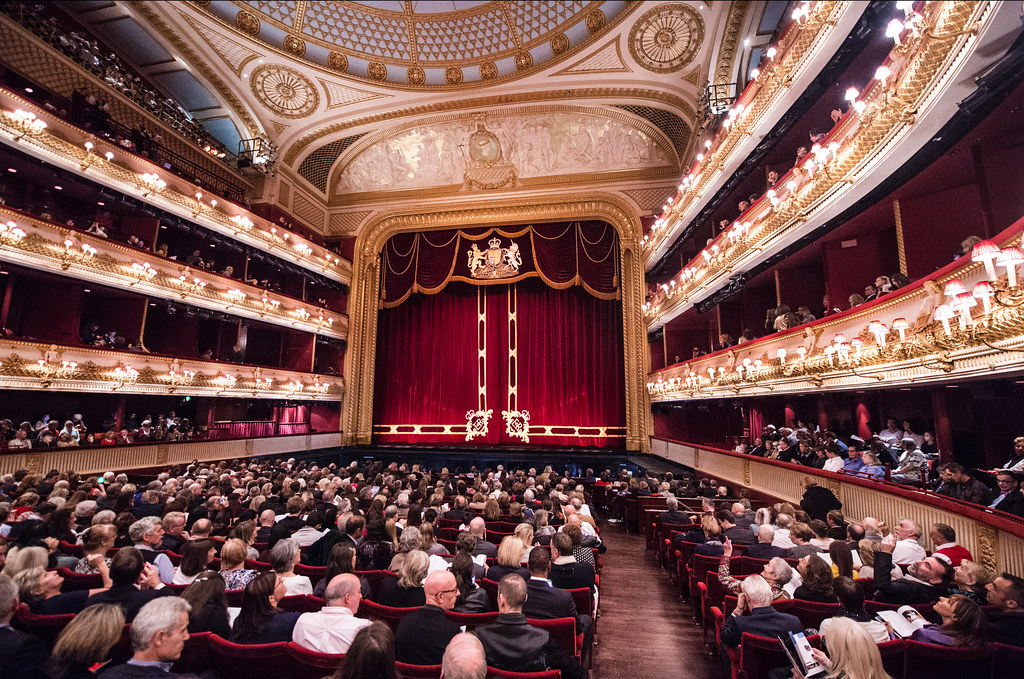
The Royal Opera House is not only for ticket holders. Royal Ballet and Opera lists visitor information, food and drink options, performances and tours, with the venue generally open from noon and closing after evening performances or later in the evening when no performance is scheduled.
For a low-pressure visit, check whether tours, café access or daytime openings suit your schedule. For a performance, book through the official Royal Ballet and Opera listings.
Walk To Neal’s Yard
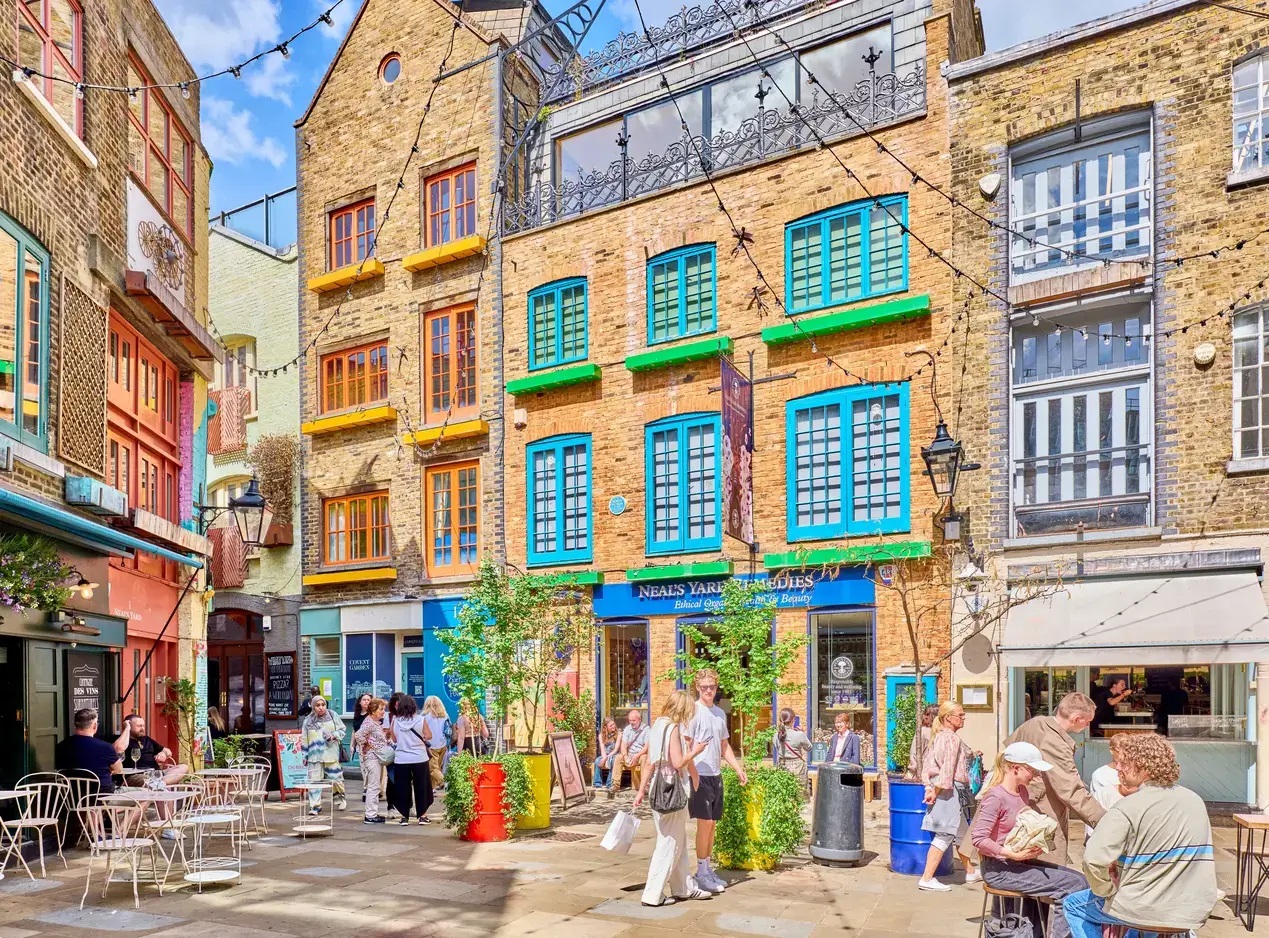
Neal’s Yard is a colourful courtyard a short walk from the Piazza. It is best used as a quick detour for photos, cafés and a change of mood after the busier market area.
It can get crowded, so do not plan your whole visit around it. Treat it as a small add-on between Covent Garden and Seven Dials.
Continue To Seven Dials
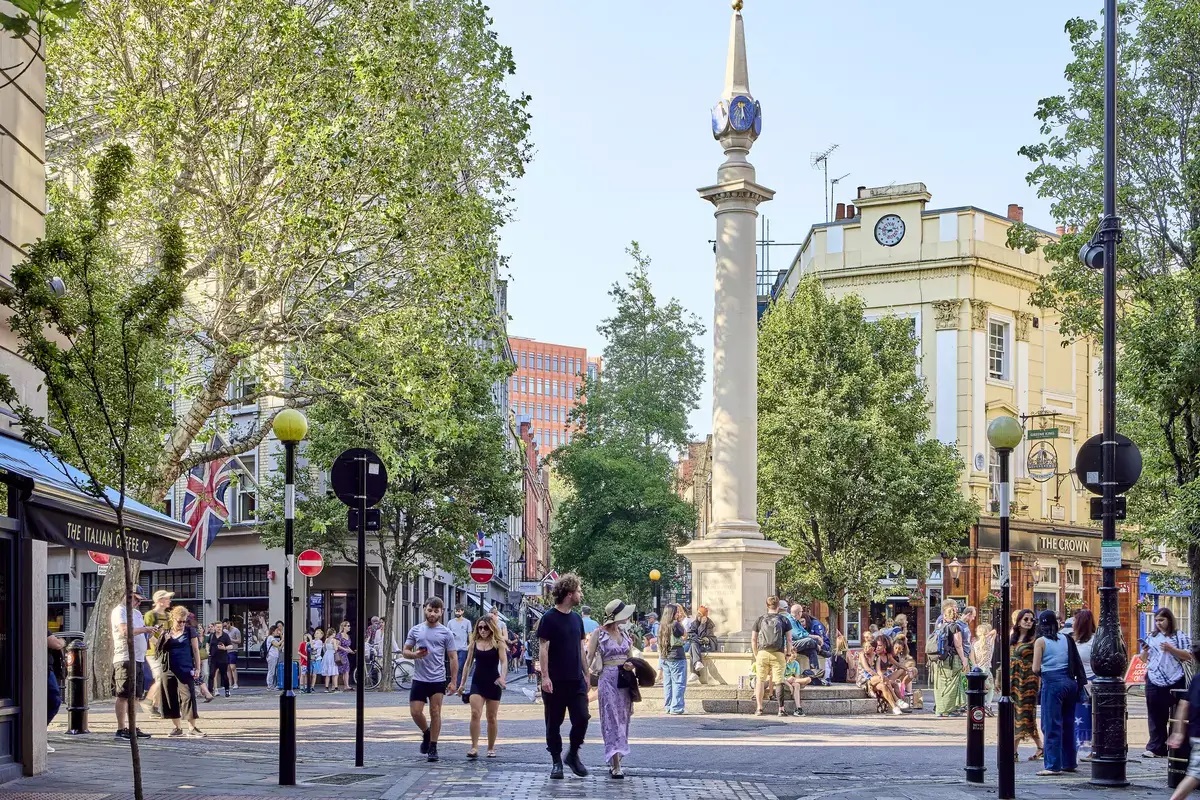
Seven Dials is a natural next step from Neal’s Yard. It gives you more shops, restaurants, cafés and a useful route towards Soho, Shaftesbury Avenue and theatreland.
This is where Covent Garden becomes more than the Piazza. A relaxed visit often feels better when you let yourself drift into Seven Dials instead of turning back immediately.
Step Into St Paul’s Church, The Actors’ Church
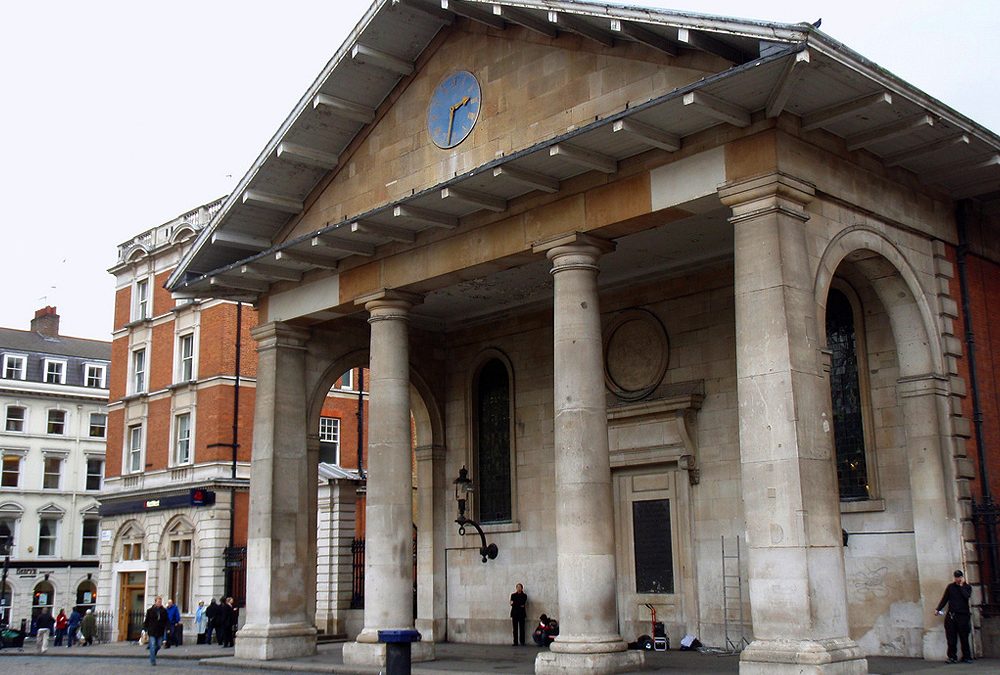
St Paul’s Church sits on the west side of Covent Garden Piazza and is often called the Actors’ Church because of its long connection with London’s theatre community.
It is useful for two reasons. First, it adds a quieter historic stop right beside the busiest part of Covent Garden. Second, its churchyard gives you a short break from the Piazza crowds without needing to leave the area.
Check current opening times before visiting, especially if you want to go inside rather than just pause in the churchyard.
Add Theatre Or Dinner Nearby
Covent Garden is one of the easiest London areas to pair with dinner or a show. Instead of relying on a fixed show list, check current official listings because theatre schedules change often.
For a simple evening, arrive late afternoon, browse the Piazza, eat nearby, then walk to your theatre. This avoids a rushed pre-show plan.
The best things to do in Covent Garden depend on your time, but the Market Building, Piazza, performers, Neal’s Yard and Seven Dials make the strongest first-time core.
Covent Garden Market Explained
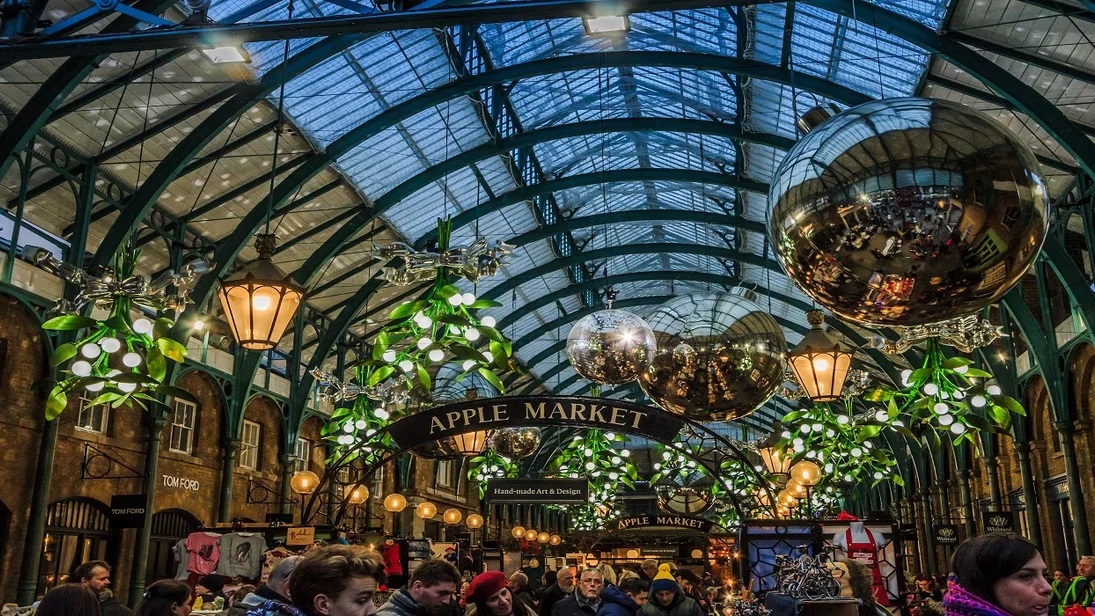
Covent Garden Market is not one simple stall row with one universal schedule.
Covent Garden Market Vs Apple Market Vs Jubilee Market
Use this table before you plan your day.
| Market Area | What to know |
| Apple Market | Inside the Market Building; crafts Tuesday to Sunday and antiques/collectables on Monday. |
| East Colonnade Market | Inside the Market Building towards the East Piazza; known for smaller stalls such as soaps, sweets, jewellery and gifts. |
| Jubilee Market | South side of the Piazza; antiques Monday, general market Tuesday to Friday, arts and crafts at weekends. |
Official Covent Garden and Jubilee Market pageslist different products and schedules by area, so check the latest pages before travelling.
Covent Garden Market Opening Times
The broad visitor area is open to walk around, but market stalls and shops have their own times. The Piazza and Market Building are public spaces, while Apple Market, East Colonnade Market, Jubilee Market, shops and restaurants each follow their own schedules.
Data as of June 2026: Apple Market is generally listedas open daily from 10am to 6pm, while East Colonnade Market is generally listed from 10.30am to 7pm. Shops, restaurants and individual venues may run different hours, especially on Sundays, bank holidays and seasonal event days.
Best Day To Visit Covent Garden Market
For most visitors, the best day depends on what you want:
- Go on Mondayfor antiques and collectables.
- Go Tuesday to Fridayfor a general weekday market feel.
- Go at the weekendfor more atmosphere and arts-and-crafts browsing.
- Go mid-morning on a weekdayif you want fewer crowds.
There is no single best day for everyone. Monday is best for antiques; weekends are best for buzz.
Do Not Confuse It With New Covent Garden Market
Central Covent Garden is the visitor area around the Piazza and Market Building. New Covent Garden Market is different.
New Covent Garden Market is the wholesale fruit, vegetable and flower market in Vauxhall, across the river. If you are planning a tourist visit, market browse, meal, theatre night or street-performer stop, you almost certainly want central Covent Garden, not New Covent Garden Market.
Once you understand the market areas, the rest of the visit becomes easier to plan around your time and interests.
How Long Do You Need In Covent Garden?
The right amount of time depends on whether you want a quick look, a relaxed wander, or a full food-and-theatre stop.
If You Have 30–60 Minutes
Do a compact loop:
- Start at the Market Building.
- Watch a few minutes of a Piazza performance.
- Browse Apple Market or East Colonnade Market.
- Walk briefly towards Neal’s Yard if you still have time.
This is enough for a first impression, but not enough for museum time, a meal or relaxed shopping.
If You Have 2 Hours
Two hours is the best middle-ground visit. You can see the Market Building, watch a proper performance, browse the market, grab coffee or a snack, and walk to Neal’s Yard and Seven Dials.
For most first-time itineraries, two hours is the most useful middle-ground visit.
If You Have Half A Day
With half a day, add one anchor activity. Choose London Transport Museum for families or rainy weather, Royal Opera House for culture, or a longer shopping and food route through Seven Dials and surrounding streets.
Do not try to turn every nearby street into a checklist. Pick one main paid or time-heavy activity, then keep the rest flexible.
For a rainy-day version, keep the visit simple: Market Building, Apple Market, London Transport Museum, then an early dinner nearby. This gives you a compact plan without relying too much on outdoor wandering.
If You Are Visiting At Night
At night, Covent Garden works best for food, theatre and atmosphere. The market stalls may be winding down depending on the time, but restaurants, bars and theatres keep the area lively.
Check your return route on TfL before you settle in for a late dinner or show, especially if you are travelling beyond central London.
A quick visit can work, but Covent Garden is strongest when you give it at least two unrushed hours.
Best Time To Visit Covent Garden
The same area can feel relaxed, busy, festive or crowded depending on when you visit.
Best Time For Fewer Crowds
Go on a weekday morning or earlier in the day. This gives you a better chance of seeing the streets and market areas before the strongest shopping, lunch and theatre crowds arrive.
The trade-off is atmosphere. If you arrive too early, some shops, restaurants or performances may not yet be in full swing.
Best Time For Atmosphere
Afternoons, weekends and early evenings usually feel livelier. This is when Covent Garden is most likely to deliver the classic “busy London Piazza” feeling.
This is also when you need more patience. Walk slowly, expect bottlenecks and avoid using the area as a tight transfer point.
Best Time For Food And Theatre
Late afternoon into evening is best if your plan includes dinner or a show. You can browse first, eat early, then head to the theatre without crossing half of London.
For pre-theatre meals, book ahead when you care about a specific restaurant. Covent Garden is popular and walk-in waits can eat into your show time.
Best Time At Christmas
Christmas is one of Covent Garden’s biggest seasonal draws. The official Covent Garden Christmas page says Christmas in Covent Garden has wrapped for 2025 and visitors should join from November 2026 for the festive season. Check latest official dates before travelling.
Expect decorations, festive dining, crowds, photo spots and higher demand for restaurants. Go earlier in the day for easier movement or after dark if lights are your priority.
The best time to visit is not universal: choose morning for space, afternoon for energy, evening for theatre, and Christmas evenings for atmosphere.
How To Get To Covent Garden
The closest Tube station is not always the easiest option, especially when Covent Garden is crowded.
By Tube
Covent Garden Underground Station is on the Piccadilly line in Zone 1. TfL lists the station address as Long Acre, London WC2E 9JT. Check TfL for live status before travelling.
The station is very convenient for the Piazza, but it can be busy because so many visitors use it for the same small area.
When Leicester Square May Be Easier
Leicester Square is a useful alternative, especially at busy times. Visit London notes that Leicester Square is only a short walk away and can be a good alternative when travelling by Tube.
Covent Garden’s official FAQ also notes that Covent Garden station has 193 steps to street level and recommends taking the lifts; during peak times, it suggests Leicester Square as a nearby alternative.
Best Station By Situation
| Situation | Best option |
| Closest to the Piazza | Covent Garden station |
| Avoiding the busiest station | Leicester Square |
| Coming from the Central line | Holborn |
| Coming from the river or South Bank | Charing Cross, Embankment or Waterloo |
| Combining with Soho or Chinatown | Leicester Square or Tottenham Court Road |
Use the closest station only when it genuinely saves time. In the West End, walking from a nearby station is often simpler than changing Tube lines. For the wider transport picture, use this guide to how to get around Londonbefore choosing between Tube, bus, walking or taxi.
By Bus, Walking Or Taxi
Many London buses pass close to Covent Garden rather than through the middle of the traffic-free Piazza area. Good bus drop-off areas include Trafalgar Square, Leicester Square, the Strand and Aldwych, followed by a short walk through the surrounding streets.
From nearby areas such as Soho, Leicester Square, Trafalgar Square, the Strand, Holborn or the Thames, walking is often simpler than changing Tube lines. A taxi or ride-hail can work, but traffic around the West End can be slow at peak times.
By Rail
Charing Cross is the nearest mainline railway station and is usually within a short walk of Covent Garden. Waterloo can also work if you are happy to walk across Waterloo Bridge from the south side of the Thames.
This is useful if you want to combine Covent Garden with the South Bank, Embankment or a river walk.
Accessibility Note
Do not rely only on general travel guides for accessibility. TfL provides station accessibility information, and individual venues such as museums, theatres and restaurants may have their own access details.
If lifts, step-free access or seating matter for your visit, check the latest station and venue pages before setting off.
Use Covent Garden station for the Piazza, but switch to Leicester Square, Charing Cross, Holborn or Embankment if that better fits your route.
Should You Stay In Covent Garden?
Covent Garden can work as a central base if you want theatres, restaurants, shops and West End streets within easy walking distance.
Covent Garden is a strong place to stay if you want to be close to the Royal Opera House, London Transport Museum, Seven Dials, Leicester Square, Soho, Trafalgar Square, the Strand and nearby theatres. It is especially useful for first-time visitors who want a central base and do not mind a lively atmosphere.
The trade-off is price and crowd level. Hotels around Covent Garden, the Strand, Seven Dials and Aldwych are convenient, but they can be more expensive than areas slightly farther out.
Choose Covent Garden if you want walkability, theatre access and a central London feel. Look slightly beyond it, towards Holborn, Bloomsbury, Waterloo or the South Bank, if you want better value while staying close to the main sights.
For a fuller comparison, compare the best areas to stay in Londonbefore choosing a Covent Garden hotel.
Covent Garden Map And Easy Walking Route
Covent Garden is easier when you move in a loop rather than jumping between random pins.
Simple First-Time Route
Use this walking order:
- Market Building
- Piazza performers
- Apple Market or East Colonnade Market
- Neal’s Yard
- Seven Dials
- Long Acre, Floral Street, dinner or theatre
Most of this route is compact. The Piazza, Apple Market, Neal’s Yard and Seven Dials can usually be combined without needing public transport, which is why Covent Garden works well as a flexible half-day or evening stop.
Nearby Places To Combine With Covent Garden
Covent Garden combines well with:
- Leicester Squarefor film-premiere atmosphere, cinemas and the Scenes in the Square sculpture trail.
- Sohofor restaurants, nightlife and a livelier evening route.
- Chinatownfor food before or after a West End show.
- Trafalgar Squarefor the lions, free public events and the National Gallery.
- The National Galleryfor major European artworks from the 13th to 20th centuries.
- St Martin-in-the-Fieldsfor concerts, services and the atmospheric café in the crypt.
- Somerset Housefor exhibitions, cultural events and seasonal winter skating.
- The Strandfor a simple walk towards theatres, hotels and the river.
- The river Thamesfor an easy walk towards Embankment, Waterloo Bridge or the South Bank.
- St Paul’s Churchfor a quiet historic pause beside the Piazza and a link to Covent Garden’s theatre heritage.
- Victoria Embankment Gardensfor a calmer green-space break near the Thames after the market crowds.
For a first-time London day, Covent Garden pairs especially well with Trafalgar Square and Soho. For an evening, pair it with theatre and dinner.
The best map is not the one with the most pins; it is the one that keeps your walking route simple.
Where To Eat And Shop In Covent Garden
Covent Garden has too many food and shopping options to list permanently, so it is better to choose by area and purpose.
Best Food Areas

Look around the Market Building, Henrietta Street, King Street, Seven Dials, Neal’s Yard and the streets between Covent Garden and the Strand.
Choose by purpose:
- Quick snack:stay close to the Piazza.
- Sit-down meal:check Henrietta Street, King Street or Seven Dials.
- Pre-theatre dinner: book somewhere close to your theatre.
- Casual coffee:use Neal’s Yard or surrounding side streets.
- Special-occasion meal:look around the Piazza, King Street and nearby restaurant streets.
Restaurant hours and menus change, so check directly before booking. For cheaper meal ideas beyond Covent Garden, see where to eat in London on a budget.
Restaurants To Use As Starting Points
Covent Garden restaurants range from casual family food to special-occasion dining. Examples often associated with the area include SUSHISAMBA Covent Garden, Din Tai Fung, Wahaca, Masala Zone, Tuttons, Dishoom, Cinnamon Bazaar, Rules and Clos Maggiore.
Treat these as starting points, not a fixed ranking. Menus, prices, opening times and booking rules change, so check each restaurant’s own page before planning your meal.
Best Pubs And Bars
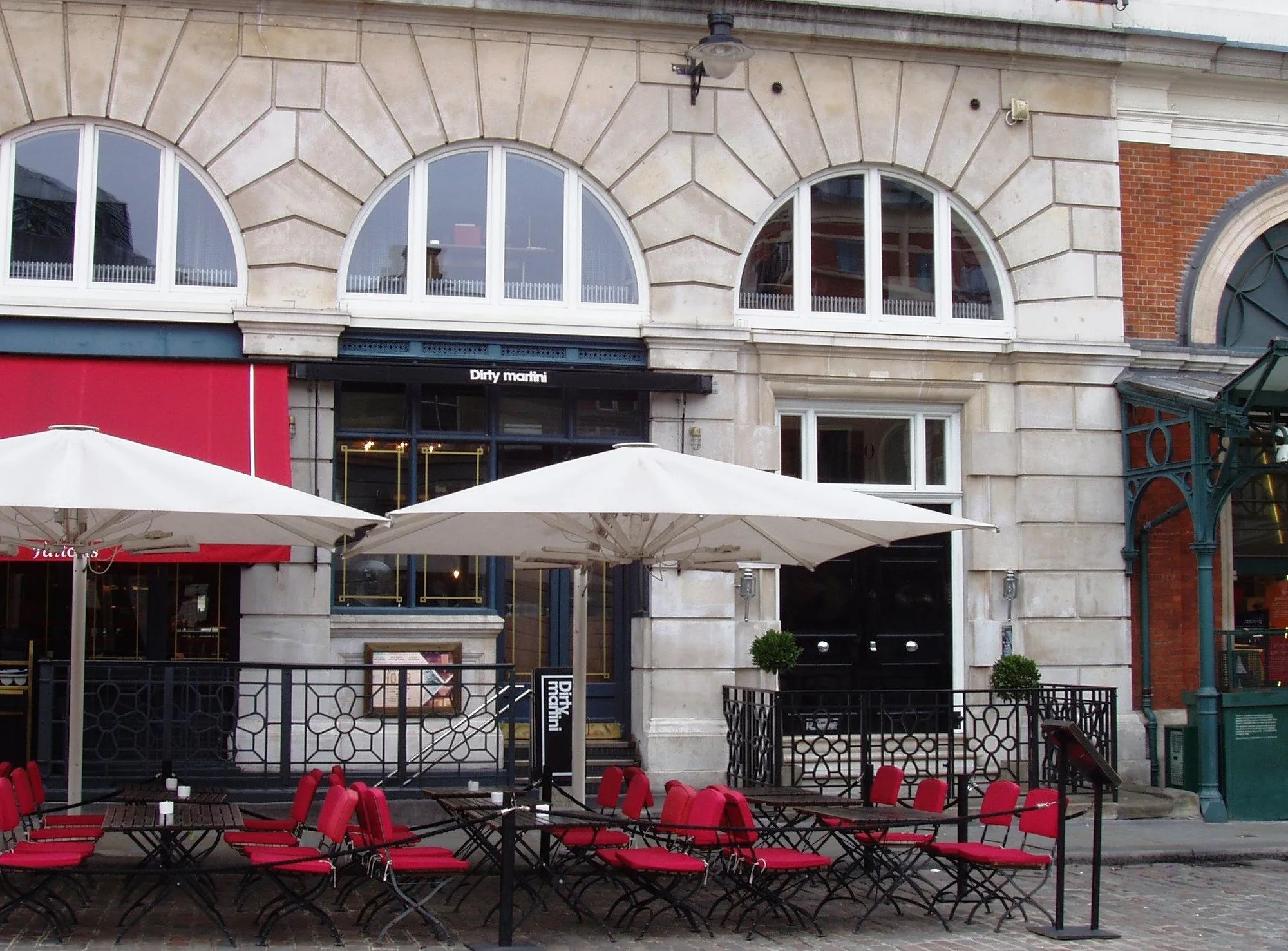
Covent Garden also works well for pre-theatre drinks or a slower evening. Examples around the area include classic pubs, cocktail bars, wine bars and larger social venues such as Lamb & Flag, The Porterhouse, Dirty Martini, Grays & Feather and The Maple Leaf.
Treat these as examples to check, not a permanent best-of list. Opening times, booking rules and menus can change.
Best Shopping Areas
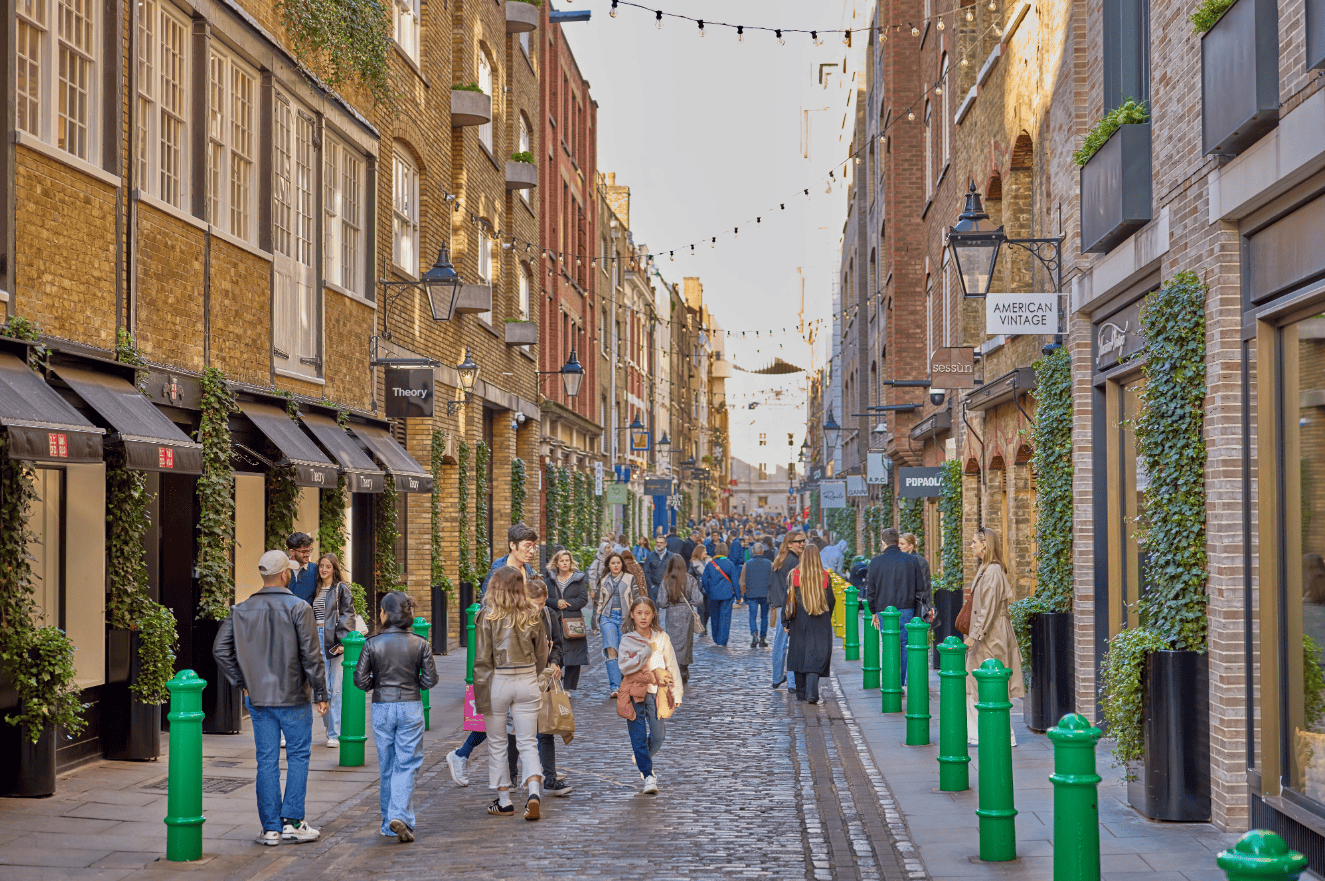
Named shops and brands can change, but Covent Garden is commonly associated with fashion, fragrance, beauty, gifts, market stalls and tech. Examples include Tiffany & Co., Bucherer, Polo Ralph Lauren, Paul Smith, Hackett, Fred Perry, Penhaligon’s, Jo Malone, Miller Harris, Chanel, Aesop, Charlotte Tilbury and the Apple Store Covent Garden.
Use these as starting points only. Check the official Covent Garden directoryor the brand’s own page before planning a shopping-focused visit around one store.
How To Choose Without Getting Overwhelmed
Pick one main purpose before you arrive: market browsing, food, shopping, theatre or family time. Covent Garden is much easier when you choose one anchor activity and let the nearby streets stay flexible.
Covent Garden At Christmas
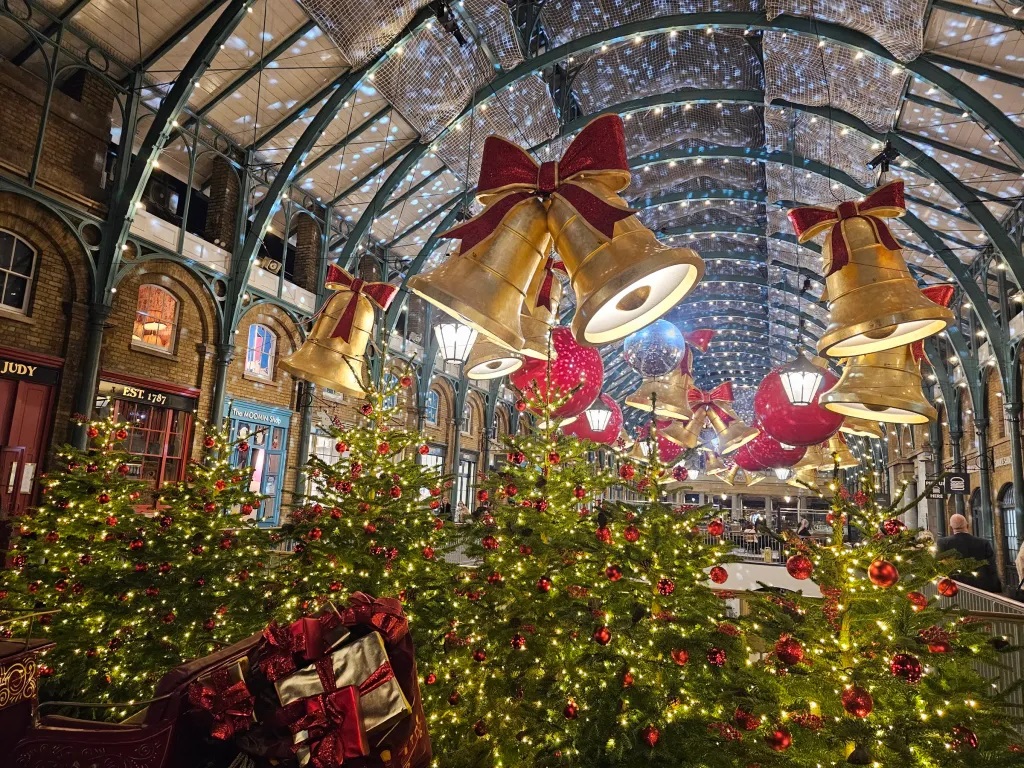
Christmas is a seasonal Covent Garden highlight, but dates, displays and events change each year.
What To Expect
At Christmas, expect decorations, a large Christmas tree, festive displays, seasonal dining, gift shopping and much heavier crowds. Official Covent Garden Christmas informationhas referenced a 55ft Christmas tree, giant bells and baubles in the Market Building, and light canopies around the Seven Dials monument.
This is one of the most atmospheric times to visit, but it is also one of the busiest.
What To Verify Before You Go
Before travelling for Christmas specifically, verify:
- Start date and end date
- Light switch-on details
- Market and shop hours
- Restaurant bookings
- Pop-ups and events
- Weather and transport disruption
Do not rely on an old social media post or last year’s dates. Seasonal London content ages quickly.
Covent Garden at Christmas can be excellent, but only if you check the current-year details before building your day around it.
A Short History Of Covent Garden
Covent Garden’s past explains why the area still feels like a mix of market, performance and theatre.
From Convent Garden To Produce Market
The name is linked to a former convent garden, and the area later became famous for its market role. Oxford describes Covent Garden as a fashionable central London area that used to be London’s main market for flowers, fruit and vegetables.
That history is why the modern visitor area still uses market language even though the wholesale market moved decades ago.
From Market District To Visitor Quarter
After the old produce market moved in 1974, the market square became associated with shops, restaurants and visitors. Oxford also notes that Covent Garden is popular with tourists and street performers.
The useful takeaway is simple: Covent Garden feels touristy because it has become a visitor quarter, but its market and performance roots are real.
Common Mistakes To Avoid
Most Covent Garden mistakes come from assuming everything in the area works the same way.
Thinking Everything Has One Opening Time
Covent Garden the public space, Apple Market, East Colonnade Market, Jubilee Market, shops, restaurants, museums and theatres all have different timings.
Use the official market and venue pages for the latest times, especially if you are visiting early, late, on a bank holiday, or during Christmas.
Confusing Covent Garden With New Covent Garden Market
This is a surprisingly easy mistake. Central Covent Garden is the tourist-friendly Piazza and Market Building area; New Covent Garden Market is the wholesale market in Vauxhall.
For sightseeing, food, performers and theatre, you want central Covent Garden.
Only Using Covent Garden Station
Covent Garden station is convenient, but it is not always the smoothest choice. The official Covent Garden FAQ notes the 193 steps and suggests Leicester Square during peak times.
If you are already near Leicester Square, Soho, Charing Cross or Holborn, walking may be easier.
Not Clarifying Photo Payments First
Be cautious with unofficial photo offers from costumed characters or street-side performers outside the main regulated performance areas. If someone poses for a photo with you, clarify whether payment is expected before taking pictures.
This does not mean you should avoid performers. Covent Garden’s official street-performance culture is part of the area’s appeal, but a quick payment check avoids awkward surprises.
Arriving With No Plan At Peak Times
Covent Garden is walkable, but peak crowds can make it feel chaotic. Have a simple order: Market Building first, performers next, then Neal’s Yard or Seven Dials.
A loose plan is enough. You do not need a minute-by-minute schedule.
Avoid these mistakes and Covent Garden becomes much easier to enjoy, especially on a short London trip.
FAQs About Covent Garden
What Is Covent Garden Famous For?
Covent Garden is famous for its historic Market Building, Piazza, Apple Market, street performers, Royal Opera House, theatres, shops, restaurants and nearby streets such as Neal’s Yard and Seven Dials.
Is Covent Garden Worth Visiting?
Yes, Covent Garden is worth visiting for most first-time London visitors because it combines free atmosphere, market browsing, food, shopping and theatre in one compact central area.
Is Entry To Covent Garden Free?
Yes. The Piazza and Market Building are public spaces and free to walk around, but food, shopping, museum tickets and theatre performances cost extra.
What Time Does Covent Garden Market Open?
Apple Market is listed as open daily from 10am to 6pm, while East Colonnade Market is listed from 10.30am to 7pm. The Piazza and Market Building are public spaces, but shops, restaurants and venues set their own hours.
What Day Is Covent Garden Market?
Market activity runs through the week, but the type of stall changes. Apple Market has antiques on Monday and crafts Tuesday to Sunday; Jubilee Market has antiques Monday, general market Tuesday to Friday, and arts and crafts at weekends. Data as of June 2026.
What Zone Is Covent Garden In?
Covent Garden Underground Station is in TfL Zone 1 and is served by the Piccadilly line. Check TfL for live service updates.
Which Tube Station Is Best For Covent Garden?
Covent Garden station is closest to the Piazza, but Leicester Square can be easier at busy times. Covent Garden station is on the Piccadilly line and has lifts, while Leicester Square gives you a short walk and more line options.
How Long Should You Spend In Covent Garden?
Most first-time visitors need about two hours in Covent Garden. One hour is enough for a quick look at the Piazza and market, while half a day works if you add food, shopping, London Transport Museum or a theatre plan.
What Can You Do In Covent Garden?
You can visit the Market Building, watch street performers, browse Apple Market and Jubilee Market, eat nearby, shop, visit London Transport Museum, see the Royal Opera House, and walk to Neal’s Yard or Seven Dials.
Is Covent Garden Good At Christmas?
Yes. Covent Garden is one of central London’s major festive areas, with seasonal decorations, dining and shopping. Dates and displays change each year, so check the official Christmas page before planning a trip around the lights.
How Do You Pronounce Covent Garden?
Oxford gives British and American pronunciations for Covent Garden, commonly heard as something close to “KOV-nt GAA-dn” in British English.
Is Covent Garden The Same As New Covent Garden Market?
No. Covent Garden is the central London visitor area around the Piazza, while New Covent Garden Market is the wholesale fruit, vegetable and flower market in Vauxhall.
Is Covent Garden Good For Families?
Yes. Covent Garden works well for families because the Piazza has street performers, the Market Building is compact and partly covered, and London Transport Museum is close by. Go earlier in the day if your children dislike heavy crowds.
Final Advice
The best way to visit Covent Garden is to keep the plan simple. Start at the Market Building and Piazza, watch the performers if something catches your eye, then add the market halls, Neal’s Yard, Seven Dials, food, shopping or theatre depending on your time.
For a quick stop, one hour is enough. For a better visit, allow two to three hours and choose one main add-on, such as London Transport Museum, the Royal Opera House, dinner or a theatre evening.
Covent Garden works best as a compact West End route, not a single market stop. Give it enough room to feel lively, and it will usually earn its place in your day.
Jump to
Covent Garden: What To See First And How To Plan Your Visit
Quick Answer: Is Covent Garden Worth Visiting?
Covent Garden Quick Facts
Best Covent Garden Plan By Visitor Type
What Is Covent Garden Famous For?
Best Things To Do In Covent Garden
Covent Garden Market Explained
How Long Do You Need In Covent Garden?
Best Time To Visit Covent Garden
How To Get To Covent Garden
Should You Stay In Covent Garden?
Covent Garden Map And Easy Walking Route
Where To Eat And Shop In Covent Garden
Covent Garden At Christmas
A Short History Of Covent Garden
Common Mistakes To Avoid
FAQs About Covent Garden
Final Advice

James Rowley
Author
James Rowley is a London-based writer and researcher covering London life, cultural geography, London travel, live London webcam pages and selected public figures across entertainment, sport, business and public life.
For over 15 years, he has focused on verified sources, first-hand local context and clear explanations that help readers understand both places and people more deeply. His work combines street-level London knowledge with careful research into career credits, media work, business interests and, where relevant, transparently explained net worth estimates.
He writes and reviews articles published on LondonWebcam.
Latest Articles
Popular Articles