London City Guide: Best Areas, Sights, Transport & Tips
Planning your first London trip? This London city guide covers where to stay, what to see, transport, costs and practical tips for first-time visitors.
Author:James RowleyJun 25, 202616.9K Shares807.2K Views
What First-Time Visitors Need To Know
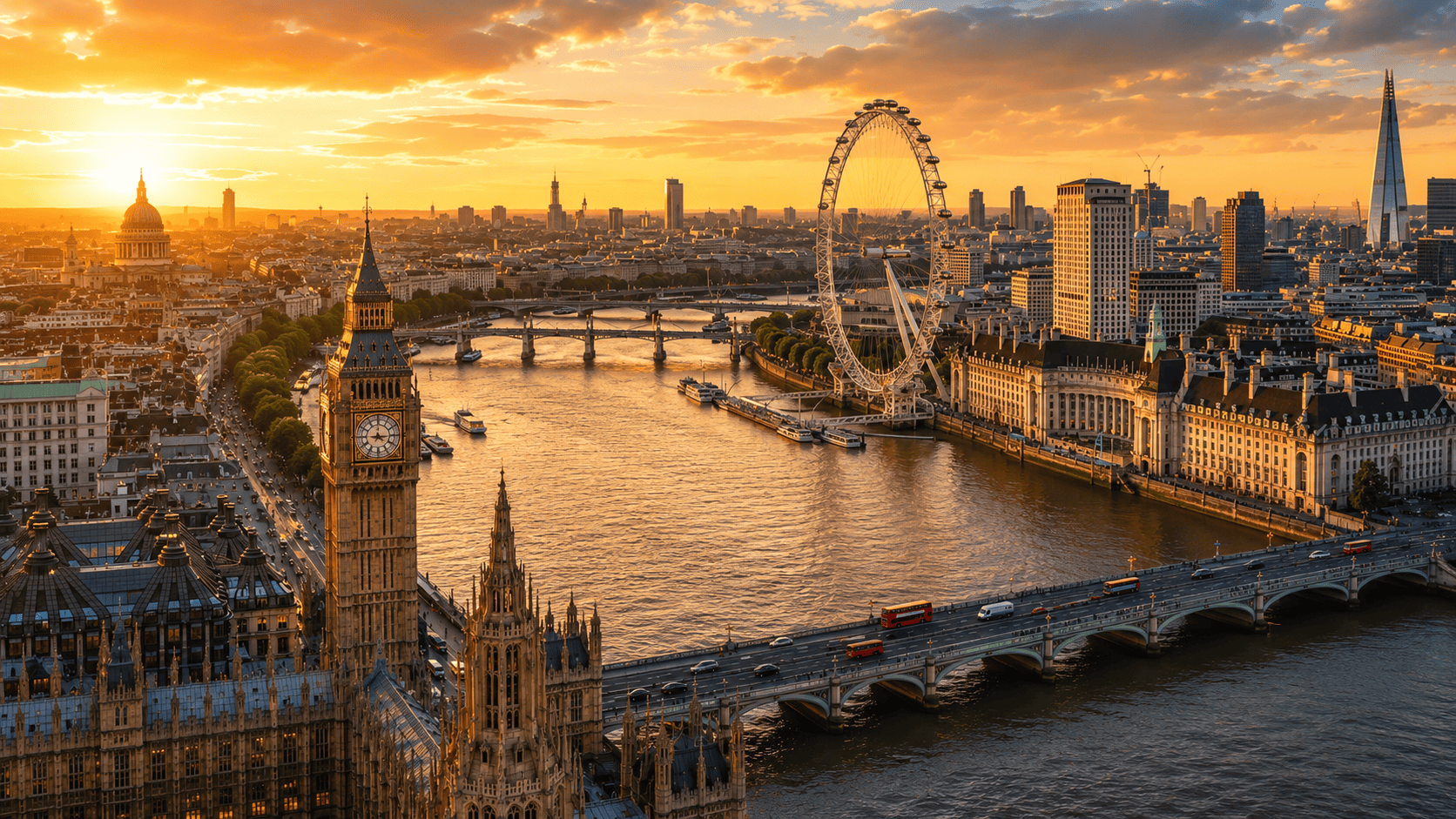
London can feel overwhelming on a first visit because it is not built around one simple city centre. It is a collection of neighbourhoods, historic districts, river walks, parks, museums, markets, theatre streets and transport zones.
The easiest way to plan London is to think in clusters. Choose the areas that match your trip style, group nearby sights together, use public transport between neighbourhoods, and leave enough time to walk once you arrive in each area.
For a first London trip, start with Westminster, South Bank, Tower Bridge, one major museum, one Royal Park and one neighbourhood such as Greenwich, Notting Hill, Camden or Shoreditch. Three to four days is the strongest first-time trip length. If you only have one or two days, stay central and avoid adding distant extras too early.
This London city guidegives you the practical overview first-time visitors need. It explains the main areas to understand, what to prioritise, how to get around, what costs to expect and which common planning mistakes to avoid.
Use this guide for orientation, then visit our London travel guideshub for more detailed advice on transport, budgets, hotels, attractions and parks.
| Topic | Recommendation |
| First-time route | Start with Westminster, South Bank, Tower Bridge and one museum. |
| Transport | Use contactless or Oyster, then walk inside each area. |
| Where to stay | Stay near a useful Tube or rail station, not just a famous postcode. |
| Costs | Mix free museums, parks and walks with one paid attraction per day. |
| Food | Use markets and neighbourhood restaurants instead of eating beside major landmarks. |
| Attractions | Group sights by area, not by popularity. |
| Parks | Use parks as rest points between busy sightseeing blocks. |
| Safety | Protect your phone, plan late routes and avoid unofficial ticket sellers. |
First-Time Visitor Priorities
If this is your first trip, prioritise these before chasing niche recommendations:
- Understand the city by areas, not by isolated landmarks.
- Stay near transportso every day starts easily.
- Use one main cluster per half-dayto avoid wasting time.
- Book major paid attractions in advancewhen timing matters.
- Use free museums and parks strategicallyto control costs.
- Walk central routeswhere stations are closer than they look.
- Check TfL and attraction pages before setting outbecause details change.
Once you understand London by area, the next step is choosing the neighbourhoods that fit your trip style.
You can also check the main live London webcamsbefore leaving your hotel, especially if weather, crowds or traffic could change your plan.
Understand London In Simple Visitor Clusters
This section is all about giving you the mental map I wish I’d had on my first trip. Once you start looking at London in clusters rather than a massive, overwhelming grid, you’ll spend less time changing Tube lines and more time exploring places that naturally fit together.
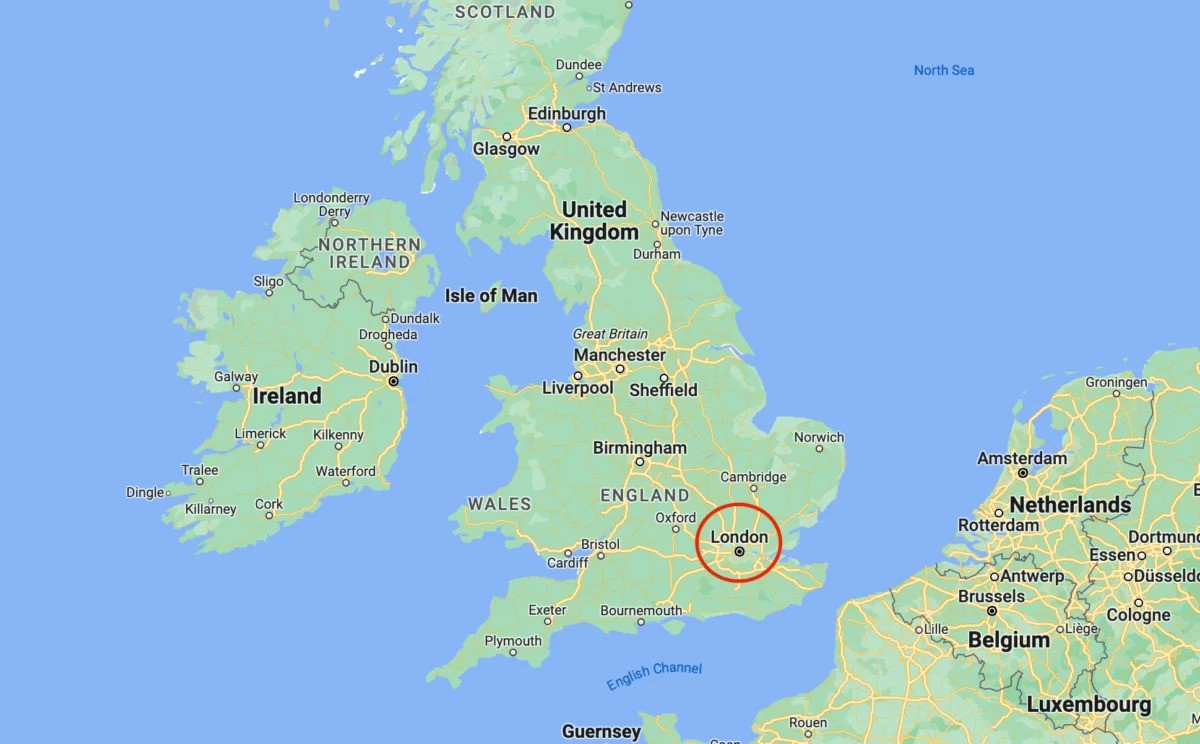
The River Thames divides London into north and south, but most first-time sightseeing sits in central London, especially Zones 1 and 2. Greater London has 32 boroughs plus the City of London, and each area feels different.
| London cluster | Best for |
| Classic London | Westminster, Parliament, Buckingham Palace, royal sights |
| River London | South Bank, bridges, Thames walks, skyline views |
| Historic London | Tower of London, City of London, St Paul’s, old lanes |
| Museum London | South Kensington, Bloomsbury, free museums |
| Green London | Hyde Park, Regent’s Park, Greenwich Park, Royal Parks |
| Market London | Borough, Camden, Portobello, Brick Lane, Spitalfields |
| Local London | Soho, Shoreditch, Notting Hill, Marylebone, Greenwich |
| Modern London | Canary Wharf, the Shard, the O2, City skyscrapers |
Understanding London’s Geography
London sits in southeastern England, with the Thames cutting through its centre. The river shaped how the city grew, where trade developed, and why so many major landmarks still sit close to the water.
For short visits, focus on central London first. Westminster, South Bank, Covent Garden, the City, South Kensington, Bloomsbury, London Bridge, and Soho give you the strongest first-time experience without forcing long travel days.
The Tube is the transport backbone, but it should not replace common sense. Some stations look far apart on the map but are close on foot. Leicester Square to Covent Garden, Charing Cross to Embankment, and Westminster to St James’s Park are classic examples where walking can be faster and more enjoyable.
Best Areas For Different Types Of Visitors
This part is all about helping you lock down where to stay and where to spend your time. London neighbourhoods feel very different, so the “best” area depends on what you want from the trip.
A common first-time mistake is booking somewhere because it sounds famous, then discovering it does not match your pace, budget or daily route.
Best Overall Areas For First-Time Visitors
Westminster, South Bank, Covent Garden, Bloomsbury, South Kensington, Marylebone, Paddington and King’s Crossare strong first-time bases.
They work because they reduce travel friction. You can reach major sights, museums, stations, restaurants and evening areas without complicated journeys.
Best for:
- First-time sightseeing.
- Short trips.
- Couples.
- Families.
- Travellers who want simple logistics.
Trade-off: these areas can cost more, especially close to Westminster, Covent Garden and South Bank.
Best Areas For Classic Sightseeing
Choose Westminster or South Bankif your priority is Big Ben, Parliament, Westminster Abbey, Buckingham Palace, the Thames, the London Eyearea and iconic views.
Westminster gives you ceremonial London. South Bank gives you river London.
Best for:
- First-timers with one or two days.
- Landmark photos.
- Walking routes.
- Easy orientation.
Trade-off: these areas are busy and can feel tourist-heavy.
Best Areas For Museums And Families
Choose South Kensington or Bloomsburyif you want museums, calmer streets and practical family planning.
South Kensington works for the Natural History Museum, Science Museum, V&A, Hyde Parkand Kensington Gardens. Bloomsbury works for the British Museum, Georgian squares, literary history and easy access to King’s Cross and Covent Garden.
Best for:
- Families.
- Rainy days.
- Free museum access.
- Slower cultural trips.
Trade-off: South Kensington can be expensive; Bloomsbury is central but not as visually dramatic as Westminster.
Best Areas For Theatre, Food And Nightlife
Choose Covent Garden, Soho, Fitzrovia or Shoreditchif evenings matter.
Covent Garden and Soho are best for West End theatre, bars, restaurants and central energy. Shoreditch is better for street art, nightlife, independent food spots and East London atmosphere.
Best for:
- Theatre trips.
- Food-focused visitors.
- Nightlife.
- Younger travellers.
Trade-off: these areas can be noisy, crowded and expensive at peak times.
Best Areas For Local Neighbourhood Feel
Choose Marylebone, Notting Hill, Greenwich, Hampstead, Richmond or parts of East Londonif you want a calmer local feel.
Marylebone has elegant streets and cafés. Notting Hill has colourful houses and Portobello Road. Greenwich has maritime history, park views and a village-like riverside feel.
Best for:
- Repeat visitors.
- Slow travel.
- Photography.
- Independent cafés and shops.
Trade-off: some areas take longer to reach from classic central sights.
Best Areas For Budget-Conscious Visitors
Look at King’s Cross, Bloomsbury, Earl’s Court, Hammersmith, Stratford, Greenwich, Southwark and well-connected Zone 2 areas.
The key is not just room price. It is the total cost of time, transport and convenience.
Best for:
- Longer stays.
- Budget travellers.
- Visitors who do not need to sleep beside Big Ben.
Trade-off: a cheap room far from good transport can become a false saving.
Takeaway:choose your London area by trip type: classic sights, museums, nightlife, local neighbourhoods or budget. Then build your itinerary around that base.
How We Chose The Best Areas And Sights
This guide prioritises places that help first-time visitors understand London quickly. We selected areas and sights based on first-time usefulness, transport access, nearby combinations, free and paid options, realistic time needed and clear visitor trade-offs.
That means this is not a list of everything to do in London. It is a practical starting point for choosing the areas, routes and experiences that make the most sense on a first visit.
Top Things To Do And How To Group Them
The simplest way to plan sightseeing is to group nearby places and choose one paid anchor per day. Use the grouped sights below as a first-time planning framework. If you want a deeper attraction-by-attraction list, use the dedicated London attractions guide.
Group 1: Classic London - Westminster And Royal London
Best for first-time visitors, major landmarks, royal sights, history, political buildings and classic London photos.
This is one of London’s busiest first-time sightseeing areas. Go early in the morning if you want better photos and fewer crowds.
1. Big Ben And The Houses Of Parliament
- Location:Palace of Westminster, London SW1A 0AA
- Nearest Tube:Westminster station
- Best for:First-time visitors, landmark photos, political history, riverside views
- Time needed:20 to 45 minutes from outside; longer if taking a tour
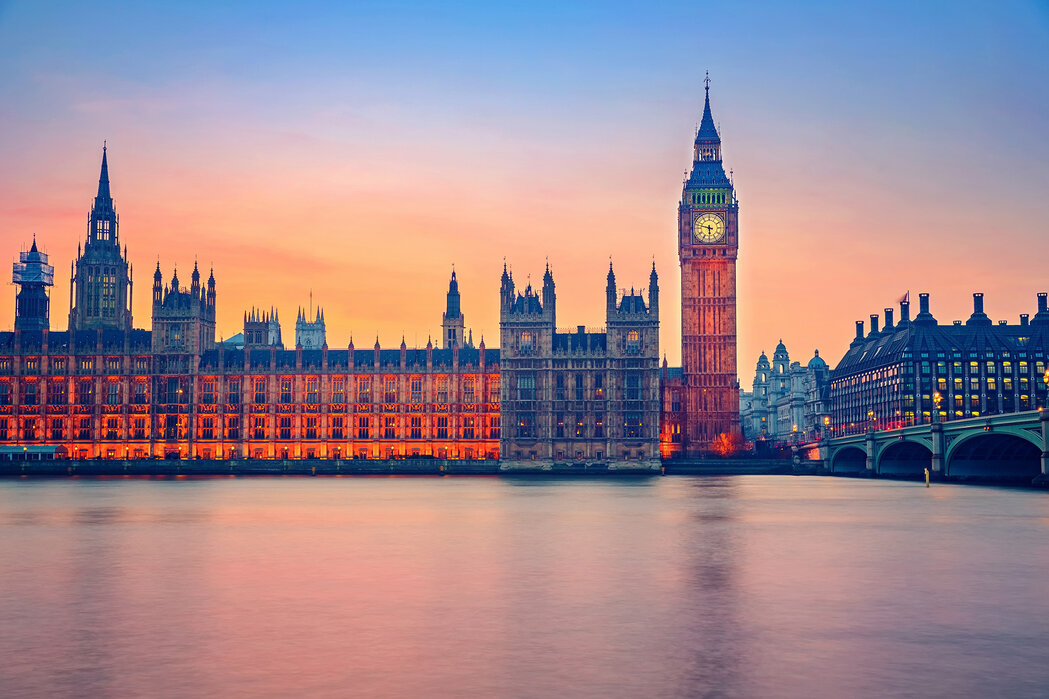
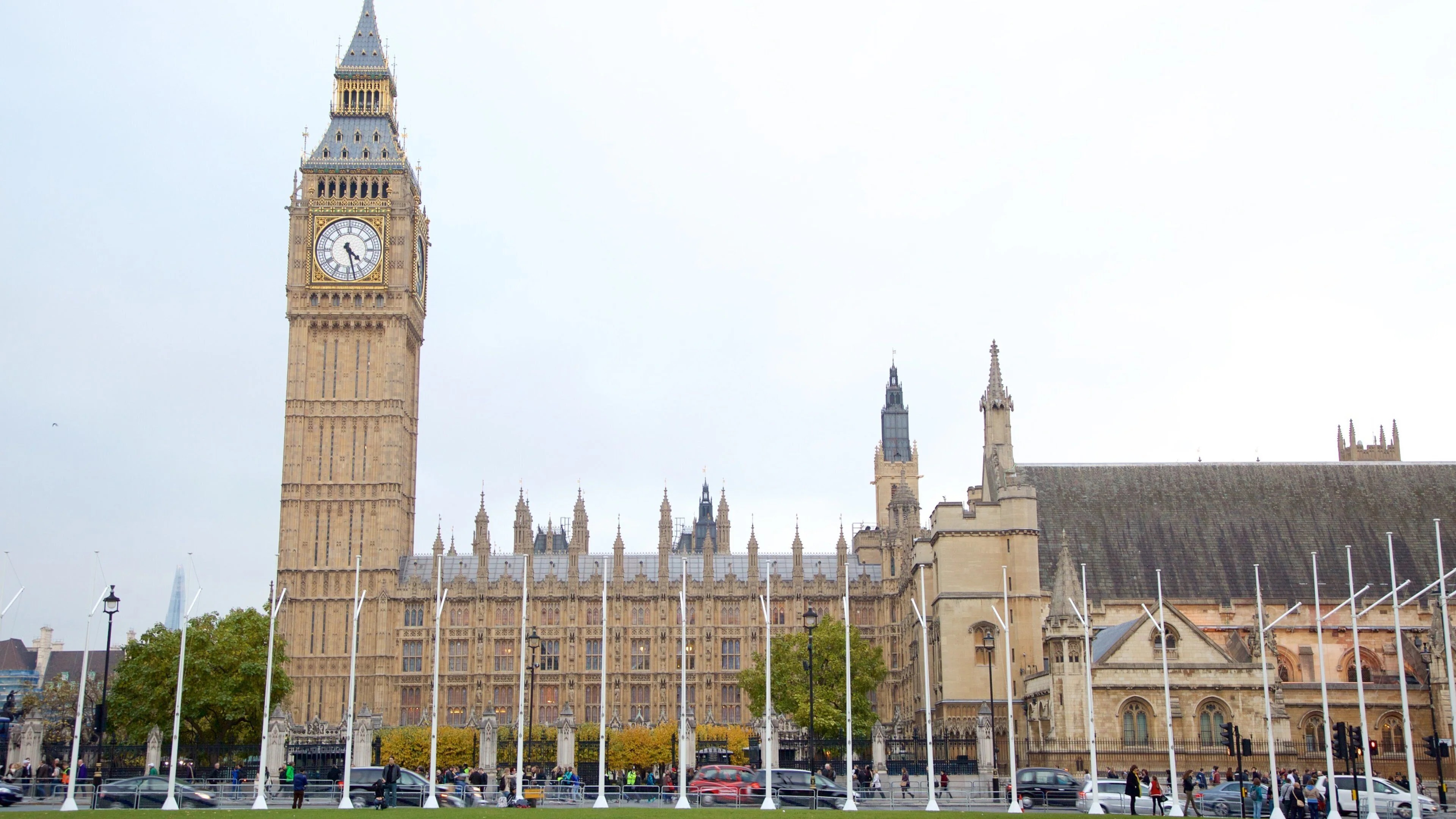
Big Ben and the Houses of Parliament are among the most recognisable sights in London. Big Ben is technically the name of the bell inside Elizabeth Tower, but most visitors use the name for the whole clock tower.
The best views are from Westminster Bridge, the South Bank and the riverside path near the London Eye. This is one of the most recognisable views for a first London trip.
2. Westminster Abbey
- Address:20 Deans Yard, London SW1P 3PA
- Nearest Tube:Westminster or St James’s Park
- Best for:Royal history, architecture, coronations and literary history
- Time needed:1.5 to 2.5 hours if visiting inside
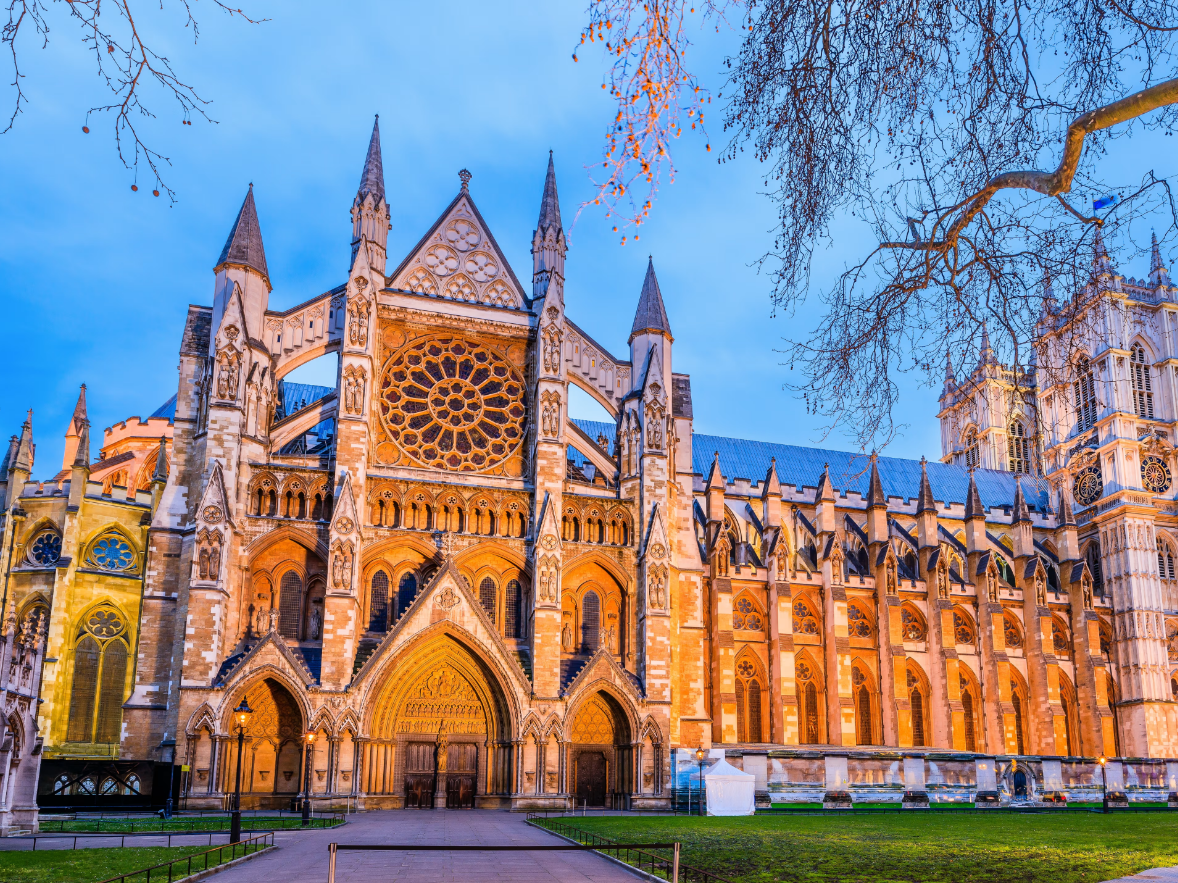
Westminster Abbeyis one of London’s most important historic churches. It has hosted coronations, royal weddings, state funerals and major national ceremonies. The outside is impressive, but the interior is the real highlight. Look for the Coronation Chair, Poets’ Corner, the Lady Chapel, royal tombs and beautiful Gothic arches.
3. Parliament Square
- Address:Parliament Square, London SW1P 3JX
- Nearest Tube:Westminster
- Best for:Political history, statues and quick sightseeing
- Time needed:15 to 30 minutes
Parliament Squaresits between the Houses of Parliament, Westminster Abbey, the Supreme Court and Whitehall. It is a useful stop because several major London sights can be seen from one place. The square is also known for statues of figures such as Winston Churchill, Nelson Mandela, Mahatma Gandhi and Millicent Fawcett.
4. St James’s Park
- Address:St James’s Park, London SW1A 2BJ
- Nearest Tube:St James’s Park, Westminster or Green Park
- Best for:A peaceful break, families, walks and photos
- Time needed:30 minutes to 1 hour
St James’s Park is one of the easiest green spaces to add to a Westminster walking route. It sits between Parliament and Buckingham Palace, making it perfect for a slower break between landmarks. Walk beside the lake, cross the Blue Bridge and enjoy views toward Buckingham Palace and Horse Guards Parade.
5. Buckingham Palace
- Address:Buckingham Palace, London SW1A 1AA
- Nearest Tube:Green Park, Victoria or St James’s Park
- Best for:Royal London, palace photos and Changing the Guard
- Time needed:30 to 60 minutes outside; 2 to 3 hours if visiting the State Rooms
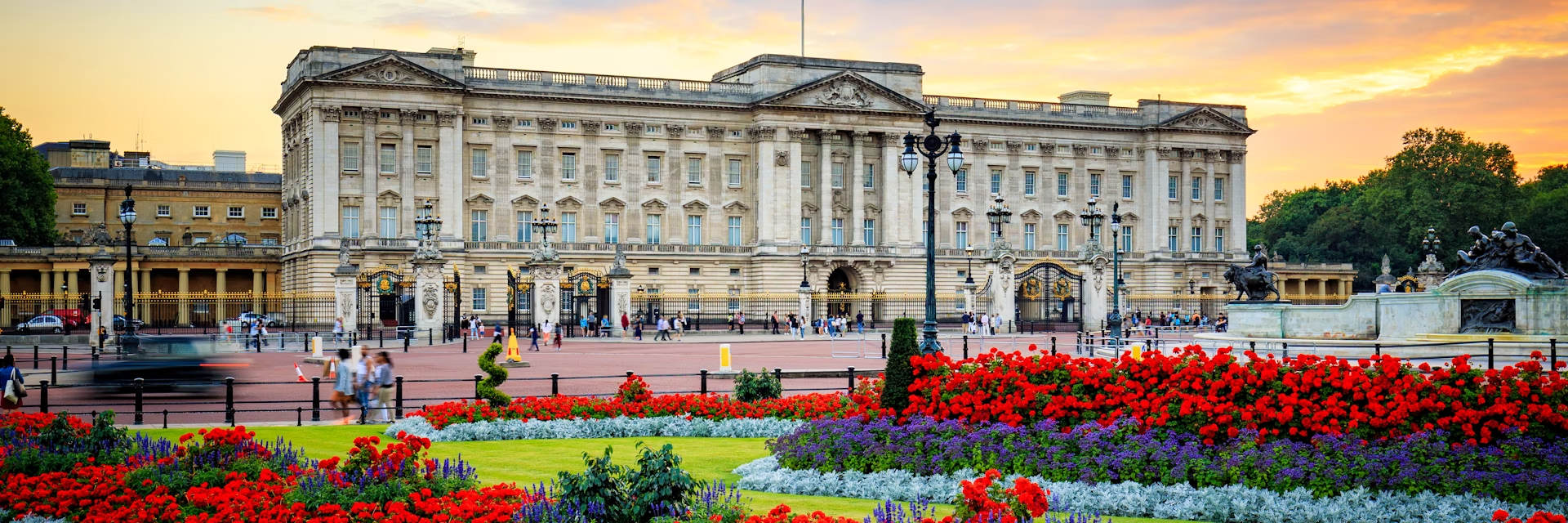
Buckingham Palace is the official London residence of the monarch and one of the main symbols of royal London. Most visitors come for the palace gates, the Victoria Memorial and the view down The Mall. Changing the Guard takes place on selected days and is free to watch, but it gets very crowded, so arrive early.
6. The Mall
- Address:The Mall, London SW1A
- Nearest Tube:Green Park, St James’s Park or Charing Cross
- Best for:Ceremonial London, royal walks and parade views
- Time needed:15 to 25 minutes to walk
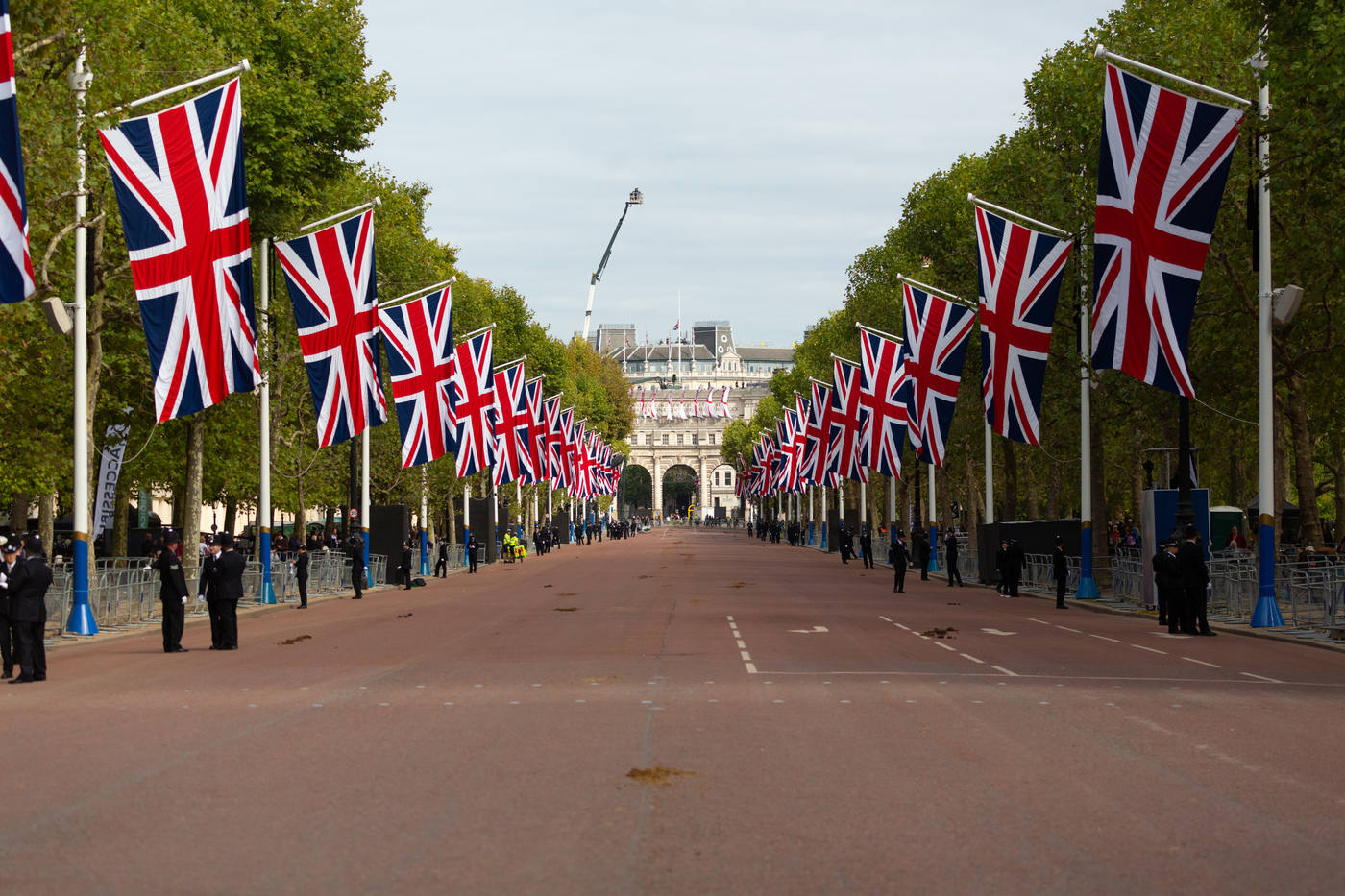
The Mall is the broad ceremonial road between Buckingham Palace and Trafalgar Square. It is one of the best short walks in central London because it connects royal London with civic London. The wide road, flags, trees and direct view toward the palace make it feel grand even on an ordinary day.
7. Trafalgar Square
- Address:Trafalgar Square, London WC2N 5DN
- Nearest Tube:Charing Cross
- Best for:Public art, people-watching, galleries and central London atmosphere
- Time needed:20 to 45 minutes; longer if visiting the National Gallery
- Tip:From here, you can easily walk to Covent Garden, Leicester Square, Whitehall or The Mall.
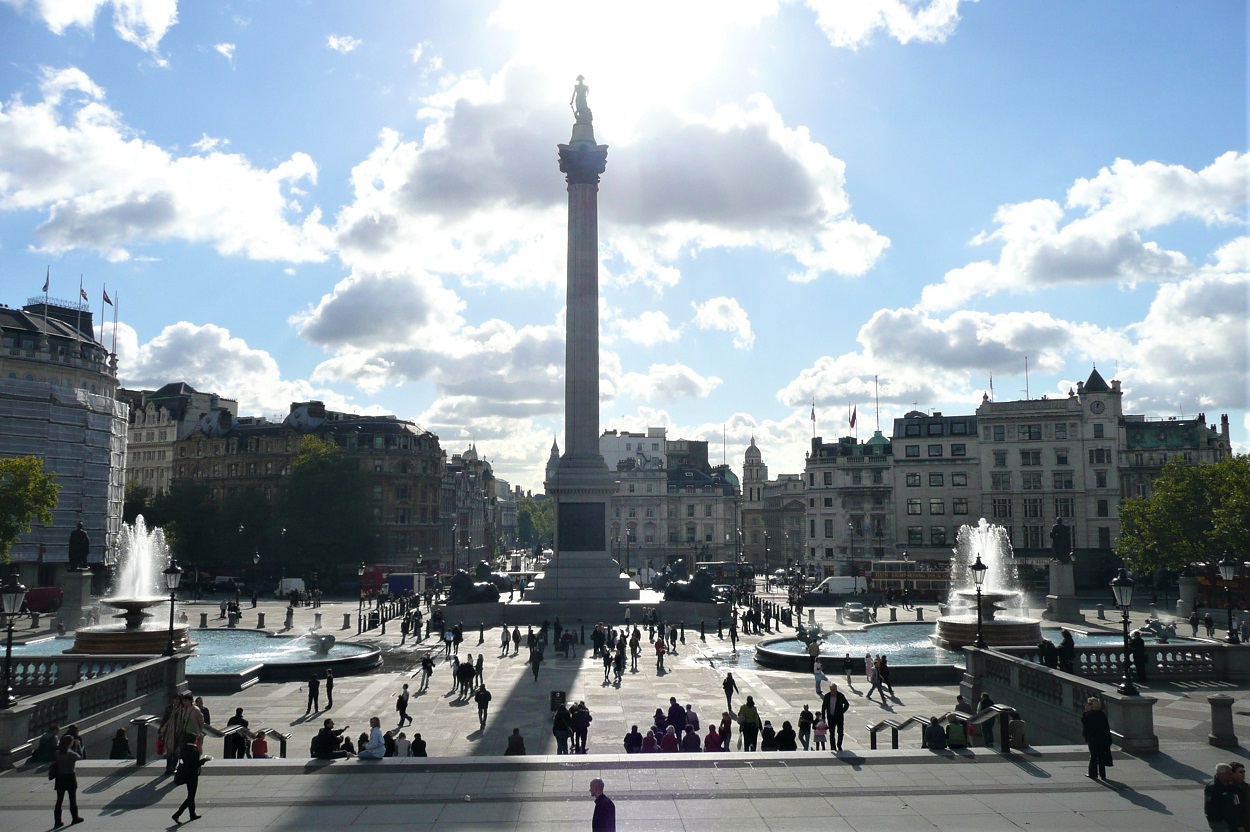
Trafalgar Square is one of London’s most important public spaces. It connects Westminster, Whitehall, the West End and Covent Garden. Look for Nelson’s Column, the bronze lions, the fountains and the Fourth Plinth. The National Gallery sits on the north side and is free to enter, making it an easy cultural add-on.
Group 2: River London - South Bank To Tower Bridge
Best for riverside walks, skyline views, families, easy sightseeing and first-day orientation.
This route is flexible because you can make it short or long depending on your energy. The riverside can get crowded, but it is one of the easiest and most enjoyable walking routes in London.
8. Westminster Bridge
- Address:Westminster Bridge, London SW1A / SE1
- Nearest Tube:Westminster or Waterloo
- Best for:Big Ben views, river photos and first-time London views
- Time needed:10 to 20 minutes
Westminster Bridge gives one of the most famous views in London. From the bridge, you can see Big Ben, the Houses of Parliament, the River Thames and the London Eye. It is a natural starting point for a South Bank walk, and the Westminster Bridge live webcamcan help you check current conditions before going.
9. The London Eye Area
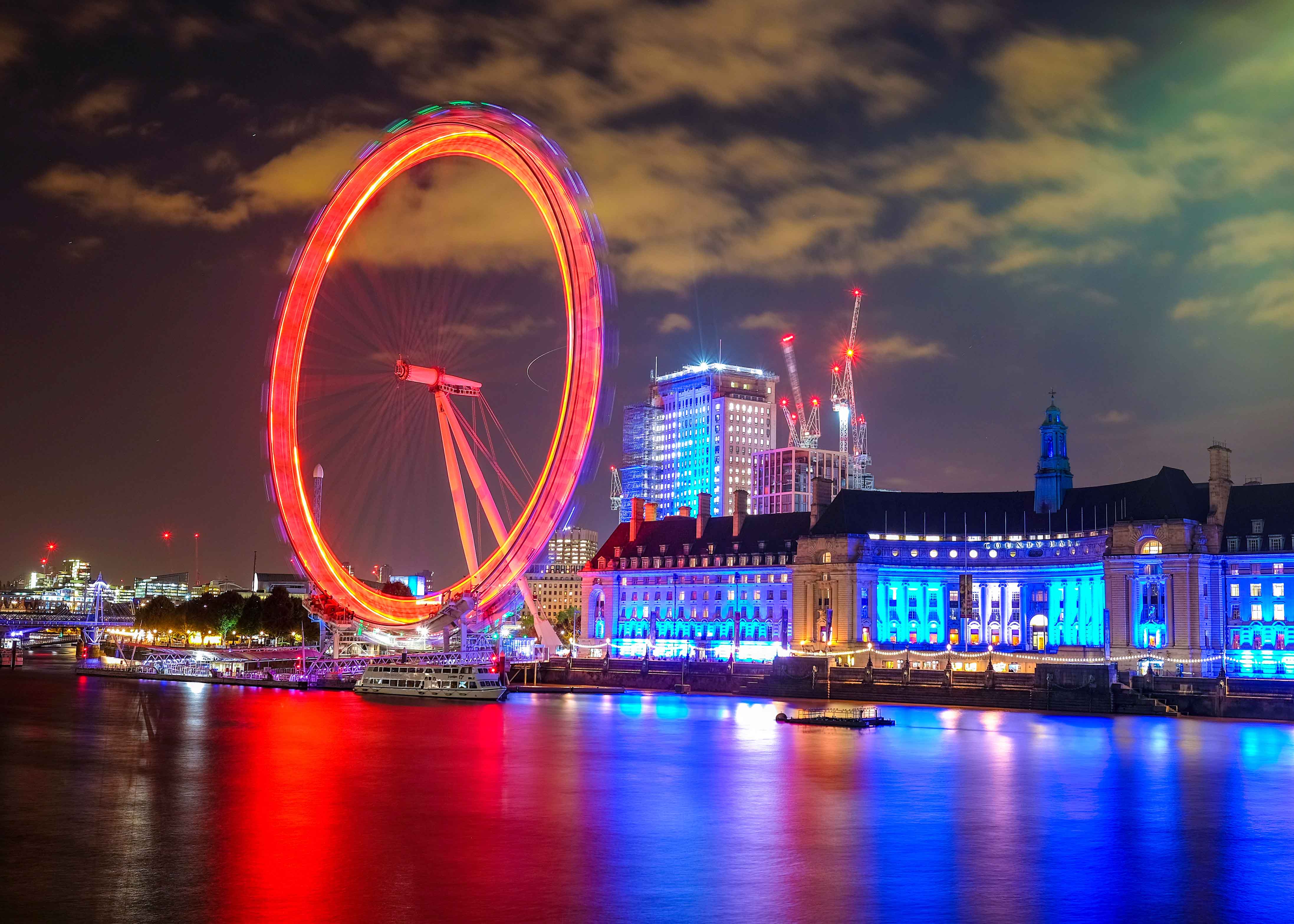
- Address:Riverside Building, County Hall, Westminster Bridge Road, London SE1 7PB
- Nearest Tube:Waterloo or Westminster
- Best for:Skyline views, families, first-time visitors and river photos
- Time needed:30 minutes for the ride; 45 to 90 minutes with waiting and photos
The London Eyeis a giant observation wheel beside the Thames. Each rotation takes about 30 minutes and gives wide views of Big Ben, St Paul’s Cathedral, the Shard, Tower Bridge and central London. It is especially useful for first-time visitors because it helps show how the city is laid out.
10. Tate Modern
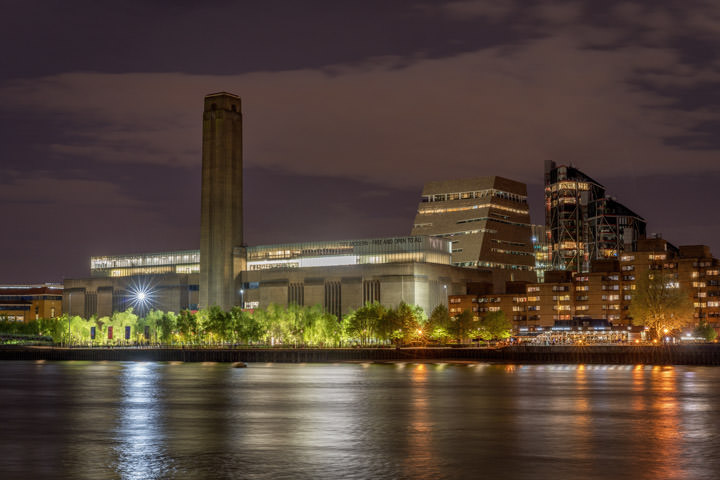
- Address:Bankside, London SE1 9TG
- Nearest Tube:Southwark, Blackfriars or St Paul’s via Millennium Bridge
- Best for:Modern art, free museums, rainy days and riverside culture
- Time needed:1.5 to 3 hours
Tate Modern is a major modern art museum in a former power station on Bankside, giving the building a bold industrial feel. Many galleries are free to enter, making it a strong stop for culture, shelter and slower sightseeing along the South Bank.
11. Shakespeare’s Globe
- Address:21 New Globe Walk, Bankside, London SE1 9DT
- Nearest Tube:Mansion House, Blackfriars or London Bridge
- Best for:Theatre history, Shakespeare, tours and live performances
- Time needed:45 to 90 minutes for a tour; longer for a show
Shakespeare’s Globe is a modern reconstruction of the open-air theatre associated with Shakespeare’s plays. Visitors can take a guided tour or watch a performance. The wooden design, open yard and close stage create a lively atmosphere that feels very different from a modern theatre.
12. Borough Market
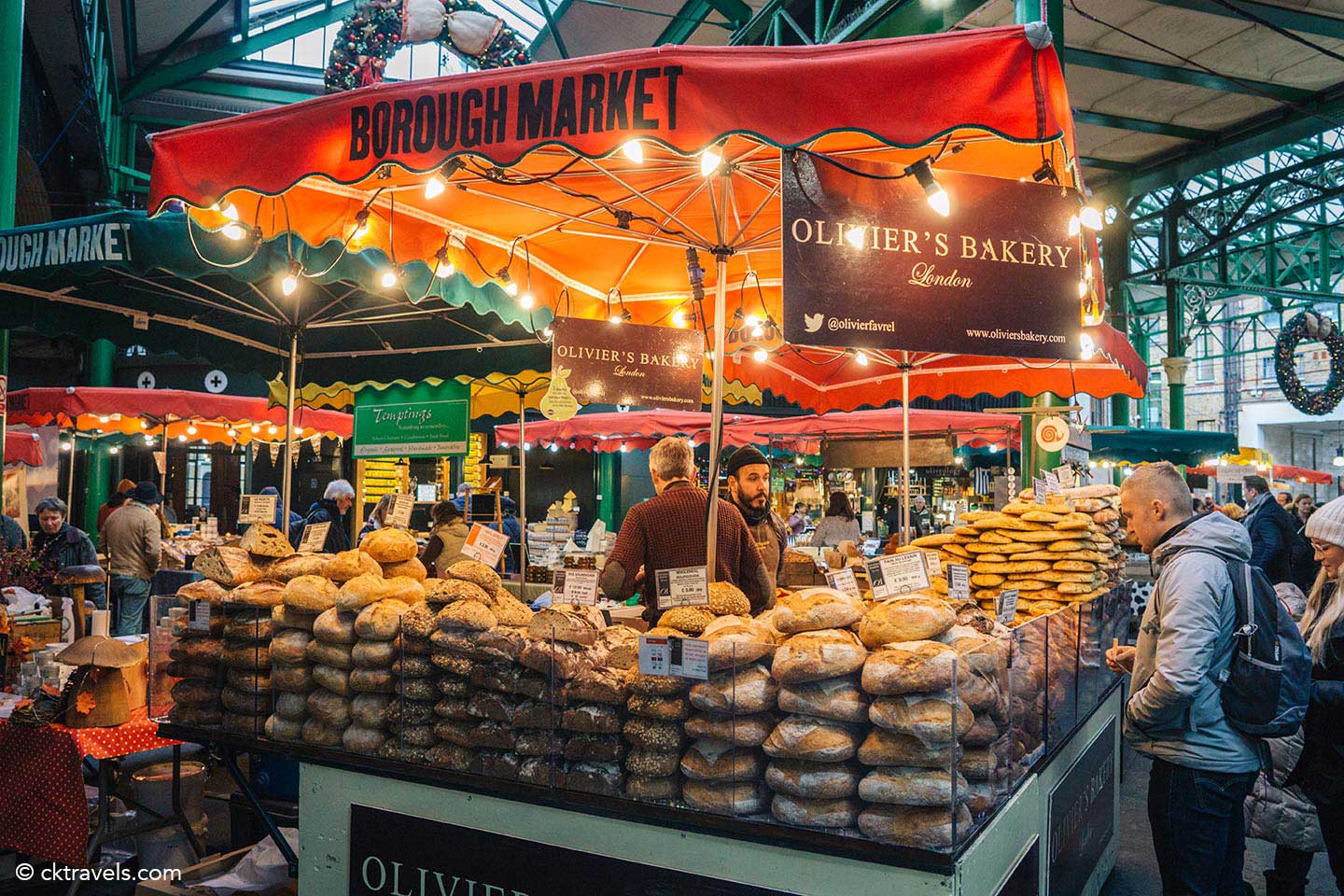
- Address:8 Southwark Street, London SE1 1TL
- Nearest Tube:London Bridge
- Best for:Food, street snacks, casual meals and local atmosphere
- Time needed:45 minutes to 1.5 hours
Borough Market is one of London’s oldest and most popular food markets. It has stalls selling baked goods, cheese, fresh produce, international dishes, coffee and desserts. It is easy to combine with London Bridge, the Shard, Shakespeare’s Globe and the riverside walk.
13. The Millennium Bridge
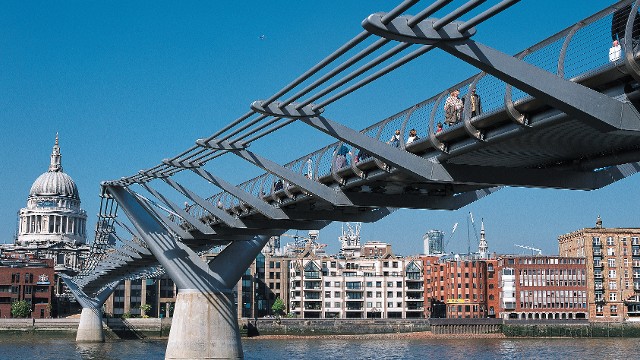
- Address:Pedestrian bridge between St Paul’s Cathedral and Tate Modern
- Nearest Tube:St Paul’s, Blackfriars or Southwark
- Best for:River views, walking routes, photos and city connections
- Time needed:10 to 20 minutes
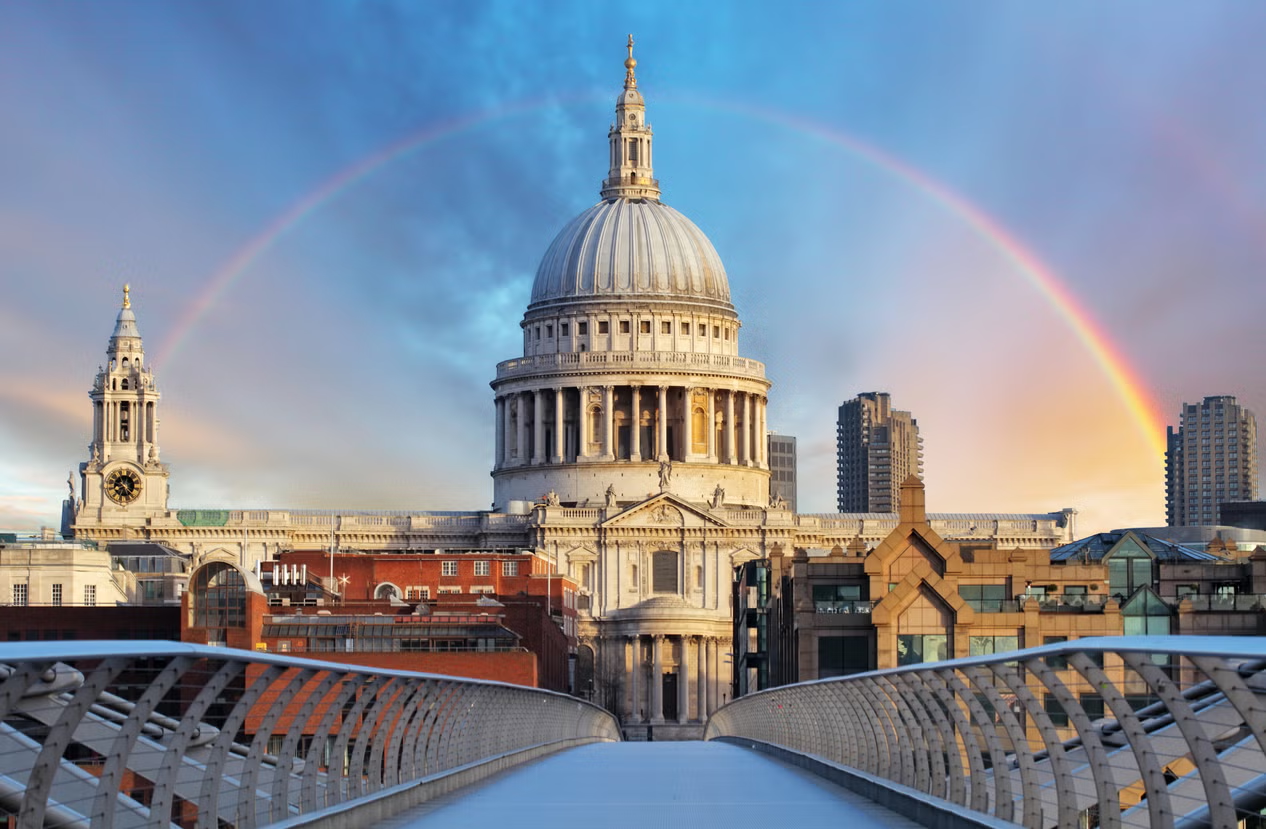
The Millennium Bridge is a modern pedestrian bridge across the Thames. It creates a direct walking link between St Paul’s Cathedral on the north bank and Tate Modern on the south bank. The straight view toward St Paul’s makes it one of the best photo spots on the river.
14. The Shard
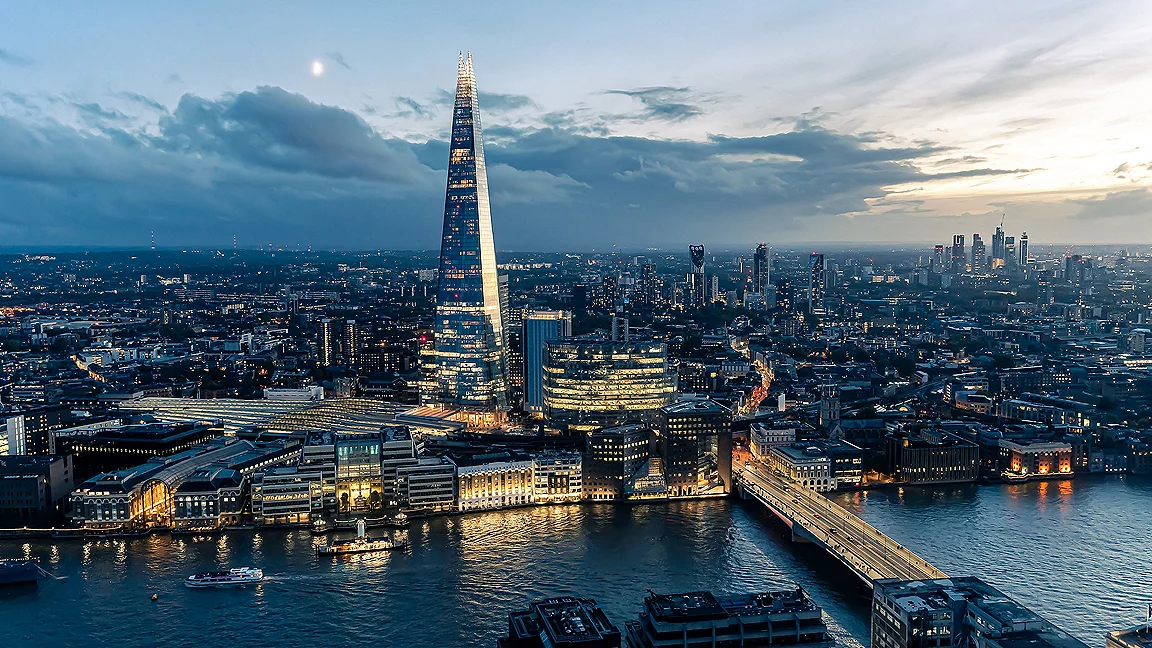
- Address:32 London Bridge Street, London SE1 9SG
- Nearest Tube:London Bridge
- Best for:Skyline views, modern London, photography and special occasions
- Time needed:1 to 2 hours
The Shard is the tallest building in the UK and one of London’s most recognisable modern landmarks. Its glass shape rises above London Bridge and the South Bank. Visitors can go to the viewing decks for wide views across both historic and modern London. It fits well with Borough Market, London Bridge and Tower Bridge.
15. HMS Belfast
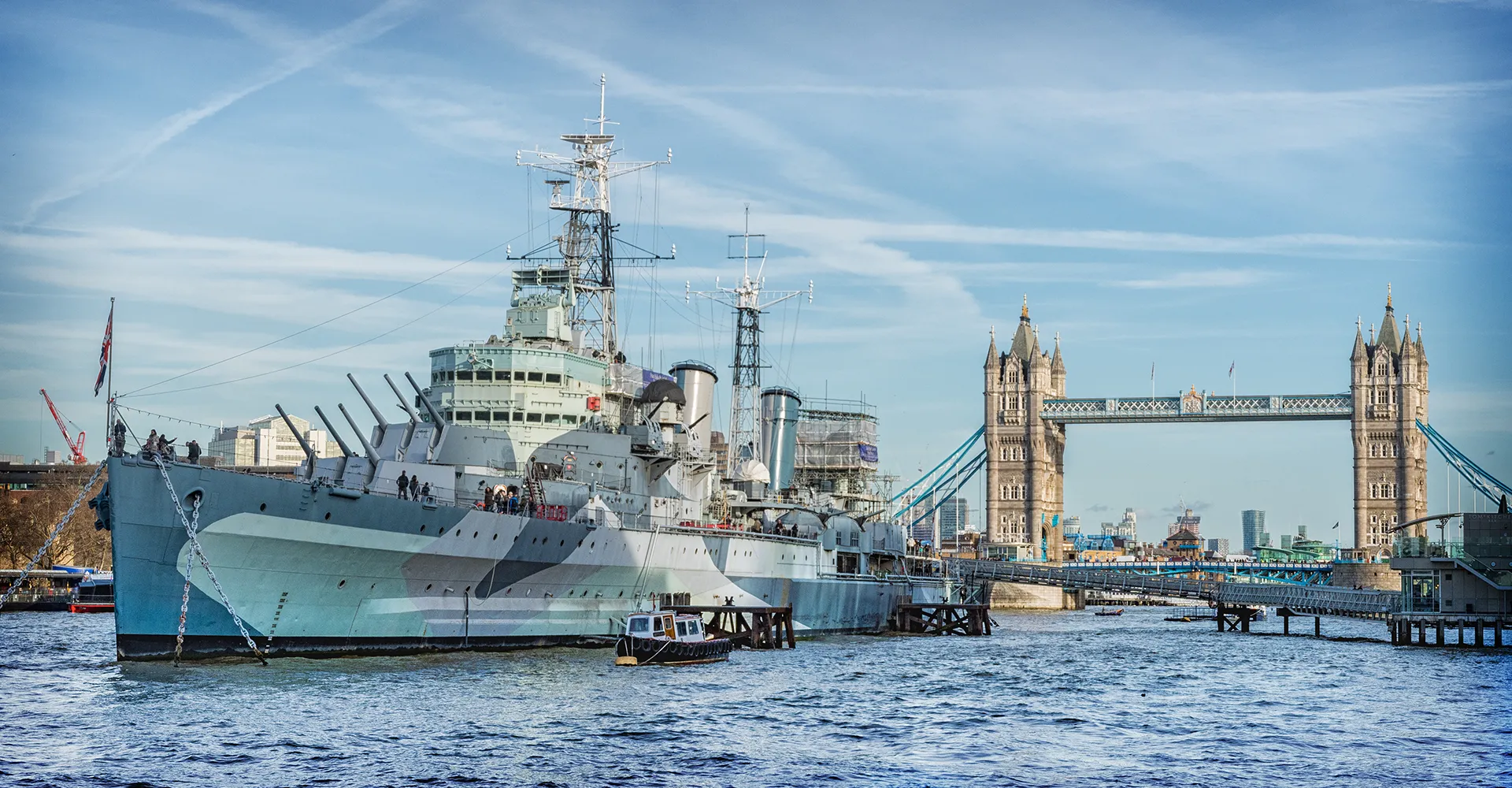
- Address:The Queen’s Walk, London SE1 2JH
- Nearest Tube:London Bridge
- Best for:Naval history, families, war history and Thames views
- Time needed:1.5 to 2.5 hours
HMS Belfast is a Second World War warship permanently moored on the Thames near Tower Bridge. Visitors can explore the decks, cabins, engine rooms and gun areas. It adds a strong history stop to the river route and works well between Borough Market and Tower Bridge.
16. The Tower Of London
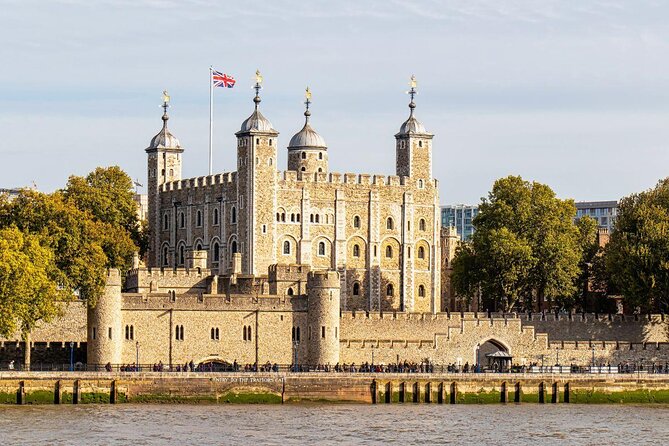
- Address:Tower Hill, London EC3N 4AB
- Nearest Tube:Tower Hill
- Best for:Royal history, medieval London, Crown Jewels and families
- Time needed:2 to 3 hours
The Tower of Londonis a historic fortress built after 1066. Over time, it served as a royal palace, prison, armoury and place of execution. Today it is best known for the Crown Jewels, the Yeoman Warders, the ravens and its dramatic royal stories. It is one of the strongest paid attractions in London.
17. Tower Bridge
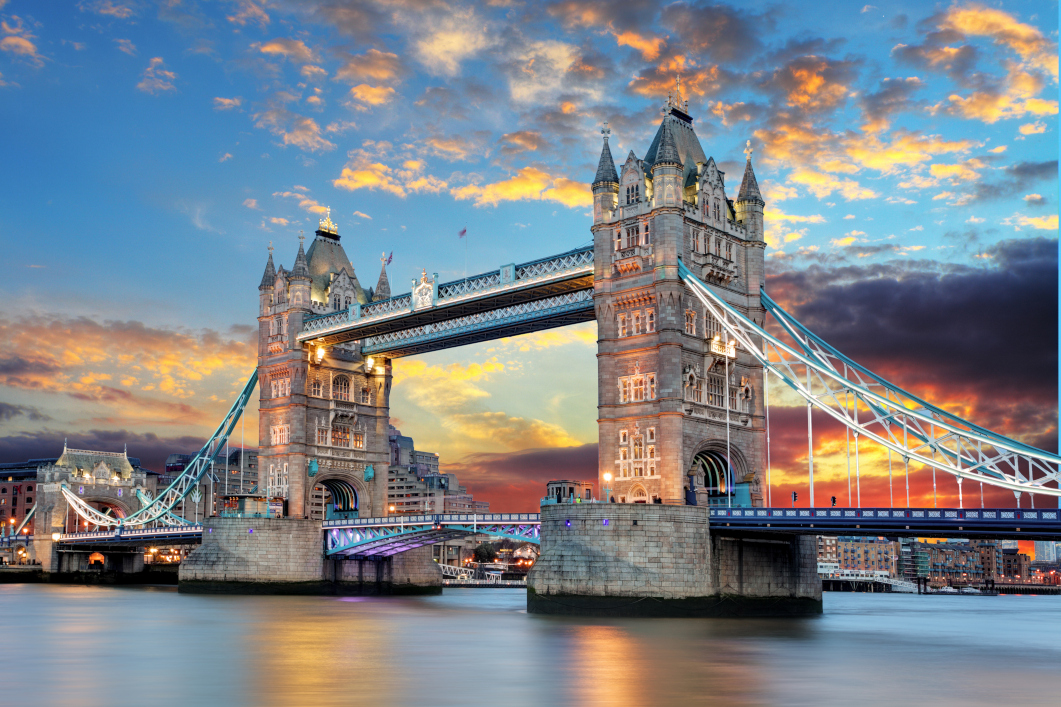
- Address:Tower Bridge Road, London SE1 2UP
- Nearest Tube:Tower Hill or London Bridge
- Best for:Iconic bridge photos, engineering, river views and first-time visitors
- Time needed:30 to 60 minutes outside; 1 to 1.5 hours if visiting inside
Tower Bridge is London’s most recognisable bridge, with two stone towers and high walkways above the river. The bridge can still lift to let ships pass. From the outside, it is one of the best photo stops in London, especially when paired with the Tower of London.
Group 3: Historic London - City Of London And Tower Area
Best for history, architecture, old streets, churches, finance, viewpoints and less obvious London.
The City of London can feel quieter at weekends, and some cafés or businesses may close outside weekday hours. It is best for visitors who enjoy history mixed with modern architecture.
18. St. Paul’s Cathedral
- Address:St Paul’s Churchyard, London EC4M 8AD
- Nearest Tube:St Paul’s
- Best for:Architecture, church history, skyline views and classic London photos
- Time needed:1.5 to 2.5 hours
St Paul’s Cathedral is one of London’s most important churches and one of the city’s defining skyline landmarks. Its great dome can be seen from many parts of London. Inside, visitors can explore the nave, crypt and galleries, while the outside view from Millennium Bridge is one of the best in the city.
19. Leadenhall Market
- Address:Gracechurch Street, London EC3V 1LT
- Nearest Tube:Bank, Monument or Aldgate
- Best for:Architecture, photos, historic market streets and Harry Potter fans
- Time needed:20 to 45 minutes
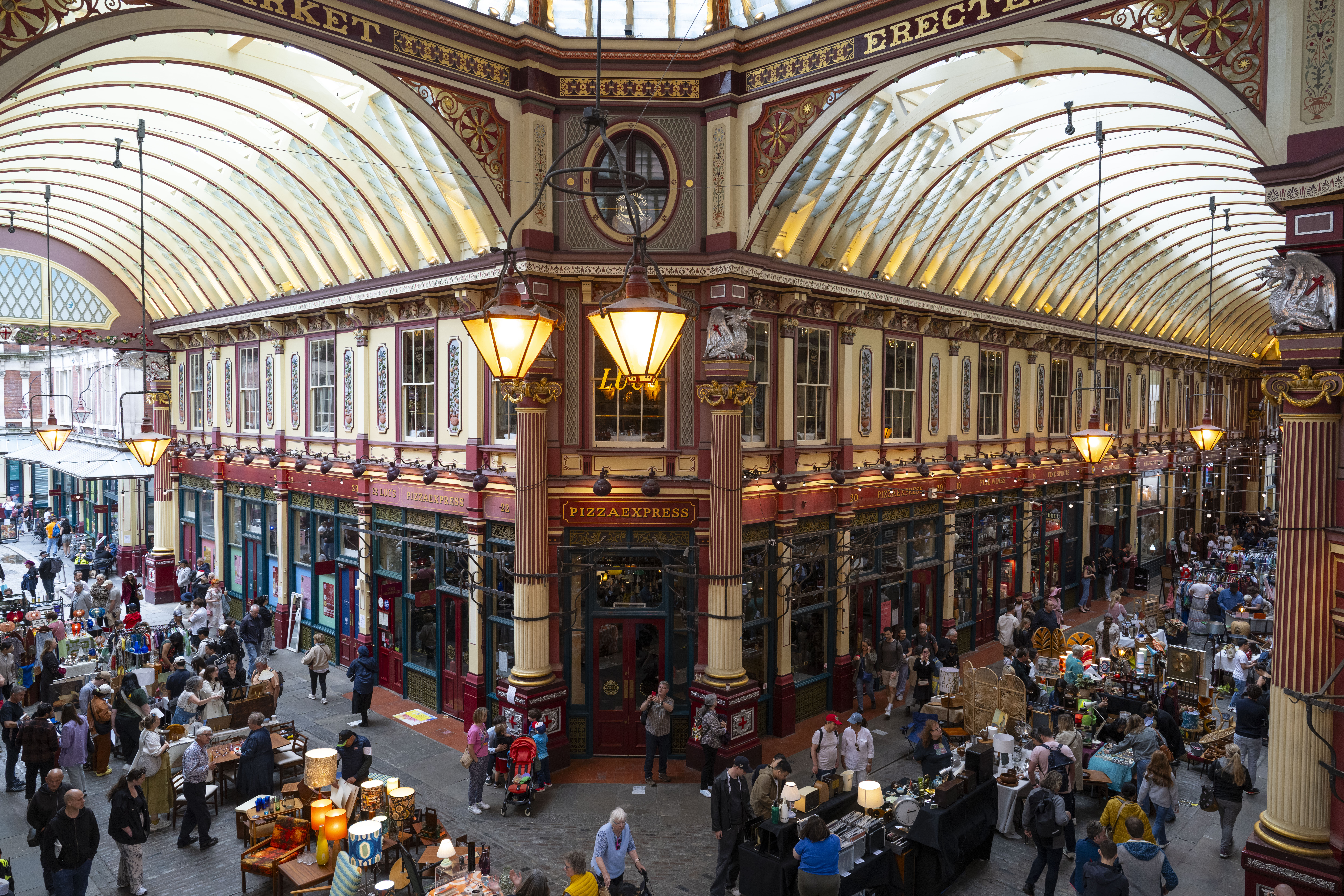
Leadenhall Market is a covered Victorian market with colourful paintwork, iron arches and old shopfronts. It is a beautiful short stop in the City of London and works well with the Bank of England area, Sky Garden and the Gherkin.
20. The Guildhall
- Address:Guildhall Yard, London EC2V 5AE
- Nearest Tube:St Paul’s, Bank or Moorgate
- Best for:Civic history, medieval architecture and quieter sightseeing
- Time needed:30 minutes to 1 hour
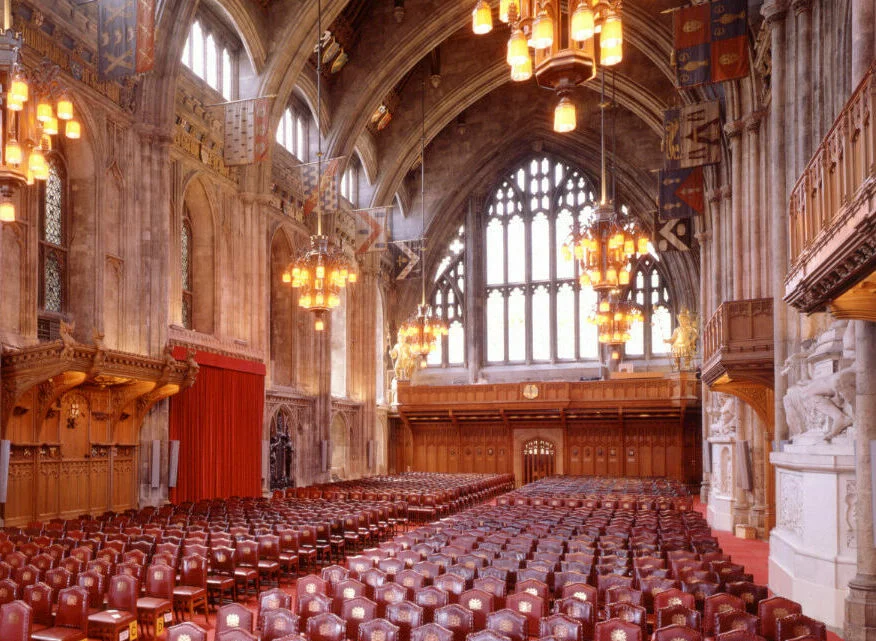
The Guildhall has been part of London’s civic life for centuries. The main hall feels grand and historic, with stone walls and a medieval character. It is a good stop for visitors who want to see a more local and less crowded side of London’s history.
21. The Bank Of England Area
- Address:Threadneedle Street, London EC2R 8AH
- Nearest Tube:Bank
- Best for:Financial history, architecture and City of London atmosphere
- Time needed:20 to 45 minutes
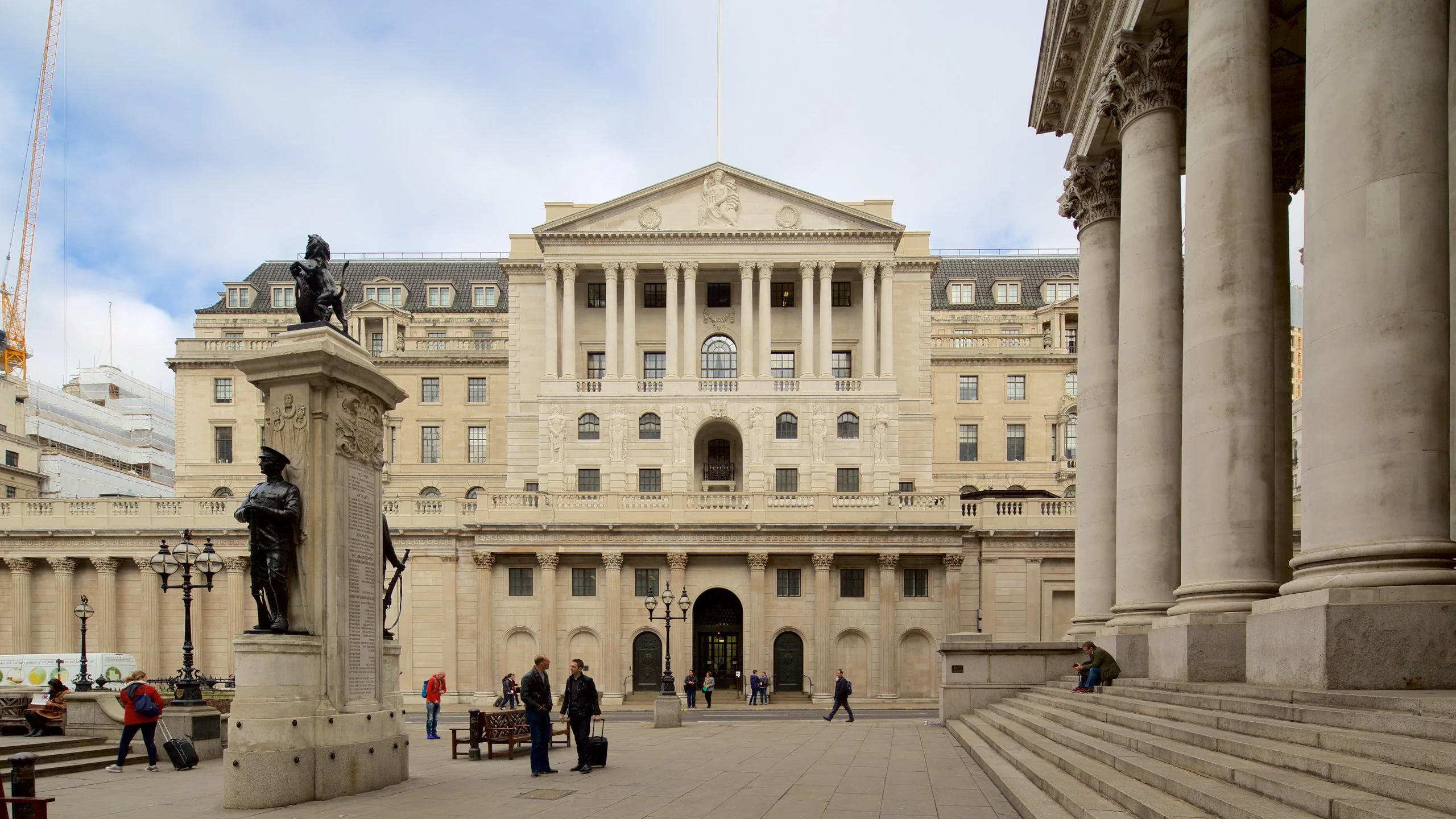
The Bank of England area shows London’s role as a major financial centre. The streets around Bank station are full of grand stone buildings, narrow lanes and modern business life. It pairs well with the Royal Exchange, Leadenhall Market and the Monument.
22. Sky Garden
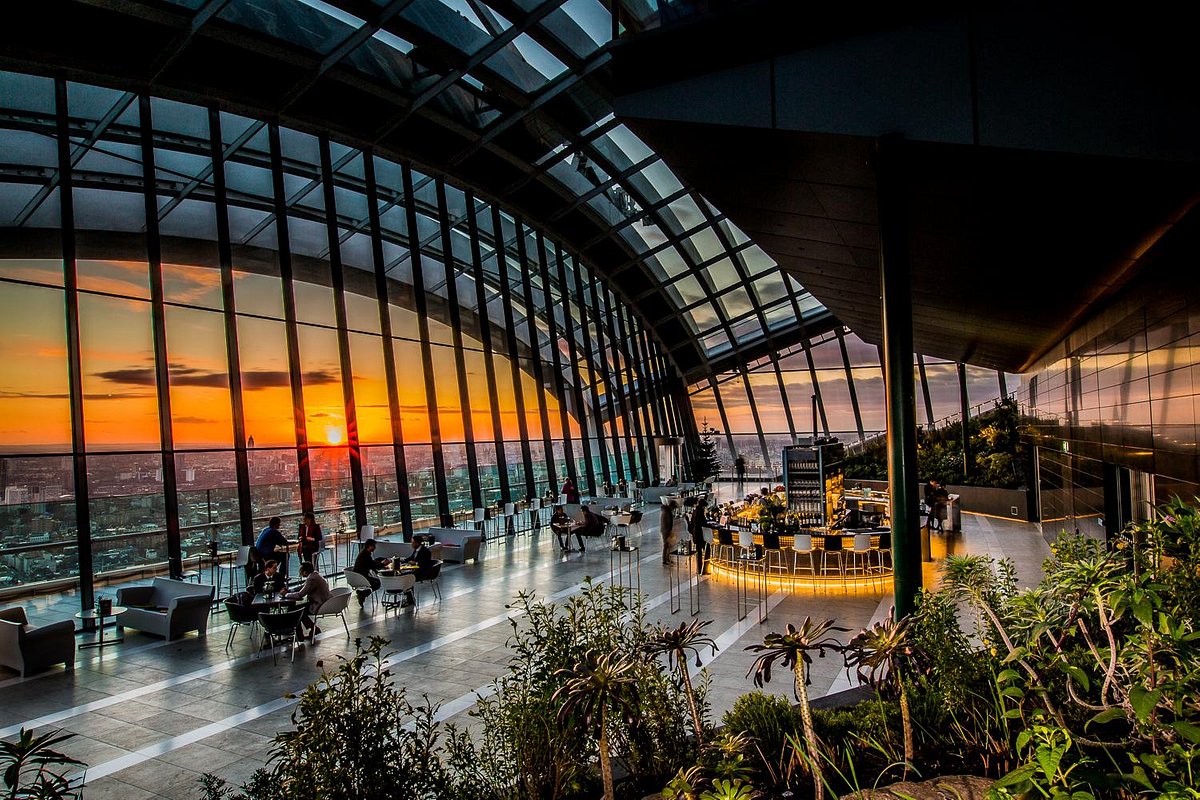
- Address:20 Fenchurch Street, London EC3M 8AF
- Nearest Tube:Monument or Tower Hill
- Best for:Free viewpoint, skyline views, indoor gardens and photos
- Time needed:45 minutes to 1.5 hours
Sky Garden is an indoor public garden high above the City of London. It has plants, viewing decks and wide windows overlooking the Thames, Tower Bridge and the city skyline. It is a popular viewpoint, so booking ahead is recommended.
23. The Monument To The Great Fire Of London
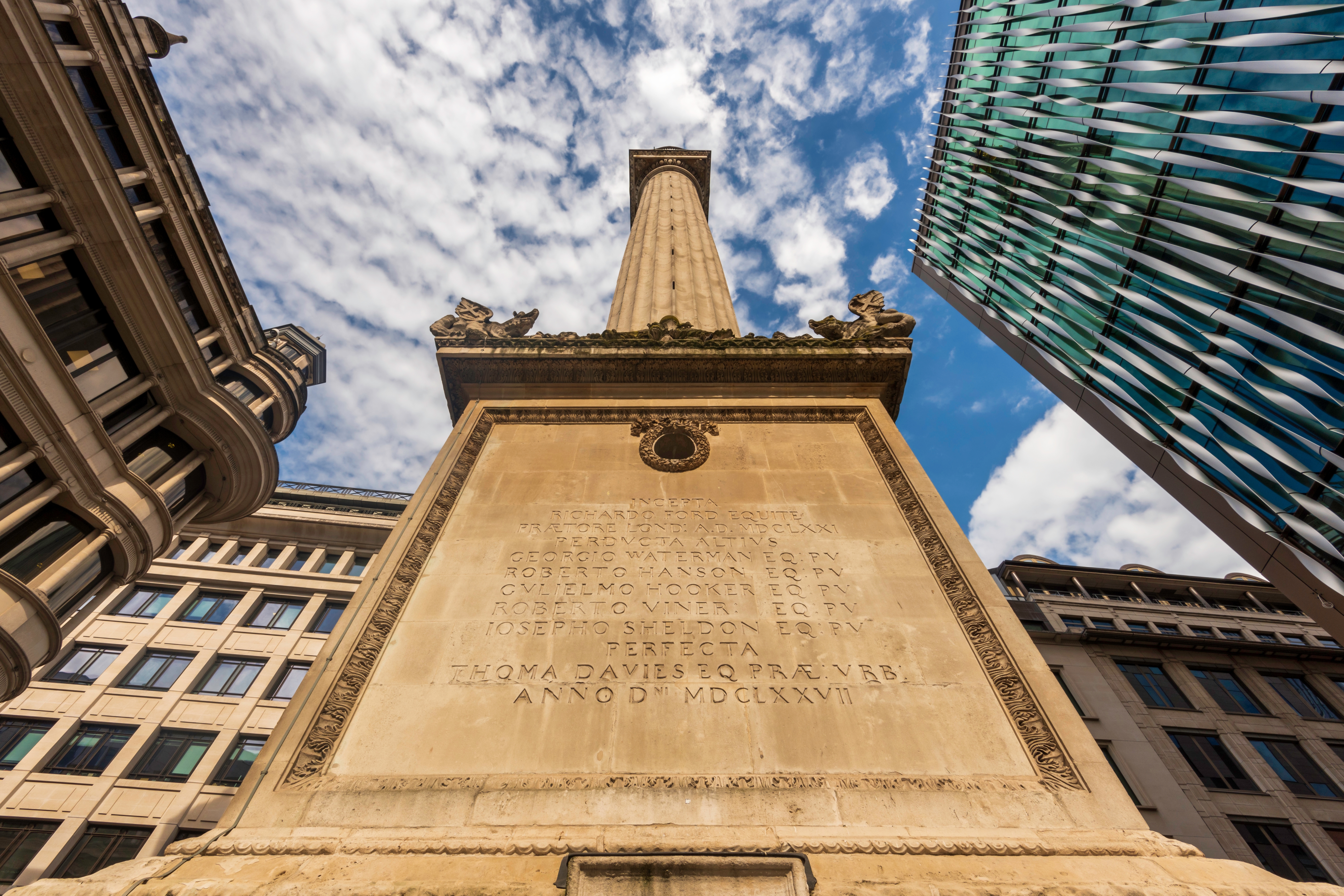
- Address:Monument Street, London EC3R 8AH
- Nearest Tube:Monument
- Best for:Great Fire history, city views and historic London
- Time needed:30 to 45 minutes
The Monument was built to remember the Great Fire of London in 1666. It stands close to where the fire began. Visitors can climb the narrow staircase to a viewing platform for views over the City. It is a simple but meaningful stop for understanding old London.
24. The Gherkin
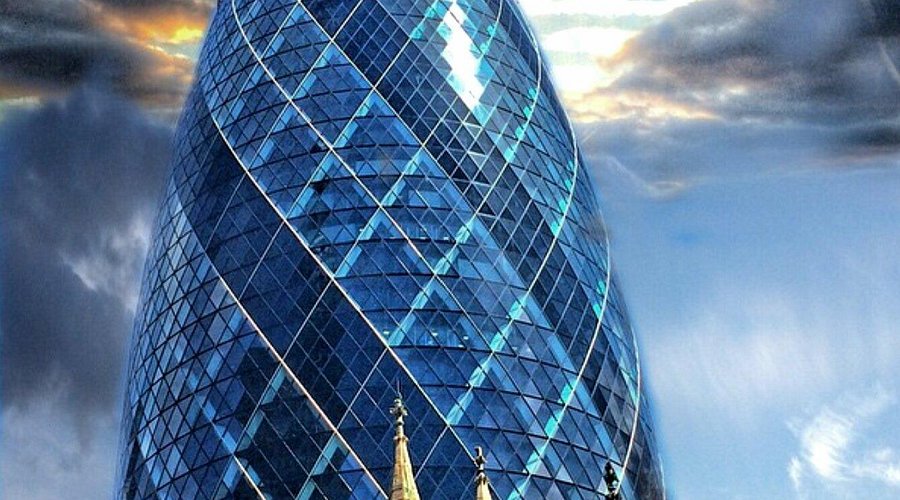
- Address:30 St Mary Axe, London EC3A 8EP
- Nearest Tube:Liverpool Street, Aldgate or Bank
- Best for:Modern architecture, skyline photos and City of London walks
- Time needed:15 to 30 minutes from outside
The Gherkin is one of London’s most recognisable modern buildings. Its rounded glass shape stands out strongly among the City’s older streets and newer towers. It is best seen as part of a walking route with Leadenhall Market, the Bank area and Sky Garden.
25. The Barbican Centre
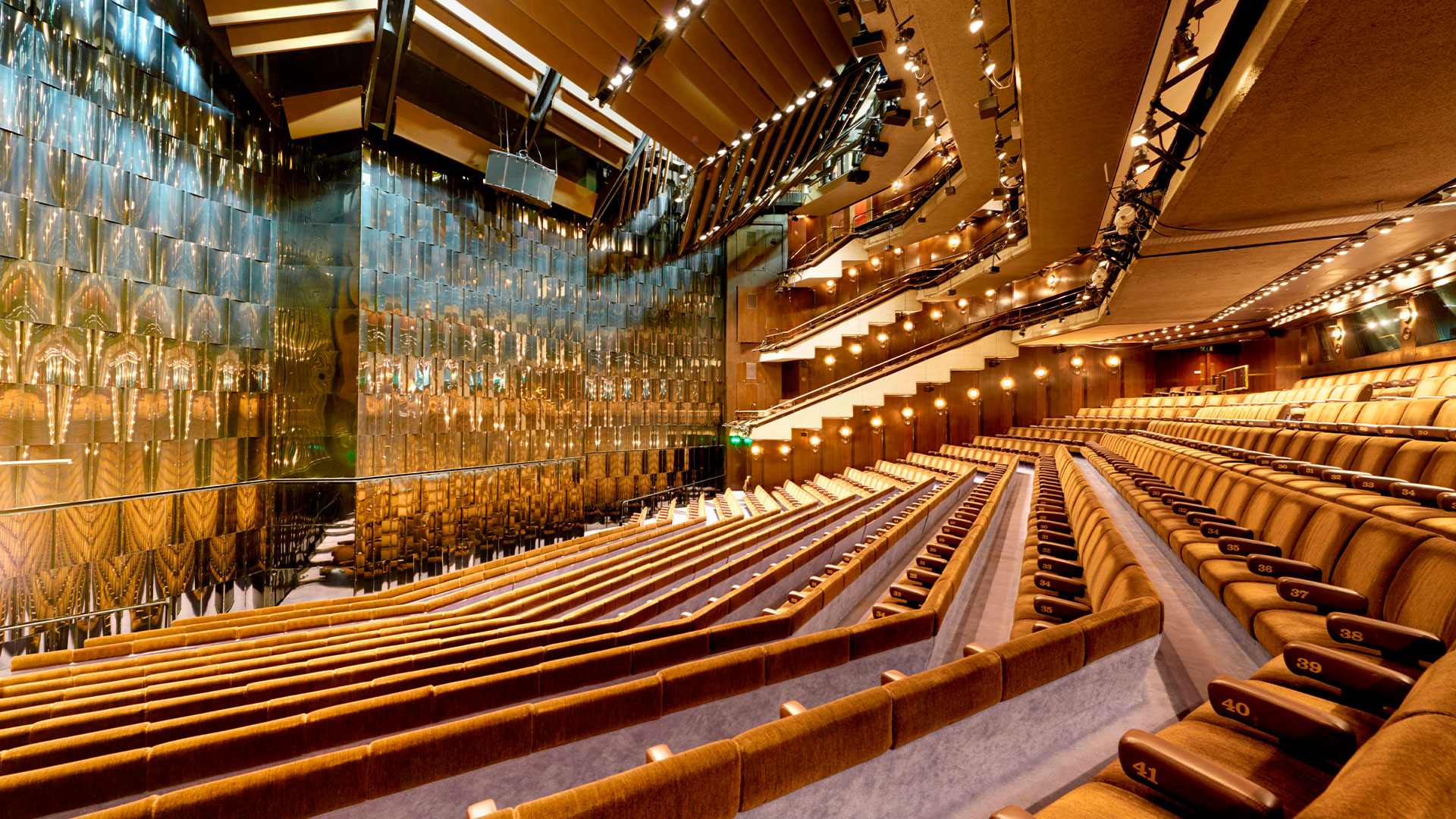
- Address:Barbican Estate, London EC2Y 8DS
- Nearest Tube:Barbican or Moorgate
- Best for:Brutalist architecture, culture, galleries, concerts and hidden London
- Time needed:1 to 2 hours; longer for events
The Barbican Centre is a large arts and culture complex known for its bold concrete architecture. It includes theatres, galleries, concert halls, walkways, lakes and quiet courtyards. It shows a very different side of London and is especially interesting for architecture lovers.
Group 4: Museum London - South Kensington And Bloomsbury
Best for families, rainy days, free attractions, museums, culture and slower travel.
South Kensington is ideal for major museums, while Bloomsbury and the West End work well for culture, bookish streets, stations, squares and evening atmosphere.
26. The Natural History Museum
- Address:Cromwell Road, South Kensington, London SW7 5BD
- Nearest Tube:South Kensington
- Best for:Families, dinosaurs, fossils, animals and natural science
- Time needed:2 to 4 hours
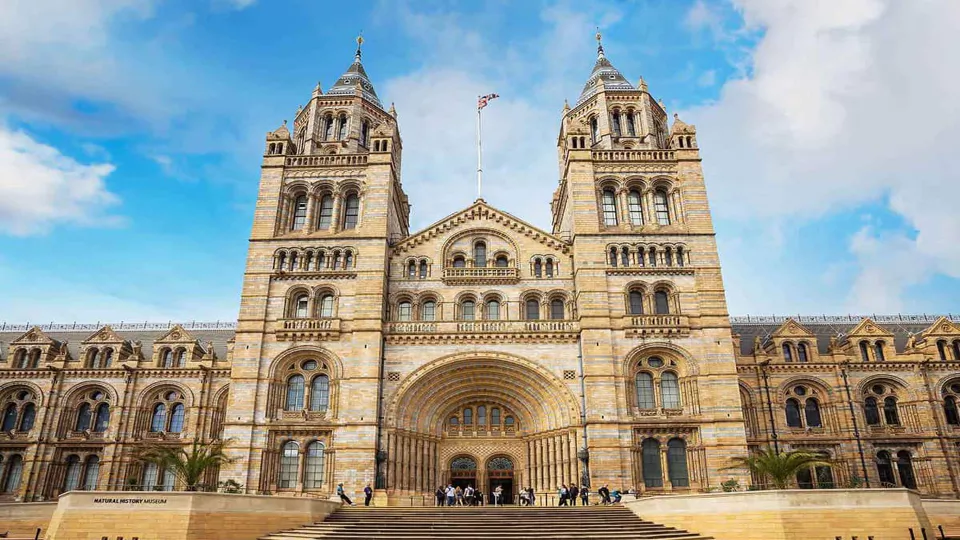
The Natural History Museumis one of London’s most loved museums. It is famous for dinosaurs, fossils, gemstones, animal displays and its dramatic main hall. The building itself is also beautiful, making it worth seeing even before you enter the galleries.
27. Science Museum
- Address:Exhibition Road, South Kensington, London SW7 2DD
- Nearest Tube:South Kensington
- Best for:Families, technology, invention, space and hands-on exhibits
- Time needed:2 to 4 hours
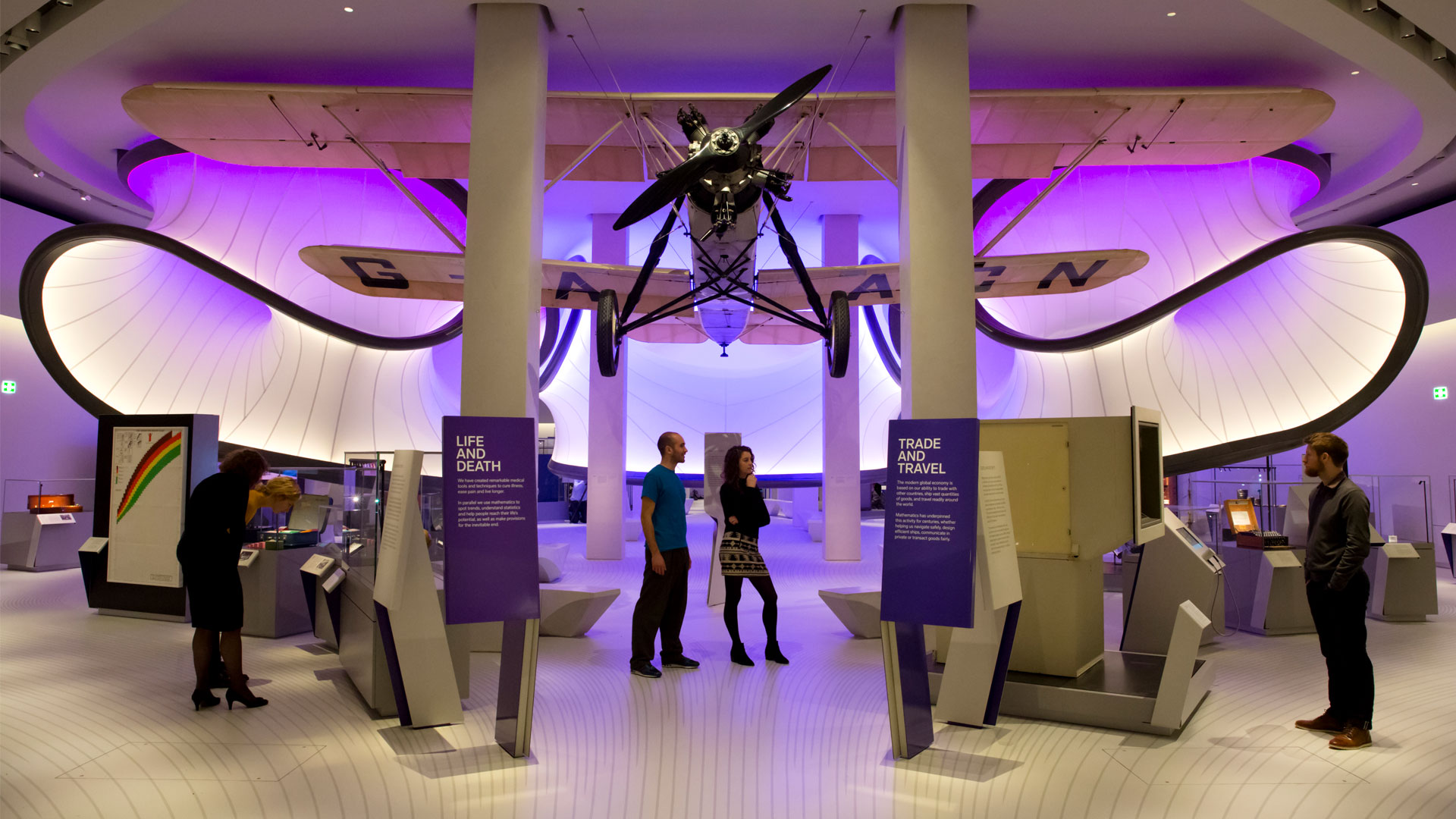
The Science Museum covers inventions, machines, medicine, space travel and technology. It is especially good for children and curious visitors because many exhibits are interactive or easy to understand. It pairs naturally with the Natural History Museum and the V&A.
28. Victoria And Albert Museum (V&A)
- Address:Cromwell Road, South Kensington, London SW7 2RL
- Nearest Tube:South Kensington
- Best for:Design, fashion, jewellery, decorative arts and global culture
- Time needed:2 to 4 hours
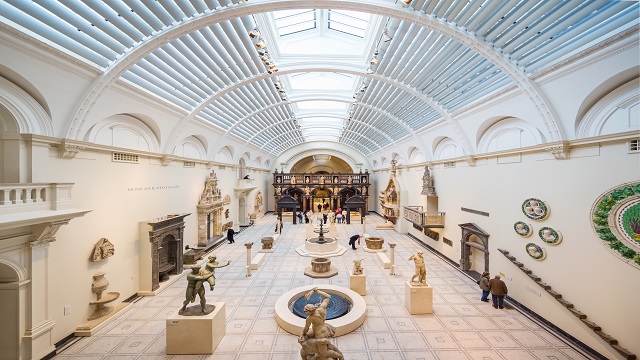
The V&A is one of the world’s great museums of design and creativity. Its collections include fashion, furniture, jewellery, sculpture, ceramics, photography and decorative arts from around the world. It is ideal for visitors who enjoy beauty, style and craftsmanship.
29. Royal Albert Hall
- Address:Kensington Gore, South Kensington, London SW7 2AP
- Nearest Tube:South Kensington or High Street Kensington
- Best for:Music, concerts, architecture and cultural history
- Time needed:20 to 40 minutes outside; longer for a tour or performance
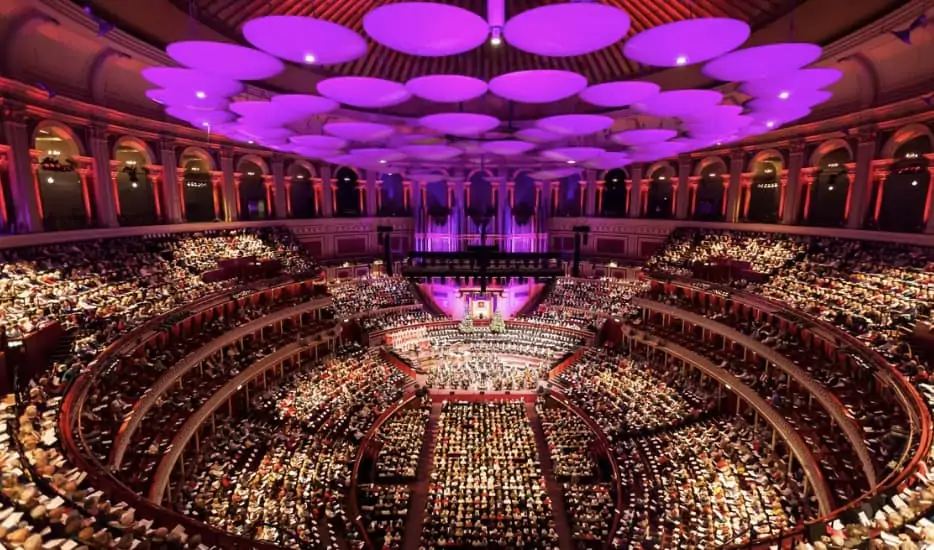
Royal Albert Hall is a famous round concert venue with a grand red-brick design. It hosts classical music, pop concerts, award shows and major events. It is close to the South Kensington museums, Hyde Park and Kensington Gardens, so it is easy to include in this area.
30. The British Museum
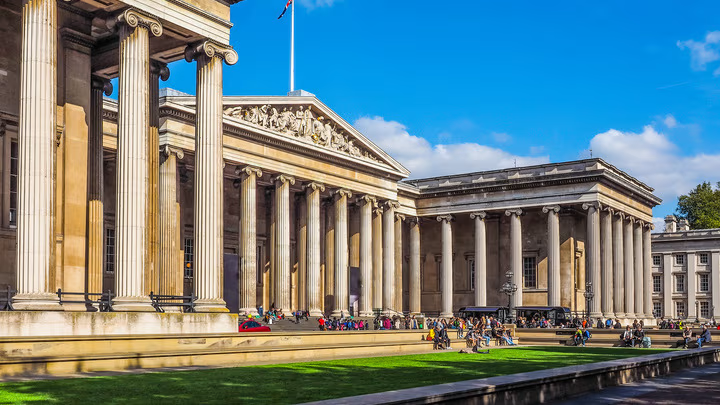
- Address:Great Russell Street, Bloomsbury, London WC1B 3DG
- Nearest Tube:Tottenham Court Road, Holborn or Russell Square
- Best for:Ancient history, world cultures, free museums and rainy days
- Time needed:2 to 4 hours; longer for museum lovers
The British Museum is one of the world’s major museums, with collections from Egypt, Greece, Rome, Asia, Africa and the Americas. The Great Court is a highlight on its own. Because the museum is large, it is better to choose a few key galleries instead of trying to see everything.
31. Russell Square
- Address:Russell Square, Bloomsbury, London WC1B
- Nearest Tube:Russell Square
- Best for:A quiet break, Bloomsbury walks and museum downtime
- Time needed:15 to 30 minutes
Russell Square is a peaceful garden square close to the British Museum. It is useful for a short rest before or after museum time. The surrounding Bloomsbury streets are also good for slower walks, bookshops, cafés and literary atmosphere.
32. Literary Streets Of Bloomsbury
- Address:Around Bloomsbury, London WC1
- Nearest Tube:Russell Square, Holborn or Tottenham Court Road
- Best for:Literary history, bookshops, quiet streets and slow walking
- Time needed:30 minutes to 1 hour
Bloomsbury is known for its literary and academic atmosphere. The area has garden squares, bookshops, university buildings and streets linked with writers and thinkers. It is a good low-pressure addition to a British Museum visit.
33. Covent Garden
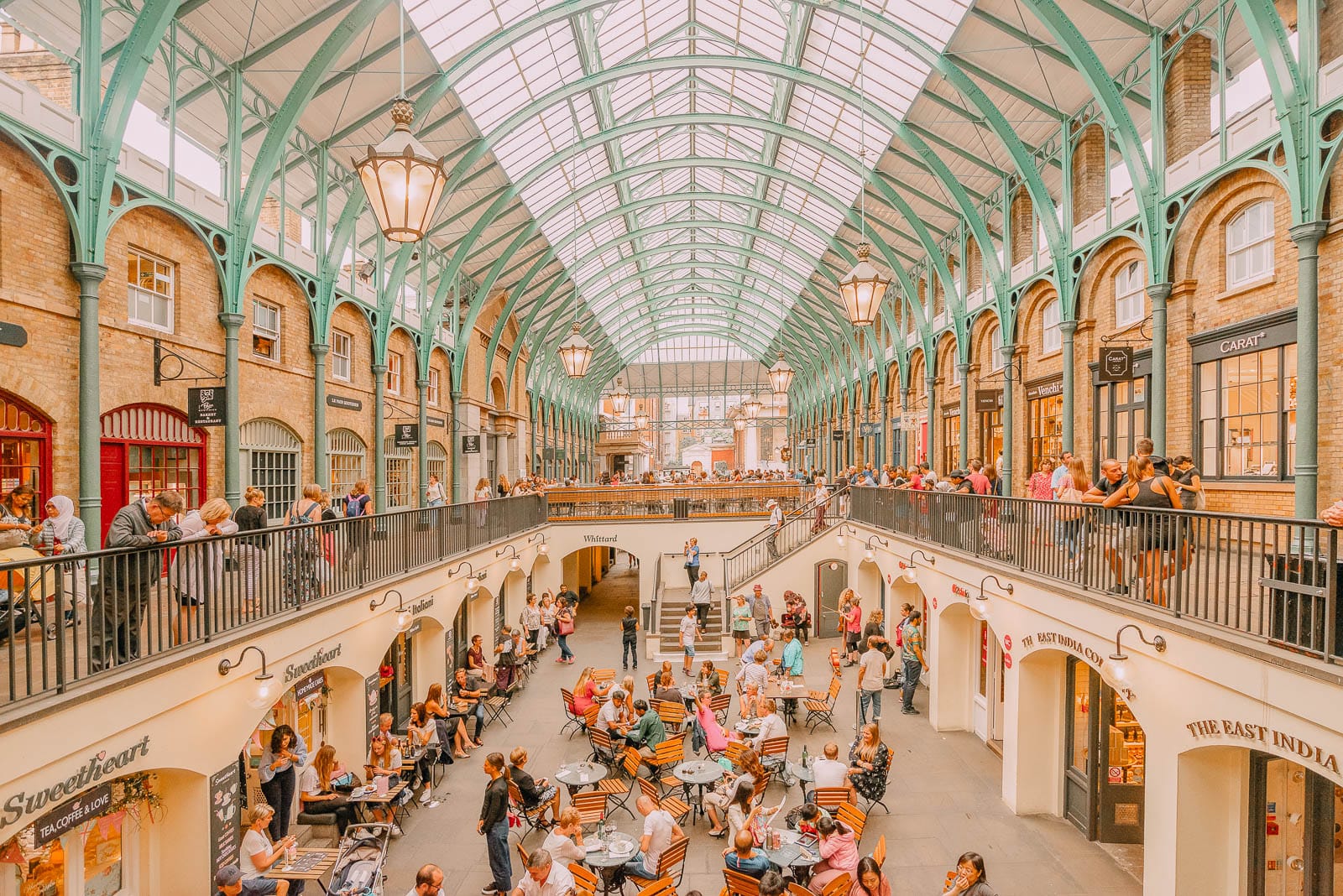
- Address:Covent Garden Piazza, London WC2E 8RF
- Nearest Tube:Covent Garden or Leicester Square
- Best for:Shopping, street performers, restaurants and evening atmosphere
- Time needed:45 minutes to 1.5 hours
Covent Garden is a lively West End area centred around a historic market building and open piazza. It is known for shops, cafés, restaurants and street performers. It works well in the evening or after visiting Trafalgar Square, the British Museum or Somerset House.
34. Somerset House
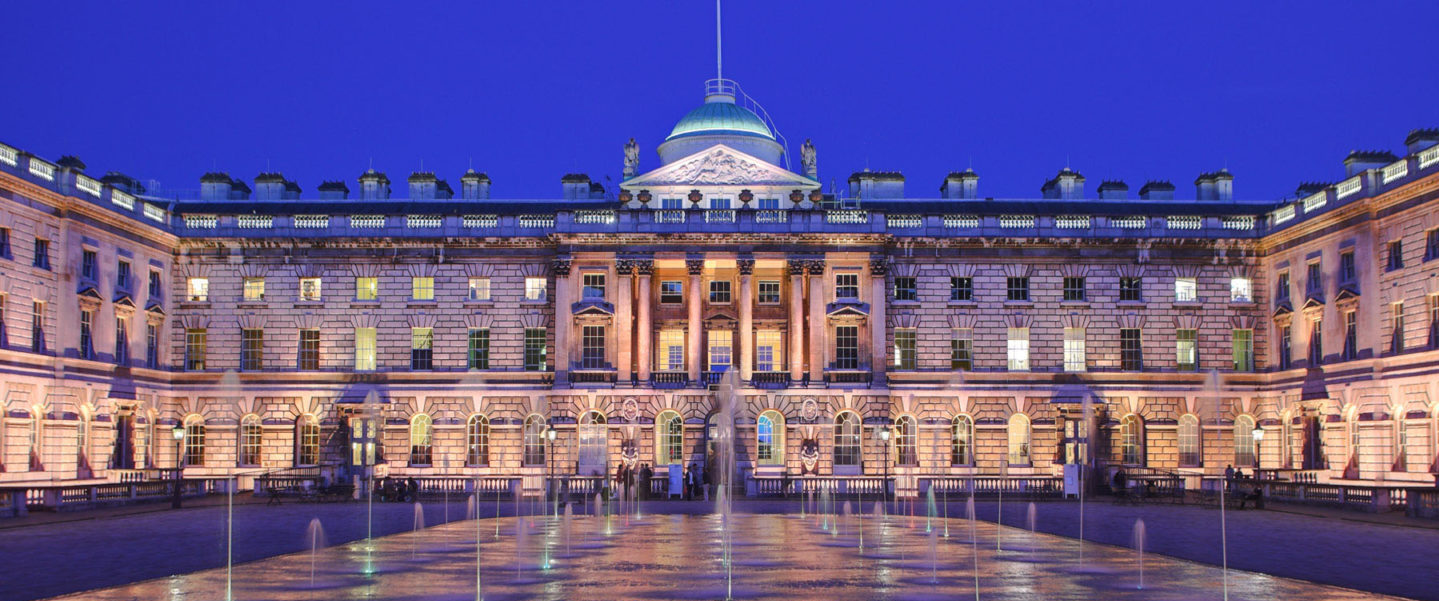
- Address:Strand, London WC2R 1LA
- Nearest Tube:Temple, Covent Garden or Charing Cross
- Best for:Architecture, exhibitions, courtyards, culture and seasonal events
- Time needed:30 minutes to 1.5 hours
Somerset House is a grand historic building built around a large courtyard. Today it is used for arts, culture and events. The courtyard is especially attractive in summer with fountains and in winter when seasonal events make it feel festive. It fits well with Covent Garden and the Strand.
35. Piccadilly Circus
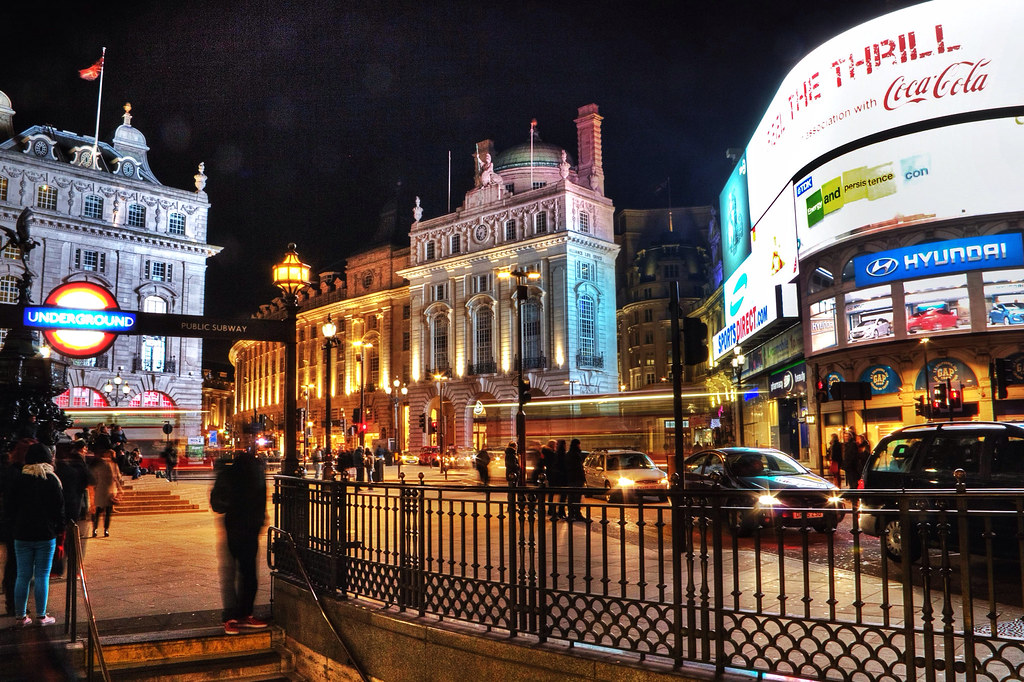
- Address:Piccadilly Circus, London W1J 9HS
- Nearest Tube:Piccadilly Circus
- Best for:Evening lights, West End energy, shopping streets and nightlife
- Time needed:15 to 30 minutes
Piccadilly Circus is a busy road junction famous for bright digital screens, crowds and constant movement. It sits close to Soho, Regent Street, Leicester Square and the theatre district. It is not a long stop, but it is useful for feeling the energy of central London at night.
Before heading into the West End at night, you can check a Piccadilly live webcam viewto see the current street atmosphere.
36. Leicester Square
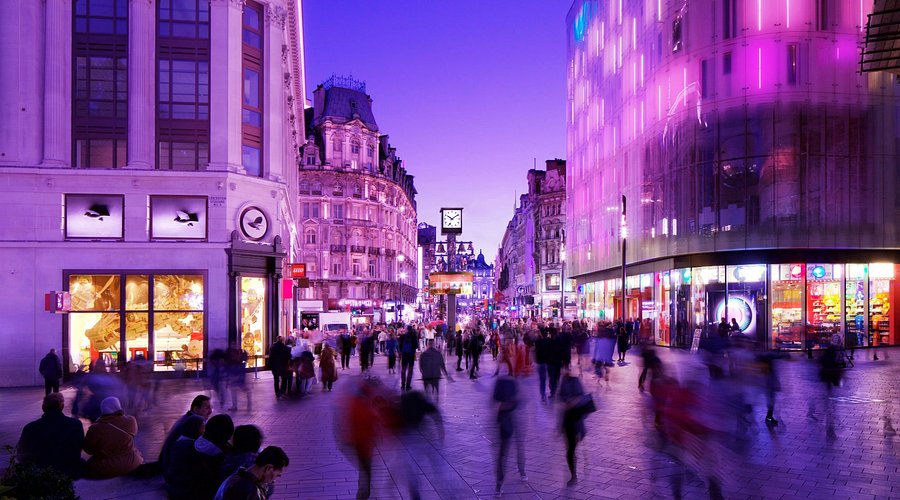
- Address:Leicester Square, London WC2H 7NA
- Nearest Tube:Leicester Square
- Best for:Cinemas, entertainment, nightlife and West End walks
- Time needed:20 to 45 minutes
Leicester Square is the heart of London’s cinema and entertainment district. It is known for film premieres, cinemas, restaurants and busy evening crowds. It pairs naturally with Covent Garden, Chinatown, Soho and Piccadilly Circus.
37. King’s Cross Station And Platform 9¾
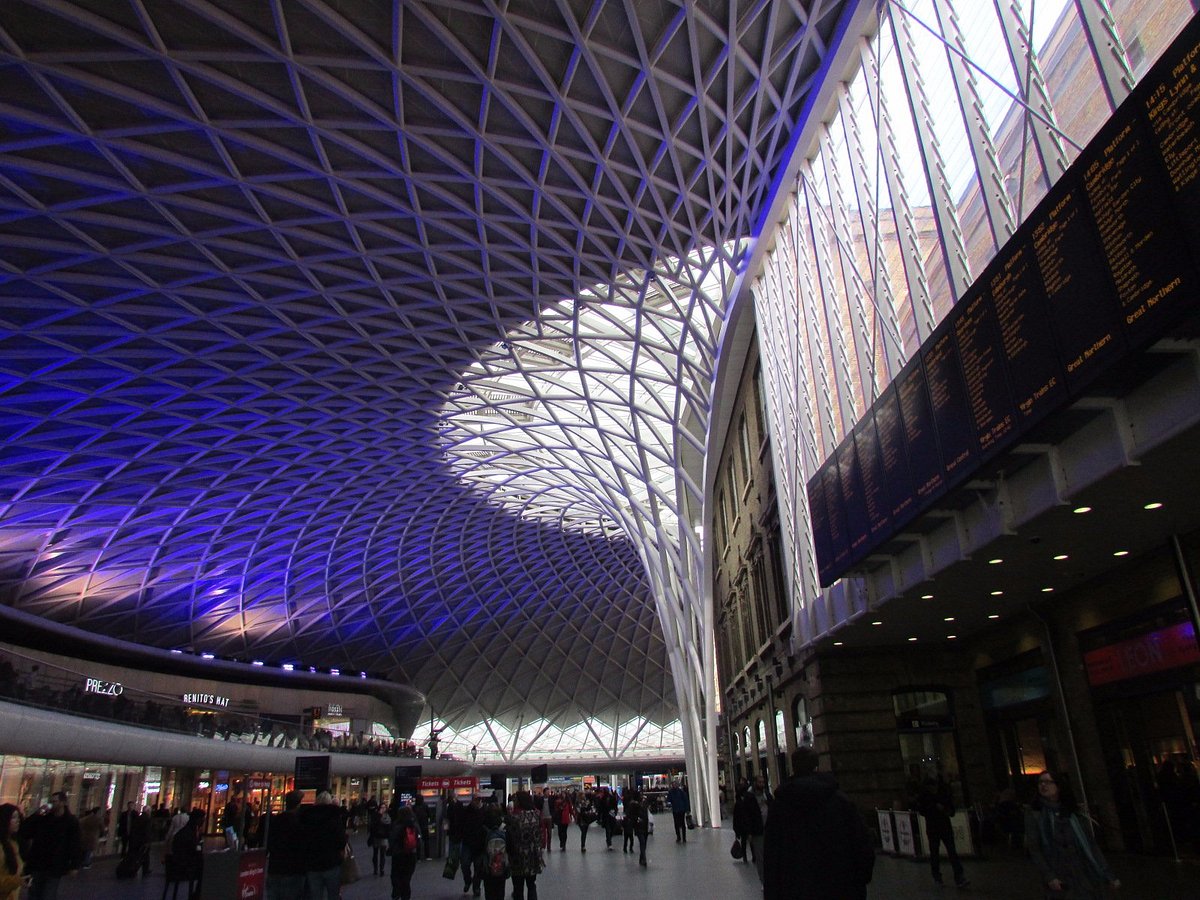
- Address:King’s Cross Station, Euston Road, London N1 9AL
- Nearest Tube:King’s Cross St Pancras
- Best for:Harry Potter fans, station architecture and transport connections
- Time needed:20 to 45 minutes; longer if queuing for the photo spot
King’s Cross is one of London’s major train stations and is especially popular with Harry Potter fans because of the Platform 9¾ photo spot. It is easy to combine with nearby St Pancras International. This is a quick and fun stop rather than a full sightseeing activity.
38. St Pancras International
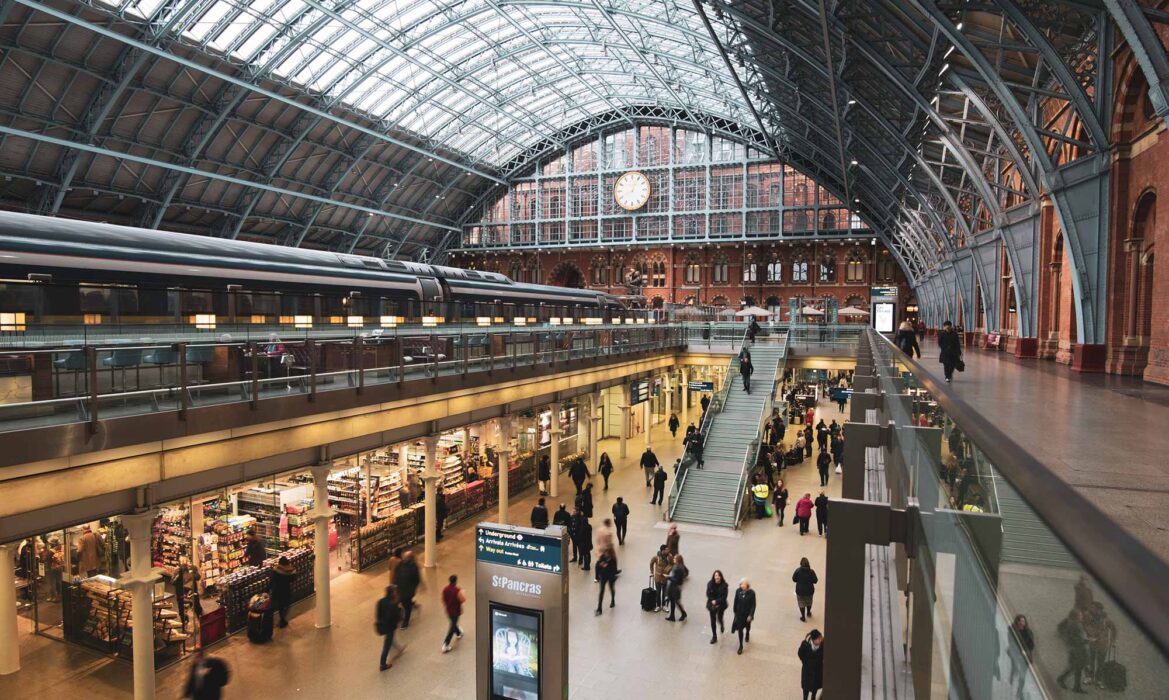
- Address:Euston Road, London N1C 4QP
- Nearest Tube:King’s Cross St Pancras
- Best for:Victorian architecture, station photography and train travel atmosphere
- Time needed:20 to 45 minutes
St Pancras International is one of London’s most beautiful railway stations. Its red-brick Gothic exterior and large arched train shed make it worth seeing even if you are not taking a train. It pairs perfectly with King’s Cross next door.
Group 5: Market London - Food, Browsing And Local Energy
Best for casual meals, street food, local neighbourhoods, photography and relaxed exploring.
One market per day is usually enough. Markets can be excellent, but they are often crowded, especially around lunch and weekends. Go earlier if you dislike queues.
39. Camden Market
- Address:Camden Lock Place, London NW1 8AF
- Nearest Tube:Camden Town
- Best for:Street food, alternative fashion, music culture and lively crowds
- Time needed:1 to 2 hours
Camden Market is one of London’s most energetic market areas. It has food stalls, small shops, vintage clothing, souvenirs and music-related culture. It pairs well with Regent’s Park or Primrose Hill if you want to balance crowds with green space.
40. Portobello Road Market
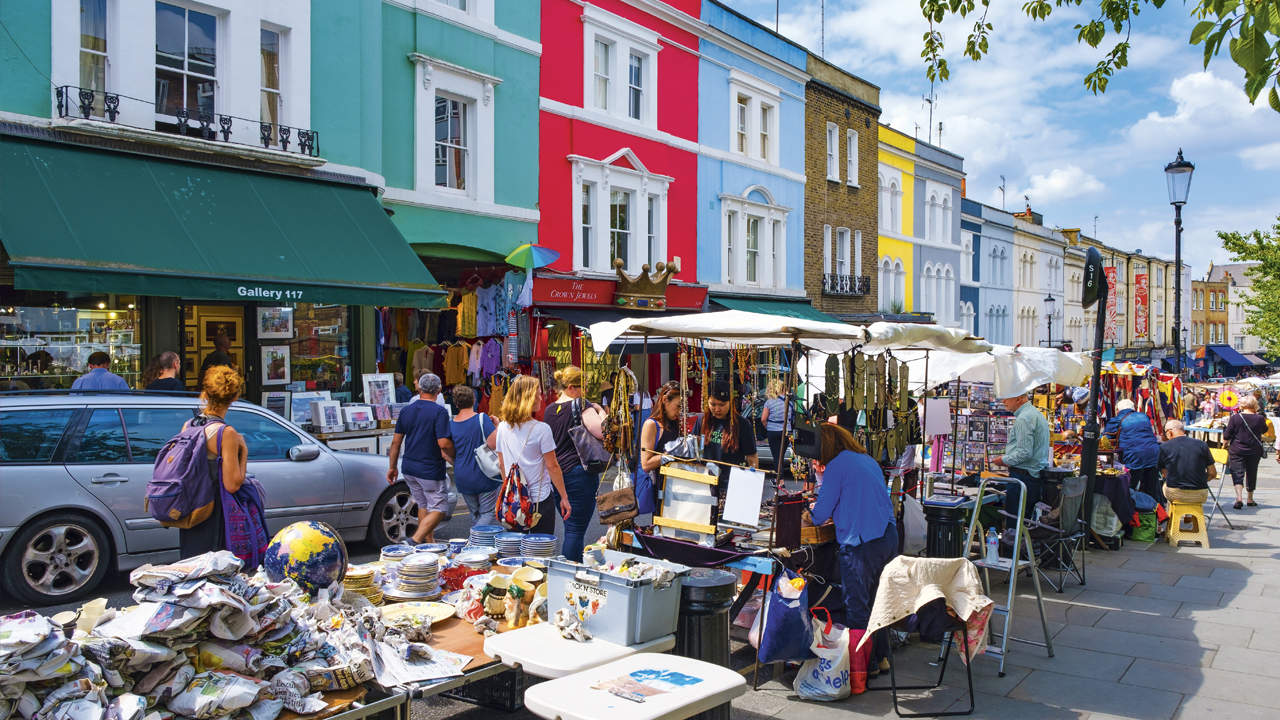
- Address:Portobello Road, Notting Hill, London W11
- Nearest Tube:Notting Hill Gate or Ladbroke Grove
- Best for:Antiques, colourful streets, photos and neighbourhood browsing
- Time needed:1 to 2 hours
Portobello Road Market is best known for antiques, vintage items, colourful houses and Notting Hill atmosphere. It is especially popular on Saturdays. It works well as a slower neighbourhood morning or afternoon rather than a rushed stop.
41. Spitalfields And Brick Lane
- Address:Spitalfields Market, London E1 6AA; Brick Lane, London E1
- Nearest Tube:Liverpool Street, Aldgate East or Shoreditch High Street
- Best for:Food, street art, vintage shops, curry houses and East London energy
- Time needed:1.5 to 3 hours
Spitalfields and Brick Lane make a strong East London market route. Spitalfields has a covered market with food, shops and design stalls, while Brick Lane is known for street art, vintage stores and food. This area pairs well with Shoreditch or the City of London.
42. Greenwich Market
- Address:5B Greenwich Market, London SE10 9HZ
- Nearest Tube/DLR:Cutty Sark for Maritime Greenwich
- Best for:Food, crafts, relaxed browsing and Greenwich sightseeing
- Time needed:45 minutes to 1.5 hours
Greenwich Market is a good add-on to a Greenwich day. It has food stalls, crafts, gifts and small independent shops. It pairs well with Cutty Sark, Greenwich Park and the Royal Observatory.
Group 6: Green London - Parks, Gardens And Breathing Space
Best for breaks, families, walking, picnics, views and slow travel.
London parks are not just filler. They make an itinerary more enjoyable and stop the trip from becoming too tiring.
43. Hyde Park
- Address:Hyde Park, London W2 2UH
- Nearest Tube:Hyde Park Corner, Marble Arch, Lancaster Gate or Knightsbridge
- Best for:Walking, picnics, families, lake views and open space
- Time needed:45 minutes to 2 hours
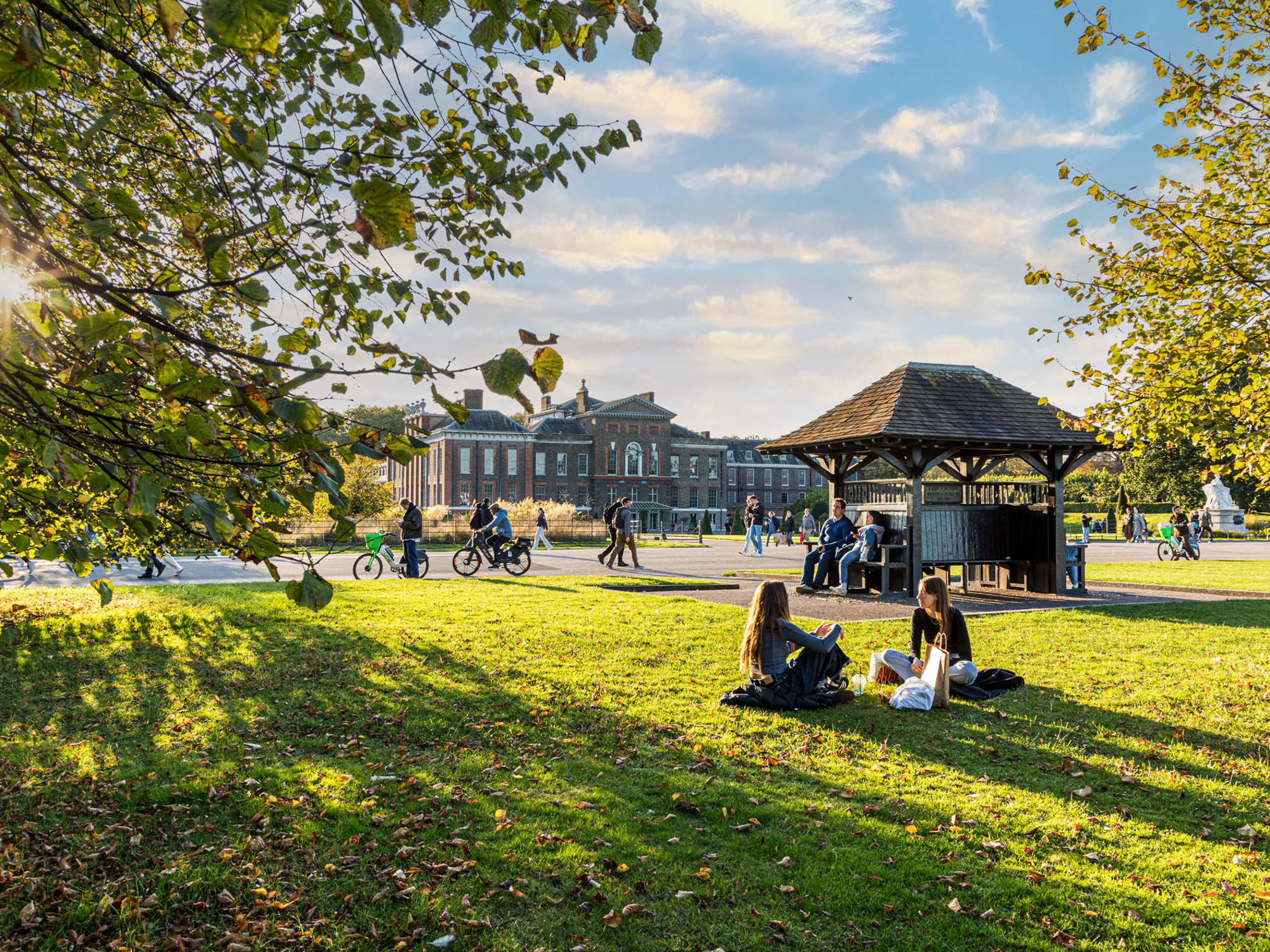
Hyde Parkis one of London’s largest and most famous parks. It has wide lawns, tree-lined paths, the Serpentine lake and landmarks such as Speaker’s Corner and the Diana Memorial Fountain. It works well with South Kensington, Mayfair or Kensington Gardens.
44. Kensington Gardens
- Address:Kensington Gardens, London W2 2UH
- Nearest Tube:Queensway, High Street Kensington or Lancaster Gate
- Best for:Gardens, royal history, walking and peaceful breaks
- Time needed:45 minutes to 1.5 hours
Kensington Gardens sits beside Hyde Park but has a slightly quieter and more formal feel. It is home to Kensington Palace, the Italian Gardens and peaceful walking paths. It is a good place to slow down after South Kensington museums.
45. Kensington Palace
- Address:Kensington Gardens, London W8 4PX
- Nearest Tube:High Street Kensington or Queensway
- Best for:Royal history, gardens, exhibitions and Princess Diana connections
- Time needed:1.5 to 2.5 hours inside; 30 to 60 minutes for gardens only
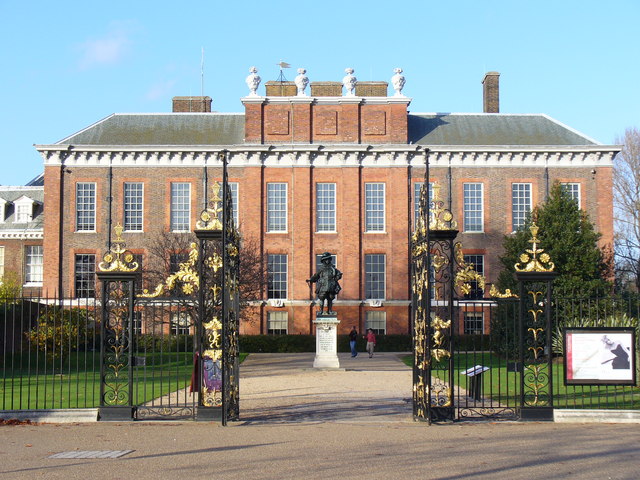
Kensington Palace is a working royal residence with historic state rooms, exhibitions and gardens. It offers a more personal royal-history experience than Buckingham Palace because the setting feels smaller and calmer. It is best grouped with Kensington Gardens and Hyde Park.
46. Regent’s Park
- Address:Regent’s Park, London NW1 4NR
- Nearest Tube:Regent’s Park, Baker Street or Great Portland Street
- Best for:Gardens, picnics, families, walking and Primrose Hill access
- Time needed:1 to 2 hours
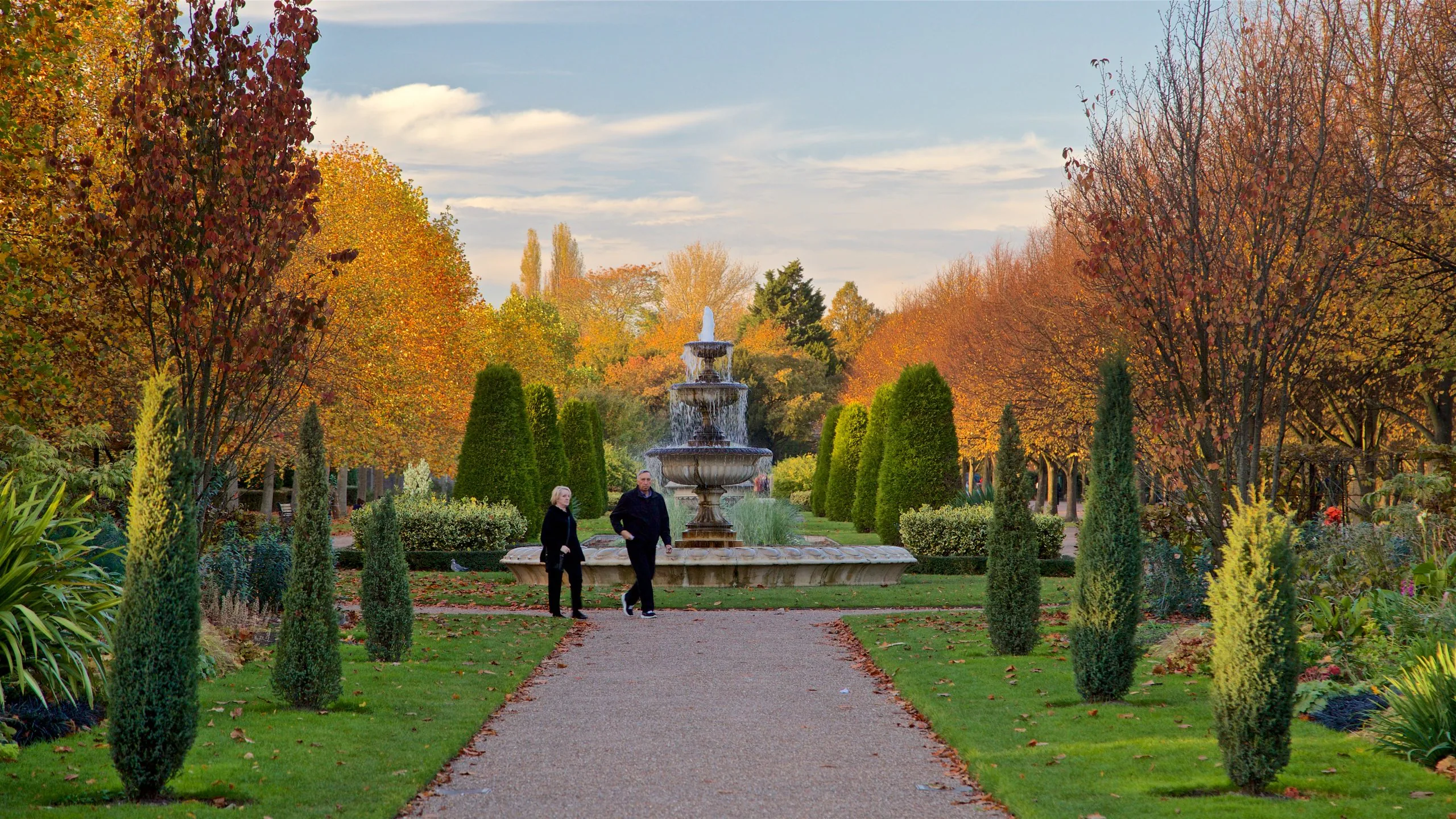
Regent’s Park is a beautiful royal park with open lawns, formal gardens, lakes and wide paths. Queen Mary’s Gardens is especially popular in late spring and summer. The park also connects well with London Zoo, Camden and Primrose Hill.
47. London Zoo

- Address:Regent’s Park, London NW1 4RY
- Nearest Tube:Camden Town, Regent’s Park or Baker Street
- Best for:Families, animals, conservation and children
- Time needed:2.5 to 4 hours
London Zoo is one of the world’s oldest scientific zoos and is set inside Regent’s Park. It has themed animal areas, reptiles, birds, big cats, penguins and conservation-focused exhibits. It is a strong family attraction and works best as a half-day visit.
48. Greenwich Park
- Address:Greenwich Park, London SE10 8QY
- Nearest Tube/DLR:Cutty Sark for Maritime Greenwich
- Best for:Skyline views, walking, picnics and Greenwich sightseeing
- Time needed:1 to 2 hours
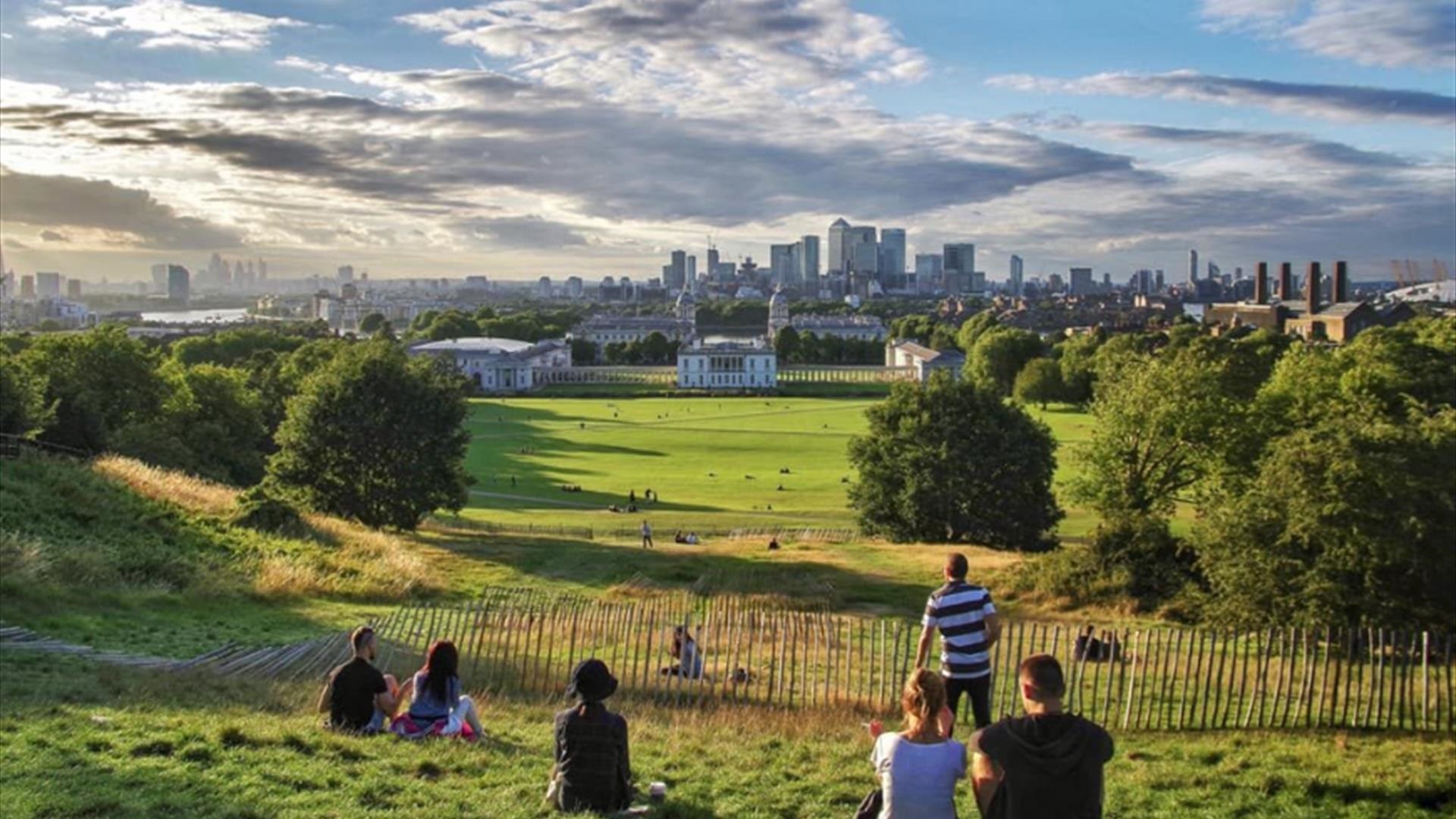
Greenwich Park is one of London’s best parks for views. From the hill near the Royal Observatory, visitors can see the Thames, Canary Wharf and the London skyline. It is best combined with the Royal Observatory, Cutty Sark and Greenwich Market.
49. Royal Observatory Greenwich
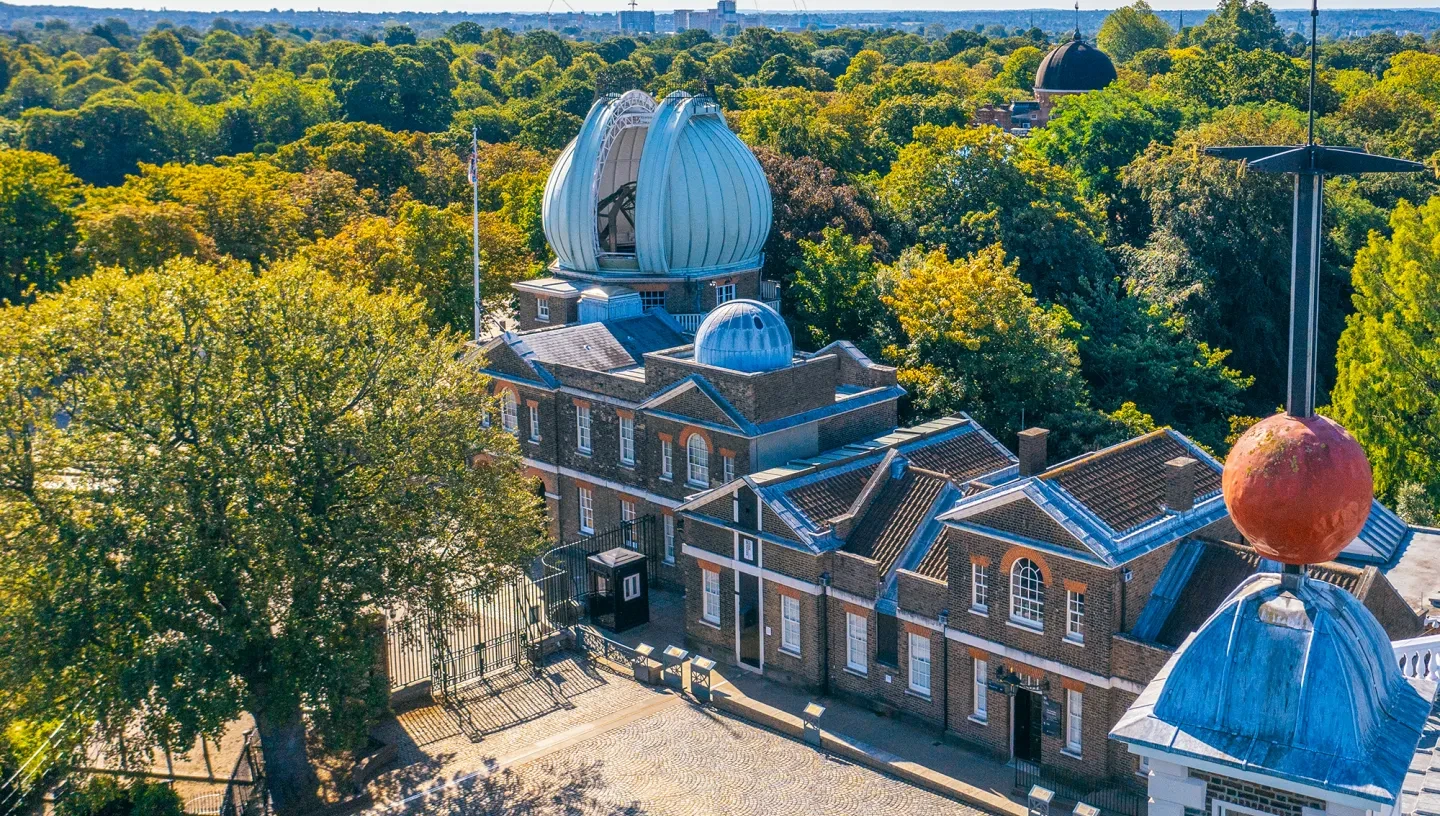
- Address:Greenwich Park, London SE10 8XJ
- Nearest Tube/DLR:Cutty Sark for Maritime Greenwich
- Best for:Time history, science, Prime Meridian photos and skyline views
- Time needed:1 to 2 hours
The Royal Observatory is famous for the Prime Meridian line, which marks zero degrees longitude. Visitors can stand with one foot in the eastern hemisphere and one in the western hemisphere. The hilltop location also gives one of the best wide views in London.
50. Kew Gardens
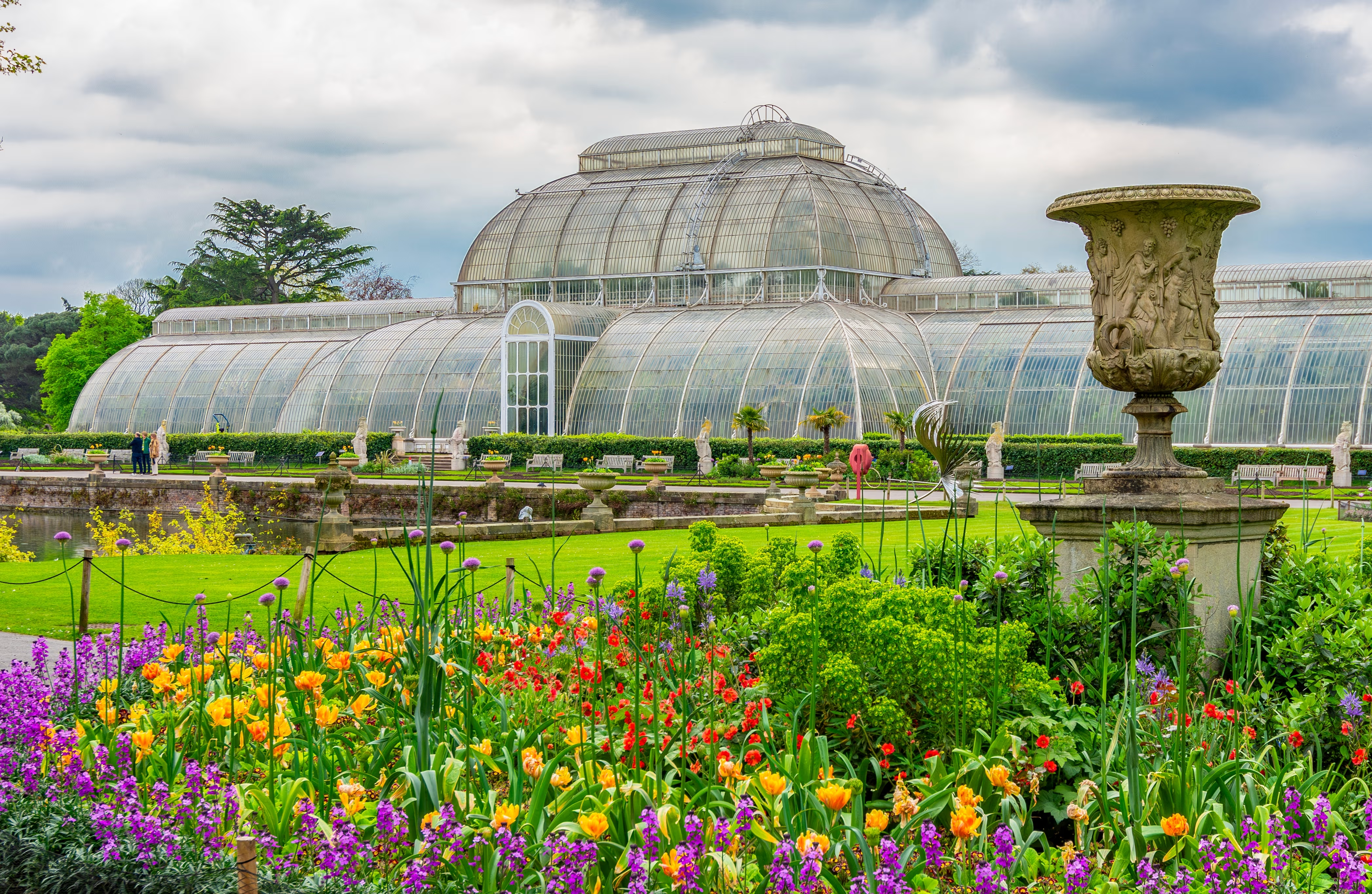
- Address:Kew, Richmond, London TW9 3AE
- Nearest Tube/Train:Kew Gardens
- Best for:Gardens, plants, glasshouses, peaceful walks and slow travel
- Time needed:3 hours to a full day
Kew Gardensis London’s great botanical garden and one of the most important plant collections in the world. Highlights include the Palm House, Temperate House, treetop walkways, lakes and wide lawns. It is not a quick central-London stop, but it is excellent for a slower day.
What To Prioritise If You Have Limited Time
If you have one or two days, prioritise:
- Westminster and St James’s Park.
- South Bank riverside walk.
- Tower Bridge and Tower of London area.
- One major museum.
- One market or neighbourhood.
- One evening area such as Covent Garden, Soho or South Bank.
Skip or save for later:
- Hampton Court Palace.
- Kew Gardens.
- Wembley.
- Abbey Road.
- The O2.
- Multiple viewpoints.
- More than one large museum in a day.
- Day trips before seeing core London.
Takeaway:what to do in London depends on time and location. Choose clusters first, then attractions.
Best London For Food
London food is strongest when you mix markets, immigrant food cultures, casual cafés, and one or two special meals.
Restaurant prices and menus change, so treat these as planning examples rather than fixed recommendations. Data as of June 2026; check current menus before booking.
Budget Eats
- Dishoomis known for Bombay-style café food, breakfast naan rolls, biryanis, and chai. Expect queues at busy branches.
- Padellais known for fresh pasta and strong value, especially around Borough Market and Shoreditch.
- Mangal Ocakbasiis a Turkish charcoal grill in Dalston with kebabs, meze, and grilled vegetables.
- Beigel Bakeon Brick Lane is famous for salt beef bagels and late-night opening.
- Viet Grilland nearby Vietnamese restaurants around Shoreditch and Hoxton show the strength of London’s Vietnamese food scene.
Mid-range
- St Johnis known for British nose-to-tail cooking, especially around Smithfield and Spitalfields.
- Baois known for Taiwanese steamed buns, fried chicken, and casual small plates.
- Kilnin Soho focuses on Thai cooking with bold heat, smoke, and counter seating.
- Lyle’sin Shoreditch is known for seasonal British cooking.
- Koyais a strong Soho choice for udon and casual Japanese food.
Splurge-worthy Meals
- Sketchis known for design-led dining rooms and afternoon tea.
- The River Caféin Hammersmith is a landmark Italian restaurant by the Thames.
- Gymkhanais a high-end Indian restaurant in Mayfair.
- Ikoyiis known for high-end creative cooking influenced by West African ingredients.
For special meals, book early and check cancellation policies. London’s best-known restaurants can fill weeks or months ahead.
How To Get Around Efficiently
This section explains how to move around London without wasting time or overspending. Transport is part of the trip strategy, not an afterthought.
For a deeper breakdown of contactless, Oyster, buses, Tube routes, caps and airport travel, use our guide to how to get around London.
Use public transport between areas, then walk inside each area.
The Simple Rule: Tube Between Areas, Walk Within Areas
Use the Tube, Elizabeth line, DLR or rail for longer journeys. Use walking for compact central areas.
Often-walkable pairs include:
- Westminster to St James’s Park.
- Leicester Square to Covent Garden.
- Covent Garden to Soho.
- Trafalgar Square to Embankment.
- St Paul’s to Tate Modern via Millennium Bridge.
- Tower Bridge to Borough Market.
- South Kensington museums to Hyde Park.
The Tube map is not geographic, so nearby stations can look farther apart than they are.
Contactless, Oyster And Fare Capping
For many visitors, contactless payment is the easiest way to travel. TfL’s visitor payment guidanceexplains that visitors can pay as they go using contactless, Oyster or Visitor Oyster.
Use the same card, phone, watch or Oyster for every journey. If you tap in with one device and tap out with another, the system may treat them as separate payments.
TfL’s 2026 fare information states that bus and tram fares are frozen until 5 July 2026, and pay-as-you-go caps and Travelcard prices are frozen until 2027. Data as of June 2026; check TfL before travel.
For Zones 1–2, TfL’s 2026 adult fare tables list the daily cap as £8.90 and the weekly cap as £44.70. Data as of June 2026; verify before publishing or travelling.
When To Use Buses
Buses are slower than the Tube for long distances but better for views and short hops.
Use buses when:
- You are not in a hurry.
- You want to see streets and landmarks.
- The Tube route needs awkward changes.
- You are travelling only a short distance.
- You want a lower-cost scenic ride.
Classic central bus routes can pass major sights, but route numbers and services can change. Check TfL before relying on a specific route. Data as of June 2026.
When To Use River Services
River services are best when the journey is part of the experience.
Use the river for:
- Westminster to Tower.
- Bankside to Tower.
- Canary Wharf.
- Greenwich.
- Sightseeing without a full tour.
The river is usually not the cheapest or fastest option, but it can be one of the most memorable.
Airport Transfers
Choose your airport route based on where you are staying, not just which airport you land at. If you are still comparing Heathrow, Gatwick, Stansted, Luton and London City routes, use our London airport guidebefore booking transfers.
After a long flight, the easiest route is often the one with the fewest awkward changes.
- Heathrow works well with the Elizabeth line, Piccadilly line, Heathrow Express or taxi depending on your destination.
- Gatwick usually connects by rail to central London.
- Stansted often connects through Liverpool Street.
- Luton usually needs rail or coach planning.
- London City Airport works well for Canary Wharf, Greenwich, the City and East London.
Check TfL, National Rail or the airport’s official travel page before you travel, especially if you arrive late, have heavy luggage or are travelling during engineering works.
Accessibility And Step-Free Planning
Do not assume every Tube station is step-free. Check TfL’s accessibility tools if stairs, escalators, lifts, platform gaps or mobility needs matter.
Buses can be useful for step-free boarding, but traffic affects timing.
Common Transport Mistakes
Avoid these first-time mistakes:
- Buying paper single tickets without checking pay-as-you-go options.
- Using different cards or devices for the same day’s travel.
- Taking the Tube for a journey that is quicker on foot.
- Travelling with luggage at peak commuting times.
- Standing on the left side of escalators.
- Forgetting weekend engineering works.
- Assuming every station has lifts.
- Ignoring the journey back to your hotel after a late show.
Takeaway:the most efficient London transport plan is not complicated: tap correctly, walk short central routes and check TfL before important journeys.
Typical Costs And Mistakes To Avoid
London can be expensive, but first-time visitors can control costs by mixing free sights with selective paid experiences.
The biggest cost is usually accommodation. Staying near useful transport can be better value than choosing the cheapest room far from your daily routes.
Transport is easier to manage if you use contactless or Oyster pay-as-you-go, walk short central routes and avoid unnecessary taxis.
Food costs vary widely. Markets, cafés, supermarket meal deals and neighbourhood restaurants are usually better value than eating beside major landmarks.
Attractions are easier to budget when you choose one paid anchor per day and balance it with free museums, parks, walks or markets.
Common budget mistakes include:
- Booking accommodation far from good transport.
- Paying for several viewpoints on one short trip.
- Taking taxis because the daily route is badly planned.
- Eating every meal beside major attractions.
- Booking too many timed tickets with no buffer.
- Forgetting restaurant service charges.
- Ignoring airport transfer costs.
- Leaving theatre or attraction tickets until the last minute.
A simple first-time rule works well: plan one paid experience, one free anchor and one flexible walking route each day.
Seasonal Planning
London is worth visiting year-round, but each season changes how you should plan your days.
Spring and autumn are usually the easiest sightseeing seasons because the weather is milder and crowds are often more manageable than peak summer.
Summer brings longer days, outdoor events and bigger crowds. Book popular attractions and hotels earlier if you are travelling during school holidays.
Winter is strong for museums, theatre, festive lights and indoor plans, but daylight is shorter and weather can feel damp.
Check the forecast before outdoor-heavy days and keep one museum, gallery or covered market as a backup.
Safety, Phones And Packing
London is a major city, so use normal urban awareness. Keep your phone secure, especially near roads, station exits, busy crossings and outdoor tables, and follow the Metropolitan Police phone safety adviceif you are worried about theft.
Practical habits help:
- Step inside a shop or café before checking maps.
- Use zipped pockets or a secure cross-body bag.
- Avoid unofficial ticket sellers.
- Plan late-night routes before leaving a venue.
- Use licensed taxis, black cabs or reputable ride-hailing services.
- Call 999 or 112 in an emergency.
Pack for long walking days and changeable weather. Bring comfortable shoes, layers, a light waterproof jacket, a portable charger, a UK Type G plug adapter, a backup payment card and a refillable water bottle.
Takeaway:London is easier and cheaper when you plan by area, use free anchors, protect your phone and leave space between commitments.
Cultural Norms & Etiquette
London etiquette is mostly about movement and personal space.
- Escalators:stand on the right and keep the left clear.
- Tube:let passengers off before boarding. Move down inside the carriage. Keep bags out of aisles.
- Queuing:join the back. If unsure where the queue starts, ask.
- Pubs:order at the bar unless table service is clearly offered.
- Tipping:check the bill for service charge. If none is included, 10–12.5% for good restaurant service is common. You do not need to tip every time you order at a pub bar.
- Walking:step aside before checking maps or taking photos.
Technology Use In London
The right apps make London easier.
Useful apps include:
- TfL Gofor official transport planning and live status.
- Citymapperfor route comparisons across Tube, bus, walking, cycling, and rail.
- Google Maps or Apple Mapsfor walking and place searches.
- National Railfor train journeys beyond London.
- WhatsAppfor messaging restaurants, hotels, and contacts.
- OpenTable, Resy, and TheForkfor restaurant reservations.
- TodayTixfor theatre ticket deals and lotteries.
Wi-Fi, Data And Plug Adapters
Most hotels, cafés, museums and major stations in London offer Wi-Fi, but mobile data is useful for maps, tickets and live transport updates. If your phone supports eSIMs, setting one up before arrival can be easier than buying a local SIM after landing.
The UK uses Type G three-pin plugs. Bring a UK adapter, and check that your devices support UK voltage before plugging them in.
Accommodation Options In London
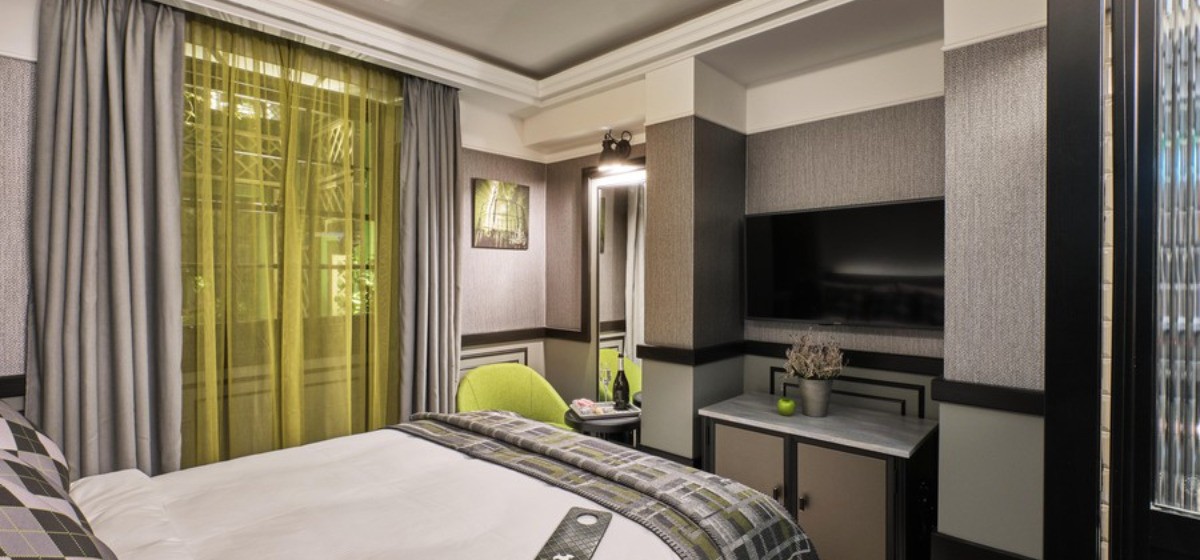
London has accommodation for almost every budget, from luxury hotels and serviced apartments to budget chains, hostels, guesthouses and short-stay rentals. For first-time visitors, location matters more than the property type. A simple hotel near a useful Tube or rail station is often better than a cheaper room far from the areas you plan to visit.
For a fuller comparison by trip style, budget and transport links, see our guide to the best areas to stay in London.
Hotels are the easiest choice for short trips, especially in central areas such as Westminster, South Bank, Covent Garden, Bloomsbury, South Kensington and King’s Cross.
Budget-conscious visitors can look at well-known chains such as Premier Inn, Travelodge, easyHotel or hub by Premier Inn, while families and longer-stay travellers may prefer serviced apartments or aparthotels. Hostels can also work well for solo travellers who want central locations at lower prices.
Before booking, check the nearest station, journey times to your main sights, late-night transport options and whether breakfast, luggage storage or cancellation flexibility is included.
Suggested First-Time Plan
The best first-time plan balances landmarks, the river, history, museums, parks, food and one local-feeling neighbourhood.
One Day In London
Keep one day central and focused.
- Morning:Westminster, Big Ben, Parliament Square, Westminster Abbey exterior or visit, St James’s Park and Buckingham Palace.
- Afternoon:South Bank riverside walk, London Eye area, Tate Modern exterior or visit, Millennium Bridge and Borough Market.
- Evening:Covent Garden, Soho, South Bank or a West End theatre plan.
Do not add Greenwich, Camden, Kew, Hampton Court or a day trip to a one-day London plan.
Two Days In London
Use two days to add the Tower area and the City.
- Day one:Westminster, St James’s Park, Buckingham Palace, Trafalgar Square, Covent Garden and South Bank.
- Day two:Tower of London, Tower Bridge, Borough Market, the City, St Paul’s Cathedral and Millennium Bridge.
If museums matter more than the Tower, swap part of day two for the British Museum or South Kensington.
Three Days In London
Three days is the strongest first-time minimum.
- Day one:Classic London and South Bank.
- Day two:Tower Bridge, Tower of London, Borough Market, the City and St Paul’s.
- Day three:South Kensington museums, Hyde Park or Kensington Gardens, then Notting Hill, Marylebone or theatre.
This gives you landmarks, history, river views, museums, parks and one neighbourhood without rushing too much.
Four Days In London
Use the fourth day for a slower or more personal choice.
Choose one:
- Greenwich for maritime history, park views and a village feel.
- Camden for markets, music history and alternative culture.
- Shoreditch for street art, food and nightlife.
- Kew Gardens for a slower green day.
- Hampton Court for Tudor history.
- West End for theatre, restaurants and evening energy.
Do not add a day trip until you have given central London enough time.
What To Book Before You Go
Book anything where a bad time slot could damage your day.
Book ahead for:
- Tower of London.
- Westminster Abbey.
- London Eye.
- Sky Garden slots.
- The Shard.
- Theatre.
- Popular restaurants.
- Special exhibitions.
- Timed museum entry during busy periods.
- Kew Gardens or Hampton Court if they are central to your plan.
- Airport transfer if arriving late or with heavy luggage.
FAQs About London City Guide
What Should First-time Visitors Know About London?
First-time visitors should plan London by area, not by isolated attractions. Start with Westminster, South Bank, the City, South Kensington, one Royal Park and one neighbourhood that fits your interests.
What Are The Main Areas To Understand?
The main visitor areas are Westminster, South Bank, the City, South Kensington, Bloomsbury, Covent Garden, Soho, Greenwich, Camden, Shoreditch and Notting Hill.
How Should You Get Around?
Use the Tube, Elizabeth line, DLR or rail between areas, then walk inside each area. Use the same contactless card, device or Oyster card for every journey.
What Should You Prioritise If You Have Limited Time?
Prioritise Westminster, St James’s Park, South Bank, Tower Bridge, one major museum, one market and one evening area. Skip distant extras, multiple viewpoints and day trips until you have covered the central first-time route.
What Should You Book Before Visiting London?
Book major paid attractions, theatre, popular restaurants, special exhibitions and timed museum entry during busy periods. Always verify ticket rules on official pages before travel.
Is London Expensive For First Timers?
London can be expensive, mainly because of accommodation, restaurants and paid attractions. You can reduce costs by using free museums, Royal Parks, walking routes, markets, buses, supermarket meal deals and pay-as-you-go fare capping.
Where Should First-time Visitors Stay?
First-time visitors should stay near a useful Tube, rail or Elizabeth line station. Westminster, South Bank, Covent Garden, Bloomsbury, South Kensington, Marylebone, Paddington and King’s Cross are practical choices depending on budget and interests.
How Many Days Do You Need In London?
Three to four days is a strong first-time London trip length. It gives you time for Westminster, South Bank, Tower Bridge, one or two museums, parks and a neighbourhood such as Greenwich, Notting Hill or Shoreditch. Two days can work, but it will feel rushed.
Do I Need To Buy An Oyster Card Before Arriving?
No. Most visitors can use contactless payment instead. Oyster may still help if you want a separate travel card or need to avoid foreign transaction fees.
Can I Drink London Tap Water?
Yes. London tap water is safe to drink. Thames Watersays more than 99.95% of tap-water tests since 2010 met the required standard, and many licensed premises provide free drinking water on request.
Final Thoughts
London becomes much easier when you stop treating it like a giant attraction list. The city works best when you choose areas, group nearby sights and leave space for walking, weather, meals and unexpected discoveries.
For a first visit, start with Westminster, South Bank, Tower Bridge, one museum, one Royal Park and one neighbourhood. Use contactless or Oyster correctly, check TfL before travel and book only the experiences where timing matters.
The best first-time London itinerary is not the busiest one; it is the one that helps you understand the city and enjoy it.
Jump to
What First-Time Visitors Need To Know
Understand London In Simple Visitor Clusters
Best Areas For Different Types Of Visitors
Top Things To Do And How To Group Them
Best London For Food
How To Get Around Efficiently
Typical Costs And Mistakes To Avoid
Cultural Norms & Etiquette
Technology Use In London
Accommodation Options In London
Suggested First-Time Plan
FAQs About London City Guide
Final Thoughts

James Rowley
Author
James Rowley is a London-based writer and researcher covering London life, cultural geography, London travel, live London webcam pages and selected public figures across entertainment, sport, business and public life.
For over 15 years, he has focused on verified sources, first-hand local context and clear explanations that help readers understand both places and people more deeply. His work combines street-level London knowledge with careful research into career credits, media work, business interests and, where relevant, transparently explained net worth estimates.
He writes and reviews articles published on LondonWebcam.
Latest Articles
Popular Articles