The London Eye: Tickets, Best Time, Views And Tips
The London Eye explained clearly: ticket options, best time to visit, what the ride feels like, how to get there and when it may not be worth it.
Author:James RowleyOct 22, 2026

The London Eye: Is It Worth Visiting And When Should You Go?
The London Eyeis worth visiting if you want a slow, central Londonskyline view, especially on a clear day or around sunset. It is less essential if your budget is tight, the weather is grey and low, or you already have a strong free viewpoint planned.
I’d treat the London Eye as a timing-sensitive experience, not just a famous landmark to tick off. The ride itself is calm and simple, but the value changes a lot depending on weather, queue length, ticket type, and where it fits in your London day.
This guide gives you the practical version: what it is, why it is famous, how tickets work, when to go, what you can see, how to get there, and when I’d honestly skip it.
Key Takeaways
- The London Eye is a 135-metre observation wheel on the South Bank, opposite Westminster.
- A full rotation takes about 30 minutes, but you should allow more time for queues, security, photos, and exit.
- It is most worth it for first-time visitors, families, skyline photos, and sunset views on a clear day.
- Book ahead for weekends, school holidays, sunset slots, and peak dates.
- Check the official London Eye ticket and opening-hours pages before booking because prices, hours, and promotions change.
- Waterloo is usually the easiest station, while Westminster gives you the more scenic bridge walk.
The London Eye At A Glance
| Planning Question | Quick Answer |
| Best for | First-time visitors, families, skyline photos, sunset views, and classic Westminster scenery |
| Ride length | About 30 minutes for one full rotation |
| Time to allow | Usually 60-90 minutes including queues, security, boarding, photos, and exit |
| Best time to go | Clear daylight for landmark spotting, sunset or golden hour for atmosphere |
| Best ticket for most visitors | Standard online ticket if your schedule is flexible |
| When fast track helps | Weekends, school holidays, sunset slots, tight itineraries, or peak travel dates |
| Easiest station | Waterloo for the simplest walk |
| Most scenic arrival | Westminster station, then walk across Westminster Bridge |
| When to skip or delay | Poor visibility, low cloud, tight budget, or if you already have a strong free viewpoint planned |
| Before booking | Check official ticket prices, opening hours, weather, accessibility rules, and discount terms |
Is The London Eye Worth It?
The London Eye is famous, but it is not automatically the right choice for every visitor, every day, or every budget.
The simple answer: the London Eye is worth it when the view matters to your trip. If you want a calm, high, central view over the Thames, Westminster, Big Ben, St Paul’s, and the wider skyline, it can feel special. If you only want a quick photo of the wheel, you can enjoy it from Westminster Bridge or the South Bank for free.
Worth It If You Are A First-Time Visitor
The London Eye works best for first-time visitors because it gives you a clean mental map of central London. From one capsule, you can understand how the Thames bends, how close Westminster is to the South Bank, and how the skyline changes from historic domes to modern towers.
It is also easy to fit into a classic first-day route. You can pair it with Westminster Bridge, Big Ben, the Houses of Parliament, Jubilee Gardens, the South Bank, and a Thames walk without crossing half the city.
For a first visit, I’d call it a strong choice if you have clear weather and enough time to enjoy the area around it, not just the ride.
If you are building a wider first-day plan, pair the Eye with other top London attractions for first-time visitorsinstead of treating it as a standalone stop.
Worth It If You Want Sunset Or Skyline Photos
The London Eye is strongest when the light is doing some of the work for you. Sunset can soften the city, pick out the river, and turn the glass capsule into a better photography platform than it feels at midday.
The catch is that sunset slots are popular and weather-sensitive. A beautiful evening can be memorable; a low-cloud evening can feel expensive for a muted view.
If skyline photos are your goal, check sunset time, cloud cover, and ticket availability before locking in your slot.
Maybe Skip It If You Hate Queues Or Have Poor Weather
The London Eye is slow and smooth once you are inside the capsule. The less relaxing part can be the wait before boarding, especially during weekends, school holidays, summer, and peak tourist periods.
Poor weather also changes the value. Rain does not automatically ruin the ride, but fog, low cloud, and heavy grey conditions can flatten the view. You may still see Westminster and the river clearly, but the long-distance skyline becomes less impressive.
A common mistake I see in London planning is booking the Eye because “it’s famous,” then squeezing it into the worst weather window of the day. If your schedule is flexible, let the sky help you choose.
London Eye Vs Free Viewpoints: Honest Comparison
Free viewpoints can be better value if your main goal is a skyline photo, so compare the best free viewpoints in Londonbefore paying mainly for the view.
The London Eye is better if you want the specific experience of rising over the Thames in a moving glass capsule.
| Choice | Best For |
| London Eye | First-timers, families, classic London views, sunset, slow sightseeing |
| Free viewpoints | Budget travellers, flexible weather planning, longer skyline viewing time |
| Thames riverside views | Photos of the London Eye itself, Westminster Bridge, Big Ben, South Bank atmosphere |
| Paid indoor viewpoints | Bad-weather backup, higher indoor skyline views, longer dwell time |
The London Eye is not the cheapest way to see London from above. It is the most recognisable, central, and gently theatrical way to do it.
What Is The London Eye?
The background matters because it helps explain why the attraction still carries so much interest and visitor demand.
The London Eye is a giant observation wheel on the South Bank of the River Thames. It stands opposite the Houses of Parliament and Big Ben, and its capsules move slowly enough for visitors to walk around, take photos, and watch the city open up gradually.
Why It Is Famous
The London Eye is famous because it changed the way people looked at central London. It gave the city a modern skyline icon beside historic Westminster, and it turned the South Bank into an even stronger visitor magnet.
Its location is a big part of the appeal. The wheel sits beside the river, near Westminster Bridge, Jubilee Gardens, County Hall, SEA LIFE London Aquarium, and the main South Bank walking route. You do not need a complicated itinerary around it; London is already happening at ground level.
It is also visually simple. Even if someone has never visited London, the white wheel beside the Thames is easy to recognise.
Why It Is Called The London Eye
The name works because the attraction acts like an eye over London. It lifts visitors above the river and gives a broad view across the capital from a central point.
That name also helped it become more than a technical structure. “Observation wheel” explains the function, but “London Eye” sounds like a landmark.
The name is now so familiar that many visitors use it as a shorthand for the whole South Bank and Westminster view.
What It Was Originally Called
The London Eye was originally known as the Millennium Wheel. That name reflected its connection to London’s millennium celebrations and its opening period around 2000.
The attraction was once tied strongly to the turn-of-the-century moment. Over time, it became a permanent London icon rather than a temporary celebration piece.
That shift is part of why it still matters. It did not fade after the millennium; it became part of the city’s visual identity.
Quick Facts About The London Eye
Here are the useful facts worth knowing before you go:
- Height: 135 metres.
- Wheel diameter: 120 metres.
- Capsules: 32, representing London’s boroughs.
- Ride length: about 30 minutes for one full rotation.
- Location: South Bank of the River Thames.
- Nearest major station: Waterloo.
- Original name: Millennium Wheel.
- Opened to passengers: March 2000.
- Designers: Marks Barfield Architects.
- View reach: up to around 40 kilometres on a clear day, according to the official London Eye site.
The facts are interesting, but the real planning question comes next: which ticket should you actually buy?
London Eye Tickets And Prices
This section helps you avoid paying for the wrong level of ticket. London Eye prices change by date, demand, booking method, and promotion, so treat every price as something to verify before checkout.
If the Eye is one of several paid attractions on your trip, compare it with your wider London visitor budgetbefore booking.
Data as of 2026: the official London Eye ticket pagelisted standard adult online tickets from £25.38 during a temporary summer VAT saving period for visits between 25 June and 1 September 2026. The same page showed the usual standard adult online “from” price as £29 and the standard adult walk-up price as £39. Online prices vary by date, capacity, demand, ticket type and promotion, so check the official London Eye ticket page for your exact visit date before booking.
Which London Eye Ticket Should You Choose?
| Visitor situation | Best ticket choice |
| Flexible schedule and normal day | Standard online ticket |
| Weekend, school holiday, sunset slot, or tight itinerary | Fast Track ticket |
| Weather-sensitive visit | Flexi ticket |
| First-time visitor wanting river + skyline views | London Eye River Cruise combo |
| Visiting several Merlin attractions already | Multi-attraction ticket |
| Budget-conscious visitor | Standard ticket or free viewpoints |
Standard Tickets
A standard ticket is the normal entry option. You choose a date and time slot, join the standard queue at that time, pass security, then board when directed.
This is the ticket I’d choose for most visitors who have a flexible day and are not visiting at the absolute busiest time. It gives you the same core view as fast track; the difference is queue priority, not the ride itself.
Standard tickets make most sense when:
- You are visiting outside the busiest school-holiday periods.
- Your schedule has buffer time.
- You are not trying to hit a tight dinner, theatre, or train time.
- The weather looks clear enough to justify the booking.
Advance online booking is usually cheaper than buying at the attraction, but prices vary by date and demand.
Fast Track Tickets
Fast track gives you priority entry through a dedicated queue. It does not give you a longer ride, a better capsule, or a different skyline.
This matters because people often buy fast track thinking it upgrades the experience itself. It mainly upgrades your waiting time.
Fast track is most useful if:
- You are visiting on a weekend.
- You are travelling during school holidays.
- You only have one tight window.
- You want sunset and cannot risk a long queue.
- You are pairing the Eye with several timed attractions.
Fast track and flexi fast-track tickets cost more than standard entry, so check the latest price before buying.
Flexi And Multi-Attraction Tickets
Flexi tickets are about freedom. The strongest use case is a visitor who wants to choose the best moment on a chosen day rather than commit to one exact time.
That flexibility can be useful in London because weather changes quickly. If the morning is flat but the evening clears, a flexible ticket can protect the experience.
Multi-attraction tickets can make sense if you already plan to visit other Merlin attractions such as Madame Tussauds, SEA LIFE London Aquarium, or The London Dungeon. They are less useful if you are adding attractions only to make the pass feel like a deal.
My rule is simple: only buy a multi-attraction ticket if those attractions were already on your plan.
London Eye River Cruise Combo
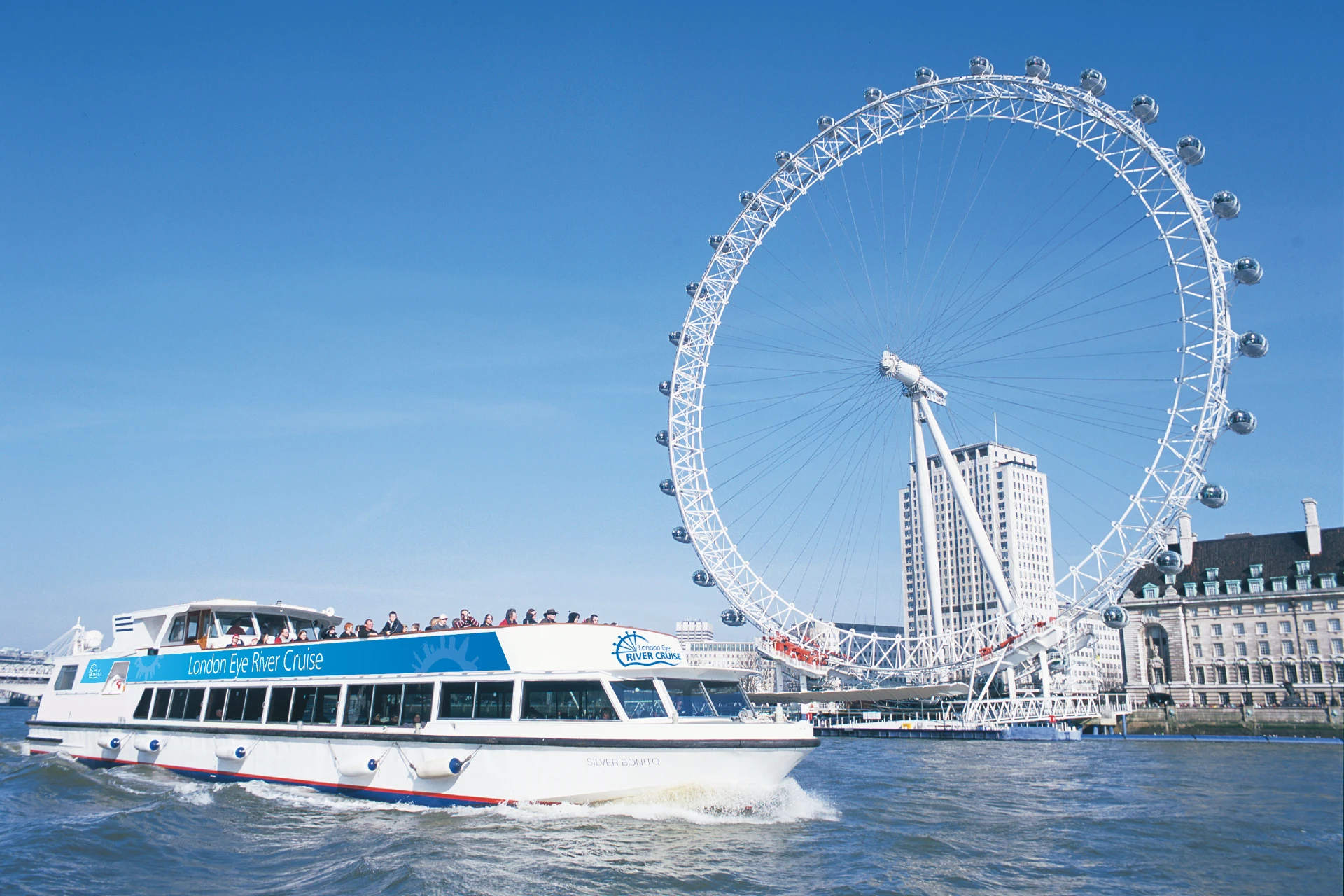
The London Eye River Cruise combo is best for first-time visitors who want both perspectives: the city from the river and the city from above. The cruise gives you movement through London; the wheel gives you the wide skyline pause.
The official London Eye River Cruise pagedescribes the cruise as a 40-minute circular sightseeing trip from London Eye Pier. It also says the river cruise booking time is the cruise departure time, and the London Eye time slot must be booked separately for combo tickets.
This is a good option if you want a compact Westminster/South Bank experience without building a full itinerary from scratch. It is not necessary if you already have another Thames cruise planned.
London Eye 2 For 1 And Rail Discounts
National Rail’s Days Out Guide has historically featured London attraction discounts, and the London Eye support pages have referenced National Rail Days Out offers.
National Rail’s Days Out Guideshowed a London Eye rail-linked discount rather than a simple universal 2-for-1 offer. Check the current National Rail Days Out Guide and the official London Eye support page before planning around a discount.
The important point: do not assume every “2 for 1 London Eye” result is current. Discount rules can depend on train tickets, dates, booking flow, excluded periods, and voucher terms.
Before You Book Checklist
Use this quick check before paying:
- Check the official ticket price for your exact date.
- Check the latest opening hours for that date.
- Look at the weather, especially cloud and visibility.
- Decide whether queue time matters enough for fast track.
- Avoid tight plans immediately after the ride.
- Confirm accessibility or wheelchair slots before booking.
- Check whether your discount is valid for your date.
- Book sunset early if that is your priority.
A London Eye ticket is easiest to enjoy when you buy it for the right reason, not just the cheapest or most expensive label.
London Eye Opening Times And How Long To Allow
The ride is about 30 minutes, but your total visit can easily take longer once you add arrival, queueing, security, boarding, exit, and photos.
Do not plan the London Eye like a 30-minute stop. Plan it like a 60-90 minute experience, with extra margin during peak periods.
Current Opening Hours
London Eye opening hours vary by season, date, events, and maintenance. The official opening-hours calendar is the source to check before you book.
The official site says closing times vary through the year and commonly fall between early evening and later evening depending on the season and day. Check the latest official London Eye opening hoursbefore travel.
This matters most if you want a night or sunset ride. Evening availability is not identical across the year, and sunset time shifts dramatically between winter and summer.
How Long The Ride Takes
A full London Eye rotation takes about 30 minutes. The movement is slow enough that it feels more like floating upward than riding a fairground wheel.
You will usually have time to move around the capsule, look toward Westminster, scan for St Paul’s, and take photos from different angles. The best moment is often near the top, but the climb and descent both give strong views.
The 30-minute ride is the easy part. The planning challenge is the time around it.
How Much Time To Allow In Real Life
For most visitors, I’d allow 60-90 minutes. That gives you breathing space for arrival, ticket checks, security, queueing, boarding, the ride, and the exit route through the shop area.
During quiet times, you may be done faster. During school holidays, summer, weekends, or around sunset, the total time can stretch.
A practical plan looks like this:
- Arrive near the South Bank 20-30 minutes before your queue time.
- Join the correct queue at your ticket time.
- Pass security and boarding checks.
- Ride for about 30 minutes.
- Allow 10-15 minutes for exit, photos, toilets, or regrouping.
If you are booking dinner, theatre, or a train after the Eye, build in more margin than you think you need.
What Your Ticket Time Actually Means
For standard entry, your ticket time is the time you join the queue, not the exact moment your capsule lifts off; the official London Eye arrival guidanceexplains how timed entry and arrival work.The official London Eye pre-booking guidance states that standard ticket holders choose a time slot and that the ticket’s designated time marks queue entry.
This is one of the most important planning details. If your ticket says 5:30pm, do not assume you will be at the top of the wheel at 5:35pm.
For photography, sunset, and onward plans, think in windows rather than exact minutes.
Best Time To Visit The London Eye
“Best time” means different things depending on whether you care about queues, sunset, family comfort, or long-distance views.
There is no single perfect slot for everyone. The best time is the one that fits the sky, the crowd level, and the kind of experience you want.
Best Time For Shorter Queues
Early in the day and later toward closing are usually better for a quieter visit. Midday and early afternoon can feel busier because they suit families, tour groups, and visitors moving along the South Bank.
The official London Eye FAQ also points visitors toward early morning or later toward closing for a quieter experience, with longer waits possible during school holidays and summer.
If short queues matter more than sunset, go early. You will have more of the day left and less pressure if boarding takes longer than expected.
Best Time For Clear Views
Clear, bright weather is more important than the exact hour. The London Eye view depends heavily on visibility, especially if you want to spot distant landmarks.
A crisp winter morning can beat a hazy summer afternoon. A bright but cloudy day can still be worthwhile for Westminster and the Thames, but it may not give you the far-reaching skyline you imagined.
If your ticket is flexible, choose the clearest part of the day rather than the most famous time of day.
Before committing to a weather-sensitive slot, check London live webcamsfor real-time signs of cloud, rain, visibility, and crowd conditions near central landmarks.
Best Time For Sunset
Sunset is the most atmospheric time to ride the London Eye. The river catches the light, Westminster looks more dramatic, and the city starts to glow.
The challenge is timing. Your ticket time is queue entry, not guaranteed top-of-wheel time, so book with enough margin. If sunset is at 7:55pm, a 7:30pm queue entry may not put you exactly where you want to be.
For sunset, I’d choose a slightly earlier slot rather than risk joining too late and watching the best light from the queue.
Best Time For Families
Families usually do better earlier in the day. Children are fresher, queues feel less punishing, and you have more time to recover if the visit takes longer than planned.
The London Eye itself is gentle and enclosed, which makes it easier than many thrill-based attractions. The main family challenge is waiting, not the ride.
Bring layers, snacks for before or after, and a simple plan for what comes next. Jubilee Gardens and the South Bank are useful nearby resets.
Day Vs Night: Which Is Better?
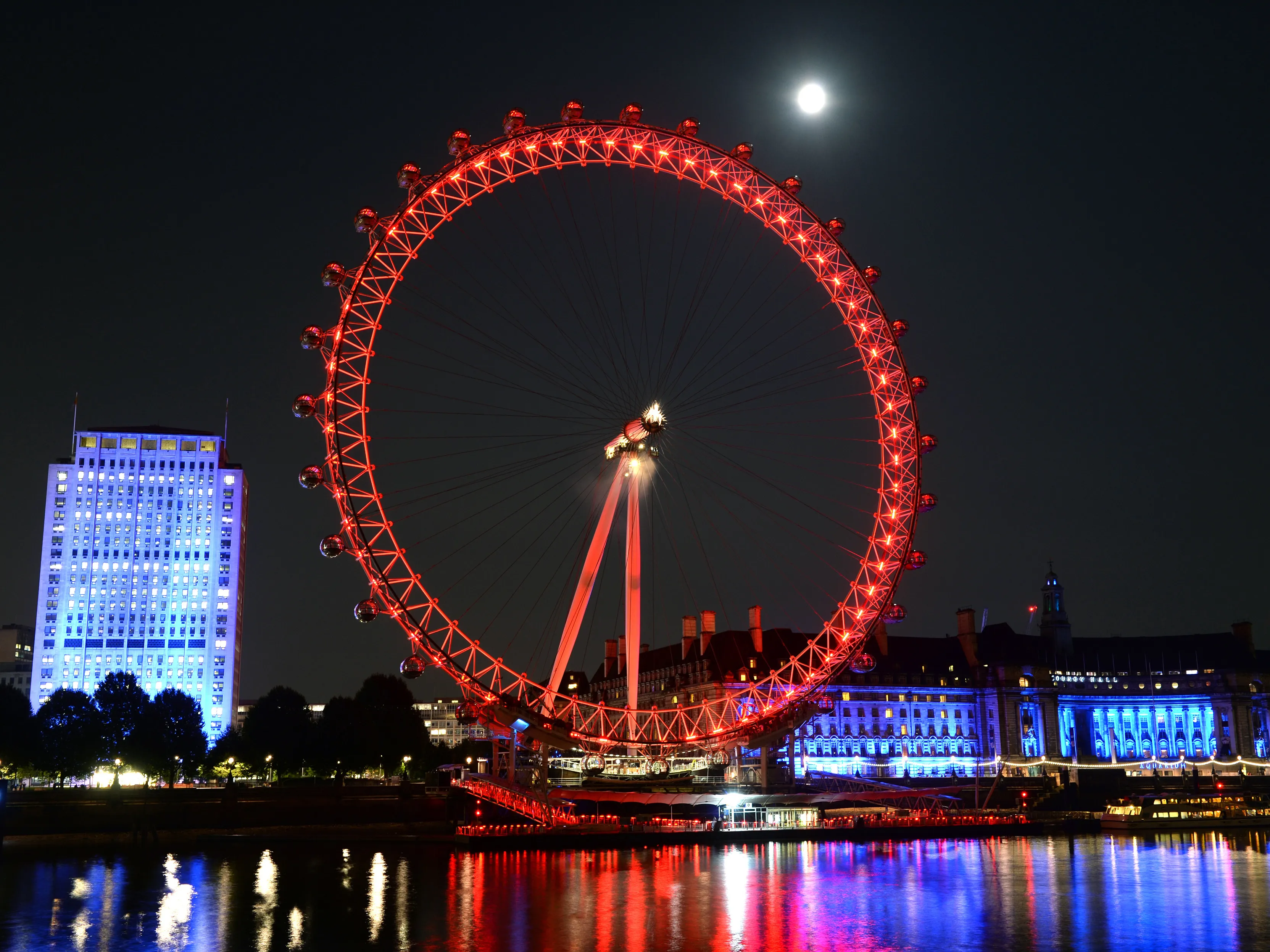
Day is better for identifying landmarks. Night is better for atmosphere.
If it is your first London visit, I’d choose daylight or golden hour. You will understand the city better and see more detail across the Thames, Westminster, and the skyline.
Choose night if you already know London or care more about lights, reflections, and mood than landmark spotting.
| Goal | Best Time |
| Shorter queues | Early morning or later toward closing |
| Best landmark spotting | Clear daylight |
| Best atmosphere | Sunset or early evening |
| Best family visit | Morning or early afternoon |
| Best photos | Clear day, golden hour, or blue hour |
| Tight itinerary | Fast track during a quieter part of the day |
Timing is where the London Eye goes from “expensive wheel” to “that was the right call.”
What You Can See From The London Eye
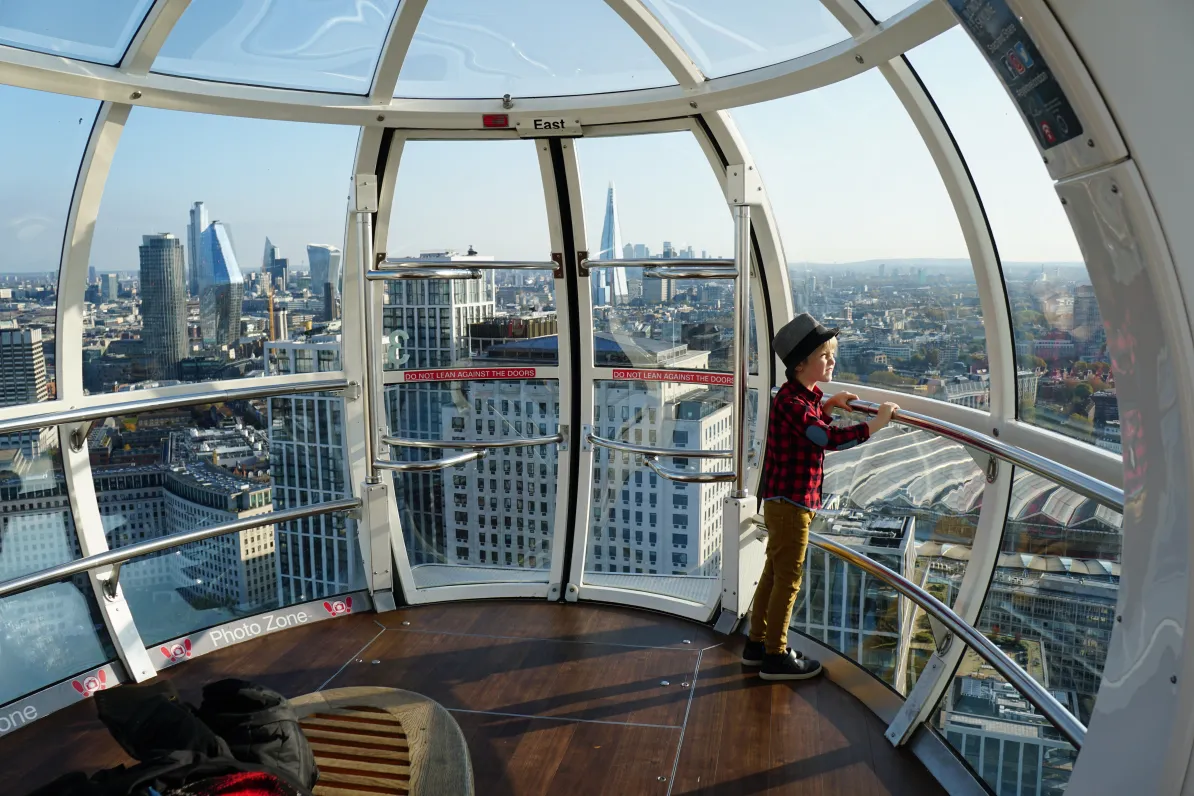
You can see many famous landmarks, but visibility, weather, capsule angle, and your own ability to spot buildings all matter.
The London Eye gives you one of London’s most recognisable views because the Thames, Westminster, and South Bank are directly below you. The view is strongest when you use the river as your map.
Big Ben And The Houses Of Parliament
Big Ben and the Houses of Parliament are the easiest landmarks to enjoy from the London Eye. They sit across the river, close enough to feel detailed rather than distant.
This is the view most people imagine before booking. As the capsule rises, Westminster Bridge, the Elizabeth Tower, and the Palace of Westminster fall into a clean line across the Thames.
If you want the classic photo, start looking early in the rotation. The angle changes gradually as the capsule climbs.
St Paul’s Cathedral, Buckingham Palace And The City Skyline
St Paul’s Cathedral is one of the most satisfying landmarks to spot because its dome stands out from the surrounding buildings. Look east across the river and skyline.
Buckingham Palacecan be visible, but it is easier to miss because it sits among trees and surrounding buildings. On clear days, you can also trace the shift from historic London toward the modern City skyline.
The best capsule habit is not to stare in one direction. Move slowly around the glass and let different parts of the city reveal themselves.
Can You See Windsor Castle?
The official London Eye guidesays views can stretch up to around 40 kilometres on a clear day, as far as Windsor Castle. That “clear day” part is doing a lot of work.
Do not book expecting Windsor Castle as a guaranteed sight. Treat it as a bonus for excellent visibility, not the reason to buy a ticket.
For most visitors, the real value is central London: Westminster, the Thames, St Paul’s, Buckingham Palace, and the changing skyline.
What Bad Weather Changes
Bad weather does not always close the experience, but it changes what you are paying for. Rain can blur photos, low cloud can shorten the view, and haze can soften distant landmarks.
The capsule is enclosed, so you are not standing in the rain during the ride. Still, the view is the product. If the view is weak, the value drops.
If you can choose between a rainy fixed slot and a clearer flexible moment, choose the clearer moment.
What To Expect During The Ride
The London Eye is gentle, but it is still a major attraction with queues, checks, boarding flow, and lots of people moving through a compact riverside area.
Knowing the process helps you relax and enjoy the view instead of worrying about what happens next.
Boarding, Security And Queues
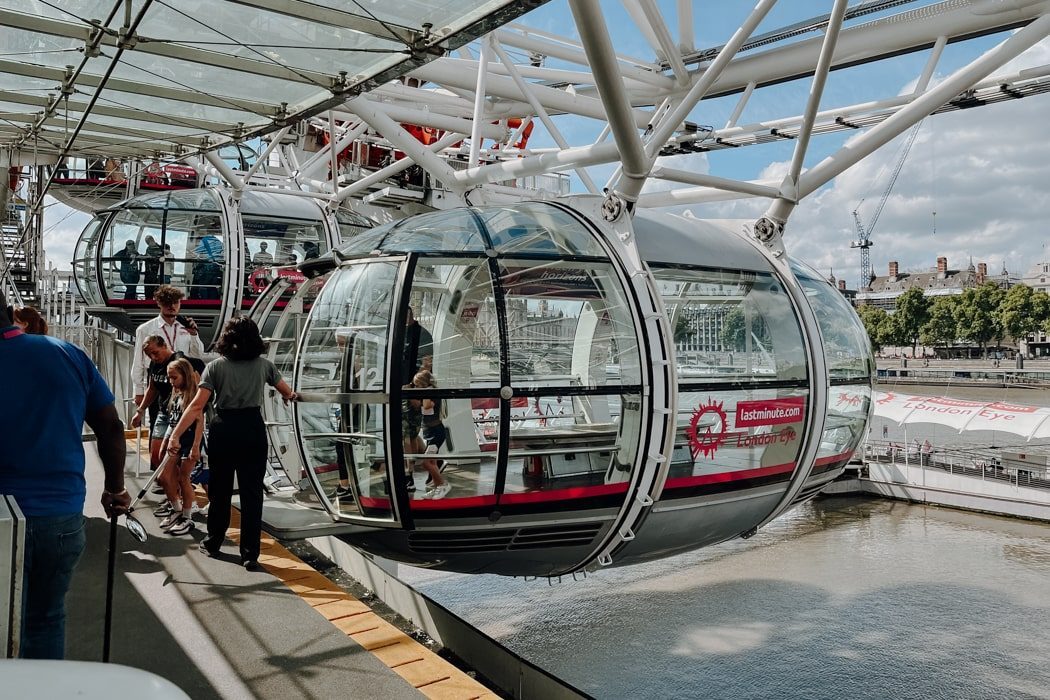
Expect ticket checks, bag checks, and queue management before boarding. The official London Eye security information says visitors undergo bag and personal belonging checks before entry.
Large bags, suitcases, and rucksacks are not allowedon the London Eye. Data as of 2026: official London Eye support guidance says small bags and backpacks are allowed up to 46cm x 33cm x 20cm, while large bags and suitcases are not permitted. A paid left-luggage facility may be available at the ticket office, but collection cut-off wording can vary across official pages, so check the current arrival and support guidance before relying on storage for an evening visit.
Boarding is controlled and steady. Staff guide groups into capsules while the wheel moves slowly, so the process feels more like stepping onto a moving walkway than boarding a thrill ride.
Inside The Capsules
The capsules are enclosed, glass-sided, and spacious enough for people to move around. The official history page describes them as sealed, air-conditioned, oval-shaped glass capsules.
The slow rotation is part of the design. You are not rushed from view to view, and you can take your time switching sides as the city changes below you.
If the capsule is busy, be patient. Everyone wants the same first look across Westminster, but people usually spread out once the wheel rises.
Is It Scary If You Dislike Heights?
The London Eye is usually manageable for people who dislike fast rides because it moves slowly and stays enclosed. There is no drop, swing, or sudden acceleration.
That said, it is high. If you are nervous with heights, stand closer to the centre of the capsule at first, then move toward the glass when you feel settled.
The first few minutes can feel more dramatic than the top because your brain is adjusting to the height. The calm pace helps.
Photography Tips From The Capsule
The biggest photography problem is reflection. You are shooting through glass, often with other people and bright surfaces behind you.
Use these simple tricks:
- Hold your phone close to the glass.
- Avoid flash.
- Wear darker clothing if you care about reflections.
- Clean your lens before boarding.
- Shoot short videos as well as photos.
- Look for river curves, not just landmark close-ups.
The best photos often include context: the Thames, Westminster Bridge, and the skyline together.
Related reading: Compare nearby London night photography viewpointsif you want blue-hour or after-dark shots before or after your ride.
How To Get To The London Eye
The London Eye is central, but the easiest route depends on whether you want speed or scenery.
Address:The London Eye is at Riverside Building, County Hall, Westminster Bridge Road, London SE1 7PB, on the South Bank beside the River Thames.
For wider route planning beyond Waterloo or Westminster, this guide to how to get around Londonexplains contactless, Tube, buses, walking, and when each option makes sense.
For most visitors, Waterloo is the simplest arrival. Westminster is the prettier approach.
Nearest Station: Waterloo
Waterloo is usually the easiest station for the London Eye. The official directions pagesays Waterloo is the nearest train station, about a five-minute walk away.
From Waterloo, follow signs toward the South Bank. You will emerge close to the river, with the wheel easy to spot once you are in the open.
This is the route I’d choose if you have a timed ticket, children, accessibility needs, or luggage to sort before entering.
Westminster Station And The Scenic Bridge Walk
Westminster station gives you the more dramatic arrival. You come out near Big Ben and the Houses of Parliament, then cross Westminster Bridge with the London Eye ahead of you.
This is not always the fastest route through crowds, but it is the one that feels most like a London postcard. It also gives you some of the best free photos of the London Eye before you ride it.
If it is your first time in London and you are not rushing, this approach is hard to beat.
Bus, Boat, Walking And Cycling Options
The London Eye is easy to combine with walking routes along the Thames. You can approach from Westminster, Waterloo, Embankment, Charing Cross, or the South Bank depending on your day.
Boats are also useful if you are building a river-based itinerary. London Eye Pier sits beside the attraction, and river services or sightseeing cruises can turn the journey into part of the experience.
Cycling can work for confident riders, but central London riverside areas can be crowded. Plan bike parking and avoid trying to weave through heavy pedestrian zones.
Arrival Tips Around Jubilee Gardens
Jubilee Gardens is the open green space beside the London Eye. It is useful as a meeting point, a family pause, or a place to reset before or after the ride.
The area can get crowded with street performers, families, school groups, and tourists moving between Westminster Bridge and the South Bank. If you are meeting someone, choose a specific point rather than saying “near the Eye.”
For a smooth arrival, get to the South Bank early, take your outside photos first, then join the correct queue at your ticket time.
Accessibility, Families And Practical Visitor Notes
The London Eye is visitor-friendly, but the best experience comes from checking access, bags, pushchairs, toilets, and timing before you arrive.
Families and accessibility-focused visitors should plan around the queue and boarding process, not just the 30-minute ride.
Wheelchair Access And Booking Slots
The London Eye provides wheelchair access, but wheelchair users should reserve a time slot in advance. Data as of 2026: the official accessibility support pagesays each pod can accommodate up to two wheelchair users, with a total of eight allowed on the London Eye at any given time.
The same official guidance says the boarding ramp, boarding gates, and pods can facilitate a 37in/94cm wheelchair, motorised wheelchair, or mobility scooter. Check the latest official accessibility information before booking.
This is not a detail to leave until arrival. Reserve the right slot early, especially during peak dates.
Mobility Scooters, Assistance Dogs And Sensory Guides
The official accessibility information should be your main source for mobility scooters, assistance dogs, carer tickets, and sensory support. Data as of 2026: the London Eye accessibility page says a free carer ticket can be booked alongside a standard, fast-track, or multi-attraction ticket when at least one full-priced ticket is purchased.
The London Eye also provides social-story style visitor information for guests who benefit from knowing what they may see, hear, and touch during the visit.
If access needs are part of your plan, read the official accessibility page before choosing your time slot. It is much easier to plan correctly than to fix access issues at the queue.
Visiting With Children
The ride itself is a good fit for many children because it is slow, enclosed, and visually interesting. The queue is usually the harder part.
Younger children may enjoy spotting buses, boats, Big Ben, and bridges more than distant landmarks. Give them simple things to find rather than expecting them to care about the whole skyline.
For family comfort, I’d avoid the hottest, busiest midday slot if you have the option. Morning or earlier afternoon is often smoother.
Bags, Toilets, Food And Nearby Facilities
Travel light if you can. The official arrival guide says large bags, suitcases, and rucksacks are prohibited, and all visitors go through bag and personal belonging checks.
Toilets, food, and visitor facilities are easier to manage around the South Bank than in the queue itself. Sort those before joining your line, especially with children.
The area around the Eye has plenty nearby, but it is busy. Add small time buffers for every practical stop.
London Eye History In A Few Useful Facts
The London Eye’s background is useful because it explains why the wheel became such a powerful modern London symbol.
The short version: it began as a millennium-era project and stayed because London embraced it.
When It Was Built And Opened
Construction began in the late 1990s, and the London Eye opened to passengers in March 2000. That timing is why it was originally known as the Millennium Wheel.
The structure was assembled horizontally over the River Thames before being raised upright. That detail still feels slightly unreal when you stand below it and look up at the white frame.
It was not just another tourist ride. It was a major piece of public-facing design placed in one of the most visible parts of London.
Who Designed It
The London Eye was designed by Marks Barfield Architects, the practice associated with David Marks and Julia Barfield. The official London Eye historypage says Marks Barfield explored around 100 variations before settling on the final wheel structure.
That design process matters because the Eye had to work as both engineering and skyline identity. It needed to move people, look clean from a distance, and sit beside historic Westminster without visually shouting over it.
The result is simple enough for a child to draw and distinctive enough to anchor the skyline.
From Temporary Millennium Project To Permanent London Icon
The London Eye’s biggest success is that it outlived its original moment. Many millennium projects feel tied to a date; the Eye became part of daily London.
It appears in travel photos, TV coverage, New Year’s Eve images, South Bank walks, and first-time visitor itineraries. It also changed how many people use that stretch of the river.
The London Eye is now less “new attraction” and more “modern landmark.”
What To Do Near The London Eye
The area around the wheel is one of the easiest places in London to build a route without using the Tube between stops.
The best London Eye visit does not start and end at the capsule. It uses the river, Westminster, and the South Bank around it.
Westminster Bridge And Big Ben
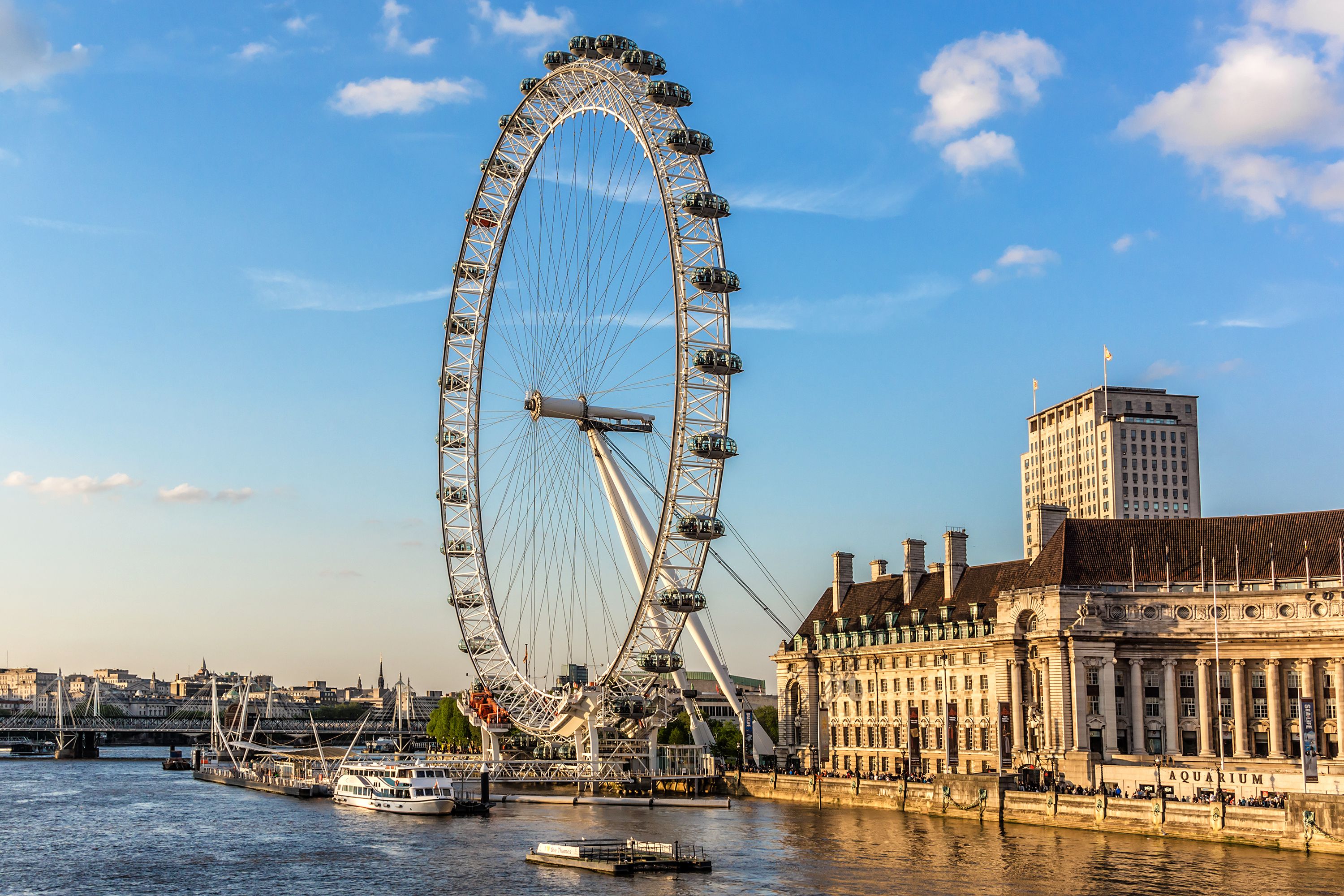
Westminster Bridge gives you the classic outside view of the London Eye. Stand on the Westminster side for the wheel across the river, or cross toward the South Bank for Big Ben and Parliament behind you.
If you want more ideas around this area, use this practical guide to things to do near Westminster Bridgebefore or after your ride.
This pairing is almost effortless. Ride the Eye, cross the bridge, photograph Big Ben, then continue toward Westminster Abbeyor St James’s Park if your day allows.
Jubilee Gardens And South Bank Walk
Jubilee Gardens is useful before and after the ride, especially for families. It gives you space to pause in a part of London that can feel crowded around the queues.
The South Bank walk is the better add-on if you want atmosphere. You can continue toward the Southbank Centre, National Theatre, Gabriel’s Wharf, Tate Modern, and the Millennium Bridge.
This is where the London Eye works especially well: it drops you straight into one of London’s best pedestrian routes.
Thames River Cruise
A Thames cruise pairs naturally with the London Eye because both use the river as the main stage. The Eye gives you the still, elevated view; the cruise gives you movement, commentary, and a different angle on bridges and riverside landmarks.
The official London Eye River Cruise is a 40-minute circular cruise from London Eye Pier. For combo tickets, read the booking instructions carefully because the cruise time and London Eye time may need to be booked separately.
This combo is best for visitors who want a compact sightseeing block without designing every step themselves.
Easy 2-Hour Route Around The London Eye
Here is a simple route that works well for first-time visitors:
- Start at Westminster station.
- Photograph Big Ben and the Houses of Parliament.
- Cross Westminster Bridge toward the London Eye.
- Take outside photos from the bridge and South Bank.
- Ride the London Eye.
- Pause in Jubilee Gardens.
- Walk east along the South Bank.
- Continue toward the Southbank Centre or Tate Modern if you have time.
This route keeps the day smooth because every stop flows into the next.
FAQs About The London Eye
Is The London Eye Worth It?
Yes, the London Eye is worth it if you want a slow central London skyline view, especially on a clear day or around sunset. It is less essential in poor visibility, on a tight budget, or if you already have a strong free viewpoint planned.
How Much Does The London Eye Cost?
London Eye ticket prices vary by date, demand, ticket type, booking method, and promotion. Check the official London Eye ticket page before booking, especially for weekends, school holidays, sunset slots, and walk-up prices.
How Long Does The London Eye Take?
The ride takes about 30 minutes for one full rotation. In real life, allow 60-90 minutes for arrival, ticket checks, security, queueing, boarding, the ride, exit, and photos.
Is The London Eye Open Every Day?
The London Eye usually operates daily, but opening hours can change by season, date, events, and maintenance. Always check the official opening-hours calendar before planning your visit.
What Is The Best Time To Visit The London Eye?
The best time depends on your goal. Go early or later toward closing for shorter queues, choose clear daylight for landmark spotting, and aim for sunset if you want atmosphere and photos.
Should I Book The London Eye In Advance?
Yes, book in advance for weekends, school holidays, sunset slots, peak travel dates, and tight itineraries. Advance booking can also help you compare ticket types before arriving.
Is Fast Track Worth It For The London Eye?
Fast Track is worth considering during weekends, school holidays, summer, sunset slots, and tight schedules. It does not change the ride or view; it mainly reduces waiting time.
What Can You See From The London Eye?
You can see Westminster, Big Ben, the Houses of Parliament, the Thames, St Paul’s Cathedral, Buckingham Palace, and the wider skyline. On very clear days, views may stretch much farther, but distant landmarks are never guaranteed.
How Do You Get To The London Eye?
Waterloo is usually the easiest station for The London Eye. Westminster station is also a good option if you want the scenic walk across Westminster Bridge before reaching the South Bank.
Is The London Eye Wheelchair Accessible?
Yes, The London Eye is wheelchair accessible, but wheelchair users should reserve a time slot in advance because capacity is limited per pod and across the whole wheel.
Conclusion
The London Eye is worth visiting when you treat it as a planned viewpoint, not just a famous attraction to tick off. It works best on a clear day, around sunset, or as part of a wider South Bank and Westminster route.
For most visitors, the standard ticket is enough if the schedule is flexible. Fast track is more useful when queues, school holidays, sunset timing, or a tight itinerary could affect the day. The ride itself is calm and simple, but the real value depends on visibility, timing, ticket choice, and how much you want that classic view over the Thames.
Before booking, check the official ticket prices, opening hours, weather, accessibility guidance, and any discount rules for your exact date. If the sky is clear and the timing fits your plan, the London Eye can still be one of London’s most memorable skyline experiences.
Jump to
The London Eye: Is It Worth Visiting And When Should You Go?
The London Eye At A Glance
Is The London Eye Worth It?
What Is The London Eye?
London Eye Tickets And Prices
London Eye Opening Times And How Long To Allow
Best Time To Visit The London Eye
What You Can See From The London Eye
What To Expect During The Ride
How To Get To The London Eye
Accessibility, Families And Practical Visitor Notes
London Eye History In A Few Useful Facts
What To Do Near The London Eye
FAQs About The London Eye
Conclusion

James Rowley
Author
James Rowley is a London-based writer and researcher covering London life, cultural geography, London travel, live London webcam pages and selected public figures across entertainment, sport, business and public life.
For over 15 years, he has focused on verified sources, first-hand local context and clear explanations that help readers understand both places and people more deeply. His work combines street-level London knowledge with careful research into career credits, media work, business interests and, where relevant, transparently explained net worth estimates.
He writes and reviews articles published on LondonWebcam.
Latest Articles
Popular Articles