Things To Do In London 2026: Plan Your Day By Area & Budget
Find the best things to do in London for first-timers, families, couples and rainy days, with free ideas, markets, parks, views and practical planning tips.
Author:James RowleyJul 16, 2026132 Shares132K Views

Quick Answer: What Are The Best Things To Do In London?
Londonis easiest to plan when you choose one main area, one anchor attraction, one food stop and one flexible backup. That way, your day feels full without turning into a transport marathon.
For a first visit, prioritise Westminster and the South Bank, then add either the Tower of Londonand Tower Bridge area or one major museum, plus one market and one evening activity such as theatre, comedy or a riverside walk.
For a free day, focus on museums, galleries, Royal Parks, markets, riverside walks and free viewpoints. For a rainy day, choose one indoor cluster, such as South Kensington, Trafalgar Square and Covent Garden, Bankside or the West End, rather than crossing the city between stops.
Use this page as your starting point. Pick the situation that matches your day, then choose the most useful next guide. Instead of treating London like one long checklist, plan around the time, weather, budget, area and energy you actually have.
Freshness note: Opening hours, prices, ticket rules and event schedules can change, so always check the official venue page before travelling.
What To Do In London By Situation
Use this quick picker when you know the kind of day you want, but not the exact plan yet.
- A first-time icon:Tower of London, Westminster, Tower Bridge or the London Eye.
- A free cultural stop:British Museum, National Gallery, Tate Modern, V&A, Natural History Museum or Science Museum.
- A great walk:Westminster to Tower Bridge along the South Bank.
- A food stop:Borough Market, Camden Market, Chinatown, Spitalfields or Portobello Road.
- A skyline view:Sky Garden, Horizon 22, The Shard, London Eye or Primrose Hill.
- A family day:Natural History Museum, Science Museum, London Zoo, Greenwich or Warner Bros. Studio Tour.
- A romantic plan:Thames cruise, afternoon tea, Kew Gardens, rooftop bar or West End show.
- A rainy-day activity:Museums, galleries, covered markets, theatre, afternoon tea or historic pubs.
- A quieter local stop:St Dunstan in the East, Leadenhall Market, Word on the Water, Highgate Cemetery or Leake Street Arches.
- A special booked experience:Ceremony of the Keys, dinner at The Shard, helicopter flight, Buckingham PalaceState Rooms or a West End show.
- A night out:Theatre, comedy, restaurants, rooftop bars, pubs, night walks or photography spots.
- A weekend or short trip:Westminster, South Bank, Tower Bridge, one museum, one market and one evening plan.
After choosing your situation, use the route sections below to find the right next guide. Live camera checks can also help when weather, crowds or evening conditions matter.
How These London Ideas Were Chosen
These ideas were chosen for practical visitor value, route fit, weather flexibility, budget range and first-time usefulness. The aim is not to rank every attraction, but to help you choose a realistic area, anchor activity and backup plan. Where this guide makes current claims about transport, admission, park access or ticketing, official or first-party sources are used where available.
Plan Your London Day By Type
Use this page as the main starting point, then choose the deeper guide that fits your day.
For classic sightseeing, start with the best London attractions guide. For first-time planning, use the London city guide. For a wider planning directory, use London travel guides.
For families, use things to do in London with kids. For low-cost activities and ways to spend less while exploring, use London on a budget. For a wider view of daily spending and overall trip costs, use the London costs budget guide.
For markets and food, use the best markets in London. For parks and green space, use best parks in London. For skyline views, compare the best views in Londonand the best free skyline viewpoints in London.
For evening plans, use London by night. For weather, traffic and crowd checks, use London live webcamsbefore choosing an outdoor route.
Things To Do In London By Area
Use this when you want to avoid crossing London too many times in one day.
| Area | Good combinations |
| Westminster and South Bank | First-time landmarks and a riverside walk. Best for a half day, or longer with a major attraction. |
| Tower Bridge and London Bridge | History, river views and Borough Market. Allow a half day or more with the Tower of London. |
| South Kensington | Museums and family attractions. Easy to fill a half day or full day. |
| Covent Garden, Soho and West End | Food, shopping, theatre and nightlife. Works especially well from afternoon into evening. |
| Greenwich | Maritime history, park views and riverside exploring. Best as a half-day or full-day area. |
| Camden and Regent’s Park | Markets, music, canals and green space. Good for a half day or longer. |
| Shoreditch and Brick Lane | Street art, markets and food. Usually works well as a half-day area. |
| Knightsbridge and Kensington | Museums, shopping and parks. Allow a half day or longer depending on museum visits. |
If you are still choosing where to base your trip, start with the London neighborhoods guideto match areas with your trip style, budget, transport needs and evening plans, and then compare where to stay in London. Budget travellers can check affordable London hotelsbefore locking in a neighbourhood.
If you have extra time outside the city, London day trips by traincan help you decide when places beyond London are worth a separate day instead of squeezing them into a city itinerary.
If You Have 1, 2, 3, 4-5 Or 6-7 Days In London
Use this as a realistic planning filter, not a full itinerary.
- One day:focus on Westminster, South Bank, Tower Bridge and one evening plan.
- Two days:add museums, parks, markets or a West End show.
- Three days:add Greenwich, Camden, Notting Hill, Kew, Hampstead Heathor one slower neighbourhood day.
- Four to five days:add more neighbourhoods, food markets, views, museums, parks and one special booked experience.
- Six to seven days:slow the pace, add repeat-visitor areas, one day trip such as Windsor, Bath or Stonehenge, and leave space for weather changes.
- More than a week:do not simply stack more attractions. Use slower area-based days, day trips, free parks, neighbourhood walks and rest time.
The more time you have, the more London rewards area-based planning instead of a longer checklist. If your dates are flexible, compare the best time to visit Londonbefore choosing parks, markets, indoor culture or evening plans.
Things To Do In London Today Or This Weekend
This hub is designed for evergreen planning, so temporary exhibitions, one-off events and weekend listings should be checked against a current source rather than treated as fixed recommendations.
For things happening today, tomorrow, this week or this weekend, check Visit London's What's On guide, then confirm times, availability and ticket rules on the official venue or organiser page.
Before heading out, use the London webcam guideto choose a live view for the area or conditions you want to check.
Things To Do In London: Quick Directory
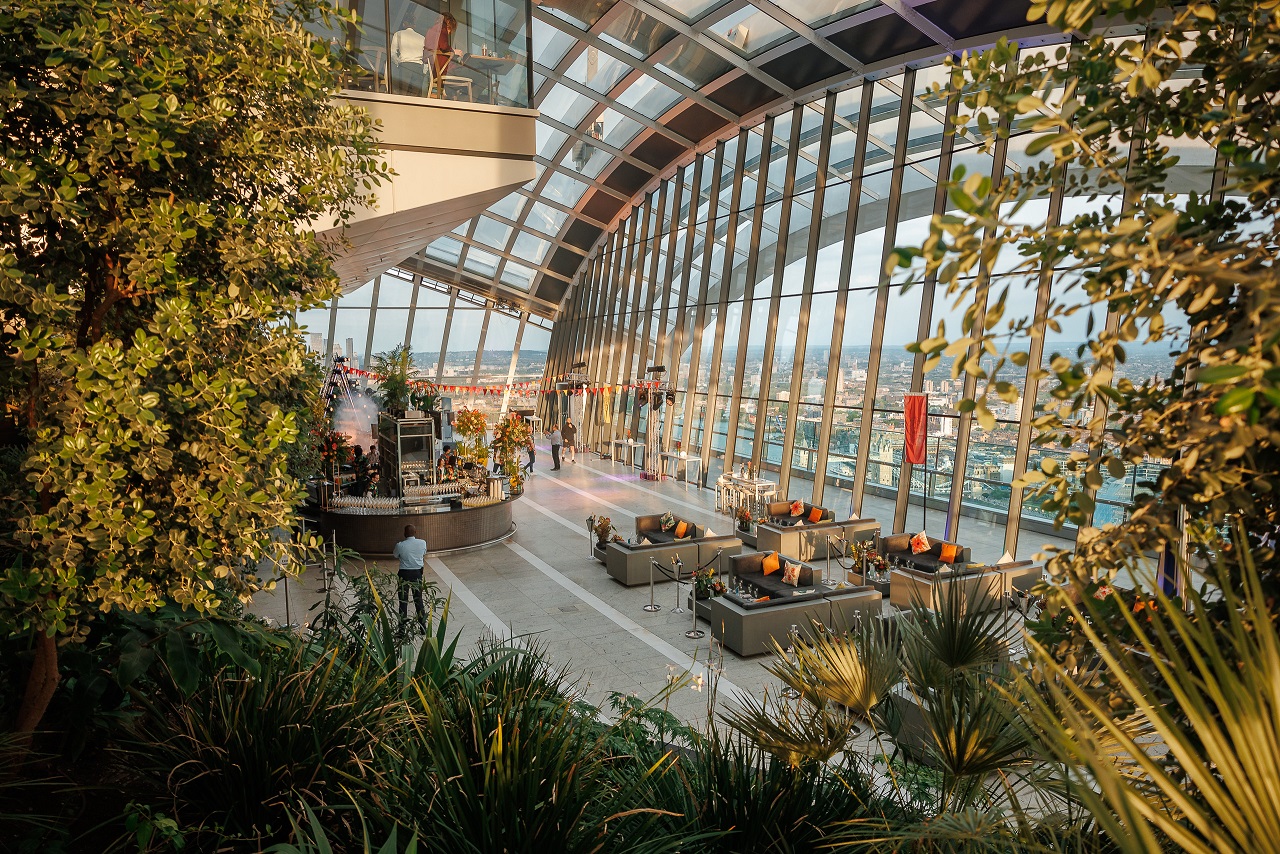
Use this list as a quick idea bank, then use the sections below to choose the right plan by weather, budget, area and travel style.
Classic landmarks:London Eye, Tower of London, Tower Bridge, Buckingham Palace, Big Ben, Palace of Westminster, Westminster Abbey, St Paul’s Cathedral, The Shard.
Museums and culture:British Museum, Churchill War Rooms, Tate Modern, National Gallery, Shakespeare’s Globe, British Library, Southwark Cathedral, Barbican Centre.
Markets and neighbourhoods: Borough Market, Camden Market, Portobello Road Market, Covent Garden, Chinatown, Greenwich, Notting Hill, Shoreditch, Brick Lane.
Parks, gardens and views: Hyde Park, Kensington Gardens, Regent’s Park, Hampstead Heath, Greenwich Park, Richmond Park, Kew Gardens, Sky Garden, Primrose Hill.
Family and rainy-day ideas: Natural History Museum, Science Museum, London Transport Museum, London Zoo, SEA LIFE London Aquarium, Warner Bros. Studio Tour London, Madame Tussauds, afternoon tea.
Hidden and unusual:St Dunstan in the East, Leadenhall Market, Word on the Water, Leake Street Arches, Highgate Cemetery. For more hidden places, historic curiosities and unusual detours, explore the hidden secrets of London.
Night, couples and special experiences:West End theatre, London comedy clubs, rooftop bars, Thames river cruise, Little Venice canal ride, Royal Opera House, Ceremony of the Keys.
Best For First-Timers
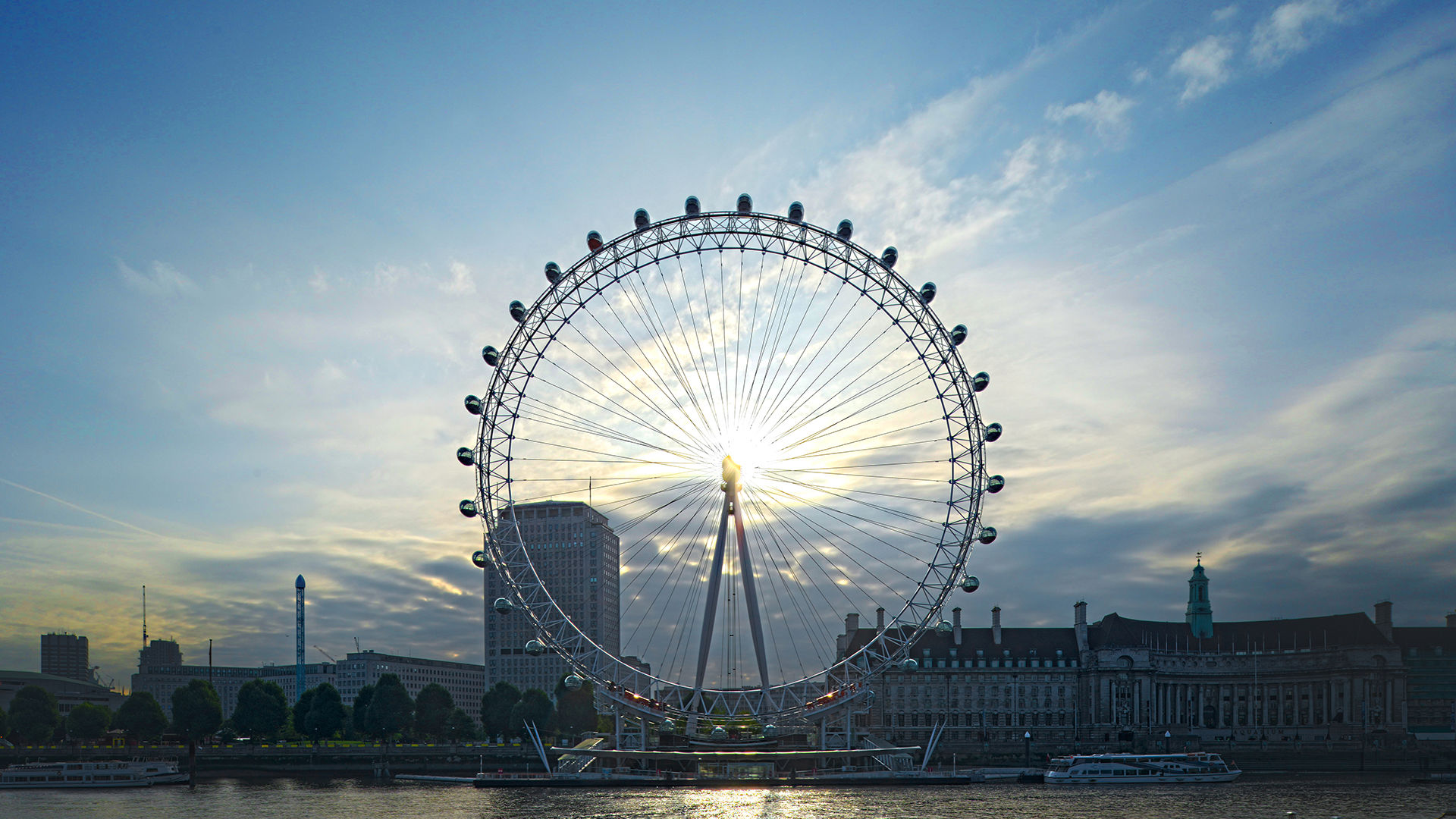
First-time visitors should not try to see everything. London works better when you start with the classic spine: Westminster, South Bank, Tower Bridge, the Tower of London, one major museum, one market and one evening activity.
Westminster is the easiest place to feel the scale of London quickly. You can see Big Ben, the Houses of Parliament, Westminster Bridge, Westminster Abbey and views towards the London Eye in a compact area. From there, South Bank gives you a simple riverside walk with street performers, food stops, river views and easy access towards Tate Modern and Borough Market.
Tower Bridge and the Tower of London work well together because they combine one of London’s most recognisable views with deep royal and fortress history. If you only book one paid historic attraction, the Tower of London is one of the strongest choices because it can anchor a whole half-day around the river.
Start with London landmarks guideto group famous places into walking routes that are easier to follow.
If you are only in the city for a short stay, the 3-day London itineraryis the better next step than building a plan from scratch. For a tight 48-hour trip, use planning a weekend trip to Londoninstead.
Before heading to Westminster or South Bank, the Westminster Bridge live webcamcan help you check the sky, river and street conditions.
For transport, Transport for Londonsays pay as you go works with contactless or Oyster and is cheaper than buying a paper single or return ticket. If you are considering a Visitor Oyster card, check TfL's current Visitor Oyster card guidance before travelling because purchase costs, refunds and child discount rules are specific to that card. TfL guidance checked July 2026.
For practical mistakes to avoid before your first day out, use these London travel tipsbefore finalising tickets, transport and daily routes.
A strong first-time London day is not the busiest day. It is the day where the landmarks, walking route and transport all make sense together.
Free And Cheap Things To Do In London
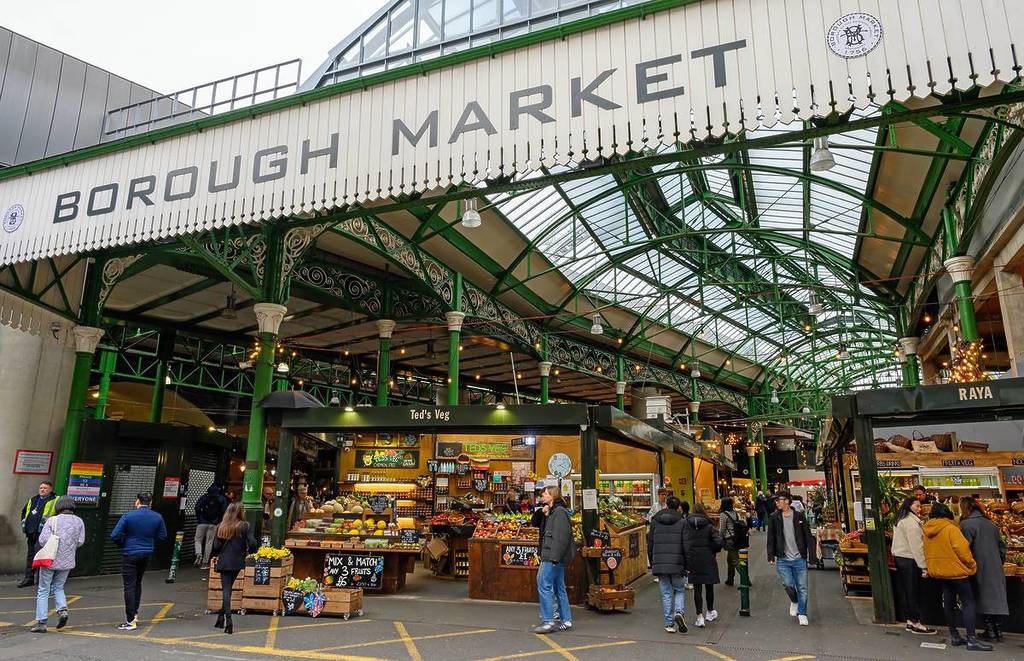
London can be expensive, but many of its best things to do are free or low-cost. The trick is to use museums, parks, viewpoints, markets and walks as the backbone of the day, then spend carefully on food or one paid attraction.
A strong free day could include the British Museum or National Gallery in the morning, Covent Garden or Trafalgar Square as a central walk, then South Bank or a Royal Park later in the day. If you prefer modern art, Tate Modern pairs naturally with Millennium Bridge, St Paul’s views from across the river and a walk towards Borough Market.
Museums and galleries are also a major strength for budget trips. The National Gallery lists general admission as free, with some exhibitions charged separately. The Natural History Museum saysits galleries are free to explore; visitors can book a free entry ticket to guarantee entry during busy periods, while some exhibitions and events are paid.
Markets are another easy way to make a low-cost day feel full. Borough Market is best for food, Camden Market suits street food and alternative shopping, and Covent Garden works well for street performers, shops and central atmosphere. For browsing, food and neighbourhood character, use best shopping areas in London.
Cheap London works best when you spend less time crossing the city and more time using free culture, parks, markets and walks in the same area.
Rainy Day London Plans
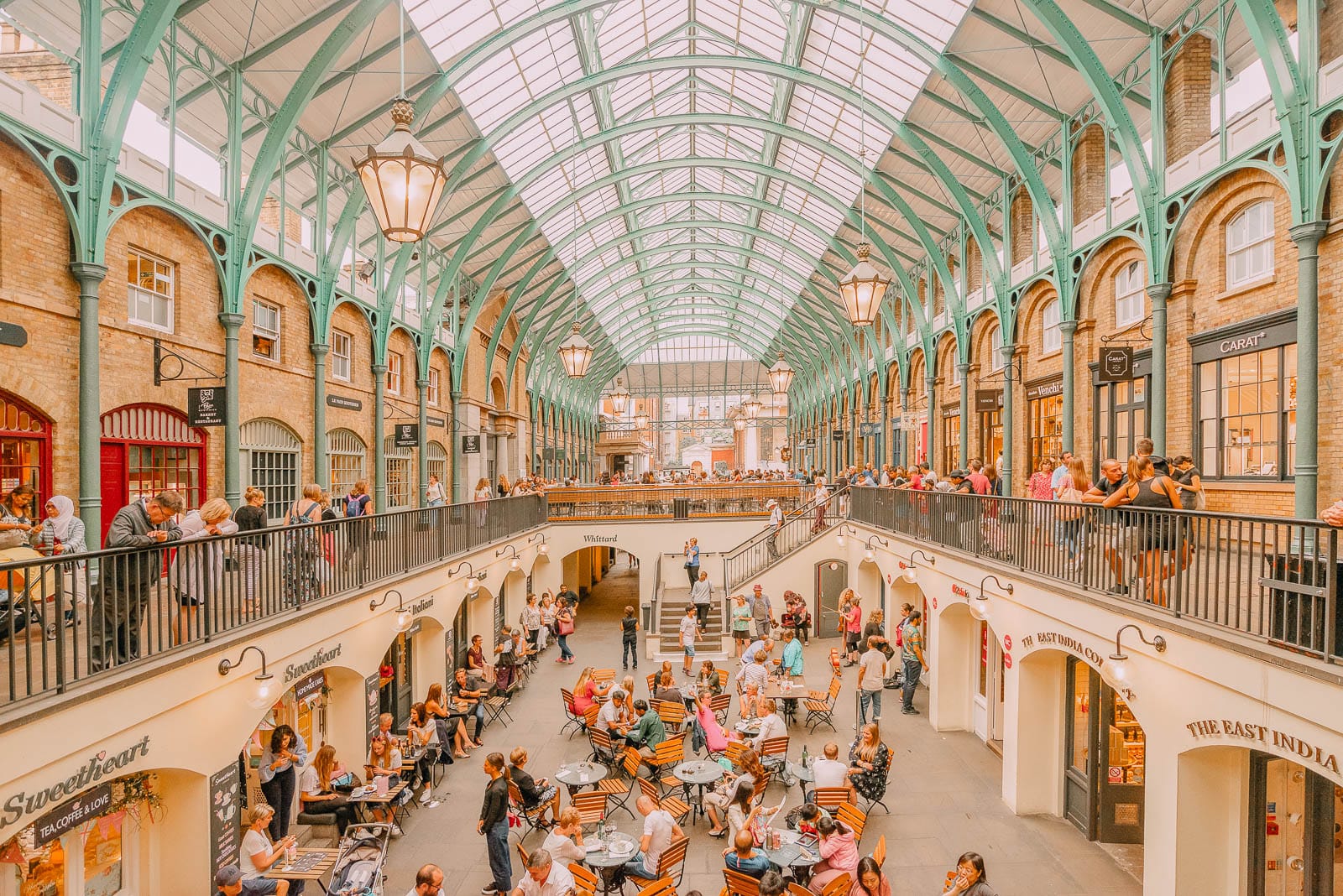
Rain does not ruin London, but it makes short travel distances and indoor backups more important. For month-by-month temperatures, rain expectations and packing help, check London weather by monthbefore committing to an outdoor-heavy route.
South Kensington is one of the easiest rainy-day clusters for families and museum visitors because the Natural History Museum, Science Museum and V&A are close together. Trafalgar Square and Covent Garden work well if you want the National Gallery, cafés, covered shopping, theatre and restaurants in one central area.
Bankside and South Bank can still work in poor weather if you build the day around Tate Modern, indoor food stops and short riverside sections between showers. For the evening, the West End gives you theatre, comedy, restaurants and bars without needing to keep walking through bad weather.
| Area | Why it works in bad weather |
| South Kensington | Natural History Museum, Science Museum, V&A and nearby cafés are close together. |
| Trafalgar Square and Covent Garden | Galleries, covered shopping, theatre, restaurants and cafés are easy to combine. |
| Bankside and South Bank | Tate Modern, indoor food stops and riverside views give you flexible options. |
| West End | Theatre, comedy, restaurants and bars can turn wet weather into an evening plan. |
For museum-heavy days, start with top museums in London. If you want art rather than science, history or family exhibits, London art galleriesis the better next step.
A rainy evening is also a good time to plan around theatre in Londoninstead of forcing another wet walk. For lighter entertainment, compare London comedy clubs.
Afternoon tea also works well on wet days because it turns a bad-weather gap into a proper experience. Use top places for afternoon tea in Londonif you want a bookable indoor plan for couples, families or a special occasion.
For wet weather, avoid building the whole day around exposed viewpoints. Keep one indoor anchor and one flexible nearby backup.
A good rainy-day plan has one main indoor attraction, one food stop and one nearby backup.
Best London Attractions To Plan Around
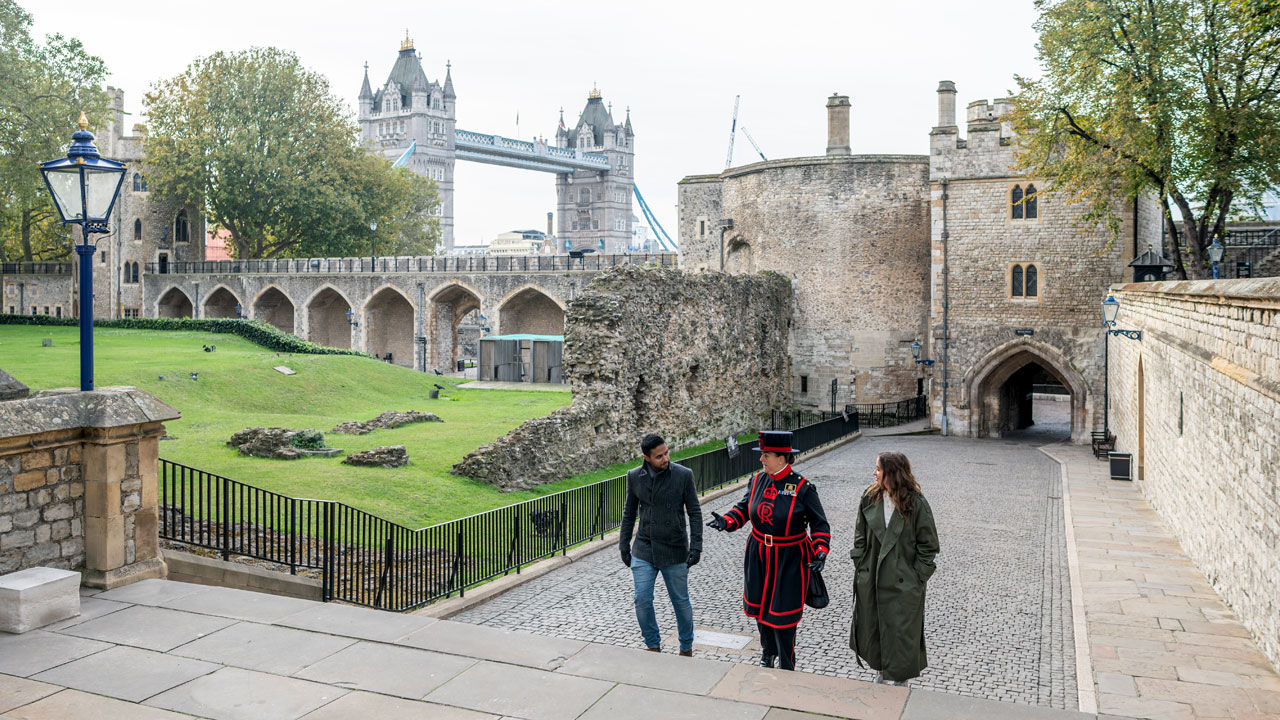
Paid attractions are worth considering when they become the anchor of a route, not when they are added randomly because they are famous.
The Tower of London is one of the best historic anchors because it pairs naturally with Tower Bridge, St Katharine Docks, the City and Borough Market. The London Eye is easier to fit into a Westminster and South Bank day, especially if skyline views matter more than museum time.
Westminster Abbey suits visitors who want royal, religious and national history in one stop. Tower Bridge Experience works well if you want a short paid attraction with strong views. St Paul’s Cathedral and Churchill War Rooms are better for history-focused days, while seasonal palace openings are worth considering if royal London is a major reason for the trip.
If skyline views are a priority, use the London Eye guidebefore deciding whether it fits your route and budget. If royal history is more important, the Tower of London guideis the stronger next step.
For Westminster, check the Westminster Abbey guidebefore planning the area. It helps you decide whether the Abbey should be a paid visit or part of a wider Westminster walk.
The best rule is simple: book the paid attraction you would be disappointed to miss, then fill the surrounding area with free sights, food stops and viewpoints.
Choose one major paid attraction per day, then build around nearby places instead of jumping across London.
Outdoors: Parks, Walks And Viewpoints
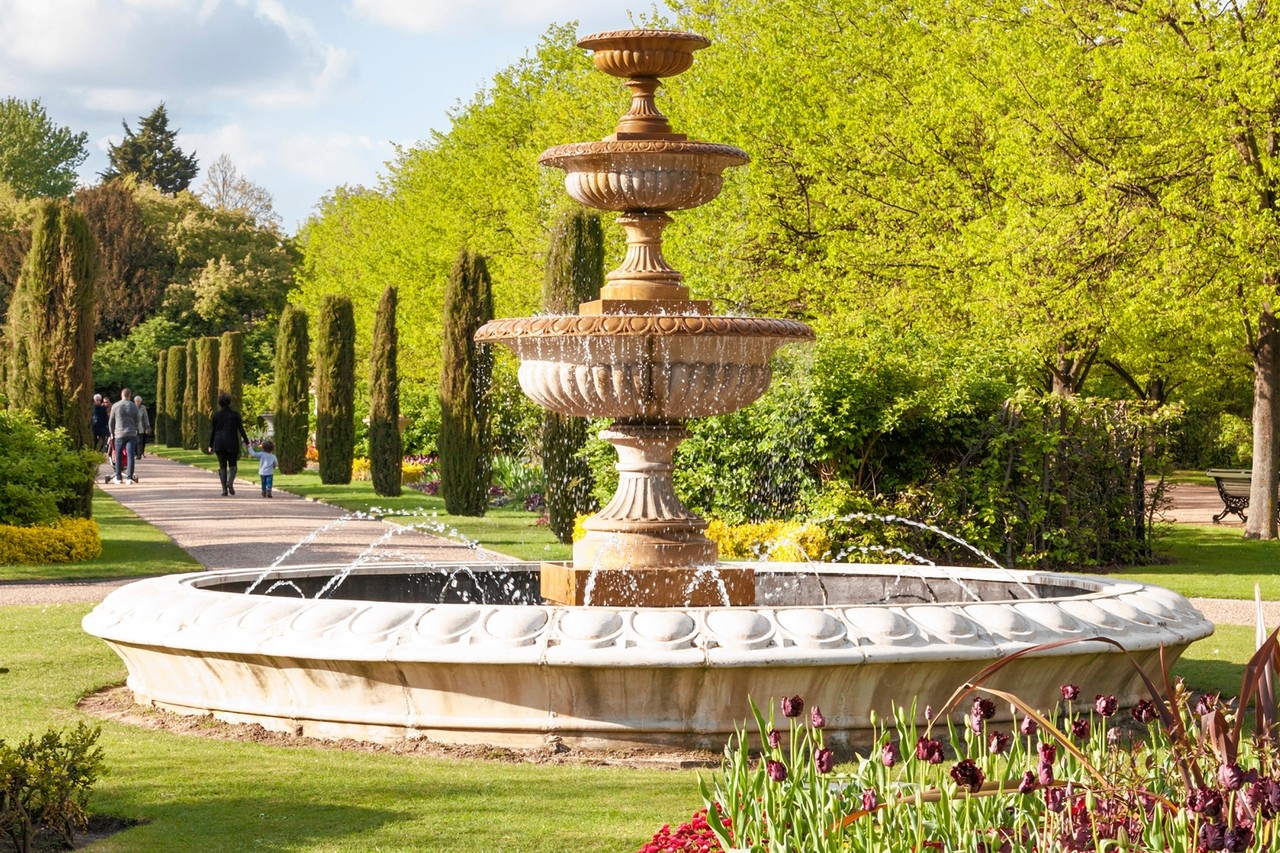
Outdoor London is not just parks. It includes riverside routes, bridges, viewpoints, gardens, canal walks, historic neighbourhoods and open-air markets.
Hyde Park is the easiest green space to add to a central sightseeing day. Regent’s Park is strong for gardens, family space and a slower break from busy streets.
Greenwich Park works well when you want views, maritime history and a half-day that feels different from central London. Richmond Park is best for open landscapes, deer and a quieter escape if you have more time.
For green space, The Royal Parkssays London has eight Royal Parks and that any Royal Park can be explored for free. Check individual park pages before travelling for events, closures, facilities and seasonal changes.
The Thames is another outdoor route in itself. A walk from Westminster Bridge towards South Bank, Tate Modern, Millennium Bridge and Tower Bridge gives you landmarks, river views, food stops and photo points without needing a complicated itinerary.
If you want a route rather than a single stop, follow London walking routesfor self-guided walks that connect landmarks, parks, riverside views and neighbourhoods. For river and bridge views, London’s iconic bridgesis a useful next step.
For photos, start with London photography spotsduring the day, then use night photography viewpointsafter dark.
Outdoor London is easiest when you plan by route: one park, one viewpoint, one food stop and one easy transport exit.
Plan outdoor London by route, not by scattered stops.
Culture: Museums, Galleries And Historic London
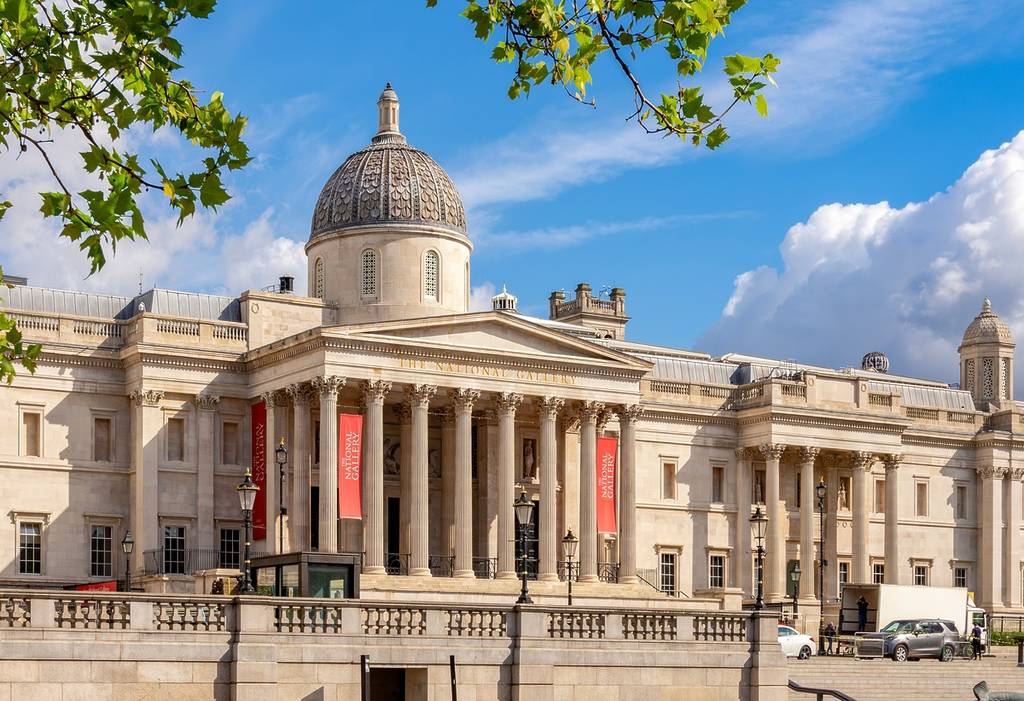
London’s culture is broad: national museums, art galleries, churches, royal sites, Roman ruins, theatres, music venues, markets and neighbourhood history all count.
For museums, South Kensington is the obvious starting point because the Natural History Museum, Science Museum and V&A sit close together.
For art, the National Gallery, Tate Modern and smaller galleries give you very different versions of London culture. For historic London, Westminster, the City, Tower Hill and Greenwich are stronger than trying to spread one day across the whole map.
For a broad overview, start with London culture. If you are more interested in older places, monuments and historic streets, use the guide to historic sites in London.
For big-name places, famous London landmarkscan help you decide which stops are worth your time and which ones work better as quick photo stops.
If you have already seen the main landmarks, choose a more specific route. You could explore historic neighbourhoods, Harry Potter locations, markets, hidden viewpoints, unusual museums, night photography spots or cultural stops outside the standard first-time circuit.
For film-related planning, especially if Harry Potter is a major reason for the trip, use the guide to Harry Potter day trips from Londonrather than trying to squeeze the studio tour into an already crowded sightseeing day.
For a culture-heavy day, choose one main theme. A museum day, gallery day, historic City walk and Harry Potter day are different plans, not one combined checklist.
Culture days work better when they have one clear focus.
Theatre, Comedy And London At Night
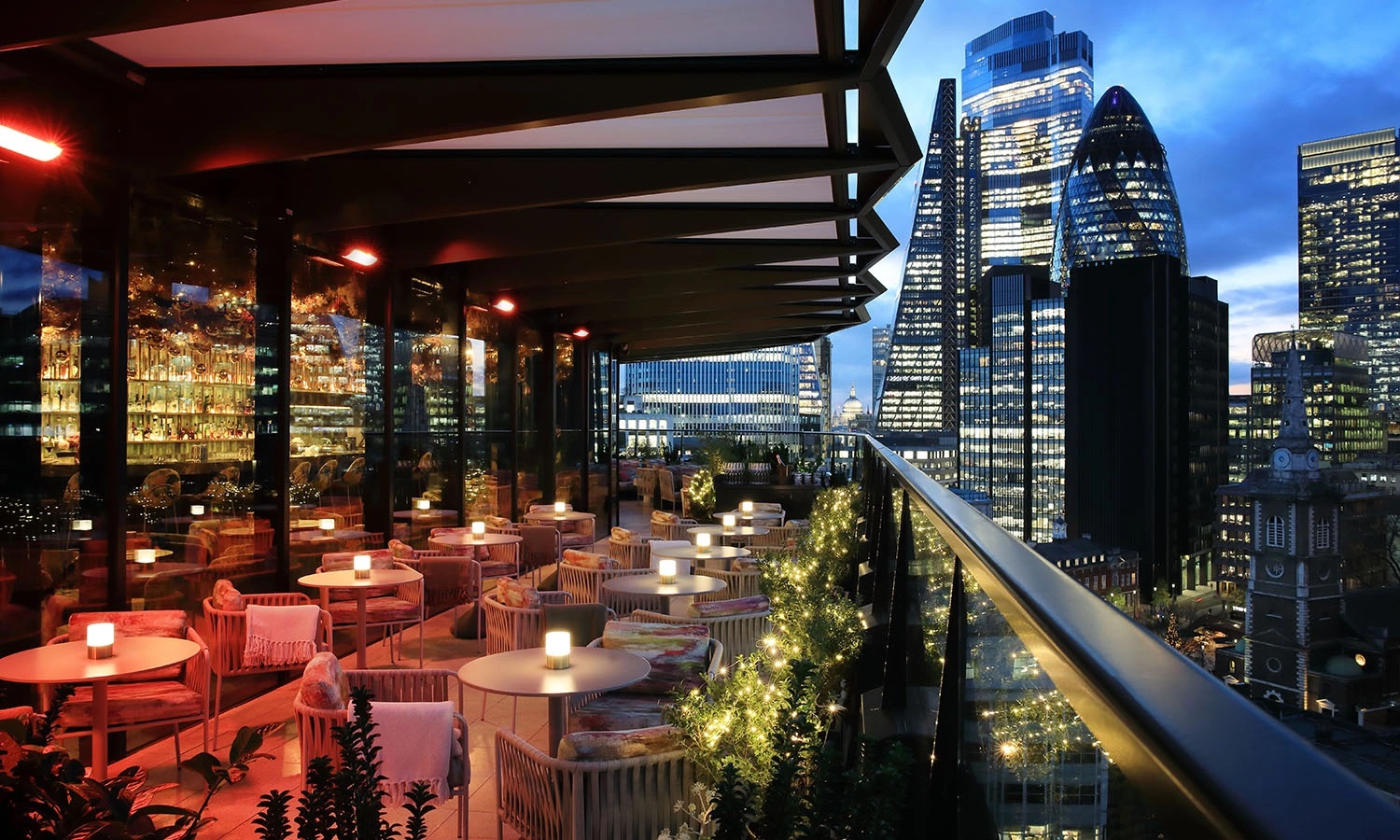
London works well after dark because theatre, comedy, restaurants, rooftop bars and river walks can all anchor the evening.
A West End show is the classic evening plan, especially if you want the day to end with something booked and memorable. Comedy clubs are better if you want a lighter night with less formality.
Rooftop bars and skyline views suit couples, celebrations and photography-led trips, while South Bank or Tower Bridge after dark works well when you want a cheaper evening walk.
For official West End ticket checks, Official London Theatreis run by the Society of London Theatre and can help you compare current shows before booking.
For drinks with a view, start with London rooftop bars. If you want a wider evening drinks plan, best bars in Londonis a better fit. If you want a quick look at West End street conditions before heading out, check the Shaftesbury Avenue webcam.
If you want help choosing a show rather than only checking ticket platforms, compare best theatre shows in Londonbefore booking.
A good London night starts with the venue and ends with the route home. Check show times, last-entry rules, Tube connections and late transport before committing.
Plan the evening around one main venue, then check the journey home before you book.
Things To Do In London For Couples
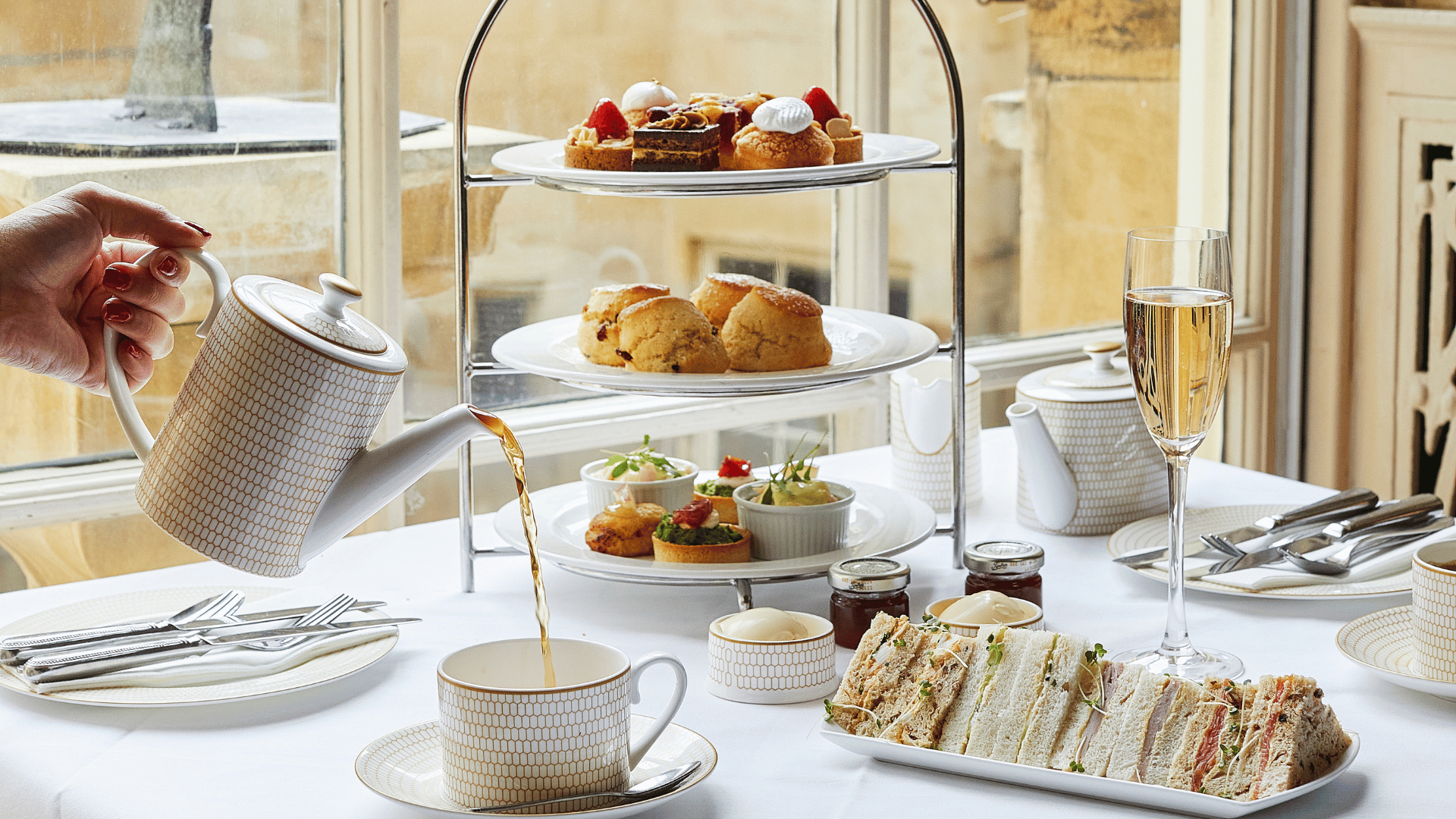
London works well for couples when the plan leaves space to slow down. A strong day could include a South Bank walk at sunset, Greenwich Park views, afternoon tea, a West End show, a rooftop drink, Little Venice, a quiet garden or a Thames river ride.
For date ideas, scenic walks, gardens, viewpoints and evening plans, use romantic places to visit in London.
The best couple-friendly London plans are not the busiest ones. Choose one scenic anchor, one relaxed experience and one easy evening plan.
Things To Do In London With Kids
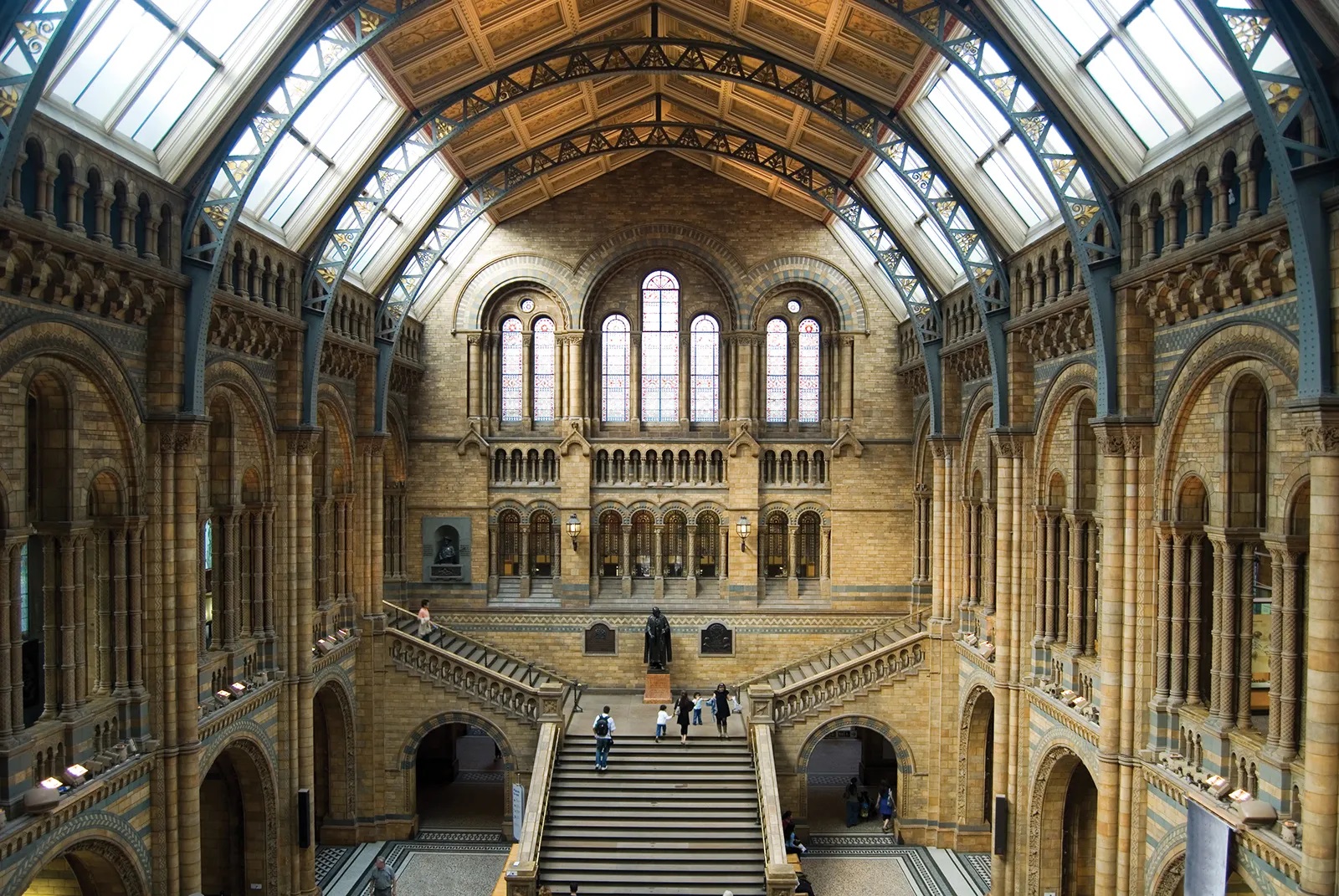
Family days work best when they are simple. Choose one main attraction, keep travel short and add a park, food stop or flexible indoor backup.
The Natural History Museum is the classic family choice because dinosaurs, wildlife, earth science and the building itself all feel exciting. The Science Museum is another strong South Kensington option, especially for curious children who like hands-on displays and technology.
London Transport Museum suits kids who like buses, trains, maps and interactive exhibits, and it pairs well with Covent Garden.
Parks are not just filler on a family trip. Hyde Park, Kensington Gardens, Regent’s Park and Greenwich Park can all rescue a day when children need space after a museum or crowded attraction. Family theatre can also work well, especially for rainy afternoons or evenings when another walk feels too much.
The best family London days mix one main attraction with one flexible outdoor or food stop.
Food, Markets And Places To Eat
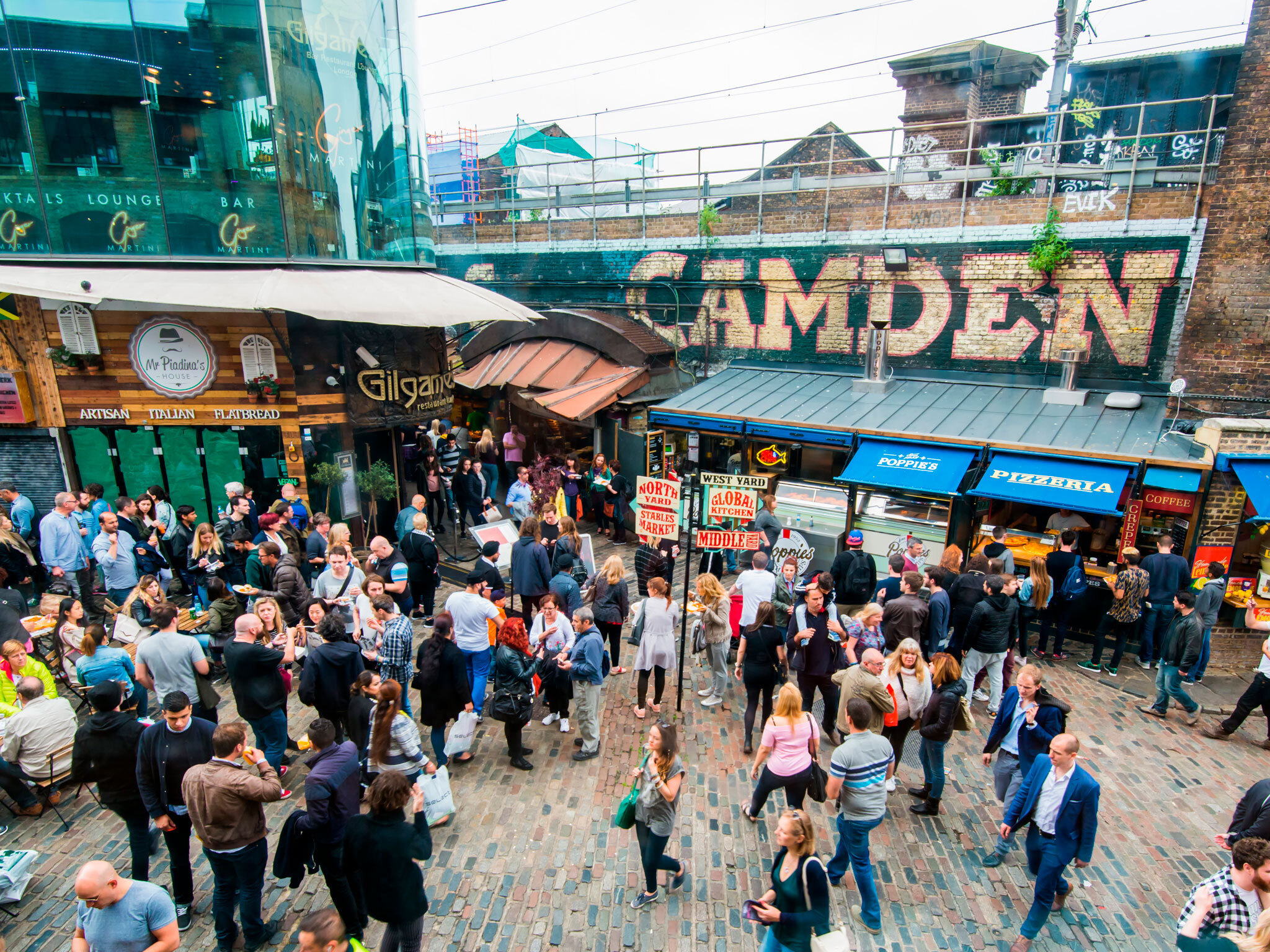
Food can be the main plan or the thing that makes a sightseeing day easier. The best approach is to match food stops to the area you are already visiting.
Borough Market works well with London Bridge, South Bank, Tate Modern and Tower Bridge. Camden Market is better for street food, alternative shops and a more energetic atmosphere. Covent Garden suits central theatre days, while Soho is useful for restaurants, casual meals, bars and late-night food.
If food is a major part of the trip, start with best restaurants in London. If you are trying to keep costs down, use budget places to eat in London.
Afternoon tea is a different kind of food experience. It works best when you want a slower indoor break rather than another attraction, especially on rainy days, birthdays, couples’ trips or first visits.
Food planning is easiest when it follows the area, not the other way around.
Suggested One-Day London Itinerary Ideas
Use these as route ideas, not strict schedules.
The Perfect Day And Night Out In London
The perfect day and night out in London works best when the day has a simple route and the evening has one clear anchor. Start with landmarks or a museum, add a market or riverside walk, then finish with theatre, comedy, a rooftop drink, a Thames view or a relaxed dinner.
A strong version could be Westminster in the morning, South Bank and Borough Market through the middle of the day, Tower Bridge in the afternoon, then a West End show, rooftop bar or night walk along the river after dark.
One Day In London For First-timers
- Morning:Westminster, Big Ben and Parliament Square. Visit Westminster Abbey only if it is your main paid attraction.
- Midday:Walk along the South Bank towards Borough Market.
- Afternoon:Continue to the Tower Bridge area. If Westminster Abbey was your main paid attraction, enjoy Tower Bridge as a free exterior and river-view stop. Otherwise, choose either the Tower of London or Tower Bridge Experience as your main paid attraction.
- Evening:Finish with a reserved Sky Garden or Horizon 22 visit, or travel to the West End for a booked show.
One Free Day In London
- Morning:British Museum or National Gallery.
- Midday:Explore Covent Garden and Trafalgar Square, depending on your starting point.
- Afternoon:Walk the South Bank, visit Tate Modern and cross Millennium Bridge.
- Evening:Choose a reserved free viewpoint, riverside walk or park sunset.
One Family Day In London
- Morning:Natural History Museum or Science Museum.
- Midday:Eat in South Kensington or take a picnic into Kensington Gardens.
- Afternoon:Kensington Gardens, Hyde Park or another nearby museum.
- Evening:Early dinner or pre-booked family theatre.
One Couple’s Day In London
- Morning:Explore Notting Hill and Portobello Road.
- Midday:Have lunch nearby, then continue towards Kensington Gardens.
- Afternoon:Choose afternoon tea, a gallery or a slower scenic walk.
- Evening:Finish with a Thames cruise, rooftop drink or West End show.
One Rainy Day In London
- Morning:Choose one indoor cluster: South Kensington, Trafalgar Square and Covent Garden, or Bankside.
- Midday:Stay in the same area for lunch.
- Afternoon:Add one nearby museum, gallery, covered market or café stop.
- Evening:Choose theatre, comedy or dinner close to your accommodation or next transport route.
One Hidden-gems Day
- Morning:St Dunstan in the East, Leadenhall Market and the nearby Roman Wall.
- Midday:Continue towards Borough Market or Southwark Cathedral.
- Afternoon:Follow the river west towards South Bank and Leake Street Arches.
- Evening:Stay around Waterloo or South Bank for dinner, theatre, comedy or live music.
What To Book In Advance
Book anything you would be genuinely disappointed to miss. Leave parks, markets, walks and free museums flexible where possible.
Book ahead for:
- London Eye.
- Tower of London.
- Westminster Abbey.
- Popular West End shows.
- Warner Bros. Studio Tour.
- Afternoon tea.
- Sky Garden or Horizon 22.
- Major temporary exhibitions.
- Kew Gardens seasonal events.
- Ceremony of the Keys.
Keep parks, markets, street art walks, free museums, and neighbourhood wandering flexible.
How To Make The Budget Work
- Choose one area per half-day.
- Use free museums and parks.
- Walk between nearby sights.
- Use buses or the Tube instead of taxis.
- Eat one market meal, not three.
- Book free viewpoints early.
- Pay for only one major attraction if it truly matters.
The biggest budget pressure usually comes from stacking several paid attractions in one day.
Frequently Asked Questions
What Should I Not Miss In London?
For a first visit, do not miss Westminster, South Bank, Tower Bridge, the Tower of London, one major museum, one market and one evening activity such as theatre, comedy or a night walk.
What Can I Do In London For Free?
You can visit major museums and galleries, walk the South Bank, explore Royal Parks, browse markets, see free viewpoints and plan self-guided landmark walks. Many free places still have paid exhibitions, optional donations or timed booking rules, so check official pages before going. Data as of July 2026.
What To Do In London When It Rains?
Choose museums, galleries, covered markets, theatre, comedy, afternoon tea or indoor attractions. The easiest rainy-day clusters are South Kensington, Trafalgar Square, Covent Garden, Bankside and the West End.
What Is Best At Night In London?
The best night options are West End theatre, comedy clubs, rooftop bars, South Bank walks, illuminated bridges, restaurants, pubs and night photography viewpoints.
What Should I Book In Advance?
Book popular paid attractions, theatre, comedy nights, rooftop bars, afternoon tea, major exhibitions, seasonal events and special experiences you would be disappointed to miss. For flexible days, leave parks, walks, markets and free museums as easier backup options.
How Many Days Do You Need In London?
Three days is enough for major highlights. Five days gives you a better mix of museums, markets, parks, neighbourhoods, theatre and slower exploring without rushing every day.
Is London Expensive For Tourists?
London can be expensive, but it also has free museums, galleries, parks, markets, viewpoints and walking routes. The biggest costs are usually accommodation, food, transport choices and paid attractions.
What Is Good For Kids In London?
Good family choices include the Natural History Museum, Science Museum, London Transport Museum, parks, family theatre and Harry Potter experiences. Keep travel short and plan one flexible outdoor or food stop each day.
What Is Good For Couples In London?
Couples can build a strong day around South Bank at sunset, Greenwich, afternoon tea, a West End show, rooftop views, Little Venice, markets or a Thames river ride. The best couple-friendly plans leave enough time to slow down.
How Should I Choose What To Do First?
Choose by situation, not fame. First-timers should start with landmarks, families with logistics, budget visitors with free culture and parks, rainy-day visitors with indoor clusters, and night visitors with theatre, comedy or route-home planning.
Quick Recap
The best London plan is the one that matches your actual day: time, weather, budget, area, energy and interests.
First-timers should group Westminster, South Bank, Tower Bridge, one major attraction, one market and one evening plan. Budget visitors should lean into free museums, parks, galleries, markets and river walks. Families should keep travel short, while rainy-day plans should stay close to museums, galleries, theatre and covered food stops.
London rewards good grouping more than long lists. Pick one area, one main activity and one flexible extra at a time, and the city becomes far easier to enjoy.
Jump to
Quick Answer: What Are The Best Things To Do In London?
Plan Your London Day By Type
Things To Do In London By Area
If You Have 1, 2, 3, 4-5 Or 6-7 Days In London
Things To Do In London Today Or This Weekend
Things To Do In London: Quick Directory
Best For First-Timers
Free And Cheap Things To Do In London
Rainy Day London Plans
Best London Attractions To Plan Around
Outdoors: Parks, Walks And Viewpoints
Culture: Museums, Galleries And Historic London
Theatre, Comedy And London At Night
Things To Do In London For Couples
Things To Do In London With Kids
Food, Markets And Places To Eat
Suggested One-Day London Itinerary Ideas
What To Book In Advance
How To Make The Budget Work
Frequently Asked Questions
Quick Recap

James Rowley
Author
James Rowley is a London-based writer and researcher covering London life, cultural geography, London travel, live London webcam pages and selected public figures across entertainment, sport, business and public life.
For over 15 years, he has focused on verified sources, first-hand local context and clear explanations that help readers understand both places and people more deeply. His work combines street-level London knowledge with careful research into career credits, media work, business interests and, where relevant, transparently explained net worth estimates.
He writes and reviews articles published on LondonWebcam.
Latest Articles
Popular Articles