Best London Attractions - 50 Places To See, Book And Skip In 2026
See the best London attractions with practical advice on what to book, what to skip, where to go free, and how to group your London day.
Author:James RowleyOct 08, 202628.2K Shares455.1K Views
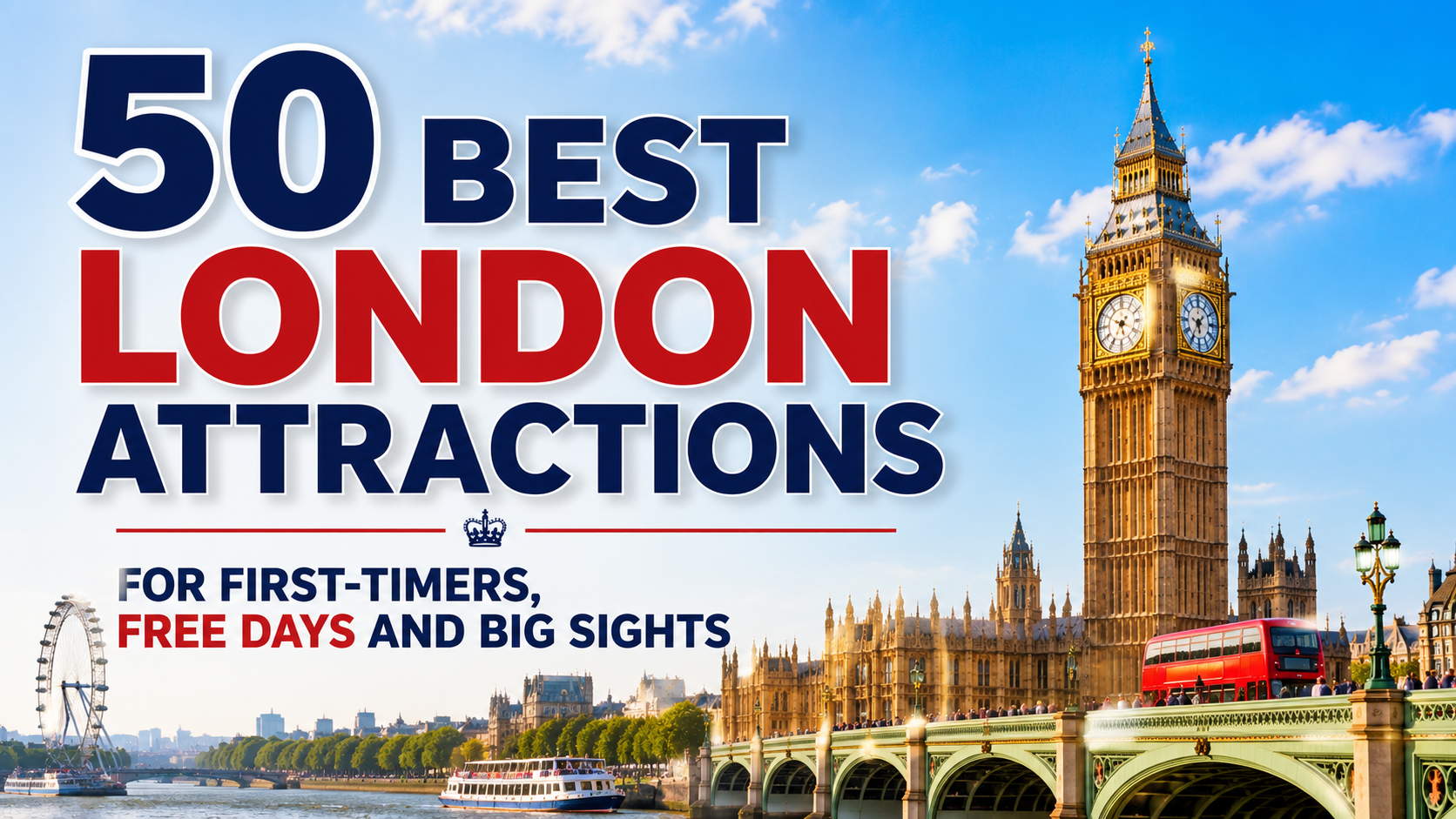
50 Best London Attractions For First-Timers, Free Days And Big Sights
Londonis packed with famous attractions, but that is exactly the problem.
If you try to see everything, you will spend half your trip on the Tube, the other half in queues, and the final bit wondering why your feet have started negotiating against you.
This guide keeps things simple. These are the 50 best London attractionsactually worth considering, with quick advice on who each one suits, what to book, and when to skip it.
Before you go, check current opening times, tickets, weather, transport, and the best time to visit Londonfor your trip style.
Key Takeaways
- The best London attractions are not just the most famous ones. The smartest picks depend on your time, budget, travel style, and where you are staying.
- First-time visitors should start with the major icons: Tower of London, Buckingham Palace, Westminster Abbey, Big Ben, London Eye, Tower Bridge, British Museum, Natural History Museum, Borough Market, and Covent Garden.
- London is easier when you plan by area. Group Westminster with South Bank, Tower Bridge with the City, South Kensington with the museums, and Greenwich as its own half-day trip.
- Book major paid or timed attractions in advance, especially the Tower of London, Westminster Abbey, the London Eye, the Sky Garden, the Warner Bros. Studio Tour, West End theatre, Kew Gardens, and Hampton Court Palace.
- Free London attractions can carry a whole trip. The British Museum, Natural History Museum, V&A, Science Museum, National Gallery, Tate Modern, Hyde Park, South Bank, and St James’s Park are all strong options.
- If your trip is short, skip attractions that do not match your group. Harrods, Madame Tussauds, London Dungeon, Hampton Court Palace, and Kew Gardens can be great, but only if they fit your route and interests.
- Before going out, check the weather, TfL status, attraction opening times, ticket availability, walking distance, and live webcam views for outdoor routes.
Quick Answer: The Best London Attractions To Prioritise
If it is your first London trip, start with these:
- Tower of London
- Buckingham Palace
- Westminster Abbey
- Big Ben and the Houses of Parliament
- London Eye
- Tower Bridge
- British Museum
- Natural History Museum
- Borough Market
- Covent Garden
For a smarter trip, pick 2-3 major attractions per day, group them by area, and use a London attractions mapbefore locking in your route.
How I Chose These 50 London Attractions
I chose these attractions based on first-time visitor value, location efficiency, free-versus-paid usefulness, family and adult appeal, repeat-visitor interest, and whether the attraction is genuinely worth planning around.
This is not just a list of famous places. Some famous places are worth your time. Some are best as quick photo stops. Some are only worth it if they match your group, budget, or route.
The goal is simple: help you build a London day that feels full without feeling ridiculous.
Best London Attractions By Trip Type
| Trip type | Best attractions to prioritise |
| First-time trip | Tower of London, Westminster Abbey, London Eye, Buckingham Palace |
| Free day | British Museum, Natural History Museum, National Gallery, Tate Modern |
| Adults | Churchill War Rooms, Borough Market, Soho, West End theatre |
| Couples | Sky Garden, Kew Gardens, South Bank, Thames river cruise |
| Families | Natural History Museum, Science Museum, London Zoo, SEA LIFE London |
| Harry Potter fans | Warner Bros. Studio Tour, King’s Cross, Leadenhall Market |
The 50 Best London Attractions
1. Tower Of London
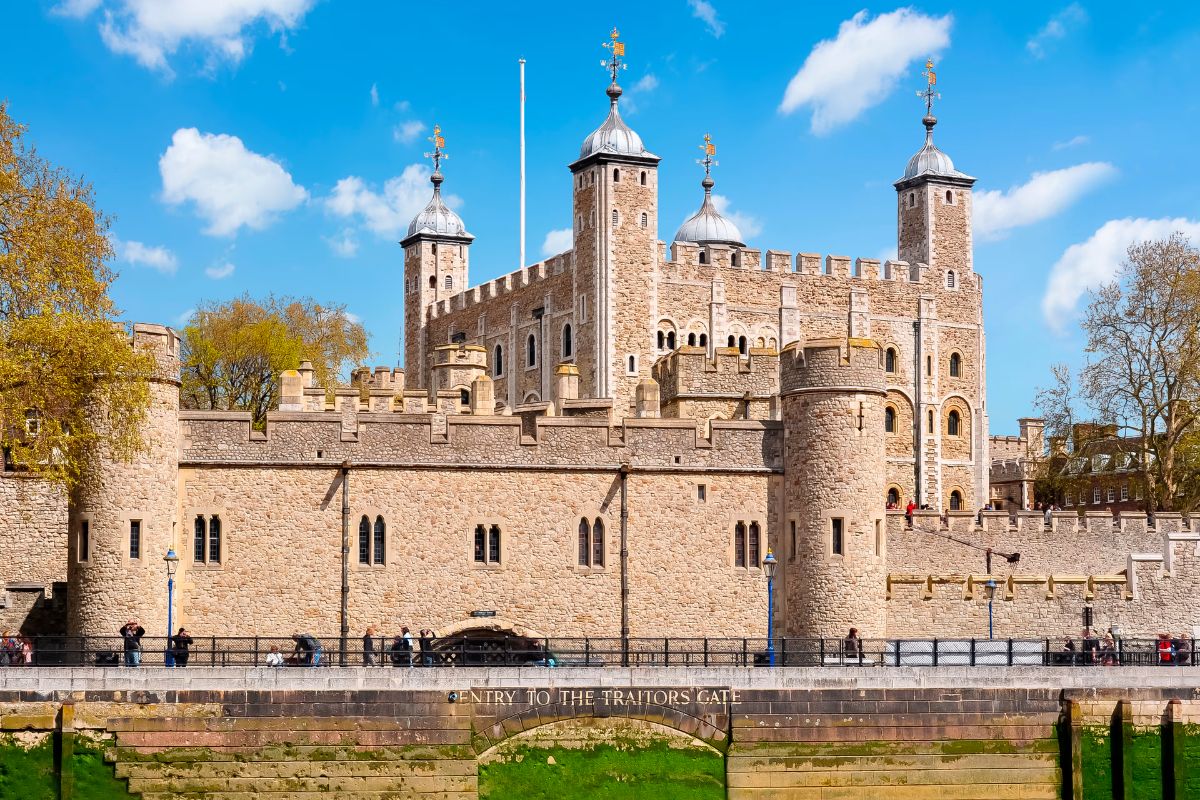
The Tower of London is one of the best paid attractions in the city. It gives you royal history, prison stories, medieval walls, the Crown Jewels, and enough drama to justify the ticket.
Go early if you can. This is not a quick ten-minute stop unless you only want the outside photo.
The Historic Royal Palaces guide to the Crown Jewelsis the best official source to check before visiting.
Best for:first-timers, history fans, royal historyBook ahead:yesSkip if:you only want free attractions
2. Buckingham Palace
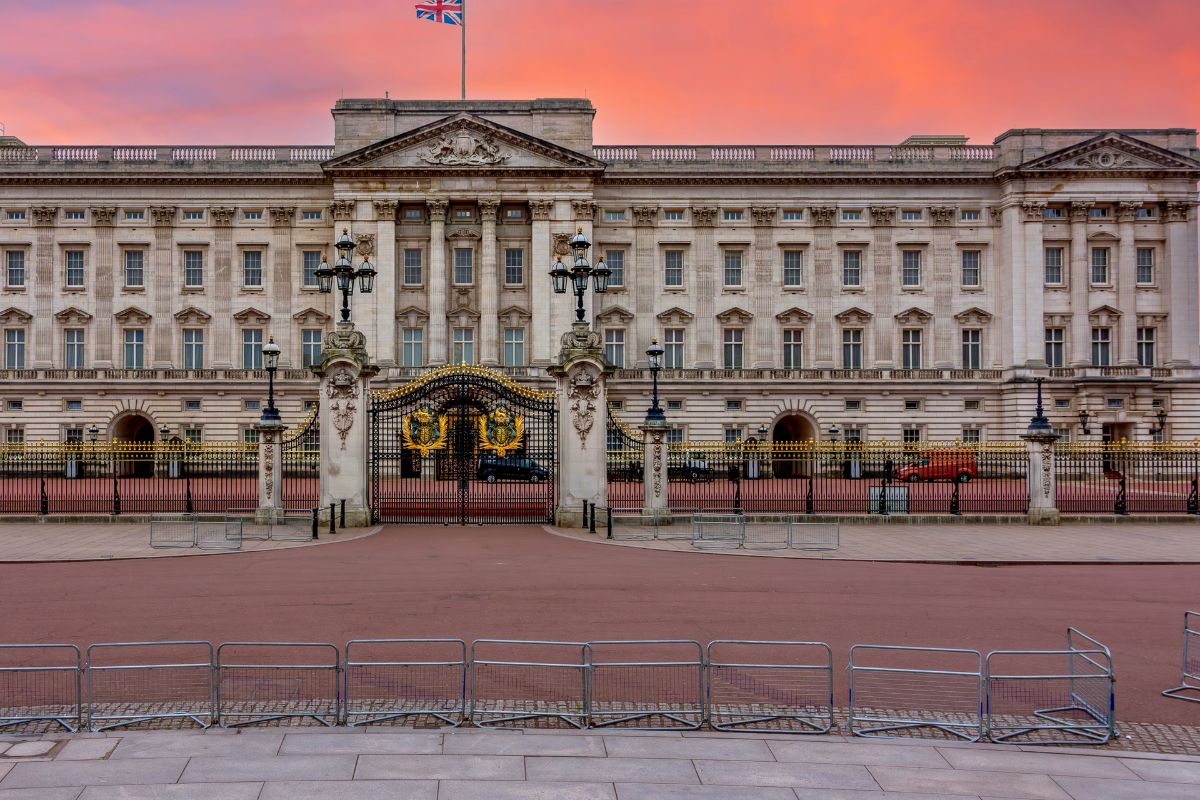
Buckingham Palace is the classic royal London photo stop. The palace itself is most interesting when the State Rooms are open, but the gates, the Mall, St James’s Park, and nearby Westminster still make it worth including.
Do not plan half a day around the railings. See it, enjoy the moment, then keep moving.
Check the Royal Collection Trust Buckingham Palace pagefor current visitor access and seasonal openings.
Best for:first-timers, royal London, photosBook ahead:only for seasonal palace entrySkip if:you are short on time and not interested in royal sights
3. Westminster Abbey
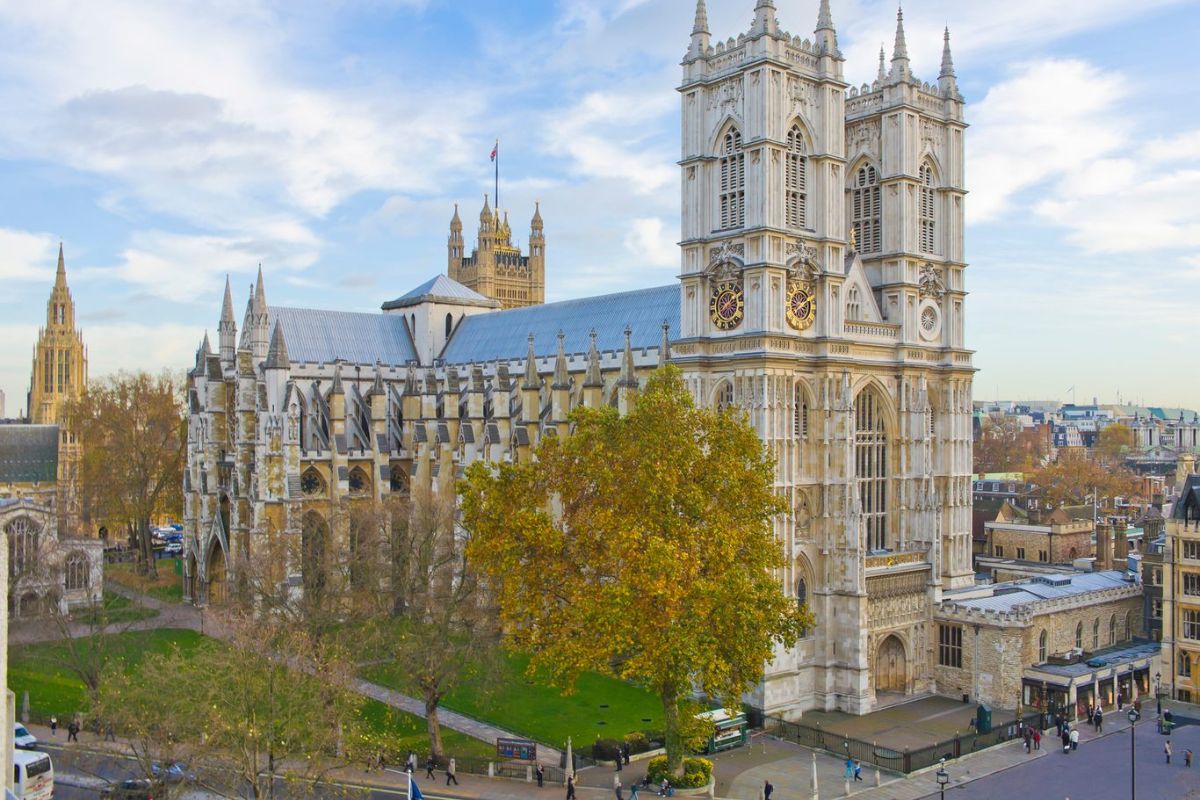
Westminster Abbey is one of London’s strongest historic attractions. Coronations, royal weddings, memorials, tombs, poets, scientists, prime ministers — it is basically British history stacked in stone.
It is far better inside than as a quick exterior stop.
The official Westminster Abbey visit pagenotes that the Abbey has been the coronation church since 1066 and is the resting place of more than 3,000 great Britons.
Best for:history, architecture, royal eventsBook ahead:recommendedSkip if:you only want outdoor sightseeing
4. Big Ben And The Houses Of Parliament
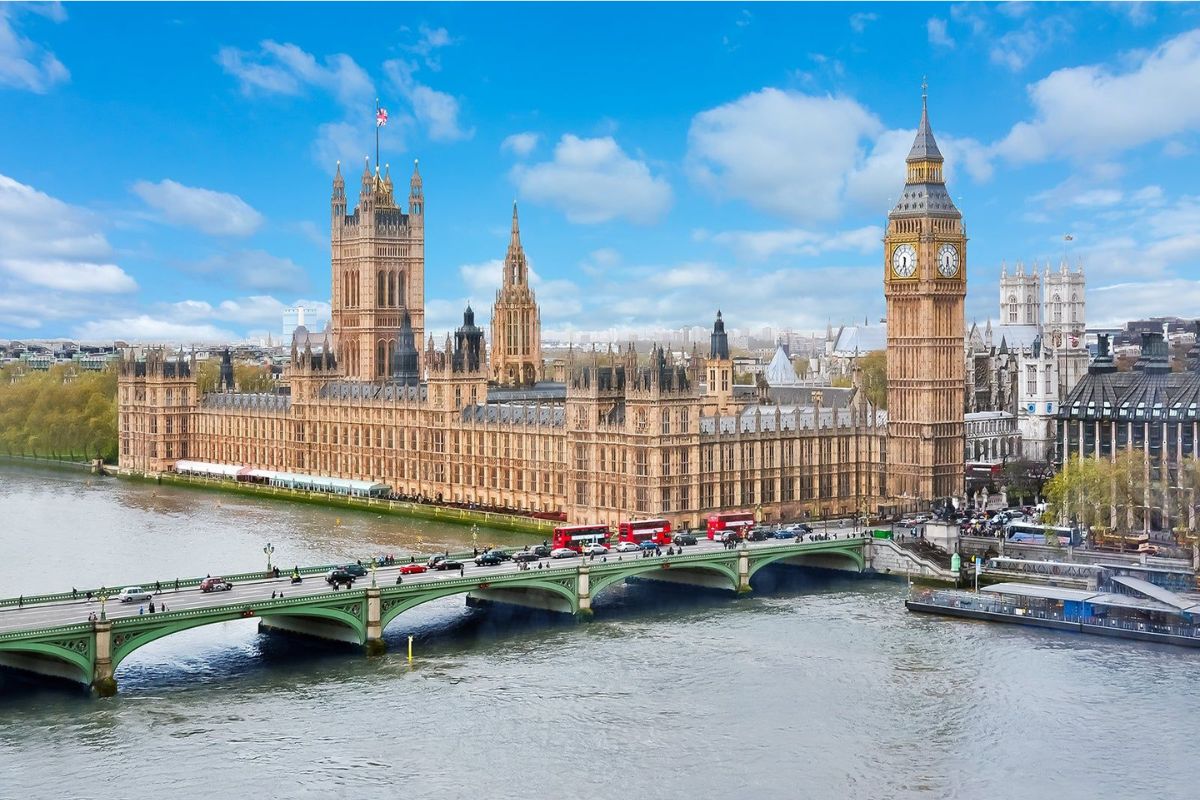
Big Ben is technically the bell, not the tower, but most visitors use the name for the whole famous view.
This is one of the easiest London icons to see because it sits right beside Westminster Abbey, Parliament Square, Westminster Bridge, and the London Eye.
Best for:first-time photos, Westminster walksBook ahead:not for exterior viewsSkip if:you expect a long attraction experience
5. London Eye
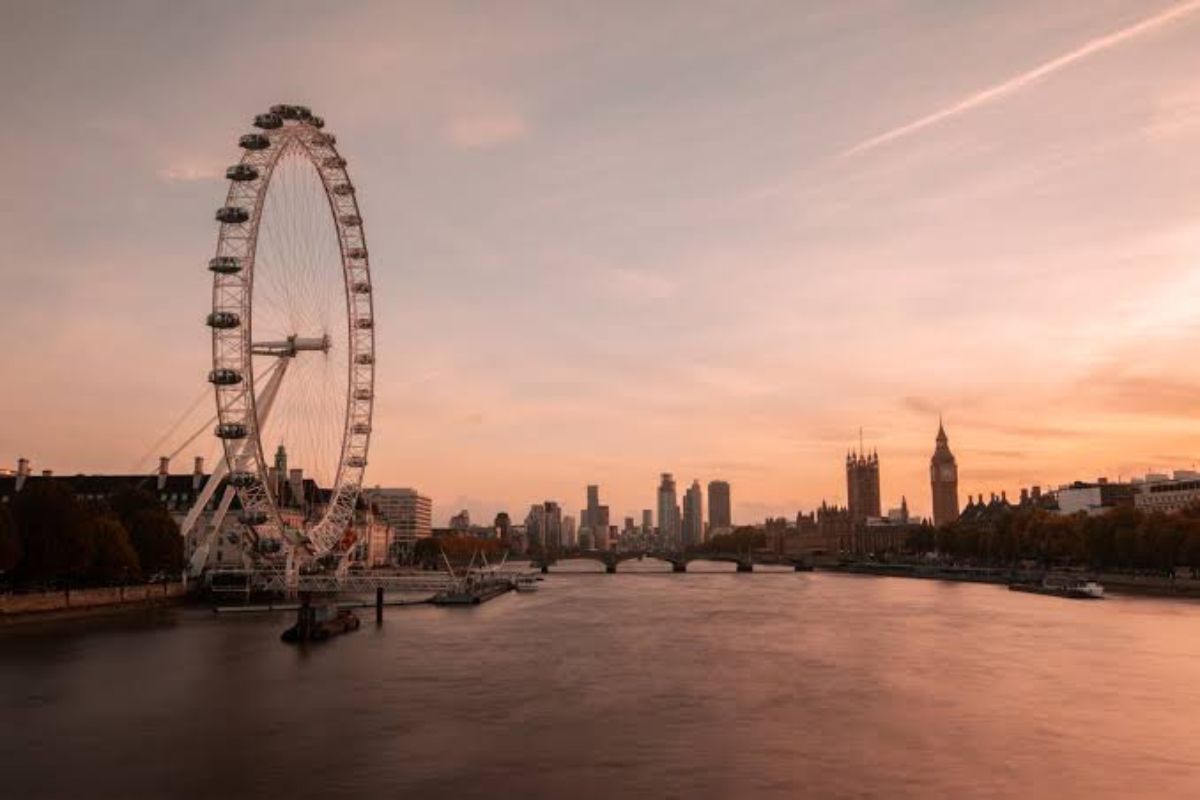
The London Eye is touristy, expensive compared with free viewpoints, and still one of the easiest ways to see classic London from above.
You get Westminster, the Thames, the bridges, and the skyline in one slow rotation. It works especially well for first-timers and families.
Best for:views, first-timers, families. Book ahead:yes
Skip if you prefer free viewpoints in Londonlike Sky Garden, Primrose Hill, or river-level skyline views.
6. Tower Bridge
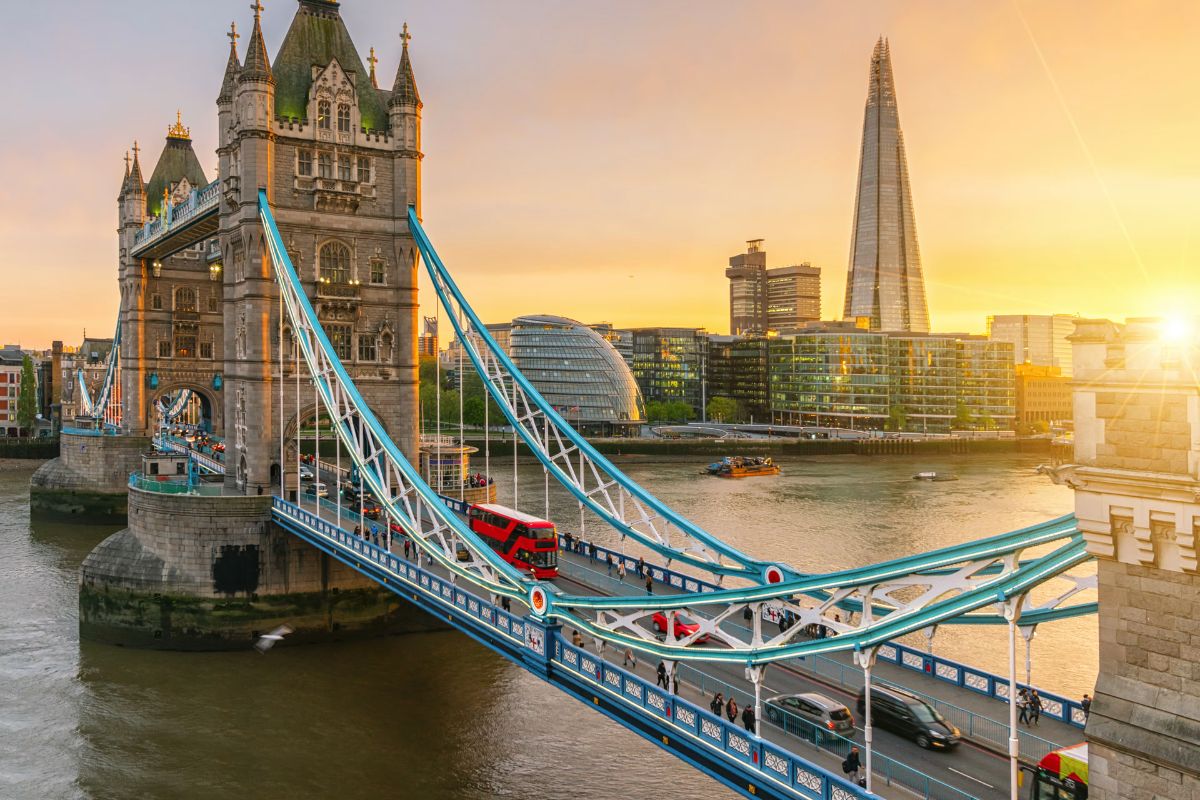
Tower Bridge is one of the most photogenic landmarks in London. The outside view is free, and the paid experience adds the high-level walkways, glass floors, towers, and Victorian engine rooms.
If you only want the famous photo, stay outside and walk along the river.
Best for:photos, river views, first-timersBook ahead:only if going insideSkip if:you only need a quick free stop
7. British Museum
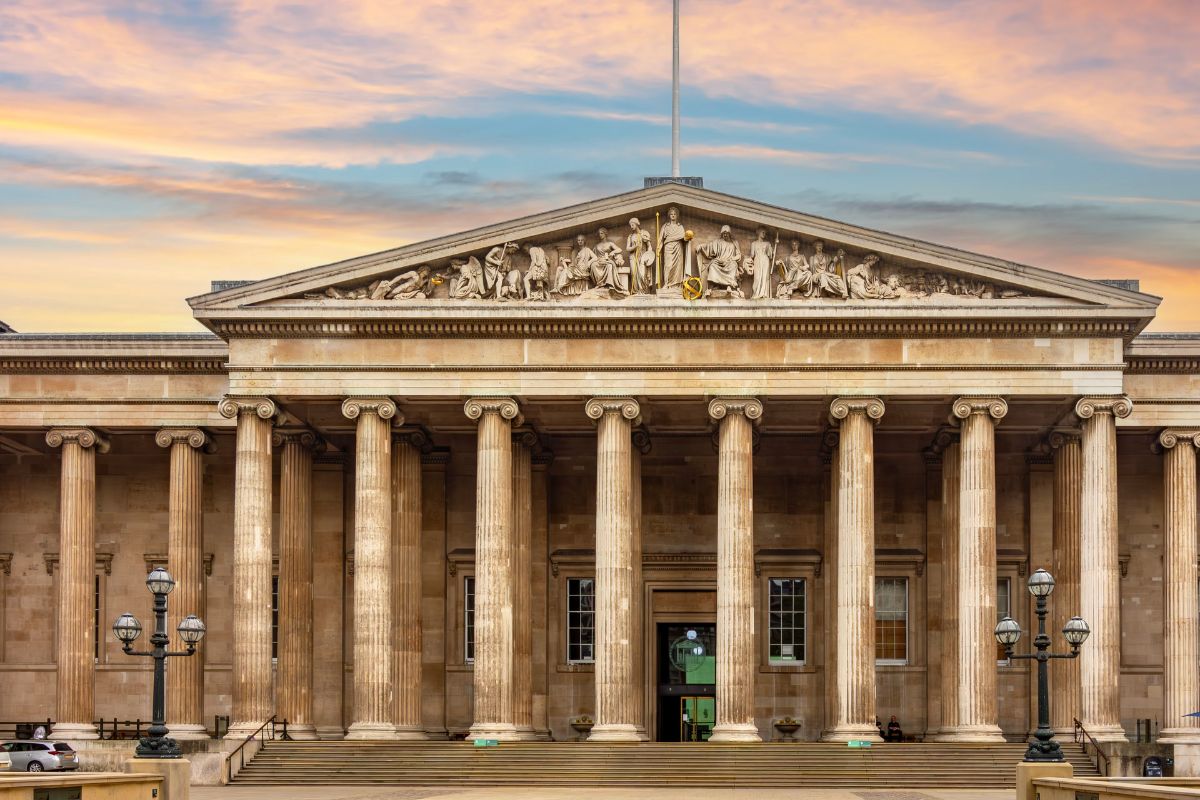
The British Museum is free, huge, and very easy to do badly.
Do not wander in with no plan unless you enjoy slow museum confusion. Pick a few sections you actually care about and leave before your brain starts turning into audio-guide static.
The official British Museum visit pagerecommends booking a free ticket in advance for updates and priority entry during busy periods.
Best for:free culture, history, rainy daysBook ahead:useful during busy timesSkip if:you are already museumed out
8. Natural History Museum
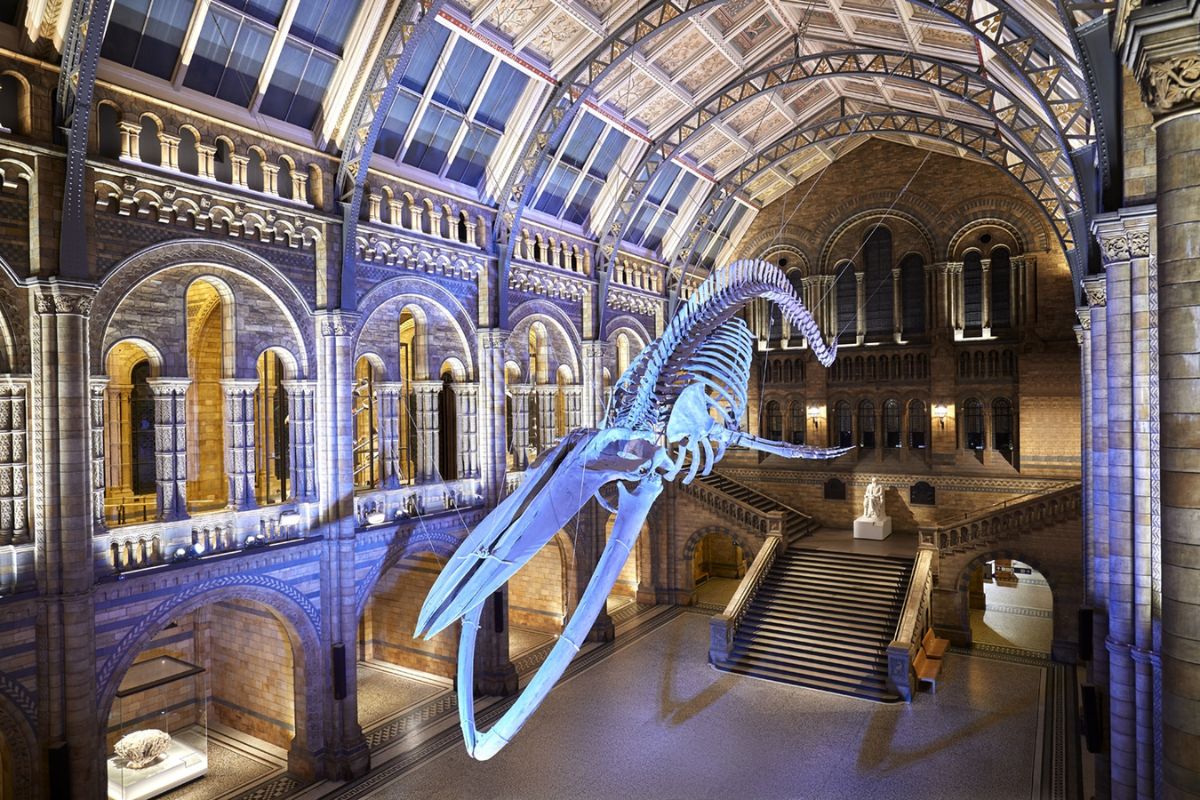
The Natural History Museum is one of the safest London picks for almost everyone. Families love it, adults love the building, and rainy-day visitors love that it is indoors and free.
It gets busy, especially during school holidays, so go early or be patient.
The official Natural History Museum visit pageexplains how to book free entry tickets and plan your visit.
Best for:families, free days, rainy daysBook ahead:recommended when timed entry is availableSkip if:you strongly dislike busy museum crowds
9. Victoria And Albert Museum
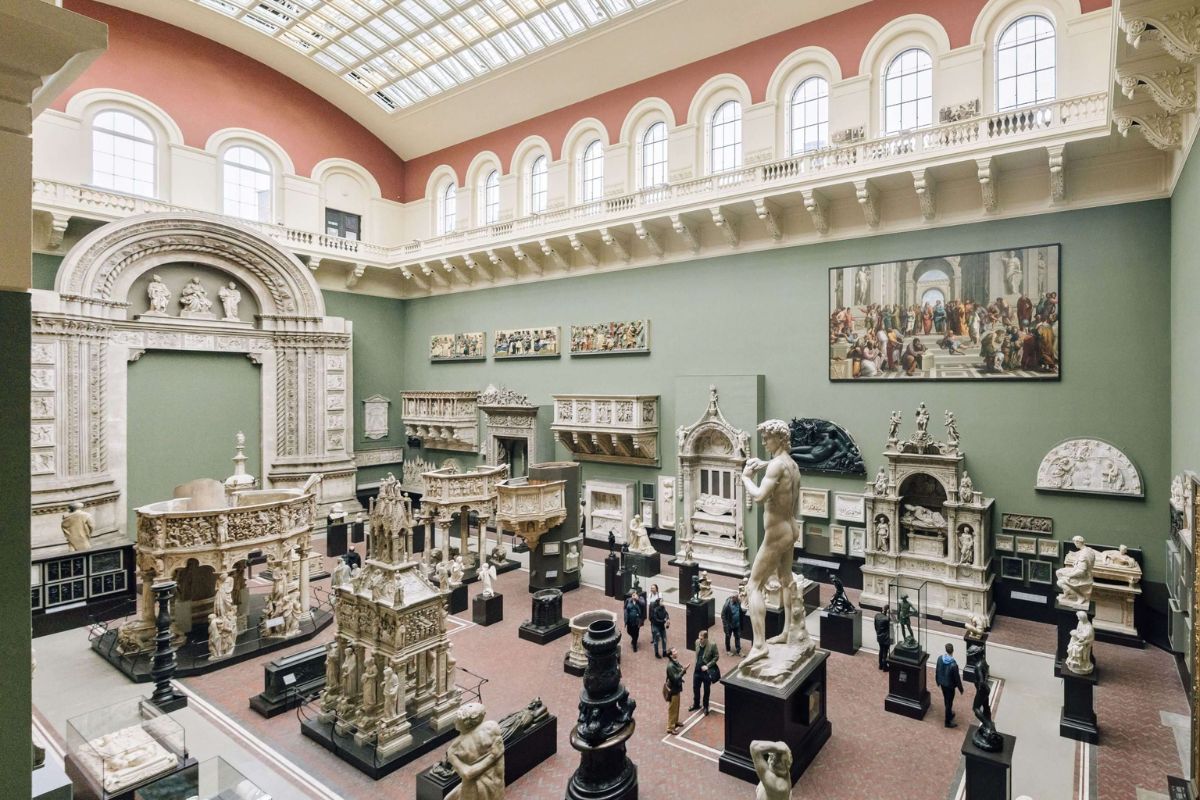
The V&A is the best free London museum for design, fashion, interiors, sculpture, jewellery, furniture, and decorative arts.
It is also usually a little less chaotic than the Natural History Museum next door, which is a gift.
The official V&A visit pageconfirms that its venues, including South Kensington, are open and free to visit.
Best for:design, fashion, art, adultsBook ahead:only for special exhibitionsSkip if:you want dinosaurs or science displays
10. Science Museum
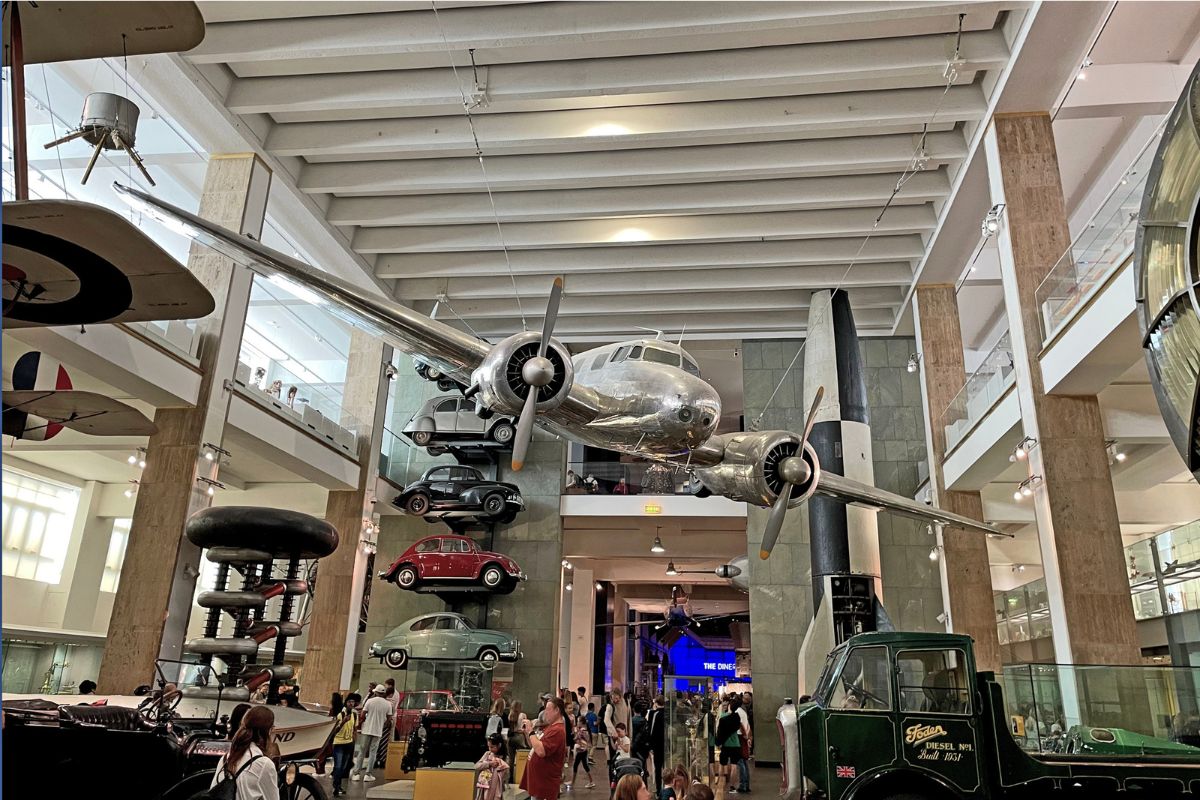
The Science Museum is a strong family pick, especially on a rainy day. It has space, technology, engineering, medicine, hands-on exhibits, and enough variety to keep different ages interested.
Pair it with the Natural History Museum or V&A, but do not try to fully “do” all three in one day.
Best for:families, science fans, rainy daysBook ahead:for special exhibitions or experiencesSkip if:your group has already done one big museum that day
11. National Gallery
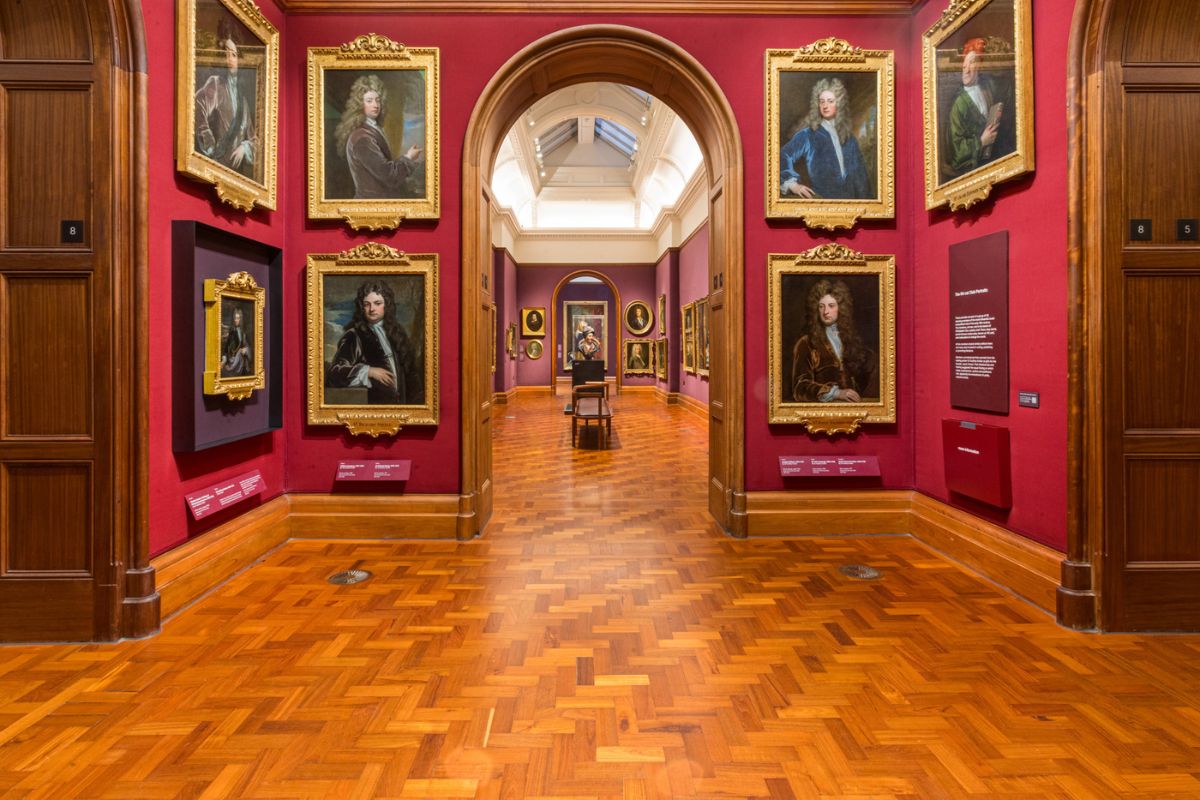
The National Gallery is one of the easiest free culture stops in London. It sits right on Trafalgar Square, making it simple to combine with Westminster, Covent Garden, Leicester Square, or the West End.
It is ideal if you want major art without losing an entire day.
Best for:free art, central London, short visitsBook ahead:only for exhibitionsSkip if:you want modern art instead
12. Tate Modern
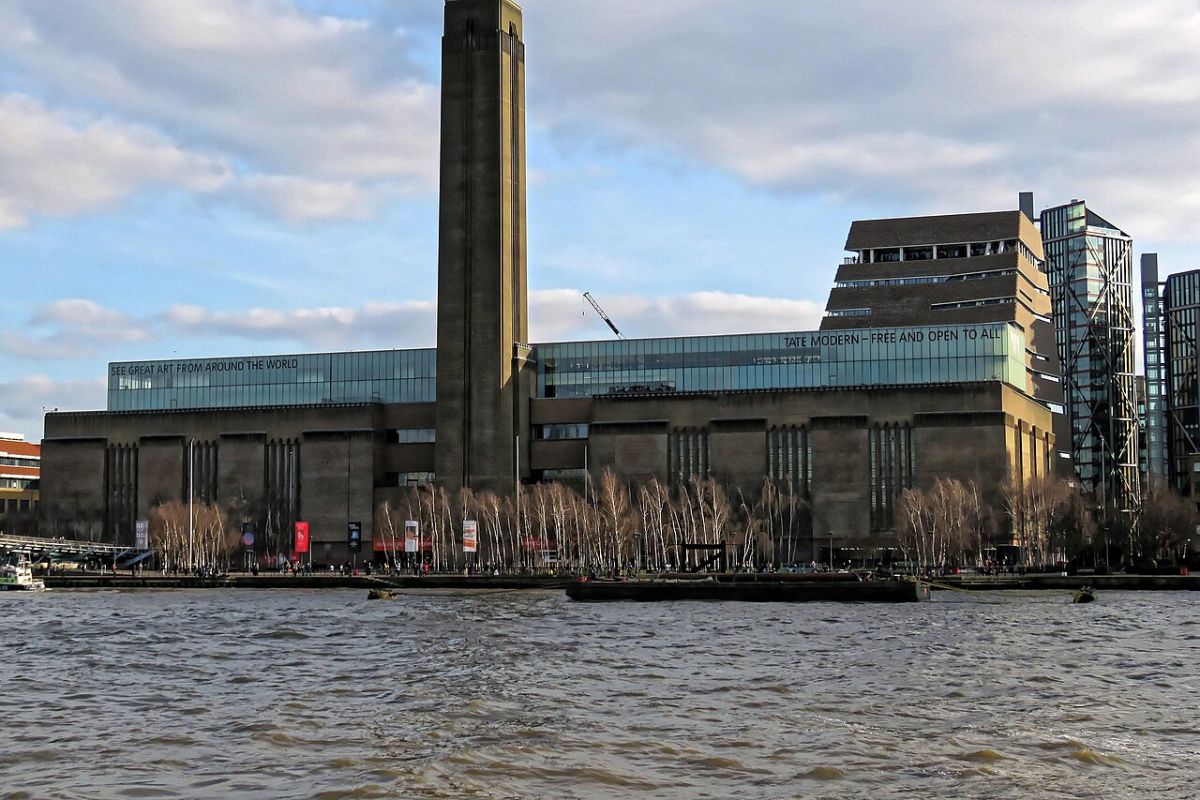
Tate Modern is the best free pick for modern and contemporary art. The building, the river location, and the South Bank setting make it useful even if not everyone in your group is obsessed with galleries.
Pair it with Millennium Bridge, St Paul’s, Borough Market, or Shakespeare’s Globe.
The official Tate Modern visit pageis the best place to check current exhibitions and visitor information.
Best for:modern art, South Bank, free cultureBook ahead:for paid exhibitionsSkip if:you prefer traditional paintings
13. St Paul’s Cathedral
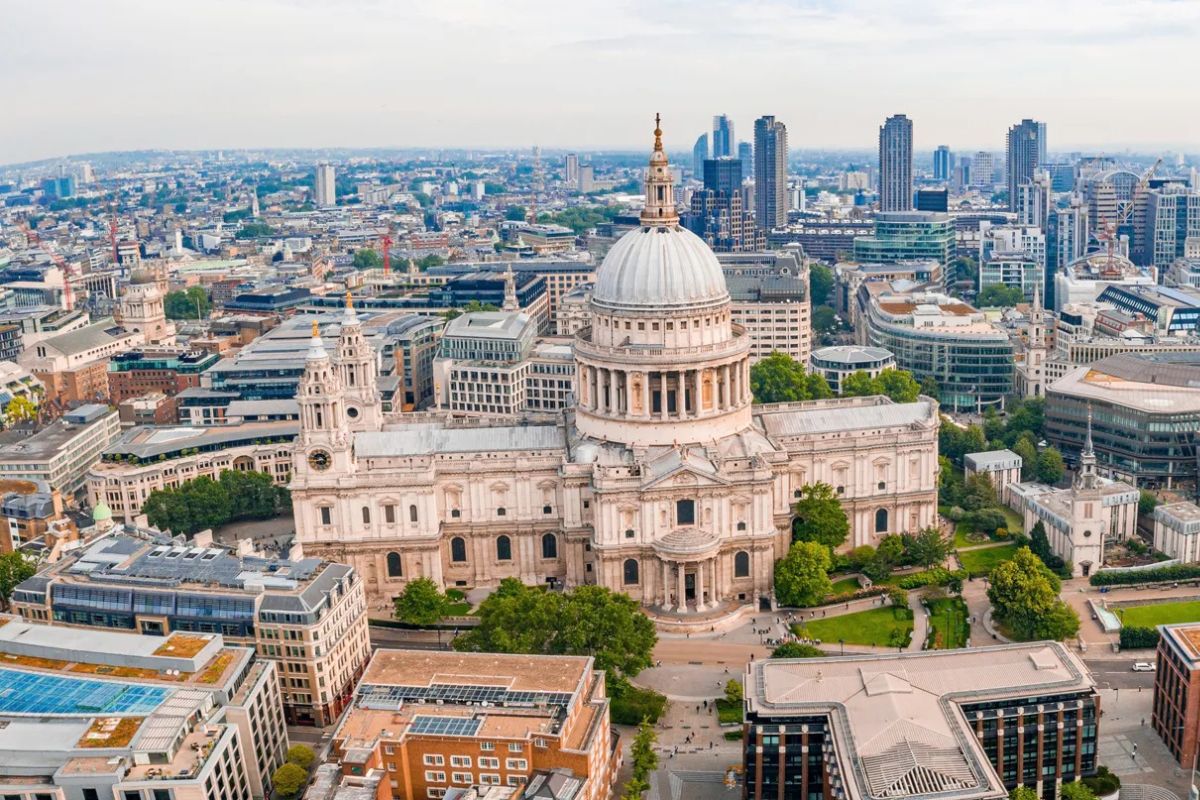
St Paul’s Cathedral is one of London’s great skyline landmarks. Inside, it gives you architecture, history, worship space, and the option to climb for views.
It works beautifully with Millennium Bridge and Tate Modern.
Best for:architecture, history, City of LondonBook ahead:recommended for entrySkip if:you already booked Westminster Abbey and need to save money
14. Churchill War Rooms
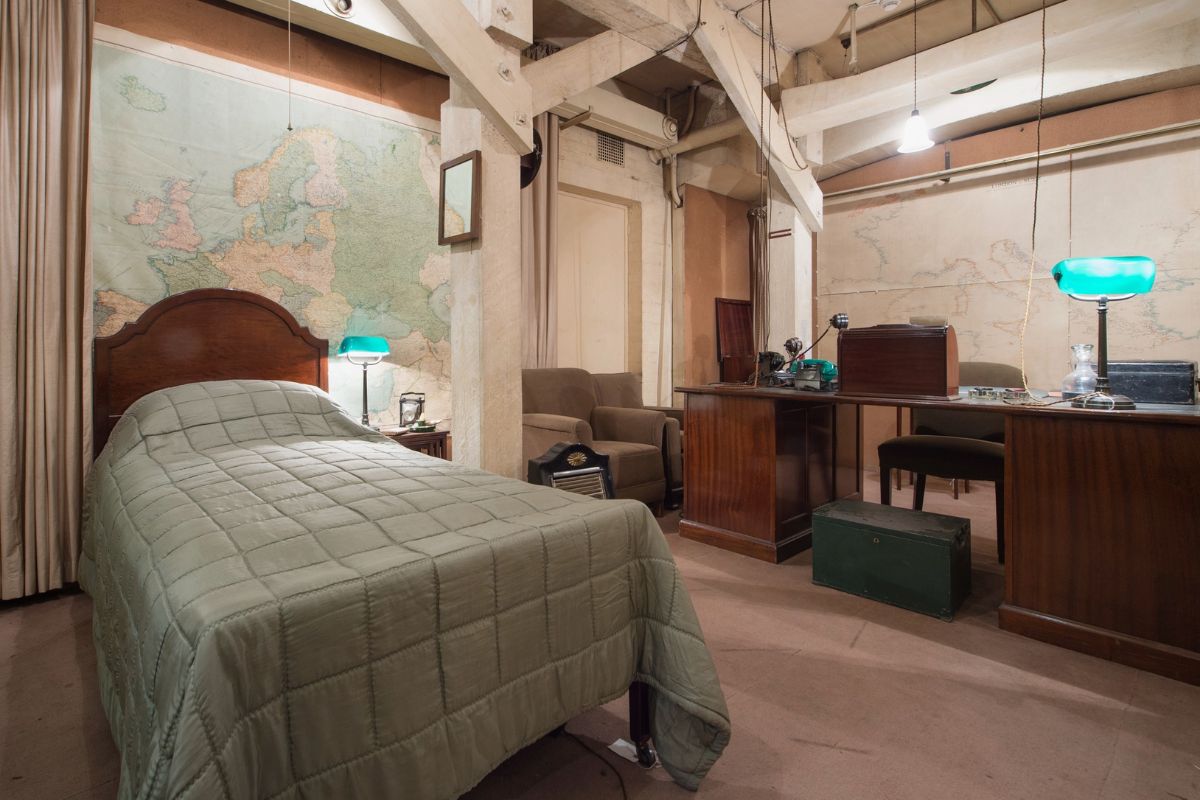
Churchill War Rooms is one of London’s best adult-friendly history attractions. It is atmospheric, detailed, underground, and far more memorable than simply walking past wartime statues.
This is a strong choice if you want serious history rather than another general museum.
Best for:adults, World War II history, rainy daysBook ahead:yesSkip if:you want something light and quick
15. Shakespeare’s Globe
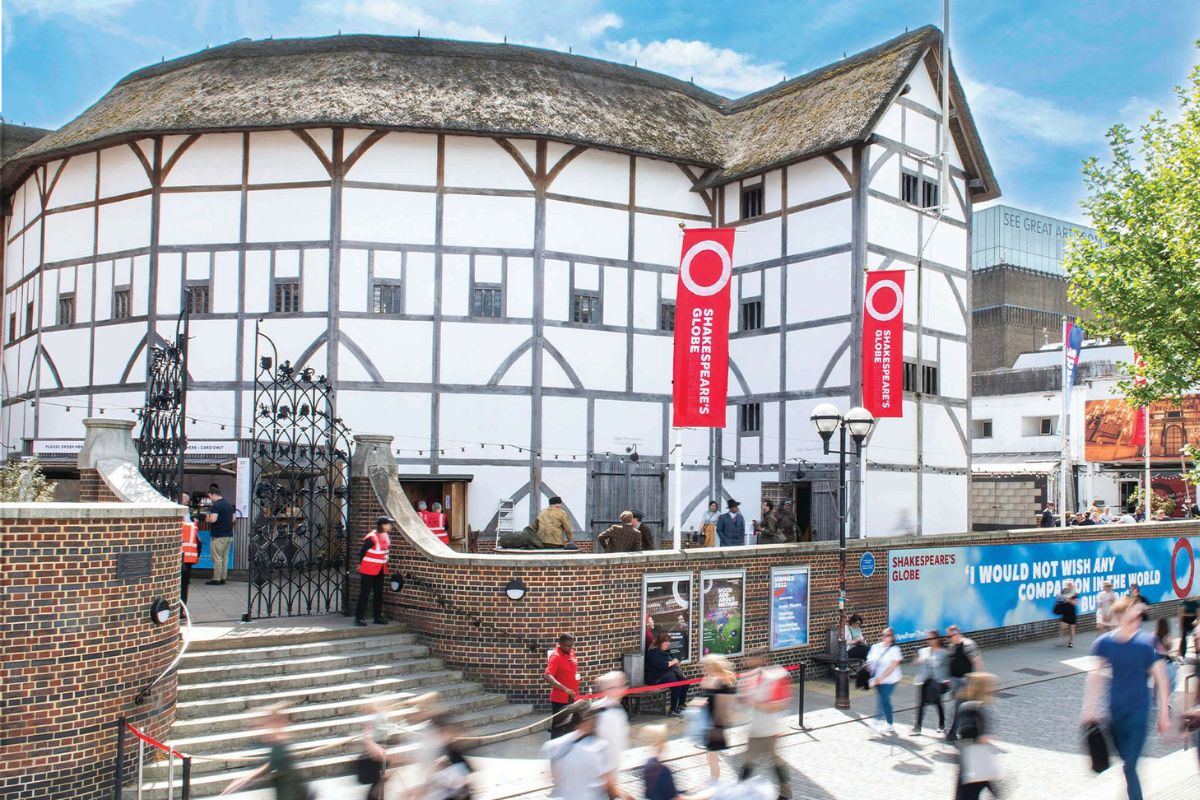
Shakespeare’s Globe is best when you see a performance, not just when you stare at the outside and say, “Nice.”
The theatre sits on the South Bank, close to Tate Modern, Borough Market, Millennium Bridge, and St Paul’s.
Best for:theatre, literature, South Bank walksBook ahead:yes for performancesSkip if:Shakespeare is not your thing
16. Borough Market
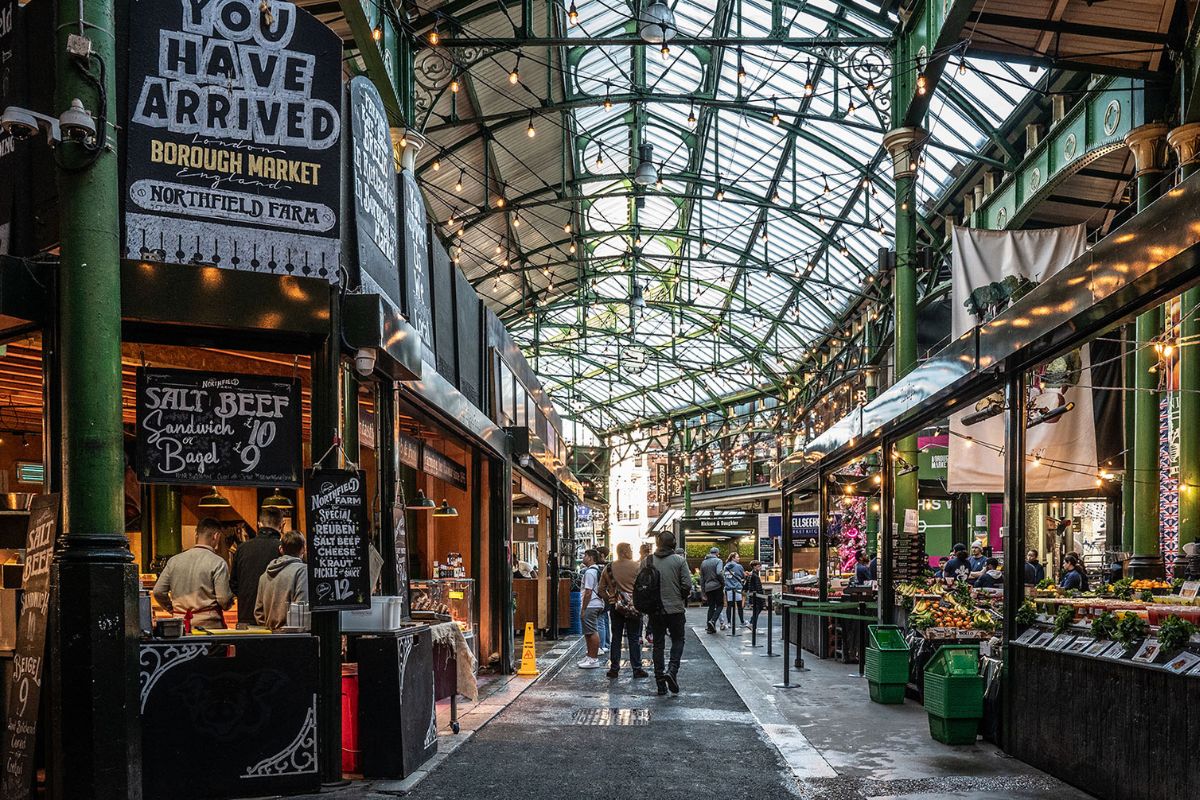
Borough Market is one of London’s best food stops. It is busy, atmospheric, central, and dangerously good at turning lunch into a full activity.
Go hungry and do not expect calm. The crowd is part of the deal.
Best for:food, adults, central London atmosphereBook ahead:not for the marketSkip if:you hate crowds and queues
17. Covent Garden
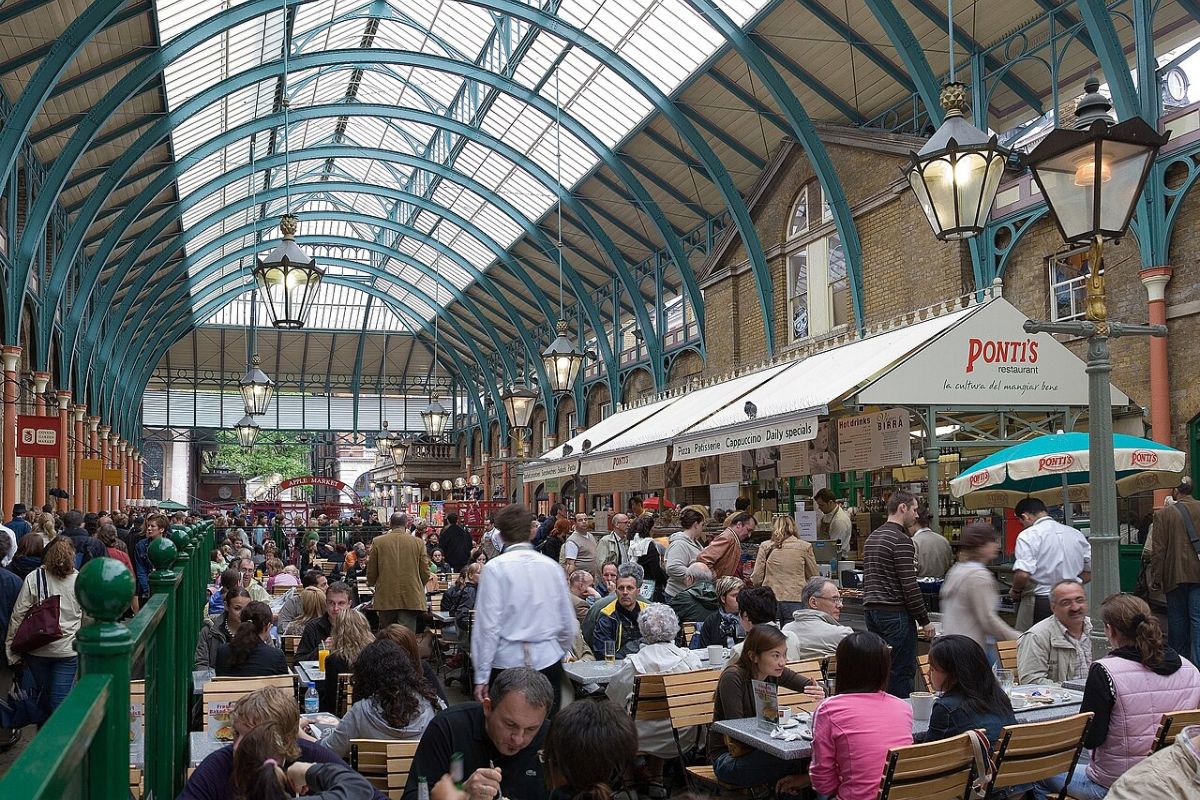
Covent Garden is touristy because it works. You get shops, restaurants, street performers, theatres, Seven Dials, and easy access to the West End.
It is a great afternoon or evening area, especially for first-timers.
Best for:shopping, theatre, food, first-timersBook ahead:for restaurants or showsSkip if:you want quiet local London
18. West End Theatre
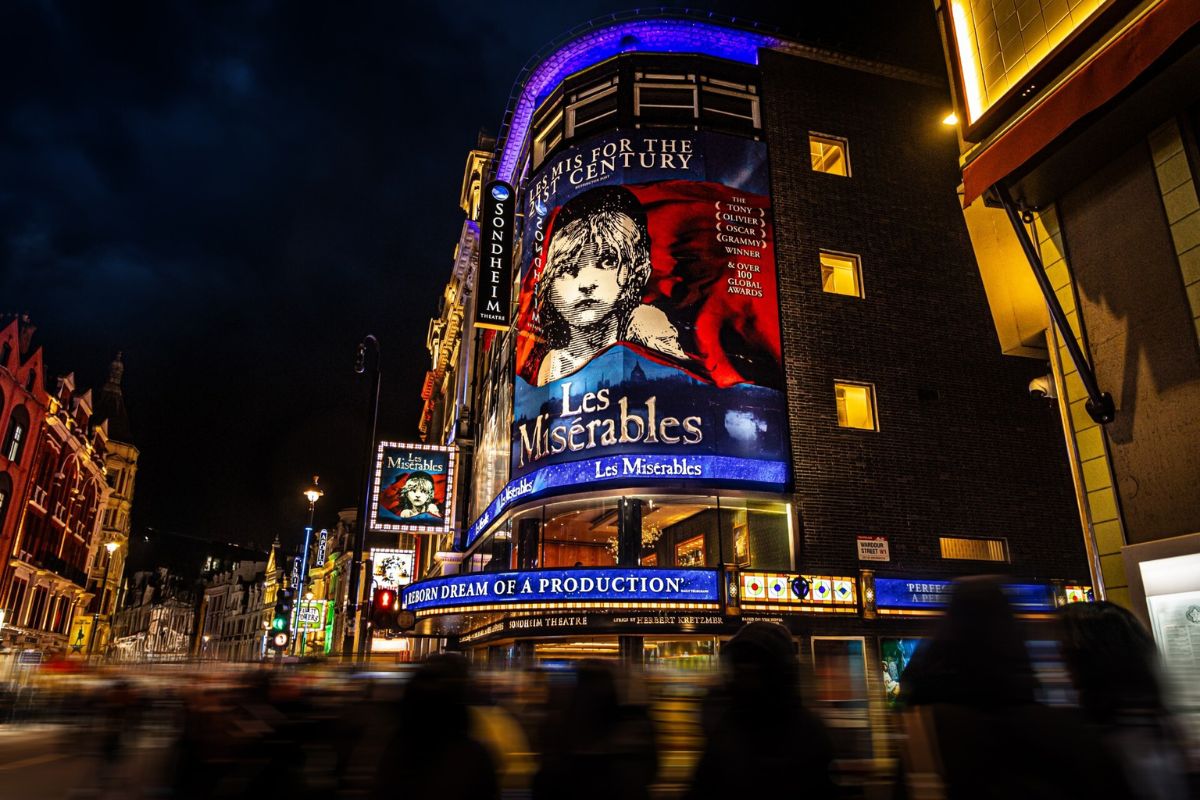
A West End show is one of the best evening plans in London. It gives your day a proper finish and saves you from wandering around Leicester Square asking what to do next.
Book ahead if there is a specific show you want.
Best for:couples, adults, evenings, familiesBook ahead:yesSkip if:you are too tired to sit through a show
19. Sky Garden
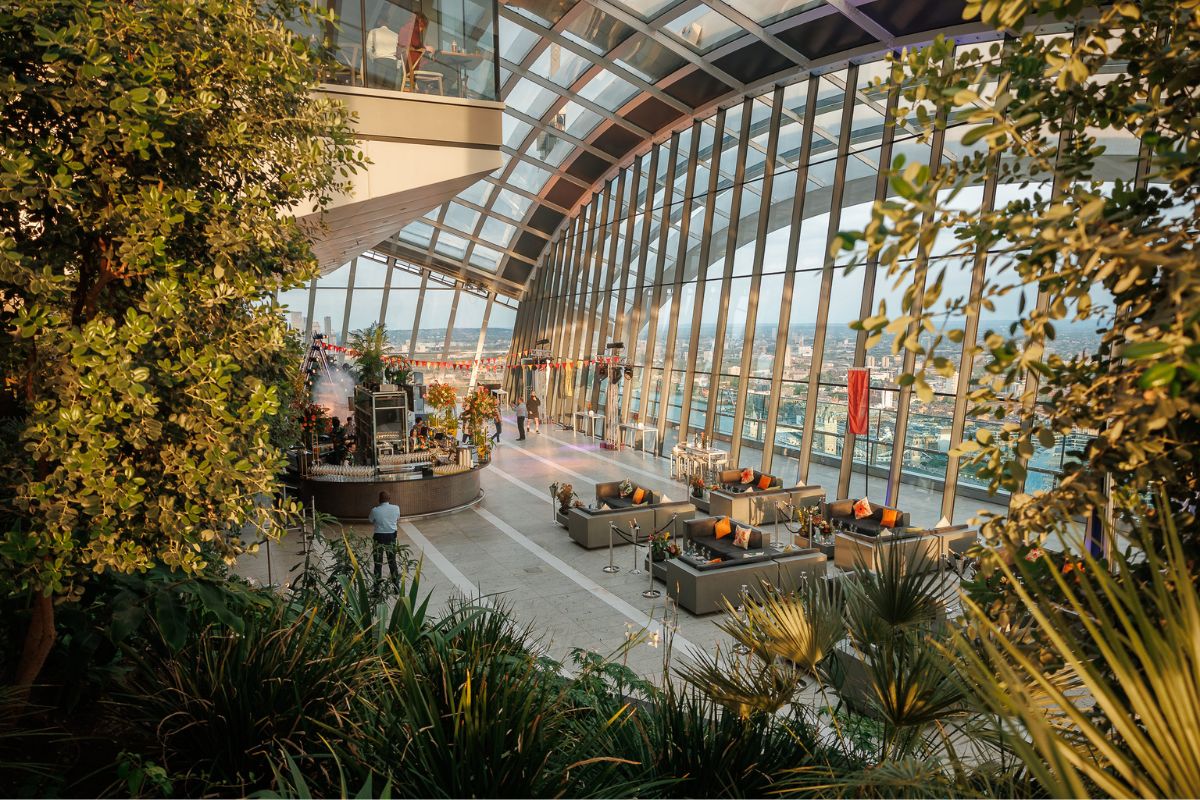
Sky Garden is one of the best free viewpoints in London, but free does not mean effortless. You usually need a timed booking.
The view is excellent, the City location is useful, and it pairs well with Tower Bridge, Leadenhall Market, and St Dunstan-in-the-East.
The official Sky Garden booking pagesays access is free, with a limited number of tickets available each day.
Best for:free views, couples, first-timersBook ahead:yesSkip if:you forgot to reserve a slot
20. The Shard
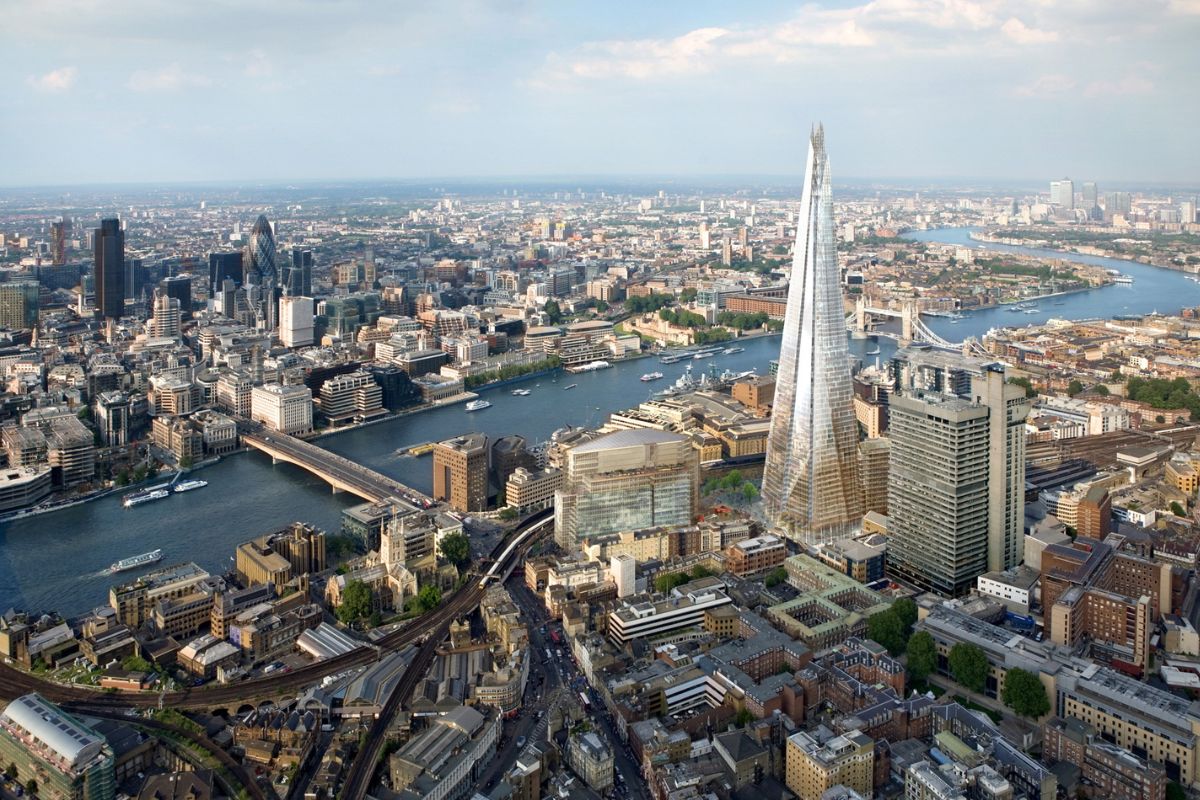
The Shard is the premium paid viewpoint. It is not the budget choice, but it feels like an occasion.
Choose it for a special trip, celebration, or when you want the skyline without pretending a hill in a park is the same thing.
Best for:views, couples, special occasionsBook ahead:yesSkip if:Sky Garden is enough for you
21. Thames River Cruise
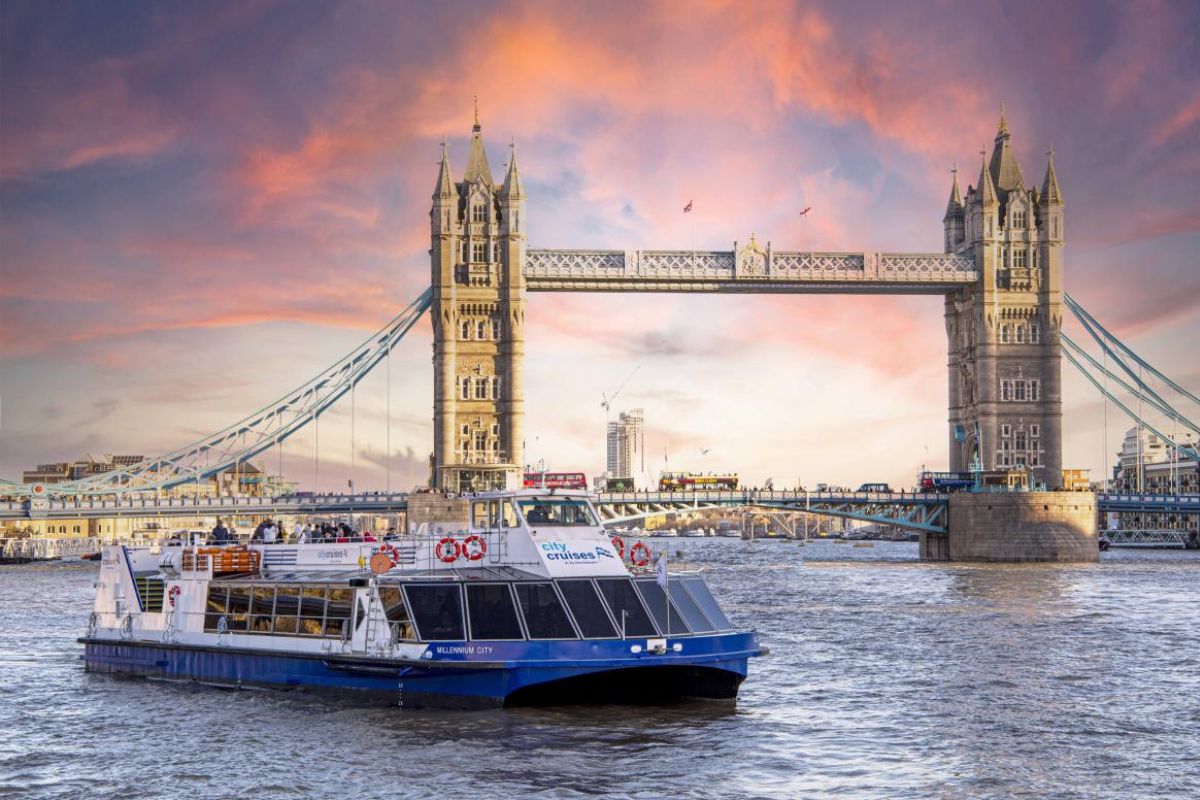
A Thames river cruise is one of the easiest ways to see London without walking yourself into regret.
You get bridges, skyline views, Westminster, Tower Bridge, and often Greenwich, depending on the route. Sitting down while sightseeing is not lazy. It is strategic.
Best for:first-timers, families, couples, viewsBook ahead:recommendedSkip if:the weather is awful and you dislike boats
22. South Bank
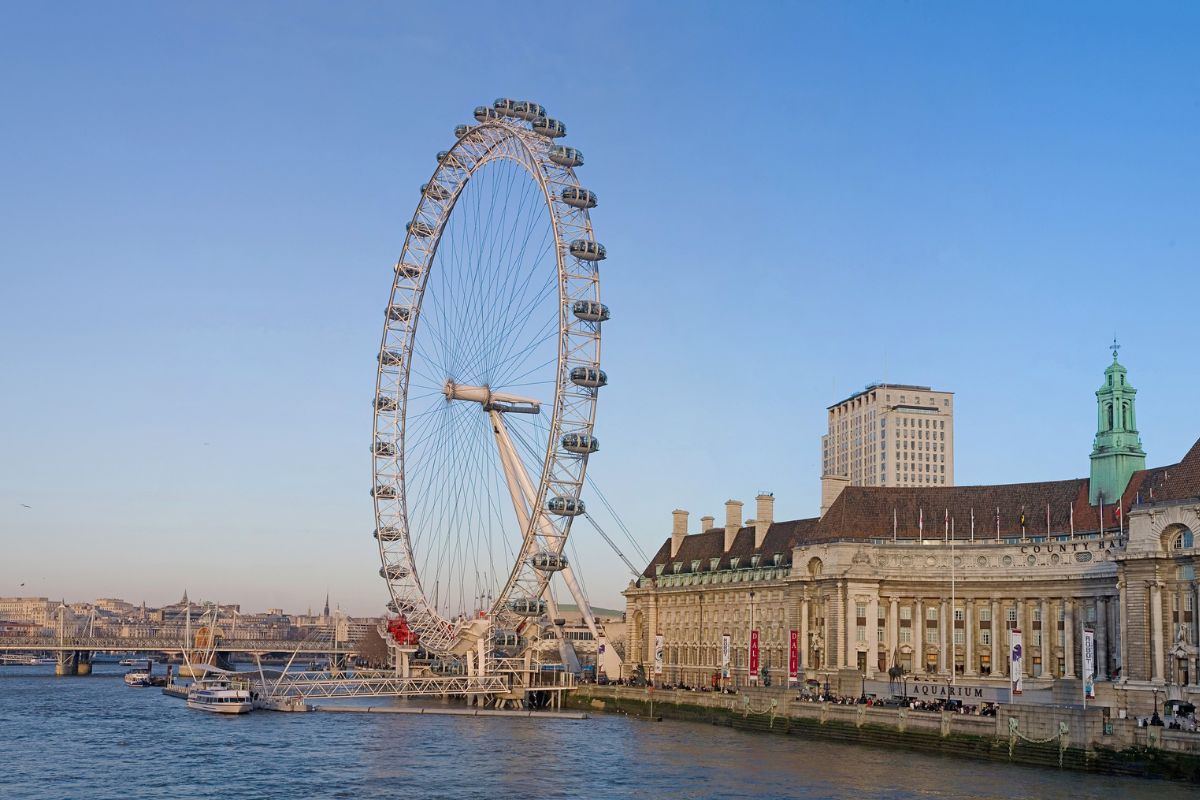
South Bank is one of London’s best free walks. You can move from Westminster Bridge past the London Eye, Southbank Centre, National Theatre, Tate Modern, Shakespeare’s Globe, and toward Borough Market.
It is classic London without needing a ticket every ten minutes.
Best for:free sightseeing, river views, first-timersBook ahead:not unless adding shows or restaurantsSkip if:heavy rain is currently winning
23. Hyde Park
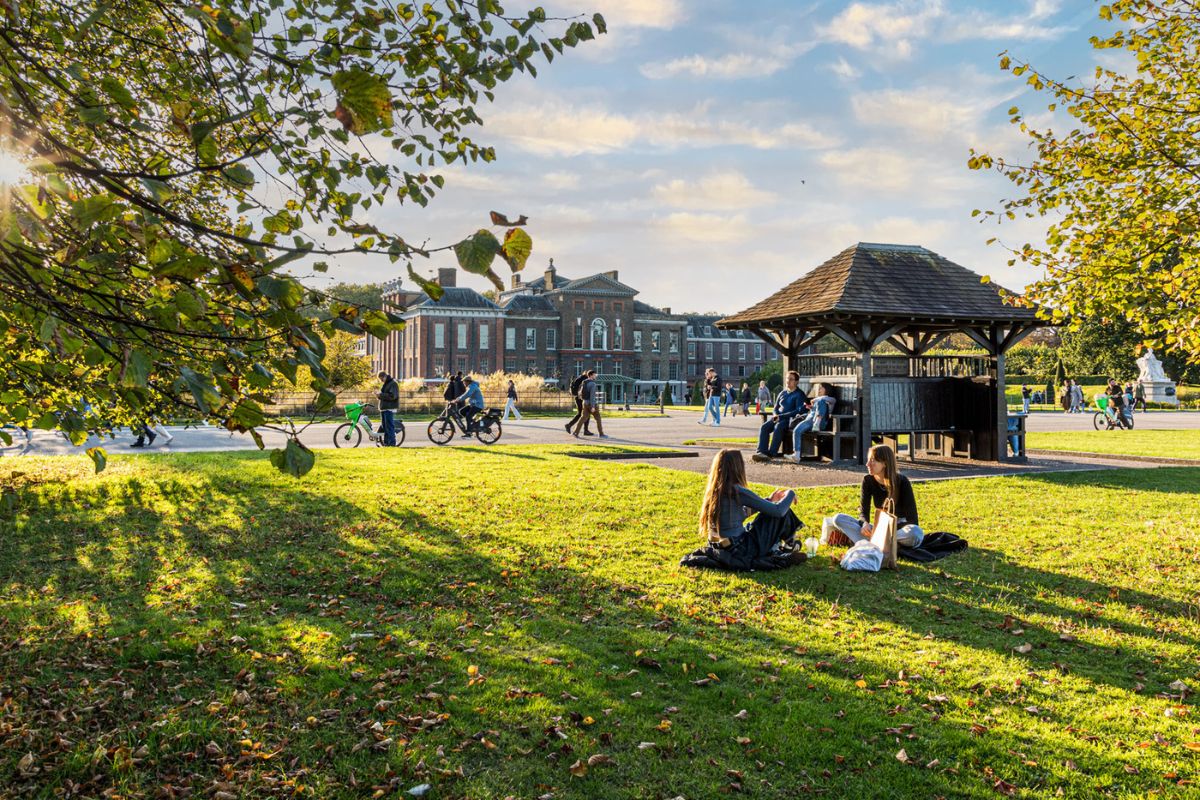
Hyde Park is where you reset between attractions. Walk, sit, cross toward Kensington Gardens, or use it as a break from museums, shops, and traffic.
It is not always a headline attraction, but it makes London feel more breathable.
Best for:green space, families, slower daysBook ahead:only for eventsSkip if:the weather is grim
24. St James’s Park
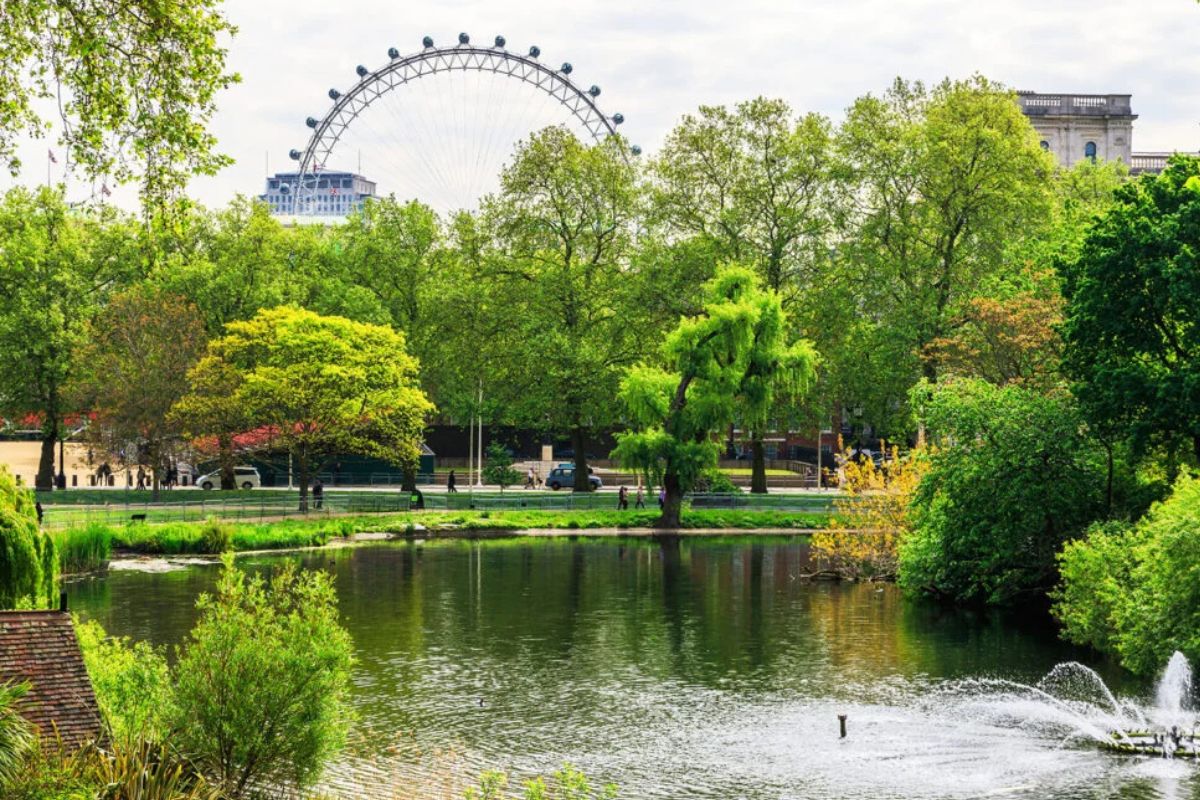
St James’s Park is the best park to pair with Buckingham Palace and Westminster. It is pretty, central, and useful rather than a huge detour.
Use it as the walking route between royal London and political London.
Best for:Westminster days, photos, gentle walksBook ahead:noSkip if:you are nowhere near Buckingham Palace
25. Kensington Palace
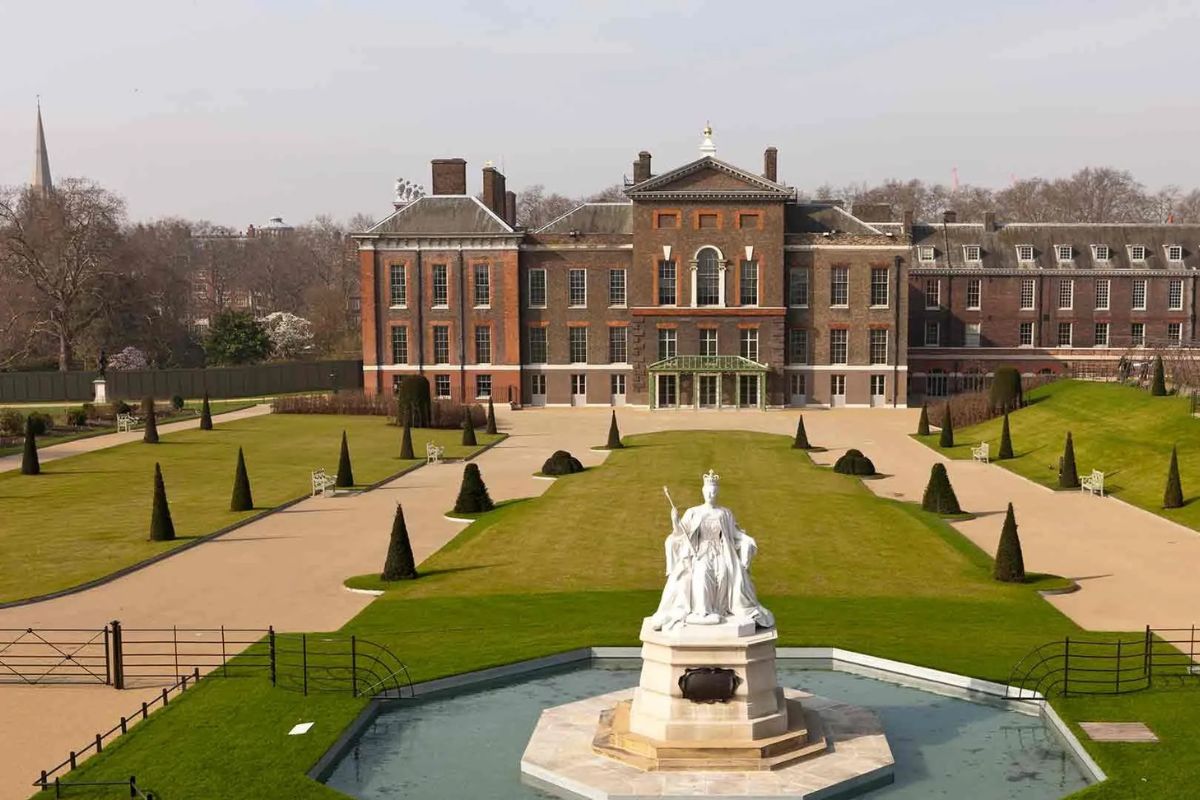
Kensington Palace is a good royal attraction if you want something less obvious than Buckingham Palace.
The location is the bonus: Kensington Gardens, Hyde Park, the Royal Albert Hall, and South Kensington museums are all nearby.
Best for:royal history, gardens, west LondonBook ahead:recommendedSkip if:you only have time for one royal attraction
26. Hampton Court Palace
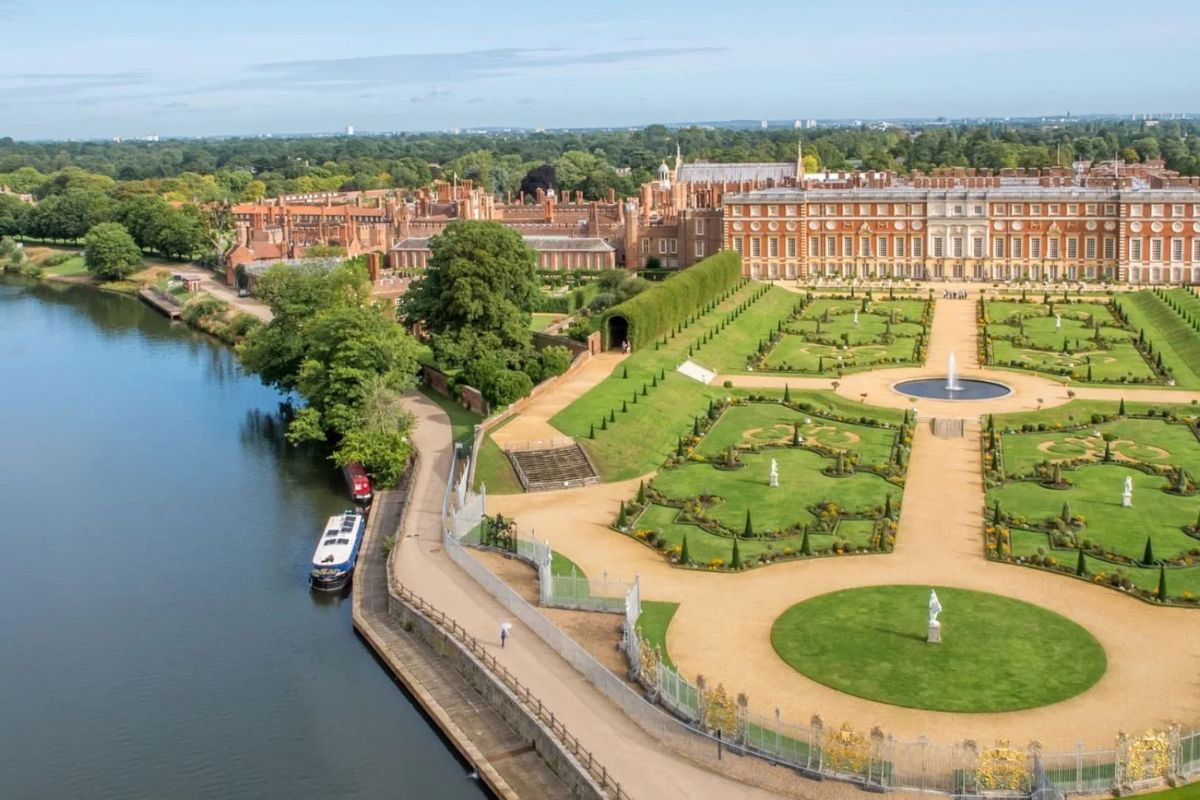
Hampton Court Palace is one of the best bigger royal day trips from London. It has Tudor history, gardens, courtyards, kitchens, and enough Henry VIII drama to carry the visit.
It is not central, so give it proper time.
Best for:royal history, longer trips, gardensBook ahead:yesSkip if:you only have two days in London
27. Kew Gardens
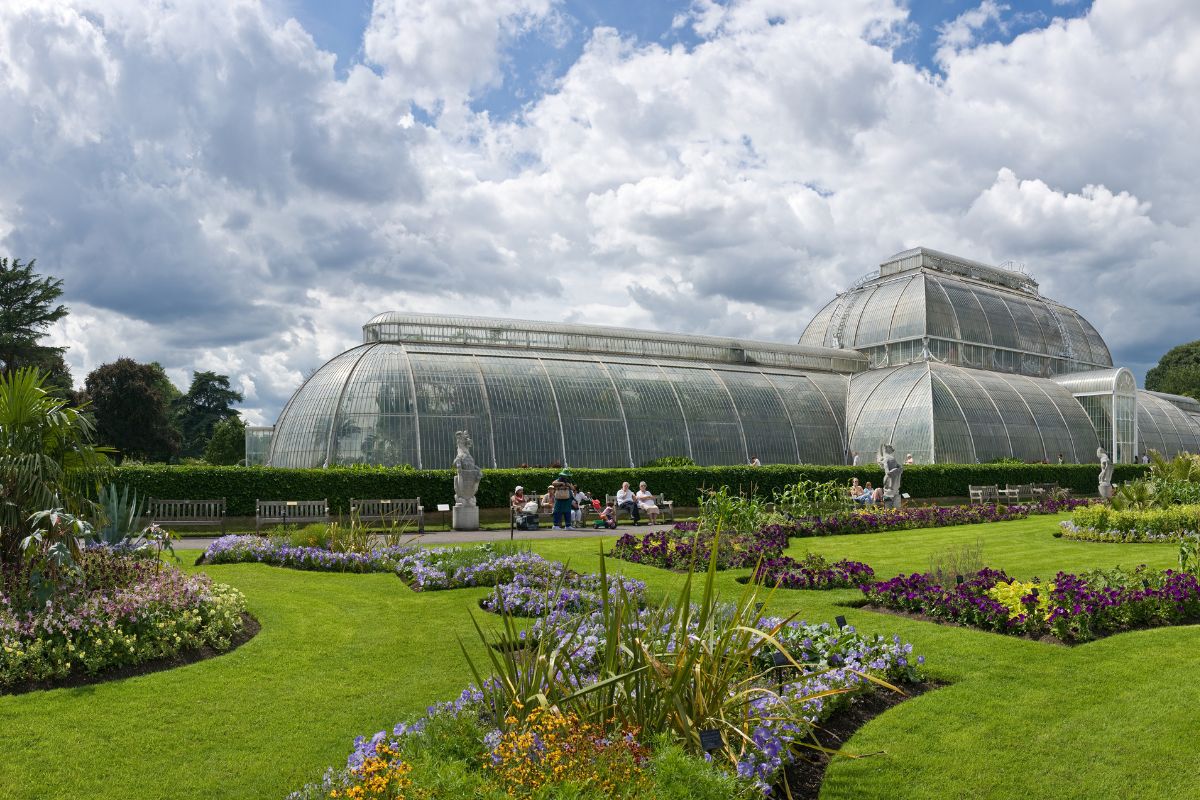
Kew Gardens is the best London attraction when you want space, plants, glasshouses, long walks, and a break from central London noise.
It is especially good for couples, repeat visitors, and anyone who has reached their limit with crowds.
Best for:couples, gardens, slower daysBook ahead:recommendedSkip if:you need central landmarks first
28. Camden Market
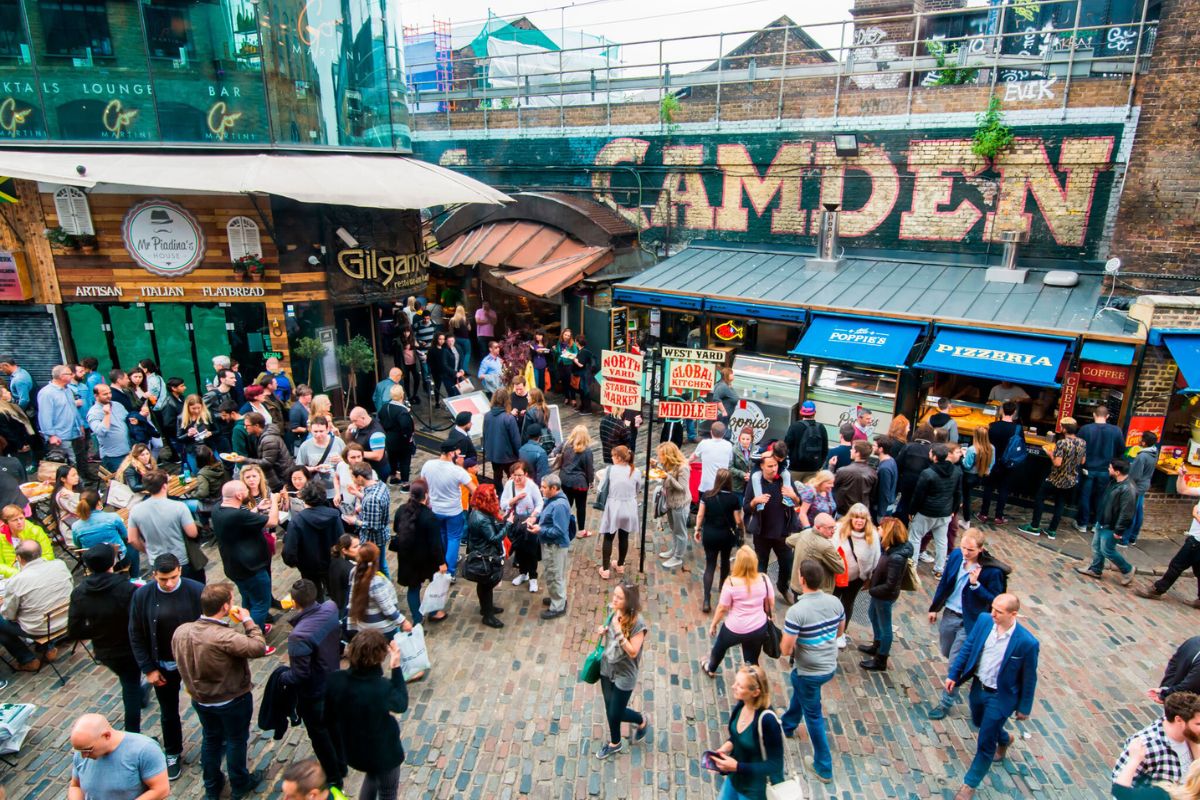
Camden Market is loud, crowded, food-heavy, alternative, and not trying to be elegant.
Go for street food, shops, canal walks, and energy. Do not go expecting a peaceful artisan village. Camden is not applying for that job.
Best for:food, shopping, younger visitors, atmosphereBook ahead:noSkip if:crowds ruin your mood
29. Notting Hill And Portobello Road
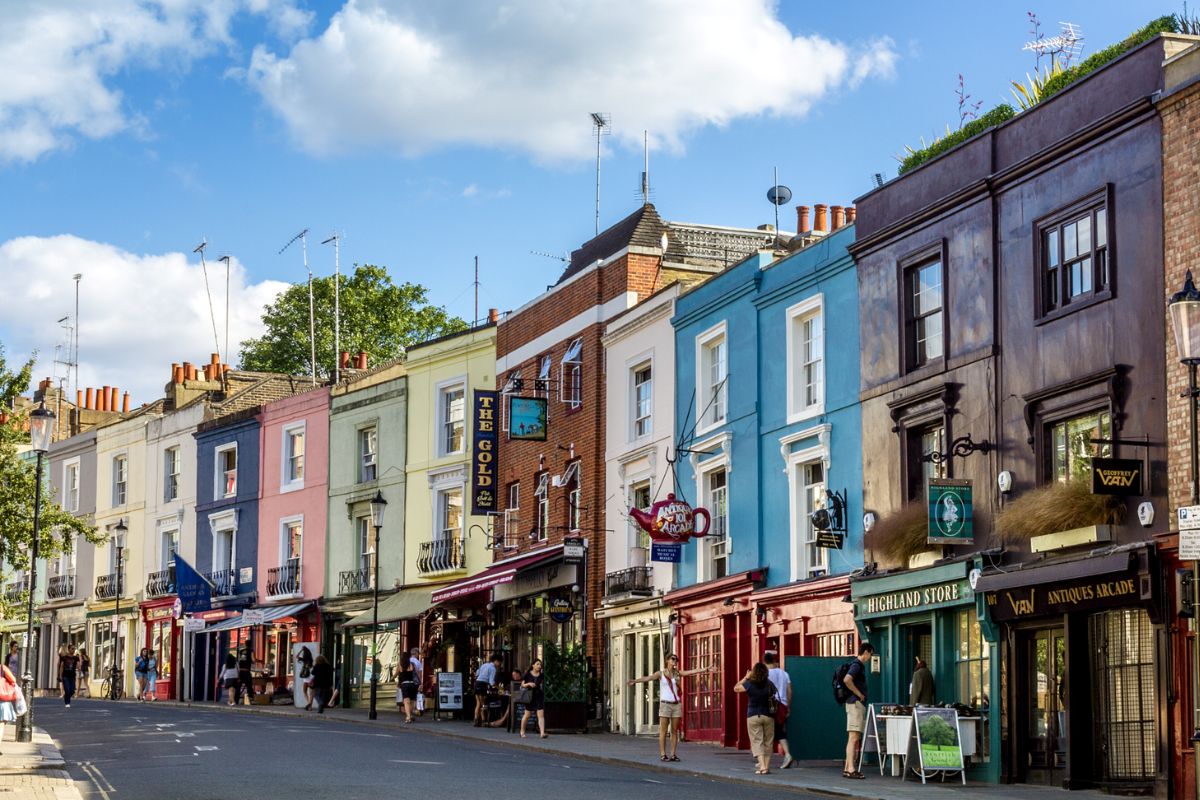
Notting Hilland Portobello Road are best treated as a neighbourhood walk, not a single attraction.
Go for colourful streets, market stalls, cafés, bookshops, and west London atmosphere. Be respectful around residential streets. People do, in fact, live there.
Best for:photos, markets, couples, slow morningsBook ahead:noSkip if:you are only chasing Instagram
30. Greenwich
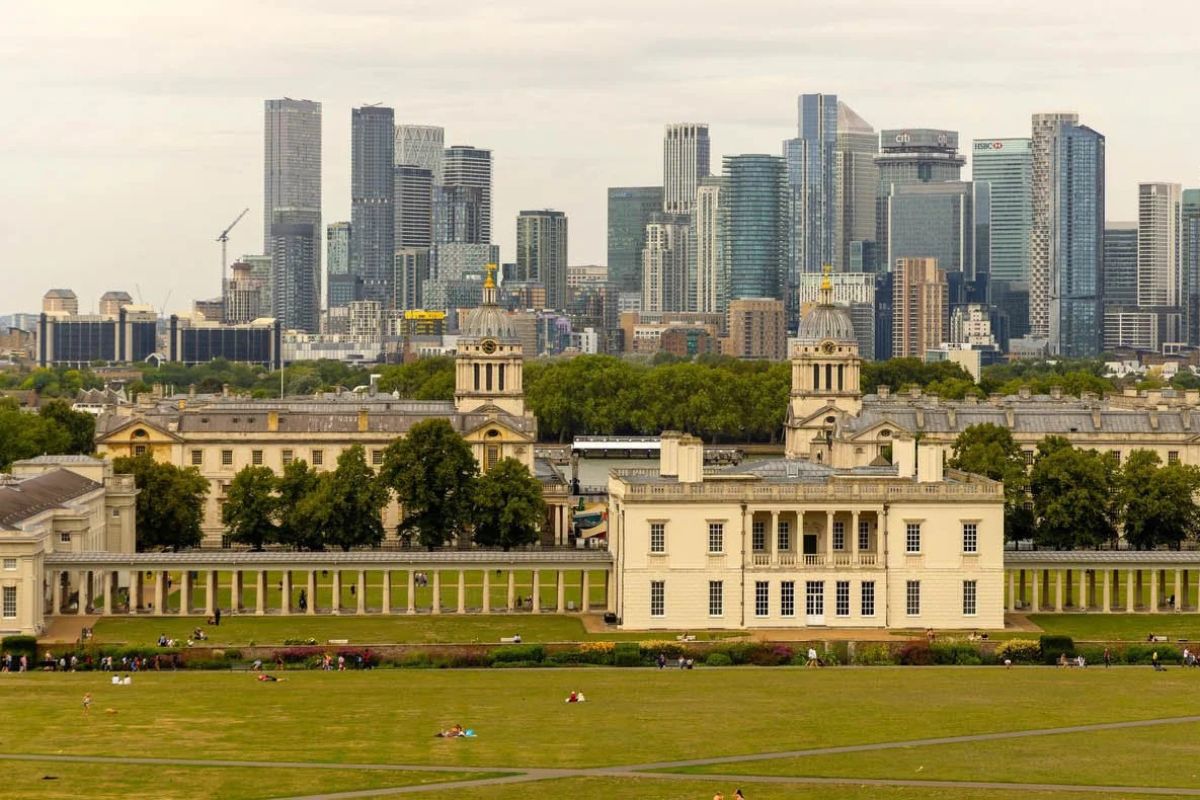
Greenwich is one of the best half-day escapes that still feels like London. You get river views, the park, the market, maritime history, and a calmer pace.
It is worth the journey if your trip is longer than a quick first-timer weekend.
Best for:half-day trips, families, views, historyBook ahead:only for specific attractionsSkip if:you cannot spare travel time
31. Royal Observatory Greenwich
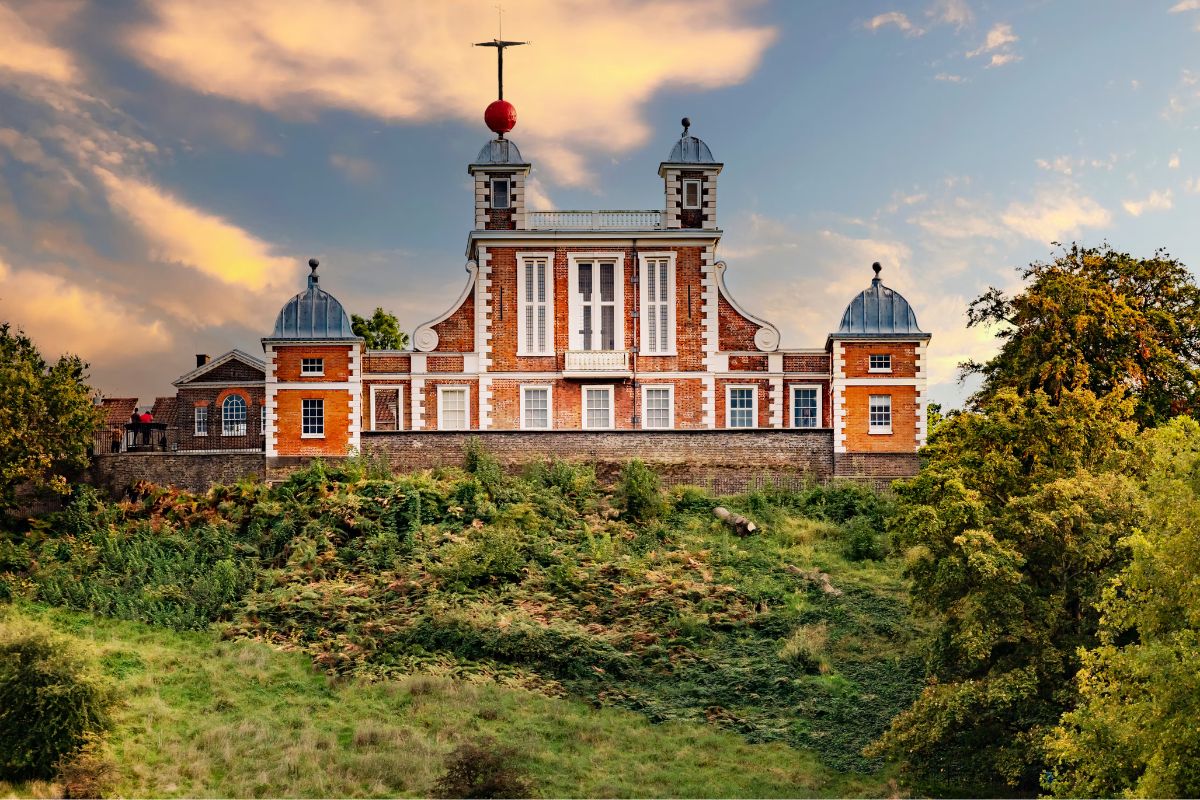
The Royal Observatory is the famous Greenwich attraction where you can stand on the Prime Meridian and lean into the tourist moment.
The view from the hill is also excellent, which helps justify the climb.
Best for:families, science, views, Greenwich daysBook ahead:recommendedSkip if:you only want the free park view
32. Cutty Sark

Cutty Sark is a strong Greenwich add-on. The historic ship gives you maritime history in a more visual, contained way than a huge museum.
It pairs well with Greenwich Market, the Old Royal Naval College, and the river.
Best for:families, maritime history, Greenwich tripsBook ahead:recommendedSkip if:you are not visiting Greenwich
33. Old Royal Naval College
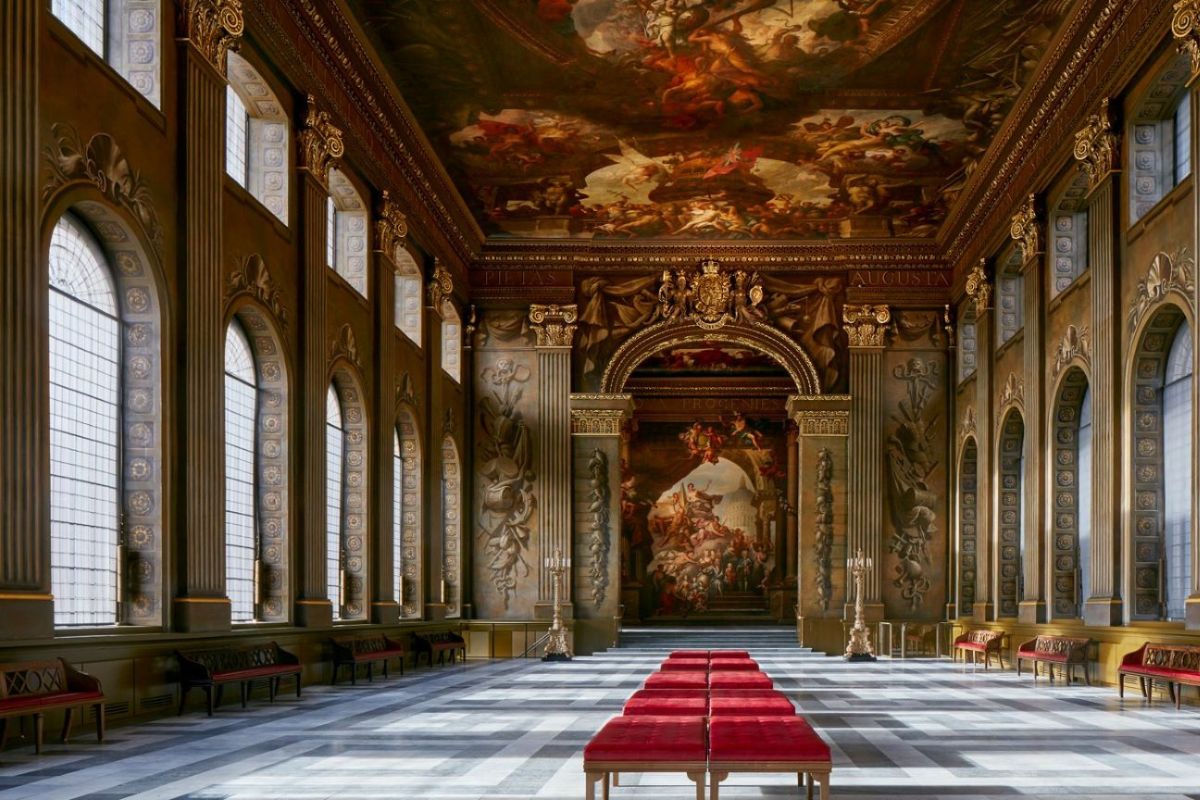
The Old Royal Naval College gives Greenwich its grand, cinematic feel. The Painted Hall is the main reason to go inside.
If you want architecture, history, and a calmer day away from central chaos, this is a strong pick.
Best for:architecture, history, GreenwichBook ahead:for the Painted HallSkip if:you are only in London for the central icons
34. Warner Bros. Studio Tour London
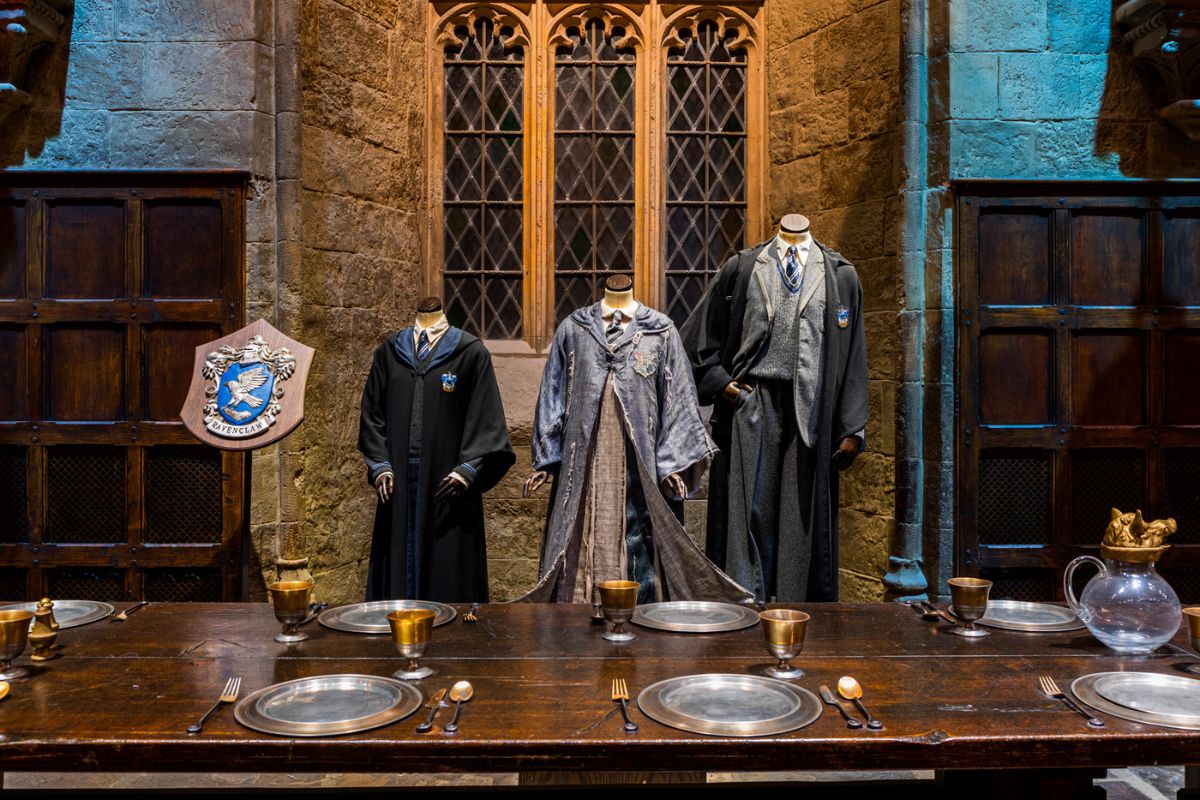
Warner Bros. Studio Tour is the main Harry Potter attraction. Not the little photo stop. Not the quick platform queue. This is the proper one.
It is outside central London, so plan travel time and do not cram it between Westminster and dinner unless you want a stressful day.
Best for:Harry Potter fans, families, big themed days
Book ahead:yes, absolutely
Skip if:Harry Potter is not a priority
35. King’s Cross Platform 9¾
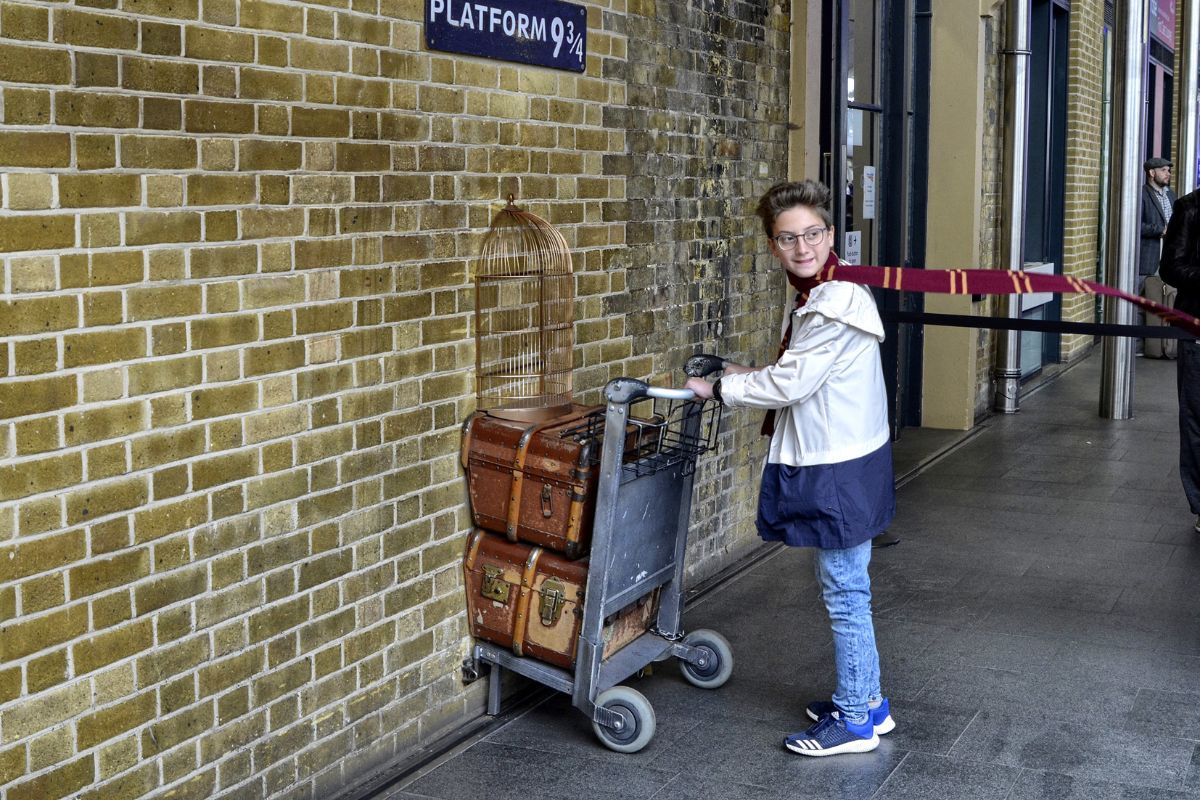
King’s Cross Platform 9¾ is a quick Harry Potter photo stop, not a full day out.
It works well if you are already near King’s Cross, the British Library, Bloomsbury, Camden, or Regent’s Canal.
Best for:Harry Potter fans, quick photos
Book ahead:no
Skip if:you are not nearby
36. Leadenhall Market
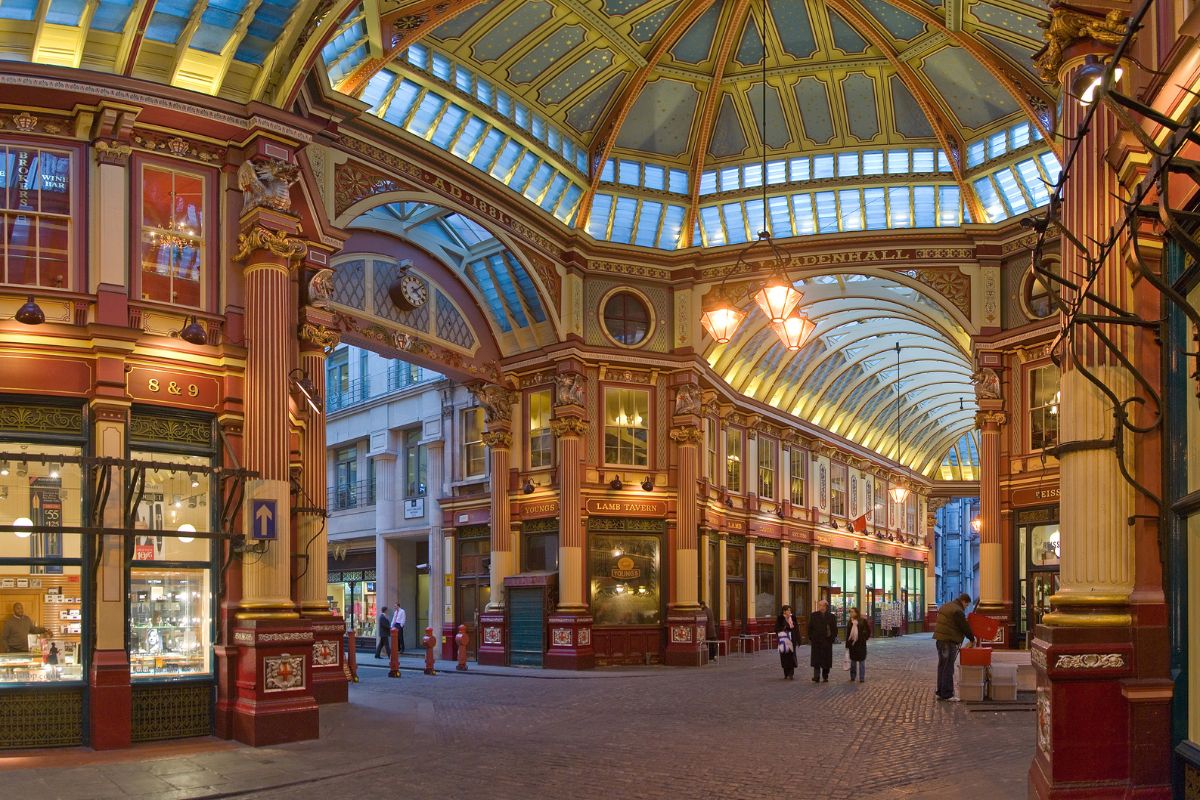
Leadenhall Market is beautiful, central, and easy to combine with the City. Harry Potter fans often like it, but the architecture stands on its own.
It is a short stop, which is exactly why it works.
Best for:architecture, Harry Potter fans, City walks
Book ahead:no
Skip if:you are far away and only want a photo
37. Madame Tussauds London

Madame Tussauds is very touristy, but plenty of visitors still want it. That matters.
If wax figures, celebrities, selfies, and a classic tourist attraction sound fun, go. If that already sounds painful, trust that instinct.
Best for:families, teens, celebrity fans
Book ahead:yes
Skip if:you prefer history, museums, or outdoor sightseeing
38. The London Dungeon
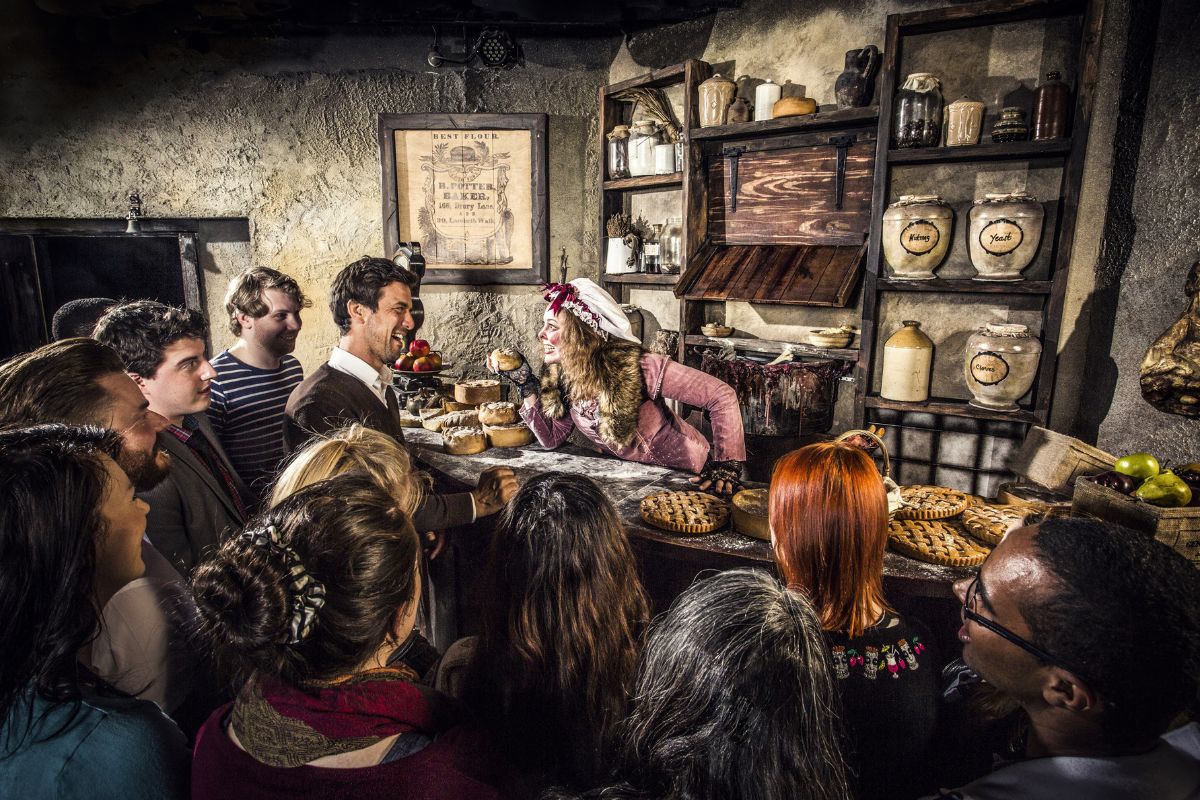
The London Dungeon is theatrical, spooky, silly, and built for visitors who like dark humour with their history.
It is not where you go for a calm academic explanation of medieval London. It is where you go for jump scares and tourist fun.
Best for:teens, adults, rainy days, groups
Book ahead:yes
Skip if:you dislike staged scares
39. SEA LIFE London Aquarium
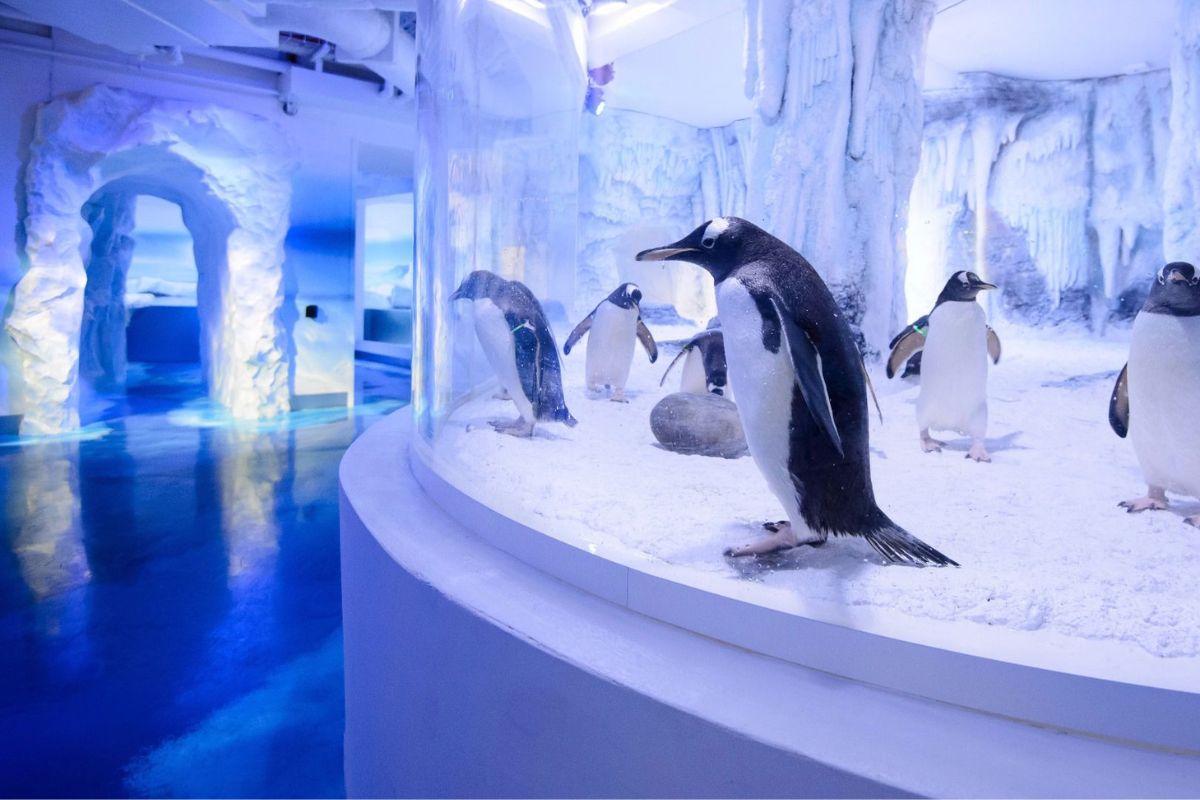
SEA LIFE London Aquarium is useful because it is central, indoors, and easy to pair with the London Eye and South Bank.
It is a strong family backup when the weather turns or younger kids need something visual and contained.
Best for:families, rainy days, younger kids
Book ahead:recommended
Skip if:you already have too many paid family attractions
40. London Zoo
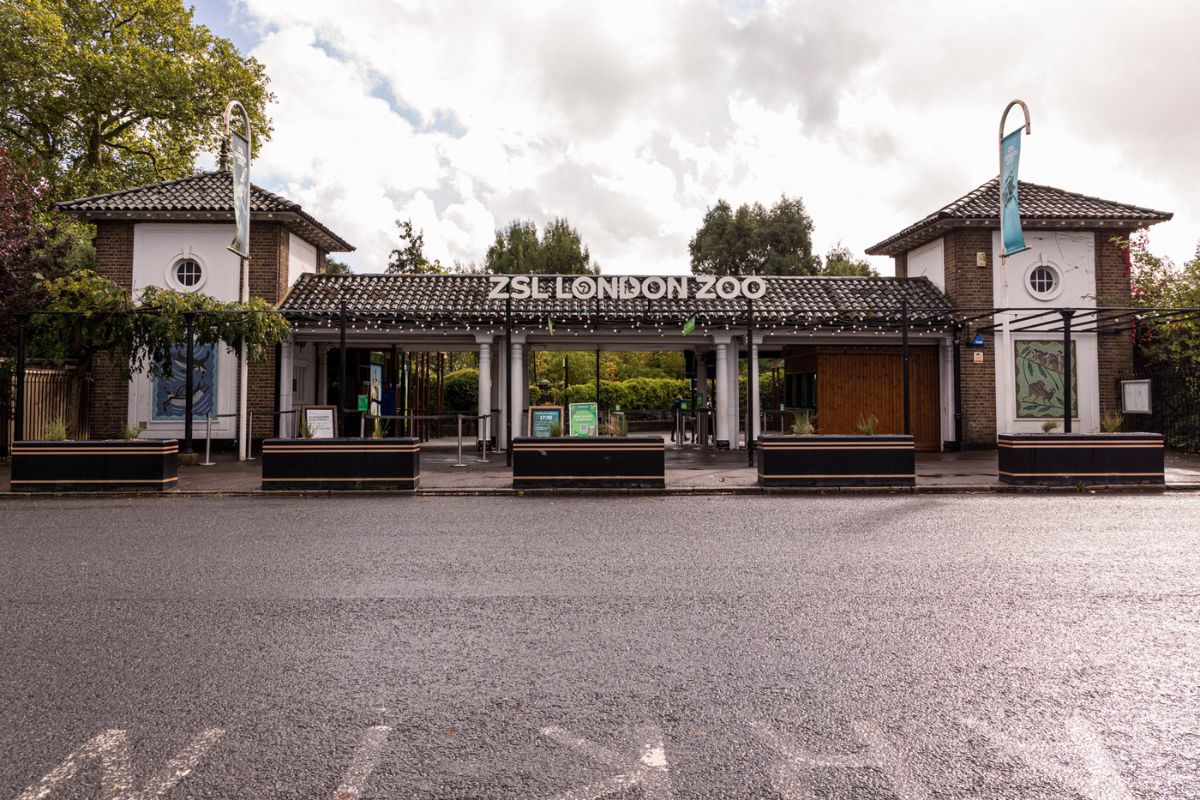
London Zoo works well with Regent’s Park, Camden, and Primrose Hill.
It needs proper time, so do not treat it as a quick extra after three other attractions. That is how everyone ends up tired near the penguins.
Best for:families, animal lovers, Regent’s Park days
Book ahead:yes
Skip if:your day is already packed
41. Regent’s Park And Primrose Hill
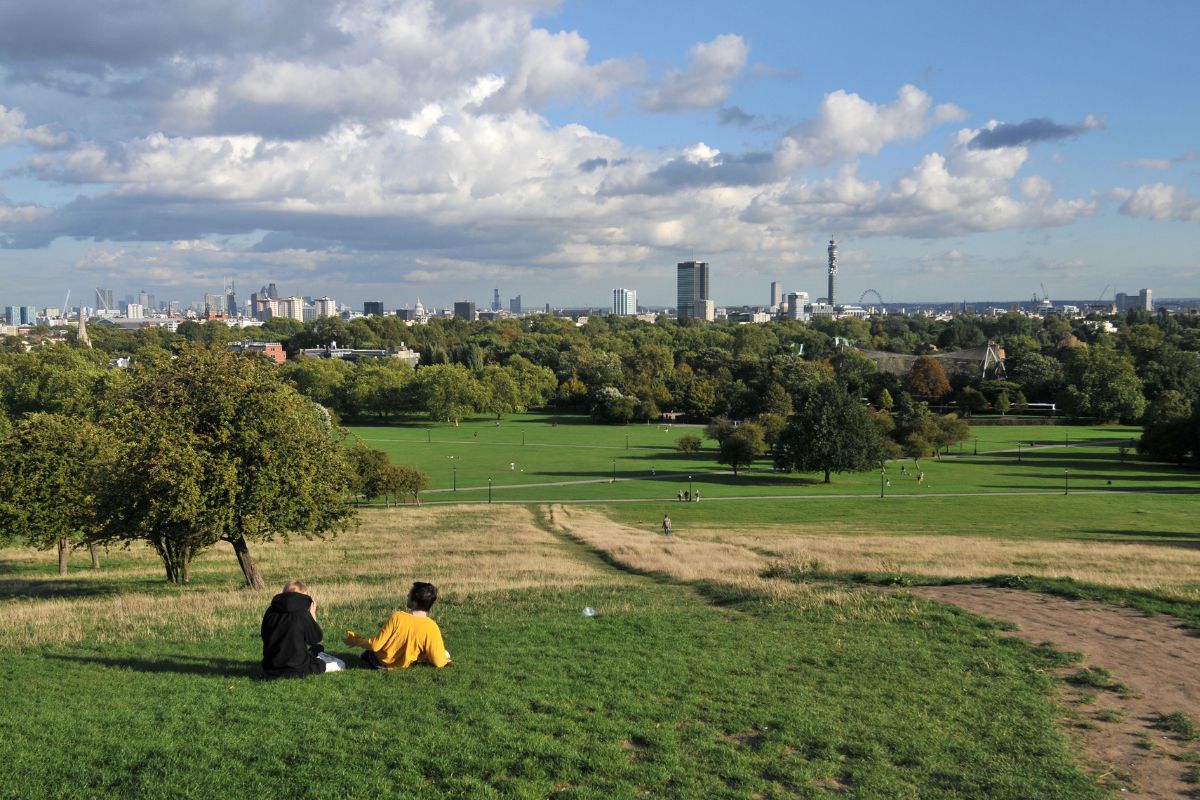
Regent’s Park gives you gardens, open space, London Zoo, and a calmer north London feel. Primrose Hill adds one of the best free skyline views in the city.
Together, they make an excellent slower day.
Best for:parks, views, families, slower itineraries
Book ahead:only for London Zoo or events
Skip if:you need central icons first
42. Trafalgar Square
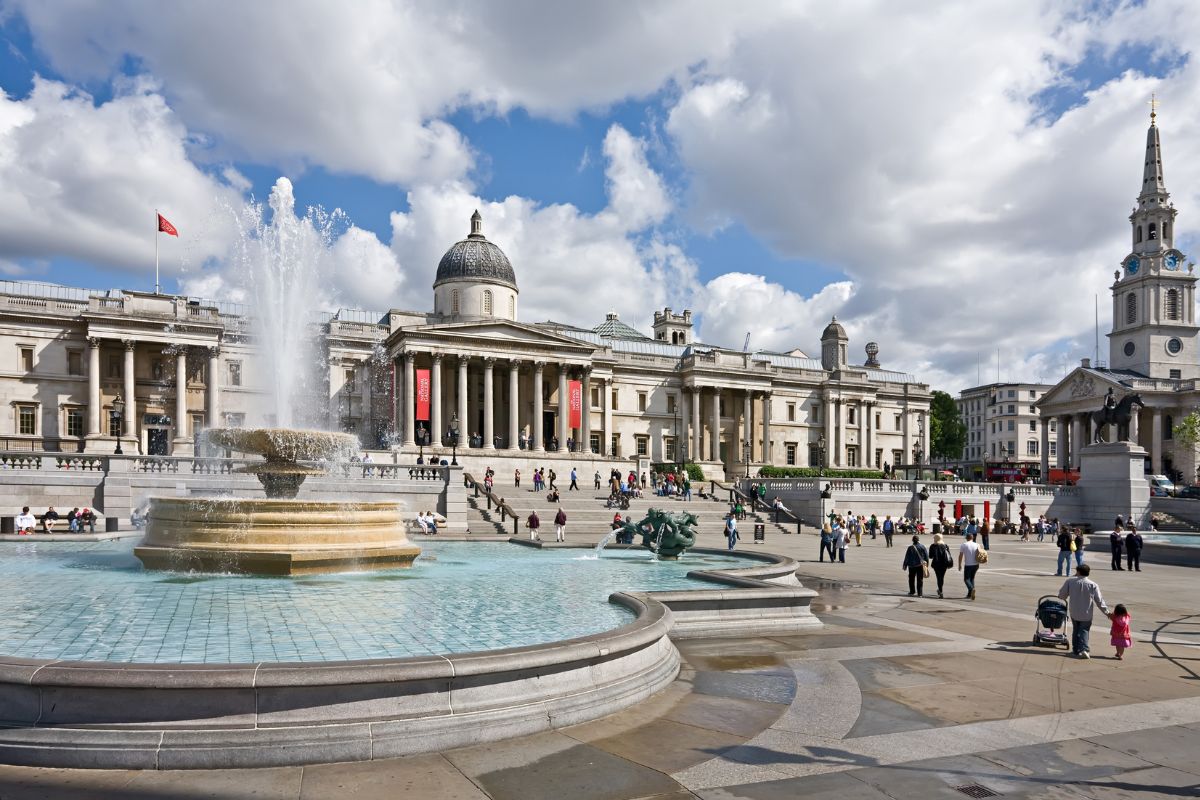
Trafalgar Square is not a long attraction, but it is a useful central landmark. The National Gallery, Whitehall, Covent Garden, Leicester Square, and Piccadilly are all close.
Use it as a connector, photo stop, and orientation point.
Best for:first-timers, central London routes
Book ahead:no
Skip if:you expect peace and quiet
43. Piccadilly Circus
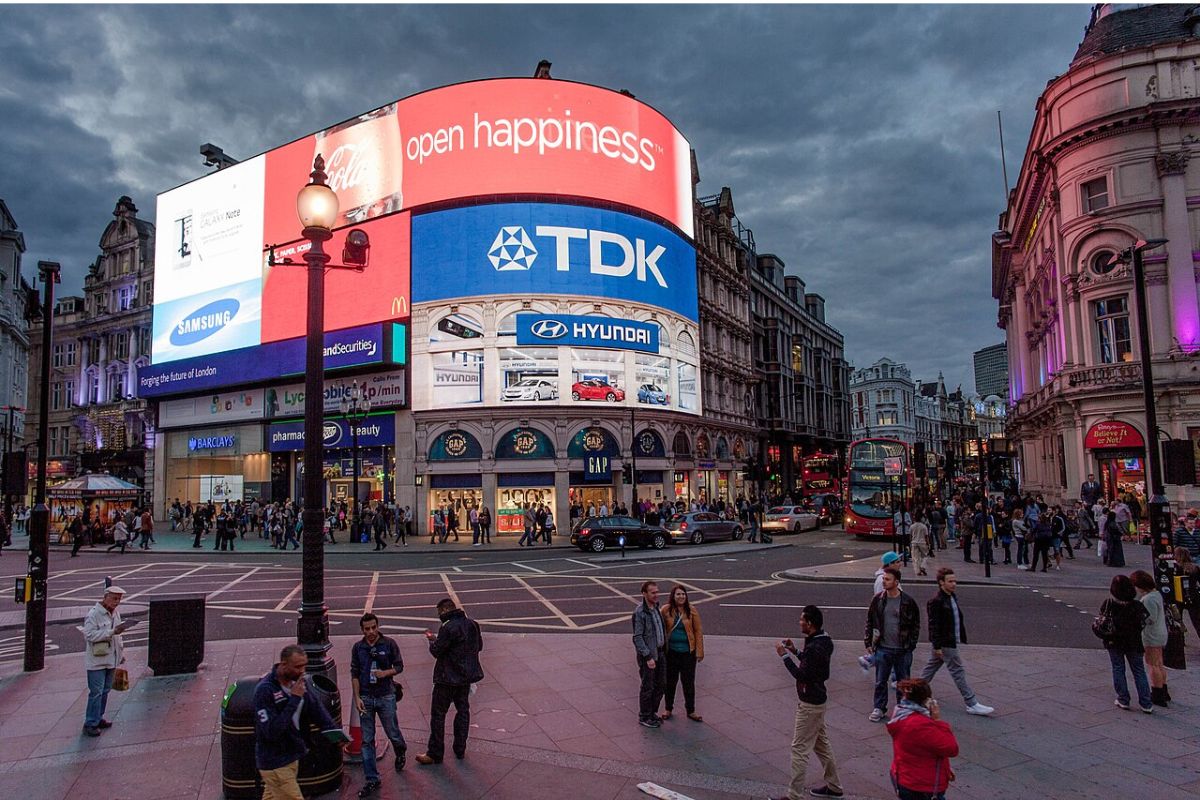
Piccadilly Circus is bright, busy, and best as a quick stop rather than a major attraction.
It works because of what surrounds it: Soho, Regent Street, Leicester Square, Chinatown, and theatreland.
Best for:quick photos, central energy, evening walks
Book ahead:no
Skip if:crowds annoy you
44. Soho
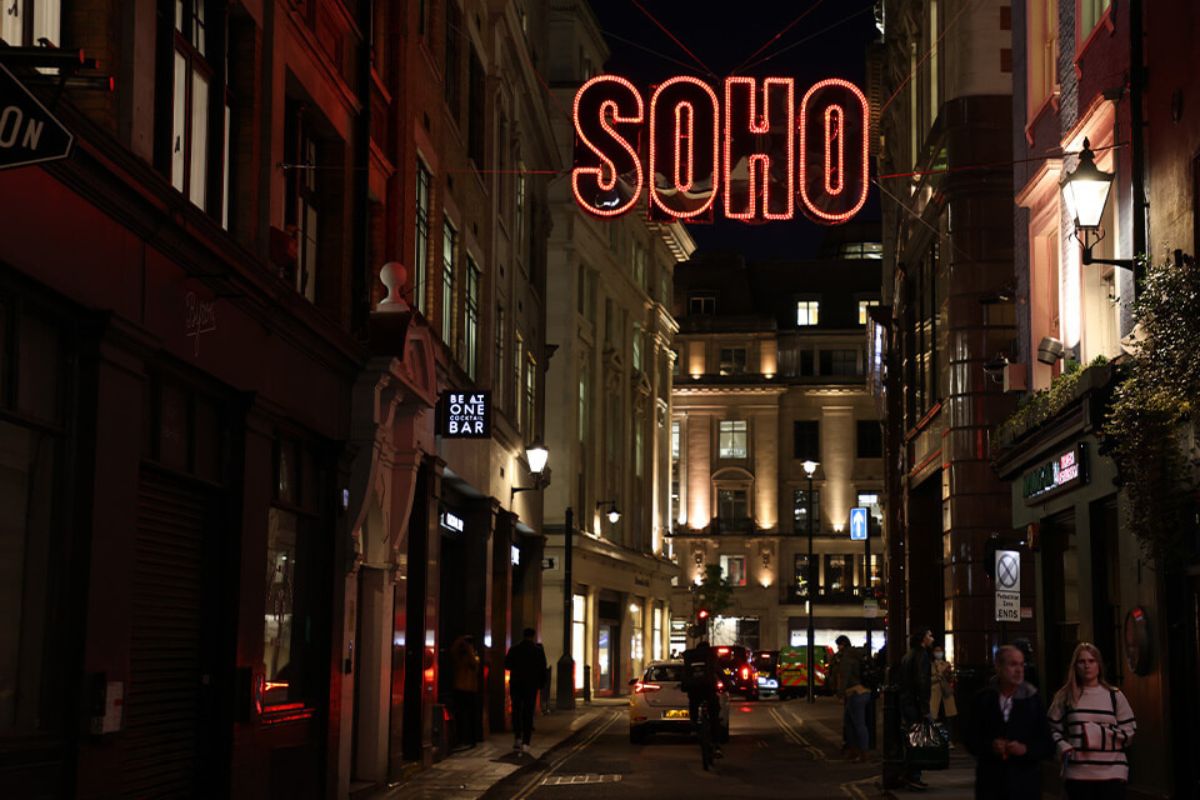
Soho is restaurants, bars, nightlife, theatre spillover, cafés, record shops, side streets, and people-watching.
It is best later in the day. Soho at 9am is not the same beast, and frankly neither are most of us.
Best for:adults, food, nightlife, theatre trips
Book ahead:for restaurants
Skip if:you want quiet family sightseeing
45. Shoreditch And Brick Lane

Shoreditchand Brick Lane give you street art, vintage shops, markets, food, and a less polished side of London.
This is a good contrast after royal and Westminster sightseeing.
Best for:street art, food, younger visitors, repeat trips
Book ahead:for tours or restaurants
Skip if:you only have one classic London day
46. St Dunstan-in-the-East
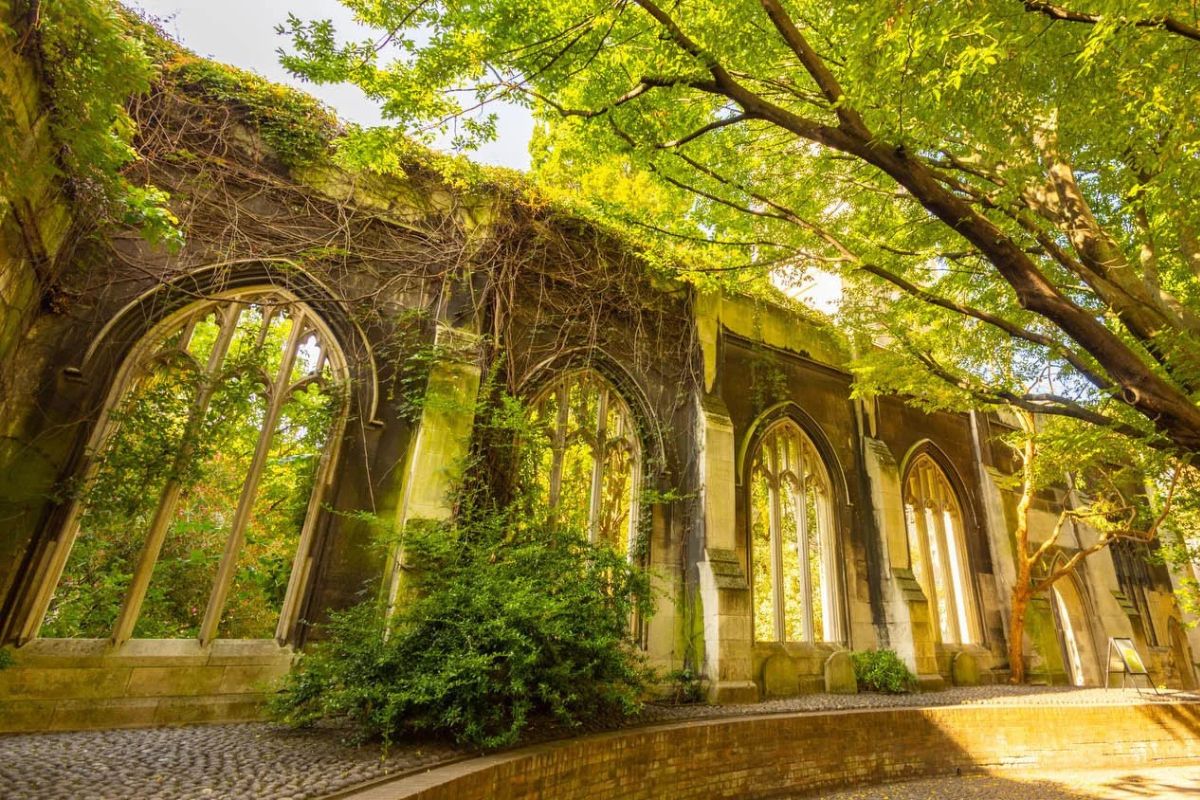
St Dunstan-in-the-East is a ruined church garden in the City. It is small, quiet, atmospheric, and easy to combine with Sky Garden, Leadenhall Market, Tower Bridge, or St Paul’s.
It is not a full attraction. It is a beautiful pause.
Best for:couples, photos, quiet City stops
Book ahead:no
Skip if:you expect a major landmark experience
47. Sir John Soane’s Museum
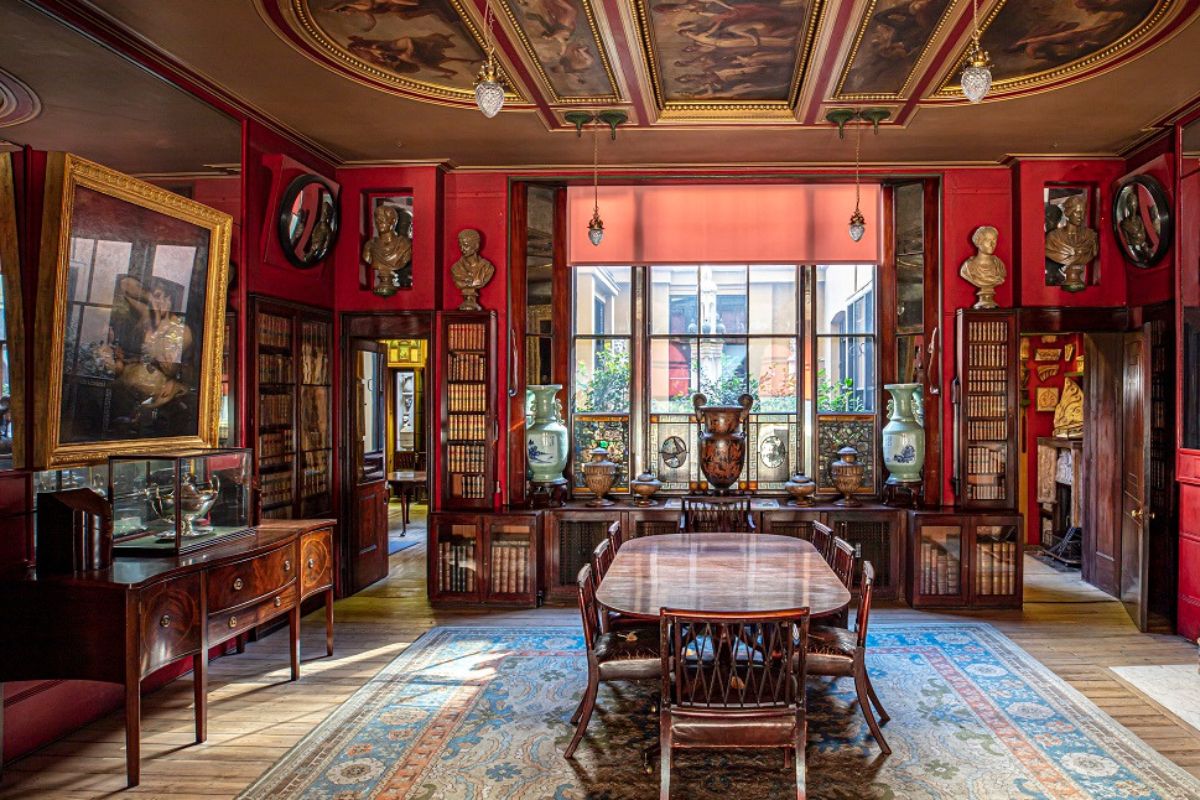
Sir John Soane’s Museum is one of London’s best smaller museums. It is packed with art, architecture, fragments, interiors, and odd details.
It feels personal and strange in a way giant museums often do not.
Best for:adults, art, interiors, unusual museums
Book ahead:check before going
Skip if:cluttered spaces overwhelm you
48. Highgate Cemetery
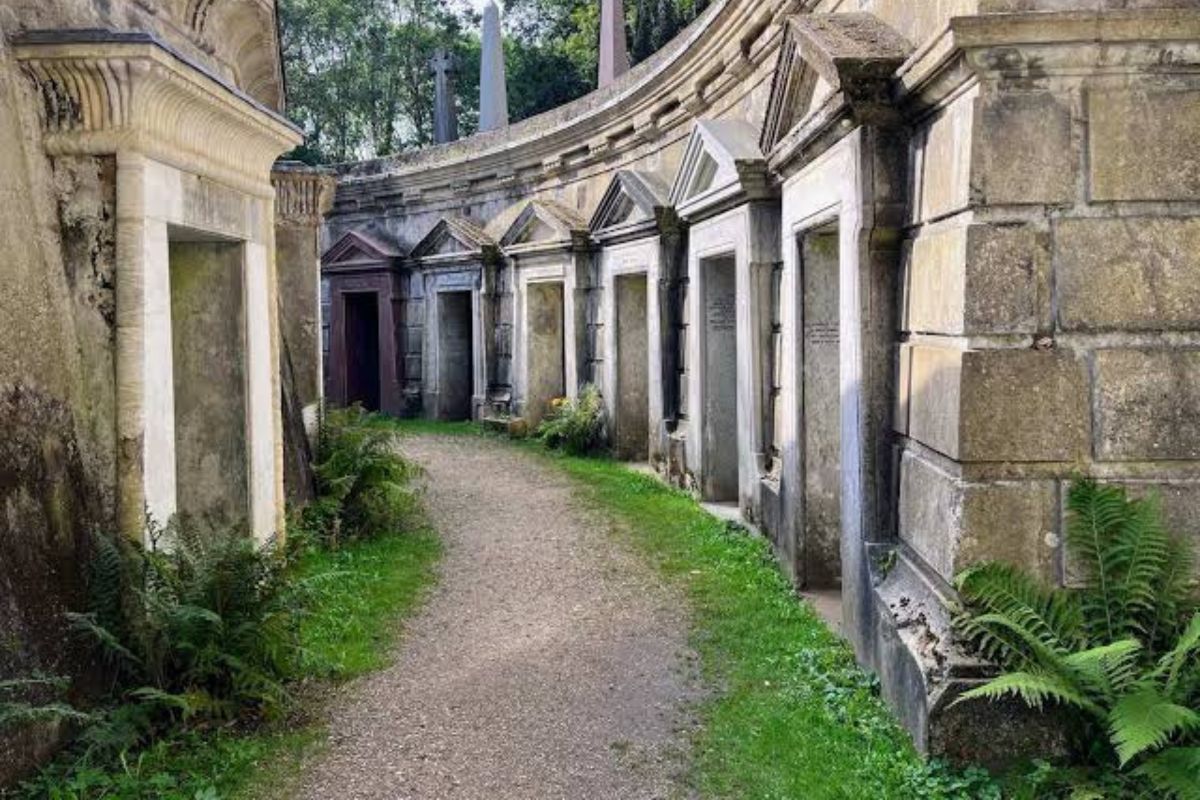
Highgate Cemetery is gothic, atmospheric, historic, and very different from the usual London checklist.
It suits visitors who like writers, architecture, symbolism, and quieter historic places.
Best for:adults, history, unusual London
Book ahead:recommended for tours or access
Skip if:cemeteries are not your thing
49. Royal Albert Hall
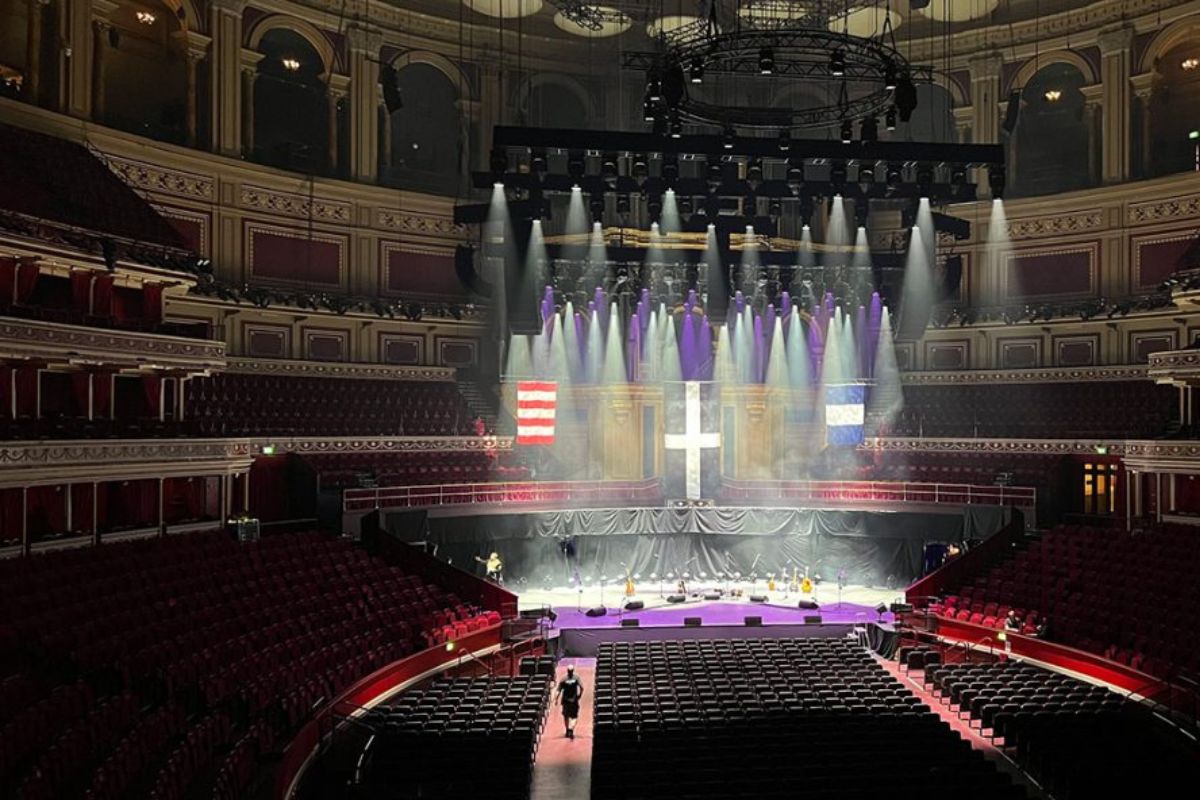
Royal Albert Hall is one of London’s great performance venues. You can see a show, take a tour, or admire it from outside while exploring South Kensington and Kensington Gardens.
It works best when you actually attend something.
Best for:concerts, architecture, evenings
Book ahead:yes for performances
Skip if:you only want exterior landmarks
50. Harrods
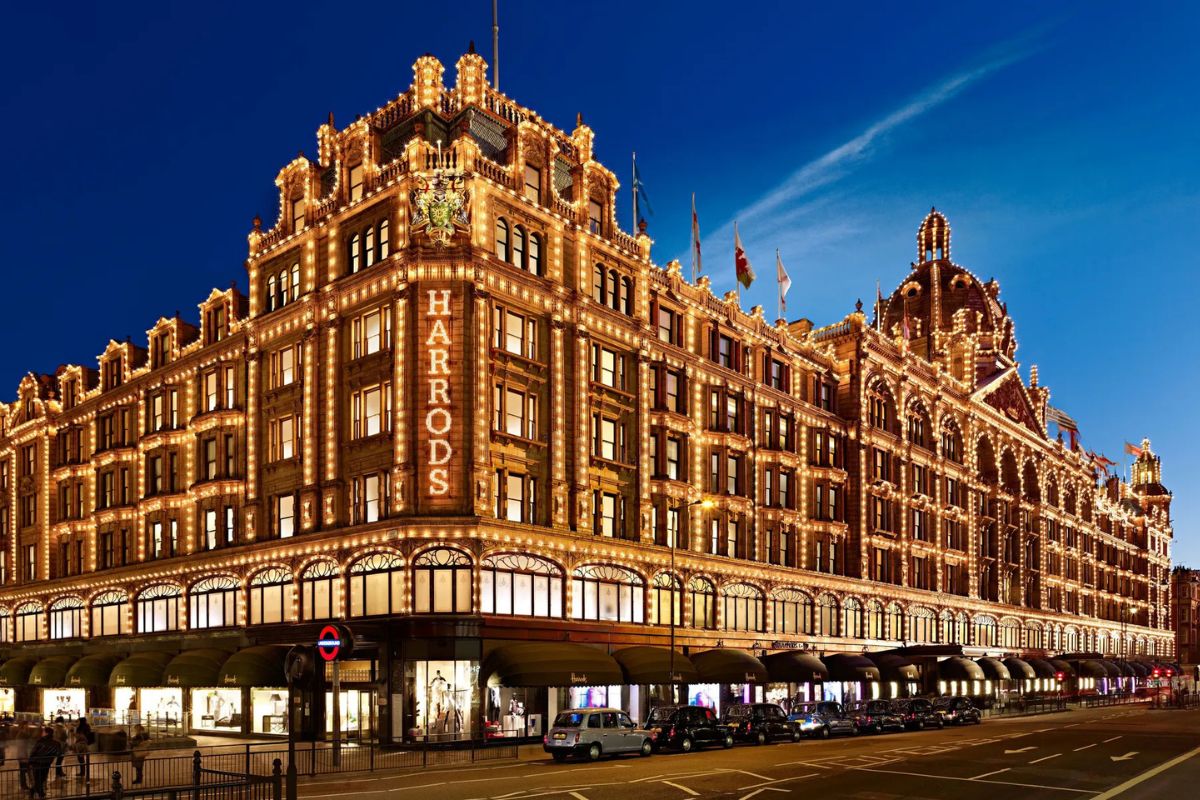
Harrods is part luxury shop, part tourist attraction, part “how much does that cost?” experience.
You do not need to buy anything. Wander the food halls, admire the excess, and leave before the luxury shopping starts testing your budget.
Best for:shopping, luxury, first-time curiosity
Book ahead:no
Skip if:department stores do nothing for you
How To Group These London Attractions
The easiest way to enjoy London is to group attractions by area, then understand how to get around Londonwithout wasting half the day underground.
Westminster And South Bank
Best picks:
- Buckingham Palace
- St James’s Park
- Westminster Abbey
- Big Ben and the Houses of Parliament
- London Eye
- South Bank
- Trafalgar Square
- Covent Garden
This is the best first-day route for most visitors. It is walkable in sections, but you still need to pace yourself.
Tower Bridge And The City
Best picks:
- Tower of London
- Tower Bridge
- Sky Garden
- Leadenhall Market
- St Dunstan-in-the-East
- St Paul’s Cathedral
- Shakespeare’s Globe
- Tate Modern
This is the best mix of old London, river views, and skyline stops. Start early at the Tower of London, then walk toward the City or South Bank.
South Kensington And West London
Best picks:
- Natural History Museum
- Science Museum
- V&A
- Royal Albert Hall
- Kensington Palace
- Hyde Park
- Harrods
- Kew Gardens
This is the best area for museums, families, rainy days, and west London wandering. Choose one major museum as the anchor, then add one lighter stop.
Greenwich
Best picks:
- Greenwich
- Royal Observatory Greenwich
- Cutty Sark
- Old Royal Naval College
- Thames river cruise
This is best as a half-day plan, not a rushed add-on. It works especially well if you travel by river one way.
Soho, Camden And East London
Best picks:
- Soho
- Piccadilly Circus
- West End theatre
- Camden Market
- Regent’s Park and Primrose Hill
- Shoreditch and Brick Lane
This is best for food, nightlife, markets, street art, and a less formal version of London.
What To Book In Advance
Book these early:
- Tower of London
- Westminster Abbey
- London Eye
- Sky Garden
- The Shard
- West End theatre
- Warner Bros. Studio Tour London
- Madame Tussauds
- London Dungeon
- SEA LIFE London Aquarium
- London Zoo
- Kew Gardens
- Hampton Court Palace
You do not need to book every single thing before your trip. That makes the itinerary brittle and weirdly stressful.
Book the big anchors, then leave room for parks, markets, neighbourhoods, free museums, and weather-based changes.
Best London Attractions When It Rains
If the weather turns, move indoor attractions up your list.
The safest rainy-day picks are:
- British Museum
- Natural History Museum
- V&A
- Science Museum
- National Gallery
- Tate Modern
- Westminster Abbey
- Churchill War Rooms
- St Paul’s Cathedral
- SEA LIFE London Aquarium
- West End theatre
London rain does not have to ruin the day. It just means you should stop pretending an exposed river walk is still charming.
For official free-attraction ideas, Visit London’s free attractions guideis a strong source to check.
What To Skip If Your Trip Is Short
If you only have 2–3 days in London, be ruthless.
Skip anything that does not match your group, budget, or route. For example:
- Skip Harrods if luxury shopping does not interest you.
- Skip Madame Tussauds if wax figures are not your thing.
- Skip Hampton Court or Kew if you cannot spare travel time.
- Skip the London Dungeon if staged scares sound annoying.
- Skip extra museums if you already have one big museum day.
- Skip far-apart attractions that turn your day into a messy cross-city route.
The goal is not to “complete” London. You will not. Nobody does. The goal is to build a trip that feels full without feeling ridiculous.
What To Check Before Going Out
Before you leave your hotel or flat, check:
- Weather
- TfL service status
- Attraction opening times
- Ticket availability
- Walking distances
- Live London webcams, especially for outdoor routes
This is especially useful before South Bank walks, Tower Bridge photos, river cruises, markets, parks, and viewpoint bookings.
A webcam check can quickly show whether a riverside walk looks pleasant, whether traffic is building near a major road, or whether the weather has turned against your outdoor plan.
Frequently Asked Questions
What Are The Top 5 Attractions In London?
The top 5 London attractions for most first-time visitors are Tower of London, Buckingham Palace, Westminster Abbey, Big Ben and the Houses of Parliament, and the London Eye.
What Are 7 Places To Visit In London?
The best 7 places to visit in London for a first trip are Tower of London, Buckingham Palace, Westminster Abbey, Big Ben and the Houses of Parliament, London Eye, British Museum, and Borough Market.
What Is London’s Most Visited Attraction?
The Natural History Museum was the UK’s most-visited attraction in 2025, with 7,116,929 visits, according to ALVA visitor figures. Data as of July 2026.
What Are The Best Free Attractions In London?
The best free London attractions include the British Museum, Natural History Museum, V&A, Science Museum, National Gallery, Tate Modern, Hyde Park, South Bank, St James’s Park, and Trafalgar Square.
What London Attractions Should I Book In Advance?
Book Warner Bros. Studio Tour, London Eye, Sky Garden, Tower of London, Westminster Abbey, West End theatre, Kew Gardens, London Zoo, and Hampton Court Palace in advance, especially during weekends and school holidays.
What Are The Best London Attractions For Adults?
The best London attractions for adults include Churchill War Rooms, Borough Market, West End theatre, Soho, Tate Modern, The Shard, Highgate Cemetery, Sir John Soane’s Museum, and Shoreditch.
What Are The Best London Attractions For Couples?
The best London attractions for couples include Sky Garden, The Shard, Thames river cruise, Kew Gardens, South Bank, Notting Hill, St Dunstan-in-the-East, and West End theatre.
What Are The Best London Attractions For Families?
The best London attractions for families include Natural History Museum, Science Museum, London Zoo, SEA LIFE London Aquarium, Warner Bros. Studio Tour, London Eye, Tower Bridge, and Regent’s Park.
What Are The Best Harry Potter Attractions In London?
The best Harry Potter attractions are Warner Bros. Studio Tour London, King’s Cross Platform 9¾, and Leadenhall Market. Warner Bros. Studio Tour is the main attraction, but it sits outside central London.
How Many London Attractions Can You See In One Day?
Most visitors can comfortably see two or three major London attractions in one day. Add smaller nearby stops only if they fit the same area, such as Westminster, South Bank, or the City.
Is The London Eye Worth It?
The London Eye is worth it if you want a simple, classic view over Westminster and the Thames. Skip it if you prefer free viewpoints like Sky Garden or Primrose Hill.
Is The Tower Of London Worth It?
Yes, the Tower of London is worth it for most first-time visitors. It is one of the best paid attractions in London because it combines royal history, the Crown Jewels, medieval walls, and strong storytelling.
Which London Attractions Are Best When It Rains?
The best rainy-day London attractions are the major museums, Westminster Abbey, Churchill War Rooms, St Paul’s Cathedral, SEA LIFE London Aquarium, Tate Modern, and West End theatre.
Final Word: Pick The Right 50, Not Every 50
The best London attractions are not always the biggest, newest, or most expensive. They are the ones that fit your trip.
Start with the icons: Tower of London, Buckingham Palace, Westminster Abbey, Big Ben, London Eye, Tower Bridge, and the major free museums.
Then add the places that match your style: Borough Market for food, Sky Garden for views, West End theatre for an evening, Greenwich for a slower half day, Warner Bros. Studio Tour for Harry Potter fans, or Soho and Shoreditch for a more adult city feel.
Plan by area, book the attractions that need booking, and leave enough space for London to surprise you. That is usually when the city starts feeling like a real trip, not just a checklist.
Jump to
50 Best London Attractions For First-Timers, Free Days And Big Sights
The 50 Best London Attractions
How To Group These London Attractions
What To Book In Advance
Best London Attractions When It Rains
What To Skip If Your Trip Is Short
What To Check Before Going Out
Frequently Asked Questions
Final Word: Pick The Right 50, Not Every 50

James Rowley
Author
James Rowley is a London-based writer and researcher covering London life, cultural geography, London travel, live London webcam pages and selected public figures across entertainment, sport, business and public life.
For over 15 years, he has focused on verified sources, first-hand local context and clear explanations that help readers understand both places and people more deeply. His work combines street-level London knowledge with careful research into career credits, media work, business interests and, where relevant, transparently explained net worth estimates.
He writes and reviews articles published on LondonWebcam.
Latest Articles
Popular Articles