Top 45 Historic Sites In London - Plan By Neighbourhood
Historic sites in London, from royals to Romans: 45 places grouped by clusters, with UNESCO, Roman traces, WWII sites and ‘Don’t miss’ highlights.
Author:James RowleyMar 07, 20265.1K Shares516.8K Views
Historic Sites In London: Pick Your History Lane, Then Follow The Clusters
Londoncan feel like an infinite museum with no labels. The hard part isn’t finding history-it’s choosing whichchapters to read, without zig-zagging across the city until your feet revolt.
I’m obsessed with one simple idea: London is a “time-layer” city. If you plan by layers(Roman → medieval → royal → industrial → wartime) and by clusters(Westminster / City / Southwark / Greenwich-Kew), the past starts to make sense-fast.
Key Takeaways You Can Use Immediately
- The easiest way to plan historic sites in Londonis to choose one anchor (often ticketed) per day, then stack nearby texture stops around it.
- The densest clusters are Westminster & Whitehall (state + monarchy) and the City of London (Roman + medieval + commerce), with West End and Southwark close behind.
- London’s UNESCO World Heritage Sites include the Tower of London, Westminster, Maritime Greenwich, and Kew Gardens.
- For Roman London, you’re looking for traces-wall fragments, temples, street lines-mostly in the City.
- For WWII London, pair an underground decision-room experience with a bigger museum for context.
Westminster & Whitehall
1. Tower Of London
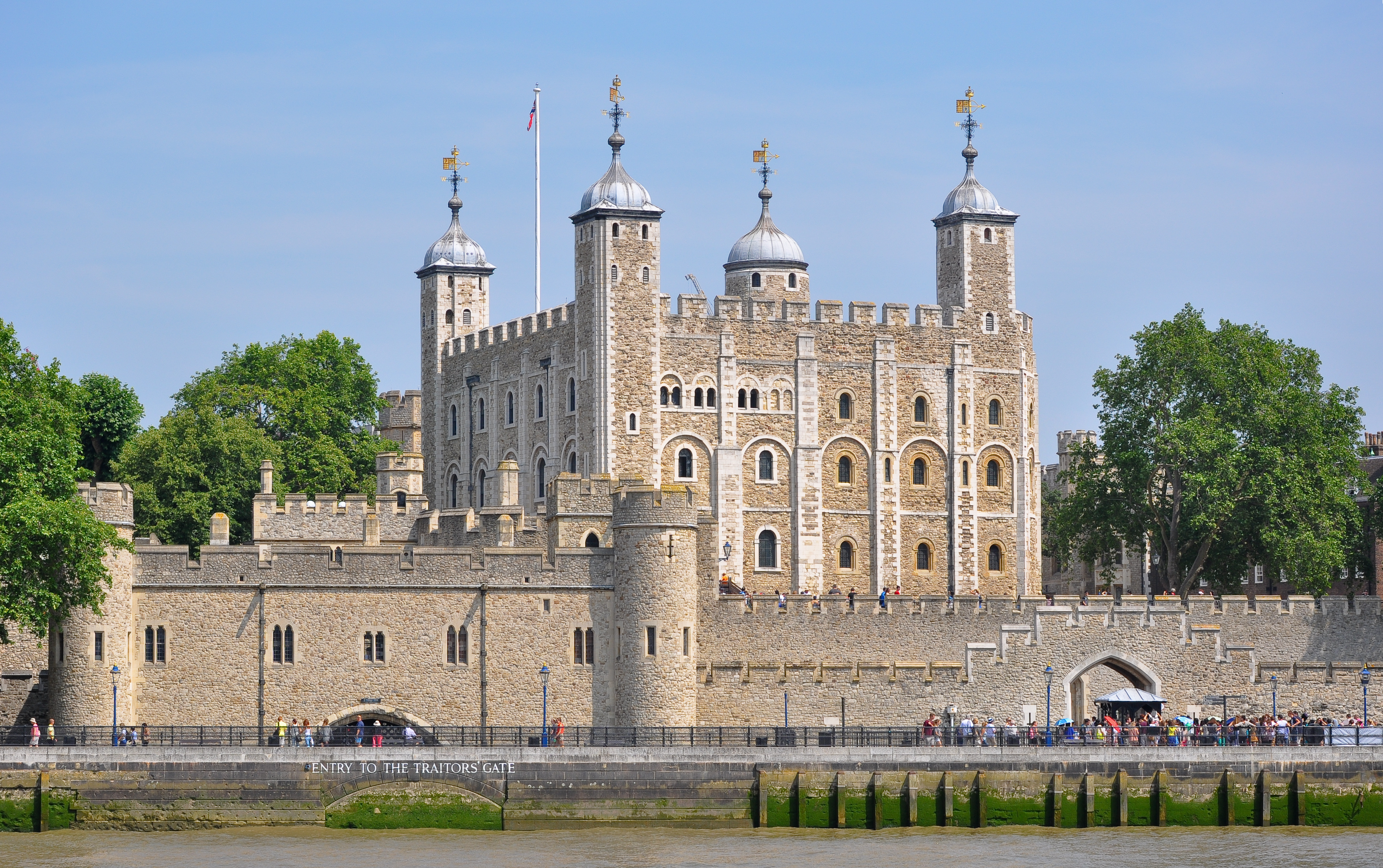
The Tower Of Londonfeels like London’s history turned into a fortress-tight gates, heavy stone, and courtyards that still carry a sense of control. Even a quick look from the outside lands the point: this was built to be seen and feared.
It began just after the Norman Conquest, with the White Tower as its core. Over centuries it became a working complex of royal residence, defence, imprisonment, and state ritual-one place where politics, punishment, and prestige all overlapped.
- Location:Tower Hill, by the River Thames
- Opening Hours:Open most days; hours vary seasonally - check the official site
- Tickets:Ticketed entry; advance booking is often recommended
- Accessibility:Uneven ground/cobbles and stairs in places; step-free routes exist but vary by area
Don’t miss
- The White Tower (Norman heart of the complex)
- The Crown Jewels display
- A loop along the inner walls and towers
2. Westminster Abbey
Inside the Westminster Abbey, the city’s noise drops away-stone, shadow, and memorials layered so densely it feels like a national archive you can walk through. It’s one of the few places in London where the past feels almost “official.”
The Abbey’s story stretches back to the medieval period and it’s closely tied to major national ceremonies and royal milestones. Its importance is symbolic as much as architectural: this is where monarchy, faith, and national identity have been staged and remembered for centuries.
- Location:Westminster, near Parliament Square
- Opening Hours:Visiting hours vary around services - check the official site
- Tickets:Sightseeing is typically ticketed; worship access differs
- Accessibility:Many accessible routes; some historic areas have steps or restrictions
Don’t miss
- Poets’ Corner
- The cloisters (quiet, medieval atmosphere)
- The royal memorials and historic tombs
3. Palace Of Westminster & Elizabeth Tower (Big Ben)
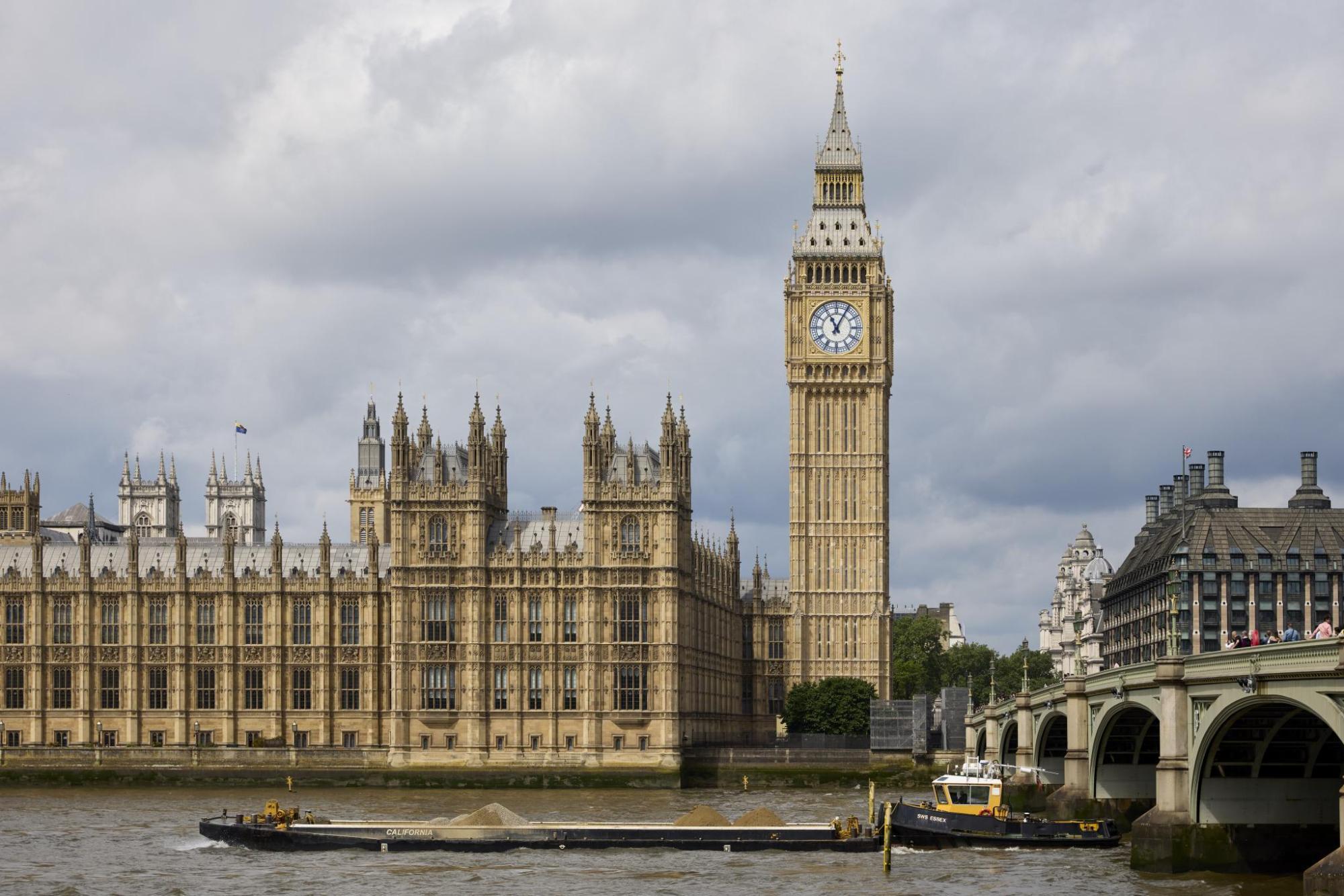
From the river, Parliament looks like a statement carved into the skyline-ornate, unmistakable, and built to represent authority. It’s one of London’s best “walk-by” historic moments even without a tour.
The site evolved from a medieval royal palace into the home of Parliament, and today’s landmark building largely dates from rebuilding after the 1834 fire. It matters because it’s both historic and living: governance still happens inside a structure shaped by long political continuity.
- Location:Westminster, on the River Thames
- Opening Hours:Tours depend on the parliamentary calendar - check the official site
- Tickets:Tours are usually ticketed and capacity-limited
- Accessibility:Accessibility varies by tour route; confirm step-free options in advance
Don’t miss
- The riverfront view (classic London skyline)
- Parliament Square perspectives
- A guided interior tour (if available)
4. Buckingham Palace
Buckingham Palaceis monarchy as public image-gates, symmetry, and the careful distance of state ceremony. Even outside, it’s one of London’s strongest “this is the capital” landmarks.
Originally Buckingham House, it became the monarch’s principal London residence in the 19th century. Its importance comes from function as much as symbolism: state visits, national moments, and the public-facing rituals of the monarchy centre here.
- Location:St James’s / Westminster
- Opening Hours:Interior visiting is seasonal; exterior viewing is always possible - check the official site
- Tickets:Seasonal ticketed entry for State Rooms (when open)
- Accessibility:Accessible routes exist but depend on openings and ticketed areas
Don’t miss
- The forecourt viewpoint
- Nearby St James’s Park for photo angles
- The ceremonial setting around the gates
5. Banqueting House (Whitehall)
Banqueting House is one of those rare London buildings where a single room can carry a whole political mood. It’s grand without being sprawling, and the ceiling alone can hold your attention longer than you expect.
Designed by Inigo Jones in the early 17th century, it’s a key survivor from the Whitehall Palace complex. The building sits close to pivotal moments in Stuart-era history, and its scale shows how architecture was used to project royal authority.
- Location:Whitehall
- Opening Hours:Limited/variable openings - check the official site
- Tickets:Ticketed on open days
- Accessibility:Historic entrances may include steps; confirm accessible entry options
Don’t miss
- The painted ceiling
- The full-scale hall (stand centre and look up)
- The Whitehall context outside
6. Horse Guards (Whitehall)
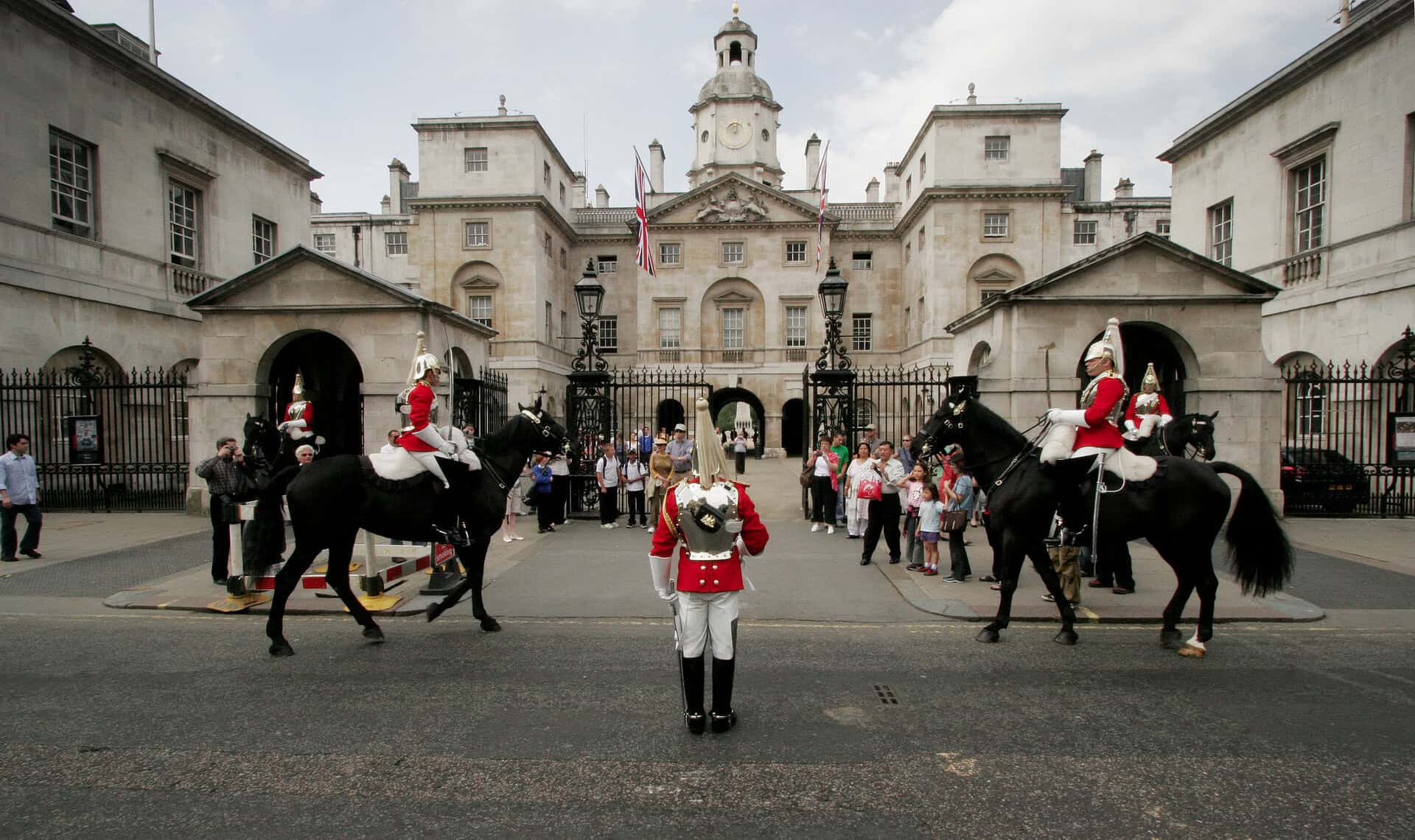
Horse Guards is ceremonial London in motion-arched gateways, parade ground, and a living sense of tradition. It’s an easy stop that adds “state atmosphere” to a Westminster walk.
Whitehall has long been London’s corridor of government, and Horse Guards sits within that institutional landscape. The importance here is place-setting: this is where the city’s official identity is performed in public space.
- Location:Whitehall
- Opening Hours:Exterior access daily; any interiors vary - check official listings
- Tickets:Outdoor viewing is free; interior access may be ticketed
- Accessibility:Mostly level outdoors; interior access depends on route
Don’t miss
- The parade ground feel
- The gateway sightlines along Whitehall
- Any ceremonial activity you happen to catch
7. The Jewel Tower
The Jewel Tower is medieval Westminster in miniature-compact, tough, and easy to miss if you only look for the grandest façades. It’s a reminder that power always had paperwork, storage, and support buildings behind it.
Built in the 14th century to store valuables for the Crown, it’s one of the small survivals that connect modern Westminster to its medieval working landscape. It matters because it shows how governance relied on infrastructure as much as ceremony.
- Location:Westminster, near Parliament
- Opening Hours:Variable - check the official site
- Tickets:Often ticketed or donation-based depending on management
- Accessibility:Narrow spaces and stairs likely; check access details
Don’t miss
- The medieval stonework
- The contrast with surrounding modern Westminster
- Any interpretation linking it to historic government life
The City Of London
8. St Paul’s Cathedral
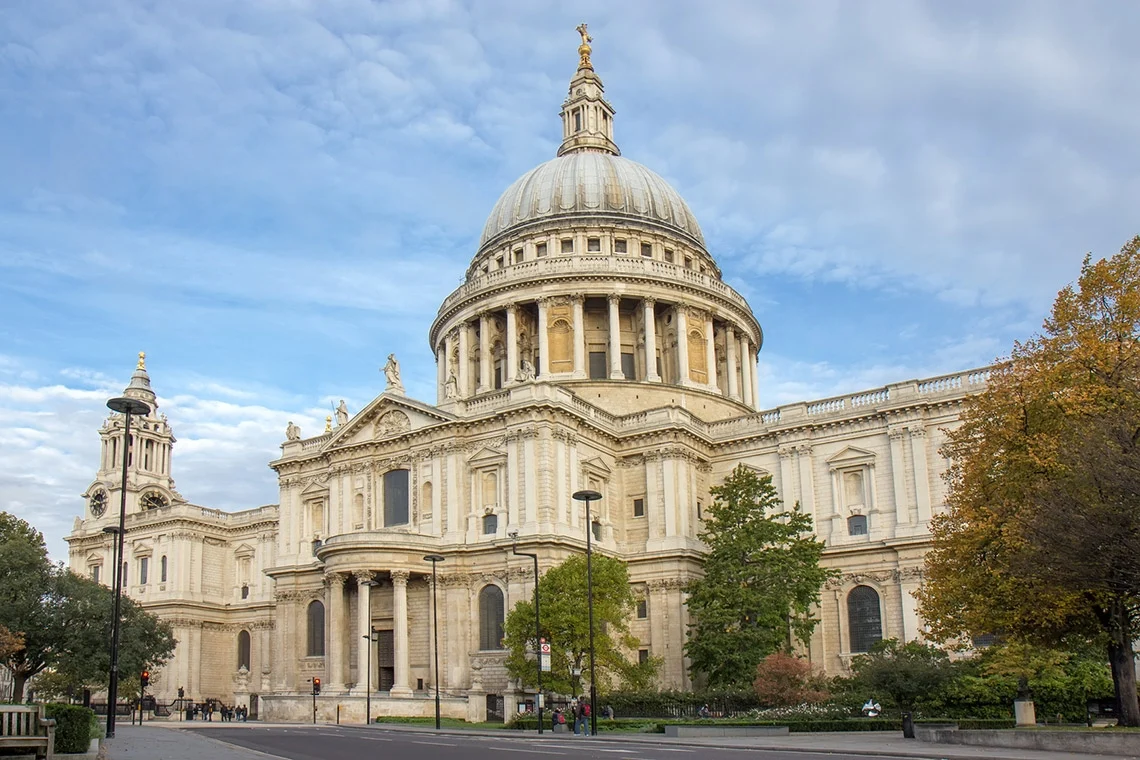
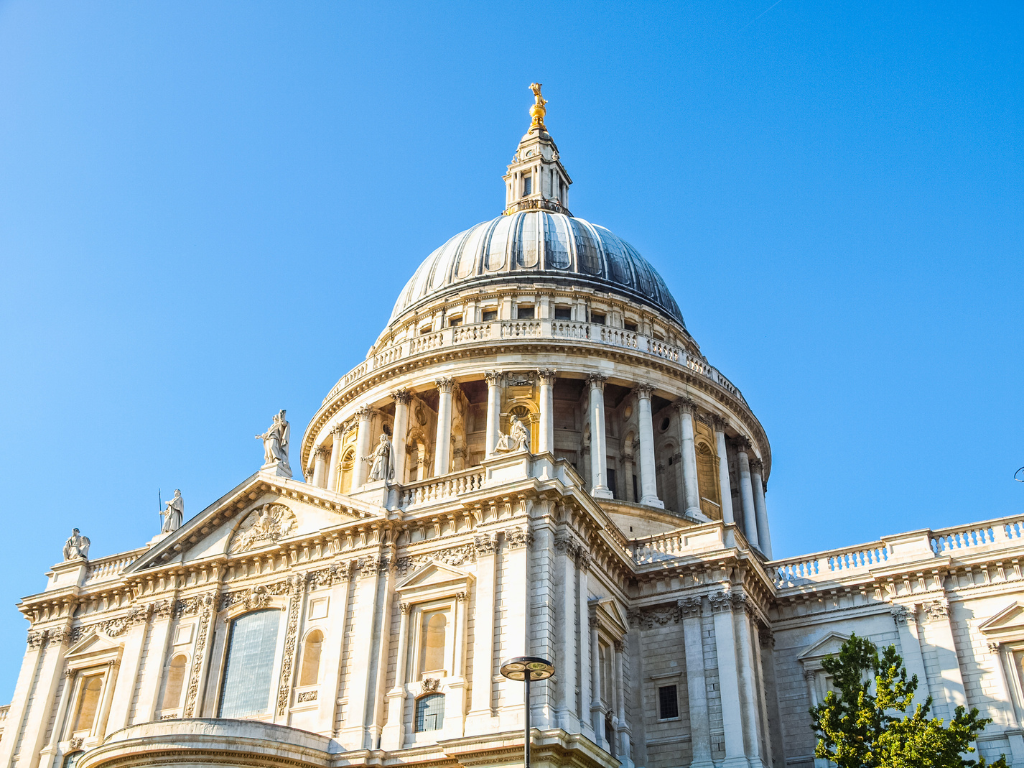
St Paul’s Cathedralis London’s skyline compass-its dome anchors the city’s visual identity in a way few buildings can. Inside, the scale is deliberate: you feel the ambition of a rebuilding city the moment you step in.
The current cathedral rose after the Great Fire of 1666 under Christopher Wren, becoming a defining monument of London’s reconstruction era. It matters as both an architectural landmark and a symbol of civic continuity in a city that repeatedly remakes itself.
- Location:City of London
- Opening Hours:Sightseeing hours vary; worship access differs - check the official site
- Tickets:Ticketed for sightseeing; worship services typically aren’t ticketed
- Accessibility:Many accessible provisions; upper galleries involve significant stairs
Don’t miss
- The crypt and memorials
- The dome interiors (if open)
- The west front exterior viewpoint
9. The Monument To The Great Fire Of London
The Monument is history distilled into a single vertical marker-quietly powerful because it asks you to imagine an entire city changing shape. It’s one of the best “small stops” for making London’s timeline click.
Completed in the 1670s, it commemorates the Great Fire that destroyed large parts of the medieval city and accelerated rebuilding and modernisation. It matters because it marks a turning point: the city you walk today is, in many ways, a post-fire London.
- Location:City of London
- Opening Hours:Variable; climbing access may be timed - check the official site
- Tickets:Often ticketed for climbing; exterior viewing is free
- Accessibility:Climbing typically involves many stairs; check for accessible alternatives
Don’t miss
- The inscriptions explaining the fire
- The street context around the site
- The view if climbing is open
10. The London Wall (Roman Remains)
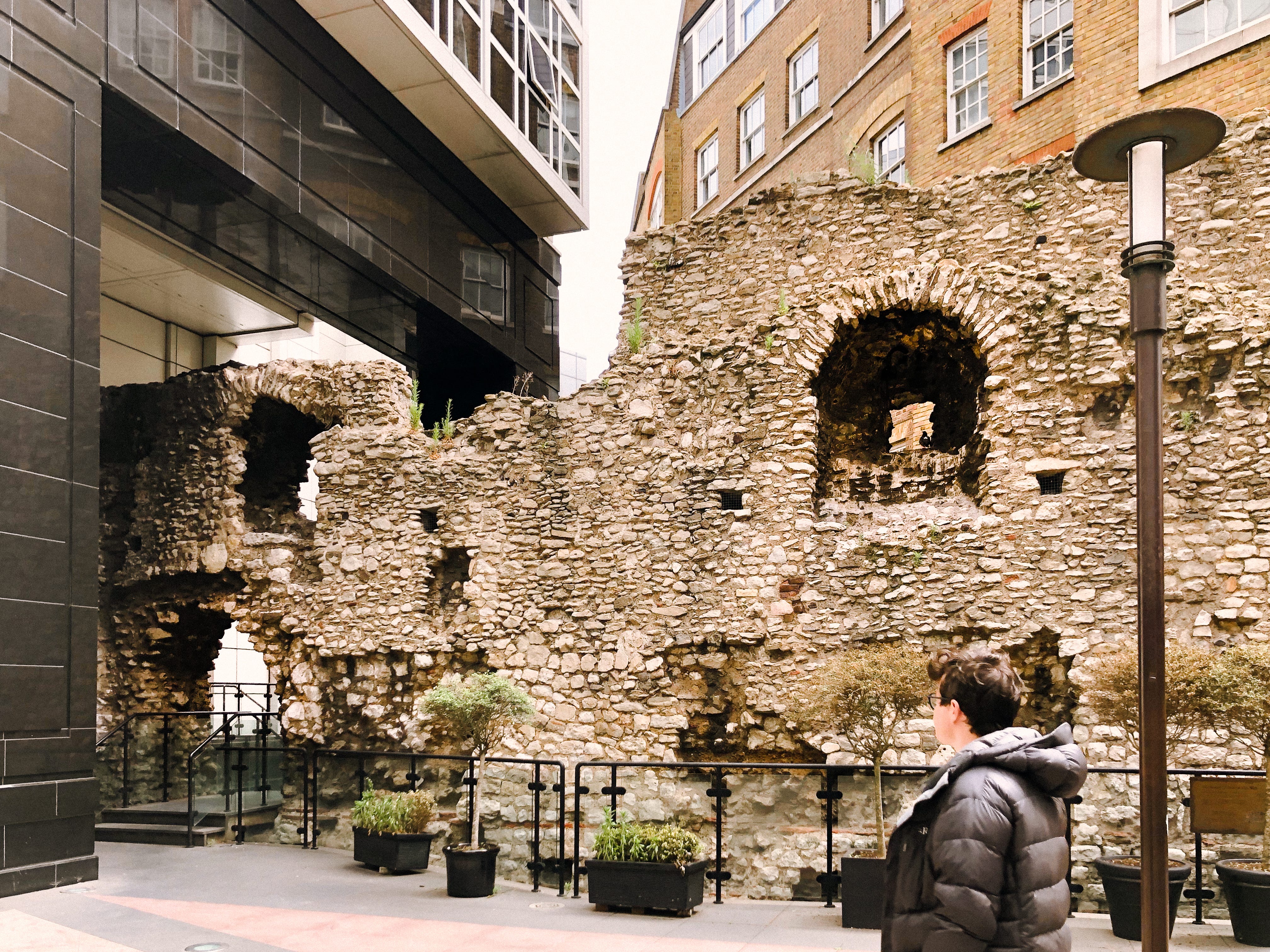
You don’t “arrive” at the London Wall so much as discover it-Roman stone appearing between glass towers like a time glitch. It’s one of the best ways to feel Londinium inside modern London.
Built and expanded during Roman rule, the wall defined boundaries and influenced later street patterns. It matters because it shows continuity: even now, the City’s shape often bends around ancient lines.
- Location:City of London (fragments in multiple spots)
- Opening Hours:Many fragments are outdoors; access varies by section
- Tickets:Many fragments are free; indoor sections may differ
- Accessibility:Outdoor fragments are often pavement-accessible; surfaces and routes vary
Don’t miss
- A fragment in context (old stone beside new glass)
- Any nearby interpretation panels
- Pairing it with the Mithraeum for a Roman mini-route
11. London Mithraeum (Temple Of Mithras)
London Mithraeumis Roman London beneath the surface-an ancient temple space hidden under modern streets. The mood is intentionally immersive, making it one of the most memorable “below street” historic experiences in the City.
The temple was dedicated to Mithras, a Roman mystery cult, and its discovery during redevelopment revealed how much Roman life still lies under London. It matters because it adds depth to Londinium: not only administration and trade, but belief, ritual, and private communities.
- Location:City of London
- Opening Hours:Timed-entry access varies - check the official site
- Tickets:Entry/booking model can change; booking is often required
- Accessibility:Underground access and lifts vary - confirm before visiting
Don’t miss
- The temple layout and reconstructed setting
- The sense of “history under your feet”
- The artefacts/storytelling displays (when open)
12. Guildhall Roman Amphitheatre
A Roman amphitheatre inside a civic building area is classic London layering. It’s a great stop for people who love “hidden in plain sight” history.
Discovered in the late 20th century, it shows Roman Londinium had organised public entertainment and civic space. It matters because it expands the Roman story beyond walls-into social life, spectacle, and urban planning.
- Location:Guildhall area, City of London
- Opening Hours:Variable - check access details
- Tickets:Often free or included with nearby venues; confirm entry rules
- Accessibility:Some step-free routes may exist; verify ahead
Don’t miss
- The outline of the arena
- The interpretation of Roman civic life
- Pairing it with Guildhall nearby
13. Guildhall (medieval Civic London)
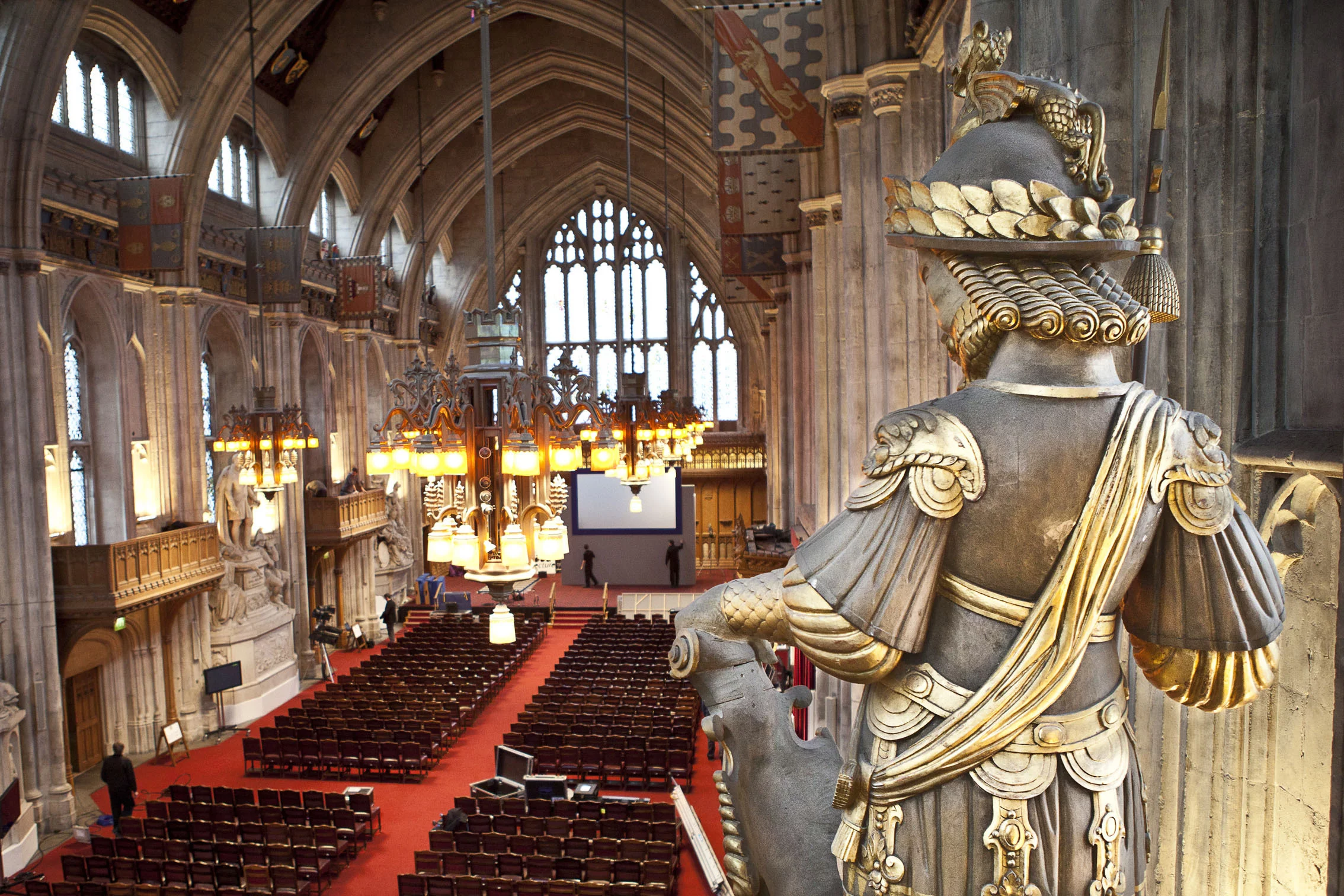
Guildhall feels like the City running itself-civic authority rather than royal authority. It’s the place that helps you understand London’s mercantile confidence.
With centuries of civic use (and rebuilding over time), it represents the institutions that shaped trade, local power, and governance in the Square Mile. It matters because London’s story isn’t only kings and palaces-it’s also merchants, law, and civic organisation.
- Location:City of London
- Opening Hours:Public access varies by museum/events - check official site
- Tickets:Often free for museum areas; events may be ticketed
- Accessibility:Many areas accessible; historic rooms may have limits
Don’t miss
- The Great Hall feel (if accessible)
- Any City history galleries on site
- The medieval lanes outside
14. Leadenhall Market
Leadenhall Marketis one of London’s easiest historic pleasures-ornate roof, narrow lanes, and a sense of the City as a place built for trade. It’s perfect when you want history without committing to a long visit.
Markets have operated in this area for centuries, and the current structure is largely Victorian, reflecting a modernising city that still wanted civic beauty. It matters as living heritage: commercial life preserved in architecture you can still use.
- Location:City of London
- Opening Hours:Market hours vary by trader/day - check official listings
- Tickets:Free entry; purchases optional
- Accessibility:Generally level; can be crowded at peak times
Don’t miss
- The roof and ironwork
- The side passages and older corners
- A slow walk to spot historic details in the arcades
15. Smithfield Market (historic Market Buildings)
Smithfield Marketlooks like working London-big, functional, built for volume. Even without going inside, it tells a story about how a massive city fed itself.
The area’s market history stretches back centuries, while the surviving buildings reflect later industrial-era needs: regulation, logistics, and scale. It matters because it captures London’s economic backbone-less glamorous than palaces, but just as defining.
- Location:Smithfield, City of London
- Opening Hours:Public access depends on what you’re viewing - check official info
- Tickets:Exterior viewing is free; tours/events vary
- Accessibility:Outdoor viewing is straightforward; interior access varies
Don’t miss
- The architecture scaleand utilitarian beauty
- The streets shaped by tradearound it
- Pairing with St Bartholomew-the-Great
16. St Bartholomew-the-Great
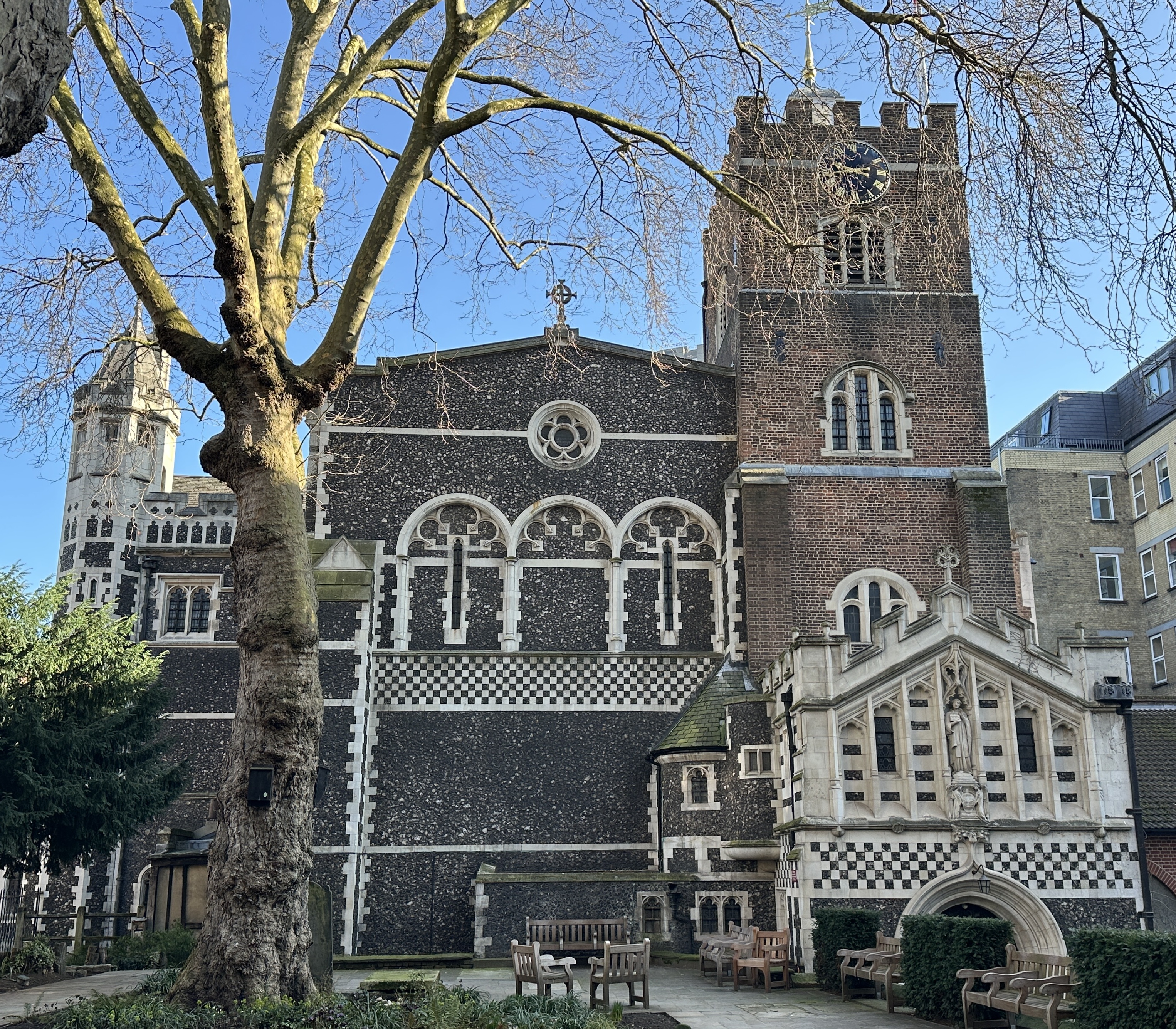
St Bart’sis a medieval pocket that feels improbably intact-stone arches, shadowy corners, and a quiet that makes the City’s noise feel far away. It’s one of London’s best “time-pocket” interiors.
Founded in the 12th century, it’s among the oldest surviving parish churches in London. It matters because it preserves medieval texture-an everyday sacred space that survived centuries of rebuilding and change.
- Location:Smithfield, City of London
- Opening Hours:Varies around services - check the official site
- Tickets:Often donation-based; special events may charge
- Accessibility:Steps and uneven surfaces likely; check access details
Don’t miss
- The Norman/medieval architectural elements
- The quiet interior atmosphere
- The monuments revealing local history
17. The Charterhouse
The Charterhousefeels like institutional London-layered, slightly hidden, deeply human. It’s a site where you can sense London’s habit of repurposing spaces as needs changed.
It began as a Carthusian monastery in the 14th century and later took on educational and charitable roles. It matters because it shows long continuity: religion, welfare, and civic life playing out in one evolving place.
- Location:Clerkenwell / City fringe
- Opening Hours:Often tour-based - check booking details
- Tickets:Tours are commonly ticketed
- Accessibility:Historic buildings may have stairs; ask about step-free routes
Don’t miss
- The historic rooms on a guided visit
- The monastery-to-institution story
- The courtyard calm in the middle of the city
18. All Hallows By The Tower
All Hallows is a quiet counterpoint to fortress London-older, softer, and layered with memorials that reward slow looking. It’s an excellent “add-on” near the Tower that changes the emotional tone of the area.
The church has ancient roots and has been repaired and rebuilt through fires and wartime damage. It matters because it’s continuity in action: sacred and community space persisting beside some of the city’s most dramatic political history.
- Location:Near Tower Hill
- Opening Hours:Usually open around services/visiting times - check official site
- Tickets:Typically free entry; donations welcome; some exhibits/events may charge
- Accessibility:Generally accessible at ground level; interior routes vary
Don’t miss
- The historic memorials
- The feeling of layers near the Tower
- Any crypt/exhibit areas open during your visit
19. Bank Of England Museum
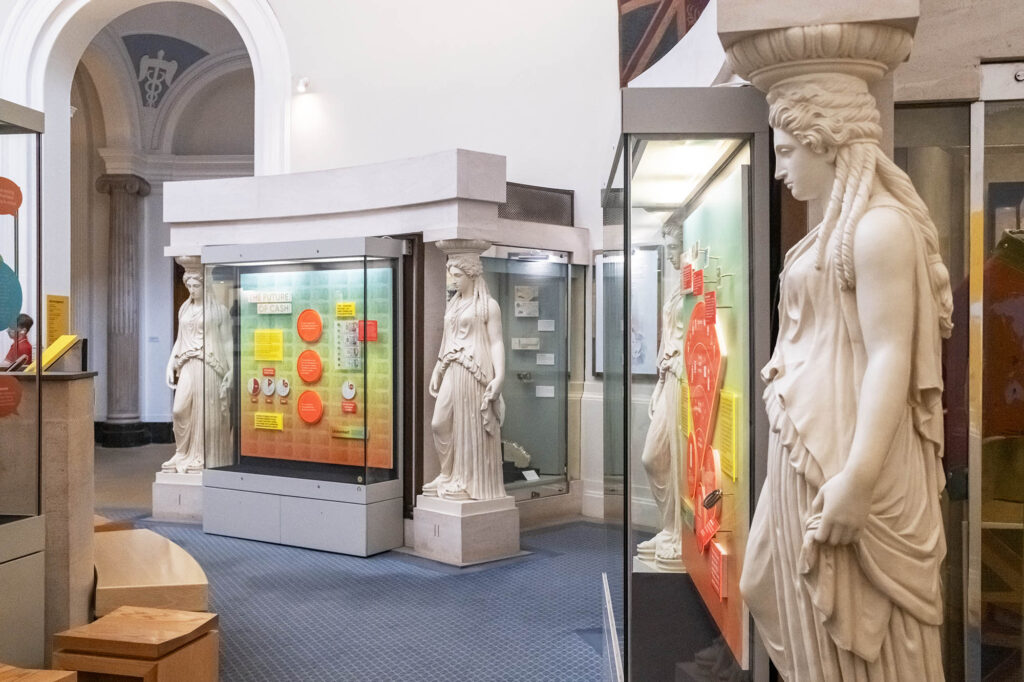
This museum explains the City’s identity without buzzwords-how trust, institutions, and policy helped London become a financial centre. It’s a smart stop if you want the “why” behind the Square Mile.
The Bank of Englandwas founded in the late 17th century, and its influence grew alongside Britain’s economic expansion. It matters because it links London’s built environment to systems: money, governance, and the idea of stability.
- Location:City of London (near Bank junction)
- Opening Hours:Variable - check the official site
- Tickets:Often free; some events may be ticketed
- Accessibility:Typically public-access friendly; confirm exhibit route details
Don’t miss
- The origin story of the institution
- Displays linking money and trust
- The City context outside the museum
West End & Strand
20. British Museum
The British Museumis world history under one roof-astonishing, and best enjoyed with a plan so you leave inspired, not exhausted. The building itself feels like a statement about knowledge and collecting.
Founded in the 18th century, it reflects London’s rise as a scholarly and museum city. It matters because it shaped how collections were presented publicly and how London positioned itself as a cultural capital.
- Location:Bloomsbury
- Opening Hours:Open most days; hours vary - check the official site
- Tickets:General entry is typically free; special exhibitions may be ticketed
- Accessibility:Step-free access and facilities available; check entrance guidance
Don’t miss
- The Great Court for orientation
- One focused gallery route you care about
- A short loop instead of “everything”
21. National Gallery
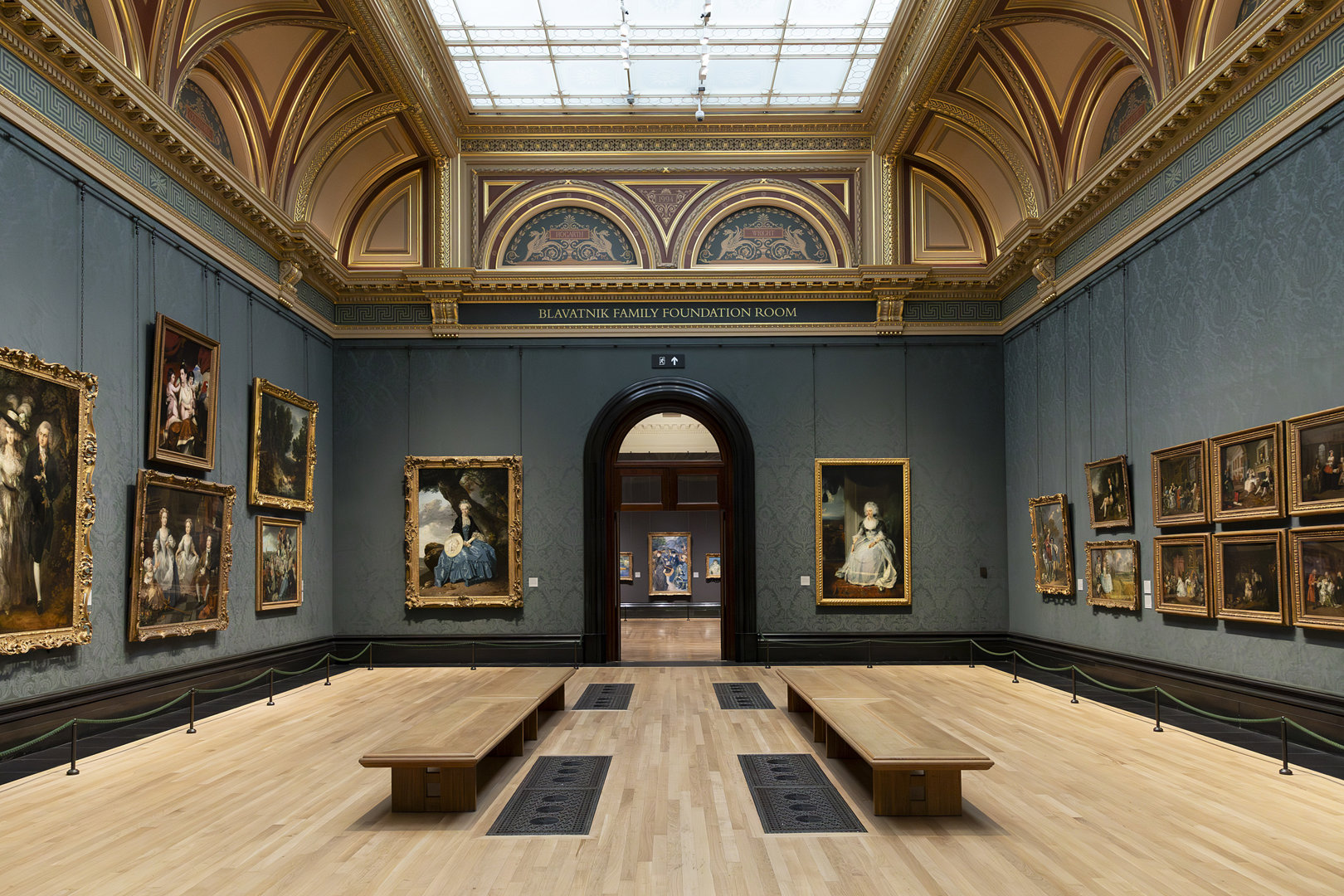
The National Galleryis historic London in cultural form-paintings that shaped European self-image, set on one of the city’s most symbolic public squares. It’s ideal when you want “big history” indoors.
Created as a national public collection in the 19th century, it reflects the idea that major art should be accessible. It matters because it’s part of London’s civic identity: culture presented as shared heritage.
- Location:Trafalgar Square
- Opening Hours:Open most days; hours vary - check the official site
- Tickets:General collection access is typically free; exhibitions may be ticketed
- Accessibility:Accessible services available; confirm details for your visit
Don’t miss
- One era pathway (Renaissance → Impressionism, for example)
- A quiet side room away from the main flow
- The view back onto Trafalgar Square
22. Trafalgar Square & Nelson’s Column
Trafalgar Square is London’s civic theatre-celebration, protest, tourism, and everyday gathering in one frame. It’s free, easy, and surprisingly important as a historic place, not “just a plaza.”
Built in the 19th century to commemorate naval power and national identity, it became a stage for modern public life. It matters because it shows how capitals use monuments and open space to tell a story about themselves.
- Location:Central London (West End)
- Opening Hours:Always open
- Tickets:Free
- Accessibility:Mostly step-free; surfaces can be busy and uneven
Don’t miss
- The full-square panorama (stand back)
- The monument symbolism details
- Pairing with the National Gallery next door
23. Somerset House
Somerset Househas institutional elegance-courtyards, arches, and a river-side presence that feels built for public life. It’s one of the best places to feel London’s “official” past without palace intensity.
The site has hosted significant administrative and cultural functions over time, and its architecture expresses order and civic confidence. It matters because it represents London’s public-facing institutions-how the city organised governance and culture through major complexes.
- Location:Strand / Embankment
- Opening Hours:Courtyard access often broad; exhibitions have set hours - check official site
- Tickets:Courtyard often free; exhibitions/events typically ticketed
- Accessibility:Many accessible routes; some areas vary by exhibition
Don’t miss
- The central courtyard viewpoint
- The river-side walk nearby
- Any heritage/architecture exhibitions running
24. Covent Garden Piazza
Covent Gardenis historic London turned social: a piazza designed for gathering, layered with markets, theatres, and street performance culture. It’s where architecture feels like an invitation.
Shaped in the 17th century as one of London’s early planned squares, it reflects a shift toward public leisure and urban design. It matters because it shows London becoming a city of public rooms-spaces built as much for people as for commerce.
- Location:Covent Garden
- Opening Hours:Always open as a public area; venues vary
- Tickets:Free to wander; paid activities vary
- Accessibility:Mostly level; crowds can be intense
Don’t miss
- The piazza perimeter walk
- The market hall architecture
- Nearby theatre streets for context
25. Sir John Soane’s Museum
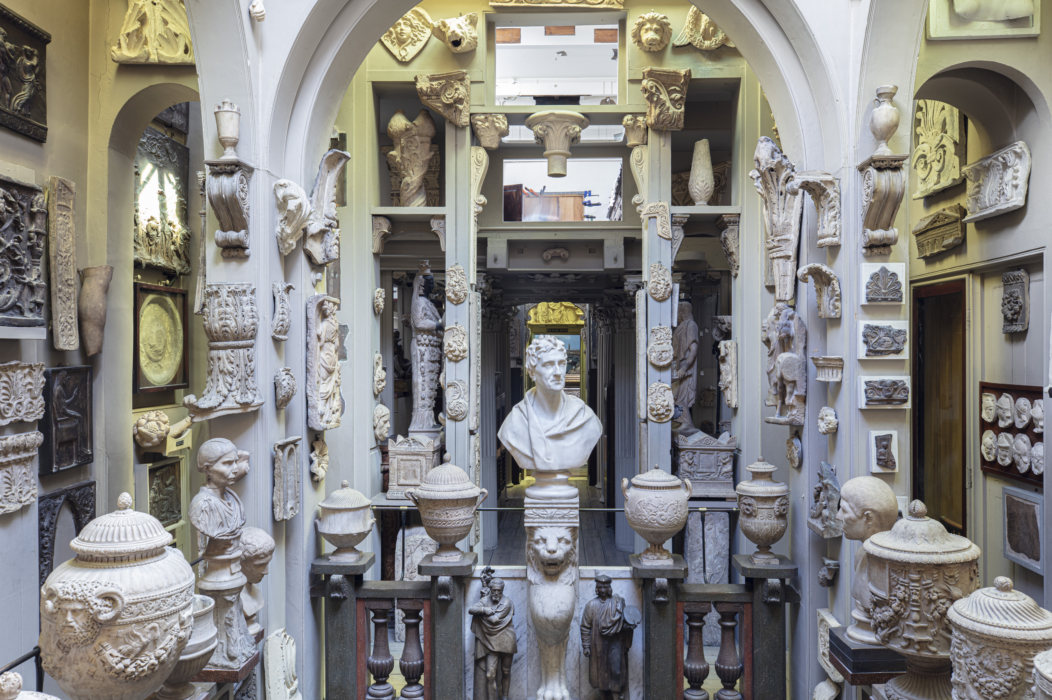
Sir John Soane’s Museumis a house that feels like a mind-rooms packed with objects, light tricks, and architectural puzzles. It’s one of London’s most memorable small museums because it doesn’t behave like a conventional gallery.
Sir John Soane was a major architect who preserved his home and collection for the public through legislation, creating a rare time-capsule interior. It matters because it shows how private collecting and design became public heritage in London.
- Location:Lincoln’s Inn Fields
- Opening Hours:Limited days/hours - check the official site
- Tickets:Often free entry; booking may be required
- Accessibility:Tight spaces and stairs; check access guidance
Don’t miss
- The house-as-museum atmosphere
- The densely layered rooms
- The storytelling through objects (not just “looking”)
26. Wilton’s Music Hall
Wilton’s Music Hallfeels like old London nightlife preserved-worn beauty, performance history, and the sense that culture once lived closer to the street. Even silent, the room feels like it remembers noise.
As a surviving Victorian music hall, it represents popular entertainment culture at a time when London’s social life was being reshaped by industrial schedules and migration. It matters because it’s rare: a venue type that defined an era, still standing.
- Location:East London fringe (near the City)
- Opening Hours:Depends on shows/tours - check official site
- Tickets:Ticketed performances; tours/events vary
- Accessibility:Depends on event/seating; confirm ahead
Don’t miss
- The main hall atmosphere
- Any heritage tour elements offered
- The surrounding historic streets for context
27. Old Operating Theatre Museum & Herb Garret
History here is immediate and a little unsettling: steep stairs, tight rooms, and medicine presented without modern comfort. It’s one of those places that makes the past feel physically close.
Located within a historic church setting linked to early hospital practice, it preserves a 19th-century operating theatre environment. It matters because it shows healthcare as it really was-constrained by space, tools, and the attitudes of its time.
- Location:London Bridge area
- Opening Hours:Limited days/hours - check the official site
- Tickets:Ticketed entry
- Accessibility:Significant stairs and narrow routes; check accessibility info before planning
Don’t miss
- The operating theatre room
- The herb garret interpretation
- The medical history displays
28. St Bride’s Church, Fleet Street
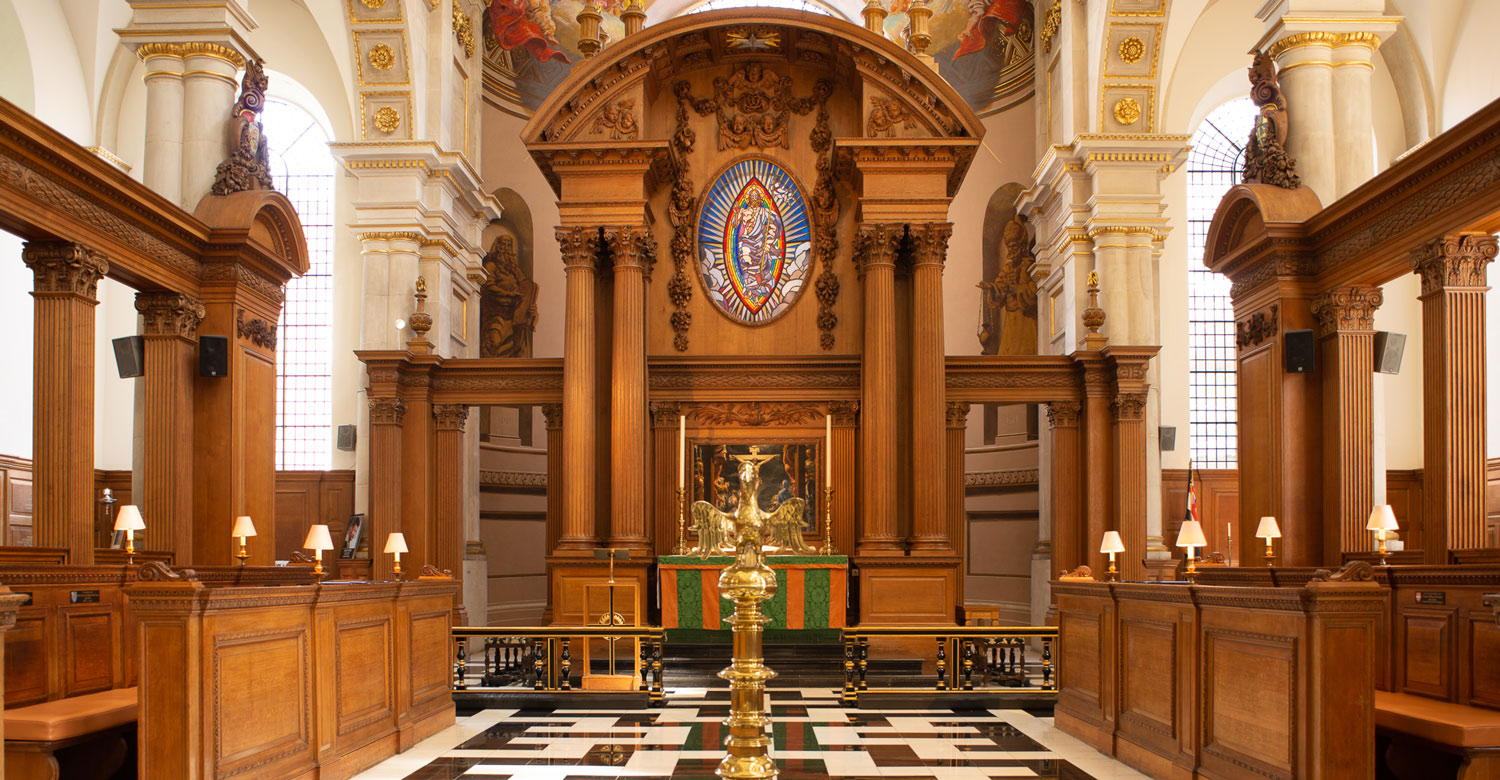
St Bride’s Churchis quiet London in the middle of an old media district. It’s a great example of how churches often function as neighbourhood archives-holding stories of community, rebuilding, and professional identity.
Rebuilt by Christopher Wren after the Great Fire, it connects directly to the city’s reconstruction era. It matters because Fleet Street’s history of printing and publishing echoes around it, and the church preserves that local identity.
- Location:Fleet Street
- Opening Hours:Varies around services/events - check the official site
- Tickets:Typically free entry; donations welcome
- Accessibility:Often accessible; some areas may have steps
Don’t miss
- The architecture details (especially outside)
- The Fleet Street context nearby
- Any monuments/memorials inside
29. Temple Church
Temple Churchfeels tucked away, almost sealed, in the legal quarter-stone, symmetry, and an atmosphere that makes you lower your voice. It’s a strong “medieval survival” in the middle of professional modern London.
Built in the 12th century and associated with the Knights Templar, it’s one of central London’s most distinctive medieval buildings. It matters because it sits within a landscape of long institutional continuity-the Temple area still reflects centuries of legal life.
- Location:Temple / Inns of Court area
- Opening Hours:Variable; visiting access differs from services - check the official site
- Tickets:Often free or donation-based; tours may be ticketed
- Accessibility:Historic thresholds and steps may apply
Don’t miss
- The round-church form (if accessible)
- The quiet lanes around the Temple
- Any guided interpretation available
30. Middle Temple Hall
Middle Temple Hallis one of those interiors where tradition feels tangible-timber, ceremony, and institutional memory stored in a single room. It’s a perfect “London hidden in plain sight” stop.
Built in the late 16th century, it’s part of the Inns of Court, central to the history of English law and civic governance. It matters because it connects London’s legal landscape to physical spaces where professional identity was formed and maintained.
- Location:Middle Temple, near the Thames
- Opening Hours:Access often limited and guided - check visit conditions
- Tickets:Visits/events may be ticketed or restricted
- Accessibility:Steps may apply; confirm access options
Don’t miss
- The timbered hall details
- The institution story (how law shaped London)
- The courtyards and lanes nearby
Southwark & The Thames - Shakespeare, Cathedrals, Markets, And River London
31. Shakespeare’s Globe Theatre
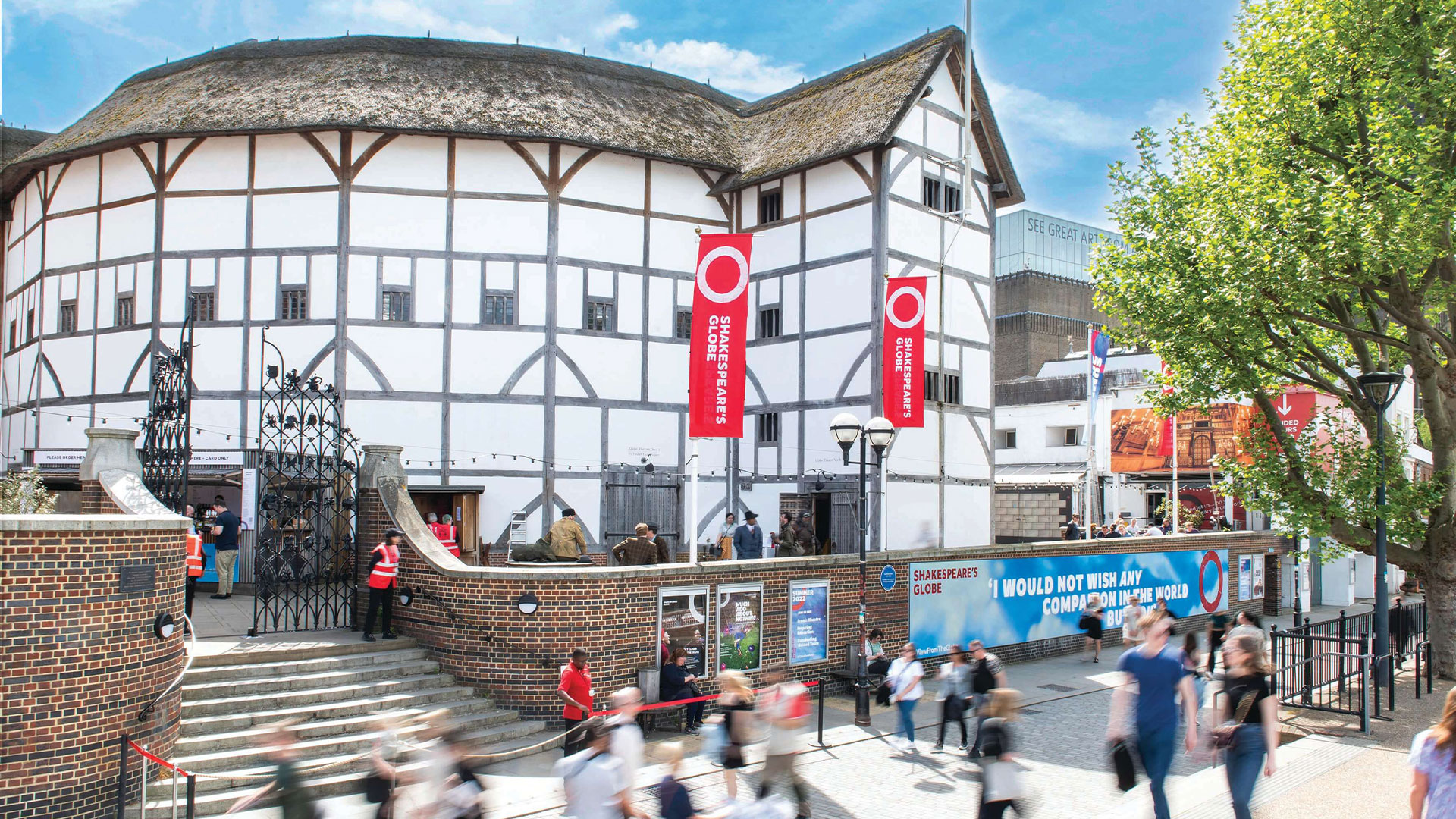
The Shakespeare’s Globe Theatreturns literary history into something you can stand inside-wood, open air (in season), and the sense that theatre was once a mass public event. It makes Shakespeare feel less like a school subject and more like city culture.
The original Globe stood nearby in the late 16th and early 17th centuries, linked to London’s booming entertainment economy. The modern Globe is a researched reconstruction, and it matters because it makes early modern theatre culture tangible.
- Location:Bankside (Southwark)
- Opening Hours:Varies by season, tours, and performances - check the official site
- Tickets:Performances/tours are ticketed; riverside walk is free
- Accessibility:Options exist; confirm routes for tours and seating
Don’t miss
- A guided tour for fast context
- The yard/standing concept (how audiences experienced plays)
- The river setting that shaped Bankside culture
32. Southwark Cathedral
Southwark Cathedralis a calm anchor near the noise of London Bridge-old stone, stained glass, and a sense of continuity beside constant movement.
Its roots sit in medieval Southwark, a historically distinct area from the City across the river, shaped by trade, travel, and communities outside Westminster’s royal orbit. It matters because it holds the older South Bankidentity in place.
- Location:London Bridge / Southwark
- Opening Hours:Varies around services/events - check the official site
- Tickets:Usually free entry; donations welcome
- Accessibility:Generally accessible; check restricted chapels/areas
Don’t miss
- The quiet interior pause
- The historic memorials
- The riverside context outside
33. Borough Market
Borough Marketis historic London you can taste-arches, stalls, and the feeling that trade has always been social. It’s one of the best examples of living heritage in the city.
Trading traditions here stretch back centuries, and the market was formally established on its current site in the 18th century. It matters because it shows London’s everyday history: food networks, migration, and community life in motion.
- Location:London Bridge / Southwark
- Opening Hours:Varies by day and trader - check the official site
- Tickets:Free entry; purchases optional
- Accessibility:Accessible routes exist; crowds can be heavy
Don’t miss
- The railway-arch atmosphere
- The older street context around the market
- One classic market bite to make it memorable
34. Brunel Museum (Thames Tunnel)
Brunel Museumis industrial history with grit-engineering that once felt futuristic, now quietly extraordinary. You come away understanding that London’s “modern” era was built underground as much as above it.
The Thames Tunnel was pioneered in the 19th century by Marc and Isambard Kingdom Brunel, using methods that influenced tunnelling worldwide. It matters because it marks a turning point: city-scale infrastructure becoming part of daily life.
- Location:Rotherhithe (South of the Thames)
- Opening Hours:Variable; often tour-based - check the official site
- Tickets:Often ticketed for museum/tours
- Accessibility:Historic sites may involve stairs/narrow routes; confirm access options
Don’t miss
- The engineering story (how it was built)
- Any tunnel-linked spaces included in your visit
- The river context that explains the challenge
35. HMS Belfast
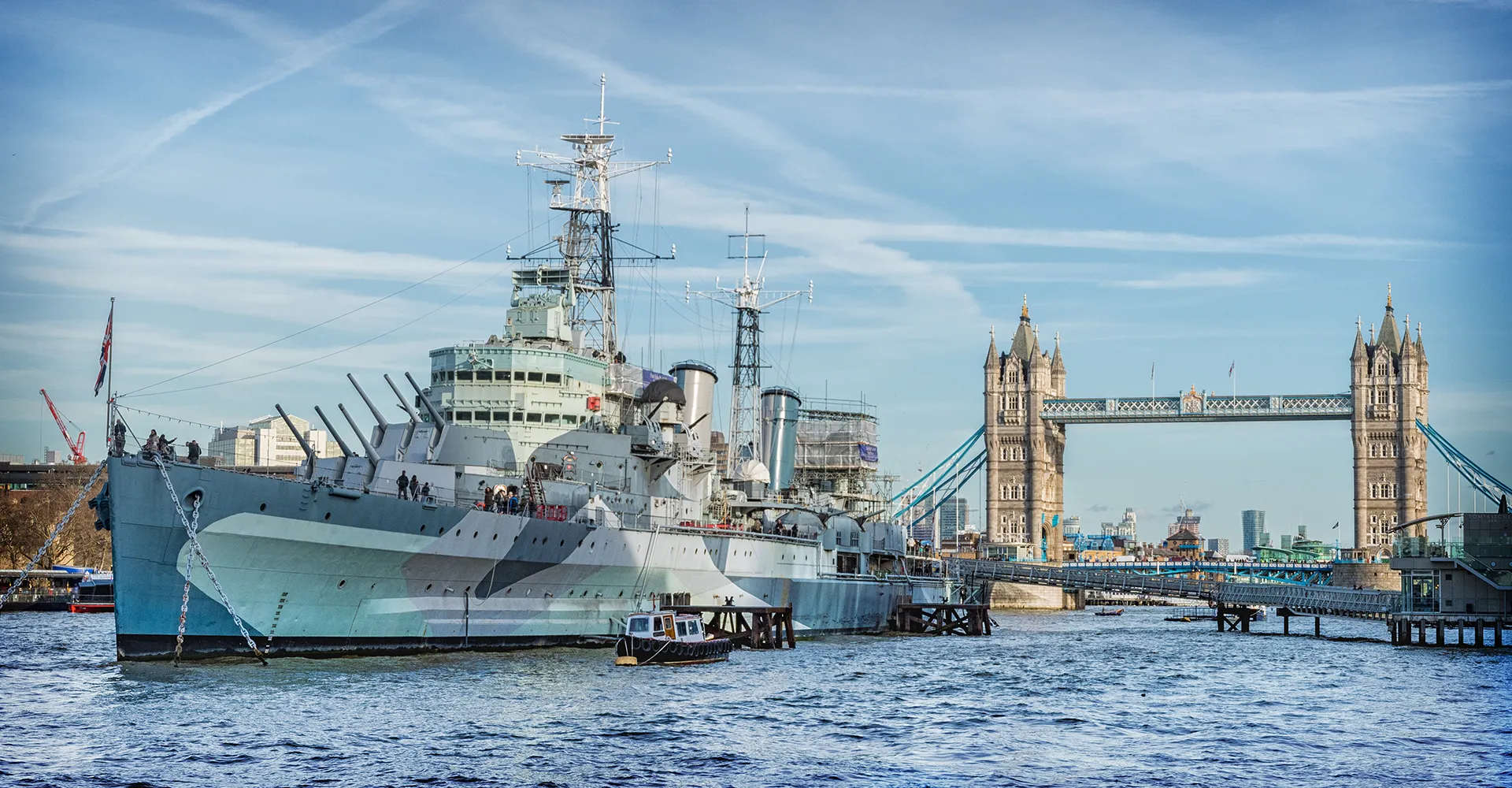
HMS Belfast is a floating archive-metal corridors, steep ladders, and wide deck views that make wartime history feel physical. It’s one of the most immersive “walk-through” history experiences on the Thames.
Launched in the late 1930s, Belfast served during WWII and later the Korean War, and now preserves a working warship environment. It matters because it shows conflict as systems and routines: where people slept, worked, and operated machinery under pressure.
- Location:Moored on the Thames near Tower Bridge
- Opening Hours:Open most days; hours vary seasonally - check the official site
- Tickets:Ticketed entry; booking recommended in busy periods
- Accessibility:Multi-deck ship with many stairs/ladders; some areas are challenging
Don’t miss
- The deck views over the river
- The crew spaces (daily-life texture)
- The operations/armament interpretation
The WWII & Conflict Layer
36. Churchill War Rooms (Imperial War Museums)
Hidden beneath Westminster, Churchill War Roomspreserves operational spaces tied to wartime decision-making. It feels intense: narrow corridors, low ceilings, and rooms that make the pressure of the era feel close.
Used during WWII as a real command-and-administration environment, it matters because it’s place-authentic. Instead of “WWII as a story,” you experience WWII as an atmosphere of constraint-information, decisions, and daily routines happening underground.
- Location:Westminster (Whitehall area)
- Opening Hours:Open most days; hours vary - check the official site
- Tickets:Ticketed entry; advance booking strongly recommended
- Accessibility:Underground site; accessible provisions exist but routes vary - confirm ahead
Don’t miss
- The Map Room
- The Cabinet Room
- The Churchill Museum section
37. Imperial War Museum London
IWM London is the big lens: conflict as lived experience-home front, politics, technology, memory. Imperial War Museumis best when you choose a theme so the visit feels like a story, not a flood of information.
Founded to preserve war experience, it grew into a major institution interpreting modern conflict and its impact on society. It matters because it connects objects to people-turning history into lives, not just dates.
- Location:Lambeth (South Bank area)
- Opening Hours:Open most days; hours vary - check the official site
- Tickets:General entry is often free; special exhibitions/events may charge
- Accessibility:Accessible facilities and routes generally provided; confirm details
Don’t miss
- A single major gallery route (pick one)
- The personal testimony/story sections
- Any temporary exhibition that matches your interest
38. RAF Museum London (Hendon)

Aircraft make history feel enormous-technology, scale, and the uncomfortable reminder that cities experience war from the sky as much as on the ground.
As a national museum of the Royal Air Force, it preserves aircraft and stories linked to air defence, innovation, and wartime experience. It matters because it helps you grasp London’s vulnerability and resilience in the aerial age.
- Location:Hendon (North London)
- Opening Hours:Open most days; hours vary - check the official site
- Tickets:Entry model varies; some exhibitions/events may charge
- Accessibility:Accessible routes are usually provided; confirm hangar access
Don’t miss
- The WWII-era aircraft displays
- The innovation/engineering narrative
- A focused hangar plan (choose one theme)
Greenwich & Royal Outskirts
39. Hampton Court Palace
Hampton Court Palaceis royal history with breathing room-grand interiors paired with gardens that stretch the story into landscape. It’s where court life feels like a functioning world, not just a ceremonial façade.
Originally developed for Cardinal Wolsey and later taken by Henry VIII, it became a major Tudor power centre. It matters because it preserves how monarchy actually worked day-to-day: politics, image, household, and space.
- Location:Hampton Court (southwest London)
- Opening Hours:Open most days; hours vary seasonally - check the official site
- Tickets:Ticketed entry
- Accessibility:Some accessible routes; historic interiors may include steps/uneven floors
Don’t miss
- The state apartments
- The historic kitchens atmosphere
- The gardens as part of the story
40. Kensington Palace
Kensington feels more personal than Buckingham-royal life framed through rooms and curated stories rather than pure ceremony. It’s a good choice when you want monarchy with a human scale.
Evolving from a 17th-century house into a royal residence, it played a long role in royal domestic life and public image. It matters because it shows monarchy as household and institution-how private lives become national narrative.
- Location:Kensington Gardens
- Opening Hours:Open most days; hours vary - check the official site
- Tickets:Ticketed entry
- Accessibility:Accessibility provisions exist; confirm route details for exhibitions
Don’t miss
- A headline exhibition that fits your interest
- The gardens context outside
- The sense of domestic monarchy vs ceremony
41. Royal Botanic Gardens, Kew
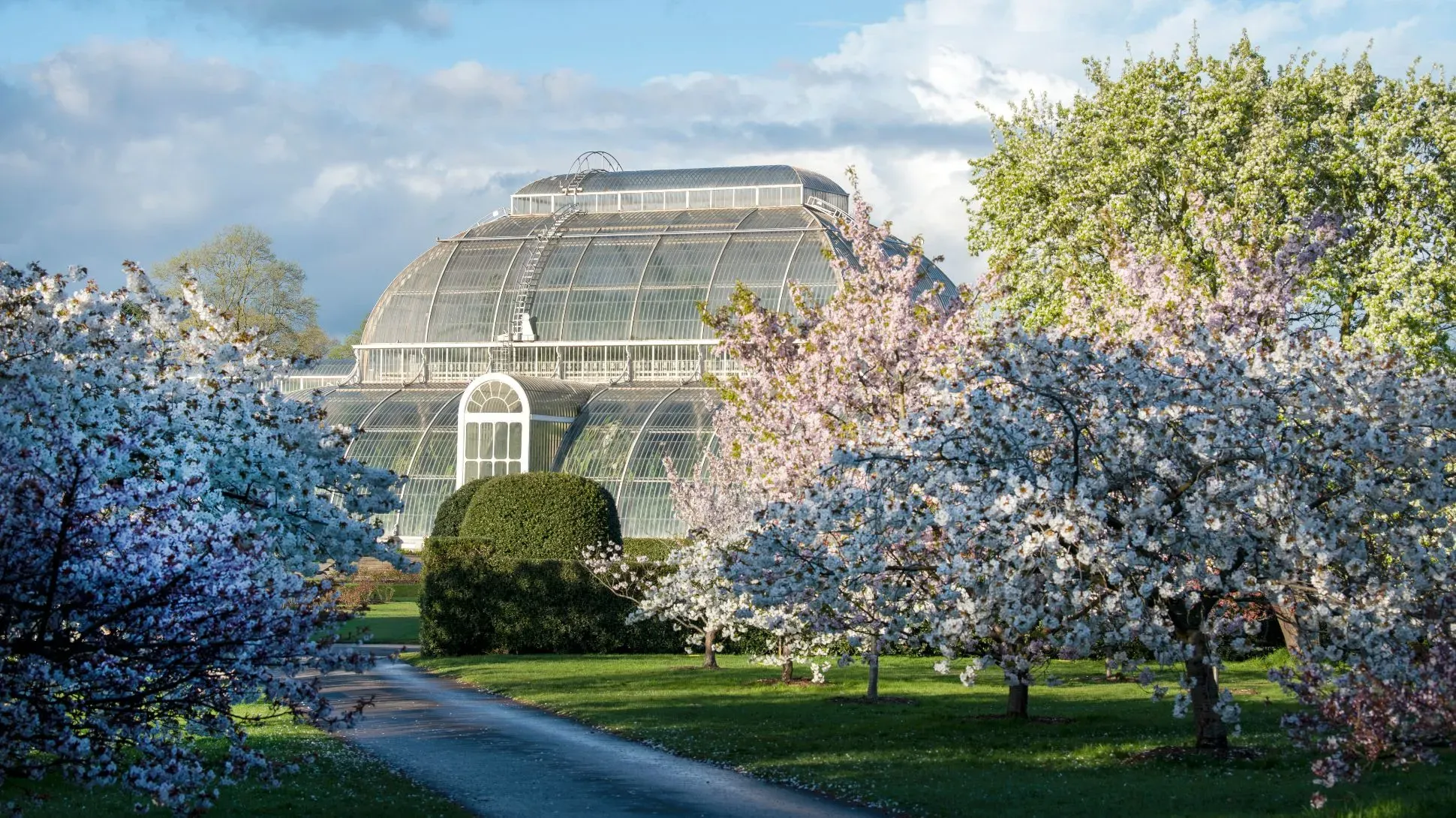
Kew Gardensis historic through living collections-designed landscapes you experience slowly, with science and global plant history embedded in the grounds. It’s one of London’s best “heritage + nature” days.
Kew developed from 18th-century royal gardens into a major botanical institution tied to research, classification, and conservation. It matters because it reflects centuries of plant science and collecting history expressed through landscape design.
- Location:Kew (southwest London)
- Opening Hours:Open most days; hours vary seasonally - check the official site
- Tickets:Ticketed entry
- Accessibility:Generally accessible paths; some areas vary - check access guidance
Don’t miss
- The historic glasshouses (if open)
- A designed landscape walk (not just “plants”)
- The science/collections interpretation spaces
42. Maritime Greenwich
Greenwich feels like a chapter shift-open sky, formal buildings, and a landscape built to look confident and permanent. It’s London’s maritime and scientific identity made walkable.
The area’s historic ensemble connects naval power, navigation, and astronomical observation, with major institutions clustered in one landscape. It matters because it tells a national story through place: timekeeping, seafaring, and the architecture that supported them.
- Location:Greenwich (southeast London)
- Opening Hours:Outdoor areas open daily; venues have set hours - check individual official sites
- Tickets:The area is free to explore; specific attractions may be ticketed
- Accessibility:Many open paths; venue accessibility varies
Don’t miss
- Queen’s House (if relevant)
- Royal Observatory / Prime Meridian
- Old Royal Naval College (Painted Hall)
Atmospheric London
43. Tower Bridge
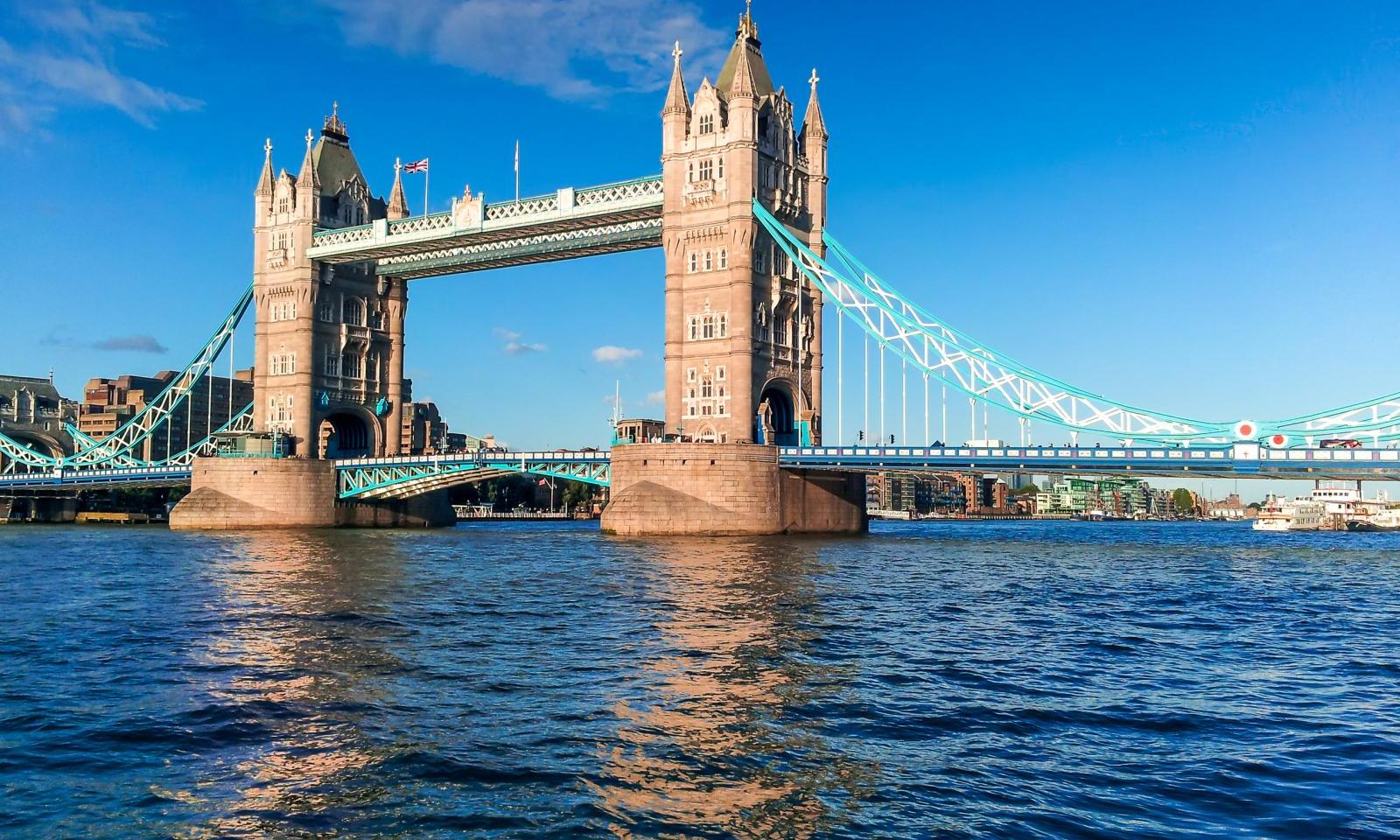
Tower Bridgeis part storybook, part machine-Gothic styling wrapped around late-Victorian engineering. Even just crossing it gives you a strong sense of London as an industrial capital with a flair for symbols.
Built in the 1890s to keep traffic moving while allowing ships to pass, it represents London solving a practical problem with a landmark solution. It matters because it’s infrastructure that became identity.
- Location:River Thames (Tower Hill ↔ Southwark)
- Opening Hours:Bridge crossing is always open; exhibition hours vary - check the official site
- Tickets:Free to cross; exhibition/engine rooms are ticketed
- Accessibility:Step-free routes exist for crossing; exhibition access depends on lifts/route availability
Don’t miss
- The crossing itself (best “London” feeling)
- The river viewpoints from both banks
- The engineering story (if doing the exhibition)
44. Dennis Severs’ House
This is “history by atmosphere”-rooms staged as if time paused mid-scene. It doesn’t lecture; it immerses, using objects and sensory cues to make domestic past feel present.
Created by Dennis Severs as an experiential interpretation of an 18th-century household, it matters because it shows how history can be felt as texture light, clutter, silence-rather than read as captions.
- Location:Spitalfields
- Opening Hours:Variable and often event-based - check the official site
- Tickets:Typically ticketed with timed entry
- Accessibility:Narrow routes and stairs likely; check access details
Don’t miss
- The room-to-room narrative flow
- The small domestic details(objects, light, sound)
- Pairing it with a Spitalfields street walk
45. Highgate Cemetery
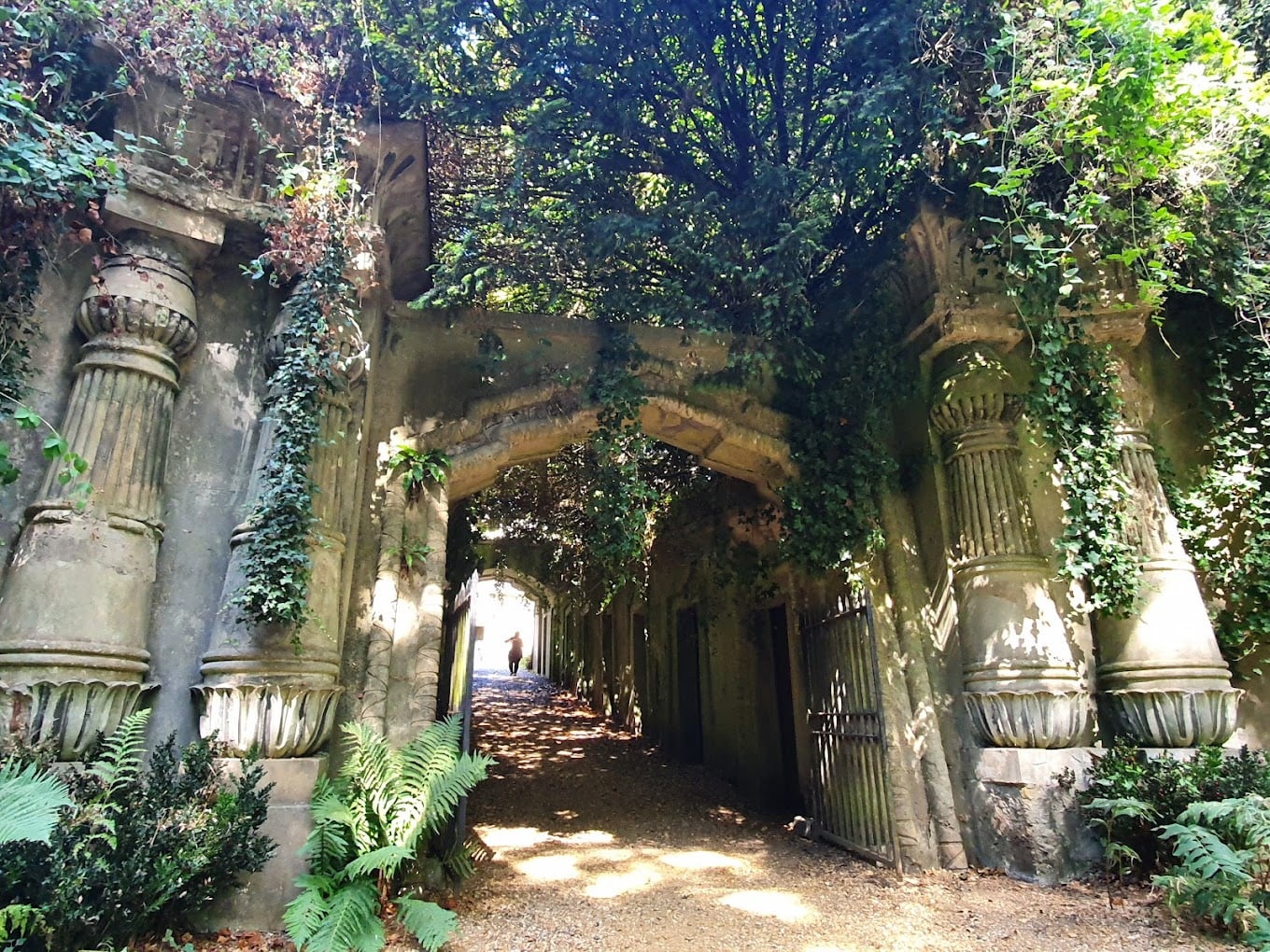
Highgate Cemeteryis London’s gothic pause-ivy, statues, and winding paths that slow you down. It’s one of the strongest “memory landscapes” in the city.
Opened in the 19th century, it reflects Victorian attitudes to death, art, and status, preserving social history in names and symbols. It matters because it shows a city’s hierarchy and values carved in stone-what people wanted remembered and how they wanted to be seen.
- Location:Highgate (North London)
- Opening Hours:Seasonal; check the official site
- Tickets:Entry/tours are typically ticketed; options vary by area
- Accessibility:Slopes and uneven paths; check access guidance
Don’t miss
- The symbolic sculpture and Victorian memorial style
- The older pathways for atmosphere
- A guided tour if you want context without guessing
Free historic London works best when you commit to one area and let the texture stops do the storytelling.
How To Build A Time-Layer Route Without Backtracking
You’ll get the most out of London when you stop trying to “do it all” and start building a route that matches yourkind of history-power, faith, war, science, commerce, or hidden corners.
Pick Your “history Lane” (Royal / Roman / WWII / Sacred / Markets & Commerce / Hidden London)
Here’s the simplest 2-column decision table I use when people say: “Just tell me where to start.”
| If you’re into… | Start here (best cluster + anchors) |
| Royal power, coronations, government | Westminster & Whitehall (Abbey + Parliament area) |
| Roman traces + medieval lanes | City of London (London Wall + Guildhall area) |
| WWII decisions + wartime story | Westminster + South Bank (War Rooms + IWM) |
| London as a global trading city | City + Southwark (markets + river crossings) |
| Science, navigation, “big ideas” London | Greenwich/Kew (UNESCO landscapes) |
| Quiet, atmospheric, less crowded | City churches + cemeteries + backstreets |
How To Group Sites So You Don’t Backtrack (Westminster / City / Southwark / Greenwich-Kew)
A common mistake I see is planning “top 10” sites as a checklist. London isn’t a checklist city; it’s a routecity. Build days like this:
- Choose 1 anchor(often ticketed, high-demand).
- Add 3-6 nearby “texture stops”(churches, markets, memorials, ruins).
- Keep one flexible slotfor queues, weather, or the unexpected.
Insider Tip - The Detail I Always Look ForWhen you’re standing in front of a historic building, don’t just take the photo. Look for the surviving seam: a patched wall, a reused stone, a strange bend in the street. That “seam” is usually the real story.
Once you choose your lane and your cluster, London’s history stops being overwhelming-and starts feeling readable.
London’s UNESCO World Heritage Sites
If you want a short list of “globally significant” historic sites in London, UNESCO is the closest thing to an editorial stamp-recognising places of “Outstanding Universal Value.”
What “UNESCO” Means
UNESCO World Heritagestatus highlights sites considered important not just locally, but as part of humanity’s shared heritage. It doesn’t replace local protections, but it signals: this place matters at a world scale.
London’s UNESCO Short List (quick Context + What To Notice)
- Tower of London- fortress, palace, prison, and symbol of royal power.
- Palace of Westminster & Westminster Abbey(including St Margaret’s Church)- the architecture of state, monarchy, and faith side-by-side.
- Maritime Greenwich- a landscape of navigation, astronomy, and institutional ambition.
- Royal Botanic Gardens, Kew- a living archive of plant science, landscapes, and collecting history.
If you only have one or two days, UNESCO sites make strong anchors because they represent London’s story at its most concentrated.
Plan Your Visit Like A Local (without Brittle Specifics)
This section is here to save you from the two classic London problems: queue regretand over planning fatigue.
What To Book Ahead Vs Keep Flexible
- Book ahead (usually):high-demand ticketed anchors (Tower of London, War Rooms, major palaces).
- Keep flexible:markets, public spaces, many churches, and most “walk-by” historic layers.
A useful trust tool: if you want to confirm a site’s protected status (listed building, scheduled monument), Historic England’s National Heritage List for England (NHLE)is the official register.
Accessibility + Pace Planning (slow Travel Options)
Historic London often means stairs, uneven floors, and narrow doorways. My rule: plan one “physically demanding” site per day (towers, ship decks, steep stairs), then add gentler stops around it.
- If mobility is a concern, prioritise museums and modernised venues with published access details.
- Build in breaks near parks, river paths, or cafés-London history is better when you’re not rushing it.
Book the anchors, keep the texture flexible, and use NHLE/official sites when you need authoritative confirmation.
Frequently Asked Questions
What Are The Top 5 Historical Places In London?
Tower of London, Westminster Abbey, the Palace of Westminster area, St Paul’s Cathedral, and Greenwich give the strongest “London timeline” coverage.
What Is The Oldest Site In London?
The oldest layers are Roman-look for Londinium remains like the London Wall and other Roman-era traces in the City.
What Is The Most Historic Area Of London?
The City of London and Westminster concentrate the deepest Roman-to-state history in walkable clusters.
What Are London’s UNESCO World Heritage Sites?
London’s UNESCO set includes the Tower of London, Westminster, Maritime Greenwich, and Kew Gardens.
Which Historic Sites Are Best For First-time Visitors?
Start with Westminster for the monarchy/state story and add the Tower for medieval power, then choose either the City (Roman layers) or Greenwich (science/navigation).
Are There Free Historical Places To Visit In London?
Yes-many markets, public landmarks, and some major museums offer free general access, while special exhibitions may charge.
How Do I Plan Historic Sites Without Wasting Time On Transport?
Cluster by neighbourhood: do Westminster together, the City together, Southwark riverside together, and Greenwich/Kew as a separate day.
What Are The Best Hidden Historical Sites In London?
Look for “small-but-sticky” places: Roman fragments, tucked-away halls/churches, and atmospheric museums that preserve historic interiors.
What Are The Best WWII Historical Sites In London?
Churchill War Rooms for immersion, then IWM London (and HMS Belfast if you want a ship-based view).
What Should I Book Ahead Vs Decide On The Day?
Book high-demand ticketed anchors; keep markets, outdoor historic layers, and many church visits flexible.
How Many Historic Sites Can I Realistically Do In One Day?
Aim for 3-5 anchor stops plus a few quick “texture” visits, depending on queues, mobility needs, and how museum-heavy your day is.
Which Historic Sites Are Best With Kids?
Choose visually strong places-castles, bridges, ships-and mix them with open-air walks so the day doesn’t become an indoor marathon.
Which Sites Are Best For Rainy Days?
Prioritise indoor anchors like museums and palaces; keep outdoor walls, markets, and river walks as optional add-ons.
Which Historic Sites Are Best For Photos?
Mix skyline icons (Parliament riverfront, St Paul’s dome, Tower Bridge) with textured interiors like museums and historic halls.
How Do I Verify A Site’s Heritage Status?
Use Historic England’s National Heritage List for England (NHLE) to check official listings and legal protections.
Quick Recap
If you remember one thing, make it this: London rewards route-thinking. Choose a lane (royal, Roman, wartime, sacred, commerce), pick one anchor, and let nearby stops do the heavy lifting.
When you plan by clusters-Westminster, the City, Southwark, Greenwich/Kew-you stop chasing “best of” lists and start building days that actually feel like stories.
If this helped, pass it to someone planning the same trip-London is better when you arrive with a route, not just a wishlist.
Jump to
Historic Sites In London: Pick Your History Lane, Then Follow The Clusters
Westminster & Whitehall
The City Of London
West End & Strand
Southwark & The Thames - Shakespeare, Cathedrals, Markets, And River London
The WWII & Conflict Layer
Greenwich & Royal Outskirts
Atmospheric London
How To Build A Time-Layer Route Without Backtracking
London’s UNESCO World Heritage Sites
Plan Your Visit Like A Local (without Brittle Specifics)
Frequently Asked Questions
Quick Recap

James Rowley
Author
James Rowley is a London-based writer and researcher covering London life, cultural geography, London travel, live London webcam pages and selected public figures across entertainment, sport, business and public life.
For over 15 years, he has focused on verified sources, first-hand local context and clear explanations that help readers understand both places and people more deeply. His work combines street-level London knowledge with careful research into career credits, media work, business interests and, where relevant, transparently explained net worth estimates.
He writes and reviews articles published on LondonWebcam.
Latest Articles
Popular Articles