Culture Of London - Traditions, Arts, Food, Identity & Etiquette
Explore the vibrant culture of London-multicultural roots, heritage, arts, food, and the everyday customs that help the city run-plus a planning method and FAQs.
Author:James RowleyFeb 23, 20264.2K Shares137.7K Views
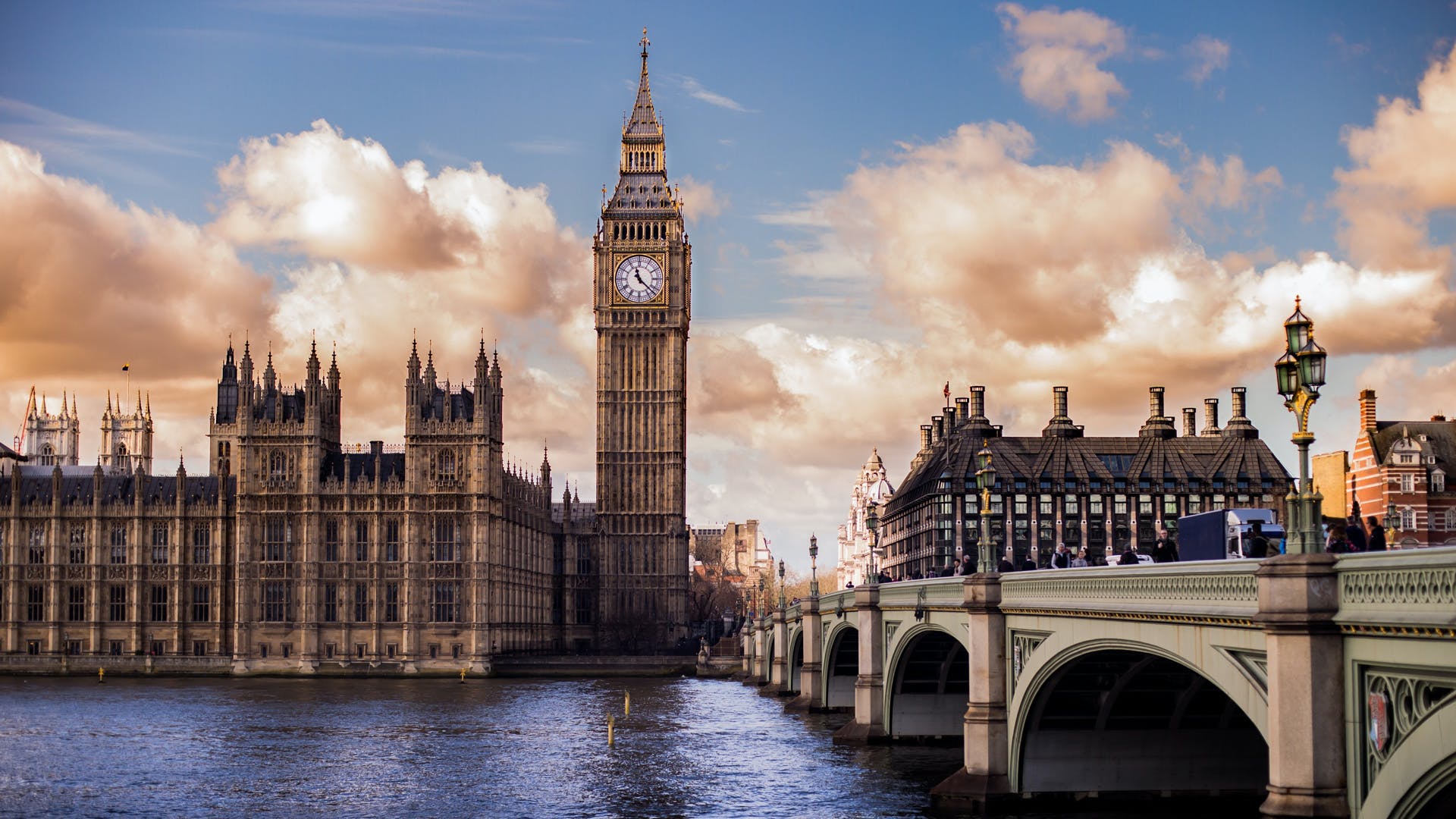
Culture Of London: Understanding The City’s Global Identity
London’s culture is the everyday mix of people, languages, history, arts, food, and social norms that turns a huge city into many local “villages” - and makes it one of the world’s most influential cultural capitals.
In Short: Key Takeaways
- London is deeply multicultural, with 300+ languagesspoken across the city.
- Its culture is shaped by migration waves(including Windrush) and “local London” identities by neighborhood.
- London’s cultural power shows up in heritage + modern life: Roman walls, royal traditions, and contemporary architecture in the same day.
- The city’s “culture machine” runs on theatre, music, museums, festivals, and street scenes-not just landmarks.
- Small rituals matter: queuing, pub norms, and Tube etiquetteare part of the culture as much as galleries and shows.
- Culture isn’t just entertainment: used well, it can revitalize citiesthrough jobs, pride, and place-making.
- London’s culture also includes screen/film production, live comedy, and book culture.
Below you’ll find London’s multicultural roots, heritage, arts scene, everyday customs (greetings, queuing, personal space, punctuality), food, style, parks etiquette, key culture venues, neighborhood identities, a simple “culture planning” method, facts plus FAQs.
Understanding The Multicultural Culture Of London
You’ll understand why London feels like many worlds in one city, and how that shows up in language, identity, and everyday life.
London doesn’t have one “single” culture you can summarize in a slogan. It’s closer to a shared public spacewhere many cultures coexist-often side-by-side on the same street.
A useful way to think about it is London culture = shared rules + shared spaces + many heritages. The shared part is how the city works (transport norms, queuing, politeness styles). The many heritages part is what people bring to those shared spaces.
One more layer that matters in day-to-day London: multiculturalism isn’t only food and festivals - it also shows up in faith spaces, school communities, and local high streets where different backgrounds share the same public rhythm.
A practical cultural rule that keeps London running: assume difference is normal, stay curious, and avoid stereotypes - Londoners are used to variety, but they notice when someone “labels” people too quickly.
A Linguistic Tapestry: 300 Languages In One City
London is frequently described as having 300+ languages spoken, a signal of how global the city is.
In practice, that linguistic diversity changes the feel of daily life:
- You’ll hear multiple languageson buses, markets, and high streets.
- Local businesses (barbers, cafes, corner shops) often act as cultural anchorsfor communities.
- Public institutions-from libraries to museums-tend to design programming for many audiences, not one “default.”
If you’re learning English, this is actually a cultural advantage: London is used to mixed fluency, so a simple “Sorry-could you say that again?” is normal, not embarrassing.
In most formal situations, a handshake still tends to be the default greeting-especially for first meetings-while hugs/kisses are usually for friends and follow-the-other-person cues.
Takeaway:Language diversity isn’t a trivia fact in London; it’s one of the mechanisms that createsits culture. Next, the big historical migrations that shaped today’s London.
The Impact Of The Windrush Generation And Global Migration
Modern London culture was shaped by post-war migration, including people known as the Windrush Generation, named after arrivals from the Caribbean beginning in 1948.
An illustrative scenario: a family in south London grows up with Caribbean food, music, church life, and community spacesalongside British schooling and work life-then their children shape UK culture through art, fashion, sports, and business. That’s not “separate from London culture”; it isLondon culture.
Museums and public history projects in London continue to document and broaden the Windrush story (including communities that were historically under-recognized).
Takeaway:London’s culture isn’t just “diverse”; it’s built by migrationover time. Next, the long historical layers that sit underneath the modern city.
The Living Museum: History And Heritage
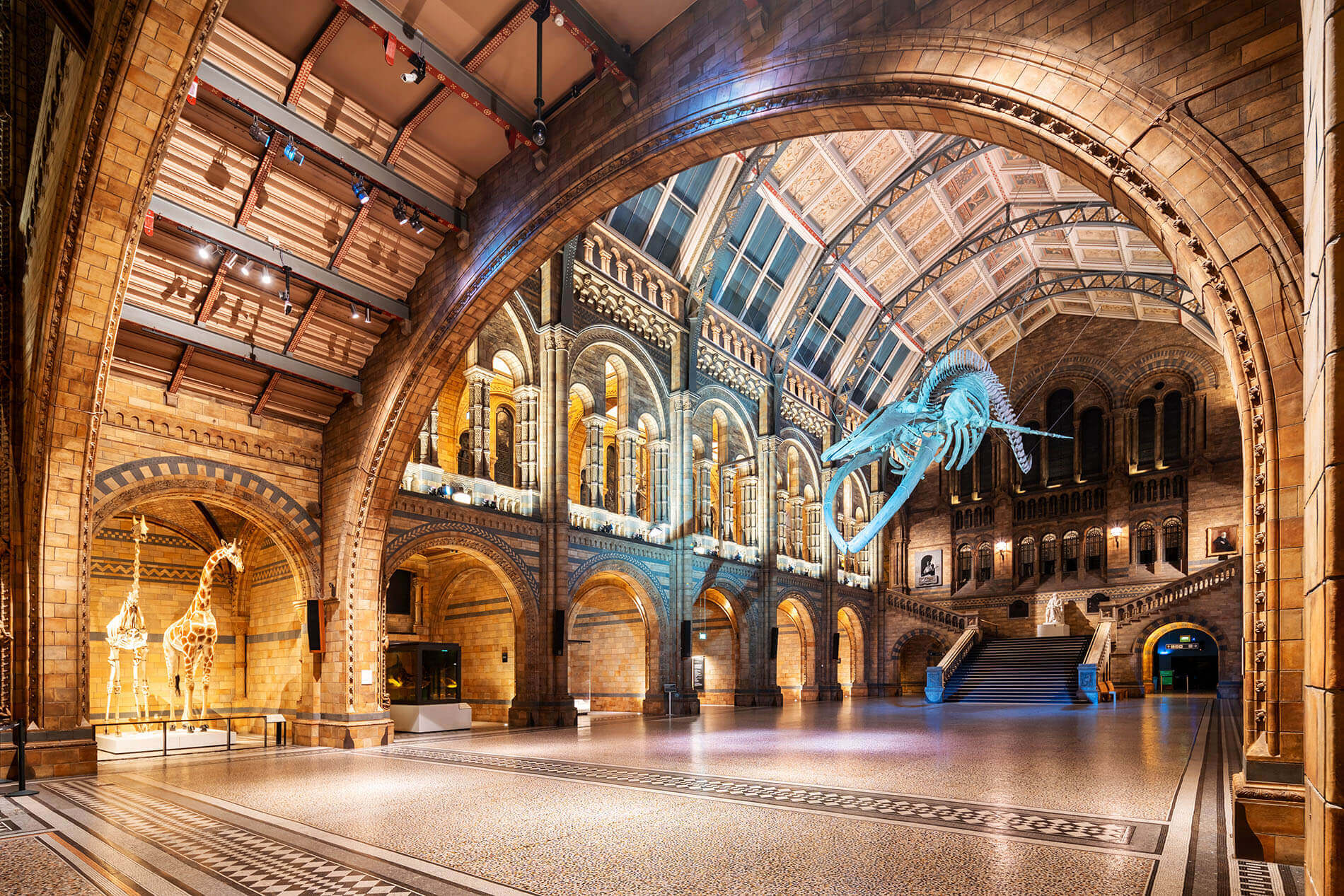
London’s heritage stays alive-not as a static museum, but as an everyday presence encountered while shopping, commuting, and exploring.
In London, history isn’t fenced off. It’s embedded into the street plan, the skyline, and the institutions people still use.
If you want a clean “heritage shortcut,” London’s UNESCO-listed sites are a strong starting frame: the Tower of London, Maritime Greenwich, the Palace of Westminster & Westminster Abbey(with St Margaret’s Church), and the Royal Botanic Gardens, Kew.
You can also “read” history through everyday streets via memorial markers (like blue plaques) that connect famous lives to ordinary buildings-heritage at walking pace, not behind glass.
London traditions matter here too: small civic rituals (ceremonial processions, seasonal lights, remembrance moments) are part of how the city “remembers itself” in public spaces - not just inside institutions.
Royal London: Tradition In The 21st Century
Royal tradition is part of London’s cultural identity, but it’s not only pageantry. It influences:
- Ceremonial spaces and public rituals
- Tourism and creative industries (costume, design, storytelling)
- Debates about heritage, public funding, and national identity
The key is to treat “Royal London” as one cultural threadamong many-prominent, but not the whole fabric.
Takeaway:Royal tradition is a visible layer of London culture, but it’s one layer. Next, the city’s physical “time travel” through architecture.
Architectural Layers: From Roman Walls To The Shard
London’s built environment is an immediate cultural lesson: old and new coexist.
A clear example is the London Wall, originally built by the Romans from around AD 200, then renewed and extended over centuries.
Fast-forward to today’s skyline and you see modern icons like The Shard-evidence of a city that keeps reinventing itself.
Takeaway:London’s culture is partly architectural: the city literally shows you its timeline. Next, the creative scenes that turn “history + people” into living culture.
The Creative Engine: Arts, Theatre, And Music
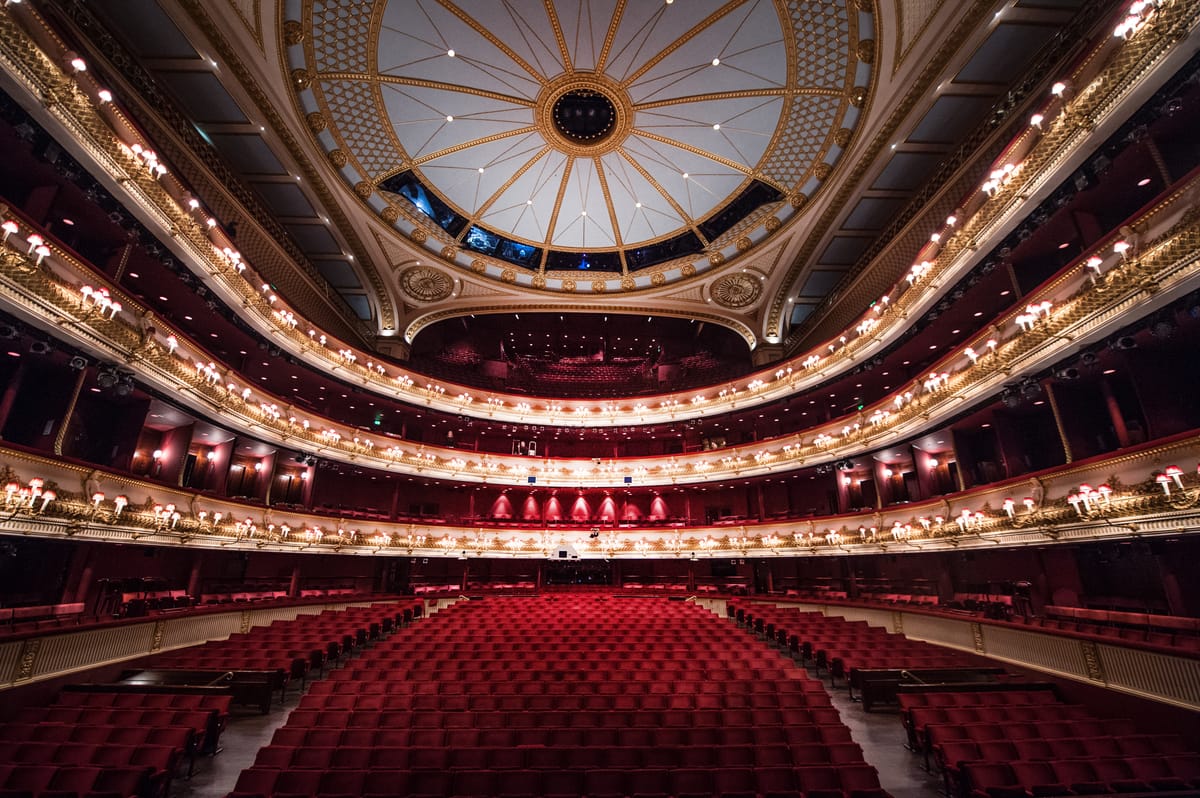
You’ll get a practical feel for where London’s culture is produced, not just displayed-how the city’s creative life works, and how to experience it beyond the obvious.
To experience London culture beyond the obvious, it helps to think in “cultural anchors” (big institutions) and “cultural current” (what’s happening right now):
- Cultural anchors: Tate Modern/Tate Britain, the British Museum, the V&A, the National Gallery, the British Library, Southbank Centre, Barbican.
- Performing arts anchors: Royal Ballet & Opera (Covent Garden), Sadler’s Wells (dance), the National Theatre (South Bank).
- Music anchors: Ronnie Scott’s (jazz), plus countless smaller venues that make London feel locally alive at night.
A visitor-friendly detail many people miss: UK national museums introduced free entry for permanent collections (special exhibitions may still ticket), which shapes London’s “drop-in culture” around museums.
City Hall has described culture and the creative industries as central to London’s identity and economy (Data as of 2018).
Also Check Out: Best Art Galleries In London
Screen, Comedy, And Books: Three Big Culture Pillars
- Screen culture:London is a major production city, which is why you’ll see filming notices, crews, and camera rigs as part of “normal London.”
- Comedy culture:a lot of London’s social identity is built in small rooms - club nights, pub backrooms, improv, stand-up - where local humour and understatement make sense in context.
- Book culture:London’s literary life isn’t only “classic authors”; it’s also public libraries, readings, bookshop streets, and the British Library as a living research space.
The West End: More Than Just "The Lion King"
The West End is the headline act, but the cultural value is bigger than any single show:
- It’s a professional pipeline (actors, musicians, stage crews, designers)
- It’s a tourism magnet anda local night out
- It sits alongside fringe venues and experimental performance across the city
If you want the “culture lover” version of London, pair one West End night with one of these contrast experiences: a South Bankevening (Southbank Centre/National Theatre area), a brutalist arts night (Barbican), or a dance-first performance (Sadler’s Wells). That mix shows how wide London’s performing culture really is.
An illustrative scenario: two visitors see “a West End classic” one night, then a smaller production in a pub theatre the next-and realize that theater in londonis a spectrum, not a single district.
Takeaway:West End theatre is the flagship, but London’s performance culture is wider. Next, the street-level scenes that shape what the city feels like.
Street Art And Subcultures: The Shoreditch Effect
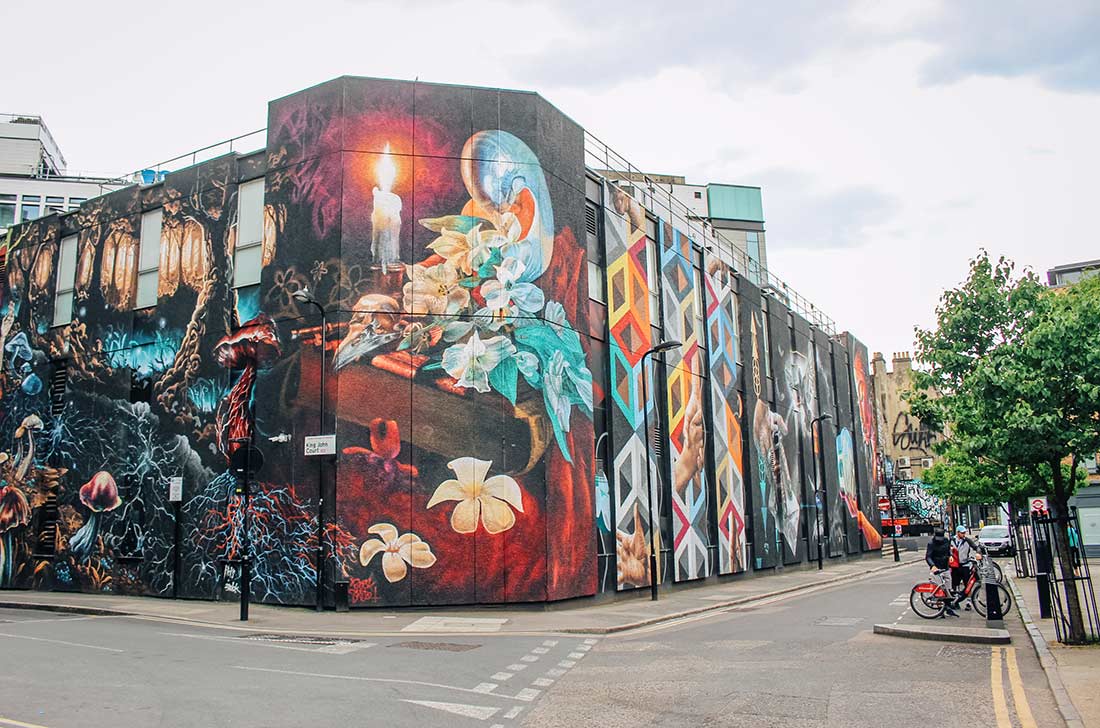
Street art, fashion micro-scenes, music collectives, and pop-up galleries are part of London’s cultural engine-especially in areas known for creative churn.
The “Shoreditcheffect” (used loosely here) describes a pattern: creative communities cluster → cultural energy rises → attention and investment follow → the neighborhood changes. It’s culture as a living, shifting ecosystem, not a museum exhibit.
Takeaway:London’s culture isn’t only curated; it’s also improvised on streets and in small venues. Next, the everyday rituals that can make the city feel welcoming-or confusing-depending on whether you know them.
Daily Rituals: How Londoners Live
You’ll learn the small behaviors that act like a “local passport”: how people interact, what’s considered polite, and why some rules matter more than you’d expect.
London culture isn’t only what you see; it’s how you movethrough shared space.
The Pub As The Community Hub (And The Unwritten Rules)
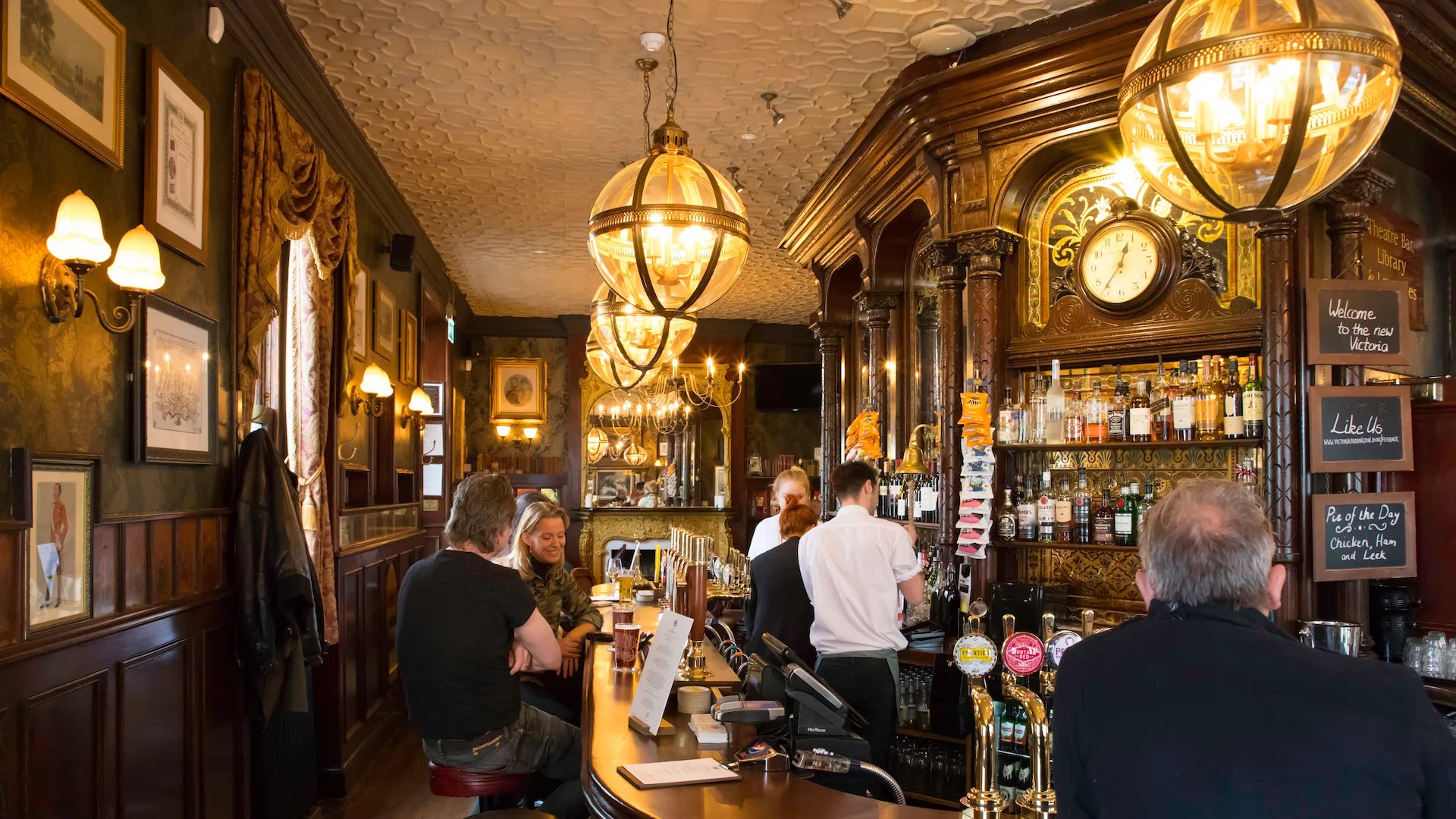
Pubs often function as social infrastructure: casual meetups, celebrations, community chats, quiet solo reading, and everything in between.
An illustrative scenario: someone walks into a pub, doesn’t see a host stand, and hesitates. A useful default is to look for cues:
- If you see people ordering at the bar, do the same.
- If you see table numbers or QR ordering, follow that system.
- If unsure, ask staff-quickly and politely.
The pub’s cultural role is less about alcohol and more about belonging: a shared room with a low barrier to entry.
If you want help choosing pubs that match the vibe you’re looking for (historic, riverside, craft beer, cosy locals), use our guide: best pubs in london.
Takeaway:Pubs are less “bars” and more “community living rooms.” Next, the famously British micro-rules that keep crowds functioning.
The "Queue" And Other Social Graces
Queuing is a cultural norm because it prevents conflict in a dense city. You’ll see it everywhere: buses, markets, museums, coffee lines.
Greeting etiquette (quick and usable): in first meetings, a light/firm handshake is still common in formal or business contexts; in casual contexts, a simple “Hi” + smile is enough.
- Punctuality matters more than many visitors expect: for appointments and classes, being on time (or slightly early) is treated as respect.
- Politeness is practical in a dense city:“please,” “thank you,” “excuse me,” and “sorry” are social oil-especially on crowded pavements and transport.
- Personal space rule-of-thumb:give people room when possible; an arm’s length is a widely used “comfort distance” in conversation.
- Invitations:if someone invites you to their home, a small host gift (chocolates, flowers, something from your country) is an easy, culturally safe move.
- Conversation:the weather really is a safe opener; politics and personal finances are usually “wait until you know them” topics.
- Escalators:keep to the right when you’re standing (walkers pass on the left).
- Boarding:let people get off before you enter.
- Noise:don’t play music or audio aloud-use headphones and keep sound private.
- Priority seating:if you’re in a marked seat and someone needs it more (older, pregnant, disabled), offering is part of the social contract.
- Basics that reduce stress fast:use Oyster or contactless, and remember to tap in/tap out on rail services.
Takeaway:London’s politeness is often practical: it’s about managing density. Green spaces are part of London’s everyday culture, not just sightseeing: parks are where people read, run, picnic, and reset.
The etiquette is simple-don’t litter, respect wildlife, and treat shared lawns like shared living rooms. Next, the fastest route to understanding culture-food.
Culinary Fusion: From Pie & Mash To Chicken Tikka Masala
London food culture is a mirror of its people:
- Traditional comfort foods still matter (pies, roasts, markets)
- Global cuisines aren’t “add-ons”; they’re everyday staples
- Fusion happens naturally because communities overlap
The core idea: London doesn’t just offermany cuisines; it normalizes them as part of daily life.
Dining etiquette in one breath: wait to be seated if it’s a host-led place, keep your voice moderate, and don’t assume tipping works like the US-check the bill first.
In London, service charge and gratuity are treated as the same thing; if service charge is included, many people don’t add extra unless service was exceptional.
Extra trust detail (optional but strong): since 1 October 2024, UK rules require employers to handle tips/service charges fairly and transparently-useful context if you’re deciding whether to tip when a service charge is already included.
London Food Culture: What People Eat And Why It Tells You So Much
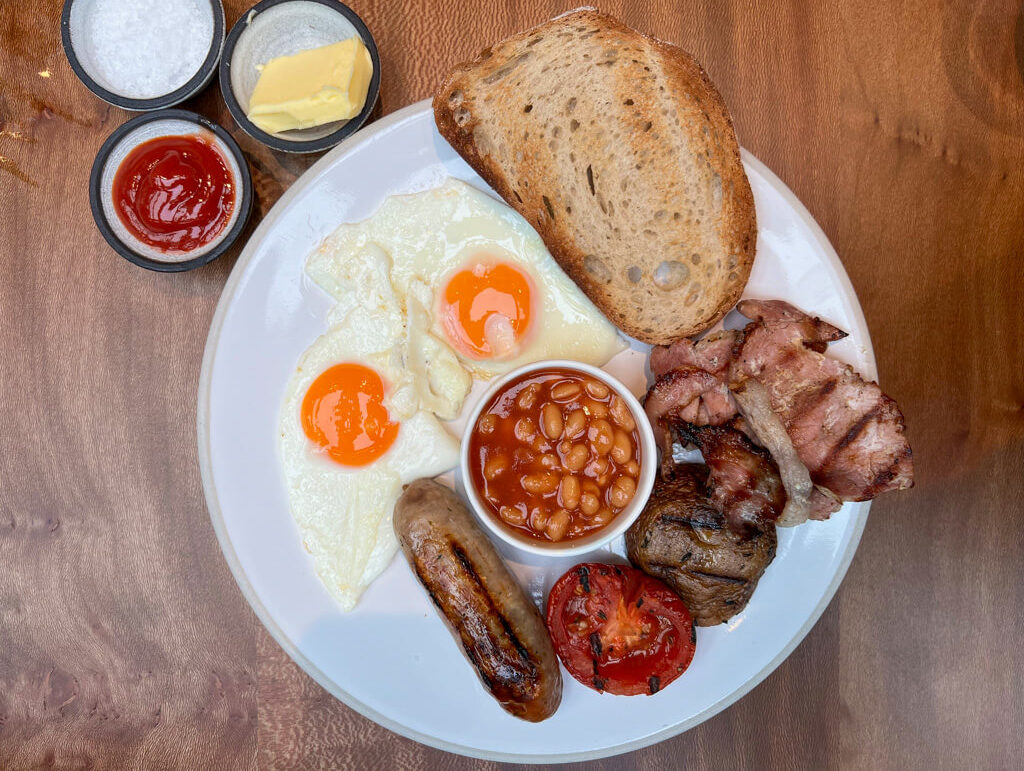
You’ll learn how to “read” the city through food-where to look, what different food spaces mean, and how London’s diversity becomes edible.
Food is one of the most honest cultural indicators: it shows what communities are present, what people can afford, and where people gather.
A practical way to experience London food culture:
- Marketsfor a cross-section of the city in one place
- High streetsfor neighborhood identity (local staples + diaspora foods)
- Old pubsfor traditional dishes and social atmosphere
- Small bakeries/cafesfor daily rituals (tea, pastries, sandwiches)
Takeaway:If you want London culture fast, follow what people eat on ordinary weekdays. Next, what people wear-and why “dress” is part of culture, not just fashion.
London Culture Dress And Style: What To Wear And What It Signals
You’ll get a grounded view of London style: what’s practical, what’s expressive, and how different areas “dress” differently.
London style is less about one “look” and more about context:
- Practical layers for changeable weather
- Smart-casual norms for many social settings
- Strong subculture influences (music, art, streetwear, tailoring)
One helpful principle: Londoners often dress for mobility-walking, stairs, Tube platforms-then add personal identity on top.
If you want to blend in comfortably:
- Wear shoes you can walk in.
- Bring a layer even if the day starts mild.
- Match the formality of the venue more than the neighborhood.
Takeaway:London dress culture is a mix of practicality and self-expression. Next, the city’s calendar: culture as events and festivals.
London Culture Events And Festivals: What Happens Across The Year
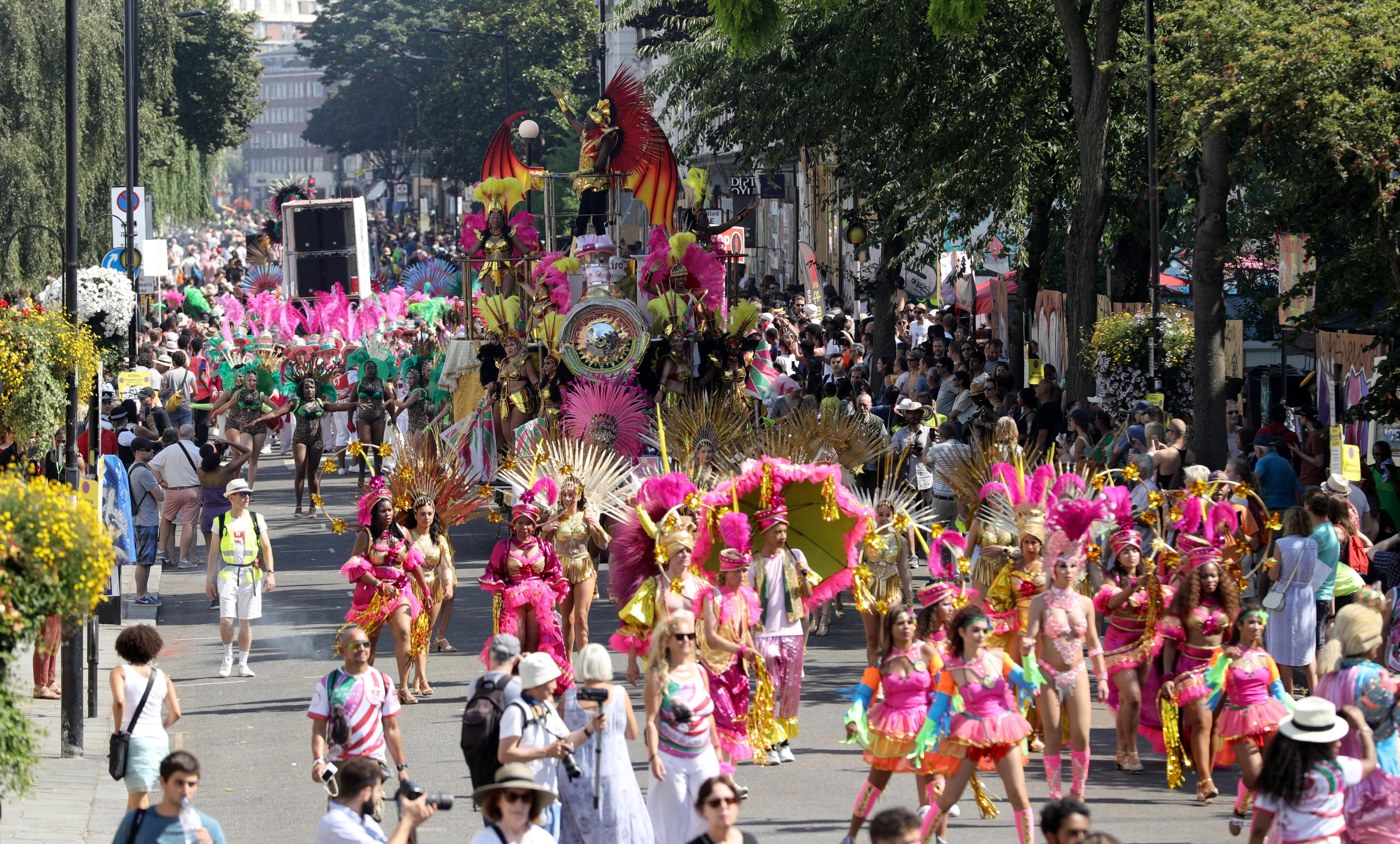
You’ll learn what “counts” as a cultural event in London-and how festivals connect communities, history, and public space.
City Hall has noted the scale of London’s festival life, citing 197+ festivals annually(Data as of 2018).
A major example is Notting HillCarnival, which began in 1966and draws crowds in August to celebrate Caribbean culture.
If you attend big public events, the “London culture move” is to respect residents and stewards: expect crowds, keep valuables secure, and follow local guidance-these festivals are community pride in public space, not just tourist spectacle.
An illustrative scenario: someone attends Carnival expecting a “parade,” but leaves understanding it as a living cultural statement-music, costume, food, sound systems, community pride-performed in public space.
Takeaway:London’s events aren’t just entertainment; they’re public expressions of identity. Next, the part many visitors miss: London is not one city vibe-it’s many.
Neighborhood Identities: Finding Your "London"
You’ll learn how London’s culture changes by area-so you can choose neighborhoods that match your interests, not just the postcard checklist.
London culture is hyper-local. Boroughs and neighborhoods have distinct identities, and the city actively supports local cultural planning.
One cultural reality that links neighborhoods, art scenes, and daily life: London changes fast, and cultural “hotspots” can bring investment and displacement-so it’s normal to hear locals talk about gentrification, rent pressure, and who gets to stay as areas evolve.
The Sophistication Of West London
West London often reads as classic and polished-think leafy streets, traditional venues, and long-standing institutions.
That doesn’t mean it’s culturally “uniform.” It often mixes global wealth, historic communities, and high-profile cultural moments (Carnival being a famous West London example).
Takeaway:West London can feel traditional and upscale, but it also hosts major community culture. Next, the “maker” energy often associated with the East.
The Edgy Innovation Of The East End
The East End is frequently associated with experimentation: emerging artists, new venues, street markets, and changing neighborhoods.
The cultural lesson here is that London’s culture is dynamic: areas evolve as people, money, and infrastructure change.
Takeaway:East London often showcases “culture in motion,” where scenes form, peak, and shift. Next, how to plan culture intentionally-without trying to do everything.
The Creative Mix Of South London
South London often feels more “community-first” than “showcase-first”: music scenes, markets, and local hangouts can be the main event. The cultural tip is to follow everyday places - high streets, parks, small venues - not just headline attractions.
The Indie, Music, And Literary Energy Of North London
North London often blends iconic nightlife pockets with quieter, bookish corners - a place where gig culture, comedy rooms, and neighborhood pubs can sit a short walk from green, village-like streets.
A Practical Way To Experience The Culture Of London Without Overplanning
You’ll get a simple method to build a London cultural itinerary that feels personal, not generic-and that works whether you have 1 day or 1 week.
| If you want | Choose |
| Heritage and story | Museums, historic walks, royal/ceremonial areas |
| Performance energy | Theatre nights, live music venues, comedy rooms |
| Street-level creativity | Markets, street art areas, pop-ups, local galleries |
| Community culture | Food streets, cultural festivals, neighborhood events |
| Everyday London | Pubs, parks, libraries, people-watching on high streets |
A fast way to use it:
- Pick 2 compass points(e.g., Heritage + Food).
- Anchor one “big” cultural moment(a museum, show, or festival).
- Add two small local moments(market + pub, or gallery + park).
- Leave margin for walking and detours (London rewards drift).
Takeaway:The best London culture plans balance one flagship experience with small, local moments. Next, why cities fight to protect culture-and how it can revive them.
How Culture Can Save And Revitalize Cities
You’ll understand how culture functions as more than entertainment: as a tool for renewal, identity, and economic resilience, and what “good” culture-led revitalization looks like.
Major institutions frame culture as part of urban renewal and innovation. UNESCO has argued that culture sits at the heart of urban renewal through heritage management and creative industries.
Meanwhile, evidence syntheses (like an OECD paper on culture-led regeneration) describe culture-led regeneration as a long-used strategy for transforming places-through cultural infrastructure, grassroots initiatives, cultural districts, and events.
A grounded, non-hype way to see the “how”:
- Jobs and skills:creative work, supply chains, tourism services (benefits vary by city).
- Place pride:landmarks, festivals, and local history strengthen identity.
- Safer, livelier public space:active streets tend to feel more usable and cared for.
- Investment with risks:culture-led change can raise costs and displace communities if not managed.
The World Bank and UNESCO have also framed culture and creativity as levers for inclusive growth and sustainable urban development, emphasizing the need for ecosystems, not one-off projects.
Takeaway:Culture can revitalize cities when it’s treated as a long-term ecosystem (people + places + access), not just a branding campaign. Next, quick answers to the most asked questions.
London Culture facts
- London has over 300 languages spoken-one of the strongest signals of daily multicultural life.
- London has 192 museums and more than 800 art galleries (Data as of the Mayor of London’s published culture facts).
- London has 4 UNESCO World Heritage Sites: Tower of London, Maritime Greenwich, Palace of Westminster & Westminster Abbey(with St Margaret’s), and Royal Botanic Gardens, Kew.
- The London Underground opened in 1863, shaping the city’s commuter culture.
- TfL byelaws explicitly say stand on the right on escalators when not walking, and avoid causing audio nuisance.
- London’s festival calendar is massive (197+ festivals is commonly cited in City Hall’s culture facts) (Data as of published City Hall facts).
- Public libraries are widely distributed across boroughs; a London data note reports 346 in 2022 (Data as of 2022).
- London’s book culture is unusually dense (800+ bookshops is a widely cited City Hall figure) (Data as of published City Hall facts).
Frequently Asked Questions About London Culture
What Is The Culture In London?
London culture is the shared public life of a global city-multicultural communities, heritage, arts, food, and social norms that help dense urban life work.
What Cultures Are There In London?
London includes cultures from across the world, expressed through languages, food, festivals, religion, and neighborhood communities-alongside long-standing British traditions.
What Is “culture For All Londoners”?
It’s the Mayor of London’s cultural strategy framing culture as something people should access locally, not only in central landmarks (Data as of 2018).
What Is London Mostly Known For Culturally?
It’s known for global influence in theatre and music, major museums, diverse neighborhoods, and iconic public events (Data as of 2018).
How Multicultural Is London, Really?
City Hall has stated that 300+ languagesare spoken in London, a strong indicator of multicultural daily life (Data as of 2018).
What Are 5 Quick Facts About London Culture?
300+ languages, major festival calendar, global theatre scene, deep historic layers, and strong neighborhood identities (Data as of 2018).
What Is The Food Culture In London Like?
It’s highly international: traditional British comfort foods coexist with global cuisines that are everyday staples across neighborhoods and markets.
What Should I Wear To Fit In With London Culture?
Dress for walking and layers; match the venue’s formality more than chasing a single “London look.” Practical comfort is culturally normal.
Why Is Notting Hill Carnival Important To London Culture?
It’s a long-running celebration of Caribbean culture in public space, rooted in community history and identity, and held annually since the 1960s.
What’s The Biggest “culture Shock” For Visitors In London?
Often it’s the quiet social rules-queuing, personal space, and transport etiquette-rather than food or accents.
What’s The Deal With Standing On The Right On Escalators?
TfL byelaws include standing on the right when not walking, reflecting a long-standing norm on the Underground (Data as of current TfL byelaws).
Is London Culture Only In Central London?
No-boroughs have distinct cultural strategies and local programming, and many cultural moments happen outside the tourist core.
Is London Culture Only Theatre And Museums?
No - it also includes everyday storytelling industries (film/TV), live comedy, book culture, and local scenes that happen in small venues and neighborhood spaces.
How Can I Experience London Culture In One Day?
Pick one anchor (museum/show), add a market + neighborhood walk, and end with a pub or local venue-two “big/small” moments beat rushing ten landmarks.
Is London More Traditional Or More Modern?
It’s both at once: Roman-era heritage layers exist alongside modern architecture and fast-changing creative scenes.
Can Culture Really Help Cities Thrive?
Research bodies describe culture-led regeneration as a tool for place transformation and inclusive development when it’s sustained and locally rooted.
Quick Recap
London’s culture is best understood as a set of shared city rules(how people move and coexist) wrapped around many coexisting heritages(languages, food, art, community histories).
It’s why one day can include Roman-era remnants, royal tradition, global street food, a theatre performance, and neighborhood life-without feeling contradictory.
If you want the “real” London culture fast, don’t chase only landmarks. Choose one major cultural moment, then let neighborhoods, everyday rituals, and food do the rest of the storytelling.
Jump to
Culture Of London: Understanding The City’s Global Identity
Understanding The Multicultural Culture Of London
The Living Museum: History And Heritage
The Creative Engine: Arts, Theatre, And Music
Daily Rituals: How Londoners Live
London Food Culture: What People Eat And Why It Tells You So Much
London Culture Dress And Style: What To Wear And What It Signals
London Culture Events And Festivals: What Happens Across The Year
Neighborhood Identities: Finding Your "London"
A Practical Way To Experience The Culture Of London Without Overplanning
How Culture Can Save And Revitalize Cities
London Culture facts
Frequently Asked Questions About London Culture
Quick Recap

James Rowley
Author
James Rowley is a London-based writer and researcher covering London life, cultural geography, London travel, live London webcam pages and selected public figures across entertainment, sport, business and public life.
For over 15 years, he has focused on verified sources, first-hand local context and clear explanations that help readers understand both places and people more deeply. His work combines street-level London knowledge with careful research into career credits, media work, business interests and, where relevant, transparently explained net worth estimates.
He writes and reviews articles published on LondonWebcam.
Latest Articles
Popular Articles