Incorporating Mindfulness Into Your Hiking And Travel Routine
Ready to take your hiking experience from "sweaty workout" to "feeling alive"? Here's why I suspect that in 2025, over 61 million Americans will plan to hit the trails.
Author:James RowleyNov 13, 2025
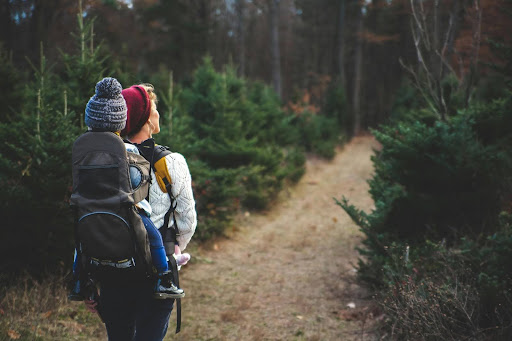
Ready to take your hiking experience from "sweaty workout" to "feeling alive"?
Here's why I suspect that in 2025, over 61 million Americans will plan to hit the trails.
Hiking has morphed from just exercise to the primary way people choose to relax. But here's the problem…
While hikers fill the trails, many walk past the greatest reward for all that effort.
Mindfulness is the secret weapon to make your hikes truly meaningful.
Here's What You'll Learn:
- How mindfulness benefits hiking
- Mindful hiking techniques that are easy to start
- How to practice mindfulness when traveling
- The biggest mindfulness mistakes
Mindfulness And Hiking: Why The Pairing Works
Mindfulness isn't an esoteric meditation technique you need to master in a yoga retreat.
It's simply observing the present moment without judgment.
And hiking is an ideal context to practice it. Nature helps set the scene for you.
The second you set foot on a trail, whether through trees or mountains, your brain starts to quiet. Your senses are bathed in nature's stimuli.
The sights, the sounds of birds, the breeze on your face, the smell of trees, the feel of earth under your feet… These things naturally focus you on the present moment.
That's not just anecdotal evidence, either.
These days, 17.3% of U.S. adults practice mindful meditation. That's twice the percentage who did in 2002.
People are recognizing that pairing mindfulness with outdoor activity only heightens the benefits of each.
Research shows that hiking decreases cortisol levels and stress, in addition to easing anxiety and depression symptoms. Mindfulness gives your mental health two-for-one savings.
Pretty cool, huh?
How To Practice Mindfulness On Your Hike
Before you start, set an intention.
Stand at the trailhead for a minute and decide: "I am going to be aware of what's around me." You're not trying to reach enlightenment, just willing to observe.
Focus on Your Senses
Choose one sense at a time and observe without judgment:
- Hearing: birds, wind, tree branches cracking
- Sight: colors, shapes, light filtering through the trees
- Smell: pine needles, dirt, rain in the air
- Feel: temperature, rocks, texture of the trail, your body
Observe the sensations in your body without labeling them good or bad.
Practice Walking Meditation
Slow your steps and focus on your feet as you walk.
Observe your heel strike the ground, then your ball of the foot, then your toes push off.
This is a great one to do on flat stretches of trail where you don't need to watch your step for rocks.
Return to Your Breath
If your mind wanders, bring attention back to your breath.
Notice the rhythm of each inhalation and exhalation, synchronized with each step.
This technique comes in handy when you're on a challenging section of the hike. Breathing helps ground you instead of racing into thoughts about how tired you are or how much longer it will take to summit.
Bringing Mindfulness To Your Travel Adventures
If 24% of tourists are including hiking on their travel itineraries, that's a ton of potential for mindful hiking.
Travel is a perfect time to break out of the regular routine. And yet travel can also be anxiety-provoking. The mindfulness practice allows you to stay in the present moment and actually enjoy the experience rather than racing around snapping photos.
Touring iconic hiking trails like the trek of Peruis the perfect opportunity to practice mindfulness. Visiting new countries with fresh landscapes and novel challenges forces you to slow down and pay attention.
Create Morning Rituals
Practice 5-10 minutes of morning quiet time, even if you're only camping. You can journal, stretch, or just sit with your coffee. It's a way to start the day.
Practice Single-Tasking
If you're traveling, your goal is to see it all. But pick one thing at a time. Taste that local food, look at that temple, explore that beach. Really see what you see. Don't just check the box.
Use Transitions Mindfully
Airports, buses, trains – these are perfect opportunities to practice mindfulness. Don't just fill the time with your phone. Take a moment and notice how you're feeling.
Common Mindfulness Mistakes
Let me let you in on a little secret…
The worst mistake you can make in mindfulness is beating yourself up when you "fail" at it.
The biggest mental trap that many hikers set themselves up for is this: Obsessing over "doing mindfulness right." You end up creating a lot of stress over something that's supposed to be about reducing stress.
Stop it.
The truth is: Your mind will wander. It's part of the process.
The practice is to notice you're lost in thought, then gently redirect your attention. No judgment, just awareness.
The other mindfulness mistakes include:
- Trying to force yourself to stay mindful the entire time
- Neglecting safety because you're hyper-focused
- Comparing your experience to others
- Treating mindfulness as another task
Taking Your Practice To The Next Level
Once you've got the basic mindfulness hiking techniques down, try these advanced strategies:
- Hike in silence for as long as you can. When on the trail, just observe nature's symphony, don't add your commentary.
- Challenge yourself to notice one thing new every minute, even on well-traveled, familiar hikes. Novelty hooks your mind, so scanning the trail for detail helps your awareness stay strong.
- Practice gratitude on the trail. Every couple of minutes, name something you're grateful for. Your legs for carrying you up this mountain, the crisp air, the friend hiking with you.
- Practice discomfort tolerance. When you reach a steep pitch and your thighs are on fire, don't reach for distraction. Sit with the sensation. Notice it without adding a story of how awful it is.
This builds the mental toughness that carries over to other areas of your life.
Sticking With Mindfulness
Mindfulness doesn't have to be this big, daunting project. You don't have to carve out an hour each day to sit in silence.
The secret to incorporating mindfulness into your hiking and travel routineis small, consistent efforts.
Five minutes of mindful presence on each hike are better than 30-minute daily meditation sessions you don't stick with.
Keep a hiking journal and after each trail, note 1-3 things you noticed. It'll help deepen your practice and allow you to track your progress.
Seek out a mindful hiking group. When you make a commitment to others, you're more likely to show up.
And remember: Your mindfulness practice on the trail is practice for mindfulness in life.
The skills you learn hiking apply to stressful work meetings, uncomfortable social situations, or just mundane daily tasks.
Wrapping This Up
The best thing about incorporating mindfulness into your hiking and travel practiceis that it's easy.
You don't need fancy equipment or deep knowledge to practice. Just a willingness to notice the present moment.
You already know the rewards. 79% of adultswho meditate report improved health benefits. Couple that with the physical benefits of hiking, and you have a no-brainer, life-changing addition to your routine.
So next time you go for a hike… Leave your anxieties at the car, put your phone on airplane mode, and actually be present on the trail.
Your brain will thank you for it.

James Rowley
Author
James Rowley is a London-based writer and researcher covering London life, cultural geography, London travel, live London webcam pages and selected public figures across entertainment, sport, business and public life.
For over 15 years, he has focused on verified sources, first-hand local context and clear explanations that help readers understand both places and people more deeply. His work combines street-level London knowledge with careful research into career credits, media work, business interests and, where relevant, transparently explained net worth estimates.
He writes and reviews articles published on LondonWebcam.
Latest Articles
Popular Articles