London Itinerary In Winter - Maximize Short Days And Festive Atmosphere
Plan your London winter trip with this complete 4-day itinerary. Maximize short daylight hours, navigate Christmas markets, and discover the best museums, pubs, and festive lights in winter.
Author:James RowleyFeb 16, 202623 Shares22.7K Views
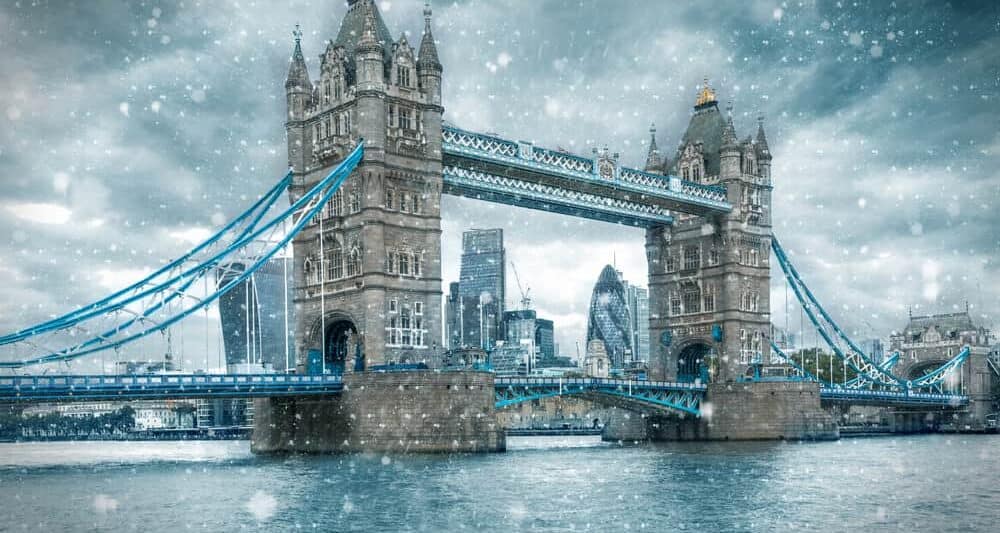
What To Do, See, And Experience In London During Winter
The shorter days and colder temperatures deter some visitors, but those who brave the season discover a different side of the capital. World-class museums feel less crowded, festive markets add magic to historic squares, and the need to duck into warm cafes creates unexpected discoveries.
Planning a winter Londontrip requires different thinking than summer touring. You're working with roughly eight hours of useful daylight in December, rain arrives without warning, and the damp cold penetrates deeper than the temperature numbers suggest.
This itinerary gives you a practical four-day framework designed specifically for winter conditions. You'll see the major landmarks, experience seasonal atmosphere, and learn to work with rather than against the weather.
Quick Planning Guide
- Best months:December for festive atmosphere, January for lowest prices, February for lengthening days
- Daylight hours:8am to 4pm useful light in December, extending to 5pm by late February
- Daily structure:Outdoor sights 10am to 3:30pm, museums early morning or late afternoon, evening indoor activities
- Essential gear:Waterproof coat, layers, comfortable waterproof boots, compact umbrella, warm accessories
- Typical costs:£150 to £250 per person daily, including accommodation, attractions, food, transport
Weather averages: 2 to 8 degrees Celsius, rain 15 to 18 days monthly, occasional snow but rarely significant accumulation
Winter In London: What To Expect And Why It's Worth It
Weather Realities And How To Handle Them
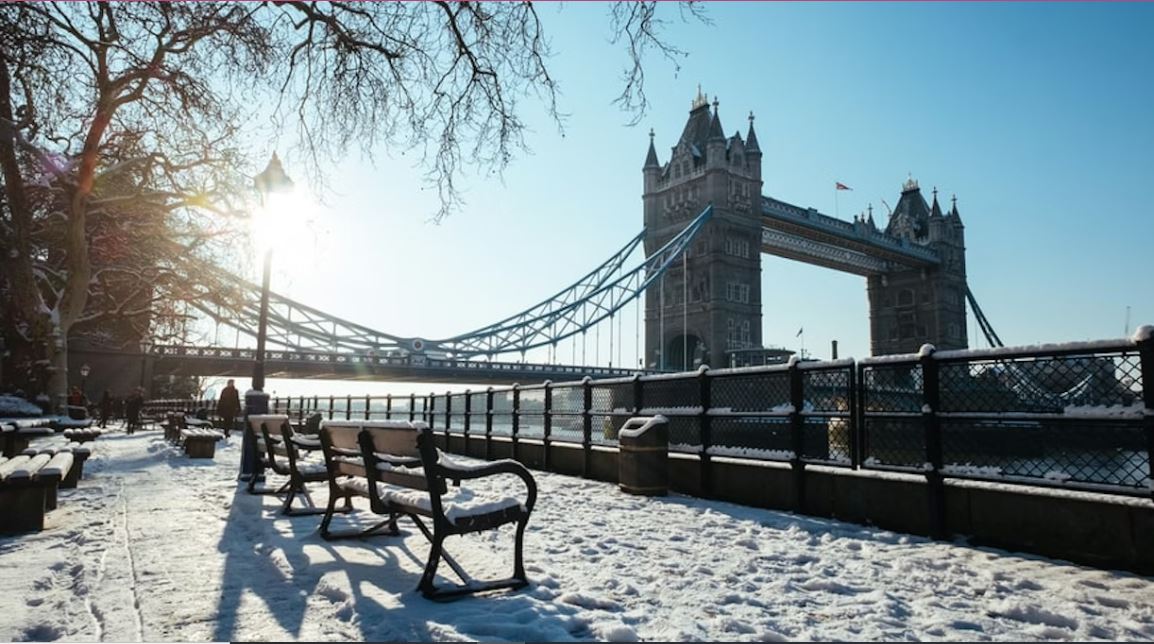
London winter means damp cold rather than bitter freezing. Temperatures typically range from 2 to 8 degrees Celsius, occasionally dropping below freezing at night but rarely staying there long. Rain arrives frequently but rarely lasts all day. You'll experience drizzle, sudden showers, and occasional proper downpours, but extended rainfall throughout entire days is uncommon.
A good waterproof coat with hood, comfortable waterproof boots, and a compact umbrella handle most conditions you'll encounter. Snow occasionally dusts London but significant accumulation is rare. When snow does arrive, the city struggles with transport disruptions because infrastructure isn't built for regular snow.
Daylight Hours And Strategic Timing
Daylight scarcity shapes winter London touring more than any other factor. In mid-December, sunrise comes around 8am and sunset arrives by 3:50pm. By late January, you gain about 30 minutes at each end. February brings noticeable improvement, with useful light extending to 5:15pm by month's end.
This limited daylight window means outdoor activities and viewpoint attractions must happen between roughly 10am and 3:30pm. Structure your days around this reality: use early mornings for indoor museums that open at 9 or 10am, shift to outdoor landmarks between 10:30am and 3pm, then return indoors for late afternoon activities.
Winter Advantages: Crowds, Costs, And Atmosphere
Fewer tourists means major attractions breathe easier during winter. The British Museum, Tower of London, and Westminster Abbeystill draw visitors, but summer's crushing crowds thin considerably. Accommodation costs drop significantly except for the Christmas and New Year week when prices spike.
The festive atmosphere from mid-November through early January adds genuine magic:
- Christmas lights transform shopping streets
- Markets bring continental flair to historic squares
- Cozy pub culture thrives in cold weather
- Theater season is in full swing
- Historic buildings gain particular beauty under grey skies
Essential Winter London Planning
How Many Days You Need
Four to five days provides the sweet spot for first-time winter visitors. You'll cover major landmarks, experience seasonal offerings, and have time for both structure and spontaneity. Three days works for an efficient highlights tour but requires constant choices about what to skip. A week-long trip enables day trips and deeper neighborhood exploration.
Where To Stay: Best Neighborhoods
Central locations minimize transport time and keep you close to indoor refuge when weather turns nasty:
- Covent Gardenand Soho:Walking distance to theaters, museums, restaurants. Festive atmosphere during December. Higher prices but maximum convenience.
- Bloomsbury:Near British Museum, quieter than Covent Garden. Good mid-range hotels. Easy Tube access everywhere.
- South Bank:River views, near Tate Modern and Borough Market. Slightly cheaper than central West End.
- King's Cross:Excellent transport hub, trendy restaurants. Better value than Covent Garden with good connections.
Getting Around In Winter Weather
The Underground runs reliably in all weather and becomes your primary transport. Buy an Oyster card or use contactless payment for cheapest fares with automatic daily caps. Buses offer views but move slowly in traffic. Walking between nearby attractions works well with proper gear. Budget 15 to 20 minutes per mile.
Packing Essentials
Your coat makes or breaks winter London comfort. Bring a waterproof outer layer with hood, preferably insulated or with room for warm mid-layers underneath.
Essential items:
- Waterproof winter coat with hood
- Warm scarf, waterproof gloves, warm hat
- 2 to 3 warm sweaters for layering
- Long-sleeve shirts and thermal base layer
- Comfortable waterproof boots with good tread
- Thick socks, several pairs
- Compact umbrella that fits in day bag
- Day backpack for layers you'll remove indoors
Indoor heating runs strong in London. Layers you can remove and carry matter more than one extremely warm coat you can't take off.
Daily per-person costs:
- Budget: £80 to £120 including hostel, cheap meals, free museums, limited paid attractions
- Mid-range: £150 to £200 including decent hotel, mix of casual and nice meals, several paid attractions
- Comfortable: £250+ including good hotel, frequent restaurant meals, shows, taxis
Major museums offer free admission for permanent collections, though special exhibitions cost £12 to £20. Paid attractions like Tower of London, Westminster Abbey, or London Eye run £25 to £35 each. West End theater tickets range from £25 for restricted view to £100+ for premium seats. Food varies wildly from £5 pub sandwiches to £50+ nice dinners.
Day 1: Classic London Landmarks And Festive Introduction
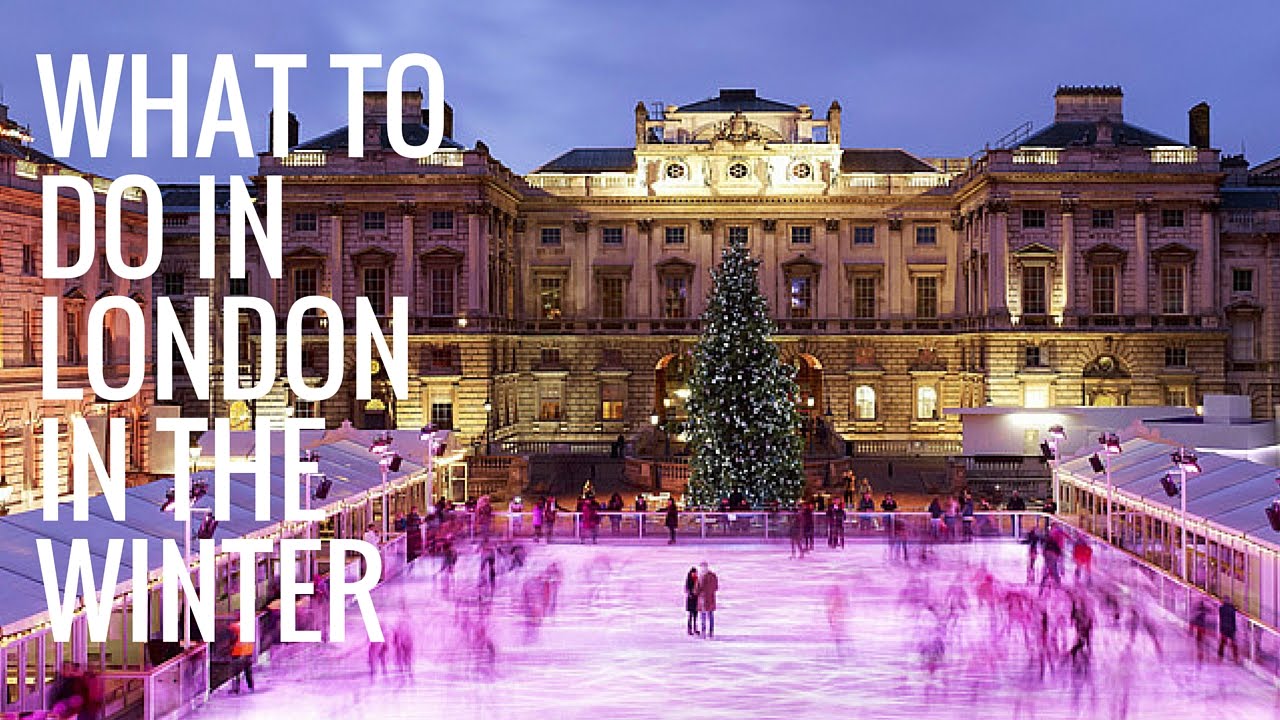
10 Things to Do in London in the Winter
Morning: Westminster And Royal London (9am To 12:30pm)
Start your London winter experience in Westminster, home to the city's most iconic landmarks concentrated in walkable proximity. Arriving by 9am puts you ahead of peak crowds and makes the most of morning light, though winter's late sunrise means you won't photograph exteriors well before 9:30am.
Westminster Abbey or Churchill War Rooms:
Westminster Abbey opens at 9:30am and takes 90 minutes to 2 hours. The Gothic architecture, royal tombs, and Poets' Corner provide essential London history. Audio guide included with admission. Book tickets online in advance to skip queues.
Churchill War Rooms offer fascinating underground bunkers where Churchill directed World War II operations. The museum feels especially atmospheric on grey winter days. Allow 90 minutes to 2 hours.
Buckingham Palaceand St. James's Park:
Walk to Buckingham Palace after your museum visit, arriving around 11:30am when winter light improves for photos. The palace State Rooms close during winter, so you'll view the exterior and watch Changing of the Guard if scheduled. Check the official schedule as winter sees the ceremony every other day.
St. James's Park provides a quick nature break. Ten to fifteen minutes walking through suffices before cold drives you toward lunch.
Afternoon: South Bank And River Views (1pm To 4pm)
Cross Westminster Bridge to South Bank, stopping mid-bridge for classic Parliament and Big Ben views.
London Eye or Southbank Walk:
The London Eyeoffers 30-minute rotations with panoramic views from enclosed, heated capsules. Winter afternoons between 1pm and 3pm provide best light for photography. Book fast-track tickets online to minimize outdoor queuing.
If skipping the Eye, walk east along the riverside path toward Borough Market, passing street performers, book stalls, and Southbank Centre. The walk takes 20 to 25 minutes.
Borough Market for Lunch:
Borough Market operates Thursday through Saturday in winter. If your Day 1 hits one of these days, the market provides perfect lunch and warming refuge. Dozens of food stalls offer everything from British pies to international street food. Budget £12 to £20 for lunch.
Evening: West End Lights And Theater (4:30pm Onwards)
By 4pm, darkness has fallen. Shift to London's theater district where winter lighting creates magical atmosphere.
Covent Garden and West End:
Take the Tube to Covent Garden. During festive season, enormous Christmas decorations span the piazza. The covered market halls provide warm browsing through boutiques and craft stalls. Spend an hour browsing and soaking in the energy.
West End shows provide quintessential London evening entertainment. Long-running musicals offer guaranteed quality. Book tickets in advance online, or try TKTS booth in Leicester Square for same-day discounts. Shows run 2.5 to 3 hours, ending around 10pm to 10:30pm.
Day 2: Museums, Markets, And Winter Wonderland
Morning: World-Class Museums (9:30am To 12:30pm)
London's museum collections rank among the world's finest, and winter mornings provide ideal timing for indoor cultural immersion before shifting to outdoor activities during peak daylight hours.
British Museum or Natural History Museum:
The British Museum houses human history spanning two million years, including the Rosetta Stone, Egyptian mummies, and Parthenon sculptures. Free admission for permanent collections. Opening at 10am, the museum fills quickly on weekends but stays manageable weekday mornings.
Three hours barely scratches the surface, so plan strategically. Decide whether you want broad overview or deep focus on one or two areas. Museum cafes provide good mid-visit warming breaks.
Natural History Museum in South Kensington offers alternative appeal, particularly for families. Dinosaur galleries, whale specimens, and beautiful Victorian building create spectacular atmosphere.
Afternoon: Kensington And Hyde Park (1pm To 4pm)
Victoria and Albert Museum or Science Museum:
V&A specializes in decorative arts and design with stunning collections of fashion, furniture, and jewelry. Free entry, less crowded than British Museum. Science Museum next door appeals to interactive exhibition fans. Hands-on galleries and historic vehicles make science accessible.
Walking Through Winter Hyde Park:
A walk from South Kensington museums northward through Hyde Park toward Winter Wonderland takes 25 to 35 minutes. Bundle warmly and enjoy the open sky before evening's indoor activities.
While the park is widely regarded as one of the premier London autumn photography spotsearlier in the season, the winter transition brings a minimalist aesthetic of frost-touched grass and dramatic, leafless canopies.
This shift allows photographers to focus on the geometric lines of the memorials and the stark reflections on the Serpentine, capturing a side of London’s natural beauty that is often obscured by the dense foliage of the warmer months.
Evening: Winter Wonderland Experience (5pm Onwards)
Winter Wonderland operates from mid-November through early January. Entry is free, but costs accumulate rapidly. Ice skating costs £15 to £20. Fairground rides run £5 to £10 each. Food costs £6 to £15 for main items.
A realistic evening budget runs £40 to £80 per person if you ice skate, try rides, and eat dinner. Crowds peak on weekend evenings. Weeknight visits in early December offer atmosphere with manageable crowds.
Alternative:Knightsbridge shopping and dining. Harrods becomes a destination itself, particularly during Christmas when displays reach spectacular levels.
Day 3: Tower Of London And East London Exploration
Morning: Tower Of London (9am To 12:30pm)
The Tower of Londonranks among London's most historically significant sites and easily fills an entire morning. This medieval fortress has served as royal palace, prison, execution site, and secure location for Crown Jewels across nearly 1,000 years.
Arriving Early to Beat Crowds:
The Tower opens at 9am Tuesday through Saturday, 10am Sunday and Monday. Winter sees reduced crowds compared to summer, but arriving at opening time provides best experience. Book tickets online in advance, both to save money and to skip ticket queues at the entrance.
Early arrival means seeing the Crown Jewels without lengthy waits. The moving walkway past the spectacular regalia moves faster when crowds thin, giving better viewing time. Late morning and afternoon see queues stretching 30 to 45 minutes or longer on busy days.
Crown Jewels and Historic Highlights:
The Crown Jewels collection includes the Imperial State Crown worn by monarchs at state openings of Parliament, the Sovereign's Sceptre with the 530-carat Cullinan I diamond, and ceremonial items of extraordinary beauty and value. The display rotates slowly past the main items, so plan for multiple circuits if you want detailed viewing.
Beyond the jewels, explore the White Tower containing arms and armor collections, walk the medieval walls for river views, and visit sites where Anne Boleyn and other famous prisoners met their end. The Yeoman Warder tours included with admission provide entertaining historical context and run every 30 minutes.
Allow minimum 2.5 to 3 hours for thorough Tower visit. The site is entirely outdoors except for the Crown Jewels and interior exhibitions, so dress warmly. The ravens hopping around the grounds add atmospheric charm to the experience.
Afternoon: City Of London And Leadenhall Market (1pm To 4pm)
The City of London, the historic financial district, offers fascinating contrast between medieval street patterns and modern skyscrapers. Winter weekday afternoons show the area at its busy professional peak, while weekends see it eerily quiet as workers disappear.
Sky Garden for Panoramic Views:
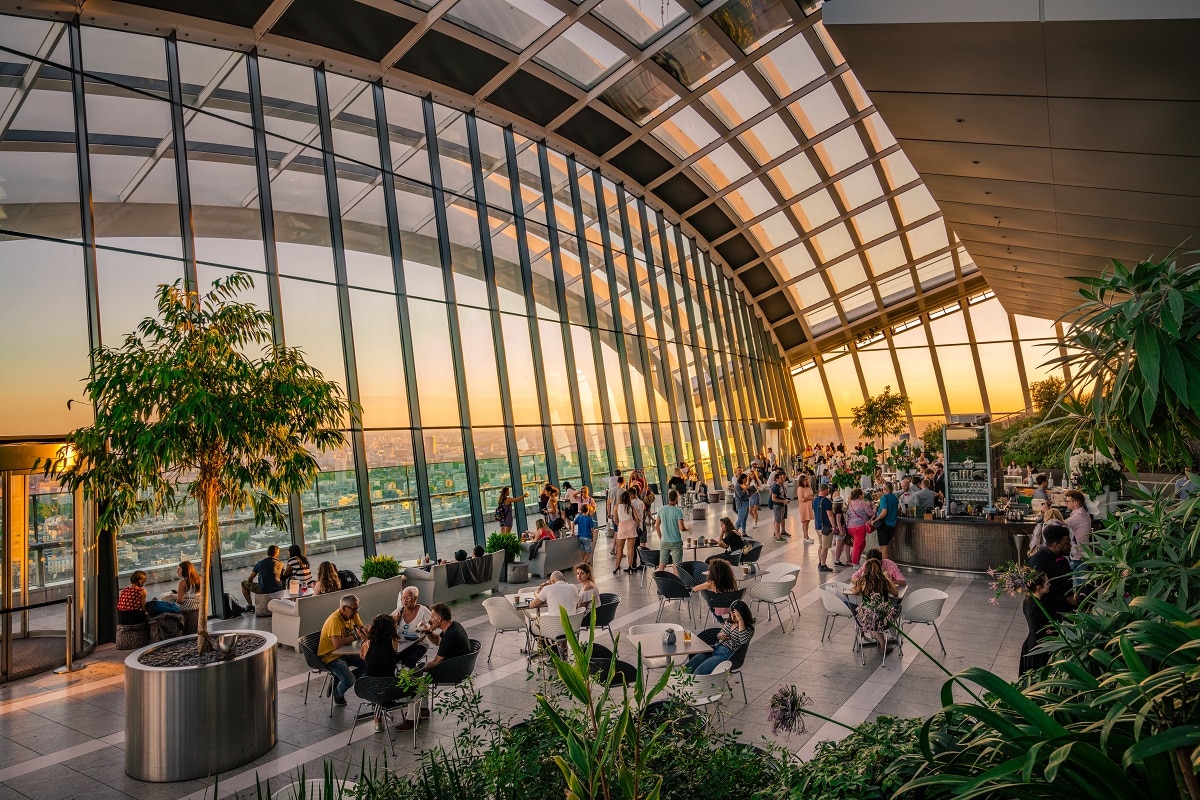
Sky Garden at 20 Fenchurch Street, nicknamed the Walkie-Talkie building, provides free panoramic views from the 35th-floor indoor garden. Advance booking required through their website, and slots fill quickly, so reserve several days ahead if possible.
The indoor heated space makes this superior to outdoor viewpoints in winter weather. Floor-to-ceiling windows offer 360-degree London views. Restaurants and bars on the same levels allow extended stays with food or drinks, though these cost considerably more than the free garden access.
Alternatively, visit the Monument to the Great Fire of London for views from atop its 311-step spiral staircase. This option costs £5 and provides exercise, historic interest, and satisfying views, though the outdoor viewing platform feels brutal in winter wind.
Historic Pubs and Warming Lunch Stops:
The City contains some of London's oldest and most atmospheric pubs, perfect for warming lunch and experiencing authentic British pub culture. Ye Olde Cheshire Cheese on Fleet Street dates to 1667 and maintains dark wood interiors and literary history. The Blackfriar near Blackfriars station showcases stunning Art Nouveau interior.
Traditional pub food like fish and chips, bangers and mash, or steak and ale pie comes hot and filling, ideal for cold days. Most pubs serve food from noon to 3pm then again from 6pm onwards. Arrive before 1pm for easiest seating, or after 2pm when lunch crowds thin.
Leadenhall Market, a covered Victorian market hall, provides architectural beauty and Harry Potter filming location recognition. The ornate painted roof and cobbled alleys house upscale shops and restaurants. It's worth 15 to 20 minutes wandering even if you don't shop or eat here.
Evening: Shoreditch Or Spitalfields (4:30pm Onwards)
East London's creative neighborhoods offer contrast to central London's historic grandeur and West End polish. Shoreditchand Spitalfields attract younger crowds, artists, and those seeking edgier nightlife and dining.
Street Food at Old Spitalfields Market:
Old Spitalfields Market operates daily with covered halls protecting from weather. Thursday through Sunday brings the full market with vintage clothing, crafts, and antiques alongside permanent shops and restaurants. The market houses multiple food stalls offering cuisine from around the world at reasonable prices.
Winter evenings see the market lit and lively despite darkness and cold. The covered spaces and heating make browsing comfortable, and the mix of shopping, eating, and people-watching fills an hour easily. Budget £10 to £18 for dinner from the various vendors.
East London Evening Culture and Dining:
Brick Lane and surrounding streets overflow with curry houses, the legacy of London's Bangladeshi community concentrated here. The competitive restaurant strip means aggressive touts trying to lure diners inside, but also means good food at fair prices. Brick Lane bagel shops operate 24 hours, serving salt beef bagels to late-night crowds.
Shoreditch proper contains trendy cocktail bars, live music venues, and restaurants reflecting the area's artistic reputation. The vibe skews younger and hipper than central London. Street art covers many walls, making even simple walking atmospheric.
For quieter evening, return to central London for dinner and earlier night. East London requires energy and openness to less polished environments, which may not appeal after a long day of touring.
Day 4: Cultural Deep Dive And Shopping
Morning: National Gallery And Trafalgar Square (9:30am To 12:30pm)
The National Gallery houses one of the world's greatest art collections with works from the 13th to early 20th centuries. Masters including Leonardo, Rembrandt, Vermeer, Turner, and Van Gogh fill the grand galleries overlooking Trafalgar Square.
Masterpiece Highlights in Winter Quiet:
Opening at 10am, the gallery offers free admission to permanent collections. Winter weekday mornings provide the quietest viewing conditions, allowing contemplative appreciation of famous works without crowds blocking your view.
Don't attempt to see everything in one visit. The collection spans too much ground. Instead, pick one or two periods or national schools to explore deeply. The Sainsbury Wing houses early Renaissance masterpieces. Main building galleries progress chronologically through Baroque, Dutch Golden Age, British art, and Impressionism.
Free gallery talks and audio guides help contextualize key works. The gallery cafe and espresso bar provide mid-visit breaks. Allow 2 to 3 hours for satisfying visit without exhaustion.
Trafalgar Square and Nelson's Column:
Exiting onto Trafalgar Square, you stand at one of London's most famous public spaces. Nelson's Column dominates, commemorating Admiral Nelson's victory at Trafalgar in 1805. Bronze lion sculptures guard the column base, popular for tourist photos despite cold metal surfaces.
The square hosts seasonal events including the enormous Christmas tree gifted annually by Norway, standing throughout December. Street performers, nearby fountains, and grand surrounding buildings including the National Gallery create impressive urban theater.
Fifteen minutes suffices for photos and appreciation unless special events draw you longer. The square serves as transportation hub with Charing Cross station nearby, making it easy jumping-off point for afternoon shopping areas.
Afternoon: Regent Street, Oxford Street, Carnaby (1pm To 4pm)
London's main shopping districts concentrate in the West End, with flagship stores, department stores, and festive decorations creating retail theater especially during Christmas season.
Christmas Lights and Shopping Strategy:
Regent Street's coordinated Christmas lights typically feature angels or other grand displays suspended across the curving Georgian street. Oxford Street stretches for over a mile with varied lighting schemes. Carnaby Street creates quirky artistic installations. These displays illuminate from mid-November through early January, transforming shopping into atmospheric experience.
The lights look best from dusk onwards, around 4pm in December, so time afternoon shopping to catch twilight transformation. Walking from Oxford Circus Tube station south along Regent Street provides classic views, then cutting east to Carnaby Street shows the alternative creative approach.
Shopping itself ranges from massive department stores like Selfridges and Liberty to high street chains filling both streets. January sales bring significant discounts if your timing coincides. The crowds can overwhelm, particularly December Saturdays, so steel yourself for slow progress and packed pavements.
Fortnum and Mason and Harrods Winter Visits:
Fortnum and Mason on Piccadilly represents quintessential British luxury, particularly famous for its food halls and tea rooms. The store itself qualifies as attraction with beautiful displays, particularly during Christmas. The window displays alone justify a walk past.
The tea salon on upper floors serves traditional afternoon tea at premium prices but exquisite quality. If full afternoon tea seems excessive, the ground floor food hall sells stunning chocolates, teas, preserves, and packaged foods making excellent gifts.
Harrods in Knightsbridge, covered in Day 2 alternative evening option, also merits dedicated visit for those passionate about shopping or department store spectacle. The food halls alone overwhelm with lavish displays and every delicacy imaginable.
Evening: Final Night Choices
Your fourth evening allows flexibility based on energy, weather, and what you've most enjoyed so far. Several options suit different preferences.
River Cruise with Dinner:
Thames dinner cruises operate year-round with heated enclosed boats and panoramic windows. Evening cruises last 2 to 3 hours, serving multi-course meals while you glide past illuminated landmarks including Tower Bridge, Parliament, and South Bank attractions.
Prices run £60 to £120 per person depending on cruise operator and menu quality. The experience feels special and romantic, particularly on cold nights when the warm boat and passing lights create intimate atmosphere. Book in advance for evening departure times around 7pm or 8pm.
Soho Dining and Nightlife:
Soho concentrates some of London's best restaurants in a compact area of narrow streets and atmospheric alleys. The neighborhood buzzes every evening with theater-goers, diners, and those seeking nightlife from jazz clubs to cocktail bars to comedy venues.
Restaurant choices span every cuisine and budget. Book ahead for popular spots or arrive early for walk-in options. After dinner, the neighborhood invites wandering, discovering hidden bars, catching live music, or simply soaking in the urban energy.
Walking through Chinatown, just east of Leicester Square, adds colorful atmosphere with lanterns and signs creating visual interest. Late-night bakeries and restaurants serve those seeking post-dinner snacks.
Final Museum or Gallery Visit:
If weather has prevented ideal museum time earlier, use this evening for extended cultural visit. Many museums operate late hours one evening per week. Tate Modern opens until 10pm Friday and Saturday, creating atmospheric evening alternative to typical museum daytime visits.
The British Museum opens until 8:30pm Fridays, and the less-crowded evening hours allow contemplative viewing of collections you may have rushed through earlier. Some visitors prefer museum evenings for the different energy and lighting.
Optional Day 5 And Beyond: Extensions And Day Trips
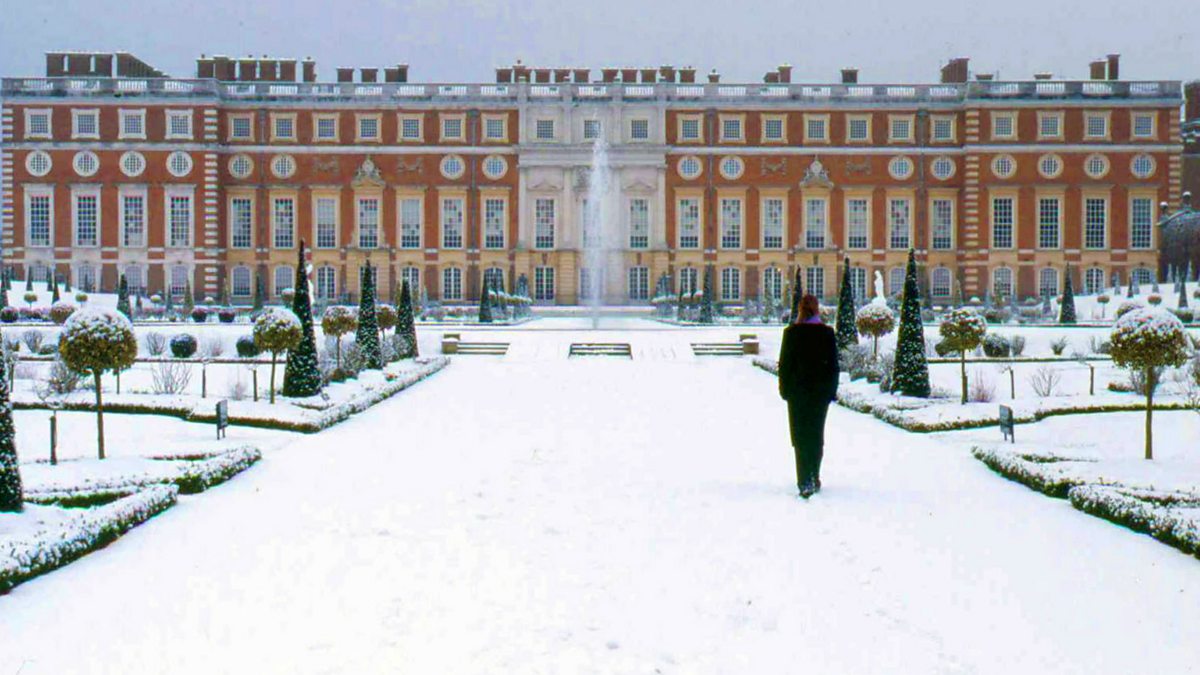
Hampton Court Palace Winter Escape
Hampton Court Palace sits 13 miles southwest of central London, accessible by train in 35 minutes from Waterloo station. The Tudor palace where Henry VIII lived offers spectacular architecture, famous maze, and beautiful grounds.
Winter visits mean smaller crowds and atmospheric touring through the vast palace rooms. The Great Hall, state apartments, and Tudor kitchens all operate year-round with full heating. The palace closes December 24 to 26 but otherwise maintains normal hours.
Allow full day for thorough visit including palace interior, gardens, and maze. The palace cafe provides warming lunch refuge. Combined train travel and palace admission runs about £35 to £45 per person. Winter gardens look dormant but the palace architecture and interiors more than compensate.
Windsor Castle Day Trip
Windsor Castle, the Queen's weekend residence, stands as the world's largest occupied castle. Located 25 miles west of London, trains from Paddington reach Windsor in about 35 to 50 minutes depending on route.
The State Apartments, St. George's Chapel, and castle grounds offer royal splendor. Winter weekdays see manageable crowds compared to summer's overwhelming numbers. The town of Windsor provides pleasant walking, shops, and riverside cafes for afternoon extension.
Full day trip works best, allowing morning castle visit and afternoon town exploration. Train and admission combined cost £40 to £55 per person. The castle closes when the royal family is in residence, typically around Easter and during portions of summer, but winter sees reliable opening.
Kew Gardens Winter Lights (Seasonal)
Royal Botanic Gardens Kew operates a spectacular illuminated trail called Christmas at Kew from November through early January. The after-dark experience features light installations, projections, and decorations transforming the gardens into magical evening attraction.
The event requires timed-entry tickets purchased in advance, costing £25 to £30 per person. Expect 90 minutes to 2 hours walking the mile-long trail in cold and darkness, so dress very warmly. The experience suits those who love creative lighting and don't mind crowds.
Daytime Kew Gardensvisits also reward winter visitors with the Palm House and other glasshouses providing tropical warmth and humidity. Winter gardens show different beauty than summer's blooms, with architectural structure and evergreen collections taking center stage.
Greenwich And Thames Barrier
Greenwich offers maritime history through the Cutty Sark clipper ship, Royal Observatory with Prime Meridian line, and National Maritime Museum. The area feels less touristy than central London while providing significant attractions.
River boats from central London piers reach Greenwich in about 40 to 60 minutes, offering scenic Thames journey. Alternatively, the DLR from Bank station provides quick access in about 20 minutes. A combined boat down and DLR return makes pleasant day trip structure.
Winter weekdays see Greenwich quiet, almost melancholic in its beauty. The covered market operates year-round, providing warming refuge and lunch options. Budget half-day minimum, full day if combining multiple attractions.
More Museum Time: V&A, Tate Modern, Science Museum
If weather turns particularly nasty or you've discovered passion for specific museums, additional days allow deeper exploration. The V&A deserves full day for fashion galleries, ceramics collections, and special exhibitions. Tate Modern's vast contemporary art holdings require hours to navigate thoughtfully.
Alternatively, combine smaller specialized museums. Sir John Soane's Museum, Wallace Collection, or Wellcome Collection all offer fascinating niche collections in manageable sizes. Winter suits museum deep-dives better than summer outdoor activities.
Rainy Day Alternatives And Indoor Pivots
When Weather Ruins Outdoor Plans
British weather forecasts prove remarkably accurate 24 hours out, allowing smart planning. Check detailed hourly forecasts each evening for the next day. When all-day rain appears likely, pivot entire plans toward indoor activities rather than stubbornly attempting outdoor touring.
Light rain or drizzle shouldn't derail plans. Waterproof gear handles this common condition. Heavy persistent rain, however, makes outdoor sightseeing miserable and photo opportunities disappointing. Save outdoor priorities for days with better odds.
Build flexibility into your itinerary. If Day 3 was planned for Tower of London but shows terrible weather, swap with Day 4's indoor-focused activities. The suggested itinerary provides framework, not rigid schedule.
Best All-Day Indoor Experiences
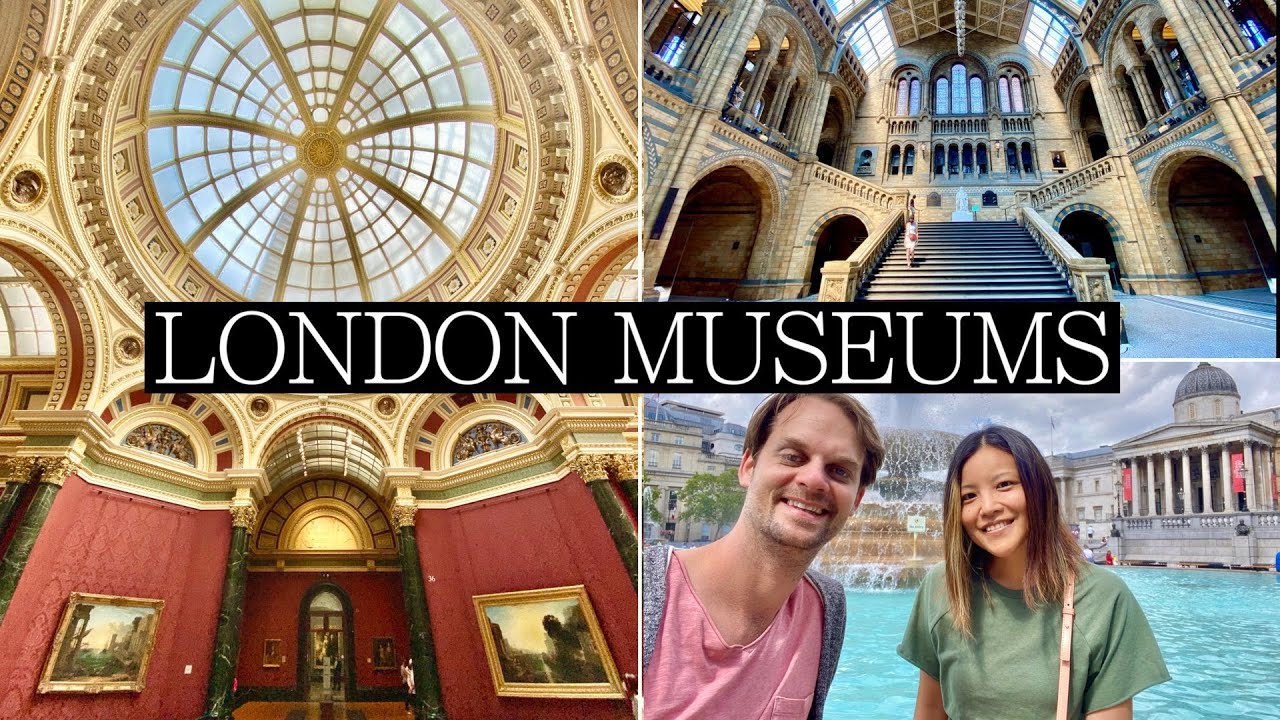
Best LONDON MUSEUMS (and what to do after)
Several London attractions allow all-day indoor refuge without feeling confined:
British Museum:Enormous collections and free entry mean spending 4 to 6 hours browsing comfortably without weather exposure. Multiple cafes provide breaks. The building itself feels like shelter from storms.
Victoria and Albert Museum:Similar appeal with decorative arts spanning cultures and centuries. The cafe and shop areas allow extended stays. Fashion galleries particularly reward slow browsing.
Tate Modern:Contemporary art fills the vast converted power station. Free permanent collection, paid special exhibitions. Riverside location means views even in rain, and the building's industrial architecture creates dramatic shelter.
Science Museum:Interactive exhibits and demonstrations keep attention for half-day easily. Particularly good if traveling with children or teens who need engaging activities during weather lockdown.
Covered Markets And Shopping Arcades
London's covered markets and Victorian shopping arcades provide weather protection while maintaining the experience of browsing and discovering:
Borough Market:The covered sections protect from rain while you sample foods and buy provisions. Easiest Thursday through Saturday when fully operational.
Leadenhall Market:Completely covered ornate Victorian market in the City. Beautiful architecture and upscale shops and restaurants.
Old Spitalfields Market:Large covered space with food, shopping, and entertainment. Particularly lively weekends.
Burlington Arcade, Piccadilly Arcade:Historic covered shopping streets with luxury boutiques. Worth seeing for architecture even if you're not buying £500 scarves.
Multi-Museum Days Without Overload
When rain forces extended indoor time, resist the temptation to marathon through museums until your brain overloads. Better strategy involves shorter focused visits to two or three smaller museums with substantial breaks between.
Visit the British Museum for 90 minutes focusing on one collection area, then break for lunch at a nearby restaurant, then spend afternoon at Sir John Soane's Museum or Wallace Collection. This pacing prevents the glazed-eye museum fatigue that comes from six continuous hours staring at displays.
Plan museum routes to minimize outdoor exposure. South Kensington concentrates Natural History, Science, and V&A museums within 5-minute walks. Bloomsbury places British Museum near smaller specialized museums. Use Tube connections rather than walking between distant museums in rain.
Winter Evening Activities Beyond Theater
River Cruises With Dinner
Thames river cruises transform winter darkness into atmospheric advantage. The illuminated landmarks passing by create romance impossible during daylight hours. Heated modern boats with full-height windows provide comfort while you dine.
Standard dinner cruises last 2 to 3 hours, departing around 7pm or 8pm from piers near Embankment or Westminster. Multi-course meals range from decent to excellent depending on operator and price point. Expect £60 to £120 per person.
Live music or DJs add entertainment on some cruises. Tables by windows cost premium but deliver the experience worth paying for. Advance booking essential, particularly weekends and December festive period.
Alternative shorter cruises without dinner run 40 to 60 minutes and cost £15 to £25. These suit those wanting the river perspective without the time commitment or expense of full dinner cruises.
Historic Pub Crawls And Cozy Pubs
London pub culture reaches peak appeal during winter when the warm interiors, real fires, and social atmosphere provide perfect refuge from cold streets. A planned pub crawl visiting several historic establishments makes excellent evening activity.
Recommended historic pubs:
- Ye Olde Cheshire Cheese, Fleet Street: 17th-century rebuilt after Great Fire, sawdust floors, literary connections
- The Lamb and Flag, Covent Garden: Timber-framed 1772, cozy rooms, Dickens associations
- The Churchill Arms, Kensington: Flower-covered exterior, eccentric Churchill memorabilia interior
- The Mayflower, Rotherhithe: 16th-century riverside location, Thames views, nautical history
- The George Inn, Borough: London's last galleried coaching inn, dating to medieval times
Most pubs serve food until 9pm or 10pm, though kitchens may close earlier on quiet nights. Stick to traditional British ales or ciders to experience what pubs do best. A night visiting three or four pubs covers ground geographically while preventing overdrinking at any single location.
Live Music And Jazz Venues
London's live music scene operates year-round with venues ranging from intimate jazz clubs to mid-size rock venues. Winter suits seated listening venues where you escape cold into atmospheric performance spaces.
Ronnie Scott's in Soho remains London's most famous jazz club with nightly shows from international artists. Advance booking recommended for tables, though bar standing spots sometimes available walk-in. Expect £25 to £40 cover plus food and drink minimums.
Smaller venues like 606 Club in Chelsea or Pizza Express Jazz Club locations offer live jazz with lower covers and more casual atmosphere. The Blues Kitchen in Camden or Brixton provides blues, soul, and R&B in lively settings.
Check listings for specific dates as performers and schedules vary nightly. Time Out London and venue websites post full calendars.
Cinema And Alternative Entertainment
Rainy winter nights when you lack energy for theater or live venues suit cinema visits. London offers both mainstream multiplexes and distinctive independent cinemas.
BFI Southbank programs classic films, director retrospectives, and art house cinema in multiple screens along the Thames. The building's bars and restaurants create before and after film atmosphere. Membership costs £45 annually but brings ticket discounts.
Electric Cinema in Notting Hilland Everyman locations across London provide luxury seating, food and drink service, and premium experience for standard ticket prices plus surcharges. The comfortable armchairs suit tired tourists seeking relaxation.
Comedy clubs including The Comedy Store in Leicester Square offer stand-up shows most nights. Tickets run £15 to £25 for evening shows featuring multiple comedians. Be prepared for audience interaction and varied quality.
Food And Dining Strategy For Winter In London

LONDON Food Guide | 15 Great Places to Eat!
Warming British Classics To Try
Winter suits British comfort food perfectly. The hearty portions, warming qualities, and stick-to-ribs nature fit cold weather touring.
Essential dishes:
- Fish and chips: Battered fish with thick-cut chips, mushy peas, tartar sauce. Best from proper chippies, not pubs
- Shepherd's pie or cottage pie: Minced lamb or beef with vegetables under mashed potato crust, baked until browned
- Bangers and mash: Sausages with mashed potatoes and onion gravy
- Steak and ale pie: Chunks of beef in rich gravy encased in pastry
- Sunday roast: Roasted meat with roast potatoes, Yorkshire pudding, vegetables, gravy. Available all week in many pubs
- Full English breakfast: Eggs, bacon, sausage, beans, tomatoes, mushrooms, toast. Fuels entire morning touring
Pubs serve these dishes reliably, though quality varies. Chain pubs like Wetherspoons provide budget-friendly versions, while gastropubs elevate traditional recipes with premium ingredients.
Afternoon Tea In Cozy Settings
Afternoon tea perfectly addresses the 3pm to 5pm winter gap when darkness falls but dinner feels early. The warm tea, finger sandwiches, scones with clotted cream, and pastries provide sustenance and atmosphere.
Traditional venues like The Ritz, Claridge's, or Fortnum and Mason offer luxurious experiences at £50 to £75 per person, often requiring advance booking weeks ahead and enforcing dress codes. The experience feels special but costs significantly.
More casual options exist throughout London at department stores, hotel lounges, and dedicated tea rooms. Budget £25 to £40 per person for quality afternoon tea at less formal venues. Book a day or two ahead rather than expecting walk-in availability at popular spots.
The ritual lasts 90 minutes to 2 hours, bridging afternoon and evening nicely. You'll likely skip or downsize dinner afterward given the substantial food intake.
Food Markets And Halls
Indoor food markets provide warming refuge, entertainment, and varied dining all in one location. They suit groups with different preferences since everyone can choose their own vendor.
Best markets and food halls:
- Borough Market: Thursday to Saturday, historic covered market with premium food vendors
- Old Spitalfields Market: Daily operation, mix of street food stalls and permanent restaurants
- Mercato Metropolitano: Sustainable food hall in Elephant and Castle, multiple cuisines
- Seven Dials Market: Covent Garden location, multiple food concepts in restored warehouse
- Maltby Street Market: Saturday and Sunday, railway arch location with street food and wine bars
These spaces encourage grazing multiple small plates rather than single large meals. The covered heated environments make them particularly appealing during winter. Expect £12 to £25 per person depending on appetite and choices.
Restaurant Reservations And Walk-In Options
Popular restaurants require advance reservations, particularly Friday and Saturday nights and throughout December festive period. Book a week or more ahead for trendy spots, Michelin-starred restaurants, or anywhere with limited seating.
OpenTable, Resy, and direct restaurant websites handle most bookings. Some highly sought restaurants release tables exactly one month ahead, requiring logging in precisely at release time to secure spots.
Walk-in dining works for casual restaurants, pub meals, and off-peak times. Arriving before 6pm or after 9pm improves walk-in prospects. Solo diners often find bar seats when tables are fully booked.
Chain restaurants like Dishoom, Hawksmoor, or Flat Iron generally accept walk-ins with reasonable waits, or allow booking a few days ahead. These deliver reliable quality without the stress of impossible reservations.
Practical Winter Wisdom
Managing Energy In Cold Weather
Cold drains energy faster than temperate weather touring. Your body burns calories maintaining temperature, walking feels more effortful in bulky clothes, and the shorter daylight compresses activities into fewer hours creating intensity.
Recognize these realities and plan accordingly. Don't schedule as much as you might in summer. Budget more frequent breaks. Accept that three solid activities per day might suffice where summer allows four or five.
Energy management strategies:
- Start days at reasonable hour rather than forcing 7am departures
- Build warming breaks into itinerary every 90 to 120 minutes
- Eat substantial hot breakfast to fuel morning touring
- Carry energy bars or snacks for between-meal slumps
- Return to hotel mid-afternoon for 30 to 60 minute rest before evening activities
- Don't fight exhaustion with caffeine alone, actually rest when needed
Listen to your body. If you're genuinely cold, wet, and miserable, abandon plans and retreat to warm indoor space. No attraction justifies hypothermia or making yourself ill.
Where To Warm Up Between Attractions
Strategic warming locations save itineraries when cold accumulates. Knowing where you can duck in for 15 to 30 minutes makes the difference between enjoyable day and endurance test.
Quick warming refuges:
- Museum cafes: British Museum, National Gallery, V&A all have cafes accessible without touring galleries
- Department stores: Fortnum and Mason, Liberty, Selfridges all welcome browsers and have ground-floor cafe access
- Major train stations: Paddington, King's Cross, St. Pancras contain heated waiting areas, shops, cafes
- Covered markets: Borough, Spitalfields, Leadenhall provide shelter and warmth
- Chain cafes: Pret, Costa, Caffe Nero everywhere, always warm, cheap coffee buys 30 minutes inside
- Hotel lobbies: Large hotels often have public areas where you can sit briefly without challenge
A quick coffee and 20 minutes sitting in warmth restores energy and motivation to continue touring. Don't heroically push through growing cold until you're desperate. Preventive warming stops work better than emergency refuge.
Avoiding Peak Crowds At Winter Attractions
Winter reduces crowds overall but popular attractions still get busy at predictable times. Strategic timing avoids the worst congestion.
Peak crowd times to avoid:
- Weekends, especially Saturdays, at all major attractions
- School holidays including mid-December through early January, late February half-term
- 11am to 2pm at major museums when tour groups concentrate
- Christmas markets after 5pm on December weekends
- Theater district and Covent Garden 6pm to 8pm pre-theater crush
Best times for quiet touring:
- Weekday mornings at opening time
- Rainy weekday afternoons when crowds shelter rather than tour
- Late afternoon at museums, 3pm to 5pm before closing
- January and February weekdays
- Very early morning photography before attractions open
Tower of London on weekday mornings, British Museum on rainy Tuesday afternoons, or National Gallery on January Wednesday near closing all deliver dramatically different experiences than Saturday noon visits.
Photography Tips For Winter Light
Winter light creates challenging photography conditions but also unique opportunities. The low sun angle, frequent clouds, and early darkness require adjusted approaches.
Technical considerations:
- Shoot during the golden hour, roughly 2pm to 3:30pm in December when low sun creates warm light
- Use clouds as giant diffusers for even lighting without harsh shadows
- Bracket exposures in high-contrast situations, dark buildings against bright sky
- Increase ISO to maintain shutter speeds in dim conditions
- Protect cameras from rain with covers or bags when not actively shooting
Creative opportunities:
- Dramatic storm light when sun breaks through heavy clouds
- Rain-slicked streets reflecting lights and colors
- Christmas lights and illuminations after dark, around 4pm to 7pm best
- Fog along the Thames creating atmospheric mystery
- Bare trees creating stark silhouettes against grey skies
Expect fewer postcard-perfect blue-sky photos. Instead, embrace the moody atmospheric quality that winter provides. The dramatic light and weather often create more memorable images than bland summer sunshine.
Staying Safe And Healthy
Winter travel stresses immune systems through cold exposure, crowded public transport, and disrupted sleep from jet lag or unfamiliar beds. Taking basic precautions prevents illness ruining trips.
Health maintenance:
- Wash hands frequently, especially after Tube rides and before eating
- Stay hydrated despite cold weather making thirst less obvious
- Get adequate sleep rather than staying out until midnight every night
- Dress in layers to prevent overheating indoors followed by outdoor chill
- Eat regularly to maintain energy and immune function
Safety considerations:
- Watch for slippery pavements during rare snow or ice
- Be cautious with belongings on crowded Tube, phones and wallets targeted by pickpockets
- Stay aware in quiet areas after dark, stick to well-lit main streets
- Keep emergency numbers saved: 999 for emergencies, 111 for NHS health advice
- Carry basic medications for headaches, stomach issues, common ailments
London is generally very safe, but big city precautions apply. Trust instincts, avoid obviously sketchy situations, and remember that most problems tourists face involve minor theft rather than violence.
Frequently Asked Questions
Is London Worth Visiting In Winter?
Yes, winter London offers festive atmosphere, lower hotel prices, manageable crowds, and authentic local culture. The weather requires planning and proper gear, but advantages outweigh cold and rain. Christmas markets, theater, museums, and cozy pubs create uniquely winter appeal.
How Cold Does London Get In Winter?
London winter averages 2 to 8 degrees Celsius with occasional nights below freezing. The damp climate makes cold feel more penetrating. Snow is rare. Rain occurs frequently but rarely lasts entire days. Proper waterproof layers handle most conditions.
What Time Does It Get Dark?
Sunset arrives around 3:45pm to 4pm in December. By late January, sunset extends to 4:30pm to 4:45pm. Late February sees daylight until 5pm to 5:30pm. Plan outdoor activities for 10am to 3:30pm window.
What Should I Wear?
Bring waterproof winter coat with hood, warm scarf, waterproof gloves, hat, comfortable waterproof boots, and multiple layers. London buildings run strong heating, so layers matter more than one extremely warm coat.
Are Attractions Open At Christmas?
Most major museums, attractions, shops, and restaurants close December 25 and 26. Many reopen December 27. Plan carefully if your trip includes these dates or avoid December 24 to 26 entirely.
How Many Days Do I Need?
Four to five days covers major landmarks, museums, and winter experiences without rushing. Three days manages highlights efficiently. Week-long trips enable day trips and deeper exploration.
What Are The Best Christmas Markets?
Winter Wonderland in Hyde Park offers largest market with rides and skating. Southbank Centre provides riverside atmosphere. Greenwich delivers historic setting. Each operates November through early January typically.
Where Are The Best Christmas Lights?
Oxford Street, Regent Street, Covent Garden, and Carnaby Street create coordinated displays from mid-November through early January. Kew Gardens hosts ticketed light trail.
Is London Expensive In Winter?
Hotel prices drop 20 to 40 percent except Christmas week. Attractions cost same year-round. Overall, winter provides better value than summer, particularly January through February.
What's Open On Christmas Day?
Very little operates December 25. Major attractions, museums, shops, and most restaurants close. Some hotel restaurants serve meals. Stock food provisions or book hotel dinner well in advance.
Can I See Changing Of The Guard?
Yes, but ceremony operates every other day in winter rather than daily. Check official Household Division website. Arrive 45 minutes early. Dress very warmly.
What Indoor Activities Work For Rainy Days?
British Museum, National Gallery, V&A, Science Museum, Tate Modern, Churchill War Rooms, Sky Garden, Borough Market, shopping, theater matinees, and afternoon tea all keep you dry.
Should I Visit Winter Wonderland?
If you enjoy festive atmosphere and don't mind crowds or paying for rides, yes. Visit weeknight early December for manageable crowds. Budget £40 to £80 per person. Skip if crowds bother you.
How Do I Get Around?
The Underground Tube runs reliably in all weather. Buy an Oyster card or use contactless payment. Buses offer views but move slowly. Walking works well with waterproof gear.
Conclusion
Winter in London rewards those who embrace its particular rhythm rather than fighting against cold and darkness. The shorter days force prioritization, making you choose what matters most rather than attempting to see everything. The weather creates memorable atmospheric moments impossible in summer sunshine.
Your four days touching major landmarks, world-class museums, festive markets, and authentic local culture provide a solid introduction to this vast city. The itinerary framework adapts to your interests, energy levels, and whatever weather reality emerges.
The beauty of London in winter lies in how the city continues regardless of the weather. Pubs welcome cold travelers, museums maintain their excellence, theaters perform nightly, and Londoners simply bundle up and carry on.
Jump to
What To Do, See, And Experience In London During Winter
Quick Planning Guide
Winter In London: What To Expect And Why It's Worth It
Essential Winter London Planning
Day 1: Classic London Landmarks And Festive Introduction
Day 2: Museums, Markets, And Winter Wonderland
Day 3: Tower Of London And East London Exploration
Day 4: Cultural Deep Dive And Shopping
Optional Day 5 And Beyond: Extensions And Day Trips
Rainy Day Alternatives And Indoor Pivots
Winter Evening Activities Beyond Theater
Food And Dining Strategy For Winter In London
Practical Winter Wisdom
Frequently Asked Questions
Conclusion

James Rowley
Author
James Rowley is a London-based writer and researcher covering London life, cultural geography, London travel, live London webcam pages and selected public figures across entertainment, sport, business and public life.
For over 15 years, he has focused on verified sources, first-hand local context and clear explanations that help readers understand both places and people more deeply. His work combines street-level London knowledge with careful research into career credits, media work, business interests and, where relevant, transparently explained net worth estimates.
He writes and reviews articles published on LondonWebcam.
Latest Articles
Popular Articles