45+ London Travel Hacks You’ll Wish You Knew Before Visiting
Visiting London? Find game-changing travel hacks you'll wish you knew, from getting around cheaply to seeing the best sights for free.
Author:James RowleyFeb 09, 20264.2K Shares156K Views
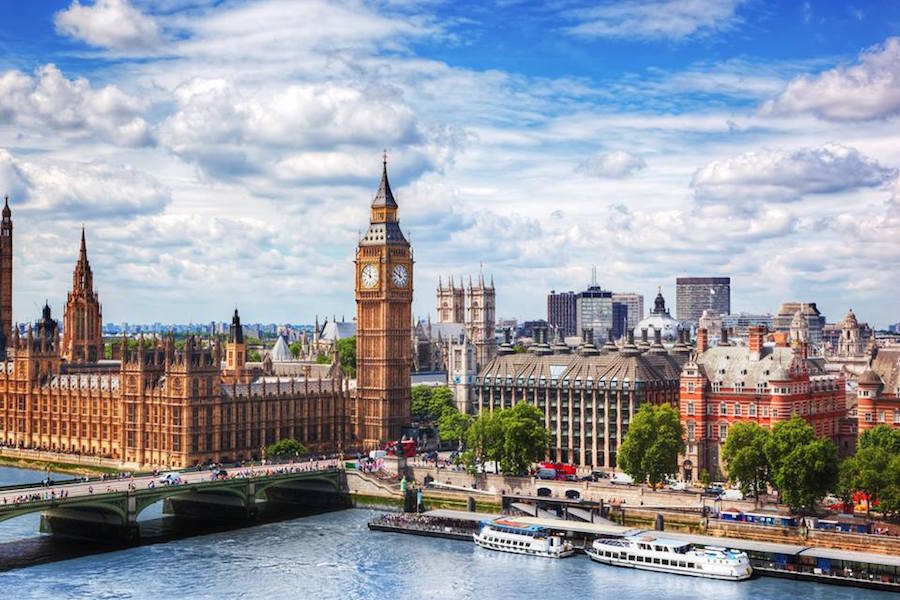
London Travel Hacks Every Visitor Should Know
Londoncan be dazzling, overwhelming, and-let’s be honest-shockingly expensive if you don’t know the right tricks. The good news? With a few smart travel hacks, you can avoid the rookie mistakes, save money, and experience the city like a seasoned local.
Think of this as the guide you wish you had before landing at Heathrow. From beating the tourist traps to finding the best budget eats and navigating the Tube without getting lost, here’s everything you need to make your London trip smoother and more affordable.
1. Visit London In Spring Or Autumn
If you’re flexible, avoid London in peak summer. Prices soar, queues are long, and the Tube feels like a sauna. My favorite visits were in April and October - fewer crowds, cooler weather, and better hotel deals. Plus, spring brings cherry blossoms to the parks, and autumn paints the city gold.
2. Don’t Fear Winter Travel
Winter in London can actually be magical. Yes, it’s chilly and grey, but you’ll find fewer tourists and cheaper flights. If you’re here in December, Christmas lights on Oxford Street, Covent Garden, and Regent Street are worth braving the cold. I once visited in January and found hotel prices nearly half what I’d paid in July.
3. Fly Into The Right Airport
London has six airports, and choosing the wrong one can eat up hours. Hack: While the Heathrow Express is fast, it's often the UK's most expensive train journey per mile.
For the best balance of speed and cost, use the Elizabeth Line (from Heathrow) or the Gatwick/Thameslink Rail (from Gatwick)-they are significantly cheaper and more integrated with central London transport. I once landed at Stansted thinking it was “close” - it took me nearly 2 hours and £30 to reach my hotel.
4. Book Airport Transfers In Advance
If you’re not taking the train, pre-book your airport transfer or taxi. Apps like Uber and Bolt work, but pre-booked rides are often cheaper. Nothing feels worse than landing at Heathrow, opening Uber, and seeing surge pricing double the cost.
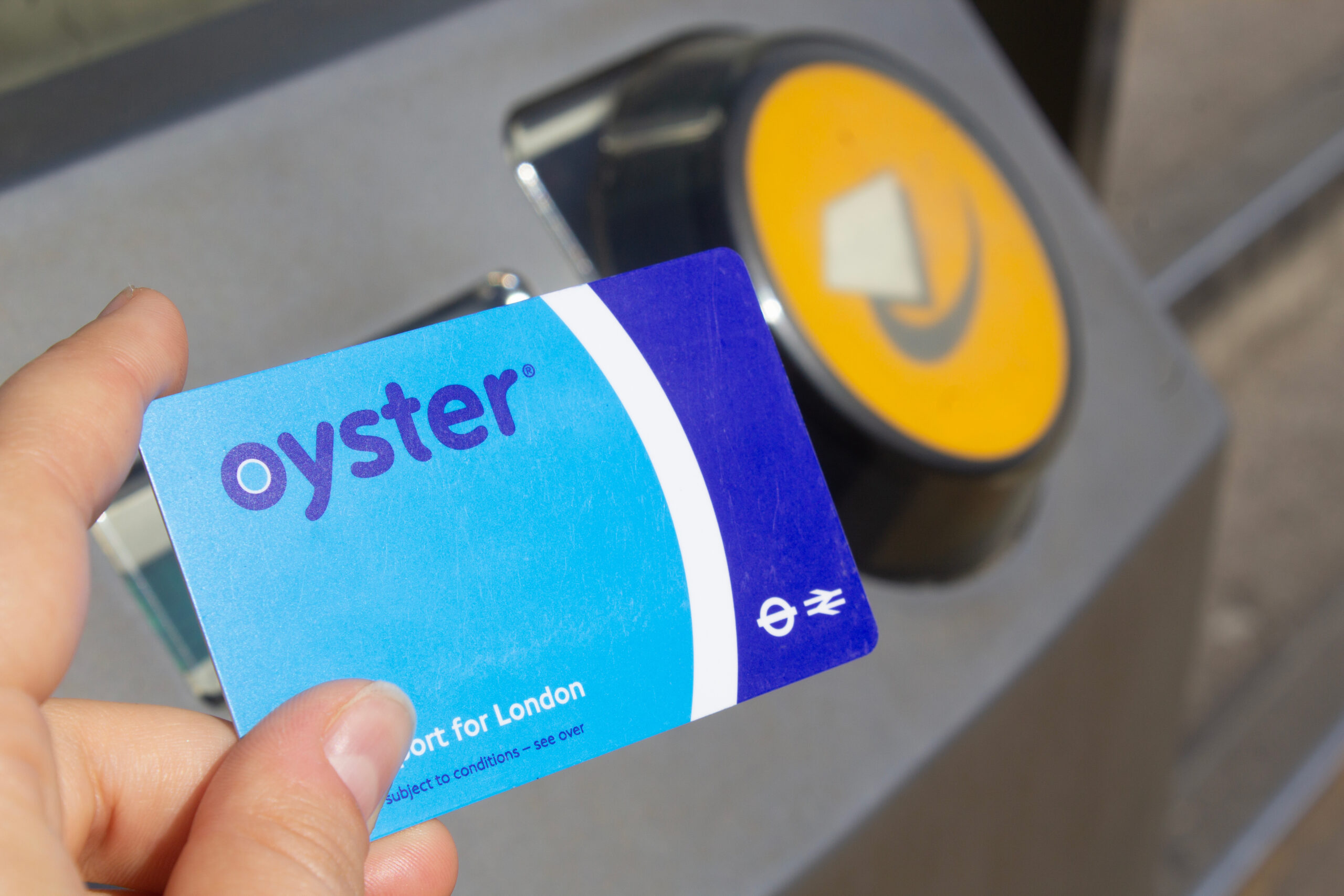
5. Use Contactless Or Oyster For Transport
Forget paper tickets - they’re overpriced. I once paid £6 for a single ride before I knew better. With Oyster or contactless (tap your bank card or phone), you’ll pay about £2.80. The system also caps your daily fares, so you’ll never overspend no matter how many rides you take.
6. Avoid Buying Travelcards
A common mistake for first-timers: buying a Travelcard. They look like a deal, but Oyster and contactless are almost always cheaper. Unless you’re staying in London for a very long time, don’t bother.
7. Stick To Zones 1 And 2 For Hotels
London’s Tube map is massive, but most attractions are in Zones 1 and 2. Staying in Zone 5 may look cheaper, but you’ll spend more time and money commuting. On my first trip, I booked a “bargain” hotel near Wembley (Zone 4). After three days of 45-minute Tube rides, I realized it wasn’t worth it.
8. Pick Accommodation By Tube Line, Not Just Location
London is spread out. Sometimes a hotel a little further away, but on a direct Tube line, is better than one “close” but awkwardly located. For example, staying near King’s Cross or Paddington makes it easy to reach multiple areas without changing trains constantly.
9. Use Google Maps And Citymapper
Citymapper is a lifesaver for London. It tells you exactly which carriage to board on the Tube, how much your trip costs, and even when walking is faster. Once, Google Maps sent me on a 20-minute Tube ride - Citymapper told me walking would be quicker. It was right.
10. Avoid The Tube At Rush Hour
If you can, avoid traveling between 7–9 AM and 5–7 PM. The Tube gets uncomfortably packed. I once squeezed into a Central Line carriage at 8:30 AM - it felt like being vacuum-sealed. If you’re sightseeing, shift your schedule to travel slightly later.
Also Check Out: 21 Essential London Travel Tips For First-Time Visitors
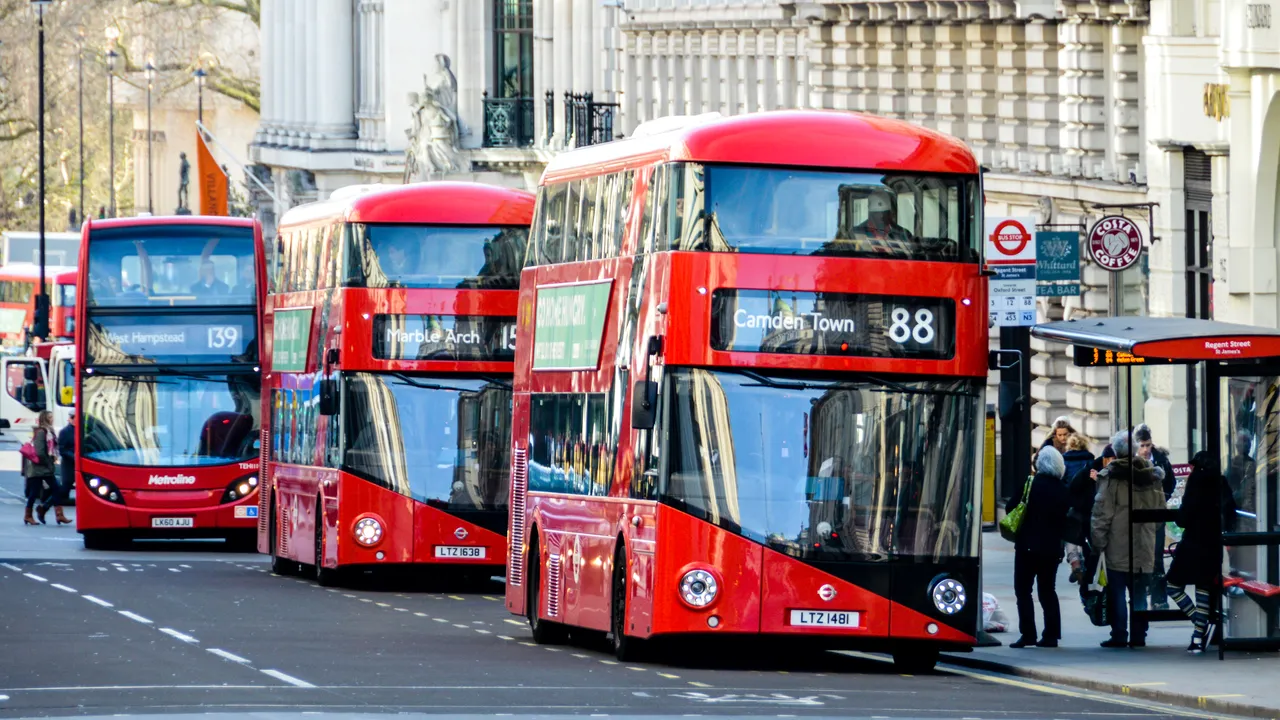
11. Try London’s Buses
Take Advantage of the Hopper Fare - Many tourists ignore the buses, but they’re cheaper than the Tube and give you sightseeing views for the price of a ride. I once rode the No. 11 bus from Liverpool Street to Chelsea - passing the Tower of London, St. Paul’s, Trafalgar Square, and Westminster Abbey. It felt like a free tour.
12. Use The Thames Clipper Instead Of A Tour Boat
For a budget river cruise, take the Thames Clipper commuter boat. You can pay with Oyster or contactless. It’s faster than tourist boats and gives the same iconic views of Tower Bridge, the Shard, and Canary Wharf.
13. Walk Whenever Possible
Central London is surprisingly walkable. Some Tube rides (Leicester Square to Covent Garden, for example) are quicker on foot than by train. I always recommend looking at walking routes before automatically hopping on the Tube.
14. Download The TfL Go App
Transport for London’s own app gives real-time updates, closures, and fare info. It saved me once when a Tube line shut down unexpectedly - the app rerouted me instantly.
15. Carry An Umbrella (Always)
London’s weather is unpredictable. It can be sunny at breakfast and pouring by lunch. A small foldable umbrella in your bag is essential. I’ve been caught out without one - and ended up buying a flimsy overpriced umbrella from a souvenir shop.
16. Wear Comfortable Shoes
London is best explored on foot, but it’s huge. On one day I clocked 25,000 steps just wandering between Westminster, South Bank, and Covent Garden. Sturdy, comfortable shoes are a must.
17. Get A SIM Or ESIM For Data
Wi-Fi isn’t reliable everywhere. If you’re from outside the UK, get a local SIM or eSIM. I once relied on café Wi-Fi and ended up lost in Shoreditchwith no directions.
18. Book Attractions In Advance
Big sights like the London Eye, Sky Garden, and Tower of Londonoften sell out. Buying tickets online also saves money. I once showed up at the London Eyewithout a booking - the next available slot was four hours later.

19. Visit Free Museums And Galleries
London’s best museums (British Museum, Tate Modern, National Gallery, Natural History Museum) are free. I never get over how incredible this is. A rainy afternoon becomes a chance to wander world-class galleries without spending a penny.
20. Take Advantage Of Meal Deals
Supermarkets like Tesco, Boots, and Sainsbury’s offer £3–£4 meal deals (sandwich, snack, drink). Perfect for budget lunches. On one trip, I lived off meal deals for days - and saved enough to splurge on a fancy dinner later.
21. Don’t Always Eat Near Attractions
Restaurants near tourist hotspots (Leicester Square, Piccadilly) are overpriced and underwhelming. Walk 5–10 minutes away, and you’ll find better food at half the price. I once paid £15 for a soggy pizza near Trafalgar Square - a mistake I never repeated.
22. Try Pub Food
For hearty, affordable meals, eat at pubs. A Sunday roast or fish and chips at a traditional pub feels very “London.” Some chain pubs (like Wetherspoons) are cheap, though local pubs often have better quality.
23. Drink Tap Water, Not Bottled
London’s tap water is safe and tastes fine. Carry a reusable bottle - many stations and museums have refill points. Don’t waste £2–£3 per bottle like I did on my first visit.
24. Try Afternoon Tea Without Breaking The Bank
Afternoon tea at The Ritzor Claridge’s is £70–100 per person. But you don’t need to spend that much. Department stores like Fortnum & Mason or cafés like Bea’s of Bloomsbury offer full tea service for £20–30. I tried one at Bea’s once - all the charm, none of the credit-card regret.
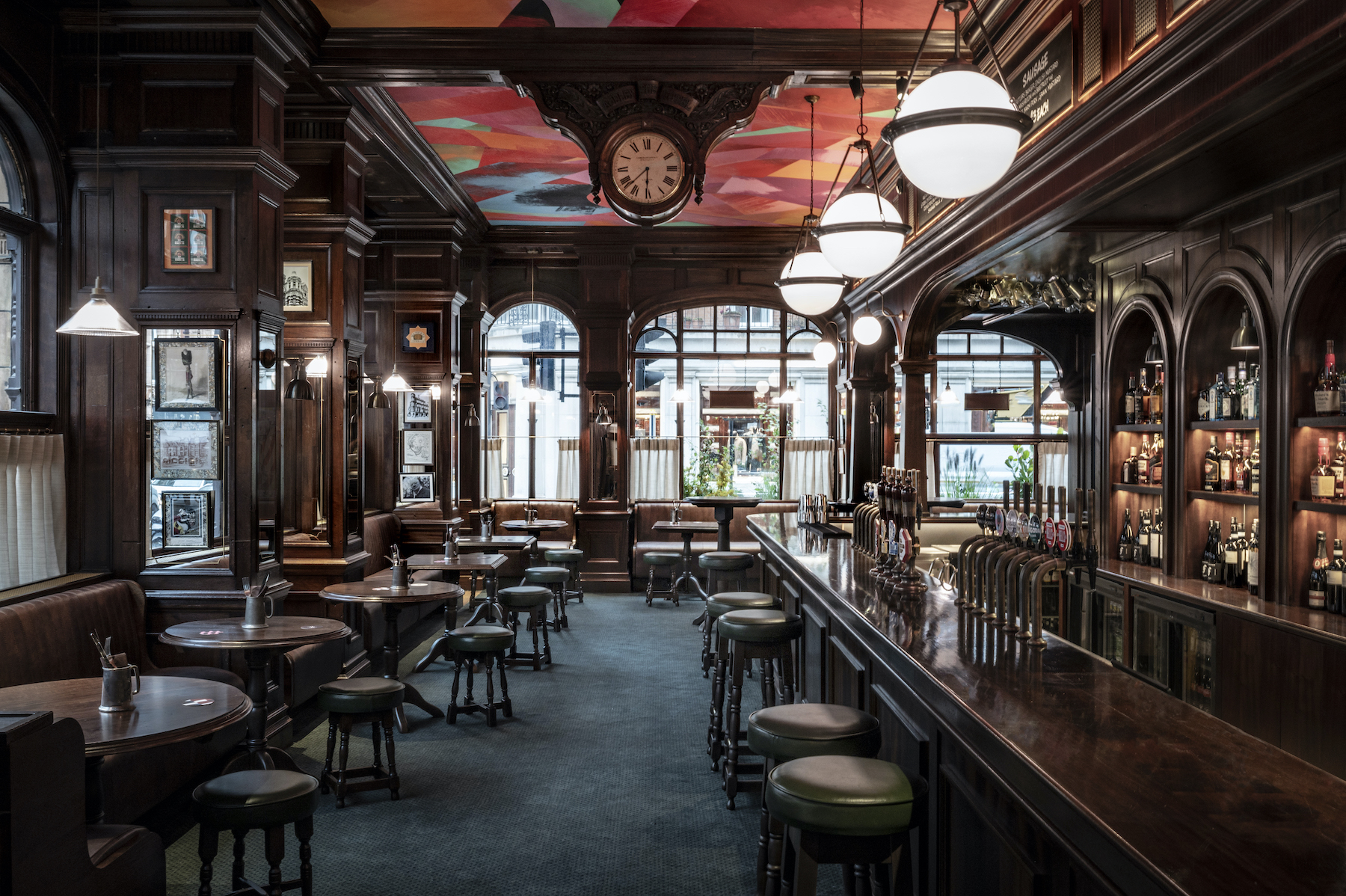
25. Don't Expect Full Table Service At A Pub
In most traditional pubs, you order and pay for your drinks and food directly at the bar. Don't wait at a table for a server.
26. Tipping Is Not A Requirement
Tipping in London is appreciated but not mandatory. A service charge is often already included in the bill, especially in restaurants. Check the receipt before adding an extra tip.
27. Look Right When Crossing The Road
Traffic comes from the opposite direction than many visitors expect. Streets often remind you with “LOOK RIGHT” painted on the ground - but always double-check. I once stepped into the road out of habit and nearly collided with a double-decker bus.
28. Use Coins And Contactless, Not Cash
London is mostly cashless, but keep a few coins handy for toilets or markets. Many places (even pubs) now refuse cash. I once tried paying cash for coffee and was politely told they “don’t accept it anymore.”
29. Be Ready For British Queues
The British love to queue (line up), and cutting is social suicide. At the Tower of London, I once saw a tourist push ahead - the glares from locals could have melted steel. Respect the queue, always.
30. Learn Key Pronunciations
Getting these right saves you from blank stares when asking for directions:
- Thames (River) = “Tems” (not "Themes")
- Leicester Square = “Lester”
- Greenwich = “Gren-itch”
- Marylebone = “Mar-le-bun”
- Southwark = “Suth-ark” (not "South-work")
31. Book Theatre Tickets At TKTS Booths
London’s West End is world-famous. If you want discounted same-day tickets, check TKTS in Leicester Square. I once scored 50% off Phantom of the Opera this way.
32. Use Free Views Instead Of Paying
Skip the Shard (£30+) and go to Sky Garden or Tate Modern’s viewing terrace - both are free. The Sky Garden requires a booking, but it’s worth it for sweeping skyline views.
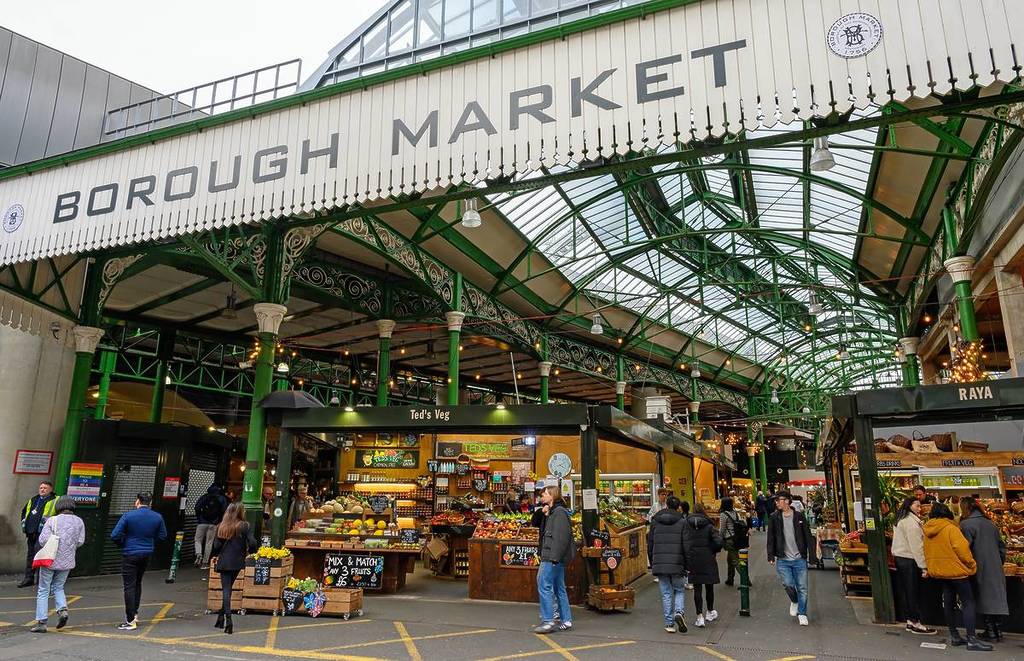
33. Visit Borough Market For Food
Borough Market is my go-to for amazing food - from artisanal cheese to street food. Go hungry, and avoid weekends if possible (it gets packed).
34. Enjoy London’s Markets On Weekdays
Markets like Borough, Portobello, and Camden are weekend favorites, but that’s when they’re packed. Visit on a weekday morning and you’ll find fewer crowds, lower stress, and sometimes even better prices.
35. Explore Beyond Central London
Yes, Big Ben and Buckingham Palaceare must-sees, but don’t miss places like Hampstead Heath, Richmond Park, or Greenwich. On one trip, a lazy Sunday walking Hampstead Heath gave me the best city views - and hardly any tourists.
36. Don’t Waste Time On Changing Of The Guard
Yes, it’s iconic. But it’s also packed shoulder-to-shoulder with tourists. Unless it’s on your bucket list, you can skip it and save time. I tried once, but after 45 minutes of jostling crowds, I realized I’d rather spend that time exploring a new neighborhood.
37. Catch Free Street Performances
London is full of entertainment without tickets. Covent Garden, South Bank, and Leicester Square have daily street performers - jugglers, musicians, magicians. Once, I stumbled on a violinist on the South Bank who drew a bigger crowd than some paid shows.

38. Use Day Trips Wisely
London makes a great base for day trips: Windsor Castle, Oxford, Cambridge, Bath, and even Stonehenge are within reach. I once hopped a 45-minute train to Oxford - and it felt like stepping into another world.
39. Carry A Portable Charger
With all the photos, maps, and apps, your phone battery will drain fast. A power bank is essential. I once ran out of battery in Camden and had to beg directions back to my hotel.
40. Mind The Gap
The Tube famously announces this, but it’s worth noting: some platform gaps are big. Always watch your step.
41. Use Museums For Free Toilets
Public toilets can be hard to find (and sometimes charge 50p). Museums and big stores like Harrods or Selfridges are reliable toilet stops.
42. Carry A Light Jacket Year-Round
Even in July, evenings can feel chilly. I once froze watching a South Bank street performance because I thought “summer in London” meant T-shirt weather.
43. Learn To Stand On The Right
On Tube escalators, stand on the right, walk on the left. Tourists who block the left lane face Londoners’ wrath. I learned quickly after nearly being shoved aside at Oxford Circus.
44. Say "Sorry," Not "Excuse Me"
Locals tend to use "Sorry" when trying to politely move past someone, instead of "Excuse me," which can sometimes sound a little impolite to a Londoner.
45. Stay Alert For Pickpockets
London is safe overall, but busy spots (Oxford Street, Camden, South Bank) attract pickpockets. Keep valuables zipped up. I’ve never been targeted, but I’ve seen others lose phones in seconds.
46. Take Advantage Of Student & Youth Discounts
If you’re under 26 or a student, bring your ID. Many attractions (museums, theatres, even shops) offer reduced prices. I used my student card at the Tate Modern café and got 20% off - small, but it adds up.
47. No Cash On Buses
You cannot pay with cash on London buses; you must use a contactless card or Oyster card.
48. Don’t Try To See Everything In One Trip
London is huge, layered, and impossible to “finish” in one visit. On my first trip, I exhausted myself rushing from sight to sight. Now, I pick a few highlights each day and leave space for wandering. It’s a much richer way to experience the city.
FAQs
Is It Better To Use An Oyster Card Or A Contactless Payment Method?
A contactless payment method (debit/credit card or phone) is almost always better for international visitors. It automatically benefits from daily and weekly capping, and if you use a card that doesn't charge foreign transaction fees, you avoid the £7 purchase fee and any exchange rate markups associated with the Visitor Oyster card London tourists are often pressured to buy.
Is The London Pass Worth The Money?
The London Pass is rarely worth it unless you plan an extremely aggressive, specific itinerary that involves visiting at least three high-cost attractions per dayfor the duration of the pass. Because most of London's world-class museums and galleries are free, it's often more cost-effective to pay for one or two specific paid attractions (like the Tower of London) a la carte, using the money saved from free sightseeing.
How Can I Save Money On London Attractions?
You can save money on London attractions by visiting free museums and galleries, using the London Pass for multiple paid attractions, and finding discounted theater tickets through apps like TodayTix or the TKTS booth in Leicester Square.
Where Can I Find Cheap Eats In London?
For affordable dining options, explore London’s street food markets, seek out pre-theater menus in the West End, and look for BYOB restaurants that allow you to bring your own alcohol.
What Should I Pack For A Trip To London?
Pack for London’s unpredictable weather by bringing a lightweight waterproof jacket, layers for varying temperatures, comfortable shoes for walking, and a compact umbrella for sudden rain showers.
How Can I Avoid Crowds While Sightseeing In London?
To avoid crowds, visit popular attractions early in the morning or late in the day, explore lesser-known alternative attractions like Hampstead Heath or Little Venice, and use apps like City mapper to find the quickest, least crowded routes.
Conclusion
London is no longer complex or overwhelming-it's accessible, affordable, and deeply rewarding when you know the rules. Armed with these insider hacks, you're ready to ditch the tourist traps, save your budget, and truly experience the world's greatest city like a seasoned local. Enjoy your unforgettable London adventure!
Jump to
London Travel Hacks Every Visitor Should Know
1. Visit London In Spring Or Autumn
2. Don’t Fear Winter Travel
3. Fly Into The Right Airport
4. Book Airport Transfers In Advance
5. Use Contactless Or Oyster For Transport
6. Avoid Buying Travelcards
7. Stick To Zones 1 And 2 For Hotels
8. Pick Accommodation By Tube Line, Not Just Location
9. Use Google Maps And Citymapper
10. Avoid The Tube At Rush Hour
11. Try London’s Buses
12. Use The Thames Clipper Instead Of A Tour Boat
13. Walk Whenever Possible
14. Download The TfL Go App
15. Carry An Umbrella (Always)
16. Wear Comfortable Shoes
17. Get A SIM Or ESIM For Data
18. Book Attractions In Advance
19. Visit Free Museums And Galleries
20. Take Advantage Of Meal Deals
21. Don’t Always Eat Near Attractions
22. Try Pub Food
23. Drink Tap Water, Not Bottled
24. Try Afternoon Tea Without Breaking The Bank
25. Don't Expect Full Table Service At A Pub
26. Tipping Is Not A Requirement
27. Look Right When Crossing The Road
28. Use Coins And Contactless, Not Cash
29. Be Ready For British Queues
30. Learn Key Pronunciations
31. Book Theatre Tickets At TKTS Booths
32. Use Free Views Instead Of Paying
33. Visit Borough Market For Food
34. Enjoy London’s Markets On Weekdays
35. Explore Beyond Central London
36. Don’t Waste Time On Changing Of The Guard
37. Catch Free Street Performances
38. Use Day Trips Wisely
39. Carry A Portable Charger
40. Mind The Gap
41. Use Museums For Free Toilets
42. Carry A Light Jacket Year-Round
43. Learn To Stand On The Right
44. Say "Sorry," Not "Excuse Me"
45. Stay Alert For Pickpockets
46. Take Advantage Of Student & Youth Discounts
47. No Cash On Buses
48. Don’t Try To See Everything In One Trip
FAQs
Conclusion

James Rowley
Author
James Rowley is a London-based writer and researcher covering London life, cultural geography, London travel, live London webcam pages and selected public figures across entertainment, sport, business and public life.
For over 15 years, he has focused on verified sources, first-hand local context and clear explanations that help readers understand both places and people more deeply. His work combines street-level London knowledge with careful research into career credits, media work, business interests and, where relevant, transparently explained net worth estimates.
He writes and reviews articles published on LondonWebcam.
Latest Articles
Popular Articles