Richest Boroughs In London | Property, Income, And The Geography Of London Wealth
For anyone trying to understand London, the borough wealth map is one of the most useful and revealing documents available. It shows not just where the money is, but how it got there, what it has built, and what it continues to produce in terms of the physical and social character
Author:James RowleyMar 20, 202628 Shares27.8K Views
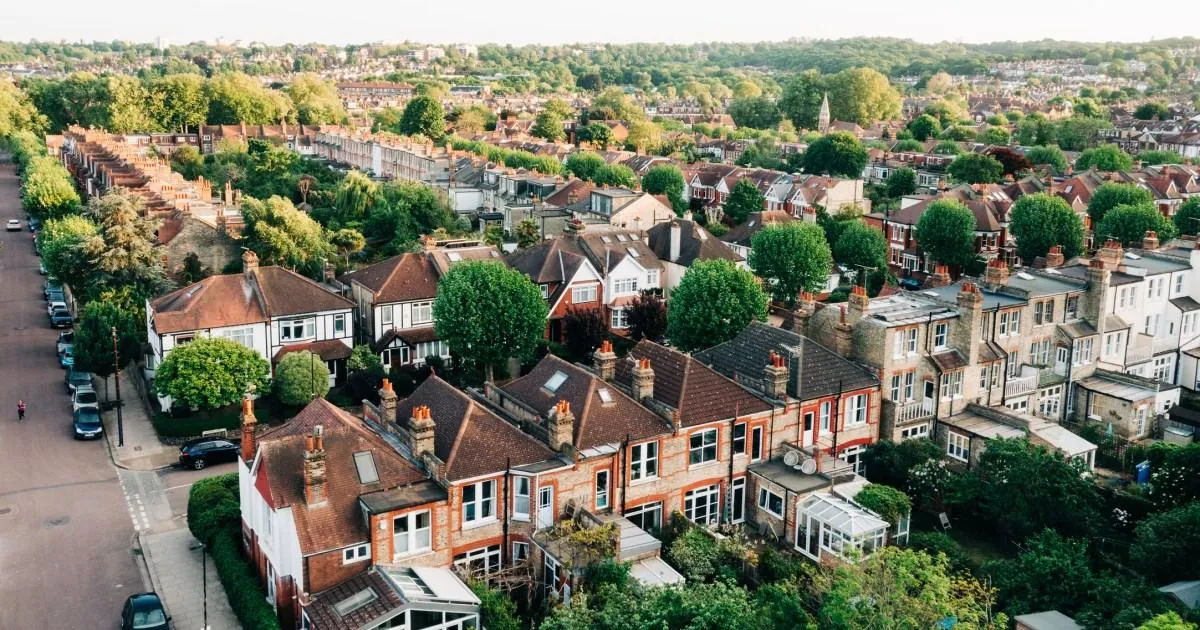
The city contains some of the most expensive residential real estate on the planet, communities where average household incomes sit at multiples of the national figure, and neighbourhoods where old aristocratic money, new professional wealth, and internationally mobile capital exist in the same postcode.
Understanding which boroughs are the wealthiest requires understanding that wealth itself takes different forms here. Most discussions of London's richest boroughs reduce the question to property prices, which tells part of the story but not the whole.
A borough can have exceptionally high average property values because of a concentration of historic mansion blocks and garden squares, or because a small number of ultra-expensive transactions skew the average, or because professional families on high incomes have consistently chosen it for decades.
Key Takeaways
- Kensington and Chelsea is consistently London's wealthiest borough by both property value and household income.
- The top five wealthiest boroughs are Kensington and Chelsea, Westminster, Richmond upon Thames, Hammersmith and Fulham, and Wandsworth.
- London's wealth is heavily concentrated in west and central London, reflecting historical patterns of land ownership.
- Different wealth metrics tell different stories: property values, average income, and ultra-high net worth concentration do not always produce the same ranking.
- Richmond upon Thames is London's wealthiest outer borough, combining high incomes with consistently strong quality of life indicators.
How Borough Wealth Is Measured: Understanding The Metrics
Before ranking London's wealthiest boroughs, it is worth being honest about what the numbers measure and what they miss. Borough-level wealth data is rich and useful, but it is also composite, contested, and shaped by the specific indicators any given analysis chooses to prioritise.
Property Values: The Most Visible Wealth Indicator
Average property prices from HM Land Registry are the most commonly cited measure of borough wealth, and for good reason. Property values reflect sustained demand from wealthy buyers, the quality and desirability of the housing stock, and the cumulative effect of decades of investment in an area's infrastructure and amenities.
The Land Registry records every property transaction in England and Wales, making its data comprehensive and reliable. Average prices by borough give a meaningful picture of where London's most valuable residential real estate is concentrated, which correlates strongly with other measures of wealth.
The limitation is that averages are sensitive to extreme values. A small number of very high-value transactions in a borough with a relatively small housing market can significantly elevate the average without reflecting the typical experience of most residents. This is particularly relevant for the City of London, where the residential population is tiny, and the property market is unusual.
Average Household Income And The ONS Data Picture
The Office for National Statistics publishes annual estimates of household income at the local authority level, providing a complementary picture of borough wealth that captures earned income rather than asset values. High average household income indicates a concentration of well-paid professionals and executives, which correlates with but is not identical to high property values.
Income data tells a particularly useful story about outer London boroughs. Richmond upon Thames, for example, ranks extremely highly on average household income, reflecting its appeal to senior professionals and executives who choose its combination of excellent schools, green space, and riverside character over the prestige of a central London address.
The ONS figures are estimates based on survey data and administrative records, which means they carry margins of error, particularly at the local authority level. They are most useful as comparative indicators rather than precise measurements, and they are updated annually, making them more current than some property market analyses.
Why One Metric Is Never The Full Story
A borough that ranks first on property values may rank third on average income, because property ownership and current earnings are different things. Kensington and Chelsea lead on both measures, but the relationship between property wealth and income wealth varies significantly across other boroughs.
Some boroughs contain significant internal inequality that average figures conceal entirely. A wealthy borough may have extremely high average property values in its northern streets while southern neighbourhoods sit well below the London average. Wandsworth is a clear example: its northern areas bordering Chelsea carry prices and incomes comparable to their neighbours across the river, while its southern reaches are considerably more modest.
Understanding borough wealth means holding multiple metrics simultaneously rather than anchoring to a single figure. The ranking that follows uses property values, income data, and qualitative wealth indicators together, and notes where different measures tell different stories.
The Richest Boroughs In London: Ranked And Explained
London has 32 boroughs plus the City of London, and wealth varies enormously across them. The boroughs below represent the consistent leaders across multiple wealth indicators, not simply the highest scorers on any single measure.
1. Kensington And Chelsea: London's Wealthiest Borough
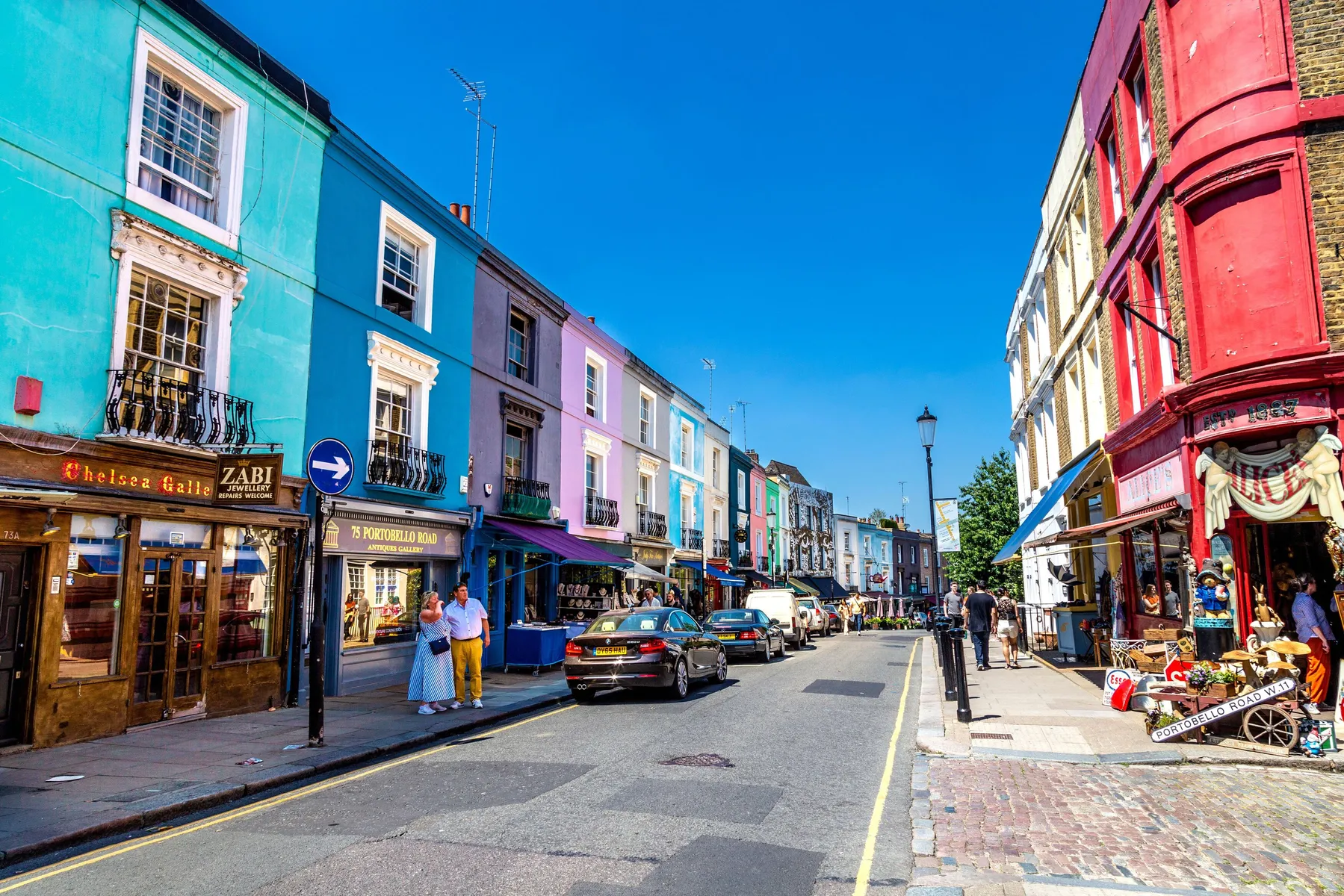
Kensington and Chelsea is in a category of its own. It has the highest average property prices of any London borough by a significant margin, the highest average household income, and the greatest concentration of ultra-high net worth residents in the United Kingdom. Its streets include some of the most valuable residential real estate on the planet.
The borough's wealth reflects several converging factors. Its central location, proximity to royal parks and world-class cultural institutions, and the architectural quality of its Victorian and Edwardian housing stock create sustained demand from the world's wealthiest buyers. Areas like Knightsbridge, Belgravia, and Notting Hillare internationally recognised addresses that attract capital from across the globe.
What makes Kensington and Chelsea particularly interesting is that its wealth is genuinely layered. Long-established aristocratic families, senior executives in finance and professional services, and internationally mobile buyers who treat prime London property as a global asset all contribute to the borough's economic character. The result is a place where extraordinary wealth is the norm rather than the exception.
2. Westminster: Power, Prestige, And Prime Property
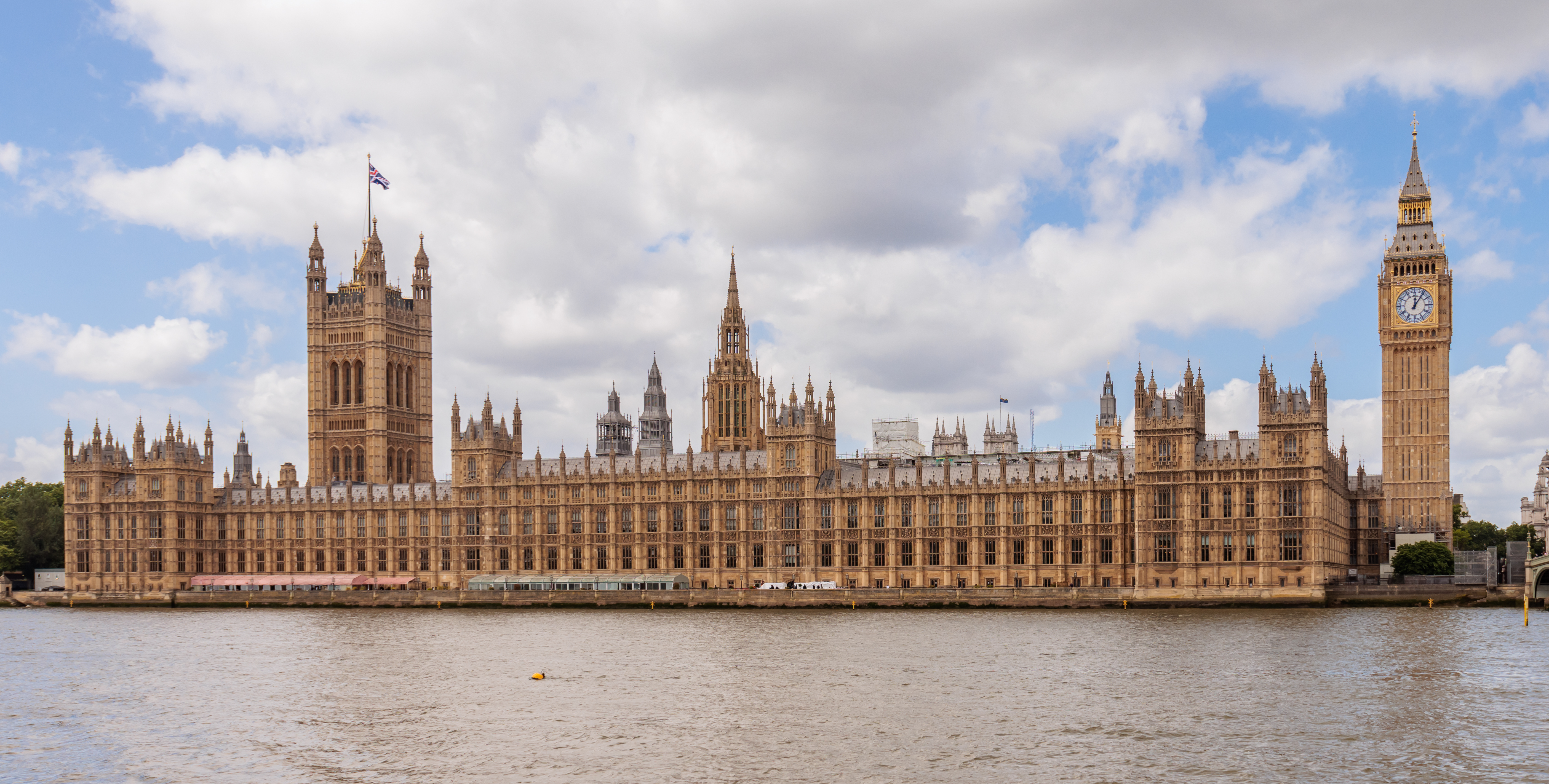
Westminster is unique among London boroughs in combining the functions of a national capital with the characteristics of one of the world's premier residential addresses. It contains the Houses of Parliament, Buckingham Palace, and the headquarters of the majority of the UK's most significant institutions, alongside neighbourhoods like Mayfair, St James's, and Belgravia that rank among the most expensive places to live in the world.
Average property values in Westminster trailonly Kensington and Chelsea, and the borough's household income figures reflect a concentration of the highest-paid professionals in finance, law, government, and international business. The Mayfair postcode, W1, is consistently among the most expensive in London and one of the most recognisable addresses globally.
Westminster also hosts a disproportionate share of London's super-prime rental market, where international residents and corporate tenants pay extraordinary sums for prestigious addresses. This adds another dimension to its wealth profile that pure ownership data does not fully capture.
3. Richmond Upon Thames: The Wealthiest Outer Borough
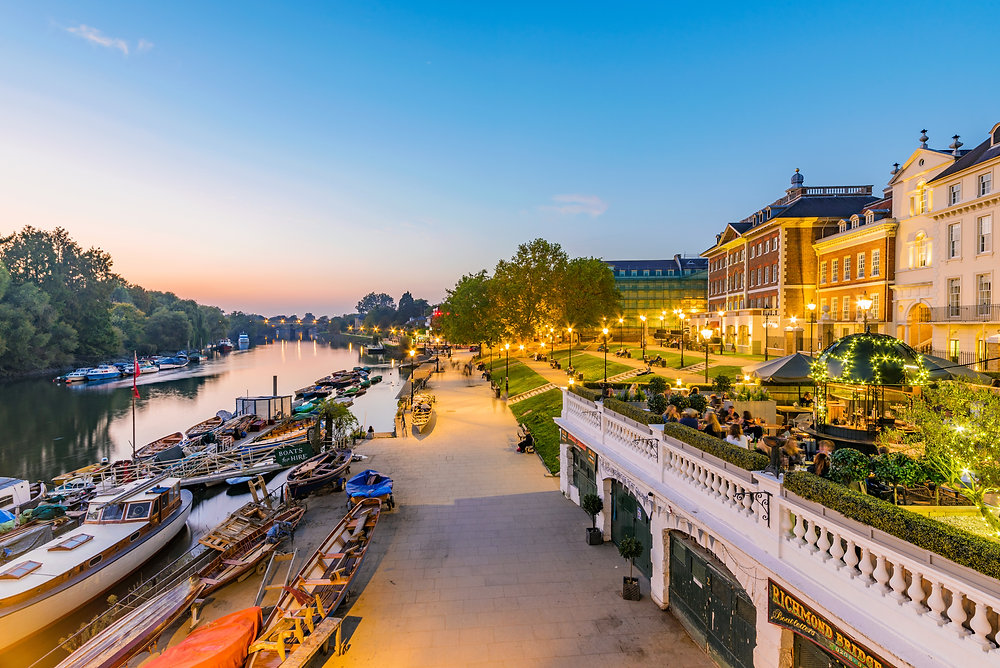
Richmond upon Thames occupies a different position in London's wealth geography from its central counterparts. It is not a place of international super-wealth or institutional prestige. It is a place where London's most successful professionals choose to raise families, drawn by exceptional state schools, extensive green space, a riverside character unlike anywhere else in the capital, and a quality of life that central London addresses cannot match.
Average household incomes in Richmond consistently rank among the highest in London, reflecting a concentration of senior executives, successful entrepreneurs, and high-earning professionals who have made a deliberate choice to prioritise liveability over prestige. The borough contains Richmond Park, the largest urban park in London, Kew Gardens, and miles of Thames riverbank that give it a character closer to the English home counties than to the urban density of inner London.
Property values in Richmondare high but not at the level of Kensington and Chelsea or Westminster. The borough's wealth is income-led rather than asset-led, which makes it a distinctly different kind of wealthy place: one built around professional success and quality of life rather than the accumulation of trophy real estate.
4. Hammersmith And Fulham: Quietly Wealthy And Consistently Overlooked
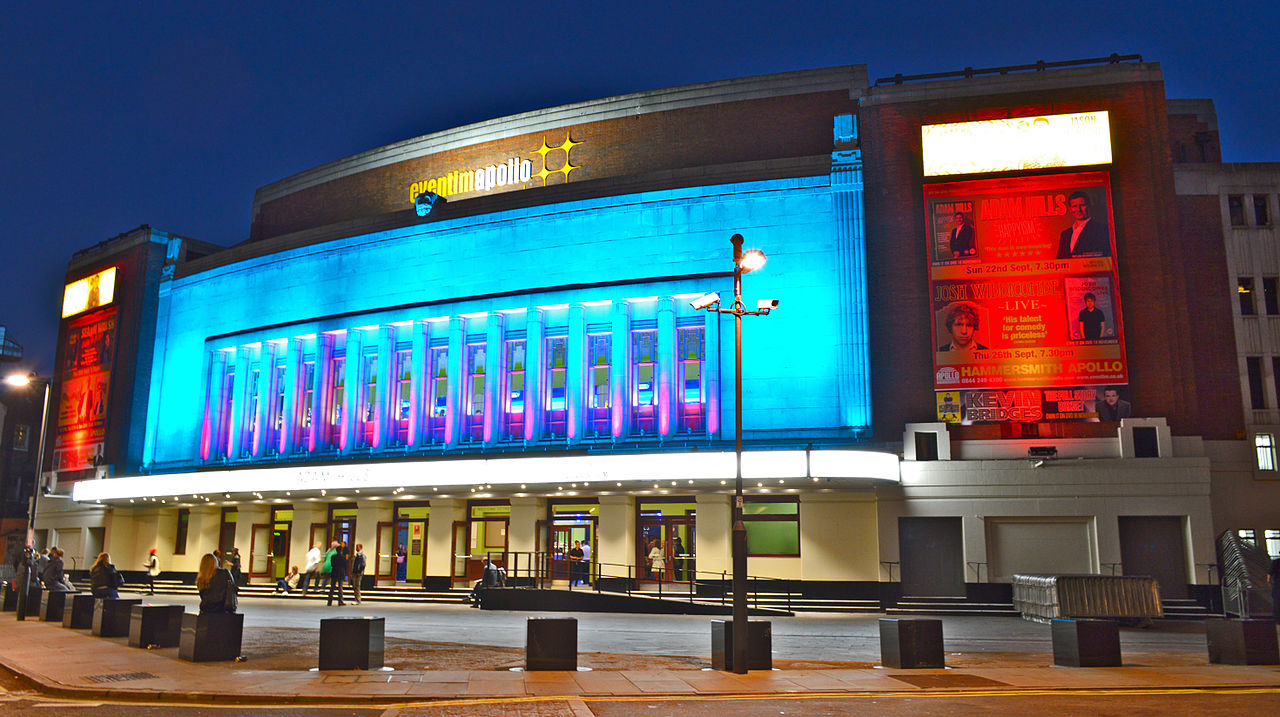
Hammersmith and Fulham sits between Kensington and Chelsea to the east and Richmond upon Thames to the west, and its wealth profile reflects that geography directly. It consistently ranks among London's top five boroughsby both property value and household income, but it attracts considerably less attention than its more famous neighbours.
The borough's Fulham areas, particularly those closest to the Chelsea border, carry property values that approach those of Kensington and Chelsea territory. Parsons Green, Fulham Broadway, and the riverside stretches of Fulham attract affluent professional families who want proximity to Chelsea's amenities without Chelsea's price premium. The result is one of London's most consistently wealthy residential areas.
Hammersmith itself has a more mixed character, with a significant commercial and transport hub alongside residential streets that vary considerably in their wealth profile. The borough's overall figures are elevated by the exceptional wealth of its southern and riverside areas, making it a case where the average masks significant internal variation.
5. Wandsworth: Where South London's Wealth Concentrates
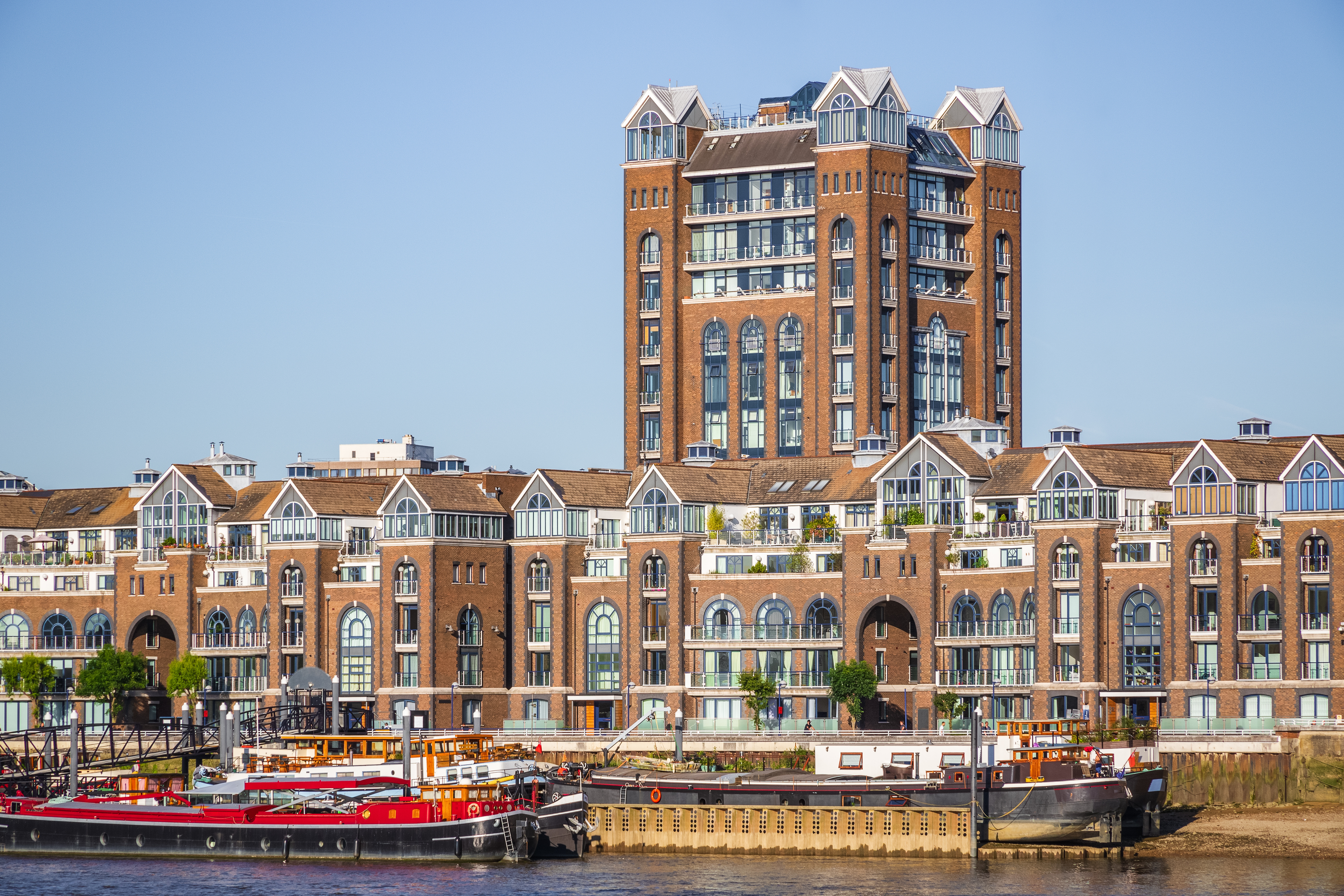
Wandsworth is consistently the wealthiest borough in South London and one of the wealthiest in the city overall. Its northern areas, particularly Battersea, Clapham, and the streets closest to the Thames, have undergone sustained gentrification over the past three decades that has transformed their wealth profile from solidly middle-class to genuinely affluent.
The Battersea Power Station regeneration has added a new dimension to the borough's northern wealth concentration, bringing high-value new-build residential development and premium retail to an area that was industrial wasteland within living memory. Prices in the new Battersea development are competitive with established prime south London addresses.
Wandsworth's position in London's wealth rankings reflects a broader pattern: the southward movement of London's affluence as central and west London prices have pushed professional buyers across the river in search of better value. The borough has absorbed that demand and been transformed by it, producing an area where significant wealth coexists with the more diverse character that distinguishes south London from its western counterparts.
6. City Of London: Financial Wealth In A Square Mile
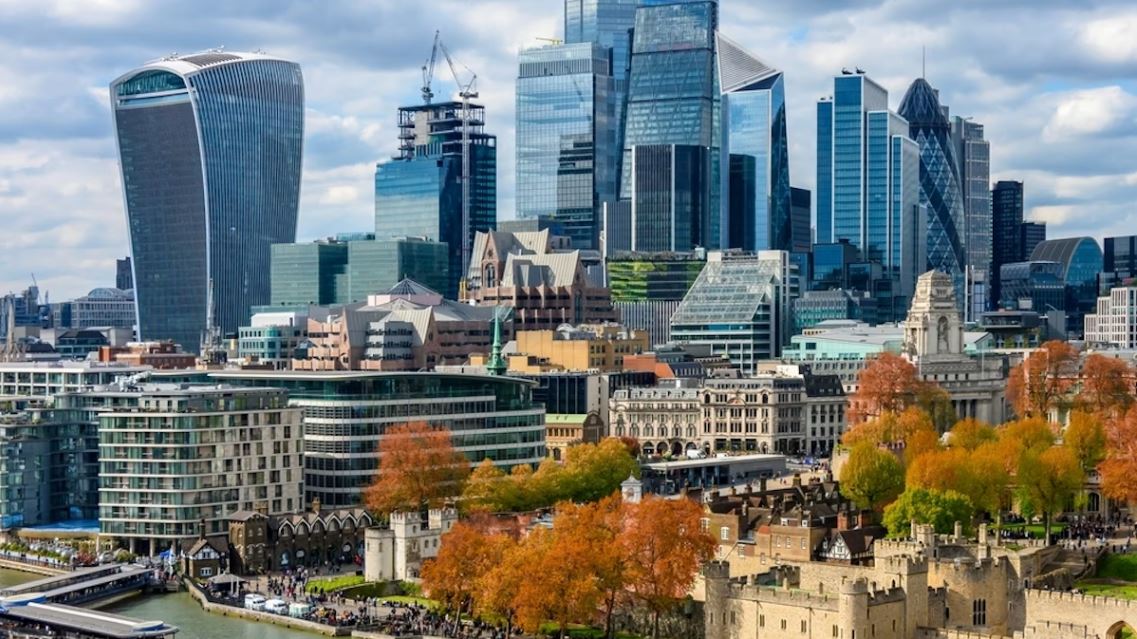
The City of London is not a borough in the conventional sense. It is a separate administrative entity with its own distinct governance structure, a population of fewer than 10,000 residents, and the highest concentration of financial services employment anywhere in Europe. Its wealth profile is almost entirely driven by its function as a global financial centre rather than by its residential character.
The daytime population of the City swells to several hundred thousand as workers commute in from across London and beyond. The wealth generated and transacted within its square mile is extraordinary by any measure, but it does not reside there in the way that wealth resides in Kensington or Richmond. The City creates wealth that then disperses across London's residential boroughs.
Its residential property market is unusual: a small stock of high-value apartments in converted commercial buildings and purpose-built residential schemes, purchased primarily by investors and City professionals who want to minimise their commute. Average prices are high, but the market is thin enough that comparisons with conventional residential boroughs require significant qualification.
7. Camden: Cultural Capital And Considerable Wealth
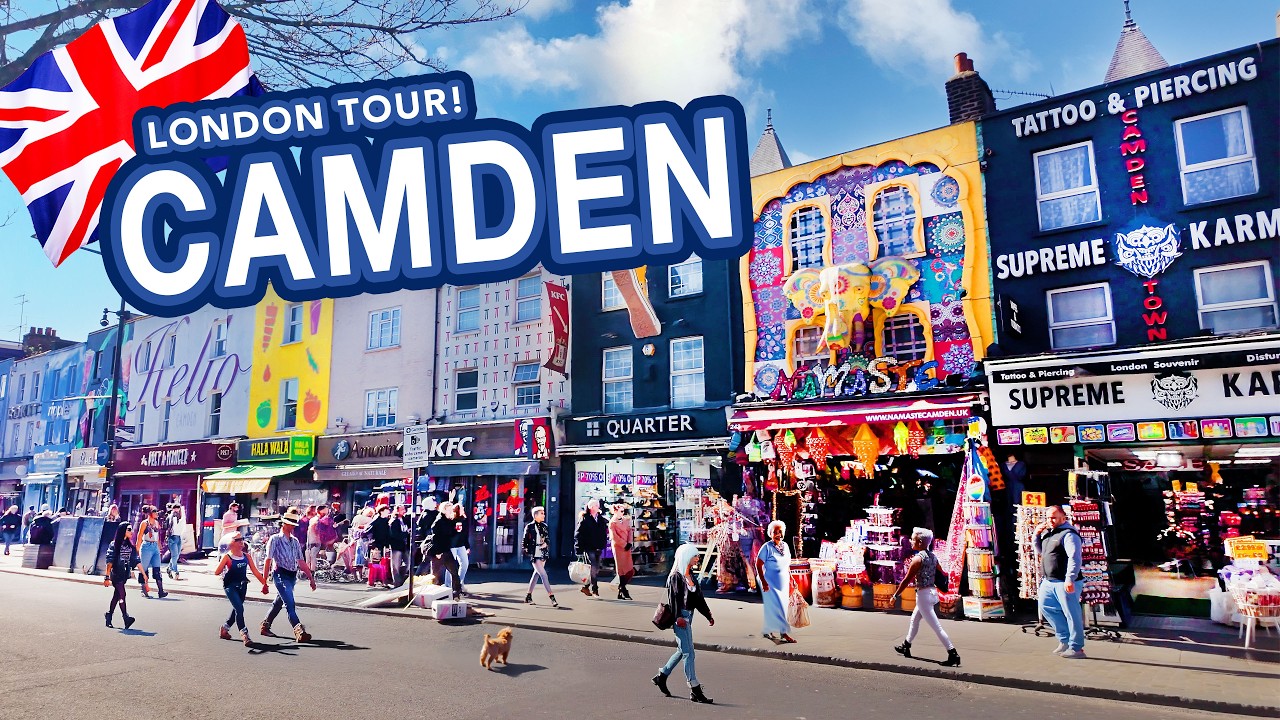
CAMDEN | The ultimate tour of Camden Town London (including Camden Market)
Camden occupies a distinctive position in London's wealth geography. It is associated in popular imagination with its market, its music heritage, and its bohemian character, but beneath that cultural identity lies one of London's more consistently wealthy boroughs. Hampstead, in particular, is one of the most expensive and desirable residential addresses in north London.
Hampstead's wealth is characterised by large Victorian and Edwardian houses on the edge of the heath, long-established professional and artistic families, and a village character that has sustained premium values across multiple property market cycles. Hampstead Heathitself is one of London's most valued open spaces, and proximity to it commands a premium that has proved remarkably durable.
Camden's overall wealth figures are elevated significantly by Hampstead and neighbouring Belsize Park, while areas like Kentish Town and parts of Gospel Oak are considerably more modest. The borough illustrates clearly how internal variation within a single administrative area can make borough-level averages misleading.
8. Islington: North London's Quietly Prosperous Borough
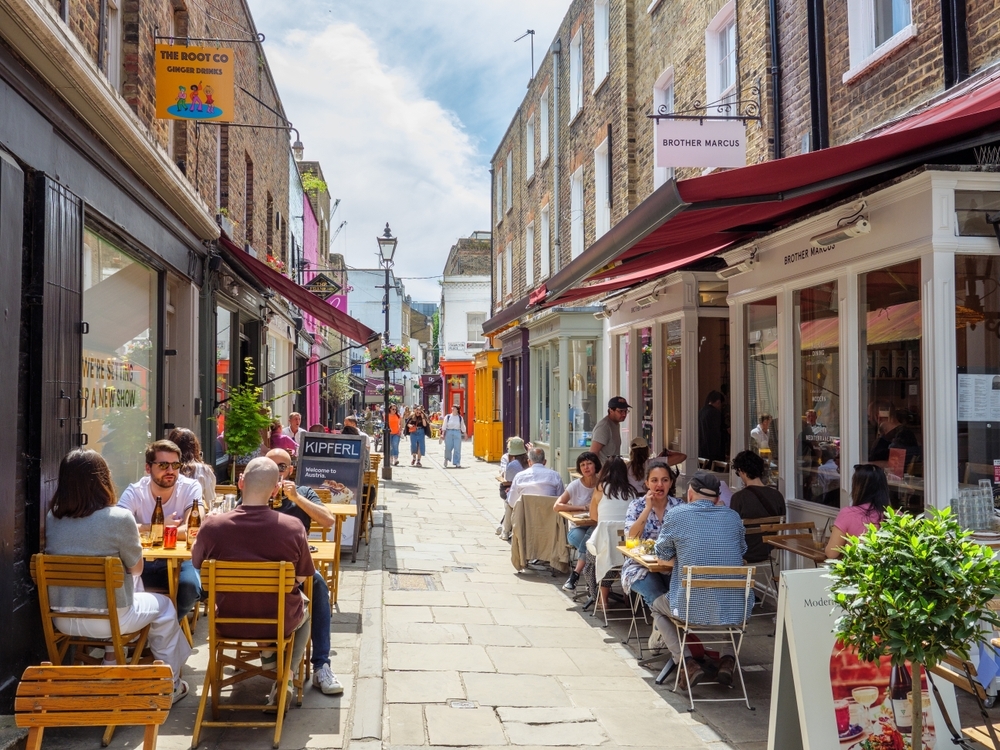
Islington's transformation over the past four decades from a working-class inner London borough to one of the city's more prosperous areas is one of London's most documented gentrification stories. Its Georgian and Victorian terraces, particularly in Barnsbury and Canonbury, now command prices that would have been unimaginable to their original occupants.
The borough benefits from exceptional transport connectivity, proximity to the City and central London, and a concentration of cultural amenities that attract high-earning professionals who want urban density and walkability alongside quality housing. Upper Street and the Angel area have evolved into dining and retail destinations that reflect the borough's changed economic character.
Islington's wealth is predominantly professional and income-led rather than driven by the ultra-high net worth concentration of the royal boroughs. It represents the upper tier of London's professional class choosing urban living, which produces a particular character: energetic, culturally active, and affluent without the rarefied atmosphere of Kensington or the domestic tranquillity of Richmond.
Three Types Of London Borough Wealth
One of the most useful insights in understanding London's wealthiest boroughs is recognising that they are not all wealthy in the same way. Three distinct wealth types operate across the borough map, and each produces a different kind of place.
Old Institutional Wealth: Land, History, And The Aristocratic Legacy
The wealth of Kensington and Chelsea and the most expensive parts of Westminster is rooted in patterns of land ownership that date back centuries. Much of what is now prime London residential property was held by aristocratic estates whose descendants still own significant portions of it today. The Grosvenor Estate, the Cadogan Estate, and the Howard de Walden Estate are among the largest private landowners in central London, and their holdings shape the character of the neighbourhoods built on them.
This type of wealth is self-reinforcing in ways that are difficult to disrupt. High-quality estate management maintains the architectural quality and visual coherence that sustains premium values. Long leasehold structures keep significant land value with the estate rather than the individual property owner. The result is a form of wealth that regenerates itself across generations rather than depending on current economic conditions.
The aristocratic legacy also explains the specific character of these boroughs: the garden squares, the uniform stucco terraces, the high-quality public realm that distinguishes them from areas of London that were developed more speculatively.
High-Income Professional Wealth: The Outer Borough Premium
Richmond upon Thames, Hammersmith and Fulham, and Wandsworth represent a different wealth type: the concentration of high-earning professionals who have made deliberate residential choices based on quality of life rather than prestige or trophy asset acquisition. This wealth is income-led and lifestyle-driven.
The outer borough premium reflects a specific calculation that many of London's highest earners make at a particular life stage. A senior professional earning significantly above the London average, with children approaching school age, frequently concludes that Richmond's state schools, green space, and riverside character offer better value than a smaller, more central property in Kensington. The result is an outer borough with household incomes that rival the royal boroughs despite property prices that are lower.
This wealth type is more dynamic and more sensitive to economic conditions than old institutional wealth. It depends on continued demand from a relatively small pool of very high earners, and it can shift as transport links, school performance, and relative value calculations change over time.
International Ultra-High Net Worth Wealth: London As A Global Asset
A third wealth type operates largely independently of London's domestic economic conditions. International ultra-high net worth buyers treat prime London property as a global asset class, purchasing addresses in Kensington, Chelsea, Mayfair, and Knightsbridge as part of diversified international portfolios rather than as places to live full-time.
This capital is concentrated in specific postcodes rather than distributed across entire boroughs, and it drives the super-prime price points that make London's most expensive streets internationally recognisable addresses. Its presence inflates average property values in the boroughs where it concentrates while having a relatively limited impact on the day-to-day character of those boroughs.
The concentration of this wealth in London reflects the city's status as a global financial and cultural centre, its legal system, its time zone, and the liquidity and transparency of its property market. It is a type of wealth that connects London's borough map to global capital flows in ways that have no domestic parallel.
The Geography Of London Wealth: Why The West Dominates
How London Fuels the UK's GDP and Global Influence
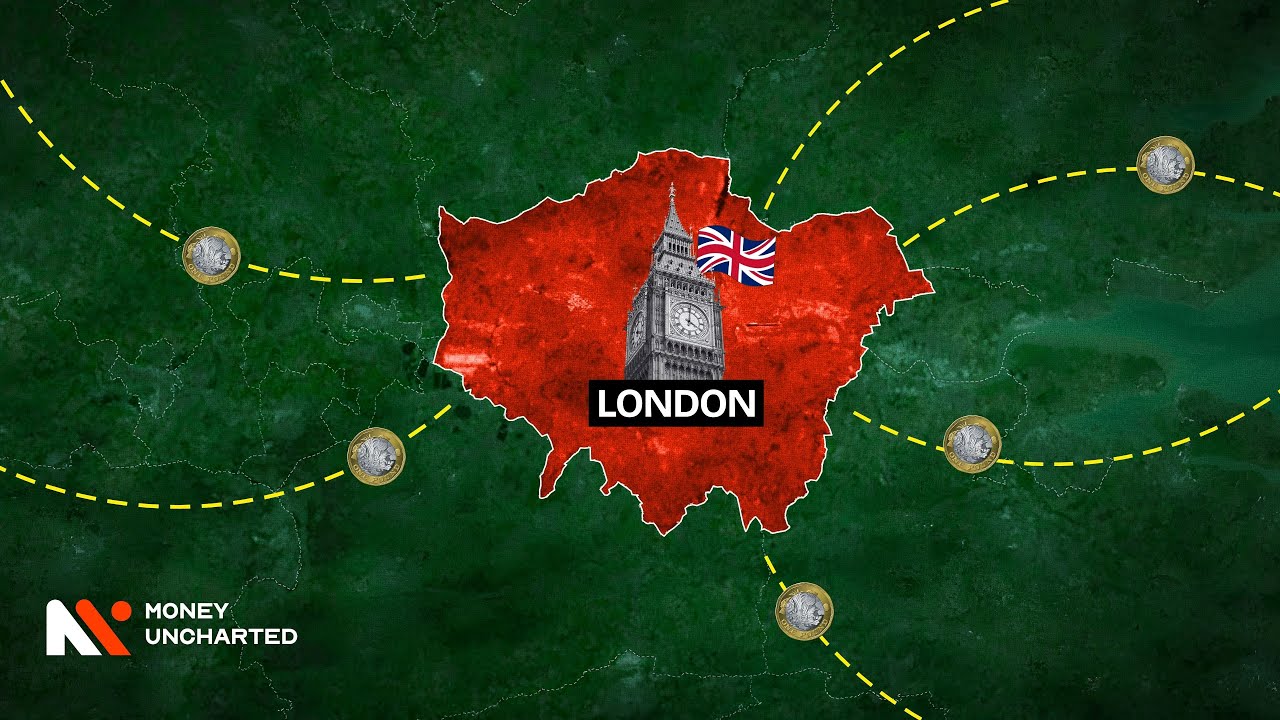
London's wealth concentration in its western and central boroughs is not accidental. It reflects historical decisions, geographic advantages, and self-reinforcing cycles of investment and desirability that have compounded over centuries.
Historical Land Ownership And The West London Bias
The westward bias of London's wealth has its roots in the expansion of the city from its medieval core. As London grew westward in the seventeenth and eighteenth centuries, the wealthiest inhabitants moved west to escape the smoke and crowding of the City, establishing the pattern of west-equals-wealth that still shapes the borough map today.
The prevailing westerly wind carried industrial pollution eastward, making western districts more desirable for residential purposes. The proximity of the West End, the royal parks, and the royal palaces reinforced the association between western London and high status. These advantages attracted sustained investment in housing quality, street design, and public amenities that compounded over generations.
The result is a west London where the physical fabric of the built environment, the quality of the housing stock, the width of the streets, the scale of the parks, and the coherence of the urban design, reflect centuries of wealthy occupation in ways that are genuinely difficult to replicate elsewhere.
Inner Vs Outer London Wealth: Different Money, Different Lives
Inner and outer London wealth produce fundamentally different living environments despite both sitting at the top of London's economic hierarchy. Inner London wealth, concentrated in Kensington, Chelsea, Westminster, and Camden, is urban, dense, and culturally intense. It offers proximity to world-class museums, restaurants, and cultural institutions within walking distance of extraordinarily expensive homes.
Outer London wealth, exemplified by Richmond but also present in parts of Bromley and Kingston upon Thames, is quieter, more suburban in character, and organised around different priorities. The schools are often excellent state comprehensives rather than nearby private institutions. The green space is measured in hundreds of acres rather than garden squares. The pace is different, and the type of person drawn to it is often at a different life stage.
Neither is superior to the other, and London's richest residents move between these environments across different periods of their lives. The young finance professional in a Mayfair flat and the same person a decade later in a Richmond family house are both living in wealthy London boroughs; they are simply at different chapters of the same story.
What Wealth Looks Like On The Ground: Borough Snapshots
Data tells you where wealth is concentrated. Walking through London's wealthiest boroughs tells you what that wealth has actually built, and the two perspectives together produce a complete picture.
Expert's Take: What Walking Through London's Richest Boroughs Reveals
Walking from Sloane Square through the backstreets of Chelsea toward Notting Hill tells you something that no income table can. The width of the pavements, the quality of the ironwork on the garden squares, the proportion of houses with staff entrances on the lower ground floor, the almost complete absence of anything that looks temporary or provisional: these are the physical signatures of wealth that has been present and confident for a very long time.
Richmond is different. The wealth there announces itself through absence as much as presence: the absence of density, of noise, of the urban pressure that characterises central London. The houses are large and set back from the street. The schools are discussed with the kind of detailed knowledge that suggests they are genuinely central to the residential choice. The river is always nearby, and the park is always in the conversation.
What both places share is a quality of permanence. The infrastructure, the housing stock, the public realm, and the social fabric of London's wealthiest boroughs have been built and maintained by generations of people with the resources to do it properly. That permanence is the most visible expression of what borough-level wealth actually means on the ground.
Amenities, Schools, And The Quality Of Life Premium
The amenities available in London's wealthiest boroughs are not simply a consequence of their wealth. They are one of its primary drivers. The concentration of outstanding state and private schools in Richmond, Wandsworth, and Hammersmith and Fulham is both a product of wealthy residential demand and one of the most powerful factors sustaining that demand.
The same dynamic applies to retail, restaurants, green space, and transport infrastructure. Areas that attract wealthy residents invest in amenities that attract more wealthy residents, creating self-reinforcing cycles of desirability and investment that widen the gap between the wealthiest boroughs and their neighbours over time.
For anyone considering relocation to London, understanding this dynamic is practically useful. The amenity premium in wealthy boroughs is real and tangible, but it is already priced into the property market. The question is whether the premium represents value at current price levels, which depends on individual circumstances and priorities.
The Internal Inequality Within Wealthy Boroughs
Every wealthy borough in London contains areas that are considerably less affluent than the average figures suggest. Kensington and Chelsea includes North Kensington, which contains some of the most significant deprivation indices in inner London. Westminster includes parts of Church Street and Pimlico that are far removed in economic character from Mayfair and Belgravia.
This internal inequality is not incidental. It is a structural feature of how London's wealthy boroughs developed, often with socially mixed housing stock that was not displaced by gentrification to the same degree as in other cities. The result is a borough geography that can look homogeneously wealthy from the outside while containing significant economic diversity within its boundaries.
Acknowledging this complexity does not undermine the validity of borough-level wealth rankings. It adds the important qualification that a borough's average wealth figure describes the average, not every street, and that the experience of living in a wealthy borough varies considerably depending on exactly where within it you are located.
Frequently Asked Questions About The Richest Boroughs In London
What Is The Richest Borough In London?
Kensington and Chelsea is consistently London's wealthiest borough by both average property value and average household income. It has the highest concentration of ultra-high net worth residents in the United Kingdom and contains some of the most valuable residential real estate on the planet.
Which London Borough Has The Highest Property Prices?
Kensington and Chelsea has the highest average property prices of any London borough by a significant margin, according to HM Land Registry data. Westminster ranks second, followed by Hammersmith and Fulham and Richmond upon Thames.
Where Do London's Super-rich Live?
London's super-rich are most concentrated in Kensington and Chelsea, particularly in Knightsbridge, Belgravia, and Notting Hill, and in Westminster's Mayfair and St James's areas. These postcodes contain the highest density of ultra-high net worth residents in the UK.
Is Richmond Upon Thames One Of The Richest Boroughs?
Yes. Richmond upon Thames is consistently London's wealthiest outer borough by average household income and ranks highly on property values. Its wealth is income-led and lifestyle-driven, reflecting its appeal to senior professionals and executives who prioritise schools, green space, and quality of life.
What Are London's Top Five Richest Boroughs?
Kensington and Chelsea, Westminster, Richmond upon Thames, Hammersmith and Fulham, and Wandsworth are the five boroughs that consistently appear at the top of London's wealth rankings across multiple indicators, including property values and household income.
Why Is West London So Much Wealthier Than East London?
West London's wealth advantage reflects historical patterns established as the city expanded westward from its medieval core. Prevailing westerly winds carried industrial pollution eastward, making western districts more desirable. Centuries of wealthy occupation then compounded through investment in housing quality, green space, and public amenities.
Is Wandsworth A Wealthy Borough?
Yes, Wandsworth is consistently one of London's wealthier boroughs, particularly in its northern areas, including Battersea and Clapham. It is the wealthiest borough in South London and has seen sustained gentrification that has significantly elevated its wealth profile over the past three decades.
How Is The London Borough's Wealth Measured?
Borough wealth is measured using a combination of average property transaction prices from HM Land Registry, average household income estimates from the Office for National Statistics, and qualitative indicators including amenity quality and concentration of high net worth residents. No single metric gives a complete picture.
Final Thoughts
London's richest boroughs are not simply the places where property is most expensive. They are places where particular combinations of history, geography, institutional investment, and human choice have concentrated wealth in specific and distinctive ways.
Kensington and Chelsea and Westminster represent one version of that concentration: ancient, layered, internationally recognisable. Richmond upon Thames represents another: modern, professional, and organised around a quality of life that money enables but does not entirely define.
What the borough wealth map reveals, when read carefully, is a city in which the geography of prosperity reflects centuries of decisions about where to build, what to build, and for whom. Those decisions compound over time in ways that make London's wealth geography simultaneously very stable in its broad outlines.
Jump to
Key Takeaways
How Borough Wealth Is Measured: Understanding The Metrics
The Richest Boroughs In London: Ranked And Explained
Three Types Of London Borough Wealth
The Geography Of London Wealth: Why The West Dominates
What Wealth Looks Like On The Ground: Borough Snapshots
Frequently Asked Questions About The Richest Boroughs In London
Final Thoughts

James Rowley
Author
James Rowley is a London-based writer and researcher covering London life, cultural geography, London travel, live London webcam pages and selected public figures across entertainment, sport, business and public life.
For over 15 years, he has focused on verified sources, first-hand local context and clear explanations that help readers understand both places and people more deeply. His work combines street-level London knowledge with careful research into career credits, media work, business interests and, where relevant, transparently explained net worth estimates.
He writes and reviews articles published on LondonWebcam.
Latest Articles
Popular Articles