London’s Cultural Scene: Art, Food, Theatre, Music And Style
Explore London’s cultural scene through museums, theatre, food, fashion, music and neighbourhood routes, with practical tips on what to see first.
Author:James RowleyJun 25, 20266.3K Shares580.2K Views
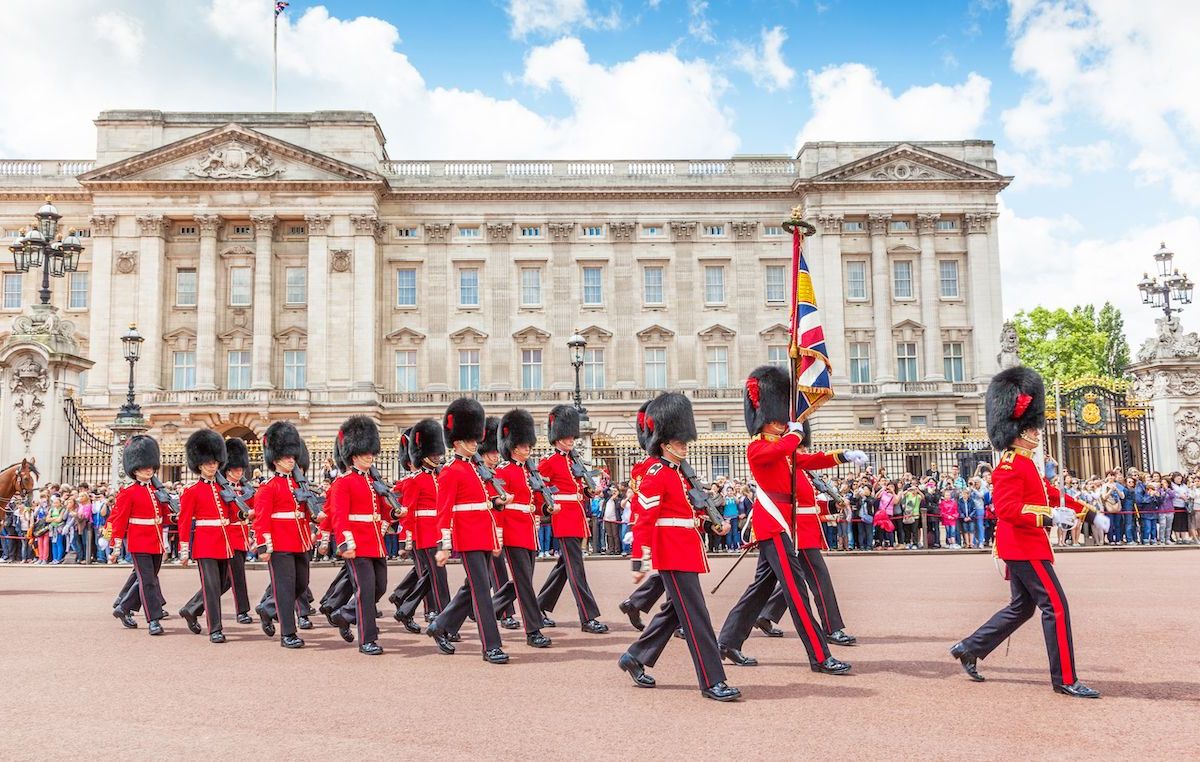
London Culture At A Glance: What To See First
London’s cultural scene is more than museums, galleries and West End theatre. It also lives in food markets, street art, music venues, fashion, festivals and neighbourhood communities. In 2026, Time Out named London the number one city for culture, pointing to its free museums, evolving cultural spaces, theatre, live music and year-round creative life.
The best way to understand London cultureis to pair one major institution with one local area. Visit a museum or gallery, then explore somewhere like Brixton, Shoreditch, South Bank, Soho, Camden or Southall to see the street-level culture around it.
That mix is what makes London special: historic collections, global communities and everyday creative life all sitting close together.
Key things to know:
- London culture includes art, theatre, music, food, fashion, heritage and public life.
- The city is shaped by both famous institutions and local communities.
- Many major museums and galleries offer free entry to permanent collections.
- The strongest cultural days usually combine one big attraction with one neighbourhood.
- Food, clothing, street art and nightlife are not side details; they are part of the culture.
Why London’s Cultural Scene Matters
London’s culture matters because it explains the city better than landmarks alone. Big Ben tells you one story. A walk from Tate Modern to Borough Market, or from Brick Lane to Shoreditch, tells you another.
For visitors, culture turns London from a map of attractions into a city of choices. You can plan around art, theatre, food, music, fashion, history or community life instead of trying to “do everything” in one rushed day.
For Londoners, culture is also about access. The Mayor of London’s culture strategytakes a broad view of culture, including museums, creative industries, heritage, pubs, festivals and community spaces. That wider definition is useful because it stops culture from feeling like something only found in formal venues.
It also shows why London’s creative economymatters: culture is not only something visitors consume, but also part of how the city works, employs people and keeps changing.
Best Examples Of London’s Cultural Scene At A Glance
Use this table as a quick starting point. It shows the main cultural layers and where a visitor can experience them without overplanning.
| Cultural Example | Where To Experience It |
| World-class museums | British Museum, V&A, National Gallery |
| Modern art | Tate Modern, South Bank, smaller galleries |
| Theatre | West End, South Bank, fringe theatres |
| Food culture | Borough Market, Brick Lane, Brixton, Chinatown, Southall |
| Fashion and clothing | V&A, Carnaby, Camden, London Fashion Week |
| Music and nightlife | Camden, Soho, grassroots venues |
| Street art | Shoreditch, Brick Lane, Leake Street |
| Heritage | Greenwich, Westminster, Tower of London |
What London’s Cultural Scene Really Means
London culture is strongest when you see its layers together: the formal, the local and the everyday.
It Is More Than Museums And Landmarks
Museums and landmarks are important, but they are only the most visible layer. London’s cultural scene also includes markets, music venues, fashion districts, food streets, festivals, public art, libraries, pubs, independent cinemas and local events.
A first-time visitor might begin with the British Museumor the National Gallery. That is a strong start. But the city becomes more interesting when you also notice what surrounds those places: bookshops, cafés, theatres, side streets, buses, posters, street performers and the changing sound of each area.
Culture in London is not just something you enter. It is something you walk through.
The Three Layers Of London Culture
London culture is easier to understand in three layers:
- Major institutions:museums, galleries, theatres, concert halls and historic collections.
- Neighbourhood culture:food streets, markets, music venues, festivals, shops and local communities.
- Everyday culture:pubs, parks, clothing, language, transport habits and public life.
The best cultural day includes at least two of these layers. A museum-only day can feel impressive but slightly sealed off. A neighbourhood-only day can feel lively but less anchored. Combining both gives the city more depth.
Why London Feels So Culturally Mixed
London feels culturally mixed because its neighbourhoods have been shaped by migration, trade, empire, work, education, music, food and faith over many generations. That history is complicated, but it is also why the city contains so many different cultural signals in a small space.
You can move from South Asian food in Southall to Caribbean influence in Brixton, Chinese restaurants around Chinatown, Jewish history in the East End, Afro-Caribbean music culture, Irish pubs, Middle Eastern restaurants, European cafés and global fashion references within a few Tube journeys.
The point is not to reduce any community to a food stop or aesthetic. The point is to notice that London’s culture is lived, layered and still changing.
What Is London Culturally Known For?
London is culturally known for a rare combination of old institutions, creative industries, global communities and everyday street-level energy.
If you are deciding what to prioritise, start with the category that matches your interest rather than copying someone else’s itinerary.
Museums, Galleries And Historic Collections
London is known for major museums and galleries with international collections. The British Museum, National Gallery, Tate Modern, V&A, Natural History Museum and Science Museum are some of the most obvious examples. The museum map is also changing in 2026: V&A East Museumis now open in Stratford, while London Museum at Smithfieldis due to open on 28 November 2026.
The reason these places matter is not only scale. It is access. Many permanent collections are free to enter, which makes culture feel unusually open for a major global city.
A practical first choice: choose one museum, not three. Give yourself enough time to enjoy it properly.
West End Theatre And Live Performance
The West End is one of London’s strongest cultural signatures. It gives the city a theatre district that is visible, walkable and easy for visitors to understand.
But London performance is wider than big musicals. South Bank venues, fringe theatres, comedy clubs, spoken-word nights, cabaret spaces and smaller stages all add texture.
A common mistake I see in London planning is treating theatre as an expensive add-on. It can be the centre of the evening, especially if you build dinner and a walk around it.
Music, Nightlife And Grassroots Venues
London’s music culture runs through big arenas, small clubs, pubs, jazz rooms, electronic music nights, grassroots venues and neighbourhood scenes. Camden, Soho, Dalston, Brixton, Hackney and South Bank all offer different versions of live culture.
Grassroots venues matter because they are where many artists build audiences before they become famous. They also keep culture local rather than only commercial.
If you want a less touristy cultural evening, check a small venue instead of only looking for major concerts.
Food Markets, Pubs And Global Eating
London food culture is one of the easiest ways to feel the city’s diversity. Borough Market gives a polished market experience. Brick Lane, Brixton, Chinatown, Southall, Green Lanes, Edgware Road and Tooting show different food stories.
Pubs also matter. They are not just places to drink. In many parts of London, the pub is a social room, a history marker, a lunch stop, a theatre-adjacent meeting place and a neighbourhood anchor.
Food is often the most accessible form of culture because you do not need specialist knowledge to begin.
Fashion, Clothing And Street Style
London culture clothing can mean Savile Row tailoring, Carnaby Street, punk references, Camden markets, vintage shopping, designer fashion, streetwear and London Fashion Week.
The city’s fashion identity is not only polished. It is often experimental, layered and neighbourhood-specific. Soho feels different from Camden. Shoreditch feels different from Chelsea. South Kensington feels different again.
For visitors, the V&A is a strong starting point for design and fashion history. For street style, markets and neighbourhood walks often say more than shop windows alone.
Festivals, Public Art And Community Events
London’s public culture includes festivals, parades, outdoor performances, open-air screenings, street art, public sculpture and seasonal events. Notting Hill Carnivalis one of the most famous examples, but local borough festivals and community events matter too. For a current example, Black On The Square 2026brings a free celebration of Black culture, music, food, workshops and community creativity to Trafalgar Square.
For current dates, always check official event pages before planning around a specific festival or exhibition.
Practical Shortlist: Where To Start Based On Your Interest
This shortlist turns the topic into a planning tool. Instead of asking “What is the best culture in London?”, choose the version of culture you actually want.
| If You Want… | Start Here |
| Classic London culture | Trafalgar Square, National Gallery, South Bank |
| Museums | South Kensington or Bloomsbury |
| Theatre | West End |
| Modern art | Tate Modern and South Bank |
| Street art | Shoreditch and Brick Lane |
| Food culture | Borough Market, Brixton, Chinatown, Southall |
| Fashion and clothing | V&A, Carnaby, Camden, vintage markets |
| Music | Camden, Soho, grassroots venues |
| Historic London | Greenwich, Westminster, Tower area |
The most useful rule is to avoid spreading yourself too thin. London rewards depth more than speed.
Museums And Galleries: The Classic Side Of London Culture
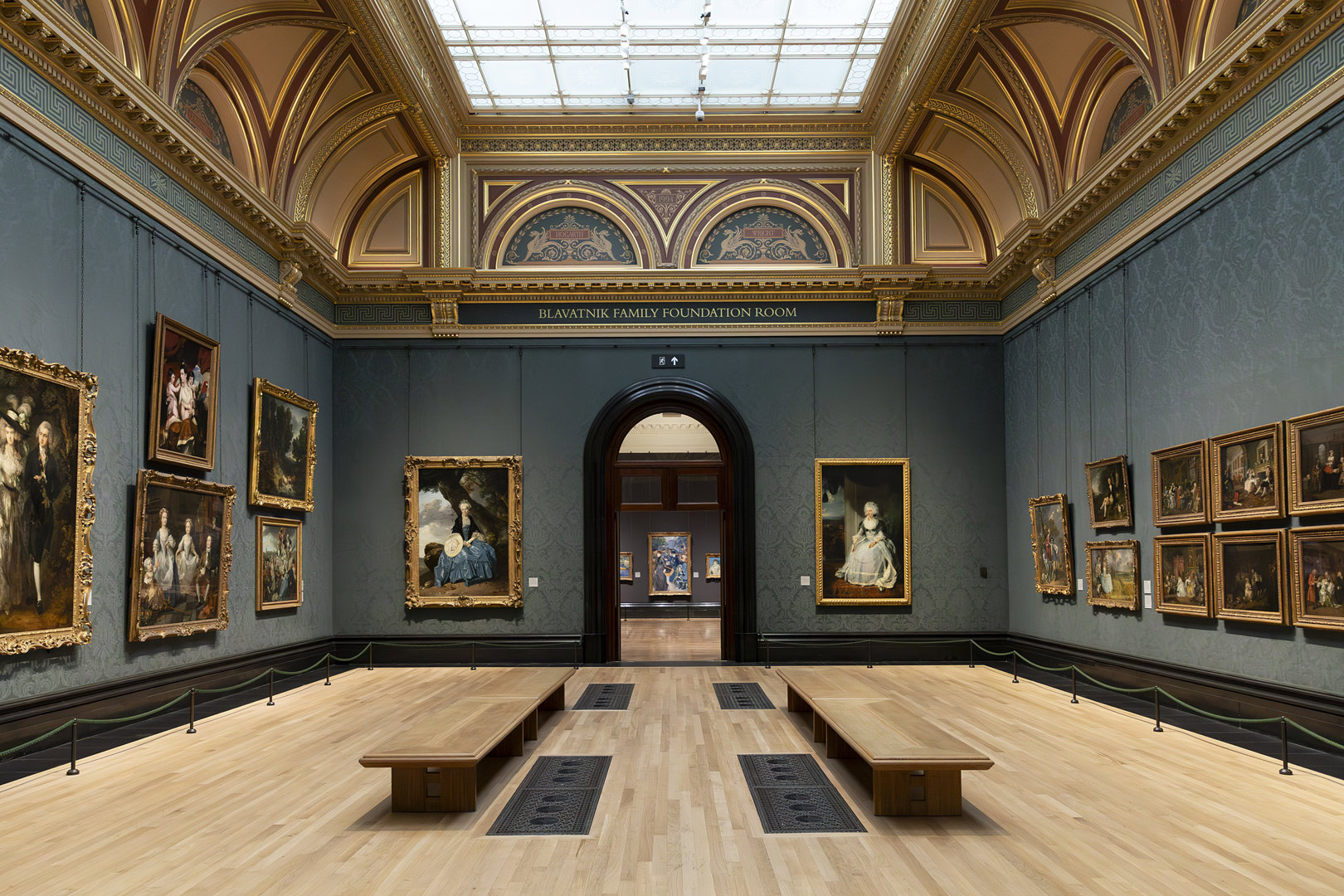
Museums and galleries are the easiest entry point into London’s cultural scene. They give first-time visitors a clear, reliable way to understand art, history, design, science and global collections.
The key is not to visit every famous museum. It is to choose the right one for your mood and time.
Best Starting Points For First-Time Visitors
For classic art, start with the National Gallery. For global history, start with the British Museum. For design, fashion and decorative arts, start with the V&A. For modern and contemporary art, start with Tate Modern.
If you are travelling with children or mixed interests, South Kensington works well because the Natural History Museum, Science Museum and V&A sit close together.
If you want one easy cultural area, South Bank is also strong. Tate Modern, the river, book stalls, performance venues and food options sit in a walkable line.
For a fuller comparison by route, budget and visitor type, use the best museums in London by area and budgetbefore choosing your main stop.
Free Museums And Why They Matter
Free entry to many permanent collections changes how London culture feels. It means you can enter a museum for one hour without needing to “get your money’s worth”.
That is useful for tired visitors. It also makes culture feel less formal. You can step into a gallery between other plans, focus on one room and leave before museum fatigue sets in.
Special exhibitions may still require paid tickets, so check the official museum page if a specific show is the reason for your visit.
If cost matters, pair free museums with these London budget tipsso the cultural day stays low-cost without feeling thin.
London’s Artworks: From Old Masters To Contemporary Installations
London’s artworks range from religious paintings and royal portraits to modern installations, design objects, photography, street murals and public sculpture.
This range matters because London does not have one art personality. It has old masters in Trafalgar Square, contemporary scale at Tate Modern, design history at the V&A, smaller commercial galleries and street art in East London.
If you feel overwhelmed, choose one theme: portraits, fashion, architecture, modern art, ancient objects or street art.
Smaller Galleries And Less Obvious Art Spaces
Smaller galleries can make London’s art scene feel more alive. They are often easier to visit than major museums and can show what artists, collectors and curators are thinking now.
Areas such as Mayfair, Fitzrovia, Shoreditch, South London and parts of East London can be useful for smaller art spaces. The best approach is to check current listings before you go, then group nearby galleries into one short walk.
London’s museums and galleries are strongest when you visit selectively instead of trying to turn culture into a checklist.
Theatre, Music And Performance
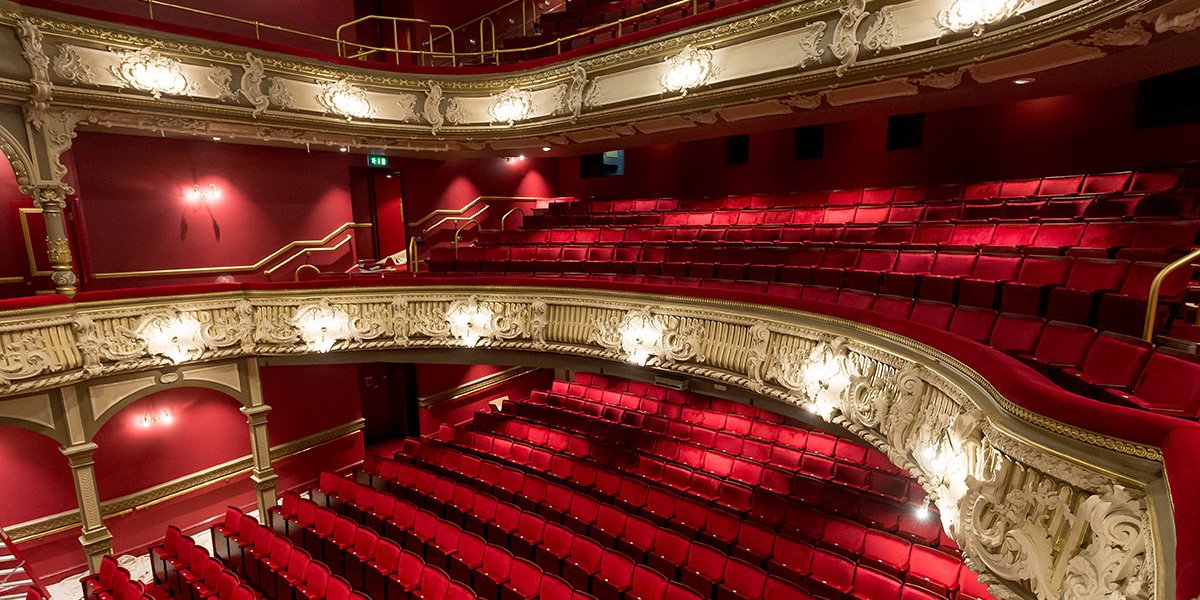
London performance culture gives the city its evening energy. This section helps you choose between big theatre, smaller stages, live music and local performance.
The right choice depends on budget, time and how formal you want the night to feel.
Why The West End Is Central To London Culture
The West End is central because it concentrates theatres, restaurants, public transport and nightlife into a compact area. It is easy for visitors to understand and easy to build an evening around.
Official London Theatreis run by the Society of London Theatre, which makes it a useful starting point for checking London theatre information and ticket options. That matters because theatre ticketing can otherwise feel scattered.
A simple evening plan works well: early dinner, show, short walk through Soho or Covent Garden, then Tube or bus back.
Beyond The West End: Fringe, Comedy, Cabaret And Spoken Word
London’s performance culture is not limited to big productions. Smaller theatres, pub theatres, comedy clubs, cabaret rooms and spoken-word nights often show a sharper, more local version of the city.
These spaces can be less polished, but that is part of their appeal. You may see new writing, experimental comedy or intimate performance that would feel very different from a large musical.
For a second or third London visit, this is often where culture starts to feel more personal.
Grassroots Music Venues And Local London Sound
Grassroots music venues keep London’s music scene connected to new artists and local audiences. Music Venue Trustdescribes its role as protecting and improving UK grassroots music venues for venues, communities and upcoming artists.
That detail matters because music culture is not only about famous acts. It is also about the small rooms where bands test songs, DJs build followings and audiences discover something early.
If you want to hear London rather than just see it, choose one small venue night.
How To Choose A Cultural Evening In London
Use the mood of your trip to decide.
| Evening Mood | Best Cultural Choice |
| Classic visitor night | West End show |
| Local and informal | Small music venue or pub theatre |
| Funny and social | Comedy night |
| Creative and scenic | South Bank event |
| Food-led evening | Soho, Chinatown, Brixton or Brick Lane |
Do not pack the evening too tightly. London nights are better when you leave room for walking, eating and getting home without stress.
For a later route after a show, gig or dinner, use the best places to visit in London at nightto choose a scenic evening area.
London Culture Food: How The City Eats
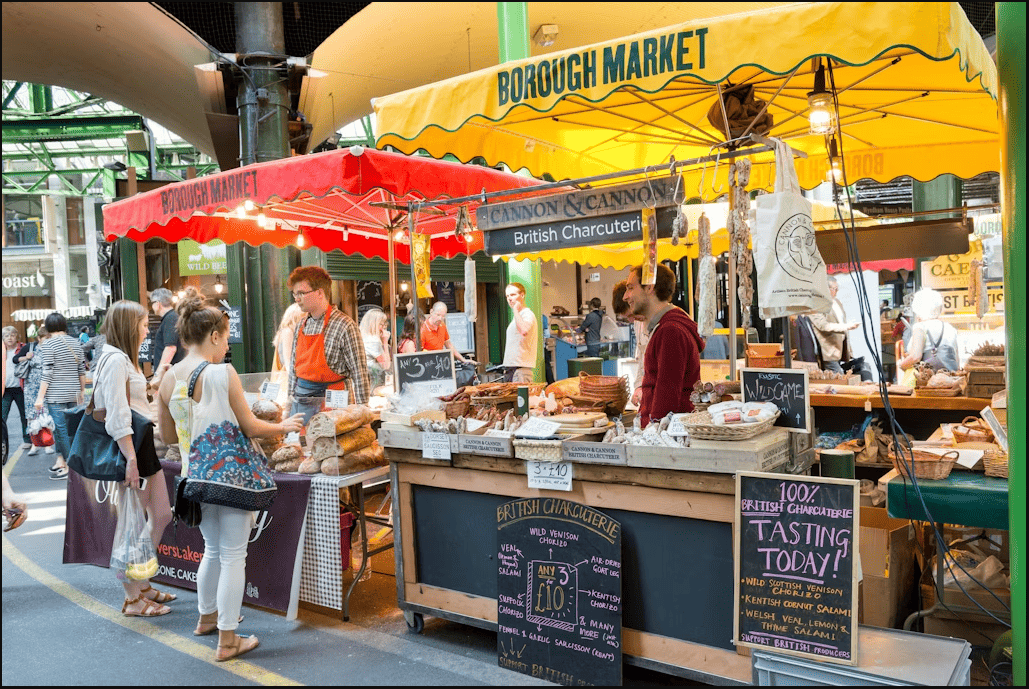
Food is one of the clearest ways to understand London culture. It shows migration, class, trade, neighbourhood identity, markets, pubs and the city’s global appetite.
The best food-led cultural plan is not just “where should I eat?” It is “which part of London’s story do I want to taste?”
Food As A Story Of Migration And Neighbourhoods
London food is shaped by communities from around the world. That is why a cultural food day can move from South Asian sweets to Caribbean patties, Chinese bakeries, Turkish restaurants, Middle Eastern cafés, Italian delis, Nigerian food, Jewish bakeries or modern British cooking.
The key is to approach neighbourhood food with respect. These are living communities, not themed backdrops.
Choose an area, walk slowly and let food lead the route.
Markets: Borough, Camden, Brick Lane And Beyond
Markets are cultural spaces because they combine food, trade, crowds, accents, design, music and local habits. Borough Market is the classic visitor choice. Camden is louder and more youth-coded. Brick Lane mixes food, vintage, street art and East London history.
The best market visit is not rushed. Give yourself time to browse before choosing where to eat.
If you only have time for one, Borough Market pairs well with South Bank and Tate Modern. Brick Lane pairs well with Shoreditch street art.
For a deeper market-led day, compare the best street markets in Londonbefore choosing between Borough, Camden, Brick Lane or Spitalfields.
Pubs, Cafés And Everyday Social Culture
Pubs and cafés show the everyday side of London culture. A pub near a theatre, a café near a gallery, or a bakery in a neighbourhood high street can tell you as much about local rhythm as a major attraction.
Pubs can be historic, modern, food-focused, music-focused, sports-heavy or quiet. The right pub depends on area and timing.
For visitors, a pub lunch or early evening drink can be a simple way to slow the day down.
Best Food-Led Cultural Areas To Explore
A food-led route works best when paired with nearby culture. Borough with Tate Modern. Chinatown with Soho and theatre. Brixton with music. Brick Lane with street art.
| Food Interest | Good Area To Start |
| Classic market food | Borough Market |
| Street food and vintage | Brick Lane |
| Caribbean influence | Brixton |
| Chinese restaurants and bakeries | Chinatown |
| South Asian food culture | Southall |
| Turkish and Kurdish food | Green Lanes |
| Late-night central eating | Soho |
London food culture is strongest when you treat eating as part of the city’s social and neighbourhood history.
London Culture Clothing: Fashion, Street Style And Subcultures
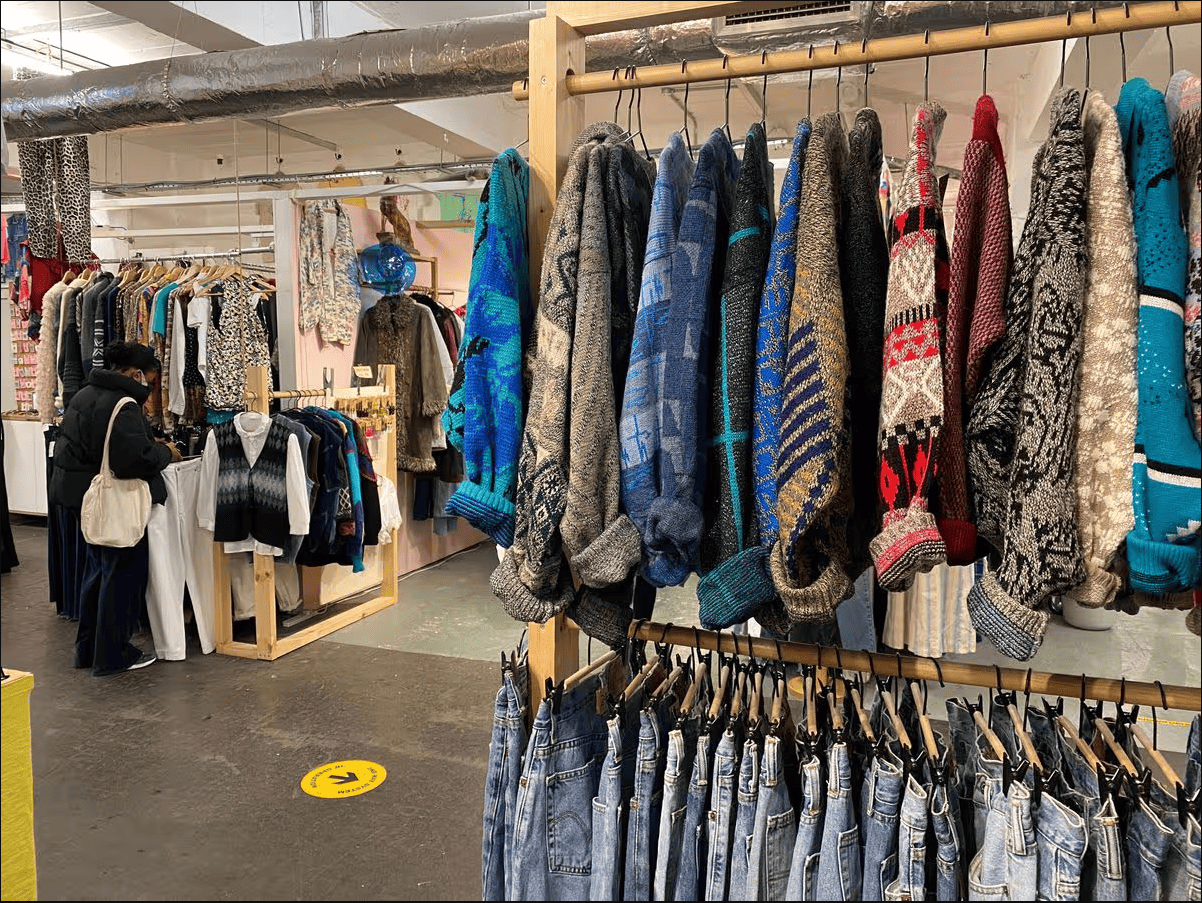
London clothing culture is not one look. It moves between tailoring, streetwear, vintage, designer fashion, music subcultures and practical city dressing.
Tailoring, Designers And London Fashion Week
London has a strong fashion identity through tailoring, design education, runway culture and London Fashion Week. The British Fashion Council and London Fashion Weekare the official starting points for the industry side of the topic.
For visitors, this does not mean you need to attend fashion week. You can understand London style through the V&A, Carnaby, Soho, vintage markets, shop windows and street-level observation.
London style often mixes tailoring, streetwear, vintage, luxury and subculture in the same few streets.
Streetwear, Vintage And Market Culture
Streetwear and vintage culture are visible in areas such as Camden, Shoreditch, Brick Lane, Soho and parts of East London. Markets help because they show clothing as identity, not just retail.
Vintage shopping also connects to music scenes, club culture, student life and sustainability. You can often read an area through what people wear, sell and customise.
If “London culture clothing” is your interest, do not only look at luxury streets. Look at markets and subcultures too.
For a style-led route, compare London shopping areasfor vintage, markets and street style before choosing Camden, Carnaby or Brick Lane.
How Neighbourhoods Shape Style
Different London areas carry different style cues. Chelsea can feel polished. Camden can feel alternative. Shoreditch can feel design-led. Soho can feel theatrical. South Kensington can feel museum-smart. Brixton can feel expressive and music-connected.
These are broad impressions, not fixed rules. Londoners mix styles constantly, and the city is too large to reduce to one uniform.
The best way to notice style is to walk, pause and watch how clothing changes between Tube stops.
Fashion Museums And Design Spaces
The V&A is the strongest starting point for fashion and design history. Design-focused exhibitions, fashion archives and museum collections help connect clothing to art, craft, technology and social change.
For a fashion-led cultural day, pair the V&A with a style area such as King’s Road, Soho, Carnaby, Camden or a vintage market.
London fashion culture is not only runway glamour; it is tailoring, subculture, vintage, street style and design history in motion.
The Neighbourhood Map Of London’s Cultural Scene
London culture is easiest to feel when you move area by area. Each neighbourhood gives you a different version of the city.
If you prefer a structured route, use these historic London neighbourhood walksto turn one area into a half-day cultural plan.
South Bank: Big Arts Energy Beside The Thames
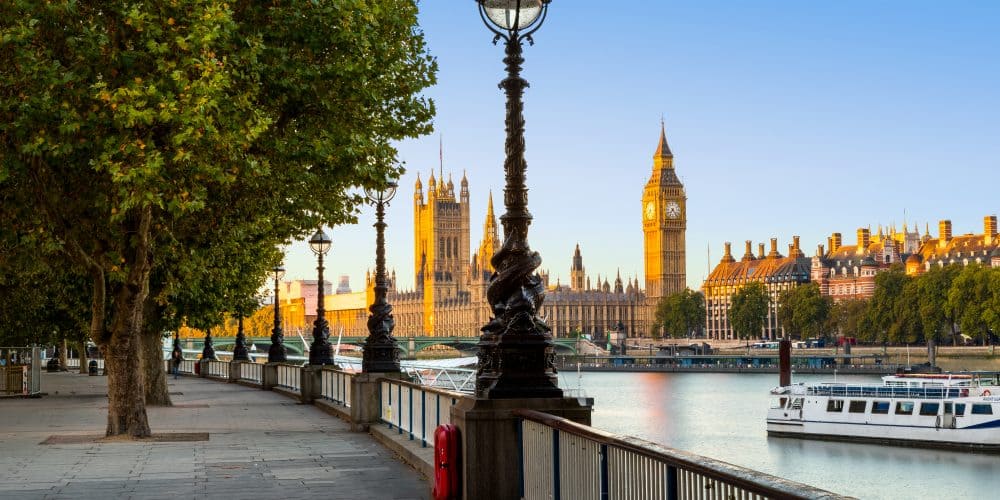
South Bank is one of the easiest cultural areas for visitors because it is walkable, scenic and full of arts venues. Tate Modern, Southbank Centre, BFI Southbank, the river path, book stalls and street performers make culture feel public.
It works well for first-time visitors because you can combine art, views, food and performance without long transport gaps.
Best for:art, river walks, performance, first-time culture.
South Kensington: Museums, Design And Science
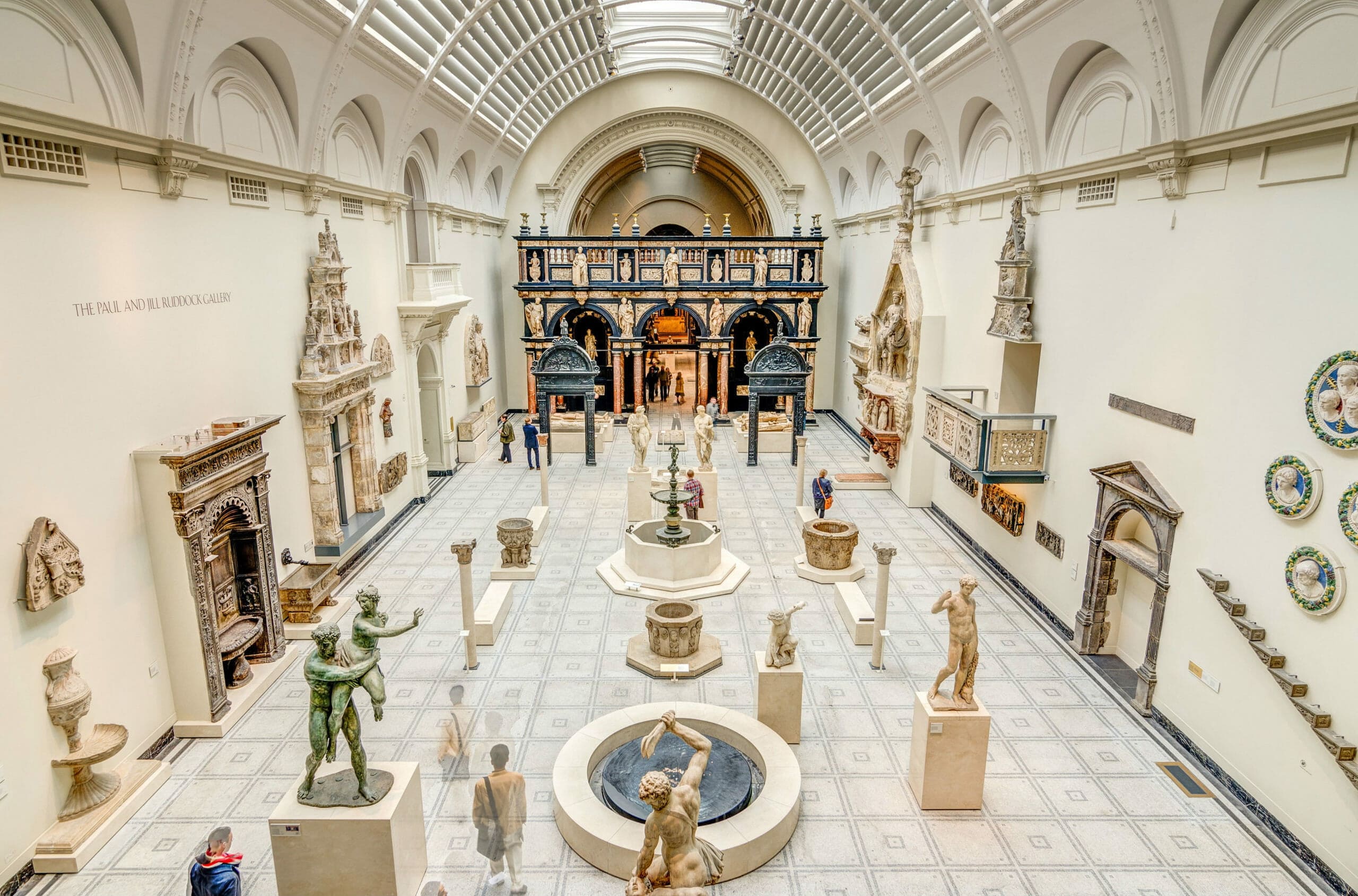
South Kensington is the classic museum district. The V&A, Natural History Museum and Science Museum sit close together, making it useful for families, design fans and first-time visitors.
The danger is trying to do too much. Pick one main museum and treat anything else as a bonus.
Best for:museums, design, families, rainy days.
Soho And The West End: Theatre, Nightlife And Queer History
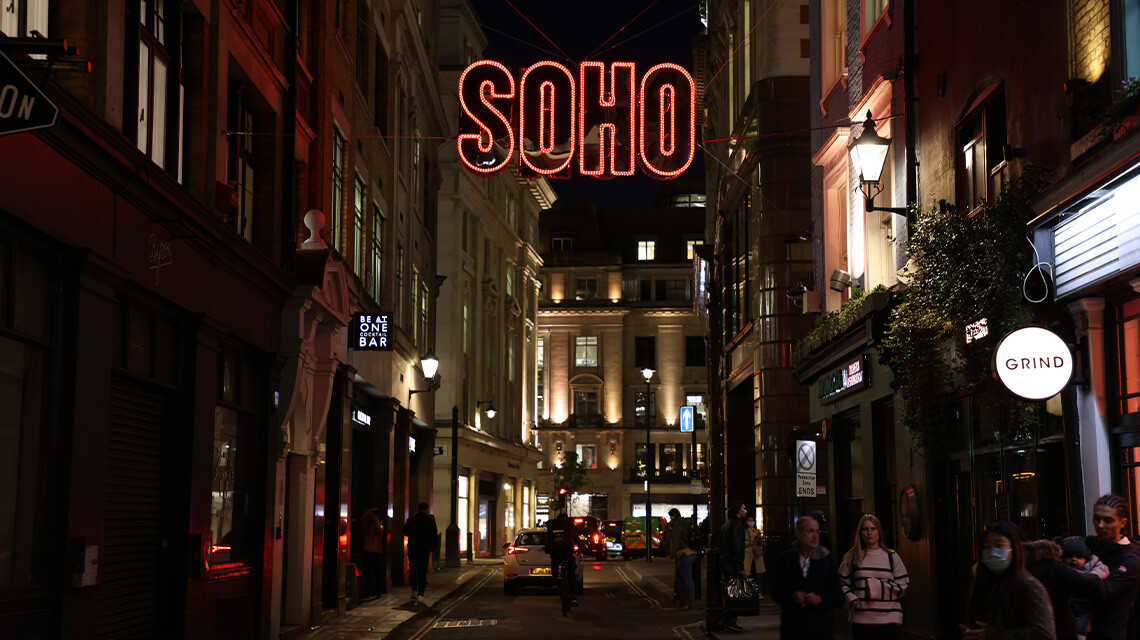
Soho and the West End bring together theatre, nightlife, restaurants, music, LGBTQ+ history and dense central London energy. This is where culture feels crowded, bright and late-moving.
It is a strong evening area because food, shows and transport sit close together.
Best for:theatre, nightlife, dining, central London energy.
Shoreditch And Brick Lane: Street Art, Food And Creative Edges
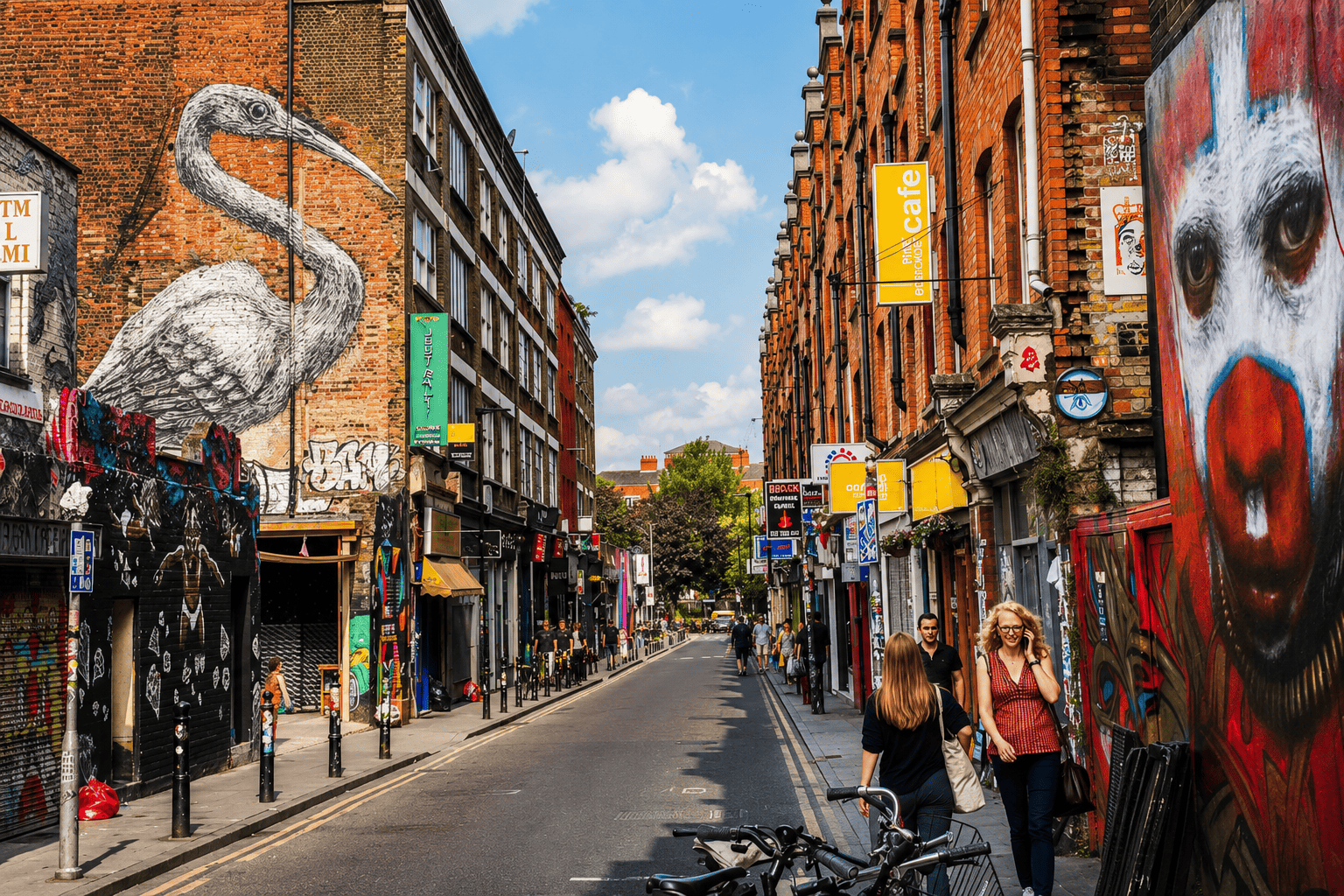
Shoreditch and Brick Lane are useful for street art, vintage shopping, cafés, food, galleries and East London creative culture. The area changes quickly, so it can feel both exciting and uneven.
Go for the mix rather than one single attraction. Street art, market browsing and food work well together here.
Best for:street art, vintage, food, photography, creative walks.
Brixton: Music, Food And Black British Culture
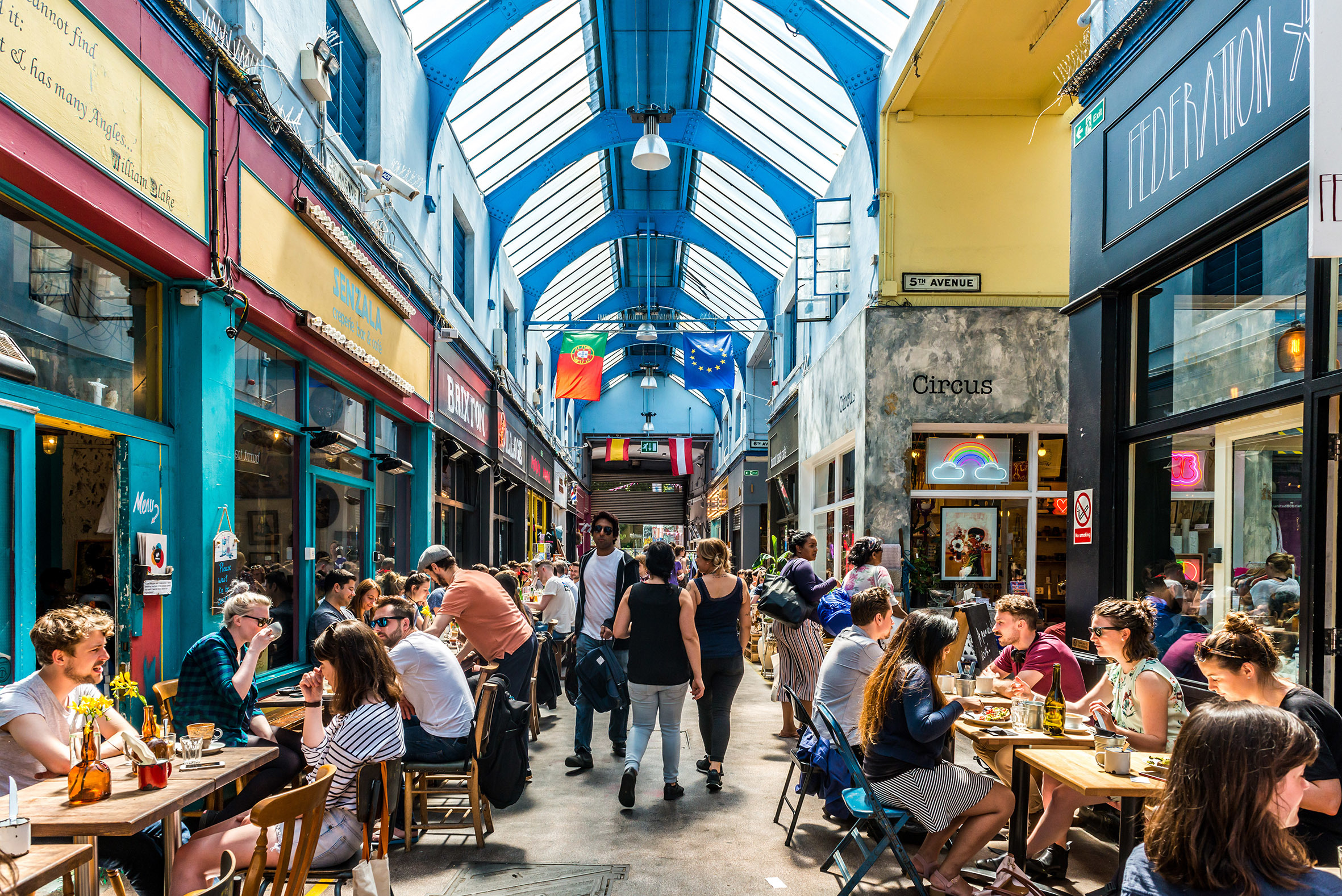
Brixton has a strong place in London’s music, food and Black British cultural life. Markets, venues, restaurants and local history make it one of the city’s most distinctive cultural areas.
Visitors should treat it as a real neighbourhood, not just a quick food stop. Walk respectfully, spend locally and do not reduce the area to one story.
Best for:music, food, market culture, local energy.
Camden: Music, Markets And Alternative Style
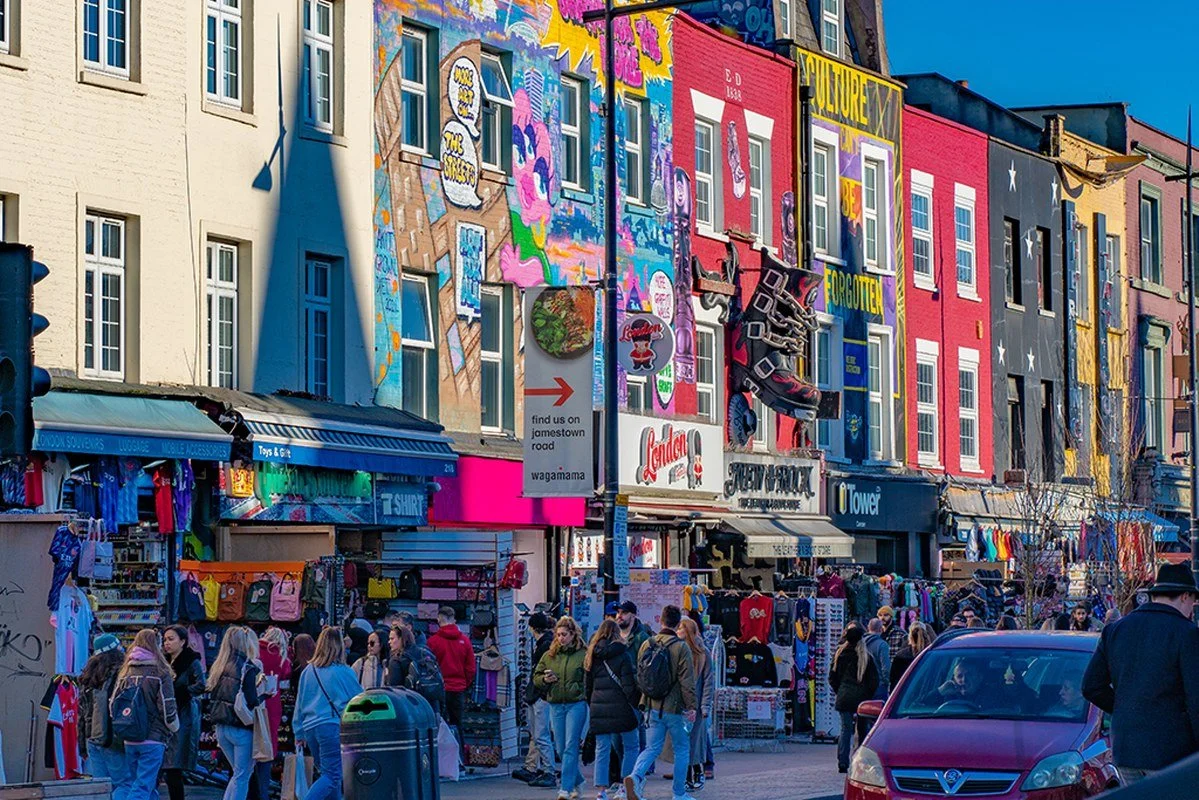
Camden is known for markets, music venues, alternative fashion and canal-side walking. It can feel touristy in parts, but its music and subculture associations still make it culturally important.
It is best when paired with a live music plan or a slower walk rather than only a fast market browse.
Best for:music, alternative fashion, markets, casual exploring.
Greenwich: Maritime History And World Heritage
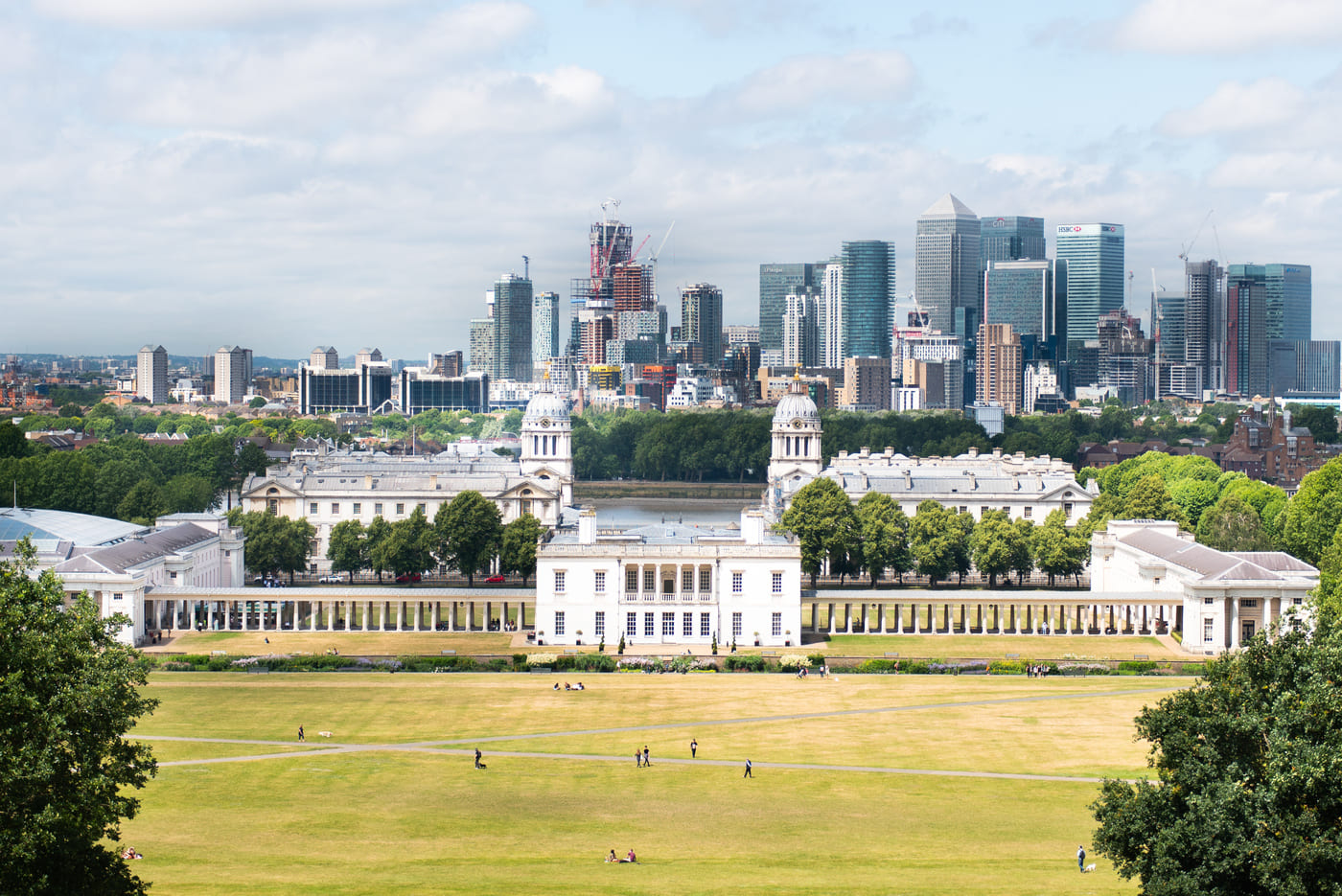
Greenwich gives London culture a historic and maritime shape. The riverside, museums, park, observatory and architecture make it feel different from central London.
It is a strong choice when you want heritage without the intensity of the West End or Westminster.
Best for:history, river travel, architecture, slower cultural days.
Southall, Chinatown And Other Food-Culture Anchors
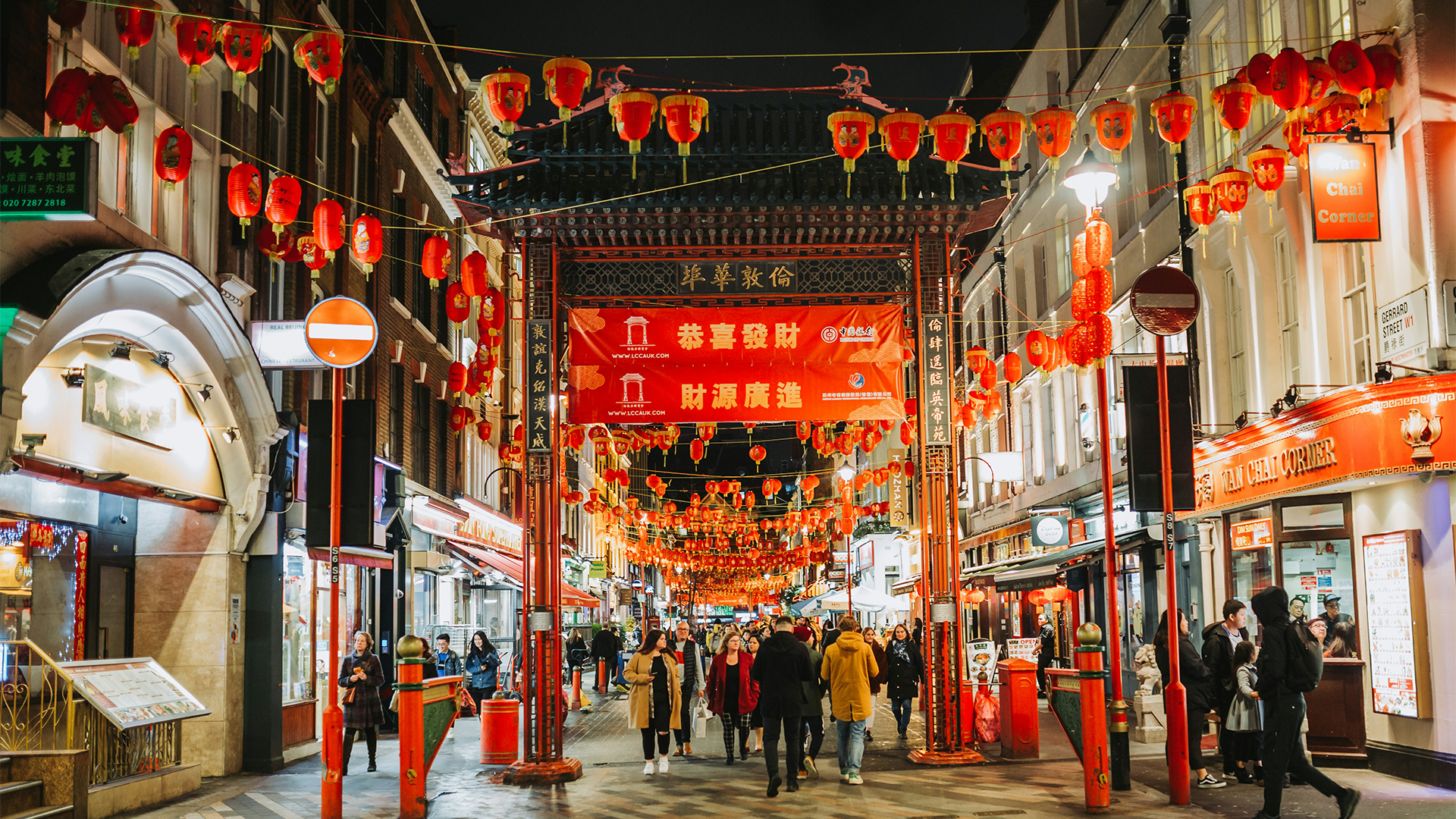
Some of London’s strongest cultural areas are food-led. Southall, Chinatown, Green Lanes, Tooting, Edgware Road and other neighbourhoods show how food, language, religion, shops and family life shape the city.
These areas work best when you visit with curiosity rather than a checklist. Eat, walk, notice signs, browse shops and understand that culture is not always packaged as an attraction.
Best for:food, community culture, neighbourhood walking.
How To Experience London’s Cultural Scene
The goal is not to see everything; it is to choose a realistic cultural rhythm. Start with your available time, then use one of these simple plans. If you are building a wider first-time itinerary, use our London city guidealongside this culture plan.
If You Only Have Two Hours
Choose one compact cultural area and stay there.
Good options:
- Trafalgar Square and the National Gallery.
- Tate Modern and the South Bank river walk.
- South Kensington and one museum.
- Shoreditch and Brick Lane street art.
- Soho and Covent Garden before a show.
Two hours is not enough for a full cultural day. It is enough for one strong cultural impression.
If You Have Half A Day
For half a day, use one strong pairing:
- National Gallery + South Bank.
- Tate Modern + Borough Market.
- V&A + South Kensington walk.
- Shoreditch street art + Brick Lane.
- West End theatre area + Soho dinner.
Half a day works best when the transport is simple.
If You Have One Full Day
For a full day, pick one route and leave space for breaks.
Possible themes:
- Art and galleries.
- Theatre and performance.
- Food and neighbourhoods.
- Fashion and design.
- Heritage and history.
- Music and nightlife.
One full day should include breaks. Museums, markets and transport all take more energy than they look on a map.
If You Want A Cultural Evening
A cultural evening can be as simple as a show, a gig, a comedy night, a film screening, a South Bank event or a food-led walk.
Best evening choices:
- West End for theatre.
- Soho for food, nightlife and performance.
- Camden for music.
- South Bank for arts venues and river atmosphere.
- Brixton for food and music.
- Chinatown for central food before or after a show.
The best London culture plan starts with time, then chooses one theme and one area.
Suggested One-Day Cultural Routes
These routes are practical starting points. They are not the only way to experience London, but they stop the day from becoming random.
Classic Culture Route
Trafalgar Square → National Gallery → South Bank → West End
Start with the National Gallery, then walk towards the river and South Bank. Leave the evening for a West End show or a simple Soho dinner.
This route works because it keeps the day central and walkable. It gives you art, public space, river views and theatre without needing complicated transport. Before choosing an evening walk, you can also check the live London webcams pagefor real-time weather and street conditions around central London.
Best for:first-time visitors who want the classic cultural London.
Art And Street Culture Route
Tate Modern → South Bank → Shoreditch → Brick Lane
Start with Tate Modern, then use the South Bank for river atmosphere. Later, move east for Shoreditch and Brick Lane.
This route shows the contrast between institutional contemporary art and street-level creative culture.
Best for:art lovers, photographers, younger visitors and repeat visitors.
Food And Community Route
Borough Market → Brixton or Brick Lane → Soho or Chinatown
Start with Borough Market if you want a polished market experience. Then choose Brixton or Brick Lane for a stronger neighbourhood feel. End centrally if you want an easier journey back.
This route works best when you do not overeat too early. Leave room for browsing.
Best for:food-focused visitors who want culture beyond museums.
Fashion And Design Route
V&A → King’s Road or Soho → Carnaby, Camden or vintage markets
Start with design history at the V&A. Then move into a style-led area depending on your mood.
Choose King’s Road for polished fashion, Soho and Carnaby for central style, Camden for alternative clothing, or vintage markets for browsing.
Best for:fashion, design and clothing culture.
A good cultural route has a theme, a starting point and a realistic finish.
What Are The Best Cultural Activities In London?
This section gives a practical shortlist by interest. Use it when you want activities rather than broad explanations.
The best activity is the one you will actually enjoy slowly.
For Art Lovers
Start with one major gallery, then add a smaller art walk.
Good options:
- National Gallery for classic paintings.
- Tate Modern for contemporary art.
- V&A for design and decorative arts.
- Shoreditch or Brick Lane for street art.
- Smaller galleries for current shows.
Do not try to see every major gallery in one day.
For Theatre Fans
Start with the West End if it is your first theatre-focused visit. It is easy to plan and gives you the classic London theatre experience.
For something more local, look at fringe theatres, pub theatres, comedy clubs or South Bank venues.
A theatre night works best when dinner is nearby.
For Food-Focused Visitors
Choose one food area and build the walk around it.
Strong options:
- Borough Market for a first-time food market.
- Chinatown for central eating.
- Brixton for food and music links.
- Southall for South Asian food culture.
- Brick Lane for food, vintage and street art.
Food-focused culture works best when you leave time to browse.
For Music Lovers
Look beyond major arena shows. London’s smaller venues often create a stronger memory.
Try:
- Camden for music history and gigs.
- Soho for jazz, clubs and nightlife.
- Brixton for venues and food.
- Dalston or Hackney for late-night music.
- South Bank for more formal performance.
Check current listings before committing to a venue.
For Fashion And Design Fans
Start with the V&A, then move into a shopping or street-style area.
Good pairings:
- V&A + King’s Road.
- V&A + Soho/Carnaby.
- Shoreditch + Brick Lane vintage.
- Camden markets + live music.
- London Fashion Week sources for industry context.
This gives you both fashion history and street-level style.
For Families
South Kensington is the easiest family culture area because the museums are close together and varied. South Bank also works well because the river walk gives children space between activities.
Keep the plan light. One museum plus one outdoor walk is usually better than three indoor stops.
For Free Or Budget Culture
London can be expensive, but culture does not have to be.
Good low-cost options:
- Free permanent museum collections.
- Public galleries.
- Street art walks.
- Markets.
- Parks and public squares.
- Churches and historic streets.
- Free or low-cost festivals where available.
Always check official pages for ticketed exhibitions, special events and opening hours.
Top Facts About London Culture
These are the facts that help a visitor understand why the city feels so culturally dense. Use them as background, not as trivia.
Facts Worth Knowing Before You Visit
A useful way to remember London culture: it is both preserved and unfinished. The city protects old collections and historic places, but its living culture keeps changing.
| London Culture Fact | Why It Matters |
| London has four World Heritage Sites | Heritage is part of the city’s cultural identity |
| Many major museums have free permanent collections | Culture can be accessible even on a budget |
| The West End is a major theatre district | Performance is central to London evenings |
| London is the UK’s most ethnically diverse region | Food, language, festivals and neighbourhoods reflect this |
| Creative industries are important to London’s economy | Culture is also work, business and identity |
| Fashion is part of London’s cultural image | Clothing links design, subculture and street style |
| Markets are cultural spaces | Food, trade, community and street life meet there |
| Grassroots venues support new music | Culture grows from small rooms, not only big stages |
London’s cultural strength comes from the way history, creativity, business and community life overlap.
What Is Culture For All Londoners?
This section explains an official idea in plain English. It matters because London culture is not only for tourists or central London venues.
The phrase points towards access, participation and cultural life across the city.
The Official Idea In Plain English
“Culture for all Londoners” means culture should be available across the city, not only in famous buildings or expensive venues. It includes major museums and theatres, but also community festivals, creative workspaces, pubs, libraries, heritage, local events and neighbourhood spaces.
For a visitor, this is a useful reminder. Some of the most meaningful culture may sit outside the obvious tourist route.
Why Access Matters Beyond Central London
Central London has many famous institutions, but Londoners live across boroughs with different cultural needs and identities. Culture outside the centre can mean a local festival, music venue, community centre, library, market, mural, faith space, dance school or food business.
Access matters because culture is not only something people consume. It is something people make, protect and pass on.
This is why neighbourhoods deserve space in any serious article about London culture.
How Visitors Can Respect Local Culture
Visitors can enjoy London’s cultural neighbourhoods without treating them like staged attractions.
Simple rules help:
- Spend money with local businesses.
- Do not photograph people intrusively.
- Avoid reducing communities to food or fashion.
- Learn basic context before visiting culturally significant areas.
- Keep pavements, markets and residential streets usable.
Respect makes cultural travel better. It turns looking into learning.
Common Mistakes Visitors Make With London Culture
This section helps you avoid wasted time and shallow planning. A better plan usually means fewer stops and stronger choices.
Treating Culture As Landmarks Only
Landmarks matter, but they do not explain the whole city. If you only visit famous buildings, you may miss food streets, galleries, venues, markets and local areas that reveal how London lives now.
Add at least one neighbourhood to your plan.
Trying To Cover Too Many Areas In One Day
London looks compact on a tourist map, but moving between areas takes time and energy. Three major cultural districts in one day can feel rushed.
Choose one main area before lunch and one main area after lunch. That is usually enough.
Ignoring Free Museums And Local Venues
Some visitors assume the best cultural experiences must be expensive. That is not true in London.
Free museums, public galleries, markets, parks, public art and small venues can be just as memorable as paid attractions.
Use paid tickets for the things you truly care about.
Forgetting That Markets Are Cultural Spaces Too
Markets are not only lunch stops. They show what people eat, sell, browse, wear and talk about.
Go before peak hunger if you want to notice the place properly. Crowded markets are harder to understand when you are only trying to find food fast.
Not Checking Official Event And Ticket Sources
London listings change. Exhibitions close, shows sell out, venues change opening hours and festivals move dates.
Use official venue, theatre, museum and event pages before you commit to a specific plan. That keeps an evergreen cultural article useful without pretending live details never change.
The best way to avoid a shallow London culture day is to slow down, choose fewer areas and verify anything ticketed.
Frequently Asked Questions
What Should You Know About London's Cultural Scene?
You should know that London's cultural sceneis not only museums and landmarks. It includes theatre, music, fashion, food, street art, festivals, neighbourhood communities, markets and everyday public life. The best plan usually pairs one famous cultural institution with one local area.
What Is London Culturally Known For?
London is culturally known for museums, galleries, West End theatre, live music, fashion, food markets, historic sites, festivals, public art and global communities. Its strength comes from combining major institutions with local neighbourhood culture.
What Are The Cultural Activities In London?
Cultural activities in London include visiting museums, seeing a West End show, exploring food markets, walking through street-art areas, attending live music, visiting galleries, browsing vintage markets and joining festivals or public events.
What Is Culture For All Londoners?
Culture for all Londoners means making arts, heritage, creativity and community culture accessible across the city. It includes famous institutions, but also local festivals, music venues, pubs, libraries, creative workspaces and neighbourhood cultural spaces.
What Cultures Are In London?
London includes many cultures shaped by migration, language, food, religion, music, fashion and neighbourhood history. You can see this in areas such as Brixton, Southall, Chinatown, Brick Lane, Green Lanes, Tooting and many other communities.
What Is London Culture Food?
London culture food is the city’s food identity shaped by markets, pubs, migration, street food, restaurants and neighbourhood communities. Borough Market, Brixton, Chinatown, Brick Lane, Southall and Green Lanes all show different sides of it.
What Is London Culture Clothing?
London culture clothing includes tailoring, streetwear, vintage fashion, designer culture, subcultures and London Fashion Week. It appears in museums such as the V&A, but also in markets, music scenes and neighbourhood street style.
Where Can I See Artworks In London?
You can see artworks at the National Gallery, Tate Modern, V&A, British Museum, Wallace Collection, smaller galleries, public art spaces and street-art areas such as Shoreditch, Brick Lane and Leake Street.
Is London’s Cultural Scene Expensive?
It can be expensive if you focus on premium theatre tickets, paid exhibitions and fine dining. But many major museum collections, public galleries, street art walks, markets, parks and cultural neighbourhoods are free or low-cost.
What Is The Best Cultural Area In London?
There is no single best area. South Bank is best for an easy first cultural walk, South Kensington for museums, West End for theatre, Shoreditch for street art, Brixton for music and food, and Greenwich for heritage.
How Can I Experience London Culture In One Day?
Choose one route. A classic day could be National Gallery, South Bank and West End. An art-led day could be Tate Modern, Shoreditch and Brick Lane. A food-led day could pair Borough Market with Brixton or Chinatown.
Conclusion
London’s cultural scene is too broad to reduce to one museum, one theatre district or one food market. The city works because those pieces overlap: old collections, new music, global food, fashion, street art, community spaces and everyday rituals.
London’s cultural scene makes most sense when you stop chasing every attraction and follow one strong cultural thread through the city. That might mean the National Gallery and South Bank, Tate Modern and Brick Lane, the V&A and Camden, or a West End show and Soho.
Do that, and London stops feeling like a list of attractions. It starts feeling like a city with many voices speaking at once.
Jump to
London Culture At A Glance: What To See First
What London’s Cultural Scene Really Means
What Is London Culturally Known For?
Practical Shortlist: Where To Start Based On Your Interest
Museums And Galleries: The Classic Side Of London Culture
Theatre, Music And Performance
London Culture Food: How The City Eats
London Culture Clothing: Fashion, Street Style And Subcultures
The Neighbourhood Map Of London’s Cultural Scene
How To Experience London’s Cultural Scene
Suggested One-Day Cultural Routes
What Are The Best Cultural Activities In London?
Top Facts About London Culture
What Is Culture For All Londoners?
Common Mistakes Visitors Make With London Culture
Frequently Asked Questions
Conclusion

James Rowley
Author
James Rowley is a London-based writer and researcher covering London life, cultural geography, London travel, live London webcam pages and selected public figures across entertainment, sport, business and public life.
For over 15 years, he has focused on verified sources, first-hand local context and clear explanations that help readers understand both places and people more deeply. His work combines street-level London knowledge with careful research into career credits, media work, business interests and, where relevant, transparently explained net worth estimates.
He writes and reviews articles published on LondonWebcam.
Latest Articles
Popular Articles