London On A Budget: Daily Costs, Food, Transport And Attractions
Plan London on a budget with realistic daily costs, smarter transport, affordable food, free attractions and advice on where spending more is worthwhile.
Author:James RowleySep 15, 2026
What To Know Before Setting Your London Budget
Quick answer: For one adult excluding accommodation, flights and airport transfers, a careful day in Londonmay fit within roughly £35–£55. A more flexible day may require around £60–£100 or more, depending on meals, transport, paid attractions and personal spending. Restaurant meals, theatre, nightlife, taxis and major attractions can increase the total significantly.
London can become expensive quickly when accommodation, transport, food and sightseeing are planned as separate decisions. A cheaper trip usually comes from connecting those decisions rather than trying to reduce the price of every individual purchase.
The most effective approach is to:
- Separate accommodation, flights and airport transfers from your everyday spending budget.
- Use free museums, parks, viewpoints and walks as the foundation of your itinerary.
- Group activities by area to reduce unnecessary transport costs.
- Choose one or two paid experiences that matter most, then keep money aside for food, small extras and unexpected costs.
The aim is not to make every day as cheap as possible. It is to remove low-value spending while protecting the parts of London you most want to experience.
Freshness note:Fares, admission prices, ticket offers, discounts, opening arrangements and event programmes can change. The practical guidance below should be checked against the relevant official website before travelling.
How These Budget Estimates Were Developed
The daily figures in this guide are editorial planning ranges rather than official averages. They are designed to help visitors compare different travel styles and are based on the likely combination of food, local transport, free activities, paid attractions and contingency spending.
Prices and rules for transport, attractions, food and accommodation can change. Check the relevant official provider before booking, particularly for date-specific tickets, fares, discounts and special events.
London Budget At A Glance
Before booking anything, decide what your budget actually covers. A daily spending figure is not very useful if one person includes accommodation and another excludes it.
| Common daily-spending items | Costs usually planned separately |
| Breakfast, lunch and dinner | Accommodation |
| Coffee, drinks and snacks | Flights or intercity rail |
| Local transport during the day | Airport or station transfers |
| Small purchases | Travel insurance |
| Paid attractions chosen for that day | Major prebooked experiences |
| Entertainment | Expensive shopping |
| Tips, service charges and small extras | Theatre or concert tickets, unless included in the daily allowance |
| Contingency money | Visa-related costs, where applicable |
The most important rule is to use the same assumptions when comparing budgets. A daily allowance that excludes accommodation cannot be compared directly with a package that includes a hotel room.
For a more complete trip-cost calculation, you can also use the guide to London costs and budget planning.
A practical starting plan is to:
- Price flights or rail travel first.
- Set aside accommodation for the full stay.
- Calculate airport or station transfer costs.
- Decide how much daily spending money remains.
- Reserve money for one or two priority experiences.
- Keep a separate contingency rather than spending the entire allowance.
How Much Does London Cost On A Budget?
These figures are editorial planning allowances for one adult, not official London averages. They assume ordinary meals, local transport and a mixture of free and paid activities. Accommodation, flights and airport transfers are excluded. Restaurant splurges, theatre, nightlife, taxis, major attractions and extensive shopping can push the total higher.
| Planning level | Suggested daily allowance and likely experience |
| Lean: £35–£55 | Simple breakfast, inexpensive lunch and dinner, limited local transport, free attractions and modest snacks |
| Balanced: £60–£100 | More flexible meals, regular local transport, snacks, a larger buffer and one low-cost or occasional paid activity |
| Flexible: £110+ | Restaurant meals, major paid attractions, theatre, nightlife, taxis or additional convenience |
A lean day is most realistic when your route is compact, your main activities are free and you avoid repeated cross-city journeys. The balanced range gives you more flexibility, while the flexible range is more suitable for visitors who want several paid experiences or more expensive meals.
Here is an illustrative spending plan:
| Expense | Planning allowance |
| Transport | £8.90 |
| Breakfast | £7 |
| Lunch | £12 |
| Dinner | £25 |
| Drinks and snacks | £5 |
| Paid activity | £25 |
| Contingency | £12 |
| Total | £94.90 |
The transport figure is included only as an example based on the current adult Zones 1–2 daily pay-as-you-go cap. It is not a guaranteed charge for every visitor.
Your total may be lower if you make fewer journeys or higher if you travel through additional zones, use services with different fares or qualify for different discounts. Check the latest TfL fare informationbefore travelling.
The example also shows why a £100 daily allowance can disappear quickly: one paid attraction, a moderate dinner and a transport allowance already use most of the budget.
Where Your London Budget Actually Goes
Four categories usually shape most of your spending:
- Accommodation:often the largest single cost, especially in central areas or during busy periods.
- Transport:easier to control when you stay near useful connections, walk between nearby sights and understand fare caps.
- Food:can range from supermarket and bakery meals to expensive restaurant dining.
- Attractions:London’s free museums, parks, public spaces and walking routes mean you do not need to pay for every major sight.
The most useful approach is to decide where spending improves your trip and where a cheaper option works just as well.
Build Your London Budget In The Right Order
Build the budget in the order in which decisions become difficult to change. This prevents small daily savings from being cancelled out by an expensive room, inconvenient transfer or unnecessary prebooked ticket.
Fixed Costs: Price These First
Fixed costs are difficult or expensive to change after booking. They may include:
- Flights or intercity rail
- Accommodation
- Airport transfers
- Travel insurance
- A must-do attraction booked in advance
- Event or theatre tickets
- Visa-related costs, where applicable
Research these first. Saving a few pounds on lunch will not compensate for an unnecessarily expensive room or an inconvenient airport transfer.
Before booking, compare the full cost of the trip, not just the headline price. A cheap flight or room may be less useful if it creates expensive transfers, long journeys or additional overnight costs.
Flexible Costs: Adjust These Next
Flexible costs can usually be changed without redesigning the whole trip:
- Food
- Local transport
- Number of paid attractions
- Evening entertainment
- Accommodation location
- Trip length
- Shopping
These are the categories to adjust after the major commitments are understood. They should not be used to disguise an unrealistic accommodation or arrival budget.
Optional Costs: Choose Them Deliberately
Optional spending may improve the experience but is not essential:
- Premium viewpoints
- Multiple ticketed attractions
- Theatre upgrades
- Guided tours
- River cruises
- Nightlife
- Shopping
- Special exhibitions
Choose these according to your priorities. London offers enough free culture, parks, public spaces and neighbourhood routes to make a satisfying trip possible without paying admission everywhere.
How To Save Money In London: Where To Cut Costs And Where To Spend
| Save on | Consider spending here |
| Unnecessary short Tube journeys | Accommodation near a useful transport connection |
| Several similar viewpoints | One distinctive skyline or landmark experience |
| Snacks beside major attractions | A meal you have deliberately chosen |
| Unplanned ticket purchases | One priority attraction booked carefully |
| Repeated cross-city journeys | A geographically organised itinerary |
| Premium airport transport by default | The transfer that best suits your arrival time and accommodation |
| Several similar museums or tours | One experience closely aligned with your interests |
The objective is not to refuse every convenience. Spend when a purchase clearly improves the trip rather than merely filling a gap in the planning.
When Is The Cheapest Time To Visit London?
London does not have one universally cheapest travel period. Wintermay offer lower accommodation demand outside Christmas and major events, while spring and autumncan provide a useful balance between conditions and prices.
Summeroften brings longer days but also stronger demand. Weekdaysmay be cheaper than weekends for some hotels and attractions, although conferences, festivals, school holidays and major events can change the pattern.
Compare the actual dates you are considering rather than relying only on a season label. Check accommodation prices, attraction availability, school holidays, public holidays and major events before booking.
Where To Stay In London On A Budget
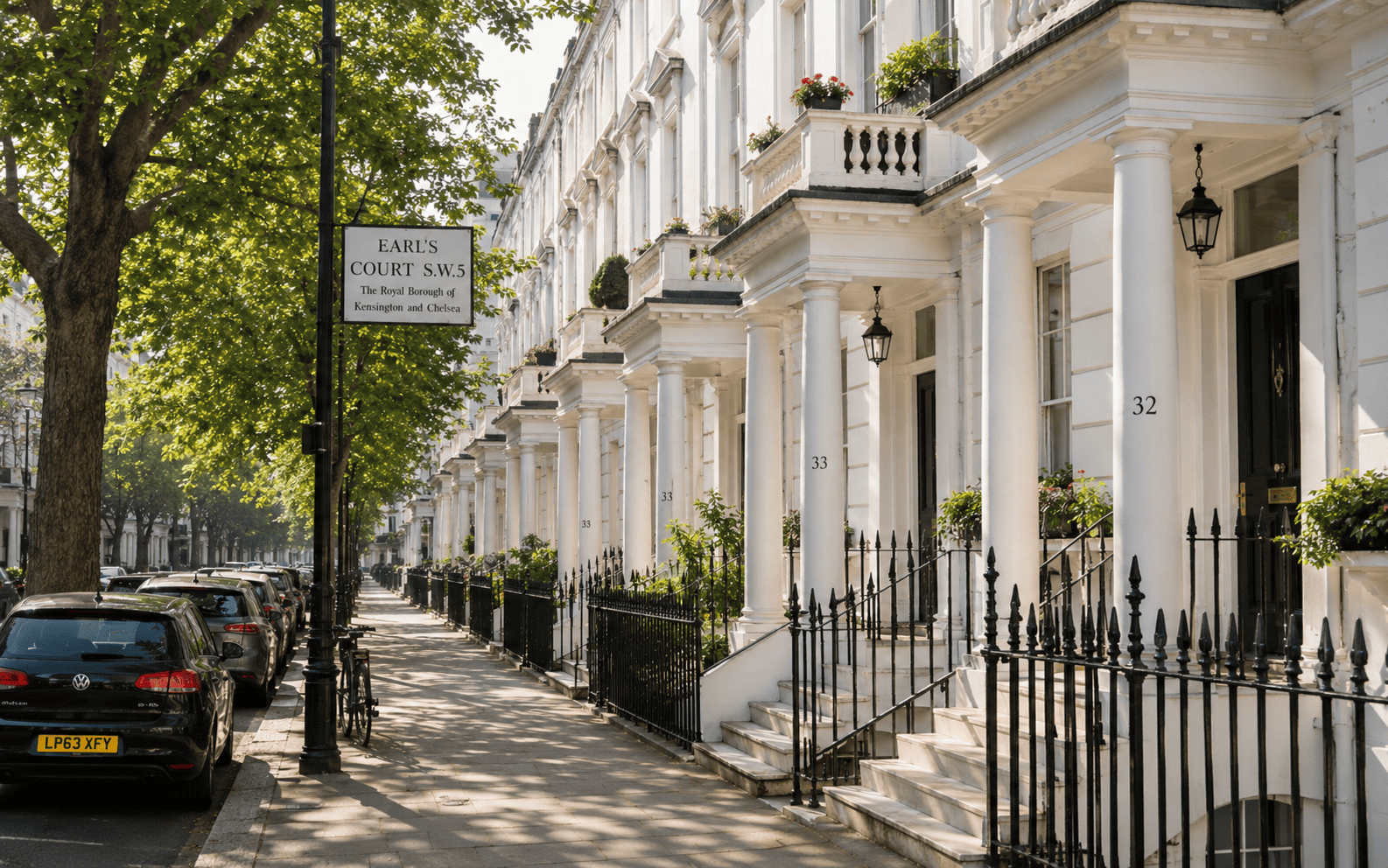
Choosing one of the best areas to stay in Londoncan lower your overall costs by balancing hotel prices with transport time and convenience. When comparing two properties, calculate more than the nightly room rate:
Room cost + daily transport + airport transfer + extra travel time + unavoidable add-ons
A room that costs £15 less per night may not be better value if it requires expensive transfers, several daily journeys or a long walk from the station. For a short two or three-day visit, a convenient location can be worth paying slightly more because you have less time to benefit from the cheaper room.
Choose Accommodation According To Your Trip
- Solo travellers: compare hostel beds with private rooms, and check whether the saving justifies reduced privacy.
- Couples:compare the combined cost of two hostel beds with one private budget-hotel room.
- Families: consider space, kitchen access, breakfast options and the ease of returning for breaks.
- Short visits:prioritise a direct transport connection and a location near your main sightseeing areas.
- Longer stays: consider a less central location if the room saving is meaningful and the journey is simple.
If you’re comparing specific properties, the guide to the best budget hotels in Londoncan help you weigh price, location and transport access.
Accommodation Costs That Are Easy To Miss
Always check the final payable amount, including taxes, breakfast, cleaning charges, deposits, cancellation conditions and any late check-in or luggage-storage fees.
Check for:
- Breakfast charges.
- Luggage-storage fees.
- Cleaning fees.
- Deposits.
- Cancellation restrictions.
- Late check-in charges.
- Shared bathroom arrangements.
- Kitchen availability.
- Distance from the station.
- The cost of reaching the property from your airport.
Do not depend on an undated online claim that a hotel is available “from” a particular price. Search your exact dates and compare the final payable amount.
Getting Around London On A Budget
Transport is one of the easier parts of a London budget to control once you understand the basic system.
The right choice depends on:
- Where you are staying
- Which zones you will use
- How many journeys you will make
- Whether you qualify for discounts
- Whether your bank card works reliably in the UK
- How much time you have
- Whether you are travelling with children or luggage
or route planning, payment options and a broader explanation of London’s transport system, see the guide to getting around London.
Which Transport Option Should You Use?
| Situation | Practical starting point |
| Nearby sights in the same area | Walk where practical |
| Several short bus journeys | Compare bus travel and the Hopper Fare rules |
| Multiple Tube, rail or DLR journeys | Check pay-as-you-go fares and the relevant daily cap |
| Adult visitor with a suitable bank card | Consider contactless pay as you go |
| Visitor without reliable contactless payment | Consider Oyster pay as you go |
| Eligible Railcard holder | Check whether adding the discount to Oyster would save money |
| Travelling with children | Check age-specific TfL rules before choosing tickets |
| Airport journey | Compare the complete route, including the final journey to accommodation |
Contactless and Oyster can use the same basic adult pay-as-you-go fare structure, but the best option depends on payment compatibility, discounts, children’s travel arrangements and the journeys you plan to make. TfL’s official guidanceshould be used for current fares, caps and eligibility.
Contactless, Oyster, And Fare Capping
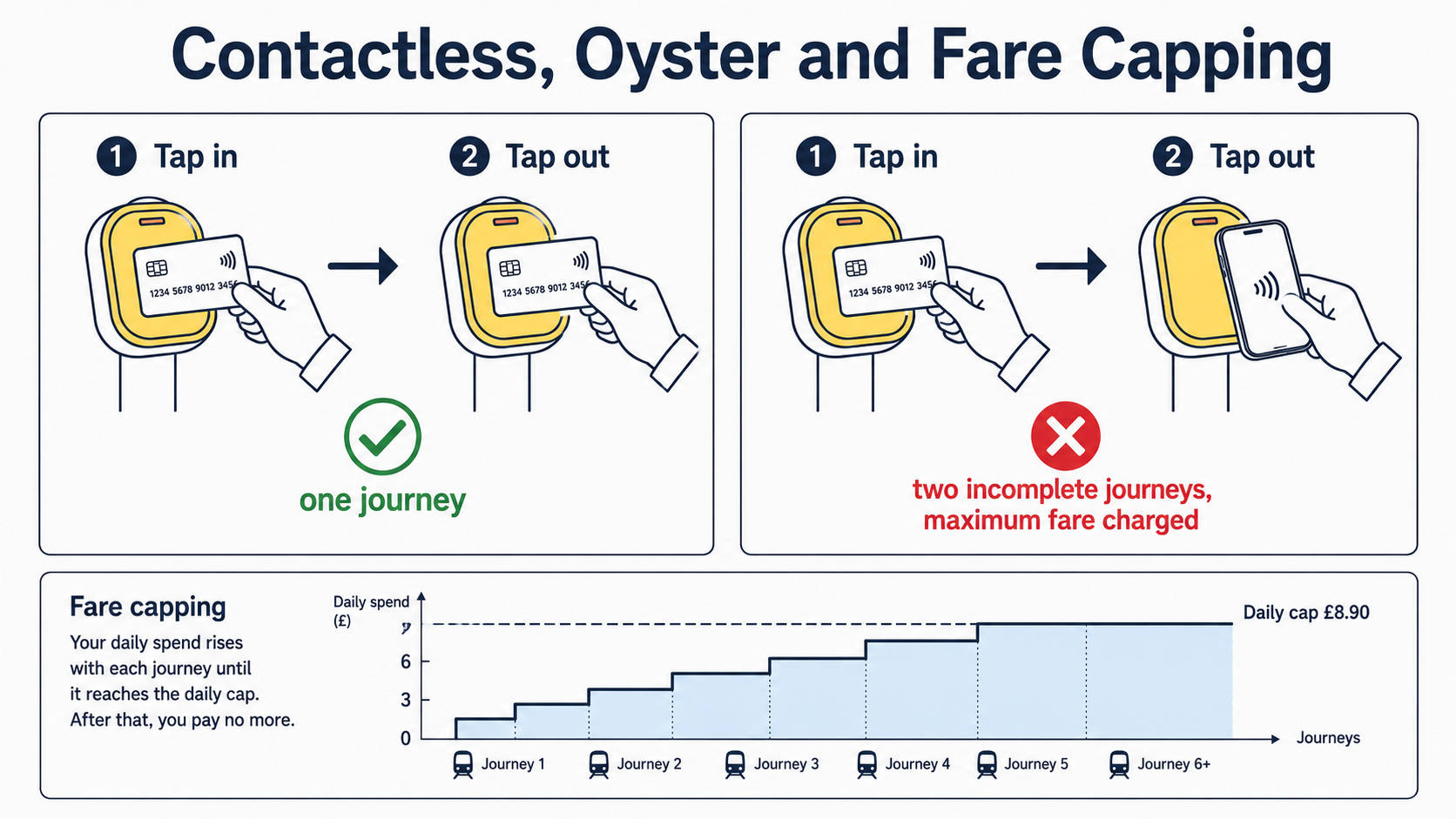
For many adult visitors, contactless payment or Oyster pay as you gois more practical than buying individual paper tickets. TfL applies daily caps to eligible pay-as-you-go journeys, with the amount depending on the zones and services used.
Weekly capping follows the Monday-to-Sunday week, so the result may differ depending on when your trip begins and which journeys you make. Check the current TfL rules rather than assuming that a short visit will receive the same benefit as a full Monday-to-Sunday travel period.
Use the same card or device when touching in and out. For example, do not touch in with a physical bank card and touch out with a phone or smartwatch linked to that card. TfL treats these as different payment methods.
Contactless is often convenient for visitors with a compatible bank card. Oyster may be more useful if:
- Your bank card does not work reliably in the UK.
- You need an eligible discount.
- You want to separate travel spending from your main bank account.
- You prefer a prepaid travel card.
Check overseas transaction fees with your bank before relying on a foreign-issued contactless card.
The Hopper Fare
The Hopper Fare can allow eligible unlimited bus and tram journeys within one hour of the first touch in for the price of one adult bus or tram fare. It applies to qualifying bus and tram journeys, not automatically to Tube, rail or other services. Use the same card or device for the relevant journeys and check the current TfL rulesbefore relying on it.
Eligible Railcard Discounts
A Railcard may reduce eligible fares when added to an Oyster card, but it is not automatically worthwhile for every visitor. Compare the expected saving with the cost of the Railcard and the journeys you expect to make.
An ordinary student card should not be assumed to provide a TfL discount.
Use Buses Strategically
Buses are not always faster than the Tube, but they can be useful for shorter journeys and sightseeing because they allow you to see more of London while travelling.
The Hopper fare can also make multiple qualifying bus and tram journeys particularly useful for budget-conscious visitors.
Walk Between Nearby Sights
Walking is not just a way to save money. In central London, choosing practical London walking routescan also help you save on short Tube journeys involving station entrances, platforms and transfers while seeing more of the city.
Plan your days geographically. If you are already near Westminster, for example, it makes more sense to continue towards the South Bankor Covent Gardenon foot where practical than to keep returning underground for every stop.
What About Railcards?
A Railcard can reduce eligible rail fares, but it is not automatically worthwhile for every London visitor. The saving depends on your age or eligibility, the journeys you make and the price of the Railcard itself.
Calculate the likely saving before buying one.
Save On Airport Transfers
Compare the complete journey rather than choosing the cheapest advertised flight or fastest-looking train. Consider:
- Airport distance
- Rail or coach fare
- Luggage costs
- Arrival time
- Late-night service frequency
- Number of changes
- Final journey to your accommodation
Heathrow, Gatwick, Stansted and Luton have different transport options. The cheapest practical choice depends on your arrival time, destination and booking date.
If you’re arriving by air, the London airport guidecompares the main airports and transfer options so you can factor the journey into your budget.
London Transport With Children
Children’s travel rules vary by age, service and ticket type.
- Under-11 travel
- Ages 11–15
- Young Visitor discounts
- Tube, bus, tram and rail arrangements
- Oyster and Visitor Oyster options
Check the latest rules through TfL’s visitor and child travel guidance. Do not assume that every child travels free on every London transport service.
Free Things To Do In London
Free museums, parks, public viewpoints and neighbourhood walks can form the backbone of a London itinerary. The best value usually comes from combining several nearby places rather than travelling across the city for one free attraction.
Free admission does not always mean zero spending: you may still need to pay for transport, food, lockers, special exhibitions or optional experiences.
Free Museums And Art Galleries

Many of London's major national museums and galleries offer free general admission to their permanent collections, although special exhibitions and some events may charge.
Good choices include:
- British Museum: Best for world history, ancient cultures and major collections.
- National Gallery: A strong choice for European paintings in a central location.
- Tate Modern: Contemporary art and a useful South Bank base.
- Natural History Museum:Popular with families and science enthusiasts.
- Victoria and Albert Museum:Particularly useful for art, design, fashion and decorative arts.
- Science Museum:A practical choice for science, engineering and interactive exhibits.
General admission to many national museums and galleries is free, but special exhibitions, events and some timed-entry arrangements may cost extra. Check each institution’s official website before travelling.
If you want to compare more museums and galleries by area, budget and interests, see the guide to the top museums in Londonand the guide to art galleries in London.
Parks, Gardens And Outdoor Escapes
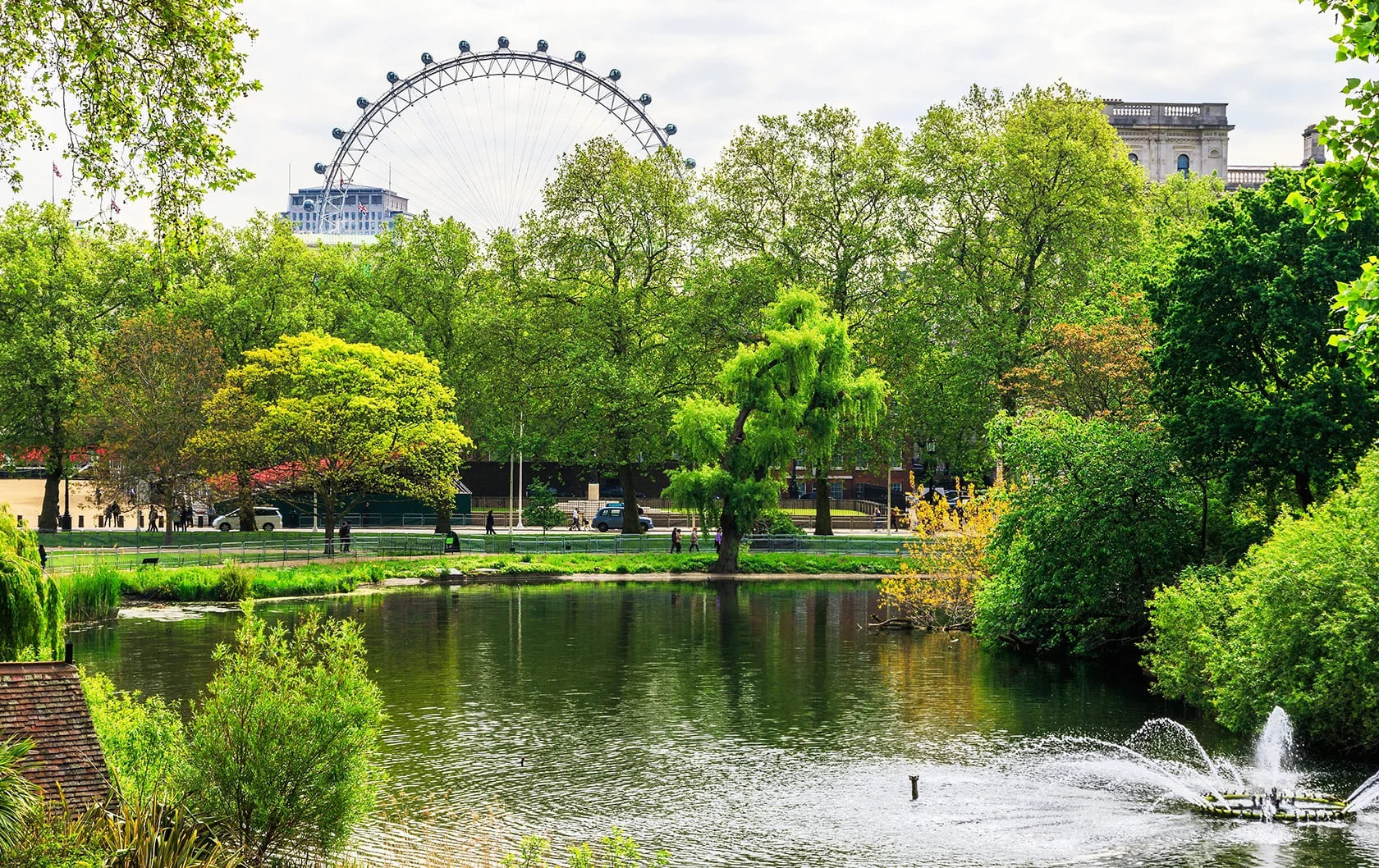
Parks provide a way to slow down between museums and paid attractions. They are also useful for families, photographers, walkers and travellers who want a change from busy streets.
Consider:
- Hyde Parkfor open space, lakeside walks and central access.
- St James's Parkfor a compact route near major landmarks.
- Regent's Parkfor gardens, open lawns and a quieter break.
- Hampstead Heathfor a more expansive green escape.
- Richmond Parkfor wide landscapes and a different sense of London.
- Greenwich Parkfor views, walking and access to other Greenwich attractions.
The Royal Parks official website is a useful source for current information about the parks it manages.
Free London Views

Some of London’s best viewpointsare free, although certain locations require advance booking. Possible options include:
- Sky Garden for free indoor viewpoint when advance booking is available.
- Horizon 22for free high-level city view, subject to current booking arrangements.
- Primrose Hill: An outdoor skyline view with a neighbourhood walk
- Parliament Hill for broad views across London and a Hampstead Heath visit.
- Greenwich Parkfor view combined with museums, the Meridian area and the riverside.
- Elevated Thames bridges best suited for specific sights, photography, and experiences.
- South Bankfor riverside walk with bridges, landmarks and free public views.
Sky Gardenand Horizon 22have offered free public access through ticketing systems, but availability, release dates and booking arrangements can change. Check each venue’s official booking page before building your itinerary around a visit. Do not assume that free entry means walk-in access.
Free Landmarks, Neighbourhood Walks And Viewpoints
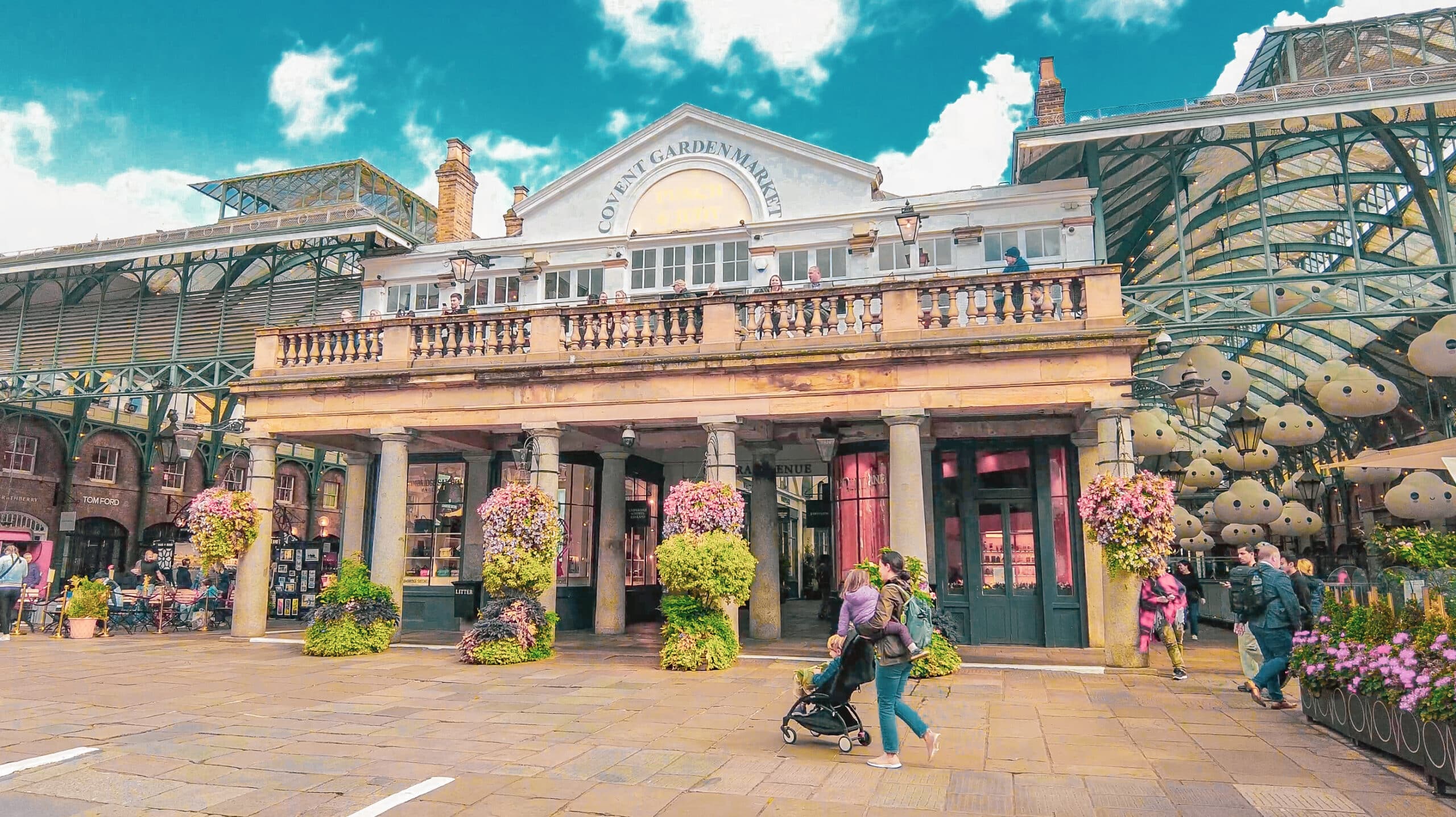
You can experience much of London's character without buying an attraction ticket. A self-guided walk through Westminster, a stroll along the South Bank, a visit to Trafalgar Square or an exploration of historic streets can fill several hours.
Other options include:
- Seeing the exterior of Buckingham Palace and walking through nearby public spaces.
- Exploring Covent Garden and its surrounding streets.
- Walking beside the Thames between major central landmarks.
- Visiting Leadenhall Market when it is open.
- Exploring Greenwich's historic streets and park.
- Looking for free public viewpoints or open-access spaces, subject to current arrangements.
Some places have free entry but involve spending on food, transport or optional experiences. A “free day” should therefore be understood as a low-admission-cost day, not necessarily a day with no spending.
Free Events And Seasonal Activities
London has free cultural events, public performances, festivals and seasonal activities, but dates and access conditions vary. Check the official organiser or venue for current information before making an event the centrepiece of your itinerary.
This is why area-based planning matters. Combining several free sights within one walk is usually better value than travelling across London to visit one free attraction at a time.
Which Paid London Attractions Are Worth Budgeting For?
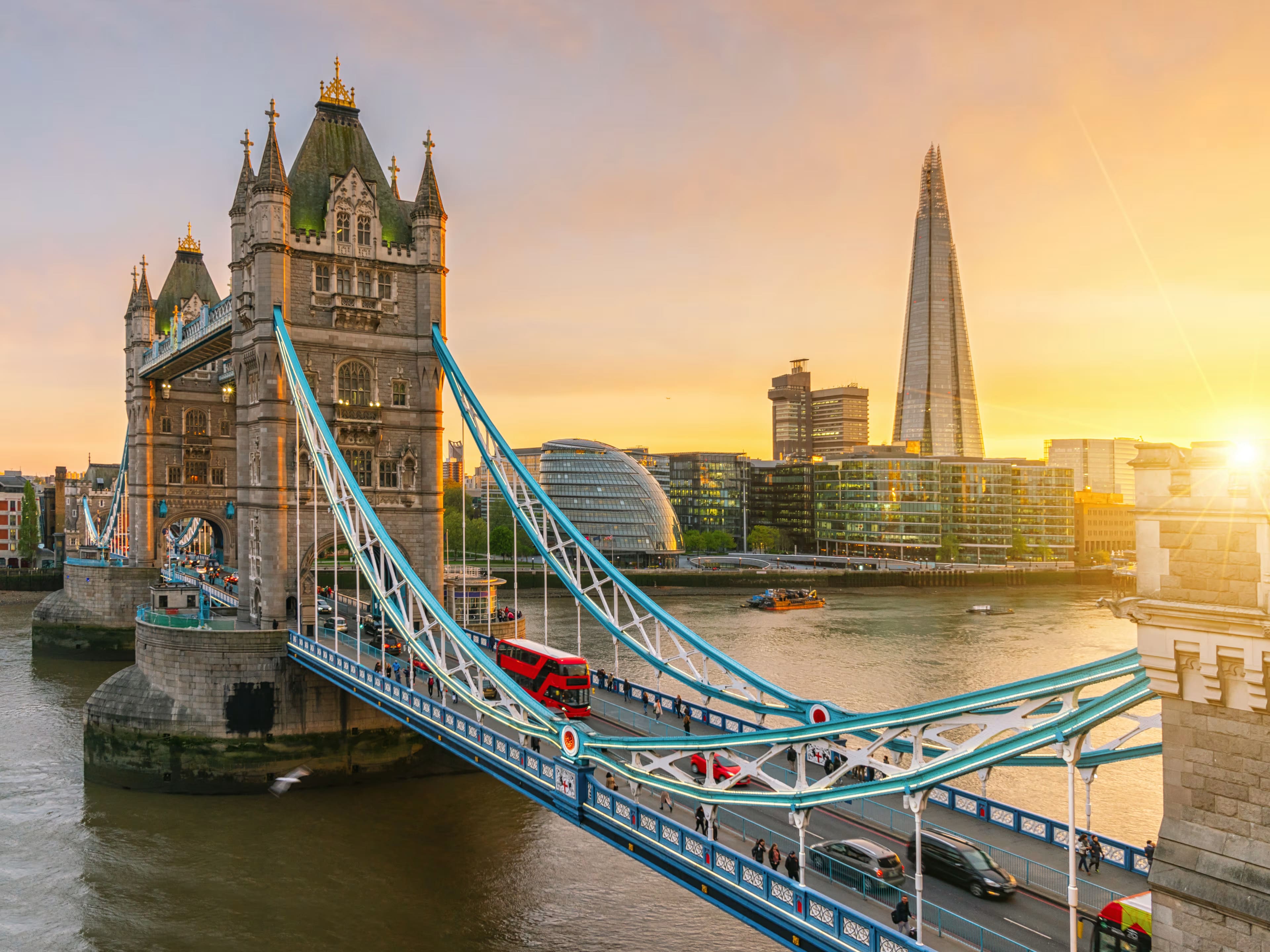
A budget trip does not have to mean avoiding every ticketed attraction. Spending a modest amount on one memorable experience can be better value than paying for several attractions simply because they are famous.
The key is to compare the experience, admission cost, time required and available free alternatives.
| Experience type | What to compare before paying |
| Paid viewpoint | View, time slot, weather policy and free skyline alternatives |
| Historic building or museum | Admission, included areas and whether the subject genuinely interests you |
| Theatre or performance | Seat location, booking fees, restrictions and alternative performances |
| Guided tour | Expert commentary and convenience versus a self-guided route |
| River cruise | What you will see, duration and whether a riverside walk provides enough value |
| Attraction pass | Individual ticket total, reservations, exclusions and realistic time available |
Low-cost Attractions Worth Considering
The following are examples of experiences to investigate, not guaranteed prices or universal recommendations. Check each operator’s official website for current admission, opening times, booking conditions and any restrictions.
- Tower Bridge:A good choice for visitors interested in the bridge's history and engineering; compare its admission cost with a free riverside walk.
- Old Operating Theatre Museum: A distinctive small museum for visitors interested in medical history.
- Household Cavalry Museum: An option for military history enthusiasts near Westminster.
- Shakespeare's Globe: A useful choice for theatre lovers; compare the available visitor experiences and performances.
- London Transport Museum: Particularly relevant to transport enthusiasts and families, with admission conditions to check before visiting.
Affordable Views, River Experiences And Tours
A paid viewpoint or guided tour may be worthwhile when it offers something you cannot easily reproduce for free. But compare it with the alternatives first.
For example, a paid skyline view could be compared with a free public viewpoint or a riverside walk. A guided historical tour could be compared with a self-guided route using official information.
Choose the paid option if you want expert commentary, a specific view or a convenient stop on your route; otherwise compare the free alternative.
Theatre, Entertainment And Off-peak Offers
London's theatre and entertainment scene can be expensive, but some venues offer discounted tickets, limited-view seats, day seats or other special arrangements. Availability and eligibility vary by show.
Check the official theatre or venue before relying on a discount. A ticket advertised as inexpensive may have restrictions, limited availability or a different viewing experience from a standard seat.
Are London Attraction Passes Worth It?
An attraction pass is worth considering only when you already know which included attractions you want to visit and the combined individual prices are higher than the pass price.
It is less useful if you are buying it simply because it appears to offer a discount.
Before buying:
- List the attractions you genuinely want to visit.
- Check their individual prices.
- Confirm whether reservations are required.
- Check whether the pass includes the exact experience you want.
- Include booking fees and transport between attractions.
- Make sure the itinerary is realistic within the pass validity period.
The pass should follow your itinerary, not create your itinerary.
If you’re unsure whether an attraction pass or pay-as-you-go transport makes more sense, compare London Pass vs Oyster Cardbefore buying either.
Book Popular Attractions Carefully
Some attractions use date-specific or demand-based pricing. Others may offer cheaper online prices or require advance booking.
Always check the official attraction website before relying on an older price from a travel guide.
For example, official London Eye ticket prices can vary by date and booking conditions.
Eating In London On A Budget

Food is one of the easiest parts of a London budget to lose control of because small purchases accumulate throughout the day. The most practical approach is to give each meal a purpose rather than trying to make every meal as cheap as possible.
A simple breakfast can keep the morning inexpensive. Lunch can be casual and flexible, especially when you are between attractions. Dinner can be the meal where you choose to spend more if experiencing London’s restaurant scene is important to you.
Supermarkets, bakeries and casual cafés can help control costs, while food halls and markets offer variety. However, do not assume that every market stall is cheap: some popular stalls cost as much as a casual restaurant.
For specific affordable places to eat across the city, see the guide to where to eat in London on a budget.
A Practical Food Strategy
| Food choice | Best budget use |
| Supermarket breakfast | Early starts, families and self-catering |
| Bakery or café | Quick breakfast or lunch between sights |
| Food hall or market | Variety for groups and casual meals |
| Pub or casual restaurant | A sit-down meal without fine-dining prices |
| Special restaurant | A planned splurge rather than an impulse expense |
| Packed lunch or picnic | Park days and long walking routes |
Check The Extras Before Ordering
A menu price may not be the final cost. Check for service charges, drinks, desserts, additional sides, cover charges and booking fees. If you want one memorable London meal, budget for it deliberately rather than trying to avoid restaurant spending altogether.
London On A Budget For Different Travellers
The best saving opportunity depends on who is travelling and what usually causes spending to increase.
Solo Travellers
- Main budget pressure:accommodation, because a private room is not shared.
- Best saving opportunity:free attractions, walking routes, supermarkets and flexible meal choices.
- Main mistake to avoid:paying for convenience without considering how it affects the whole day’s budget.
Couples
- Main budget pressure:meals, accommodation and paid experiences chosen together.
- Best saving opportunity: combine free attractions with one or two carefully selected special experiences.
- Main mistake to avoid:paying for several similar viewpoints, tours or premium dining experiences.
Families
- Main budget pressure:food, transport and admission for multiple people.
- Best saving opportunity:free museums, parks, family-friendly walks and accommodation with useful facilities.
- Main mistake to avoid: assuming every free attraction is completely cost-free once transport, food and booking requirements are included.
Young Adults And Students
- Main budget pressure:socialising, entertainment, transport and spontaneous food purchases.
- Best saving opportunity: student discounts, free attractions, buses, walking and advance planning for theatre or events.
- Main mistake to avoid:allowing small daily purchases to replace the main budget plan.
London On A Budget: One, Two, Three And Seven-Day Ideas
An area-based itinerary is usually more economical than moving between distant attractions every few hours.
Plan one main area per day, then add nearby stops that fit naturally.
One Day In London
- Morning:Start in Westminster and see the Houses of Parliament and Big Ben from the outside. Continue through St James’s Park towards the Buckingham Palace area.
- Lunch:Choose a bakery, café, pub or casual restaurant along the route rather than travelling elsewhere for food.
- Afternoon:Continue to Trafalgar Square and the National Gallery, then walk towards Covent Garden.
- Optional paid choice:Use the afternoon or early evening for one priority ticketed experience, but do not add it automatically if the free route already fills the day.
- Budget logic:This route keeps the main sightseeing area compact, limits transport use and leaves the visitor free to spend on food or one chosen experience rather than several separate journeys.
If time and energy allow, continue towards the South Bank. Choose either a longer walk or a short public transport journey rather than trying to cover every landmark.
The same principle can be applied to any London day: choose one main area, add nearby free stops and reserve the remaining budget for one experience that matters to you.
Two Days In London
Day One: Westminster And The Central Riverside
Use Westminster as the starting point, then walk through the central riverside area towards the South Bank. This gives you several major landmarks without paying an admission fee for each one.
Use one paid attraction if there is something you particularly want to visit.
Day Two: Choose One Contrasting Area
Use the second day for a different side of London, such as the City, Greenwich, South Kensington, Camden or another area that matches your interests.
Use the second day to explore a different area or interest rather than repeating the same central sights.
Three Days In London
Keep the first two days compact, then choose one third-day option according to your interests.
Option One: South Kensington And Hyde Park
Choose this for museums and a weather-resistant day.
Combine:
- Natural History Museum
- Victoria and Albert Museum or Science Museum
- South Kensington streets
- Kensington Gardens
- Hyde Park
Do not attempt to explore all three large museums properly in one day. Choose one main museum and treat another as an optional shorter visit.
Option Two: Greenwich
Choose Greenwich for open space, architecture and maritime history.
Combine:
- Greenwich Park
- Queen’s House
- National Maritime Museum
- Greenwich Market
- Thames views
- Old Royal Naval College grounds
Paid options include Cutty Sark and the Royal Observatory. Check current opening times and admission prices before making either the day’s main anchor.
Option Three: East London
Choose East London for markets, street life and neighbourhood atmosphere.
A flexible route may include:
- Spitalfields
- Brick Lane
- Street-art areas
- Columbia Road, when relevant to your dates
- Regent’s Canal
- Victoria Park or another nearby green space
Check market opening days before travelling. Do not cross London for a market that is closed or operating on a different day.
A practical three-day budget structure
- Day 1:Westminster, St James’s Park, Trafalgar Square and Covent Garden.
- Day 2:South Bank, Tate Modern and the City, with walking between nearby sights where practical.
- Day 3:Choose one area-based day: South Kensington and Hyde Park, Greenwich or East London.
Use the third day according to your interests and the weather. Do not try to visit every major museum in South Kensington or every attraction in Greenwich in a single day.
Seven Days In London
A seven-day visit gives you more room to spread out the budget.
A possible framework is:
- Day 1:Westminster, St James’s Park and Trafalgar Square
- Day 2:South Bank, Tate Modern and the City
- Day 3:South Kensington and Hyde Park
- Day 4:Greenwich
- Day 5:Camden, Regent’s Canal or Hampstead Heath
- Day 6:Notting Hill, Kensington or another neighbourhood route
- Day 7:Flexible day for weather, shopping, a paid anchor or a missed attraction
A longer stay does not require a paid attraction every day. Use the extra time for parks, free museums, neighbourhoods, markets and slower walks.
Common London Budget Mistakes
Choosing The Cheapest Room Without Checking The Journey
Compare the full accommodation cost with transport, airport transfers and daily travel time.
Crossing London Repeatedly
Group attractions by area. A compact itinerary is usually calmer, quicker and easier to manage.
Buying A Transport Product Without Checking The Rules
Compare contactless, Oyster and other options according to your zones, discounts, age and payment circumstances.
Treating Every Market As Cheap
Markets can be enjoyable, but free entry does not mean inexpensive food. Check prices and portion sizes before ordering several items.
Paying For Several Similar Views
Choose one skyline experience and use free viewpoints, bridges, parks or riverside routes for the rest.
Buying A Pass Before Checking Direct Prices
Compare the actual attractions you want to visit, including booking requirements and cheaper advance tickets.
Using An Unofficial Ticket Seller
Book through the attraction, theatre, authorised seller or recognised official ticketing source.
Forgetting Small Additional Costs
Allow for service charges, drinks, luggage storage, booking fees, late-night transport and unexpected changes of plan.
Building A Budget With No Contingency
Keep a small reserve for weather changes, delays, price differences and spontaneous choices.
Your London Budget Checklist
Before travelling, check that you have:
- Calculated accommodation for the full stay.
- Priced airport or station transfers.
- Chosen a suitable contactless, Oyster or other transport option.
- Checked current TfL fares, caps and eligibility rules.
- Confirmed whether a Railcard actually saves money.
- Checked which attractions require advance booking.
- Chosen free museums, parks and walks that fit your route.
- Selected one or two paid experiences that genuinely matter to you.
- Planned where to eat around each day’s route.
- Allowed for service charges, drinks, booking fees and attraction extras.
- Grouped sightseeing by area.
- Kept a separate contingency.
For current transport information, use the official TfL websiterather than relying on an old fare figure.
Frequently Asked Questions
How Much Should I Budget Per Day In London?
Excluding accommodation, flights and airport transfers, a lean sightseeing day may cost around £35–£55 per person. A more flexible day may require £60–£100 or more, while restaurant meals, major attractions, theatre, nightlife and taxis can increase the total.
Is £100 A Day Enough In London?
It can be enough for one visitor when accommodation, airport transfers and major prebooked tickets are excluded. It may cover ordinary meals, local transport, one modest paid activity and a contingency, depending on your choices.
What Is The Cheapest Way To Travel Around London?
Walking is usually the cheapest option for nearby sights. For longer journeys, compare buses with pay-as-you-go Tube, rail, DLR and Elizabeth line travel. The best choice depends on distance, zones, time and eligibility for discounts.
Is Oyster Cheaper Than Contactless?
For many adults, Oyster and contactless use the same basic pay-as-you-go fare structure. Oyster may be more useful if you need an eligible discount, do not want to rely on a foreign bank card or prefer to separate travel spending from your bank account.
Is It Cheaper To Stay Outside Central London?
Sometimes, but the saving should be compared with additional transport costs, longer journeys, airport-transfer arrangements and the time required to reach your sightseeing areas. A slightly more expensive, well-connected room may offer better overall value for a short visit.
Do Children Travel Free In London?
Children’s travel rules depend on age, service and ticket type. TfL provides different arrangements for younger children and visitors aged 11–15, including specific Oyster and Young Visitor options. Check the current official guidance before travelling.
Can I Visit Sky Garden For Free?
Sky Garden has offered free standard public access through a limited-ticket system, but availability and booking rules can change. Check the official booking page before travelling. Food, drinks and special experiences may cost extra.
Are London Attraction Passes Worth It?
Only when the attractions you genuinely want to visit cost more individually than the pass. Compare official ticket prices, booking requirements, exclusions, availability and the time needed to visit each attraction.
Can I Find Cheap West End Tickets?
Some theatres offer discounted, rush, day-seat or limited-view tickets, but availability and conditions vary by show. Check the official theatre, venue or authorised ticketing source before relying on a discount.
How Can Families Visit London On A Budget?
Use free museums and parks, choose accommodation with useful facilities, plan meals before children become hungry, check child travel rules and avoid trying to cover too many attractions in one day.
Can I Visit London On A Budget Without Missing The Main Experience?
Yes. Use free museums, parks, public spaces and neighbourhood walks as the foundation, then spend deliberately on the one or two experiences that matter most to you. The key is to reduce low-value spending rather than avoid every paid activity.
Spend On The London Experience You Value Most
A good London budget is not about making the trip as cheap as possible. It is about avoiding unnecessary costs so you have more money for the parts of London you actually care about.
Start with the biggest decisions: choose accommodation based on total trip cost, use public transport intelligently, group sights by area and decide which paid experiences genuinely matter to you.
Then let free museums, parks, walks, neighbourhoods and public spaces fill the gaps.
You do not need to turn every meal into a supermarket picnic or skip every paid attraction. Save where spending adds little, and spend deliberately where it makes the trip better.That is the difference between a restrictive budget trip and a genuinely good-value visit to London.
Jump to
What To Know Before Setting Your London Budget
London Budget At A Glance
How Much Does London Cost On A Budget?
Build Your London Budget In The Right Order
When Is The Cheapest Time To Visit London?
Where To Stay In London On A Budget
Getting Around London On A Budget
Free Things To Do In London
Which Paid London Attractions Are Worth Budgeting For?
Are London Attraction Passes Worth It?
Eating In London On A Budget
London On A Budget For Different Travellers
London On A Budget: One, Two, Three And Seven-Day Ideas
Common London Budget Mistakes
Your London Budget Checklist
Frequently Asked Questions
Spend On The London Experience You Value Most

James Rowley
Author
James Rowley is a London-based writer and researcher covering London life, cultural geography, London travel, live London webcam pages and selected public figures across entertainment, sport, business and public life.
For over 15 years, he has focused on verified sources, first-hand local context and clear explanations that help readers understand both places and people more deeply. His work combines street-level London knowledge with careful research into career credits, media work, business interests and, where relevant, transparently explained net worth estimates.
He writes and reviews articles published on LondonWebcam.
Latest Articles
Popular Articles