35 Best Museums In London By Area, Budget And Visitor Type
Planning a cultural day out? Discover 35 of the best museums in London, organised by area, budget, free options, booking tips and nearest Tube stations.
Author:James RowleyMay 23, 202658.7K Shares995.7K Views
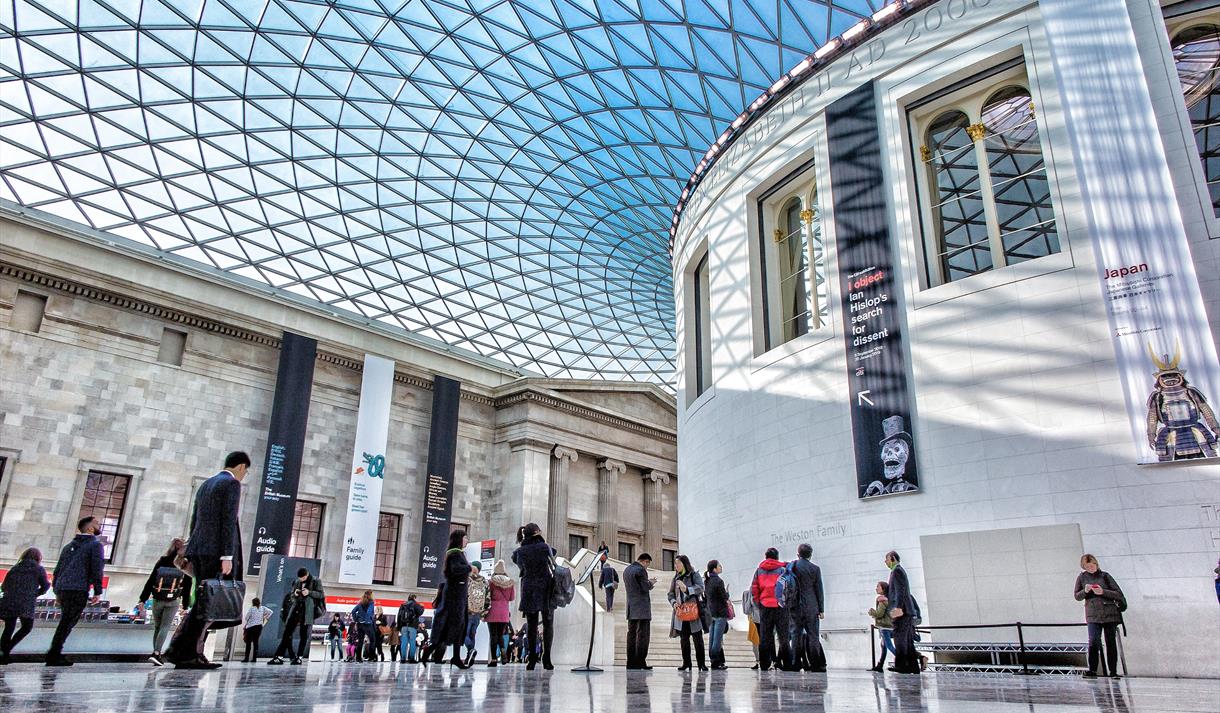
Quick Answer: Which London Museums Should You Choose?
The best museums in Londondepend on what you want from the day.
For most first-time tourists, the strongest shortlist is the British Museum, National Gallery, Natural History Museum, V&A, Science Museum, Tate Modern, Tate Britain and Imperial War Museum London.
If you are still shaping the wider trip, pair this museum shortlist with our guide to the best places to visit in London for first-time visitors.
For families, start with the Natural History Museum or Science Museum. For art lovers, choose the National Gallery, Tate Modern, Tate Britain, Wallace Collection or V&A.
For budget travellers, London is unusually generous: many major museums are free for general admission, although special exhibitions and some experiences cost extra.
Note: This list includes major museums, galleries, historic visitor sites and museum-like indoor attractions where they genuinely help visitors plan a London cultural day.
Freshness note:Opening hours, admission rules and booking requirements change regularly. We checked official venue pages and details as of May 2026, but visitors are advised to check the latest updates before visiting.
Best Museums/galleries At A Glance
| Venue | Key details |
| British Museum | Area: Bloomsbury. Free general admission. Best for first-time visitors and world history. Time needed: 2–4 hours. Reserve: recommended for busy times. |
| National Gallery | Area: Trafalgar Square. Free general admission. Best for classic European paintings. Time needed: 1.5–3 hours. Reserve: recommended for fast-track entry. |
| V&A South Kensington | Area: South Kensington. Free general admission. Best for design, fashion and decorative arts. Time needed: 2–4 hours. Reserve: no for general admission. |
| Natural History Museum | Area: South Kensington. Free general admission. Best for families, dinosaurs and the natural world. Time needed: 2–4 hours. Reserve: recommended. |
| Science Museum | Area: South Kensington. Free general admission. Best for families, science and interactivity. Time needed: 2–4 hours. Reserve: yes, free ticket. |
| Tate Modern | Area: South Bank. Free general admission. Best for contemporary art and riverside walks. Time needed: 1.5–3 hours. Reserve: no for general admission. |
| Tate Britain | Area: Pimlico / Millbank. Free general admission. Best for British art. Time needed: 1.5–3 hours. Reserve: no for general admission. |
| Imperial War Museum London | Area: Lambeth. Free general admission. Best for modern history and war stories. Time needed: 2–3 hours. Reserve: no for general admission. |
| Churchill War Rooms | Area: Westminster. Ticketed. Best for WWII history and immersive historic sites. Time needed: 1.5–2.5 hours. Reserve: yes, strongly recommended. |
| Tower of London | Area: Tower Hill. Ticketed. Best for royal history and the Crown Jewels. Time needed: 3+ hours. Reserve: yes. |
| Sir John Soane’s Museum | Area: Holborn. Free general admission. Best for architecture, interiors and a compact historic house-museum visit.; tours book ahead. |
| Wallace Collection | Area: Marylebone. Free permanent collection. Best for quieter art, interiors and armour. Time needed: 1.5–2.5 hours. Reserve: no for main collection. |
| London Museum Docklands | Area: West India Quay. Free general admission. Best for London history, docks and trade. Time needed: 1–2 hours. Reserve: no. |
| Design Museum | Area: Kensington. Partly free. Best for design, products and architecture. Time needed: 1–2 hours. Reserve: book paid exhibitions. |
| National Portrait Gallery | Area: Trafalgar Square. Free general admission. Best for British history through portraits. Time needed: 1.5–2.5 hours. Reserve: recommended. |
| London Transport Museum | Area: Covent Garden. Ticketed for adults. Best for families, Tube history and buses. Time needed: 1.5–2.5 hours. Reserve: yes, timed entry. |
| Postal Museum | Area: Clerkenwell. Ticketed. Best for Mail Rail and quirky family visits. Time needed: 1.5–2.5 hours. Reserve: yes. |
| Young V&A | Area: Bethnal Green. Free general admission. Best for younger children, play and design. Time needed: 1–2 hours. Reserve: no for general admission. |
| National Maritime Museum | Area: Greenwich. Free general admission. Best for maritime history and families. Time needed: 1.5–2.5 hours. Reserve: optional free booking. |
| Royal Observatory Greenwich | Area: Greenwich. Ticketed. Best for time, astronomy and the Prime Meridian. Time needed: 1–2 hours. Reserve: yes. |
Free-entry and booking rules vary by venue. Official pages confirm free general admission at the British Museum, V&A, National Gallery, Tate galleries and Imperial War Museum London, while the Science Museum asks visitors to book free general admission tickets.
For a first London trip, pick one major museum as your anchorand add only one nearby venue if your route still feels easy.
How These Top Museums In London Were Selected
The point of this guide is not to list every museum in London. The point is to help you choose the best museum for your day.
The selection criteria are:
- Best for whom:first-time visitors, families, art lovers, couples, rainy-day planners, budget travellers or repeat visitors.
- Best by area:central London, South Kensington, South Bank, Greenwich, Bloomsbury, Covent Garden and Docklands.
- Best by budget:free general admission, paid-but-worth-it, and mixed free/ticketed venues.
- Best by style:big national museum, gallery, house museum, immersive historic site or niche collection.
- Current visitor value:stale or closed physical-visit entries are removed or treated as future/status notes.
That means the former Museum of London at London Wall is not treated as a current visitor pick. The new London Museum at Smithfield is due to open towards the end of 2026, while London Museum Docklands remains open now.
It also means Jewish Museum London is not listed as a normal Camden museum visit because it is operating as a “museum without walls” while working towards a new permanent home.
Best Free Options
London’s free museum scene is one of the city’s biggest advantages for visitors. The catch is that “free” usually means free general admission, not always free exhibitions, experiences, tours or timed extras.
Best Free Museums For First-time Tourists
The strongest free options for a first visit are:
- British Museum- best for global history and iconic objects.
- National Gallery- best for classic European paintings.
- V&A- best for design, fashion and decorative arts.
- Natural History Museum- best for families and dinosaurs.
- Science Museum- best for interactive science.
- Tate Modern- best for contemporary art and South Bank sightseeing.
- Imperial War Museum London- best for modern conflict history.
- Wallace Collection- best for a quieter art visit.
- London Museum Docklands- best for London’s river, trade and dock history.
The British Museum lists free entry and daily opening, the V&A says general admission is free and does not need booking, and London Museum Docklands says entry is free with no need to book in advance.
Note Free Vs Ticketed
A museum can be free and still require planning. The Science Museum says visitors should book free general admission tickets, while the Natural History Museum offers free entry tickets and recommends booking to help skip queues.
A museum can also be partly free. The Design Museum’s permanent collection display is free, but paid exhibitions should be checked separately.
Best London Museums By Budget
| Budget need | Best picks |
| Free first-time day | British Museum, National Gallery, V&A, Tate Modern |
| Free family day | Natural History Museum, Science Museum, Young V&A |
| Paid historic experience | Churchill War Rooms, Tower of London |
| Paid family activity | London Transport Museum, Postal Museum |
| Low-effort rainy day | V&A, British Museum, Tate Modern |
The Top 10 Museums In London
Start with these if you want broad appeal, easy access and major collections.
1. The British Museum
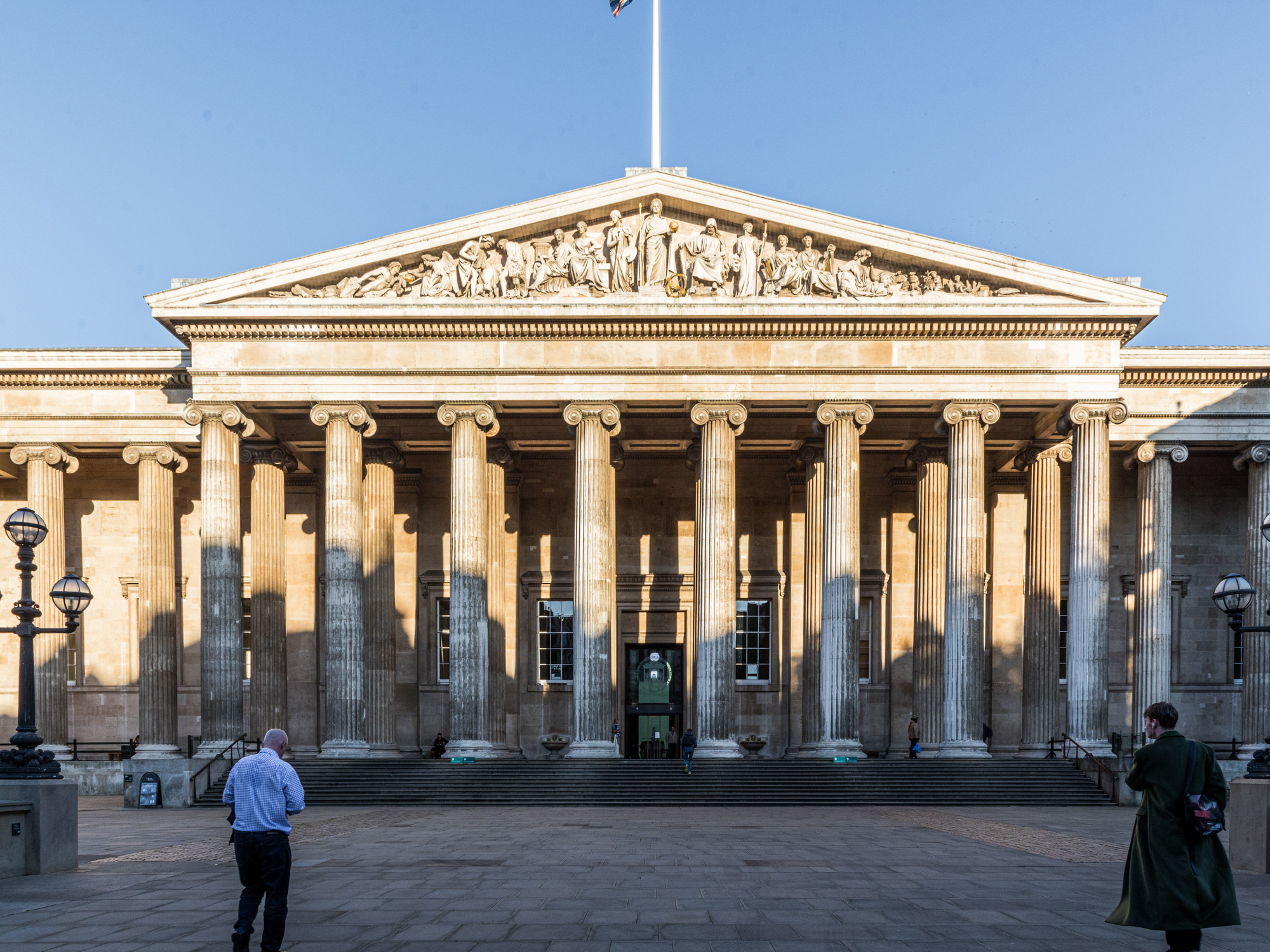
| Detail | Information |
| Location | Great Russell Street, WC1B 3DG |
| Opening | Daily 10:00–17:00, Friday until 20:30 |
| Admission | Free general admission; special exhibitions may charge |
| Nearest Tube | Tottenham Court Road, Holborn, Russell Square |
| Time needed | 2–4 hrs |
The British Museum is the best first-time choice for visitors who want a single place that captures the scale of human history. Founded in 1753, it holds one of the world’s great collections, spanning ancient Egypt, Greece, Rome, Assyria, Asia, Africa, Europe and the Middle East.
Its appeal is breadth. You can move from Egyptian mummies to medieval chess pieces, from Assyrian reliefs to Enlightenment-era collecting, and from ancient writing systems to global archaeological treasures.
Highlights to look for:
- Rosetta Stone
- Egyptian mummies
- Parthenon sculptures
- Lewis Chessmen
- Sutton Hoo objects
- Great Court
Why go?Choose the British Museum if you want world history, iconic artefacts and a central London location. It is especially strong for first-time visitors, but it rewards a focused route because the collection is far too large to “complete” in one visit.
The museum’s official visit pageconfirms free entry and daily opening, with Friday late opening until 20:30
2. The National Gallery
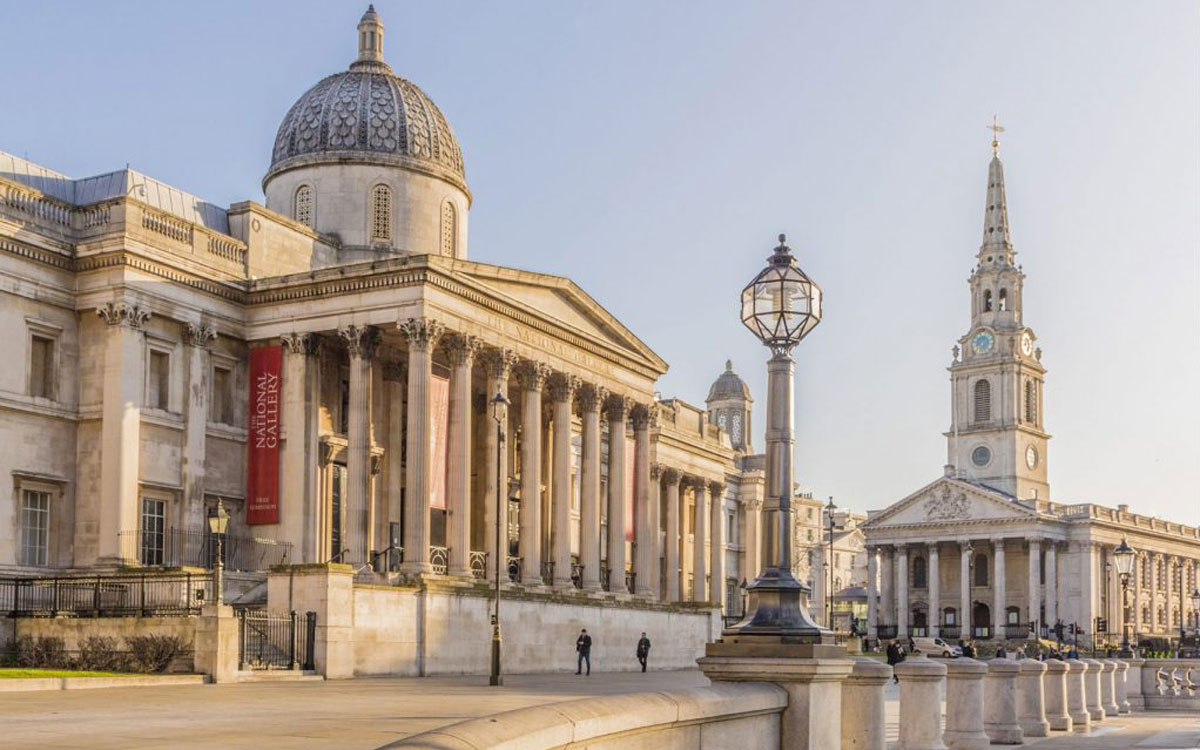
| Detail | Information |
| Location | Trafalgar Square, WC2N 5DN |
| Opening | Daily 10:00–18:00, Friday until 21:00 |
| Admission | Free general admission; some exhibitions charge |
| Nearest Tube | Charing Cross, Leicester Square, Piccadilly Circus |
| Time needed | 1.5–3 hrs |
The National Galleryis the best London museum for classic European painting. Its Trafalgar Square location also makes it one of the easiest cultural stops to add to a central London sightseeing day.
Founded in 1824, the gallery covers major European painting from the thirteenth to twentieth centuries. It is a strong choice for visitors who want Van Gogh, Turner, Leonardo, Monet, Rembrandt, Titian and other major names without leaving central London.
Highlights to look for:
- Van Gogh’s Sunflowers
- Turner’s The Fighting Temeraire
- Leonardo da Vinci’s The Virgin of the Rocks
- Monet’s The Water-Lily Pond
- Works by Rembrandt, Titian and Velázquez
Why go?Choose the National Gallery if you want a free, central and high-impact art visit. It is less sprawling than the V&A or British Museum, but still large enough to reward two or three hours.
The National Gallery confirms free general admission and Friday late opening on its visitor information page.
3. Victoria And Albert Museum (V&A)
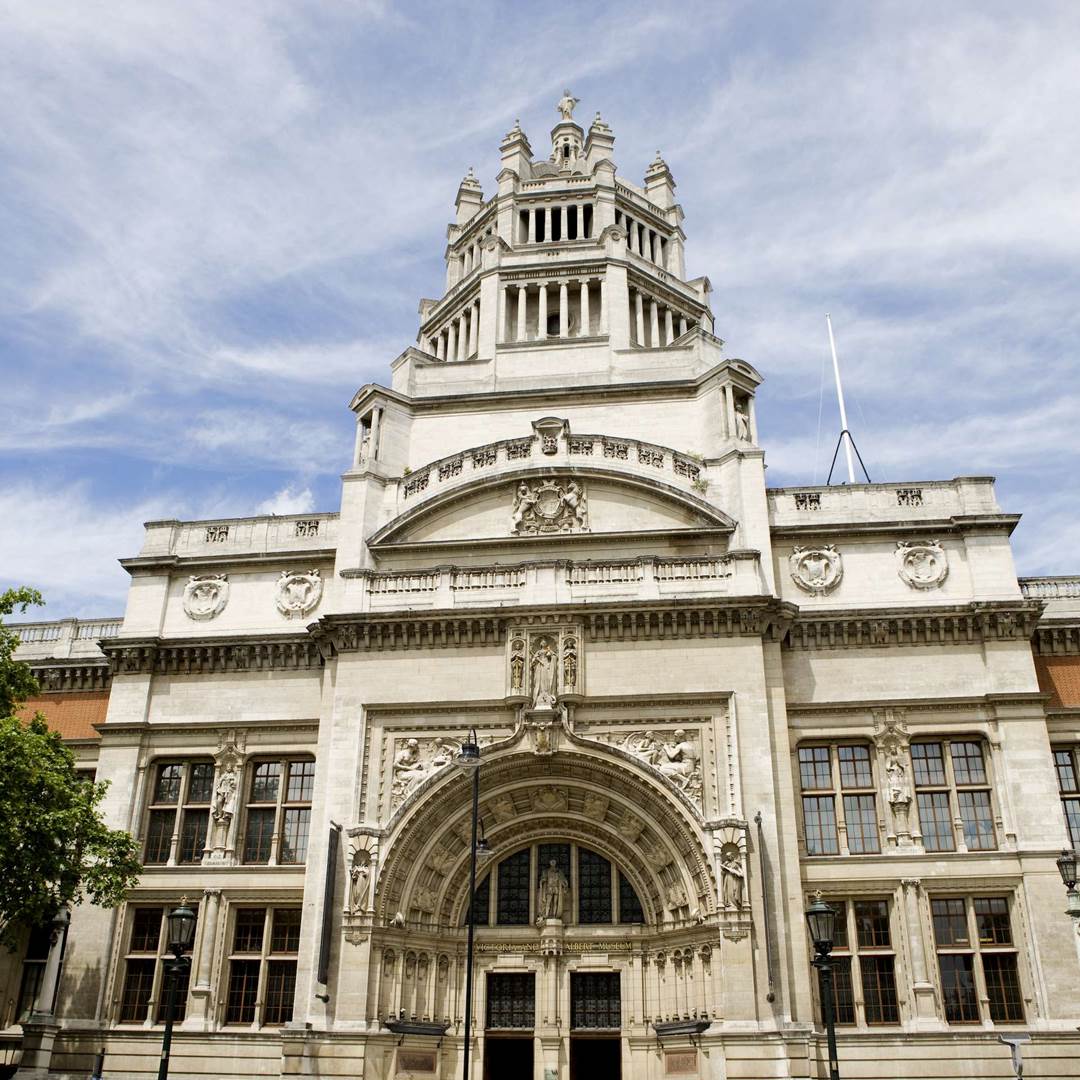
| Detail | Information |
| Location | Cromwell Road, SW7 2RL |
| Opening | Daily; Friday late opening listed by the museum |
| Admission | Free general admission; some exhibitions and events charge |
| Nearest Tube | South Kensington, Gloucester Road |
| Time needed | 2–4 hrs |
The V&Ais the strongest London pick for design, fashion and decorative arts in one free museum. It is the kind of museum where a chair, a dress, a jewel, a cast, a theatre costume or a tiled courtyard can become the highlight.
Its collection spans thousands of years of creativity, with galleries covering fashion, sculpture, textiles, jewellery, ceramics, photography, theatre, furniture and global design. It is ideal for adults, couples, design lovers and visitors who want beauty as much as history.
Good starting points
- Cast Courts
- Jewellery Gallery
- Fashion galleries
- Tipu’s Tiger
- Theatre and performance collections
- Sculpture and decorative arts galleries
Why go?Choose the V&A if you want variety without losing elegance. It is especially good on rainy days because the building itself is part of the pleasure.
The V&A says South Kensington is open seven days a week, general admission is free, and visitors do not need to book for general entry.
4. Natural History Museum
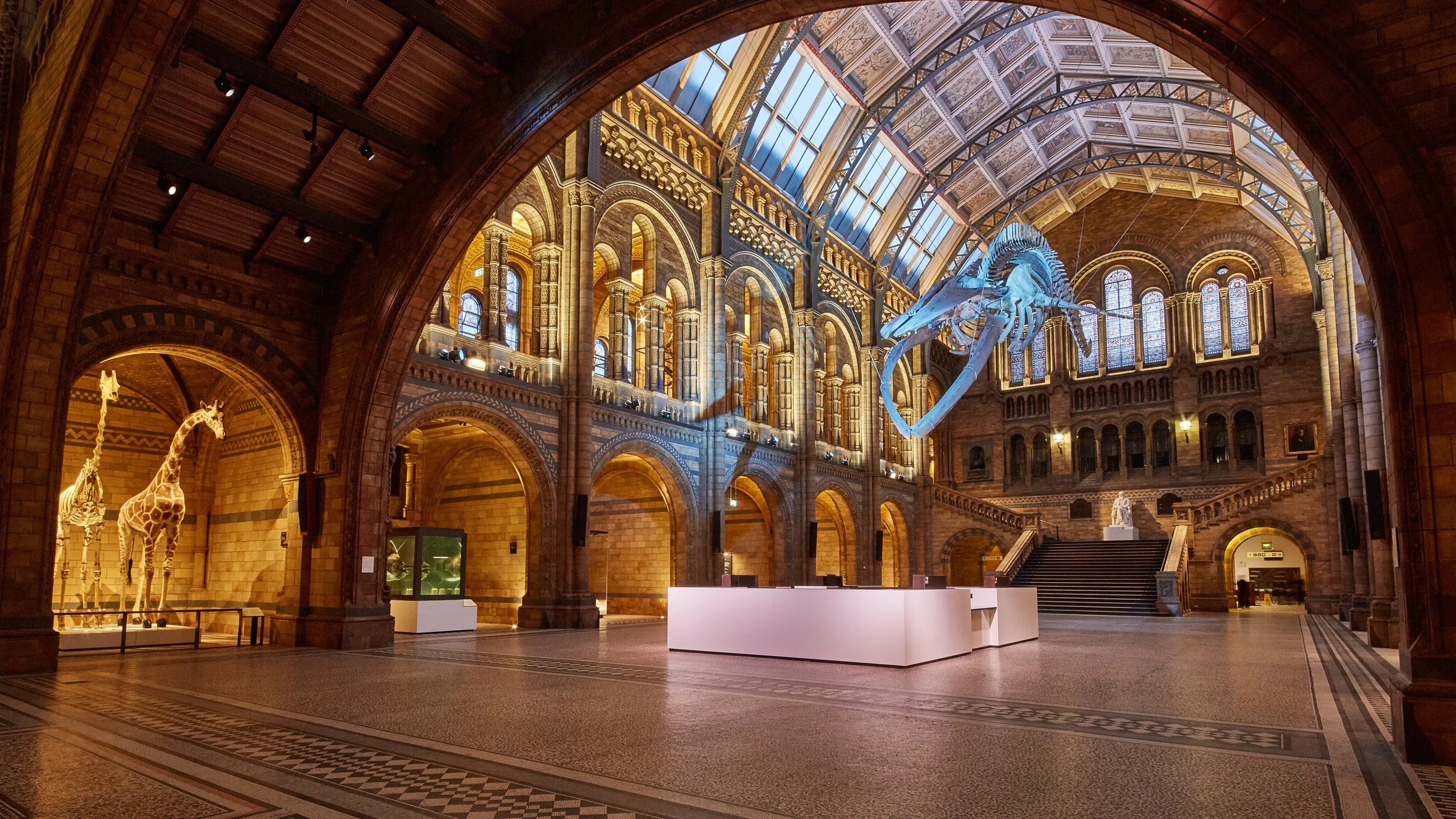
| Detail | Information |
| Location | Cromwell Road, SW7 5BD |
| Opening | Usually daily 10:00–17:50 |
| Admission | Free general admission; some exhibitions and experiences charge |
| Nearest Tube | South Kensington |
| Time needed | 2–4 hrs |
The Natural History Museum is the best museum in London for families who want spectacle. Its Romanesque building, Hintze Hall, dinosaurs, minerals, mammals and Earth science displays make it feel memorable even before you read a label.
It works for children because the subject matter is instantly visual. Dinosaurs, whales, fossils, volcanoes, earthquakes and rare gemstones do not need much explanation to feel exciting.
Good starting points
- Hope the blue whale
- Dinosaur Gallery
- Animatronic T. rex
- The Vault
- Earthquake simulator
- Minerals and fossils
Why go?Choose the Natural History Museum for children, dinosaurs, natural science and one of London’s most dramatic museum buildings. It is busy for a reason, so book ahead when recommended.
The museum’s official visit informationsays visiting is free and recommends booking a ticket before visiting.
5. Tate Modern
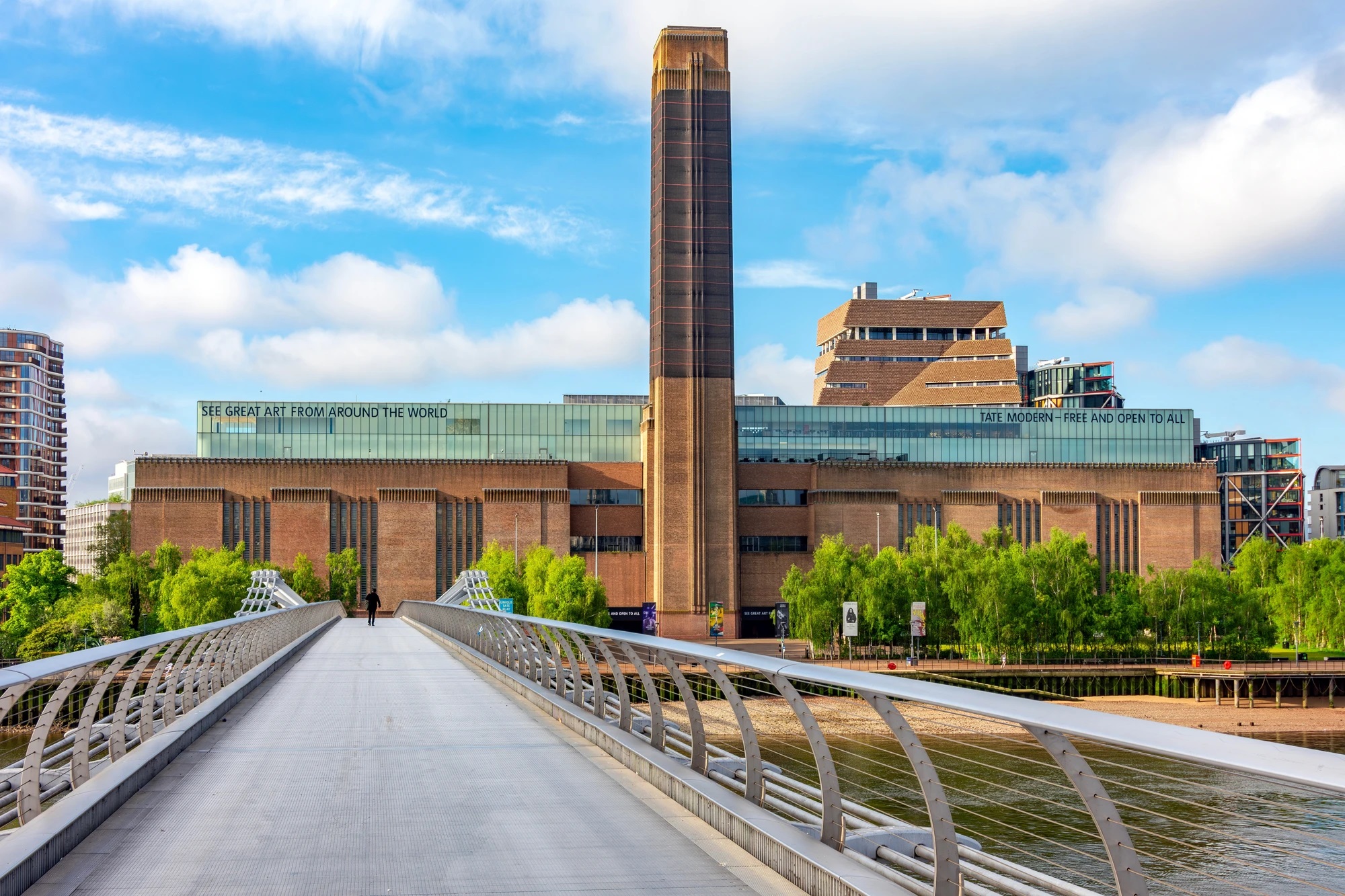
| Detail | Information |
| Location | Bankside, SE1 9TG |
| Opening | Usually daily 10:00–18:00 |
| Admission | Free general admission; special exhibitions may charge |
| Nearest Tube | Blackfriars, Southwark, London Bridge |
| Time needed | 1.5–3 hrs |
Tate Modernis the strongest central London choice for modern and contemporary art. Housed in a former power station on the South Bank, it is also one of the city’s most distinctive museum buildings.
It is especially useful for visitors who want a museum visit that combines art with a riverside walk. You can pair it with Millennium Bridge, St Paul’s views, Borough Market or Shakespeare’s Globe.
Must-see highlights
- Turbine Hall installations
- Picasso’s Weeping Woman
- Duchamp’s Fountain
- International modern and contemporary collections
- Temporary exhibitions
Why go?Choose Tate Modern for bold contemporary art, large-scale installations and South Bankatmosphere. If you prefer classic paintings, the National Gallery or Tate Britain may suit you better.
Tate’s visitor information lists Tate Modern as free admission, with paid exhibitions handled separately.
6. Science Museum
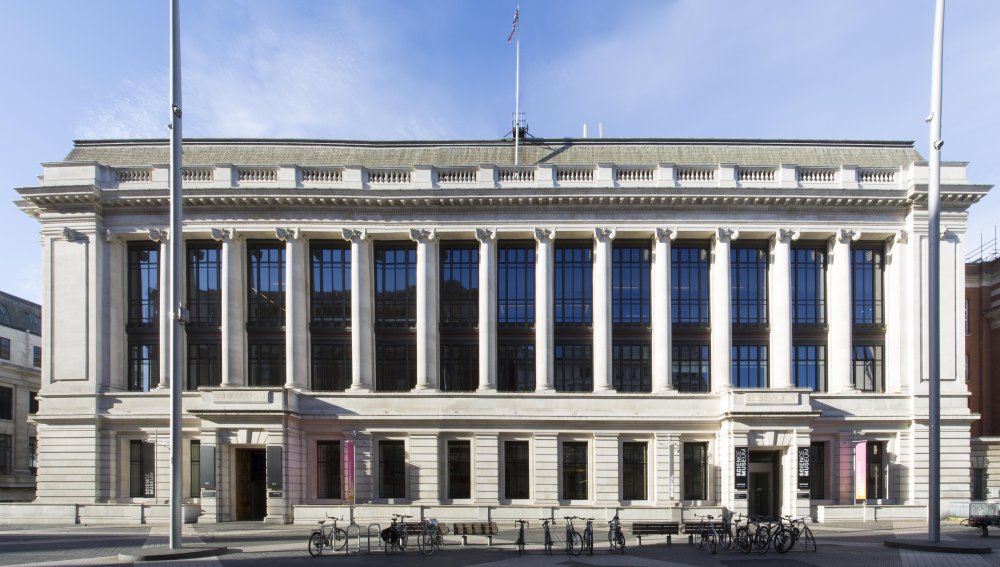
| Detail | Information |
| Location | Exhibition Road, SW7 2DD |
| Opening | Daily 10:00–18:00 |
| Admission | Free general admission; pre-booking required; some experiences charge |
| Nearest Tube | South Kensington |
| Time needed | 2–4 hrs |
The Science Museum is one of London’s strongest family museums, especially for children who need interaction rather than quiet looking. It covers science, technology, engineering, medicine, space and innovation.
Its South Kensington location makes it easy to pair with the Natural History Museum or V&A, but do not overdo the cluster. The Science Museum alone can fill several hours.
Must-see highlights
- Apollo 10 command module
- Stephenson’s Rocket
- Wonderlab
- Space and aviation displays
- Medicine galleries
- IMAX and paid experiences
Why go?Choose the Science Museum for hands-on learning, family-friendly exhibits and a more interactive day than many traditional galleries offer.
The Science Museumsays entry is free, pre-booking is required, and it is open daily from 10:00 to 18:00 except 24–26 December.
7. Imperial War Museum
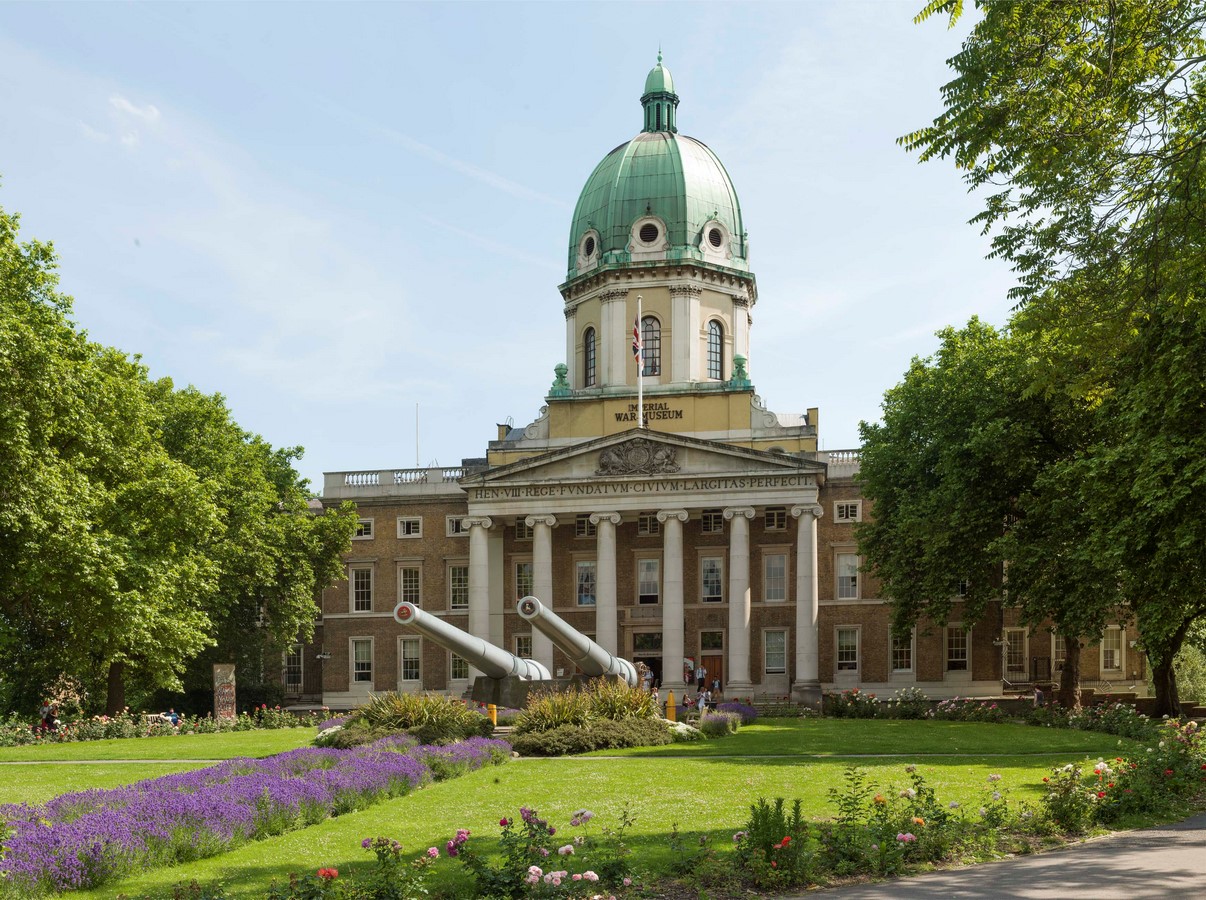
| Detail | Information |
| Location | Lambeth Road, SE1 6HZ |
| Opening | Daily 10:00–18:00 |
| Admission | Free general admission; no booking needed |
| Nearest Tube | Lambeth North, Elephant & Castle |
| Time needed | 2–3 hrs |
Imperial War MuseumLondon is one of the city’s most powerful museums because it focuses on the human experience of conflict. It covers war through personal stories, objects, photographs, documents, vehicles and testimony.
This is not a light museum. It is best for adults, older children and visitors who want modern history presented with emotional weight.
Key highlights
- First World War galleries
- Second World War galleries
- Holocaust Galleries
- Spitfire and military vehicles
- Conflict-related personal stories
Why go?Choose IWM London if you want a serious, moving and educational museum about war, memory and society.
IWM London confirms free entry, no booking needed, and daily opening from 10:00 to 18:00.
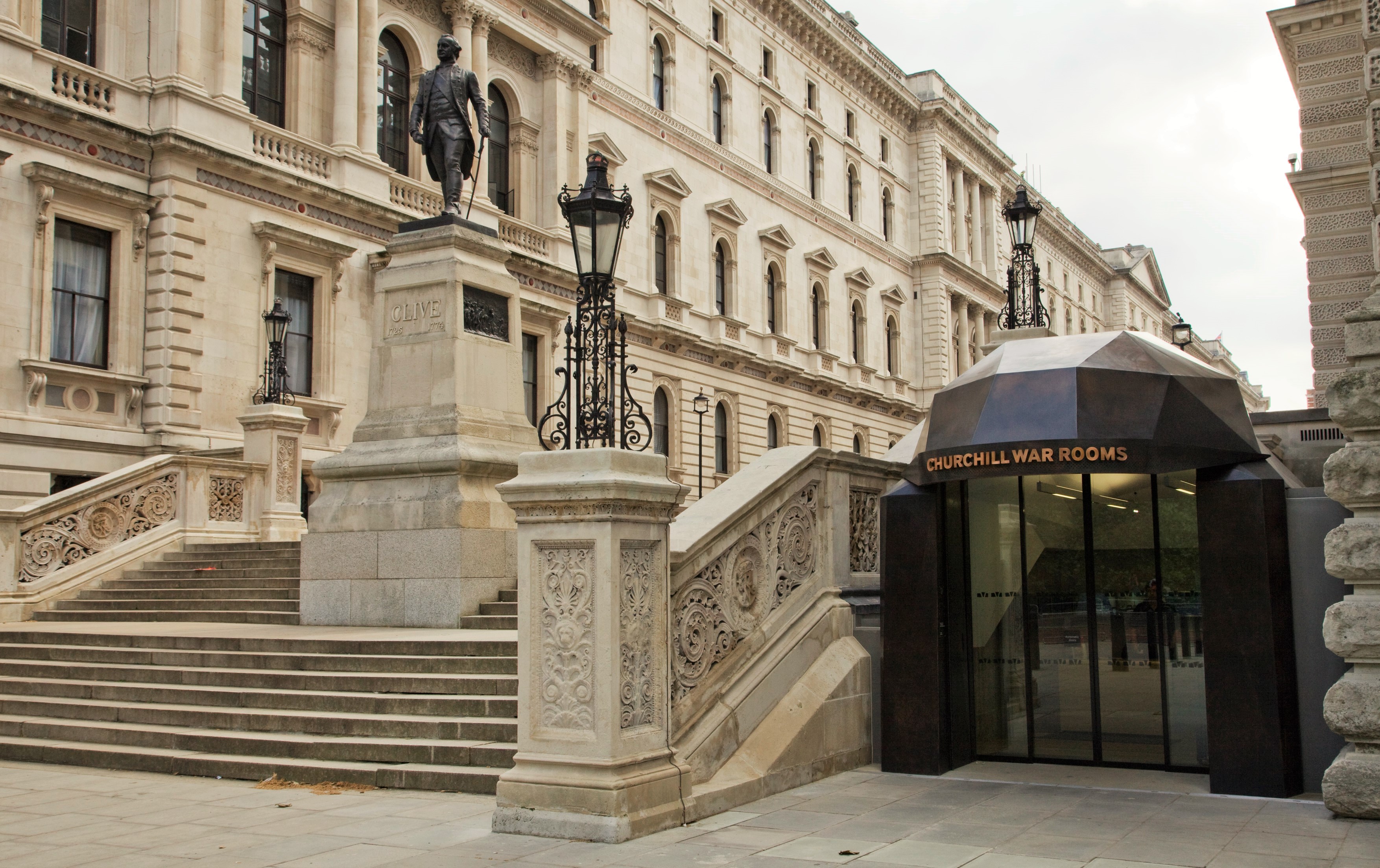
8. Churchill War Rooms
| Detail | Information |
| Location | King Charles Street / Clive Steps, SW1A 2AQ |
| Opening | Typically daily, with timed tickets |
| Admission | Paid; book ahead strongly recommended |
| Nearest Tube | Westminster |
| Time needed | 1.5–2.5 hrs |
Churchill War Roomsis one of the strongest paid picks if you want an immersive Second World War site. Beneath Westminster, the preserved wartime rooms show where Winston Churchill and his government directed parts of Britain’s Second World War effort.
It feels different from a standard museum because the setting is the exhibit. The narrow corridors, map rooms and underground atmosphere make the history feel immediate.
Highlights to look for:
- Map Room
- Churchill’s bedroom and desk
- Cabinet War Rooms
- Churchill Museum
- Wartime communications spaces
Why go?Choose the Churchill War Rooms if you want to see a real, lifelike Second World War site rather than a large, free museum. It is perfect for visitors who want to learn about wartime leadership and London's political history.
IWM’s official Churchill War Rooms page directs visitors to check opening times and book tickets, while Visit London lists daily opening from 09:30 to 18:00 with last entry at 17:00.
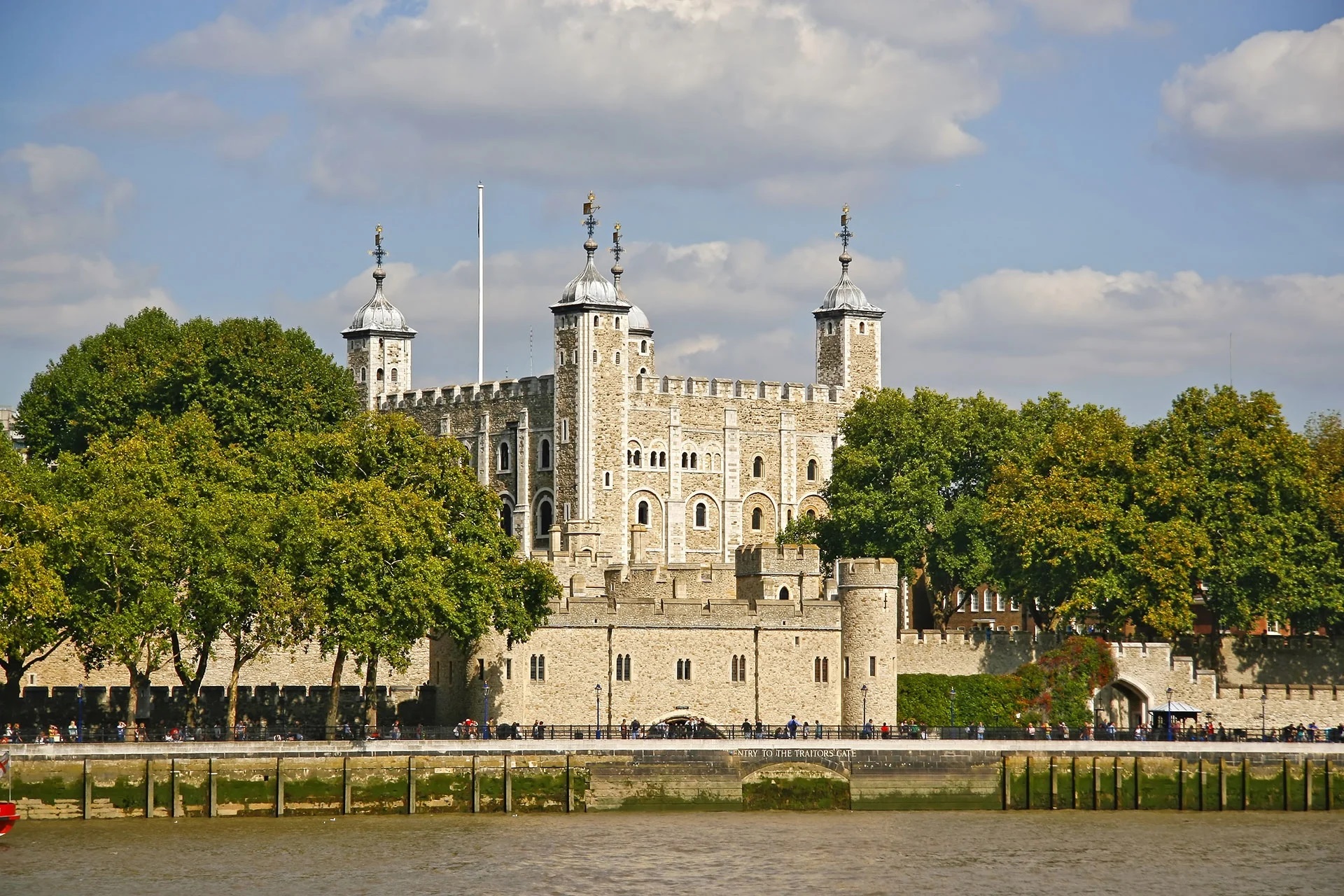
9. Tower Of London
| Detail | Information |
| Location | Tower Hill, EC3N 4AB |
| Opening | Varies by date; check official times |
| Admission | Paid |
| Nearest Tube | Tower Hill |
| Time needed | 3+ hrs |
The Tower of Londonis not a conventional museum, but it functions as one of London’s most important historic visitor sites. It combines fortress, palace, prison, armoury, royal treasury and storytelling space.
Its strength is atmosphere and national history. The Crown Jewels, Yeoman Warder tours, medieval buildings and legends around the Bloody Tower make it one of the city’s most recognisable attractions.
Highlights to look for:
- Crown Jewels
- Yeoman Warder tours
- Bloody Tower
- White Tower
- Medieval Palace
- Ravens and fortress walls
Why go?Choose the Tower of Londonif you want a paid historic landmark with museum-level interpretation and a strong sense of place.
Historic Royal Palaces recommends at least three hours for a Tower visit and notes that timed-ticket arrival rules apply.
For more castles, palaces, Roman ruins and wartime places, use our guide to historic sites in London.
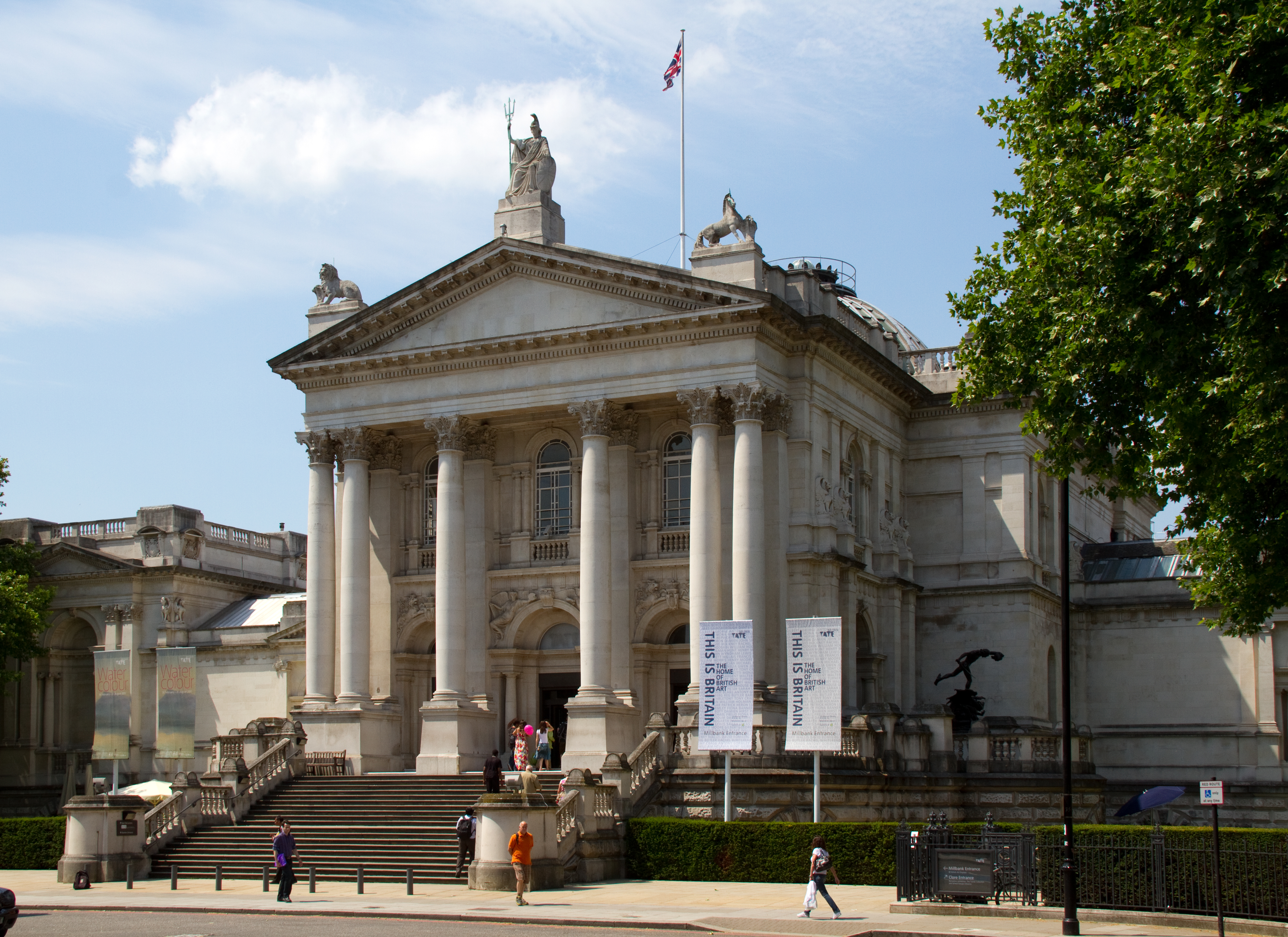
10. Tate Britain
| Detail | Information |
| Location | Millbank, SW1P 4RG |
| Opening | Usually daily 10:00–18:00 |
| Admission | Free general admission; exhibitions may charge |
| Nearest Tube | Pimlico, Vauxhall |
| Time needed | 1.5–3 hrs |
Tate Britainis the best museum for British art from the sixteenth century to the present. It is more traditional and historically focused than Tate Modern, though it also includes modern and contemporary British work.
It is a strong choice if you want Turner, Constable, the Pre-Raphaelites, Francis Bacon, Henry Moore and broader British visual culture.
Good starting points
- J.M.W. Turner collection
- Pre-Raphaelite paintings
- British landscape painting
- Modern British art
- Contemporary British works
Why go?Choose Tate Britain if you want British art specifically. Choose Tate Modern if you want international modern and contemporary art.
Best Museums In London For Families
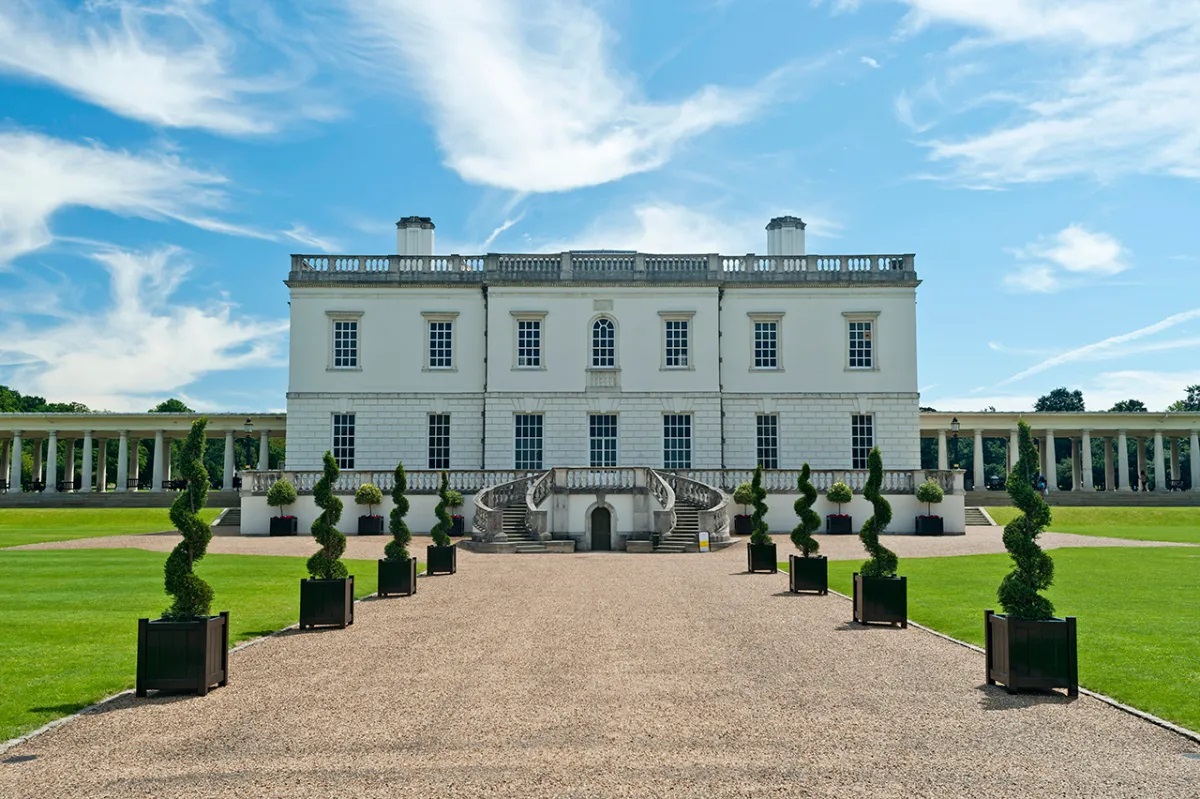
11. Royal Museums Greenwich
| Detail | Information |
| Location | Greenwich, SE10 |
| Opening | Most sites open daily, usually 10am–5pm |
| Admission | Mixed: National Maritime Museum and Queen’s House are free; Cutty Sark and Royal Observatory are paid |
| Nearest Tube/DLR | Cutty Sark DLR; North Greenwich on the Jubilee line then bus |
| Time needed | Half day to full day |
Royal Museums Greenwichis less one museum and more a full Greenwich day out, bringing together the National Maritime Museum, Cutty Sark, the Queen’s House and the Royal Observatory.
It is one of the best choices for families because there is so much variety in one area: ships, sea stories, space, art, historic buildings and big views over London. The main sites are close to Greenwich town centre and within walking distance of each other.
Good starting points
- Cutty Sark
- National Maritime Museum
- Royal Observatory and the Prime Meridian Line
- Queen’s House
- Greenwich Park views
- Family activities and interactive galleries
Why go? Choose Royal Museums Greenwich if you want a family-friendly museum day that mixes history, science, ships, art and outdoor space without needing to cross London between stops.
12. London Transport Museum
| Detail | Information |
| Location | Covent Garden Piazza, WC2E 7BB |
| Opening | Usually daily |
| Admission | Paid annual-pass model for adults; children need free timed entry |
| Nearest Tube | Covent Garden |
| Time needed | 1.5–2.5 hrs |
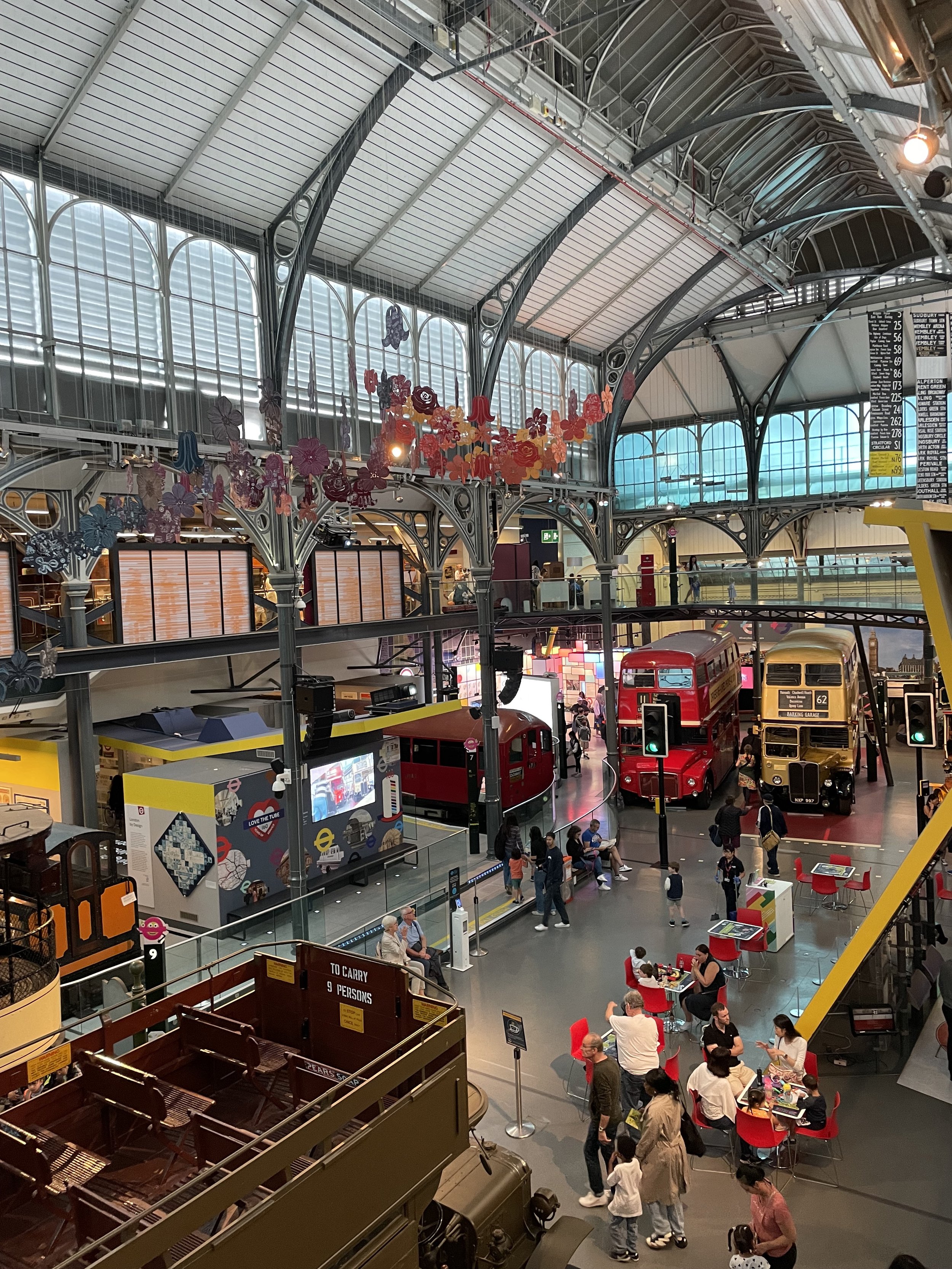
London Transport Museumis one of the best paid museums for children, people who love transportation and anyone interested in how London works. It covers horse buses, trams, the Tube, posters, maps, buses, trains and city movement.
Its Covent Gardenlocation makes it easy to combine with theatre, shopping and central London sightseeing.
Must-see highlights
- Historic buses
- Restored train carriages
- Underground design history
- Poster and graphic design collection
- Family-friendly vehicles and interactives
Why go?Choose London Transport Museum for families, design fans and anyone who wants London history through movement and infrastructure.
London Transport Museum says kids go free but need a free timed entry ticket, while adults use annual-pass ticket options.
13. Young V&A
| Detail | Information |
| Location | Cambridge Heath Road, Bethnal Green, E2 9PA |
| Opening | Daily, 10am–5.45pm |
| Admission | Free |
| Nearest Tube | Bethnal Green |
| Time needed | 1–2 hrs |
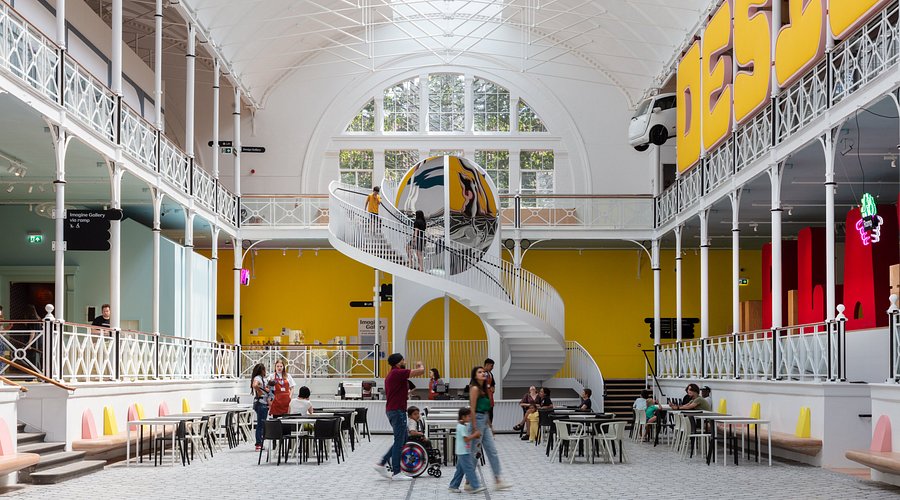
Young V&Ais one of London’s strongest family museums, designed around creativity, play and imagination rather than quiet looking from a distance.
It works especially well for children because the spaces feel open, colourful and hands-on, with plenty for younger visitors to explore at their own pace. General admission is free, which also makes it an easy choice for families planning a relaxed East London visit.
Must-see highlights
- Play-focused galleries
- Creative design displays
- Family activities
- Child-friendly museum spaces
- Bethnal Green location
- Free general admission
Why go?Choose Young V&A if you want a lively, family-first museum that feels made for children rather than simply adapted for them.
14. The Postal Museum
| Detail | Information |
| Location | 15–20 Phoenix Place, WC1X 0DA |
| Opening | Usually Tuesday–Sunday |
| Admission | Paid; Mail Rail included with standard ticket structure |
| Nearest stations | Farringdon, Chancery Lane |
| Time needed | 1.5–2.5 hrs |
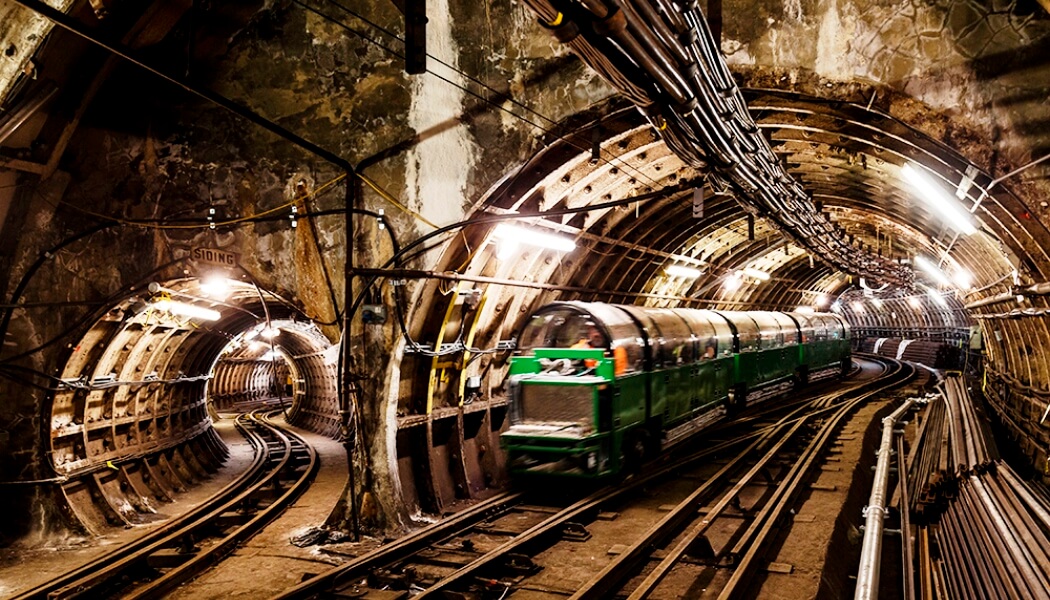
The Postal Museumis one of London’s best quirky paid museums, especially for families. Its biggest draw is Mail Rail, a ride through former underground postal tunnels.
The museum tells the story of communication, postal reform, sorting offices, stamps and the infrastructure that kept Britain connected.
Highlights to look for:
- Mail Rail ride
- Victorian postal reforms
- Penny Black history
- Rare stamps and letters
- Interactive sorting office elements
Why go?Choose the Postal Museum if you want a distinctive family-friendly experience that feels different from London’s large free museums.
The Postal Museum says tickets include museum exhibitions for one year and one Mail Rail ride on the first visit.
15. Horniman Museum And Gardens
| Detail | Information |
| Location | 100 London Road, Forest Hill, SE23 3PQ |
| Opening | Usually daily |
| Admission | Free museum entry; some attractions charge |
| Nearest station | Forest Hill Overground / rail |
| Time needed | 2–3 hours |
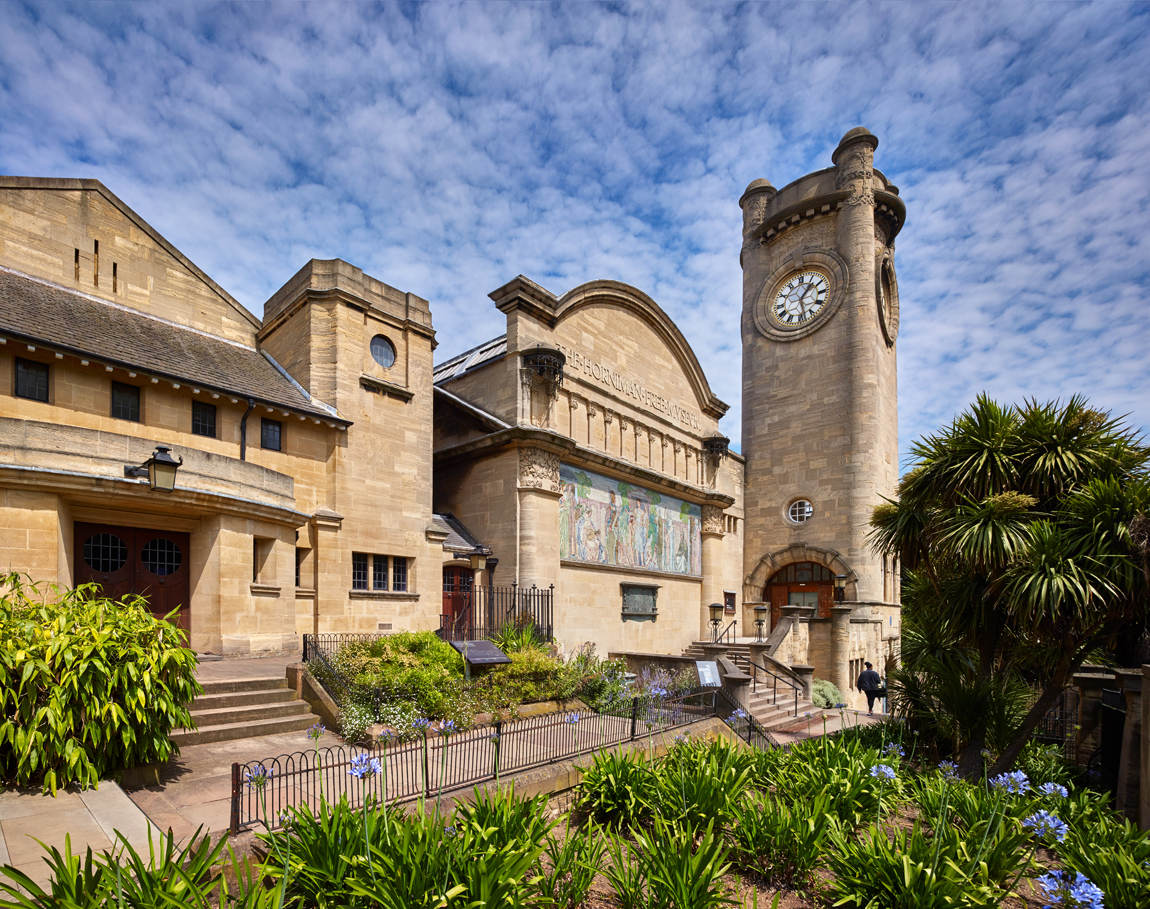
The Horniman Museum and Gardensis one of London’s best family-friendly museums outside the central tourist core. It combines natural history, anthropology, musical instruments, gardens and family attractions.
Its gardens make it especially useful when you want a museum visit that does not feel entirely indoors.
Highlights to look for:
- Famous overstuffed walrus
- Musical instruments collection
- Natural History Gallery
- Gardens
- Aquarium and Butterfly House
Why go?Choose the Horniman for families, south London plans and a mix of indoor galleries and outdoor space.
16. Royal Greenwich Observatory
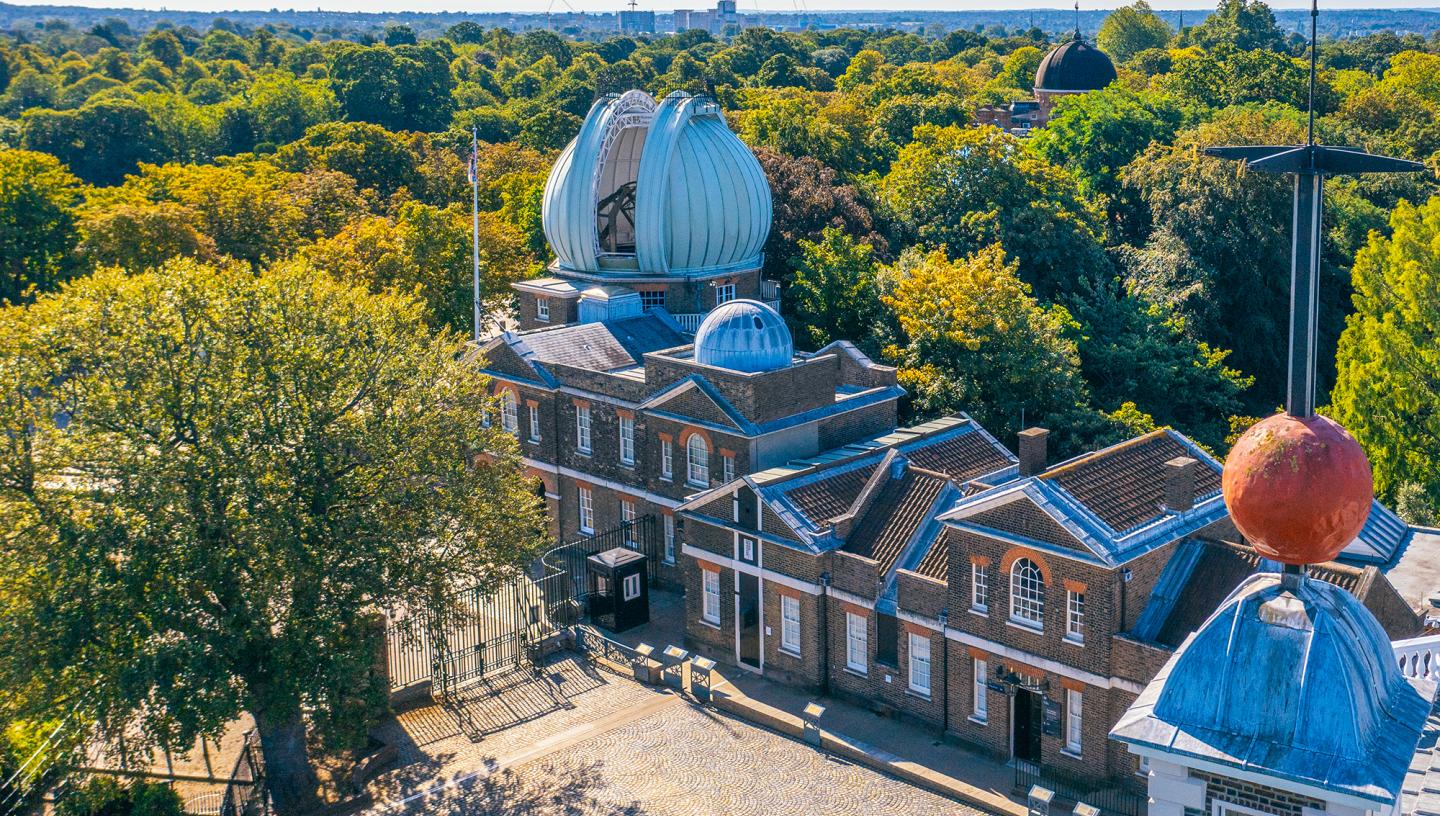
| Detail | Information |
| Location | Blackheath Avenue, Greenwich, SE10 8XJ |
| Opening | Varies |
| Admission | Paid; check current prices |
| Nearest transport | Cutty Sark DLR, Greenwich rail/DLR |
| Time needed | 1–2 hrs |
The Royal Observatory Greenwichis one of London’s most important science-and-history sites. It is home to the Prime Meridian and closely tied to timekeeping, navigation and astronomy.
It works best as part of a Greenwich day rather than as a standalone central London museum.
Good starting points
- Prime Meridian Line
- Great Equatorial Telescope
- John Harrison’s marine timekeepers
- Astronomy Centre
- Views over Greenwich Park
Why go?Choose the Royal Observatory if you are interested in time, navigation, astronomy and one of London’s best viewpoints.
17. Museum Of Brands

| Detail | Information |
| Location | 111–117 Lancaster Road, W11 1QT |
| Opening | Check current opening before visiting |
| Admission | Paid |
| Nearest Tube | Ladbroke Grove |
| Time needed | 1–1.5 hours |
Museum of Brandsis a fun niche museum for advertising, packaging, consumer culture and nostalgia. It is especially useful for marketers, designers and visitors who enjoy everyday objects as cultural history.
Its “Time Tunnel” style displays show how brands, packaging and shopping habits have changed over decades.
Good starting points
- Time Tunnel
- Vintage packaging
- Advertising history
- Toys, games and confectionery
- Consumer culture displays
18. Foundling Museum
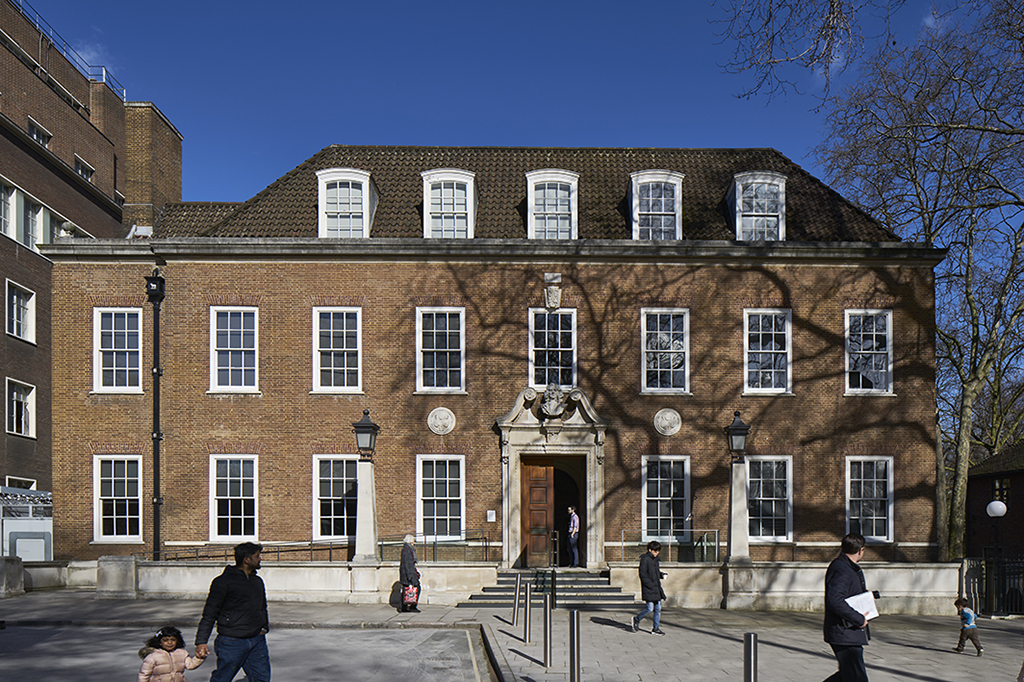
| Detail | Information |
| Location | 40 Brunswick Square, WC1N 1AZ |
| Opening | Usually Tuesday–Sunday |
| Admission | Paid; check current prices |
| Nearest Tube | Russell Square |
| Time needed | 1–1.5 hours |
The Foundling Museumtells the story of the Foundling Hospital, London’s first home for children at risk of abandonment. It combines social history, art, music and deeply human stories.
It is one of the best museums in Bloomsbury for visitors who want a moving, focused topic rather than a broad national collection.
Must-see highlights
- Foundling tokens
- Hogarth connections
- Handel collection
- Children’s stories
- Social history displays
Why go?Choose the Foundling Museum if you want a quieter and more emotional London history museum.
19. London Museum Docklands
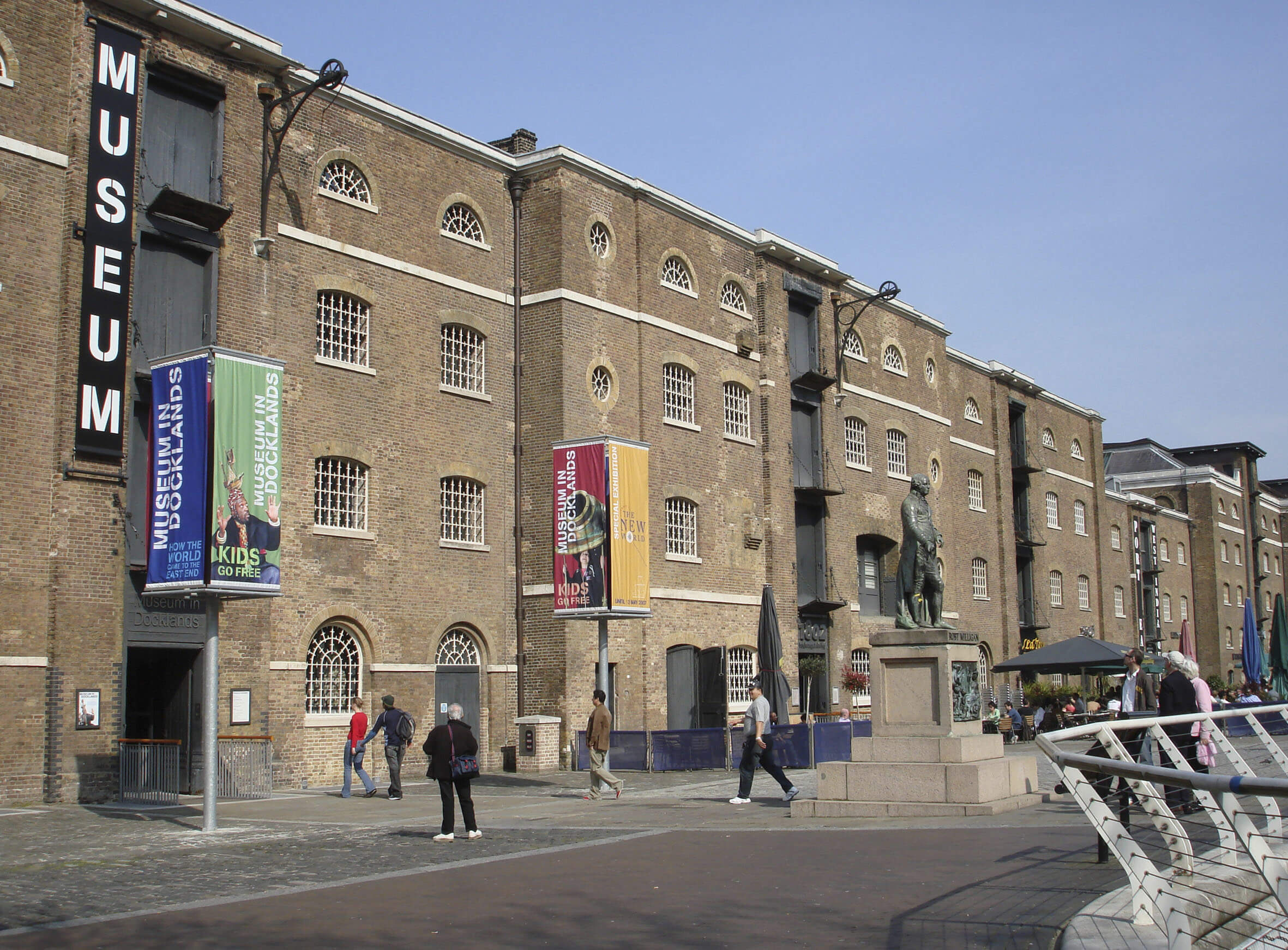
| Detail | Information |
| Location | No.1 Warehouse, West India Quay, E14 4AL |
| Opening | Daily 10:00–17:00 |
| Admission | Free general admission; some family areas or events may charge |
| Nearest transport | West India Quay DLR |
| Time needed | 1–2 hrs |
London Museum Docklands is the strongest current choice for visitors who want London history through trade, river life, empire, migration, warehouses and docklands.
Set in a historic warehouse at West India Quay, it gives a more focused story than the former Museum of London entry. It is especially useful for understanding how the Thames, docks, sugar trade and global commerce shaped the city.
Must-see highlights
- Sailortown
- London, Sugar & Slavery
- Docklands and trade galleries
- Blitz and wartime docklands stories
- Family-friendly Mudlarks gallery
Why go?Choose London Museum Docklands for an underrated London-history visit, especially if you are near Canary Wharf, Greenwich or the Docklands area.
London Museum confirmsDocklands is open daily 10:00–17:00 and is free to enter.
20. Grant Museum Of Zoology
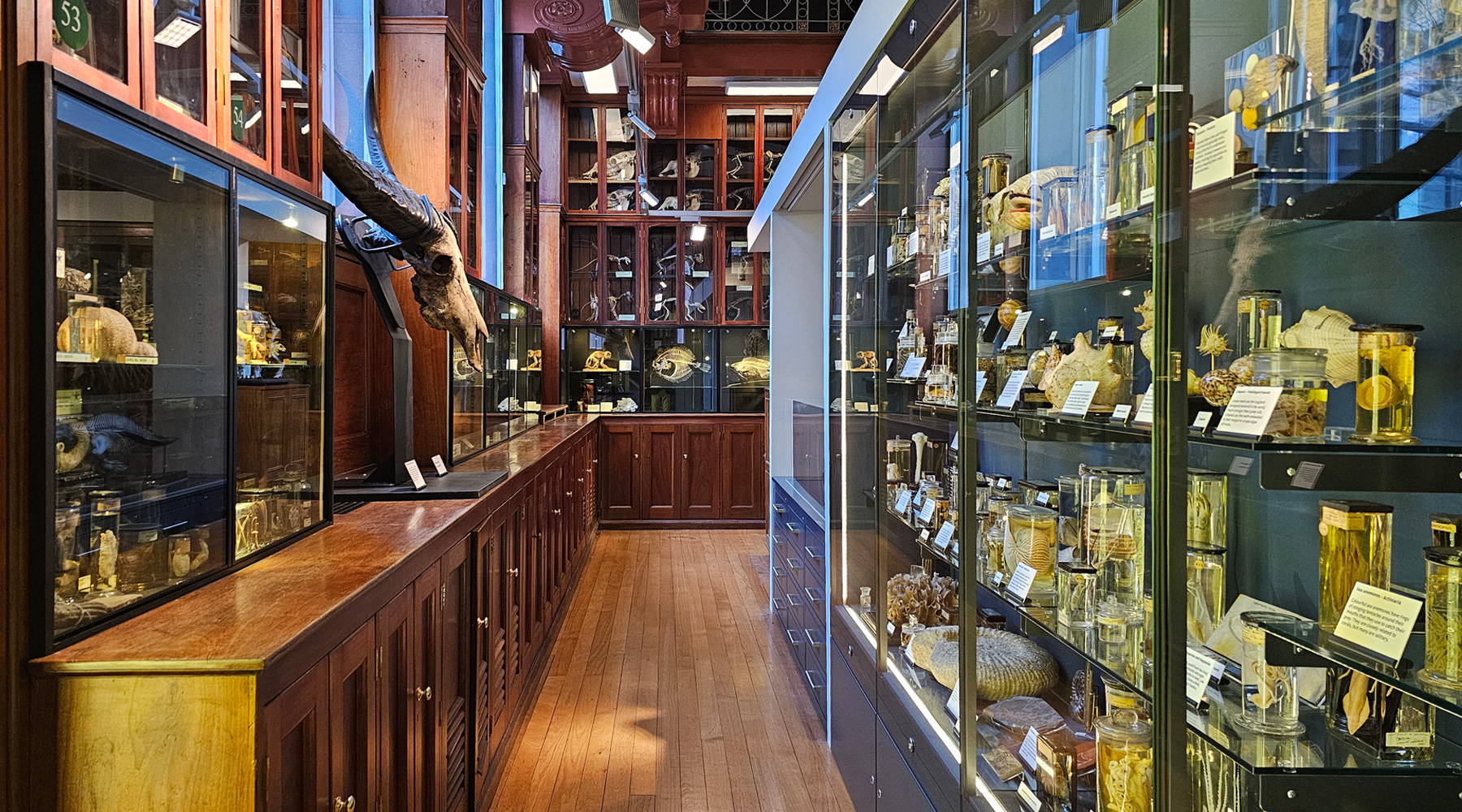
| Detail | Information |
| Location | Rockefeller Building, UCL, WC1E 6DE |
| Opening | Check current opening before visiting |
| Admission | Free |
| Nearest Tube | Euston Square, Russell Square, Goodge Street |
| Time needed | 45–90 minutes |
The Grant Museum of Zoologyis a compact, fascinating and slightly eccentric museum at University College London. It is ideal for visitors interested in animals, anatomy, evolution and unusual scientific specimens.
It is not polished in the same way as the Natural History Museum. That is part of its appeal.
Highlights to look for:
- Quagga skeleton
- Jar of moles
- Dodo bones
- Microscopic specimens
- Comparative anatomy displays
Why go?Choose the Grant Museum if you like natural history with a more academic, curiosity-cabinet feel.
Best Museums In London For Art Lovers
If your trip is more gallery-focused, compare these picks with our guide to art galleries in London.”
21. Design Museum
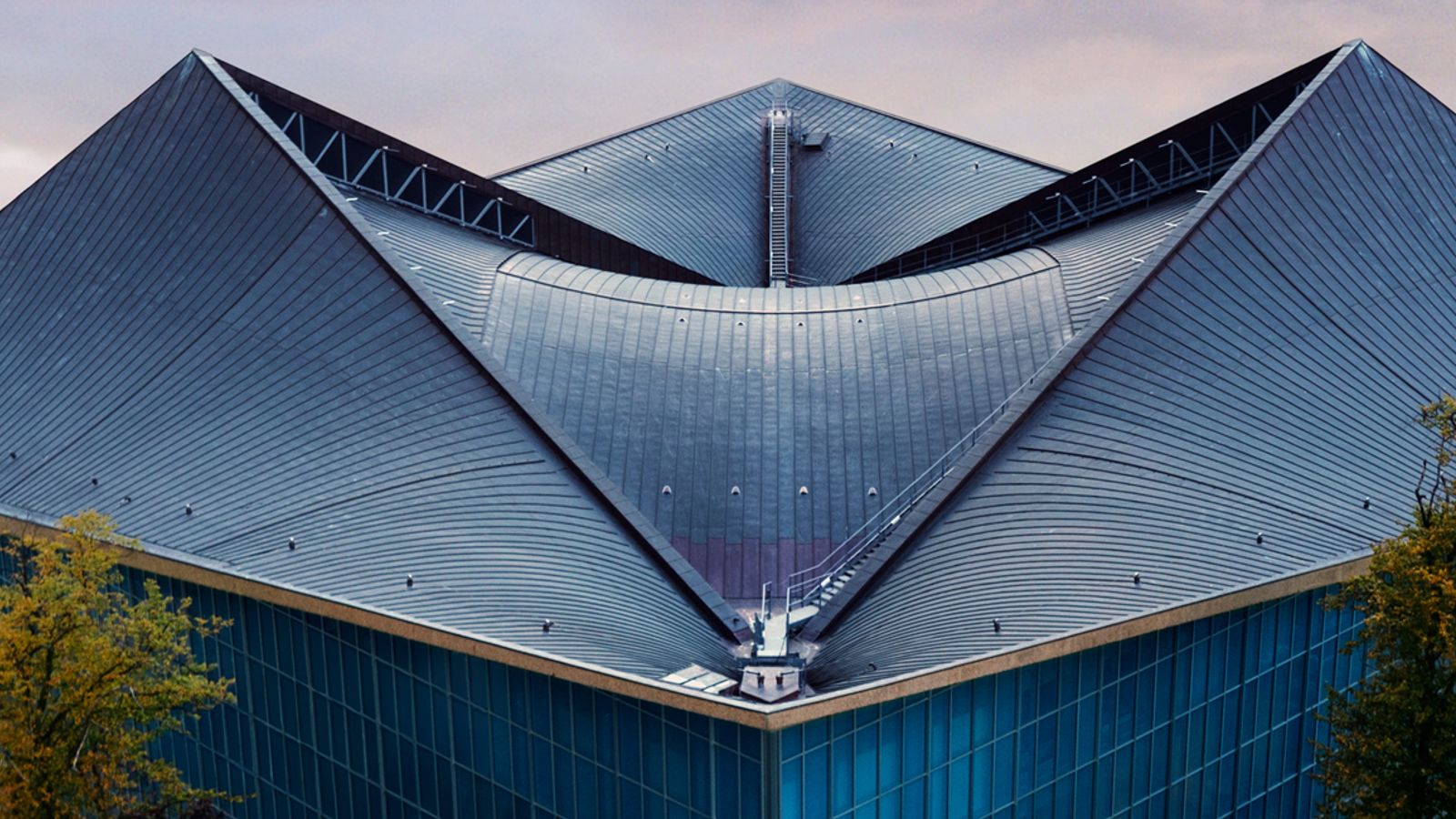
| Detail | Information |
| Location | 224–238 Kensington High Street, W8 6AG |
| Opening | Check official times before visiting |
| Admission | Permanent collection/free displays free; paid exhibitions vary |
| Nearest Tube | High Street Kensington |
| Time needed | 1–2 hrs |
The Design Museumis the best compact museum for contemporary design, architecture, graphics, products and fashion-related exhibitions.
It is smaller and more focused than the V&A, which makes it useful for visitors who want design without the scale of South Kensington.
Highlights to look for:
- Designer Maker User permanent collection
- Product design displays
- Architecture and graphics exhibitions
- Fashion and textile-related shows
- Contemporary design trends
Why go?Choose the Design Museum if you are interested in how everyday objects, technology and visual culture shape modern life.
The Design Museum ticketing FAQ says the permanent collection and temporary free displays do not require a ticket for individual visits.
22. Royal Academy Of Arts
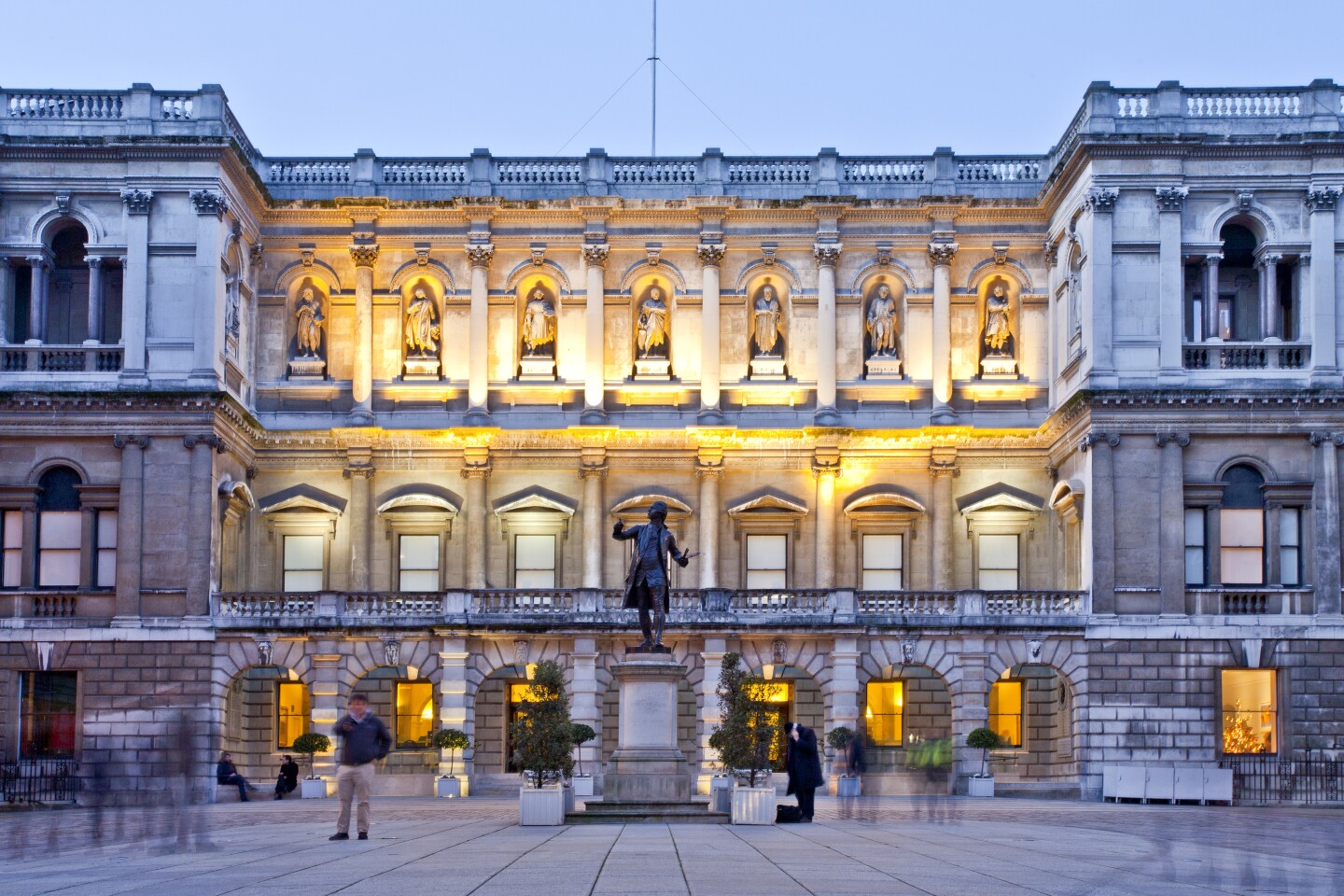
| Detail | Information |
| Location | Burlington House, Piccadilly, W1J 0BD |
| Opening | Varies by exhibition |
| Admission | Often paid, depending on exhibition |
| Nearest Tube | Piccadilly Circus, Green Park |
| Time needed | 1.5–2.5 hours |
The Royal Academy of Artsis an artist-led institution on Piccadilly, best known for major temporary exhibitions and the annual Summer Exhibition.
Unlike the National Gallery or Tate, the RA is more exhibition-driven. That means it can be essential when a major show interests you and less essential when the current programme does not match your taste.
Good starting points
- Summer Exhibition
- Major rotating exhibitions
- Michelangelo’s Taddei Tondo
- Burlington House setting
- Contemporary and historic art displays
Why go?Choose the Royal Academy when the exhibition programme appeals to you, especially if you are already near Piccadilly, Green Park or Mayfair.
23. National Portrait Gallery
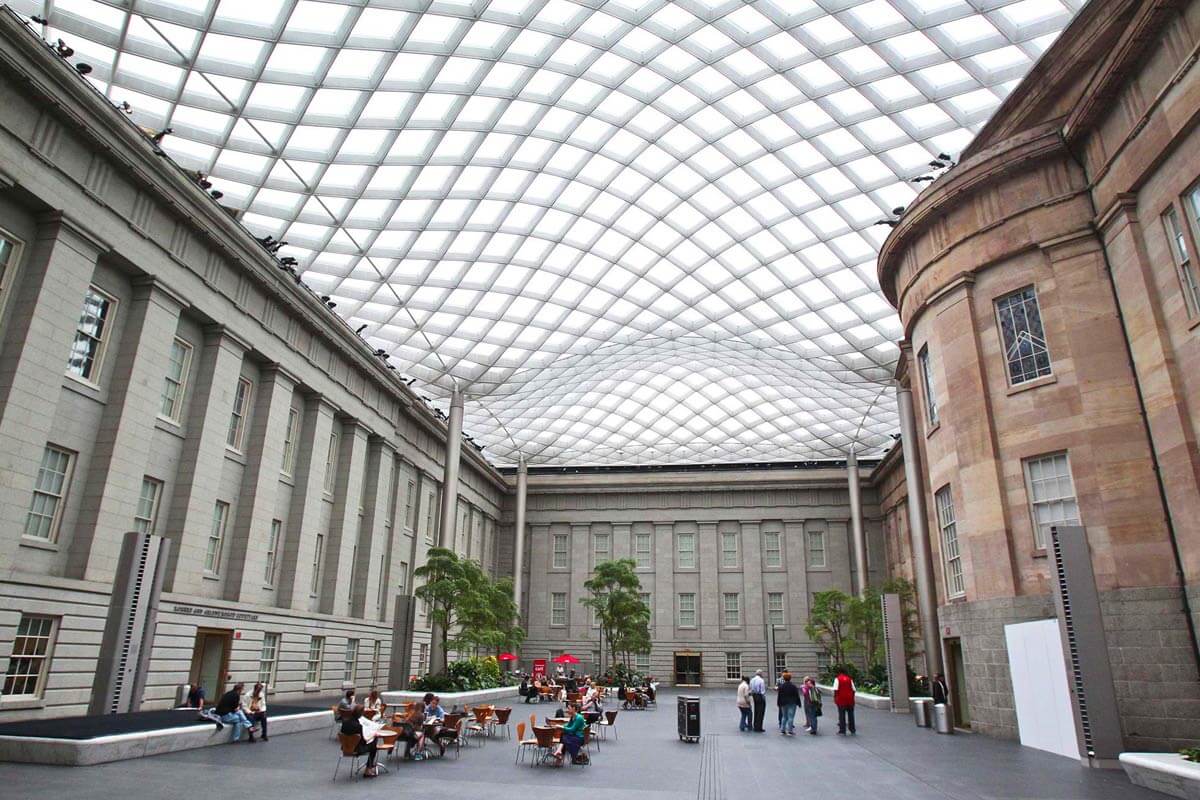
| Detail | Information |
| Location | St Martin’s Place, WC2H 0HE |
| Opening | Daily from 10:30; Friday and Saturday late opening listed |
| Admission | Free general admission; some exhibitions charge |
| Nearest Tube | Charing Cross, Leicester Square |
| Time needed | 1.5–2.5 hrs |
The National Portrait Galleryis one of the best museums for British history through faces, stories and identity. After its major reopening, it offers a refreshed route through portraiture, photography, painting and contemporary representation.
It works particularly well with the National Gallery because both sit near Trafalgar Square.
Good starting points
- Tudor portraits
- Victorian figures
- Contemporary icons
- Photography collections
- Portraits of writers, monarchs, artists and cultural figures
Why go?Choose the National Portrait Gallery if you enjoy history told through people rather than objects or battles.
The gallery says it is free to everyone, with charges for some exhibitions, and recommends advanced free booking to guarantee entry.
24. The Wallace Collection
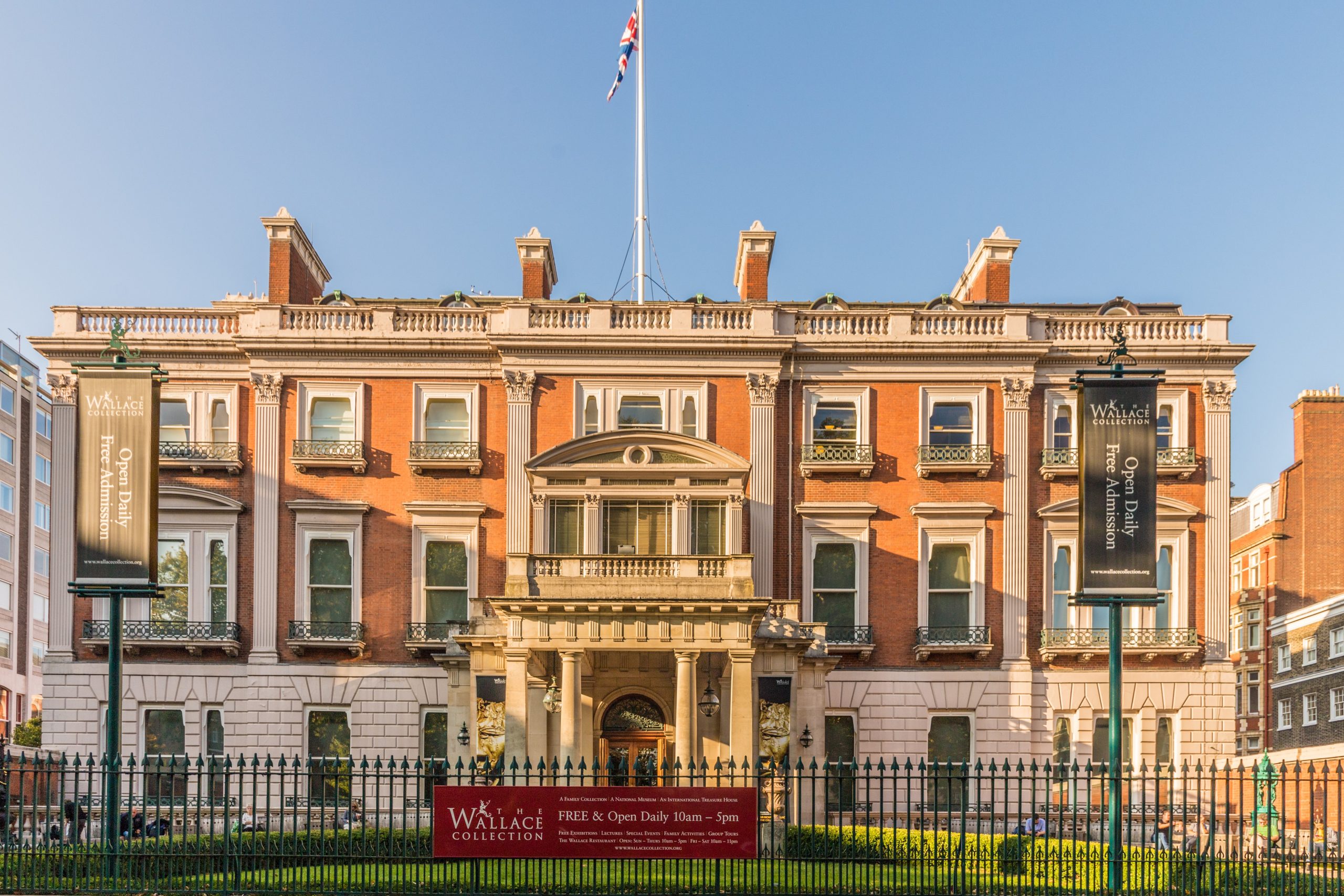
| Detail | Information |
| Location | Hertford House, Manchester Square, W1U 3BN |
| Opening | Daily 10:00–17:00 |
| Admission | Free permanent collection; some exhibitions may charge |
| Nearest Tube | Bond Street, Marble Arch |
| Time needed | 1.5–2.5 hrs |
The Wallace Collectionis one of London’s best quiet art museums. It is housed in Hertford House and combines paintings, furniture, porcelain, armour and decorative art.
It feels more like a grand private collection than a vast public museum. That makes it ideal for couples, adults and visitors who want beauty without the crowds of the biggest galleries.
Must-see highlights
- Fragonard’s The Swing
- French furniture
- Rococo paintings
- Arms and armour
- Porcelain and decorative arts
Why go?Choose the Wallace Collection for an elegant, slower art visit near Marylebone and Oxford Street.
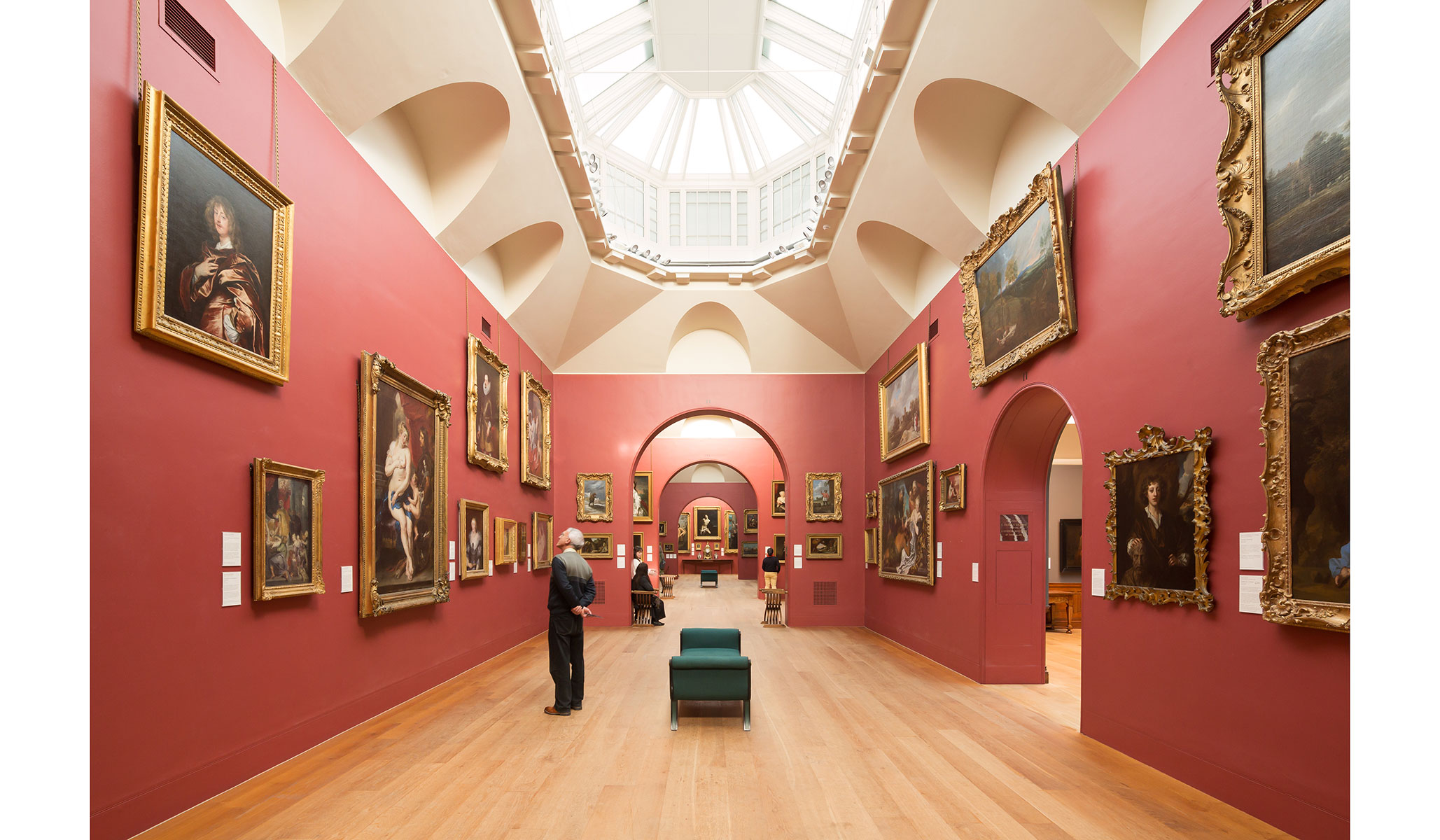
25. Dulwich Picture Gallery
| Detail | Information |
| Location | Gallery Road, Dulwich, SE21 7AD |
| Opening | Usually Wednesday–Sunday |
| Admission | Paid; check current prices |
| Nearest rail | West Dulwich |
| Time needed | 1.5–2 hours |
Dulwich Picture Galleryis one of the best choices for art lovers who want to leave central London’s busiest museum circuit. It is known as England’s first purpose-built public art gallery and has a strong collection of Old Master paintings.
Its appeal is calm. The setting, architecture and collection make it feel like a cultural retreat rather than a major tourist stop.
Must-see highlights
- Rembrandt works
- Poussin paintings
- Van Dyck
- Baroque and Old Master collection
- Sir John Soane-designed architecture
Why go?Choose Dulwich Picture Gallery if you want serious art in a quieter south London setting.
26. Leighton House
| Detail | Information |
| Location | 12 Holland Park Road, W14 8LZ |
| Opening | Usually Wednesday–Monday |
| Admission | Paid; check current prices |
| Nearest Tube | Holland Park, High Street Kensington |
| Time needed | 1–1.5 hours |
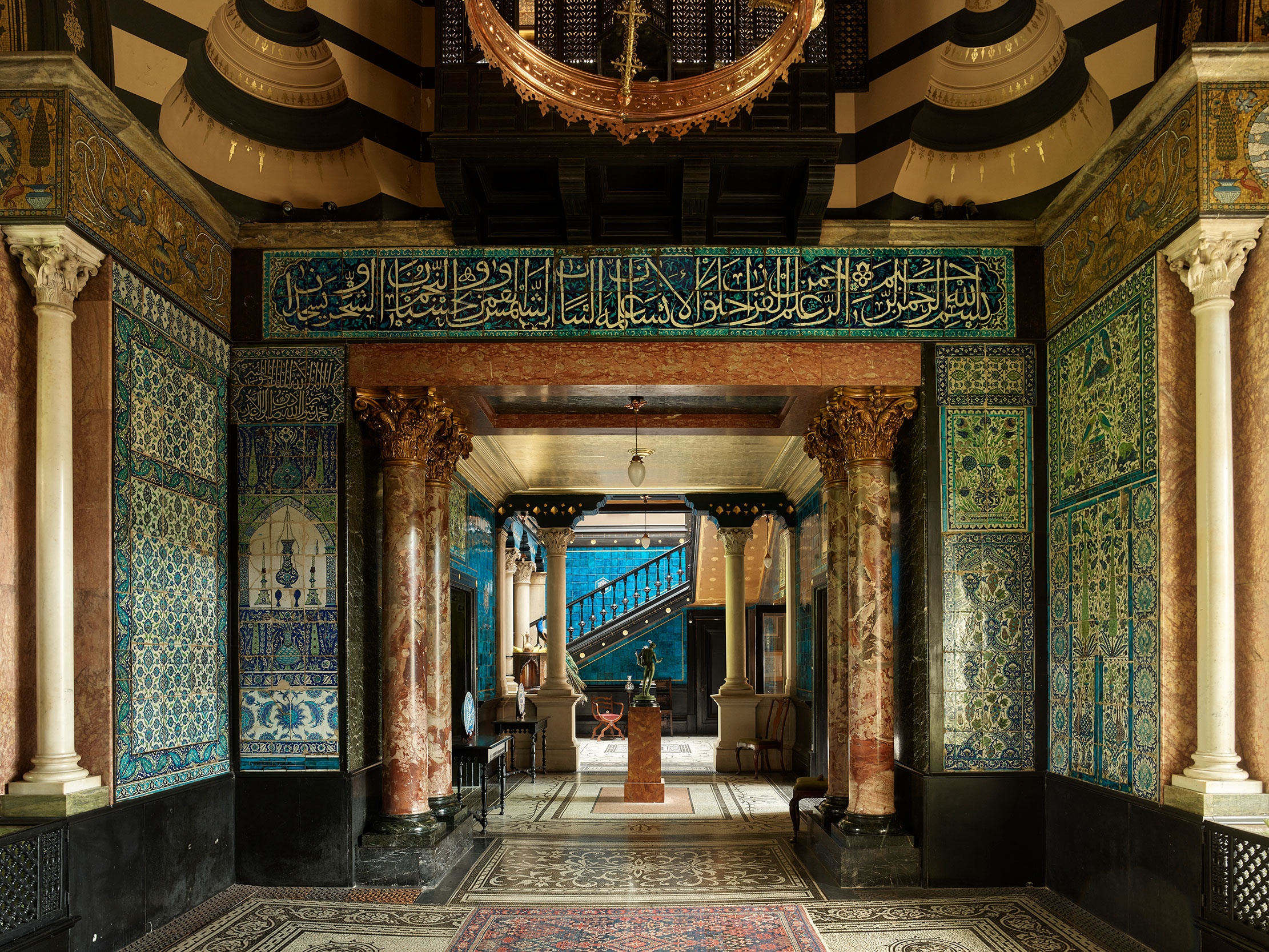
Leighton Houseis one of London’s most distinctive house museums. Once home to Victorian artist Frederic Leighton, it combines studio, home, art collection and extraordinary interiors.
The Arab Hall is the main draw, with tiles, colour and architectural detail that make the house feel unlike any other museum in London.
Highlights to look for:
- Arab Hall
- Leighton’s studio
- Victorian art
- Aesthetic Movement interiors
- Middle Eastern-inspired decorative detail
Why go?Choose Leighton House if you want a smaller art-and-interiors museum centred on Frederic Leighton’s former home.
27. Moco Museum
| Detail | Information |
| Location | 1–4 Marble Arch, London |
| Opening | Mon–Thu 10am–6pm; Fri–Sat 10am–7pm; Sun 10am–6pm |
| Admission | Paid |
| Nearest Tube | Marble Arch |
| Time needed | 1–1.5 hours |
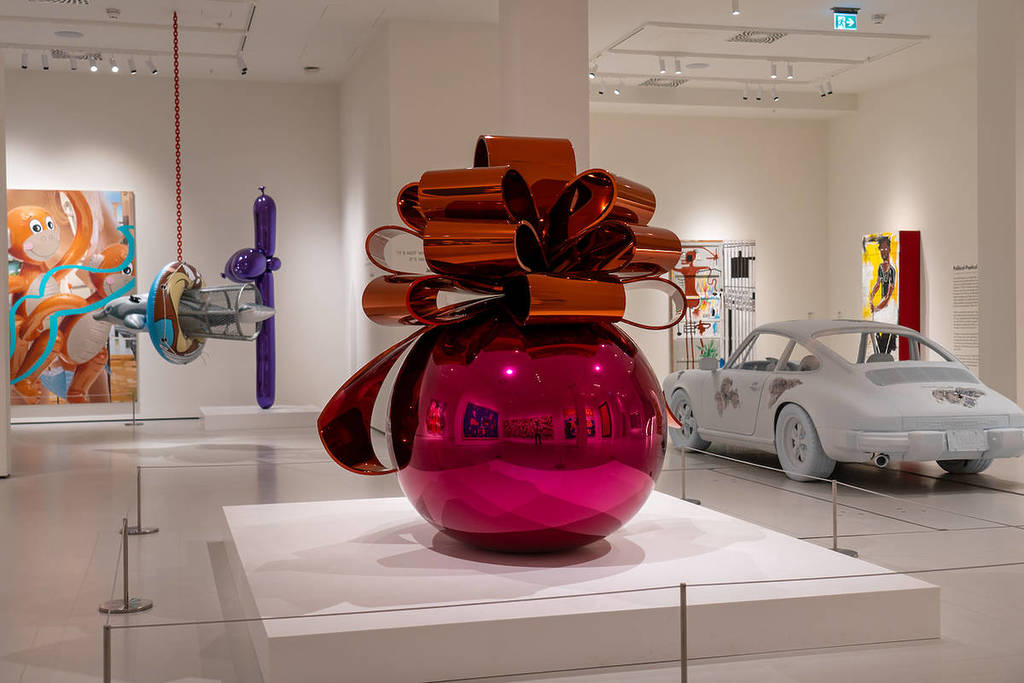
Moco Museumis a modern art museum near Marble Arch. It focuses on modern and contemporary names such as Banksy, Warhol, Haring, Basquiat and Kusama.
It suits art lovers who want something more current and visual than a traditional collection, with works connected to artists such as Banksy, Warhol, Haring, Basquiat and Kusama. The London museum is private, so tickets are required.
Highlights to look for:
- Banksy works
- Modern Masters displays
- Contemporary art
- Digital and immersive installations
- Pop art and street-art influences
- Marble Arch location
Why go?Choose Moco Museum if you want to see bold, modern art from famous names, rooms that surround you with art, and a more up-to-date gallery feel.
28. Fashion And Textile Museum
| Detail | Information |
| Location | 83 Bermondsey Street, SE1 3XF |
| Opening | Usually Tuesday–Sunday |
| Admission | Paid; exhibition prices vary |
| Nearest Tube | London Bridge |
| Time needed | 1–1.5 hours |
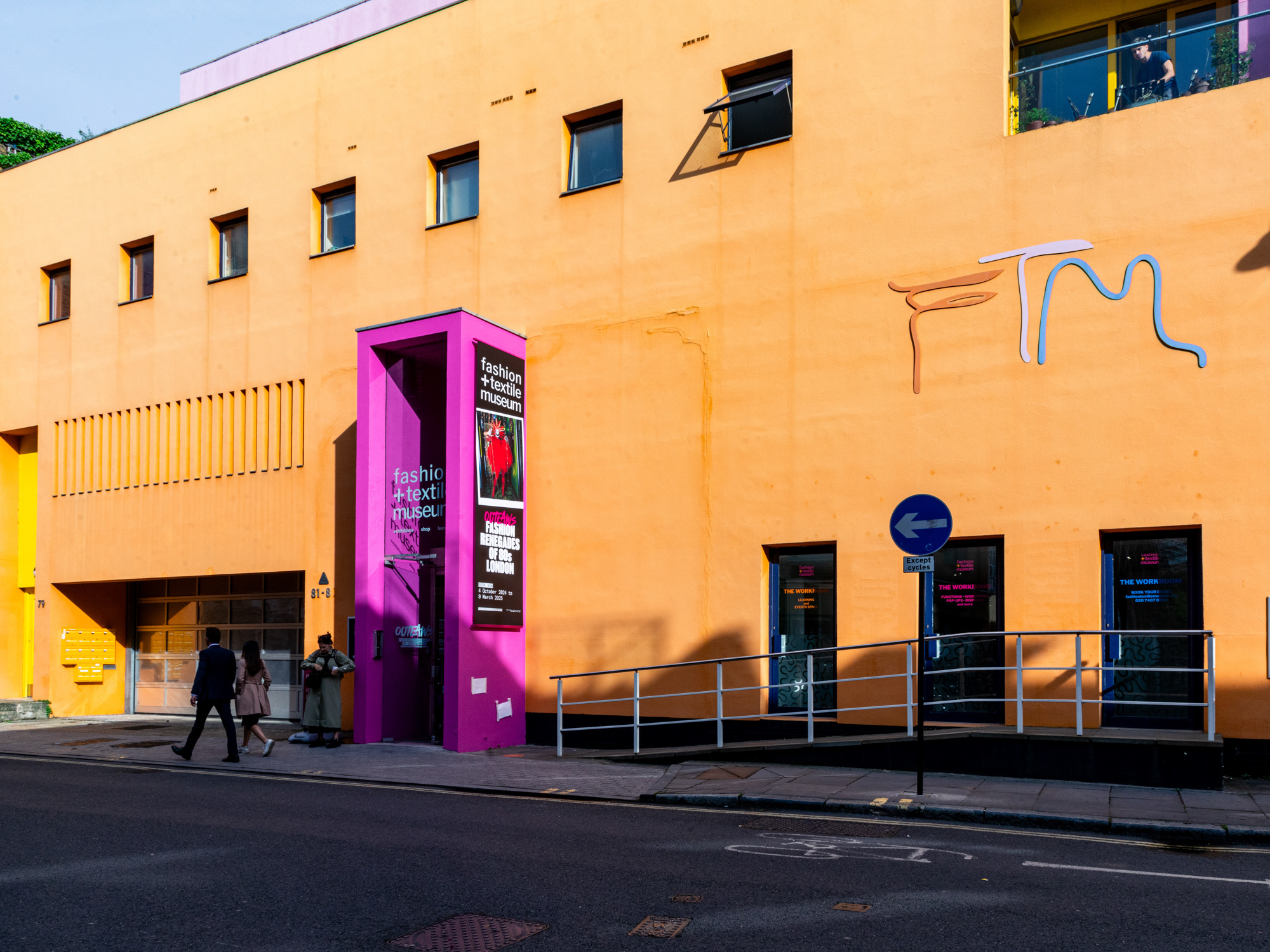
The Fashion and Textile Museumis a focused choice for visitors interested in fashion, fabric, pattern, design and creative culture. Founded by designer Zandra Rhodes, it is smaller than the V&A but more specialised.
It works best when the current exhibition matches your interests.
Good starting points
- Fashion-focused temporary exhibitions
- Textile and pattern displays
- Designer spotlights
- British fashion history
- Sustainable textile themes when programmed
Why go?Choose it if you want a stylish, design-led museum near London Bridge and Bermondsey Street.
29. Sir John Soane’s Museum
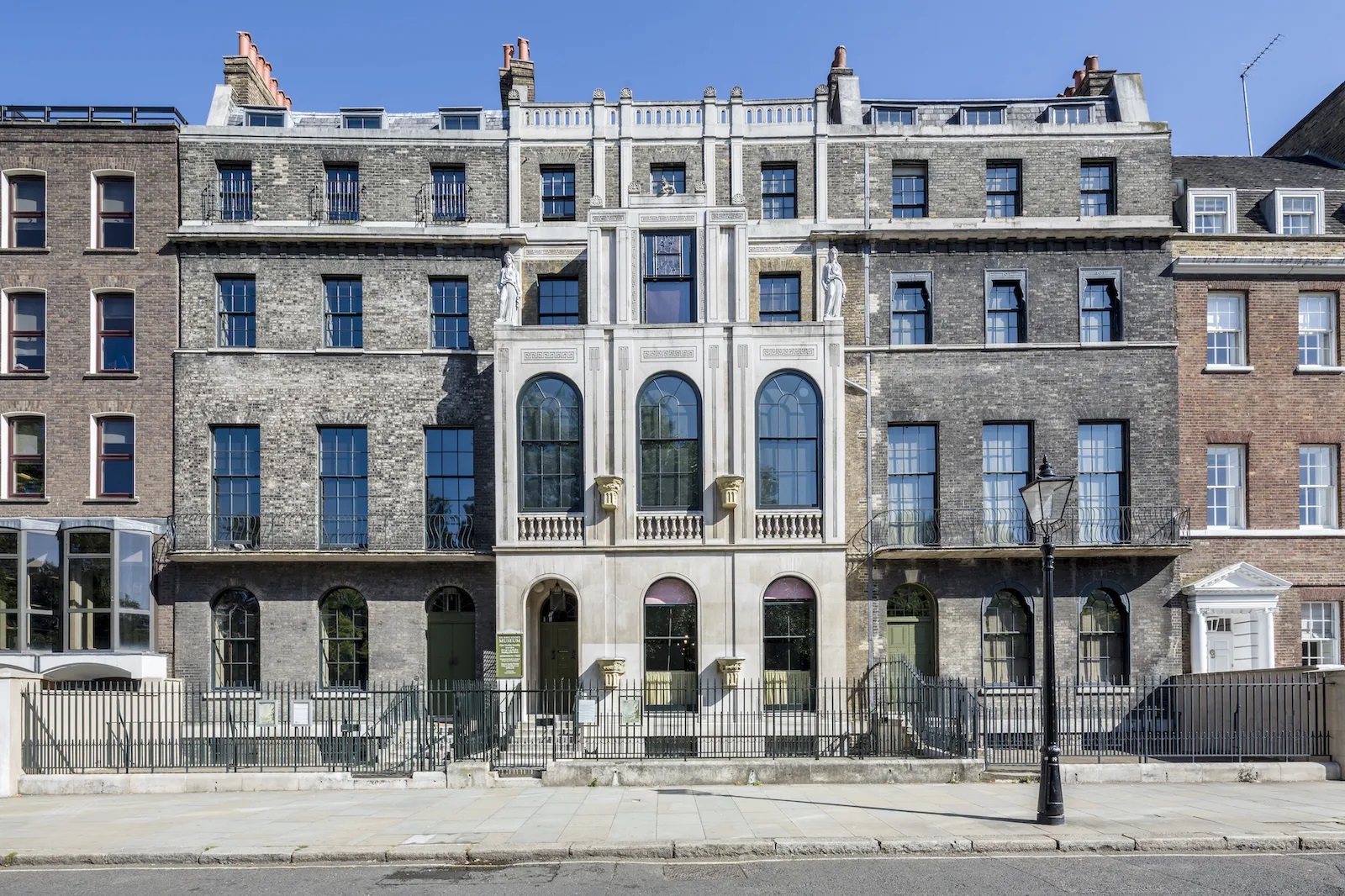
| Detail | Information |
| Location | 13 Lincoln’s Inn Fields, WC2A 3BP |
| Opening | Wednesday–Sunday, usually 10:00–17:00 |
| Admission | Free general admission |
| Nearest Tube | Holborn, Chancery Lane |
| Time needed | 1–1.5 hours |
Sir John Soane’s Museumis a compact, atmospheric house museum near Holborn. It was the home of architect Sir John Soane and remains a dense, atmospheric house museum full of art, antiquities, architectural fragments and carefully staged interiors.
It is smaller than the major national museums, but that is its advantage. It feels personal, eccentric and memorable.
Good starting points
- Hogarth’s A Rake’s Progress
- Sarcophagus of Seti I
- Picture Room
- Architectural fragments
- Mirrors, hidden panels and layered interiors
Why go?Choose Sir John Soane’s Museum if you want a compact, unusual and atmospheric visit near Holborn or Lincoln’s Inn Fields.
The museum’s official visitor page says general entry is free and pre-booking is not needed for standard walk-in visits, although capacity is limited.
Best Museums In London For Rainy Days
30. Dennis Severs’ House
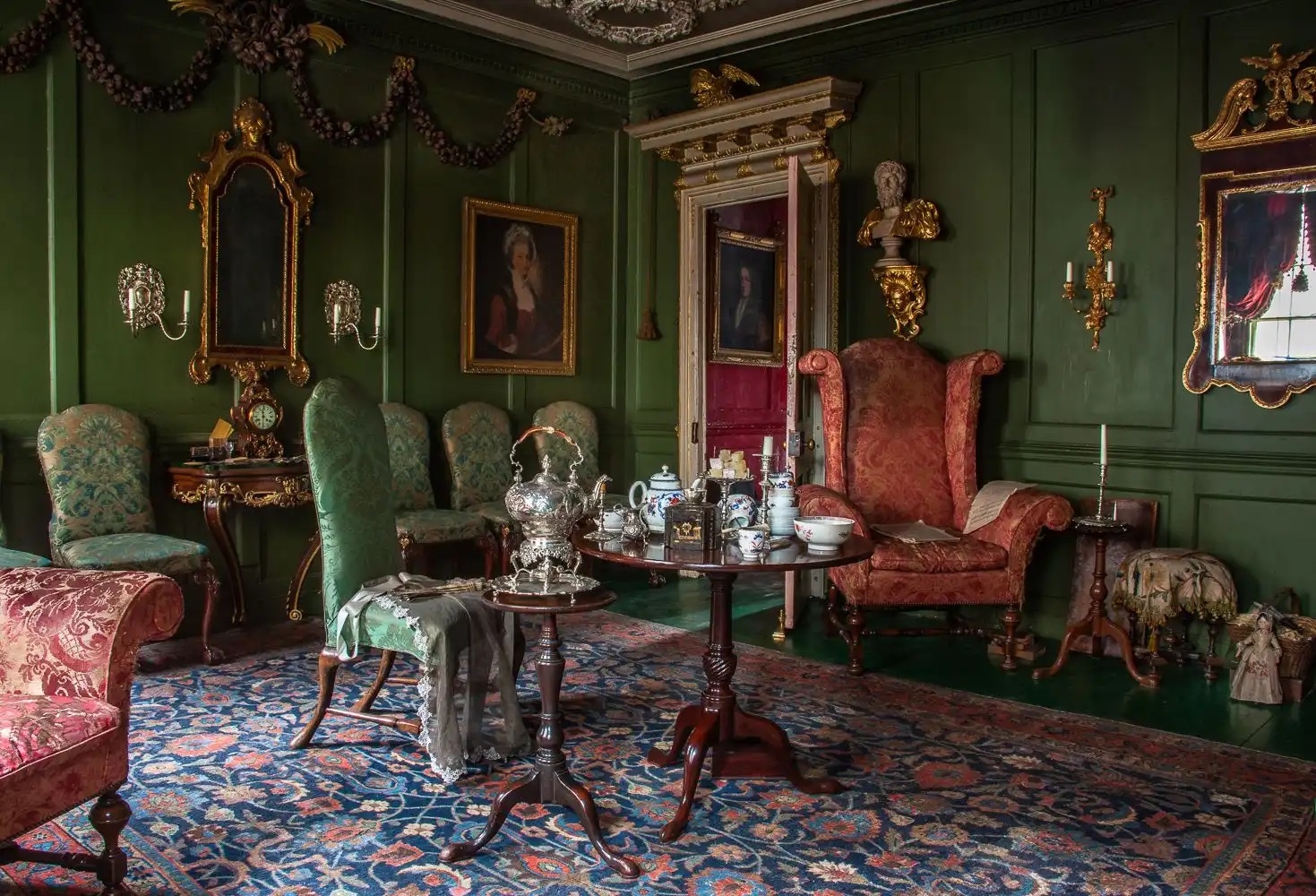
| Detail | Information |
| Location | 18 Folgate Street, E1 6BX |
| Opening | Tour times vary |
| Admission | Paid |
| Nearest Tube | Liverpool Street, Aldgate East |
| Time needed | 1 hour |
Dennis Severs’ Housefeels more like a live theater experience than a normal museum. The Spitalfields house is set up to look exactly as if its fictional silk-weaving family just stepped out of the room.
It is atmospheric, candlelit and intentionally quiet. This is not the best choice for visitors who want labels and conventional interpretation, but it is excellent for people who enjoy sensory history.
Must-see highlights
- Candlelit rooms
- Layered domestic scenes
- Sound and scent details
- Silence-led visitor experience
- Spitalfields setting
Why go?Dennis Severs’ House is best for visitors who want an atmospheric, sensory historic-house experience.
31. Clink Prison Museum
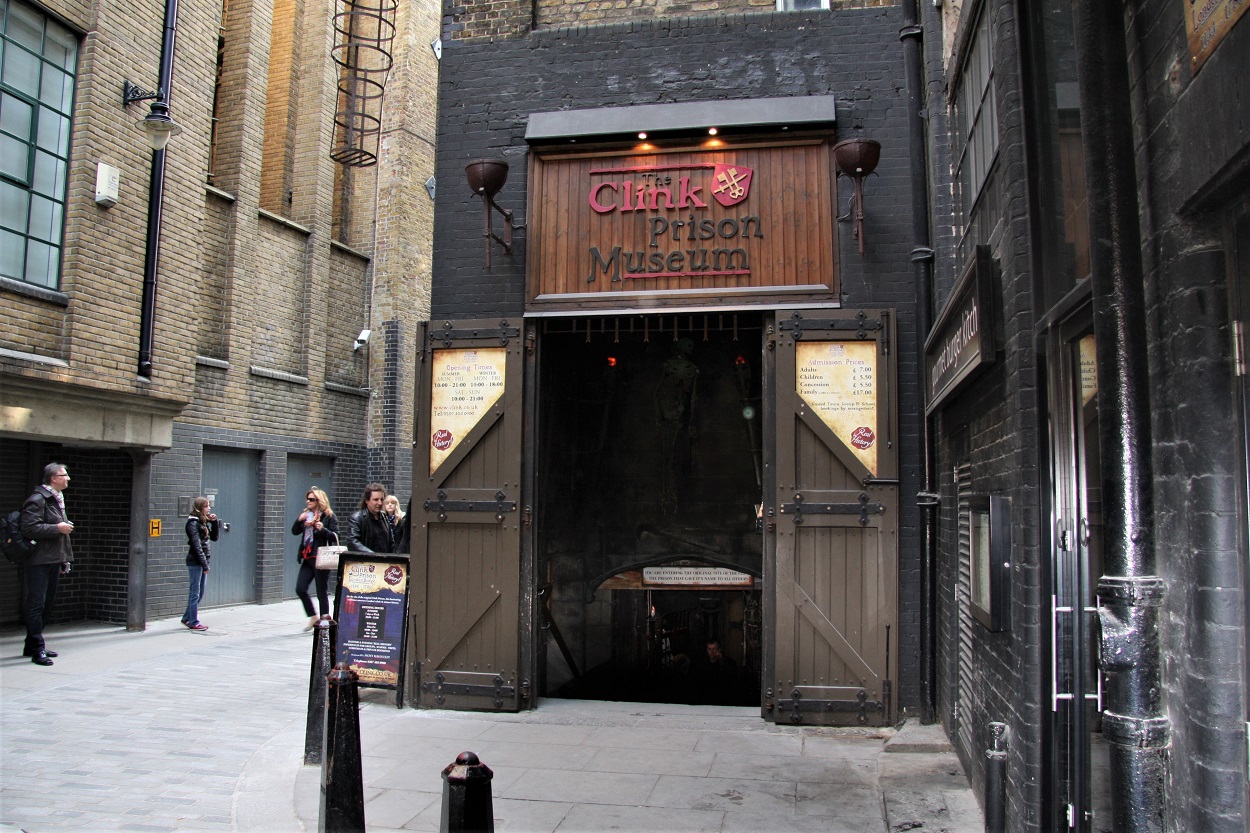
| Detail | Information |
| Location | 1 Clink Street, London, SE1 9DG |
| Opening | Daily, 10am–6pm; last admission 30 minutes before closing |
| Admission | Paid; adult tickets from £10 |
| Nearest Tube | London Bridge |
| Time needed | 45–90 minutes |
Clink Prison Museumis a dark, atmospheric museum near London Bridge, built around the story of one of England’s oldest and most notorious prisons.
It works well as a rainy-day stop because it is fully indoors, compact, slightly spooky and more interactive than a traditional history museum. The visitor experience focuses on medieval crime, punishment, prison life and the rougher side of old Bankside, with recreated cells and gloomy corridors that suit a grey London day.
Good starting points
- Medieval prison recreations
- Original Clink Prison site
- Dark corridors and cell displays
- Crime and punishment exhibits
- Interactive visitor experience
- Bankside and London Bridge setting
Why go? Choose Clink Prison Museum if you want a quirky, eerie and easy indoor museum that gives London history a darker twist.
32. Queer Britain
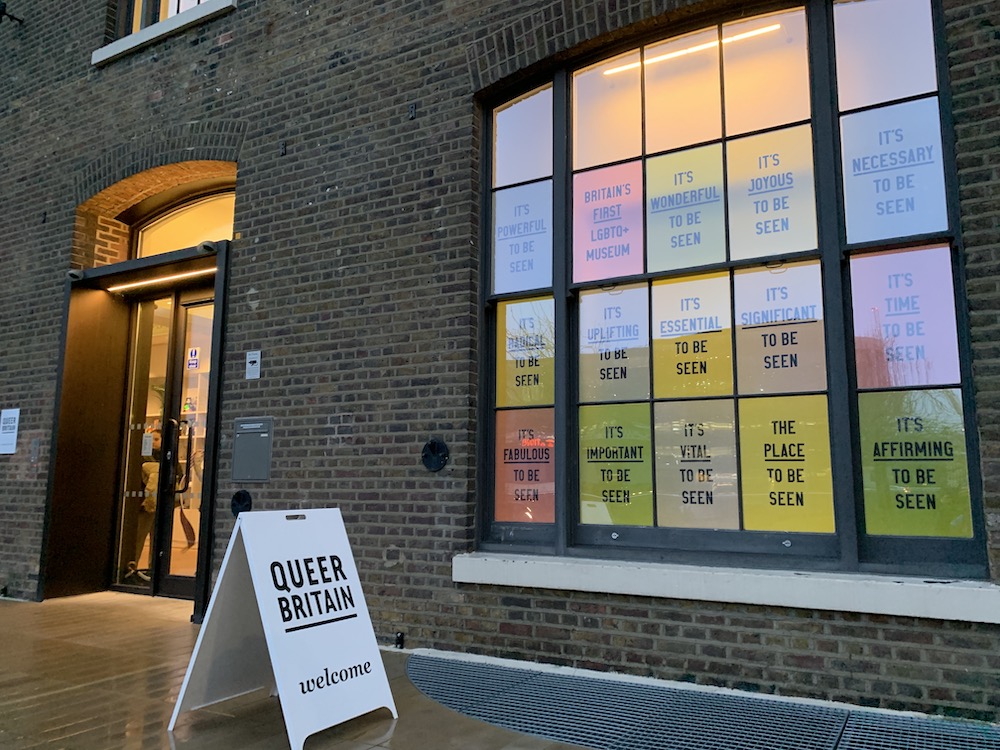
| Detail | Information |
| Location | 2 Granary Square, N1C 4BH |
| Opening | Usually Wednesday–Sunday |
| Admission | Free; donations welcome |
| Nearest Tube | King’s Cross St Pancras |
| Time needed | 45–90 minutes |
Queer Britainis the UK’s first national LGBTQ+ museum. Located in King’s Cross, it preserves and shares queer history, culture, activism and personal stories.
It is smaller than London’s major national museums, but its importance lies in representation and archive-led storytelling.
Key highlights
- LGBTQ+ history exhibitions
- Archival material
- Personal stories
- Community events
- King’s Cross cultural setting
Why go?Choose Queer Britain if you want a focused museum that tells stories often missing from traditional national collections.
33. Old Operating Theatre Museum And Herb Garret
| Detail | Information |
| Location | 9a St Thomas Street, SE1 9RY |
| Opening | Usually Thursday–Sunday |
| Admission | Paid |
| Nearest Tube | London Bridge |
| Time needed | 45–75 minutes |
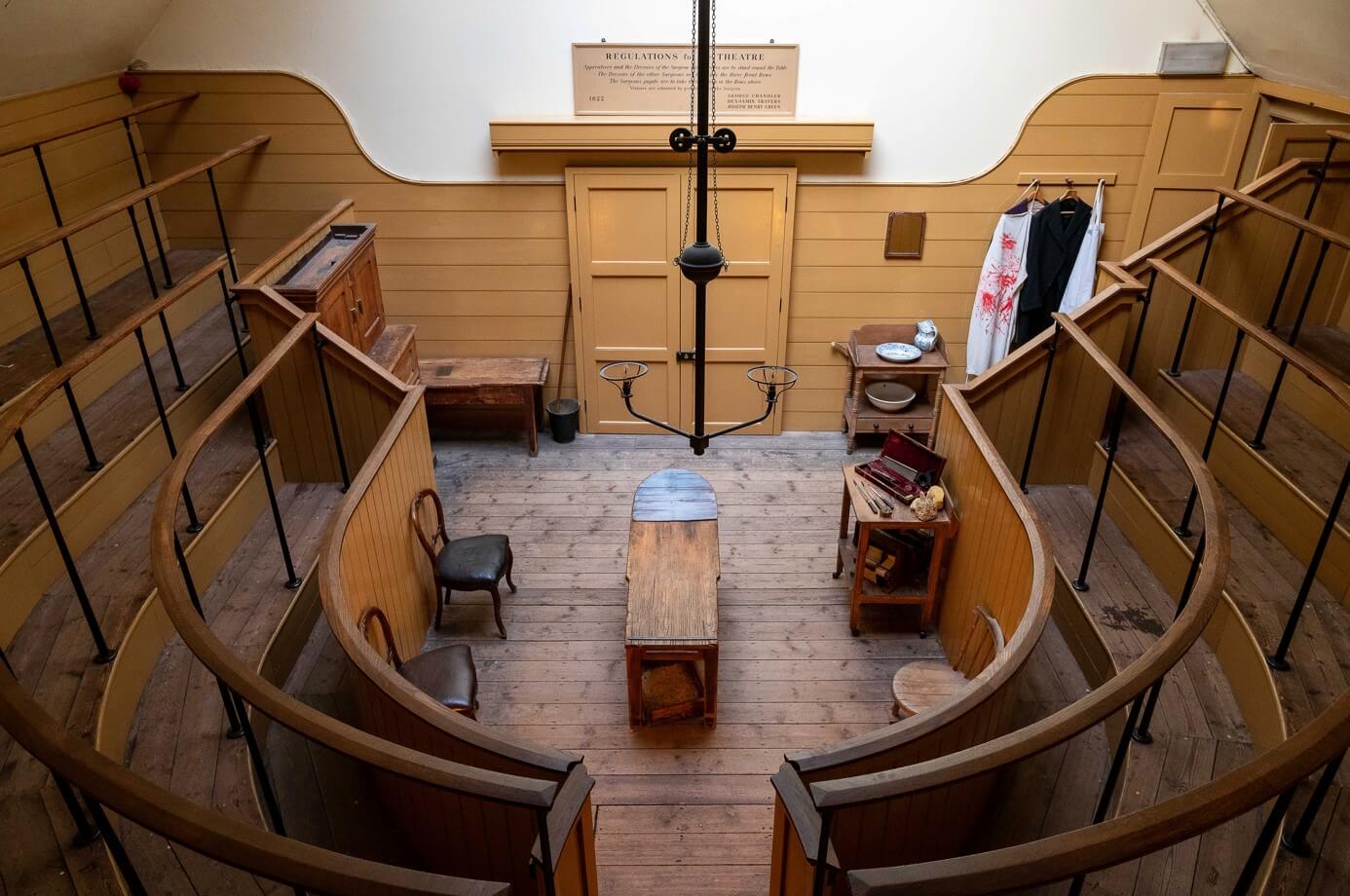
The Old Operating Theatre Museumand Herb Garret is one of London’s most unusual medical-history museums. Set near London Bridge, it explores surgery, medicine and herbal treatment before modern anaesthesia and antiseptic practice.
It is fascinating but can be gruesome, so it is best for older children, teenagers and adults who are comfortable with medical history.
Key highlights
- Restored operating theatre
- Herb Garret
- Historic surgical tools
- Medical history displays
- Atmospheric attic setting
Why go?Choose it if you want a compact, memorable museum with a darker edge.
34. Museum Of Comedy
| Detail | Information |
| Location | St George’s Church, Bloomsbury Way, WC1A 2SR |
| Opening | Check current opening and event times |
| Admission | Varies |
| Nearest Tube | Tottenham Court Road, Holborn |
| Time needed | 45–90 minutes |
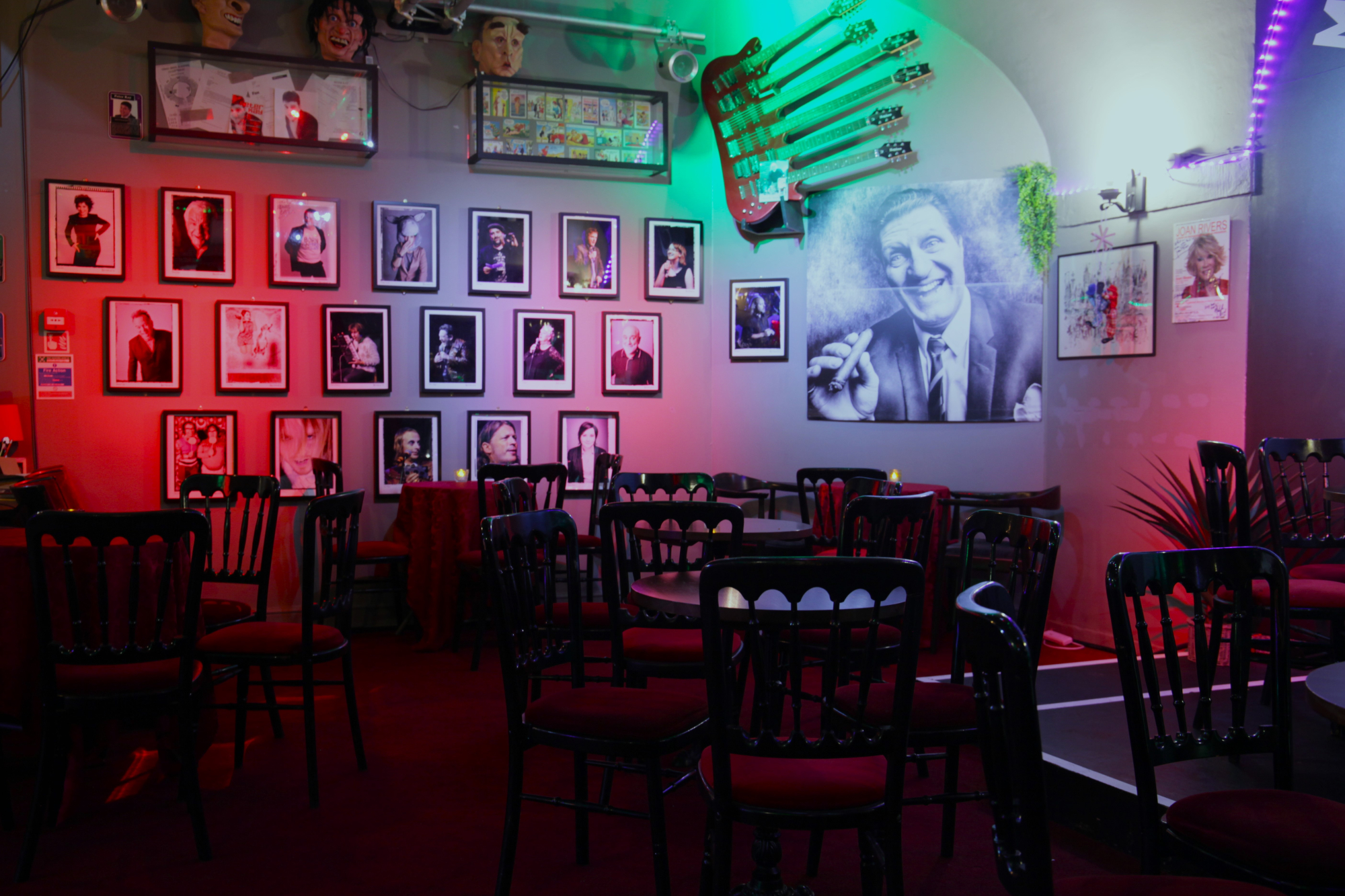
The Museum of Comedycelebrates British comedy through memorabilia, performance and events. It is a niche stop rather than a major first-time attraction, but it works well for comedy fans already in Bloomsbury or the West End.
Its event programme may matter more than the static displays, so check what is on before visiting.
Highlights to look for:
- Comedy memorabilia
- Scripts, props and archive material
- Live performances
- British comedy history
- Bloomsbury location
Why go?Choose the Museum of Comedy if you are interested in British humour, performance history or live comedy events.
35. Twist Museum
| Detail | Information |
| Location | 248 Oxford Street, W1C 1DH |
| Opening | Varies by date; check the booking schedule |
| Admission | Paid |
| Nearest Tube | Oxford Circus, Bond Street |
| Time needed | 1–1.5 hours |
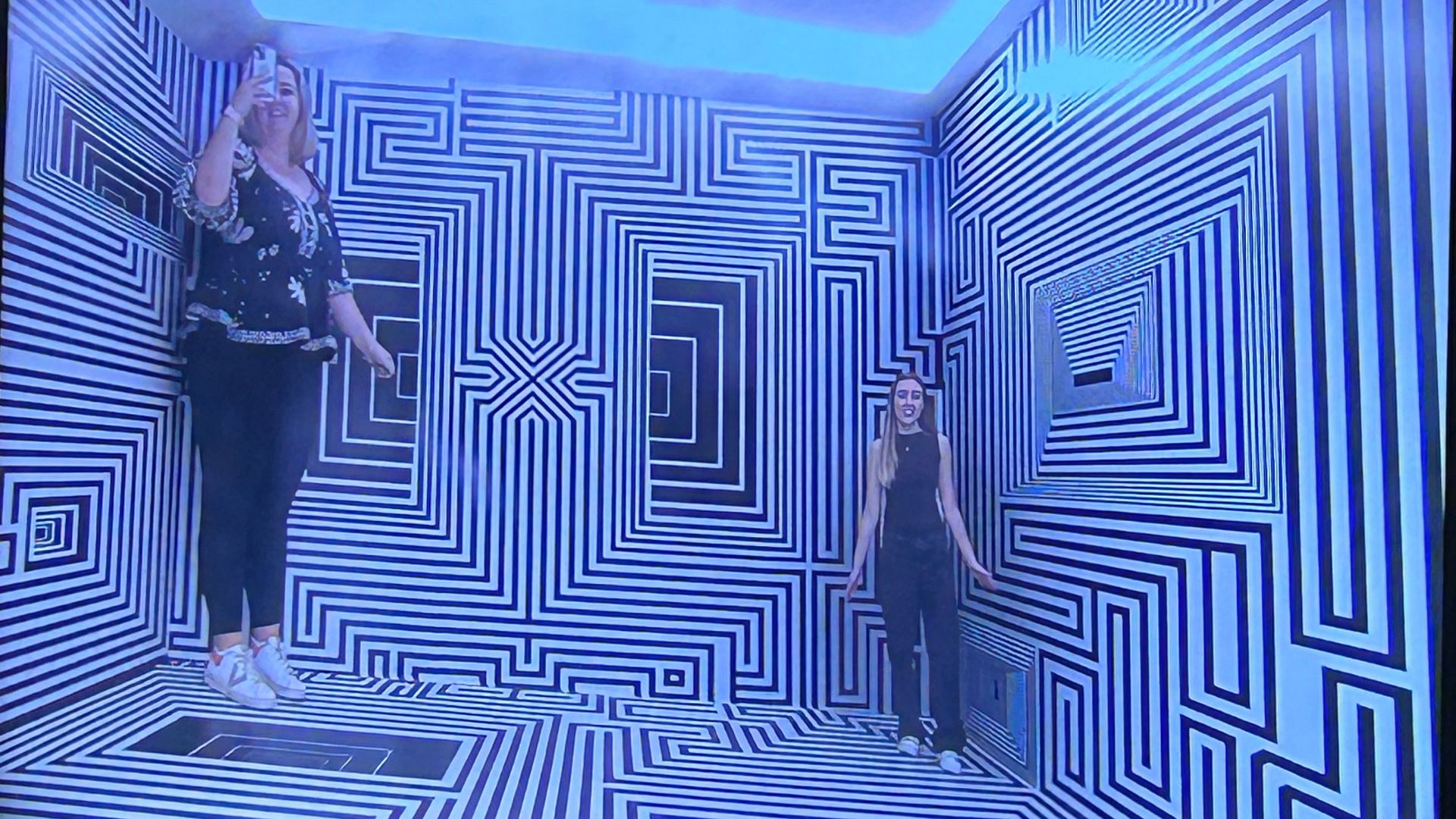
Twist Museumis a practical rainy-day option for visitors who want an interactive indoor activity.
It is a great rainy-day option because it gives visitors something active and playful to do indoors, especially if they want a break from traditional galleries. The museum describes itself as having more than 80 interactive exhibits and being suitable for all ages.
Must-see highlights
- Optical illusion rooms
- Interactive perception exhibits
- Colour and mirror installations
- Photo-friendly spaces
- Science-meets-art displays
- Oxford Street setting
Why go?Choose Twist Museum if you want a fun, easy indoor activity that feels more playful and social than a conventional museum visit.
What To Book In Advance
Some London museums are easy walk-ins, but popular or ticketed attractions are better booked ahead.
Book Ahead For Certainty:
- Science Museum
- Natural History Museum
- National Gallery
- Churchill War Rooms
- Tower of London
- London Transport Museum
- Postal Museum, especially Mail Rail
- Design Museum paid exhibitions
- Royal Observatory Greenwich
Advance booking helps avoid queues, secure timed entry and plan your day more smoothly.
Usually Easier As Walk-ins:
- V&A South Kensington
- Tate Modern
- Tate Britain
- Imperial War Museum London
- Wallace Collection
- Sir John Soane’s Museum
- London Museum Docklands
- Young V&A
Before booking, check the nearest station, time needed and whether entry is free or ticketed. Special exhibitions may still cost extra.
How To Group Museums By Area
Planning by area is easier than crossing London all day.
South Kensington Museum Quarter: London’s Museum Mile Route
South Kensington is the closest thing to London’s Museum Mile for visitors, with the Natural History Museum, Science Museum and V&A all within a short walk of each other.
Best route:
- Natural History Museum
- Science Museum
- V&A South Kensington
Best for:families, first-time visitors, rainy days and budget travellers
Nearest station:South Kensington
Time needed:half day to full day
Booking note:book the Science Museum’s free ticket and check Natural History Museum entry guidance before visiting.
For most visitors, two museums plus a proper breakis better than rushing all three.
Trafalgar Square And Westminster
Best route:
- National Gallery
- National Portrait Gallery
- Churchill War Rooms
Best for:art, central London sightseeing and WWII history.
Nearest stations:Charing Cross, Leicester Square, Westminster.
Time needed:half day to full day.
Bloomsbury And Holborn
Best route:
- British Museum
- Sir John Soane’s Museum
- Grant Museum of Zoology or Foundling Museum
Best for:history, hidden gems and academic London.
Nearest stations:Tottenham Court Road, Holborn, Russell Square.
Time needed: half day.
South Bank
Best route:
- Tate Modern
- Millennium Bridge
- Optional St Paul’s or National Gallery connection
Best for:contemporary art, couples and riverside walks.
Nearest stations:Blackfriars, Southwark, London Bridge.
Time needed:2–4 hours.
Greenwich
Best route:
- National Maritime Museum
- Queen’s House
- Royal Observatory Greenwich
- Optional Cutty Sark
Best for:families, maritime history, astronomy and open space.
Nearest station:Cutty Sark DLR or Greenwich rail.
Time needed:half day to full day.
Covent Garden And Clerkenwell
Best route:
- London Transport Museum
- Postal Museum
- Optional Museum of Comedy or Sir John Soane’s Museum
Best for:families, transport fans and quirky indoor plans.
Nearest stations:Covent Garden, Farringdon, Chancery Lane.
Time needed:half day.
Best Museums In Central London
Central London is best for visitors with limited time. These picks minimise travel and pair naturally with major sightseeing routes.
Best Central London Picks
- British Museum:best central pick for history.
- National Gallery:best central pick for paintings.
- National Portrait Gallery:best central pick for British people and identity.
- Churchill War Rooms:best paid central history site.
- Sir John Soane’s Museum:best hidden gem near Holborn.
- Wallace Collection:best calm art stop near Marylebone.
- London Transport Museum:best family museum in Covent Garden.
FAQs About London’s Top Museums
Which Museums Or Galleries In London Are Best?
For most visitors, the best museums and galleries in London are the British Museum, National Gallery, Natural History Museum, V&A, Science Museum, Tate Modern, Tate Britain, Imperial War Museum London, Wallace Collection and Sir John Soane’s Museum. First-time tourists should start with the British Museum, National Gallery or Natural History Museum.
Which London Museums Are Free?
Many major London museums offer free general admission, including the British Museum, National Gallery, V&A, Natural History Museum, Science Museum, Tate Modern, Tate Britain, IWM London, Wallace Collection, Sir John Soane’s Museum, Young V&A and London Museum Docklands. Special exhibitions may cost extra.
Which London Museum Should I Visit First?
For most first-time visitors, start with the British Museum for world history, the National Gallery for classic paintings, or the Natural History Museum for families and natural science. Choose based on your route and book free timed entry where recommended.
What Is The Most Visited Museum In London?
According to ALVA’s 2025 visitor figures, the Natural History Museum was London’s most visited museum, with 7,116,929 visits. Always check the latest annual figures if you need the current ranking.
What Should I Book In Advance?
Book the Science Museum, Natural History Museum, Churchill War Rooms, Tower of London, London Transport Museum, Postal Museum, Royal Observatory Greenwich and paid exhibitions at venues such as the Design Museum, V&A, National Gallery or Tate.
Which Museums Are Best For Families?
The best museums in London for families are the Natural History Museum, Science Museum, Young V&A, London Transport Museum, Postal Museum and Horniman Museum and Gardens. Choose Natural History Museum for dinosaurs, Science Museum for interactivity, and London Transport Museum for buses, trains and Tube history.
Which Picks Are Best By Area Or Budget?
For area, choose South Kensington for the Natural History Museum, Science Museum and V&A; Trafalgar Square for the National Gallery and National Portrait Gallery; Bloomsbury for the British Museum and Sir John Soane’s Museum; Greenwich for maritime museums. For budget, prioritise free general-admission museums and avoid paid experiences unless they are the main reason for going.
Which Options Suit First-time Visitors Best?
The best first-time options are the British Museum for world history, National Gallery for classic art, Natural History Museum for families, V&A for design, Science Museum for interactivity, Tate Modern for contemporary art and Tower of London for historic London.
Quick Recap
The best museum choice depends on your route, budget and reason for visiting.
Choose British Museumfor world history, National Galleryfor classic paintings, Natural History Museumfor families, V&Afor design, Science Museumfor interactivity, Tate Modernfor contemporary art, IWM Londonfor modern conflict history, and Wallace Collectionor Sir John Soane’s Museumfor quieter hidden-gem visits.
For the easiest day, group museums by area. For the cheapest day, focus on free general-admission venues. For the best tourist day, choose one anchor museum, book anything that needs a timed slot, and leave enough space to enjoy London between the galleries.
Jump to
Quick Answer: Which London Museums Should You Choose?
Best Museums/galleries At A Glance
How These Top Museums In London Were Selected
Best Free Options
The Top 10 Museums In London
Best Museums In London For Families
Best Museums In London For Art Lovers
Best Museums In London For Rainy Days
What To Book In Advance
How To Group Museums By Area
Best Museums In Central London
FAQs About London’s Top Museums
Quick Recap

James Rowley
Author
James Rowley is a London-based writer and researcher covering London life, cultural geography, London travel, live London webcam pages and selected public figures across entertainment, sport, business and public life.
For over 15 years, he has focused on verified sources, first-hand local context and clear explanations that help readers understand both places and people more deeply. His work combines street-level London knowledge with careful research into career credits, media work, business interests and, where relevant, transparently explained net worth estimates.
He writes and reviews articles published on LondonWebcam.
Latest Articles
Popular Articles