London Landmarks Guide - Best Routes, Areas And Attractions
Use this London landmarks guide to choose walkable routes, compare free and paid attractions, and plan museums, bridges, views and architecture by area.
Author:James RowleyJul 28, 2026
London’s major landmarks can appear close together on a map, but crowds, river crossings, security checks and attraction visits can turn a simple-looking route into a tiring day. Trying to cover every famous sight usually means spending more time travelling than sightseeing.
If a packed sightseeing schedule is not what you want, it may be worth comparing a city break with a countryside escapebefore deciding what kind of trip suits you best.
This hub helps you choose one London area, identify the attraction worth building the day around and find the right detailed guide for landmarks, museums, bridges, viewpoints and architecture.
The routes are organised around geographic logic, realistic pacing, visitor value and useful nearby alternatives.
Practical details last checked: July 2026.Opening arrangements, tickets, accessibility and transport conditions can change, so confirm current information before travelling.
Quick Answer: Which London Landmark Route Should You Choose?
For a first visit, start with Westminster, South Bankor the City and Tower area. Each contains several famous London landmarks that can be combined without repeatedly crossing the city.
The simplest planning rule is to choose one substantial paid or indoor attraction per half-day, then add nearby free landmarks, bridges, squares or viewpoints. This leaves time for walking, security, food, photographs and unexpected delays.
Use the London attractions mapwhen you need to understand where the main clusters sit before deciding on a route.
London Landmark Chooser And Walkable Cluster Routes
| Cluster | Best For, Route and Time |
| Westminster | Best for: First visits and royal London. Route: Elizabeth Tower and the Palace of Westminster → Westminster Abbey → St James’s Park → Buckingham Palace. Allow: 3–4 hours outside or 5–6 hours with one interior. |
| South Bank | Best for: River views, culture and families. Route: Westminster Bridge → London Eye → Southbank Centre → Tate Modern → Millennium Bridge. Allow: 3–5 hours, or longer with a paid attraction. |
| City and Tower | Best for: History, bridges and architecture. Route: Tower of London → Tower Bridge → City streets → St Paul’s Cathedral. Allow: 4–6 hours when entering the Tower. |
| Museums and Galleries | Best for: Art, history, science and rainy days. Choose Bloomsbury, Trafalgar Square or South Kensington rather than crossing between all three. Allow: 3–5 hours. |
| Views and Skyscrapers | Best for: Skyline views and modern London. Choose the City and London Bridge for a compact 2–4-hour route. Choose Greenwich for a slower 4–6-hour route. Add Canary Wharf only as a separate extension when time remains. |
| Architecture and Bridges | Best for: Historic buildings, engineering and photography. Short route: St Paul’s Cathedral → Millennium Bridge → Bankside → London Bridge → Tower Bridge. Allow: 2½–4 hours outside. Allow at least half a day when walking from Westminster Bridge to Tower Bridge. |
How the times were estimated:These ranges assume a normal walking pace, brief photography stops and no substantial interior unless stated. Add time for meals, queues, security and individual accessibility needs.
If two clusters appeal equally, choose the one containing the attraction you most want to enter. Supporting exteriors can then be added or removed without disrupting the entire day.
First-Time London Route: Westminster To South Bank
This is a practical introductory route for first-time visitors with one day or only a few hours. It combines Parliament, royal and religious landmarks, the Thames and the London Eyewithout repeatedly sending you across the city.
Short First-Time Route: Around Three Hours
- Start at Parliament Square.
- See Elizabeth Tower, which houses the Great Bell known as Big Ben, beside the Palace of Westminster.
- View Westminster Abbeyfrom outside.
- Cross Westminster Bridge.
- Walk past the London Eyeand Jubilee Gardens.
- Continue along the river.
- Finish around the Southbank Centre or return towards Westminster.
This version is mainly an exterior sightseeing and photography route. It provides a recognisable introduction to central London without requiring several admissions or timed bookings. To expand the area without committing to a longer cross-city itinerary, see things to do near Westminster Bridge.
Allow more time than the map suggests. Road crossings, crowds, bridge photographs and finding the right viewpoints can make a compact-looking route slower than expected.
Half-Day Route: Around Five Hours
Add one substantial attraction to the short route:
- Enter Westminster Abbey.
- Ride the London Eye.
- Visit the Churchill War Rooms.
- Spend focused time at the National Gallery.
- Continue east to Tate Modern.
Westminster Abbey is a working church, and special services or events can affect sightseeing access. Check the official Westminster Abbey visitor informationbefore building the route around an interior visit.
A London Eye rotation is only one part of the time commitment. Arrival, ticket checks and queues can increase the total visit, particularly during busy periods. Check the official London Eye informationbefore fixing later reservations too closely around it.
Should You Continue To Tower Bridge?
Not automatically.
Tower Bridge remains visible further east on maps and riverside signs, but continuing all the way from Westminster creates a much longer walk once food, photographs, crowds and stops are included.
For a fuller Thames walk, use the London walking routes guideand choose a clear finishing point before setting out.
Must-See London Landmarks: What Should You Prioritise?
There is no universal list that every visitor must complete. The useful question is whether a landmark is best seen outside, worth entering or substantial enough to shape an entire half-day.
Famous Landmarks Mainly Worth Seeing Outside
Big Ben and the Palace of Westminsterprovide the classic first view of London. Most visitors can appreciate them from Parliament Square, Westminster Bridge or the opposite side of the Thames without arranging a formal tour.
Buckingham Palaceis worthwhile for its façade, Victoria Memorial, The Mall and nearby St James’s Park. Public access to the State Rooms is seasonal, so an exterior visit should remain the default unless current opening arrangements have been confirmed.
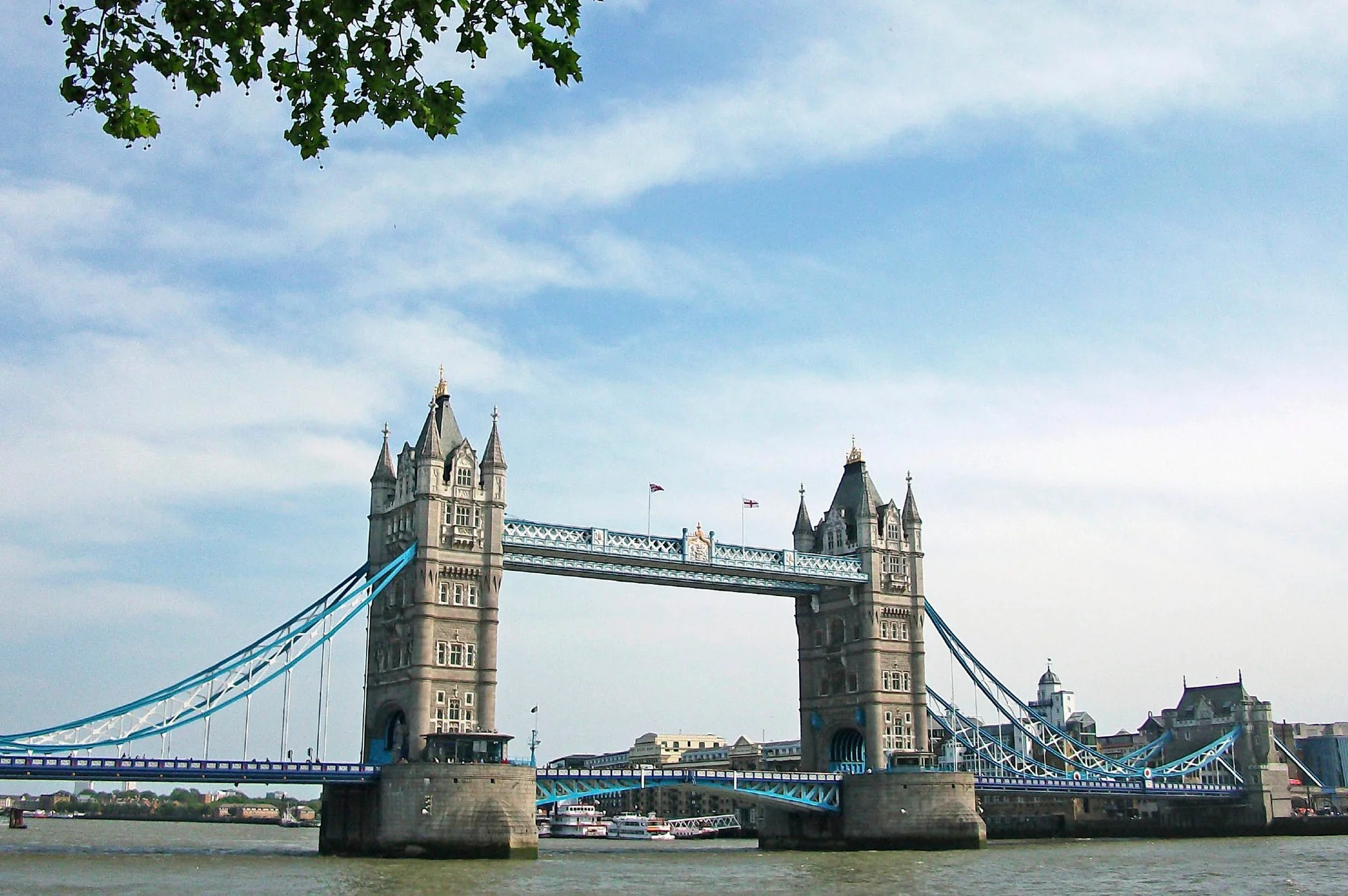
Tower Bridgeis both a landmark and a working river crossing. Walking across it is free, while the paid exhibition adds high-level walkways, glass floors and the Victorian Engine Rooms.
The Thames bridges and riverbanksoffer some of London’s best free views. Westminster Bridge, Millennium Bridge, Waterloo Bridge and the paths around South Bank and Bankside can connect several major landmarks without another ticket.
Major Attractions Worth Entering
Westminster Abbeyis one of the strongest choices for royal, religious and architectural history. Allow enough time for the interior rather than treating it as a brief stop between Parliament Square and Buckingham Palace.
The Tower of Londonprovides most of its value inside through the Crown Jewels, exhibitions, walls and historic spaces. Give it several hours rather than treating it as a quick photograph.
St Paul’s Cathedralis worth entering for its interior, crypt and any galleries open to visitors. Check current access before planning around the upper levels.
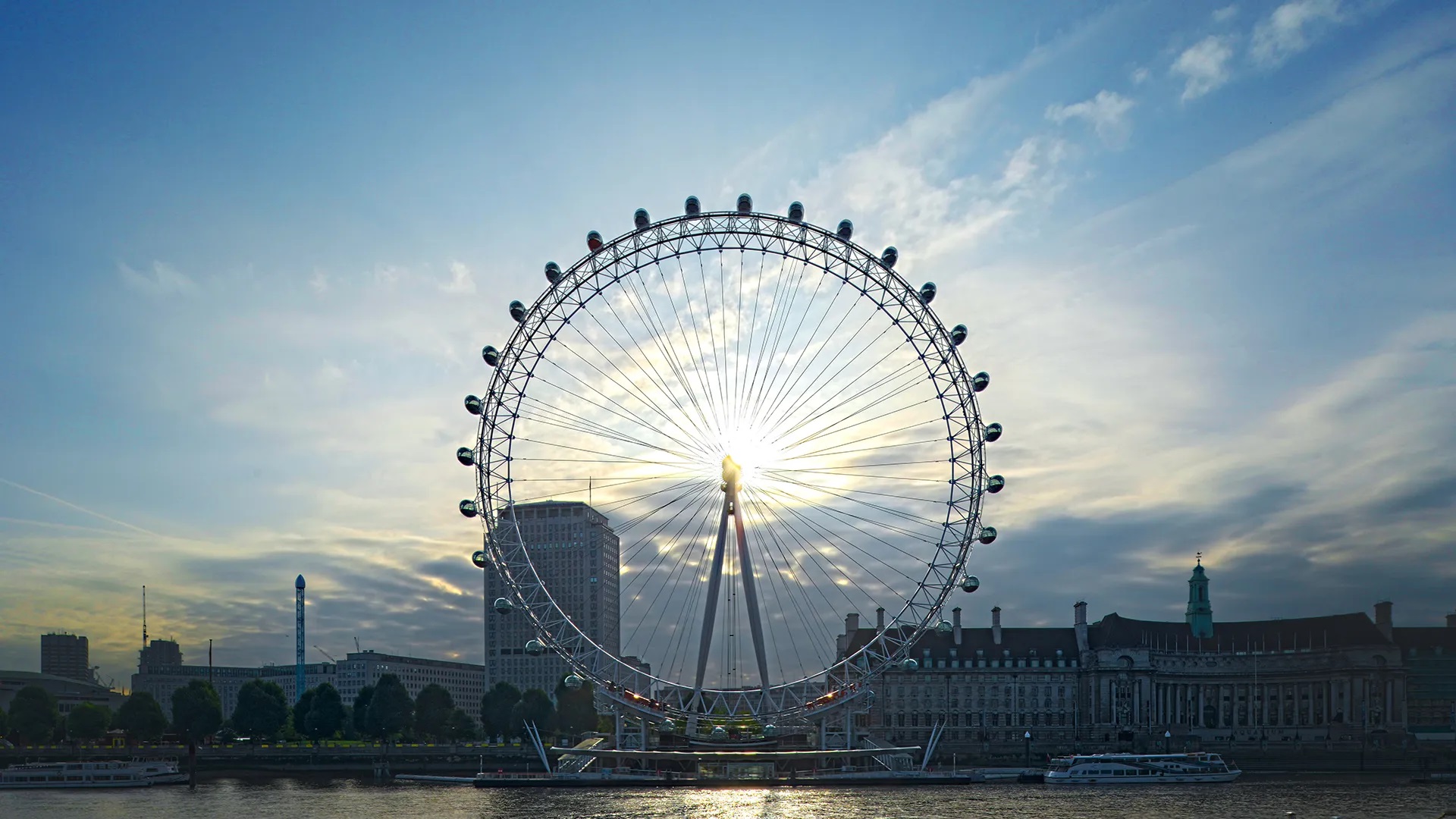
The London Eyesuits first-time visitors, families and anyone wanting a straightforward panoramic view over Westminster and the Thames. Its value depends on visibility, queues, ticket cost and whether another paid viewpoint is already planned.
London Landmarks And Attractions By Area
Planning by area reduces transport time and makes the day easier to shorten when weather, queues or energy levels change.
Westminster And St James’s
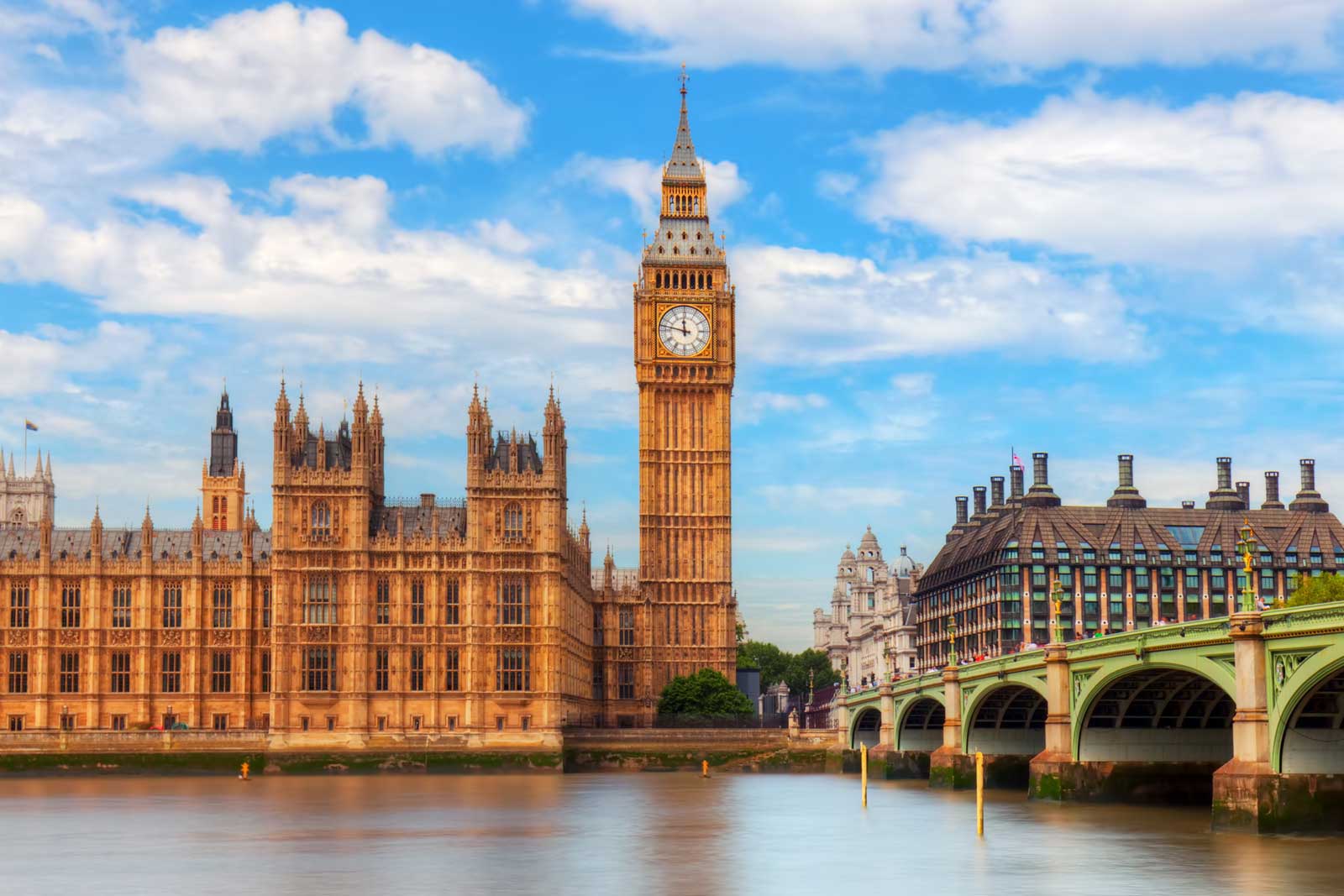
Best for:First visits, royal London and political landmarks
Start at:Westminster or St James’s Park
Allow:Around three to four hours outside, or five to six hours with one interior
Core stops include:
- Big Ben
- Palace of Westminster
- Westminster Abbey
- Parliament Square
- Whitehall
- Horse Guards
- St James’s Park
- Buckingham Palace
Choose Westminster Abbey when royal ceremonies, memorials and religious architecture are priorities. Otherwise, keep the route mainly outside and continue through Whitehall and St James’s Park towards Buckingham Palace.
For a shorter visit, concentrate on Parliament Square, Big Ben and Westminster Abbey. Add Buckingham Palace only when time and walking tolerance allow.
Before extending the route to the palace, read the exploring Buckingham Palace guideto compare the exterior, ceremonial surroundings and seasonal visitor access.
South Bank And Bankside
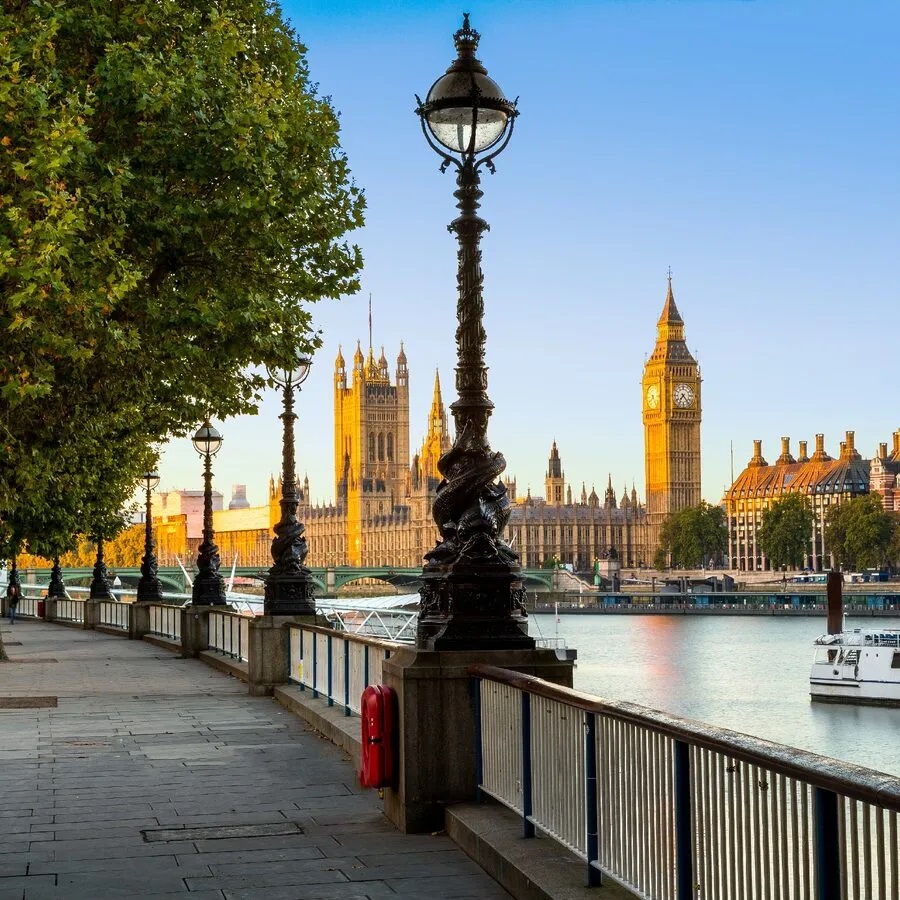
Best for:River walks, culture, families and flexible sightseeing
Start at:Westminster Bridge or Waterloo
Allow:Around three to five hours
Core stops include:
- London Eye
- Southbank Centre
- National Theatre
- Tate Modern
- Millennium Bridge
- Shakespeare’s Globe
- Borough Market
The western end provides the clearest views towards Westminster, while the eastern stretch focuses more on arts and culture around the Southbank Centre, Tate Modern and Bankside.
Make the London Eye, Tate Modern or a Shakespeare’s Globe tour or performance the main attraction. Choose a finishing point before setting out because the riverside route can extend much further than expected.
City Of London And Tower
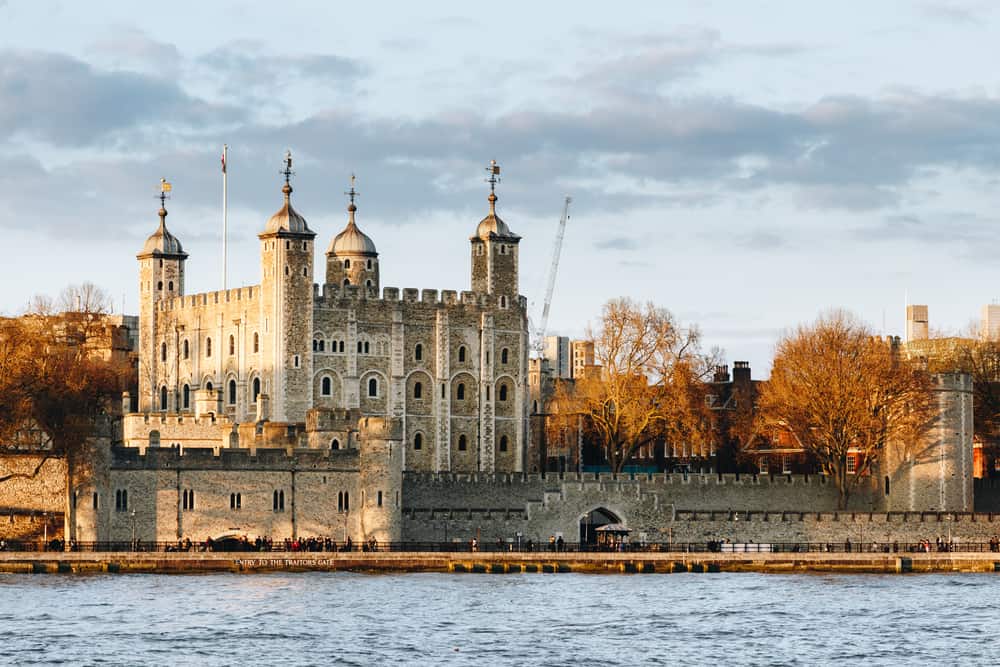
Best for:Medieval history, bridges, churches and modern towers
Start at:Tower Hill, Bank or St Paul’s
Allow:At least half a day
Core stops include:
- Tower of London
- Tower Bridge
- Monument
- Leadenhall Market
- Sky Garden
- Horizon 22
- St Dunstan in the East
- St Paul’s Cathedral
- Millennium Bridge
Use the Tower of London as the main historic anchor in this area. St Paul’s Cathedral is the better choice for religious architecture, City history and dome access.
Entering both can leave little time for Tower Bridge, markets, City streets and the riverside. Prioritise one and treat the other as an exterior stop unless a full day is available.
When the cathedral is the priority, use the St Paul’s Cathedral guidefor the interior, galleries and nearby City route.
Bloomsbury And Trafalgar Square
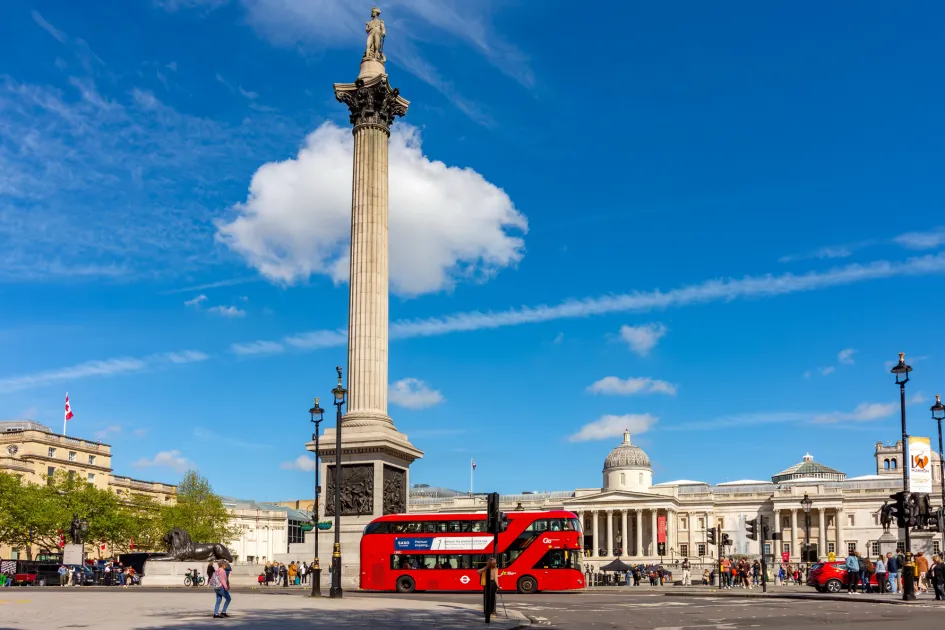
Best for:Free culture, art and rainy weather
Start at:Tottenham Court Road, Holborn or Charing Cross
Allow:Around three to five hours
Bloomsbury’s main attraction is the British Museum. Trafalgar Square is anchored by the National Gallery, with the National Portrait Gallery and Covent Gardennearby.
Choose Bloomsbury for archaeology and world cultures. Choose Trafalgar Square for paintings, civic London and an easy extension towards the West End or Westminster.
Both collections are extensive, so select a few rooms, periods or themes rather than trying to cover both districts fully in one afternoon.
South Kensington
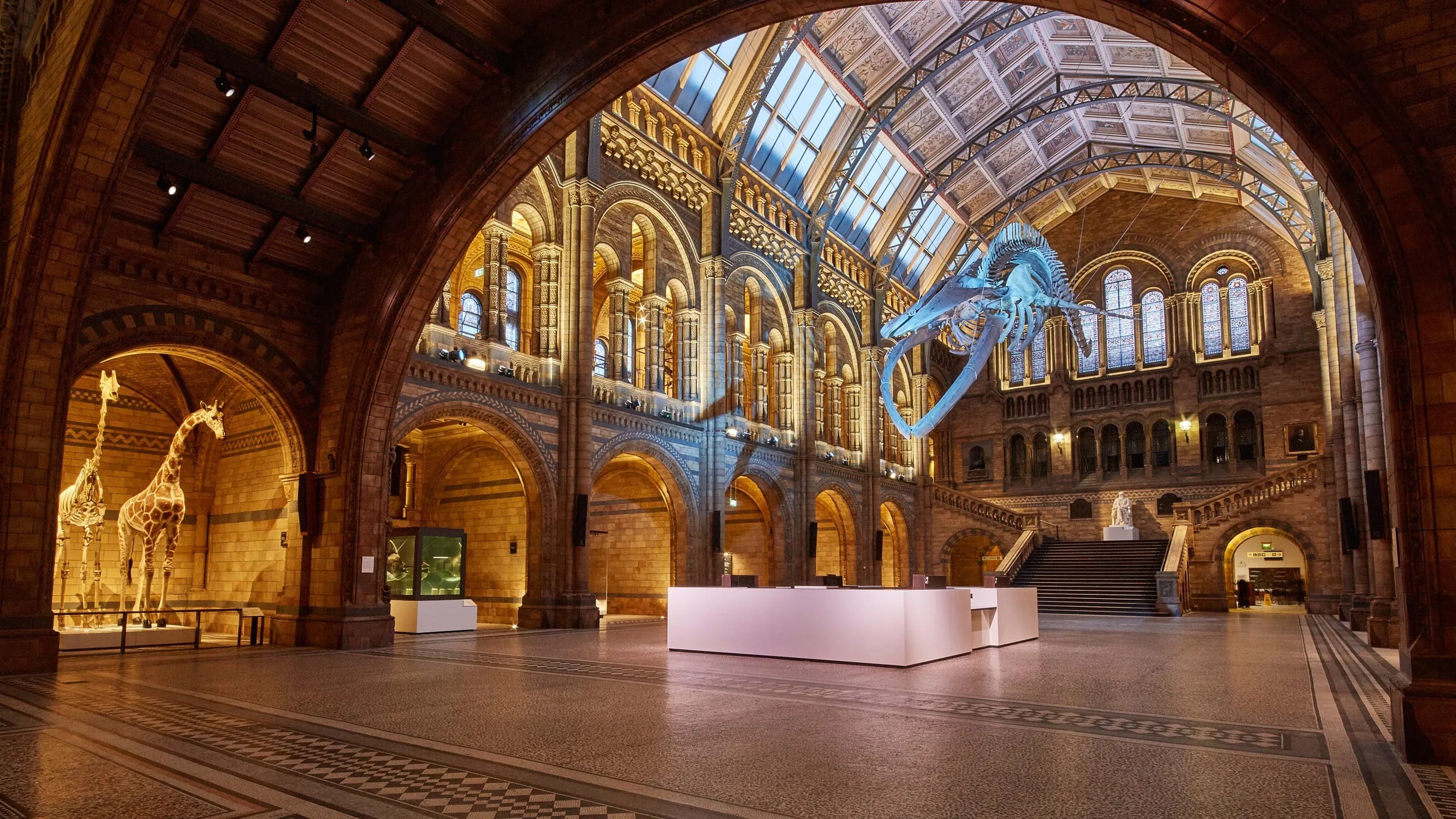
Best for:Families, science, design and wet-weather planning
Start at:South Kensington
Allow:At least half a day
Core choices include:
- Natural History Museum
- Science Museum
- V&A
- Royal Albert Hall
- Kensington Gardens
Make one museum the focus. Add a short second visit or Kensington Gardens only when time and energy remain.
The district’s compact geography can be misleading: the museums are close together, but each can occupy several hours. Families often benefit from one museum, an outdoor break and time for food rather than a sequence of long interiors.
For age-specific ideas elsewhere in the city, see family-friendly places in Londonand the things to do in London with kids guide.
Greenwich
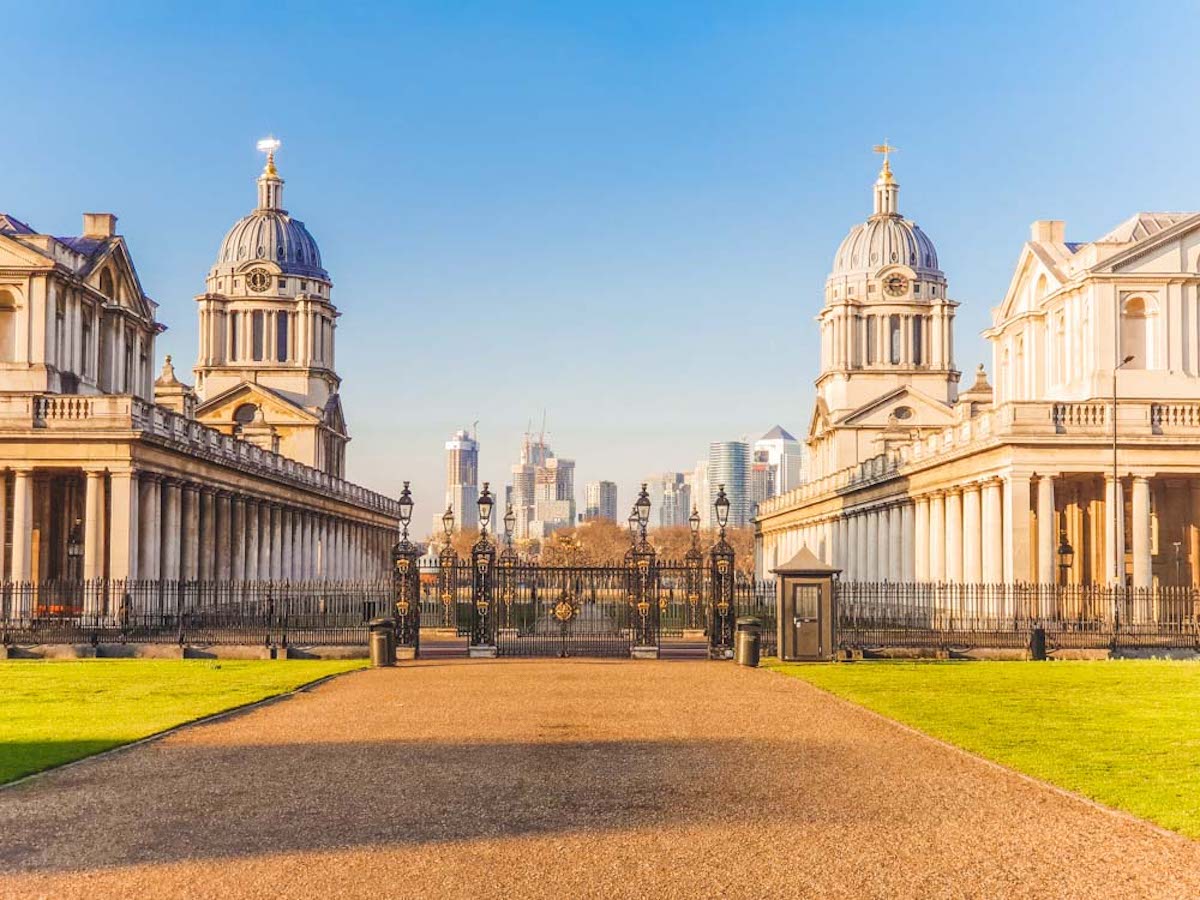
Best for:Maritime history, skyline views and a slower half-day
Start at:Cutty Sark or Greenwich
Allow:Around four to six hours
Core stops include:
- Cutty Sark
- Old Royal Naval College
- National Maritime Museum
- Queen’s House
- Greenwich Market
- Greenwich Park
- Royal Observatory
Give Greenwich at least half a day. Select the Royal Observatory, Cutty Sark or Old Royal Naval College as the main attraction, then add the riverfront, historic centre and park according to time.
Factor in the uphill walk through Greenwich Park when travelling with young children or visitors with limited walking tolerance.
Free And Paid London Landmarks And Attractions
A strong London itinerary does not require a paid ticket at every stop. A practical budget often combines one paid attraction with several nearby free landmarks or cultural venues.
Best Free London Landmarks And Attractions
Useful free choices include:
- Big Ben and the Palace of Westminster exterior
- Buckingham Palace exterior
- Trafalgar Square
- Westminster Bridge
- Tower Bridge public crossing
- Millennium Bridge
- South Bank
- Borough Market
- National Gallery general admission
- British Museum general admission
- Natural History Museum general admission
- Tate Modern’s general collection
- Public parks and river viewpoints
Permanent-collection admission is currently free at the British Museum, National Gallery, Natural History Museumand Tate Modern. Free tickets or advance booking may still be recommended at busy times, while temporary exhibitions and special events can carry separate charges. “Free” does not always mean no planning is required.
A free attraction may still have:
- Timed reservations
- Capacity controls
- Security checks
- Separate charges for temporary exhibitions
- Restricted access to particular rooms or experiences
- Seasonal or event-related changes
Avoid adding too many free stops simply because admission costs are absent. Walking time and fatigue still matter.
Paid Attractions Worth Building A Route Around
Consider paying when the interior or controlled experience is central to the attraction:
- Tower of London
- Westminster Abbey
- St Paul’s Cathedral sightseeing
- London Eye
- Tower Bridge exhibition
- The View from The Shard
- Royal Observatory
- Buckingham Palace State Rooms when open
Sky Garden provides free public access during designated visiting periods, but capacity is controlled. Check the official Sky Garden booking informationbefore relying on it as the main viewpoint in your route.
St Paul’s separates worship from sightseeing. Services can be attended without a sightseeing ticket, while exploring the building as a visitor normally requires paid admission. Check the official St Paul’s Cathedral visitor informationfor the date of travel.
A Simple Budget Rule
Before buying a sightseeing pass or attraction bundle:
- List the places you genuinely intend to enter.
- Check whether they fit into the same geographic areas.
- Compare current official individual prices with the pass price.
- Confirm whether separate timed reservations are still required.
- Allow enough time for the included attractions.
- Leave space for free museums, bridges and neighbourhoods.
A pass can save money when its inclusions match a realistic route. It cannot make an overloaded itinerary practical. For accommodation, transport, food and daily-spend planning beyond attraction tickets, use the London costs and budget guide.
For a wider comparison of free activities, transport choices and daily spending, use the London on a budget guide.
Best London Views And Skyscrapers
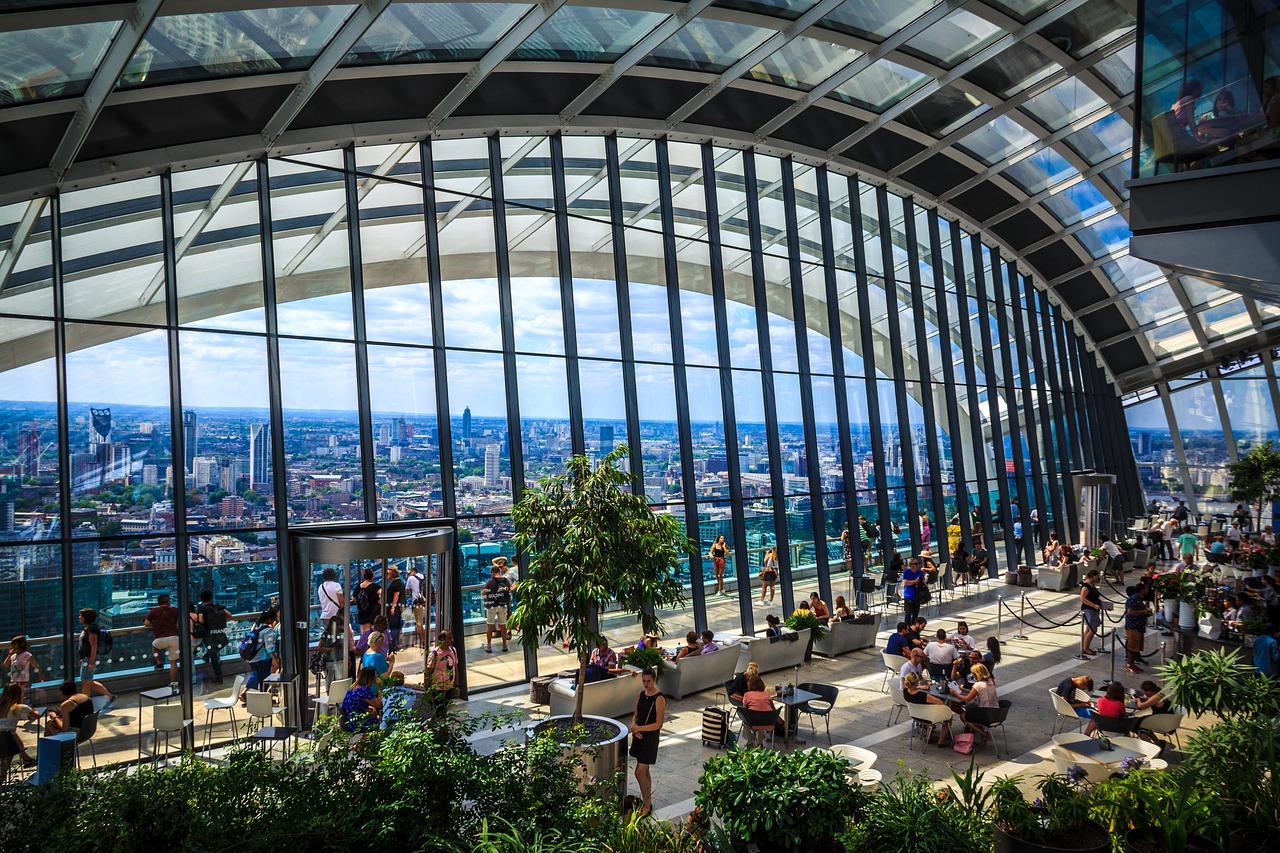
London’s skyline mixes historic domes, church towers, an observation wheel and modern skyscrapers. Choose the viewpoint according to the view you want rather than assuming the highest platform is automatically the best.
Free London Views
Strong free options include:
- Westminster Bridge
- Waterloo Bridge
- Millennium Bridge
- Greenwich Park
- Primrose Hill
- Parliament Hill
- Sky Garden with the appropriate current access arrangements
- Horizon 22, subject to current free-ticket availability
- Riverbanks around Westminster, Bankside and Tower Bridge
Different viewpoints serve different purposes.
Westminster Bridge is useful for Big Ben, Parliament and the London Eye. Millennium Bridge provides a strong alignment towards St Paul’s Cathedral. Greenwich Park places the central skyline behind a historic landscape.
Sky Garden combines an elevated view with an indoor garden. Horizon 22 at 22 Bishopsgate is London’s highest free public viewing gallery, with 300-degree views from Level 58. Standard admission is free and uses timed tickets, so check the official Horizon 22 booking informationfor current availability.
A bridge or park often provides more variety than paying for several elevated platforms.
For more no-cost skyline options beyond the bridges and parks listed here, compare the best free viewpoints in London.
For camera-specific locations, viewing angles and landmark compositions, see the best spots for photography in London.
Paid Skyline Attractions
The main paid choices include:
- London Eye
- The View from The Shard
- St Paul’s dome galleries when accessible
The London Eye suits visitors who want a recognisable Westminster and Thames view without climbing. The Shard provides a higher viewpoint from the London Bridge area. St Paul’s combines architecture, history and a physical ascent.
Choose one paid skyline experience unless viewpoints are a central interest. Then add a free riverbank, bridge or park view from a different part of London.
London’s Modern Skyscrapers
For modern London architecture, focus on:
- The Shard
- The Gherkin
- 20 Fenchurch Street, commonly called the Walkie Talkie
- Leadenhall Building
- 22 Bishopsgate, home to Horizon 22
- One Canada Square
- Canary Wharf towers
Many skyscrapers are better treated as architectural landmarks than conventional attractions. Some contain public viewpoints, restaurants or controlled visitor areas, while others remain working office buildings without routine public access.
Use the skyscrapers of London guideto identify buildings, viewpoints and practical architecture routes. For illuminated landmarks, riverside walks and skyline stops after dark, continue to the best places to visit in London at nightguide.
London Museums And Galleries
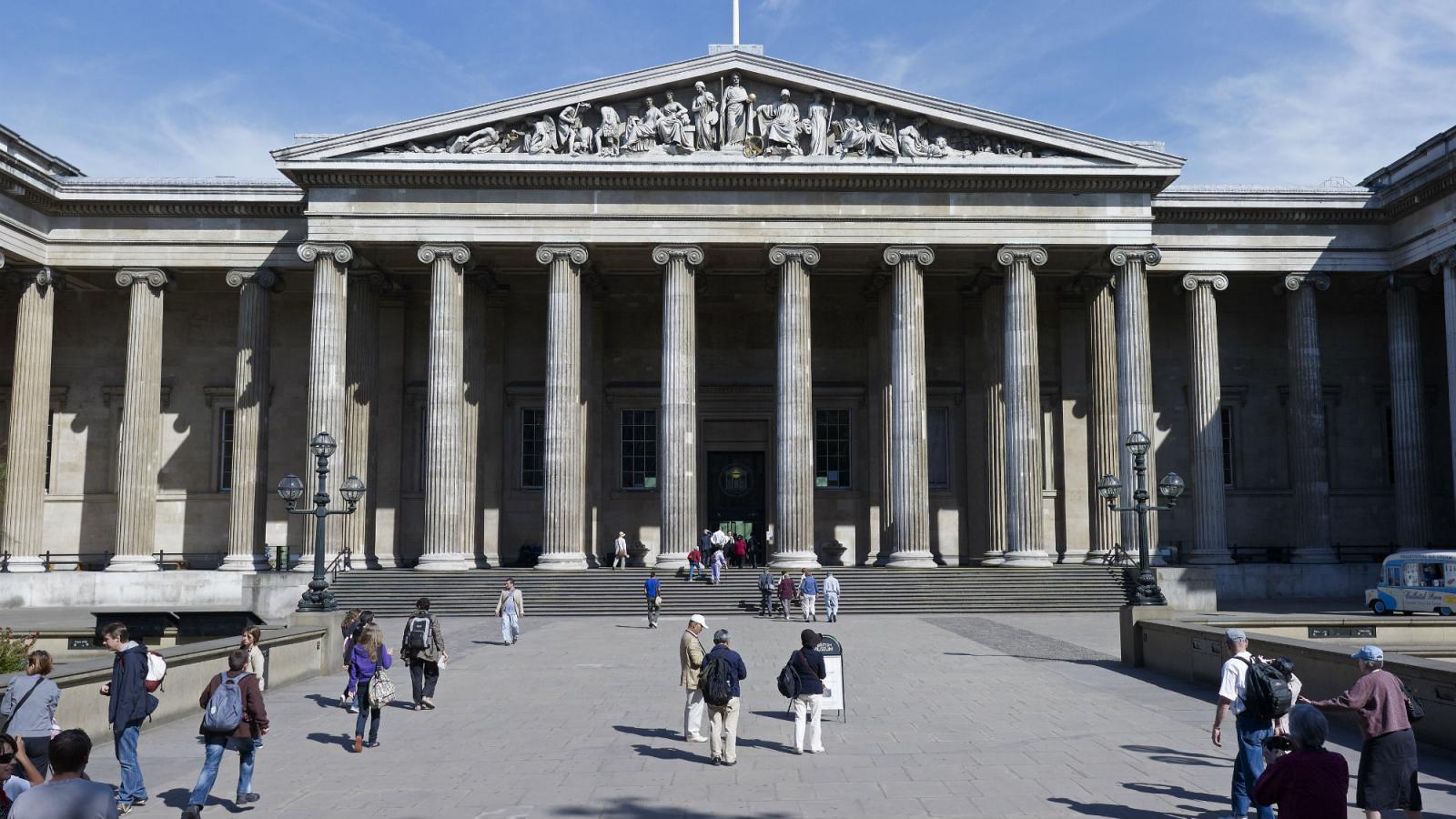
London’s major collections cannot be covered meaningfully in one day. Choose according to interest and location rather than attempting to cover the most famous institutions in one trip.
Choose A Museum Or Gallery By Interest
| Interest | Best Starting Point |
| Ancient history | British Museum, Bloomsbury |
| Natural science | Natural History Museum, South Kensington |
| Technology and space | Science Museum, South Kensington |
| Design and fashion | V&A, South Kensington |
| European paintings | National Gallery, Trafalgar Square |
| Modern art | Tate Modern, Bankside |
| British art | Tate Britain, Millbank |
| Maritime history | National Maritime Museum, Greenwich |
Plan One Main Museum, Not Three
A museum cluster saves transport time, but it does not make the collections smaller.
For a more focused visit:
- Choose two or three galleries, artists or themes.
- Check whether a temporary exhibition requires a ticket.
- Identify a café, seating area or nearby outdoor stop.
- Stop before fatigue makes the final galleries harder to appreciate.
In South Kensington, choose one main museum and keep another as an optional extra. Around Trafalgar Square, combine a gallery with Covent Garden or Westminster rather than immediately travelling to Bloomsbury.
Compare collections, locations and admission options in the top museums in Londonguide. For painting, photography and contemporary-art options, use the art galleries in London guide.
London Bridges: Use Them To Build The Route
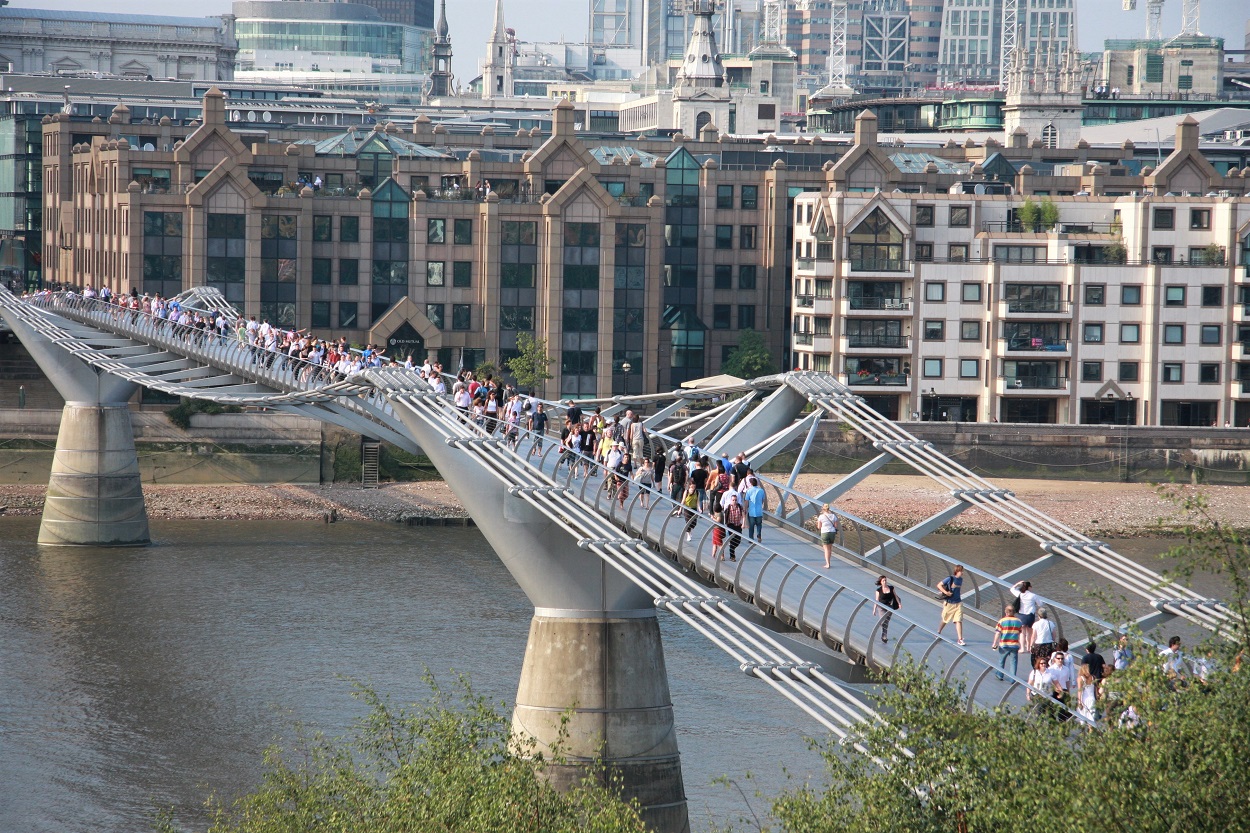
London’s bridges are useful sightseeing connectors as well as landmarks.
Choose Tower Bridge for recognisable architecture, Tower of London views and engineering. The public crossing is free, while the exhibition adds the walkways and Engine Rooms.
Westminster Bridgeprovides the classic combination of Big Ben, Parliament and the London Eye. It also marks the natural beginning of a South Bank walk.
Millennium Bridgelinks St Paul’s Cathedral with Tate Modern and Bankside. Its visual alignment and pedestrian-only crossing make it especially useful for architecture and photography.
Waterloo Bridgeprovides broad views in both directions, including Westminster to the west and St Paul’s with the City skyline to the east.
London Architecture: Historic Buildings To Modern Icons
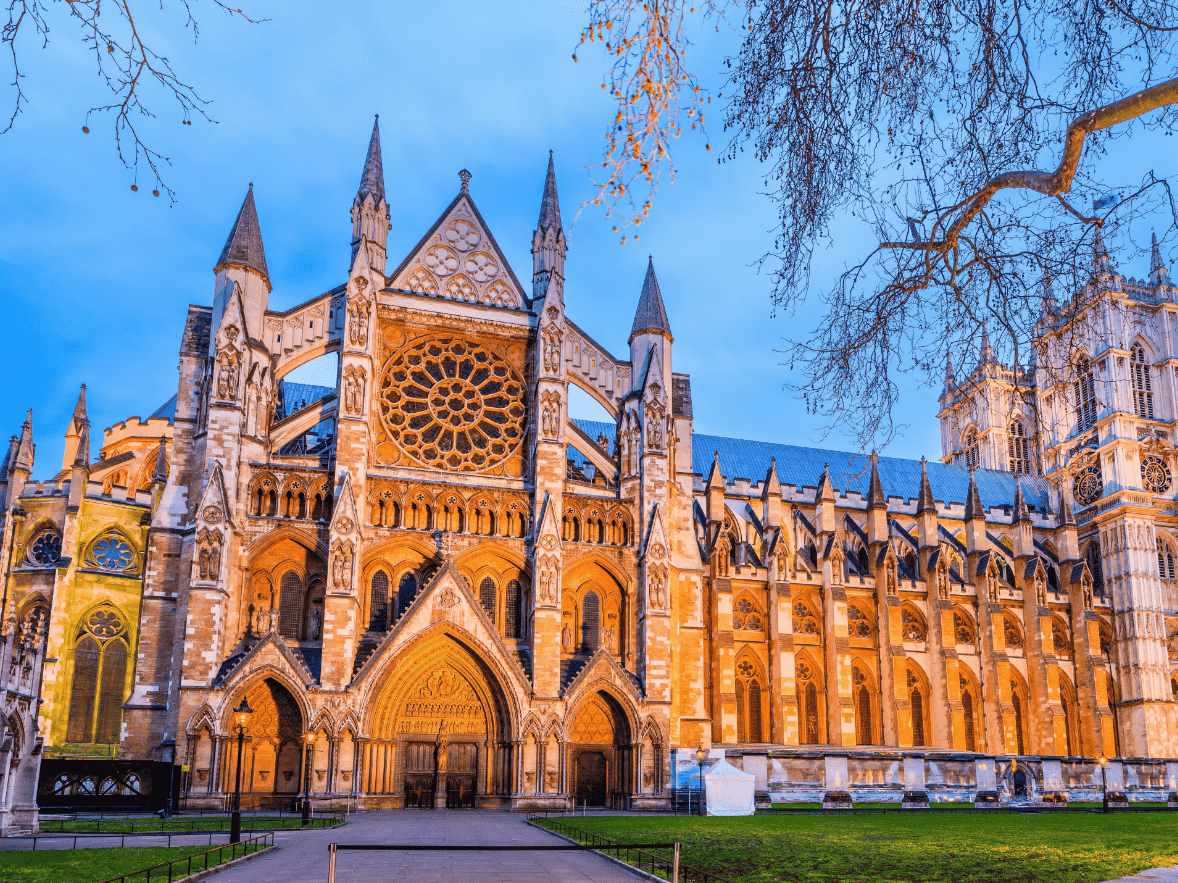
London’s architecture is best understood through contrasting periods rather than one long building checklist.
Historic And Ceremonial London
Westminster Abbey, the Palace of Westminster, Buckingham Palace, the Tower of London and St Paul’s Cathedral provide the clearest introduction to royal, religious and civic architecture.
Westminster is strongest for ceremonial and Gothic buildings. The City places historic churches and institutions beside modern commercial towers.
For royal, Roman, medieval, wartime and UNESCO locations beyond the major landmarks, compare the neighbourhood clusters in the historic sites in London guide. For ready-made routes with timings, stations and accessibility notes, use the historic London neighbourhood walks guide.
Victorian Engineering
Tower Bridge is the most recognisable example, but Victorian London can also be seen in railway termini, covered markets and surviving transport and industrial structures.
These sites work particularly well as part of broader walking routes because much of their architectural interest is visible from public spaces.
Modern And Brutalist London
The Barbican, South Bank, City of London, Canary Wharf, King’s Cross and Battersea offer contrasting examples of post-war planning, concrete architecture and modern glass towers.
Several architectural periods can be seen within one route. St Paul’s, Millennium Bridge, Tate Modern and the City skyline form a particularly clear example.
Use the London architecture guidefor individual buildings, architectural periods and specialist route ideas.
London Markets, Shopping Areas And Food Stops
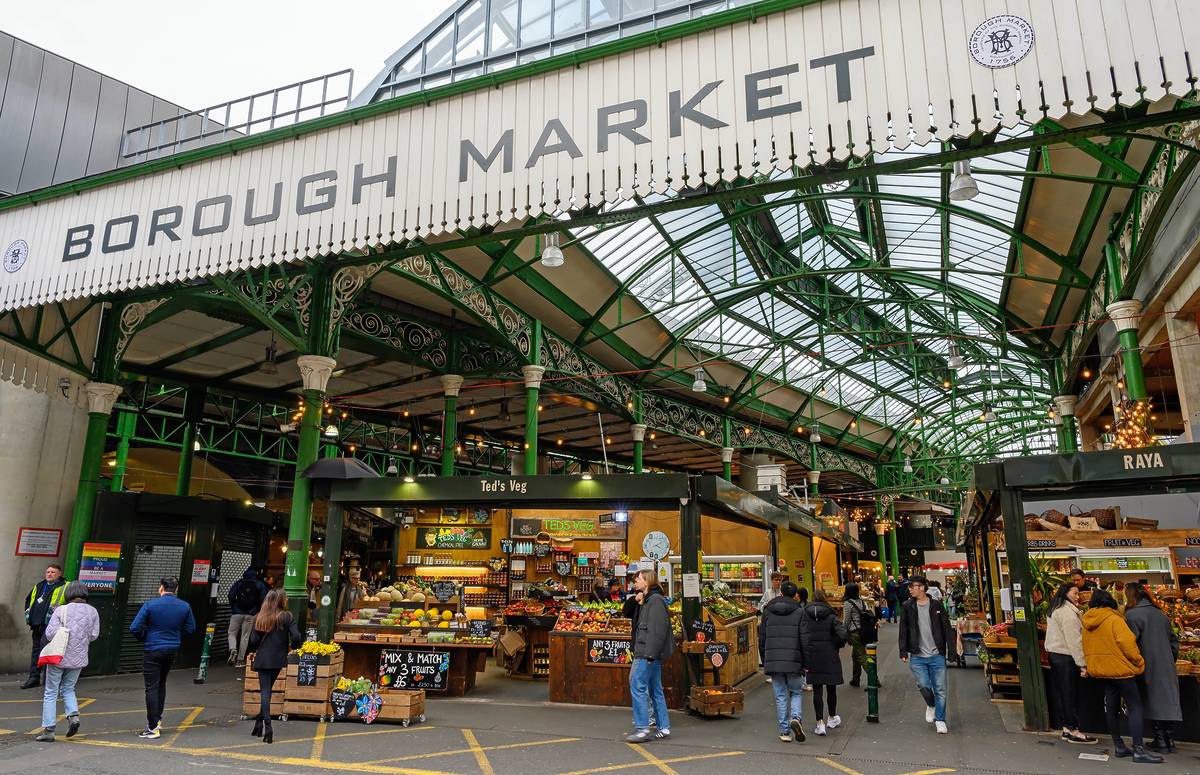
Markets, shopping streets and food stops work best when they fit naturally into the landmark route rather than requiring another journey across London.
Useful combinations include:
- Borough Marketafter Tate Modern, Shakespeare’s Globe or a South Bank walk
- Covent Gardenafter Trafalgar Square, the National Gallery or the West End
- Greenwich Marketduring a Greenwich half-day
- Leadenhall Market or Spitalfieldsafter the Tower and City area
- Knightsbridgeafter South Kensington
- Regent Street, Carnaby or Oxford Streetduring a West End day
For retail districts, luxury shopping, independent shops and indoor centres, continue to the best shopping areas in Londonguide.
Treat a market or shopping district as a meal stop, optional extension or natural finishing point. It should complement the landmark route rather than compete with the main attraction.
Parks And Quieter Alternatives
Not every sightseeing day needs another museum or paid attraction. Use the best parks in Londonhub guide to choose a major green space near the day’s route.
For a complete low-intensity itinerary rather than a single park, see where to go for a quiet day in London.
Practical Planning: Tickets, Transport And Accessibility
Good logistics should support the day rather than control every minute.
Book The Attraction That Shapes The Day
Advance checking is most useful for:
- Seasonal palace access
- High-demand timed attractions
- Limited-capacity viewpoints
- Major temporary exhibitions
- Guided tours with restricted times
- Attractions that form the main reason for visiting an area
Book the attraction that determines the structure of the day. Keep nearby exteriors, bridges and free venues flexible.
Avoid booking every hour. A delayed first entry can create a chain of missed reservations and unnecessary travel.
Use Current Transport Information
Use the official TfL Journey Plannerfor current Tube, bus, London Overground, Elizabeth line, DLR, rail, river and walking options.
Useful habits include:
- Recheck the route on the morning of travel.
- Compare walking with a short bus journey.
- Avoid routes with several changes merely to save a few minutes.
- Check disruption before travelling across London.
- Keep attractions grouped into one or two areas.
- Save essential directions when mobile coverage may be unreliable.
The fastest-looking route is not always the easiest, particularly when it includes long station corridors or several interchanges.
Check Accessibility As A Complete Journey
Do not judge accessibility from the attraction entrance alone.
The complete journey may involve:
- Step-free access into the station
- Platform-to-train gaps or steps
- Lift availability
- Long station corridors
- Street gradients
- Cobbles or uneven surfaces
- Busy crossings
- A separate accessible entrance
- Internal lifts
- Seating and rest points
- Accessible toilets
- Assistance arrangements
A venue may be accessible inside while the nearest station or connecting street route remains difficult for some visitors.
Check the specific journey and venue information for the intended date. Avoid describing a whole route as “fully accessible” unless every stage has been verified against the visitor’s needs.
Keep A Same-Area Alternative
A useful fallback should not require another journey across London.
Examples include:
- Use Tate Modern when rain interrupts a South Bank walk.
- Cross Tower Bridge and follow the riverside when a ticketed attraction is unavailable.
- Choose the National Gallery during poor weather near Westminster.
- Keep another South Kensington museum as a flexible alternative.
- Use Greenwich’s museums when park conditions are unsuitable.
- Replace a sold-out viewpoint with a nearby bridge or riverbank view.
The purpose of a fallback is to simplify the day, not create a second complicated itinerary.
Allow For Security, Queues And Rest
Add margins for:
- Bag checks
- Ticket validation
- Timed-entry queues
- Toilets
- Food
- Photography
- Children’s needs
- Rest
- Temporary closures
- Wrong turns
Even when the next landmark looks close, leaving one site, crossing busy roads and finding the correct entrance can take longer than expected.
Check Current Conditions With LondonWebcam
Live cameras can provide a quick visual check before an outdoor route. They are most useful for checking current visibility, rain, road conditions and the general appearance of the area.
Use the Westminster Bridge live camerabefore a Westminster or South Bank route. Its usual view includes Westminster Bridge, the Thames and the area around Big Ben.
The Parliament Square live cameracan help before visiting Westminster Abbey, Parliament Square or Whitehall.
Use the Kensington High Street live camerato check conditions before a museum, park or shopping trip in Kensington.
Camera positions and availability can change. A live feed should not be treated as a precise crowd count, full weather forecast or substitute for official transport updates.
Choose The Right London Guide Next
Plan the wider trip:Use the London travel guideshub for transport, neighbourhoods, costs and broader practical planning.
Compare the main visitor experiences:Use the best London attractionsguide to decide which museums, viewpoints, historic interiors and paid experiences deserve time in the itinerary.
Find activities beyond famous landmarks:Browse things to do in Londonfor neighbourhoods, entertainment, parks, food, markets and other ways to spend the day.
Frequently Asked Questions
What Are The Top Landmarks In London?
For most first visits, prioritise Elizabeth Tower and the Palace of Westminster, Buckingham Palace, Westminster Abbey, the Tower of London, Tower Bridge, St Paul’s Cathedral and the London Eye. Add one museum, gallery or viewpoint according to your interests.
Which London Landmarks And Attractions Are Free?
Many landmark exteriors, bridges, squares, parks and markets are free. Several major museums and galleries also offer free general admission, although temporary exhibitions, events and controlled experiences may require tickets.
Which London Landmarks Are Close Together?
Elizabeth Tower, Parliament and Westminster Abbey form the main Westminster cluster. Buckingham Palace and St James’s Park can be added nearby. The London Eye and South Bank sit across the river, while the Tower of London and Tower Bridge form a separate eastern cluster.
What Is The Best Area For A First Visit?
Westminster is the most practical starting point because Parliament, Westminster Abbey and the Thames are close together. South Bank can then be added according to time, weather and walking tolerance.
Is The London Eye Worth It?
The London Eye can be worthwhile for first-time visitors, families and anyone wanting a straightforward Westminster panorama. Its value depends on visibility, ticket cost, queues and whether another paid viewpoint is already planned.
How Many London Attractions Can I See In One Day?
A realistic day usually includes one or two substantial interiors plus several nearby exterior landmarks. You can photograph more sights, but entering major attractions in different areas will usually create a rushed itinerary.
Which London Attractions Should I Book In Advance?
Check seasonal palaces, limited-capacity viewpoints, major exhibitions, guided tours and high-demand timed attractions first. Book the attraction shaping the day and keep nearby free landmarks flexible.
Which London Landmarks Work Well In The Rain?
Strong indoor choices include the British Museum, National Gallery, South Kensington museums, Westminster Abbey, St Paul’s Cathedral and Tower Bridge exhibition. The Tower of London can still work in light rain, but substantial parts of the visit are outdoors.
Is Big Ben The Tower Or The Bell?
Big Ben is the Great Bell inside Elizabeth Tower at the Palace of Westminster. The entire tower is commonly called Big Ben, but Elizabeth Tower is its formal name.
Plan London By Cluster, Not By Checklist
The most useful London landmarks plan is not the one with the most pins. It keeps nearby sights together, gives the main attraction enough time and leaves room for meals, photographs, queues and unexpected delays.
Choose one area, commit to one substantial attraction and add nearby free landmarks around it. That approach creates a day that is easier to follow, easier to adapt and more rewarding than a collection of disconnected stops.
Jump to
Quick Answer: Which London Landmark Route Should You Choose?
First-Time London Route: Westminster To South Bank
Must-See London Landmarks: What Should You Prioritise?
London Landmarks And Attractions By Area
Free And Paid London Landmarks And Attractions
Best London Views And Skyscrapers
London Museums And Galleries
London Bridges: Use Them To Build The Route
London Architecture: Historic Buildings To Modern Icons
London Markets, Shopping Areas And Food Stops
Parks And Quieter Alternatives
Practical Planning: Tickets, Transport And Accessibility
Check Current Conditions With LondonWebcam
Choose The Right London Guide Next
Frequently Asked Questions
Plan London By Cluster, Not By Checklist

James Rowley
Author
James Rowley is a London-based writer and researcher covering London life, cultural geography, London travel, live London webcam pages and selected public figures across entertainment, sport, business and public life.
For over 15 years, he has focused on verified sources, first-hand local context and clear explanations that help readers understand both places and people more deeply. His work combines street-level London knowledge with careful research into career credits, media work, business interests and, where relevant, transparently explained net worth estimates.
He writes and reviews articles published on LondonWebcam.
Latest Articles
Popular Articles