Richest Celebrities From London - 50 Names By Category
See the richest celebrities from London ranked across 50 names, with source-aware public estimates and why each star ranks where they do.
Author:James RowleyApr 20, 202666 Shares21.8K Views
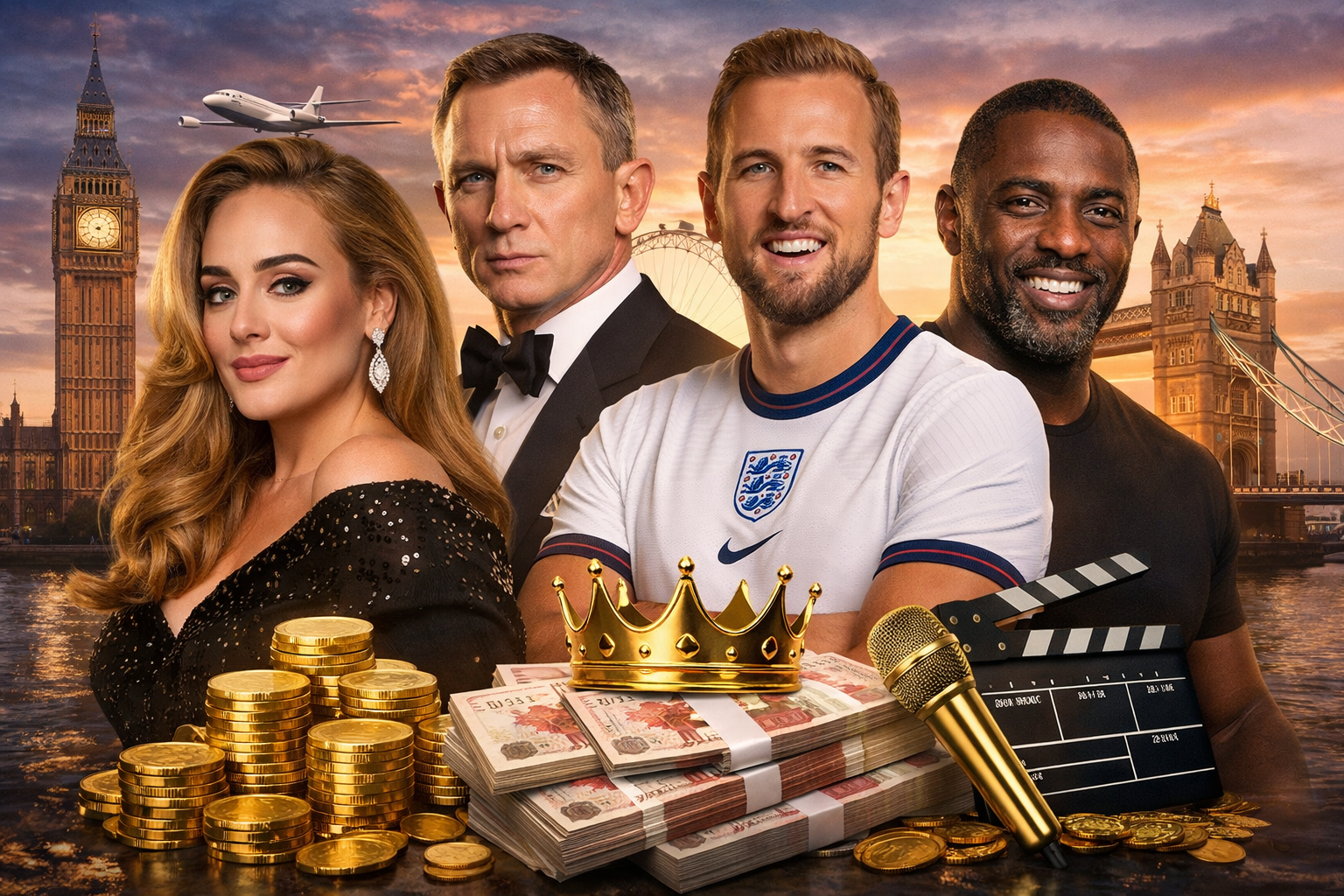
Richest Celebrities From London: 50 Names Across Music, Rap, Film, Sport And TV
Type this query into Google and you usually get a muddle: UK-wide celebrity lists, Londonbillionaire roundups, and net-worth pages that never explain where the numbers came from.
That is not very useful if your real question is simpler: which celebritieswith genuine London roots sit at the top of the city’s fame-and-fortune ladder?
So this page takes a cleaner route. It focuses on London-born or strongly London-raised celebrities, groups them by field, and treats every fortune as a public estimate, not a private audit.
When I use a hard figure, I tag it to the source date, because lists like The Sunday Times Rich List and Heat’s Rich List move over time and sometimes count family wealth or joint fortunes.
Key Takeaways
- Public celebrity wealth numbers are estimates, not confirmed bank balances. The Sunday Times says its methodology is built around identifiable assets and does not include private bank accounts.
- The strongest open-web benchmarks for this topic are The Sunday Times Rich List 2025, its 40 Under 40 coverage, music-sector reporting around that list, and Heat’s 2025 under-30 list.
- Music and sport still produce the biggest London celebrity fortunes because they scale through catalogues, touring, formats, sponsorships, and ownership, not just salary.
- Where a precise figure was not cleanly verifiable on the open web, the order below is an editorial best estimate based on long-run earning power, business interests, and high-trust career evidence.
- For readers who want to go deeper, I’ve added high-authority external links to official sites and reference pages inside the copy, never in the headings.
How I Built This London Celebrity Rich List
If you want the wider picture beyond wealth, our guide to famous people born in Londonshows just how many major public figures the capital has produced across music, film, science, sport, and politics.
I also used a simple ranking rule inside each category. First came the strongest public wealth estimate available.
After that, I looked at the size and durability of the earning engine behind it: catalogues, touring, format ownership, franchise income, sponsorships, business interests, and long-term licensing power.
If two celebrities were close, I favoured the one with the clearer public evidence trail. That keeps the list more honest, even when the open web does not offer a neat figure for every single name.
That matters because the interesting part is not just who is rich. It is how London-made fortunes compound: stage rights, catalogues, global tours, blockbuster franchises, sports sponsorships, TV formats, and long-tail licensing.
Richest Musicians From London
Music is still London’s most reliable celebrity wealth engine. The public record is clearest here, because music fortunes often leave visible trails in publishing, touring, catalogue ownership, brand partnerships, and long-running stage rights.
For readers who want the wider cultural backdrop, our roundup of music artists from Londonshows how deep the city’s influence runs across rock, pop, grime, and modern crossover acts.
MusicRadar’s analysis of the 2025 Sunday Times list puts Elton John at £475 million and Dua Lipa at £115 million, while Heart’s 40 Under 40 summary places Adele at £170 million.
Andrew Lloyd Webber also appears in the 2025 theatre-rich-list reporting at around £500 million. ; check the latest source before updating.
Andrew Lloyd Webber
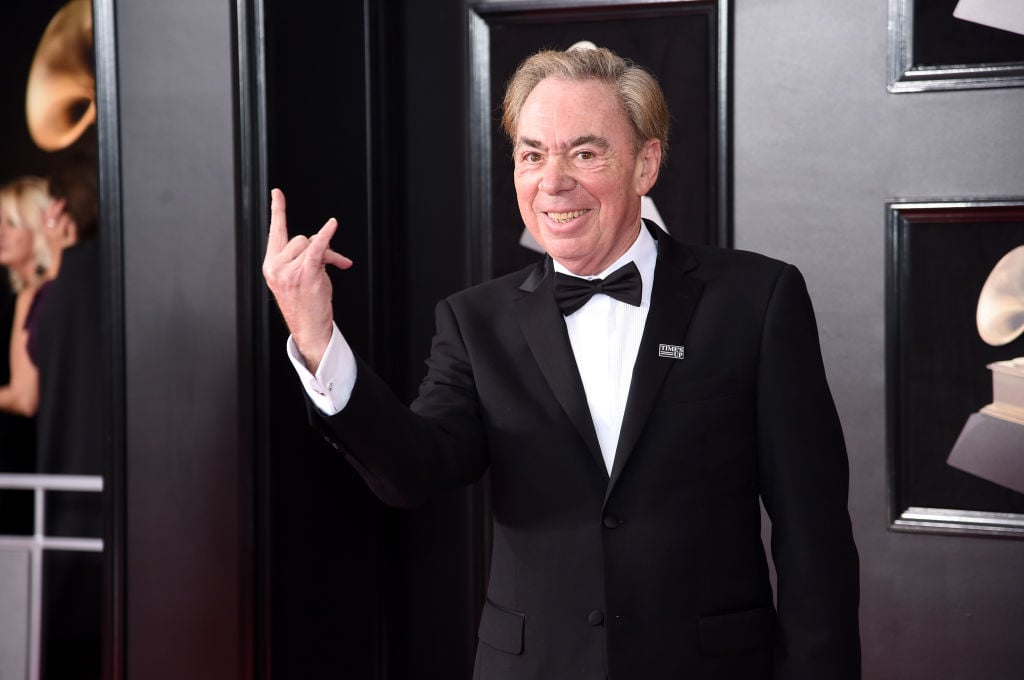
Among London music fortunes,Andrew Lloyd Webberbelongs at or near the top because theatre wealth behaves differently from pop wealth.
A hit song can fade; a musical with global licensing, revivals, touring productions, and theatre ownership can earn for decades.
That is why his profile matters here. Open-web reporting tied to the 2025 rich-list cycle put him at about £500 million, with the core engine being composition rights, production income, and West End theatre assets rather than one-off performance fees.
Elton John
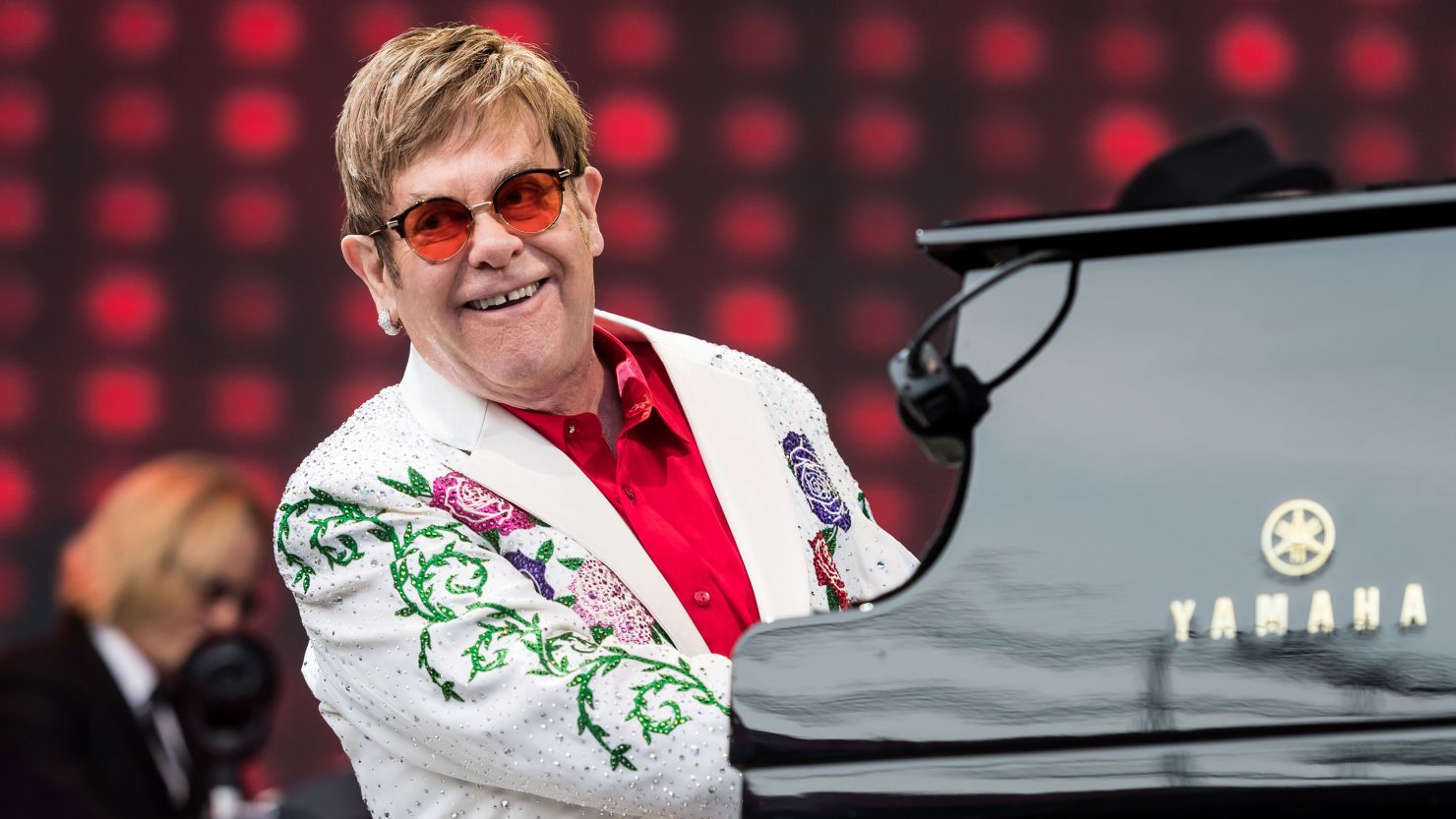
Elton John’s Britannica biography is a good starting point if you want the long view of his career, but the wealth story is more specific than he sold a lot of records.
For a narrower fortune-focused read,Elton John’s fortune after touringgives a useful French-language look at how his catalogue and post-touring income still shape his wealth.
MusicRadar’s 2025 rich-list reporting placed him at £475 million, and tied that continuing strength to catalogue durability and ongoing projects even after retirement from touring.
His fortune works because he sits on one of the strongest songbooks in British music.
Catalogue income, soundtrack work, documentary tie-ins, publishing, and global legacy demand make him much less dependent on the next album cycle than a younger pop act.
Rod Stewart
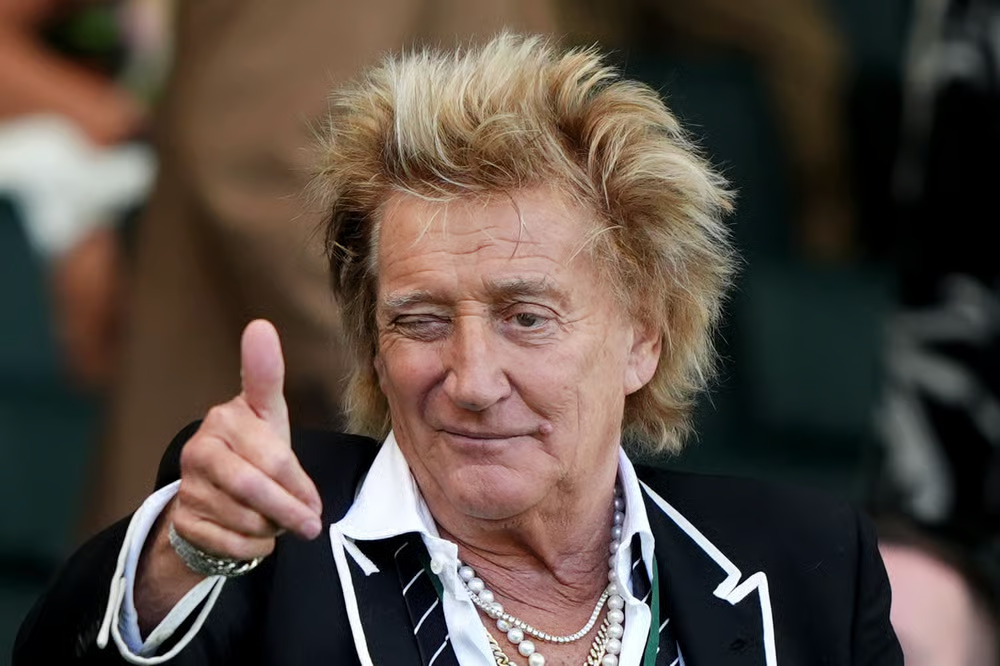
Rod Stewart’s official siteis useful because it reminds you how long his commercial runway has been.
He is not rich because of one era; he is rich because his catalogue spans generations and still converts into touring demand, licensing, and premium live audiences.
That kind of longevity is why he stays in this conversation.
For older music stars, the wealth story is often less about annual chart heat and more about catalogue value, evergreen live appeal, and rights that still throw off income years after release.
Adele

Adele’s Britannica pageconfirms the London roots that matter here: she was born in Tottenham and raised across working-class London neighbourhoods.
Heart’s 2025 Sunday Times 40 Under 40 coverage placed her at £170 million, making her one of the clearest London pop names on the list.
Her wealth is a classic case of quality over volume. Adele’s catalogue keeps earning, live demand has stayed enormous, and she has never needed to flood the market to remain premium.
That combination is exactly why some pop fortunes hold firm even during quieter release periods.
Dua Lipa

Dua Lipa’s official siteand the wider rich-list coverage tell the same story: global scale arrived fast and stayed sticky.
MusicRadar put her at £115 million on the Sunday Times under-40 music view in May 2025, while Bauer’s heat Rich List later placed her at £129 million, Data as of October 2025.
What makes her especially interesting is how diversified the machine became early. Album success, touring, film visibility, and big-brand partnerships create a much broader earnings base than record sales alone.
That is why she belongs so high in any modern London celebrity wealth discussion.
George Michael

Theofficial George Michael siteis still the best place to trace just how durable his catalogue remains. His wealth case is straightforward: extraordinary pop reach, songwriting value, and a songbook that kept earning long after its original release cycle.
That matters because catalogue power is one of the strongest wealth drivers in music.
Even without a fresh weekly chart story, globally recognized songs, publishing rights, and long-tail streaming make artists like George Michael permanent fixtures in “richest musician-conversations.
David Bowie
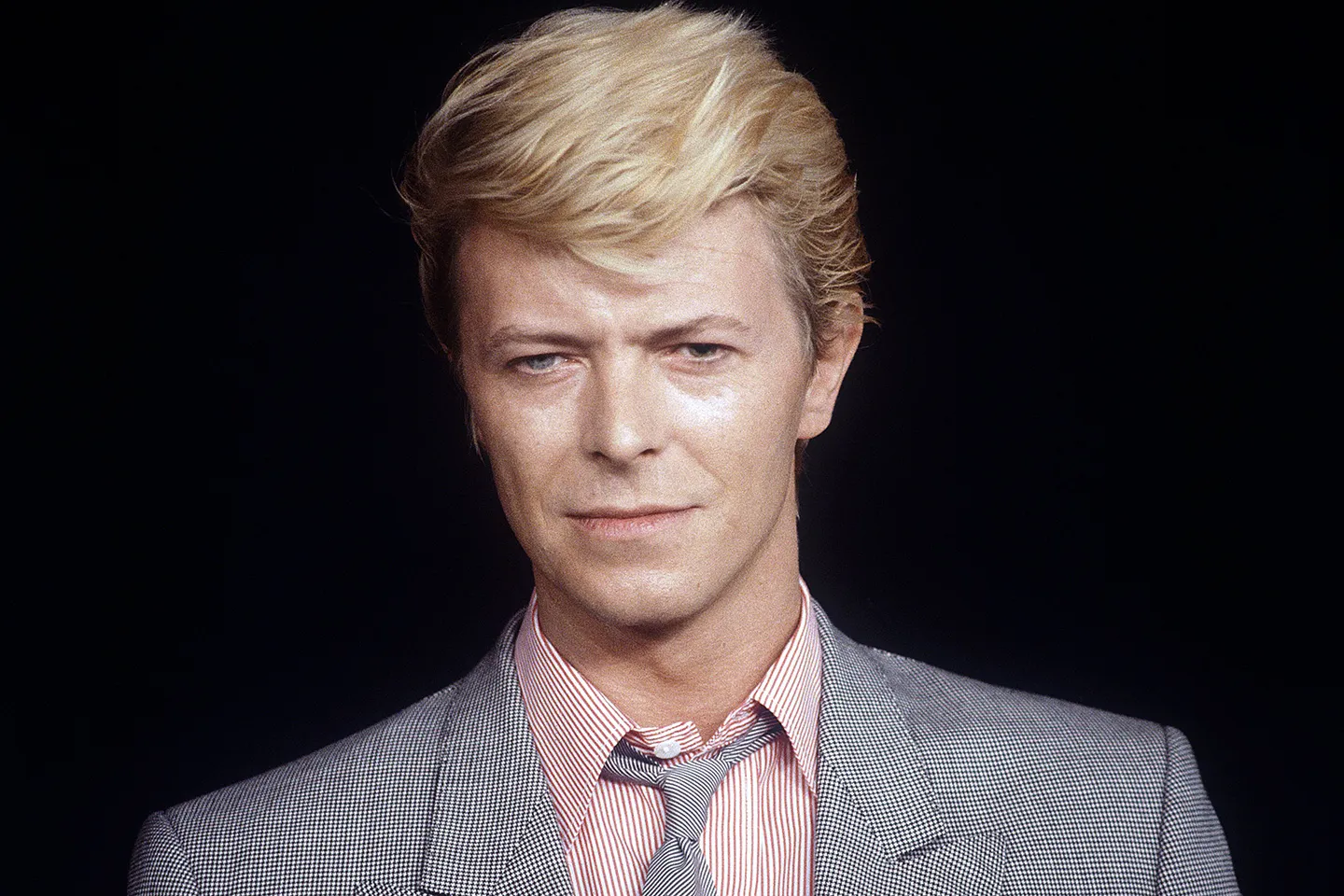
If you want the career overview,Britannica’s David Bowie entryis the right high-authority read. From a wealth perspective, Bowie is a textbook example of how artistic reinvention can become a long commercial arc rather than a short fad.
His relevance here comes from the mix of recordings, publishing, licensing, film work, and lasting cultural capital. In London terms, Bowie represents a route to celebrity wealth that comes from owning work that never stops being rediscovered.
Boy George

TheBoy George and Culture Club siteis useful because it shows how his brand lives across music, live performance, and media.
He sits in this list because long-term public recognition can keep paying when it stretches across more than one entertainment lane.
That is the key wealth lesson with Boy George. The strongest fortunes often come from a celebrity becoming a portable brand: records, touring, television, memoirs, interviews, and nostalgia-driven demand all reinforce one another.
Jessie J

Jessie J’s official sitehelps with the user side of this page because it captures both the recording career and the live-performance pull.
She belongs in this group because songwriting and vocal-brand value matter just as much as headline net-worth chatter.
Her wealth case is less about old-money scale and more about durable earning channels.
Hits, touring, TV visibility, and songwriting credits can build a strong financial base even without the giant public-rich-list numbers attached to older catalogue giants.
Lily Allen

Lily Allen’s official siteis a useful authority link here because her career stretches well beyond early pop success.
She sits in this section because the modern celebrity-musician model often includes stage work, publishing, broadcasting, and cultural visibility beyond the charts.
That broader mix matters. Allen’s wealth story is not just about album sales; it is about a recognisable London voice that turned into an enduring multi-platform career, which is often how mid-tier music fortunes stay resilient.
The big takeaway from music is simple: ownership and longevity beat noise. London’s richest music stars usually sit on rights, not just applause.
Richest Rappers From London
Rap is harder to rank cleanly because the open web has fewer high-trust public figures than it does for theatre, legacy rock, or football.
Even so, Bauer’s 2025 heat Rich List placed Dave at £16.8 million and highlighted that Sprinter-was edging toward one billion Spotify streams, which gives at least one strong public benchmark for the London rap economy.
Stormzy
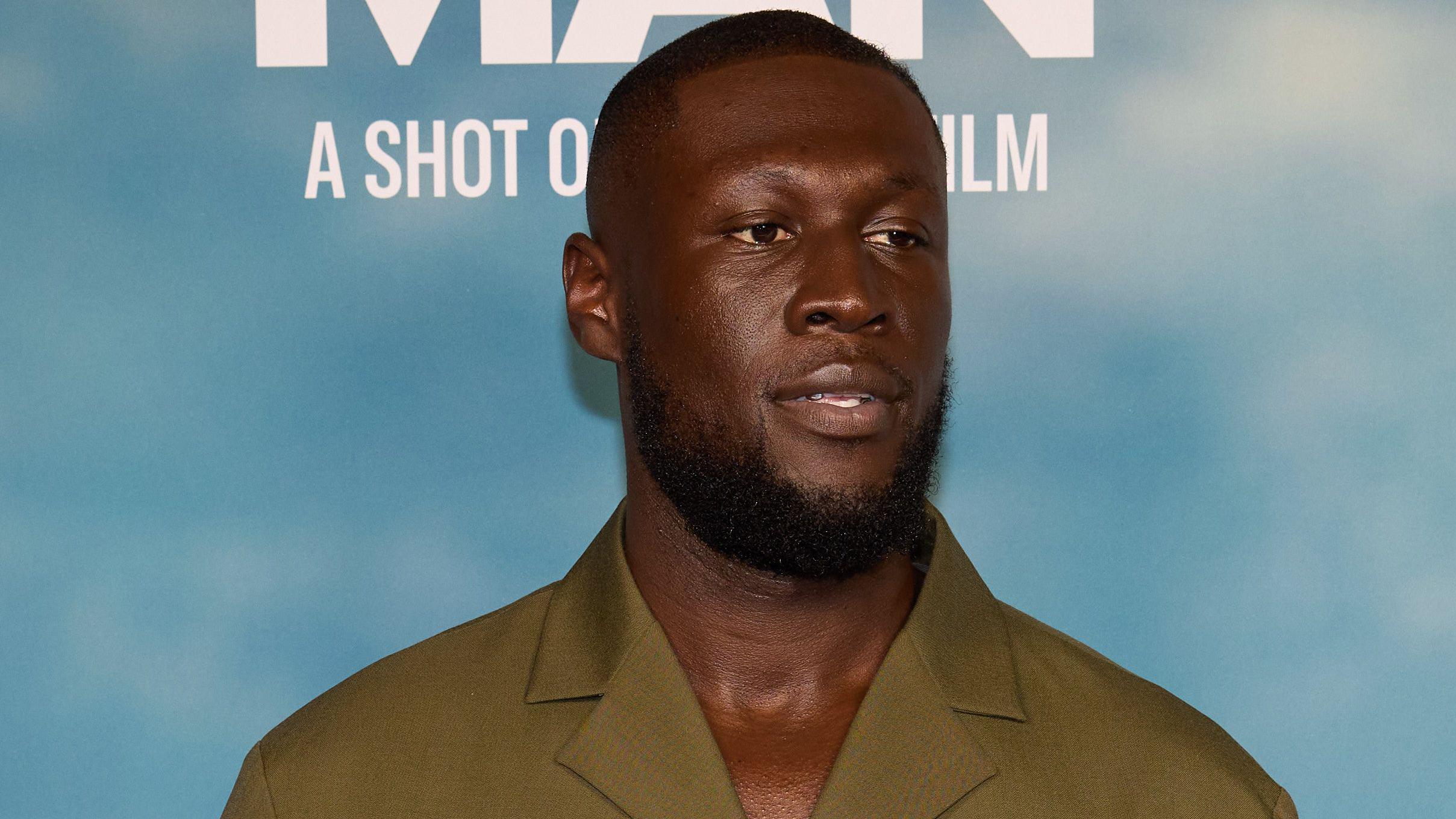
Stormzy’s official siteis the right user-facing link because his wealth story is about more than music.
He belongs near the top of this section because he turned chart success into a broader commercial platform through touring, publishing, brand work, and the expansion of the #Merky ecosystem.
That is why Stormzy tends to lead London rap conversations even when exact figures vary from site to site.
He has the scale that comes from being both a successful artist and a business-building public figure.
Skepta

Skepta sits high here because he built value across music, fashion, collaborations, and long-run influence. His wealth profile is less flashy, annual chart payout-and more cultural ownership: the kind of career that keeps generating commercial opportunities after the first major-wave success.
That matters for readers because it explains why public estimate lists often undersell rap fortunes. Brand partnerships, production, and fashion-adjacent work can be just as important as record sales.
Dave

The most useful hard data point in this entire section is Dave. Bauer’s heat Rich List 2025 placed him at £16.8 million, Data as of October 2025, and tied that position to three number-one singles, with Sprinter-moving toward one billion Spotify streams.Britannica’s Dave biographyis also a helpful background read.
He belongs near the top of any London rap wealth list because his career shows how modern rap money stacks up: streaming, live demand, major records, and a reputation strong enough to travel beyond a single album cycle.
Central Cee

Central Cee’s official siteis worth linking because his rise has been unusually global for a London rap star.
He is here because international streaming, touring, fashion visibility, and crossover recognition now matter just as much as domestic chart peaks.
That is especially true in rap. A London artist with strong export value can build wealth faster than someone with purely local cultural importance, and Central Cee is one of the clearest recent examples.
Tinie

Tinie’s official siteis a useful destination because his wealth story spans music, advertising, television, and entrepreneurship.
He belongs in the upper half of this category because he was one of the first London rappers of his generation to convert mainstream pop recognition into a more corporate celebrity brand.
That matters because Tinie’s path is one of the clearest examples of London rap becoming a full-spectrum entertainment business. He did not just sell records; he built a monetisable public profile.
Dizzee Rascal

Dizzee Rascal’s official siteis the most useful link here for readers who want the career trail. He ranks well because early grime authority, major releases, touring, and long-tail influence still carry financial value even when current chart heat cools.
In practical terms, Dizzee represents one of London rap’s richest recurring patterns: an artist whose pioneering status becomes a commercial asset in its own right. Legacy matters, and in grime it can still pay.
AJ Tracey

AJ Tracey’s official siteis valuable because it keeps the artist's connection direct rather than routing readers through low-grade net-worth sites.
He belongs in this list because independent-minded branding and strong streaming performance can create a healthier long-term balance sheet than people assume.
That is one reason London rap fortunes are so easy to misread. Public fame does not always equal deepest wealth, but artists who keep control of the commercial side often outperform expectations.
Chip

Chip makes the cut because long-run relevance is part of wealth, not just current hype. A rapper who stays in circulation across releases, features, touring, and media visibility can build a durable earnings base even without giant tabloid net-worth headlines.
His place here also reflects something important about London rap: credibility can be commercially useful over time. It can sustain collaborations, catalogue streams, and continued live demand.
Headie One

Headie One’s official siteis a useful user link because it points readers to the music rather than guesswork.
He belongs here because drill’s global spread created new revenue potential for London artists, and Headie One was central to that expansion.
That is the modern formula: streaming scale, collaborations, premium features, and a name strong enough to travel beyond one subgenre lane. Those are the ingredients that keep him in the wealth conversation.
Wretch 32

Wretch 32 closes this section because lyric-first reputations can still translate into long careers, strong live demand, and multi-platform visibility. He may not attract the loudest tabloid wealth chatter, but that does not mean the career economics are weak.
His example is useful because it shows how London rap money is not only built by the newest face. Consistency, respect, and catalogue depth can matter just as much as a brief commercial spike.
The takeaway from rap is that visibility alone is a poor wealth signal. Ownership, commercial discipline, and export reach usually matter more.
Richest Actors From London
Acting fortunes are messier than music fortunes because public estimates often lag behind backend deals, production stakes, and franchise upside.
Still, the open web gives us some clear anchors: Heart’s 2025 summary of The Sunday Times 40 Under 40 put Daniel Radcliffe at £100 million, and Bauer’s 2025 heat Rich List placed Tom Holland at £35.7 million, while noting an estimated £7.5 million per Spider-Man film.
Daniel Radcliffe

Daniel Radcliffe’s Britannica pageconfirms the London roots and the obvious franchise foundation: Fulham-born, globally known, and forever tied to Harry Potter. Heart’s 2025 Sunday Times summary placed him at £100 million.
What makes Radcliffe’s fortune especially strong is that he did not stop at one franchise. Stage work, film, television, and careful post-Potter choices gave him something rarer than child-star fame: a genuinely durable acting career.
Tom Holland

Tom Holland’s Britannica biographymakes the London connection clear through Kingston upon Thames and his early stage work.
Bauer’s 2025 heat list placed him second on its UK-and-Ireland under-30 celebrity ranking at £35.7 million, adding that he was earning an estimated £7.5 million per Spider-Man movie.
His wealth story is built on blockbuster leverage. Once an actor becomes central to a major franchise, everything else becomes more valuable: endorsements, future casting power, and any producer or brand relationship that follows.
Idris Elba

Idris Elba’s Britannica entryis the best authority link here because it captures his television and film range cleanly.
He belongs in the top tier because he has worked across prestige TV, big studio franchises, voice roles, production, and music.
That breadth matters financially. Elba’s career is not built on a single cheque; it is built on repeated premium-level work across formats, which is often how long-term actor wealth becomes sturdier than headline salary guesses.
Hugh Grant

If a reader wants the clean reference page,Britannica on Hugh Grantis the strongest simple link. Hammersmith-born and globally bankable for decades, Grant belongs here because romantic-comedy star power eventually matured into character roles without killing his commercial value.
That matters because sustained relevance is wealth. Actors who survive multiple industry eras, genres, and audience expectations usually do better financially than people with one giant but short-lived run.
Jude Law
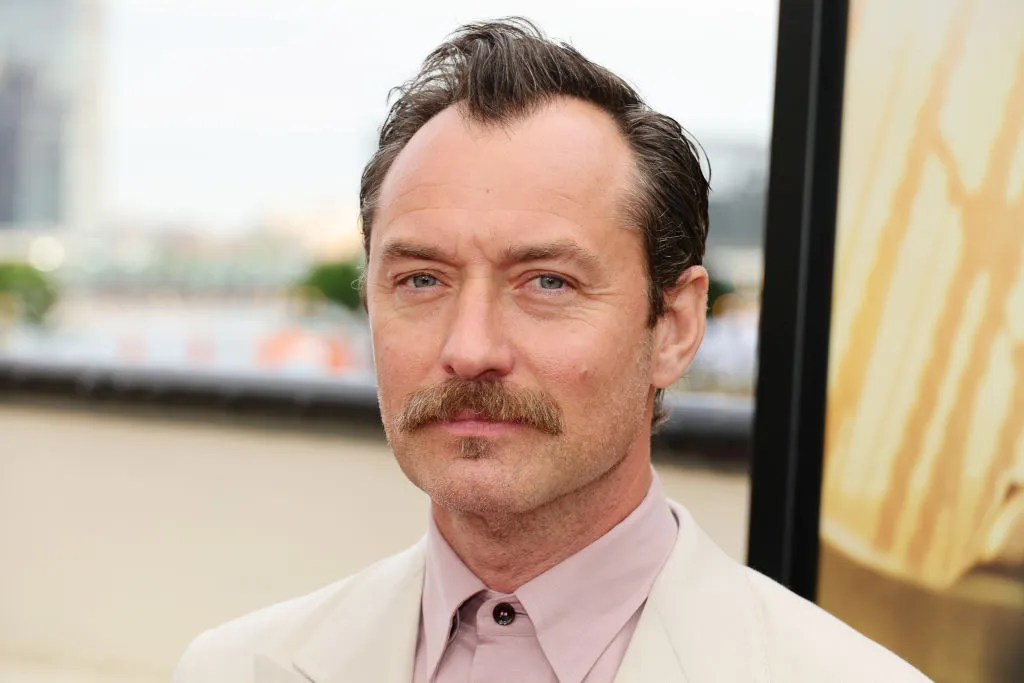
Jude Law sits in this list because London acting wealth often comes from a blend of prestige and mainstream work, not just one of them. He built exactly that sort of career: awards, attention, franchise visibility, and a long period as a premium screen name.
The practical lesson is that international demand matters. British actors who can move between studio films, prestige drama, and theatre usually create more durable earning power than stars tied to only one lane.
Keira Knightley

Keira Knightley belongs here for similar reasons. A London actor with franchise recognition and period-drama credibility can build a career that keeps paying across formats and audiences, even without constant blockbuster frequency.
Her place in this section is also a reminder that actor wealth often compounds quietly. Residual visibility, steady casting power, and selective project choices can be more financially durable than overexposure.
Gary Oldman

Britannica’s Gary Oldman pageis the right link if the reader wants the authoritative career overview. Oldman makes this list because range itself can be monetisable: prestige parts, franchise roles, awards recognition, and decades of premium work create a strong long-tail earnings profile.
In wealth terms, he is a classic high-value actor rather than a tabloid-rich actor. The public may talk less about his fortune, but the career architecture is exactly what serious long-term earnings look like.
Michael Caine

Britannica on Michael Cainegives the shortest high-authority explanation for why he remains indispensable to a list like this: more than 100 films, multiple eras, and a career that kept renewing itself.
That makes Caine’s place easy to defend. He represents the old-school London acting model in which volume, quality, recognisability, and longevity add up to a formidable cumulative fortune.
Daniel Kaluuya

Daniel Kaluuya belongs in this list because newer-generation actor wealth is increasingly global from the start.
A London star who crosses from television into award-level film work can build value far faster than previous generations managed.
His importance here is not only about current earnings. It is about trajectory: once an actor becomes both critically respected and globally recognisable, the next decade of income can look very different.
Naomie Harris

Naomie Harris rounds out the section because she combines premium franchise work with prestige credibility, which is a strong formula for durable actor wealth.
She is not the loudest public net-worth name, but her career economics are better than casual readers often assume.
That is true of many London actors. Wealth in film does not always belong to the most gossiped-about person; it often belongs to the person with the steadiest access to premium work over time.
The larger point in acting is that franchise entry changes everything. Once an actor gets that platform, the rest of the career usually prices higher.
Richest Athletes From London
Sport produces some of London’s most recognisable celebrity fortunes, but salary is only half the story.
The real accelerant is what happens around the playing career: global sponsorships, media work, ownership stakes, and commercial rights.
The clearest benchmark is still the Beckhams: The Sunday Times rich-list coverage said Brand Beckham-was worth £500 million in 2025, while Heart’s 40 Under 40 placed Harry Kane at £100 million.
David Beckham

Britannica’s David Beckham biographyconfirms the Leytonstone roots and the football résumé. But the bigger story is commercial: The Sunday Times rich-list coverage tied Brand Beckham to a £500 million joint fortune with Victoria in 2025, with business expansion, Inter Miami, and broad rights monetisation all playing a role.
That is why Beckham comfortably leads this category. He is no longer rich because he used to play football; he is rich because he turned football fame into a durable global business machine.
Harry Kane
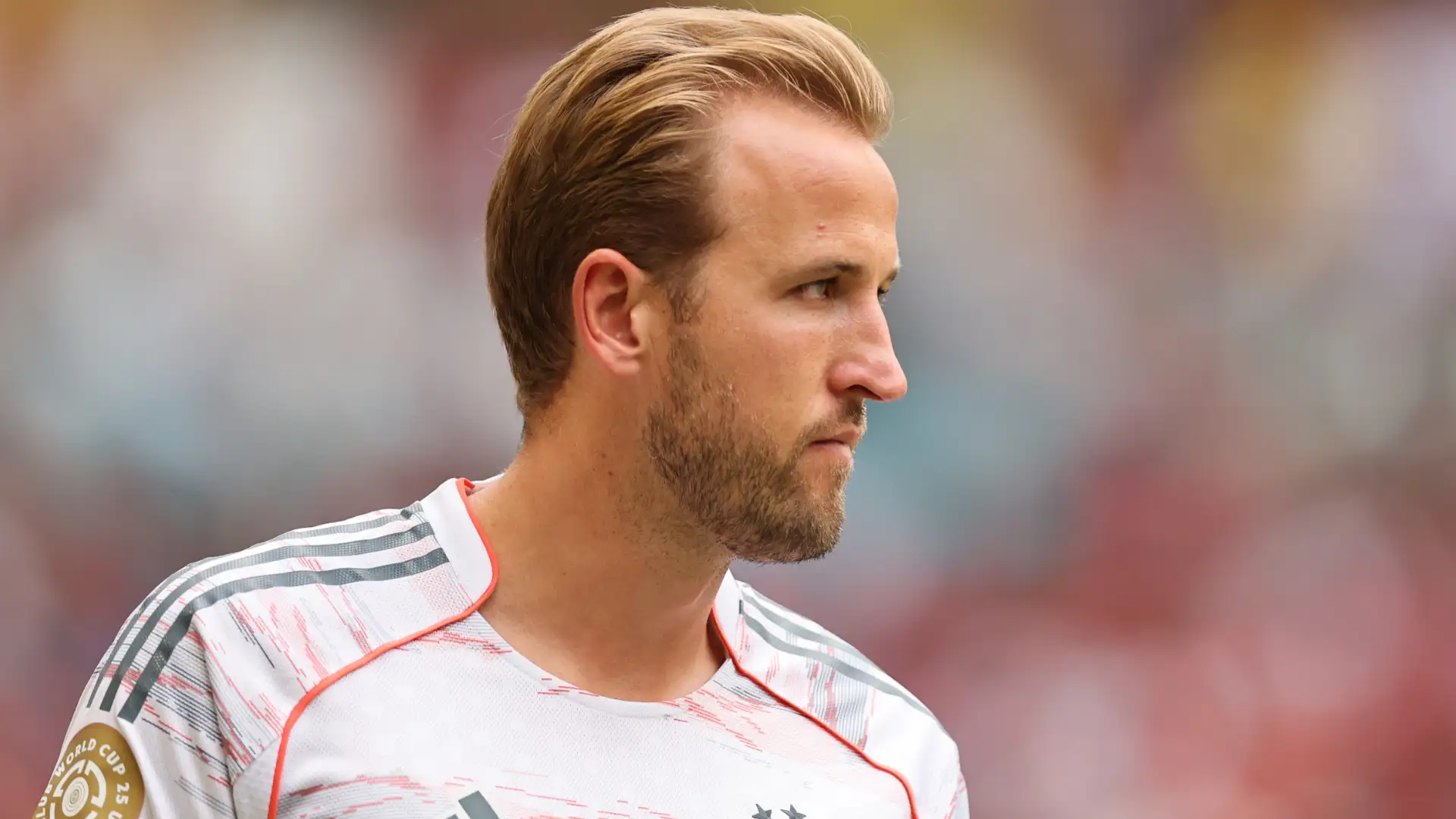
For readers who want the current career page,Bayern Munich’s Harry Kane profileis the best practical link. Heart’s 2025 summary of the Sunday Times 40 Under 40 placed him at £100 million.
His wealth logic is simple. Elite salary, sponsorship value, and captain-level global recognition create a powerful financial base even before you factor in what could come after his playing peak.
Rio Ferdinand
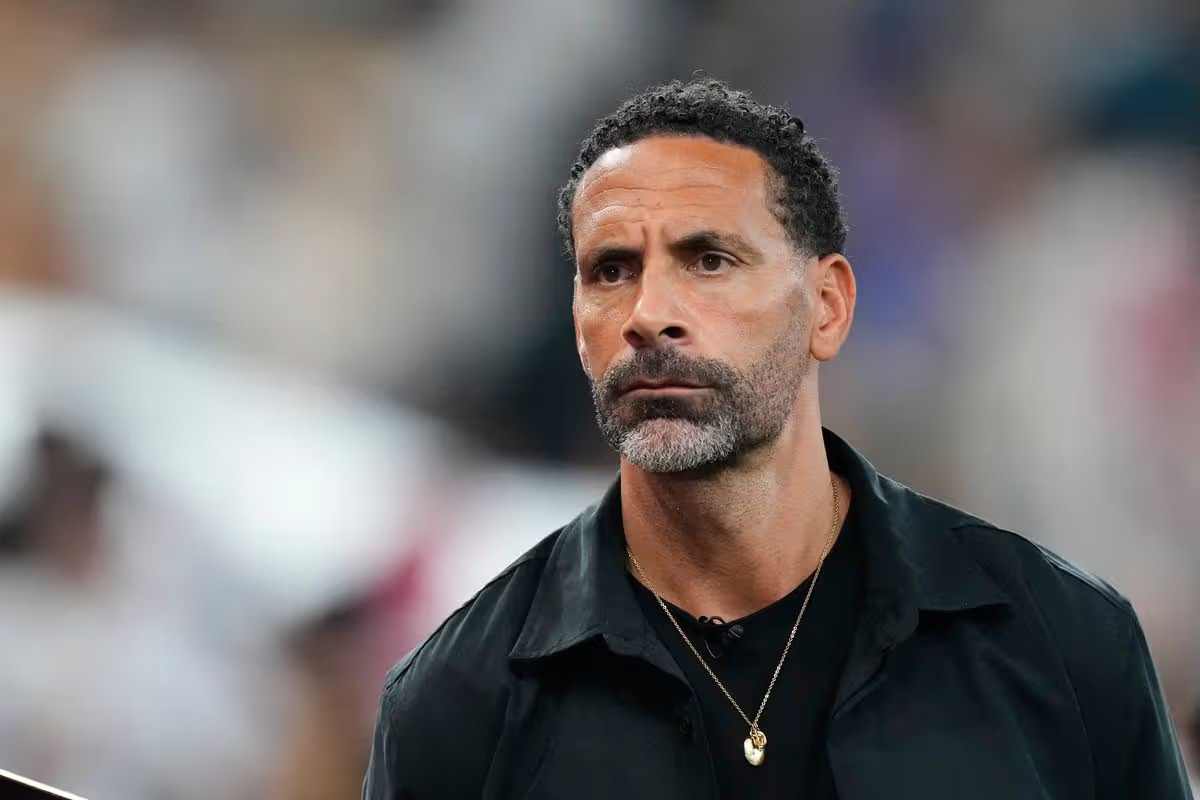
Rio Ferdinand belongs very high in this list because he combined elite football earnings with a substantial second life in the media.
That second act matters: punditry, production, brand partnerships, and public profile keep retired stars commercially active long after the final whistle.
He is a strong example of how London sports wealth actually compounds. First comes the playing contract; then comes the post-career platform that often stretches the fortune much further.
Frank Lampard
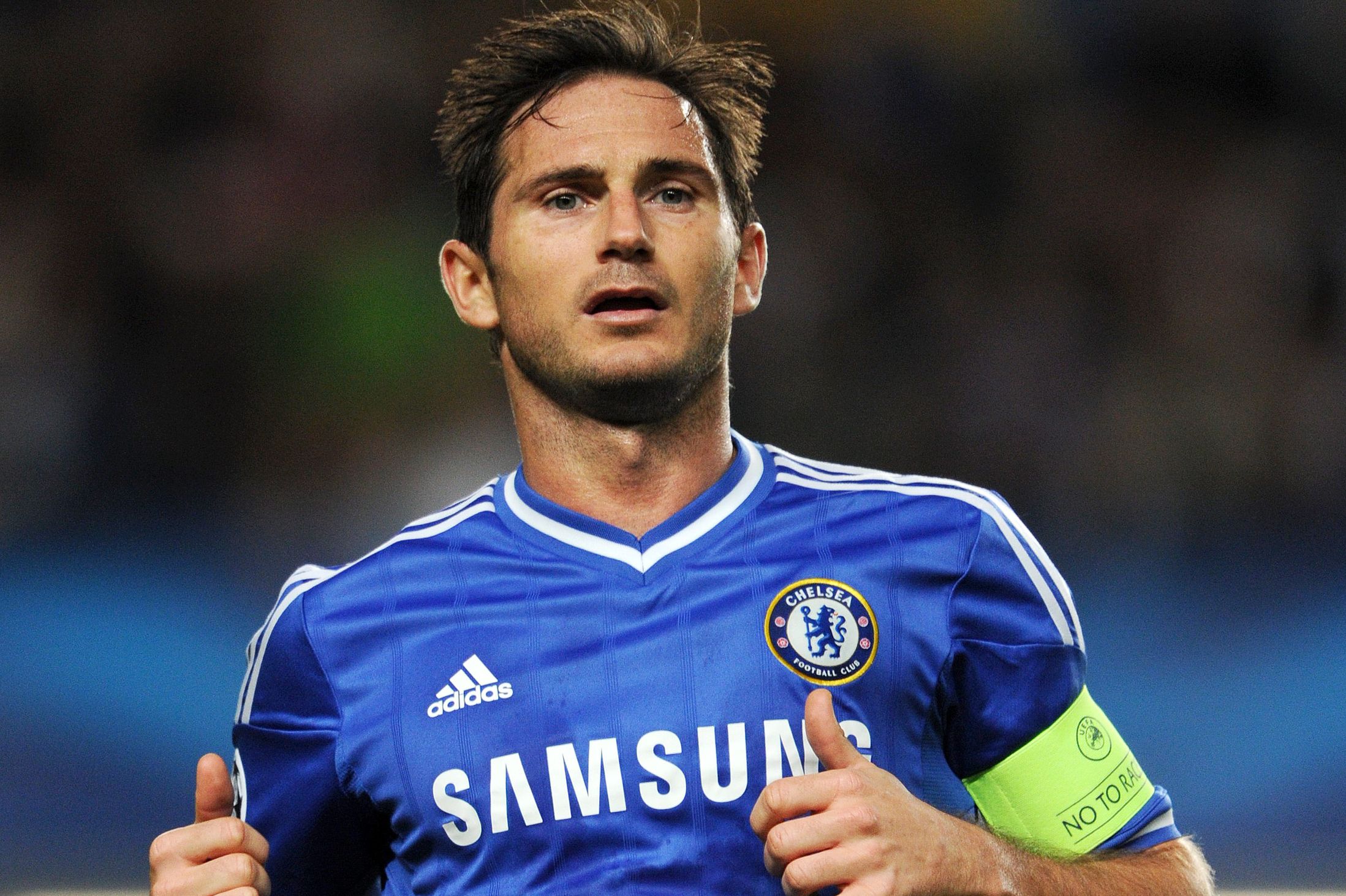
Frank Lampard sits near the top because his profile is built on three layers: elite playing income, long-term Premier League prestige, and a visible coaching career that kept him commercially relevant after retirement.
That pattern is common among the richest London athletes. If a footballer becomes both a club legend and a management or media figure, the earning window stays open much longer than salary tables alone suggest.
John Terry
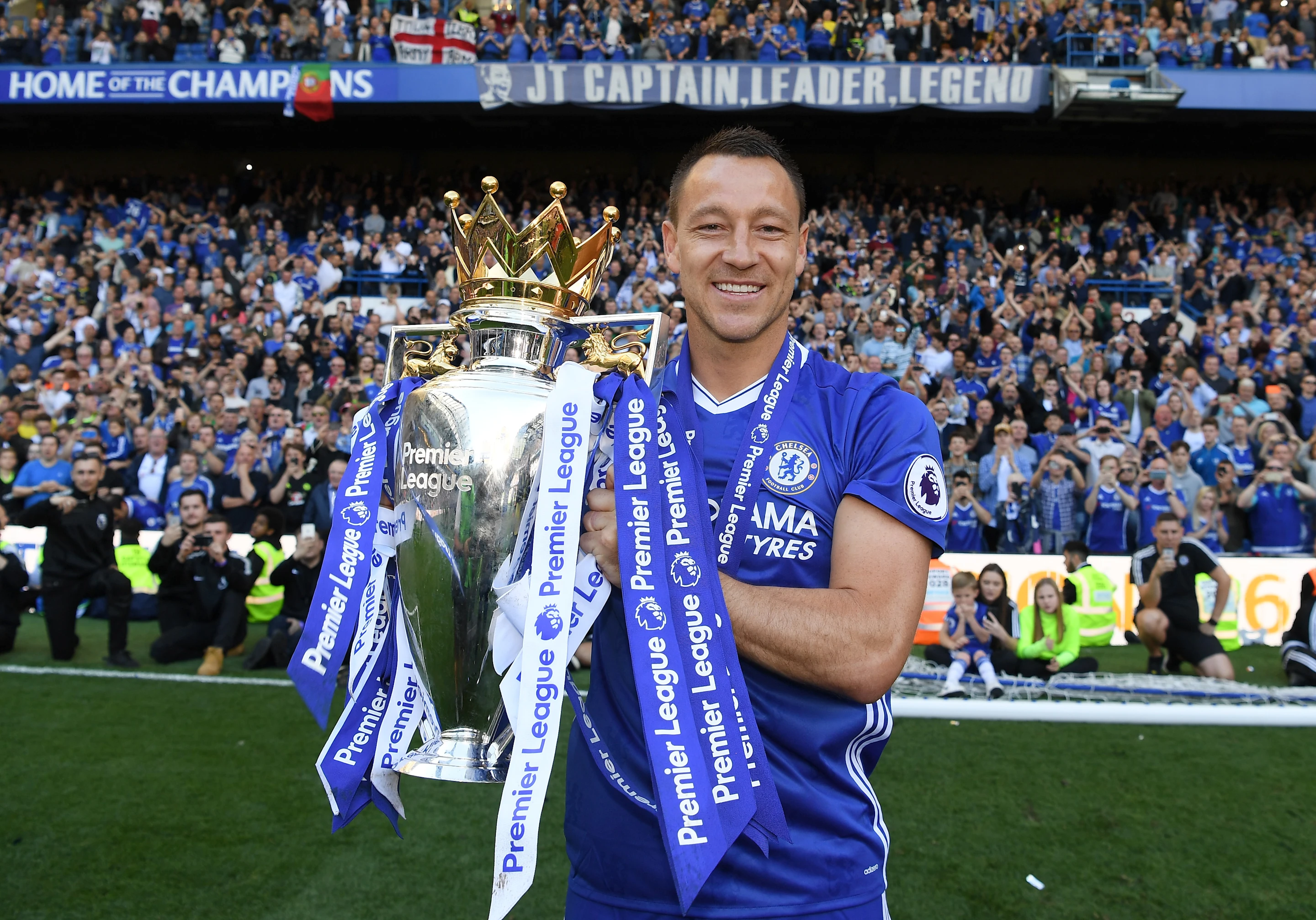
John Terry belongs here because leadership-era football wealth is not only about wages. Long top-flight service, sponsorship, ambassadorial work, and the afterlife of a major club identity can keep the economics strong for years.
He is also a useful reminder that athlete wealth is often quieter than music or film wealth. It may generate fewer entertainment headlines, but the underlying commercial structure can be very solid.
Sol Campbell
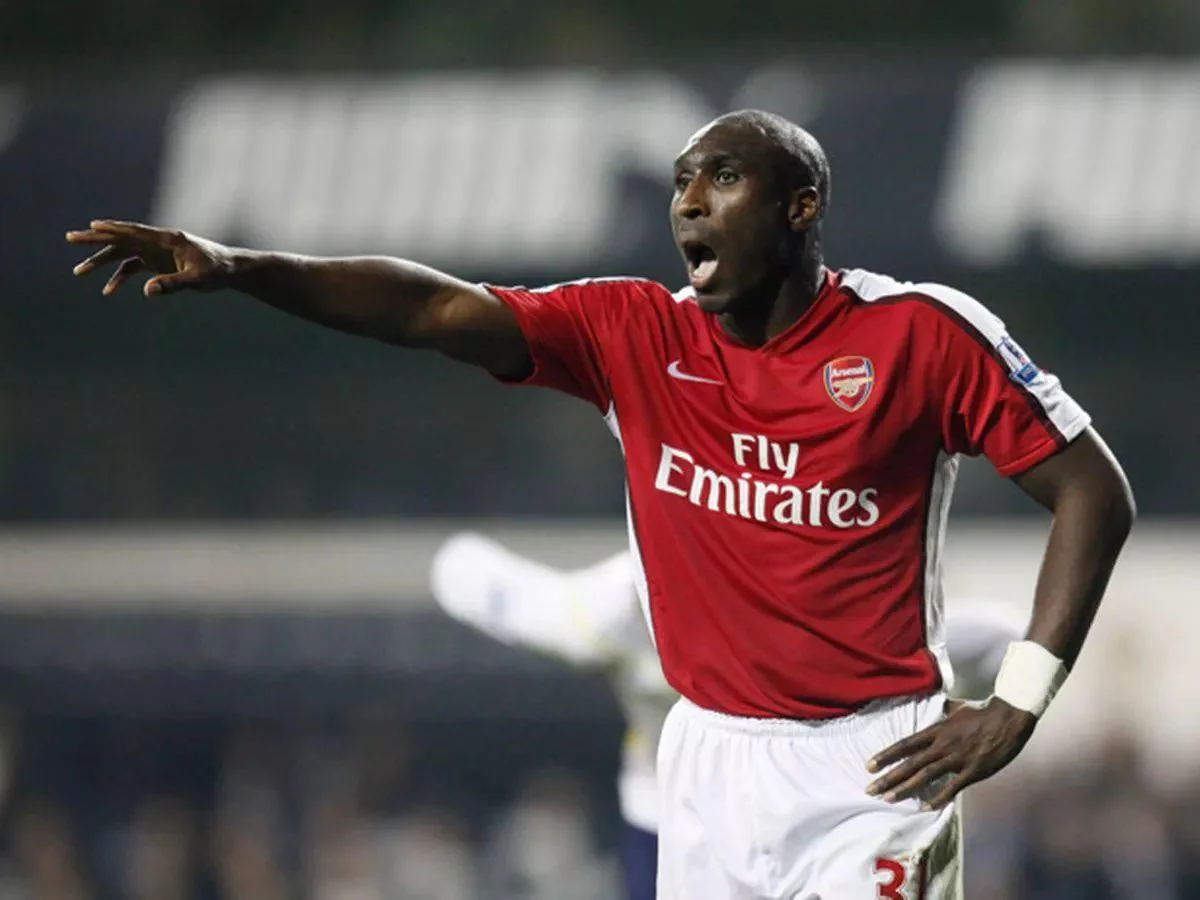
Sol Campbell’s place in this category comes from long Premier League visibility and the kind of recognisable football profile that remains monetisable after retirement. At this level, being a famous athlete is not just about medals; it is about whether the name still travels commercially.
That is why he still matters here. Brand memory, speaking work, punditry, and legacy status can keep former footballers in the wealth conversation long after playing income stops.
Sir Mo Farah
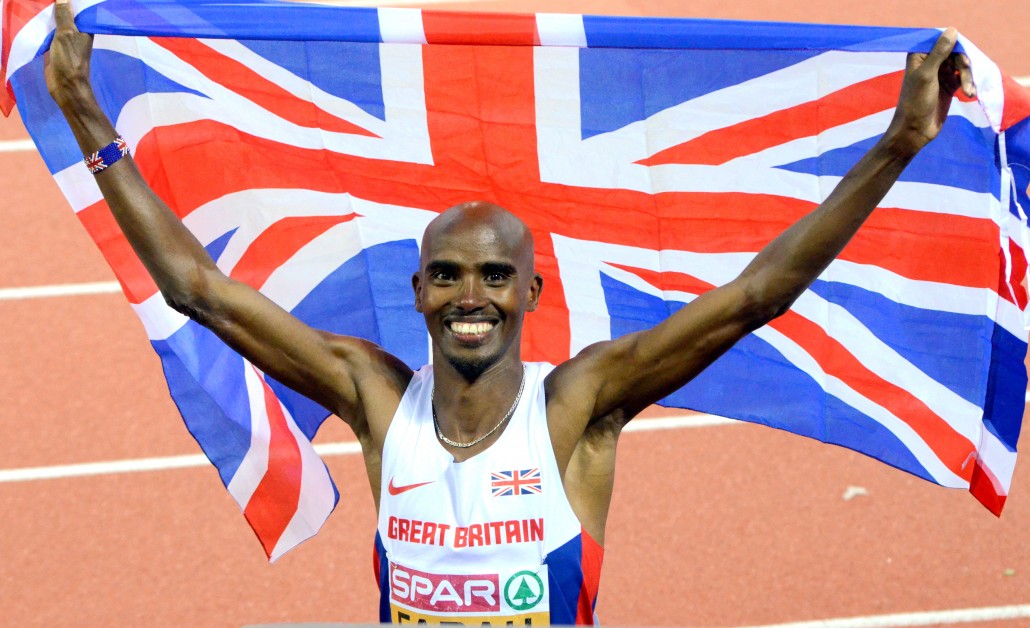
The best user-facing authority link here is theofficial Mo Farah site. He makes this list because athletics can create a different kind of celebrity wealth: fewer club wages, but stronger sponsorship identity, mass recognition, books, broadcasting, and event visibility.
Farah is especially relevant because his commercial value was built on narrative as much as medals. Olympic-level recognition, charity work, and mainstream trust can turn a champion into a long-term public brand.
Raheem Sterling
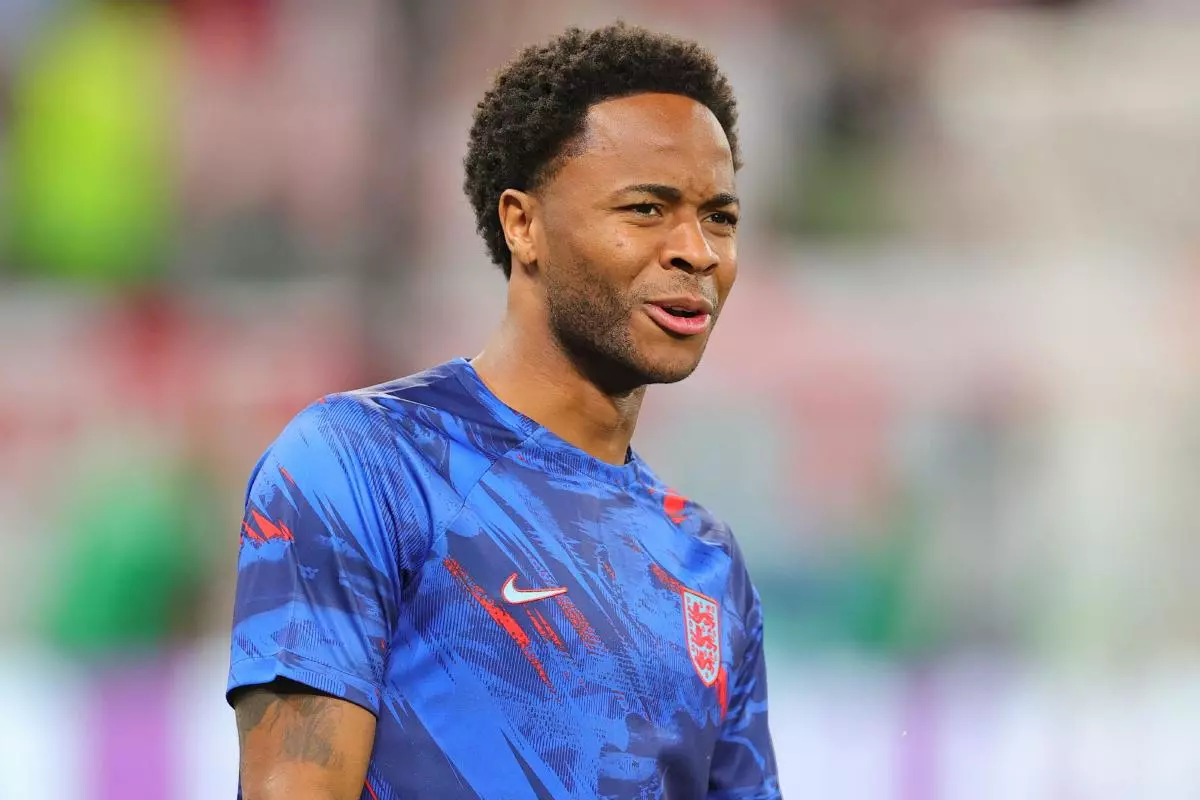
Raheem Sterling belongs in this section because modern football wealth is increasingly front-loaded: huge contracts during peak years, endorsement potential, and global visibility well before retirement.
His example matters because it shows how fast London-linked football fortunes can now scale. A player does not need Beckham-era longevity to build serious money if the salary curve and brand profile peak early enough.
Bukayo Saka

Bukayo Saka’s Arsenal profileis the right link for readers who want the official football context. He ranks a little lower here only because he is still in the accumulation phase, not because the earning potential is weak.
That is the key point. For an active London star like Saka, the richest years may still be ahead: salary growth, sponsorships, international tournaments, and longer-term brand power all push the curve upward.
Jadon Sancho

Jadon Sancho’s player profileis useful because it keeps the football record grounded. Sancho belongs in the top ten on this page because the combination of early big-contract career earnings and sustained public profile still matters in wealth terms.
His case also shows why athletes' fortunes are volatile. Form, club situation, and commercial momentum can shift quickly, which is exactly why date-stamped estimates matter more here than in older catalogue-driven categories.
The sports lesson is straightforward: the richest London athletes are usually the ones who become brands, not just players.
Richest TV And Media Celebrities From London
This is the category most generic listicles miss. Yet London has produced huge fortunes through broadcasting, comedy, judging roles, production companies, and globally licensable TV formats.
The authority links here matter because readers can learn much more from strong biographical sources than from thin celebrity net worth-pages.
Simon Cowell

Britannica’s Simon Cowell pageis the best first stop because it captures the real wealth engine: he is not just a judge, but a recording executive, entrepreneur, and television producer linked to Pop Idol, American Idol, Britain’s Got Talent, and America’s Got Talent.
That is why Cowell comfortably sits at the top of this category. TV-format ownership and production power are often richer than celebrity salary, and he has both.
James Corden

Britannica on James Cordenis a strong user link because it tracks his shift from performer to multi-market host and actor. That matters for wealth because he built income across stage, television, Hollywood, and global-format visibility.
Corden’s place here comes from range. A London media figure who can front a major US late-night franchise and still remain a recognisable UK entertainment brand has an unusually broad commercial base.
Jonathan Ross
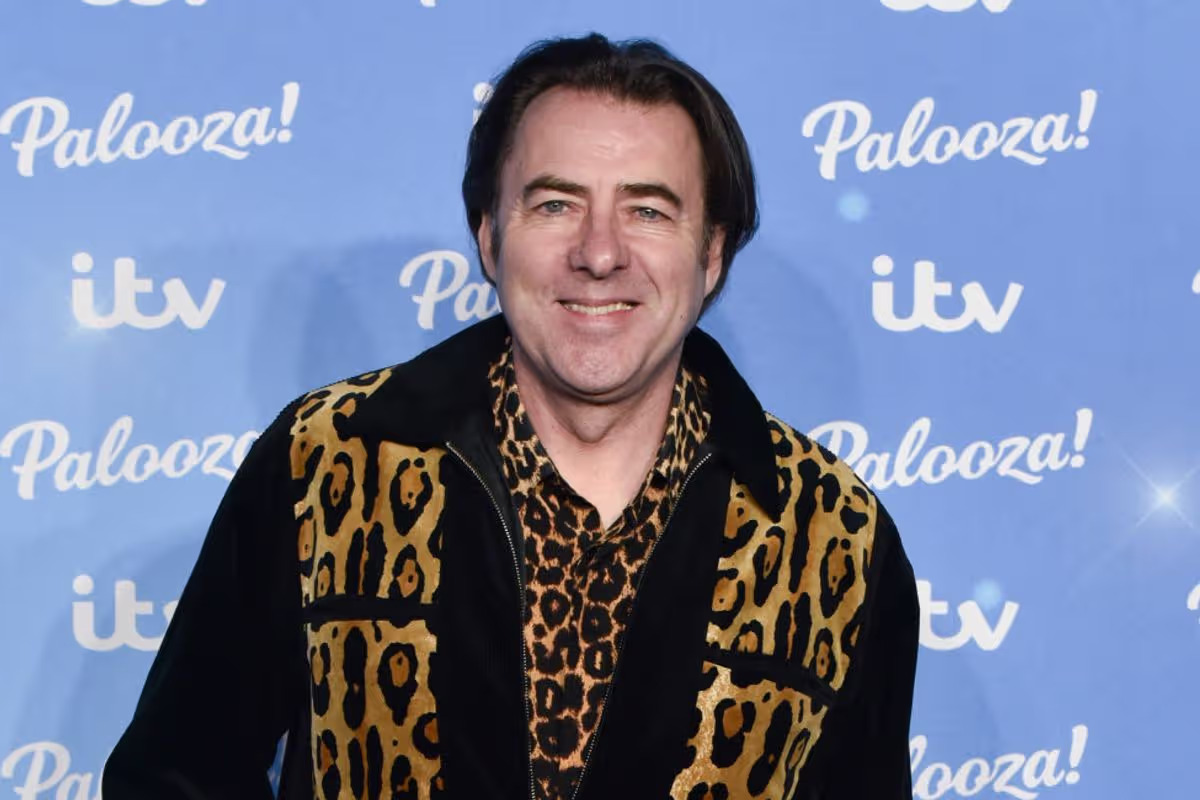
For readers,ITV’s Jonathan Ross Show pageis more useful than a gossip page because it points directly to the format that helped define his commercial longevity.
Ross belongs high in this section because chat-show visibility, presenting, writing, and decades of broadcasting create steady long-run value.
His wealth story is less explosive than Cowell’s, but it is still powerful. Being a durable television institution can be extremely lucrative in its own right.
David Walliams

Britannica’s David Walliams entryis a good authority link because it reflects how unusual his earning mix is: comedy, television, children’s publishing, and mainstream entertainment visibility.
That mix is exactly why he ranks so well. Publishing can become a major second pillar for a TV personality, and Walliams is one of the clearest London examples of that crossover model.
Michael McIntyre
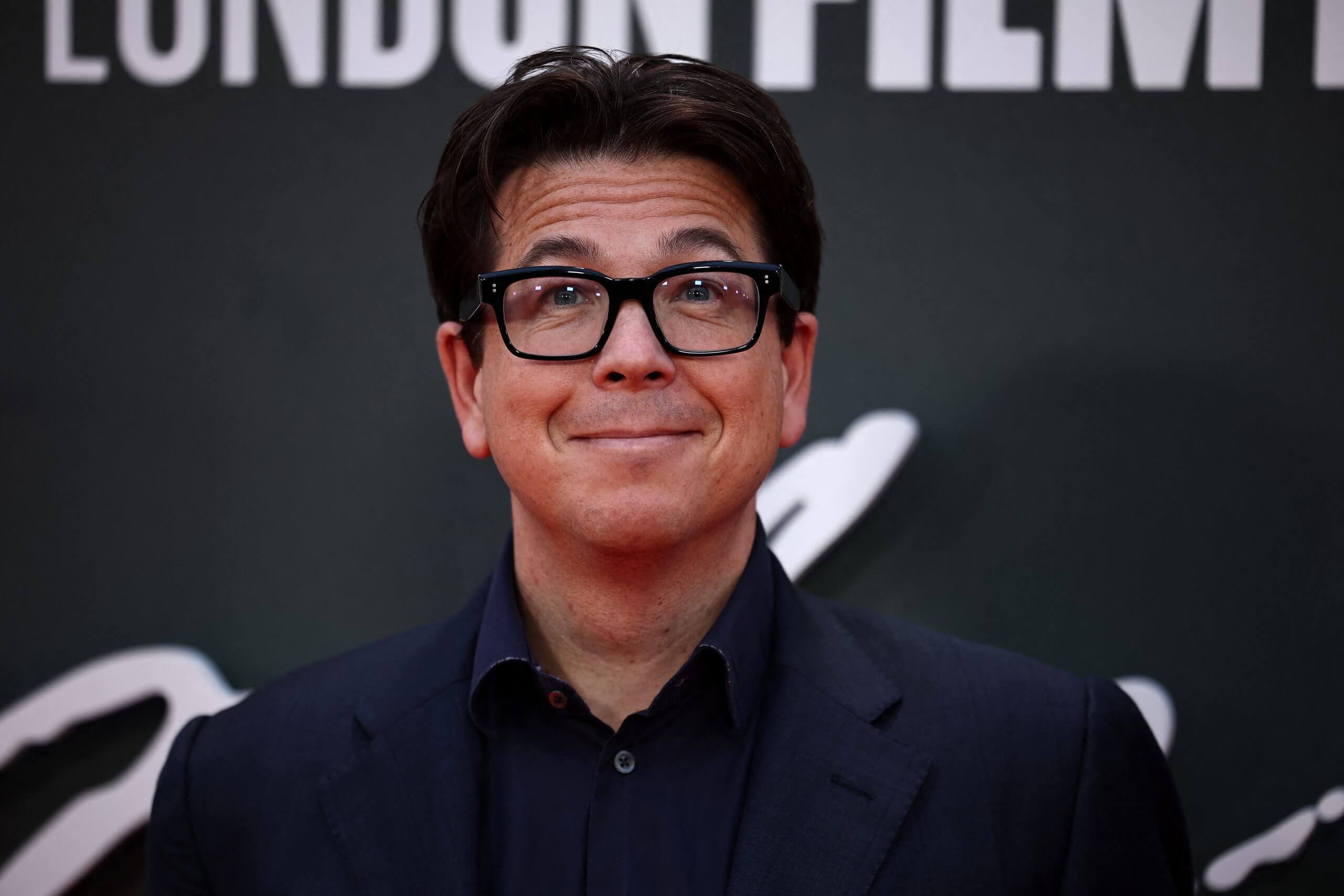
Michael McIntyre’s official siteis the cleanest user-facing destination here. He belongs near the top because stand-up, arena touring, and television hosting create a stronger financial model than many people realise.
Comedy can be very rich when it scales properly. A performer who can sell big rooms, front hit formats, and keep a family-friendly mainstream appeal can build a remarkably durable fortune.
Sacha Baron Cohen

Britannica on Sacha Baron Cohenis especially useful because it explains the satirical side of his work, not just the celebrity side. He ranks high because he turned characters into films, television, licensing value, and long-term global recognition.
That matters financially because original intellectual property is different from hired work. When a media figure creates characters the world remembers, the commercial upside tends to be broader and longer-lasting.
Stephen Fry

Britannica’s Stephen Fry pageis one of the best external resources in this whole article because it shows how many lanes he has worked in: acting, writing, presenting, directing, and voice work.
That breadth is why he belongs here. Media wealth often rewards the person who can do several things well for a long time, and Fry is a classic London example of that kind of intellectual-commercial longevity.
Claudia Winkleman

The BBC’s The Traitors pageis the right value link here because it points readers to the format that has recently intensified Winkleman’s commercial weight.
She belongs in this section because presenting power can become a serious financial asset once a host becomes inseparable from a hit show.
That is the London TV model at work. When a presenter becomes part of a programme’s identity, their market value usually rises faster than casual viewers realise.
Davina McCall

Davina McCall’s official sitegives readers a cleaner path than generic biography pages. She belongs in this list because long-run presenting careers create repeatable income through broadcasting, books, brand work, and later-life wellness and lifestyle visibility.
Her example is useful because it shows how TV wealth can mature. The biggest earnings do not always come from the first peak; they often come from how successfully the public figure evolves after it.
Sue Perkins

Britannica’s Sue Perkins pageis a strong authority link for readers who want the factual career overview.
She makes this list because presenting, writing, comedy, and long-term public trust can create a quietly strong commercial position even without the tabloid mogul-label.
That is an important final point for this category. TV and media fortunes often look smaller on gossip pages than they do in real life, because the career value sits in many modest-looking streams that add up over time.
The lesson from TV and media is that format power, public trust, and repeatability often matter more than a single salary headline.
What London’s Richest Celebrity Fortunes Have In Common
Step back from the names, and the pattern gets clearer. London’s richest celebrities usually have at least one of these advantages:
- They own something that keeps earning - songs, formats, characters, rights, or brand equity.
- They crossed into more than one lane - music into fashion, sport into media, comedy into publishing.
- Their fame travels globally - because export value is one of the fastest ways to widen a fortune.
- They stayed relevant long enough for compounding to work - which is why catalogues and formats matter so much.
And when that wealth settles into property, business bases, and long-term lifestyle choices, it often concentrates in the city’s most affluent districts, which is exactly what our guide to the richest boroughs in Londonbreaks down.
Frequently Asked Questions
Who Is The Richest Celebrity From London?
On the open web, Andrew Lloyd Webber and Brand Beckham are the clearest top-tier London-linked celebrity wealth benchmarks. Which one you place first depends on whether you count Beckhams jointly and how you define “celebrity wealth.-
Who Is The Richest Musician From London?
Based on the strongest public-rich-list coverage available, Andrew Lloyd Webber and Elton John sit at the top of the London music conversation. ; check the latest list before publishing updates.
Who Is The Richest Rapper From London?
The open-web picture is less precise than it is for music legends or football icons, but Stormzy, Skepta, Dave, and Central Cee are the most credible current names in that conversation. Bauer’s 2025 list gives Dave a verified under-30 benchmark.
Who Is The Richest Actor From London?
Among clearly verifiable public benchmarks, Daniel Radcliffe is one of the strongest answers. Heart’s 2025 summary of the Sunday Times 40 Under 40 placed him at £100 million.
Who Is The Richest Athlete From London?
David Beckham is the clearest answer in celebrity-brand terms. The Sunday Times coverage around the 2025 list put Brand Beckham at £500 million jointly with Victoria Beckham.
Are Celebrity Net Worth Figures Exact?
No. They are public estimates based on visible assets, earnings, and business interests. The Sunday Times methodology, as summarized by Heart, does not include access to private bank accounts.
Why Do Different Websites Show Different Net Worth Figures?
Because they use different dates, source mixes, exchange rates, assumptions about assets, and rules for family or joint fortunes. That is why this page date-tags quoted figures and avoids fake precision.
Does From London-Mean Born There?
For this page, it means born in London or strongly raised in Greater London. That is the most useful editorial rule for matching real search intent.
Should Couples Be Counted Together?
Only when the source itself presents a joint or family fortune. The Beckhams are the clearest example; otherwise, individual wealth is the cleaner standard.
How Should I Read The Rankings If Some Celebrities Do Not Have A Public Net-worth Figure?
Read them as a best-supported editorial order based on the strongest public estimate available, plus the size, durability, and visibility of each person’s earning model.
Why Do Music Stars Often Outrank Actors?
Because music can keep paying through catalogues, publishing, touring, sync licensing, and brand deals long after the original release cycle. Actor income is often more project-to-project unless franchises or production stakes enter the picture.
Final Take
The cleanest answer to richest celebrities from London-is not a single number-heavy table with no explanation.
It is a source-aware, category-led map of how London fame turns into money: theatre rights, global pop catalogues, rap entrepreneurship, franchise acting, football brands, and television formats.
That is why the list above is more useful than the average net-worth round-up. It does not pretend every figure is a fact carved in stone.
It shows you where the money usually comes from, which names have the strongest public evidence behind them, and why London keeps producing celebrities whose fortunes stretch far beyond the moment that first made them famous.
Jump to
Richest Celebrities From London: 50 Names Across Music, Rap, Film, Sport And TV
How I Built This London Celebrity Rich List
Richest Musicians From London
Richest Rappers From London
Richest Actors From London
Richest Athletes From London
Richest TV And Media Celebrities From London
What London’s Richest Celebrity Fortunes Have In Common
Frequently Asked Questions
Final Take

James Rowley
Author
James Rowley is a London-based writer and researcher covering London life, cultural geography, London travel, live London webcam pages and selected public figures across entertainment, sport, business and public life.
For over 15 years, he has focused on verified sources, first-hand local context and clear explanations that help readers understand both places and people more deeply. His work combines street-level London knowledge with careful research into career credits, media work, business interests and, where relevant, transparently explained net worth estimates.
He writes and reviews articles published on LondonWebcam.
Latest Articles
Popular Articles