Top 30 Rugby Players From London: Mapping The East-West Divide
Explore the top rugby players from London with our definitive guide. From Maro Itoje to Maggie Alphonsi, we map the legends and rising stars of the East-West divide.
Author:James RowleyFeb 22, 20265.8K Shares152.7K Views

From Grassroots To Greatness: Mapping Rugby Players From London
If you walk through the leafy suburbs of Richmond or stand on the windswept pitches of Barking, you aren’t just looking at parks, you’re looking at the nurseries of world-class athletes.
Londonisn't just a financial hub; it is the beating heart of English rugby, a city that has consistently transformed local schoolboys and girls into global icons.
In my fifteen years documenting the cultural geography of this city, I’ve found that the story of London’s rugby players is often a story of the boroughs themselves.
From the elite private schools of South-West London to the gritty, high-intensity community clubs of the East End, the capital offers a unique sporting tapestry.
Key Takeaways
- From London usually means born in a London borough, but many people also mean developed in London’s schools/clubs or played for London-based sides.
- A reliable way to find London-born players is to use borough-based listings, such as Camden, Lewisham, Lambeth, Westminster, etc. and then verify via biographies.
- A few widely cited London-born examples include Maro Itoje, Camden; Lawrence Dallaglio, Hammersmith & Fulham; Maggie Alphonsi, Lewisham; and Jason Leonard, Barking & Dagenham.
- London’s rugby identity isn’t just pro teams, it’s also historic clubs and the RFU’s London & South East structure, which shapes a lot of the player pathway.
- If you need to travel from London for eligibility debates, remember: national-team eligibility is governed by World Rugby Regulation 8, not vibes.
The Geographic DNA Of Rugby Players From London
This section explores how London’s distinct urban landscape creates a diverse range of rugby talent, from the prop factories of the East to the creative hubs of the West.
London’s rugby identity is split by more than just the Thames; it’s a tale of two distinct sporting cultures. In South-West London, specifically the Richmond-Twickenham Corridor, rugby is a way of life, supported by a dense network of historic clubs like Richmond FCand Rosslyn Park. Here, the game is often polished, tactical, and deeply embedded in the local school system.
Contrast this with the East End Pipeline, where the game has historically been more about raw power and community resilience. Clubs like Barking RFC have produced some of the toughest tight-five players in the game's history.
This geographic diversity ensures that when the England national team lines up, they have a blend of North-London grit, South-London flair, and West-London tactical precision.
Understanding this geographic spread is essential to appreciating how London maintains its status as the primary feeder for the England Rugby squad.
London’s Rugby Geography: Why The City Produces Such A Wide Mix Of Players
To understand London rugby, picture a Friday evening in two places at once: a floodlit pitch on the edge of a park, and the bright spill of a stadium concourse in southwest London. The game lives in both worlds here.
The Heritage Layer: London’s Early Rugby Footprint Still Matters
London’s rugby story runs deep, with historic clubs and institutions that shaped how the sport organized itself in England, including some of the oldest clubs and early international moments.
The Twickenham Gravity Effect
Twickenham, the RFU’s stadium and HQ site, is one reason London stays central in England’s rugby identity, even for people who never play in the capital.
The Modern Pathway Layer: Competitions And Structures
For community and league rugby, London is not an island; it’s part of a wider structure that’s formally organized under the RFU London & South East division.
Section takeaway: London produces players through a mix of heritage, infrastructure, and organized pathways, not just because big city.
The North London Powerhouse
This group is anchored by the Saracens pipeline, representing the elite scouting and development found in Camden, Redbridge, and Islington.
Maro Itoje
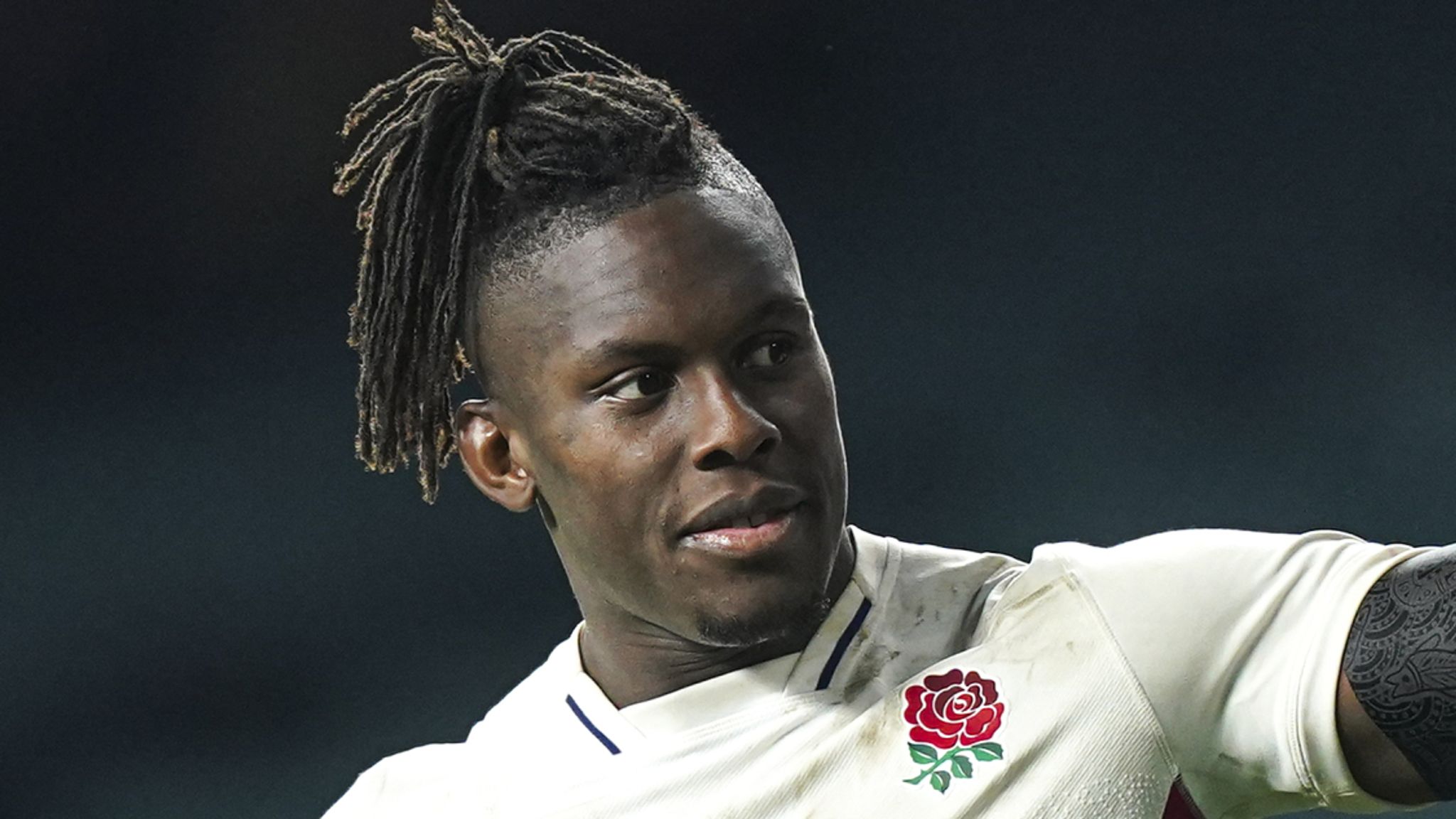
A once-in-a-generation talent and a literal Camden Colossus. His achievements include five Premiership titles, three European Champions Cups, and a Six Nations Grand Slam. He was also a key figure in the 2017 and 2021 British & Irish Lions tours.
Ben Earl
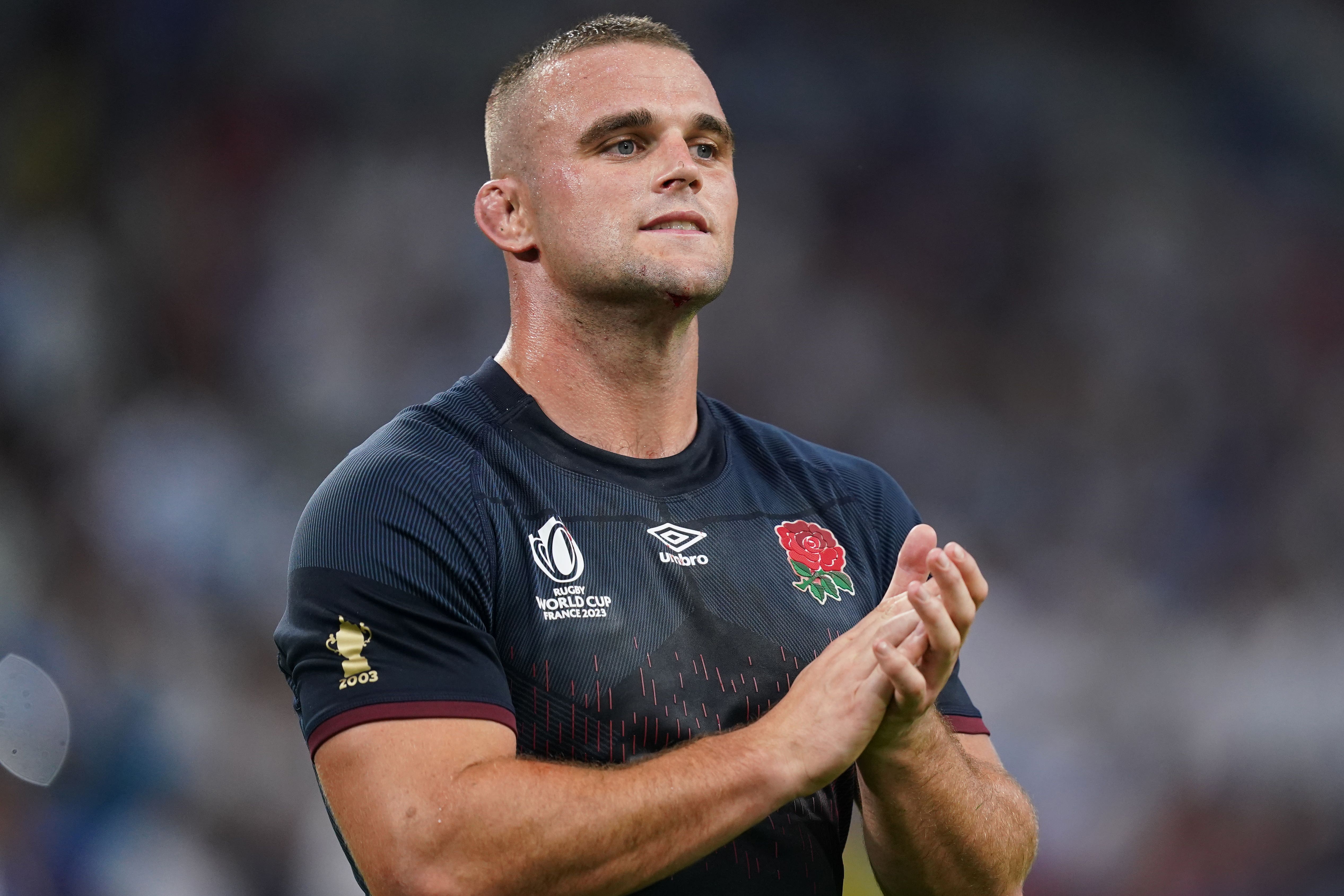
A dynamic back-rower known for his explosive pace. He was named Premiership Player of the Season 2021-22 and played a pivotal role in England's 2023 World Cup campaign, where he was widely regarded as one of the tournament's standout performers.
Theo Dan

A rising star at hooker who balances professional rugby with academic life. His breakout year in 2023 saw him earn his first England caps and play in a World Cup semi-final just months after his Premier League debut.
Ugo Monye
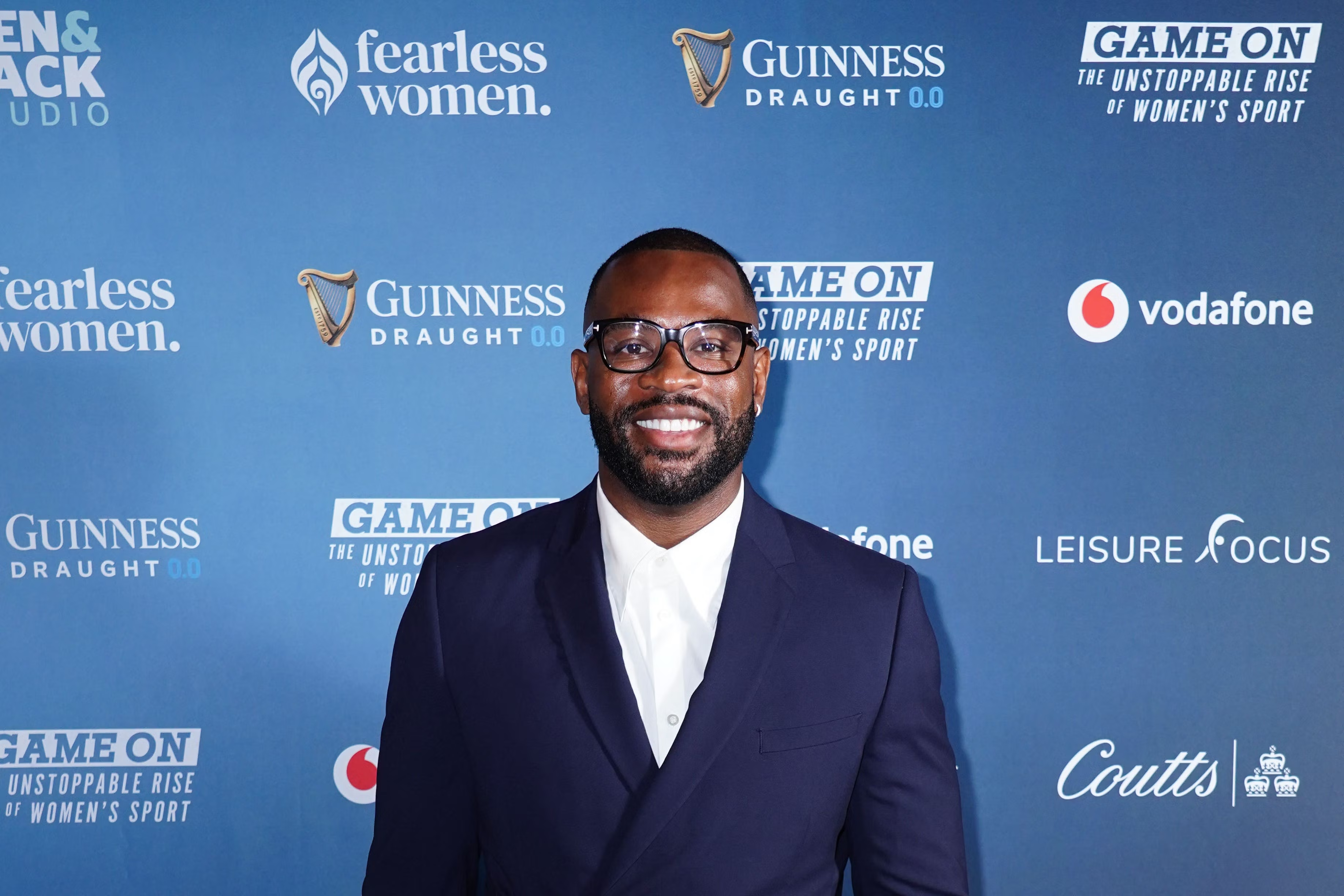
A former England and British & Irish Lions winger. His career highlights include winning the Premiership with Harlequins in 2012 and scoring a length-of-the-field try for the Lions against South Africa in 2009.
Topsy Ojo
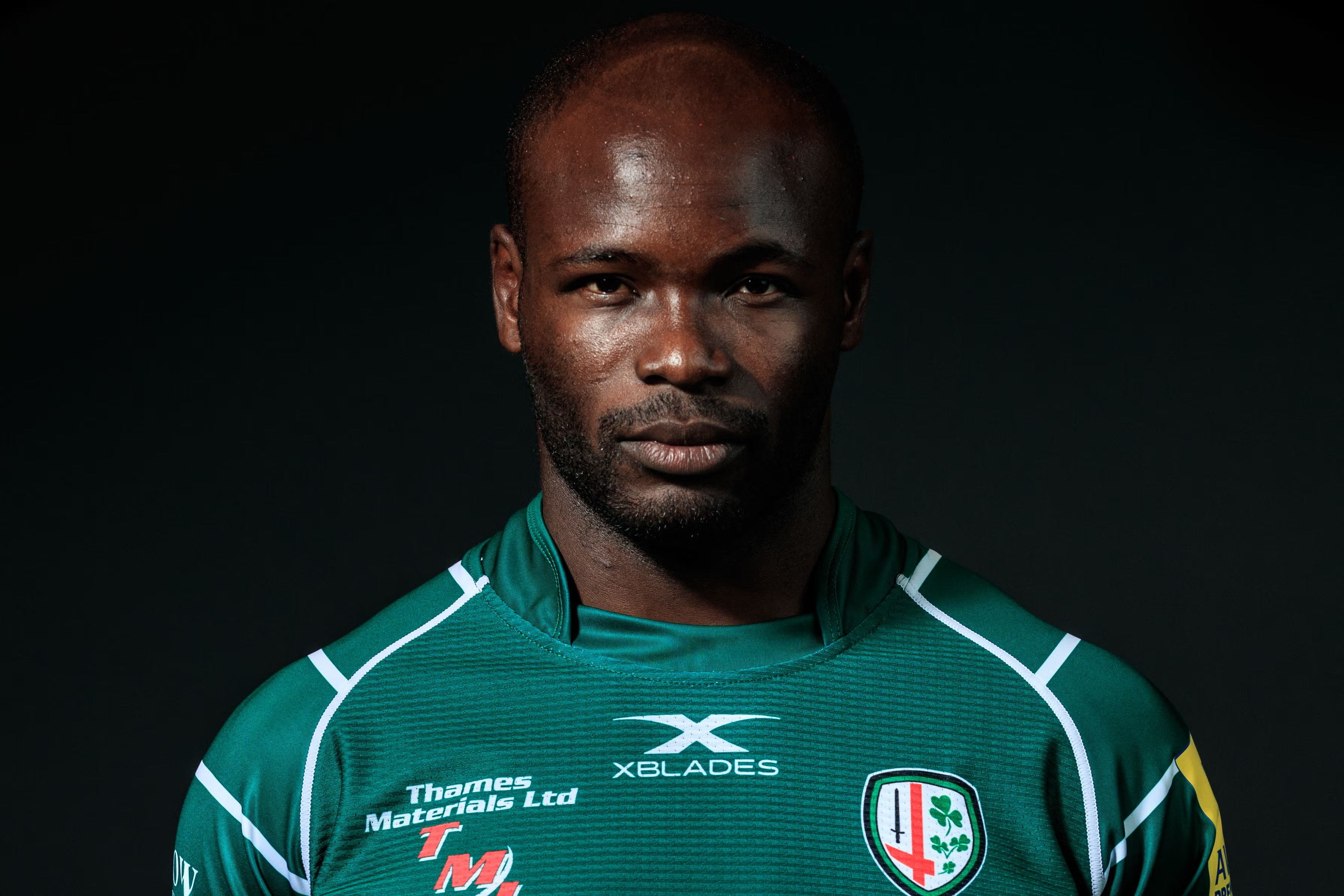
The legendary London Irish winger. He is the club's record try-scorer with 80 tries and holds the record for most appearances. He remains a pillar of the community as an ambassador for urban rugby outreach.
The South-West Stalwarts
Covering the Rugby Corridor, this group represents the traditional heartlands of Richmond, Twickenham, and Hammersmith.
Lawrence Dallaglio
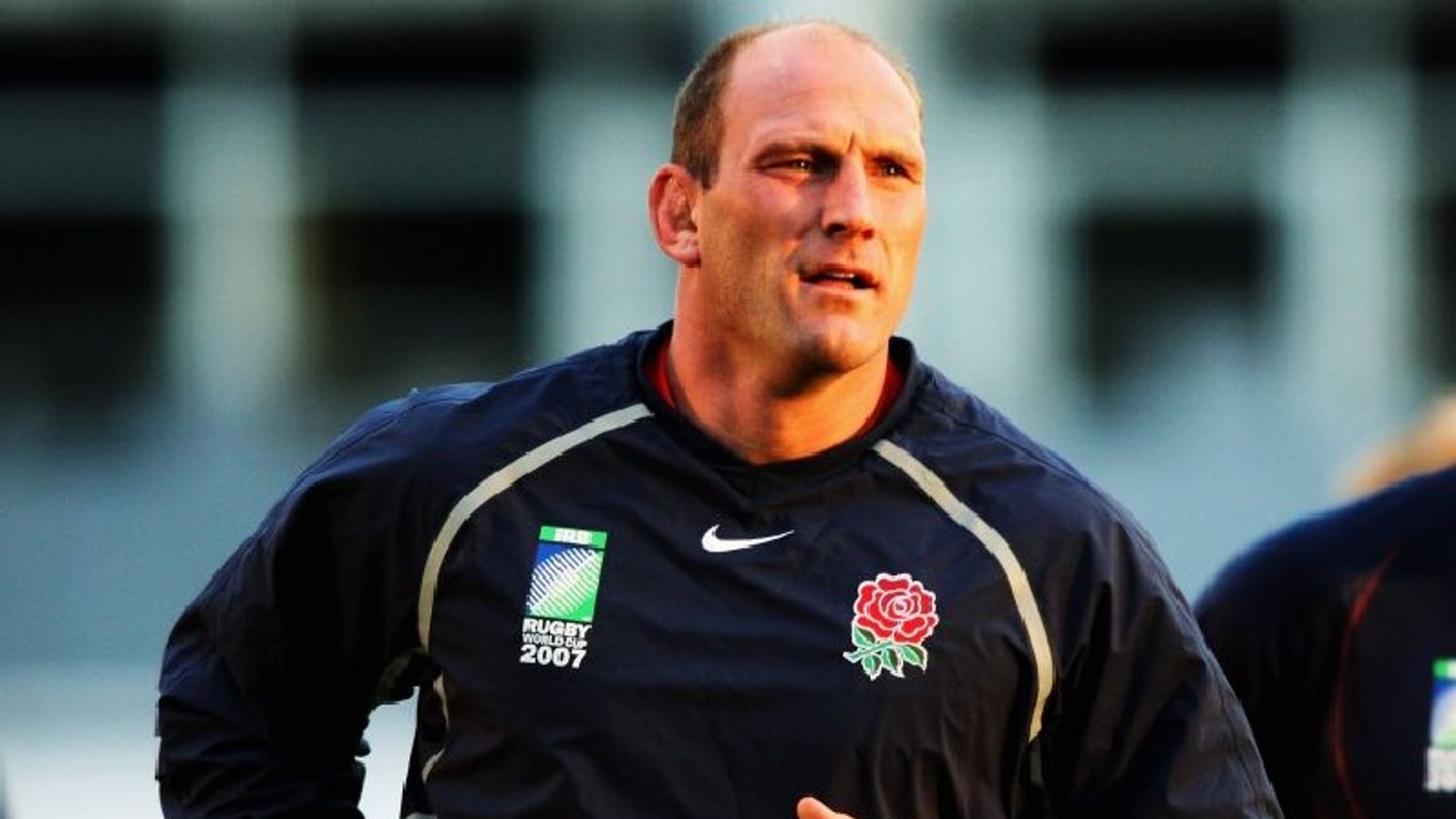
A legendary World Cup winner in 2003 and former England captain. He is one of the few players to have won both the World Cup 15s and the World Sevens Series, alongside multiple Premiership and European titles with Wasps.
Alex Dombrandt
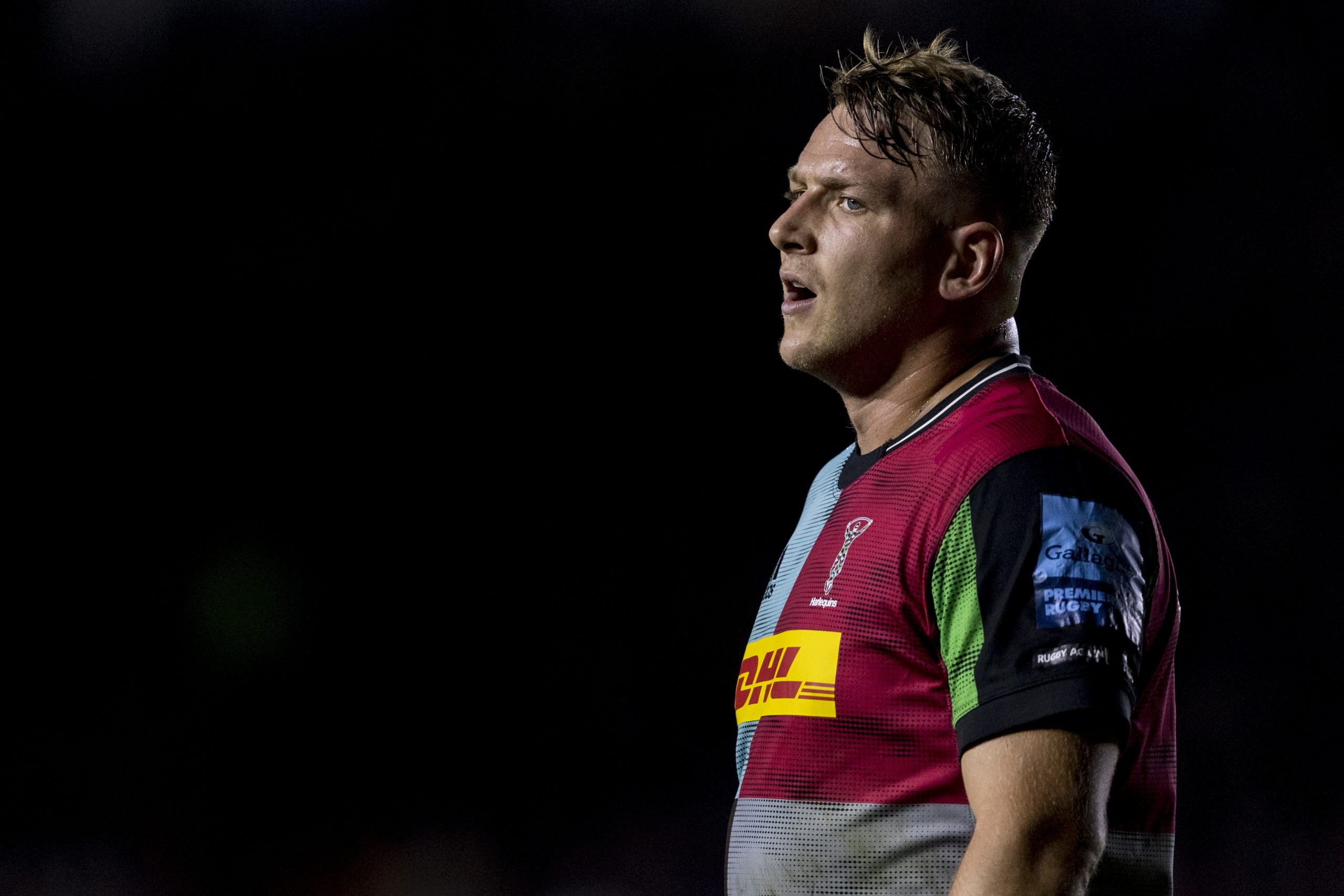
The current Harlequins captain. He led the club to a dramatic Premiership title in 2021 and has become a regular in the England back row, celebrated for his exceptional ball-handling and rugby IQ.
Will Collier
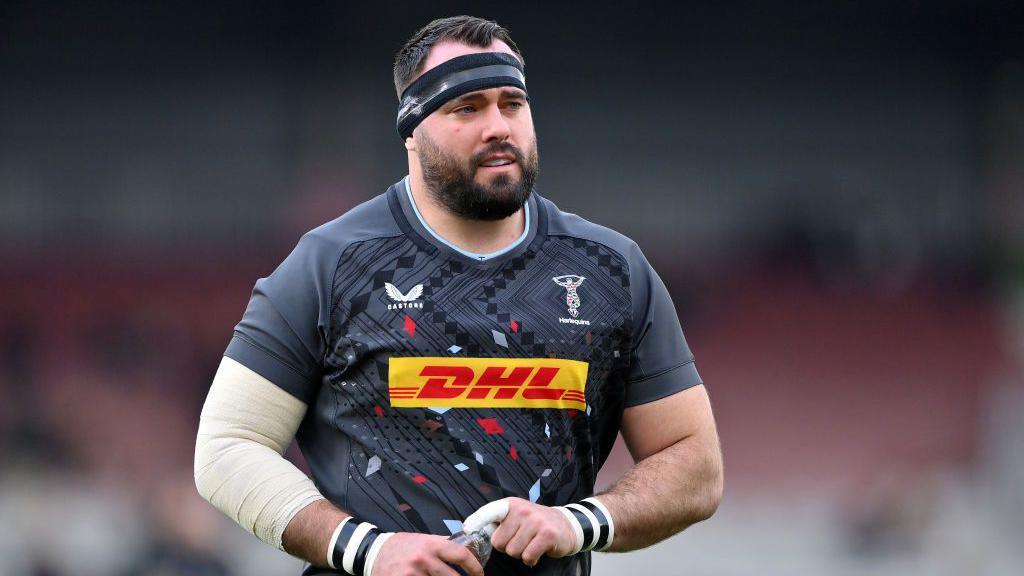
A one-club man and Harlequins legend. He has made over 200 appearances for the club, winning two Premiership titles in 2012 and 2021 and earning international recognition for his technical prowess in the scrum.
Nick Easter
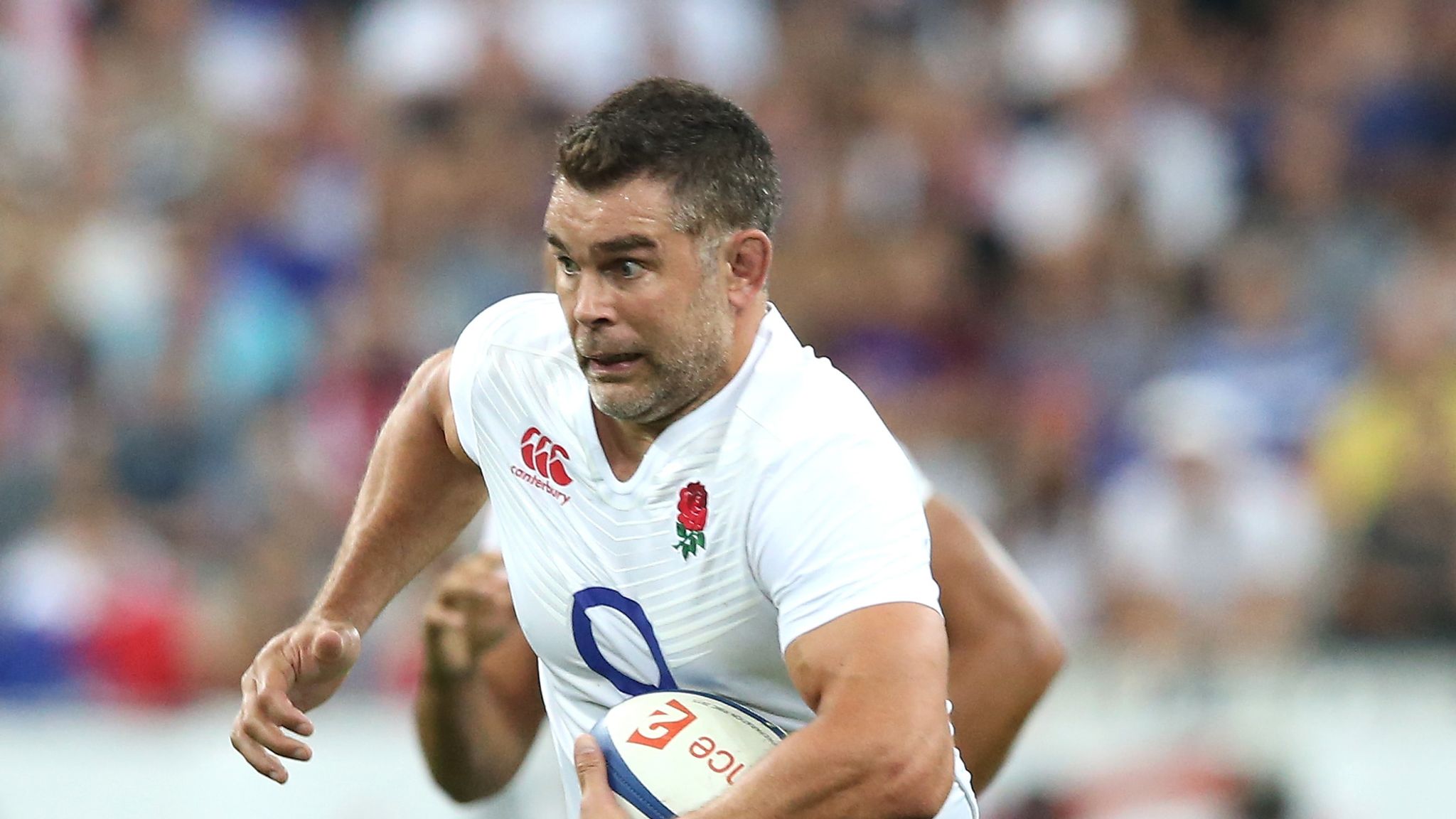
A veteran of three World Cups and a Harlequins icon. He earned 54 England caps and was a key leader during England’s 2011 and 2015 campaigns, known for his relentless work rate and tactical awareness.
Cadan Murley
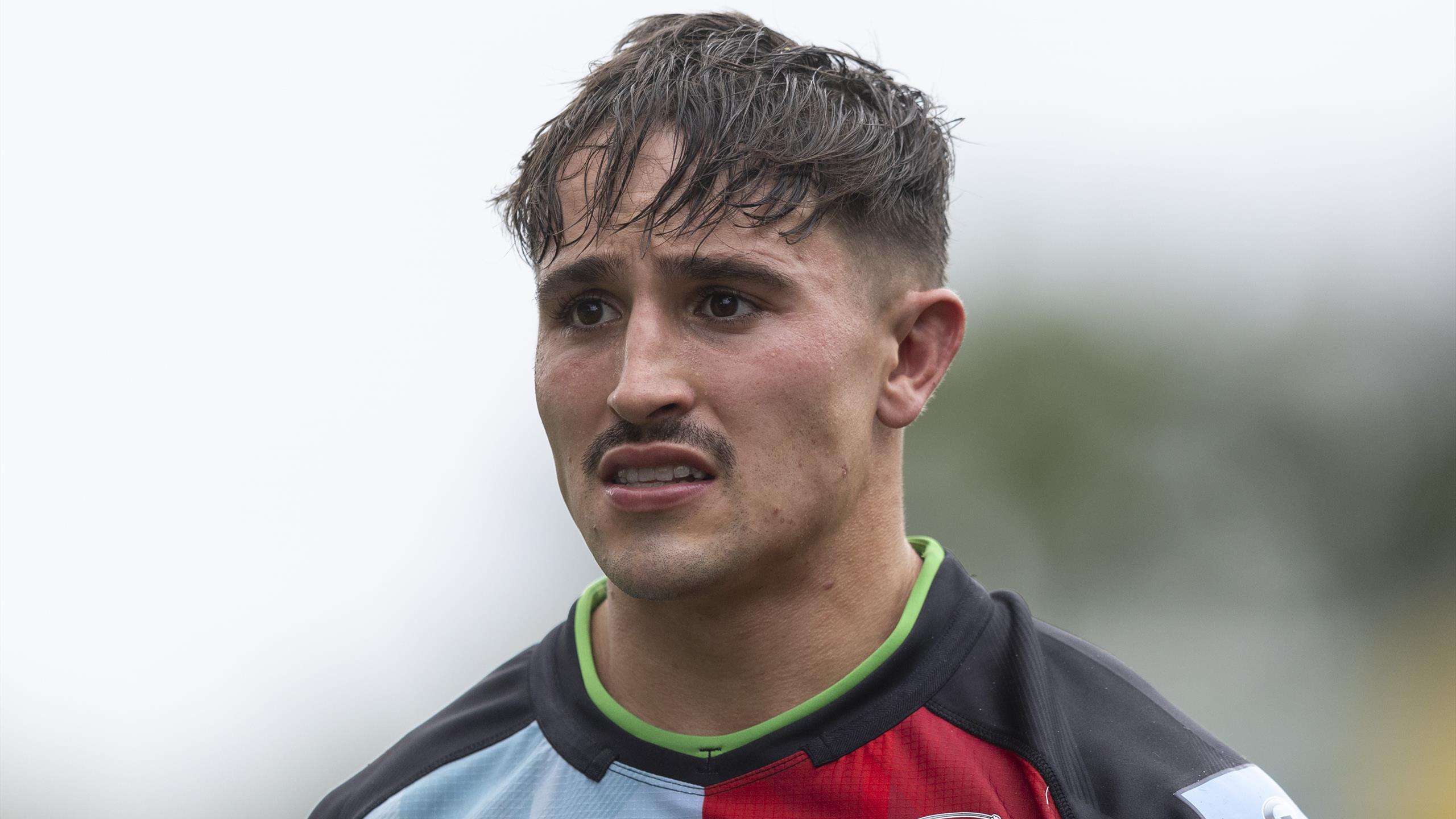
A prolific finisher who topped the Premiership try-scoring charts 2022-23 with 15 tries. His performances earned him a call-up to the England squad, solidifying his status as one of the most dangerous wingers in the capital.
The East-End Pioneers & Modern Icons
From the tight-five factories of Barking to the modern centers of London's diverse boroughs.
Jason Leonard
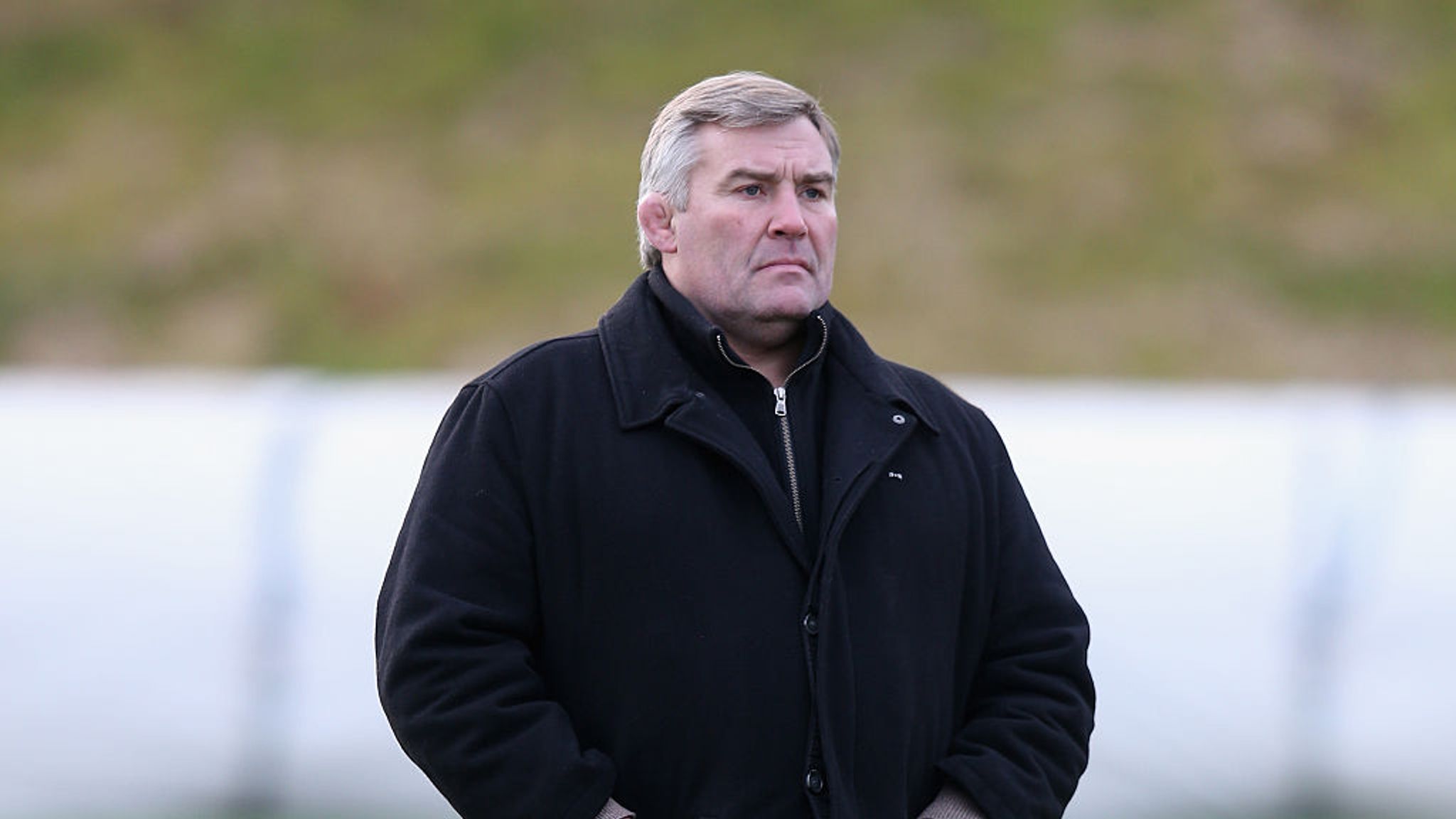
Known as The Fun Bus, Leonard is a World Cup winner in 2003 and held the record for most England caps, 114, for nearly two decades. He played in four World Cups and went on three British & Irish Lions tours.
Paul Rendall
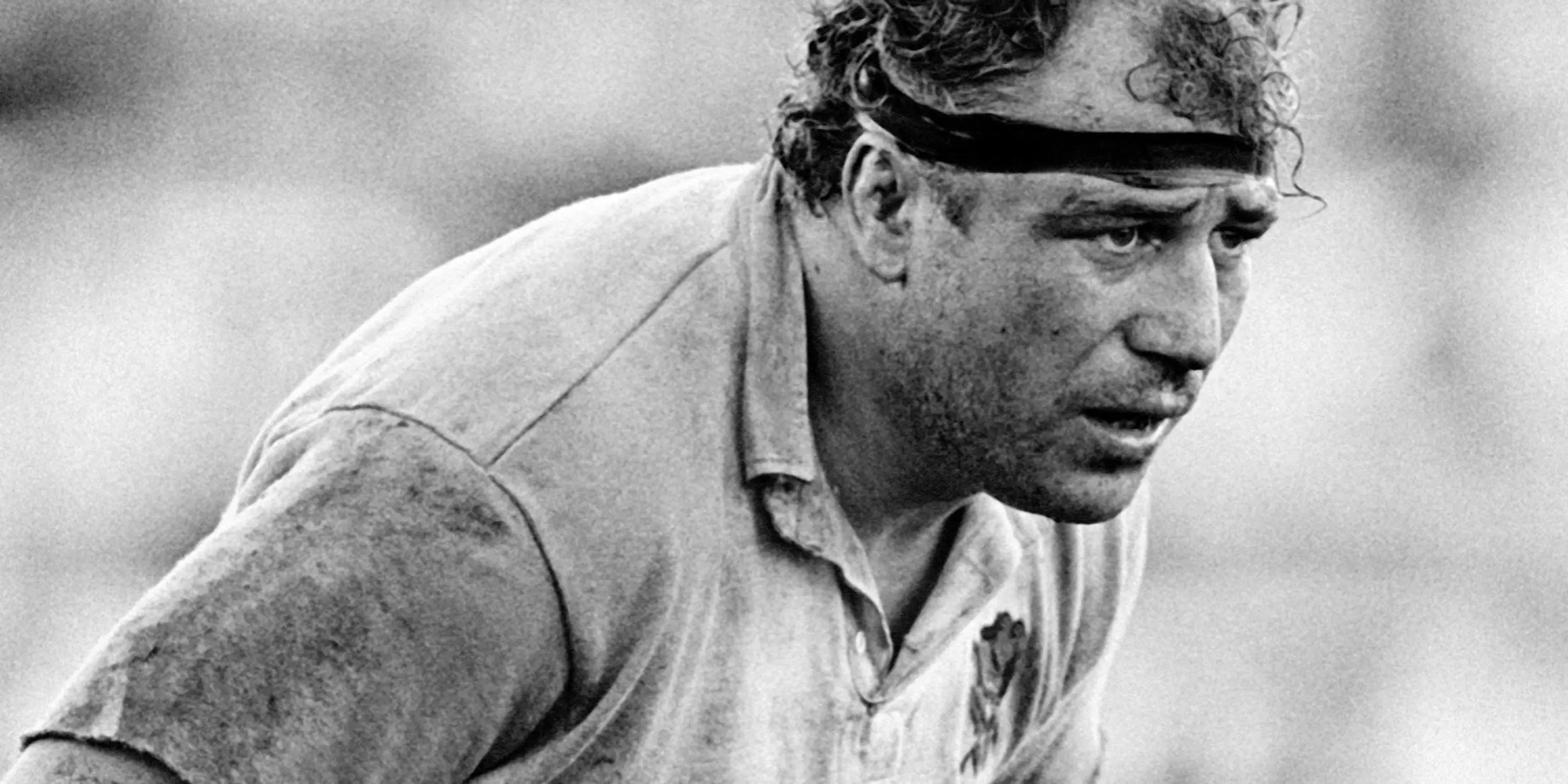
A cornerstone of the England front row in the 80s and 90s. He earned 28 caps and played in the 1987 and 1991 World Cups, embodying the gritty, blue-collar spirit of East London rugby.
Martin Offiah
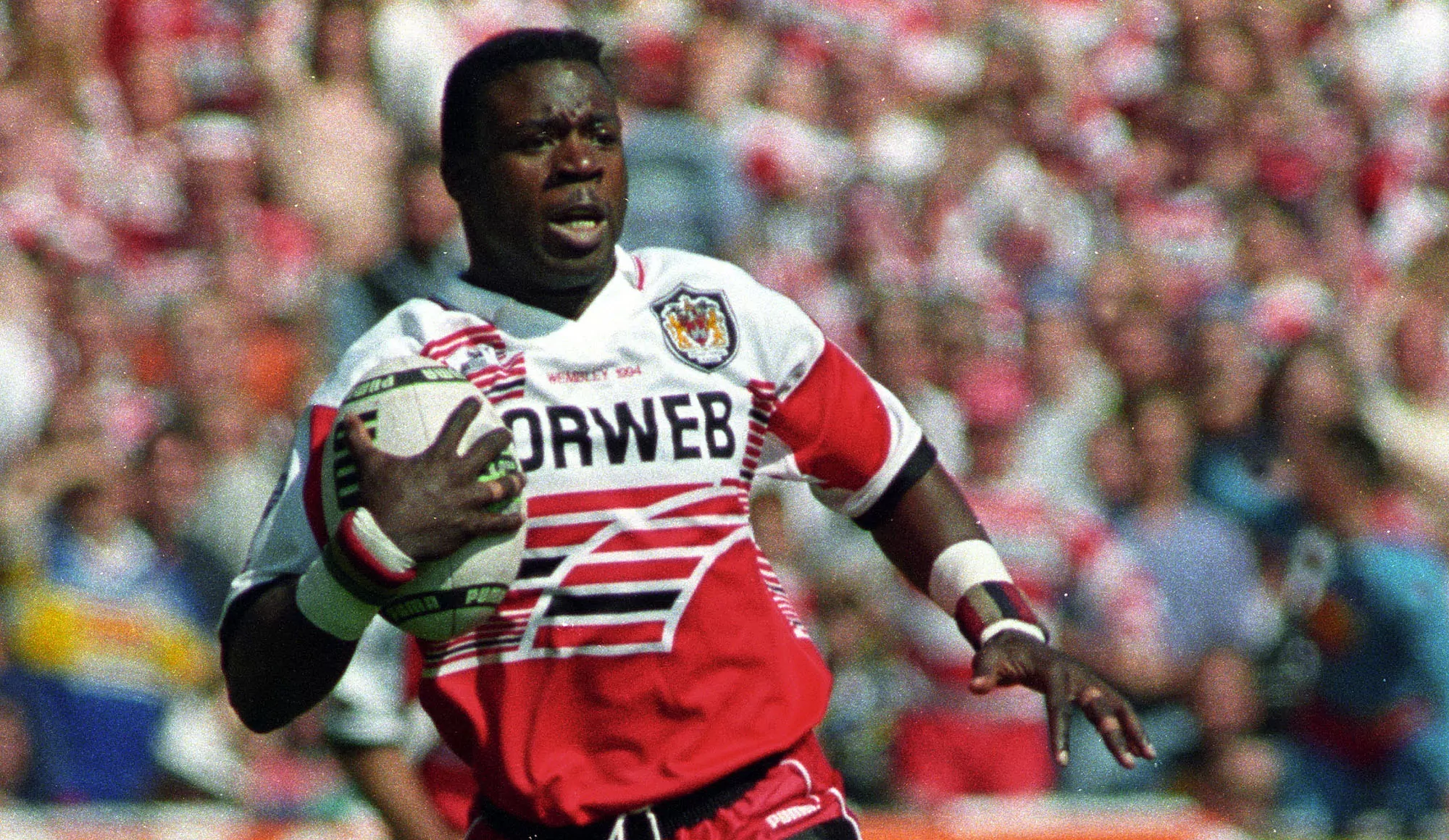
A dual-code legend. Known as Chariots, he scored over 500 tries across his career. He is a member of the Rugby League Hall of Fame and has a statue at Wembley Stadium commemorating his impact on the sport.
Joe Worsley
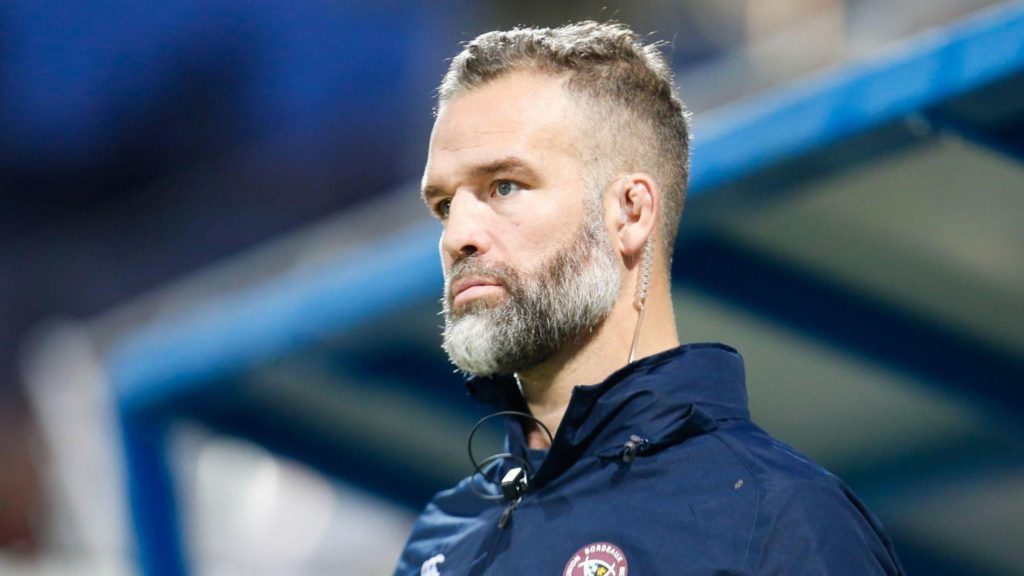
A defensive king and 2003 World Cup winner. He spent his entire 18-year career at Wasps, winning four Premiership titles and two Heineken Cups, and was renowned as one of the best tacklers in the world.
Phil Cokanasiga
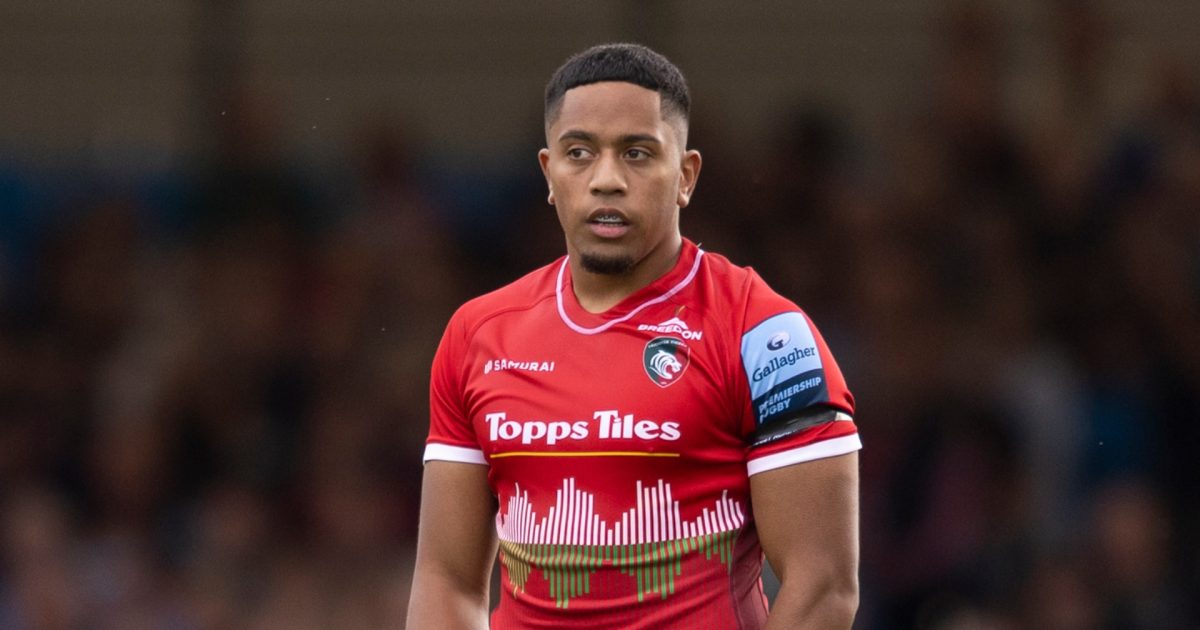
A rising star in the Harlequins midfield. His achievements include representing England U20S and becoming a regular starter in the Premiership, noted for his unique blend of London flair and raw power.
The Red Roses’ London Core
London has become the premier world hub for women’s rugby, largely thanks to this core group of locally born talent.
Maggie Alphonsi
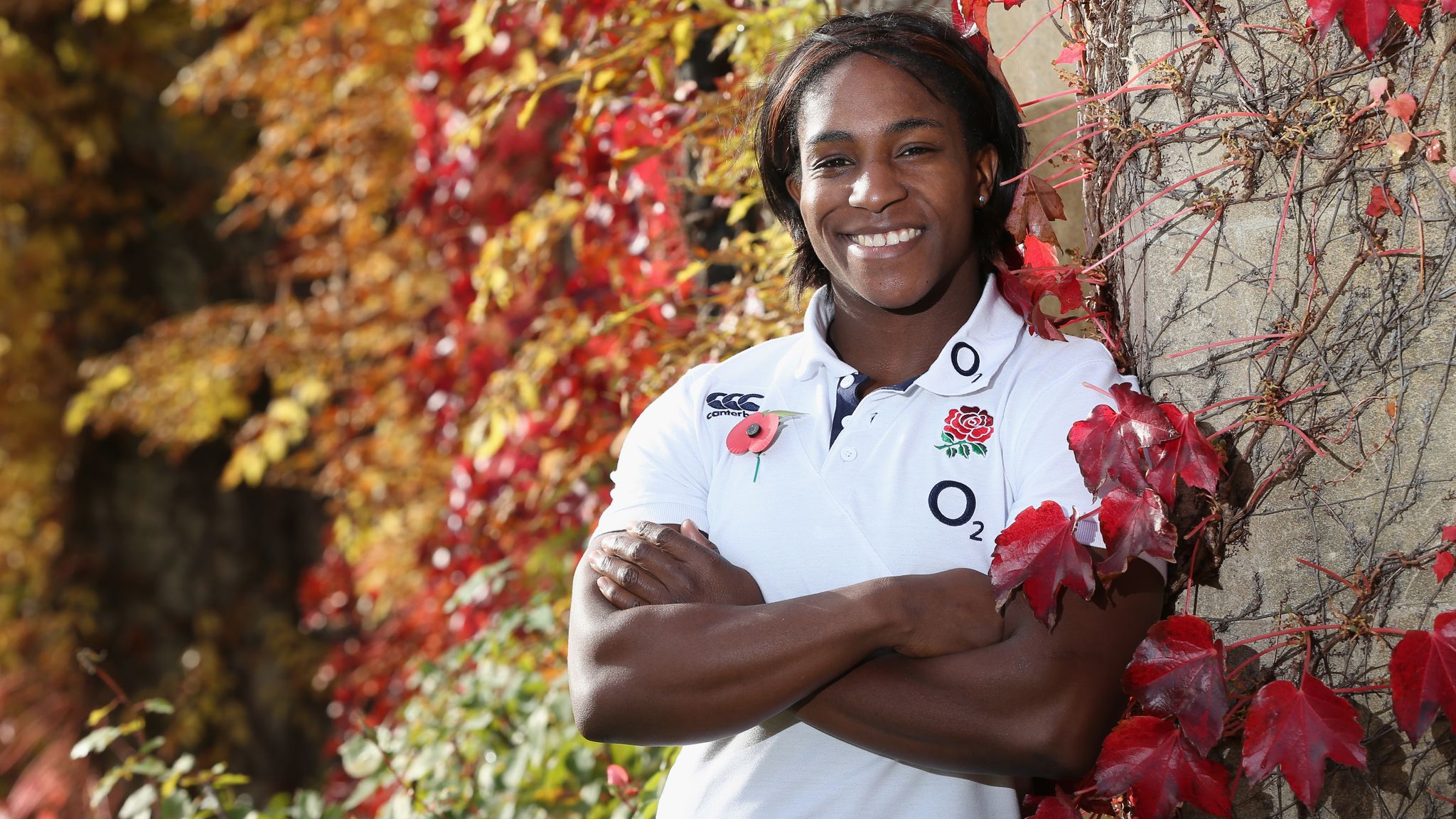
A World Cup winner in 2014 and a transformative figure. She was the first woman to win the Pat Marshall Award, Rugby Writers' Player of the Year and earned 74 caps for the Red Roses.
Ellie Kildunne
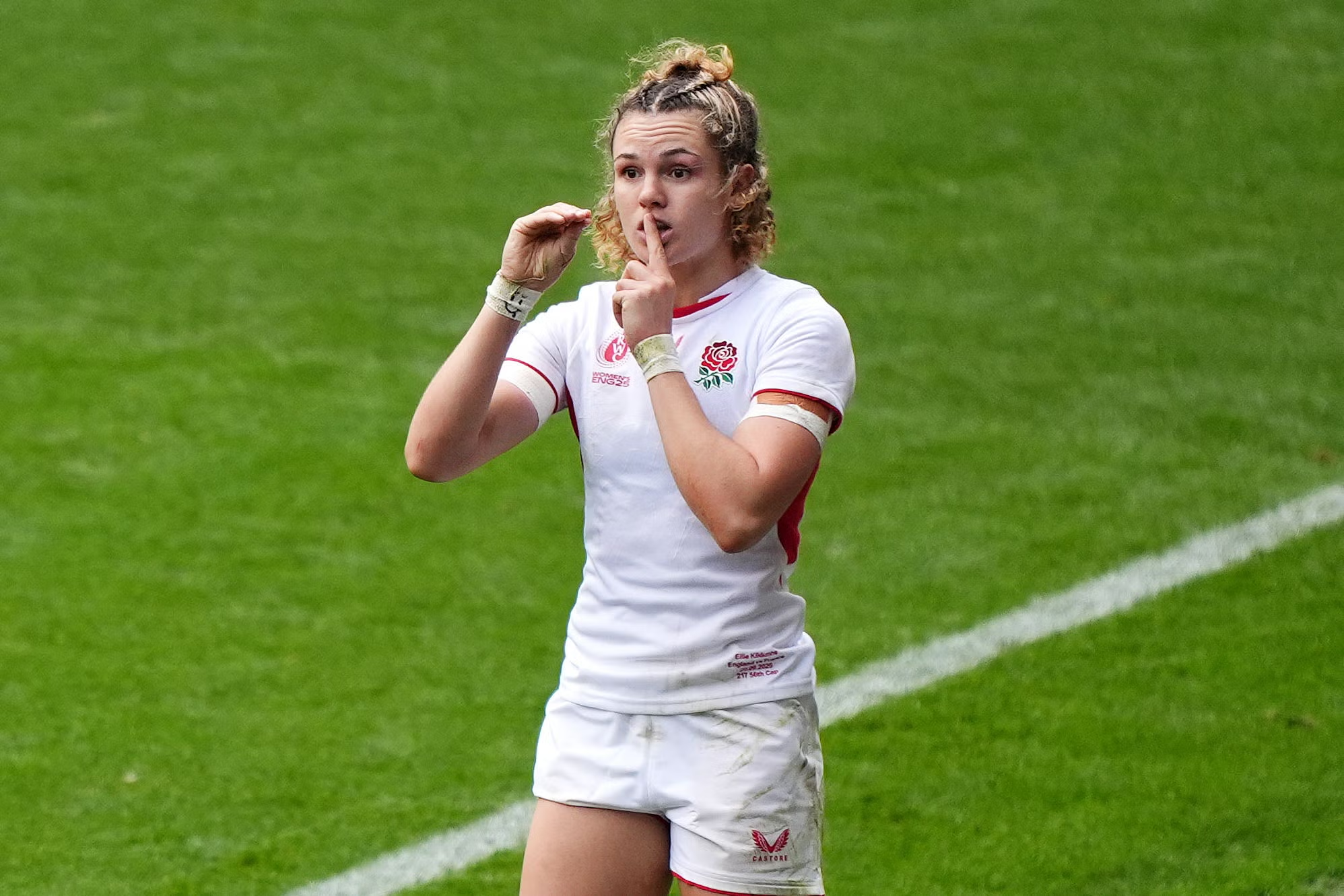
A superstar fullback and a primary attacking threat. Her achievements include multiple Six Nations Grand Slams and being named Player of the Match in several high-stakes international tests.
Shaunagh Brown
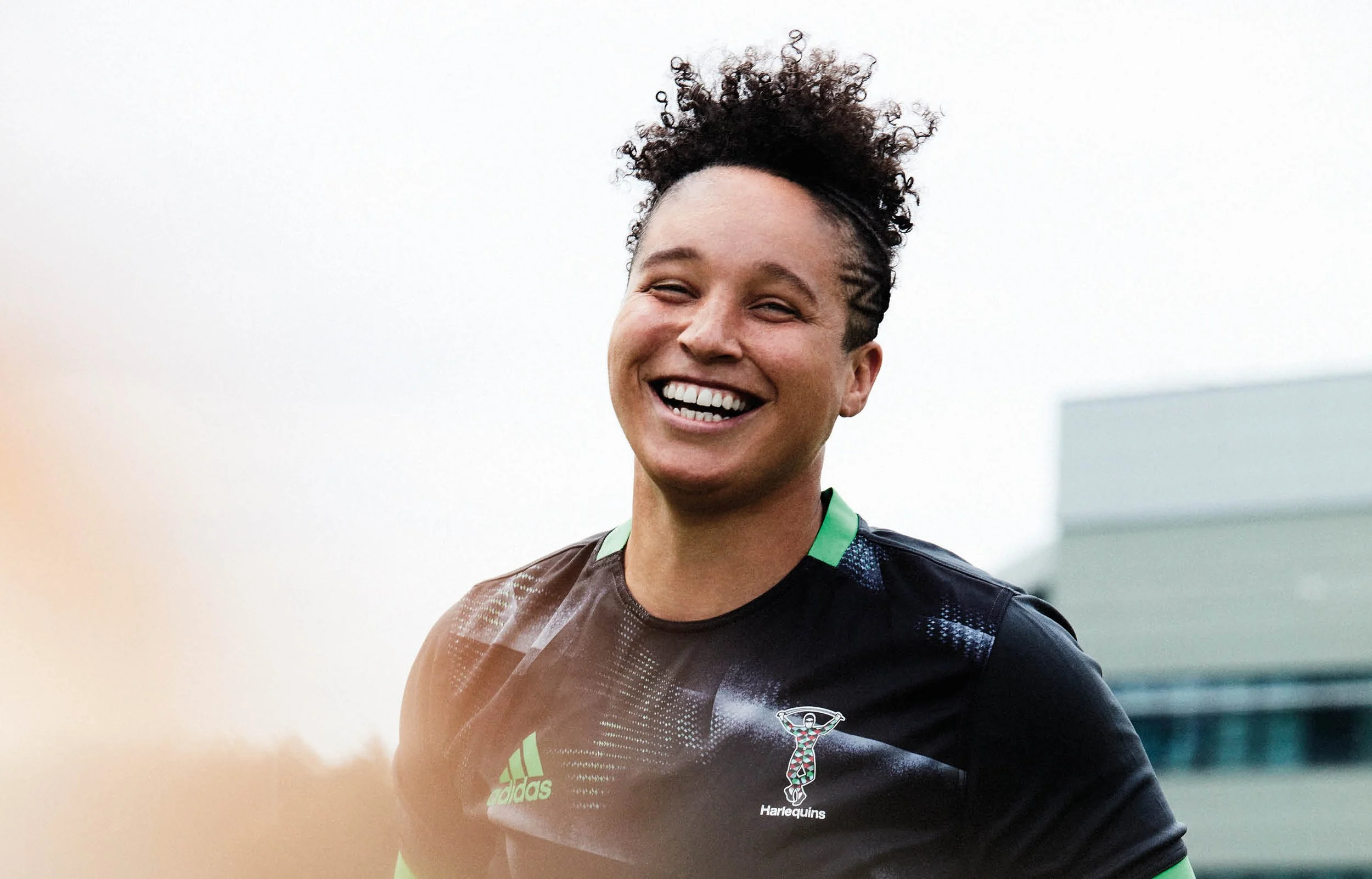
A multi-sport athlete who transitioned from athletics to rugby. She won the Premiership with Harlequins in 2021 and earned 30 England caps, becoming a powerful voice for diversity in sport.
Jess Breach
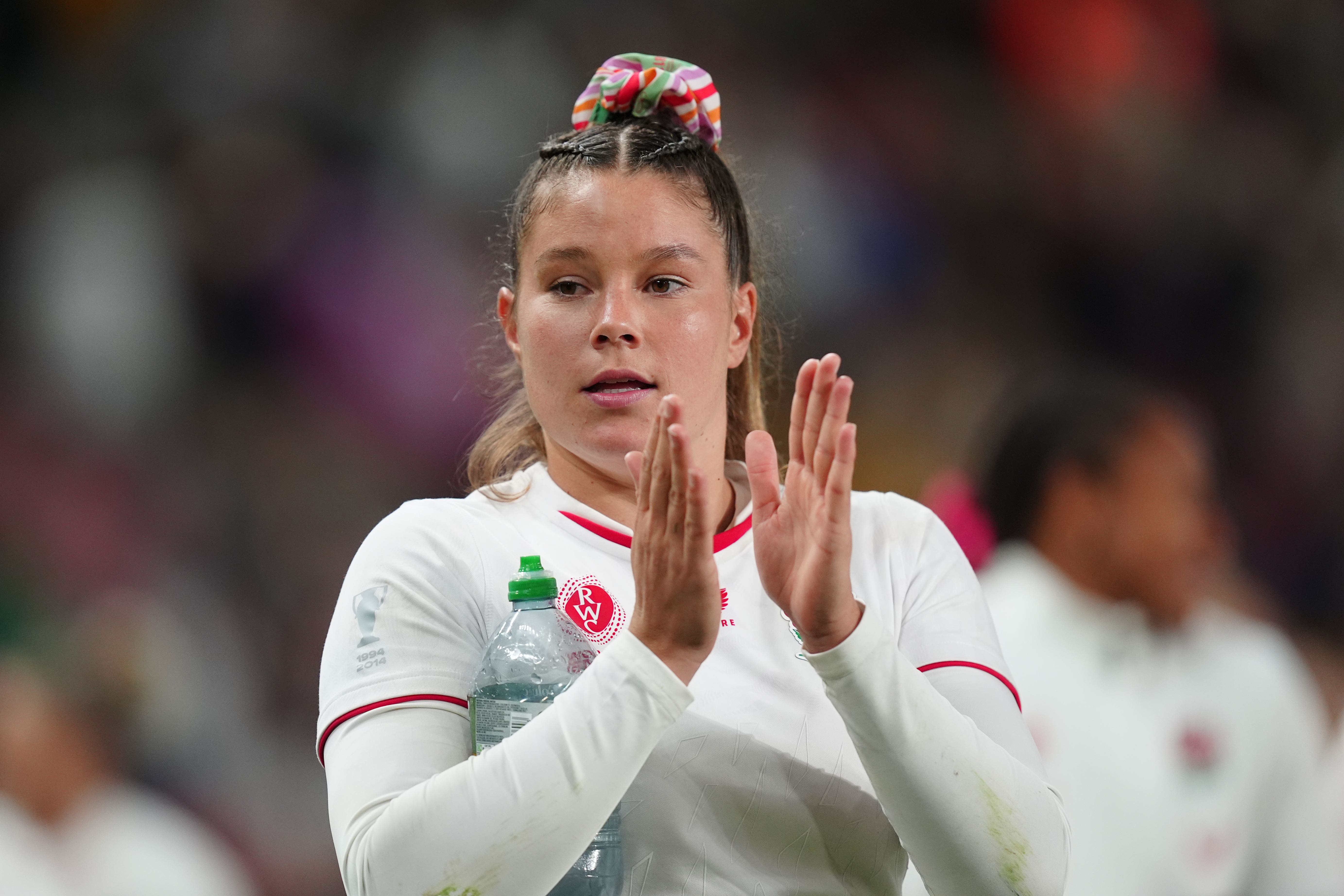
One of the most clinical wingers in the world. She scored six tries on her England debut and has since won multiple Six Nations titles, consistently ranking among the top try-scorers in the women's game.
Kelsey Clifford

A powerful young prop and Premiership winner with Saracens. She has successfully transitioned from the academy to the senior England squad, representing the new wave of professional female athletes in London.
The Versatile Londoners
This group showcases the range of talent London produces, from heavy-hitting forwards to technical geniuses.
Elliot Daly

A versatile back who has won Premiership and European titles with both Wasps and Saracens. He is a two-time British & Irish Lion and holds the record for one of the longest successful penalty kicks in international rugby.
Andrew Sheridan
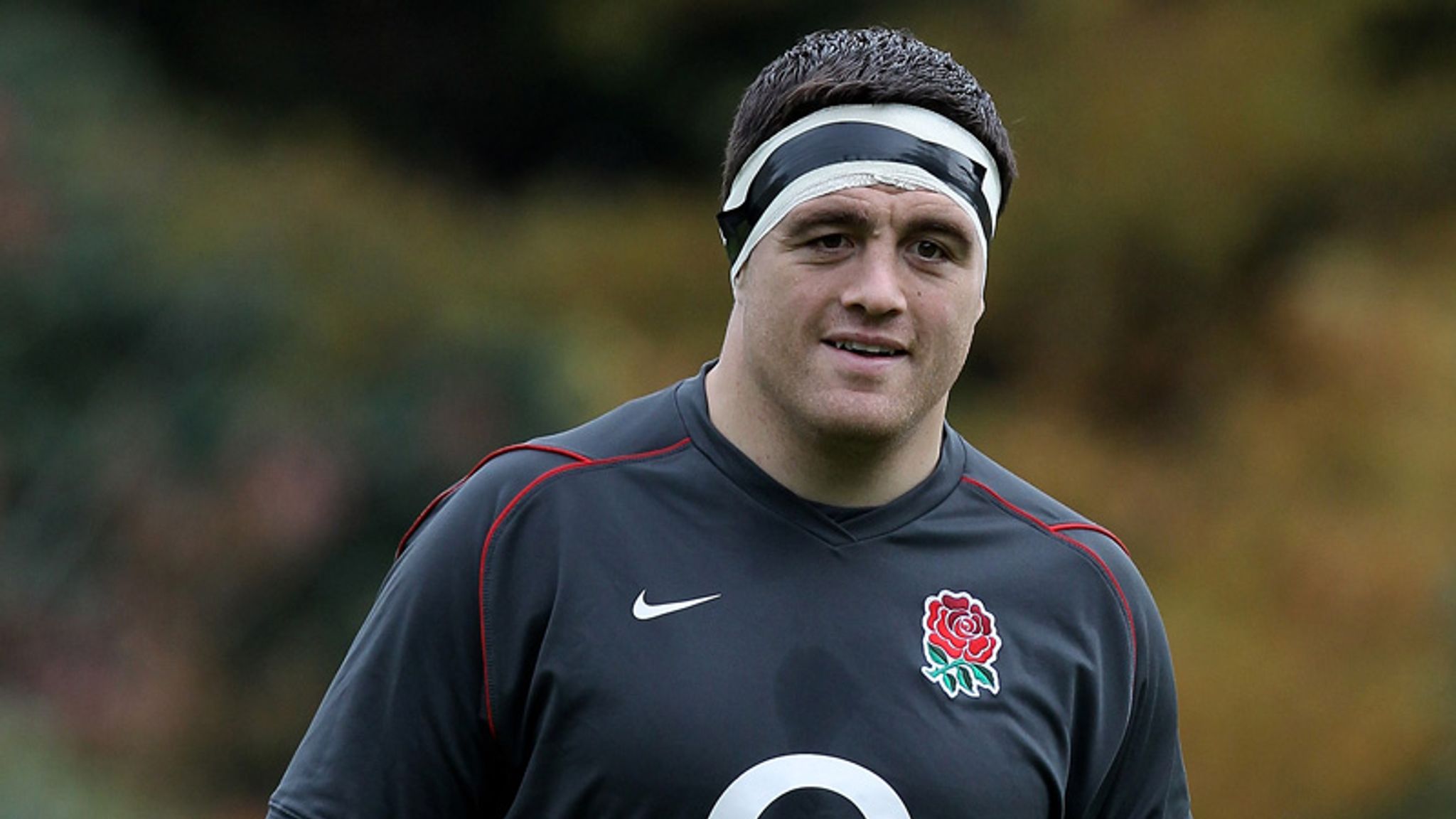
A legendary powerhouse known for his immense strength. His career highlights include a dominant performance in the 2007 World Cup quarter-final against Australia and winning the Premiership 2006 and Top 14 2014.
Lennox Anyanwu

A rising midfield talent. He was a key part of the Harlequins academy's success and has earned caps for England A, noted for his ability to break lines and create opportunities in high-pressure environments.
Damian Hopley
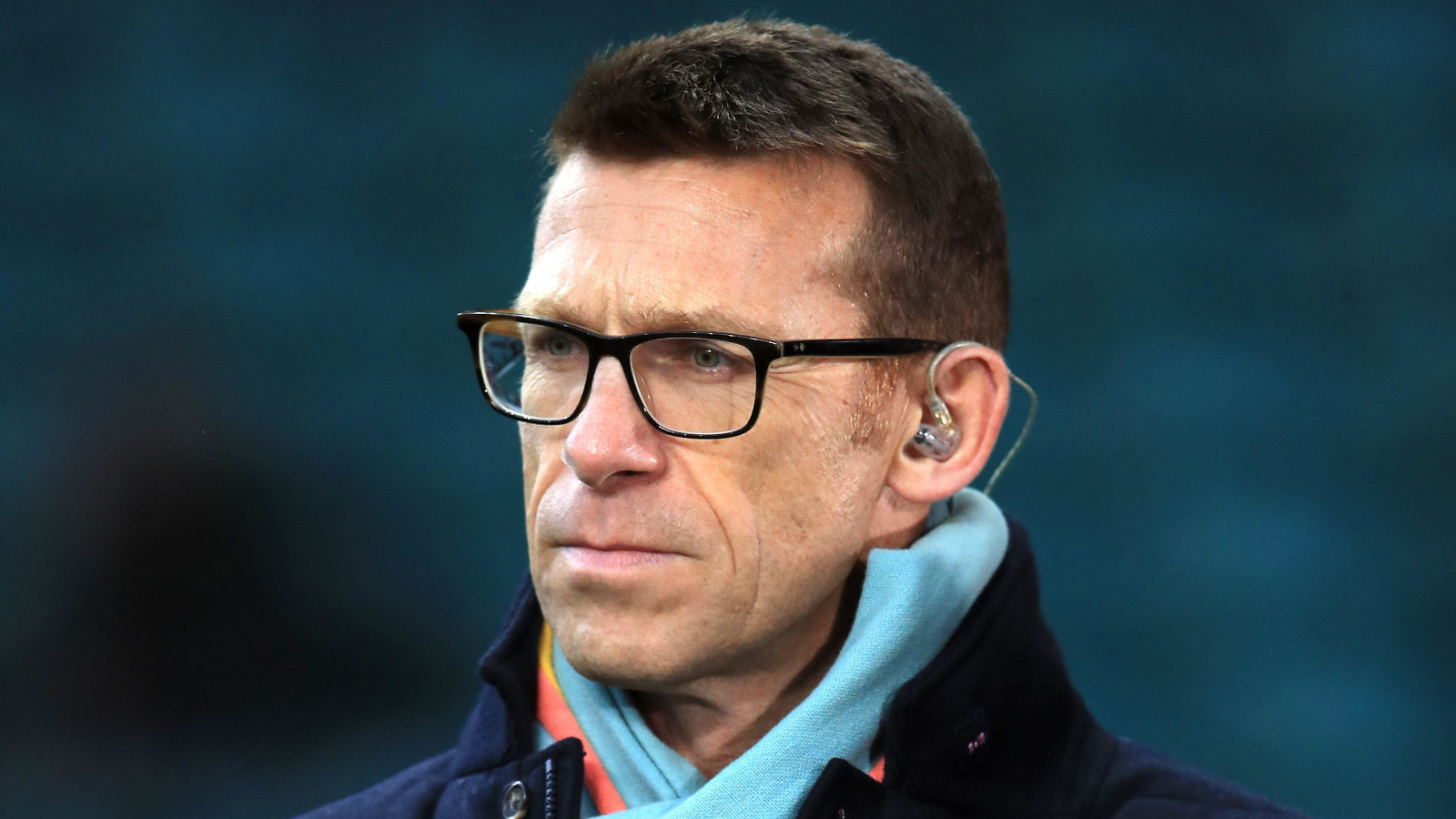
While his playing career was cut short, his achievement as the founder of the Rugby Players' Association RPA changed the sport forever, ensuring professional welfare for thousands of players across the UK.
Jeff Probyn
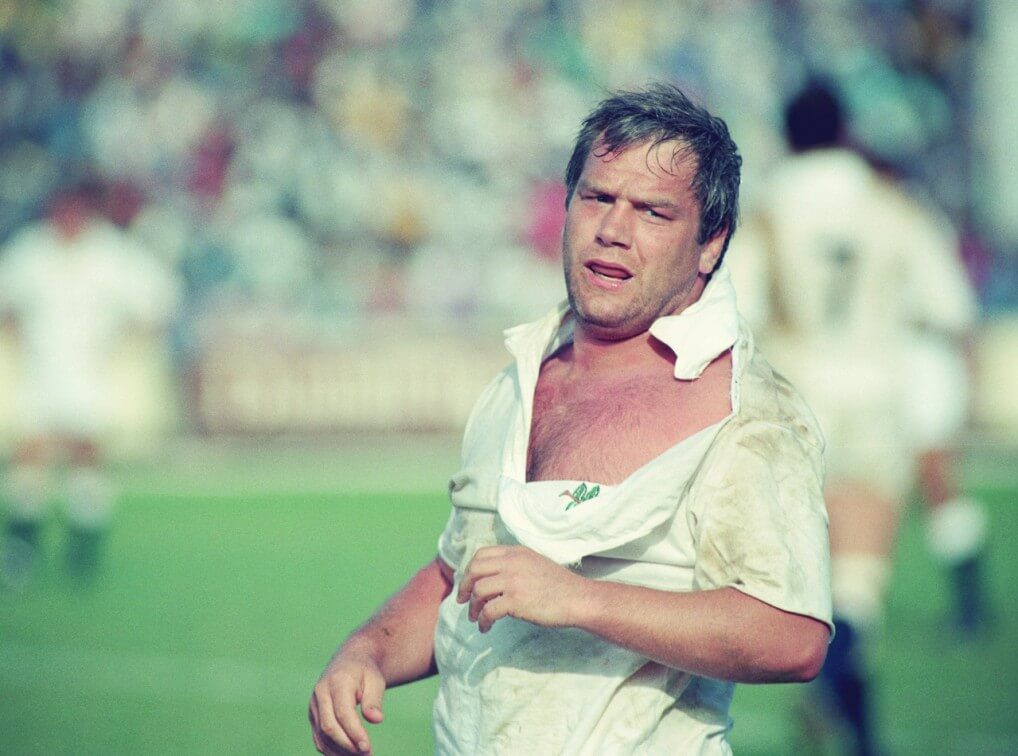
A legendary tighthead prop who earned 37 England caps. He was a key member of the 1991 World Cup final squad and the 1992 Grand Slam winning team, famous for his low-scrummaging technique.
The Modern Women’s Vanguard
These five athletes ensure that the future of women's rugby in London is in safeand incredibly fast hands.
Abby Dow
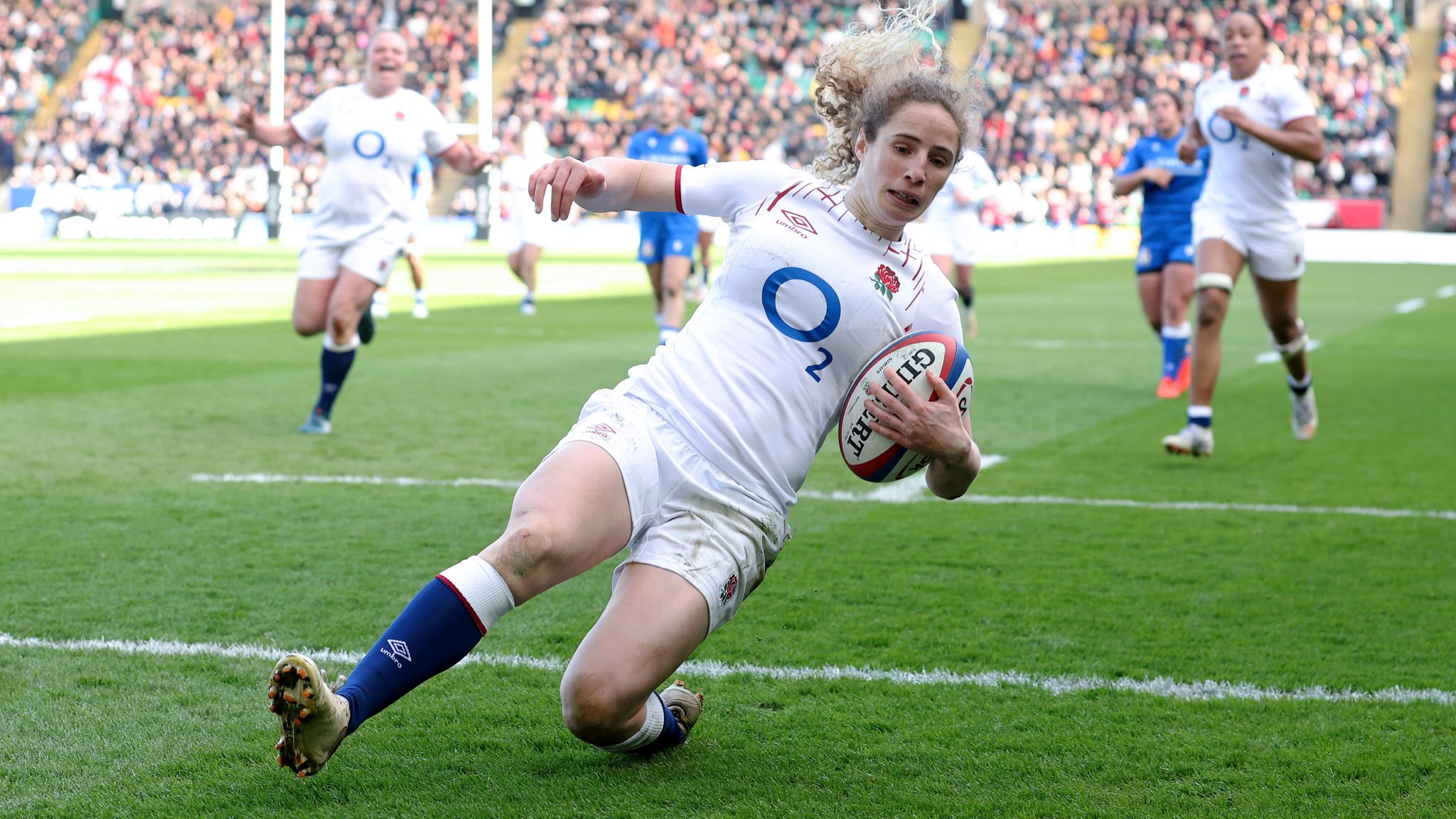
A world-class winger and a World Cup finalist in 2022. She is famous for her remarkable comeback from a broken leg to score one of the greatest individual tries in Red Roses history against South Africa.
Ella Wyrwas

A scrum-half who has won multiple Premiership titles with Saracens. She is also a key figure in community development, leading initiatives that bridge the gap between professional sports and local London youth.
Heather Cowell

A dual-code star who has won Premiership titles with Harlequins and represented England Sevens on the world stage, known for her incredible strike rate and athletic versatility.
Rosie Galligan
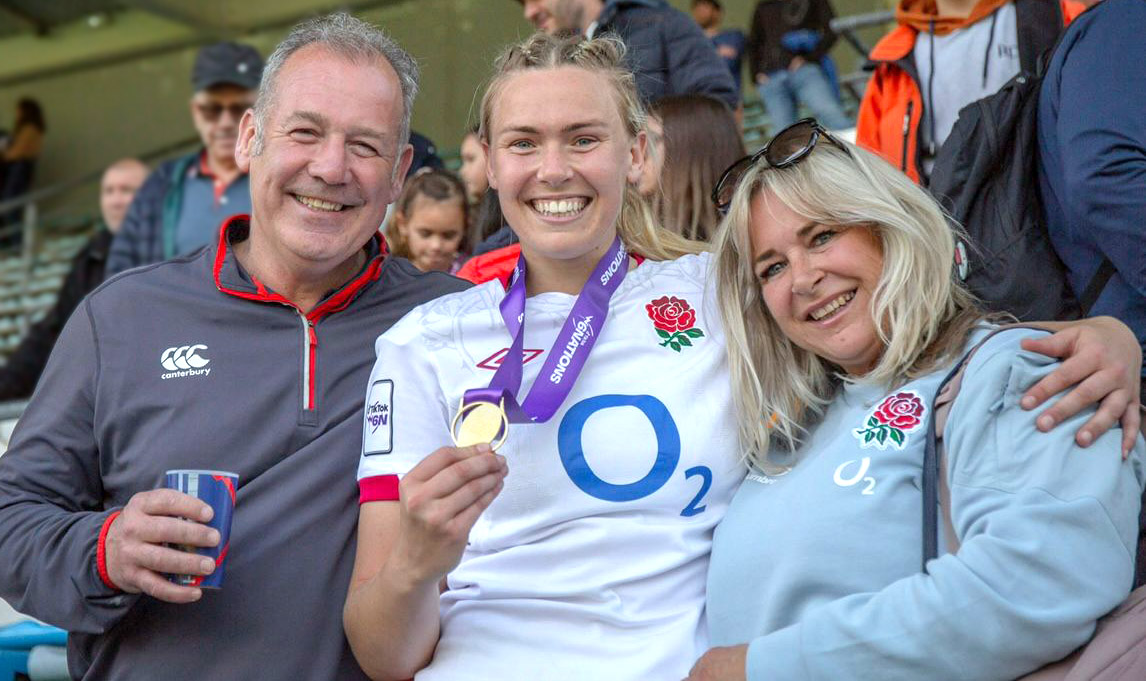
A resilient second-rower who overcame a career-threatening illness to return to international rugby, helping England secure Six Nations glory and playing in the 2022 World Cup final.
May Campbell
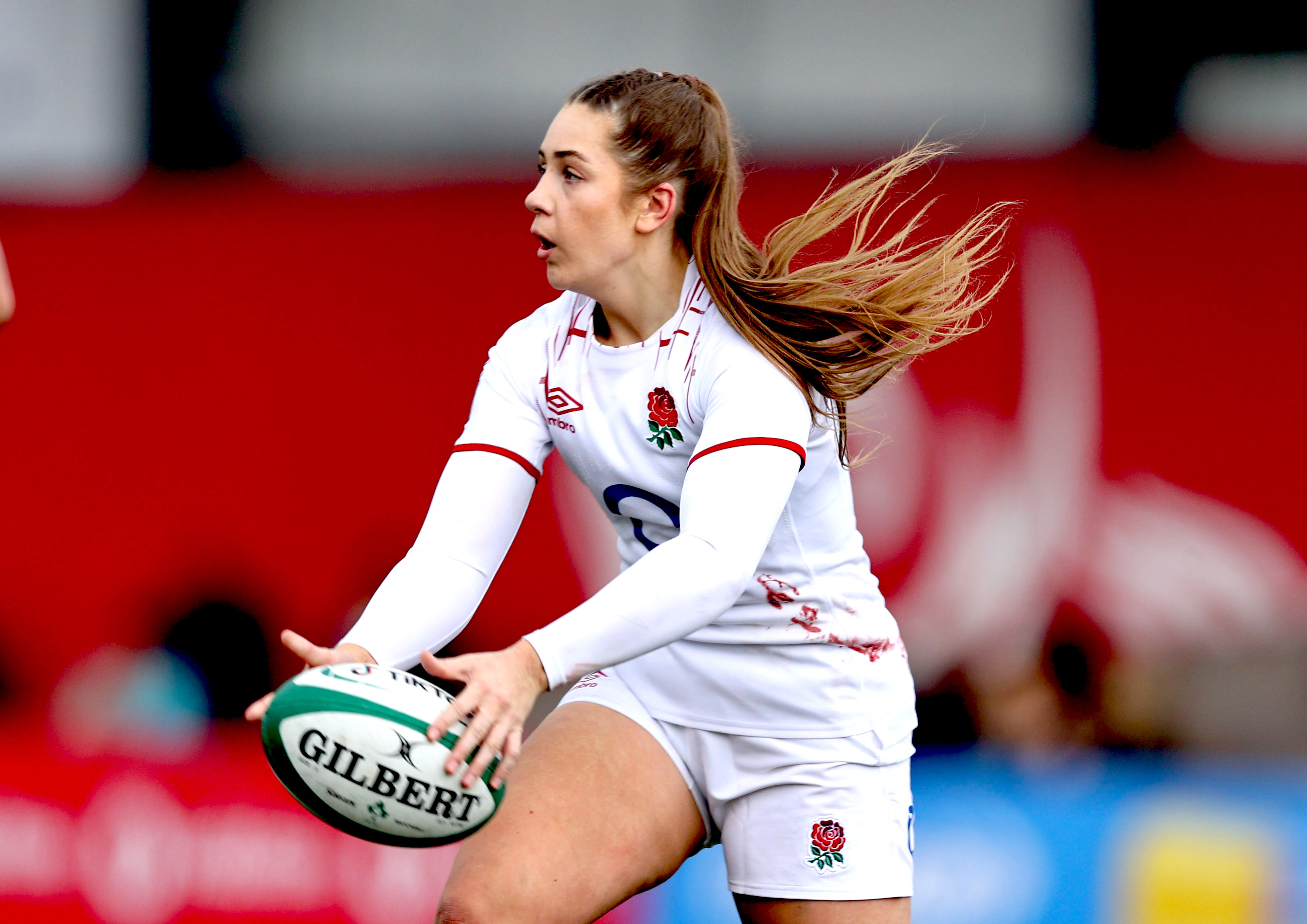
A consistent and reliable hooker for the Saracens. Her achievements include multiple Premiership winners' medals and being one of the most prolific try-scoring forwards in the domestic league.
How To Find More Rugby Players From London
If you’re building a serious list for an article, a club programme, a scouting note, or a social series, this is the repeatable method.
Step 1: Choose Your Definition
Before you collect a single name, write a one-sentence rule you can paste at the top of your draft. This prevents the classic London-list problem: mixing birthplace with club association and ending up with a list that can’t defend itself.
A practical way to lock it in is to decide these three things up front:
- Your London boundary:Greater London boroughs plus the City vs the London area more loosely.
- Your rugby scope:rugby union only, or a separate lane for league, recommended if you include it at all.
- Your inclusion threshold:Any player with a credible London link vs only players with senior international recognition / Premiership impact.
Illustrative scenario:Someone asks for England rugby players from London. If your rule is London-born only, you’ll build a borough-backed list. If your rule is London-made, you’ll prioritize school/academy developmenteven if the player was born elsewhere.
Step 2: Start With Borough Lists
For London-born lists, borough categories are one of the cleanest discovery engines because they state the London link explicitly, the borough itself. Use them like you’d use an index in a reference book: fast for finding leads, then you verify the important ones.
A workflow that stays tidy:
- Start with players from London by borough and open boroughs that historically produce lots of listed names.
- Collect names into a simple sheet Player / Borough / Code / Era / Position / Notes / Sources.
- De-duplicate early, as the same player can appear in multiple lists or be repeated across pages.
- Treat categories as discovery, not proof. They’re useful, but your final claim should still be supported by a biography line you can cite.
Illustrative scenario:You’re building a London Borough XI for a magazine feature. Borough lists get you 80% of the raw names quickly; your next job is sorting them into headline-safe vs needs more checking.
Step 3: Verify Each Must-be-right Name
Use this checklist whenever a player is central to your story headline, hero image, top 10 list, etc.
Verification checklist
- Birthplace line:confirm the place is within Greater London.
- Second source:confirm via a second reputable bio union/club profile, major publisher, or widely referenced encyclopedia entry.
- Avoid category-only claims:categories are great for discovery, not your final citation.
- Lock your definition:don’t mix London-born with London-club mid-article.
- Eligibility claims:if you mention it, tie it to Regulation 8, not assumptions.
Expert’s Take:I don’t try to prove every name at the same intensity. I apply maximum verification to the players, and readers will repeat out loud.
Section Takeaway:discovery is fast; credibility comes from verification.
If Your Real Goal Is To Watch London Talent
If rugby players from London is really shorthand for who can I go and see?, your best move is to use official fixture hubs and London-based clubs that publish squads and match calendars.
Pro And Semi-pro London Touchpoints
- London Scottish publish a player list/squad area you can use as a jumping-off point for names and roles.
- For league structures around the capital, start at RFU London & South East.
- For fixtures/results browsing via England Rugby’s tools, use their search filters handy when you know a competition.
Rugby League In London
London’s rugby league ecosystem is easiest to track through the Rugby Football League’s community competition pages and stats, which are updated as competitions run.
Section Takeaway:if you want living, changing who’s playing now info, follow fixtures and squads, not static lists.
The 2026 Pipeline: Squad Freshness & The New Guard
This section analyzes the current 2026 Six Nations landscape, highlighting how London’s established stars and rising academy graduates are defining the national team’s immediate future.
As we move through the 2026 Guinness Six Nations, the London influence on Steve Borthwick’s England squad has shifted from a mere contribution to a total takeover.
In my recent travels between Pennyhill Park and the Allianz Stadium in Twickenham, the conversation has been dominated by the resilience and tactical evolution of our capital's finest.
Itoje’s Captaincy And The Saracens Core
The most significant storyline of the 2026 season is Maro Itoje assuming the full-time captaincy.
Despite a period of immense personal grief following the loss of his mother in late 2025, Itoje’s return to lead the side in the Calcutta Cup against Scotland in February 2026 has been a masterclass in professional fortitude.
He remains the heartbeat of a Saracens Spine that includes the relentless Ben Earl and the evergreen Jamie George, proving that the North London academy’s standards are currently the benchmark for international rugby.
The Tactical Pivot: Smith And The Quins Flair
While Marcus Smith has faced the typical selection headaches of a top-tier fly-half, briefly shifting to a bench role for the trip to Murrayfield to accommodate a more territorial game, his influence on London’s rugby identity is absolute.
His recent openness about his Filipino heritage and his dream of one day supporting rugby in the Philippines has only deepened his status as a modern, multicultural London icon.
Alongside him, Cadan Murley has finally hammered down the door of the senior squad, bringing the raw finishing power that Harlequins fans have long known is world-class.
The 2026 Academy Graduates: Ones To Watch
The London-made definition is expanding. We are seeing a new wave of athletes who may have moved clubs but carry the technical stamp of the capital's academies:
- Theo Dan: Now an established international with 20+ caps, Dan’s mobility is redefining what Borthwick expects from a modern hooker.
- Chandler Cunningham-South: A physical revelation in the 2026 back row, bringing a South London grit to the international breakdown.
- George Kloska: While a Bristol graduate, his recent call-up to the 2026 senior squad for the Scotland clash highlights the interconnectedness of the Premiership’s scouting networks.
Expert’s Take:The 2026 Tactical Shift. In my experience, the London style in 2026 is no longer just about flair or power; it’s about versatility. Players like Elliot Daly and Marcus Smith are being used as chess pieces across the backline, reflecting a city that is itself constantly evolving. If you’re watching England this year, you’re watching a team built on the versatility of the London academy system.
Also Check Out:Footballers From London - Why London Produces Elite Talent
Frequently Asked Questions (FAQ)
Who Are The Famous Rugby Players In England?
England has produced many famous players across eras; famous usually means England internationals, Lions tourists, or iconic club captains.
Who Are The Famous Rugby Players From London?
Well-cited London-born examples include Maro Itoje, Lawrence Dallaglio, Maggie Alphonsi, and Jason Leonard.
Men's Rugby Players From London: Where Do I Start?
Start with a borough-led shortlist: Camden, Hammersmith & Fulham, Lambeth, and Westminster and then verify headline names with player bios.
Women Rugby Players From London: Who Are Notable Examples?
Borough lists surface notable names quicklye.g., Maggie Alphonsi Lewisham, Shaunagh Brown Lambeth, Celia Quansah and Emma Uren Hounslow.
Is Rugby Popular In London?
Yes! London supports rugby at multiple levels, community clubs, schools, professional and semi-pro, with formal organization reflected in RFU London & South East structures.
What’s The Best Definition Of From London For A List?
For most readers, the cleanest definition is a London-born birthplace within a London borough, with London-made used when discussing development pathways.
How Can I Verify A Player Is Actually From London?
Use a borough-based discovery source first, then confirm birthplace in at least one additional reputable biography before publishing key claims.
Are The London Irish Players From London?
Only if your definition is a London club player. London Irish includes players from many places, so don’t treat the club roster as proof of London birth.
Are The London Welsh Players From London?
Same principle: London Welsh is a club category, not a birthplace category. Use it for club history, not for born in London claims.
What’s The Difference Between London-born And London-made?
London-born is about birthplace; London-made is about where a player learned and developed schools, clubs, and academies, which can be different from birthplace.
Can A Player Born Outside London Still Be From London?
Yesif you’re using the London-made definition, raised/developed locally or the London-club definition strong association with a London team.
Does Twickenham Being In London Matter For Player Origins?
It matters more for rugby culture and visibility than for birthplace. It’s a centre of English rugby, but it doesn’t produce players by itself.
Where Can I Find London & South East Rugby Competition Info?
The RFU London & South East division site is the official hub for that regional structure and competition info.
How Do National-Team Eligibility Rules Relate To London?
Eligibility isn’t the same as birthplace trivia; it’s governed by World Rugby Regulation 8, which sets the framework for national representation.
Are There Reliable Stats For Rugby League Players In London?
For community competitions, the Rugby Football League publishes London & South East player stats and competition pages you can use as live references.
What’s The Safest Way To Expand This List Beyond A Starter Set?
Work borough by borough for London-born names, then verify the most important players with at least one additional reputable biography before you publish.
Final Thoughts
The legacy of rugby players from London is not just found in the trophy cabinets of Twickenham but in the community clubs that continue to thrive across all 32 boroughs.
From the pioneering days of Jason Leonard to the modern magic of Marcus Smith, the capital remains a crucible of talent that reflects the city's diversity and grit.
As the game continues to evolve, London’s unique mix of high-performance academies and passionate grassroots clubs ensures that the next generation of legends is already lacing up their boots somewhere in the city.
Jump to
From Grassroots To Greatness: Mapping Rugby Players From London
The Geographic DNA Of Rugby Players From London
London’s Rugby Geography: Why The City Produces Such A Wide Mix Of Players
The North London Powerhouse
The South-West Stalwarts
The East-End Pioneers & Modern Icons
The Red Roses’ London Core
The Versatile Londoners
The Modern Women’s Vanguard
How To Find More Rugby Players From London
If Your Real Goal Is To Watch London Talent
The 2026 Pipeline: Squad Freshness & The New Guard
Frequently Asked Questions (FAQ)

James Rowley
Author
James Rowley is a London-based writer and researcher covering London life, cultural geography, London travel, live London webcam pages and selected public figures across entertainment, sport, business and public life.
For over 15 years, he has focused on verified sources, first-hand local context and clear explanations that help readers understand both places and people more deeply. His work combines street-level London knowledge with careful research into career credits, media work, business interests and, where relevant, transparently explained net worth estimates.
He writes and reviews articles published on LondonWebcam.
Latest Articles
Popular Articles