25 Best Tennis Players From London: Modern & Historic Icons
Discover 25 top tennis players from London. Get expert borough context, clear definitions, and a 2026 checklist to verify birth, base, or training.
Author:James RowleyFeb 16, 2026584 Shares48.6K Views
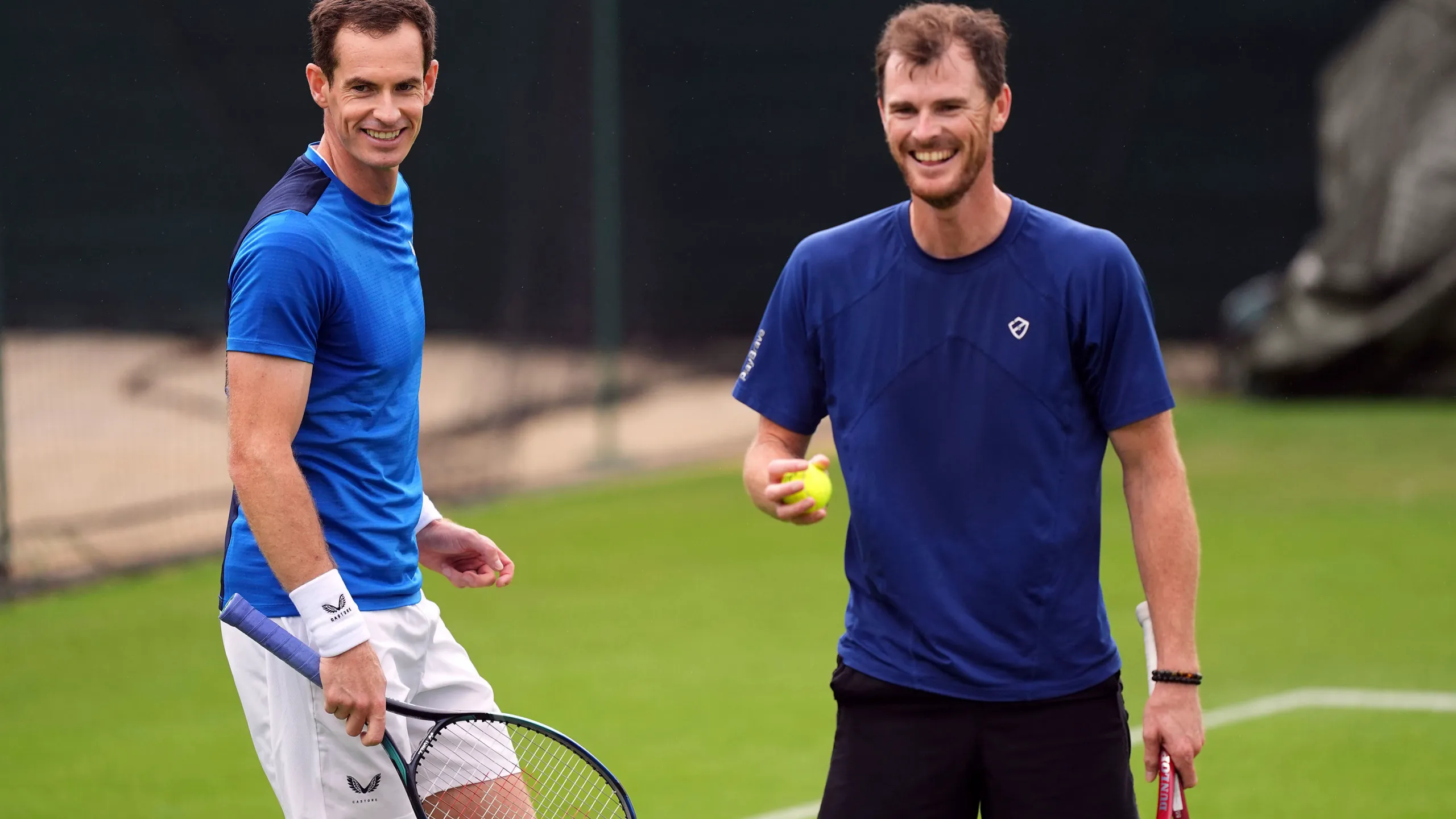
Tennis Players From London: From Park Courts To Wimbledon Glory
Londonis more than just a host city; it is a sprawling talent incubator. To truly understand the DNA of British tennis, one must look at the specific streets and clubs where these athletes developed their craft.
As someone who has spent years mapping the city's cultural geography, I see every borough as having its own unique tennis signature from the hard courts of Hackney to the pristine lawns of Wimbledon.
This guide organizes London's most prominent players into the eras and locations that defined them, offering a glimpse into the heart of the capital’s sporting heritage.
Key Takeaways
- Emma Raducanu:The most famous modern Londoner in the sport, raised and trained in Bromley, Southeast London.
- Jack Draper:A rising ATP force representing Sutton and the South London/Surrey borders.
- Roehampton (SW15):The location of the LTA National Tennis Centre, the high-tech heart of British player development.
- Infrastructure:Success often stems from a mix of elite academies and the park circuit found in boroughs like Islington and Merton.
Source & Labeling
Each player below is labeled as London-born, London-based, or London-trained using the LTA’s Quick-fire facts.
When a player isn’t on the LTA hub, the label is based on the closest official equivalent ATP/WTA/ITFor the player’s own verified bio, and it’s stated explicitly.
London’s Tennis Identity: Why Is It Complicated?
Promise: You’ll learn the three meanings of from London used across tennis biosand how to pick the right one for your purpose.
The Three Definitions From London That Actually Show Up In Tennis
A player’s identity can be London in more than one way, and modern careers make it normal for those signals to diverge.
- Place of birth:This is the simplest answer to the keyword: the player was born in London or a named London district, e.g., Sutton, Sidcup, Hackney.
- Lives:Players often list where they live nowuseful for London-based players, but not the same as being London-born.
- Trains:This is where London gets quietly powerful. A player might train in NTC/Wimbledon or Roehampton and spend huge chunks of the year in Londonwithout being born here.
Takeaway:Decide first whether you mean born, based, or trained in Londonthen your list becomes consistent instead of contradictory.
How To Read Tennis Bios Like A Fact-Checker
Here’s the simplest method a careful reader uses:
- Prefer primary fields:Place of birth, Lives, Trains over narrative paragraphs.
- Capture the source date:official profiles often include a last updated date; use it as your freshness cue.
- Treat rankings as volatile:even official lists change week to weekavoid baking exact positions into evergreen content unless you stamp them.
Takeaway:A good London-player list is built from stable bio fields and refreshed on a schedule, not copied once and forgotten.
Common Mistakes In London Player Lists
The fastest way to lose reader trust isn’t missing a name; it’s labeling a name incorrectly. London tennis identities often split across birthplace, residence, and training base, and most weak lists mash them together without telling you which is which.
The most common mistakes to avoid
- Using London as a catch-all:a bio that says Sidcup or Sutton is still London-linked, but you should name it as written, then clarify it sits within Greater London.
- Confusing training base with origin:NTC/Roehampton is a London-trained signal, not automatically London-born.
- Relying on listicles as proof:they’re fine for discovery, but the verification must come from Quick-fire facts or an official database page.
- Freezing rankings in time:Top 15, British No.1, No.5 changes fast if you include it, stamp it.
- Not labeling the definition:readers need to see London-born / London-based / London-trained at a glance, or they assume you’re guessing.
- Ignoring doubles and wheelchair tennis:many London player lists skew singles-only, which quietly under-represents the city’s actual footprint.
Illustrative scenario:A reader sees London on one site, Wimbledon on another, and NTC Roehampton on a third, and assumes at least two sources must be wrong. In reality, they’re often reporting different bio fields. Your labels resolve that conflict instantly.
Takeaway:A great London list doesn’t just name players, it shows what kind of London link each name actually has, and where that fact came from.
The Modern Vanguard
Jack Draper: The Pride Of Sutton

Born and raised in the leafy suburb of Sutton, Jack Draper has rapidly ascended to become the face of modern British tennis.
As of February 2026, he is firmly entrenched in the world’s top 15, following a breakthrough 2025 that saw him capture his first ATP Masters 1000 title at Indian Wells.
His powerful, left-handed game was forged on the South London/Surrey borders, representing a seamless blend of natural raw talent and the high-performance coaching available in the capital's southern hubs.
Cameron Norrie: London-based, NTC-linked
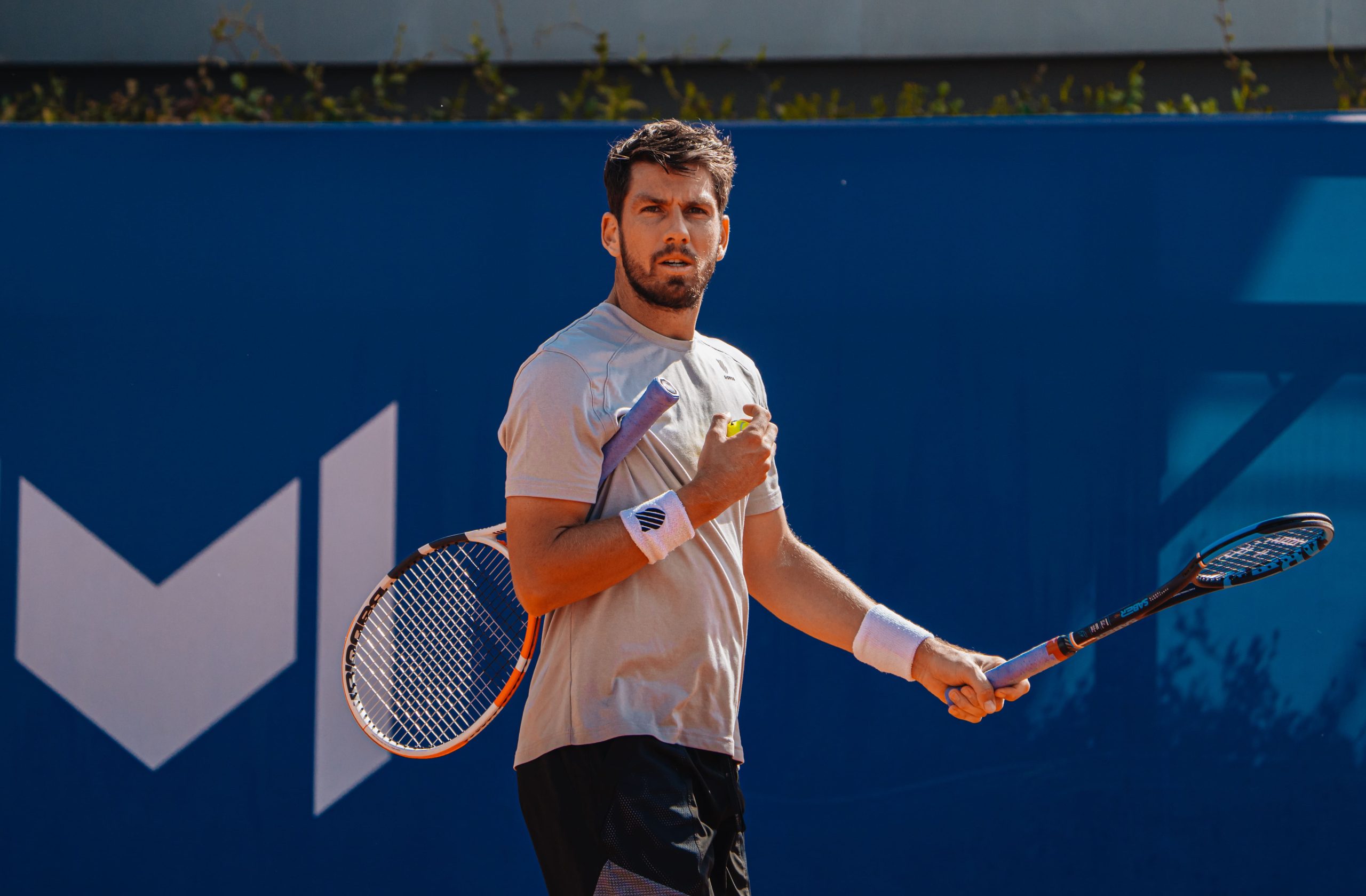
While his early years were spent abroad, Cameron Norrie is a definitive Londoner by choice. A long-time resident of the Roehampton area, he treats the LTA National Tennis Centre (NTC) as his second home.
Norrie’s relentless grinder mentality and tactical left-handed play have made him a staple of the world's top 20, proving that London’s elite training environments can refine a player into a global contender.
Jacob Fearnley: The 2025 Breakout Star

Jacob Fearnley became the talk of the London tennis community in 2025. After a stellar college career, he surged into the ATP top 50, notably upsetting world-class opponents at the Australian Openand Wimbledon.
Although he spent time in the U.S. collegiate system, his professional development is centered in London, where he has become the British No. 3 and a key figure in the next generation of UK talent.
Arthur Fery: Wimbledon’s Local Hero

Literally living in the shadow of the All England Club, Arthur Fery is a true Wimbledon local. A former Stanford University standout, Fery made waves at the start of 2026 with a second-round run at the Australian Open, upsetting the 20th seed.
His game is characterized by a clever, all-court style that reflects the sophisticated tennis culture of the SW19 district where he was raised.
Liam Broady: The London Training Mainstay
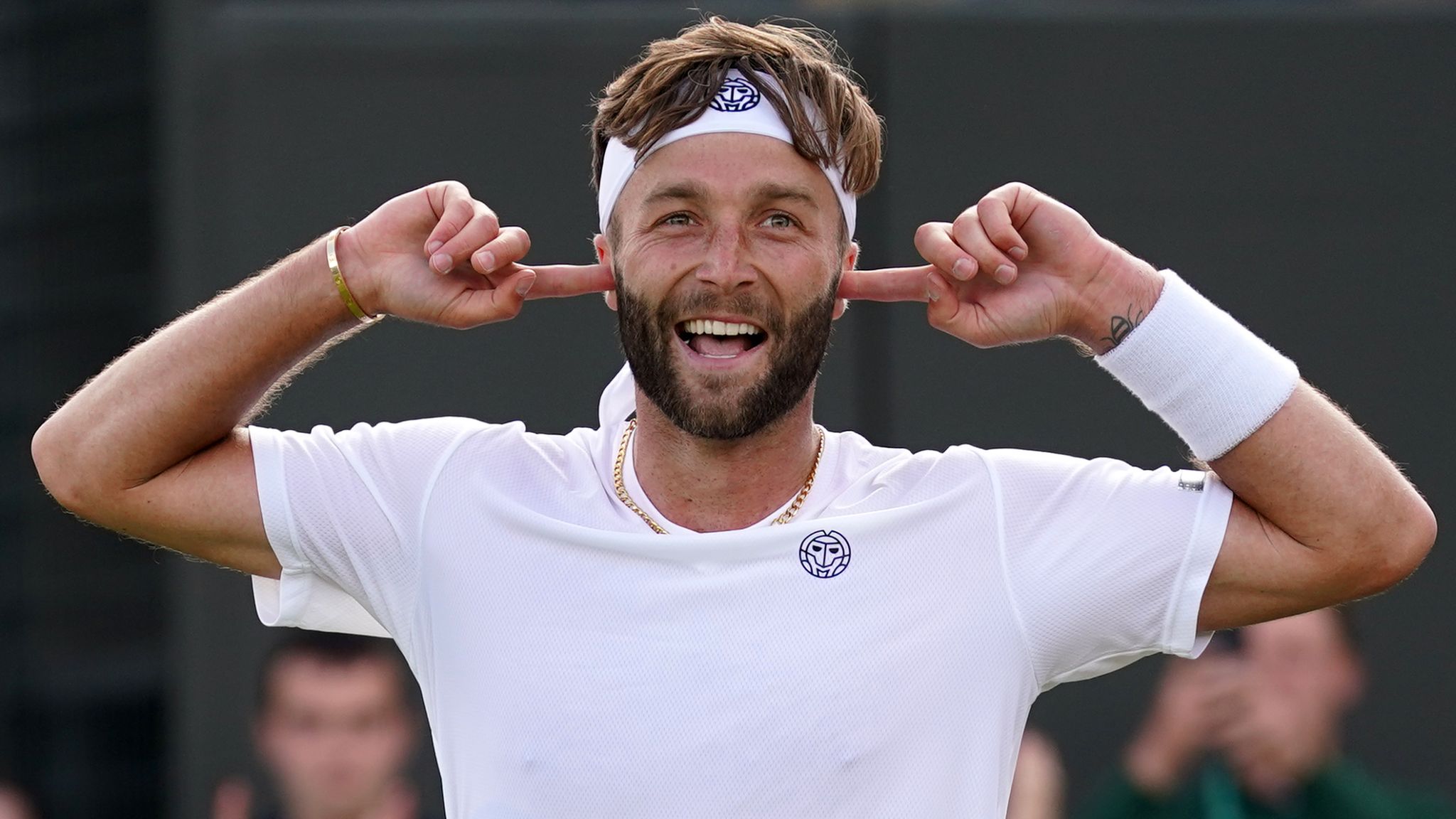
Liam Broady is one of the most recognizable faces at the Queen’s Club and the Roehampton NTC. Known for his resilience and deep connection with the British fans, Broady has spent his career as a stalwart of the London training scene.
His left-handed versatility and consistent presence in the Grand Slam main draws make him a critical veteran voice in the capital’s locker rooms.
The Rising Forces & Specialists
Henry Patten: The Doubles King Of 2025
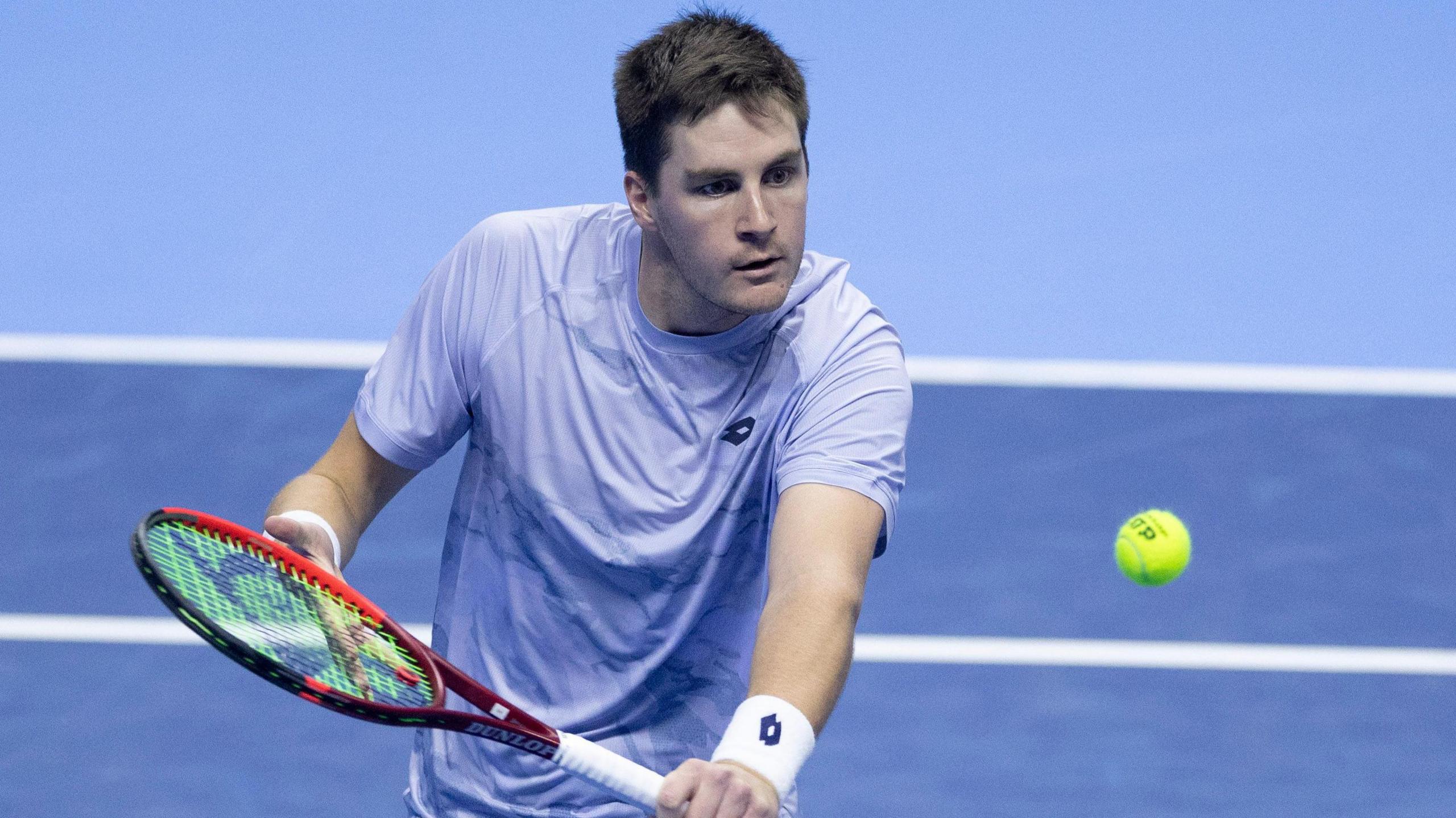
Henry Patten has established himself as one of the world’s premier doubles specialists. Based in London, he capped off a spectacular 2025 by winning the Australian Open and the Nitto ATP Finals alongside partner Harri Heliovaara.
His success highlights London’s status as a world-class hub for specialized high-performance training, particularly at the elite club level.
Julian Cash: The World No. 1
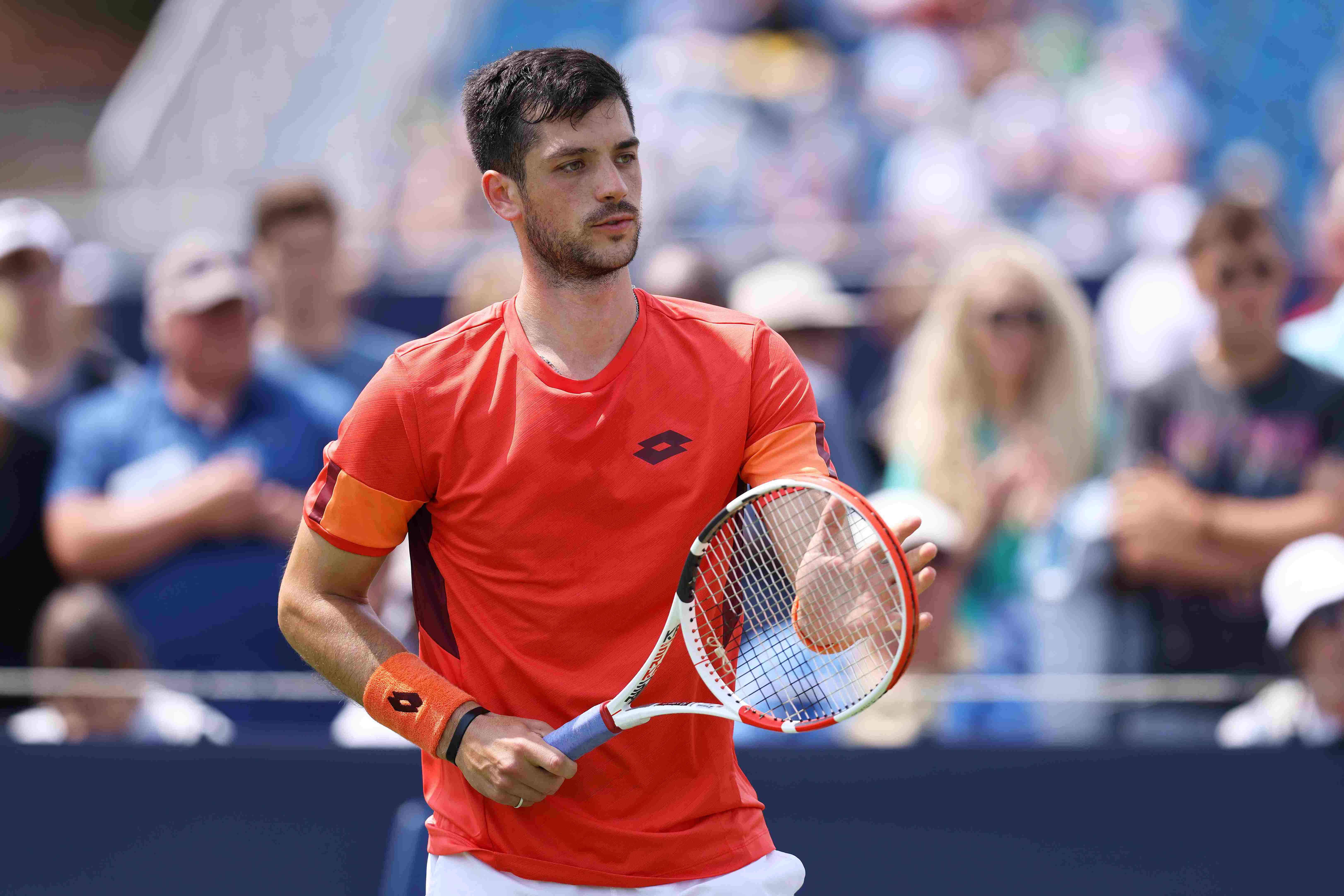
A frequent training partner of the city's top singles stars, Julian Cash reached the pinnacle of the sport in late 2025, becoming the year-end ATP Doubles No. 1.
His journey through the London junior ranks to the very top of the professional doubles circuit serves as a blueprint for young athletes in the city, focusing on the tactical complexities of the paired game.
Alastair Gray: The Twickenham Serve-and-Volleyer

Hailing from Twickenham in Southwest London, Alastair Gray represents a classic, attacking brand of tennis.
Often seen competing at the Surbiton Trophy or training at local academies, Gray’s transition from a successful U.S. college career to the professional circuit has been anchored by his deep roots in the London suburbs.
George Loffhagen: The North London Grit
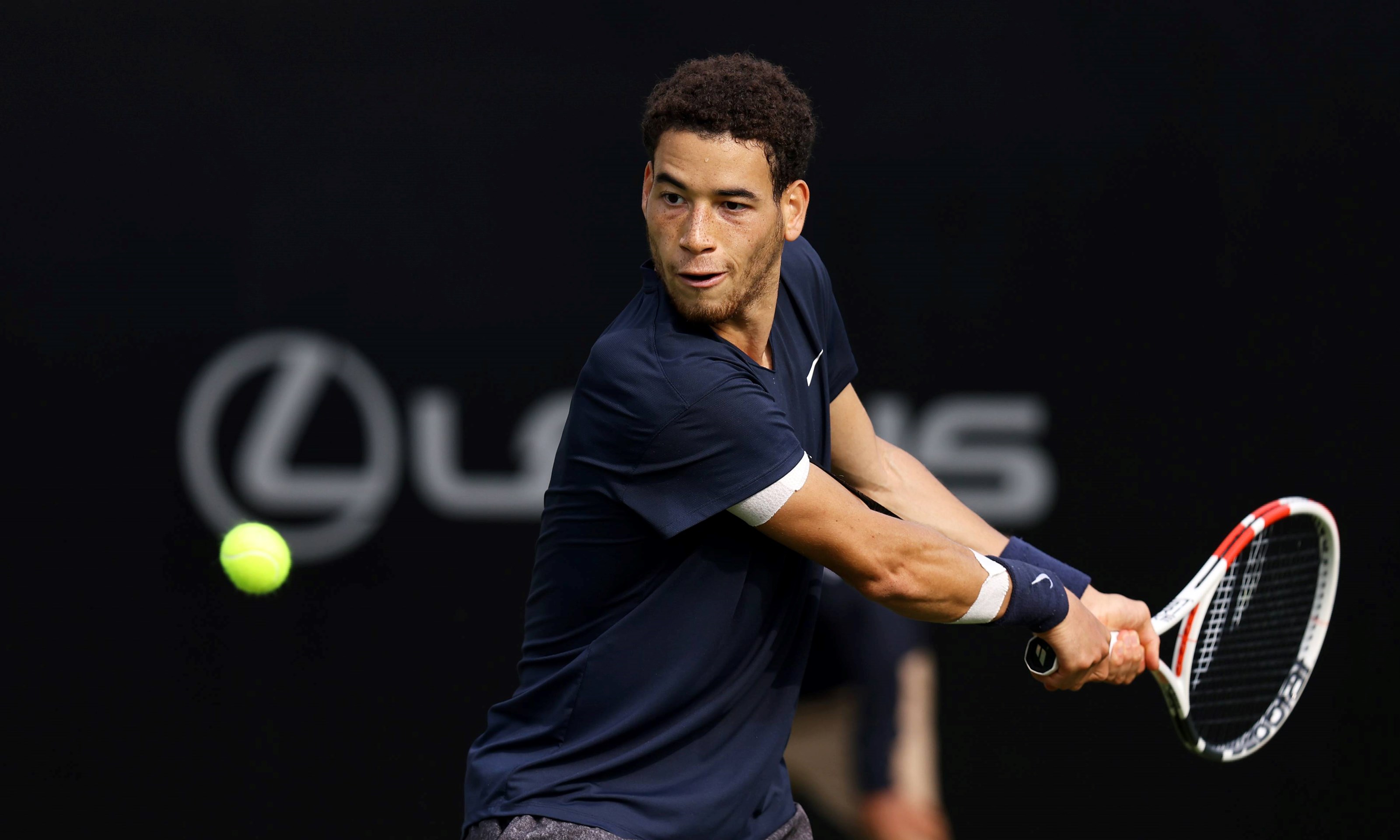
George Loffhagen is a product of the North London tennis circuit, known for a physical and powerful baseline game.
He has steadily climbed the ATP Challenger rankings, often utilizing the public and private facilities of North London to maintain his competitive edge while transitioning toward the ATP Tour's primary draws.
Oliver Bonding: The Junior Sensation
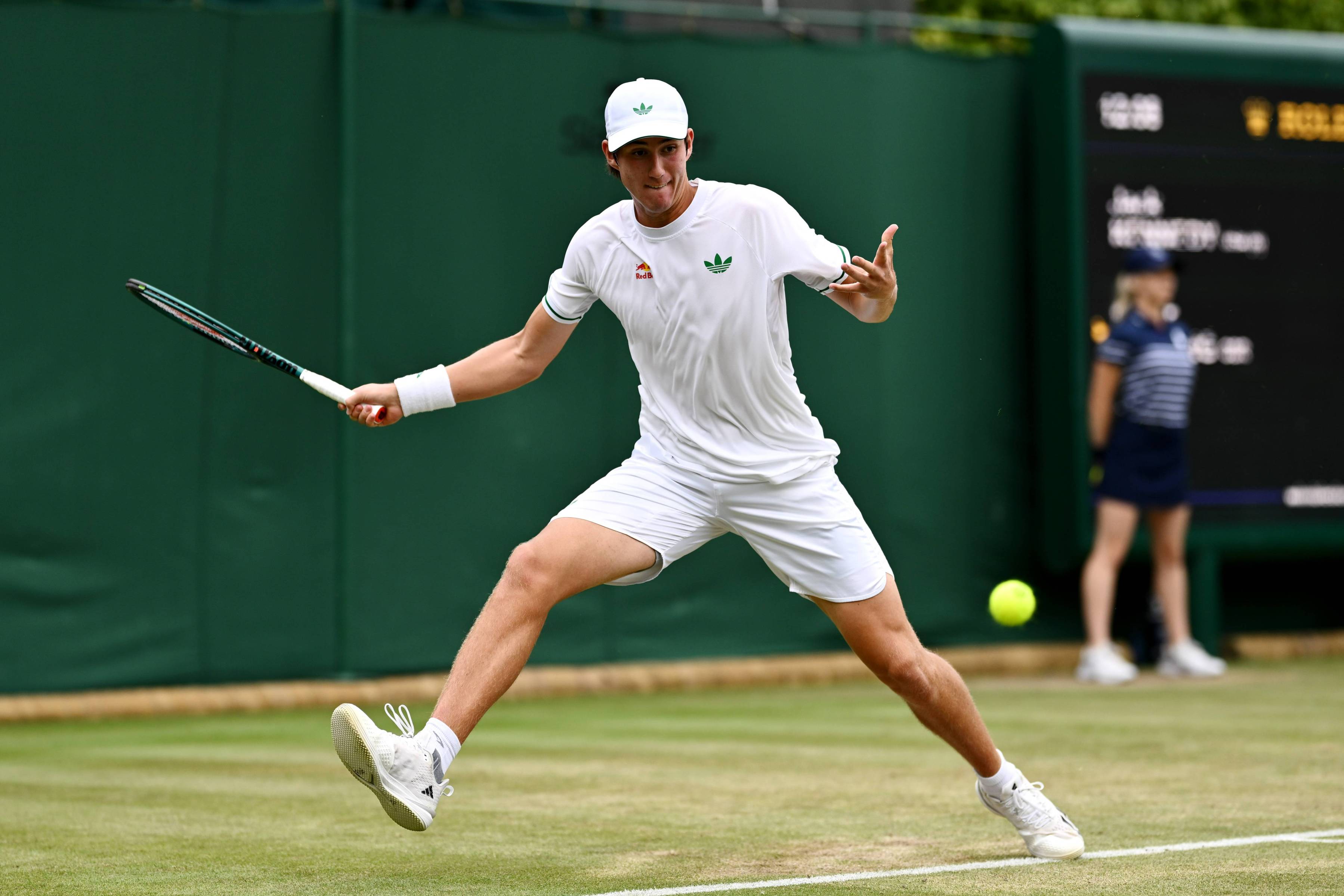
As one of the highest-ranked juniors in the world, Oliver Bonding is the future of London tennis. Raised in the capital, he has already begun making a name for himself on the ITF Junior circuit.
His development is a primary focus for London-based coaches who see him as the next potential homegrown superstar to follow in the footsteps of Draper.
The London Legends
Andy Murray: The Adopted London Icon
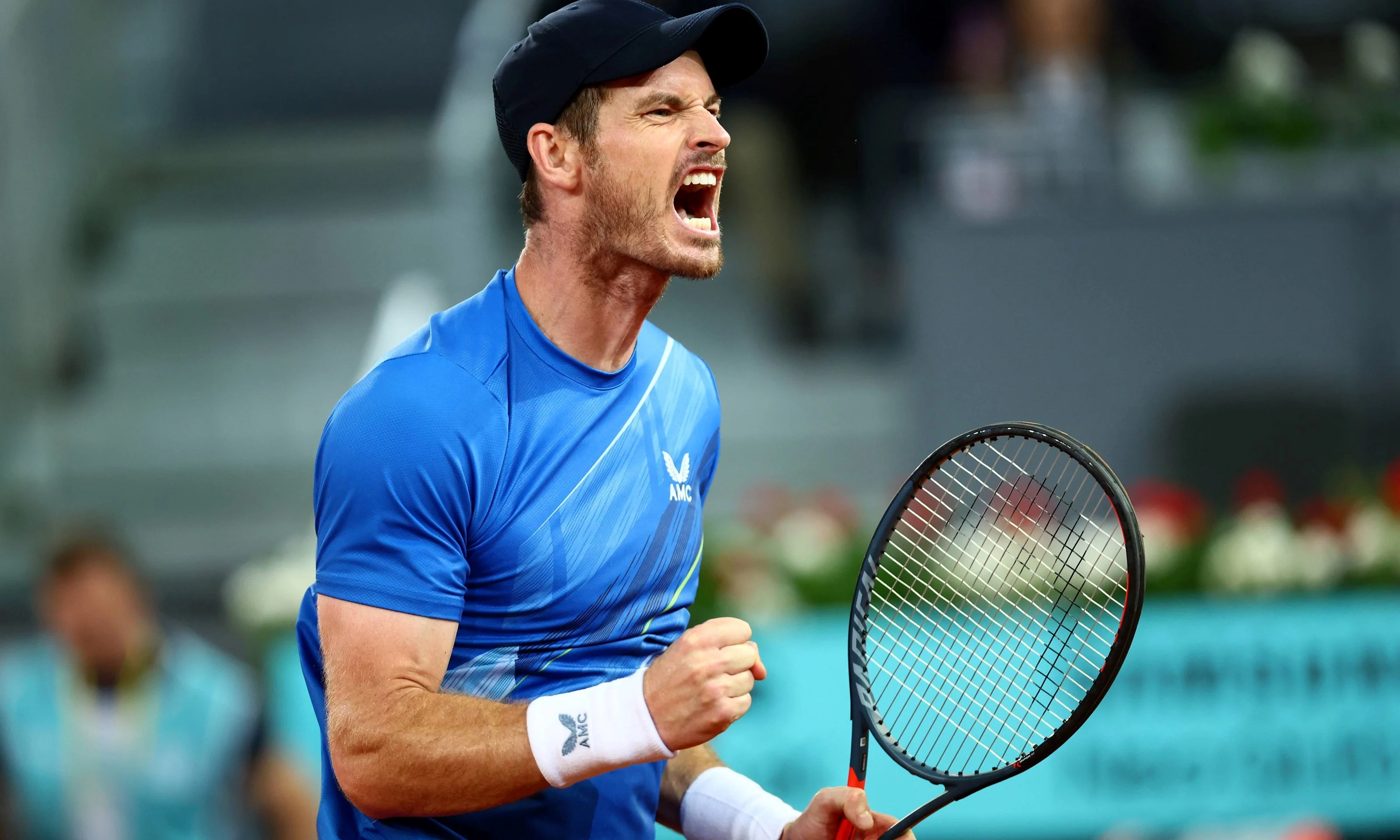
While famously Scottish, Andy Murray has been a resident and face of the London/Surrey tennis world for nearly two decades.
His historic Wimbledon titles and Olympic goldswere fueled by the elite facilities at Roehampton. Murray’s presence in the city has fundamentally elevated the standard of professional tennis in London, acting as a magnet for global talent.
Tim Henman: The Pulse Of SW19

Tim Henman is synonymous with the London summer. During his career, he made the city the center of the tennis universe every June.
Now a resident and prominent figure at the Queen’s Club and Wimbledon, Henman remains a vital bridge between the sport's traditions and its modern professional era in the capital.
Greg Rusedski: The High-Speed London Veteran
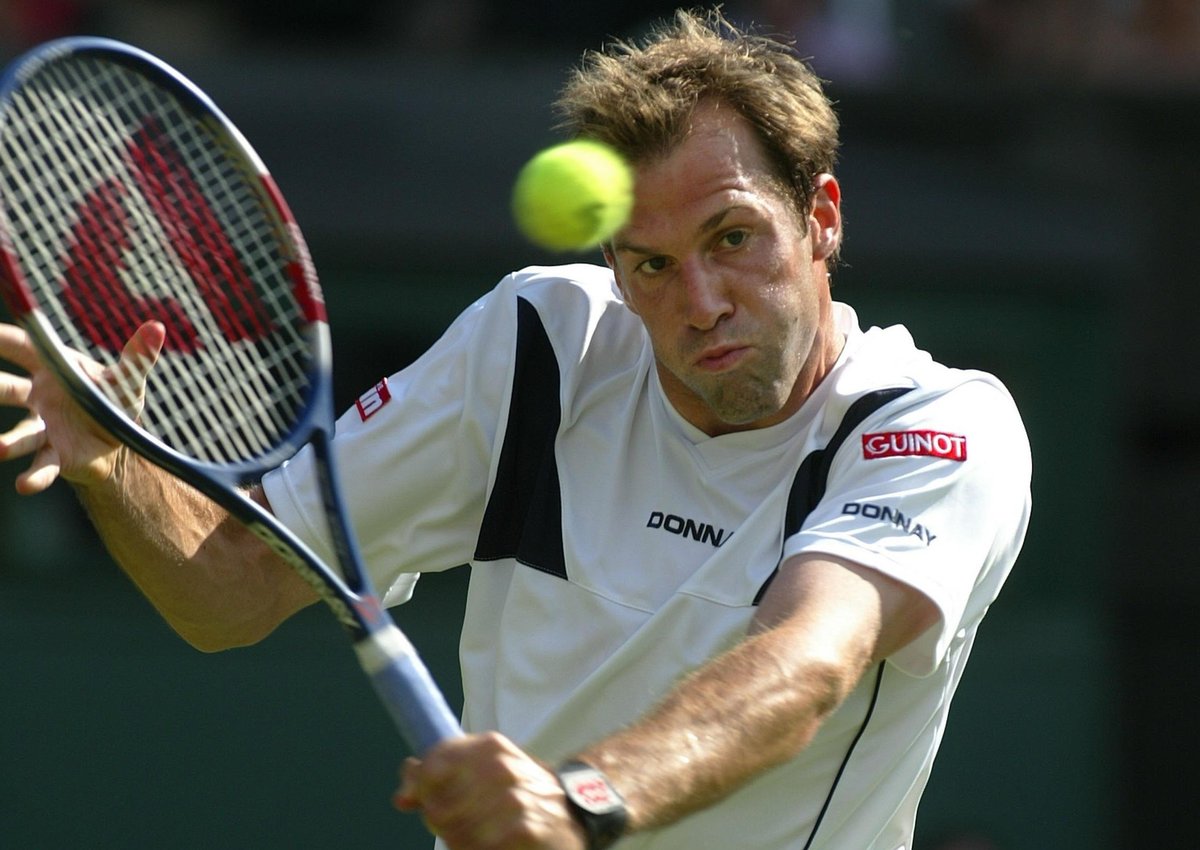
A former world No. 4 and US Open finalist, Greg Rusedski has been a London-based legend since the mid-90s.
His involvement in local academies and his work with the LTA in London have helped shape the careers of many current pros, ensuring that his experience at the highest level of the game stays within the city’s training infrastructure.
James Ward: The Local Park Success Story

Born in London, James Ward’s journey is legendary among local enthusiasts. He grew up playing on public courts and rose to become a Davis Cup champion and a top 100 player.
His 2015 run at Wimbledon remains a favorite memory for Londoners, proving that the city’s grassroots systems can produce world-class competitors.
Fred Perry: The Ealing Pioneer
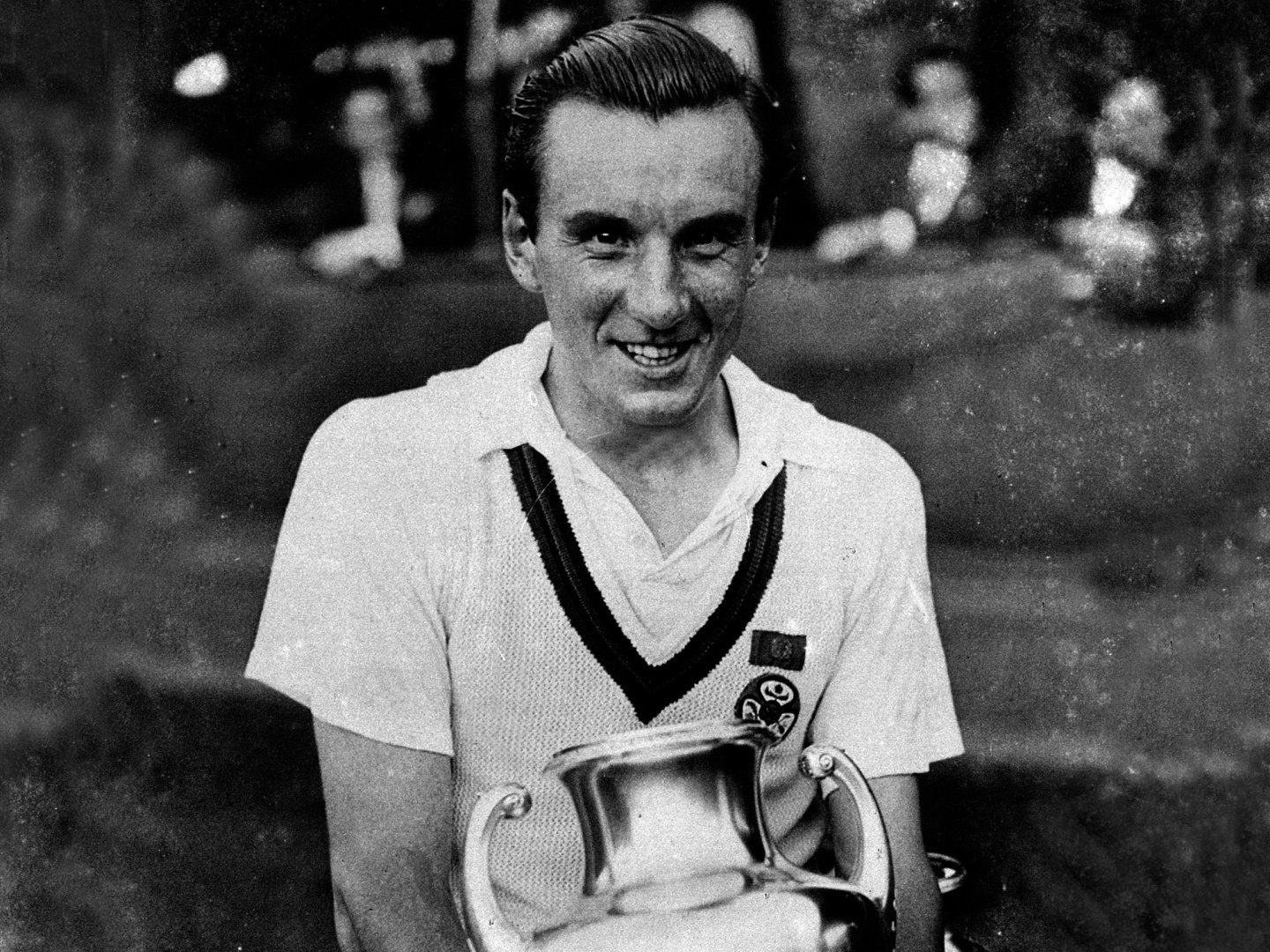
Though his name is global, Fred Perry became a Londoner as a child when his family moved to Ealing. His three consecutive Wimbledon titles in the 1930s laid the foundation for British tennis prestige.
Today, his legacy is visible across West London, from his commemorative statues to the local clubs that still champion his relentless attacking spirit.
The Modern Trailblazers
Emma Raducanu: The Bromley Phenomenon
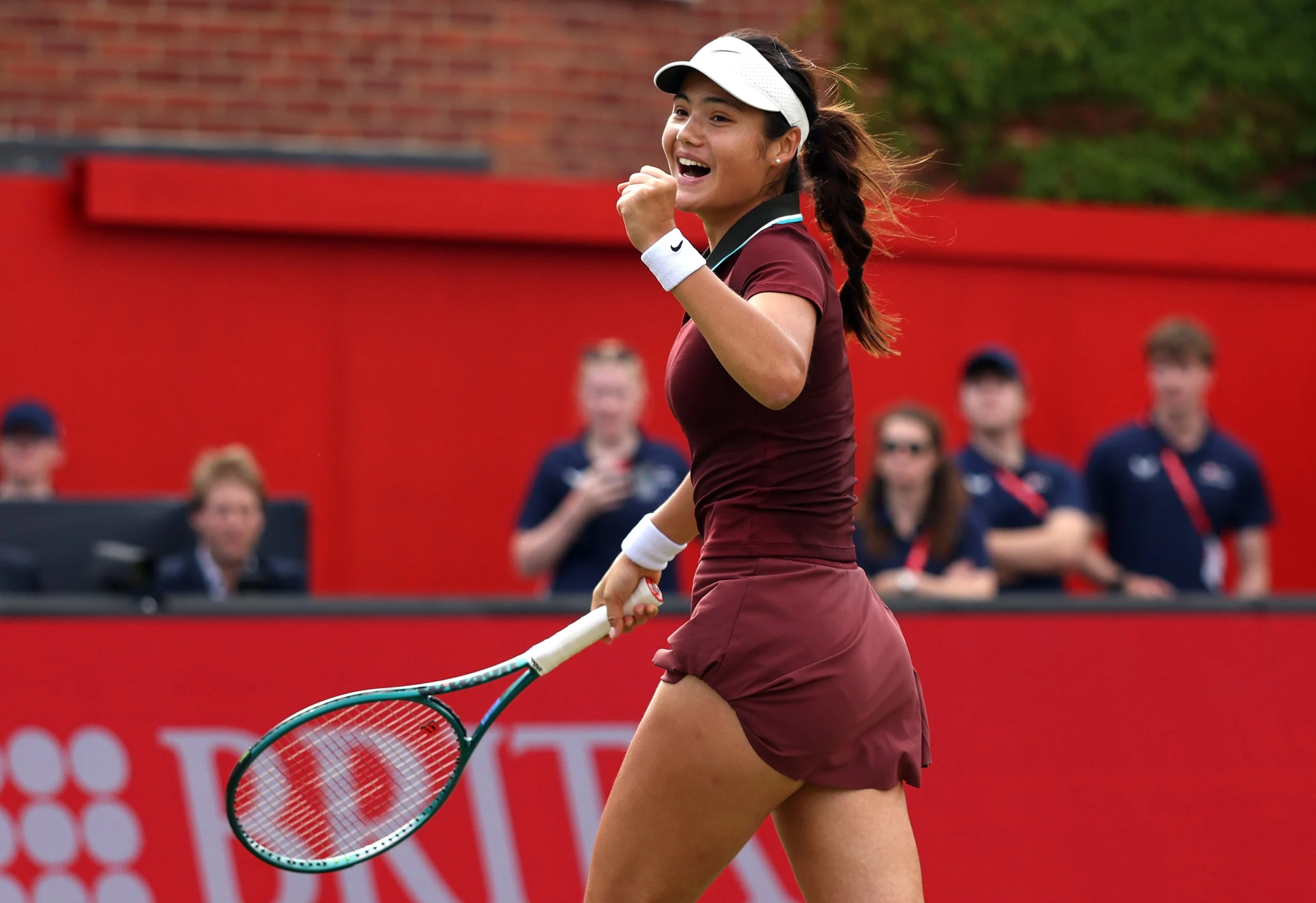
Raised and educated in Bromley, Emma Raducanu is the definitive modern London success story. Her 2021 US Open title, won as a qualifier, is the most significant achievement by a Londoner in decades.
As of 2026, she remains the British No. 1, with her training still frequently centered in the Southeast London clubs where she first picked up a racket.
Sonay Kartal: The London-Born Rising Star
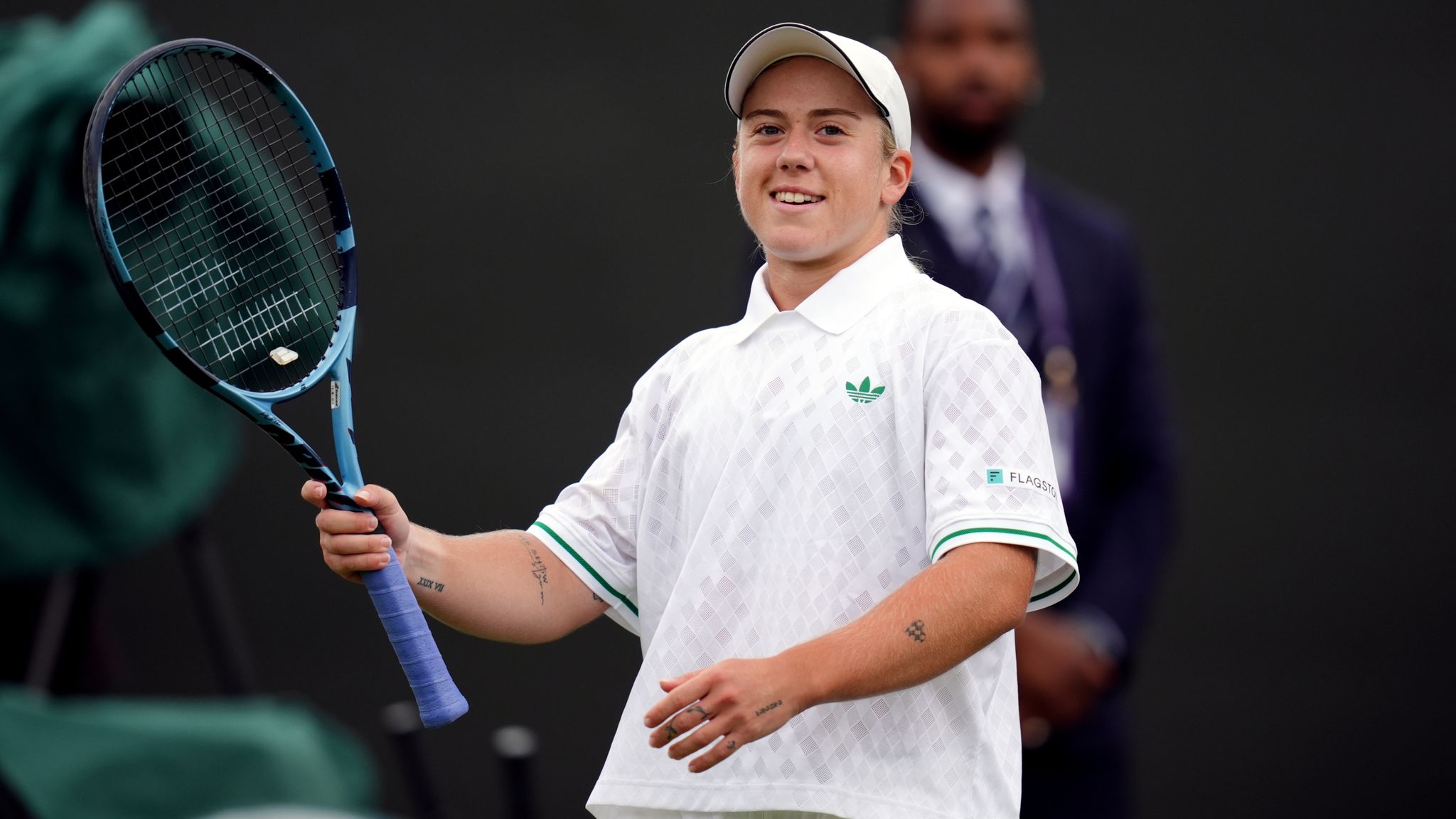
Born in London, Sonay Kartal has seen a meteoric rise over the last two seasons. Following a stellar run to the fourth round of Wimbledon in 2025, she broke into the world’s top 50.
Her career, which started in the local leagues of the capital, exemplifies the London Pathway of moving from grassroots competition to WTA Tour success.
Katie Boulter: The NTC Anchor
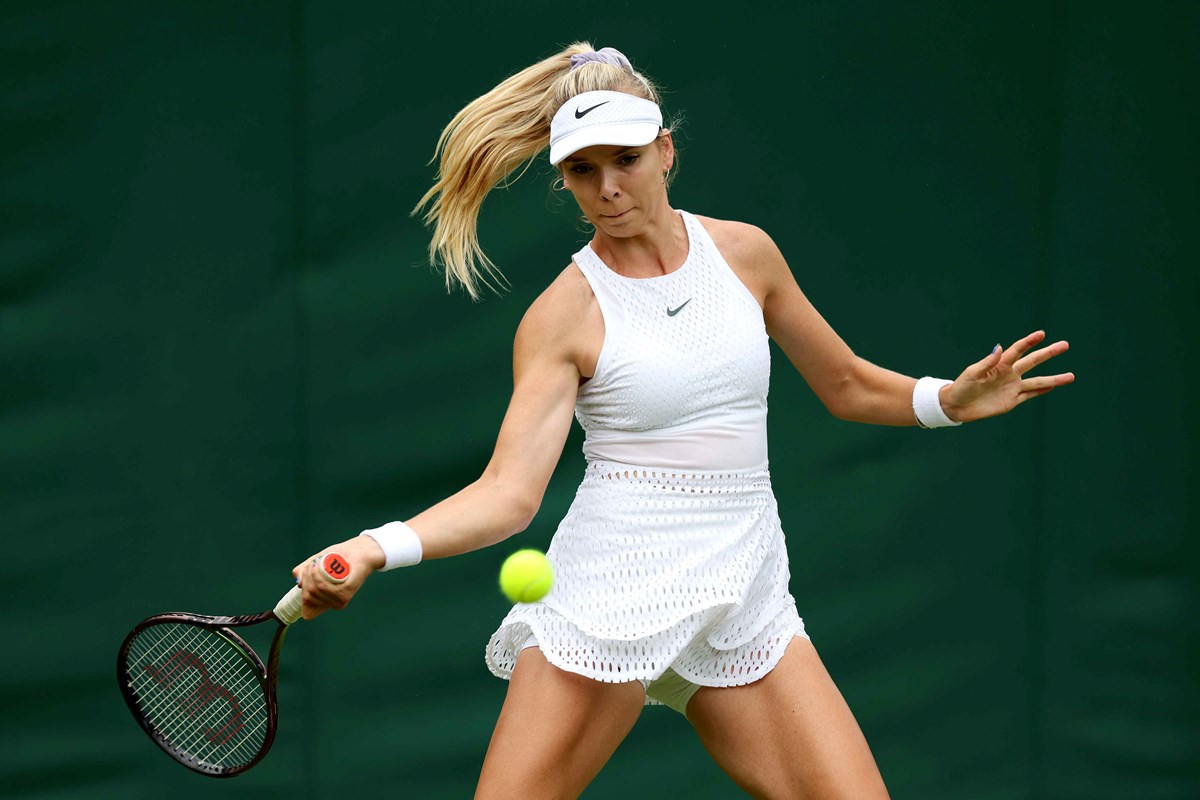
While she grew up in the Midlands, Katie Boulter has been the primary resident of the London National Tennis Centre for years.
Her professional life is entirely centered in the SW15 district, where she has transformed into one of the most dangerous players on the WTA Tour. Her presence in London provides a constant high-performance benchmark for the city's aspiring female juniors.
Francesca Jones: The Resilience Expert
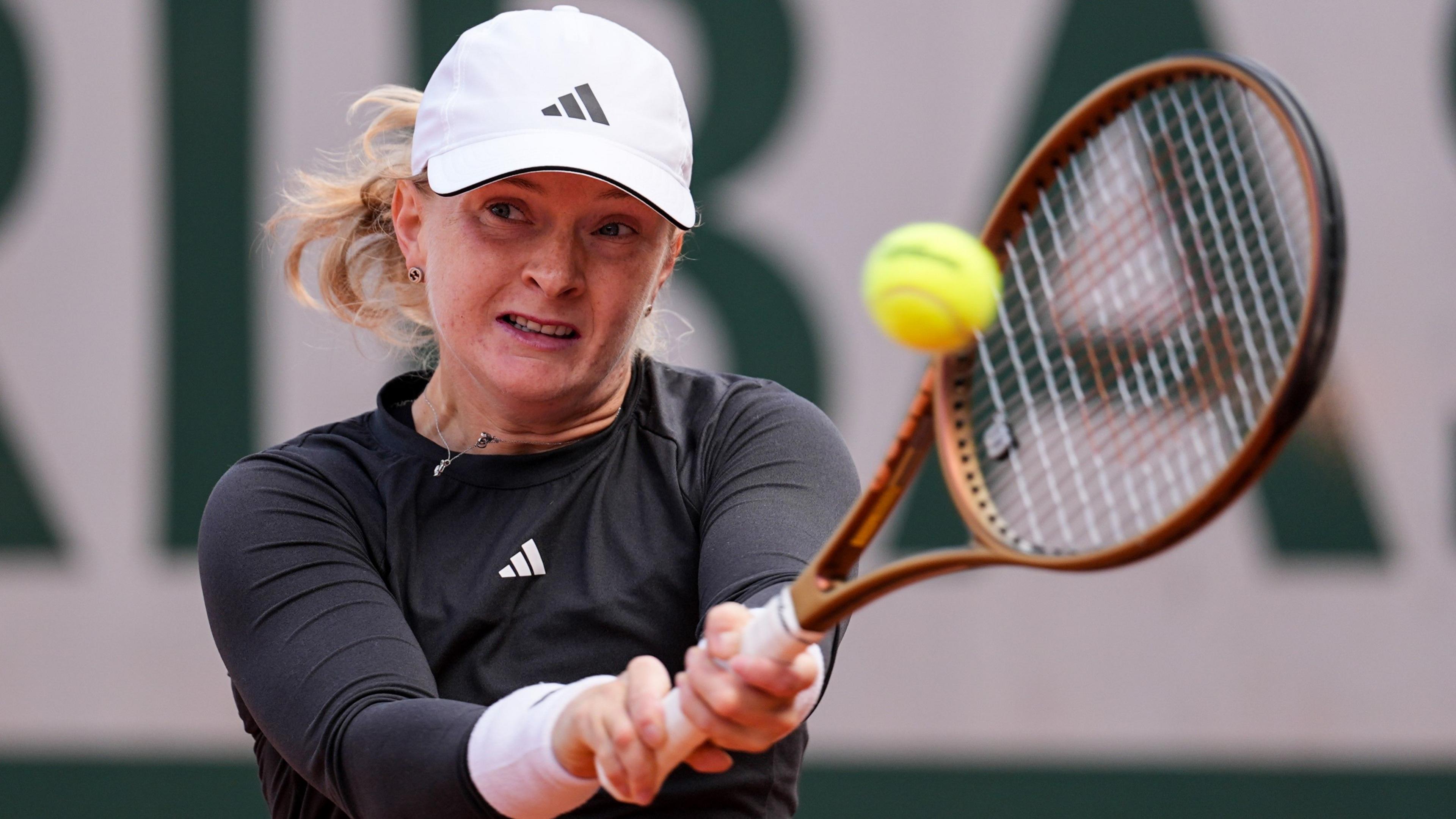
Francesca Jones is one of the most inspiring figures in the sport. Based in London for much of her training, she has overcome significant physical challenges to compete at the Grand Slam level.
Her story is a testament to the specialized medical and coaching support available to professional athletes within the capital's high-performance network.
Harriet Dart: The Hampstead Competitor
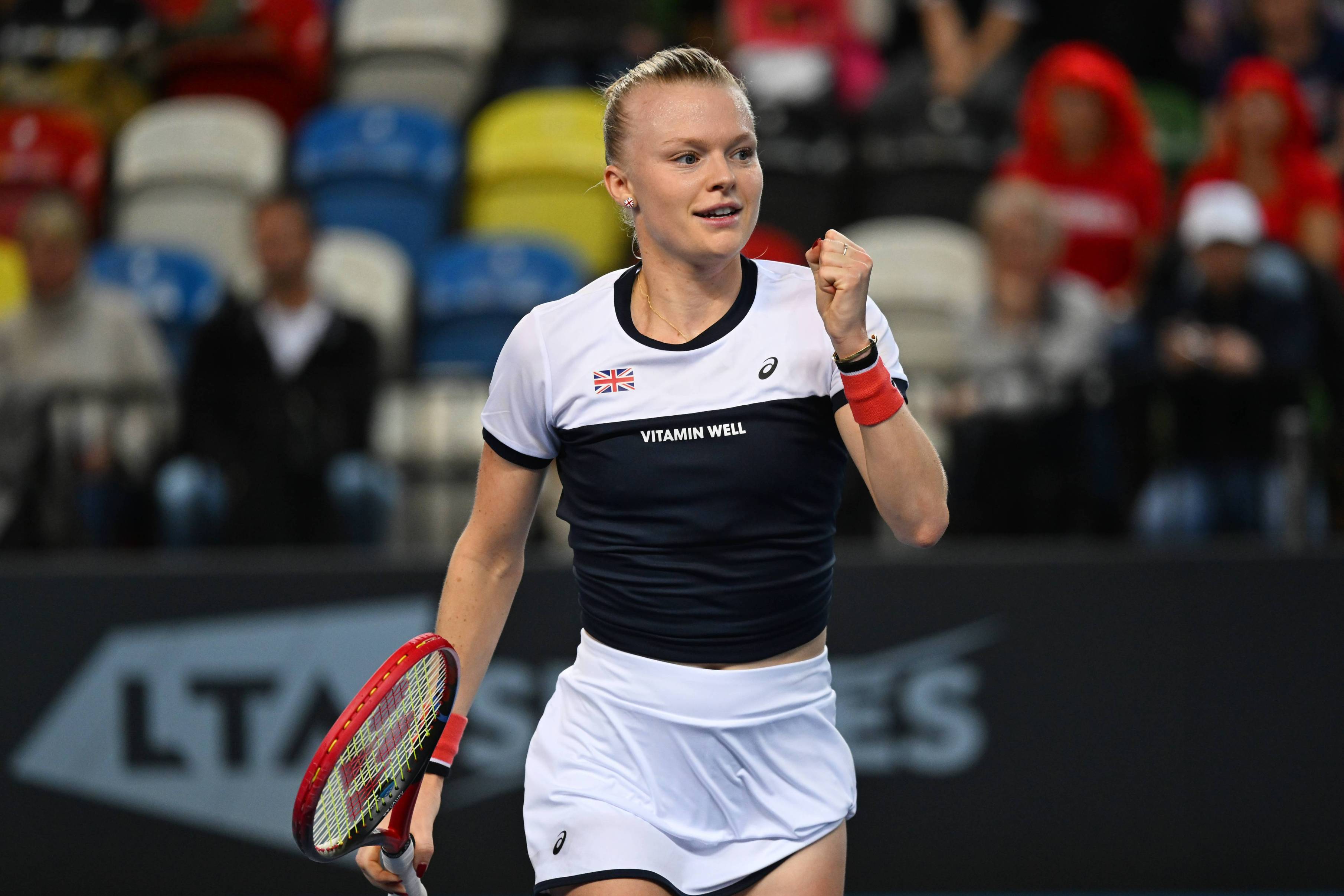
Born in Hampstead, Harriet Dart is the quintessential North London tennis star. A constant presence in the Billie Jean King Cup team, Dart’s competitive spirit was forged in the local clubs of NW3.
Her ability to consistently challenge the world’s top 10 players makes her a local hero for the next generation of players training in London’s northern boroughs.
High-Performance Competitors & Future Stars
Jodie Burrage: The Kingston Powerhouse
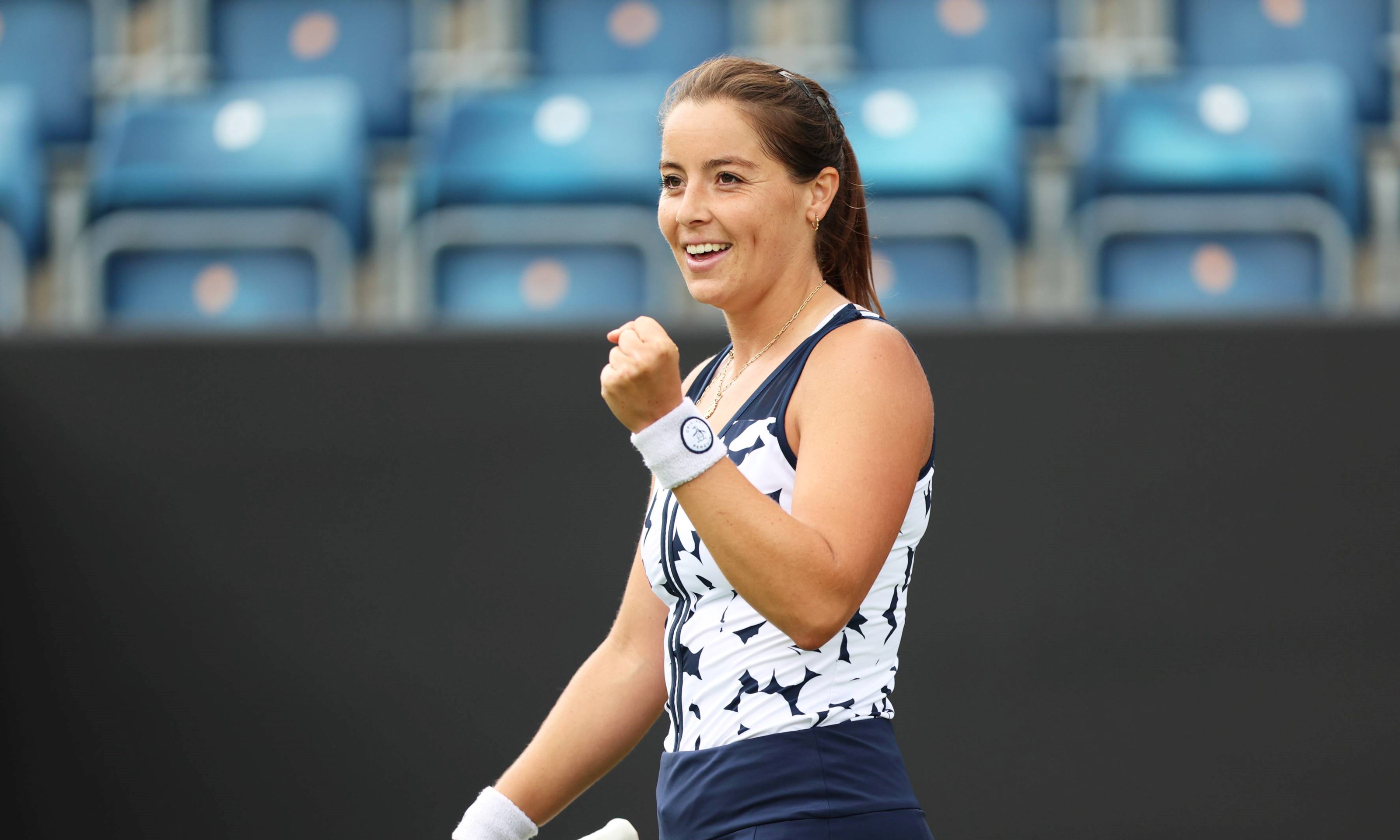
Hailing from Kingston-upon-Thames, Jodie Burrage represents the strength of the Southwest London tennis corridor. Her aggressive, high-energy game has seen her break into the top 100 and secure massive wins at Wimbledon. Burrage’s ties to the Surrey-London border clubs make her a pivotal figure in the regional tennis scene.
Lily Miyazaki: The Tactical Specialist

Based In London, Lily Miyazaki Is Known For Her Exceptional Tactical Intelligence And Court Coverage. Often Seen Training At The Roehampton NTC, She Has Become A Regular Fixture In Grand Slam Qualifying And Main Draws, Proving The Effectiveness Of The City’s High-performance Systems For Late-blooming Professional Talent.
Heather Watson: The London Veteran
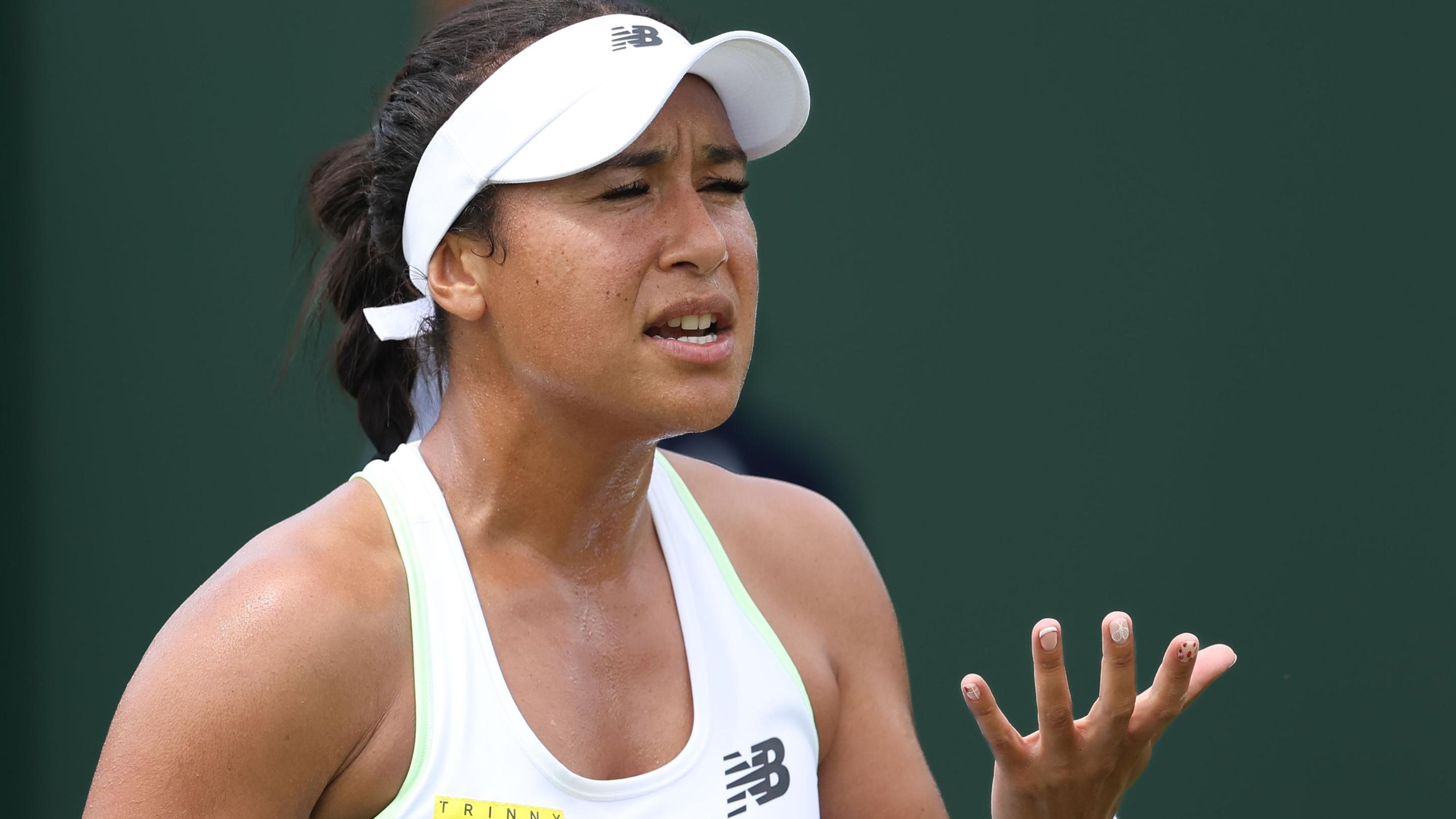
A long-term resident of the capital, Heather Watson remains one of the most respected figures in British tennis. Her Grand Slam mixed doubles success and her career-long consistency have made her a mainstay of the London training circuit, where she continues to compete at the highest level while mentoring younger players at the NTC.
Katie Swan: The High-Performance Pro
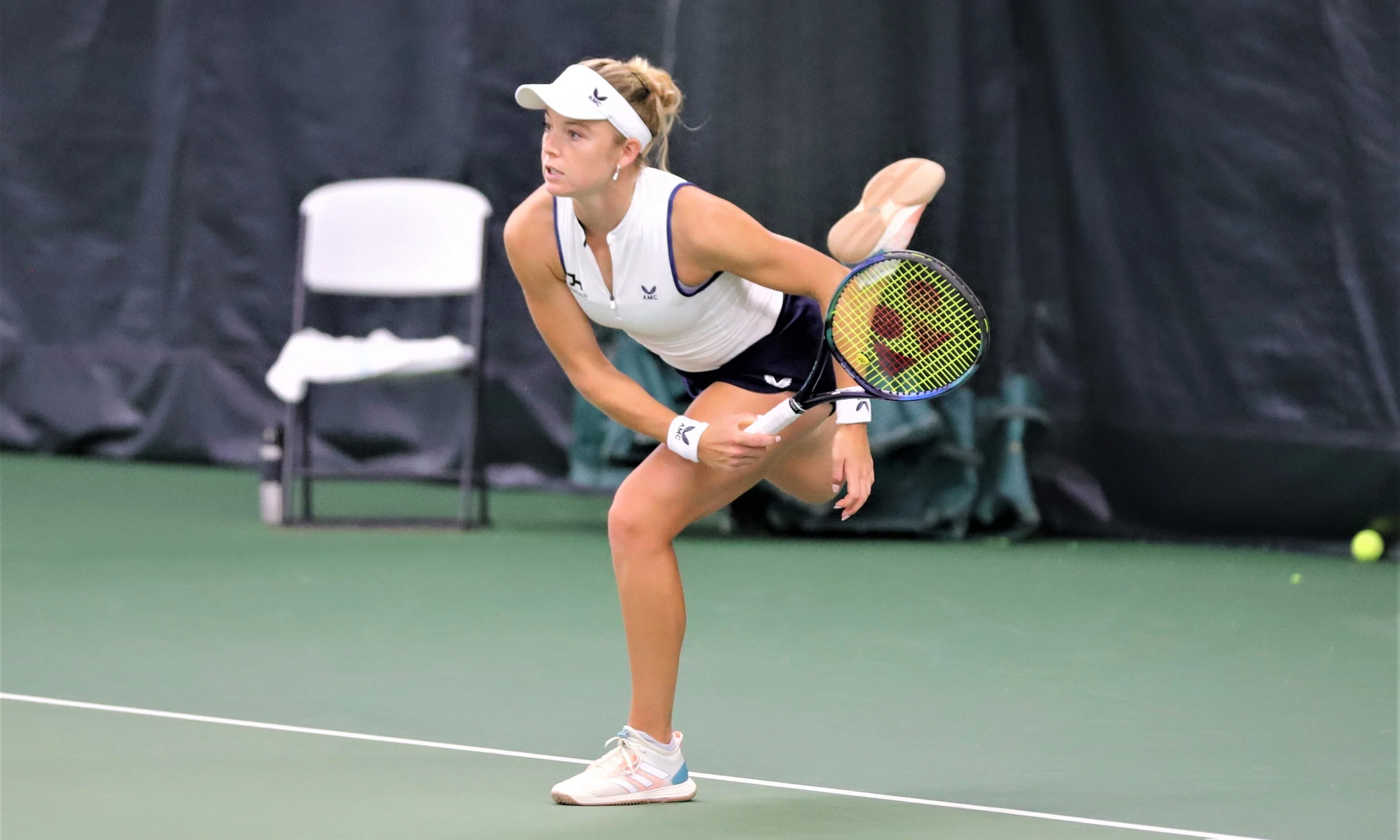
Katie Swan has been a key member of the London professional community for several years. Based at the city’s elite training hubs, she has balanced a successful individual career with dedicated service to the British national team.
Her career reflects the professional discipline required to stay competitive in the high-stakes environment of London tennis.
Mika Stojsavljevic: The Future Of Ealing
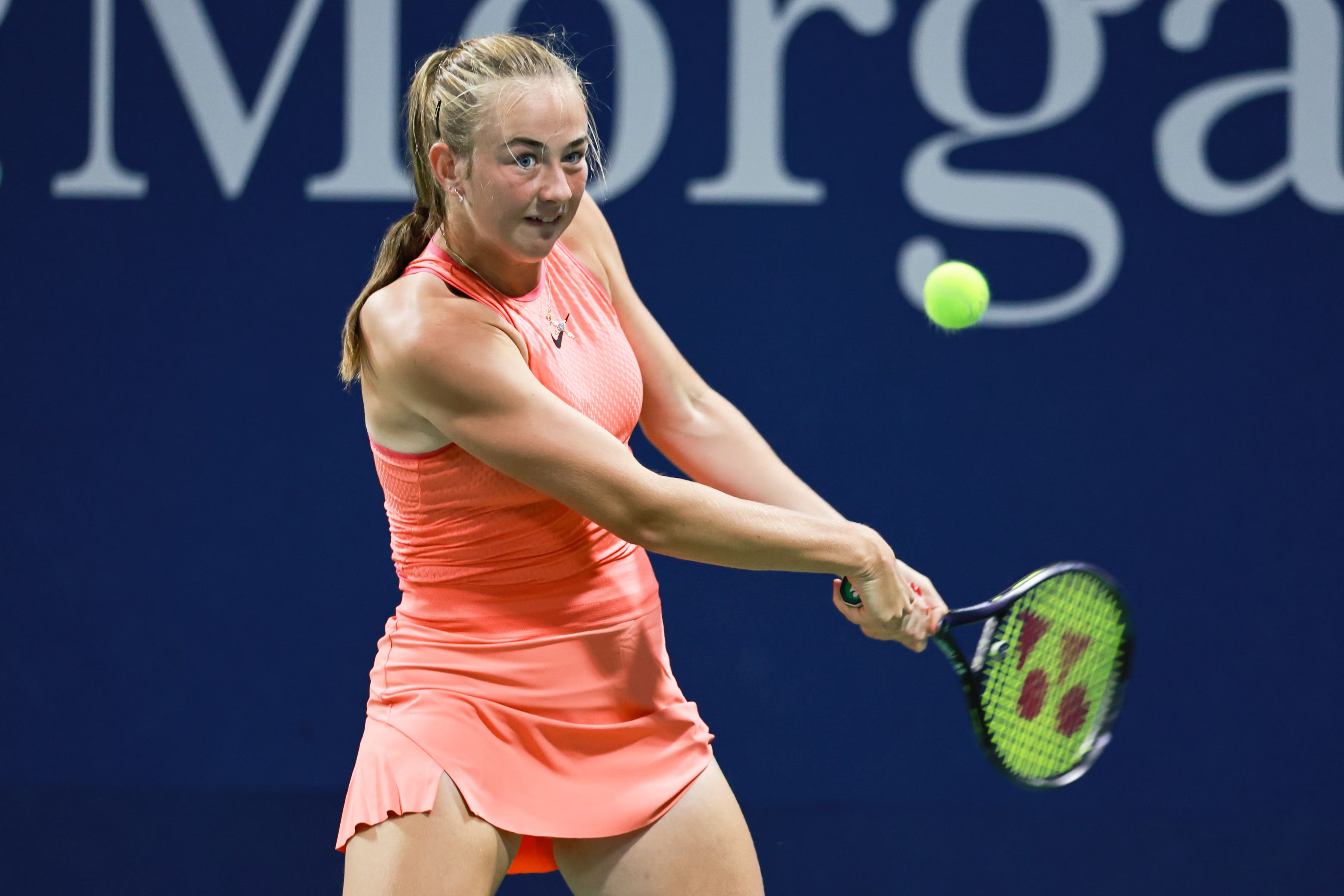
Born in 2008 and raised in Ealing, Mika Stojsavljevic is the brightest young prospect in London. In 2024, she became the first Brit in 15 years to win the US Open Girls' singles title.
Her development at Ealing Lawn Tennis Club and the NTC makes her the one to watch as she transitions fully into the professional WTA ranks in 2026.
The London Training Machine: Where Champions Are Made
The reason so many famous tennis players from Londonemerge is no accident; it is the result of a concentrated infrastructure of elite facilities.
Roehampton: The Hub Of British Tennis
Located in SW15, the LTA National Tennis Centre (NTC) in Roehampton is a sprawling complex that serves as the office for most top-tier British pros.
The LTA National Tennis Centre opened in 2007 and has 20 tennis courts, three padel courts, accommodation, and a sports science centre.
The Sutton Academy: A South London Talent Factory
The Sutton Tennis & Squash Club has long been a focal point for UK tennis players, female and male alike.
By providing a bridge between junior local leagues and the professional ITF circuit, academies like Sutton ensure that the transition to the pro ranks is manageable for local talent.
London Player Geography Map
| Player | Primary London Borough |
| Emma Raducanu | Bromley |
| Jack Draper | Sutton |
| Anne Keothavong | Hackney |
| Kyle Edmund | Trained Roehampton |
When To Watch London Tennis: The Annual Rhythm
If you want to feel London tennis as a living scene, not just a Wikipedia list timing matters. The city’s peak tennis visibility follows a predictable rhythm tied to the grass season and the Wimbledon orbit.
The London tennis calendar in plain English
- Early-to-mid June:Queen’s Club becomes the city’s grass-court focal point. In 2026, the Queen’s Club schedule shows the HSBC Championships running 8–21 June 2026.
- Mid-to-late June:The ATP portion of Queen’s typically sits in the week immediately before Wimbledon; ATP lists the 2026 ATP event as 15–21 June 2026.
- Late June to early July:Wimbledon takes over the city’s attention. The official Wimbledon schedule lists 29 June–12 July 2026.
Illustrative scenario:A fan who only pays attention during Wimbledon week misses how London tennis warms up at Queen’s and how many London-linked players surface there first. Following the June Wimbledon rhythm turns a one-week interest into a coherent season.
Takeaway:London tennis has a reliable annual pulse, Queen’s in June, Wimbledon late June/early July, and aligning your updates to that cycle keeps the article accurate and useful.
How London Shapes Training Pathways
Promise: You’ll understand why so many London-linked bios point to the same places and what that says about the city’s tennis pipeline.
The NTC Effect: A National Hub Inside London
London isn’t just where big tennis happens on TV; it’s where infrastructure concentrates.
The LTA’s National Tennis Centre (NTC) in Roehampton is a major performance hub: it opened in 2007 and includes extensive court provision and sports science support, alongside services for Britain’s high-performance teams.
That’s why you’ll repeatedly see Trains: National Tennis Centre, Roehampton, or Trains: NTC/Wimbledon on British player bios.
Illustrative scenario:A doubles specialist based in Wimbledon treats Roehampton like an office commute, not because it’s glamorous, but because it’s where consistent high-performance resources are concentrated.
Takeaway:Roehampton’s NTC helps explain why London appears in training fields even when a player wasn’t born here.
A Simple Pipeline Lens For London Tennis
For readers trying to make sense of London's origins, the most useful mental model is progression:
- Local club / local authority courts foundation
- County and regional competition selection pressure
- National hubs and tour-level access specialisation and support
This is also where your from London list expands: some players are London-born; others become London-shaped through the pipeline.
Takeaway:London produces players both by birthplace and by pathway. Your list should label which is which.
Frequently Asked Questions (FAQ)
Who Are Some Verified Tennis Players From London Right Now?
Examples with explicit London-area birthplaces include Jack Draper Sutton, Harriet Dart London, Joe Salisbury London, Dominic Inglot London, and Sonay Kartal Sidcup.
Are Sidcup And Sutton In London For This Search?
Yes, in practical terms, from London usage, because tennis bios often name districts/boroughs, e.g., Sutton, Sidcup, rather than the word London.
What’s The Difference Between Being Born In London And Being Based In London?
Born in London uses the place of birth. Based in London usually shows up as Lives: London/Wimbledon and can change over a career.
Why Do So Many British Players List Roehampton Or NTC/Wimbledon?
Because the LTA National Tennis Centre in Roehampton provides training and performance services for Britain’s high-performance teams, many players base their training there.
Where Can A Reader Verify British Players’ Hometown Details Quickly?
The LTA’s official British player profiles are designed for this: they display Quick-fire facts like birthplace, where the player lives, and where they train.
Who Are The Top 10 British Tennis Players?
That list changes frequently. The most reliable method is to use an official rankings hub and avoid hard-coding a static top 10 into evergreen content.
How Are British Rankings Compiled On Official Hubs?
LTA’s own explanation of how their rankings use the best results within the previous 52 weeks and the combined ranking formula.
Who Are The Big 4 Tennis Players?
In modern tennis commentary, the Big Four commonly refers to Roger Federer, Rafael Nadal, Novak Djokovic, and Andy Murray.
Who Is The British No. 5 Tennis Player?
As of February 2026, the British No. 5 spot is a battle between Billy Harris and Arthur Fery. Rankings update every Monday; check the LTA official hub for the current week's standing.
Are There London-born Doubles Specialists Worth Following?
Yes, examples include Joe Salisbury, born in London, who lives in Wimbledon, and Dominic Inglot, born in London, both with London-linked profiles.
Is It Normal For A London-born Player To Train Outside London?
Very normal. Training fields often reflect where the best fit is right now, not where a player grew up. For example, some London-born players list training bases that aren’t in London.
Why Do Different Websites Disagree On Where A Player Is From?
Many sites choose different fields; some prioritise birthplace, others residence, others training base. A consistent list of labels whose definition it uses.
What’s The Easiest Way To Avoid Publishing A Wrong London-player List?
Use a checklist: confirm Place of birth / Lives / Trains from an official profile, record the last updated date, and only then publish.
Which London Event Is Most Associated With Pre-Wimbledon Grass Tennis?
The HSBC Championships at The Queen’s Club, West Kensington, London, is a key annual grass-court event in the city.
Can Tennis Players From London Include Players Who Just Train There?
It can, but it should be labelled as a London-linked training base rather than London-born, especially when NTC/Wimbledon appears in the training field.
Final Thoughts
From the Golden Age of Fred Perry to the modern dominance of Emma Raducanu, London has always been more than a venue; it is a birthplace for champions.
The city’s unique geography, a mix of high-performance academies and gritty public parks, creates a diverse range of styles and personalities that continue to shape the global game.
As you walk past your local court in any borough, remember: you might just be looking at the next London icon in the making.
Also Check Out: Footballers From London
London is more than just a host city; it is a sprawling talent incubator. To truly understand the DNA of British tennis, one must look at the specific streets and clubs where these athletes developed their craft.
As someone who has spent years mapping the city's cultural geography, I see every borough as having its own unique tennis signature from the hard courts of Hackney to the pristine lawns of Wimbledon.
This guide organizes London's most prominent players into the eras and locations that defined them, offering a glimpse into the heart of the capital’s sporting heritage.
Key Takeaways
- Emma Raducanu:The most famous modern Londoner in the sport, raised and trained in Bromley, Southeast London.
- Jack Draper:A rising ATP force representing Sutton and the South London/Surrey borders.
- Roehampton (SW15):The location of the LTA National Tennis Centre, the high-tech heart of British player development.
- Infrastructure:Success often stems from a mix of elite academies and the park circuit found in boroughs like Islington and Merton.
Source & Labeling
Each player below is labeled as London-born, London-based, or London-trained using the LTA’s Quick-fire facts.
When a player isn’t on the LTA hub, the label is based on the closest official equivalent ATP/WTA/ITFor the player’s own verified bio, and it’s stated explicitly.
London’s Tennis Identity: Why Is It Complicated?
Promise: You’ll learn the three meanings of from London used across tennis biosand how to pick the right one for your purpose.
The Three Definitions From London That Actually Show Up In Tennis
A player’s identity can be London in more than one way, and modern careers make it normal for those signals to diverge.
- Place of birth:This is the simplest answer to the keyword: the player was born in London or a named London district, e.g., Sutton, Sidcup, Hackney.
- Lives:Players often list where they live nowuseful for London-based players, but not the same as being London-born.
- Trains:This is where London gets quietly powerful. A player might train in NTC/Wimbledon or Roehampton and spend huge chunks of the year in Londonwithout being born here.
Takeaway:Decide first whether you mean born, based, or trained in Londonthen your list becomes consistent instead of contradictory.
How To Read Tennis Bios Like A Fact-Checker
Here’s the simplest method a careful reader uses:
- Prefer primary fields:Place of birth, Lives, Trains over narrative paragraphs.
- Capture the source date:official profiles often include a last updated date; use it as your freshness cue.
- Treat rankings as volatile:even official lists change week to weekavoid baking exact positions into evergreen content unless you stamp them.
Takeaway:A good London-player list is built from stable bio fields and refreshed on a schedule, not copied once and forgotten.
Common Mistakes In London Player Lists
The fastest way to lose reader trust isn’t missing a name; it’s labeling a name incorrectly. London tennis identities often split across birthplace, residence, and training base, and most weak lists mash them together without telling you which is which.
The most common mistakes to avoid
- Using London as a catch-all:a bio that says Sidcup or Sutton is still London-linked, but you should name it as written, then clarify it sits within Greater London.
- Confusing training base with origin:NTC/Roehampton is a London-trained signal, not automatically London-born.
- Relying on listicles as proof:they’re fine for discovery, but the verification must come from Quick-fire facts or an official database page.
- Freezing rankings in time:Top 15, British No.1, No.5 changes fast if you include it, stamp it.
- Not labeling the definition:readers need to see London-born / London-based / London-trained at a glance, or they assume you’re guessing.
- Ignoring doubles and wheelchair tennis:many London player lists skew singles-only, which quietly under-represents the city’s actual footprint.
Illustrative scenario:A reader sees London on one site, Wimbledon on another, and NTC Roehampton on a third, and assumes at least two sources must be wrong. In reality, they’re often reporting different bio fields. Your labels resolve that conflict instantly.
Takeaway:A great London list doesn’t just name players, it shows what kind of London link each name actually has, and where that fact came from.
The Modern Vanguard
Jack Draper: The Pride Of Sutton
Born and raised in the leafy suburb of Sutton, Jack Draper has rapidly ascended to become the face of modern British tennis.
As of February 2026, he is firmly entrenched in the world’s top 15, following a breakthrough 2025 that saw him capture his first ATP Masters 1000 title at Indian Wells.
His powerful, left-handed game was forged on the South London/Surrey borders, representing a seamless blend of natural raw talent and the high-performance coaching available in the capital's southern hubs.
Cameron Norrie: London-based, NTC-linked
While his early years were spent abroad, Cameron Norrie is a definitive Londoner by choice. A long-time resident of the Roehampton area, he treats the LTA National Tennis Centre (NTC) as his second home.
Norrie’s relentless grinder mentality and tactical left-handed play have made him a staple of the world's top 20, proving that London’s elite training environments can refine a player into a global contender.
Jacob Fearnley: The 2025 Breakout Star
Jacob Fearnley became the talk of the London tennis community in 2025. After a stellar college career, he surged into the ATP top 50, notably upsetting world-class opponents at the Australian Openand Wimbledon.
Although he spent time in the U.S. collegiate system, his professional development is centered in London, where he has become the British No. 3 and a key figure in the next generation of UK talent.
Arthur Fery: Wimbledon’s Local Hero
Literally living in the shadow of the All England Club, Arthur Fery is a true Wimbledon local. A former Stanford University standout, Fery made waves at the start of 2026 with a second-round run at the Australian Open, upsetting the 20th seed.
His game is characterized by a clever, all-court style that reflects the sophisticated tennis culture of the SW19 district where he was raised.
Liam Broady: The London Training Mainstay
Liam Broady is one of the most recognizable faces at the Queen’s Club and the Roehampton NTC. Known for his resilience and deep connection with the British fans, Broady has spent his career as a stalwart of the London training scene.
His left-handed versatility and consistent presence in the Grand Slam main draws make him a critical veteran voice in the capital’s locker rooms.
The Rising Forces & Specialists
Henry Patten: The Doubles King Of 2025
Henry Patten has established himself as one of the world’s premier doubles specialists. Based in London, he capped off a spectacular 2025 by winning the Australian Open and the Nitto ATP Finals alongside partner Harri Heliovaara.
His success highlights London’s status as a world-class hub for specialized high-performance training, particularly at the elite club level.
Julian Cash: The World No. 1
A frequent training partner of the city's top singles stars, Julian Cash reached the pinnacle of the sport in late 2025, becoming the year-end ATP Doubles No. 1.
His journey through the London junior ranks to the very top of the professional doubles circuit serves as a blueprint for young athletes in the city, focusing on the tactical complexities of the paired game.
Alastair Gray: The Twickenham Serve-and-Volleyer
Hailing from Twickenham in Southwest London, Alastair Gray represents a classic, attacking brand of tennis.
Often seen competing at the Surbiton Trophy or training at local academies, Gray’s transition from a successful U.S. college career to the professional circuit has been anchored by his deep roots in the London suburbs.
George Loffhagen: The North London Grit
George Loffhagen is a product of the North London tennis circuit, known for a physical and powerful baseline game.
He has steadily climbed the ATP Challenger rankings, often utilizing the public and private facilities of North London to maintain his competitive edge while transitioning toward the ATP Tour's primary draws.
Oliver Bonding: The Junior Sensation
As one of the highest-ranked juniors in the world, Oliver Bonding is the future of London tennis. Raised in the capital, he has already begun making a name for himself on the ITF Junior circuit.
His development is a primary focus for London-based coaches who see him as the next potential homegrown superstar to follow in the footsteps of Draper.
The London Legends
Andy Murray: The Adopted London Icon
While famously Scottish, Andy Murray has been a resident and face of the London/Surrey tennis world for nearly two decades.
His historic Wimbledon titles and Olympic goldswere fueled by the elite facilities at Roehampton. Murray’s presence in the city has fundamentally elevated the standard of professional tennis in London, acting as a magnet for global talent.
Tim Henman: The Pulse Of SW19
Tim Henman is synonymous with the London summer. During his career, he made the city the center of the tennis universe every June.
Now a resident and prominent figure at the Queen’s Club and Wimbledon, Henman remains a vital bridge between the sport's traditions and its modern professional era in the capital.
Greg Rusedski: The High-Speed London Veteran
A former world No. 4 and US Open finalist, Greg Rusedski has been a London-based legend since the mid-90s.
His involvement in local academies and his work with the LTA in London have helped shape the careers of many current pros, ensuring that his experience at the highest level of the game stays within the city’s training infrastructure.
James Ward: The Local Park Success Story
Born in London, James Ward’s journey is legendary among local enthusiasts. He grew up playing on public courts and rose to become a Davis Cup champion and a top 100 player.
His 2015 run at Wimbledon remains a favorite memory for Londoners, proving that the city’s grassroots systems can produce world-class competitors.
Fred Perry: The Ealing Pioneer
Though his name is global, Fred Perry became a Londoner as a child when his family moved to Ealing. His three consecutive Wimbledon titles in the 1930s laid the foundation for British tennis prestige.
Today, his legacy is visible across West London, from his commemorative statues to the local clubs that still champion his relentless attacking spirit.
The Modern Trailblazers
Emma Raducanu: The Bromley Phenomenon
Raised and educated in Bromley, Emma Raducanu is the definitive modern London success story. Her 2021 US Open title, won as a qualifier, is the most significant achievement by a Londoner in decades.
As of 2026, she remains the British No. 1, with her training still frequently centered in the Southeast London clubs where she first picked up a racket.
Sonay Kartal: The London-Born Rising Star
Born in London, Sonay Kartal has seen a meteoric rise over the last two seasons. Following a stellar run to the fourth round of Wimbledon in 2025, she broke into the world’s top 50.
Her career, which started in the local leagues of the capital, exemplifies the London Pathway of moving from grassroots competition to WTA Tour success.
Katie Boulter: The NTC Anchor
While she grew up in the Midlands, Katie Boulter has been the primary resident of the London National Tennis Centre for years.
Her professional life is entirely centered in the SW15 district, where she has transformed into one of the most dangerous players on the WTA Tour. Her presence in London provides a constant high-performance benchmark for the city's aspiring female juniors.
Francesca Jones: The Resilience Expert
Francesca Jones is one of the most inspiring figures in the sport. Based in London for much of her training, she has overcome significant physical challenges to compete at the Grand Slam level.
Her story is a testament to the specialized medical and coaching support available to professional athletes within the capital's high-performance network.
Harriet Dart: The Hampstead Competitor
Born in Hampstead, Harriet Dart is the quintessential North London tennis star. A constant presence in the Billie Jean King Cup team, Dart’s competitive spirit was forged in the local clubs of NW3.
Her ability to consistently challenge the world’s top 10 players makes her a local hero for the next generation of players training in London’s northern boroughs.
High-Performance Competitors & Future Stars
Jodie Burrage: The Kingston Powerhouse
Hailing from Kingston-upon-Thames, Jodie Burrage represents the strength of the Southwest London tennis corridor. Her aggressive, high-energy game has seen her break into the top 100 and secure massive wins at Wimbledon. Burrage’s ties to the Surrey-London border clubs make her a pivotal figure in the regional tennis scene.
Lily Miyazaki: The Tactical Specialist
Based In London, Lily Miyazaki Is Known For Her Exceptional Tactical Intelligence And Court Coverage. Often Seen Training At The Roehampton NTC, She Has Become A Regular Fixture In Grand Slam Qualifying And Main Draws, Proving The Effectiveness Of The City’s High-performance Systems For Late-blooming Professional Talent.
Heather Watson: The London Veteran
A long-term resident of the capital, Heather Watson remains one of the most respected figures in British tennis. Her Grand Slam mixed doubles success and her career-long consistency have made her a mainstay of the London training circuit, where she continues to compete at the highest level while mentoring younger players at the NTC.
Katie Swan: The High-Performance Pro
Katie Swan has been a key member of the London professional community for several years. Based at the city’s elite training hubs, she has balanced a successful individual career with dedicated service to the British national team.
Her career reflects the professional discipline required to stay competitive in the high-stakes environment of London tennis.
Mika Stojsavljevic: The Future Of Ealing
Born in 2008 and raised in Ealing, Mika Stojsavljevic is the brightest young prospect in London. In 2024, she became the first Brit in 15 years to win the US Open Girls' singles title.
Her development at Ealing Lawn Tennis Club and the NTC makes her the one to watch as she transitions fully into the professional WTA ranks in 2026.
The London Training Machine: Where Champions Are Made
The reason so many famous tennis players from London emerge is no accident; it is the result of a concentrated infrastructure of elite facilities.
Roehampton: The Hub Of British Tennis
Located in SW15, the LTA National Tennis Centre (NTC) in Roehampton is a sprawling complex that serves as the office for most top-tier British pros.
The LTA National Tennis Centre opened in 2007 and has 20 tennis courts, three padel courts, accommodation, and a sports science centre.
The Sutton Academy: A South London Talent Factory
The Sutton Tennis & Squash Club has long been a focal point for UK tennis players, female and male alike.
By providing a bridge between junior local leagues and the professional ITF circuit, academies like Sutton ensure that the transition to the pro ranks is manageable for local talent.
London Player Geography Map
| Player | Primary London Borough |
| Emma Raducanu | Bromley |
| Jack Draper | Sutton |
| Anne Keothavong | Hackney |
| Kyle Edmund | Trained Roehampton |
When To Watch London Tennis: The Annual Rhythm
If you want to feel London tennis as a living scene, not just a Wikipedia list timing matters. The city’s peak tennis visibility follows a predictable rhythm tied to the grass season and the Wimbledon orbit.
The London tennis calendar in plain English
- Early-to-mid June:Queen’s Club becomes the city’s grass-court focal point. In 2026, the Queen’s Club schedule shows the HSBC Championships running 8–21 June 2026.
- Mid-to-late June:The ATP portion of Queen’s typically sits in the week immediately before Wimbledon; ATP lists the 2026 ATP event as 15–21 June 2026.
- Late June to early July:Wimbledon takes over the city’s attention. The official Wimbledon schedule lists 29 June–12 July 2026.
Illustrative scenario:A fan who only pays attention during Wimbledon week misses how London tennis warms up at Queen’s and how many London-linked players surface there first. Following the June Wimbledon rhythm turns a one-week interest into a coherent season.
Takeaway:London tennis has a reliable annual pulse, Queen’s in June, Wimbledon late June/early July, and aligning your updates to that cycle keeps the article accurate and useful.
How London Shapes Training Pathways
Promise: You’ll understand why so many London-linked bios point to the same places and what that says about the city’s tennis pipeline.
The NTC Effect: A National Hub Inside London
London isn’t just where big tennis happens on TV; it’s where infrastructure concentrates.
The LTA’s National Tennis Centre (NTC) in Roehampton is a major performance hub: it opened in 2007 and includes extensive court provision and sports science support, alongside services for Britain’s high-performance teams.
That’s why you’ll repeatedly see Trains: National Tennis Centre, Roehampton, or Trains: NTC/Wimbledon on British player bios.
Illustrative scenario:A doubles specialist based in Wimbledon treats Roehampton like an office commute, not because it’s glamorous, but because it’s where consistent high-performance resources are concentrated.
Takeaway:Roehampton’s NTC helps explain why London appears in training fields even when a player wasn’t born here.
A Simple Pipeline Lens For London Tennis
For readers trying to make sense of London's origins, the most useful mental model is progression:
- Local club / local authority courts foundation
- County and regional competition selection pressure
- National hubs and tour-level access specialisation and support
This is also where your from London list expands: some players are London-born; others become London-shaped through the pipeline.
Takeaway:London produces players both by birthplace and by pathway. Your list should label which is which.
Frequently Asked Questions (FAQ)
Who Are Some Verified Tennis Players From London Right Now?
Examples with explicit London-area birthplaces include Jack Draper Sutton, Harriet Dart London, Joe Salisbury London, Dominic Inglot London, and Sonay Kartal Sidcup.
Are Sidcup And Sutton In London For This Search?
Yes, in practical terms, from London usage, because tennis bios often name districts/boroughs, e.g., Sutton, Sidcup, rather than the word London.
What’s The Difference Between Being Born In London And Being Based In London?
Born in London uses the place of birth. Based in London usually shows up as Lives: London/Wimbledon and can change over a career.
Why Do So Many British Players List Roehampton Or NTC/Wimbledon?
Because the LTA National Tennis Centre in Roehampton provides training and performance services for Britain’s high-performance teams, many players base their training there.
Where Can A Reader Verify British Players’ Hometown Details Quickly?
The LTA’s official British player profiles are designed for this: they display Quick-fire facts like birthplace, where the player lives, and where they train.
Who Are The Top 10 British Tennis Players?
That list changes frequently. The most reliable method is to use an official rankings hub and avoid hard-coding a static top 10 into evergreen content.
How Are British Rankings Compiled On Official Hubs?
LTA’s own explanation of how their rankings use the best results within the previous 52 weeks and the combined ranking formula.
Who Are The Big 4 Tennis Players?
In modern tennis commentary, the Big Four commonly refers to Roger Federer, Rafael Nadal, Novak Djokovic, and Andy Murray.
Who Is The British No. 5 Tennis Player?
As of February 2026, the British No. 5 spot is a battle between Billy Harris and Arthur Fery. Rankings update every Monday; check the LTA official hub for the current week's standing.
Are There London-born Doubles Specialists Worth Following?
Yes, examples include Joe Salisbury, born in London, who lives in Wimbledon, and Dominic Inglot, born in London, both with London-linked profiles.
Is It Normal For A London-born Player To Train Outside London?
Very normal. Training fields often reflect where the best fit is right now, not where a player grew up. For example, some London-born players list training bases that aren’t in London.
Why Do Different Websites Disagree On Where A Player Is From?
Many sites choose different fields; some prioritise birthplace, others residence, others training base. A consistent list of labels whose definition it uses.
What’s The Easiest Way To Avoid Publishing A Wrong London-player List?
Use a checklist: confirm Place of birth / Lives / Trains from an official profile, record the last updated date, and only then publish.
Which London Event Is Most Associated With Pre-Wimbledon Grass Tennis?
The HSBC Championships at The Queen’s Club, West Kensington, London, is a key annual grass-court event in the city.
Can Tennis Players From London Include Players Who Just Train There?
It can, but it should be labelled as a London-linked training base rather than London-born, especially when NTC/Wimbledon appears in the training field.
Final Thoughts
From the Golden Age of Fred Perry to the modern dominance of Emma Raducanu, London has always been more than a venue; it is a birthplace for champions.
The city’s unique geography, a mix of high-performance academies and gritty public parks, creates a diverse range of styles and personalities that continue to shape the global game.
As you walk past your local court in any borough, remember: you might just be looking at the next London icon in the making.
Also Check Out: Footballers From London
Jump to
Tennis Players From London: From Park Courts To Wimbledon Glory
London’s Tennis Identity: Why Is It Complicated?
Common Mistakes In London Player Lists
The Modern Vanguard
The Rising Forces & Specialists
The London Legends
The Modern Trailblazers
High-Performance Competitors & Future Stars
The London Training Machine: Where Champions Are Made
When To Watch London Tennis: The Annual Rhythm
How London Shapes Training Pathways
Frequently Asked Questions (FAQ)
Final Thoughts
London’s Tennis Identity: Why Is It Complicated?
Common Mistakes In London Player Lists
The Modern Vanguard
The Rising Forces & Specialists
The London Legends
The Modern Trailblazers
High-Performance Competitors & Future Stars
The London Training Machine: Where Champions Are Made
When To Watch London Tennis: The Annual Rhythm
How London Shapes Training Pathways
Frequently Asked Questions (FAQ)
Final Thoughts

James Rowley
Author
James Rowley is a London-based writer and researcher covering London life, cultural geography, London travel, live London webcam pages and selected public figures across entertainment, sport, business and public life.
For over 15 years, he has focused on verified sources, first-hand local context and clear explanations that help readers understand both places and people more deeply. His work combines street-level London knowledge with careful research into career credits, media work, business interests and, where relevant, transparently explained net worth estimates.
He writes and reviews articles published on LondonWebcam.
Latest Articles
Popular Articles