Walking Tours Of Historic London Neighborhoods | 11 Best Routes
Walking tours of historic London neighborhoods with 11 route ideas, timings, stations, accessibility notes, food stops, and shorter or longer options.
Author:James RowleyMay 01, 202686.1K Shares1.2M Views
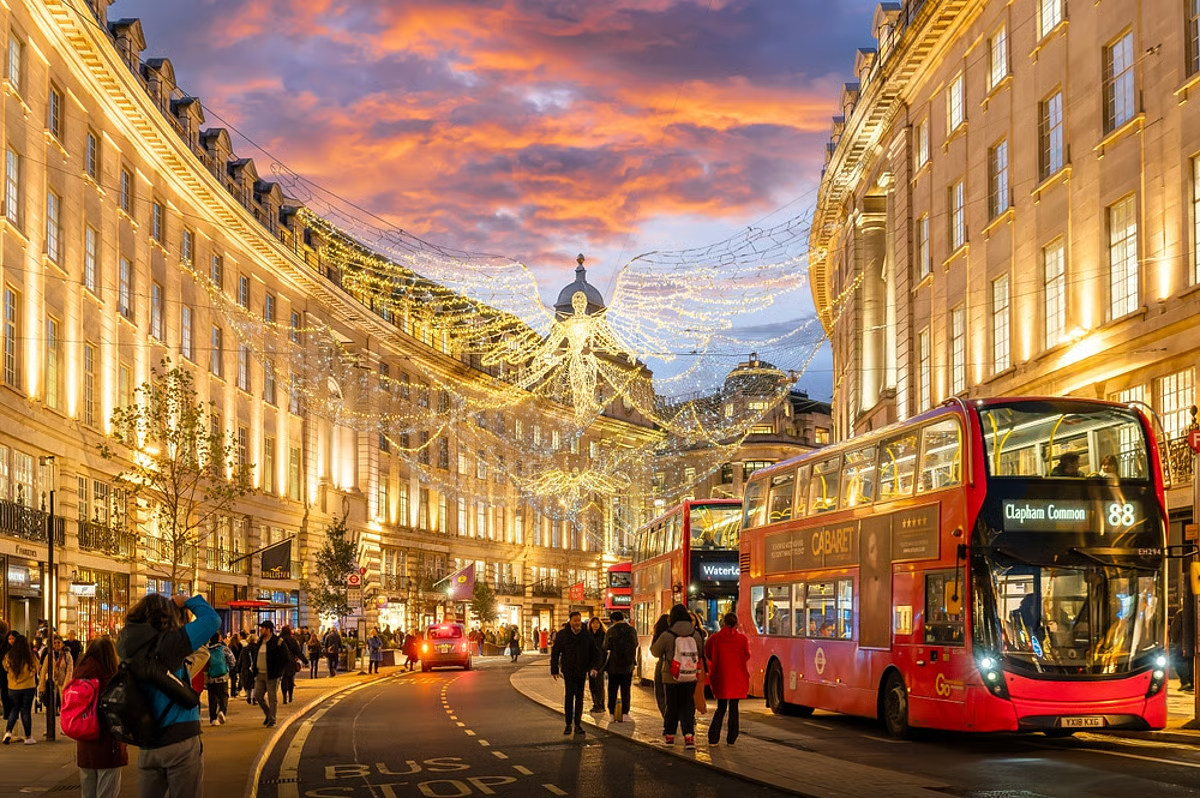
Walking Tours of Historic London Neighborhoods - Best Routes by Area
The best walking tours of historic London neighborhoodsare focused, route-based walks through one area at a time. For royal history, start with Westminster and St James’s. For Roman, medieval, and hidden old-Londonlayers, choose the City of London or Clerkenwell. For theatre, trade, riverside history, and food stops, walk Southwark and Borough. For migration history and East End character, head to Spitalfields and Brick Lane. For maritime history, royal legacy, science, and skyline views, give Greenwichits own half day.
The routes below are designed to help you choose the right historic London walk for your time, interests, weather, and energy level, with practical start and end points, estimated timings, transport links, accessibility notes, food stops, and shorter or longer variations.
Quick Answer: Which Historic London Walk Should You Choose?
- For a first visit, start with Westminster & St James’sfor royal landmarks, parks, Parliament, and Westminster Abbey.
- For the oldest layers of London, pick the City of Londonfor Roman remains, medieval lanes, churches, and hidden corners.
- For a quieter old-London route, try Clerkenwellfor Smithfield, St John’s Gate, markets, and historic side streets.
- For theatre, riverside history, and food, walk Southwark & Borough.
- For migration history and East End character, choose Spitalfields & Brick Lane.
- For maritime history, science, and skyline views, give Greenwichits own half day.
Best Walk By Traveler Type
| Traveler Type | Best Walk |
| First-timers | Westminster & St James’s |
| Kids | Greenwich |
| Rainy day | Bloomsbury |
| Budget travelers | The City of London |
| Food lovers | Southwark & Borough |
| History lovers | The City Of London or Clerkenwell |
1. Westminster & St James’s
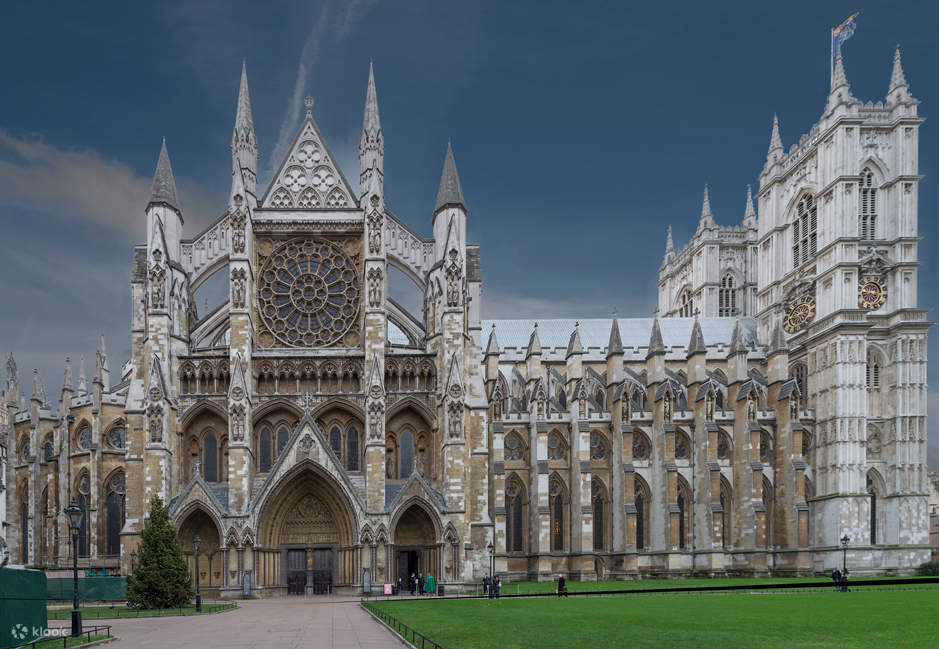
- Start:Buckingham Palace
- End:Westminster Abbey/ Palace of Westminster
- Distance:about 2.2 miles / 3.5 km
- How long it takes:2 to 3 hours
- Nearest Tube / rail stations:Green Park, Victoria, St James’s Park, Westminster
- Best time of day:8:00 to 10:30 a.m. for lighter crowds, or after 4:00 p.m. for softer light
- Accessibility:Mostly flat and easy underfoot. The main challenge is busy crossings rather than hills. Seating is plentiful in St James’s Park. Toilets are easiest at stations, cafés, and major attractions. Step-free access varies by station, so check your route before setting out.
Suggested Stop Sequence With Timings
- Buckingham Palace- 15 to 20 minutes Start with royal spectacle and the symbolic center of monarchy.
- The Mall and St James’s Park- 25 to 30 minutes This is the most graceful transition on the route and one of the best places to pause.
- Horse Guards and Whitehall- 20 minutes Here, royal ritual, military display, and government all sit close together.
- Westminster Abbey- 20 minutes outside, 60 to 90 minutes if entering The spiritual and ceremonial heart of national life.
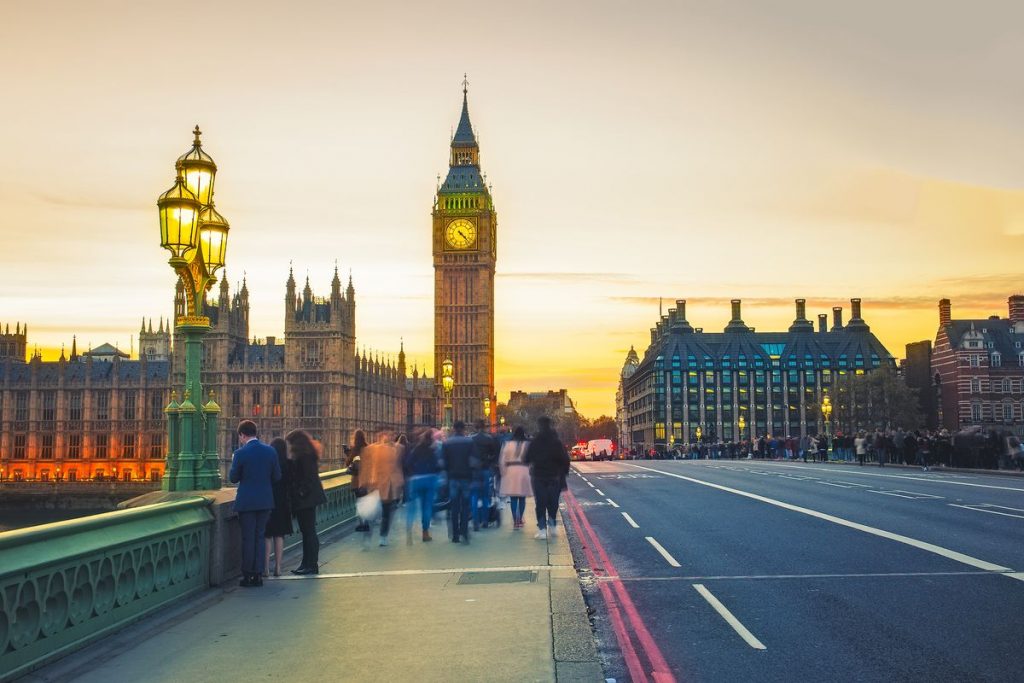
- Palace of Westminster and Big Ben- 15 to 20 minutes Finish with Parliament and one of London’s defining views.
Why These Stops Matter
This is the clearest first walk for understanding royal London and the ceremonial language of the British state. Every stop belongs to the same story, so the route feels cohesive rather than stitched together.
Food, Coffee, And Photo Breaks
- Coffee works best near St James’s or Whitehall so the route stays compact.
- The strongest photo stops are in St James’s Park and around Westminster Bridge.
- This is one of the easiest central routes for older children because the park breaks up the denser historic core.
Shorter Version
Explore Buckingham Palace→ St James’s Park → Westminster Abbey
Longer Version
2. The City Of London
- Start:St Paul’s Cathedralarea
- End:Tower Hill / Tower of London exterior
- Distance:about 2.6 miles / 4.2 km
- How long it takes:2.5 to 4 hours
- Nearest Tube / rail stations:St Paul’s, Bank, Mansion House, Monument, Tower Hill
- Best time of day:9:00 to 11:00 a.m. for a slower start, or early evening for atmosphere
- Accessibility:Mostly flat, but older lanes can have cobbles, uneven paving, and narrow pavements. Seating is less frequent than in park-based routes, so café or churchyard pauses help. Toilets are easiest at stations, cafés, and major attractions. Step-free access depends on station and line.
Suggested Stop Sequence With Timings
- St Paul’s Cathedral exterior- 20 to 30 minutes A strong opening point for old London’s skyline and historic street pattern.
- Roman Wall area- 20 to 30 minutes This is where ancient London starts to become tangible.
- Leadenhall and medieval-style lanes- 20 to 30 minutes The City feels oldest when you slow down and look past the office towers.
- St Dunstan in the East- 20 minutes One of the most atmospheric stops in central London.
- Tower Hill / Tower of London exterior- 20 to 30 minutes A dramatic finish at the edge of the old City.
Why These Stops Matter
This is the best walk for London’s deepest historical layers: Roman beginnings, medieval street lines, old trade routes, churches, and hidden gardens. It rewards attention more than speed.
Food, Coffee, And Photo Breaks
- Historic pub stops work especially well here.
- Old lanes and church towers offer some of the best texture shots in London.
- This route suits travelers who enjoy quiet discoveries more than major landmark concentration.
Shorter Version
St Paul’s → Roman Wall area → St Dunstan in the East
Longer Version
Continue across the river into Southwark and Borough.
3. Clerkenwell
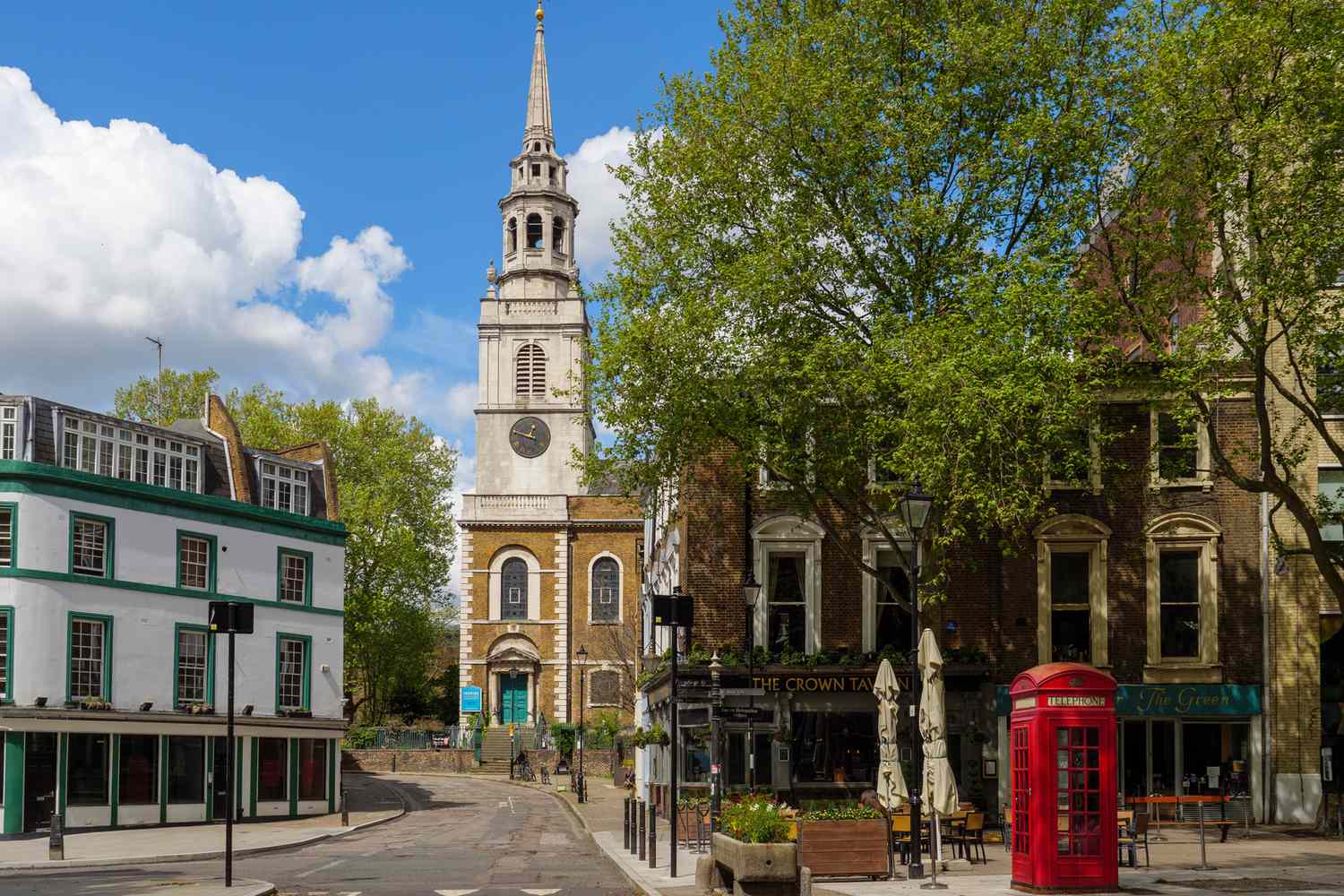
- Start:Farringdon
- End:Exmouth Market / Clerkenwell Green area
- Distance:about 2.1 miles / 3.4 km
- How long it takes:2 to 3 hours
- Nearest Tube / rail stations:Farringdon, Barbican, Chancery Lane, Angel
- Best time of day:Morning or early afternoon, when the streets feel quieter and the older details are easier to notice
- Accessibility:Mostly manageable, but some sections have cobbles, uneven paving, and narrower pavements than Bloomsbury or Kensington. There are gentle slopes rather than major hills. Seating is more limited than in park-based routes, so café stops help. Toilets are easiest in stations, cafés, and larger public buildings nearby. Step-free access varies by station.
Suggested Stop Sequence With Timings
- Smithfield area- 20 to 30 minutes Start with one of old London’s great market landscapes and a part of the city that still feels older than its traffic.
- St Bartholomew area- 20 to 30 minutes This is where Clerkenwell begins to show its medieval depth most clearly.
- St John’s Gate- 15 to 20 minutes One of the strongest historic anchors in the neighborhood and an easy way to feel Clerkenwell’s older identity.
- Clerkenwell Green- 15 to 20 minutes This adds local character and a sense of the district’s long civic and social history.
- Exmouth Market and surrounding side streets- 20 to 30 minutes Finish with the more lived-in side of Clerkenwell, where craft, trade, and daily city life still shape the atmosphere.
Why These Stops Matter
Clerkenwell is one of the best neighborhoods in London for travelers who want history without the pressure of major landmark crowds. This walk is less about royal ceremony and more about older urban texture: markets, religious foundations, workshops, print culture, and the quieter edges of central London. It fills the gap between the City’s monumental history and Bloomsbury’s literary calm.
Food, Coffee, And Photo Breaks
- Coffee stops work especially well around Farringdon and Exmouth Market.
- The best photos usually come from older stonework, gates, side streets, and the contrast between historic buildings and modern city life.
- This route is especially good for travelers who prefer atmosphere and detail over major tourist sights.
Shorter Version
Farringdon → St Bartholomew area → St John’s Gate
Longer Version
Extend toward Clerkenwell Green and Exmouth Market, or link the route with the edge of the City for a deeper old-London day.
4. Camden
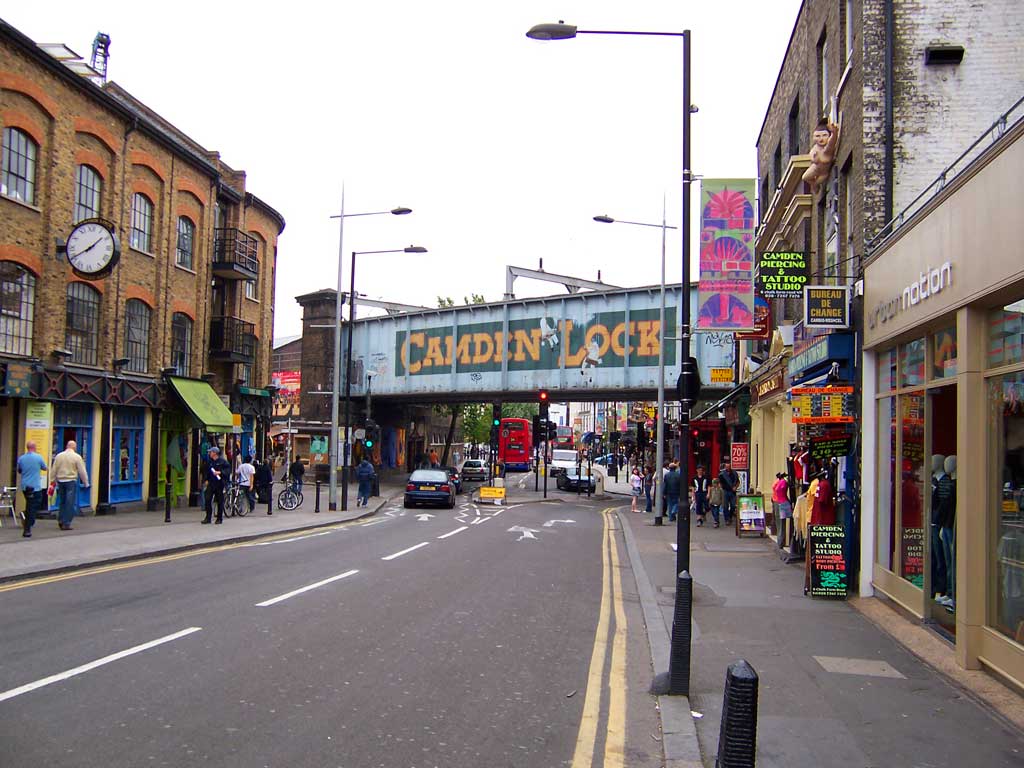
- Start:Camden Market
- End:Regent’s Canal / Primrose Hill edge
- Distance:about 2 miles / 3.2 km
- How long it takes:1.5 to 3 hours
- Nearest Tube / rail stations:Camden Town, Chalk Farm, Camden Road
- Best time of day:Early morning for quieter canalside walking, or late afternoon for more atmosphere
- Accessibility:Mostly manageable, but canal towpaths, bridges, and market crowds can create pinch points. Seating is easy to find in market areas and along the canal. Toilets are easiest in markets, stations, and cafés. Step-free access varies by station.
Suggested Stop Sequence With Timings
- Camden Market- 20 to 30 minutes Start with the neighborhood’s energy and its old market identity.
- Regent’s Canal- 25 to 35 minutes The canal gives Camden its industrial and transport history.
- Warehouse and lock area- 15 to 20 minutes This is where the district’s working past is easiest to picture.
- Music and street culture stretch- 15 to 20 minutes Camden’s later cultural identity comes into view here.
- Primrose Hill edge or a calmer canal stretch- 20 to 30 minutes End with a more reflective contrast to the market crowds.
Why These Stops Matter
Camden is a strong choice when you want a historic walk with a less formal, more rebellious edge. The area’s industrial roots and later music culture make it feel distinct from central London.
Food, Coffee, And Photo Breaks
- Market food makes Camden one of the easiest routes for casual lunch stops.
- Canal shots work best in softer morning or evening light.
- This route is good for travelers who want history mixed with visual energy.
Shorter Version
Camden Market → Regent’s Canal → lock area
Longer Version
Extend along the canal or add Primrose Hill for a broader neighborhood feel.
5. Southwark & Borough
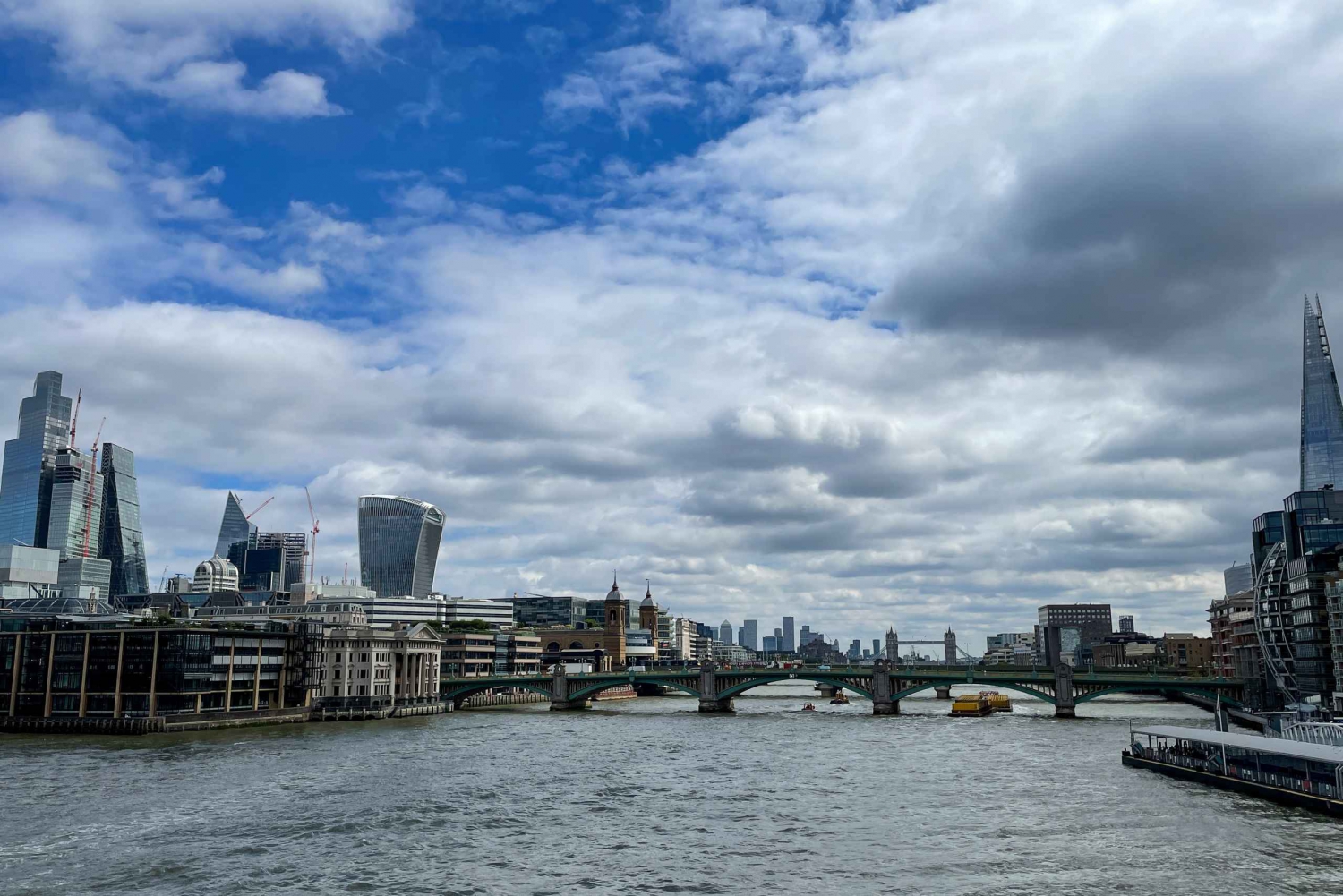
- Start:Shakespeare’s Globe area
- End:Borough Market/ London Bridge
- Distance:about 2.1 miles / 3.4 km
- How long it takes:2 to 3 hours
- Nearest Tube / rail stations:Blackfriars, Southwark, London Bridge, Borough
- Best time of day:Late morning through early afternoon, especially if you want a market stop
- Accessibility:Mostly flat and easier underfoot than the City. Riverside walking is usually straightforward. Seating is easier to find along the river and around the market. Toilets are easiest in stations, cafés, museums, and Borough Market. Step-free access varies by station.
Suggested Stop Sequence With Timings
- Shakespeare’s Globe exterior- 15 to 20 minutes Start with theatre and the river’s role in public entertainment.
- Riverside walk- 20 to 30 minutes This stretch gives the route air, light, and a sense of London’s commercial past.
- Southwark Cathedral- 15 to 20 minutes A quieter, older counterpoint to the busier public spaces nearby.
- Borough High Street / old route into the city- 15 to 20 minutes This adds trade and movement to the story.
- Borough Market- 30 to 60 minutes Finish with one of London’s best food-centered historic environments.
Why These Stops Matter
Southwark shows a different side of London: theatre, trade, religion, and ordinary working life rather than ceremony and state power. It feels lived-in, layered, and welcoming on foot.
Food, Coffee, And Photo Breaks
- Borough Market is the obvious lunch or coffee stop.
- Riverside views make this one of the easiest walks for casual photography.
- This is one of the best routes for travelers who want history plus food without overplanning.
Shorter Version
Globe → Southwark Cathedral → Borough Market
Longer Version
6. Spitalfields & The East End
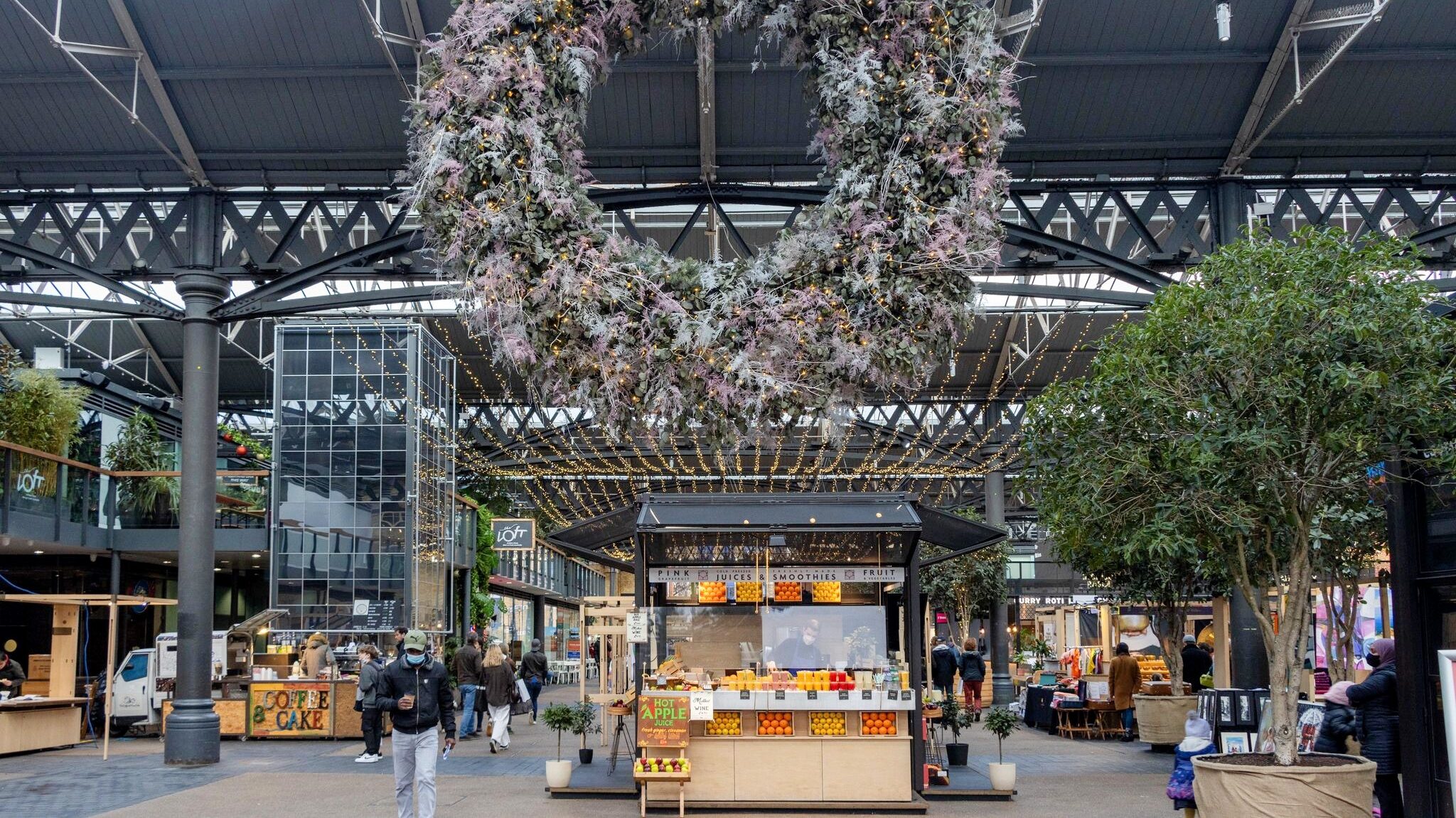
- Start:Spitalfields Market
- End:Brick Lane / ShoreditchHigh Street
- Distance:about 2.1 miles / 3.4 km
- How long it takes:2 to 3.5 hours
- Nearest Tube / rail stations:Liverpool Street, Aldgate East, Shoreditch High Street
- Best time of day:Late morning for market energy, or early evening for food stops
- Accessibility:Flat overall, but pavements can be busy and some older streets are uneven. Seating is more limited than in park-based routes, so café stops help. Toilets are easiest in markets, cafés, and stations.
Suggested Stop Sequence With Timings
- Spitalfields Market- 20 to 30 minutes Start with trade, movement, and neighborhood energy.
- Christ Church Spitalfields- 15 to 20 minutes A major architectural anchor for the district.
- Georgian streets and Huguenot traces- 20 to 30 minutes This is where migration history becomes visible in the built environment.
- Brick Lane- 20 to 30 minutes Food, identity, and East End change all meet here.
- Dennis Severs’ House area- 10 to 15 minutes outside, longer if visiting A rich final layer for anyone interested in domestic history and atmosphere.
Why These Stops Matter
This is one of London’s most human historic walks. The story is not about ceremony or imperial display. It is about migration, work, trade, faith, and the way communities reshape a neighborhood over time.
Food, Coffee, And Photo Breaks
- Brick Lane is the natural stop for food and coffee.
- The best photos come from Georgian streets, church views, and side lanes rather than the busiest corners.
- This route is especially strong for travelers interested in social history.
Shorter Version
Spitalfields Market → Christ Church Spitalfields → Brick Lane
Longer Version
Add Shoreditch and spend more time in the smaller side streets.
7. Bloomsbury
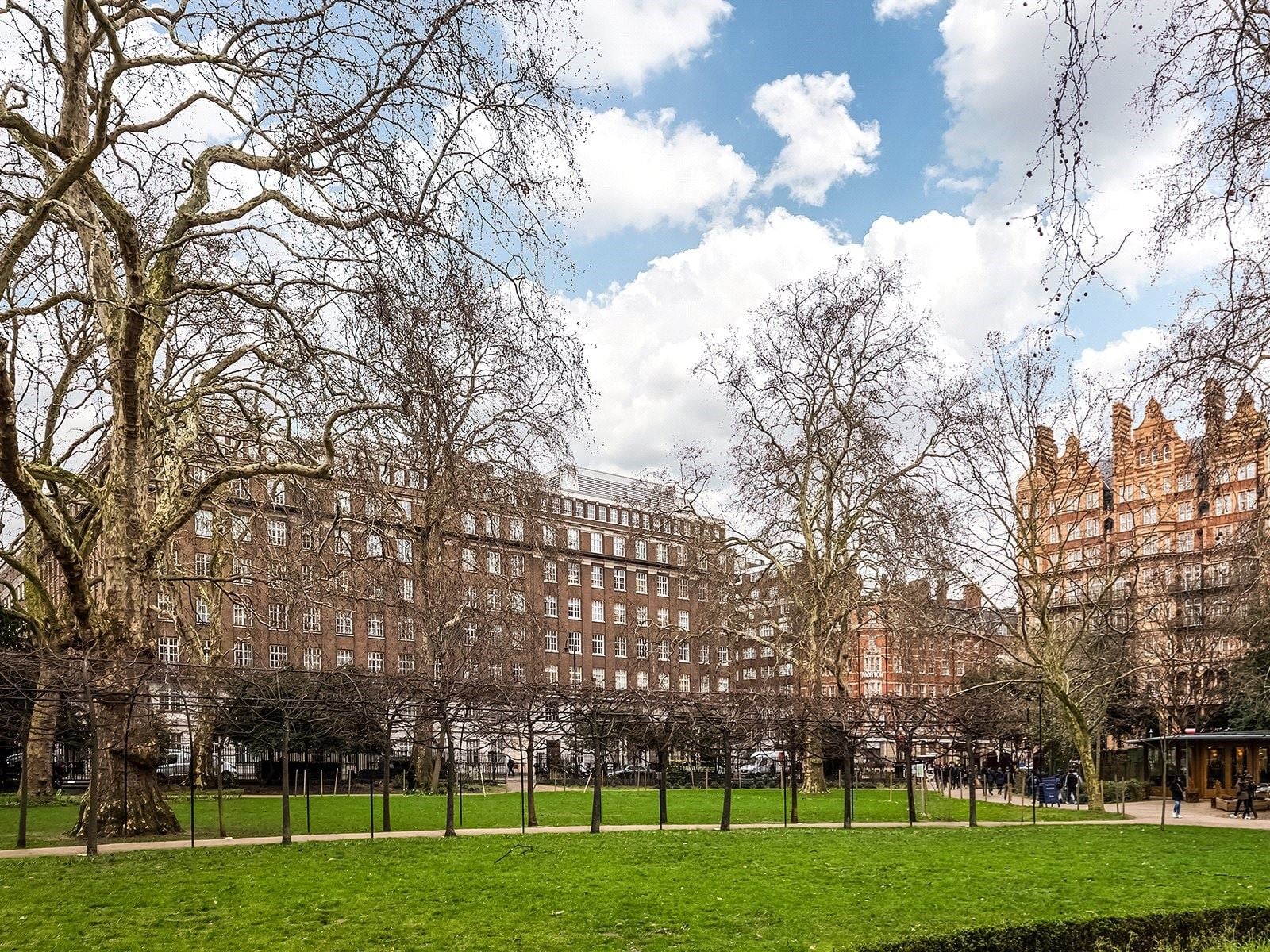
- Start:Russell Square
- End:British Museum / nearby Bloomsbury streets
- Distance:about 1.8 miles / 2.9 km
- How long it takes:1.5 to 2.5 hours
- Nearest Tube / rail stations:Russell Square, Holborn, Tottenham Court Road, Euston
- Best time of day:Late morning or early afternoon, especially in cooler months
- Accessibility:Mostly flat and easy to manage. Pavements are generally straightforward, and there are frequent places to sit in squares and cafés. Toilets are easiest in museums, cafés, and stations. A very good option if you want a gentler walking day.
Suggested Stop Sequence With Timings
- Russell Square- 15 to 20 minutes Start with one of Bloomsbury’s best-known garden squares.
- Blue plaque streets- 20 to 30 minutes This is where literary and intellectual London begins to feel personal.
- Georgian terraces and side streets- 20 to 30 minutes The neighborhood’s calm architectural rhythm is part of its appeal.
- British Museum exterior or interior edge- 20 to 40 minutes End with one of London’s great cultural anchors.
Why These Stops Matter
Bloomsbury is the walk for ideas: writing, reform, education, publishing, and quieter forms of influence. It works beautifully when you want history without spectacle.
Food, Coffee, And Photo Breaks
- Bloomsbury is ideal for calm café stops.
- Garden squares give the route more breathing room than many central London neighborhoods.
- This is one of the best wet-weather walks because museum time fits naturally into it.
Shorter Version
Russell Square → blue plaques → Georgian streets
Longer Version
Add more square-to-square wandering and time inside a museum.
8. Covent Garden & Soho
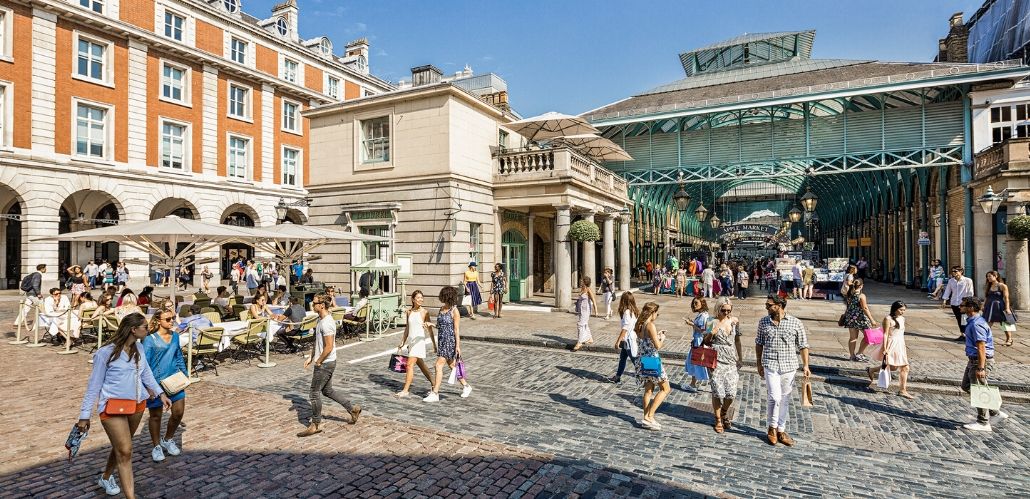
- Start:Covent Garden Market
- End:Soho / Leicester Square edge
- Distance:about 1.7 miles / 2.7 km
- How long it takes:1.5 to 3 hours
- Nearest Tube / rail stations:Covent Garden, Leicester Square, Tottenham Court Road, Charing Cross
- Best time of day:Late afternoon into evening for the area at its liveliest
- Accessibility:Fairly easy to walk, though it can be crowded and noisy. Seating is more limited outdoors, but cafés, pubs, and public spaces are close at hand. Toilets are easiest in stations, cafés, restaurants, and theatres.
Suggested Stop Sequence With Timings
- Covent Garden Market- 20 to 30 minutes Start with trade, performance, and one of London’s best-known public spaces.
- Theatre Royal Drury Lane area- 15 to 20 minutes This adds theatrical depth and continuity to the route.
- Seven Dials / nearby connecting streets- 15 to 20 minutes A useful transition between the districts.
- Soho’s narrower streets- 25 to 35 minutes This is where entertainment, nightlife, and social history start to dominate.
- Historic pub or café finish- 20 to 30 minutes End with the area’s long culture of gathering and conversation.
Why These Stops Matter
Covent Garden and Soho show how theatre, trade, nightlife, and public life became central to London’s identity. This is not the city at its quietest, but it is one of its most vivid walks.
Food, Coffee, And Photo Breaks
- This is one of the easiest routes for a pre-theatre drink or dinner.
- Photos work best when you focus on street detail rather than trying to fight the crowds.
- Evening is often better than midday if you want the neighborhood’s full personality.
Shorter Version
Covent Garden Market → Drury Lane → Seven Dials
Longer Version
Continue deeper into Soho and finish with a theatre or pub stop.
9. Greenwich
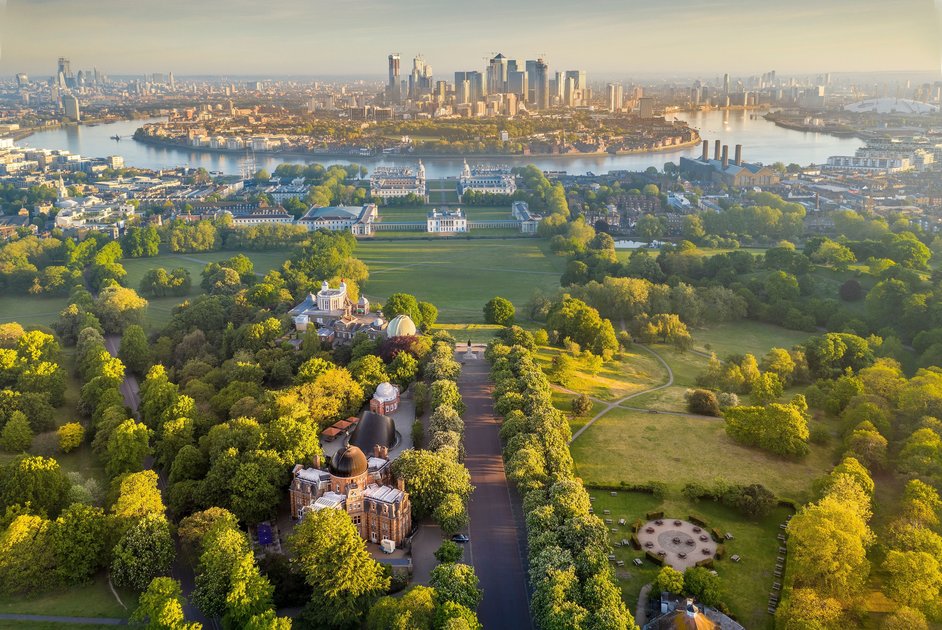
- Start:Cutty Sark
- End:Royal Observatory / Greenwich Park, then back down to Greenwich
- Distance:about 2.5 miles / 4 km
- How long it takes:3 to 4.5 hours
- Nearest DLR / rail stations:Cutty Sark DLR, Greenwich DLR, Greenwich rail
- Best time of day:Late morning to late afternoon, especially on clear days
- Accessibility:The main challenge is the hill through Greenwich Park. The riverside and college area are easier, but the climb to the Observatory can be steep. Seating is plentiful in the park and around the riverside. Toilets are easiest at stations, attractions, cafés, and in the park.
Suggested Stop Sequence With Timings
- Cutty Sark- 15 to 20 minutes Start with maritime London in one of its most recognizable forms.
- Old Royal Naval College- 30 to 45 minutes One of the most elegant historic settings in London.
- Queen’s House and surrounding grounds- 15 to 20 minutes This adds royal and artistic context.
- National Maritime Museum area- 20 to 30 minutes outside, longer if entering A useful broadening of the route’s story.
- Greenwich Park- 20 to 30 minutes uphill The climb is part of the pleasure.
- Royal Observatory hilltop- 20 to 30 minutes Finish with the skyline and the history of time and navigation.
Why These Stops Matter
Greenwich feels designed for walking. Maritime power, science, landscape, and royal legacy all sit together in a way that makes the route feel complete without needing another neighborhood.
Food, Coffee, And Photo Breaks
- The riverside near Cutty Sark is the easiest early stop.
- Greenwich Market streets work well for a mid-route pause.
- The hilltop viewpoint is one of London’s best photo spots.
Shorter Version
Cutty Sark → Old Royal Naval College → Greenwich Park viewpoint
Longer Version
Add the Maritime Museum and more time in the park and market streets.
10. Notting Hill
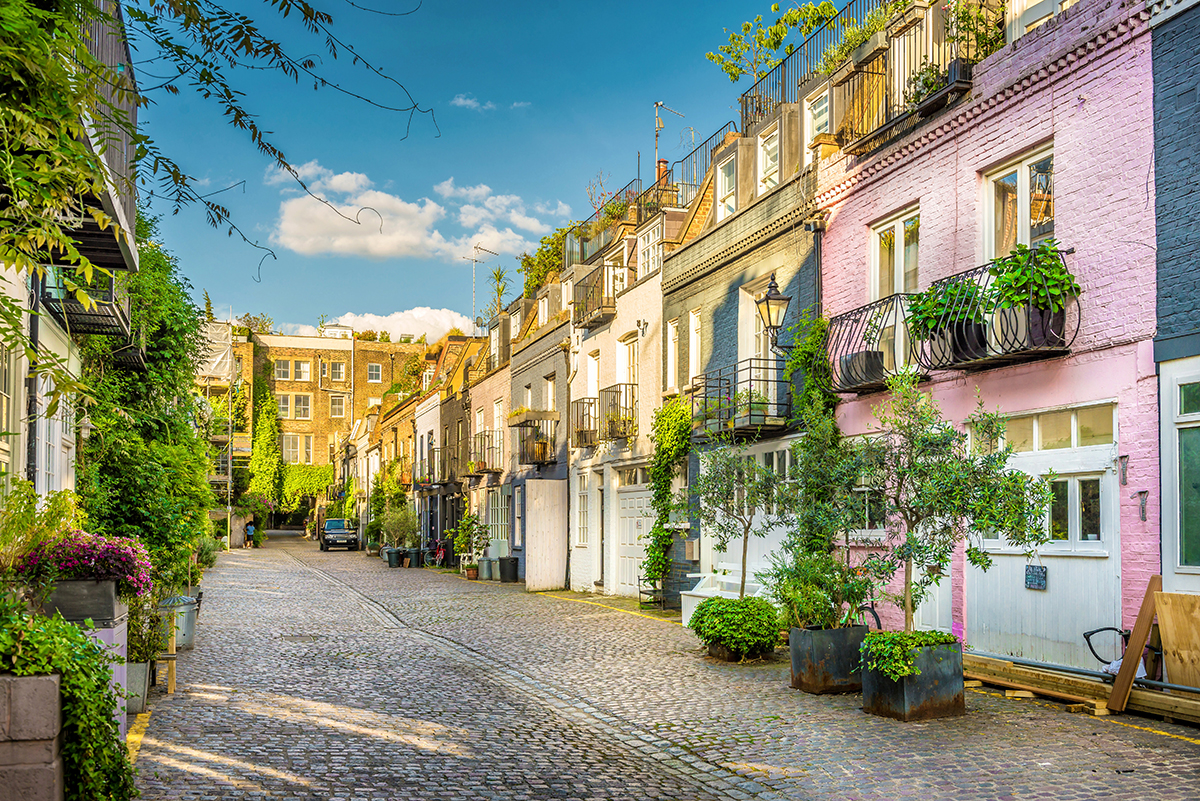
- Start:Portobello Road area
- End:Residential streets around Notting Hill
- Distance:about 1.8 miles / 2.9 km
- How long it takes:1.5 to 2.5 hours
- Nearest Tube / rail stations:Notting Hill Gate, Ladbroke Grove, Westbourne Park
- Best time of day:Morning for a calmer neighborhood feel, or market hours if you want more energy
- Accessibility:Mostly straightforward, though some streets slope gently. Seating is best found in cafés and small public spaces rather than large parks. Toilets are easiest in cafés, stations, and market venues.
Suggested Stop Sequence With Timings
- Portobello Road Market area- 20 to 30 minutes Start with the market and the district’s public face.
- Victorian terraces and side streets- 20 to 30 minutes This is where the visual rhythm of Notting Hill really emerges.
- Garden square edges- 15 to 20 minutes These calmer spaces explain the residential history of the area.
- Cultural identity and neighborhood change stretch- 15 to 20 minutes End with the story of how Notting Hill evolved socially as well as architecturally.
Why These Stops Matter
Notting Hill works best when you see it as more than a postcard district. The walk is about architecture, atmosphere, and how a neighborhood’s identity changes over time.
Food, Coffee, And Photo Breaks
- Portobello Road is the easiest place for coffee and browsing breaks.
- Side streets give you the best terrace and color photography.
- This is one of the most pleasant slower-paced walks in west London.
Shorter Version
Portobello Road → terrace streets → garden square edge
Longer Version
Add more residential wandering and a slower market stop.
11. Kensington & South Kensington
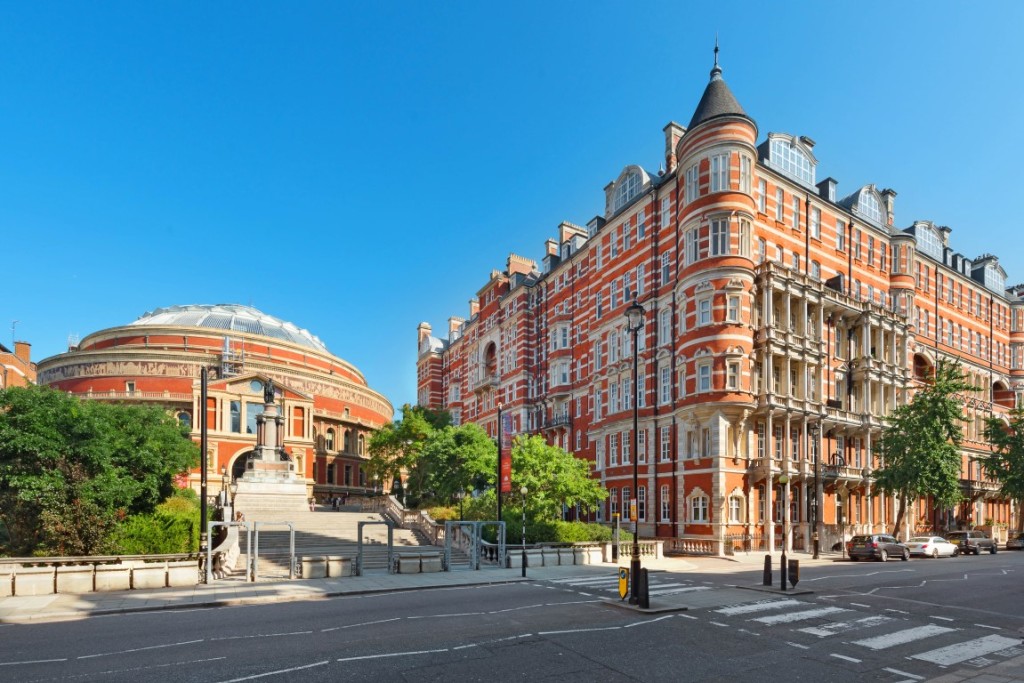
- Start:Kensington Palace area
- End:Exhibition Road / museum district
- Distance:about 2.4 miles / 3.9 km
- How long it takes:2 to 3.5 hours
- Nearest Tube / rail stations:High Street Kensington, South Kensington, Gloucester Road, Queensway
- Best time of day:Late morning or early afternoon, especially if pairing with museums
- Accessibility:Mostly flat and broad underfoot, with some of the easiest pavements on this list. Seating is easy to find in museums, cafés, and nearby park areas. Toilets are easiest in museums, stations, and cafés. A strong option for a gentler day or wet weather.
Suggested Stop Sequence With Timings
- Kensington Palace exterior- 20 to 30 minutes Start with royal context and the edge of the park landscape.
- Kensington streets and terraces- 20 to 30 minutes These begin to show the district’s 19th-century ambition and status.
- Exhibition Road- 15 to 20 minutes This connects the neighborhood to science, design, and education.
- Victoria and Albert Museum / Natural History Museum exterior- 20 to 40 minutes outside, longer if entering Finish with one of London’s strongest concentrations of civic grandeur.
Why These Stops Matter
This is the walk for royal influence, Victorian London, museums, and institutional scale. It makes one of the clearest cases for how 19th-century London presented itself to the world.
Food, Coffee, And Photo Breaks
- Museum cafés make this one of the easiest routes for weather-proof breaks.
- Wide streets and grand façades work especially well for architecture photography.
- This is one of the best options if you want history plus indoor flexibility.
Shorter Version
Kensington Palace → local terraces → Exhibition Road
Longer Version
Add museum time and more of the surrounding park edge.
Shorter And Longer Route Variations
If You Only Have 90 Minutes
Choose one compact route:
- Buckingham Palace → St James’s Park → Westminster Abbey
- St Paul’s → Roman Wall area → St Dunstan in the East
- Cutty Sark → Old Royal Naval College → Greenwich riverside
- Russell Square → blue plaques → Georgian streets
- Portobello Road → terrace streets → garden square edge
If You Have Half A Day
Choose one full neighborhood:
- Westminster & St James’s
- The City Of London
- Southwark & Borough
- Greenwich
- Spitalfields & The East End
- Kensington & South Kensington
- Clerkenwell
If You Have A Full Day
Choose one strong pairing:
- The City Of London + Southwark & Borough
- Westminster & St James’s + Covent Garden & Soho
- Spitalfields & The East End + a longer Brick Lane and Shoreditch extension
- Greenwich with extra museum and park time
- The City Of London + Clerkenwell
What To Pre-Book
Pre-booking is not essential for every London walk, but it matters if your day depends on a particular interior.
Consider pre-booking:
- Westminster Abbeyif you want to go inside
- St Paul’s Cathedralif it is part of your City route
- Globe tours or performancesif Southwark is your focus
- Dennis Severs’ Houseif included in an East End walk
- Royal Observatory or Cutty Sarkif you want more than the outdoor Greenwich route
- Museum exhibitionsin Kensington if you are visiting during a busy period
- Theatre ticketsif Covent Garden & Soho is part of an evening plan
If exploring London’s history makes you curious about guiding, heritage interpretation, or tour planning, you may also enjoy learning about different career paths in travel and tourism.
Free Vs Paid Interiors
| Area | Free vs Paid Interiors |
| Westminster & St James’s | The outdoor route is excellent for free. Westminster Abbey is the main paid interior if you want the full ceremonial story. |
| The City Of London | The lanes, churchyards, and street pattern are rewarding for free. St Paul’s is the big paid interior if you want a grand indoor experience. |
| Clerkenwell | The streets, Smithfield area, Clerkenwell Green, and St John’s Gate exterior work well for free. Paid or timed interiors such as churches, museums, or heritage sites can add depth if open. |
| Camden | The canal and market atmosphere are the main rewards and cost nothing. Paid stops are optional rather than essential. |
| Southwark & Borough | The riverside route is strong for free. Globe tours and certain interiors add paid depth if you want it. |
| Spitalfields & The East End | The streets and market atmosphere are free. Dennis Severs’ House is the most distinctive paid interior. |
| Bloomsbury | The streets and squares are free, and museum exteriors work well even on a short route. Paid extras are mainly special exhibitions. |
| Covent Garden & Soho | The walk itself is free. Paid additions are mostly theatre tickets, tours, or dining experiences. |
| Greenwich | The riverside, park, and skyline views work beautifully for free. The Royal Observatory, Cutty Sark, and some heritage interiors are the main paid extras. |
| Notting Hill | The walk and market atmosphere are free. Paid extras are usually shopping or cafés rather than heritage interiors. |
| Kensington & South Kensington | The neighborhood walk is free, and many museums make excellent anchors. Paid extras are usually special exhibitions. |
Best Times To Walk By Season, Weather, And Audience
Spring And Autumn
These are the easiest seasons for most people. The temperature is usually comfortable, the light is good for walking and photography, and the city feels energetic without the strain of peak summer days.
Summer
Summer gives you long daylight hours, which is excellent for slower walks, but central areas can feel crowded and hot by midday. If I am doing Westminster, Covent Garden, or the South Bankin summer, I try to start earlier or wait until later afternoon.
Winter
Winter is darker and often wet, but it can be especially atmospheric. The City and Clerkenwell are both good in winter because quieter streets make the older fabric of the neighborhoods easier to feel. I keep winter routes shorter and build in warm indoor stops.
Rainy-Day Walks
The best rainy-day options are:
- Bloomsburyfor museum pairing
- Kensington & South Kensingtonfor museum-heavy walking
- Covent Garden & Sohofor a compact route with frequent indoor escapes
With Kids
The easiest options with children are:
- Westminster & St James’sbecause the route is short and the park helps break it up
- Greenwichbecause of open space, river views, and the chance to slow down
- Southwarkbecause the walking is flatter and food stops are easy
On A Budget
The best budget-friendly routes are:
- Westminster
- The City of London
- Southwark
- Greenwich
- Clerkenwell
All of these work well even if you skip paid interiors and enjoy the streets themselves.
In The Evening
The best evening walks are:
- The Cityfor atmosphere after office hours
- Covent Garden & Sohofor theatre energy and lively streets
- Southwarkfor riverside light and a relaxed dinner stop
Common Mistakes To Avoid
- Trying to combine too many neighborhoodsLondon looks compact on a map, but each district has its own pace. One main neighborhood is usually better than two rushed ones.
- Wearing the wrong shoesHard surfaces, uneven paving, and older streets make bad footwear feel worse with every half hour.
- Not checking opening hoursIf your day depends on Westminster Abbey, St Paul’s, the Globe, Dennis Severs’ House, the Royal Observatory, or museum exhibitions, check times before you go.
- Overbooking the dayA historic walk gets better when you leave room for a church, a market stop, a quiet garden, or a good cup of coffee.
- Ignoring access planningIf you need step-free transport, shorter slopes, more toilets, or regular seating, plan those details before you set off.
What To Wear And Bring
Footwear matters more than anything else. London’s older neighborhoods often mean uneven paving, long stretches of hard surface, and enough walking that poor shoes can shape the whole day.
I wear:
- broken-in walking shoes or boots
- a light waterproof layer
- a compact umbrella
- a power bank
- a refillable water bottle
- contactless payment on my phone or card
In winter, gloves make a real difference. In summer, water and sunscreen matter more than many people expect.
Frequently Asked Questions
What Is The Best Route Or Itinerary For Walking Tours Of Historic London Neighborhoods?
For a first visit, the best route is usually Westminster & St James’sif you want iconic royal London, or The City Of Londonif you want London’s oldest layers. If you have more time, connecting The City Of Londonwith Southwark & Boroughgives you one of the strongest full-day historical pairings.
How Long Does A Historic London Neighborhood Walk Take?
Most single-neighborhood walks take 1.5 to 3 hours. A deeper route such as The City Of Londonor Greenwichcan take longer if you add interiors, museums, or more stops.
Can You Do These Walks With Kids?
Yes, especially Westminster & St James’s, Greenwich, and Southwark & Borough. Keep the route shorter, build in a park or food stop, and avoid trying to cover too much in one outing.
Can You Do Them In The Evening?
Yes. The City Of Londonbecomes more atmospheric once the daytime rush fades, and Covent Garden & Sohois especially good later in the day if you want theatre energy and livelier streets.
Are These Walks Good On A Budget?
Very much so. Some of the best London walks are rewarding even if you do not pay to enter anything. Westminster & St James’s, The City Of London, Southwark & Borough, Greenwich, and Bloomsburyall work well as mostly outdoor routes.
Final Thoughts
Walking through London’s historic neighborhoods gives me a clearer understanding of the city than any checklist of major sights ever could. Westminster explains monarchy and national ceremony. The City reveals London’s oldest layers. Southwark shows the life of the river and the street. Spitalfields brings migration and reinvention into focus. Greenwich opens London outward to navigation, empire, and the wider world.
That is why the best walking tours of historic London neighborhoods are rarely the ones that promise the most. They are the ones that stay focused. One area. One story. One route that lets the city unfold in its own time. When I slow down and let each district speak in its own voice, London stops feeling like a collection of attractions and starts feeling like a real, layered place.
Jump to
Walking Tours of Historic London Neighborhoods - Best Routes by Area
Quick Answer: Which Historic London Walk Should You Choose?
Best Walk By Traveler Type
1. Westminster & St James’s
2. The City Of London
3. Clerkenwell
4. Camden
5. Southwark & Borough
6. Spitalfields & The East End
7. Bloomsbury
8. Covent Garden & Soho
9. Greenwich
10. Notting Hill
11. Kensington & South Kensington
Shorter And Longer Route Variations
What To Pre-Book
Free Vs Paid Interiors
Best Times To Walk By Season, Weather, And Audience
Common Mistakes To Avoid
What To Wear And Bring
Frequently Asked Questions
Final Thoughts

James Rowley
Author
James Rowley is a London-based writer and researcher covering London life, cultural geography, London travel, live London webcam pages and selected public figures across entertainment, sport, business and public life.
For over 15 years, he has focused on verified sources, first-hand local context and clear explanations that help readers understand both places and people more deeply. His work combines street-level London knowledge with careful research into career credits, media work, business interests and, where relevant, transparently explained net worth estimates.
He writes and reviews articles published on LondonWebcam.
Latest Articles
Popular Articles