What People From London Boroughs Are Called - Slang And Identity
Find out what people from London boroughs are called, when to use Londoner or Cockney, and why “resident of” is often safest.
Author:James RowleyOct 16, 2026

What People From London Boroughs Are Called: Borough Names, Slang And Local Identity
Ask what people from London are called, and the answer looks simple: Londoners. Ask what people from London boroughs are called and the answer becomes much more London-like: layered, local, historical, and sometimes a little awkward.
The safest rule is this: use Londoner for the city as a whole, and use resident of [borough] or person from [borough] when you mean one of the 32 London boroughs.
Some borough labels exist, but many are informal, rarely used, or sound more like quiz answers than everyday London speech.
Quick Answer: What People From London Boroughs Are Called
- People from London are generally called Londoners.
- People from a specific London borough are usually called residents of that borough: for example, a Hackney resident or someone from Croydon.
- Some borough demonyms are used, such as Croydonian, Hackneyite, Camdenite, Islingtonian, and Kingstonian, but not all are equally common.
- Cockney is not the standard word for every Londoner; it has a narrower East London cultural history.
- Greater London has 32 boroughs plus the City of London, which is governed separately. London Councils describes London local government as the 32 boroughs and the City of London Corporation working together.
The useful answer is not just what is the word? It is which word will sound natural, accurate, and respectful in context?
Londoner, Cockney, East Ender: The Terms People Mix Up Most
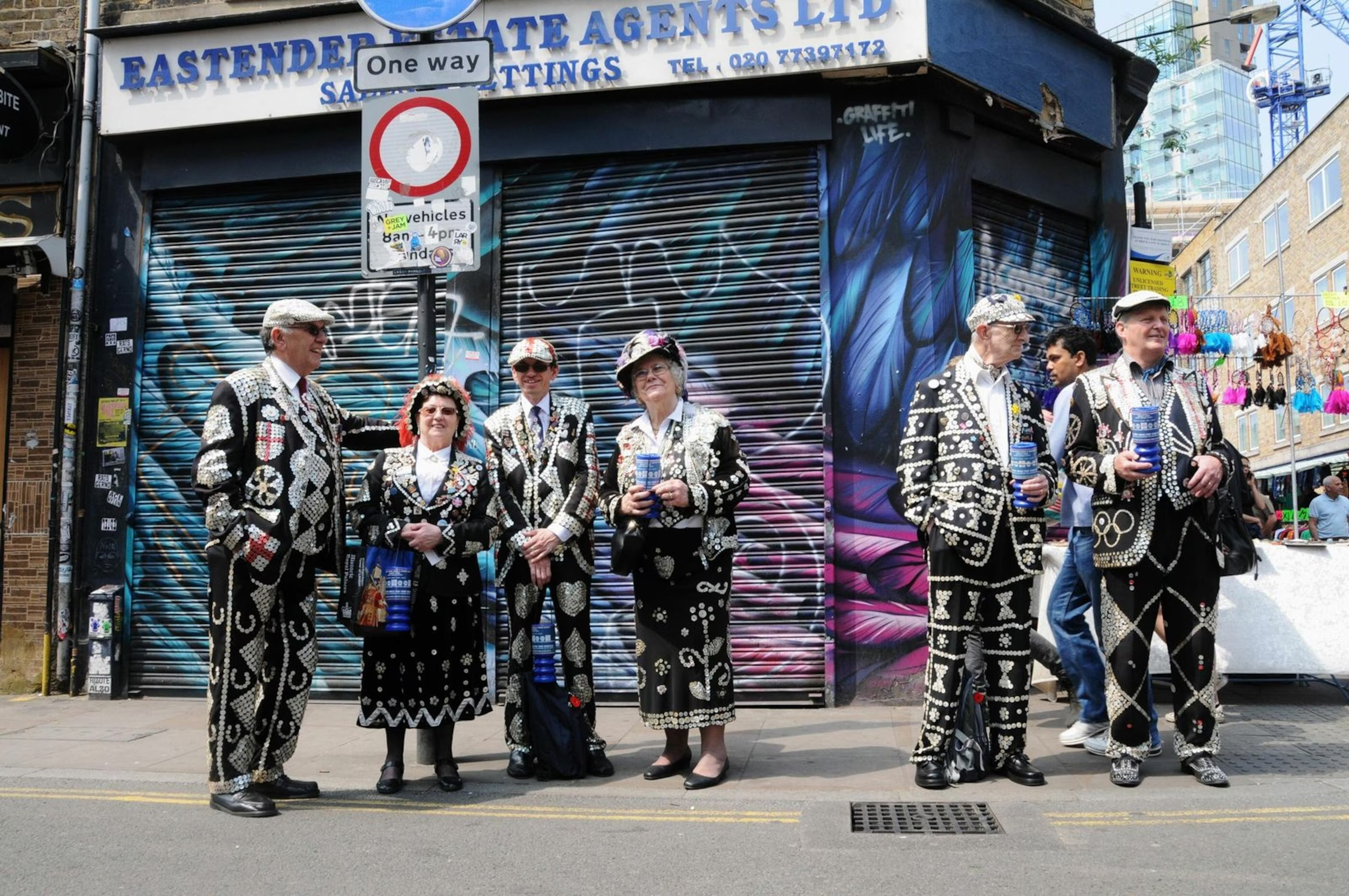
A lot of confusion comes from using famous London identity words as if they all mean the same thing.
They do not. Londoner, Cockney, East Ender, and newer language labels each carry a different meaning, and mixing them up can make otherwise simple writing sound inaccurate or outdated.
Londoner: The Standard Word For Someone From London
A Londoner is the normal word for a person from London. Collins defines a Londoneras a native or inhabitant of London, which is why the word can apply both to people born in the city and to many people who live there.
That matters because London's identity is not only about birthplace. A student from Manchester, a nurse from Lagos, and a designer from Warsaw may all come to think of themselves as Londoners after years of living, working, commuting, and building a life in the capital.
London City Hallhas made the same broader point: many people may consider themselves Londoners if they live, work, or once lived or worked in the city.
Use Londoner when you mean the whole city. Use a borough or neighbourhood term only when that local detail genuinely matters.
Cockney: Famous, Historic, But Not Universal
Cockney is one of London’s most famous identity words, but it is often misused. London Museumexplains that Cockney is both a way of speaking and an identity, traditionally.
It referred to someone born within earshot of the Bow Bells of St Mary-le-Bow, and today it is more commonly associated with working-class East Enders and Cockney English.
So, a person from London can be a Londoner without being Cockney. Someone from Richmond, Harrow, Croydon, or Barnet is not automatically a Cockney. Even within East London, the term carries cultural and historical weight.
A visitor in Whitechapel might hear a tour guide mention Cockney rhyming slang. That does not mean the same visitor should describe every Londoner they meet as a Cockney. Londoner is the broad term; Cockney is the specific one.
Modern Slang: Cockney Vs. MLE (Multicultural London English)
If you are looking for modern London slang, Cockney is no longer the full story. While Cockney rhyming slang remains an iconic part of London’s heritage, it is largely historical or localised to older working-class demographics.
Today, the actual slang and accent spoken by young Londoners across the entire city is Multicultural London English (MLE).
Emerging in the late 20th century, MLE is a dynamic blend of traditional Cockney, Jamaican Patois, West African, and South Asian linguistic influences. (In the early 2000s, the media sometimes inaccurately labelled it "Jafaican").
If you hear a young Londoner using words like peng (good-looking), innit (isn't it/agreement), or mandem (group of friends), you are hearing MLE, not Cockney.
When writing about modern Londoners, acknowledging MLE as the city's current dominant youth dialect adds a layer of authentic, contemporary accuracy that sets your writing apart from outdated guidebooks.
Compass Points And The River Thames Divide
Compass-point identities often sound more natural than borough demonyms. A person might say they are a South Londoner, North Londoner, East Londoner, or West Londoner long before they call themselves by a borough-specific term.
However, beneath these compass points lies London’s deepest cultural divide: the River Thames.
In London, the river is not just a geographic feature; it is a psychological border. The tribalism between North of the River and South of the River is a defining part of local identity.
Historically, the London Undergroundexpanded heavily in the North, leaving South London more reliant on overground trains and buses, which cemented a sense of separate evolution.
Today, a North Londoner might joke about needing a passport to cross the river, while a South Londoner will fiercely defend the grit, greenery, and distinct culture of the South.
These labels are flexible. Someone from Brixton may describe themselves as from Brixton, from Lambeth, from South London, or simply as a Londoner, depending on the conversation.
But at a pub table, saying "I’m a South Londoner" often lands much more naturally than "I’m a Lambethian."
The takeaway: London identity usually works from broad to local — Londoner first, then side of the river, borough, neighbourhood, or cultural identity when needed.
Boroughs, Neighbourhoods And The City Of London Are Not The Same Thing
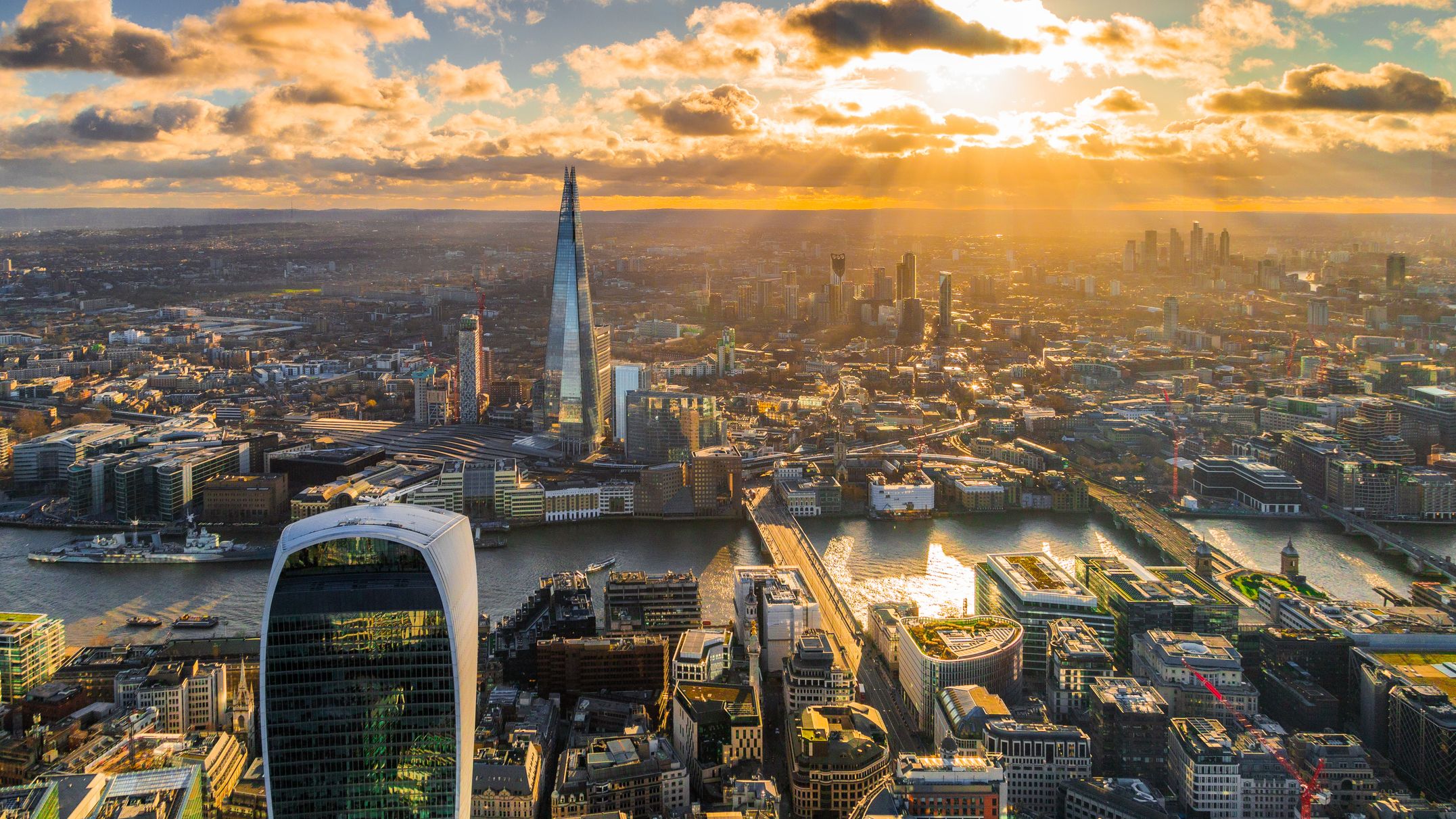
Before choosing the right label, you need the map in your head. London’s official boundaries do not always match the way Londoners talk about where they are from.
What Is A London Borough?
A London borough is a local authority area within Greater London. The London Councils describes London local government as made up of the 32 boroughs and the City of London Corporation.
Boroughs handle local services and civic administration, but they are not always how people describe their identity.
Someone may technically live in the London Borough of Haringey but say they are from Crouch End, Tottenham, Muswell Hill, North London, or London.
That is why borough demonyms can feel uneven. Some boroughs map neatly onto older place names. Others are administrative combinations of several distinct places.
Why The City Of London Is The Exception
The City of London is part of London, but it is not one of the 32 London boroughs.
The City of LondonCorporation says the City forms part of London as a whole alongside the 32 boroughs, and describes the Square Mile as the ancient core from which the rest of London developed.
That distinction matters for language. Someone who lives or works in the Square Mile may be a Londoner, but borough resident is not quite the right phrase.
City of London resident, City worker, or someone from the Square Mile is clearer, depending on context.
For ordinary writing, treat the City of London as its own category, not as a hidden 33rd borough.
What Londoners Usually Mean By Neighbourhood
A neighbourhood is usually smaller and more culturally recognisable than a borough. Soho, Brixton, Shoreditch, Camden Town, Peckham, Notting Hill, Hampstead, Walthamstow, and Greenwich all carry identities that can feel stronger than borough labels.
This is why someone from Camden can be ambiguous. Do they mean the London Borough of Camden, Camden Town, or the wider cultural idea of Camden as a music and market district?
When a borough and a neighbourhood share a name, ask what level of detail the sentence needs. In casual speech, neighbourhood names often do a better job.
Inner London And Outer London
London also has Inner and Outer classifications. The London Plan’s Annex 2classifies boroughs into Inner and Outer London, and its table includes the borough-by-borough split used for planning purposes.
This helps explain why the 12 boroughs of London appear in search results. People often mean the 12 traditional Inner London boroughs, not the whole city.
But official and statistical classifications can vary, so avoid treating 12 boroughs as the full answer to how many London boroughs there are.
Once the geography is clear, the borough labels become easier to use without overstating them.
The "Home Counties" Hangover: When Londoners Reject "London"
In the Outer London boroughs, you will encounter a massive cultural quirk: many residents completely reject the "Londoner" label in favour of their historical counties.
The geographic area surrounding London is known as the Home Counties. Even though the borders of Greater London expanded decades ago, local stubbornness remains.
People from Croydon or Bromley will often insist they live in Surrey or Kent. Similarly, residents of Romford (London Borough of Havering) or Ilford (London Borough of Redbridge) will fiercely defend being from Essex.
This is a vital insider detail. If you are writing to or about people in these outer fringes, be aware that calling an Ilford resident a "Londoner" might spark a friendly but firm correction.
The Borough-By-Borough Guide: What People From Each London Borough Are Called
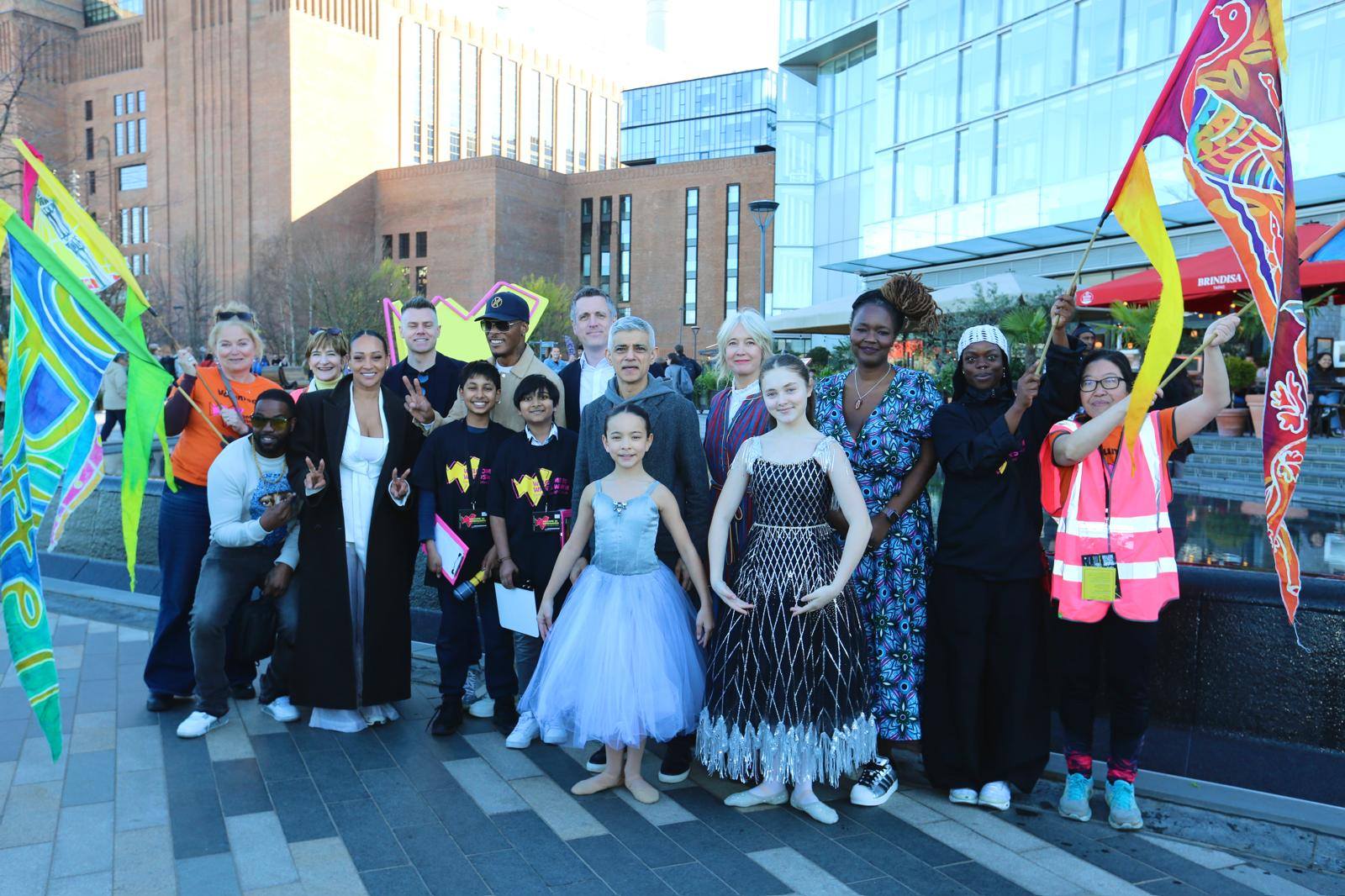
This is where the language gets practical. Some London boroughs have recognisable local labels, but many do not have a common demonym that sounds natural in everyday speech.
The table below focuses on what a careful writer can safely use without sounding forced.
How To Read This Table
Use the table as a language guide, not as a legal register. The borough list follows the 32-borough structure used by London government sources; the wording guidance favours natural, safe usage over invented certainty.
Reliability key:
- Safe phrase: always acceptable in normal writing.
- Sometimes used: appears in speech, journalism, clubs, local history, or informal writing.
- Use with care: may sound old-fashioned, playful, ambiguous, or forced.
All 32 London Boroughs And The Safest Resident Terms
| London borough | Possible or sometimes-used label |
| Barking and Dagenham | Barking resident; Dagenham resident |
| Barnet | Barnet resident |
| Bexley | Bexley resident |
| Brent | Brent resident |
| Bromley | Bromley resident |
| Camden | Camden resident; Camdenite sometimes appears |
| Croydon | Croydon resident; Croydonian is widely understood |
| Ealing | Ealing resident |
| Enfield | Enfield resident |
| Greenwich | Greenwich resident |
| Hackney | Hackney resident; Hackneyite is sometimes used |
| Hammersmith and Fulham | Hammersmith resident; Fulham resident |
| Haringey | Haringey resident |
| Harrow | Harrow resident |
| Havering | Havering resident |
| Hillingdon | Hillingdon resident |
| Hounslow | Hounslow resident |
| Islington | Islington resident; Islingtonian is sometimes used |
| Kensington and Chelsea | Kensington resident; Chelsea resident |
| Kingston upon Thames | Kingston resident; Kingstonian is sometimes used, but can be ambiguous |
| Lambeth | Lambeth resident |
| Lewisham | Lewisham resident |
| Merton | Merton resident |
| Newham | Newham resident |
| Redbridge | Redbridge resident |
| Richmond upon Thames | Richmond resident |
| Southwark | Southwark resident |
| Sutton | Sutton resident |
| Tower Hamlets | Tower Hamlets resident |
| Waltham Forest | Waltham Forest resident |
| Wandsworth | Wandsworth resident |
| Westminster | Westminster resident |
Insider’s Usage Note: In formal copy, I would almost always choose Hackney resident, Camden resident, or person from Croydon over a showier demonym unless the local term is central to the piece. It sounds cleaner, and it avoids turning London’s local identities into trivia.
Why Some Borough Names Sound Awkward As Demonyms
English demonyms often use neat endings such as -er, -ian, and -ite. That works perfectly for places with deep, standalone histories: Londoner, Mancunian, Glaswegian, Croydonian, Hackneyite.
London boroughs are trickier, and the reason is purely historical. The current 32 London boroughs were created by the London Government Act 1963, with the new structure taking effect in 1965.
To streamline local government, planners stitched together dozens of older, historic towns, parishes, and metropolitan boroughs into larger administrative blocks.
This bureaucratic marriage is exactly why many borough names are double-barrelled or feel clunky.
Hammersmith and Fulham does not lend itself to a natural demonym. "Kensington-and-Chelsea-ite" sounds like a joke.
Because these borough boundaries are administrative rather than organic, ordinary speech usually chooses clarity over forced labels.
Someone is far more likely to say they are from Fulham or a resident of Kensington.
How Londoners Actually Use Local Identity Terms
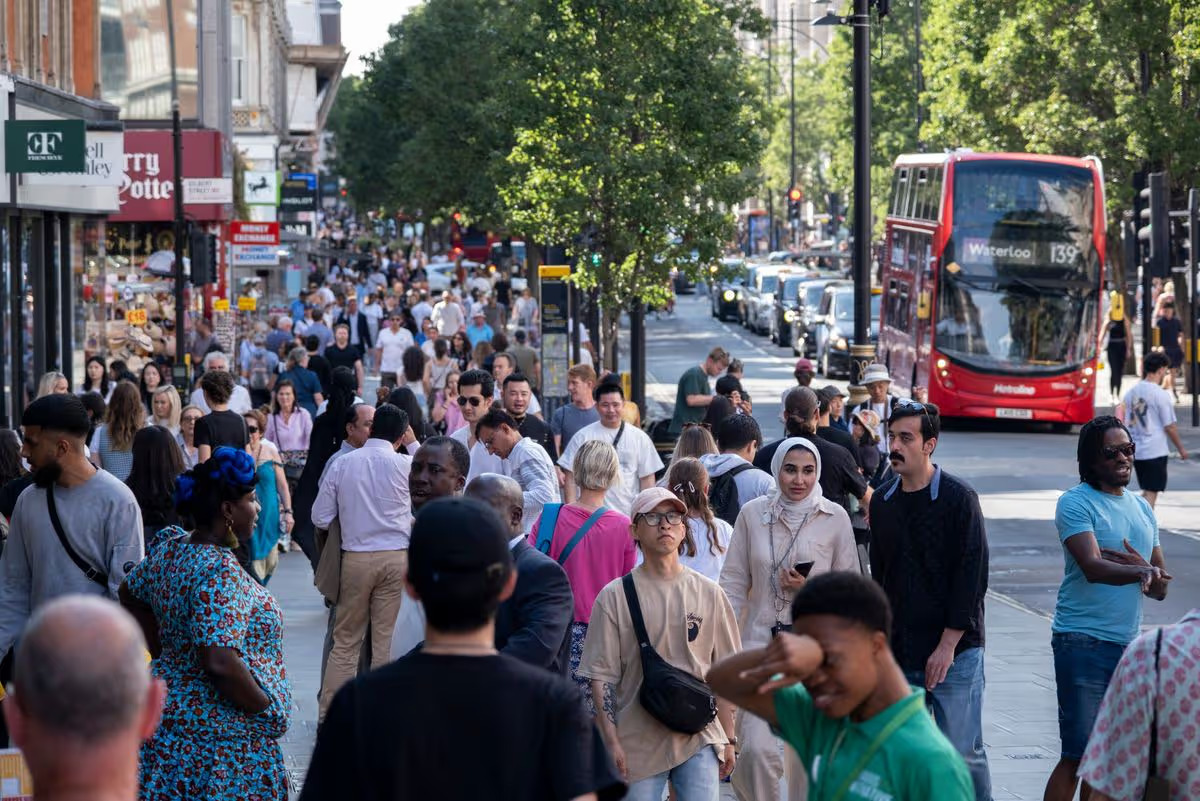
In real conversation, Londoners usually choose the term that feels most immediate, not the one that looks most official.
That might be a borough, a neighbourhood, a side of the river, or simply London itself. The trick is to match the wording to the situation instead of forcing a formal label where it does not belong.
Use Person From… When You Are Unsure
The phrase person from [place] is your safest tool. It works for boroughs, neighbourhoods, districts, towns, and estates.
Use:
- a person from Newham
- a family from Lewisham
- residents of Wandsworth
- someone who grew up in Harrow
- a South Londoner from Croydon
Avoid forcing labels such as Newhamite or Lewishamian unless you have a strong reason and supporting context.
Use Neighbourhood Names When They Matter More
Londoners often identify with neighbourhoods because they feel more precise than boroughs.
A person may say, "I’m from Peckham, not from Southwark." Another may say I grew up in Walthamstow, not that I’m from Waltham Forest.
Imagine someone asking directions outside Brixton station. I’m a Lambeth resident, which would sound oddly civic. I’m from Brixton, which would sound immediate and human.
That is the pattern to follow: use the smallest place name that helps the reader without confusing the map.
Avoid Treating Jokes As Official Local Names
London has a long tradition of playful local labels, but a joke is not the same as a demonym.
Some invented names are fun in pub quizzes or social posts; they are weaker in factual writing.
If a term sounds like it was made for a headline, check it before using it. If it cannot be verified or feels unnatural, use resident of instead.
The practical rule: clarity beats cleverness.
British, English, Londoner: Which Identity Is Correct?
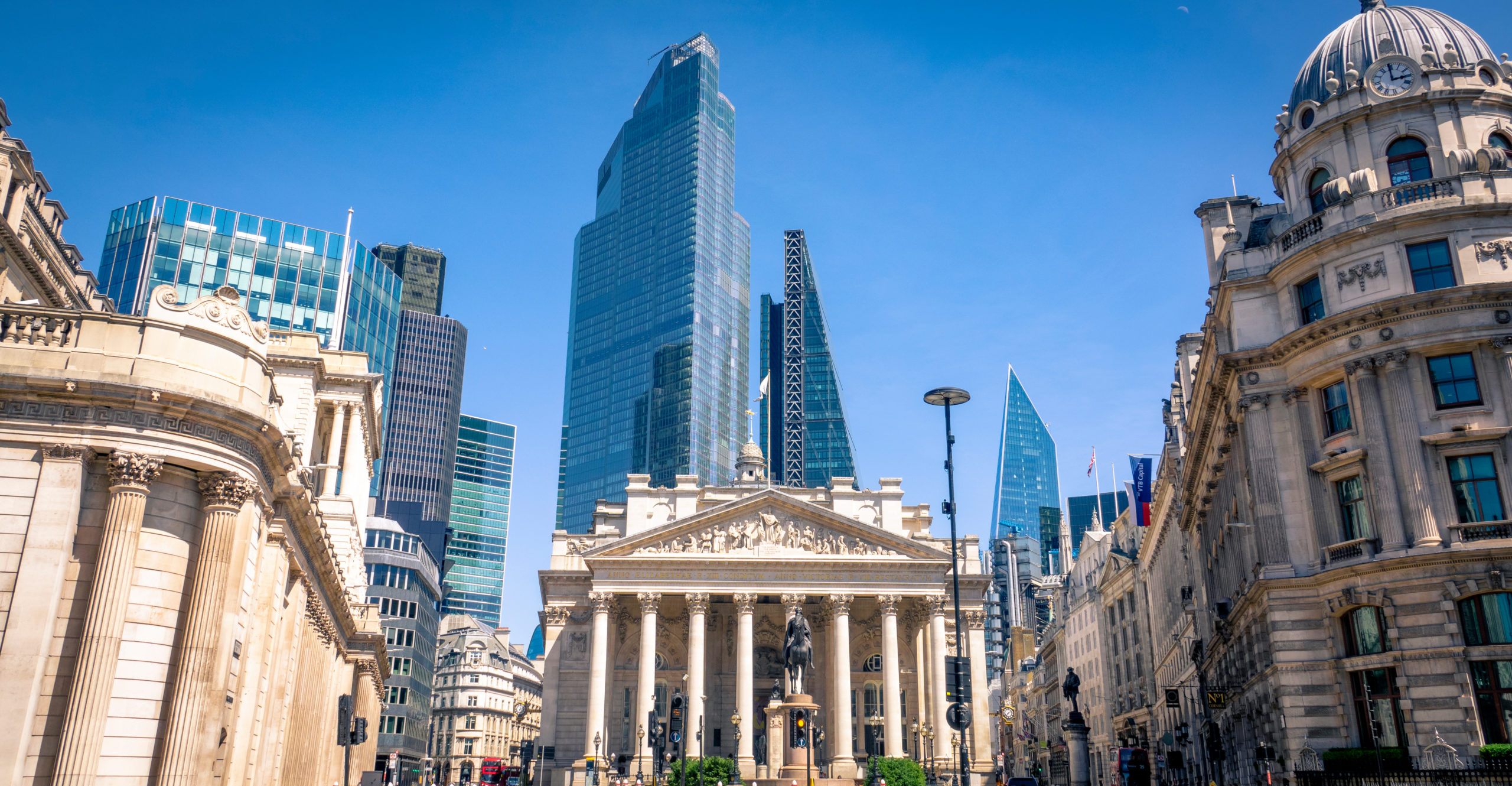
London identity also overlaps with national identity, which is why these terms can be confusing for visitors, students, and writers.
British, English, and Londoner can all be correct, but they answer different questions. One describes the country, one describes the nation, and one describes the city.
Are London People Called British?
Many Londoners are British, but British is a national identity, while Londoner is a city identity.
A person can be British and a Londoner, English and a Londoner, or a Londoner with another nationality.
London City Hall’s wording on Londoner identity is useful because it recognises multiple identities and includes people who live, work, or have lived or worked in the city.
So, British may be correct, but it does not answer the same question as What are people from London called?
Is A Person From England Called English?
A person from England is generally called English. A person from the United Kingdom is generally called British or a Briton.
Use the levels carefully:
| Place level | Common identity word |
| London | Londoner |
| England | English |
| United Kingdom | British / Briton |
| A London borough | resident of that borough |
These words can stack. An English Londoner from Greenwich is grammatically possible, though usually with more detail than a normal sentence does.
Can Someone Be A Londoner Without Being Born In London?
Yes. In everyday usage, a Londoner can describe someone who lives in London, not only someone born there.
Collins includes inhabitant in its definition, and London City Hall’s wording also treats Londoner identity as broader than birthplace alone.
That flexibility fits the city. Londonis built by people who arrive, stay, leave, return, and still carry the city with them.
The key is context:If birthplace matters, say born in London; if identity or residence matters, being a Londoner is usually enough.
Key Questions Answered
What Are People From London Called?
People from London are called Londoners. The word can refer to someone born in London or someone who lives there, depending on context. Collins defines a Londoner as a native or inhabitant of London.
What Are People From London Boroughs Called?
They are usually called residents of the borough or people from that borough. Some informal demonyms exist, but Hackney resident or person from Croydon is safer than guessing.
Is Someone From London Called A Cockney?
Not usually. A Cockney is a more specific London identity linked historically to Bow Bells and, in modern usage, working-class East End culture and speech.
What Do You Call Someone From London Slang?
Cockney is the best-known slang or cultural identity term, but it should not be used for every Londoner. For the whole city, use Londoner.
Are London People Called British?
Many Londoners are British, but British is a national identity. Londoner is a city identity, and the two words answer different questions.
A Person From England Is Called What?
A person from England is generally called English. If they are from London specifically, they can also be called a Londoner.
A Person From The Uk Is Called What?
A person from the United Kingdom is usually called British or a Briton. They may also identify with a nation, city, borough, or neighbourhood.
What Do They Call Neighbourhoods In London?
London uses neighbourhoods, districts, areas, wards, estates, and older local place names. In everyday speech, neighbourhood names often feel more natural than borough names.
Are Boroughs The Same As Neighbourhoods?
No. Boroughs are local-authority areas; neighbourhoods are smaller, looser, and often more culturally recognisable. Soho, Brixton, and Peckham are neighbourhood-style identities, not boroughs.
How Many London Boroughs Are There?
There are 32 London boroughs, plus the separate City of London. London Councils uses the same 32-borough-plus-City structure.
What Are The 12 Boroughs Of London?
People usually mean the 12 traditional Inner London boroughs: Camden, Greenwich, Hackney, Hammersmith and Fulham, Islington, Kensington and Chelsea, Lambeth, Lewisham, Southwark, Tower Hamlets, Wandsworth, and Westminster. The London Plan uses its own Inner/Outer classification table.
Is The City Of London A Borough?
No. The City of London is part of London but is governed separately by the City of London Corporation. It is often called the Square Mile.
What Is A Person From Croydon Called?
A person from Croydon may be called a Croydonian, but a person from Croydon or a Croydon resident is clearer in most writing.
What Is A Person From Hackney Called?
A person from Hackney may be called a Hackneyite, but a Hackney resident is safer in formal or neutral writing.
What Is Someone From Camden Called?
Camden resident is the safest phrase. Camdenite is sometimes used, but it may refer more loosely to Camden’s cultural identity than the whole borough.
What Is Someone From Islington Called?
Islington resident is the safest phrase. Islingtonian is sometimes used, though it can sound formal, literary, or slightly playful.
Which Part Of London Is Known For Theatres?
The West End is London’s best-known theatre district. Official London Theatre notes that Theatreland developed as more theatres opened in the West End, especially after the Theatres Act 1843.
What’s The Poorest Borough In London?
There is no single permanent answer because it depends on the metric and year. Trust for London’s borough poverty data, using pooled survey years from 2018/19 to 2023/24, excluding 2020/21, places several boroughs above the London average, including Camden, Westminster, Tower Hamlets, Newham, Hounslow, Redbridge, Brent, Barking and Dagenham, Enfield, and Ealing.
Are London Borough Demonyms Official?
Most borough demonyms are not official in the way council names are official. Treat them as informal language unless a reliable local source supports the exact term.
Should Tourists Use Borough Demonyms?
Use them cautiously. Londoner, South Londoner, Hackney resident, or person from Croydon usually sounds more natural than a forced borough demonym.
What Do Locals Call People From South London?
South Londoner is common and natural. Similar compass labels include North Londoner, East Londoner, and West Londoner.
Do Londoners Identify More With Boroughs Or Neighbourhoods?
Often, neighbourhoods feel more personal than boroughs. Someone may identify with Brixton, Peckham, Walthamstow, or Hampstead before naming the borough.
The quick answer is useful, but the better answer is contextual: choose the word that matches the level of place you mean.
Final Word
The cleanest answer is still the first one: people from London are Londoners. That word does the heavy lifting for the whole city and avoids most mistakes.
For boroughs, stay practical. Say person from [borough] or [borough] resident unless a local label is clearly familiar and useful. Use Cockney only when you mean that narrower cultural identity, not as a blanket synonym for Londoner.
A good London place-name rule is this: use the term locals would recognise without needing you to explain the joke. That is usually the most accurate, readable, and respectful choice.
Jump to
What People From London Boroughs Are Called: Borough Names, Slang And Local Identity
Londoner, Cockney, East Ender: The Terms People Mix Up Most
Boroughs, Neighbourhoods And The City Of London Are Not The Same Thing
The Borough-By-Borough Guide: What People From Each London Borough Are Called
How Londoners Actually Use Local Identity Terms
British, English, Londoner: Which Identity Is Correct?
Key Questions Answered
Final Word

James Rowley
Author
James Rowley is a London-based writer and researcher covering London life, cultural geography, London travel, live London webcam pages and selected public figures across entertainment, sport, business and public life.
For over 15 years, he has focused on verified sources, first-hand local context and clear explanations that help readers understand both places and people more deeply. His work combines street-level London knowledge with careful research into career credits, media work, business interests and, where relevant, transparently explained net worth estimates.
He writes and reviews articles published on LondonWebcam.
Latest Articles
Popular Articles