What To Look For When Finding A Flat In London
Searching for a flat in London can be exhausting. Lettings vanish within hours of being posted online, viewings book up almost as quickly as they’re listed, and the prices can be downright disheartening.
Author:James RowleyApr 22, 20261.9K Shares138.7K Views
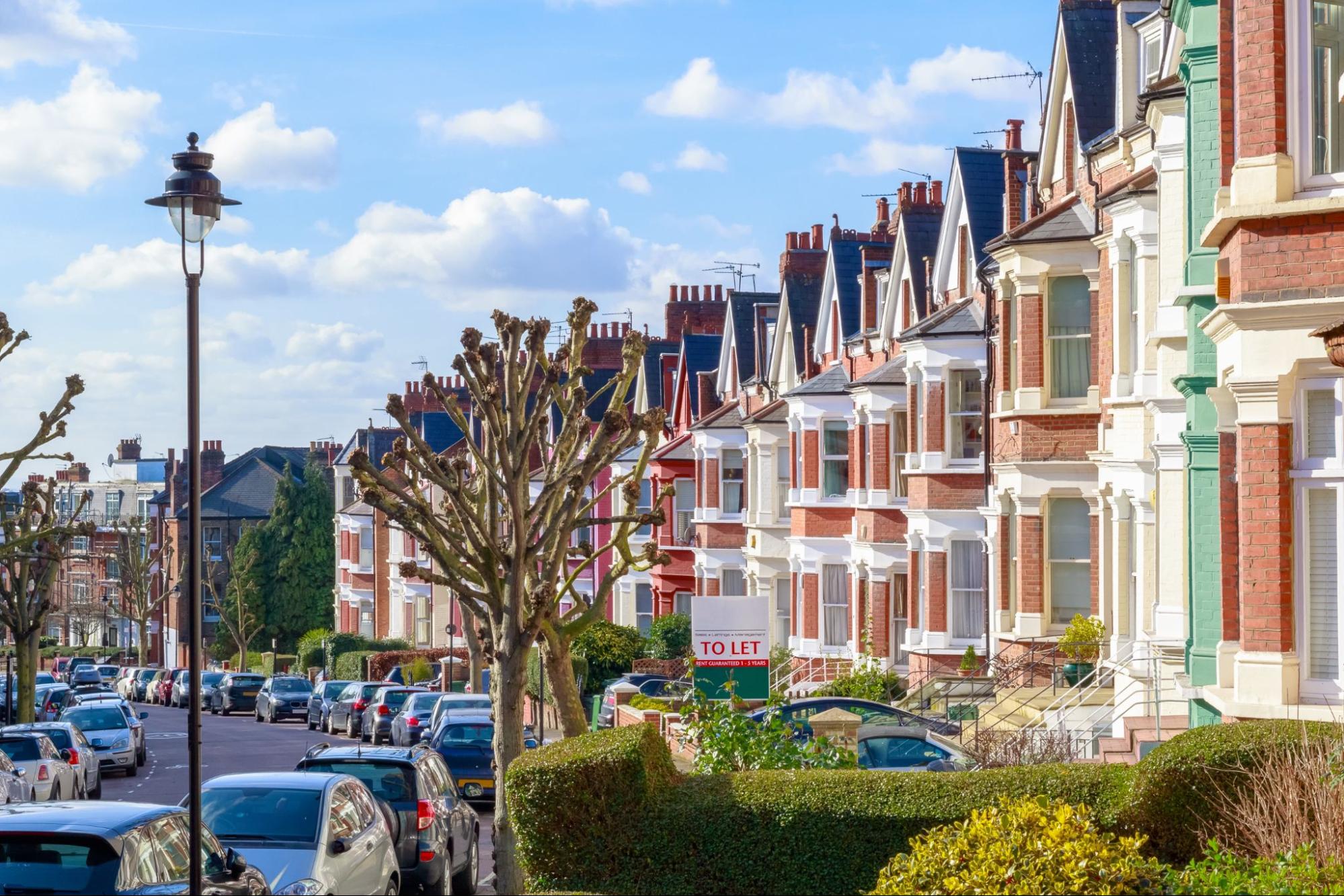
Searching for a flat in Londoncan be exhausting. Lettings vanish within hours of being posted online, viewings book up almost as quickly as they’re listed, and the prices can be downright disheartening. You might even find yourself scrolling property apps for weeks on end, refreshing browsers and sending landlords messages only to find out the flat you were interested in got snapped up by somebody else.
Securing a viewing is just the beginning. Juggling your ideal neighbourhoods against what you can realistically afford, while deciphering whether a property has hidden problems before you commit to a contract can be stressful for renters.
Especially if you’ve never rented in London before, knowing what you should be looking for before you find the perfect pad can be the hardest part. To make the process easier, we've put together some key pointers for flat viewings in London, ensuring you stay informed and composed.
So before you take your first viewing, make sure you know exactly what you’re looking for.
Understanding The London Rental Market
Renting technologies like real estate AIare starting to change how renters search for property in London, but fierce competition remains the reality on the ground in much of the city. Throughout the past decade, London has been one of Europe’s most competitive rental markets.
A combination of high population density, international demand, and relatively low housing stock has continued to place pressure on rental availability. Renters should be prepared to move quickly when they find a property they like and to attend multiple viewings and submit competing applications.
Rent can vary greatly depending on what borough you’re searching in and what type of property you’d like to rent. Naturally, properties in central London and well-connected neighbourhoods will often be the most expensive. Places closest to transport hubs, business centres, and universities will typically demand the highest rent. Outside of these neighbourhoods in London’s outer boroughs, there can sometimes be more space for your money. Knowing these geographic trends can help renters temper their expectations and find a neighbourhood that suits their needs and budget.
Competition is further increased by the number of people moving to London every year to study, work or for lifestyle reasons. Properties can attract dozens of contacts within days of being listed and highly sought-after flats will often be snapped up after only one round of viewings. Renters who are prepared with references, proof of income, and deposits will have a much better chance of being accepted.
Choosing The Right Location
Commute times are important to many renters. London’s Tube network allows you to live in one borough and work in another, but crossing Central London multiple times a day can eat into your day if you’re not careful. Filtering rentals by distance to Tube stations, Overground lines, major bus lines, and even bike routes can help narrow down a conveniently located flat. Remember to look up peak-hour commute times, as certain journeys can look deceptively short when you factor in weekday crowds.
Atmosphere and safety are other factors to consider when picking a location. Spend some time wandering around the neighbourhood at different times of day to observe how crowded the streets are, how well-lit it is at night, and how friendly locals appear to be. Forums, neighbourhood Facebook groups, and your local council’s website are also great sources of information for how neighbourhoods feel on a day-to-day basis.
Proximity to local amenities is another important feature that can make your life easier. Having restaurants, shops, pharmacies, parks, and Tube stations within walking distance of your flat will save you time and money in the long run. Having parks nearby is highly prized in London, and riverside walk routes are huge drawcards for locals. At the same time, more renters are prioritising access to the best coworking spaces, as these hubs provide reliable work environments, networking opportunities, and a productive alternative to working from home.
Price often comes down to choosing a location that matches your lifestyle. Flats closer to central London and main employment areas will be more expensive, whereas outer boroughs tend to have cheaper rental prices (or bigger flats). Think about how much space you need, how far you’re willing to travel to work/school, and which local amenities are most important to you. From there, you should be able to narrow down which London neighbourhoods suit your lifestyle.
Setting A Realistic Budget
Set a budget before searching for your new pad so you know exactly what you’re looking for. You don’t want to spend time looking at flats that are well beyond your budget. Rental prices can vary hugely across Londondepending on which borough and type of property you’re looking at. Knowing what average rents are like in your desired areas will make your life easier!
Bear in mind any additional costs too, landlords typically ask for a deposit (equivalent to a few weeks’ rent), first month’s rent upfront plus agency fees if there are any. Then there are utility bills, internet and council tax to think about. All these additional costs could add up to several hundred pounds per month. So it’s best to know what you can afford in terms of living costs from the get-go.
Finally, allow yourself a little wiggle room if something unexpected comes up. Whether that’s having to pay for repairs, general maintenance or buying last-minute furniture, it’s good to be covered for any surprises. Think realistically about what you can afford regarding rent and day-to-day living, and you’ll feel more secure when deciding on a flat.
Inspecting The Property Carefully
First impressions are important but before you commit to that new lease agreement ensure you inspect the flat thoroughly. Some issues can often be fixed up cheaply by landlords or letting agents initially but could become major problems later down the line if ignored or unnoticed. Small damp odours, slightly dripping taps, can become flat turn-offs later on so keep your eyes peeled for signs of damp and mould around windows, room corners and wardrobes; adequate ventilation can also help to stop condensation building up.
Turn on the taps and shower if possible during viewings to ensure you have good water pressure and heating. Ask the age of boilers and water heaters and how reliable they are. Look at how much natural light comes through the windows and consider where the flat sits, facing a main road will make for louder environments, and how many windows there are.
Enquire about door and window security and ensure they lock properly. It is also important to consider who maintains the building you live in and how regularly cleaning/litter removal takes place within common areas. If any repairs or pest control services have been done recently, ensure there are no ongoing problems that could affect you in the future.
A place might seem great but there's nothing worse than moving in and finding out the boiler breaks down every few weeks or large building work is taking place.
Working With Letting Agents And Landlords
Dealing with letting agents and landlords can sometimes feel like you’re being bounced around. You can easily get to know them by asking some questions up front so you don’t get caught out later down the line. Find out what the letting agent will do for you and whether they are managing the property on a day-to-day basis, or if they are just acting as a 'middle-man' for your landlord. You need to know who you’ll need to call if anything needs repairing or if you have any queries.
Check that property listings are genuine and that your landlord is registered or authorised to let the property. Ask how long the tenancy agreement is for and whether there are any break clauses or notice periods. Don’t forget to ask about the deposit protection scheme too. All landlords in England and Wales are required to place deposits in a government-backed scheme so you can get your money back when you leave the flat, provided you leave it in a reasonable condition.
Ask who is responsible for maintenance, repairs and when. Who is responsible for minor repairs, emergency repairs and major repairs? Knowing who is responsible for what will mean you don’t receive any nasty surprises further down the line.
Tips For Securing A Flat In A Competitive Market
Apartment rentals in London can go quickly, sometimes within hours. Get ahead of the competition by being prepared and organised. Make sure you have references from previous landlords, income verification, identification and bank statements ready to present when you apply, so you can apply as soon as you find a flat you like. Also, make a good first impression with your potential landlord or letting agent by being organised, they’ll know you’re a serious applicant.
If you’re interested in securing the flat you’ve viewed, apply immediately. There’s a good chance that if it’s in a popular area, there will be other applicants by the time you get around to it. Send in your full application, and place your offer.
In your application, introduce yourself and why you’d like to rent this property from them. Provide proof that you’ll be a good tenant and that you won’t cause them any problems moving forward.
Narrow down your search by understanding where you want to live in London. Prioritise what’s important to you; be it commuting distance to work, being near a tube station, having a park nearby or being close to your favourite café. Research and find the best areas in Londonthat fit your needs because this way you’ll know where your prospects are higher.
Finding The Right London Flat
Balance is important when house hunting in London. Consider how your budget matches up with your ideal location and lifestyle. How important is it to you to live near work, parks, or social venues? Be realistic about what you can afford and what you’re willing to sacrifice. This mindset will allow you to narrow down your choices and empower you to make smart decisions.
London’s rental market moves quickly. Make sure you’re prepared by having your documents on hand, knowing which areas you’d like to live in, and doing your research on what you should look for when house hunting.
When you’re prepared with the right knowledge and mindset, you’ll feel confident moving forward and will be ready to snag your dream flat when it appears.

James Rowley
Author
James Rowley is a London-based writer and researcher covering London life, cultural geography, London travel, live London webcam pages and selected public figures across entertainment, sport, business and public life.
For over 15 years, he has focused on verified sources, first-hand local context and clear explanations that help readers understand both places and people more deeply. His work combines street-level London knowledge with careful research into career credits, media work, business interests and, where relevant, transparently explained net worth estimates.
He writes and reviews articles published on LondonWebcam.
Latest Articles
Popular Articles