Why Is Mayfair Called Mayfair? The Story Behind The Name
Why is Mayfair called Mayfair? Understand the real origin of the name, where the fair was held, and how Mayfair became a luxury district.
Author:James RowleyApr 13, 20264.6K Shares173.2K Views
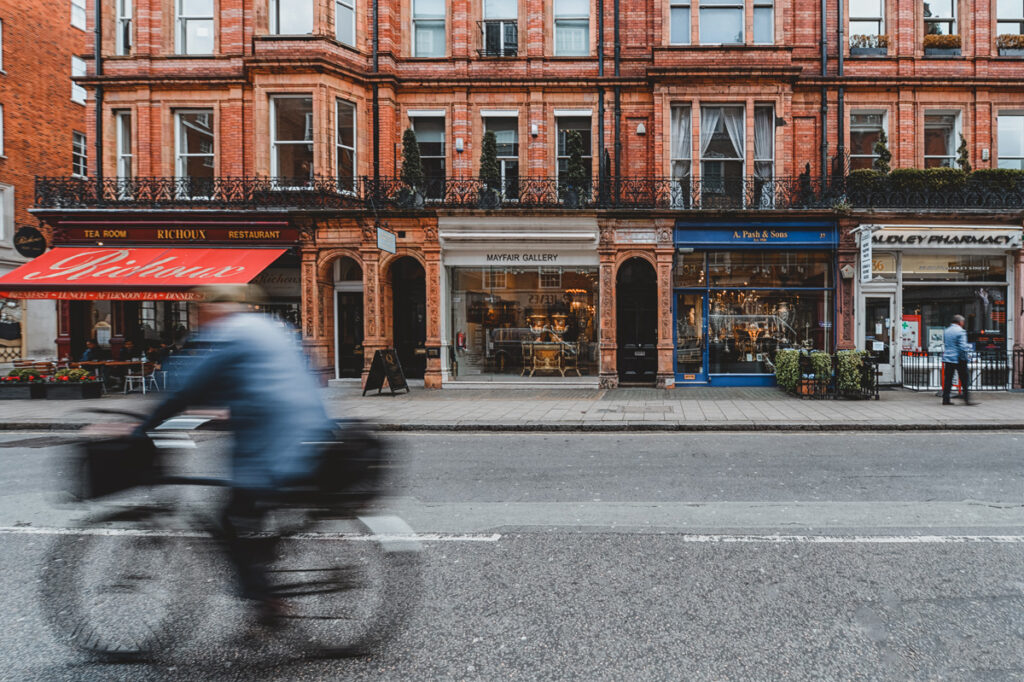
Why Is Mayfair Called Mayfair? From the May Fair to Modern Mayfair
Mayfair is called Mayfair because the historic May Fair was held near today’s Shepherd Market, and the surrounding area eventually took its name from that annual event.
The short answer is simple. The more useful answer is that Mayfair kept the name of a public fair even after the fair itself vanished and the district turned into one of London’s most prestigious addresses.
That contrast is what makes the story memorable. According to Westminster City Council’s historical material, the name comes directly from the fair once held on open land in what is now Mayfair. Later development changed the area completely, but it never changed the name.
Quick answer
- Mayfair got its name from the historic May Fairheld near today’s Shepherd Market.
- The fair became so well known that the surrounding district inherited its name.
- As the area was redeveloped in the 18th century, the fair disappeared but the name remained.
- Modern Mayfair is a luxury district, but its name comes from a much older public fairground.
Once you know that, the real question is not just what the fair was called, but how that fair came to define the area.
What The May Fair Actually Was
To understand the name properly, you need to picture the place before the boutiques, hotels, and grand townhouses. Mayfair began not as a polished brand but as open ground associated with a seasonal fair, crowds, noise, trade, and entertainment.
Before It Was “Mayfair”: St James’s Fair And The Hospital Connection
Westminster’s conservation history says the fair that gave Mayfair its name certainly existed by the mid-17th century and may have been connected to the older St James’s Fairtradition. British History Online traces that older fair tradition back to a grant associated with the Hospital of St James.
That matters because it rules out a common misunderstanding. Mayfair was not named because the district happened to be pleasant in May.It was named after a real fair with a real local history.
The safest way to frame it is this: Mayfair takes its name from the later May Fair, and that fair likely grew out of an older St James’s fair tradition. That keeps the origin accurate without flattening different layers of local history into one simple claim.
Where The Fair Was Held: Brook Field And Today’s Shepherd Market
Westminster places the fair on the fields around the site of today’s Shepherd Market, which remains the best modern reference point for the area where the name originated.
That detail matters more than many short explainers suggest. Readers often think of Mayfair as a broad luxury district, but the name began in a much more specific part of the area. If you want a mental anchor for the origin of the name, start with Shepherd Market, not Bond Street or Park Lane.
Why The Fair Became Important Enough To Name The Area
Place names usually come from the feature people most strongly associate with a location. In this case, the fair was prominent enough that the surrounding land became known by reference to it. Over time, “the place of the May Fair” settled into Mayfair.
That is the key point many thin articles leave underexplained. The name was not a later invention. It was a label that grew naturally from local usage and then survived long after the fair itself had gone.
Myth vs fact
- Myth:Mayfair was named simply because the area looked attractive in spring.
- Fact:It was named after a specific fair held in May near today’s Shepherd Market.
- Myth:The name came after the district became wealthy.
- Fact:The name is older than Mayfair’s luxury reputation and belongs to its rougher early history.
Once the fair is clear, the next step is understanding how that fairground turned into the Mayfair people recognise today.
How The Fairground Became Mayfair
The fair explains the name. The district’s later development explains why the name took on such a different meaning. This is the hinge of the whole story.
Why The Fair Fell Out Of Favour
By the 18th century, the fair no longer suited the direction in which the area was moving. Westminster’s conservation directory says the fair was eventually abolished after the middle of the 18th century at the insistence of the sixth Earl of Coventry, whose Piccadilly mansion was disturbed by the noise of the revellers.
That detail says a lot about Mayfair’s changing social character. Once high-status residents, major houses, and more controlled development arrived, a noisy public fair began to look less like a tradition and more like an inconvenience.
The end of the fair was not a minor footnote. It was part of the same process that made the district more exclusive.
The Fair’s Abolition And The Turning Point In Mayfair’s History
Many standard histories place the fair’s final abolition in 1764. Westminster’s own conservation material is slightly more cautious and describes it more broadly as ending after the middle of the 18th century. Either way, the historical significance is the same: the fair ended, and the area moved decisively towards order, planning, and fashionable residence.
| Date / Period | Why it matters |
| 17th century | The fair is clearly established on the land around today’s Shepherd Market. |
| Early 18th century | The district begins to attract fashionable residential development. |
| Mid-18th century | The fair is abolished, clearing the way for a more orderly and elite identity. |
| By the 1780s | Westminster says Mayfair was almost completely built up. |
That timeline matters because it shows the district did not rename itself when it changed. The land was transformed, but the older fairground name remained in place.
How The Grosvenor Family Reshaped The District
British History Online traces the Grosvenor family’s role in Mayfair to 1677, whenSir Thomas Grosvenormarried Mary Davies and acquired land that became part of the Grosvenor estate. That marriage helped shape the ownership structure behind later development.
Mayfair did not become fashionable by accident. It was formed through land control, estate planning, leases, streets, and squares. Westminster’s guide notes that development accelerated from the second decade of the 18th century, with places such as Clifford Street, New Bond Street, Conduit Street, Hanover Square, and Grosvenor Squareemerging in that period.
This is the deeper explanation behind the name. Mayfair sounds refined today because the place changed; the name did not.
What Mayfair Is Today
Once the origin story is clear, the practical questions come next. What exactly is Mayfair now, where is it, and why does the name carry so much prestige?
Is Mayfair A City, District, Or Neighbourhood?
Mayfair is not a city. Britannica describes it as a neighbourhood of the City of Westminster, and London’s official visitor information places it in the West End.
In everyday terms, Mayfair is one of central London’s best-known districts. It has a strong identity, but it is still part of Westminster rather than a separate town or city.
If you enjoy London place-name history, the story of why is soho called soho?is just as distinctive.
Where Mayfair Is In London
Visit London gives the cleanest practical boundaries for modern Mayfair:
- West:Park Lane and Hyde Park
- South:Piccadilly
- East:Regent Street
- North:Oxford Street
Within those boundaries, the names most people associate with Mayfair include Bond Street, Grosvenor Square, Mount Street, Shepherd Market, and Savile Row.
Mayfair is part of the wider historic core of Westminster, which also includes major landmarks such as Westminster Abbey.
That map matters because it helps separate the origin of the name from the district’s modern reputation. Shepherd Market explains the name. Bond Street and Savile Row help explain the image Mayfair has now.
Why People Know Mayfair Today
According to Westminster City Council, Bond Street and Oxford Streetare internationally known shopping streets, while Savile Rowis famous for traditional tailoring. Britannica describes Mayfair as a fashionable district, and that reputation has been built over centuries through architecture, location, and the kind of residents and institutions the area attracted.
This is why the name feels so grand today. Modern Mayfair is linked with luxury hotels, embassies, clubs, fine dining, tailoring, and some of London’s most expensive real estate. Yet the name itself comes from a far less polished beginning.
Why Mayfair Became A Byword For Wealth
A place-name becomes cultural shorthand only when it gathers meaning over time. Mayfair did that through geography, planning, and prestige.
Proximity To St James’s And The West End
Britannica notes that Mayfair’s closeness to St James’s Palacehelped make it fashionable. Its location also placed it near politics, court life, clubs, shopping, and the wider West End.
That combination mattered. Mayfair was central enough to be useful and exclusive enough to feel desirable. In London, prestige often comes from adjacency as much as from architecture, and Mayfair had the right neighbours at the right time.
Planned Squares, Aristocratic Residents, And Prestige
Westminster’s historical summaries describe Mayfair as a district shaped by land ownership patterns, planned streets, and a concentration of high-quality buildings, especially around Grosvenor Squareand Hanover Square.
The smartest way to read Mayfair is not as a rich area that happened to have a fair. It is better understood as a fairground that was gradually overwritten by elite urban planning. That is why the name carries such an unusual double life: humble origin, prestigious outcome.
Why The Name Still Sounds Grand Today
Modern readers hear “Mayfair” and think of wealth because the district has spent centuries accumulating that meaning. Fashionable houses, planned squares, Savile Row, Bond Street, Hyde Park, and its West End position gradually changed what the name suggested.
The fair named the place. The place later transformed the meaning of the name.
Frequently Asked Questions About Mayfair
Why Is Mayfair Called Mayfair?
Mayfair is called Mayfair because the historic May Fairwas held in the area near today’s Shepherd Market, and the district later took its name from that fair.
How Did Mayfair Get Its Name?
It got its name through local usage. The annual May Fair became so closely associated with the area that the name passed from the event to the surrounding district.
What Was The May Fair?
The May Fair was a seasonal fair held in spring, associated with trade, entertainment, and crowds. It was important enough locally to give Mayfair its lasting name.
Where Was The May Fair Held?
The fair was held on fields around the site of today’s Shepherd Market, which is the clearest modern reference point for the name’s origin.
Was Mayfair Named After The Month Of May?
Only indirectly. It was not named after the month by itself, but after a fair held in May.
When Did The May Fair End?
Many standard histories place its abolition in 1764, while Westminster’s conservation material describes it more broadly as ending after the middle of the 18th century.
Is Mayfair A City?
No. Mayfair is a district or neighbourhood in the City of Westminster, not a separate city or town.
Why Is Mayfair So Rich?
Mayfair became wealthy because of its prime location, aristocratic estate development, planned squares, and long-standing appeal for luxury retail, residences, and prestige institutions.
What Is Mayfair Famous For?
Mayfair is famous for Bond Street, Savile Row, Grosvenor Square, luxury shopping, Georgian streets, and its long association with wealth and status.
What Remains Of Old Mayfair?
The clearest surviving links to older Mayfair include Shepherd Market, historic squares such as Grosvenor Squareand Hanover Square, and much of the district’s built form and street pattern.
Final Thought
Mayfair is called Mayfair because a fair once held in May gave the area its name. That is the literal answer.
The more interesting answer is that the name survived a complete change in identity. A place once associated with open ground and public festivity became one of London’s most polished districts, yet it still carries the memory of the fair that first made it locally famous.

James Rowley
Author
James Rowley is a London-based writer and researcher covering London life, cultural geography, London travel, live London webcam pages and selected public figures across entertainment, sport, business and public life.
For over 15 years, he has focused on verified sources, first-hand local context and clear explanations that help readers understand both places and people more deeply. His work combines street-level London knowledge with careful research into career credits, media work, business interests and, where relevant, transparently explained net worth estimates.
He writes and reviews articles published on LondonWebcam.
Latest Articles
Popular Articles