Why Is Soho Called Soho - The History Behind The Name
Why Is Soho Called Soho? Learn the best-supported origin, what the early records show, and why London’s Soho is not the same as New York’s SoHo.
Author:James RowleyApr 20, 2026
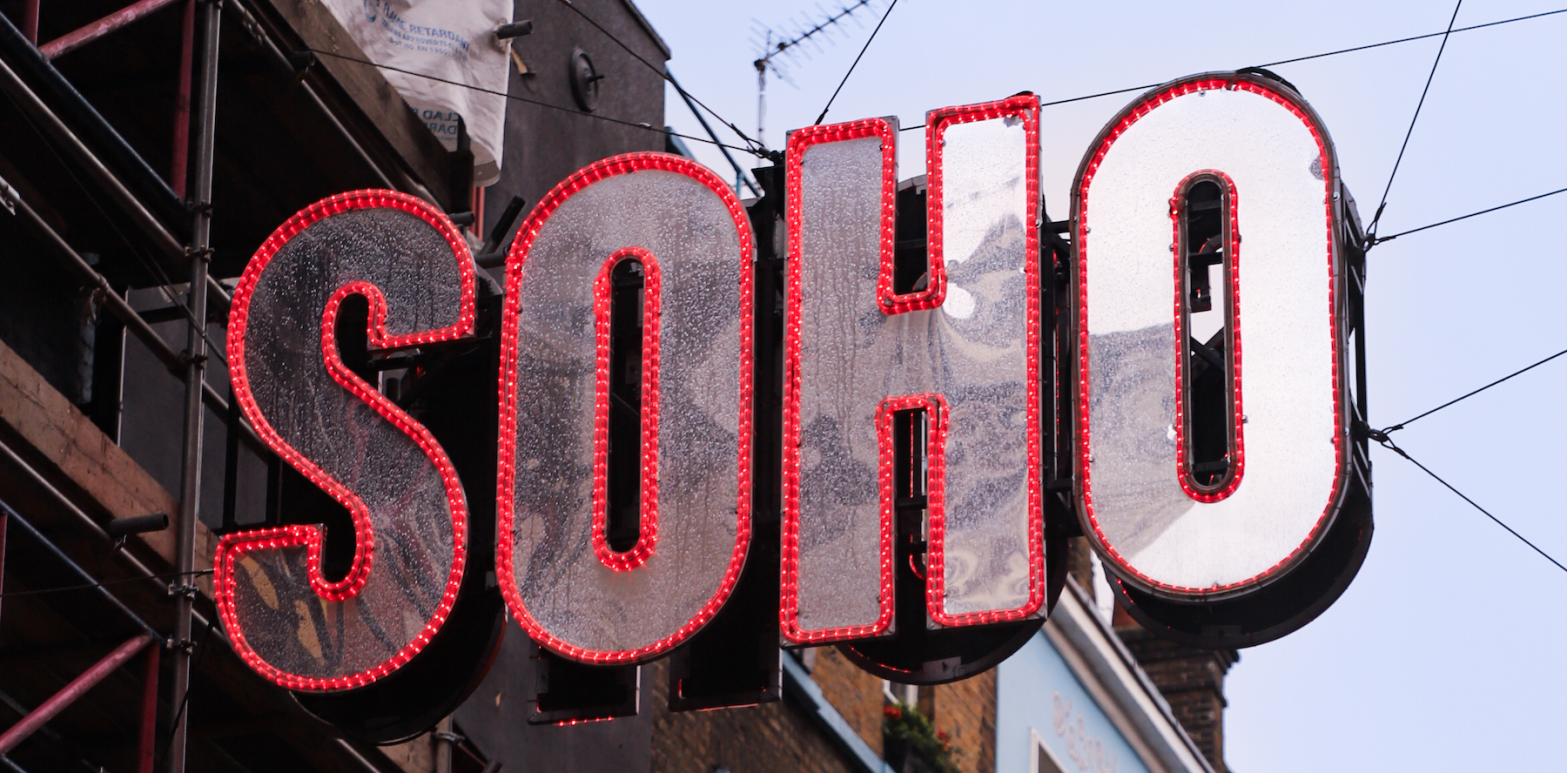
Why Is Soho Called Soho? The Origin, Myths, And Evidence
If you have come across several explanations for Soho, the confusion usually starts in the same place: people mix up London’s old place-name with New York’s much later acronym. The answer that best fits the historical record is also the simplest one.
London’s Soho is most likely named after “So Ho!”, an old hunting cry used when this part of the city was still open ground rather than a tightly built district. Records in the Survey of Londonshow the name in local use by 1636, with another reference to “So:ho” in 1641. Standard reference works such as Britannicaalso trace the name to an old hunting cry.
Key Takeaways
- London’s Soho was most likely named after the hunting cry “So Ho!”
- The name is recorded locally by 1636, and again in 1641
- London Soho is not an acronym such as “South of Holborn”
- New York’s SoHo means South of Houston Street
- London’s Soho came first by centuries
London’s Soho: The Short Answer Before The Deeper History
The shortest accurate answer is this:Soho is most likely called Soho because “So Ho!” was an old hunting cry, and the name stuck before the area was heavily built up.
That explanation holds up better than the popular myths because it fits two things at once: the surviving records and the earlier landscape. Good place-name history depends on that balance. It follows the evidence as far as it goes, without turning a strong theory into fake certainty.
The Leading Theory: “So Ho!” As An Old Hunting Cry
The hunting-cry explanation lasts because it fits the place Soho used to be, not just the Soho people imagine now.
Long before Soho became associated with nightlife, restaurants, theatres, and West End energy, this was open ground tied to farmland and Crown-controlled land. Britannicanotes that the area was farmland in the Middle Ages and came under the Crown in the 1530s. The Survey of Londontraces the sixteenth-century land that later became Soho Fields and related estates. In that setting, a hunting cry does not sound like decorative folklore. It sounds like the kind of repeated call that could attach itself to a patch of land and remain there.
The careful wording still matters. “Most likely”is stronger than a guess, but weaker than absolute proof. Early records can show that a name existed, yet they rarely preserve the first moment anyone used it. That is why the documentary record matters more than colorful retellings.
The Evidence Behind The Name
The strongest part of Soho’s naming story is the timeline. Once the dates are clear, weaker explanations lose most of their force.
According to the Survey of London, the first known use of Sohoas a local place-name appears in 1636as a heading in a list of ratepayers in St Martin in the Fields. The same source records another appearance in October 1641, when Anna Clerke was reported after threatening to burn houses at “So:ho.”Those references show that Soho was already in normal local use well before the district’s later fame.
The landscape supports the name as well. The area that later became Soho was still associated with open land and Crown holdings in the sixteenth century, before the neighborhood’s major building phase in the later seventeenth century. That sequence makes the hunting-cry explanation fit both the terrainand the record trail.
Evidence Timeline
- 1530s:Land in the area comes under the Crown and remains associated with fields and open ground.
- 1636:The first known local place-name use of Sohoappears in parish ratepayer records.
- 1641:“So:ho”appears in another local record, confirming active local usage.
- Late 17th century:Soho is firmly established in the built and developing London landscape.
What The Records Prove
They prove that Soho was already a recognized local name by the 1630s and 1640s. That is enough to rule out explanations that depend on later events, later branding habits, or modern-style abbreviation logic.
What The Records Do Not Prove
They do notprove the exact moment the name was coined or identify the first person who used it. The earliest surviving record of a place-name is not always the first spoken use. That is why the safest historical wording is still best-supported, not absolute certainty.
The Myths And Misreadings That Confuse The Story
Famous neighborhoods attract folklore. Soho is no exception. The quickest way to test those stories is simple: check whether the dates actually work.
Why “South Of Holborn” Is Wrong
London’s Soho is notan acronym for South of Holborn. The name is already on record by 1636, which is far too early for that kind of modern neighborhood shorthand.
The myth spreads because people learn that New York’s SoHois an abbreviation and assume London must follow the same pattern. It does not. London’s Soho is an older place-name with a different history. The acronym idea is a modern back-formation, not the real origin.
Related reading: How to pronounce holborn
Why The Duke Of Monmouth Did Not Name Soho
Another story ties Soho to the Duke of Monmouth, whose 1685 rebellion is associated with the word as a recognition call. Even if that association is accepted, it cannot explain the London place-name, because Soho was already recorded locally decades earlier.
That is the larger pattern with Soho myths: once the timeline is fixed, most of them collapse on their own.
London Soho Vs New York SoHo
This is where many readers get stuck. The names look almost identical, but they do notcome from the same source.
What SoHo Means In Manhattan
In New York, SoHomeans South of Houston Street. It is a geographic abbreviation, not a survival from old hunting language.
Who Helped Establish The Name
Official New York City planning material explains that, in 1963, planner Chester Rapkinwas commissioned to study the South Houston Industrial Area. That study helped establish the district label later associated with SoHo.
Which Soho Came First?
London’s Soho came first by centuries. The London place-name is documented by 1636, while New York’s SoHo belongs to a much later twentieth-century naming history.
The two places share a famous label, but not the same etymology. Once that difference is clear, most of the confusion disappears.
What Soho Is Known For Today
The name matters because Soho now carries much more cultural weight than its origin suggests in modern London life.
Today, Soho is closely associated with nightlife, restaurants, Wardour Street’s film connections, Carnaby Street’s tourist pull, and the wider energy of the West End. That modern identity did not create the name, but it did make the name famous enough to attract myths, borrowed meanings, and constant comparisons with New York.
That contrast is part of what makes the history stick. A word that likely began as a hunting cry now names one of London’s best-known urban districts.
Also check out: London by night
Frequently Asked Questions
Why Is Soho Called Soho?
London’s Soho is most likelycalled Soho because of the old hunting cry “So Ho!”The name is already recorded locally by 1636, which is why historians treat it as an old place-name rather than a modern invention.
Is Soho Short For South Of Holborn?
No. That is a later myth. Soho is documented as a London place-name in the seventeenth century, long before modern acronym-style district names became common.
When Was Soho First Called Soho?
The earliest known local record is 1636, according to the Survey of London. Another local appearance follows in 1641.
Is The Hunting-Cry Explanation Certain?
It is the best-supportedexplanation, not an absolute certainty. The records show that the name existed early, but they do not preserve the first moment it was spoken.
Did The Duke Of Monmouth Name Soho?
No. Monmouth’s rebellion was in 1685, long after Soho was already recorded locally in London.
What Does SoHo Stand For In New York?
In Manhattan, SoHostands for South of Houston Street. That is a geographic abbreviation, not the same origin as London’s Soho.
Which Came First, London Soho Or New York SoHo?
London came first by centuries. London’s Soho is documented by 1636; New York’s SoHo belongs to a much later twentieth-century naming history.
Why Do People Confuse London Soho And New York SoHo?
Because the names look nearly identical while the meanings differ. London’s Soho is an old place-name tied to a hunting cry; New York’s SoHo is a geographic abbreviation.
Quick Recap
The shortest accurate answer remains the best one: London’s Soho is most likely named after the hunting cry “So Ho!” The reason that answer holds is not just tradition. It is the combination of the old landscape, the local records from 1636 and 1641, and the way those dates rule out later myths.
Once you separate London’s old place-name from Manhattan’s modern SoHo acronym, the history becomes straightforward: London’s Soho is older, and the best-supported explanation remains the hunting cry “So Ho!”

James Rowley
Author
James Rowley is a London-based writer and researcher covering London life, cultural geography, London travel, live London webcam pages and selected public figures across entertainment, sport, business and public life.
For over 15 years, he has focused on verified sources, first-hand local context and clear explanations that help readers understand both places and people more deeply. His work combines street-level London knowledge with careful research into career credits, media work, business interests and, where relevant, transparently explained net worth estimates.
He writes and reviews articles published on LondonWebcam.
Latest Articles
Popular Articles