Cheapest Boroughs To Rent In London | Ranked By Price, Commute, And True Cost
Every renter in London eventually reaches the same moment. You open a property app, type in your budget, and the results stare back at you like a polite rejection.
Author:James RowleyApr 25, 2026

The average monthly rent across Londonnow sits at £2,252, up 7.3% from 2024 according to ONS data, and the gap between what most people earn and what landlords are asking has never felt wider.
The good news is that affordable renting in London is still possible. You just need to know where to look, what to look for beyond the headline rent figure, and what trade-offs you are actually signing up for.
I have ranked the 10 cheapest boroughs using the latest rental data, factored in transport and commute costs, and given you a clear picture of who each area actually suits. This is not a list of places that are cheap because they are bad. It is a list of places where the numbers make sense if you are willing to move beyond Zone 2.
Key Takeaways
- Bexley is the cheapest borough to rent in London, with an average monthly rent of £1,485
- Havering, Sutton, and Croydon follow closely, all averaging between £1,521 and £1,525 per month
- The London-wide average rent is £2,252 per month, more than double the UK national average
- Zones 4 to 6 offer the most affordable rents; outer boroughs offer more space for the price
- Transport costs can add £150 to £300 per month and should always be factored into your total budget.
- The Elizabeth Line transformed commute times from several East London boroughs, making them far more competitive in value.
What Counts As Affordable? Understanding London's Rental Market
Before getting into specific boroughs, I think it is worth being honest about what "affordable" actually means in this city. Affordable in London is not affordable by national standards. Even the cheapest borough to rent in the capital sits above the UK national average rent of £1,344 per month. That context matters.
How Far London Rents Have Risen
The most expensive borough, Kensington and Chelsea, now averages £3,616 per month, the highest private rent of any area in the UK. Westminster sits at £3,251, Camden at £2,804, and Hackney has risen 9% in a single year to reach £2,557.
When I look at those numbers against the cheapest boroughs in this guide, the savings are not marginal. Choosing Bexley over Hackney could put over £1,000 back in your pocket every month. That is not a small lifestyle adjustment; that is a transformative financial decision for most renters.
Why Outer Zones Are Cheaper And What That Actually Means
The further a borough sits from Zone 1, the lower its average rent tends to be. This is driven by demand. Renters willing to commute further have more options, which keeps landlords from pushing prices as aggressively as they do in inner London.
The trade-off is time. A 40-minute commute versus a 20-minute one adds up to roughly five hours a week. Whether that time cost is worth the financial saving is a personal calculation, but I would argue that for most people saving over £500 per month, it is.
The arrival of the Elizabeth Line has also changed the calculation for several East London boroughs. Areas that once felt isolated now offer sub-20-minute journeys to central London. That shift has already started pushing rents up in those areas, which is worth noting if you are considering making the move.
The True Cost Of Renting Cheap
Here is something most lists of "cheapest boroughs" never tell you. Rent is one number. What you actually spend to live in a borough is a different, larger number. I think this distinction is one of the most important things any renter in London should understand before signing a lease.
Factoring In Transport Season Tickets
A Zone 1 to Zone 5 annual Travelcard costs significantly more than a Zone 1 to Zone 2 equivalent. The difference, depending on the route, can be £800 to £1,500 per year, or roughly £65 to £125 per month.
If you save £300 per month on rent by moving from Hackney to Bexley but spend an extra £100 per month on transport, your real saving is £200. Still meaningful, but worth calculating accurately before you commit to a borough purely on headline rent.
Council Tax And Utilities
Council tax varies significantly across London boroughs. Outer boroughs, where most cheap renting options exist, often charge lower council tax rates than inner London. This works in your favour and partly offsets the higher transport costs.
Utility bills in outer boroughs are also often lower because properties are often larger and more modern in structure than Victorian-era inner London flats. When I calculate the full monthly picture, the outer boroughs often look even more attractive than the rent figure alone suggests.
See Also: Richest Boroughs In London
Insider Insight:A simple way to calculate your true cost is to add your expected rent, council tax, an average utility estimate of £150 to £250 per month, and your monthly transport cost. Compare that total across two or three boroughs before deciding where to search. Most renters who do this end up surprised by how the rankings shift.
The 10 Cheapest Boroughs To Rent In London
All figures below are drawn from personal research and the ONS Price Index of Private Rents data. Where one-bedroom figures are quoted separately, these come from specific borough-level data.
1. Bexley: Cheapest Overall
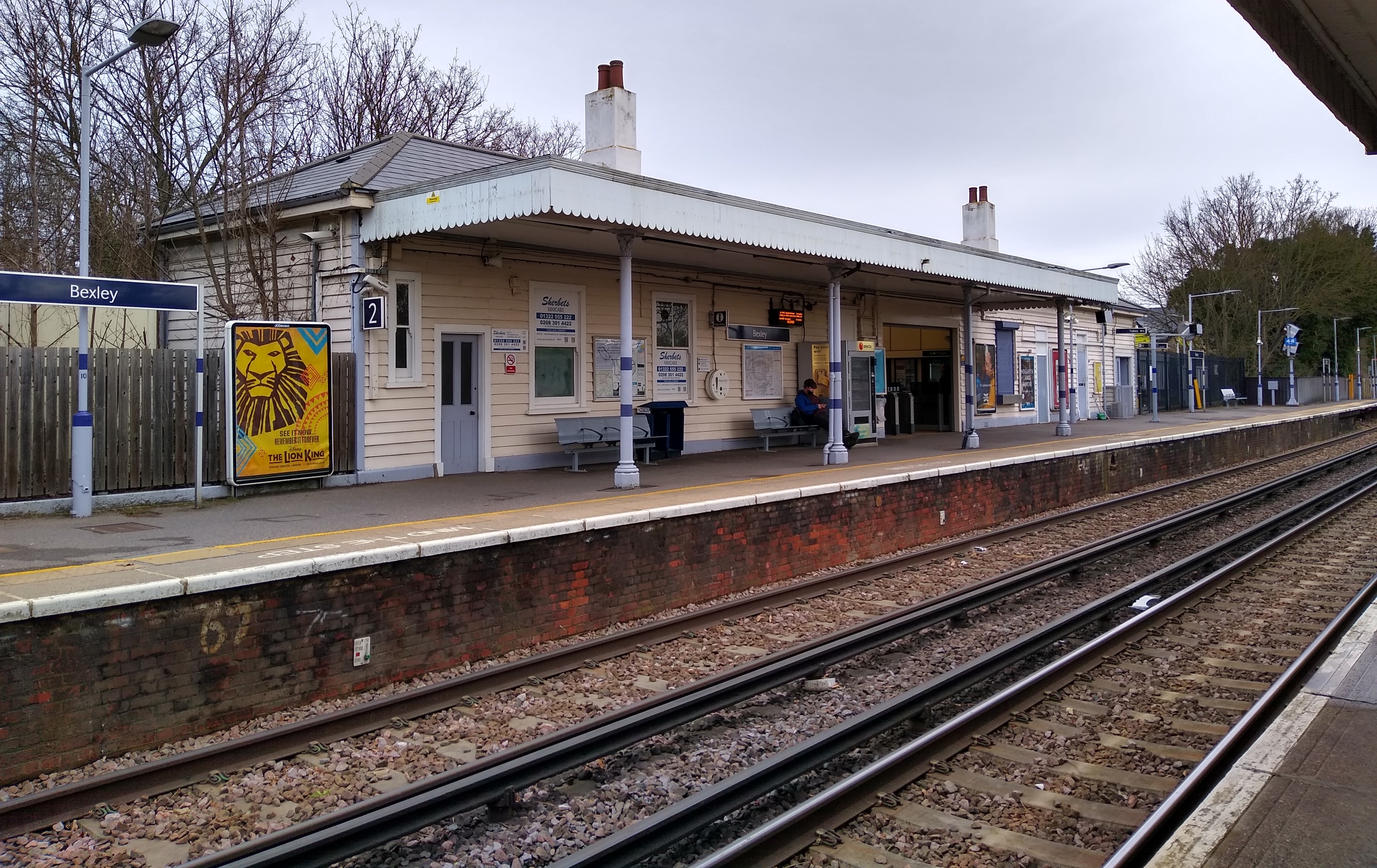
Bexley is the most affordable borough to rent in London, with an average monthly rent of £1,485 across all property types according to ONS data. For a one-bedroom flat, you are looking at approximately £1,215 per month, and a two-bedroom at around £1,510.
Located in South East London, Bexley sits about 45 minutes from central London by train from Bexleyheath Station to Victoria or Charing Cross. It is family-friendly, consistently ranked among London's safest boroughs, and has genuine green spaces in Danson Park, Hall Place, and Gardens. For a family I can picture trying to stay within London on a stretched budget, Bexley is often the answer they have not considered yet.
The trade-off is honest: Bexley does not have the buzz of inner London. It is quiet and suburban. But if your priority is more space and lower rent, it delivers both better than almost any other borough in the capital.
- Average monthly rent:£1,485 all properties; £1,215 one-bedroom
- Commute to central London:Around 40 to 50 minutes by train
- Best for:Families, first-time renters, sharers looking for houses with gardens
2. Sutton: Safest And Most Affordable In South London
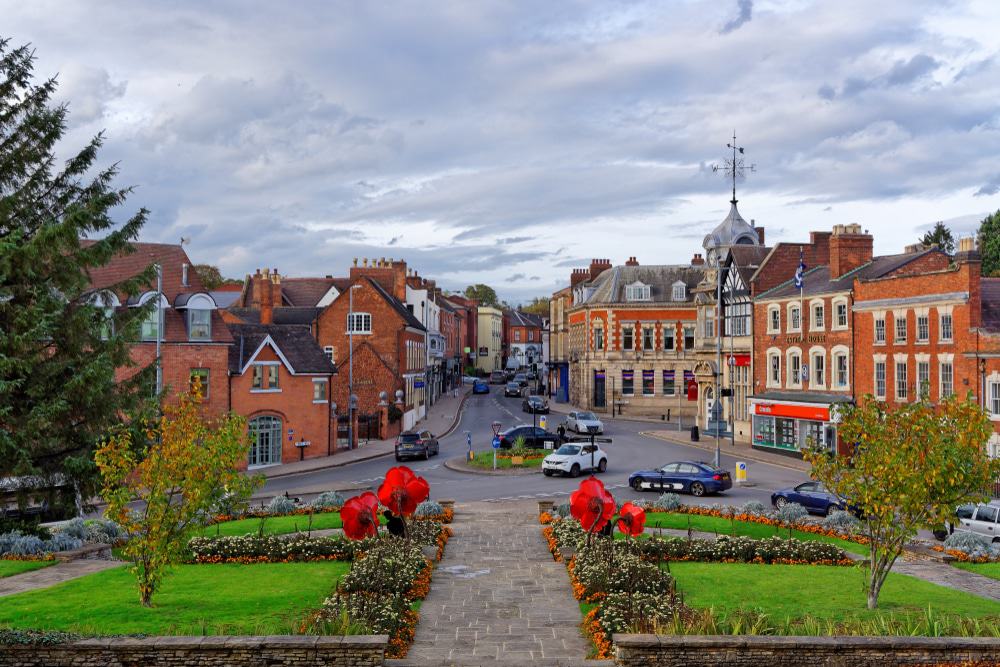
Sutton averages £1,521 per month across all property types, with one-bedroom flats at approximately £1,218 and two-bedrooms at around £1,530. It is consistently among the safest boroughs in London, has a strong offering of well-regarded schools, and sits just 10 miles from central London.
A train from Sutton Station to London Waterloo via Clapham Junction takes around 45 to 55 minutes. Nonsuch Park and the wider green spaces around the borough make it genuinely pleasant to live in, not just tolerable.
For a young professional willing to trade 20 extra minutes on a train for £700 less in monthly rent compared to Hackney, Sutton is one of the smartest choices in the capital right now. It is also worth noting that Sutton is about 45 miles from Brighton, which, for a weekend renter who enjoys escaping the city, is a real quality-of-life bonus.
- Average monthly rent:£1,521 all properties; £1,218 one-bedroom
- Commute to central London:Around 45 to 55 minutes by train
- Best for:Families, safety-conscious renters, professionals who work partly from home
3. Havering: Most Space Per Pound

London Wiki: boring & least ethnically diverse London area. The greenest London Borough is Havering
Havering sits in East London on the border with Essex and averages £1,522 per month in rent. One-bedroom flats start at around £860 per month, and two-bedrooms average approximately £1,150, making it genuinely competitive for households prioritising space.
The arrival of the Elizabeth Line at Romford Station changed the dynamic of this borough significantly. Commute times to Liverpool Street and Canary Wharf have shortened, and renters now get a meaningful amount of that connectivity at prices that still reflect the pre-Crossrail era. I would not expect that gap to last for much longer; demand in Havering is already rising.
The borough has Havering Country Park and a strong community character. Romford's shopping district gives it more of a town centre feel than many outer boroughs. It is best suited to those who want genuine space, possibly a house with a garden, without paying Zone 2 prices.
- Average monthly rent:£1,522 for all properties.
- Commute to central London:Around 35 to 45 minutes via the Elizabeth Line
- Best for:Families, sharers, renters who want more space and do not mind a suburban character
4. Croydon: Best Commute-to-Cost Ratio
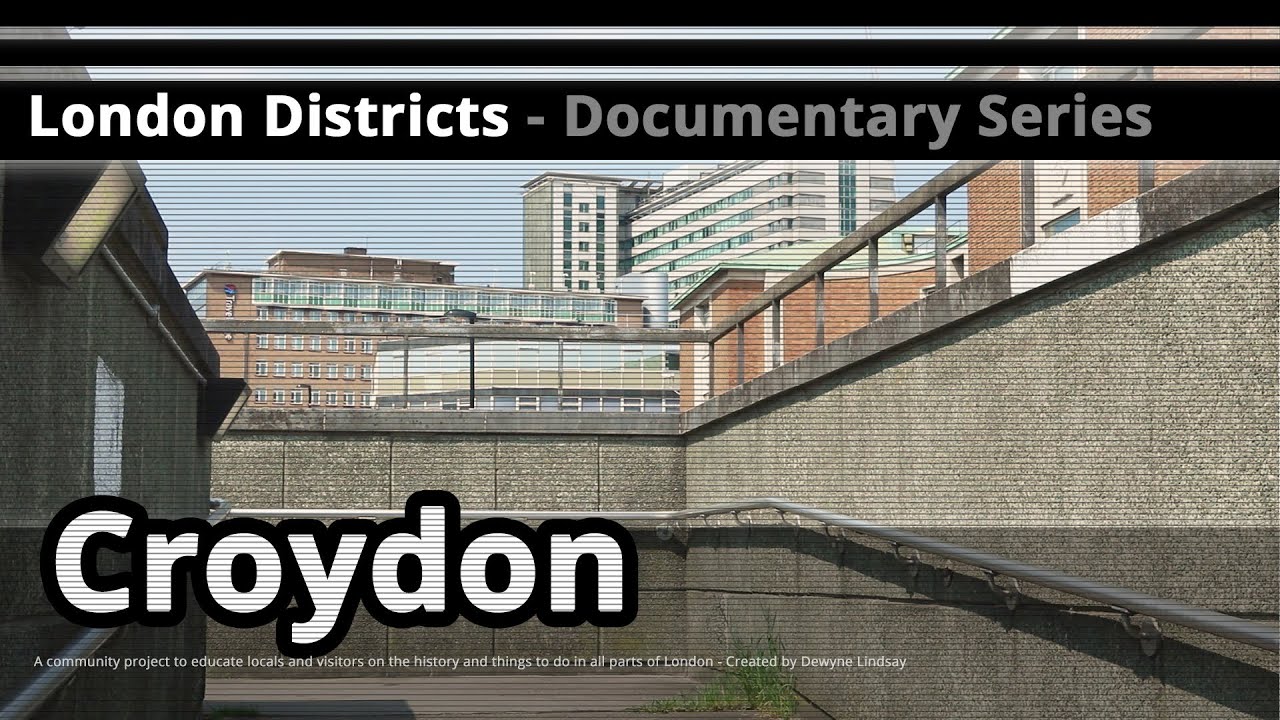
London Districts: Croydon (Documentary)
Croydon averages around £1,525 per month overall, with one-bedroom properties at approximately £1,232 and two-bedrooms at around £1,532 per month. What makes Croydon stand out in this list is not the rent figure alone but the commute.
Fast trains from East Croydon reach London Victoria in roughly 15 minutes and London Bridge in under 20. That kind of connectivity at a rent well below the London average is a rare combination, and it is why Croydon has increasingly attracted young professionals who have been priced out of Brixton, Peckham, and Lewisham.
Croydon also has an ongoing regeneration story. New residential developments, improved cultural venues, and continued investment in the town centre mean the area is changing. If I were thinking about where rents might rise fastest in the next few years among affordable boroughs, Croydon would be near the top of that list, which is both an opportunity and a warning for today's renters.
- Average monthly rent:£1,525 all properties; £1,232 one-bedroom
- Commute to central London:15 to 30 minutes by train
- Best for:Young professionals, commuters who prioritise fast access to central London
5. Barking And Dagenham: Lowest Rents In East London
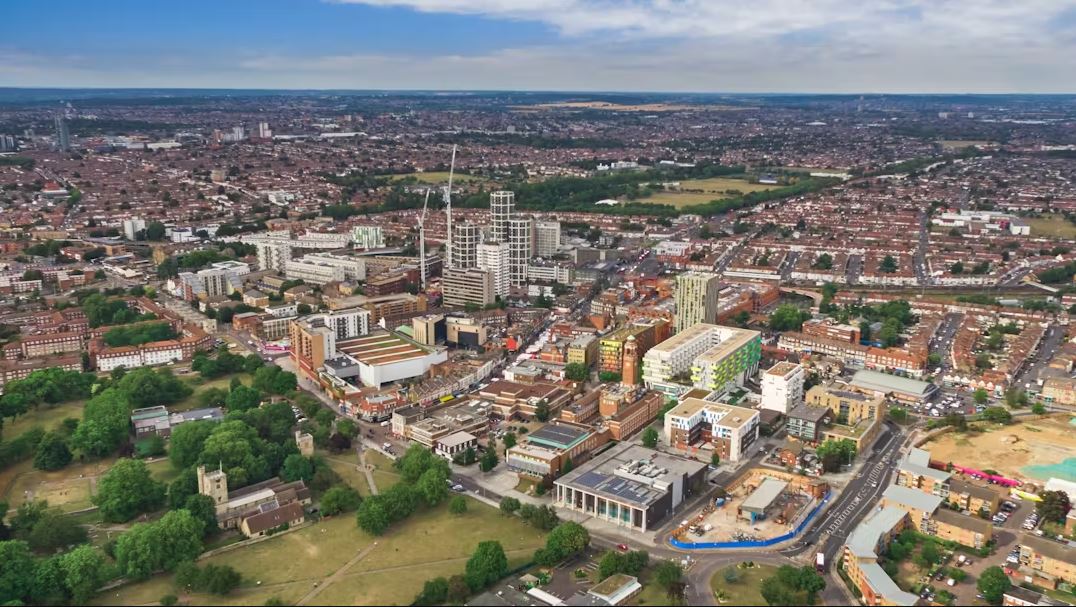
Barking and Dagenham is one of the most affordable boroughs in London, with average rents at approximately £1,450 per month across all properties and one-bedroom flats from around £990 to £1,150 per month, depending on the specific area.
It sits on the District Line, putting central London around 30 minutes away. The borough is undergoing active regeneration, with new-build apartment developments alongside established housing stock offering choice at different price points. For a sharer looking for a two-bedroom property at the lowest possible price in East London, this is often the answer.
I will be transparent about the trade-offs: crime rates in parts of Barking and Dagenham are higher than in Bexley or Sutton, and the lifestyle offer is more limited than in more established commuter hubs. But for renters whose primary need is the lowest possible monthly outgoing in East London, it consistently delivers.
- Average monthly rent:Approximately £1,450 for all properties.
- Commute to central London:Around 30 minutes by District Line
- Best for:Budget-focused renters, sharers, first-time London renters
6. Hillingdon: Affordable In West London

Hillingdon's modern history
Hillingdon covers a wide area in West London and borders Heathrow Airport. Average rents for one-bedroom flats start at around £965 per month in parts of the borough, with two-bedroom flats averaging approximately £1,360.
The borough is served by both the Metropolitan and Piccadilly lines, giving it solid connectivity into Zone 1. For renters who work near Heathrow or in the western corridor of London, Hillingdon often offers the best price-to-convenience ratio available. It is also one of the greenest outer boroughs, with canals, rivers, and woodland covering a significant portion of the area.
The downside is that Hillingdon is large and uneven in character. Some parts feel genuinely suburban and pleasant; others are more industrial in tone. I would recommend narrowing your search to specific areas like Uxbridge or Ruislip within the borough rather than searching broadly.
- Average monthly rent:Approximately £1,600 overall; £965 for a one-bedroom in affordable areas.
- Commute to central London:Around 35 to 50 minutes, depending on the area
- Best for:West London workers, airport-connected professionals, renters wanting green space
7. Lewisham: Affordable South East London With Culture
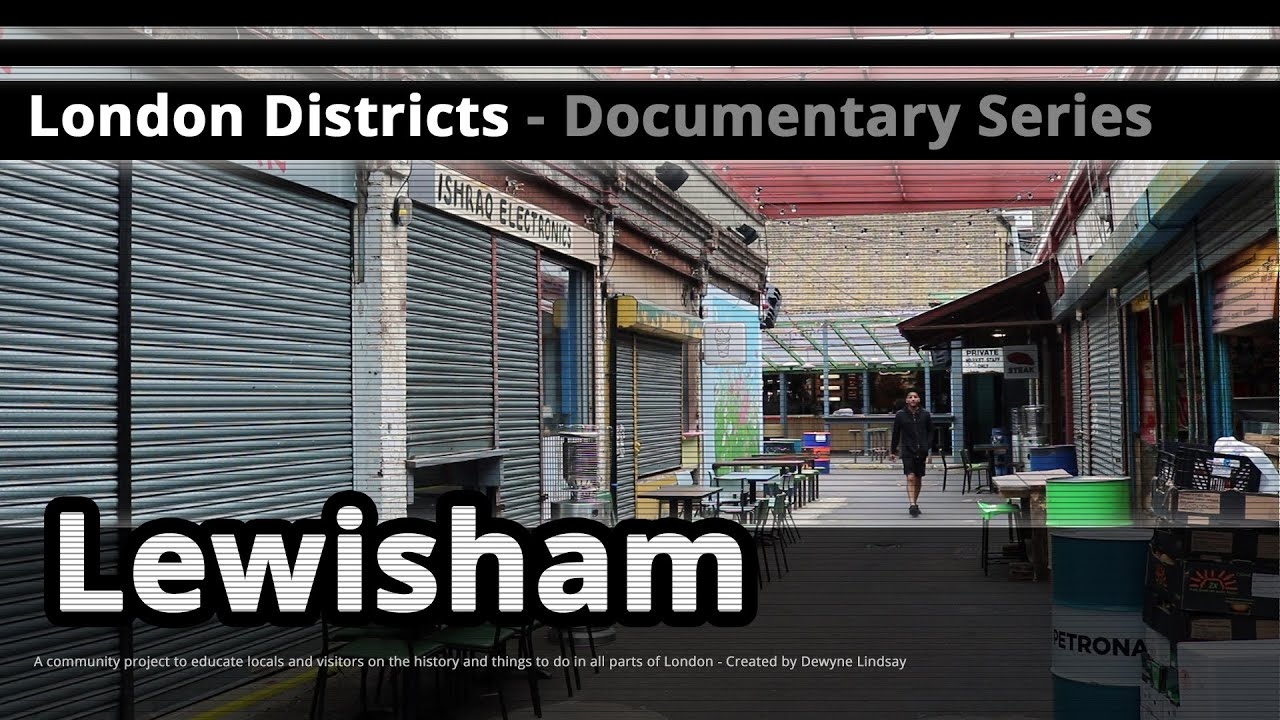
London Districts: Lewisham (Documentary)
Lewisham offers one-bedroom flats at an average of around £1,077 per month for asking rents, with two-bedrooms at approximately £1,548. It sits just 6 miles from central London and is well-connected by Overground, National Rail, and bus routes.
What I find interesting about Lewisham is that it carries some of the cultural energy of its more expensive neighbours, Brockley, Honor Oak, and Crofton Park, at significantly lower prices. The borough hosted the Mayor of London's Borough of Culturein 2025, which brought increased investment and visibility.
The atmosphere is diverse, creative, and community-focused in its better-known neighbourhoods. For a renter who wants a slice of South London character without paying Peckham or Brixton prices, Lewisham is one of the most underrated options on this list.
- Average monthly rent:Approximately £1,077 for a one-bedroom asking rent.
- Commute to central London:Around 20 to 35 minutes.
- Best for:Young professionals, creative renters, sharers wanting South London energy.
8. Enfield: Space And Schools In North London
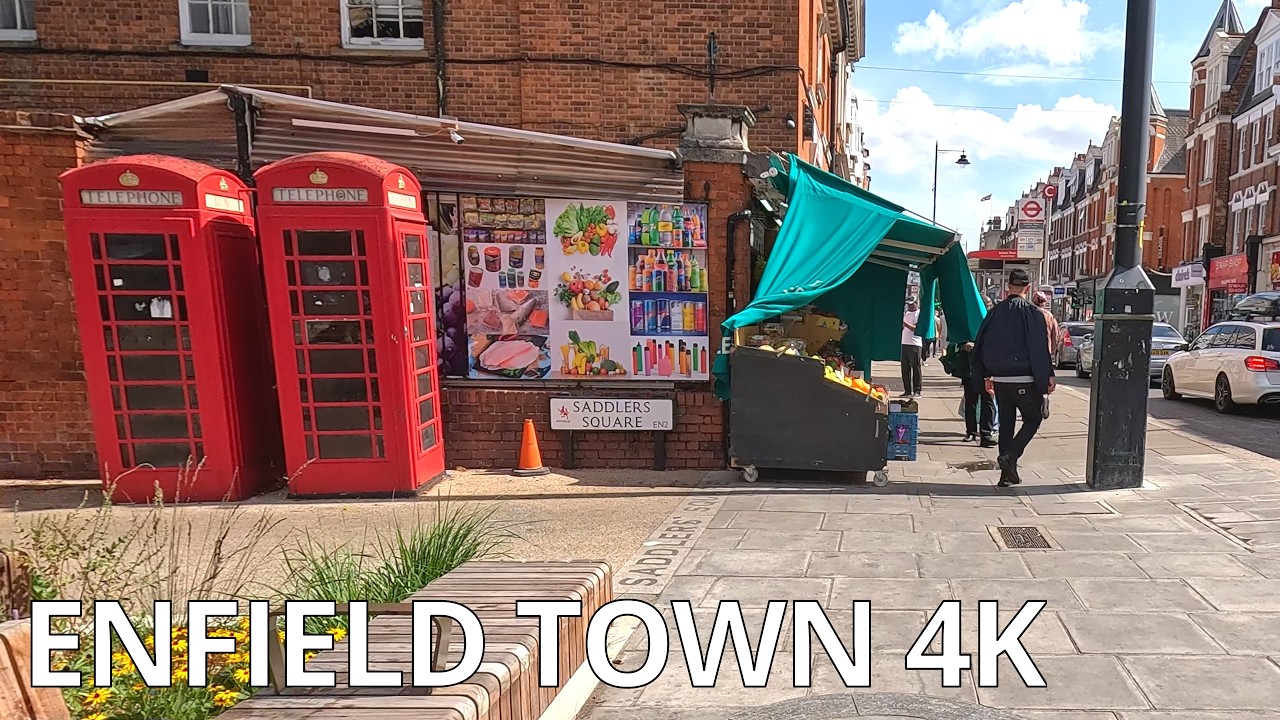
ENFIELD TOWN, Town Walk, Summer Holiday Sunday / London EN2 – N115 [4K]
Enfield is one of the more spacious boroughs in the capital, offering large family homes and a suburban character that is genuinely hard to find at lower price points. One-bedroom rents vary but generally sit in the lower range compared to inner North London boroughs.
The borough is well-served by National Rail routes into Liverpool Street and by Overground connections. It has a reputation for good schools and a strong sense of community in areas like Palmers Green and Winchmore Hill. For a family priced out of Barnet or Haringey, Enfield is the logical next step without leaving North London.
I would be honest that Enfield's eastern wards have higher deprivation levels than the western side, so being specific about which area within the borough you are targeting matters more here than in some other boroughs on this list.
- Average monthly rent:Generally below £1,700 for most property types.
- Commute to central London:Around 35 to 50 minutes by rail.
- Best for:Families, North London renters wanting more space, and school-age children.
9. Redbridge: Elizabeth Line Value In East London

Redbridge is a London Borough: ethnically diverse with extremes of wealth & deprivation. London Walk
Redbridge, centred around Ilford, has seen its value proposition shift substantially since the Elizabeth Line opened. Properties around Ilford and Seven Kings now offer sub-20-minute journeys to Liverpool Street and Canary Wharf, at rents that still reflect the pre-Crossrail pricing of outer East London.
One-bedroom flats in parts of Redbridge can be found below £1,000 per month in some areas, though the borough average sits higher. The area has a large, diverse community, a busy high street in Ilford, and a noticeably lower crime rate than several inner London boroughs.
This is one of the boroughs I expect to see significant rental growth in over the next two to three years as the Elizabeth Line effect fully feeds through into market prices. If you are looking for value with connectivity, getting in now makes more sense than waiting.
- Average monthly rent:One-bedroom below £1,000 in some areas.
- Commute to central London:Under 20 minutes via Elizabeth Line from Ilford.
- Best for:Young professionals, East London workers, sharers wanting strong connectivity.
10. Waltham Forest: Affordable With A Thriving Character
London borough of Waltham Forest
Waltham Forest has a one-bedroom average asking rent of approximately £1,060 per month and is one of the most liveable boroughs in this price range in terms of what it offers day to day.
Walthamstow Village, the market, the wetlands, and the growing food and culture scene make this borough genuinely appealing rather than merely affordable. It borders Hackney and Haringey and carries some of that energy at lower prices. The Victoria Line from Walthamstow Central is fast, placing Zone 1 around 20 minutes away.
The honest caveat is that Waltham Forest rents have been rising faster than most other boroughs on this list. The affordability that made it popular is slowly eroding, and renters acting now will get better value than those searching in 12 months.
- Average monthly rent:Approximately £1,060 for a one-bedroom asking rent.
- Commute to central London:Around 20 minutes via the Victoria Line from Walthamstow.
- Best for:Young professionals, those wanting East London culture at reduced prices
Which Cheap Borough Is Right For You?
Not all affordable boroughs suit the same renter. Here is how I would direct someone depending on their situation.
Best For Families
Sutton, Bexley, and Havering are the standout choices. All three offer good schools, low crime rates, green space, and properties large enough for children. Sutton has the strongest school reputation; Bexley offers the lowest overall rent; Havering gives the most physical space for the price.
Best For Young Professionals
Croydon and Waltham Forest offer the best combination of commute speed, lifestyle, and price for professionals who need to reach Zone 1 regularly. Lewisham is a strong third choice, particularly for those working in the City or Canary Wharf.
Best For Sharers
Barking and Dagenham and Havering offer the most competitive prices on two and three-bedroom properties, which is where flat-sharing makes the greatest financial sense. Redbridge around Ilford is also worth considering for sharers who want Elizabeth Line connectivity at lower per-person costs.
Practical Tips For Renting In London's More Affordable Boroughs
Finding a cheap borough is the first step. Getting the best deal within that borough takes a bit more work. Here is what I have learned from tracking London's rental market:
- Target specific parts of a borough, not the whole area.Bexley's cheapest rents are in Erith and Thamesmead rather than Bexleyheath. Croydon's best value is in Thornton Heath rather than the town centre.
- Move fast on viewings.Properties in cheaper boroughs still move quickly. The average London property is available for around 16 days before being let.
- Calculate your total monthly costbefore deciding. Add rent, council tax, average utilities, and transport. Then compare across at least two boroughs before signing anything.
- Consider a slightly longer lease.Landlords in outer boroughs are often more willing to negotiate on price in exchange for a longer fixed term. Asking for 18 months instead of 12 can sometimes bring the rent down.
- Check for regeneration projects.Areas with planned regeneration often offer a window of affordability before demand catches up with investment. Croydon, Barking, and parts of Enfield are currently in that window.
Read Also: Poorest Boroughs In London
Frequently Asked Questions About The Cheapest London Boroughs To Rent
What Is The Cheapest Borough To Rent In London?
Bexley is the cheapest borough to rent in London, with an average monthly rent of £1,485 across all property types according to 2025 ONS-based data.
What Are The Top Five Cheapest Boroughs To Rent In London?
The five most affordable boroughs are Bexley at £1,485, Sutton at £1,521, Havering at £1,522, Croydon at £1,525, and Barking and Dagenham at approximately £1,450.
What Is The Average Rent In London?
The average monthly rent across all London boroughs is £2,252, up 7.3% from 2024, according to ONS data.
Is It Worth Renting In An Outer Borough For A Longer Commute?
In most cases, yes. Saving £500 or more per month often outweighs the cost of an extra 20 minutes on public transport, particularly if you work from home part of the week.
What Is The Cheapest Part Of South London To Rent?
Croydon and Sutton are the most affordable South London boroughs, with average rents between £1,521 and £1,525 per month. Croydon has the faster commute; Sutton has the better safety and school ratings.
What Is The Cheapest Part Of East London To Rent?
Barking and Dagenham offers the lowest headline rents in East London, with one-bedroom flats available from around £990 per month. Redbridge around Ilford is also competitive and has better Elizabeth Line connectivity.
Are Cheap London Boroughs Safe To Live In?
Safety varies within boroughs as much as between them. Sutton, Bexley, and Havering consistently rank among London's safest boroughs overall. Always check ward-level crime data on the Metropolitan Police website before committing to a specific street or area.
Does The Elizabeth Line Make Outer East London Worth Renting?
Yes, significantly. Boroughs like Redbridge and Barking and Dagenham now offer sub-20-minute access to Liverpool Street via the Elizabeth Line, which makes the commute argument for outer East London far more compelling than it was five years ago.
What Is The True Monthly Cost Of Renting In A Cheap London Borough?
Rent plus council tax plus utilities plus transport typically adds up to £2,000 to £2,400 per month, even in the cheapest boroughs, depending on property size and commute zone. That is still meaningfully lower than living in inner London.
Which Cheap Borough Is Best For Families?
Sutton is the most recommended for families, combining low crime, strong schools, good green space, and rents averaging £1,521 per month. Bexley and Havering are close alternatives, depending on whether South or East London better suits your situation.
Final Thoughts
Renting in London does not have to mean spending most of your income on a flat you can barely fit into. The boroughs I have covered in this guide prove that affordability and livability can exist in the same postcode.
The key lesson I would take from all of this data is to calculate your total cost, not just your rent. Transport, council tax, and utilities together can shift the ranking of boroughs significantly. A borough that looks expensive on rent might end up cheaper in practice because of a shorter commute season ticket. That calculation is worth doing before you start viewing.
My honest recommendation: start with Croydon if commute speed is your priority, Bexley or Sutton if family life and safety matter most, and Redbridge or Waltham Forest if you want to stay in the East London orbit. All of them offer a version of London that is genuinely worth living in, at prices that give your finances room to breathe.
Jump to
Key Takeaways
What Counts As Affordable? Understanding London's Rental Market
The True Cost Of Renting Cheap
The 10 Cheapest Boroughs To Rent In London
Which Cheap Borough Is Right For You?
Practical Tips For Renting In London's More Affordable Boroughs
Frequently Asked Questions About The Cheapest London Boroughs To Rent
Final Thoughts

James Rowley
Author
James Rowley is a London-based writer and researcher covering London life, cultural geography, London travel, live London webcam pages and selected public figures across entertainment, sport, business and public life.
For over 15 years, he has focused on verified sources, first-hand local context and clear explanations that help readers understand both places and people more deeply. His work combines street-level London knowledge with careful research into career credits, media work, business interests and, where relevant, transparently explained net worth estimates.
He writes and reviews articles published on LondonWebcam.
Latest Articles
Popular Articles